The Shuttle Lift At Whitechapel Station
Whitechapel station is an unusual station on the London Overground/Underground network, as the two Overground tracks are underneath the two Underground tracks.
But then Marc Brunel and his more famous son; Isambard didn’t realise that their Thames Tunnel would eventually be part of London’s circular Overground railway.
The interchange is further complicated, by the Elizabeth Line being dozens of metres below the Overground, so that is connected to the main station bridge concourse by a giant three-barrel escalator.





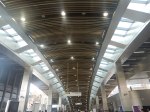
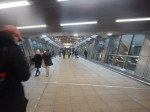
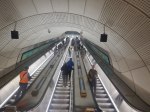
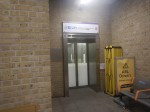
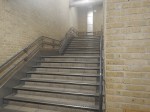
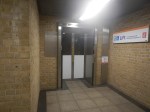
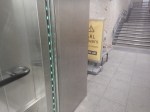
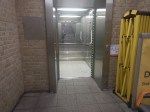
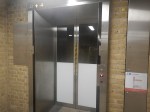
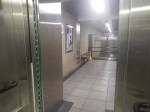
A single shuttle lift and a set of stairs connect the bridge concourse to the Northbound Overground platform.






Note.
- The route is well used, as passengers have realised it is the fastest way between the Elizabeth Line and the Northbound London Overground.
- Judging by the number of passengers, who exit from the first car of Northbound Overground trains, this route could be a popular one for passengers from South London, who are continuing their journey on the Elizabeth Line.
- I use the route to come home with shopping, I’ve bought along the Elizabeth Line. I can manage the Lizzie Line escalators with two shopping bags and after rising from the depths at Whitechapel, I can take this lift to the first car of a train for Dalston, where there is a lift to the street and a bus to home.
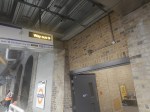
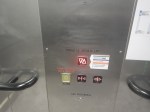
- The lift has only two stops and one button is used to shuttle it, between the stops.
- The lower lift stop is perhaps ten metres from the first car of Northbound Overground train.
- The upper lift stop is perhaps ten metres from the bridge concourse and twenty from the escalator to the Elizabeth Line.
Strangely, the lift and stairs arrangement is more complicated on the Southbound platform of the Overground.
London’s transport network needs more simple shuttle lifts like this.
Beeching Reversal – Goodrington and Churston Stations
This is one of the Beeching Reversal projects that the Government and Network Rail are proposing to reverse some of the Beeching cuts.
I wrote about a similar project, that had been proposed by the Association of Train Operating Companies in Between Exeter And Paignton. after I visited Devon, three years ago.
The basic idea is described in a section called Plans in the Wikipedia entry for the Riviera Line, where this is said.
In 2009 the Association of Train Operating Companies identified Brixham as one of fourteen towns for which the provision of a new railway service would have a positive benefit-cost ratio. This would be an extension of the Great Western Railway service beyond Paignton to Churston station on the Paignton and Dartmouth Steam Railway, which would then act as a railhead for Brixham. It would also serve other housing developments in the area since the opening of the steam railway, and may require the doubling of that line between Paignton and Goodrington Sands.
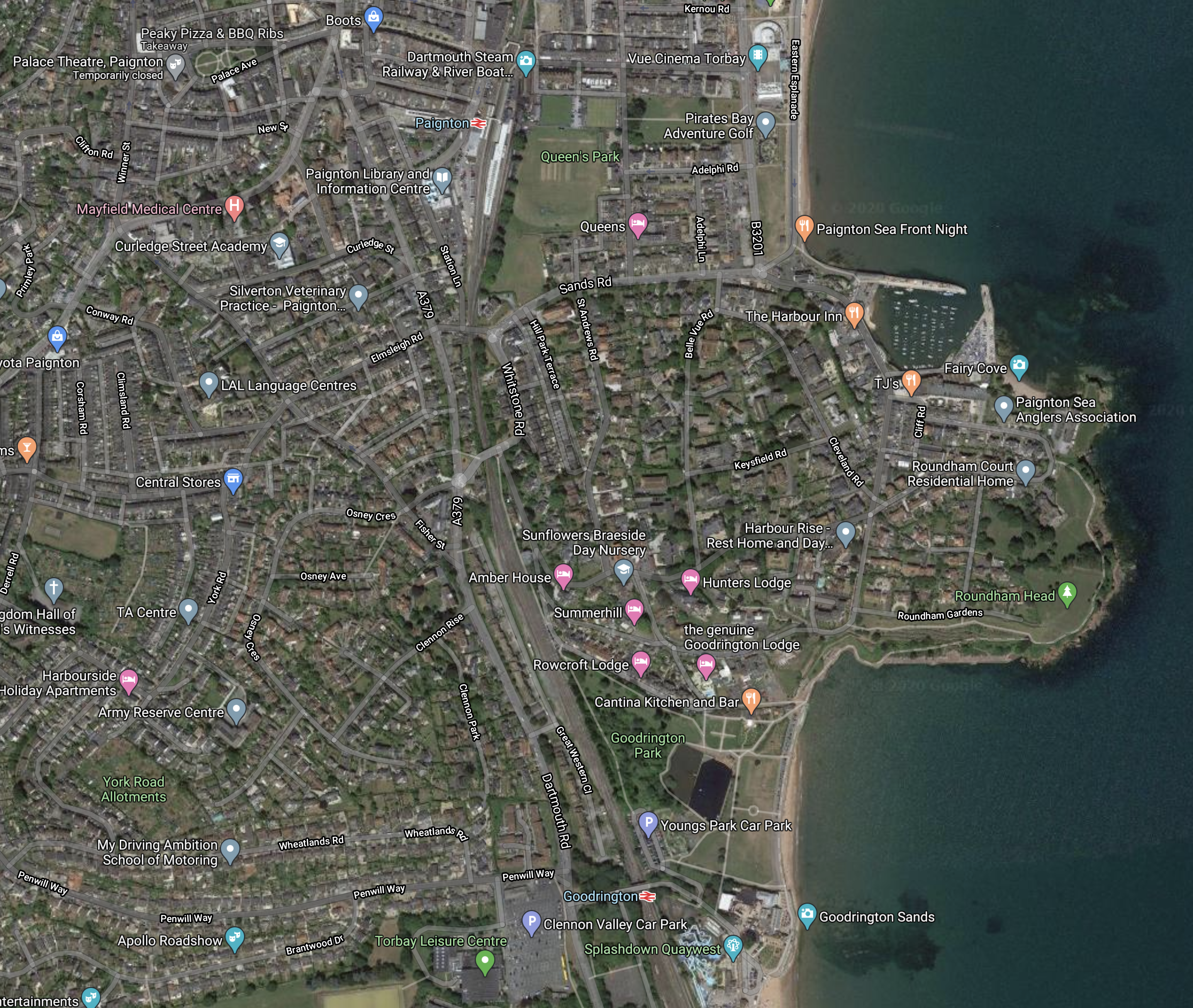
This Google Map shows between Paignton and Goodrington Sands stations.
Note.
- Paignton station is marked by a station sign towards the top of the map.
- Goodrington Sands station is towards the bottom of the map.
The two stations seem well placed to serve the serve the town of Paignton and its beaches.
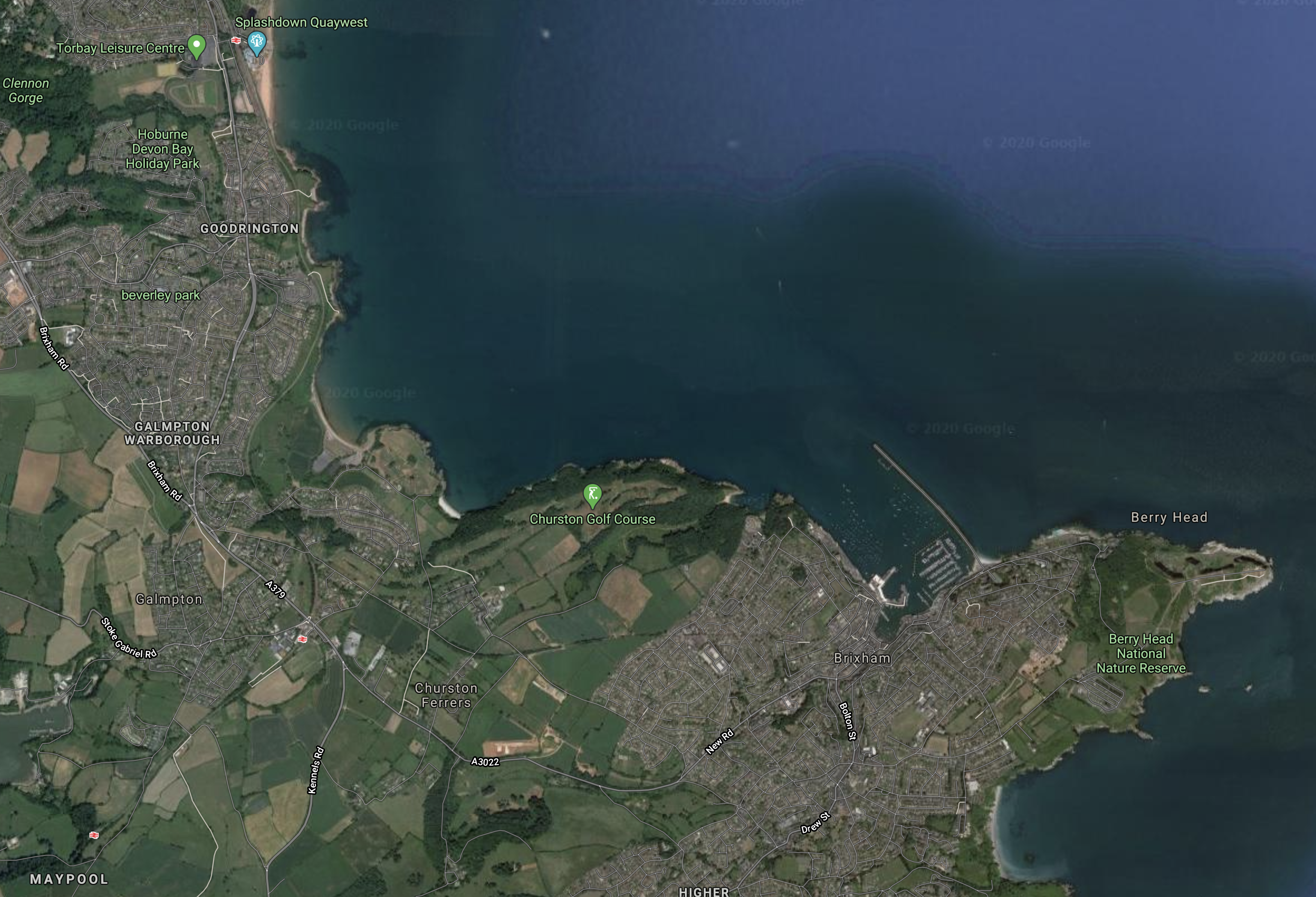
This second Google Map shows the Goodrington Sands and Churston stations in relation to Brixham and Berry Head.
Note.
- Goodrington Sands station is at the top of the map.
- Two other stations on the Dartmouth Steam Railway are shown; Greenway Halt and Churston.
- Churston station is the most Northerly of the pair.
Churston station looks well-placed for Brixham.
These are my thoughts.
The Current Train Service
The train service between Paignton and Exeter St. Davids is run by Great Western Railway.
There are basically two services,
- A two train per hour (tph) service between Paignton and Exmouth via Torquay and Exeter St. Davids. I have used it and it is a useful local service for commuters, shoppers and visitors, although it could do with some modern trains.
- Occasional trains during the day to London Paddington.
There are also some CrossCountry trains going to and from Manchester Piccadilly.
The Dartmouth Steam Railway also runs trains between Paignton and via Goodrington Sands and Churston.
Hitachi’s Regional Battery Train
This train is described in this infographic from Hitachi.

I believe it will revolutionise rail travel in the South West of England, as shorter lengths of electrification, will enable this train based on current Class 800 and Class 802 trains to run all-electric services between London Paddington and Exeter St. Davids, Newquay, Paignton, Penzance and Plymouth.
Exeter St. Davids As A Hub For Battery Electric Trains
Exeter St. Davids station could become a major hub for battery electric trains.
These are distances to various stations.
- Barnstaple – 39 miles
- Exmouth – 11 miles
- Paignton – 28 miles
- Plymouth – 52 miles
- Taunton – 32 miles
- Yeovil Junction – 49 miles
All of these would be in range of a Hitachi Regional Battery Train or any battery electric train with sufficient range, that was fully-charged at Exeter St. Davids station.
The station has plenty of space and several long platforms, so I believe it would make an ideal hub for battery electric trains.
Could Battery Electric Trains Work The Riviera Line?
The Riviera Line was designed by Brunel for atmospheric power. Perhaps, he had observed the weather and felt the massive seas would make it difficult for for the steam locomotives of the day?
As an Electrical Engineer, I certainly couldn’t recommend electrifying through Dawlish with 25 KVAC overhead wires.
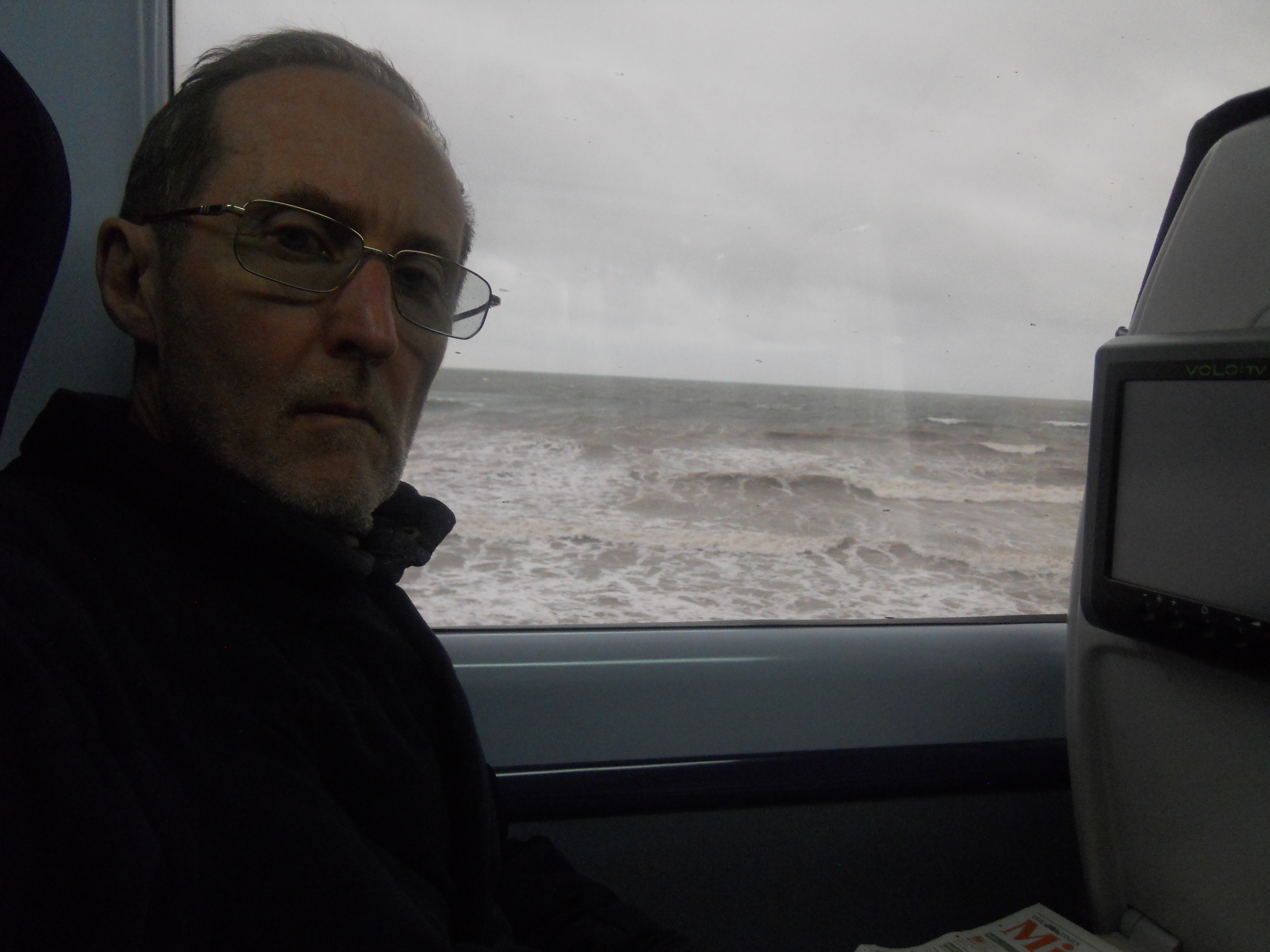
I took the picture from an InterCity 125 in 2011 and the seas seem to have got worse. Remember, that the line was washed away at Dawlish in February 2014.
But Hitachi’s Class 802 trains, seem to be handling the route on diesel power, without too much trouble.
I would expect that if one or more of the diesel engines are swapped for battery packs that the performance in heavy seas will not be worse.
But the biggest advantage of battery electric trains on the Riviera Line would surely be one of marketing.
And not just of the environmentally-friendly train service by Great Western Railway and CrossCountry, but by Hitachi in the marketing of their trains all over the world.
The only minor problem, I can see, could be the provision of charging at Paignton, as a 28 mile journey twice might be on the limit of the range of a battery electric train. Unless of course, bigger batteries were fitted!
A Splash-and-Dash At Newton Abbott
Newton Abbott station is roughly halfway between Plymouth and Exeter St. Davids and might be needed to give a Splash-and-Dash to trains between Devon’s two cities.
Some trains terminate at the station and others seem to take a leisurely stop at the station, so it could be a valuable calling point in a discontinuous electrification strategy.
Edginswell Station
Wikipedia has an entry for a new Edginswell station.
This is said.
Edginswell railway station is a proposed station in the Edginswell area of Torquay, Devon. The station would be located on the Riviera Line between Newton Abbot and Torre stations. Edginswell will be the location of employment and housing development and the new station will support this development. The station would also serve Torbay Hospital, The Willows retail park and the Torquay Gateway development area.
Plans for the station are being developed by Network Rail and Devon County Council.
This Google Map shows the area, where I think the station could be built.

Note.
- The large red dot indicates Edginswell.
- The main road across the map, was built on the North side of the Riviera Line.
- The Willows retail park lies to the North of the Hospital on the other side of the road and the railway.
- Torbay Hospital lies in the bend of the road and the railway.
This second Google Map shows an enlargement of the area to the North of the large red dot in the previous map.

Note.
- The A380 or South Devon Expressway leaving the map to the North-West. This road connects Torquay and the neighbouring towns and villages to the A38 and M5, which connect to the rest of the UK Motorway network.
- The Riviera Line passing across the North-East corner of the map.
Could this be the position to build a large Park-and-Ride station?
- It is a sizeable site, with good rail and road connections.
- I would estimate that the distance between Edginswell and Churston is under ten miles.
- Frequent electric shuttle buses could take people to the hospital and the nearby retail parks.
- Battery electric shuttle trains with a frequency of up to four tph could run between Exeter St. Davids and Paignton or another suitable terminal.
- Shuttle trains could charge at Edginswell and probably manage two round trips in an hour.
- This article on DevonLive is entitled Gridlocked Devon: Pollution – The Invisible Killer On Devon’s Roads, says a lot in the title.
- Long distance trains run by Great Western Railway or CrossCountry could call.
- Could some heritage trains terminate at Edginswell station?
- Would a Park-and-Ride station allow some of the land taken up by car parking along the coast, to be released for other purposes, more in tune with today’s mood?
It would be very interesting to see what would happen, if Edginswell station was built as a Park-and-Ride station with a Turn-Up-and-Go service to Torquay and Paignton and their beaches.
Paignton Station
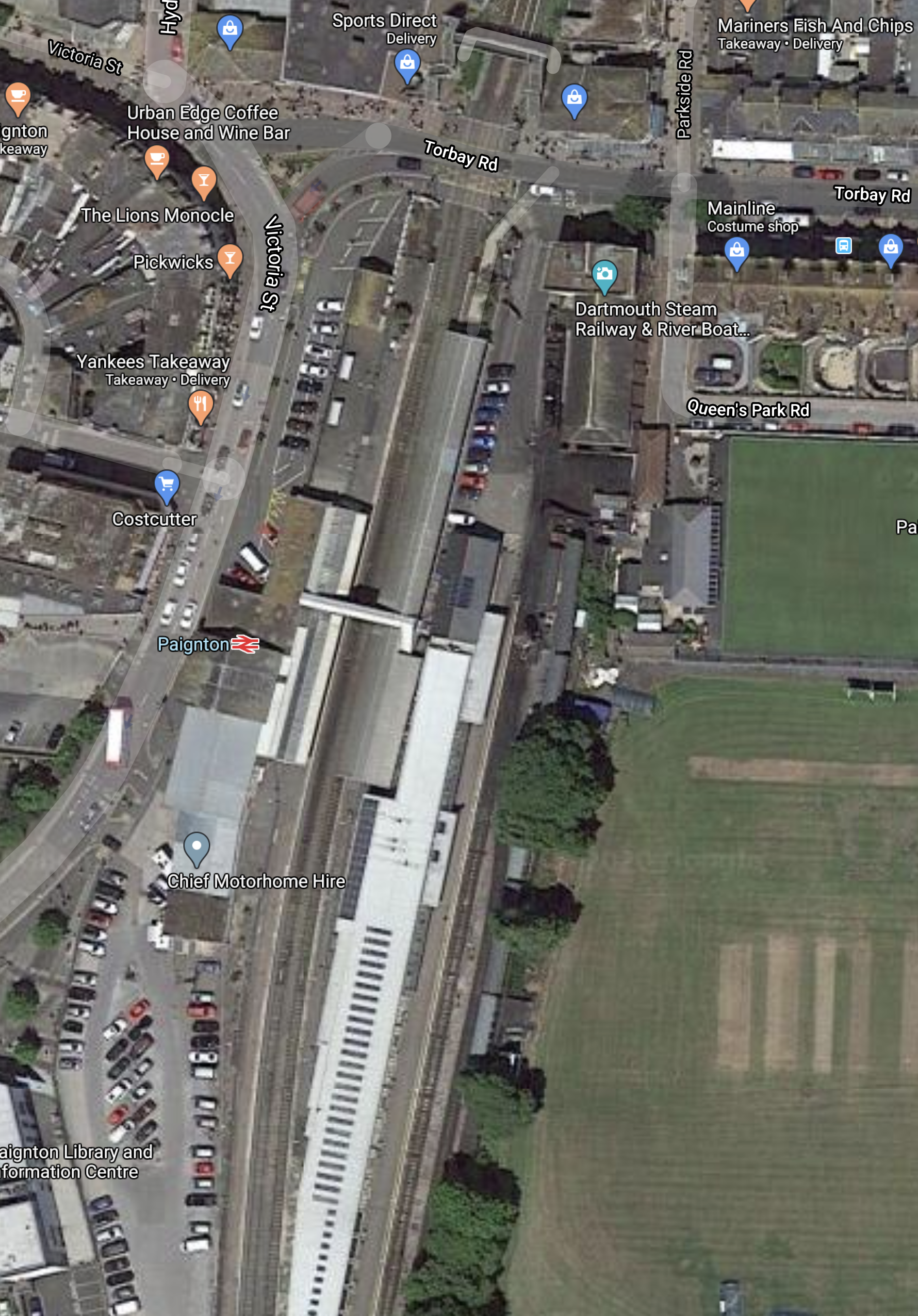
This Google Map shows Paignton station.
Note.
- The station has three National Rail platforms and one heritage platform for the Dartmouth Steam Railway.
- There is also a level crossing at the Northern end of the station, where Torbay Road crosses the railway.
Obviously, I don’t know the definitive answer, but would fitting a Fast Charge system to charge battery trains into the station be difficult because of the lack of space.
Goodrington Sands Station
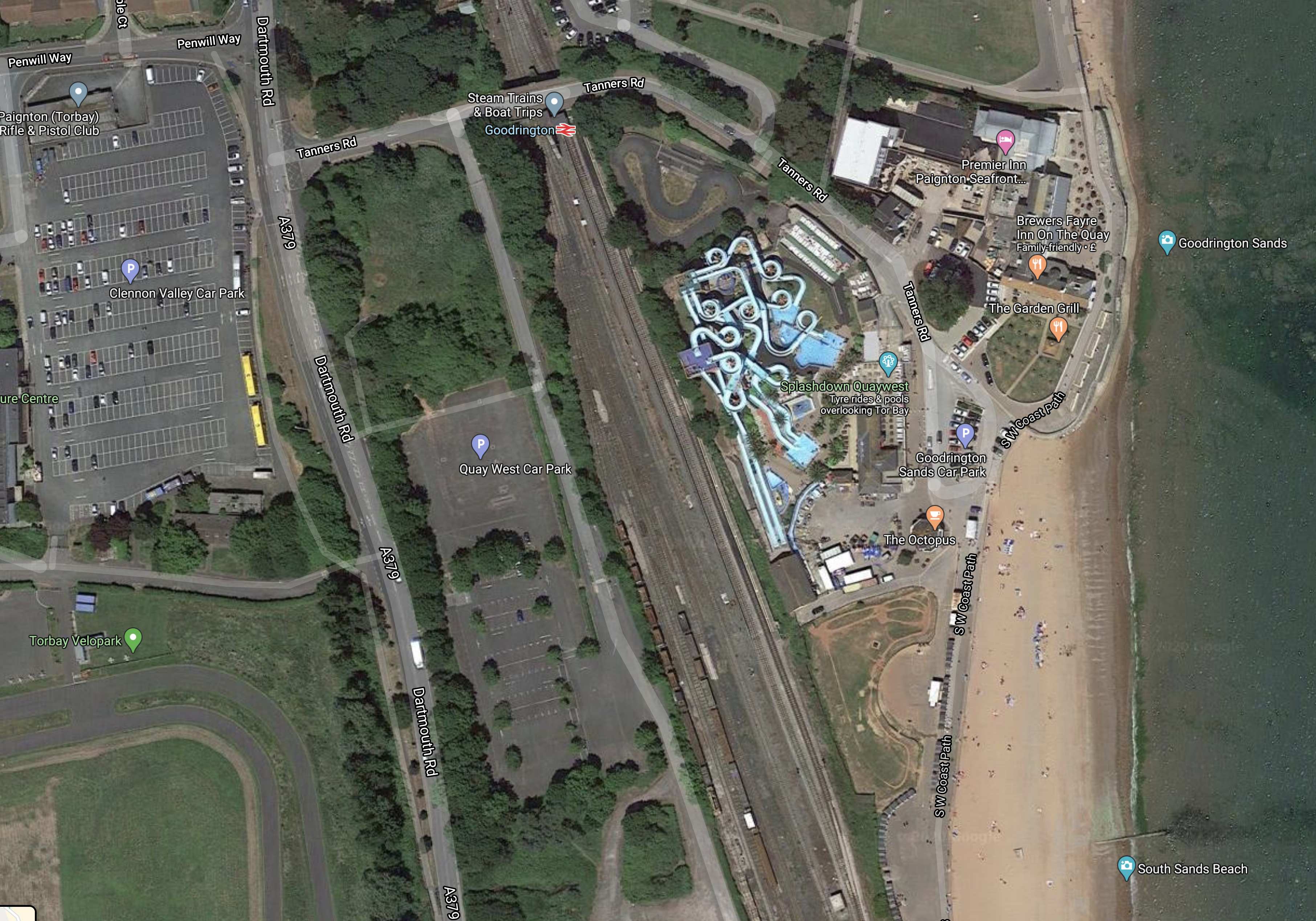
This Google Map shows Goodrington Sands station.
Note.
- Goodrington Sands station has two platforms.
- There is a comprehensive track layout between Paignton and Goodrington Sands stations.
- South of Goodrington Sands station, the line becomes single-track
- Goodrington Sands station appears to be surrounded by car parks.
- The only bridge across the railway appears to be at the North end of the station.
I think that a well-designed Goodrington Sands station could feature the following.
- Charging for battery trains.
- There might be a bay platform to turn and charge trains.
- A step-free bridge across the tracks.
- Easy walking routes to the nearby attractions.
- At least four tph to and from Edginswell, if that is built as a Park-and-Ride station.
Churston Station
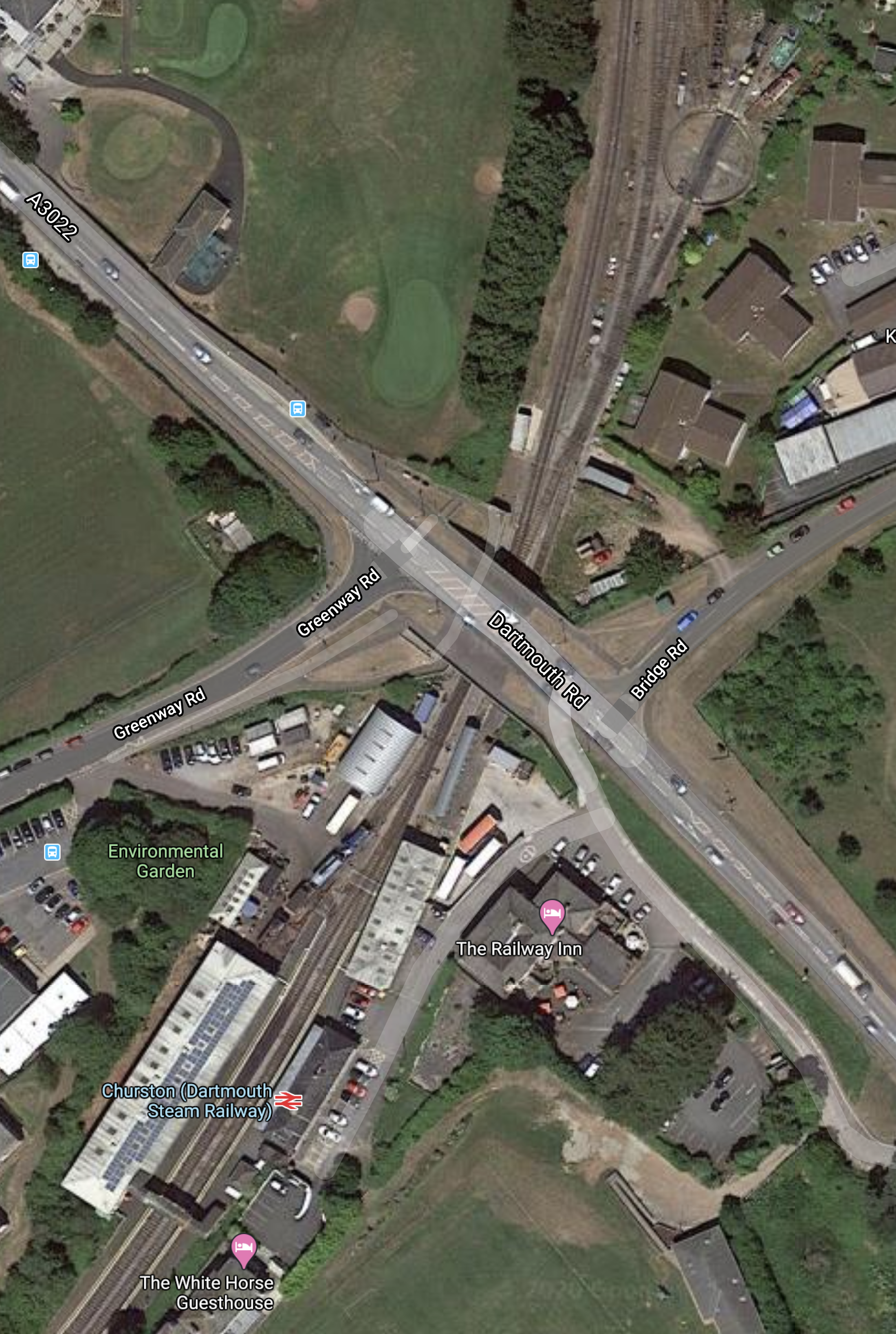
This Google Map shows Churston station.
Note.
- Churston station is towards the South-West corner of the map.
- The station has two platforms.
Until I see the station, I am inclined to think, that the site would be a difficult one, in which to fit a Fast Charge system.
Conclusion
I can see the addition of Goodrington Sands and Churston turning the Riviera Line into a Coastal Metro between Exmouth and Churston.
I do think, the following would make it the ultimate rail line for the area.
- A Park-and-Ride station at Edginswell.
- Battery electric operation.
- A Turn-Up-and-Go frequency of four tph, between Exeter St. Davids and Churston.
- Two tph between Exmouth and Churston.
- One tph between London Paddington and Churston.
- One tph between Manchester Piccadilly and Churston.
It may be that some trains will turn back at Paignton or Goodrington Sands.
There are certainly a lot of possibilities.
The Brunel Museum
The Brunel Museum is just a short walk from Rotherhithe on the East London Line and is well-signposted from there.
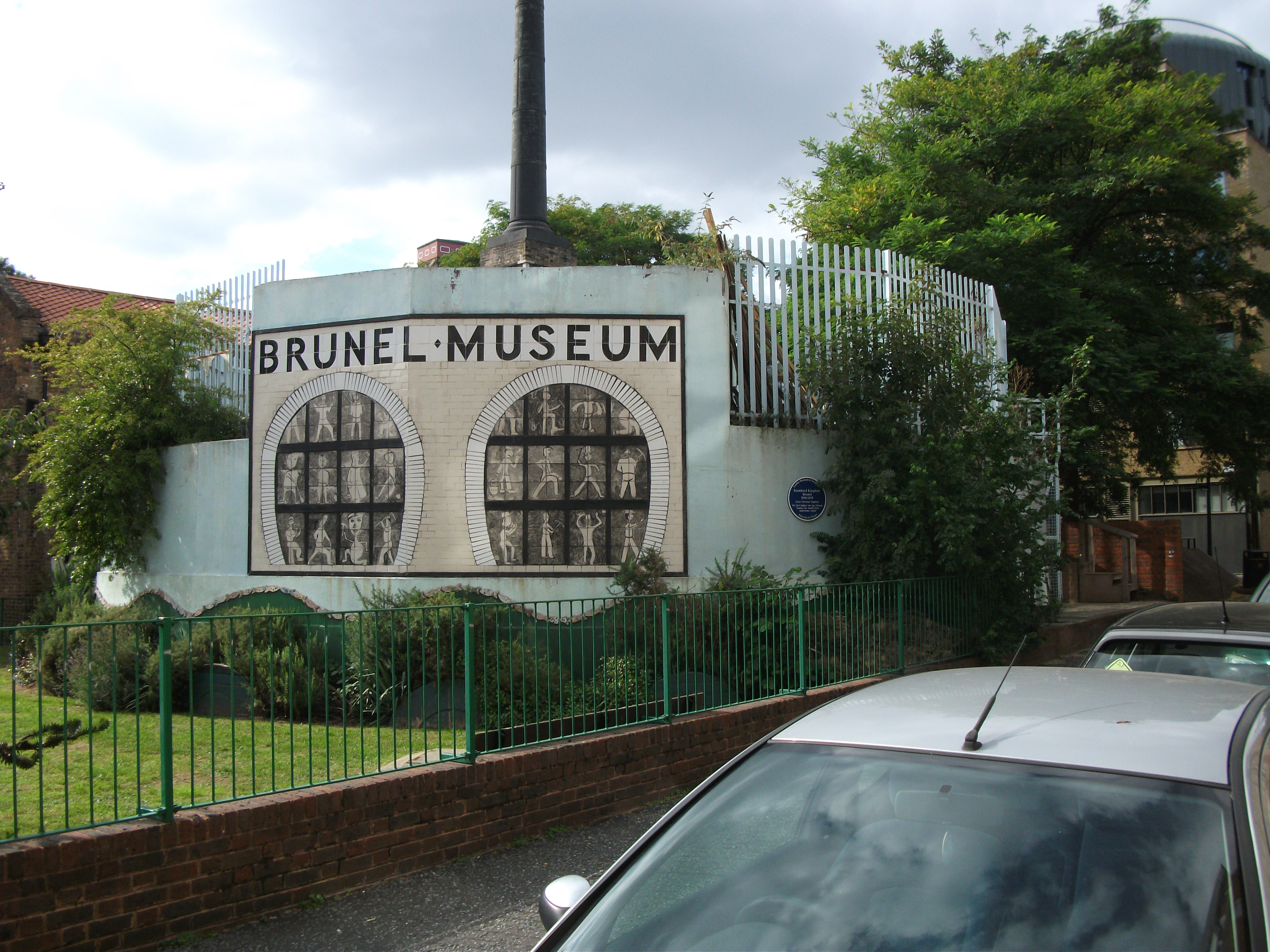
The Brunel Museum
It is a small museum with some good displays about Isambard Brunel and his often forgotten father, Marc. It is well worth the entrance fee of £2.
One of my most favourite books is the biography of Isambard Kingdom Brunel
 The Anonymous Widower