Could London Overground Extend To Hertford East Station?
London Overground’s Future Plans
This table summarises London Overground’s improvements and future plans
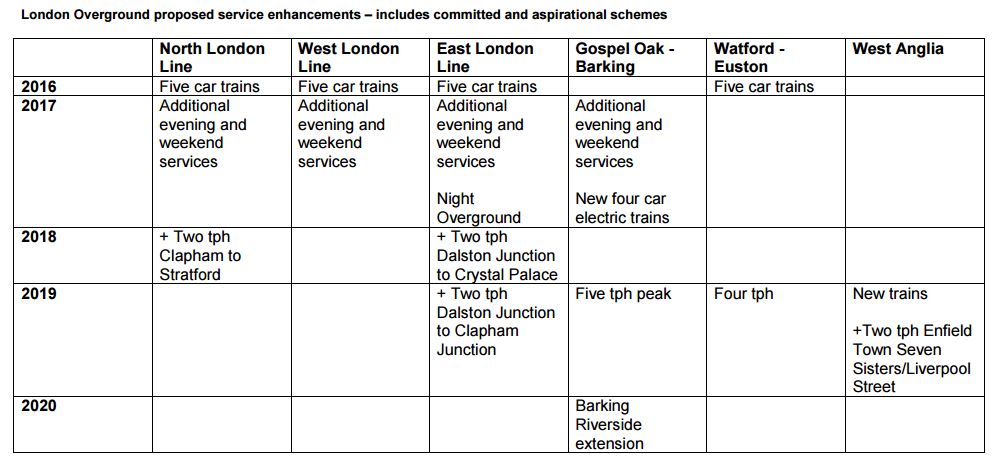
Note that in 2019, it is proposed that two extra trains per hour (tph) are added to services between Liverpool Street and Enfield Town stations.
I was also told at the weekend, a strong rumour, that in 2020, London Overground will be taking over the following services.
- Northern City Line services between Moorgate and Gordon Hill, Hertford North, Stevenage and Welwyn Garden City.
- Services to Hertford East station.
The first has been mooted for some time, but is supposedly stalled because of differences between Chris Grayling and Sadiq Khan. The second was rather a surprise.
So what will be the result of the Hertford East services being the responsibility of the London Overground?
Greater Anglia’s Services
Greater Anglia‘s current services along the West Anglia Main Line (WAML) are as follows.
- Two tph between Liverpool Street and Hertford East stations.
- Two tph between Stratford and Bishops Stortford stations.
- Two tph between Liverpool Street and Cambridge/ambridge North stations.
- Four tph between Liverpool Street and Stansted Airport.
In the past Greater Anglia have run Stansted services to and from Stratford and have said they may do so again.
This means that Greater Anglia run ten tph along the WAML between Tottenham Hale and Broxbourne stations.
Compare this with the measly two tph, that run between Edmonton Green and Cheshunt stations using the alternative Southbury Loop. The only other movements on this line appear to be a few empty stock movements and freight trains. But not many!
Judging by some of the empty stock movements, I suspect that Greater Anglia have problems positioning their extra trains before and after the Peak.
Rolling Stock To Hertford East
Currently, Greater Anglia run eight-car Class 317 trains to Hertford East station. These are 160 metres long and seat nearly 600 passengers in two classes.
Their new Class 720 trains come in two sizes.
- Five cars – 122 metres long, seating 540
- Ten cars – 243 metres long, seating 1100
Could it be that the five-car trains are too small and the ten-car trains are too long for the platforms on the Hertford East Branch?
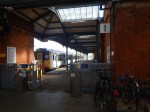
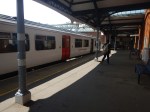
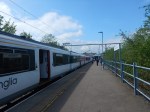
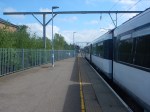
These pictures show that the platforms at Hertford East station are just long enough for two four-car Class 317 trains working as an eight-car formation. I doubt that a ten-car Class 720 train will fit these platforms and it appears that lengthening the platforms could be difficult.
On the other hand, London Overground’s four-car Class 710 trains are the same length as Class 317 trains.
So could it be that Greater Anglia would prefer that they didn’t have a service to Hertford East station?
Liverpool Street Or Stratford?
Crossrail will have one big effect on the planning of services on the WAML and the Lea Valley Lines, in that the new line will call at both Liverpool Street and Stratford stations, when it eventually opens.
Connectivity
It will be a two-stop journey between the two stations, which in addition are both well-connected to the Underground.
There is very little difference in connectivity between the two stations.
Capacity
Liverpool Street is getting to be full and given more services will be run along the Great Eastern Main Line, it could do with some capacity enhancement.
Stratford though has only two platforms connected to the WAML.
But there is the little-used High Meads Loop under the Eastfield Shopping Centre, which has been used in the past to turn Stansted Express trains, when they served Stratford.
Loops like this can easily handle at least 12 tph, as they do in Liverpool with the Wirral Line.
The High Meads Loop was well-designed to accept a lot of trains.
- It is double-track.
- Both tracks have a platform at Stratford capable of accepting a twelve-car Class 745 or Class 720 train.
- Both platforms are wide and step-free with lifts.
- The driver doesn’t have to change ends, when using the loop, so the loop will be efficient.
- An extra stop could be added at Stratford International station.
It is London’s forgotten terminal station.
Operators Would Get Extra Capacity
The two train operators; London Overground and Greater Anglia would gain extra capacity in London.
Travellers Would Choose
If travellers were able to have a choice of London terminals, I suspect that most would choose the one they liked best, but because of Crossrail, it wouldn’t matter if they ended up at the wrong terminal.
Sorting Out West Anglia Main Line And Lea Valley Lines Local Services
I know there needs to be a bit of a sort-out on the WAML to run four tph between Stratford and Meridian Water stations, but could something more radical be on the cards.
Reasonable objectives based on London Overground’s principles would see the following stopping services.
- Four tph between Seven Sisters and Cheshunt stations via Edmonton Green station.
- Four tph between Seven Sisters and Enfield Town stations
- Four tph between Tottenham Hale and Cheshunt stations via Waltham Cross station
- Four tph between Cheshunt and Hertford East stations.
At the Northern end of the route, there would be three terminal platforms controlled by London Overground, one at Cheshunt and two at Hertford East.
The Aventra Effect
The high-performance Aventras, used by London Overground and Greater Anglia, are ready for digital signalling and designed around fast station stops.
The trains should be able to stop at all stations and maintain the current timetable on the route.
So the timetable could become more passenger friendly, with everything station getting four tph in both directions!
Broxbourne Station Could Be Key
The key at the Northern end could be Greater Anglia’s Broxburne station.
- It has four platforms.
- There would be space for an extra platform and/or a turnback for trains from the South.
- Overground services to and from Hertford East station will call.
- It is planned to be the terminal of Crossrail 2.
Services between Liverpool Street and Stratford stations and Bishops Stortford, Cambridge and Stansted Airport generally stop at Broxbourne.
So could we see cross-platform interchanges between London Overground’s local services calling at all stations to London and Greater Anglia’s fast services?
The Hertford East Difficulty!
At present one difficulty, is that the Hertford East Branch can only handle three tph, which it does in the Peak, so running the required four tph might need dualling the single-track section through Ware station.
These pictures show Ware station and the level crossing.
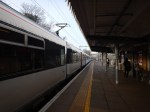

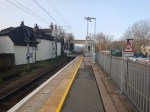


Note.
- The platform can accept a twelve-car train.
- There would be space to install a second platform.
- To the East the single track becomes double after the bridge at the end of the platform and is double all the way to the WAML.
- To the West the single track becomes double after the level crossing at the end of the platform and is double all of the way to Hertford East station.
Laying a second track and adding a second platform at Ware station, is probably the ultimate solution, to provide four tph all day between London and Hertford East.
But I also feel that with precision driving, the nimble Aventras will be able to do four tph, with a procedure something like this.
- The level crossing closes to road traffic.
- A Westbound train arrives in the station and an Eastbound train stops at a signal at the end of the Eastbound track from Hertford East station.
- When the Westbound train has unloaded and loaded the passengers, it leaves the station and takes the Westbound track to Hertford East station.
- When the Westbound train has safely passed the stationary Eastbound train, the points are changed and the Eastbound train moves into the station.
- The level crossing opens to road traffic.
There would be four level crossing closures per hour, which is the same as now, but they could be slightly longer.
I suspect there is a better absolutely safe operating procedure than my naive example.
Eight Tph At Cheshunt Station
As eight tph will be going South from Cheshunt station; four each via Edmonton Green and Waltham Cross, Broxbourne station could turn any that couldn’t be handled at Cheshunt and Hertford East stations.
So we might see the following Northern terminals, if the four tph can run to Hertford East station.
- Four tph at Hertford East; two via Edmonton Green and two via Waltham Cross.
- Two tph at Cheshunt via Edmonton Green
- Two tph at Broxbourne; via Waltham Cross.
All stations between London and Hertford East will get four tph.
Cheshunt station needs a certain amount of rebuilding to make it step-free and possibly remove the level crossing.
A step-free station is essential.
- The station is not a sleepy rural halt.
- Changes between trains from the North to London Overground services mean crossing the footbridge.
- It would give pedestrians, wheelchair users, buggy pushes and others an easy way across the railway, when the level crossing in closed.
Southbound trains from Cheshunt could be.
- Two tph from Cheshunt via Edmonton Green
- Two tph from Hertford East via Edmonton Green
- Two tph from Broxbourne via Waltham Cross
- Two tph from Hertford East via Waltham Cross
Northbound trains from Cheshunt could be.
- Four tph to Hertford East.
- Two tph to Broxbourne.
Judicious timing of Northbound trains could mean that passengers arriving via Edmonton Green at Cheshunt could change to a Hertford East train by walking across the platform.
There are a lot of possibilities to get the best connectivity at the Northern end.
The Southern End
At the Southern End, there will be the following services.
- , Tottenham Hale station will receive four tph from Cheshunt.
- Seven Sisters station will receive four tph from Cheshunt and four tph from Enfield Town.
Both stations will be able to send trains to either Stratford or Liverpool Street.
Seven Sisters Services
Seven Sisters station is easier to sort.
- Half of each group of trains go in each direction.
- Four tph go direct to Liverpool Street stopping at all stations en route.
- Four tph go to Stratford via South Tottenham and Lea Bridge stations.
,Trains to Stratford should turn in the High Meads Loop under Eastfield.
South Tottenham Interchange
This map from carto.metro.free.fr shows the lines at South Tottenham station.
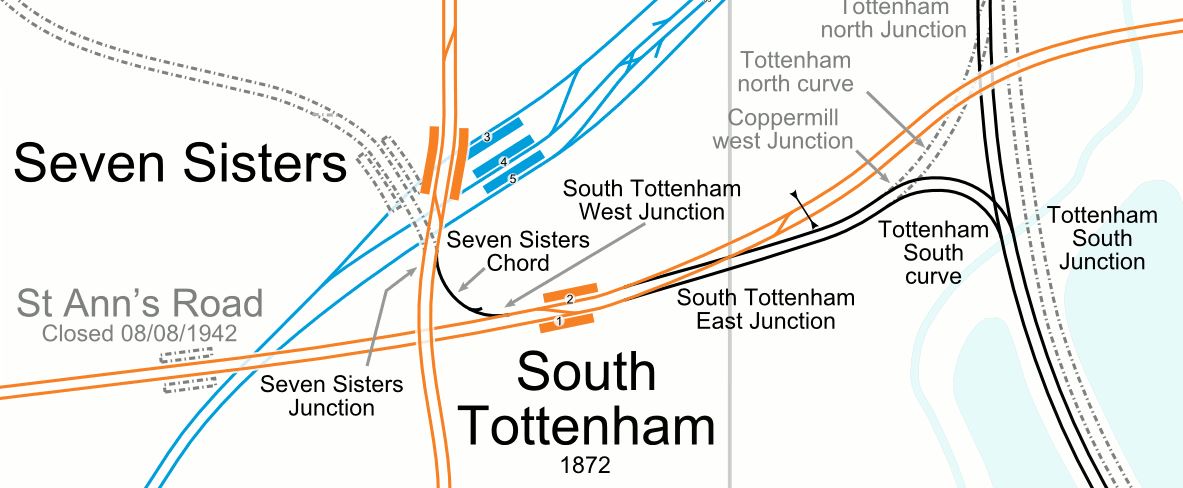
Note.
- The orange line going across the from left to right is the Gospel Oak to Barking Line
- The blue line is the Victoria Line.
- The orange line going down the map is the Lea Valley Line, between Liverpool Street in the South and Cheshunt and Enfield Town stations in the North.
- The single-track; Seven Sisters Chord, which connects the two Overground lines.
- The black line going down the map on the right is the WAML, between Stratford and Lea Bridge stations in the South and Tottenham Hal station in the North.
What is not shown on the map is the massive double-ended Crossrail 2 station, that will link South Tottenham and Seven Sisters stations, which are about five hundred metres apart.
This Google Map shows the area of the two stations.
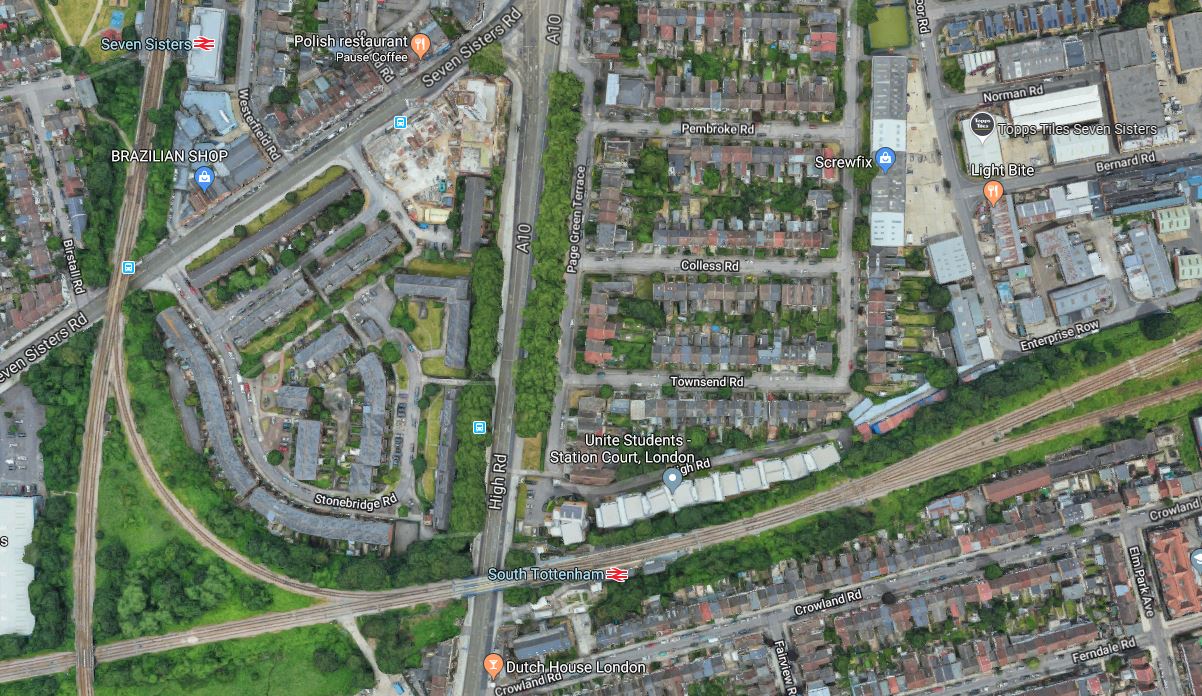
Note how much green space there is alongside the tracks.
If four tph went via South Tottenham and Lea Bridge stations, this would mean that South Tottenham station has the following services.
- Four tph to Barking
- Four tph to Gospel Oak
- Four tph to Stratford
- Two tph to Enfield Town
- Two tph to Broxbourne, Cheshunt or Hertford East.
Timings could be arranged to give a user-friendly interchange at South Tottenham station, which is a step-free station.
Note that it is probably likely, that the Seven Sisters Chord shown in the first map, would need to be improved.
But there is certainly enough space to do it properly!
Tottenham Hale Services
These are trickier, but I believe they could be sorted if the new third track from Meridian Water station was used exclusively for Southbound services going to Stratford.
This would mean that platform usage at Tottenham Hale station would be as follows.
- Existing Platform 1 – Services to Liverpool Street station.
- Existing Platform 2 – Services to Cheshunt, Broxbourne, Stansted Airport and Cambridge.
- New Platform 3 – Services to Stratford station.
Platforms 1 and 3 would be a cross-platform interchange to allow passengers to change terminal.
Splitting Of Stratford And Liverpool Street Services
Stratford and Liverpool Street services would split somewhere North of the new Meridian Water station.
Services to Liverpool Street would include.
- London Overground – Two tph from Cheshunt, Broxbourne or Hertford East.
- Greater Anglia – Two tph from Cambridge/Cambridge North
- Greater Anglia – Four tph from Stansted Airport.
This is much the same as the current timetable, with a change of operator on the Hertford East service.
Services to Stratford would include.
- London Overground – Two tph from Cheshunt, Broxbourne or Hertford East.
- Greater Anglia – Two tph from Bishops Stortford.
If all these services stopped at Meridian Water, Northumberland Park, Tottenham Hale and Lea Bridge stations, the STAR service has been implemented.
These Stratford services would be turned in the High Meads Loop.
As there would be four tph coming to Stratford from Seven Sisters station, this would mean that eight tph were being turned in the loop.
I can see two problems with this arrangement.
- The merging of Northbound trains South of Tottenham Hale station could be tricky.
- The Cambridge and Stansted expresses use the same route to Liverpool Street as London Overground’s Chingford services, as they do now!
Both problems could be lessened by perhaps running half of the Cambridge and Stansted services to Stratford.
This would mean the following.
- Five tph that served the WAML would use Liverpool Street station.
- Seven tph that served the WAML would use Stratford station.
- Eleven tph would need to be turned in the High Meads Loop.
Trains on the High Mead Loop would be as follows.
- London Overground – Two tph to Enfield Town
- London Overground – Two tph to Broxbourne, Cheshunt or Hertford East via Edmonton Green
- London Overground – Two tph to Broxbourne, Cheshunt or Hertford East via Waltham Cross
- Greater Anglia – Two tph to Bishops Stortford
- Greater Anglia – One tph to Cambridge/Cambridge North
- Greater Anglia – Two tph to Stansted Airport
It could be that the expresses could use one track of the High Meads Loop, with the local services using the other.
I also think, that there is sufficient capacity in the High Meads Loop to terminate all services on the WAML at Stratford.
But would that be a step too far?
Possibly for some passengers, but I suspect it would be liked by train operators.
Services Between Tottenham Hale And Broxbourne
Currently, the following services run between Tottenham Hale and Broxbourne stations on the WAML.
- Two tph between Liverpool Street and Hertford East stations.
- Two tph between Stratford and Bishops Stortford stations.
- Two tph between Liverpool Street and Cambridge/Cambridge North stations.
- Four tph between Liverpool Street and Stansted Airport.
This gives a total of ten tph in both directions.
If you go to my first scenario of providing four tph to Cheshunt/Broxbourne/Hertford East, this gives the following services between Tottenham Hale and Broxbourne stations.
- Two tph between Liverpool Street and Hertford East stations.
- Two tph between Stratford and Bishops Stortford stations.
- Two tph between Liverpool Street and Cambridge/Cambridge North stations.
- Four tph between Liverpool Street and Stansted Airport.
- Two tph between Stratford and Broxbourne stations.
The extra service between Stratford and Broxbourne is to ensure that all stations on the route get four stopping services, of which two tph go to either Liverpool Street or Stratford at the Southern end.
This gives a total of twelve tph in both directions.
By adding just two tph, there is a vastly improved stopping service along the WAML, with all stations getting at least a four tph service.
Could The West Anglia Main Line Handle Twelve Tph?
In 2020, Greater Anglia will be running Class 745 and Class 720 trains on this route.
- They will both be 100 mph trains.
- They will have fast station dwell times.
- They may even have level access between platform and train, which will help speed boarding.
- They will have a quality Driver Assist System.
- Electronic in-cab digital signalling is a possibility.
- The WAML may allow some 100 mph running.
- Removing the remaining level crossings would surely speed up services.
The Greater Anglia trains will be limited stop and most will only stop at Tottenham Hale, Cheshunt and Broxborne.
London Overground will also be running Class 710 trains, which will be faster than current trains, with very good dwell times.
So I expect that with new trains, some improvement to the infrastructure, the following will be possible.
- Four tph, which stop at all stations between Tottenham Hale and Broxbourne.
- Six tph, which are limited stop expresses, only stopping at Tottenham Hale and Broxbourne and a couple of other occasional stations.
- Time saving for all services.
- I suspect that the current Stratford to Bishops Stortford service will become limited stop North of Meridian Water station.
It would hopefully be a timetable, that appealed to both passengers and train companies.
Services At Meridian Water
Meridian Water station has been promised four tph to Stratford, that call at Northumberland Park, Tottenham Hale and Lea Bridge stations.
So what services will call at Meridian Water station, in the scenario I have outlined, that follows from four tph between London and Hertford East being transferred from Greater Anglia to London Overground.
It could be something like this.
- Two tph to Hertford East, calling at all stations.
- Two tph to Bishops Stortford, calling at selected stations.
- Two tph to Cheshunt or Broxbourne, calling at all stations.
- Four tph to Stratford, calling at all stations.
- Two tph to Liverpool Street, calling at all stations.
It’s certainly better and more comprehensive than promised.
As Meridian Water will be such an important station, could some of the Cambridge and Stansted services call?
Four-Tracking Of The West Anglia Main Line
This project is needed to both increase capacity to Cambridge and Stansted Airport and in the future for Crossrail 2, which will reach as far as Broxbourne station.
But it will be a very disruptive project, not just for rail users, but for road users, when they close several level crossings.
The Underused Southbury Loop
The limited triple-tracking around Tottenham Hale station has been moderately disruptive at weekends and services have run using the Southbury Loop.
The Southbury Loop is underused and I believe that if services were increased permanently on the diversion route, that it would have the beneficial effects on the WAML.
Extra services could be added to the existing double-track route.
Between Cheshunt and Broxbourne
There is one section that could be easier than most to four-track and that is the section between Cheshunt and Broxbourne stations.
This Google Map shows the line North of Cheshunt station.
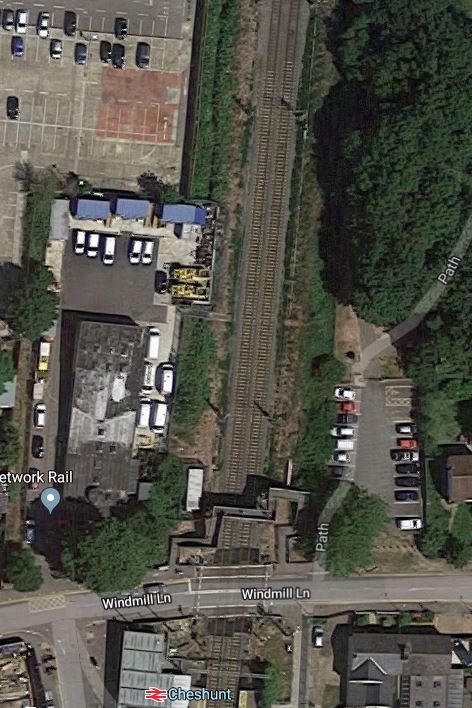
I have flown my helicopter along this route and just as in the map, the two-tracks sit on a wide site, with space for extra tracks.
I am fairly certain,that four-tracking this section would not be difficult.
South Of Cheshunt
If the Southbury Loop were to be used to handle some trains, I think the four-tracking could be done in a more relaxed series of small projects over a longer period of time.
There are various problems.
- Waltham Cross station
- Enfield Lock station and level crossing.
- Brimsdown station and level crossing.
But South from Ponders End station should be a lot easier,
- There are no buildings in the way.
- There will already be a third-track between Tottenham Hale and Meridian Water stations.
- Northumberland Park and Meridian Water stations will be fourth-track ready.
I very much feel, that the four-tracking can be done piecemeal without too much disruption to rail pr road traffic.
Other Issues
Over the years, other issues have been raised with the WAML and Crossrail 2.
A Turnback At Enfield Lock Station
I’ve read in a couple of places, that there could be a bay platform at Enfield Lock station, which could turnback trains to the South..
Under the current plans for the STAR service, this will terminate at Meridian Water station and I’ve heard station staff, say it will be a bi-directional shuttle between Tottenham Hale and Meridian Water stations.
The bi-directional shuttle would.
- Not be using the new infrastructure in a worthwhile manner.
- Bring more passengers to the overloaded Victoria Line.
- Not take passengers to the transport hub at Stratford with Crossrail.
- Not be an efficient use of a train and crew.
I also think, it would struggle for passengers until the building of housing at Meidian Water gets under way.
But supposing, two tracks were built North from Meridian Water to Enfield Lock station, where there would be a bay platform.
- A fourth track would need to be added alongside the third-track between Lea Bridge and Meridian Water stations.
- Another platform would be needed at Tottenham Hale station.
- There is a lot of space on the Eastern side of the WAML, between Meridian Water and Ponders End station.
- Two extra tracks through Brimsdown station, should be possible with the purhase of some low-grade commercial property.
Note that currently a train from Enfield Lock to Stratford takes twenty-four minutes, if it stops at the little-used Angel Road station.
If a train turned in the High Meads Loop at Stratford, it could be back at Enfield Lock within the hour.
- Four tph would be possible.
- This would provide a much needed service for all those who do and will live, work and enjoy themselves allow the Lea Valley.
- Four trains would be needed for a four tph service.
I can understand, why Enfield Lock station has been talked about as a place for a possible bay platform.
There would also be the possibility of extending to Enfield Lock, without closing the level crossing at the station, if a step-free bridge were to be provided.
The station could become a valuable interchange between Greater Anglia’s Bishop’s Stortford services and the four tph to Stratford, stopping at all stations.
Eventually, though, the level crossing will be removed and four tracks will be extended Northwards.
Hackney Downs Issues
If as I proposed the following trains run through Seven Sisters station.
- Two tph between Liverpool Street and Cheshunt/Broxbourne or Hertford East.
- Two tph between Stratford and Cheshunt/Broxbourne or Hertford East.
- Two tph between Liverpool Street and Enfield Town.
- Two tph between Stratford and Enfield Town.
This means that Hackney Downs would have the following services.
- Two tph between Liverpool Street and Cheshunt/Broxbourne or Hertford East.
- Two tph between Liverpool Street and Enfield Town.
- Four tph between Liverpool Street and Chingford.
Would it not be more efficient, if all of these services used the slow tracks into Liverpool Street?
This would give the expresses exclusive use of the fast lines into Liverpool Street.
An Alternative Strategy
Suppose Greater Anglia were to acquire some eight-car trains, then they could carry on as normal.
They wouldn’t actually change the order, but shuffle some of the stock to create eight-car trains.
As the Class 720 trains are cut-and-paste, they can put any number of trailer and motor cars between the two driver cars, a motor car and a pantograph car.
As Greater Anglia could need perhaps ten eight-car trains, this would be
- Driver cars – 20
- Pantograph cars – 10
- Motor cars – 10
- Intermediate cars – 40
The right number of cars can be found in six ten-car trains and four five-car trains..
Have Greater Anglia purchased a set of ten- and five-car trains, that can also be run as a sub-fleet of eight-car trains?
Conclusion
This post has been speculation on a rumour.
But I now believe that Hertford East services can be run under two different methods.
Transfer To The London Overground
The service could transfer to the London Overground.
- London Overground have trains suitable for the service and Greater Anglia doen’t!
- Greater Anglia services may be simpler to operate.
- Ware station needs to be rebuilt to enable a decent service and Funding the work might be easier for London Overground in partnership with Hertfordshire County Council, than for Greater Anglia.
- Large numbers of stations in the London Borough of Enfield get a four tph service.
- By using the Southbury Loop, extra services can be run, without adding to traffic on the West Anglia Main Line.
In a few years time operation of the West Anglia Main Line would be very different.
The Class 710 Trains Can Be Shuffled Into An Eight-Car Sub-Fleet
This is the carry-on as before solution and is possible by just shuffling the required number of trains.
The Train-Platform Interface In London
I feel very strongly, that the floor of a train should be level with the platform, when you board a train.
This is mainly, because after my stroke, some said, that I could spent a lot of my life in a wheelchair. Luckily, the doomsters were wrong, but I do feel for those who have to use one or regularly push a buiggy on London’s extensive transport system.
So in this post, I shall be collecting examples of the good, the bad and the ugly.

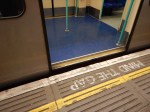
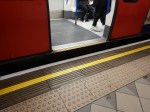
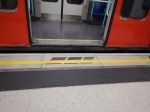
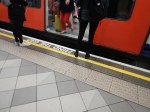

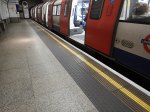
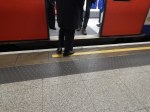


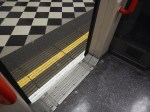
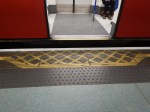
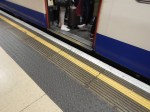
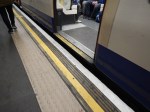
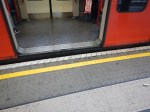
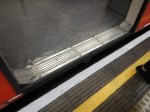
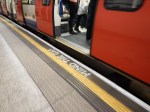


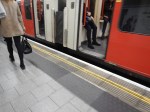
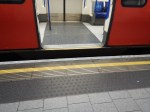


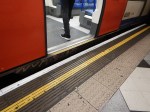
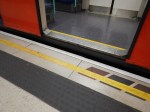
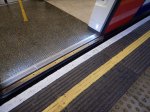
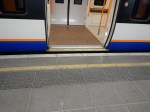
I have put a note by some of the pictures, which are as follows.
- Only one type of train calls at this platform and as the platform is straight, it could be better.
- This platform was built or rebuilt, when new trains started on a new line.
- Taken on a Harrington Hump
These are just the start.
Merseyrail Reveals Latest Station Closures For Upgrade Work Ahead Of New Trains
The title of this post is the same as that of this article on Liverpool Business News.
This is the first paragraph.
Merseyrail has announced details of the next phases of station closures as it upgrades is platforms to make them ready its new £460m fleet of trains due to come into service in 2021.
In total, there are eleven phases of work to give all platforms level access to the new trains.
I am fairly sure that no other local rail network in the UK, will have this quality of level access.
Some stations on the London Overground have similar access, but not that many. When you consider, that many station platforms have been rebuilt and they are only used by Class 378 trains, I believe an opportunity was missed.
The article says this about Merseyrail‘s new Class 777 trains.
Swiss manufacturer Stadler has started the manufacturing process at its Szolnok plant in Hungary on the new fleet of 52 trains. There, the car-body production is under way with the units being machined, welded, sandblasted and coated in special protection and premium quality paint to combat corrosion, caused by the contact with sea-water.
Most of the current Class 507/508 trains are forty years old, but they appear to me to be one of the most bottom-friendly suburban trains in the UK, with desirable 2+2 seating. I regularly travel on Class 313 trains, which are similar trains of the same vintage, into and out of Moorgate, and these are scrapyard specials compared to Merseyrail’s spotless, spacious and comfortable trains.
These pictures from March 2017, show the current trains.
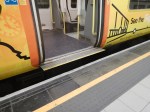
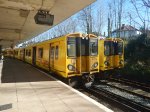
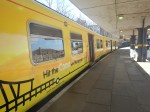
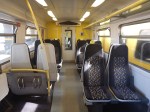
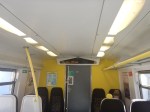
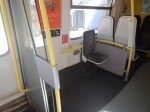
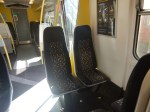
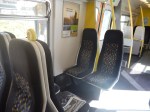
They certainly look to be in good enough condition to see all the new trains into service and through their inevitable teething troubles in the next couple of years.
Conclusion
,The care being taken by Merseyrail and Stadler in the preparation for and design of their new trains, seems to indicate that they are intending to get forty years out of the new fleet.
Do Aventras Use Supercapacitors?
In this article in Global Rail News from 2011, which is entitled Bombardier’s AVENTRA – A new era in train performance, gives some details of the Aventra’s electrical systems. This is said.
AVENTRA can run on both 25kV AC and 750V DC power – the high-efficiency transformers being another area where a heavier component was chosen because, in the long term, it’s cheaper to run. Pairs of cars will run off a common power bus with a converter on one car powering both. The other car can be fitted with power storage devices such as super-capacitors or Lithium-ion batteries if required. The intention is that every car will be powered although trailer cars will be available.
Unlike today’s commuter trains, AVENTRA will also shut down fully at night. It will be ‘woken up’ by remote control before the driver arrives for the first shift
This was published over seven years ago, so I suspect Bombardier have refined the concept.
The extract makes three interesting points.
All Or Most Cars Will Be Powered
In A Detailed Layout Drawing For A Class 345 Train, I give the formation of a Crossrail Class 345 train.
DMS+PMS+MS1+MS3+TS(W)+MS3+MS2+PMS+DMS
Note.
- M signifies a motored car.
- Eight cars have motors and only one doesn’t.
- The train is composed of two identical half-trains, which are separated by the TS(W) car.
- There are four wheelchair spaces in the TS(W) car.
Are the MS!, MS2 and MS3 cars identical?
In addition, I have been told, that all cars in Class 720 trains are motored.
It does seem that Bombardier have fulfilled their statement from 2011.
Remote Wake-Up
This is mentioned in the extract, but there are few other references to it. I quoted a report from the Derby Telegraph, which has since been deleted, in Do Bombardier Aventras Have Remote Wake-Up?.
Supercapacitors And Lithium-Ion Batteries
According to the extract, the trains have been designed to accept supercapacitors or lithium-ion batteries if required.
As the other two statements in the extract appear to be likely, I will continue to believe that all Aventras can have some form of energy storage.
Crossrail
I’ll look first at Crossrail’s Class 345 train.
In How Much Energy Does A Crossrail Class 345 Train Use?, using the train’s data sheet, I came to the conclusion, that electricity usage of the trains is 2.67 KWh per car per kiometre or 3.29 KWh per car per mile.
In the linked post, I also calculate the kinetic energy of a fully-loaded nine-car Crossrail train.
I’ll repeat it.
- If I take a nine-car Class 345 train, this has a mass of less than 350 tonnes and a maximum speed of 145 kph.
- 1500 passengers at 80 kg each works out at another 120 tonnes.
- So for this crude estimate I’ll use 450 tonnes for the mass of a loaded train.
This gives the train a kinetic energy of 101 KWh.
As the Class 345 trains are effectively two half trains, with two PMS cars with pantographs, it is likely that they have at least two cars that are ready for supercapacitors or lithium-ion batteries.
The Design Of Crossrail
Crossrail could best be described as the Victoria Line on steroids.
- Both lines were designed to run in excess of twenty-four trains per hour (tph) across London.
- The Victoria Line was built to deep-level Underground standards, with one of the most advanced-for-its-time and successful train operating systems of all times.
- Crossrail is a modern rail line being built to National Rail standards, with world-leading advanced technology, that takes full account of modern environmental standards and aspirations.
Costs were saved on the Victoria Line by leaving out important parts of the original design..
- The route was cut back to Walthamstow Central, from the proposed terminus at Walthamstow Wood Street or possibly South Woodford or Woodford.
- Some stations like Highbury & Islington were built to a totally inadequate low-cost design.
- Third escalators at stations were changed into stairs.
- Step-free access was non-existent at the opening, but has been added to some stations since.
- Cross platform interchange with the Chingford Branch Line was left out at Walthamstow Central station.
Costs were saved on Crossrail, by using high-quality design.
- Crossrail and the Great Western Main Line electrification share a sub-station to connect to the National Grid.
- The number of ventilation and access shafts was reduced significantly, with one in a new office block; Moor House.
- Electrification uses a simple overhead rail, which is only fed with power at the ends.
I also believe that the Class 345 trains, which were designed specifically for the route, were designed to save energy and increase safety in the tunnels.
Regenerative braking normally saves energy by returning braking energy through the electrification, so it can be used to power other nearby trains.
Batteries For Regenerative Braking
However, in recent years, there has been increasing interest in diverting the braking energy to onboard energy storage devices on the train, so that it can be used when the train accelerates or to power systems on the train.
The system has these advantages.
- Less energy is needed to power the trains.
- Simpler and less costly transformers can be used for the electrification.
- The onboard energy storage can be used to power the train after an electrification failure.
- In tunnels, there is less heat-producing electricity flowing in all the cables.
Obviously, keeping the heat down in the tunnels is a good thing.
A Station Stop On Crossrail Using Regenerative Braking And Energy Storage
Imagine a fully-loaded train approaching a station, at the maximum speed on 145 kph.
- The train will have a kinetic energy of 101 kWh.
- As it approaches the station, the brakes will be applied and the regenerative brakes will turn the train’s energy into electricity.
- This energy will be stored in the onboard energy storage.
- As the train accelerates away from the station, the electricity in the onboard energy storage can be used.
The only problem, is that regenerative braking is unlikely to recover all of the train’s kinetic energy. But this is not a big problem, as the train draws any extra power needed from the electrification.
To make the system as efficient as possible, the following must be fitted.
- The most efficient traction motor.
- Onboard energy storage capable of handling the maximum kinetic energy of the train.
- Onboard energy storage with a fast response time.
The train will probably be controlled by a sophisticated computer system.
What Size Of Onboard Energy Storage Should Be Fitted?
Obviously, this is only speculation and a best guess, but the following conditions must be met.
- The onboard energy storage must be able to capture the maximum amount of energy generated by braking.
- The physical size of the energy storage system must be practical and easily fitted under or on the train.
- The energy storage system should be able to store enough energy to be able to move a stalled train to safety in the event of complete power failure.
Note that an energy storage system with a 100 kWh capacity would probably take the train somewhere around four to five kilometres.
Obviously, a series of computer simulations based on the route, passengers and various other conditions, would indicate the capacity, but I feel a capacity of around 120 kWh might be the place to start.
Where Would The Energy Storage Be Placed?
With nine cars, and with eight of them motored, there are a several choices.
- One energy storage unit in all motored cars.
- One energy storage unit in the three MS cars.
- One energy storage unit in each half train.
I’ve always liked the concept of an energy storage unit in each powered car, as it creates a nice tight unit, with energy stored near to where it is generated and used.
But there is another big advantage in splitting up the energy storage – the individual units are smaller.
Could this mean that supercapacitors could be used?
- The main need for onboard energy storage is to handle regenerative braking.
- The secondary need for onboard energy storage is for emergency power.
- There is no needon Crossrail as yet,to run the trains for long distances on stored power.
- Supercapacitors are smaller.
- Supercapacitors can handle more operating cycles.
- Supercapacitors run cooler.
- Supercapacitors have a fast response.
If running for longer distances were to be required in the future, which might require lithium-ion or some other form of batteries, I’m sure there will be space for them, under all those cars.
I wouldn’t be surprised to find out that Crossrail’s Class 345 trains are fitted with supercapacitors.
Note, that a Bombardier driver-trainer, talked of an emergency power supply, when I asked what happens if the Russians hacked the electrification.
Class 710 Trains
London Overground’s Class 710 trains are a bit of a mystery at the moment as except for a capacity of seven hundred passengers disclosed in this article on the International Railway Journal little has been published.
Here are my best guesses.
Formation
Based on the formation of the Class 345 trains, I think it will be.
DMS+PMS+MS+DMS
Effectively, this is a half-train of a seven-car Class 345 train, with a DMS car on the other end.
Dimensions
I have a Bombardier press release, which says that the car length is twenty metres, which is the same as Class 315, Class 317 and Class 378 trains and a whole load of other trains, as twenty metre cars, were a British Rail standard.
I doubt there will be much platform lengthening for these trains in the next few years.
Weight
The Wikipedia entry for Aventra gives car weight at between thirty and thirty-five tonnes, so the train weight can be anything between 120-140 tonnes.
Passenger Capacity
I wrote about this in The Capacity Of London Overground’s New Class 710 Trains.
This was my conclusion.
It appears that seven hundred is the only published figure and if it is, these new Class 710 trains are going to substantially increase public transport capacity across North London.
They are certainly future-proofed for an outbreak of London Overground Syndrome, where passenger numbers greatly exceed forecasts.
As some of the trains are being delivered as five-car units, there is always the option of adding an extra car. Especially, as the platforms on the line, seem to have been built for five or even six car trains.
London Overground have not made the platform length miscalculations of the North and East London Lines.
For the near future they’ll hold around 700 passengers at 80 Kg. each, which means a passenger weight of fifty-six tonnes.
Full Train Weight
For various train weights, the fully-loaded trains will be.
- 120 tonnes – 176 tonnes
- 130 tonnes – 186 tonnes
- 140 tonnes – 196 tonnes
Until I get a better weight for the train, I think I’ll use 130 tonnes or 186 tonnes, when fully-loaded.
Speed
I wrote about this in What Is The Operating Speed Of Class 710 Trains?.
This was my conclusion.
But what will be the operating speed of the Class 710 trains?
I said it will be somewhere between 145 kph (90 mph) and 160 kph (100 mph)
Consider.
- I think that 145 kph, will be able to handle the two planned increased frequencies of four tph.
- 145 kph is identical to the Crossrail trains.
- 160 kph is identical to the Greater Anglia trains.
- 160 kph seems to be the speed of suburban Aventras.
It’s a difficult one to call!
I do think though, that trundling around the Overground, they’ll be running at the same 121 kph of all the other trains.
Kinetic Energy
The kinetic energy of a 186 tonnes train at 121 kph is 29 kWh.
Could Supercapacitors Handle This Amount Of Energy?
I’m pretty certain they could.
Conclusion
Supercapacitors are a possibility for both trains!
I’ll review these calculations, as more information is published.
New Livery For Class 378 Trains
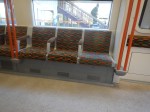
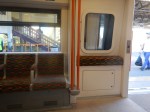
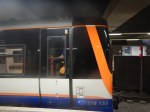
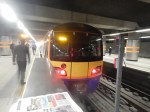
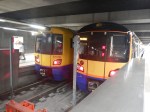
I took these pictures of a Class 378 train with new the new livery and seat covers on two trips into Dalston Junction station.

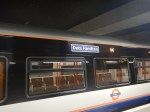
Who is or was Daks Hamilton?
Whilst searching for the answer to my question, I found this December 2009 article on Rail Magazine, which is entitled A Benchmark For Inner Suburban Trains. Richard Clinnock; the author finishes the article with these paragraphs.
So what is the final verdict? Simple: these trains are superb. They may seem to be fairly basic with few seats and no bins, but then they are about moving large numbers of people over relatively short distances.
Bombardier has delivered a train it can be proud of, and has really set the benchmark for future designs for inner suburban trains.
His verdict is still valid and nearly nine years on , the Capitalstars are still trundling reliably, in a circle around London.
But except for the Class 345 and Class 710 trains for Crossrail and the Overground respectively, no operator or transport authority in the UK, has followed London’s bold step of bench seats along the sides of the train.
You do see this layout in Europe, but often with hard one-piece plastic seats, that should be burned to generate electricity.
I think that Transport for London and Bombardier took, what they knew worked from the train-builder’s superb S stock for the sub-surface lines of the Underground and applied it to the new trains for an outstanding success.
If this type of seating works in London, why has it not been specified on new trains for Merseyrail and the Tyne and Wear Metro.
The Future Of The Class 378 Trains
London Overground have a problem with the new Class 710 trains, in that they can’t work the East London Line, as they have no emergency access that can be used in the Thames Tunnel.
So it looks like for the foreseeable future, Class 378 trains will be needed to work the East London Line.
Interior Update
The trains need wi-fi and USB sockets.
Vivarail have put USB sockets in Class 230 trains.
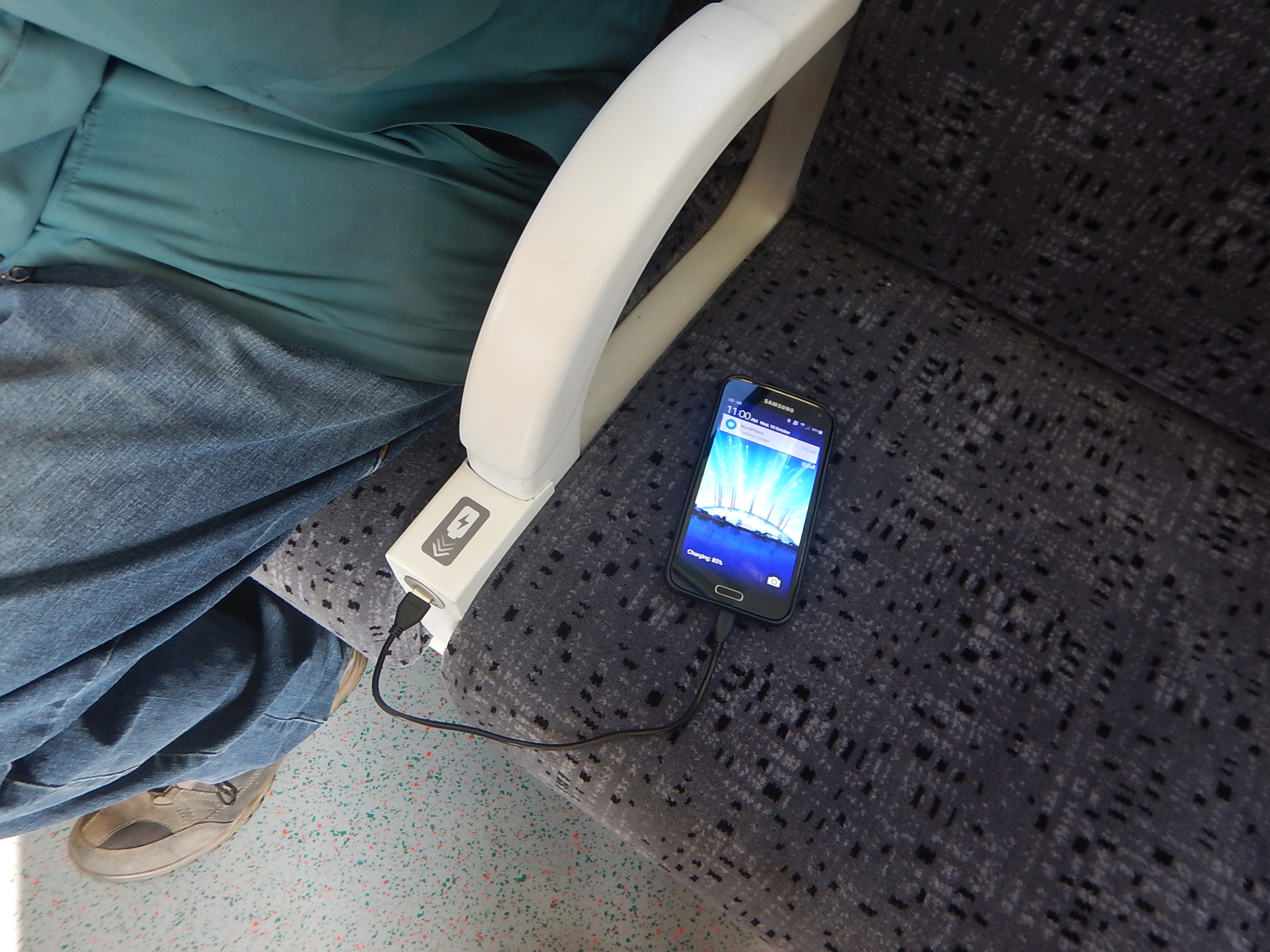
A similar setup in the armrests of a Class 378 train would be welcome.
This is the armrest in a Class 378 train.
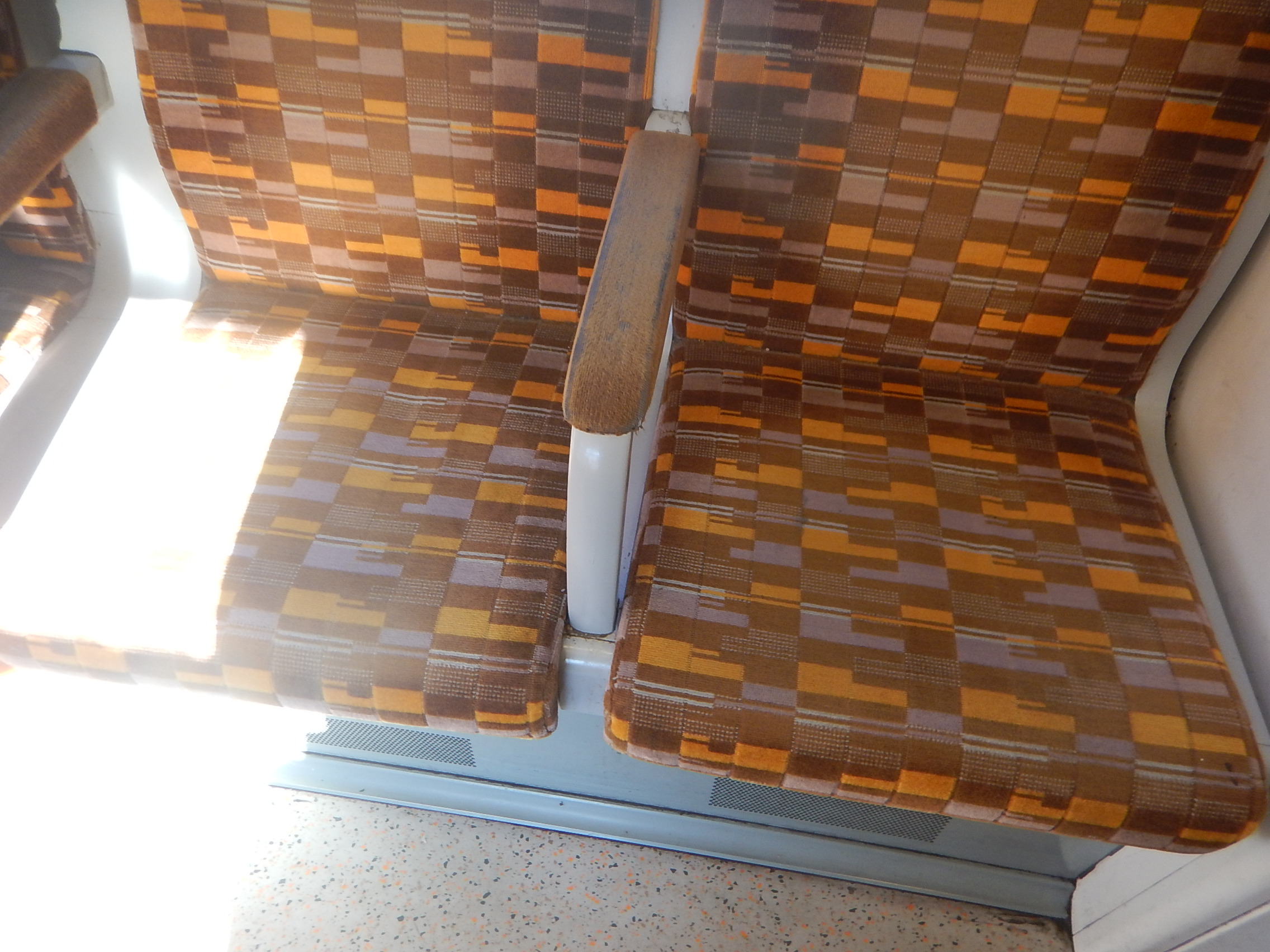
Could it be modified to include a USB socket?
Will The East London Line Ever Get Six-Car Trains?
On the East London Line yesterday, I was in the front car and it was noticeable how passengers moved backwards and forwards along the train so they could find a seat and also get in and out easily at the stations with short platforms.
It got me thinking, about whether six-car trains could be run on the East London Line.
Before I discuss this, I’ll give a few facts. Some are history and some are future plans.
The Original Line
I can remember taking the London Underground era line between New Cross Gate and Whitechapel stations, to get between Haywards Heath and Mile End stations. I had a client at the former and my youngest son, used to live by the latter.
The trains were four-car A60/62 Stock with a length of just 65 metres!
There were five intermediate stations, which coming North were as follows.
- Surray Quays
- Canada Water
- Rotherhithe
- Wapping
- Shadwell
The platforms and those at Whitechapel, were probably not much longer than the original trains.
The platforms have been improved in recent years.
- When the Jubilee Line was built, Canada Water station was rebuilt, but the platforms on the East London Line were not substantially lengthened.
- When the Overground was created in the early part of this century, the platforms ended up at their current length of around eighty metres.
- Recently, to create a better interchange for Crossrail, the platforms at Whitechapel station have been lengthened to around a hundred metres.
So there is now four short platforms on the East London Line.
The Class 378 Trains
The Class 378 trains were originally ordered as three-car trains, which were about sixty metres long.
Was this short length to fit the short platforms or was it because it was felt that these trains would be adequate for the route?
By the time, the trains entered service in 2010, the trains had all been extended to four-cars.
But this was still inadequate and in 2013 an order was placed to lengthen all trains to five cars, which was completed in January 2016.
Fitting Five-Car Trains Into Four-Car Platforms
Travel in the last coach of a train between Shadwell and Canada Water stations and when a station stop is made, you are left in the tunnel.
Some or all the doors don’t open and a announcement tells you, that if you want to get out, you should move forward in the train. This picture shows the last carriages of a train at Canada Water station.
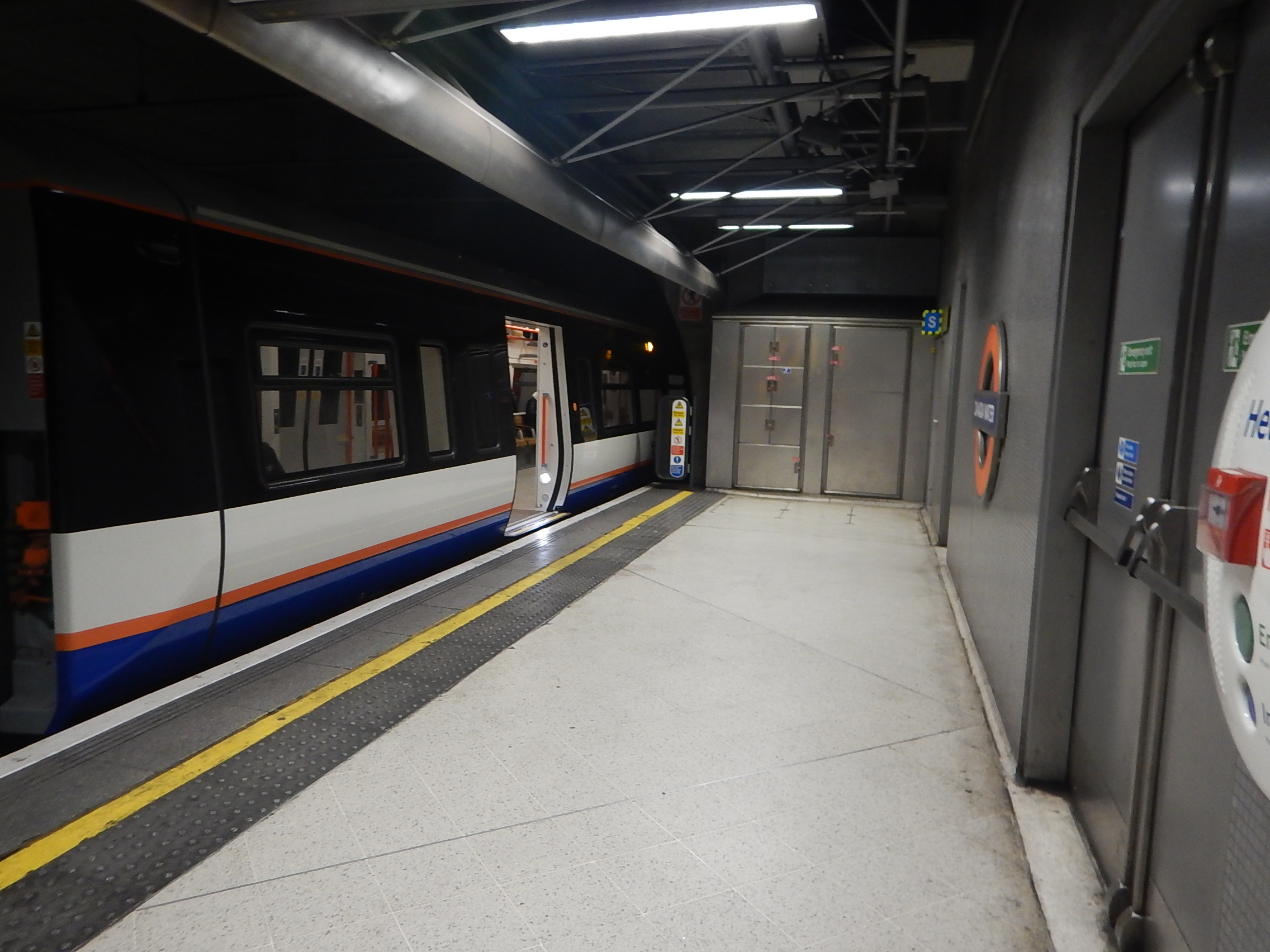
The less-than-perfect arrangement works very well.
- The walk-through nature of the trains means passengers can easily walk forward if required.
- The announcements are numerous and clear.
- Only Canada Water station, with its interchange to the Jubilee Line is a busy station.
But what probably makes the system work so well, is the fact that East Londoners are the World Champions at ducking and diving and they adjust their behaviour to the less-than-perfect arrangement.
The Length Of The Northern Platforms
Travelling home to Dalston Junction station in the last carriage, I got the impression, that all platforms are built to comfortably accept five-car trains.
It also appears that the two central bay platforms at Dalston Junction station were built for five-car trains.
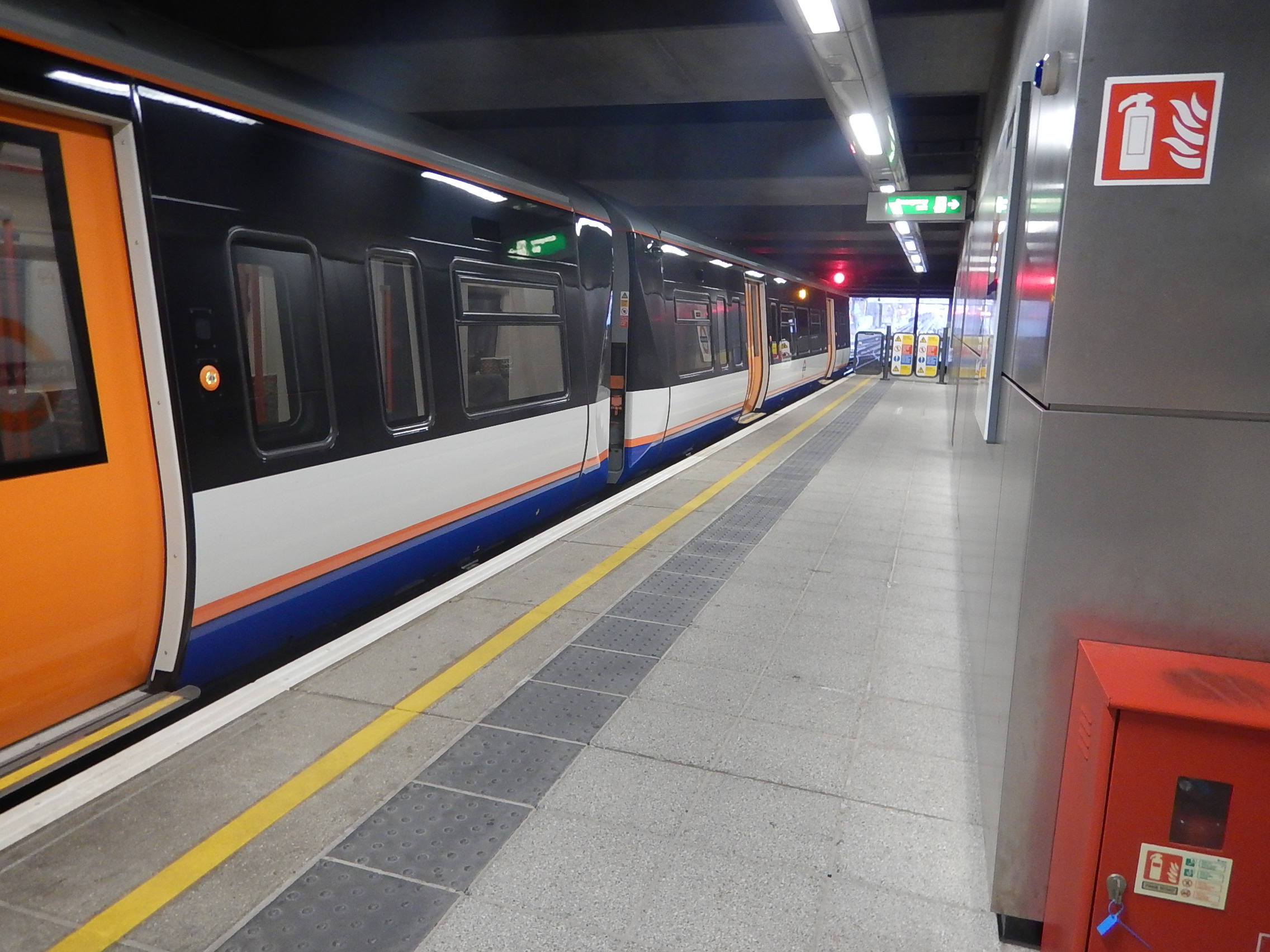
This picture shows Platform 2 at Dalston Junction station.
The Length Of The Southern Platforms
I have looked at nearly all the Southern platforms on all four Southern branches and there seems to be few if any platforms, that couldn’t take a six-car train. It should be noted that most platforms are shared with Southern services which are run by longer trains.
These pictures show Sydenham station.
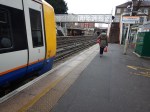
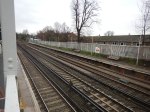
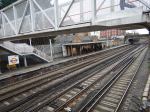
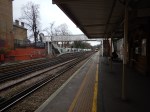
Platform lengths like these are typical of many stations.
Work would be needed at Platform 2 at Clapham Junction station.
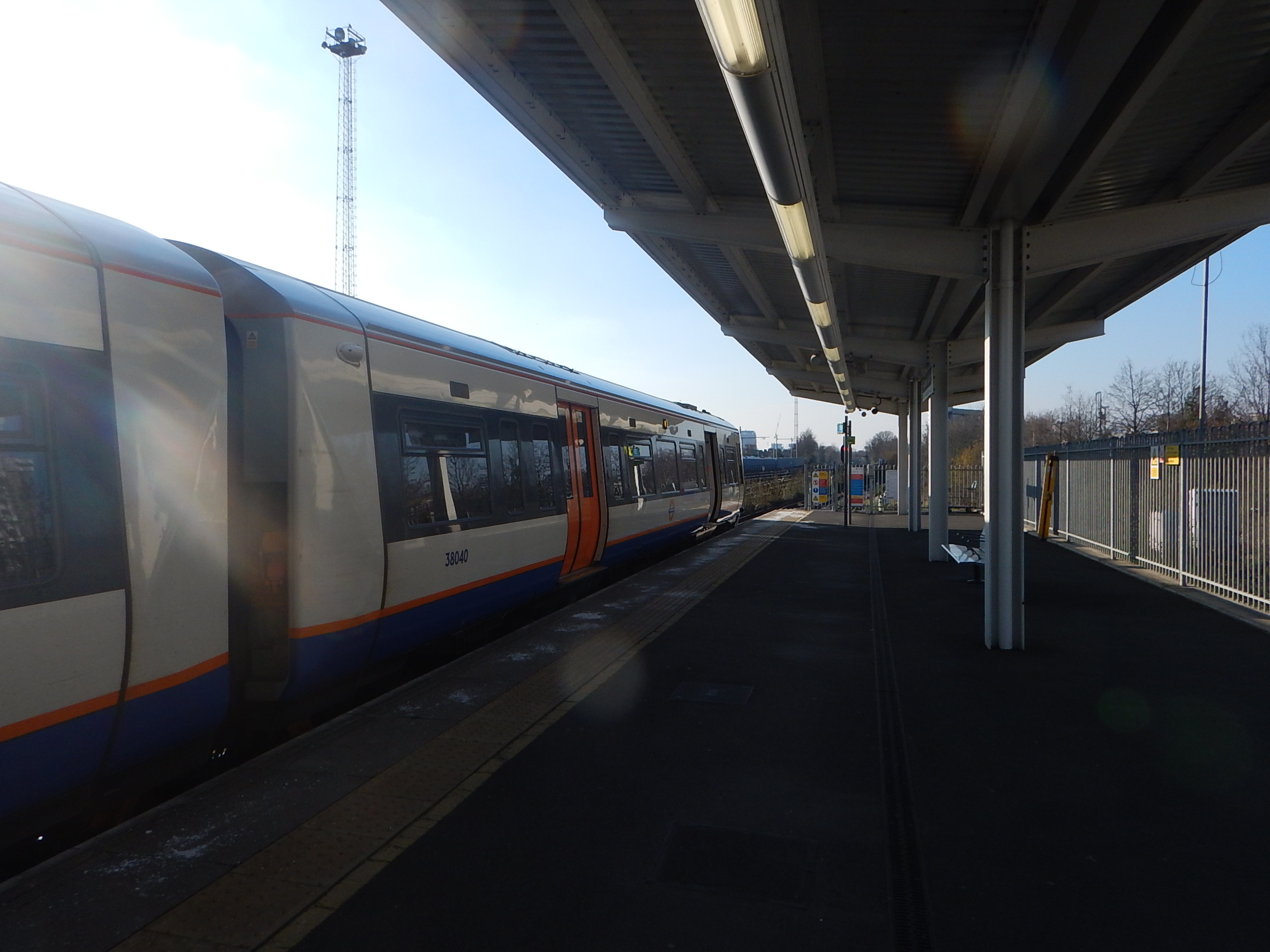
But there is space to extend the platform.
There are no problems at West Croydon station, where it seems all trains now use the bay Platform 1.

There appear to be no plans to increase services to West Croydon station from four tph, but turning the trains in the bay platform might make scheduling easier.
The Rebuilding Of Whitechapel Station
Whitechapel station is being rebuilt to provide an interchange between Crossrail, the District and Hammersmith & City Lines and the East London Line.
- The rebuilt East London Line platforms appear to be long enough for six-car trains.
- There will be two footbridges over the East London Line.
- There will be lifts and possibly escalators.
It will be a major high-capacity interchange.
The connection to Crossrail at Whitechapel station may actually take pressure from the Canada Water station.
Will passengers from the Northern section of the East London Line change at Whitechapel for Crossrail, if they are going to the West End or Canary Wharf, rather than using the Jubilee Line from Canada Water station.
As Crossrail will open up a large number of new routes, I believe, Whitechapel station will become one of the most important interchanges in East London.
East London Line Frequency Will Be Increased
This table shows Transport for London’s plas for the London Overground.
Note.
- In 2018, two extra trains per hour (tph) are planned to be run between Dalston Junction and Crystal Palace.
- In 2019, two extra tph are planned to be run between Dalston Junction and Clapham Junction.
This will mean that the frequency through the core of the East London Line will rise from 16 tph to 20 tph. This will be a train every three minutes.
It also means that the London Overground will be running ten tph between Whitechapel and Sydenham stations, with a call at New Cross Gate, which could become an important interchange.
Platforms Would Need To Be Lengthened
I think that, unless someone can come up with an innovative solution, that there will need to be some platform l;lengthening to accommodate six car trains on the East Londoin Line.
The tricky problem would be extending the platforms at Shadwell, Wapping, Rotherhithe and Canada Water stations.
Could Frequencies Be Increased?
After the increase of frequencies to Crystal Palace and Clapham Junction to four tph, there will be twenty tph, through the core of the East London Line.
With five-car trains, this would be a hundred cars per hour and with six-car trains, it would be 120 cars per hour.
Suppose another four tph, were to be squeezed through the core, then this would be 24 tph. With five-car trains, this would be 120 cars per hour.
There would be two main alternatives to increase the frequency.
- Run six tph on all the four routes.
- Add a new route, with a frequency of four tph.
Note.
- Twenty-four tph, is a frequency that is proposed for Crossrail and Thameslink using digital signalling.
- There will be one train every two and a half minutes.
- No major engineering work would be required at the stations with short platforms.
I very much feel, that increasing the frequency of trains, will be more affordable than using six-car trains.
The Problem Of Creating Six-Car Trains
Note these points about running trains through the core of the East London Line.
- Class 378 trains have an end door, so that passengers can be evacuated in the Thames Tunnel.
- Aventras don’t have end doors and would need to be updated.
- Five-car Class 378 trains can be replaced by Aventras on the North London Line and the Watford DC Line, to release more trains for the East London Line.
But the biggest problem, is probably that Bombardier don’t make Electrostars any more, and the factory ihas been turned over to Aventra production.
Conclusion
I will be very surprised if Network Rail’s original plan on six-car trains on the East London Line happens in the next few years.
Capacity Of Cross London Rail Routes
I shall start by looking at the current and future capacity of various rail routes across London.
Bakerloo
The Bakerloo Line has a frequency of twenty trains per hour (tph) between Queen’s Park and Elephant & Castle stations.
The current 1972 Stock trains have a capacity of 700 passengers.
This gives a capacity a 14,000 passengers per hour (pph) in each direction.
In the Wikipedia entry for the New Tube for London, this is said.
Bakerloo line capacity could be increased by 25% with 27 trains per hour at peak times by 2033.
This gives a future capacity of 17,500 pph in each direction.
Central
The Central Line has a frequency of thirty-five tph between White City and Leytonstone stations.
The current 1992 Stock trains have a capacity of 930 passengers.
This gives a capacity a 32,550 pph in each direction.
In the Wikipedia entry for the New Tube for London, this is said.
Central line capacity increased by 25% with 33 trains per hour at peak times by 2030.
This gives a future capacity of 40,687 pph in each direction.
Crossrail
Crossrail is planned at present to have twenty-four tph between Paddington and Whitechapel stations.
Each of Crossrail’s Class 345 trains can hold 1,500 passengers.
This gives a capacity a 36,000 pph in each direction.
It has been said in several places that Crossrail has a future frequency of thirty tph.
If this could be achieved this would increase capacity to 45,000 pph in each direction.
District
The District Line has a combined frequency with the Circle Line of twenty-four tph between Gloucester Road and Tower Hill stations.
The current S7 Stock trains have a capacity of 865 passengers.
This gives a combined capacity a 20,760 pph in each direction.
The Wikipedia entry for the District Line talks about a future frequency of thirty-two tph.
This could increase the future capacity to 27,680 pph in each direction.
East London
The East London Line has a frequency of sixteen tph between Dalston Junction and Surrey Quays stations.
The current Class 378 trains have a capacity of 840 passengers.
This gives a capacity of 13,440 pph in each direction.
London Overground are planning to increase the frequency to twenty tph in the next couple of years.
This would give an increased capacity if 16,800 pph in each direction.
Gospel Oak To Barking
The Gospel Oak To Barking Line has a frequency of four tph across North London,
The current Class 172 trains have a capacity of 120 seats, with perhaps a total capacity of 300.
This would give a capacity of 1,200 pph in each direction.
The new Class 710 trains have a capacity around 700, according to various reports.
This would give a future capacity if 2,800 pph in each direction.
Hammersmith & City
The Hammersmith & City Line has a combined frequency with the Circle Line of twelve tph between Paddington and Liverpool Street stations.
The current S7 Stock trains have a capacity of 865.
This gives a combined capacity of 10,380 pph in each direction.
Jubilee
The Jubilee Line has a frequency of thirty tph between North Greenwich and Willesden Green stations.
The current 1996 Stock trains have a capacity of 875 passengers.
This gives a capacity of 26,250 pph in each direction.
With Siemens new trains, I suspect that this value could be increased by perhaps fifteen percent to 30,187 pph in each direction.
Metropolitan
The Metropolitan Line has an Off Peak frequency of sixteen tph between Baker Street and Liverpool Street stations.
The current S8 Stock trains have a capacity of 1003.
This gives a combined capacity a 16.048 pph in each direction.
With the Metropolitan Line Upgrade, we can probably see some more capacity.
A not unreasonable twenty percent would raise the future capacity to 19,257 pph in each direction.
Northern
In the Peak both branches of the Northern Line have a frequency of twenty-four tph between Camden Town and Kennington stations.
This is reduced to twenty tph in the Off Peak.
With the addition of the Extension to Battersea, these figures are unlikely to get lower.
The current 1195 Stock trains have a capacity of 662 passengers.
This gives a capacity of 31,776 pph in each direction.
With Siemens new trains, I suspect that this value could be increased by perhaps fifteen percent to 36,542 pph in each direction.
North London
The North London Line has a frequency of eight tph between Willesden Junction and Stratford stations.
The current Class 378 trains have a capacity of 840 passengers.
This gives a capacity a 6,720 pph in each direction.
London Overground are possibly planning to increase the frequency to twelve tph in the next couple of years.
This would give an increased capacity if 10,080 pph in each direction.
Piccadilly
As we don’t know the capacity of the new Siemens trains, this is a best estimate, for when they are in service around 2023-2025.
Currently, the Piccadilly Line is running at a frequency of twenty-four tph between Barons Court and Arnos Grove stations.
The current 1973 Stock trains, each have a capacity of 684 passengers.
This gives a current capacity of 15,416 pph in each direction.
In the Wikipedia entry for the New Tube for London, this is said.
Piccadilly line capacity could be increased by 60% with 33 trains per hour at peak times by 2025.
This gives a 2025 capacity of 24,666 pph in each direction.
Dividing the 24,666 by 33 gives a train capacity of 750 passengers for a New Tube for London.
Thameslink
Thameslink will have a frequency of twenty-four tph between St. Pancras and Blackfriars stations.
Half of these will be twelve-car Class 700 trains with a capacity of 1754 and the other half will be eight-car trains with a capacity of 1146.
This gives a capacity of 34,800 pph in each direction.
It has been stated that Thameslink will be able to handle thirty tph in the future, which would raise the capacity to 43,500 pph in each direction.
Victoria
The Victoria Line is currently running at a frequency of thirty-six tph.
The current 2009 Stock trains, each have a capacity of 876 passengers.
This gives a capacity of 31,536 pph in each direction.
I think it is reasonable to assume that the Victoria Line is at capacity.
But I wouldn’t be surprised, that with station improvements, which would include a double-ended Walthamstow Central station, engineers on Dear Old Vicky managed to squeeze forty tph out of the old girl.
This would give a capacity of 35,040 pph in each direction.
I also wouldn’t rule out replacing the current trains with the New Tube for London, if the new trains have proved an outstanding success on all the other lines. But that probably wouldn’t be to well into the 2030s.
Current And Future Summary And Total Capacity
The current figures in passengers per hour can be summarised as follows.
- Bakerloo – 14,000
- Central – 32,550
- Crossrail – 36,000
- District – 20,760
- East London – 13,440
- Gospel Oak To Barking – 1,200
- Hammersmith & City – 10,380
- Jubilee – 26,250
- Metropolitan – 16,048
- Northern – 31,776
- North London – 6,720
- Piccadilly – 15,416
- Thameslink – 34,800
- Victoria – 31,536
This gives a total current capacity of 290,876
Reasonable projections for future figures can be summarised as follows.
- Bakerloo – 17,500 (25% Increase) – New Tube for London/New Signalling
- Central – 40,687 (25% Increase) – New Tube for London/New Signalling
- Crossrail – 45,000 (25% Increase) – 30 tph from 24 tph
- District – 27,680 (33% Increase) – New Signalling
- East London – 16,800 (25% Increase) – 20 tph from 16 tph
- Gospel Oak To Barking – 2,800 (133% Increase) – New larger trains
- Hammersmith & City – 10,380
- Jubilee – 30,187 (15% Increase) – New Tube for London
- Metropolitan – 19257 (20% Increase) – New Signalling
- Northern – 36,542 (15% Increase) – New Tube for London
- North London – 10,080 (50% Increase)
- Piccadilly – 24666 (60% Increase) – New Tube for London/New Signalling
- Thameslink – 43,500(25% Increase) – 30 tph from 24 tph
- Victoria – 31,536
This gives a total future capacity of 356615
Or a capacity increase of around twenty-three percent.
What Do These Figures Show?
My figures are very much rough estimates, based on what is proposed to happen.
New Tube for London
Five of the improvements in capacity require the replacement of the current trains with the New Tube for London. Three of these replacements will need new signalling and only the Piccadilly Line trains have actually been given the go-ahead.
If these train replacements and signalling are done sequentially, they would show these overall capacity improvements.
- Piccadilly – 3.2%
- Central – 2.6%
- Bakerloo – 1.1%
- Jubilee – 1.3%
- Northern – 1.5%
Overall, these five projects will increase capacity by 10.2%
Some of these figures may appear small, compared to the Piccadilly and Central, but then with the exception of the Bakerloo, the other lines already have Automatic Train Control and high-frequency services.
The great thing about the effects of the New Tube for London on capacity, is that it is a rolling program and as each line is converted, more capacity will continue to be added, benefiting many parts of London.
Digital Signalling
Increasingly, lines in London are digitally-signalled with a degree of Automatic Train Control.
In a few years time, these lines will be controlled this way in Central London.
- Central
- Circle
- Crossrail
- District
- Hamersmith & City
- Jubilee
- Metropolitan
- Northern
- Piccadilly
- Thameslink
- Victoria
All these lines are or will be carriers of high numbers of passengers.
In A North London Line With Digital Signalling, I looked at the benefits of installing digital signalling on the North London Line. This was my conclusion.
It looks to me, that they’ll come a time, when digital signalling to squeeze the required number of trains along the North London Line.
Digital signalling will have to be applied to all the other lines in my list to make the most of the train lines we have in London.
Bakerloo
These lines will be given new signalling
- Bakerloo – 17,500 (25% Increase)
- Central – 40,687 (25% Increase)
- District – 27,680 (33% Increase)
- Hammersmith & City – 10,380
- Metropolitan – 19257 (20% Increase)
- Piccadilly – 24666 (60% Increase)
Of the deep level Underground lines, the Bakerloo Line is well below the capacity in passengers per hour (pph) of the other lines, through Central London.
The easiest way to increase the capacity would be to increase the frequency of the trains, by the application of digital signalling.
Earlier in the section on the Piccadilly Line, I calculated the capacity of each New Tube for London on that line as 750.
So if the Bakerloo Line could handle the thirty-six tph currently running on the Victoria Line, this would give a capacity of 23,333 pph in each direction.
Like the Victoria Line, the Bakerloo is a simple double-track without junctions through Central London.
At the Southern end the line terminates in the two platforms at Elephant & Castle station. If Brixton and Walthamstow Central stations can handle thirty-six tph, then surely with modern trains and digital signalling, this number of trains can be handled at Elephant & Castle station.
But at Queen’s Park station, it’s more difficult.
This map from carto.metro.free.fr shows the track layou at Queens Park station.
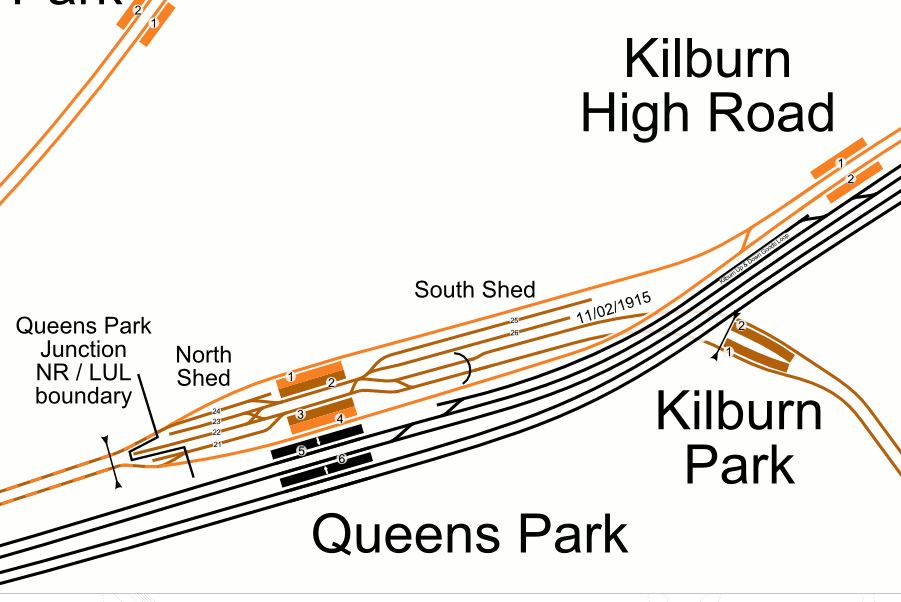
Note.
- The Watford DC Line of the Overground is shown in orange and runs through Kilburn High Road and Queens Park stations.
- The Bakerloo Line is shown in brown and runs through Kilburn Park and Queens Park stations.
- There are reversing sidings to the West of Queens Park station for the Bakerloo Line.
The following services go through or terminate at Queens Park station.
- Three tph between Euston and Watford Junction on the London Overground.
- Six tph between Harrow & Wealdstone and Elephant & Castle on the Bakerloo Line.
- Three tph between Stonebridge Park and Elephant & Castle on the Bakerloo Line.
- Eleven tph between qQueens Park and Elephant & Castle on the Bakerloo Line.
It is also likely that the Overground service will go to four tph.
So this means that services will be as follows.
- Four tph on the Watford DC Line run through Kilburn High Road station.
- Twenty tph on the Bakerloo Line run through Kilburn Park station.
- Nine tph on the Bakerloo Line run through Queens Park station.
- Four tph on the Watford DC Line run through Queens Park station.
- Eleven tph on the Bakerloo Line terminate at Queens Park station.
Thirteen tph will continue to various destinations towards Watford.
So how many trains could the double-track line between Queens Park and Wartford Junction stations handle?
Consider.
- All services on the line are london Overground or London Underground.
- There are no junctions, where services divide and join.
- There is a turnback facility at Harrow & Wealdstone station, that can handle six tph.
- The Overground trains are being replaced with Class 710 trains, which must be able to be made compatible with digital signalling.
- Watford Junction station has four platforms connected to the Watford DC Line.
- Good design should be able to make the stations step-free for both Class 710 trains and New Tube for London.
- The Watford DC Line service, always seems to terminate in platform 9 at Euston.
- London Underground have run thirty-six tph on the Victoria Line for about a year now.
I suspect that if the trains are digitally signalled, with a degree of Automatic Train Control, that there could be as many as thirty-six tph between Queens Park and Watford Junction stations.
I also think it is significant that the New Tube for London, specifies that the Bakerloo Line will run at twenty-seven tph. Why not more, if the theoretical capacity North of Queens Park is thirty-six tph?
But a single platform at Euston can probably handle six tph, so add 27 and 6 and you get 33 tph, which is the proposed core frequency of the Piccadilly Line.
Suppose too, that all Bakerloo services ran all the way to Watford Junction.
- This would simplify operation at Queens Park, Stonebridge Park and Harrow & Waldstone.
- Digital signalling would easily handle the frequency.
- The platform arrangement at Queens Park would be unchanged, with Euston services on the outside and Bakerloo services in the middle.
Suppose too, that the Watford DC Line service were to be run by New Tube for London trains.
- All platform heights could be the same.
- All services would be step-free between train and platform.
- Digital signalling could easily handle 33 tph along the route.
This last section has very much been speculation on my part, but it shows how it may be possible to create a service on the Bakerloo Line with the following characteristics.
- Twenty-seven tph between Watford Junction and Elephant & Castle stations.
- Six tph between Watford Junction and Euston stations.
- All stations would be step-free between platform and train.
- All trains would be identical New Tube for London trains.
- All trains would run under Automatic Train Control, as does the Victoria Line.
Note, that I have said nothing about the Bakerloo Extension to Lewisham.
In my view, that extension does what it says on the tin and creates a new twenty-seven tph service between Elephant & Castle and Lewisham, which brings new services to an area of South-East London, where they are much needed.
Effectively, the Bakerloo Line could become two twenty-seven tph lines, that happen to connect back-to-back at Elephant & Castle station to enable cross-London journeys.
If we look at the Victoria Line, where the frequency has increased over the last few years by the addition of various improvements, I would not be surprised to see the frequency of twenty-seven tph increased.
After all London Underground’s engineers have been squeezing Dear Old Vicky for half a century, so they must know more tricks, than Paul Daniels knew at the peak of his success.
Crossrail
Taking the figures in the current table, Crossrail will add 36,000 pph in both directions across London, to a current capacity of 254,876.
This is a increase of fourteen percent on the current total capacity.
Increasing the frequency from twenty-four to thirty tph, adds another 9,000 pph in each direction, which is an increase of seventeen percent on the current total capacity.
It is very likely, that Crossrail has been designed, so that the train length can be changed as required.
The initial trains have been supplied as seven-car trains and when the line opens nine-car trains will be used.
I have read somewhere that the trains could be extended to ten cars, but eleven might be a bit difficult.
So what would be the effect on capacity of ten-car trains.
I will assume each ten-car train has a capacity of 1500 *10 / 9 = 1667.
This means that Crossrail capacity is increased as follows with ten-car trains.
- 24 tph gives a capacity of 40,000 pph in each direction. Or sixteen percent on the total current capacity!
- 30 tph gives a capacity of 50,000 pph in each direction. Or twenty percent on the total current capacity!
It looks like Crossrail might have been built to be expanded.
East London Line
It is my view that the East London Line will eventually be digitally signalled and there could be an increase in frequency from the proposed twenty tph.
It has been stated in the past, that the East London Line will eventually have a service based on six-car trains, running at a frequency of twenty-four tph.
Six-car trains could be a problem, as some of the stations like Canada Water, Shadwell, Wapping and Rotherhithe are a bit short for five-car trains and use selective door opening.
The hopefully high-capacity connection to Crossrail at Whitechapel station will surely drive more passengers to use the East London Line.
So increasing the frequency to twenty-four tph using digital signalling would be an option to increase the capacity.
There are four separate services on the East London Line.
- Dalston Junction and New Cross
- Dalston Junction and Clapham Junction
- Highbury & Islington and Crystal Palace
- Highbury & Islington and West Croydon
Each currently has a srvice of four tph, but it is planned that six tph will run to Crystal Palace and Clapham Junction before 2020.
Note that all services terminate in a dedicated platform, that is not shared with other services.
With modern signalling and good driving, these platforms should be able to handle six tph.
If all services went to six tph, that would mean twenty-four tph, through the core of the East London Line.
This would mean that the capacity of the line would be 20,160 pph in each direction, which would be a fifty percent increase on current capacity.
There may even be space for more trains through the core, as thirty tph is certainly possible with digital signalling. But where would the trains terminate?
Extra tunnel-capable Class 378 trains to run the extra services shouldn’t be a problem, as new Class 710 trains, will displace the older units from the Watford DC and the North London Lines.
North London Line
It is my view that the North London Line will eventually be digitally signalled to allow a more intensive passenger service than eight tph, amongst all the freight trains.
I have said that twelve tph between Willesden Junction and Stratford will be possible, within a few years.
But this could be the limit for the following reasons.
- Terminating twelve tph in the two platforms at Stratford is probably possible but difficult.
- Clapham Junction with one platform can probably handle six tph but no more.
Only Richmond has enough capacity for extra trains.
Conclusion
It looks to me that digital signalling and well-designed new trains can improve the capacity across London. Or Liverpool, Newcastle or Berlin to name just three major cities.
 The Anonymous Widower