My First Ocado Zoom Delivery
I’d run out of Adnams Ghost Ship 0.5% and strawberries, so I asked Ocado to Zoom up a few.






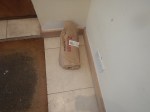
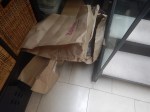
Strangely, they didn’t come in grey plastic bags, but in brown paper bags secured by sticky labels.
Is There A Cure For Uncomplicated Pancolonic Diverticular Disease?
I asked Google AI this question and received this answer.
There is no definitive cure for uncomplicated pancolonic diverticular disease, as the structural pouches (diverticula) in the colon are permanent. However, the condition is highly manageable. The primary goal is symptom control and preventing flare-ups using diet and lifestyle modifications.
Management & Control Strategies
Once diverticular disease is present, the condition is managed conservatively rather than cured:
High-Fiber Diet: Consuming whole grains, fruits, and vegetables helps maintain regular bowel movements and reduces pressure on the colon.
Lifestyle Adjustments: Regular exercise, adequate hydration, and weight management are highly recommended to reduce the risk of the condition progressing.
No Food Restrictions: Contrary to outdated advice, you do not need to avoid nuts, seeds, popcorn, or fruit skins, as they do not increase the risk of complications.
Managing Flare-ups (Diverticulitis)
If uncomplicated diverticular disease flares up into uncomplicated diverticulitis, it is typically treated with:
Conservative Rest: For mild, uncomplicated flare-ups, symptoms often resolve on their own with a temporary liquid or low-residue diet and bowel rest.
Medication: Healthcare providers may prescribe oral antibiotics and pain relievers if needed.
Outpatient Care: Most uncomplicated episodes can be safely treated at home without the need for hospital admission.
I then asked Google AI, this supplementary question.
I Am coeliac. Is That A Hindrance Or A Help?
I received this answer.
Having coeliac disease is both a structural help and a practical hindrance when managing pancolonic diverticular disease.
While your mandatory gluten-free diet naturally protects your colon from a major source of gut irritation, it simultaneously makes getting the required amount of daily fibre significantly more challenging.
How Coeliac Disease Helps (The Benefits)
Reduced Inflammatory Load: Because you maintain a strict gluten-free diet to protect your small intestine, you are already avoiding the widespread gut inflammation, severe bloating, and irregular bowel habits that gluten triggers in coeliac patients.
This lack of abdominal bloating lowers the internal “pressure cooker” effect inside your colon, reducing the risk of your diverticular pouches becoming irritated.
The “Healthy Diet” Trap Avoided: Many individuals without coeliac disease are told to aggressively load up on wholewheat bread, bran cereals, and standard pasta to treat diverticulosis. If they have an underlying, undiagnosed gluten sensitivity, this advice backfires terribly, causing massive gas and straining. Your coeliac status safely keeps you far away from this trap.
How Coeliac Disease Hinders (The Challenges)The Fibre Deficit: The primary medical recommendation for pancolonic diverticular disease is a high-fibre diet.
Unfortunately, mainstream high-fibre staples in the UK are typically wheat-based. Standard gluten-free replacement products (like gluten-free breads or white flour blends) are notoriously low in fibre, often relying heavily on refined starches.
Symptom Confusion:
Coeliac accidental cross-contamination and diverticular flare-ups share highly overlapping symptoms, including severe abdominal cramps, bloating, and altered bowel habits. This can make it difficult to determine whether a sudden bout of gastric pain is an autoimmune reaction in your small intestine or a flare-up in your colon.
Balancing Both Conditions Successfully
To ensure your coeliac disease does not hinder your diverticular health, focus your diet entirely on naturally gluten-free, high-fibre foods rather than processed gluten-free substitutes.
One of my favourite foods, is to eat a whole punnet of Dyson’s year-round strawberries with a small pot of Marks and Spencer’s luxury heather honey and ginger logurt, around tea-time.
I asked Google AI a supplementary question, if this was good practice
I received this answer.
Eating a whole punnet of Dyson’s strawberries with a pot of M&S Heather Honey and Ginger yoghurt is a highly effective, delicious practice for your conditions, but with one important nutritional caveat regarding the sugar and fat content in that specific luxury yoghurt.
The Good: Why Your Timing and Ingredients Alignment is Excellent
The Perfect Tea-Time Window: Eating a heavy dose of fibre at tea-time (late afternoon) is excellent practice.
It ensures your digestive system stays active and hydrated into the evening, preventing nighttime constipation and reducing bowel pressure while you sleep.
Naturally Gluten-Free: Both components of this snack are 100% naturally gluten-free. Checking the official ingredients, the M&S Collection Heather Honey and Ginger Yogurt uses cornflour as its thickener rather than wheat starch, making it perfectly safe for your coeliac disease.
The Anti-Inflammatory Ginger Boost: Real diced and ground ginger in the yoghurt acts as a natural prokinetic (speeding up gastric emptying) and has mild anti-inflammatory properties, which can soothe a sensitive, diverticula-prone colon.
Hydration and Stool Bulk: A full Dyson Farming punnet (typically 250g to 400g) packs massive fluid volume and 5 to 8 grams of stool-softening dietary fibre, ticking a massive box for your pancolonic management.
The Caveat: The “Luxury” Trade-off
While the strawberries are an absolute nutritional green light, the M&S Luxury Collection yoghurt is explicitly designed as an indulgent treat rather than a health food.
High Added Sugars: This specific yoghurt contains added refined white sugar and muscovado sugar on top of the natural heather honey, resulting in roughly 14.8g of sugar per 100g. High sugar loads can occasionally ferment rapidly in the lower bowel, triggering gas and bloating that stretches the diverticular pouches.
High Saturated Fat: Made with 15% Devonshire whipping cream, a single 150g pot delivers a substantial dose of saturated fat. While this does not harm your coeliac disease, an overly rich tea-time snack can slow down stomach emptying for some individuals.
The Verdict & How to Optimise It
It is perfectly fine to keep enjoying this exact combination if it is currently making your gut feel great! Your personal symptom response is always the best guide.
However, if you want to make it an elite, everyday “best practice” for your long-term health, consider this simple tweak: use half the pot of the luxury M&S yoghurt mixed with an equal amount of plain, unsweetened Greek yoghurt.
This retains the live cultures, the fiery ginger punch, and the luxury honey flavour while cutting the sugar and saturated fat in half.
Would you like some recommendations for other gut-friendly, naturally gluten-free ways to sweeten plain probiotic yoghurt, or would you like to explore other high-fibre tea-time snacks?
I probably have the snack, three times a week.
British Strawberries In December
I purchased these strawberries at Marks & Spenbcers on Moorgate this morning.
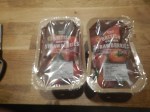
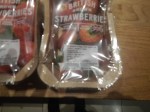
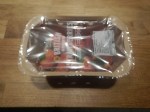
Note.
- The packaging doesn’t photograph well.
- They were grown by the Summer Berry Co. in West Sussex.
- They also claim to be hand-picked.
- The tray appears to be made of good old-fashioned recyclable card-board.
- They are also labelled Not for EU, although they are Class 1!
I’ve eaten them before and they’re certainly good enough for this strawberry addict.
This Google Map shows the location of their strawberry fields.

The farm is located just to the North of Selsey and Bognor Regis.
Are Strawberries Good For Uncomplicated Pancolonic Diverticular Disease?
As a sufferer of the disease, I have to ask Google AI, the question in this sub-title.
This is the answer I received.
Yes, strawberries are good and safe for people with uncomplicated pancolonic diverticular disease. Current medical evidence and guidelines indicate that there is no need to avoid small seeds found in fruits like strawberries, raspberries, or blueberries.
This is the rationale
In the past, it was a common belief that small food particles like seeds could get trapped in the diverticula (the small pouches in the colon wall), causing inflammation (diverticulitis). However, this theory has been debunked by recent research.
As I’ve always preferred strawberries to an elaborate dessert, even in my friend’s Michelin-starred restaurant, I wonder, if I’ve had uncomplicated pancolonic diverticular disease for many years.
The source of the answer was from Johns Hopkins University.
A Quick High-Fibre Meal
I have been told that because of my uncomplicated pancolonic diverticular disease, I should try to stick to a high-fibre diet.
So how about beans on toast followed by strawberries?
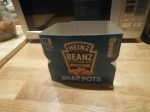
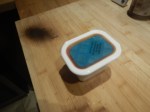


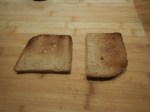
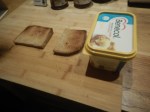


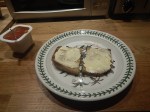
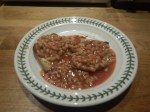
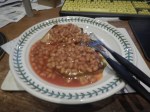
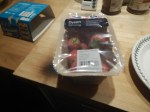


Note.
- I use Heinz Snap Pots as it cuts the washing up.
- The beans had 7.4 g. of fibre.
- The bread had 5.25 g. of fibre.
- The yoghurt had <0.5g. of fibre.
- The strawberries had 9.5 g. fibre.
- That is a total of 22.2 g. of fibre.
I used a teaspoon to stir the beans, but then I use a lot of teaspoons, when I’m cooking.
Do Ocado Save Me Money?
Probably not in the normal way, as they are an upmarket on-line shop.
A Rough Order
I generally put my rough order in on the Saturday soon after the delivery for that day arrives at about 06:30 in the morning.
The rough order is stored on Ocado’s computer, so it’s usually just a matter of choosing the delivery slot and adding a few extras.
If I’m cooking for myself all week, that usually means I will need seven meals, which could be ready-meals, something more substantial or perhaps just a tasty home-made snack or sandwich, if I’m eating out.
Typically, my order will get refined through the week and this tends to reduce the cost, as if say I’m a bit short, I might buy something like fruit earlier in the week, rather than get it delivered on Saturday.
Fruit
I don’t eat a lot of fruit, but I do have a banana every day in the morning and when I can get them, I eat a lot of strawberries.
Bananas and strawberries are two fruit, that are rich in magnesium and coeliacs like me, can suffer from a lack of it. As a child, I used to bite my nails, which stopped immediately, I went gluten-free at fifty.
From my experience, I feel lack of magnesium can cause nail-biting in coeliacs.
I usually don’t order fruit online, as I feel the quality is better in local shops, that I pass.
Gluten-Free
I am coeliac, so I have to be gluten-free.
In my opinion, Marks & Spencer do the best gluten-free food, so being able to shop in-store or on-line is a bonus.
Bread
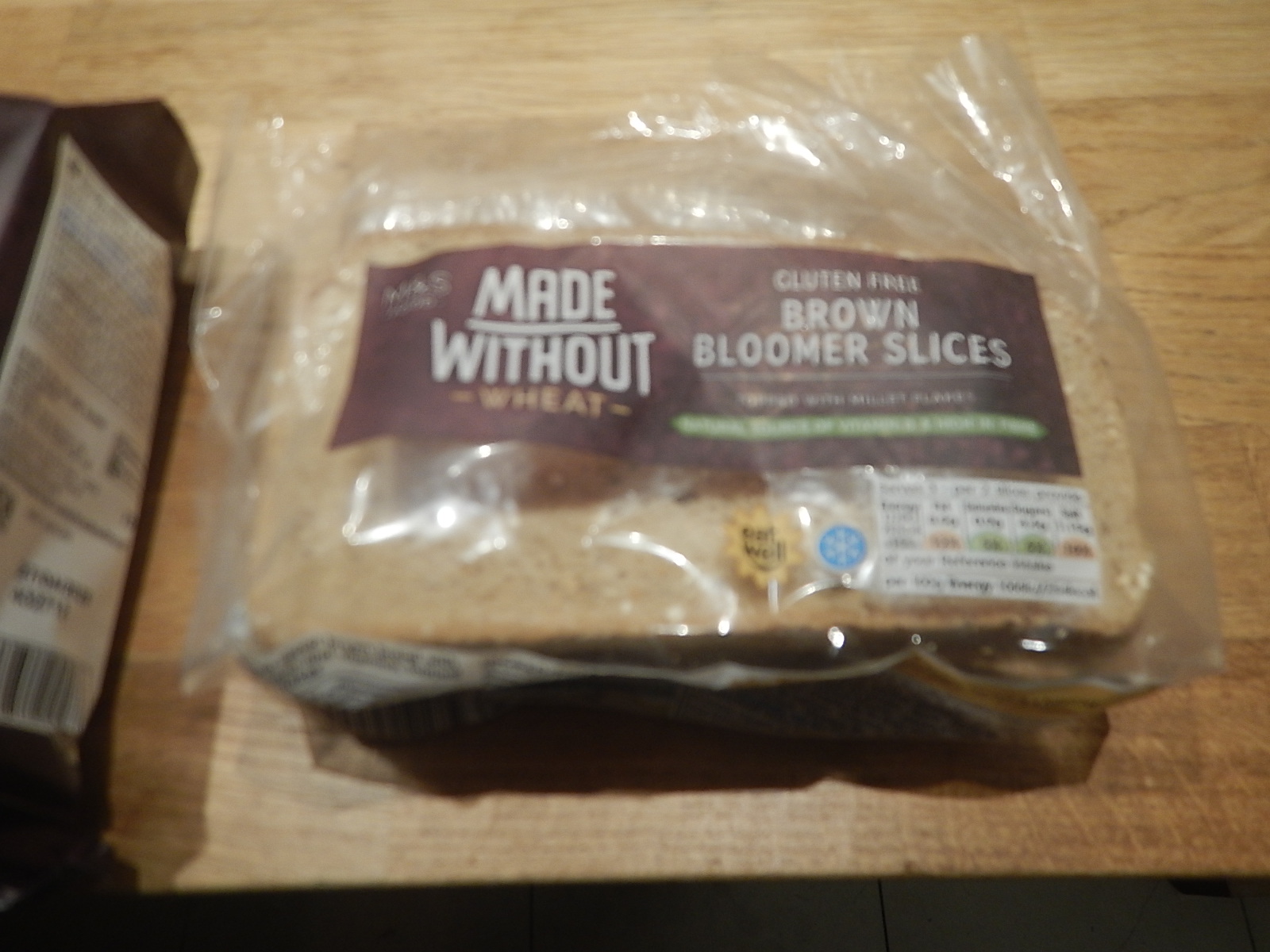
I don’t eat a lot of bread in a week, so I find one of Marks & Spencer’s pack of brown bloomer slices is sufficient.
Toothpaste, Soap Etc.
I buy a lot of things like these online, as I have several days to carry them upstairs and put them away.
I have a large IKEA storage cabinet close by my front door and non-perishables are stored there first, along with my beer.
Milk
Usually, a pint plastic bottle of Marks & Spencer Organic Milk , lasts me all week.
But if it doesn’t l can pick up another bplastic ottle, at any one of four shops within two hundred metres.
Conclusion
I don’t save a lot with my hybrid shopping at Ocado and Marks & Spencer, but I don’t throw much food away.
Marks & Spencer Get A Bit Cheeky
I bought these strawberries in Marks and Spencer on Moorgate, yesterday.

Note.
- They have a Best Before Date of Thursday.
- They were grown in West Sussex by the Summer Berry Co.
But I do think it is a bit cheeky to label them with a yellow label saying “New Season”!
Their web site gives a few answers.
The Biggest Strawberry In The World
I eat a lot of strawberries, either as fruit or as jam on a scone or bread.
- I always have done since I left home to go to Liverpool University.
- I do wonder, if it was a subconscious decision on my part, as my body reacted to all the alternatives like puddings with all their gluten.
- Certainly, by the time, I was married, I know that I always annoyed my mother-in-law by never eating her gluten-rich puddings.
- Strawberries were also my wife’s passion, when she was pregnant.
Have other coeliacs avoided gluten before diagnosis. I certainly did.
Today, I bought a punnet of strawberries in Marks & Spencer.

Note.
- They were Spanish strawberries.
- To say they were large would be an understatement.
- One weighed in at a massive 64 grammes.
But they all tasted fine with a good texture!
The Proof Of The Pudding
In A December Treat For £3.70, I talked about buying English strawberries in Marks & Spencer in December.
I said I’d post again, when I ate them.
This picture shows the pack on a plate.

And this a close-up of a single strawberry, which cost 37 pence.

I’m afraid the photos don’t do justice to their taste, as they were definitely some of the best strawberries, I’ve ever eaten.
I did buy another two punnets this morning, to see me through the weekend.
Dyson Farming has a web page, which describes how they produce the strawberries.
The page contains an explanatory video, which is well worth a watch.
Will developments like this be the future of farming?
A December Treat For £3.70
T am not a great person for sugary treats. But I do like strawberries and regularly buy a punnet, when they are in season, cut the green off and eat them one after another.
But in my seventy-six years, I’ve never eaten English strawberries in England in December, although I must have eaten strawberries in December in warmer climes, like Australia, Gambia or South Africa
Until today, when I bought this punnet in Marks and Spencer on Moorgate in the City of London.


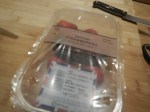
Note.
- The strawberries are from Dyson Farming in Lincolnshire.
- The strawberries are the fourth item in the bill in the first picture.
- The label says that they are grown by innovative methods for outstanding depth of flavour.
- They look as if they’ve been individually vacuumed.
I’ll post again when I’ve eaten them!
My First Ride In A Class 769 Train
I went to Cardiff today and had my first ride in a Class 769 train. These pictures summarise my ride on the train between Cardiff Central and Bargoed stations.














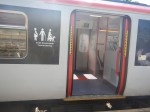
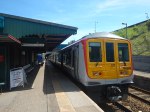
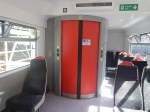
So what was it like?
Noise And Vibration
Going up to Bargoed, I deliberately sat as near over the top of the engine as I could.
There was a bit of a whine, but not as much as in a new Class 195 train.
For those, who commuted on Class 319 trains for years on Thameslink, they probably wouldn’t notice much difference.
Performance
For a 100 mph electric train built for running between the flat lands of Bedfordshire and the South Coast over the hillocks of the Downs, the train climbed to Bengoed, which has an altitude of around a thousand feet with a purpose.
But then I have a Porterbrook brochure for these trains and the power source was sized, such that the train would be able to climb the stiffest routes in the UK.
The Interior
It looked to me like the Thameslink interior with new sea covers and plugs to charge a mobile phone.
They could certainly be upgraded a bit further to the standard of the Class 319 trains on the Abbey Line, that I wrote about in A Very Smart Class 319 Train.
A Job To Do
Trains for Wales has acquired these trains for extra capacity, whilst they refurbish their Class 150, 153 and 160 trains.
It looks to me, that they will do this job more than adequately.
Future Uses
I suspect Porterbrook hope that these trains will find uses around the UK, as they have spent a lot of time, effort and money to bring these trains into service.
But there are around eighty of the Class 319 trains in service or in store, from which the Class 769 trains are converted.
So they could find uses in several niche applications.
Short Term Fleets
This is effectively, the Trains for Wales application, where extra trains are provided, so that a fleet refurbishment can be performed.
- They would surely, have been a better replacement fleet for Greater Anglia, than the three Mark 2 coaches and a pair of diesel locomotives, that they used after a series of level crossing accidents.
- They could also be used to increase capacity for some major events like the Open Golf or a pop festival.
- Uniquely, they can stand in for both a 100 mph electric train or a 90 mph diesel train.
- They can even be fitted with third-rail shoes.
- They are the right size at four cars.
- They fit most UK platforms.
- They can be run in formations of up to twelve cars.
I wouldn’t be surprised to see Porterbrook or someone on their behalf, keep a fleet of trains on standby to handle short term needs.
Route Development And Testing
There has been a lot of pressure to open up new routes in recent years and these trains would be ideal to try out routes and test new electrification.
Tri-Mode Services
Great Western Railway have a particular problem with their service between Reading and Gatwick, in that it has some third-rail electrification. As they might like to extend this service to Oxford, an ideal train would be dual-voltage and self-powered.
This extract is from the Great Western Railway section in the Wikipedia entry for the Class 769 train.
Although initially planned for use in London and the Thames Valley whilst twelve Class 387 units are modified for Heathrow Express services, the future plan for these units will be operating on services between Oxford, Reading and Gatwick Airport, which would mean operating on unelectrified, 25 kV AC OHLE and 750 V DC third-rail routes. To enable this, Great Western Railway’s allocation of Class 769 units will retain their dual-voltage capability in addition to being fitted with diesel power units. The units will also receive an internal refurbishment and be fitted with air cooling.
I suspect, that they’ll also be used on the Henley, Marlow and Windsor branches, which have some operational problems.
- The branches are not electrified.
- Some branches run occasional services to Paddington.
- The Windsor branch probably needs more capacity.
The Marlow branch could be difficult, but I suspect that, there’s a solution somewhere.
Luxury Bi-Modes
Greater Anglia felt they needed luxury bi-modes for East Anglia and they bought Class 755 trains, which are probably a lot more expensive, as they are brand-new and from Stadler of Switzerland.
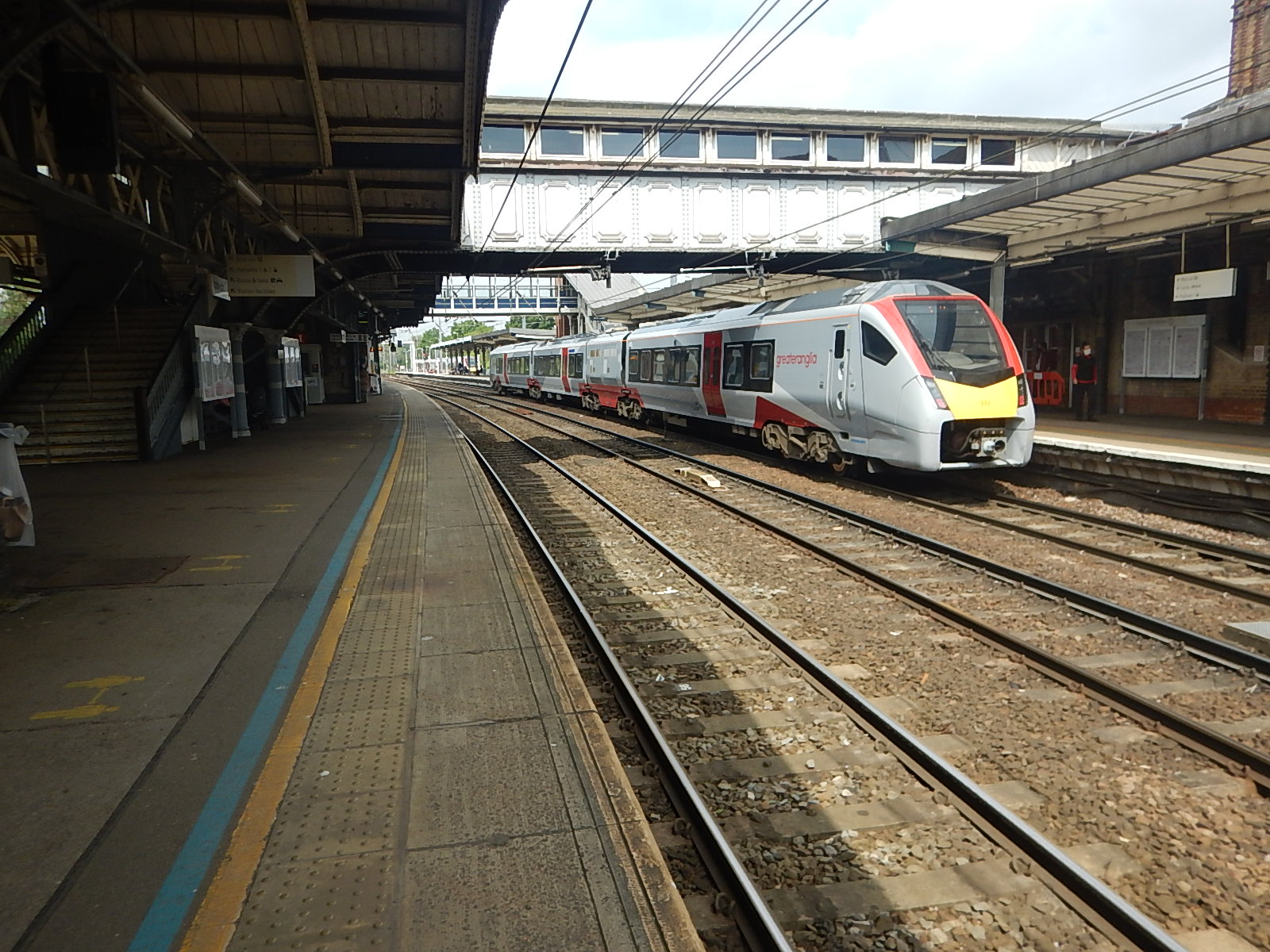
Surprisingly, the Class 319 trains have a higher passenger capacity.
But both trains could do a similar task, where the route is partially electrified.
As I said earlier about the GWR units.
The units will also receive an internal refurbishment and be fitted with air cooling.
Porterbrook’s brochure for the Class 769 train talks about using them between Manchester and Buxton.
Surely, this route could do with a Northern version of a GWR interior.
I also think a service should link Hellifield and Buxton. as I wrote about in Why Not Buxton To Hellifield?
That would show what Class 769 trains could do!
It would also connect the Peak District to the hills North of Lancashire.
I might also be, that the standby-fleet should also be the luxury variant of the train. Surely, supporters going to the Open at some of the inaccessible venues could afford pay to pay extra for a comfy train.
Express Freight And Parcels Services
Rail Operations Group would appear to have placed the second-largest order for Class 769 trains, which they will use to launch a high-speed parcels service called Orion.
This extract is from the Rail Operations Group section in the Wikipedia entry for the Class 769 train.
Orion is aiming to launch its first trial service conveying parcels and light freight in April 2021, with the Midlands to Mossend now likely to be the debut flow. The company is to use converted Class 319s for the service and is now planning for a fleet of 19 four-car units – nine Class 319s and 10 Class 769s. Arlington Fleet Services at Eastleigh is modifying the interiors of the units to accommodate roller cages for parcels, with the aim of operating primarily under electric power but with the 769s using their diesel engines to act as tractor units for the 319s on non-electrified stretches. The first 769 bi-mode, No 769501, has undergone its Flex conversion at Brush in Loughborough and is due to be outshopped from Arlington at Eastleigh in March following its interior modification.
In Did These Strawberries Have Road- Or Rail-Miles?, I talked about strawberries going between Scotland and London.
Surely, the movement of high-quality food could be one of the cargoes for Orion.
It wouldn’t be the first such traffic, as Class 43 power cars of the InterCity 125s used to carry flowers and fish up to London from Cornwall.

There’s a lot of space in the back of a Class 43 power car.
I certainly feel there are possibilities for using Class 769 trains as high speed parcels transport.
It should be noted that Class 325 trains already run high speed parcel services up and down the country on behalf of Royal Mail. These trains may look like later British Rail trains, but they are in fact based on Class 319 trains.
So I doubt, there’ll be any worries that the trains can’t handle the required services after conversion.
Conclusion
It looks to me that Porterbrooks plan to convert numbers of their Class 319 trains into Class 769 trains will find several ready markets.
It could be argued that more carbon savings could be achieved by perhaps a new battery-electric or hydrogen-electric train. But these will take years to develop!
These trains are a good short-term solution, that will help define their zero-carbon successors.

