Hydrogen Trains Planned For Apennine Route
The title of this post, is the same as that of this article on Railway Gazette.
The trains appear to be part of a project to bring a sustainable economic recovery to an area that has been affected by three earthquakes in recent years and suffered badly from depopulation.
There would appear to be four projects.
Refurbishment Of The Sansepolcro And Sulmona Railway
This 300 km railway will also switch from diesel to hydrogen trains.
- Sansepolcros is a town in the Eastern part of Tuscany, to the South-East of Florence.
- Sulmona is a city that is roughly East of Rome.
- The Northern section of the route is covered in Wikipedia by the entry for the Terni – Perugia – Sansepolcro Railway.
- The Southern section of the route is covered in Wikipedia by the entry for the Terni and Sulmona Ralway.
- There are connections to Rome at Terni and Sulmona.
This railway looks like it could be an interesting route for a railway tourist. In my past experience, Todi and Perugia were certainly worth a visit.
Two Seas Railway
The Railway Gazette article says this about the Two Seas Railway.
This would cross Italy from west to east, connecting Roma’s Fiumicino airport with San Benedetto del Tronto via Rieti, Amatrice and Ascoli Picen.
It has been proposed for a long time and could use hydrogen traction.
Building Back Sustainably
The Railway Gazette article says this about the third and fourth projects.
A third project will assess the potential for diffused green hydrogen manufacturing activity in the region, and a fourth will look at ways to apply new energy and environmental technologies in post-earthquake reconstruction.
It looks to me, that hydrogen will play a large part in restoring this region of Italy.
Conclusion
It sounds a bit like, the Italians are rebuilding their railways like the UK and several other countries are doing.
Isle Of Wight Rail Line Set To Reopen After 10-Month Closure
The title of this post, is the same as that of this article on the BBC.
It may have been a long time coming, but let’s hope it’s worth it.
I shall certainly going down, when it opens.
It would appear that the reason for the delay is partly down to software problems.
This seems to me an all-to-frequent occurrence these days.
Could this be that first generation programmers like myself, who honed our skills on small machines in the 1960s and 1970s have mostly retired and are not there to pass on expertise?
From Battersea Power Station Station To The River
I took these pictures as I walked from Battersea Power Station station to Battersea Power Station pier to get a Thames Clipper back to London Bridge.
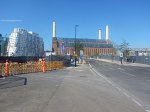




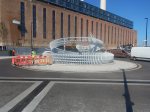


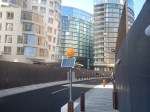
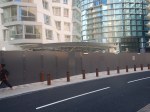

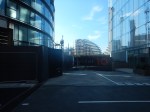








Note.
- There appears to be fake smoke coming out of the chimney in the third picture.
- I think the second entrance to the station will be close to where I walked.
- To my taste there appeared to be a lot of car parking.
The walk took me under ten minutes.
The Second Entrance At Battersea Power Station Station
In Battersea Power Station Station Opens, I said this.
There is also probably space to put another set of three escalators pointing the other way, at the other end of the intermediate level, away from the current set of three escalators, that lead to the surface.
So I went back today and had another look.


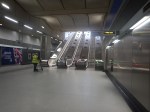
I was told by a member of the station staff, that a second entrance, where the posters are on the wall will lead to the power station, the shops and the river.
Could Access Between Platform And Train Be Improved At Kennington Station?
Before I look at the solutions, I will look at passenger flows around Kennington station, now that the extension to Battersea has opened.
- Passengers will enter the station and take a train.
- Passengers will arrive at the station and leave.
- Passengers will change trains going between say Morden and Battersea Power Station stations.
- Passengers will change between the two Northbound services through the station, by walking between Platforms 1 and 3.
- Passengers will change between the two Southbound services through the station, by walking between Platforms 2 and 4.
Kennington station has two major access problems for those of restricted mobility.
- Getting between street and platform
- Getting between platform and train
There used to be a third problem, which was that there wasn’t enough cross-platform access between Platforms 2 and 4 and Platforms 1 and 3, which has now been improved.
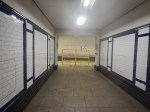


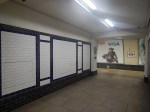
The pictures show the passage between Platforms 2 and 4, which seems to have been built to a high quality.
How will these access problems affect passengers and especially those with reduces mobility?
- Passengers with reduced mobility may avoid Kennington station, if they are using Routes 1 and 2, as the stairs are difficult.
- Passengers using Route 3 may find it easier to change at Waterloo, London Bridge or another convenient station.
- There are lots of buses, which may offer a convenient alternative.
Operating experience will give the correct answer, but I feel that passengers using the station will contain a large proportion, who are using Routes 4 or 5 and just changing from one train to another going in the same direction.
Access Between Street And Platform
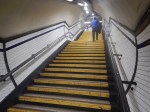
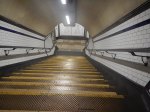
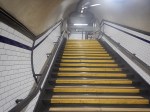
These pictures show the stairs that give access to the platforms from the passageway leading to the lifts.

Note.
- The stairs are steep and not very wheelchair or buggy friendly.
- They are not all the same length.
Unless it is possible to sneak a lift down into the new cross-passages, I suspect that providing step-free access to the platforms will be a long time coming at Kennington station.
It will also probably need passengers to use two lifts between street and platform, which could encourage them to find a better route.
Access Between Platform And Train
These pictures show trains in Kennington station.
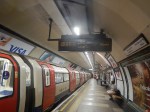
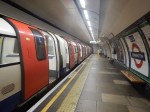
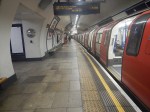
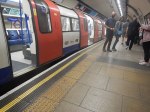
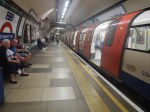
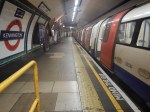
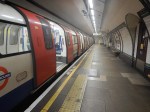
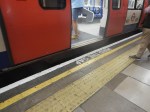
Note that a Harrington Hump is fitted to the platform to ease boarding for those in wheelchairs.
The map from cartometro.com shows the platform layout at Kennington station.
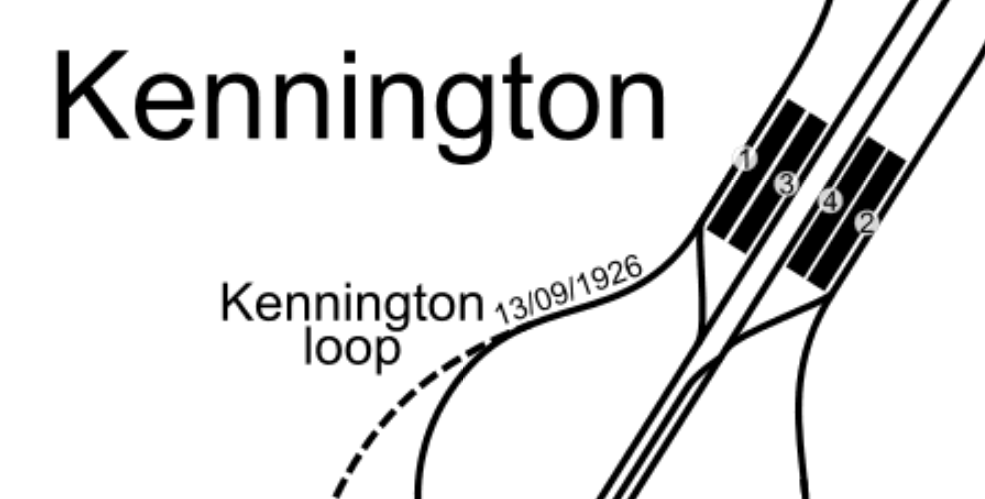
Note that in the pictures and this map the platforms are almost straight.
I wonder, if as at Battersea Power Station and Nine Elms stations, the platforms could be arranged so that there is step-free access between train and platform.
These pictures show level access at the two stations on the new extension.
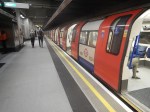
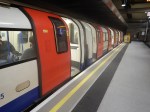
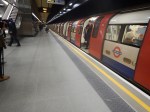
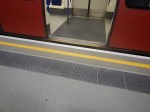
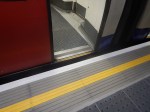
This would surely help those changing trains by walking between Platforms 2 and 4 or 1 and 3.
Conclusion
I am very doubtful, that large numbers of passengers with reduced mobility will use Kennington station, except to change from one train to another going in the same direction.
For that reason, I suspect Transport for London have not gone for full step-free access at Kennington station.
But I do think, that level access could be installed between the trains and all four platforms to make it easier for passengers with reduced mobility to change trains.
Passenger Flows If The Northern Line Is Split Into Two Lines
The Northern Line could be split into two.
- The Western Line (Charing Cross Line) would run between Edgware and Battersea Power Station via Camden Town, Euston, Charing Cross and Kennington.
- The Eastern Line (Bank Line) would run between High Barnet and Morden via Camden Town, Euston, Bank and Kennington.
Northbound routes through Kennington station would be as follows.
- Passengers between Battersea Power Station and a Bank Line station would change between Platforms 1 and 3 at Kennington.
- Passengers between Morden and a Charing Cross Line station would change between Platforms 3 and 1 at Kennington.
Southbound routes through Kennington station would be as follows.
- Passengers between a Bank Line station and Battersea Power Station would change between Platforms 4 and 2 at Kennington.
- Passengers between A Charing Cross Line station and Morden would change between Platforms 2 and 4 at Kennington.
All of these Northbound and Southbound changes are a level walk of perhaps ten metres.
Passengers between Morden and Battersea Power Station would change at Kennington, if they can manage the stairs.
Otherwise, they will need to do two cross-platform interchanges at Kennington and Waterloo.
The rule would appear to be if you’re on one line and are going to a station on the other, you change at Kennington station.
Staff would need to be on the platform to help those, who were changing direction.
But I do think changing can be made to work well with step-free access between train and platform on all four platforms at Kennington station.
Is Clapham Common Station Dangerous?
Clapham North and Clapham Common stations are the last two Northern Line platforms with an island platform in the tunnel and must be towards the top of any list. This map from carto.metro.free.fr shows their locations.

Note their closeness to Clapham High Street station, I am sure, that eventually a better solution to these two stations will come about because of property development in the area.
I passed through Clapham Common station this morning and took these pictures.
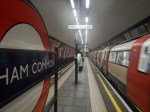
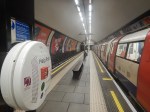
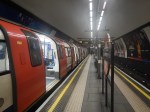
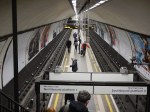
Well to be fair, the fourth picture is one I took earlier.
Using The Experience At Bank To Advantage
As I write this, there are underground construction workers starting the final push to rebuild Bank station. After dismantling a lot of the Northern Line through Bank station, I would expect that engineers and workers have ideas as to how they could sort Clapham Common station and its near neighbour to the North; Clapham North station.
There would appear to be two possible lines of thought.
One would be to apply the Bank solution of digging a new Northbound tunnel.
- It would by-pass the two current stations, by looping to the West.
- The current Northbound track would be filled in at both stations and used to widen the platform, which would handle Southbound trains on the current track.
- A new platform on the new Northbound track would be built outside the current tunnel and connected to the widened platform over the old Northbound track, by passageways through the tunnel wall.
- It should be possible to slip a lift down to the wide island platform to give step-free access.
Hopefully the current access to the surface could still be used.
I also wonder if engineers know enough about Victorian tunnel construction to just strip the tunnel and widen it
- The tracks would be moved further apart.
- The island platform would be widened.
- Step-free access might be difficult.
As with the other method, the current access to the surface could still be used.
From Nine Elms Station To The United States Embassy
From Nine Elms station, I walked to the United States Embassy through Arch 42 under the railway, taking these pictures on the way.
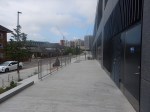
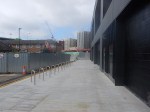

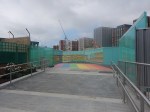



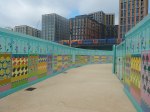
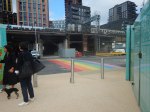

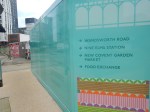

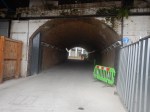





The route is as follows.
- Walk down the West side of the station.
- Continue through the coloured hoardings to wards the railway.
- Arch 42 is opposite the end of the walkway.
- Continue through Arch 42.
- The United States Embassy is a short walk from the other side of Arch 42.
It only took me a few minutes.
Nine Elms Station Opens
I took these pictures at Nine Elms station today, after it opened.


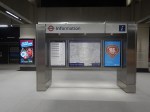
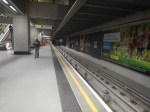
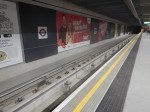


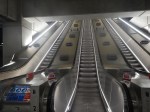








Note.
- The space is generous on the wide island platform.
- Access between platform and train is level.
- There is a set of three escalators and a lift connecting the platform to the surface.
The underground parts of the station feel very much like Canary Wharf station without the platform edge doors and fewer escalators.
Why Aren’t There Platform Edge Doors?
I was chatting to someone and they wondered how the station and Battersea Power Station station had been built without platform edge doors.
- The thought had occurred to me too and we both thought that EU regulations meant that new underground platforms had to have these doors.
- As the 1995 Stock on the Northern Line are very similar to the 1996 Stock on the Jubilee Line, it is unlikely to be a technical or design issue.
- I also think it would be unlikely to be a cost issue given the size of the budget for the two stations.
Look at this picture of a train in Nine Elms station.
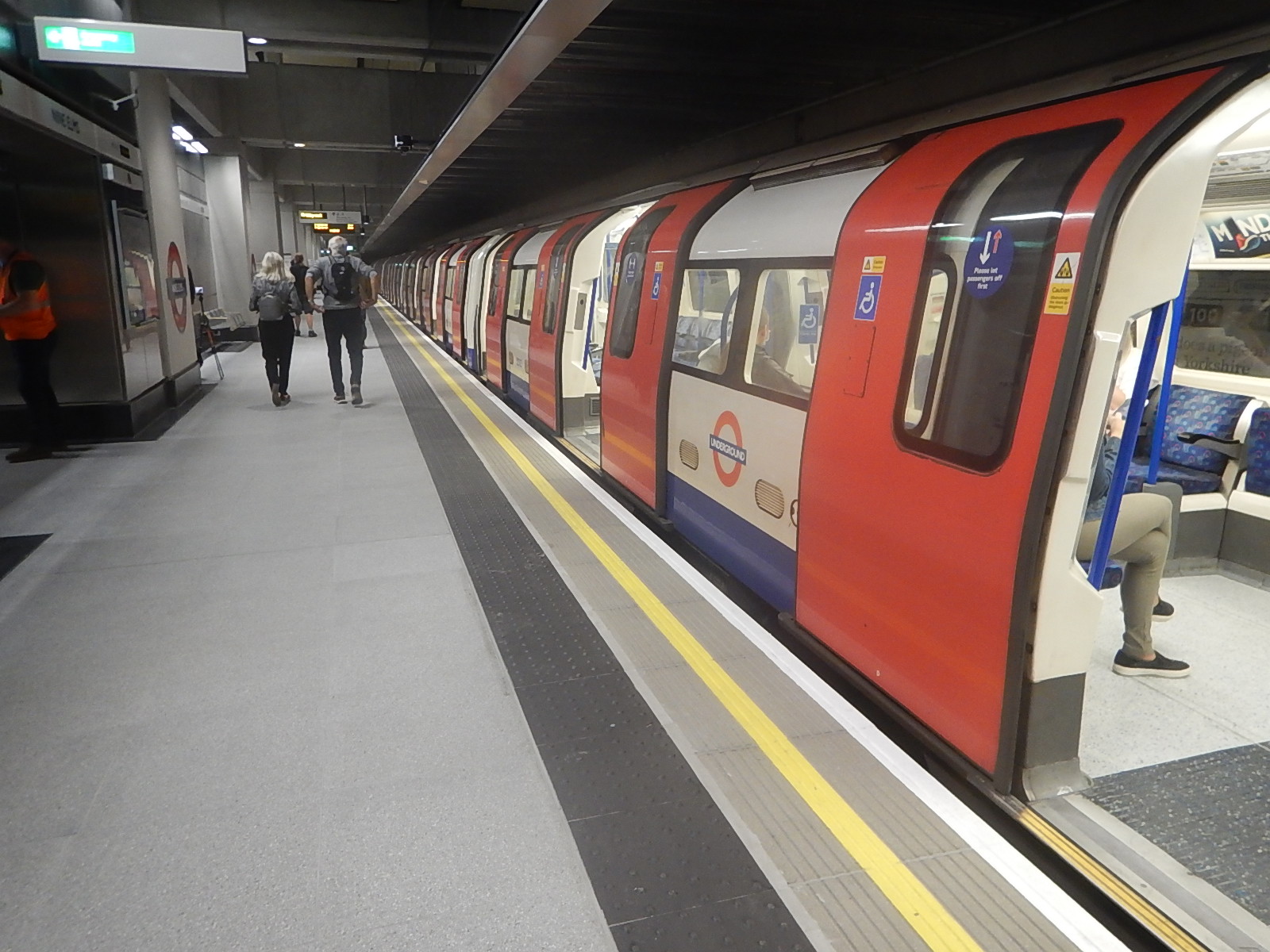
Note.
- The platform is long and straight.
- The platform is generally wider than some of London’s older Underground platforms.
- The track is arranged, so that the door openings and carriage floors line up with the platform edge, so that wheelchair users, bugger pushers and case draggers can go safely across.
- There is only a small gap between the train side and the platform edge, between the doors on the train, which is probably too small for anybody capable of walking can fall through.
- There is no Mind The Gap written on the platform. There is just a yellow line.
- There are no obstructions on the platform.
This second picture shows the structure of the track.
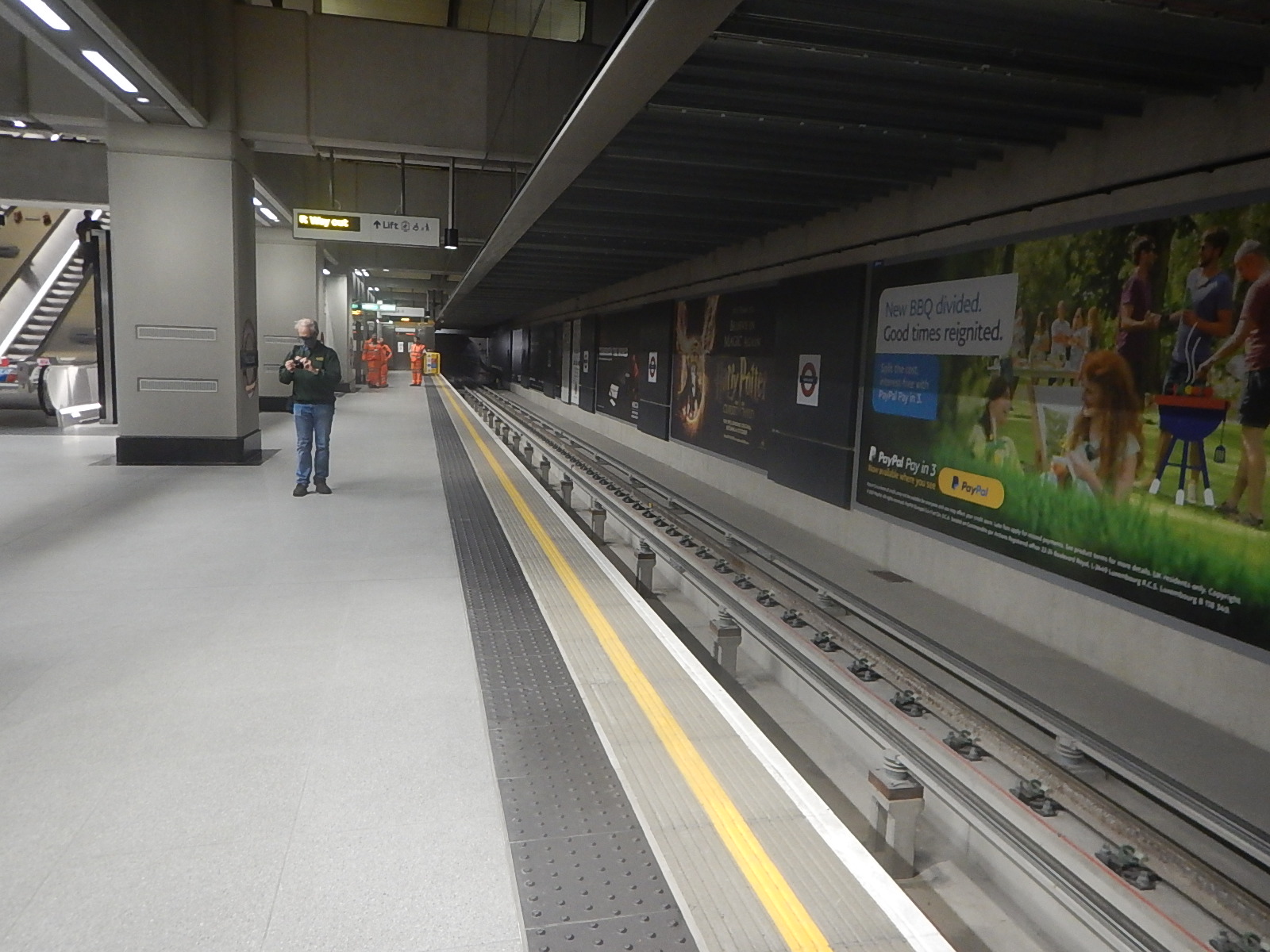
Note.
- The four rail electrification system is clearly visible.
- The far rail is energised at +420 VDC.
- The centre rail is energised at -210 VDC.
- The two running rails don’t carry any current.
- There is a suicide pit between the running rails and under the centre rail to protect anybody or anything falling onto the tracks.
I do wonder if Transport for London have done an analysis and found that the number of serious accidents on stations with these characteristics is small enough, to build these two new stations without the doors.
Other factors could include.
- Stadler are the masters of step-free access and have built several innovative fleets of trains for safe step-free access without platform edge doors. Although they have nothing to do with this project, their statistics would be relevant.
- The UK has left the EU, so we’re ignoring the regulation.
- The Northern Line might get new trains.
I wouldn’t be surprised to see this philosophy of straight uncluttered platforms being applied across the Underground.
This picture shows the Southbound platform at Angel station.

Note.
- This platform was built in the early 1990s.
- It is wide and uncluttered.
Note that the trains were introduced after the station was opened, so that is perhaps, why the train floors are higher.
Battersea Power Station Station Opens
I took these pictures at Battersea Power Station station today, after it opened.
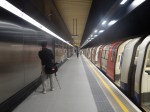
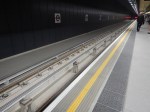


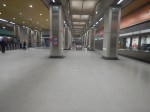
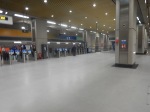
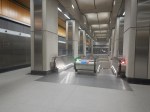
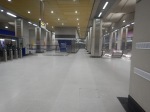


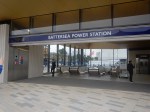
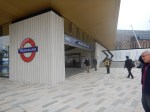


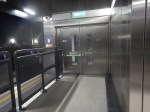

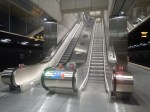
Note.
- Access between platform and train is level.
- There are a pair of up and down escalators between the platforms and the ticket hall level at both ends of the station.
- Three more escalators take you to and from the surface.
- There are lifts at both ends of the platforms.
- The tracks appear to have been laid with slab track.
Two things surprised me.
The first was the number of escalators and lifts, make me suspect, that the station has been designed as a high capacity station.
There is also probably space to put another set of three escalators pointing the other way, at the other end of the intermediate level, away from the current set of three escalators, that lead to the surface.
The position of the station on Battersea Park Road. I had got the impression, it would be nearer the power station and the river. another set of escalators would explain my confusion.
This Google Map shows the wider Battersea site.
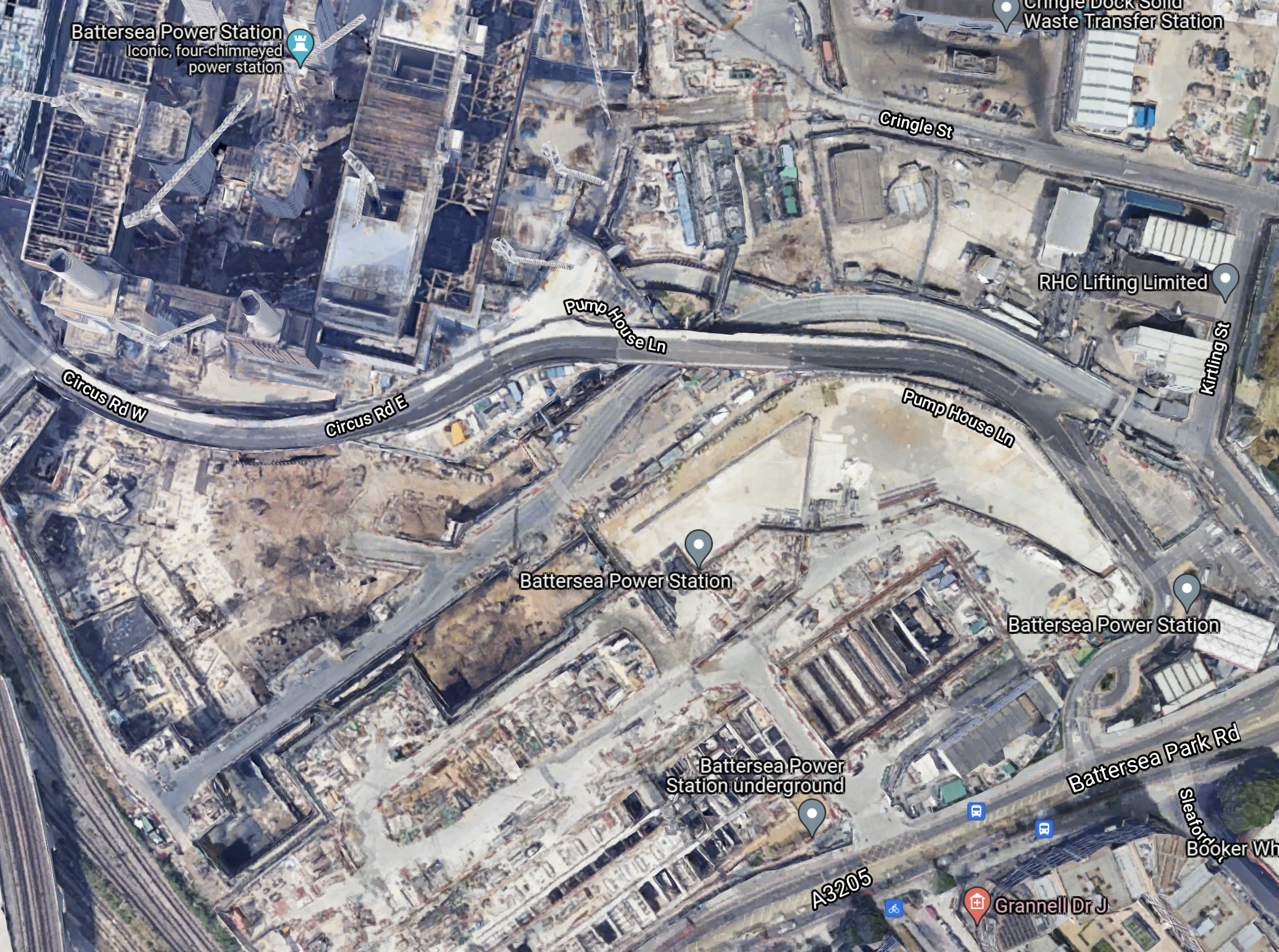
Note.
- This map is certainly a few months or even years old.
- Battersea Power Station is in the top-left corner of the map.
- There is a grey arrow, which is labelled Battersea Power Station Underground pointing to a site on the North side of Battersea Park Road.
- There are also two more grey arrows, which are labelled Battersea Power Station. Are these future entrances?
- Between the three arrows, is the massive station box, which in this image, hasn’t received its roof.
It looks to me, that what I saw, will be just a small fraction of the completed station.
 The Anonymous Widower