Alstom’s Widnes Factory
I took these pictures as the train to Liverpool passed Alstom’s Widnes factory, soon after crossing the River Mersey.
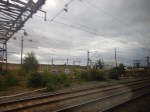
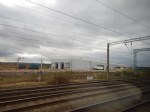
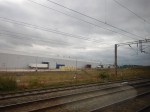
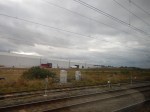
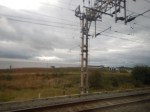
There has still been few announcements lately on the progress of the Class 321 trains being converted to hydrogen-powered Class 600 trains.
Perhaps, they are too busy updating Avanti West Coast’s Class 390 trains.
Arriving In Liverpool Lime Street Station – 14th October 2021
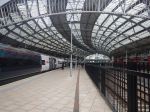
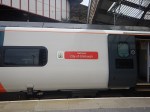
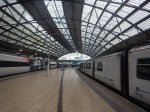
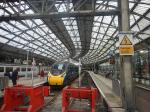
I took these pictures as I arrived into Liverpool Lime Street station today.
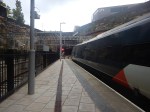

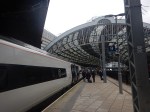
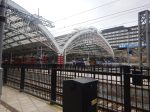
Note.
- The train arrived in Platform 9.
- I arrived in the last coach and took the pictures walking to the front of the train.
- The platform is just long enough for an eleven-car Class 390 train, which is 265.3 metres long. These are the longest trains in Avanti West Coast’s fleet.
- The train was numbered 390130 and named City of Edinburgh.
Network Rail’s platform designers seem to have pulled out all the tricks to fit an eleven-car Class 390 train in Platform 9 at Liverpool Lime Street station.
The new seven-car Class 807 trains will only be 182 metres long, so would appear to fit Platform 9 easily.
In Could Avanti West Coast Run A Lumo-Style Service Between London And Liverpool?, I looked at the various options to run a two trains per hour (tph) service between London Euston and Liverpool Lime Street.
I came to these conclusions.
- The shorter Class 807 trains would be needed to run services that stop at Liverpool South Parkway station, which has shorter platforms.
- If both hourly services were run by new Class 807 trains, there would be a 54 % increase in hourly capacity.
- If one service was run by a Class 390 train and the Liverpool South Parkway service was run by a Class 807 train, this would give a 77 % increase in hourly capacity.
- The Liverpool South Parkway service or both services would be very close to two hours.
Whatever is done, it would be a flagship service between London and Liverpool.
Bradford Seeks Support On Rail Project Which Could Deliver £30bn Benefits
The title of this post is the same as that of this article on Rail Technology Magazine.
This is the first paragraph.
Delivery of a new city centre railway station in Bradford is estimated to boost the city’s economy by £30bn over ten years, with Bradford Council now seeking government support to deliver the major rail project.
The article also says that the the station, will be built on the site of St James Market, which is owned by the Council.
This Google Map shows the market and the surrounding roads and railways.
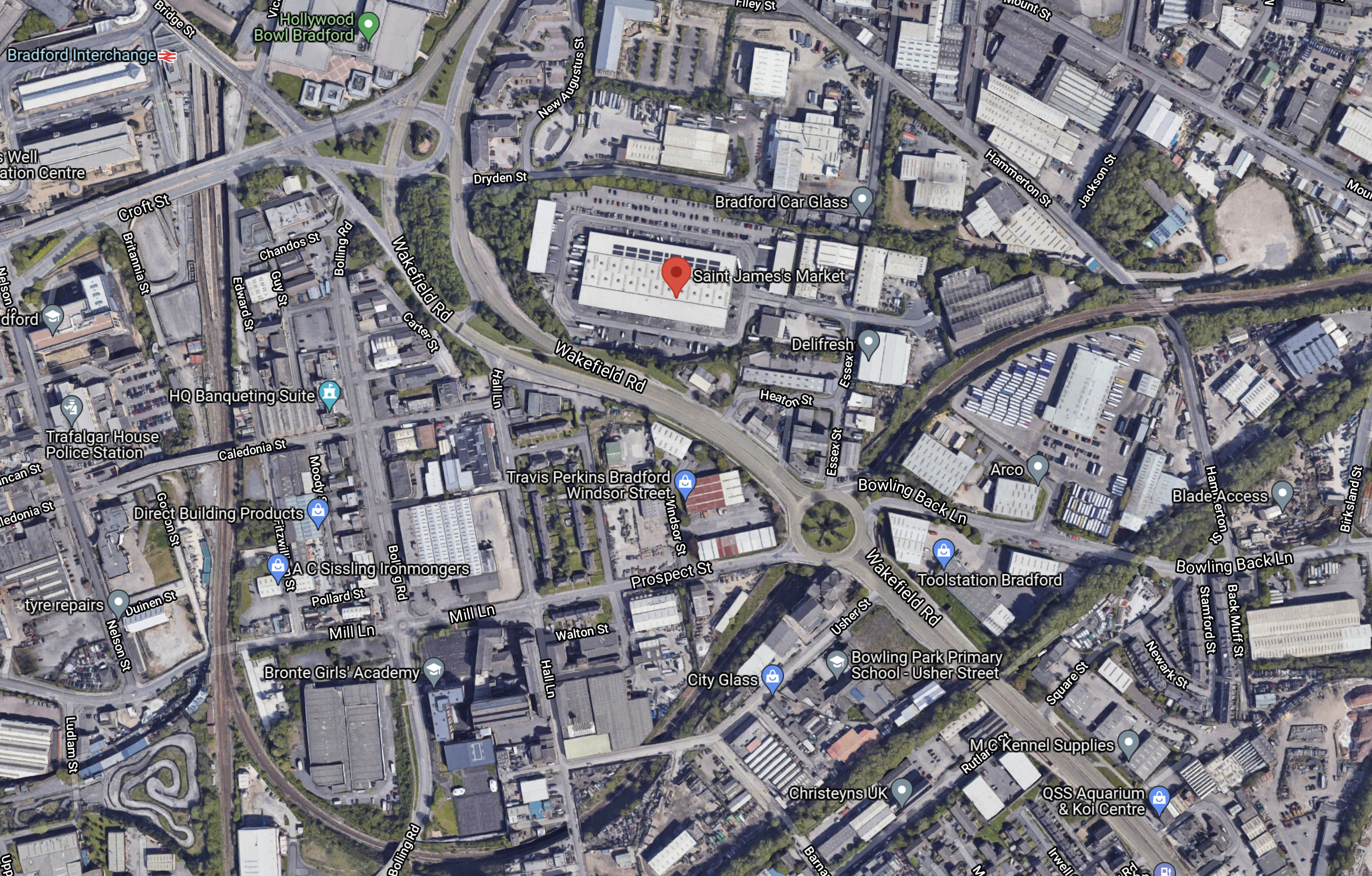
Note.
- Bradford Interchange station is in the North-West corner of the map.
- St. James Market is marked by the red arrow in the middle of the map.
- The railway Between Leeds and Bradford Interchange stations via New Pudsey station curves in a loop South of the market.
- The railway going South from Bradford Interchange goes to Bradford Low Moor and Halifax stations, before taking the Calder Valley Line via Hebden Bridge to Manchester Victoria station.
I think it would be feasible to build the station on the current route between Leeds and Bradford Interchange stations, with perhaps a mixture of through and bay platforms.
This second Google Map, shows Mill Lane Junction, where the lines from New Pudsey and Bradford Low Moor stations join South of Bradford Interchange station.
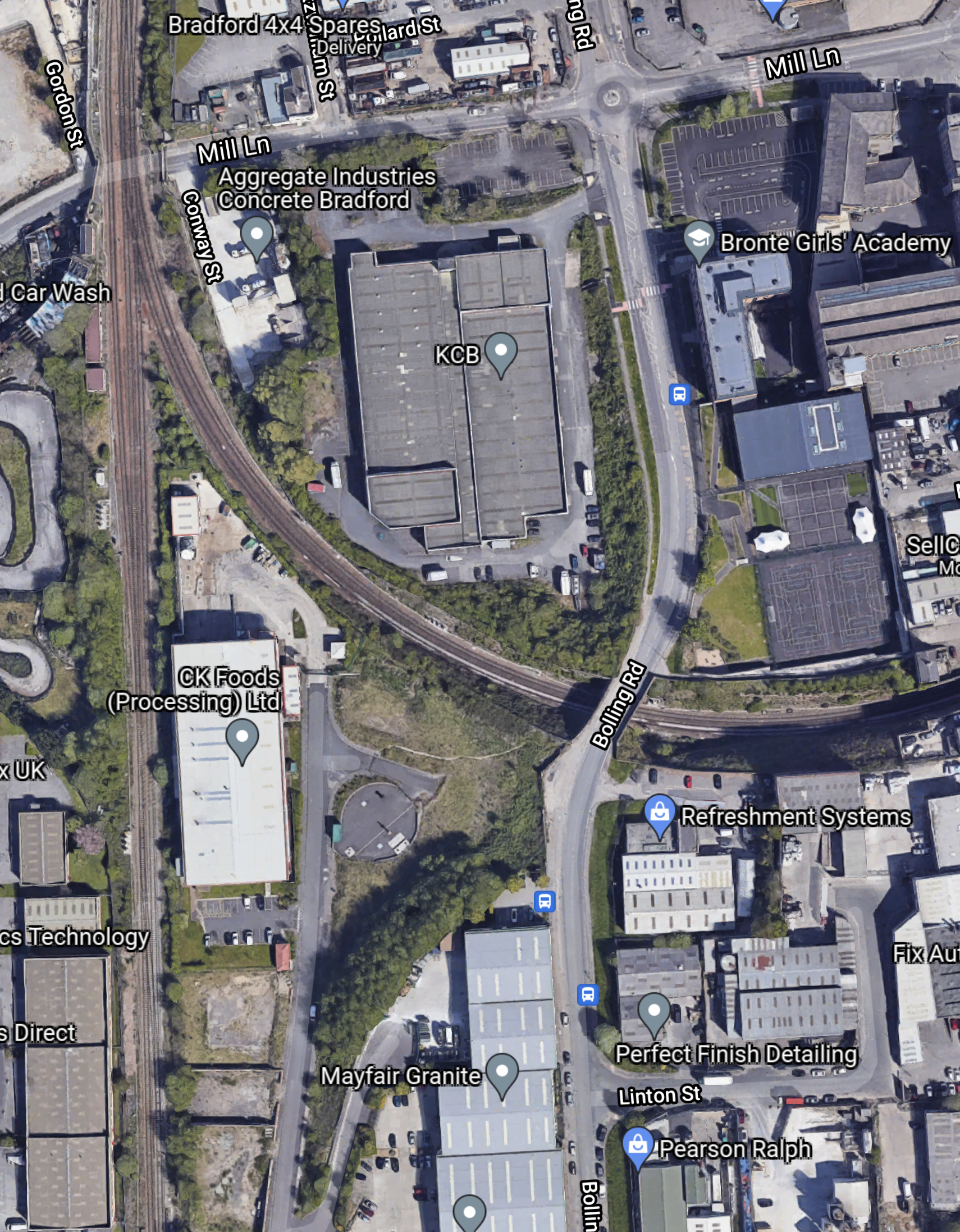
Note.
- Bradford Interchange station is on the rail line to the North.
- The proposed new Bradford station and the existing New Pudsey station are on the rail line to the East.
- Bradford Low Moor station is on the rail line to the South.
It would appear that an extra chord should be added to the junction to allow trains between Manchester Victoria and Leeds via the Calder Valley Line can call at the new station in Bradford.
Current trains between Manchester Victoria and Leeds using this route have to reverse at Bradford Interchange. The new station and the extra chord would avoid this.
Conclusion
I think that this proposal has possibilities.
Osterley Becomes 89th Step-Free London Underground Station
The title of this post, is the same as that of this article on Rail Technology Magazine.
So I went to Osterley station and took these pictures.


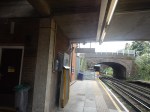


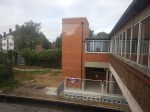
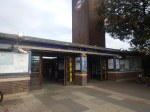
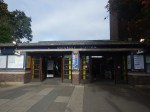
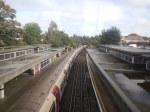
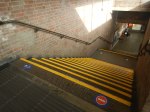
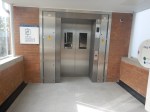
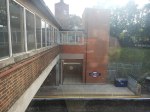
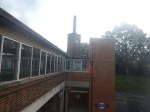
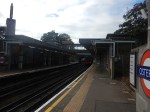
Note.
- Osterley station is Grade II Listed and was built in the style of Charles Holden.
- It does look that there is also step-free access between train and the platform for most wheelchair-users, buggy-pushers and case-draggers.
- The two new lift-towers are typical steel-and-brick constructions.
I don’t think that the most militant member of the Heritage Taliban will object to the quality of the design and the construction.
Opening Date Announced For Dartmoor Line
The title of this post, is the same as that of this article on Railnews.
This is the first couple of sentences.
Full train services will return to the Dartmoor Line in Devon on 20 November. The Department for Transport said the DfT and its partners had ‘accelerated’ the reopening of the railway, because passenger services will now be launched only nine months since funding was approved.
It also says that the initial service between Exeter and Okehampton will be two-hourly, until May 2022, when it will be hourly.
I have looked up the Great Western Railway timetable and there are two sensible morning trains between Paddington and Okehampton on the 24th of November.
- 08:04 – Arrives at 11:18
- 10:04 – Arrives at 13:17
Returning there are two sensible afternoon/evening trains.
- 15:24 – Arrives at 18:24
- 18:20 – Arrives at 21:36
It looks like it would be possible to go from London and Okehampton and return in the same day.
Surbiton Station To Benefit From £6.7m Upgrade
The title of this post, is the same as that of this article on Rail Technology Magazine.
So I went to Surbiton station to take a few pictures.

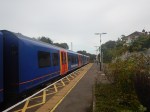
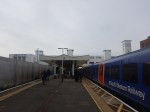
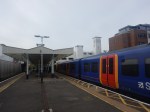
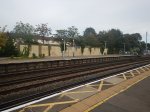

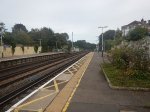
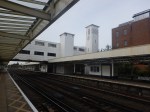
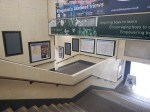
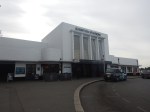
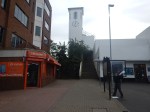
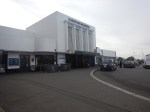
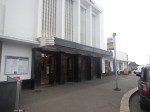
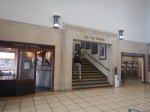

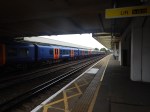
It has far too many steps for my liking, although it is a Grade II Listed Building, that opened in 1937.
Shetland Blasts Off Into Space Race As Britain’s First Rocket Launch Pad Skyrora
The title of this post, is the same as that of this article on The Times.
This second paragraph, explains what Skyrora are doing.
Skyrora, a technology company with its headquarters in Edinburgh, has agreed a deal for scores of rocket launches over the next decade from a site on Unst, the most northerly of the Shetland islands.
This Google Map shows the most Northerly part of Unst.
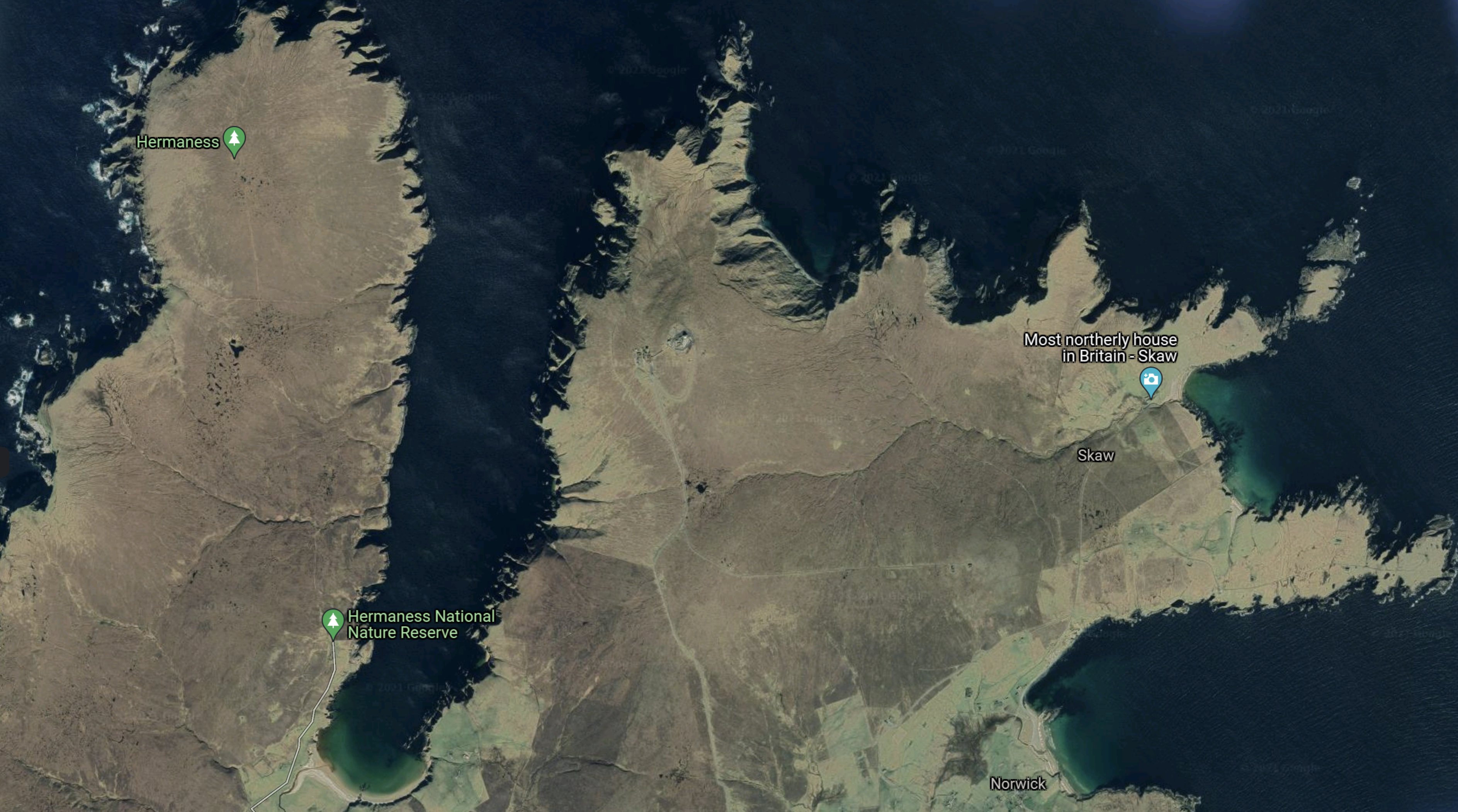
There’s not really much there, except birds, trees and the most northerly house in Britain.
Enlarging to the West of the house, gives this second Google Map.
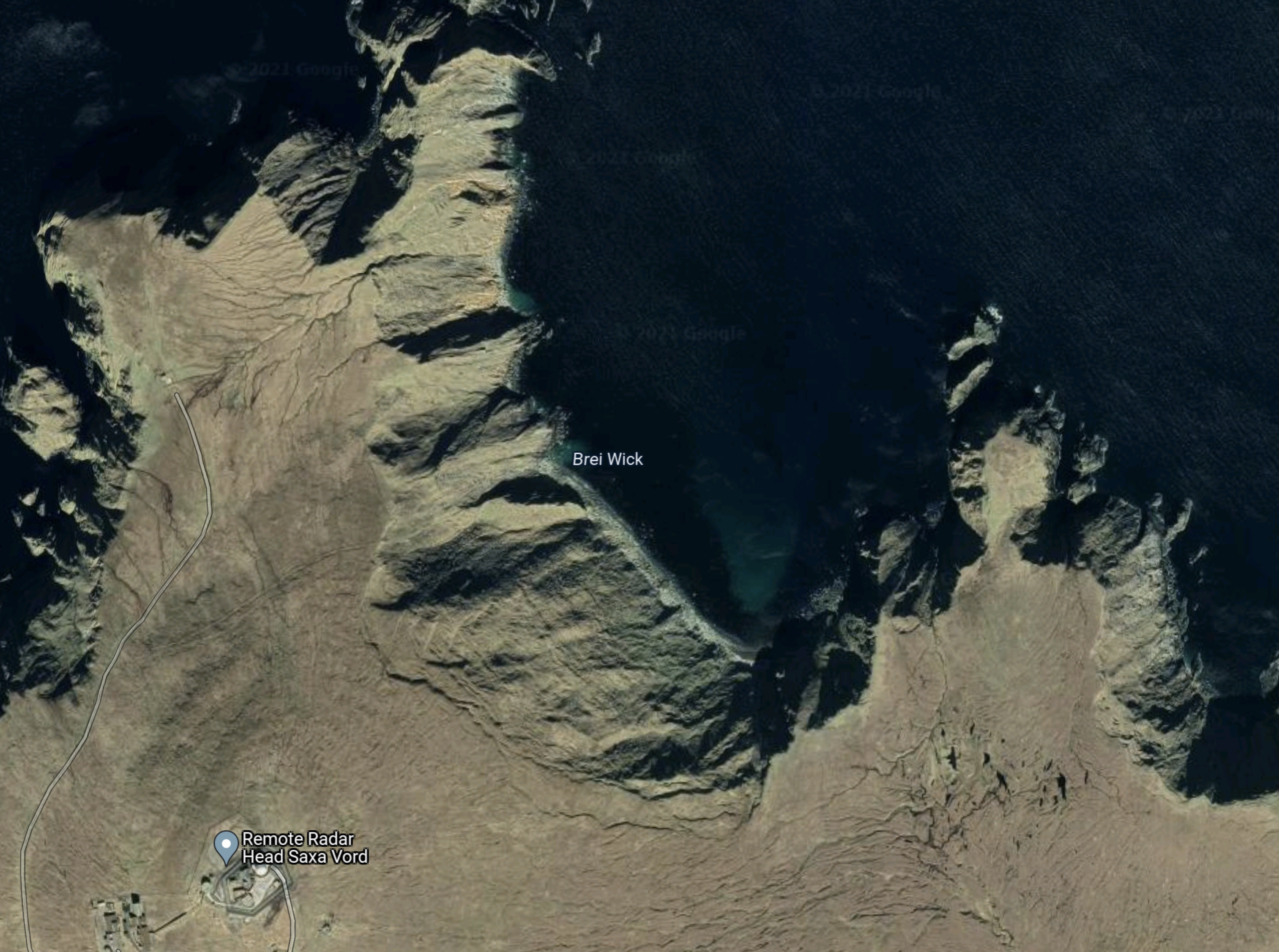
Note the Remote Radar Head Saxa Vord, which has a Wikipedia entry as RAF Saxa Voe.
- It is now a fully-operational radar station again, after closure in 2006.
- It is at the same latitude as St. Petersburg and Anchorage.
- In 1992, it measured a wind speed of 197 mph, before the equipment blew away.
The Wikipedia entry is worth a read, as it gives a deep insight into radar and its tracking of Russian intruders in the Cold War.
This third Google Map shows a 3D closeup of the radar.
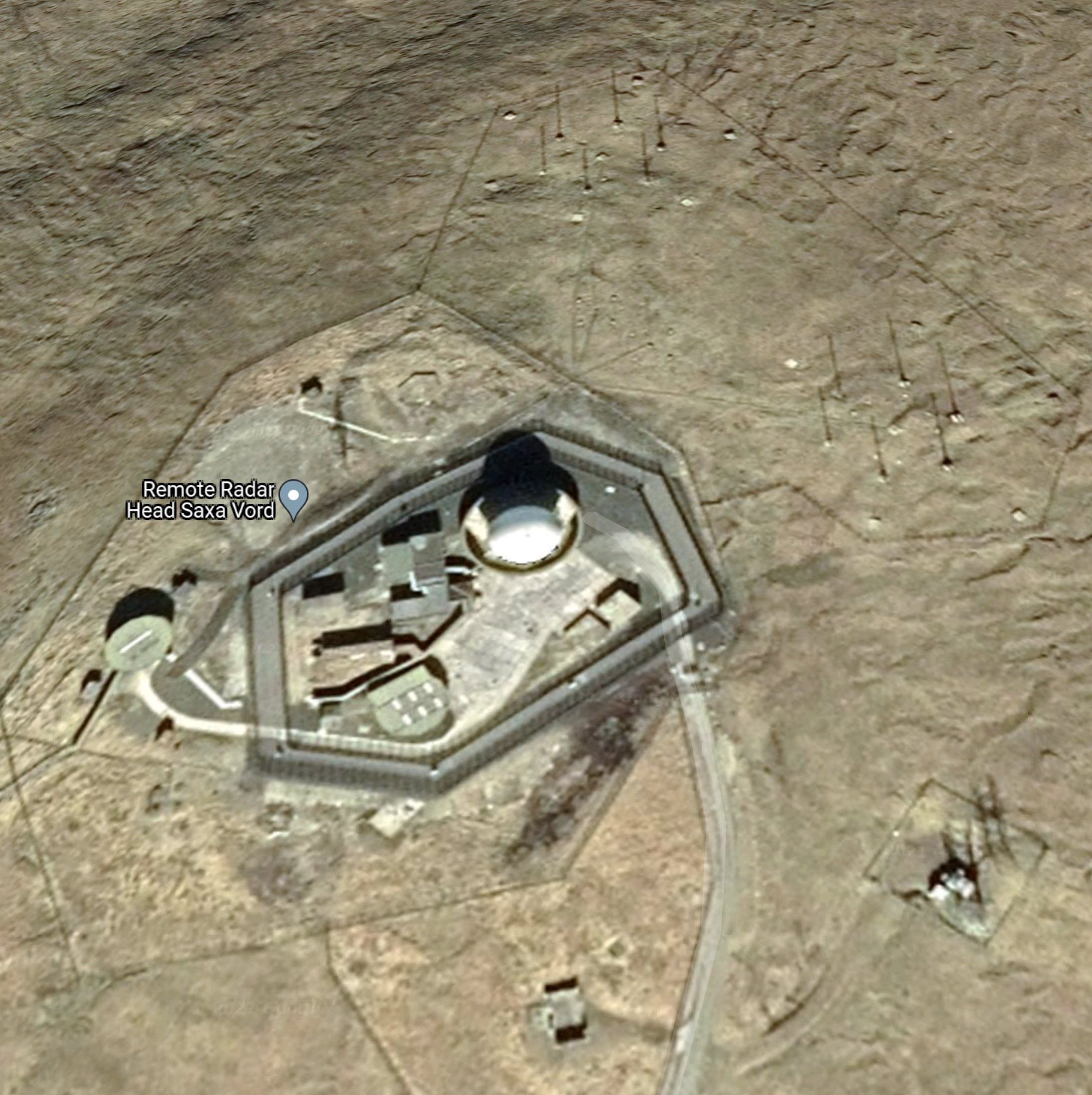
No staff are based at Saxa Vord, although maintenance staff do visit.
According to The Times, the space port will be at Lamba Ness, which is to the East of the most northerly house in Britain.
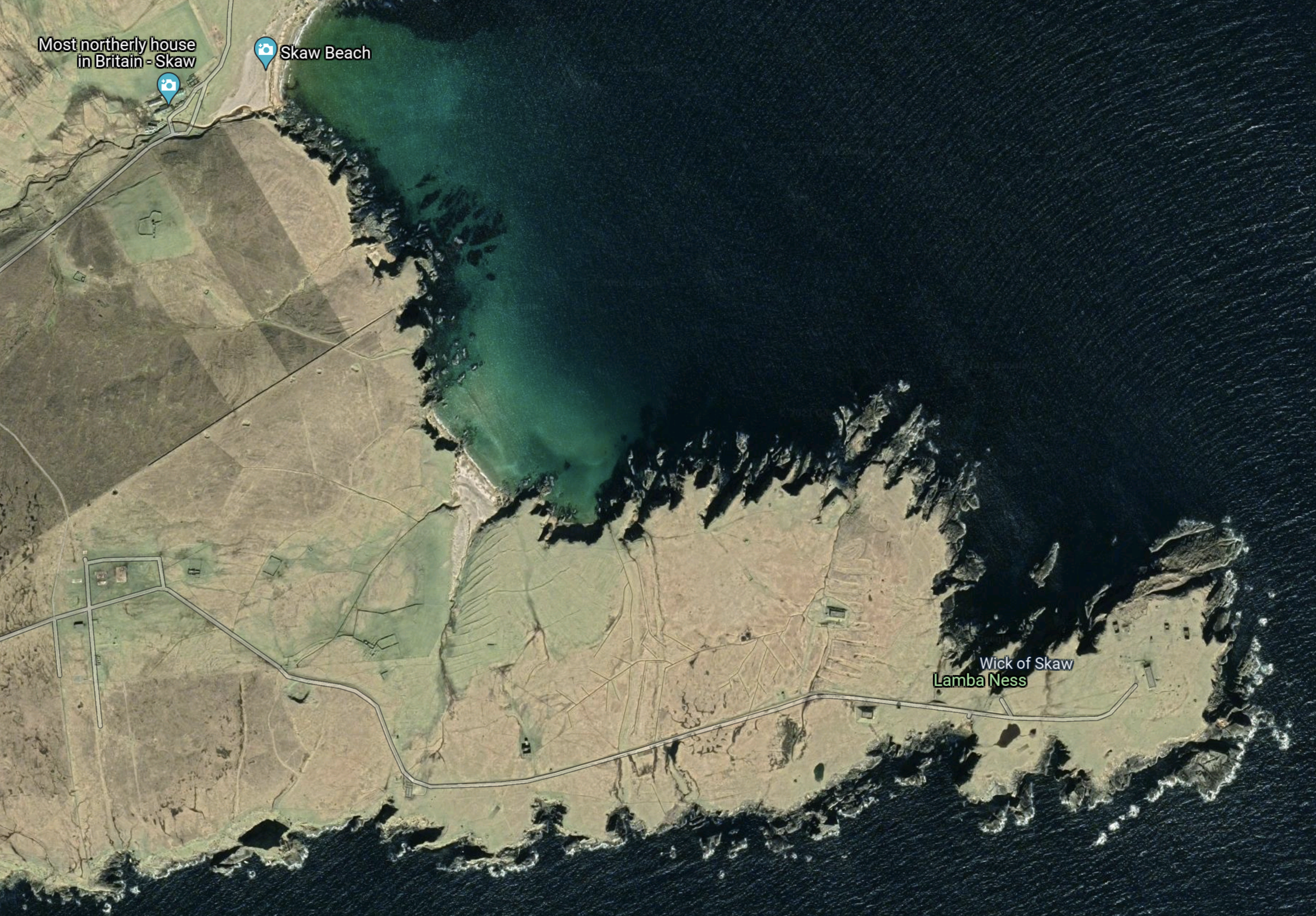
The peninsular in the South-East is marked Lamba Ness.
It may seem a very bleak place, but it could have one thing, that rocketry will need – rocket fuel!
In Do BP And The Germans Have A Cunning Plan For European Energy Domination?, I introduced Project Orion, which is an electrification and hydrogen hub and clean energy project in the Shetland Islands.
The project’s scope is described in this graphic.
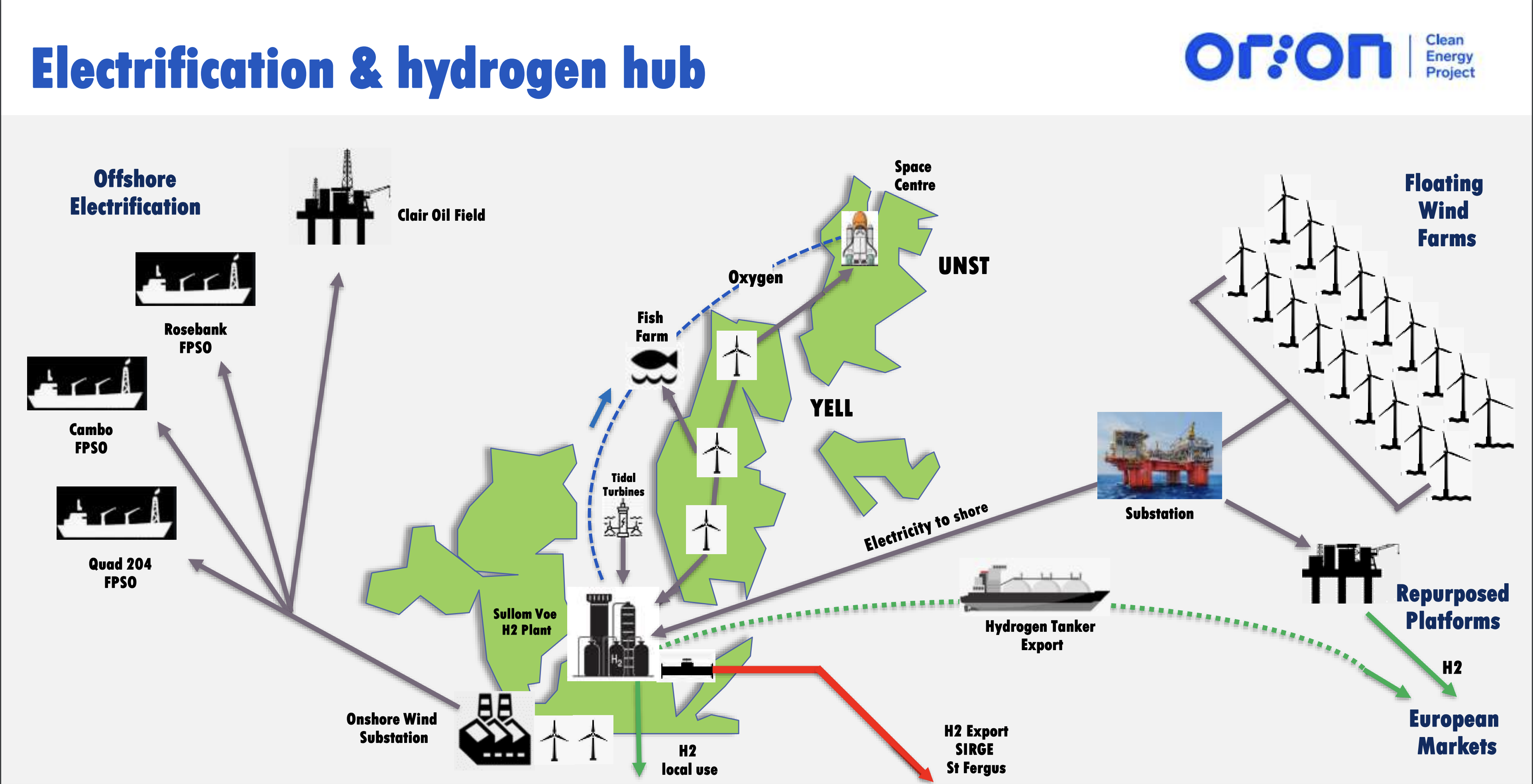
Note
- Project Orion now has its own web site.
- A Space Centre is shown on the Island of Unst.
- There is an oxygen pipeline shown dotted in blue from the proposed Sullom Voe H2 Plant to the Fish Farm and on to the Space Centre.
- I suspect if required, there could be a hydrogen pipeline.
The Space Centre on Unst could be fuelled by renewable energy.
Who Are Skyrora?
They have a web site, which displays this mission statement.
Represents a new breed of private rocket companies developing the next generation of launch vehicles for the burgeoning small satellite market.
The Times also has this paragraph.
At the end of last year, the company also completed trials of the third stage of its Skyrora XL rocket, including its orbital transfer vehicle which, once in orbit, can refire its engines 15 times to carry out tasks such as acting as a space tug, completing maintenance or removing defunct satellites.
The company seems to have big ambitions driven by innovation and a large range of ideas.
Conclusion
I shall be following this company.
The Dalston Junction Crossing At Night
This picture shows the diagonal light-controlled crossing at Dalston Junction station at night.

This Google Map shows the junction.

Note.
- The North-South Road is Kingsland High Street.
- The Road going East is Dalston Lane, where my grandmother was born on the North side of the road, about a hundred metres along.
- On the South side of Dalston Lane is Dalston Junction station, with a West-facing bus-stop in front.
- The Road going West is the Balls Pond Road of Beyond Our Ken and Round The Horne fame.
- The building at the West of the junction is the solicitors shown in the first picture.
- On the North side of the Balls Pond Road is an East-facing bus stop, which is paired with the one by the station. A bus at the stop can be seen in the first picture.
The diagonal light-controlled crossing can seen crossing between the two sides of the junction between the yellow meshes of the box junction.
The junction has had this layout for a few years now and it works.
- I live about a kilometre to the West of Dalston Junction and regularly take a bus to stop on the West side of the junction before crossing diagonally to catch the Overground.
- Coming home, I catch a bus from just outside the station
- As buses are generally about once every ten minutes, I generally don’t wait long.
- The crossing has made a big improvement to the junction, as it connects the two stations and the Kingsland Road.
How many other busy junctions could be improved by a similar diagonal crossing?
It should also be noted that since the crossing has been installed, Dalston has gained an Aldi, a Co-op. a Marks and Spencer Simply Food Spencer Simply Food, a Pret, a Premier Inn and several better fast food places.
The improvement of the walking routes has certainly brought more people up the junction and to the two stations.
Vivarail To Unveil 80mph Super-Class 230 At COP26
The title of this post, is the same as that as of this article on Rail Magazine.
This is the first paragraph.
Vivarail intends to show off a new design of battery-powered zero-emission Class 230 unit at next month’s COP26 climate change conference in Glasgow.
Features of the train include.
- 80 mph operating speed, as opposed to 60 mph of the mph of the current Class 230 train and 45 mph of the original London Underground D78 Stock.
- Two driver cars and a trailer car in between.
- Ten minutes to fully charge the batteries.
- The two driver cars have three battery packs.
I doubt the designers of the train at Metro-Cammell, envisaged this future development.
 The Anonymous Widower