Bookham Station – 25th July 2020
Bookham station is going to get a makeover.

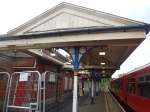

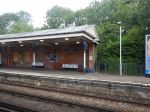
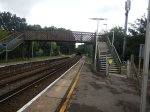






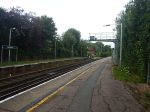

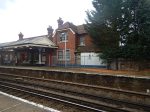
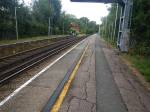

Although it is Grade II Listed, it certainly needs some TLC.
Diesel Buses To Be Phased Out Within 15 Years To Cut Greenhouse Gas Emissions
The title of this post, is the same as that of this article in The Times.
Hallelujah!
Should be heavy trucks, next!
Beeching Reversal – New Station For Langport And Somerton Area
This is one of the Beeching Reversal projects that the Government and Network Rail are proposing to reverse some of the Beeching cuts.
This Google Map shows the Langport and Somerton area.
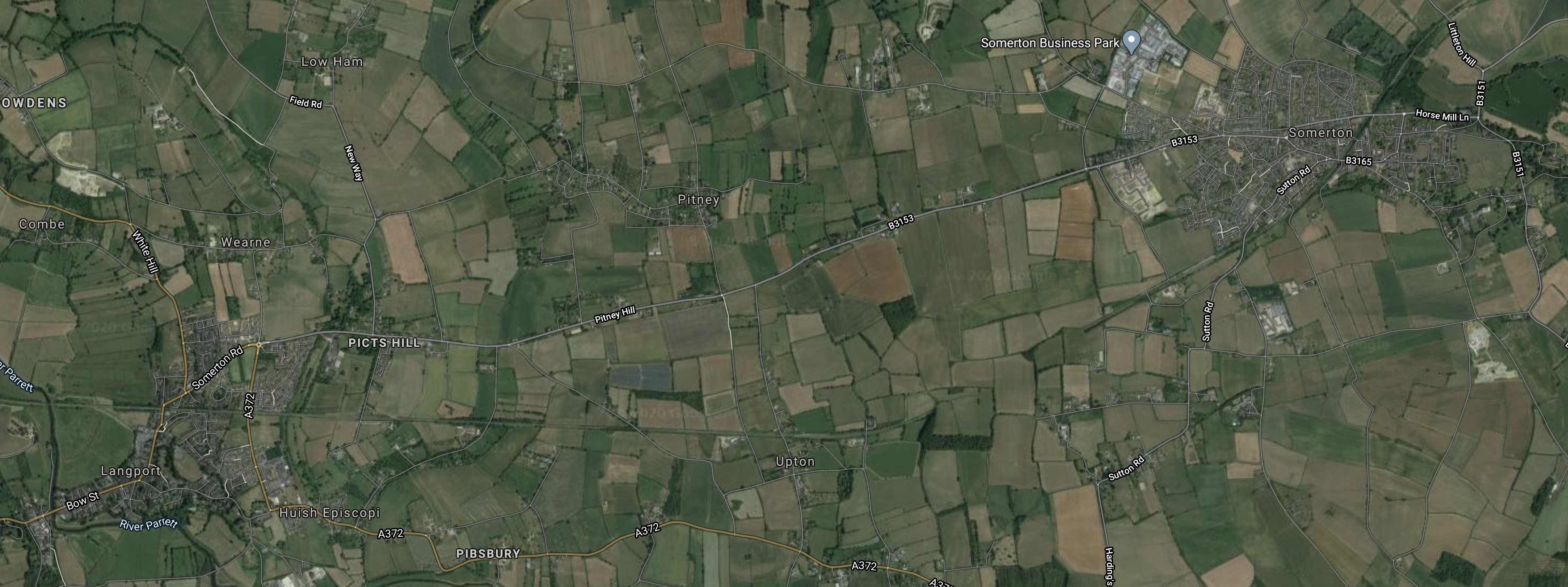
Note.
- This map is probably best clicked to see in a large size.
- Langport is in the South-West corner of the map.
- Somerton is in the North-East corner of the map.
- The Reading-Taunton Line goes through both villages, although both stations are now closed.
- Somerton station was in a cutting in the middle of the village.
The station’s location is shown in this second Google Map.
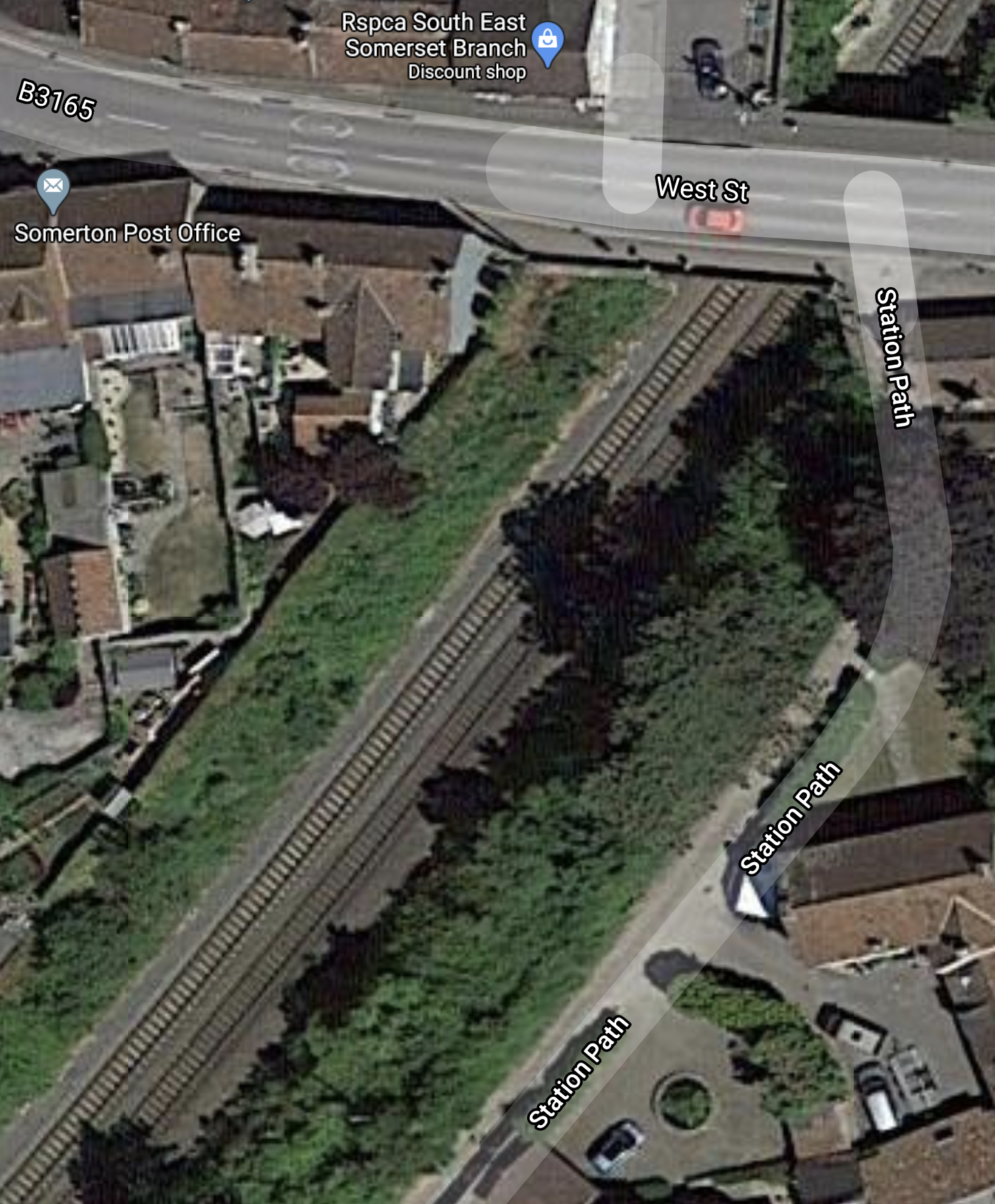
According to the Wikipedia entry for Somerton station, this seems to be the plan.
A May 2018 transport strategy suggested that a station should be opened to serve the Somerton and Langport area.
Judging from the map, there should be space for a two-platform station.
Services Though Somerton Station
Currently, there are three Great Western Railway (GWR) services on this route.
- London Paddington and Exeter St. Davids via Reading, Newbury, Pewsey, Westbury, Castle Cary, Taunton and Tiverton Parkway.
- London Paddington and Plymouth via Reading, Taunton, Tiverton Parkway, Exeter St Davids, Newton Abbot and Totnes.
- London Paddington and Penzance via Reading, Taunton, Tiverton Parkway, Exeter St Davids, Newton Abbot, Totnes, Plymouth, Liskeard, Bodmin Parkway, Lostwithiel, Par, St Austell, Truro, Redruth, Camborne and St Erth.
All services have a frequency of one train per two hours (tp2h)
The frequency of trains between Reading and Taunton on the 24th July was around each hour as follows.
- 7 – 4/1
- 8 – 4/1
- 9 – 5/2
- 10 4/0
- 11 6/2
- 12 5/2
- 13 – 5/1
- 14 – 5/2
- 15 – 4/1
- 16 – 3/0
- 17 – 7/2
- 18 – 3/0
- 19 – 3/0
- 20 – 3/0
- 21 – 3/1
- 22 – 0/0
- 23 – 0/0
- 24 – 1/1
Note.
- The first figure is the total number of trains per hour (tph).
- The second figure is the total number of freight tph.
There is under two tph in both directions and under one freight tph.
As the Reading-Taunton Line is a 110 mph route, my scheduling experience, says that with 125 mph Class 800 trains running all the passenger services, there should be some space for a few more services on the route.
So could this mean a fourth service between London Paddington and the South West?
- The new service could call at the new Somerton station.
- It could terminate at Exeter St. Davids. Penzance, Plymouth or a new destination of Taunton station.
- The Beeching Reversal project of Transforming The Newquay Line, would enable termination at Newquay station.
- The Beeching Reversal project of Increased Service Provision Bodmin General-Bodmin Parkway, would enable termination at Bodmin General station.
- The Restoring Your Railway Fund project of Reopening Of Wellington and Cullompton Stations, will need calling trains at the two stations.
- The Restoring Your Railway Fund project of Reinstatement Of Rail Access To Devizes Via A New Station At Lydeway will also need callers.
Are we seeing the emergence of a stopping service, between London Paddington and Exeter St. Davids?
Hitachi’s Proposed Class 800 Trains With Batteries
Hitachi’s proposed train is described in this infographic.

Note the phrase – Allows Discontinuous Electrification; at the top of the infographic.
Suppose the train ran these legs.
- Newbury – Westbury – 42 miles
- Westbury – Taunton – 48 miles
- Taunton – Exeter St. Davids – 30 miles
- Exeter St. Davids – Plymouth – 52 miles
All would be under the 55 mile limit for battery range.
Conclusion
It looks like GWR are building up to increase services between London Paddington and Exeter St Davids.
Option Enables SWR To Expand Class 701 Fleet
The title of this post, is the same as that as this article on Rail Business UK.
Currently. South Western Railway (SWR) has the following Class 701 trains on order from Bombardier.
- 60 x ten-car trains
- 30 x five-car trains
They also had an option for two more ten-car trains.
This has been increased to five trains.
At least one train company, thinks it’s worth investing in more trains despite COVID-19!
Beeching Reversal – Reinstatement Of The Bodmin-Wadebridge Railway
This is one of the Beeching Reversal projects that the Government and Network Rail are proposing to reverse some of the Beeching cuts.
The basic outline of this Beeching Reversal project is described in the section called RailTrail Project in the Wikipedia entry for the Bodmin and Wenford Railway, where this is a simplified version of what is said.
The railway company is currently planning to extend beyond its western terminus at Boscarne Junction towards Wadebridge alongside the Camel Trail. Known as the RailTrail project, phase one would see the railway extended to Nanstallon Halt, phase two to Grogley Halt and phase three to Wadebridge Guineaport.
In areas where the width of the trackbed does not allow both a railway and a footpath side-by-side, short diversions are proposed. For example, at Grogley, the Camel Trail could be re-routed along a former “headshunt”, which was part of the original railway before it was replaced by a later deviation.
There is some controversy, over the reduction in width of the Camel Trail.
This Google Map shows the River Camel through Wadebridge, where the extension appears to be proposed to finish.
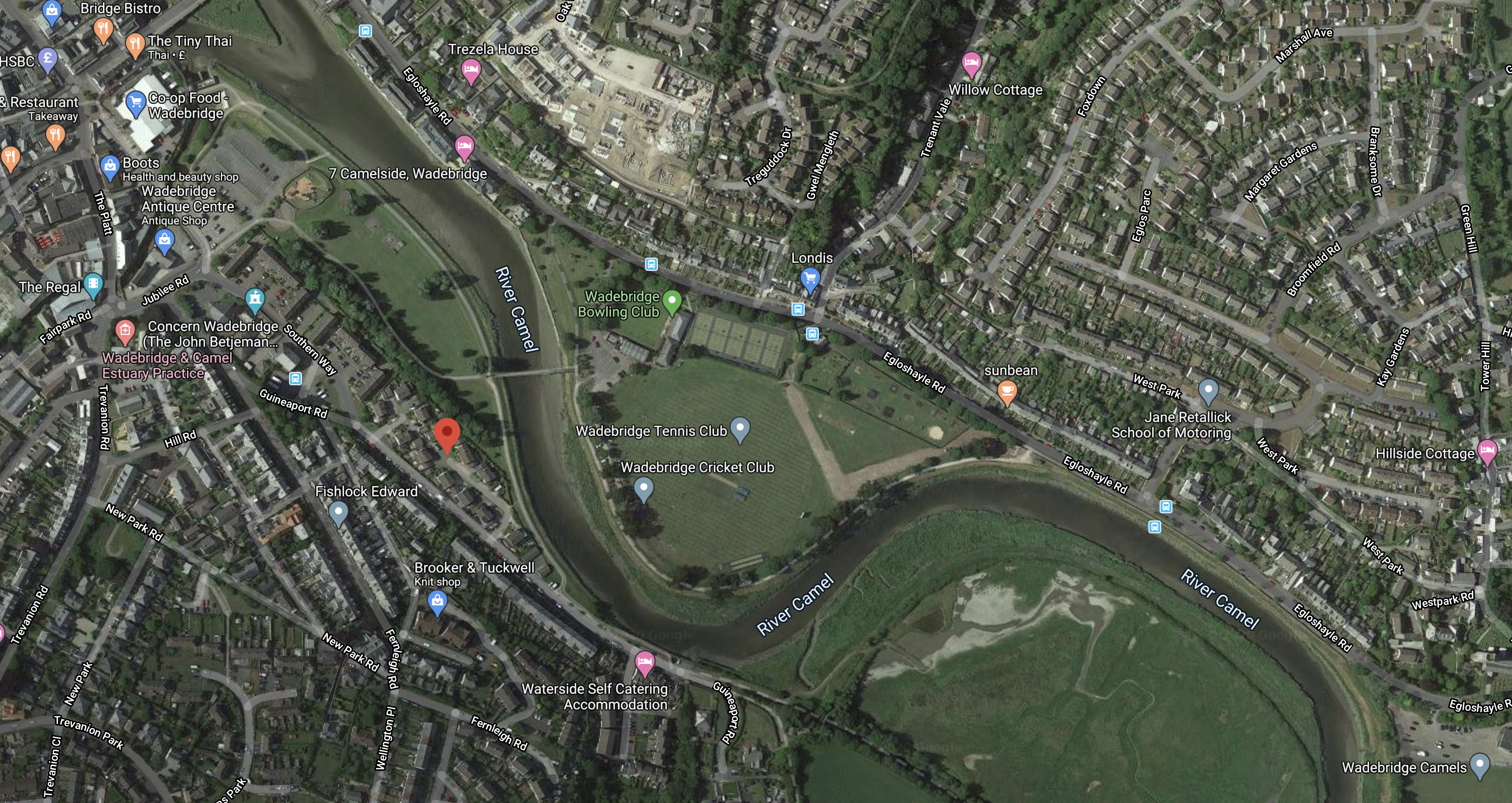
Note.
- The Guineaport area of Wadebridge is marked by a red arrow-dot.
- The Future Plans section of the Wikipedia entry for Wadebridge station, says that the new station will be beyond Guineaport.
- The Camel Trail is marked on Google Maps as a dotted line and it can be followed to where it meets the Bodmin and Wenford Railway at Boscarne Junction station.
This Google Map shows Boscarne Junction station.
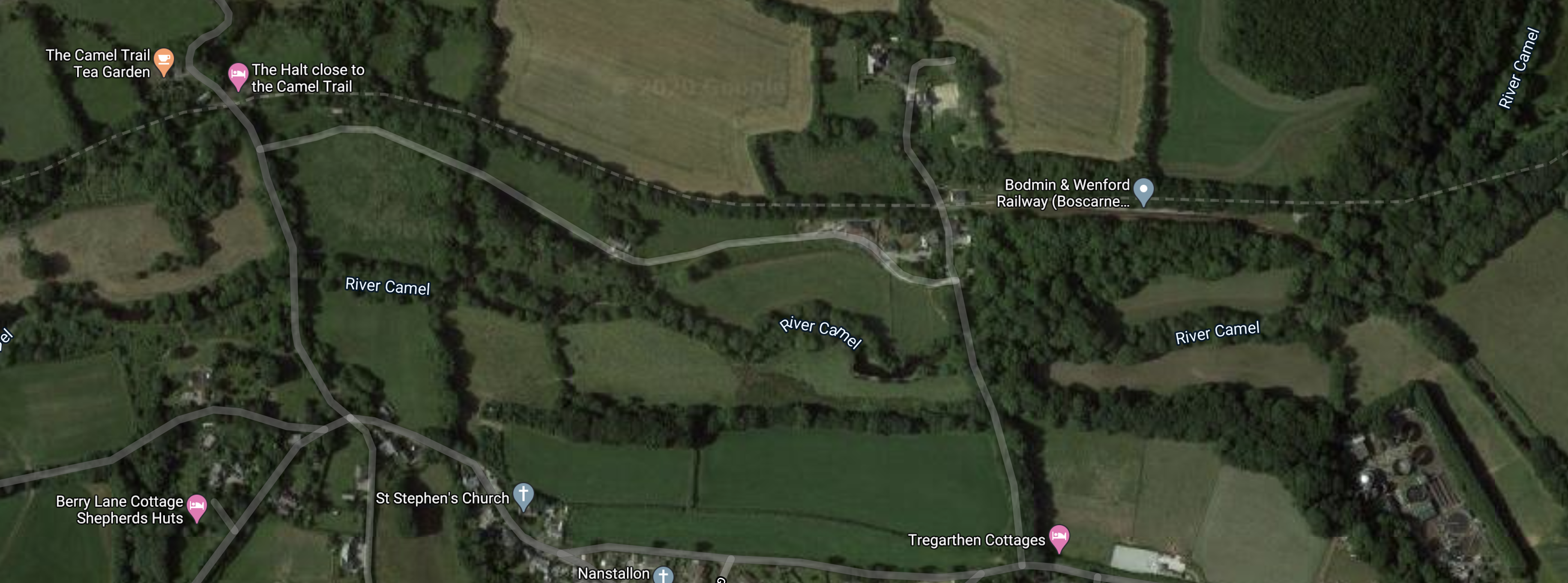
Looking from my helicopter, I am fairly sure that the RailTrail can be squeezed in with a footpath.
What Sort Of Railway Would It Be?
These are my thoughts.
Will It Be Double Or Single-Track?
It will be single-track, as there is not enough space for two.
I would suspect, they could use similar construction to these tram tracks in Blackpool.
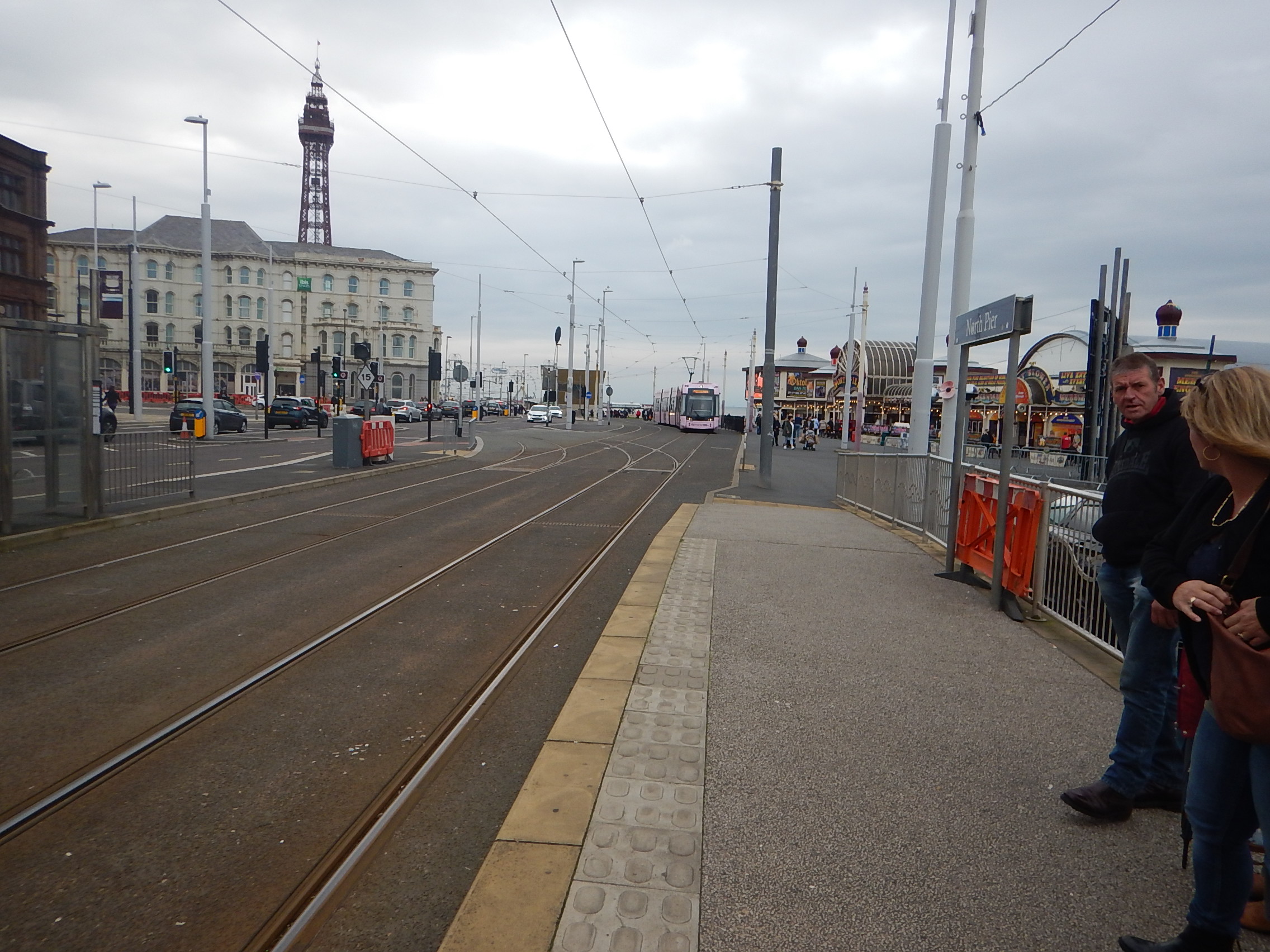
Effectively, the RailTrail could be a high-strength road, with a rail track set to one side, and appropriate markings, rails and safety signage.
How Long Will The New Track Be?
Google gives these distances.
- Padstow and Boscarne – 14.4 miles
- Padstow and Bodmin – 16 miles
- Wadebridge and Boscarne – 6 miles
- Wadebridge and Bodmin – 7.4 miles
I have added Padstow, as this town on the sea, used to be the rail terminus.
Should The Route Go To Padstow?
This Google Map shows the Padstow end of the Camel Trail.
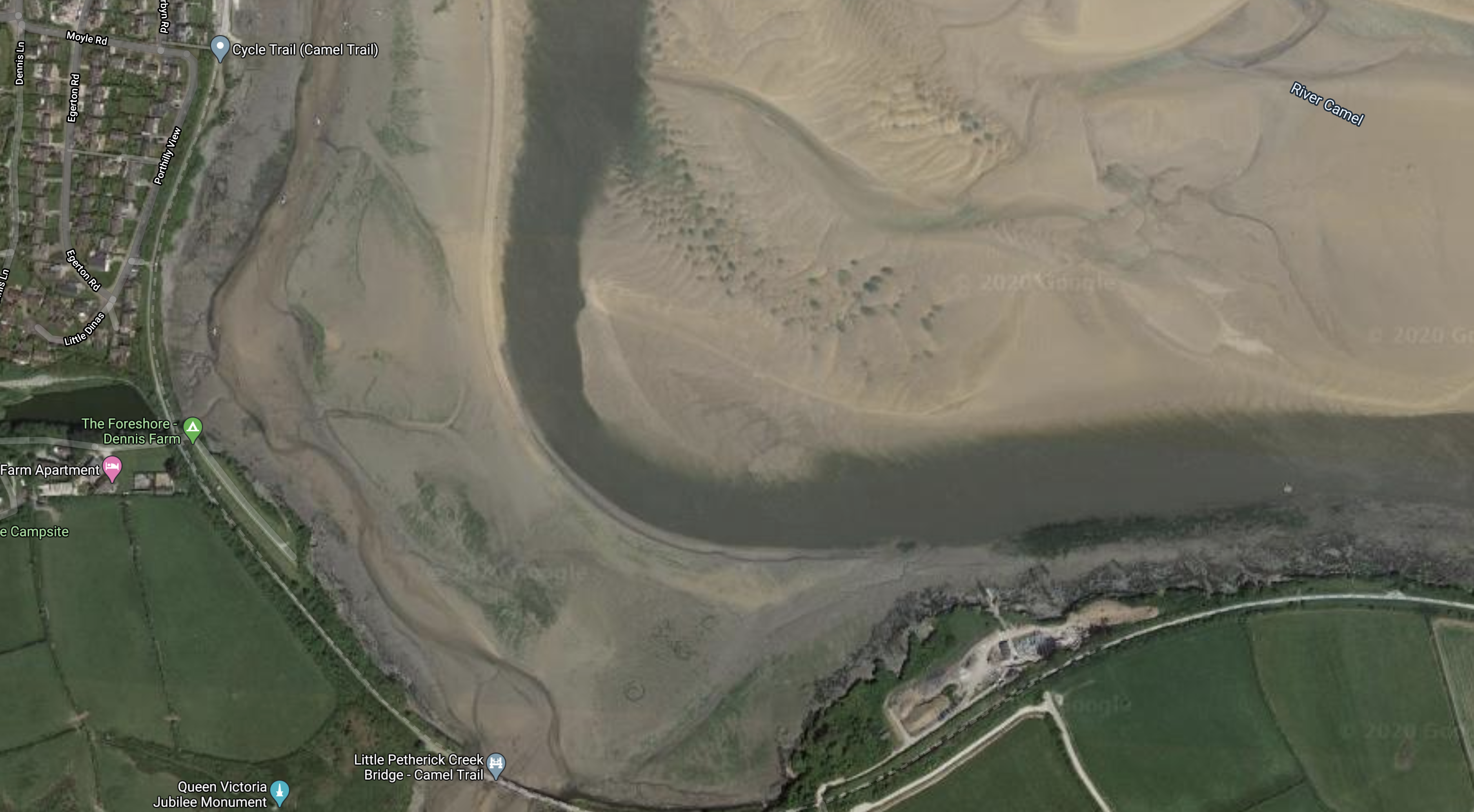
But there could be a major problem.
At the bottom of the map is the Little Petherick Creek Bridge.
- It’s probably OK for a cycle trail, but would it be strong enough for heavy rail use.
- On the other hand, is it past its replace date and Cornwall County Council might like to pass the responsibility to Network Rail?
There is also more land to build a station at Padstow.
It could even be built on the East side of the bridge, so that the heaviest thing it would carry would be pedestrians.
Would A Shared RailTrail Work?
One of the most interesting train systems, that I have seen is in Zwickau in the former East Germany, where instead of buying more trams to connect to other towns and cities, they devised a train-tram system using standard diesel multiple units.
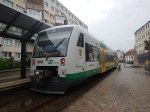


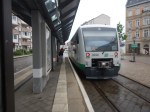
The Zwickau system is more complicated than it would need to be in the UK, as the trains have to share tram-tracks of a different size, so there are three-railed tracks; two for the metre gauge trams and an extra one for the standard gauge trains.
I have never seen anywhere else, where rail vehicles of different gauges share rails.
The trains run under virtually the same rules as street running trams do in Birmingham, Blackpool, Croydon, Edinburgh, Manchester, Nottingham and Sheffield.
- You can cross the road all round them.
- Trains are limited to slow speeds.
- The trains are independently powered.
- The trains cross level crossings.
- There is no electric power for the trains.
- The trains are double-manned and the crew keep a good look out!
Note, in the pictures, that the trains have flashing orange warning lights.
Could a GWR Class 800 train run along the RailTrail?
- The train would be a five-car unit.
- The train would be fitted with environmentally-friendly battery power, so it would be emission-free and almost silent.
- There would be a charging facility in the platform at Bodmin General station to top up the battery, before the train ran on the RailTrail.
- As in Zwickau, the track would be buried in the ground. so it could be safely used by trains and not be a hazard to pedestrians.
- The train would have a slow speed crawling mode, so it could proceed along the RailTrail with extreme care.
With the right timetable, the modern trains could share with the Bodmin and Wenford’s heritage trains.
Could Wadebridge Get A Direct Service To London Paddington?
Why not?
Places like Bradford, Harrogate, Huddersfield and Skipton appear to be being added to LNER’s network, by joining and splitting Class 800 trains at Leeds.
I wouldn’t be surprised to see a five-car Class 800 train with a battery capability running from Wadebridge to Plymouth, where is joined with another train from Newquay, Penzance or Plymouth, before running as a ten-car train to London Paddington.
Conclusion
I like this scheme and it could be a prototype for other similar ones.
Could Hitachi’s Class 800 Trains Work The Cornish Main Line On Battery Power?
The distance between Plymouth and Penzance stations along the Cornish Main Line is just seventy-nine miles and thirty-eight chains. I’ll call it 79.5 miles.
Hitachi’s proposed train is described in this infographic.
The range on battery power of 90 km or 56 miles, will not be quite enough to get all the way between Plymouth and Penzance!
But note the phrase – Allows Discontinuous Electrification; at the top of the infographic.
Will Electrification Be Needed?
Obviously or the train could perhaps wait at Truro for ten minutes to charge the batteries.
But how customer-unfriendly and disruptive to good operating practice is that?
Could Bigger Batteries Be Fitted?
This obviously is a possibility, but surely an operator would prefer all of their trains to have the same battery range and updating them all for a longer distance might not be an economic proposition.
Could Intelligent Discontinuous Third-Rail Electrification Be Used?
Third-rail electrification, is hated by the Health & Safety Taliban, as it occasionally kills people trespassing or falling on the railway. But in the UK, we have around 1,500 miles of third-rail electrified line, that generally operates to a high level of safety.
Can my modern successors make third-rail electrification absolutely safe in new installations?
Third-Rail And Discontinuous Electrification Installations!
To connect to overhead electrification, the driver or an automatic system on the train, must raise the pantograph. It doesn’t often go wrong, but when it does, it can bring down the wires. This section on panotograph weaknesses from Wikipedia give more details.
With third-rail, the connection and disconnection is automatic, with far less to go wrong.
These pictures show a gap in the third-rail electrification at the Blackfriars station, which was rebuilt in 2012, so it must meet all modern regulations.
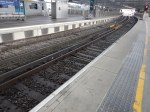
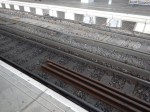
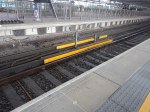
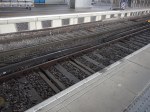
Note the gap in the third-rail, which carries the current.
- The third-rail shoes on the train disconnect and connect automatically, as the train passes through.
- The only rails with voltage are between the tracks for safety.
- The high-tech shields appear to be real tree wood painted yellow.
As an Electrical Engineer, I actually suspect, that this gap in the conductor rail, is to isolate the North and South London electricity supplies from each other,, so that a catastrophic failure on one side doesn’t affect both halves of Thameslink.
Third-Rail Electrification In Stations
Most rail passengers in the UK, understand third-rail electrification, if they’ve ever used trains in the South of London or Merseyside.
Electrifying stations using third-rail equipment could enable battery trains to go further.
- Stopping trains could top-up their batteries.
- Passing trains, that were low on power could make a pit-stop.
- All trains would connect automatically to the third-rail, when in the station.
The safety level would be raised by making sure that the third-rail was electrically-dead unless a train was over the top.
I am by training a Control Engineer and one of my first jobs in a dangerous factory as a fifteen-year-old, was designing and building safety systems, that cut power to guillotines, when the operator put their hands somewhere they shouldn’t! I remember endlessly testing the system with an old broom, which survived unscathed.
I believe that only switching on the electrification, when a train completes the circuit, is a fairly simple operation for modern control switchgear. I can imagine an intelligent switch constantly monitoring the resistance and only switching on power, when the resistance in the circuit looks like a train.
Third-Rail Electrification In Discrete Locations
Overhead electrification can receive complaints in scenic locations, but third-rail electrification can be invisible in tunnels and over bridges and viaducts.
The Cornish Main Line has four tunnels, two bridges, which include the Royal Albert Bridge, and no less than thirty-two viaducts.
How many of these could be used to hide electrification?
- Any electrified sections could be intelligently controlled to increase safety.
- Power for the electrification could come from local renewable sources, using techniques like Riding Sunbeams.
I can see engineers developing several techniques for discrete electrification.
Third-Rail And Charging Battery Trains
I like the Vivarail’s Fast Charge concept of using third-rail equipment to charge battery trains.
This press release from the company describes how they charge their battery electric Class 230 trains.
- The system is patented.
- The system uses a trickle-charged battery pack, by the side of the track to supply the power.
- The first system worked with the London Underground 3rd and 4th rail electrification standard.
As the length of rails needed to be added at charging points is about a metre, installing a charging facility in a station, will not be the largest of projects.
Under How Does It Work?, the press release says this.
The concept is simple – at the terminus 4 short sections of 3rd and 4th rail are installed and connected to the electronic control unit and the battery bank. Whilst the train is in service the battery bank trickle charges itself from the national grid – the benefit of this is that there is a continuous low-level draw such as an EMU would use rather than a one-off huge demand for power.
The train pulls into the station as normal and the shoe-gear connects with the sections of charging rail. The driver need do nothing other than stop in the correct place as per normal and the rail is not live until the train is in place.
That’s it!
As an electrical engineer, I’m certain the concept could be adapted to charge the batteries of a conventional third-rail train.
Vivarail’s press release says this about modification to the trains.
The train’s shoe-gear is made of ceramic carbon so it is able to withstand the heat generated during the fast charge process.
That wouldn’t be a major problem to solve.
Hitachi And Third Rail
The picture shows a Hitachi Class 395 train at Gillingham station.

The silver-coloured third-rail equipment is clearly visible, under the javelin logo.
These trains are cousins of all the new Hitachi trains in the UK, so I suspect fitting third-rail equipment to Class 80x trains, is just a matter of finding the appropriate documents on the computer and raiding the parts bin.
I suspect, as Hitachi will probably be building some more trains for Southeastern to start the Highspeed service between London St. Pancras and Hastings, that Hitachi are already working on the design of a third-rail high-speed train with batteries.
I doubt that Hitachi have any fears about fitting third-rail gear to their trains, as an optional extra.
Electrifying Between Plymouth And Penzance
Obviously, Plymouth and Penzance stations would have charging facilities, but now many would the trains handle the 79.5 miles in between?
There are three possibilities.
Limited-Third Rail Electrification
As I indicated earlier short lengths of intelligent third-rail electrification could be added at various places on the route.
A full battery would take the train fifty-six miles and as the Cornish Main Line is nearly eighty miles long, I suspect that the train would need almost a full charge halfway along the route.
- Hitachi claim in the infographic, that a full-charge takes 10-15 minutes, when the train is static, so I will assume the largest figure of this range, as charging on the move might not be as efficient, with everything happening at 90 mph.
- So I will assume a fifteen minute charge time.
- Typically, a Class 80x takes two hours between Penzance and Plymouth, which is an average speed of just 40 mph.
- In fifteen minutes, the train will go ten miles. So a rough estimate would say ten miles should be electrified.
As electrification in stations would allow trains to have a bigger sup, a scientifically-correct simulation would show the best philosophy.
The London Paddington and Penzance services call at the following stations, that are West of Plymouth.
Liskeard, Saltash, St. Germans, Bodmin Parkway, Lostwithiel, Par, St Austell, Truro, Redruth, Camborne, Hayle and St Erth
Note.
- Some smaller stations do get skipped.
- According to Real Time Trains, stops seem to take 1-2 minutes.
- Trains are usually nine- or ten-cars, but I feel that the proposed improvements between Bodmin General and Bodmin Parkway stations, that I wrote about in Increased Service Provision Bodmin General-Bodmin Parkway, may result in a large reorganisation of services between London and Cornwall.
Could it be that electrifying the major stations with third-rail electrification would enable enough power to be taken on board by a train running between London Paddington and Penzance, so that the journey could be completed?
Vivarail Fast Chargers
Vivarail’s Fast Chargers could be fitted at all or selected stations and trains could take a sip as and when they need.
A charger would also be needed at any Cornish terminal station, that would have services from battery electric trains.
A Mixture Of Third-Rail Electrification And Vivarail Fast Chargers
Both technologies are interchangeable and can be used with compatible battery electric trains.
I would expect an accurate mathematical model will indicate the best layout of electrification and Fast Chargers.
Beeching Reversal – Increased Service Provision Bodmin General-Bodmin Parkway
This is one of the Beeching Reversal projects that the Government and Network Rail are proposing to reverse some of the Beeching cuts.
This Google Map shows the relationship of the two Bodmin General and Bodmin Parkway stations.
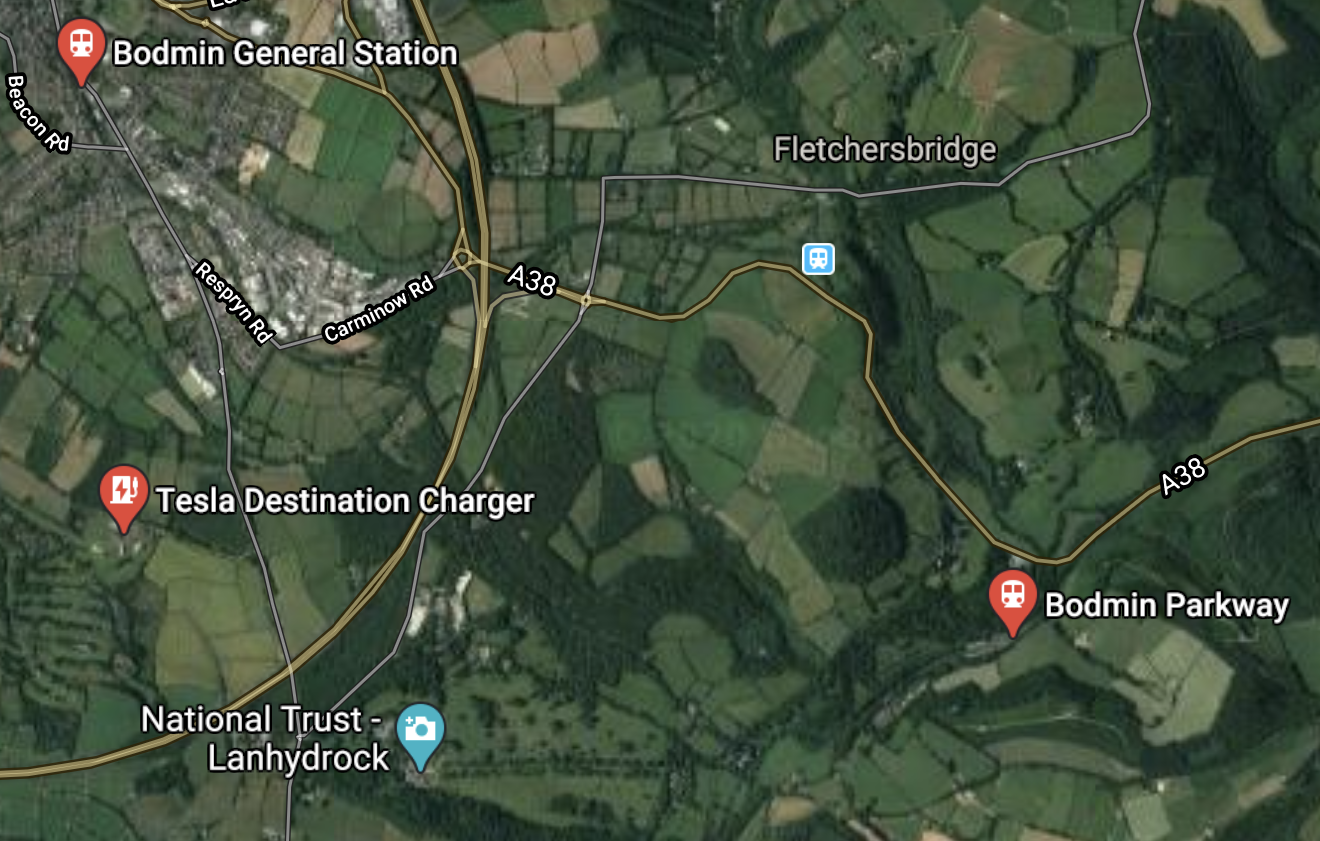
The two stations are clearly visible.
The aim of this Beeching Reversal project would appear to set up a more regular service between Bodmin Parkway station on the Cornish Main Line and Bodmin General station in the town.
This video shows some of the current trains run by the Bodmin and Wenford railway, between the two stations.
This article on Cornwall Live is entitled Plan To Link Heritage Railway At Bodmin To Mainline Train Services, gives a few scant details.
- There will be a second platform at Bodmin General station.
- This will allow extra services.
Looking at the space around Bodmin Parkway station, it should be possible to have a very comprehensive track layout, that connects the Bodmin branch to the main line.
It also appears that the platform is fully-funded from Great Western Railway (GWR) and Cornwall County Council.
Could A Shuttle Be Run Using Vivarail’s Pop-up Metro Concept?
Using Vivarail’s Pop-up Metro between the two stations is surely a possibility, with charging at either station.
What Do GWR Want In Return For Their Funding?
I think that GWR could have a couple of uses for a platform at Bodmin General station.
Reorganising The Services Between London Paddington and the South-West
Currently, there are three services on this route.
- London Paddington and Exeter St. Davids via Reading, Newbury, Pewsey, Westbury, Castle Cary, Taunton, Tiverton Parkway.
- London Paddington and Plymouth via Reading, Taunton, Tiverton Parkway, Exeter St Davids, Newton Abbot, Totnes.
- London Paddington and Penzance via Reading, Taunton, Tiverton Parkway, Exeter St Davids, Newton Abbot, Totnes, Plymouth, Liskeard, Bodmin Parkway, Lostwithiel, Par, St Austell, Truro, Redruth, Camborne, St Erth.
All services have a frequency of one train per two hours (tp2h)
Perhaps by reorganising the train paths, GWR could run another 1 tp2h service between London Paddington and Bodmin or Newquay station after the Transformation Of The Newquay Line.
Joining And Splitting Between London Paddington And The South-West
GWR’s Hitachi Class 80x trains have the ability to run in pairs, that are split and joined at convenient places en route.
This YouTube video, shows them doing it in Plymouth station.
As a means of evening out passenger loadings on pairs of trains running to the South-West, the two large stations of Exeter St. Davids and Plymouth would surely be possibilities for the manoeuvre.
I also think that Bodmin Parkway station could be used to split and join two trains from Cornwall.
- One train would come from Penzance and the West.
- The other could come from either Newquay or Bodmin General stations.
- In the future the second train, might come from a new Wadebridge station.
Bodmin Parkway station might need some small modifications, but it should be remembered that the closely-related Class 395 trains, do the deed and quickly disappear at Ashford International station.
Creating A Bodmin-Wadebridge Railway
There are also plans in the Beeching Reversal projects for the Reinstatement of the Bodmin-Wadebridge Railway
For trains to travel between Bodmin Parkway and Wadebridge stations, trains will need to reverse in the new platform at Bodmin General station.
Local Services From Exeter And Plymouth
From what I have read on the Internet, the Bodmin and Wenford Railway is an important tourist attraction and is one of several around Bodmin including the beaches and the Camel Trail.
So perhaps, a connection between Bodmin and Exeter and/or Plymouth in a vintage InterCity 125 could be a nice little earner for GWR and an appropriate way to arrive at the steam railway.
Steam Local Services From Exeter And Plymouth
Why not?
The new platform at Bodmin General station could probably take a locomotive and four coaches and all the facilities to handle steam engines are in the vicinity of the station.
Could The New Platform Be Used For High Speed Freight Shuttles?
Why not?
Rail Operations Group is looking at the possibility of running Class 769 trains as freight shuttles.
Bodmin could make an ideal Cornish terminal, as it’s the right side of county and has the main A38 close by.
Could The Platform Be Used To Charge Battery Electric Trains?
I feel that First Group are starting to embrace battery trains.
In Hitachi Trains For Avanti, I talked about how a fellow First Group company were reporting, that they might have battery trains.
If Great Western Railway were running extra trains into Cornwall, would a new platform at Bodmin General station, be an ideal place to charge a train?
Conclusion
A second platform at Bodmin General station could open up a lot of possibilities for train operating companies.
Liverpool Street Station – New Entrance
These pictures show the new entrance taking shape in front of Broadgate and the original Liverpool Street station.




It looks like the entrance is going to be a large fosterito.
They seem to be cropping up all over London.
Judging by the fact, that bikes seem to be parked in front of the entrance, I would suspect that this entrance could be finished soon.
Paddington Station – New Western Entrance
I was alerted to the fact that this new entrance to the Paddington station, by one of Ian’s pieces on Ian Visits, so I had to go along and take a look.








It is a simple design, which looks more like an entrance to a museum, school or church, than to an important station.
Unusually, for a station entrance, it takes you right into the retail and food area of the station, but there are several ways to get to the platforms.
Beeching Reversal – Transforming The Newquay Line
This is one of the Beeching Reversal projects that the Government and Network Rail are proposing to reverse some of the Beeching cuts.
This map clipped from Wikipedia shows the Newquay or Atlantic Coast Line.
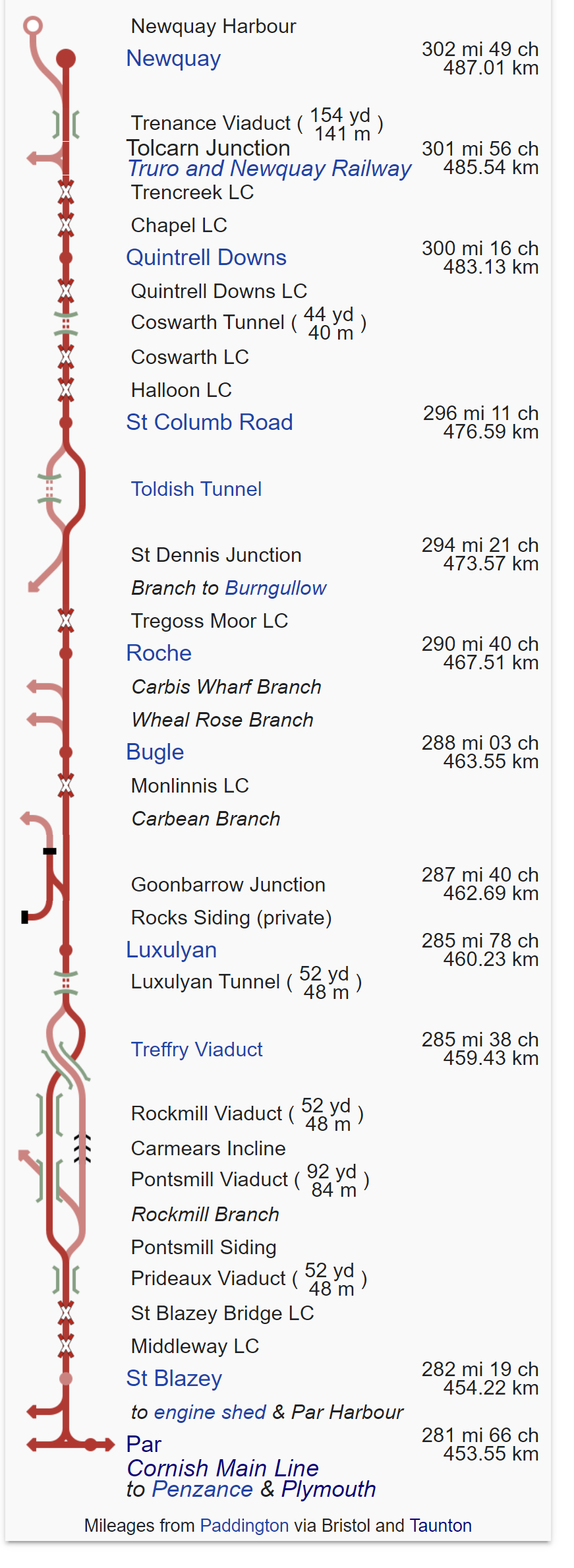
When I first saw this map, my initial thought, was that the various loops and other sections of disused track could and/or might be added to the route.
Searching the Internet, I can’t find much information except from this article on Cornwall Live, which is entitled Cornish Railway lines Axed In Beeching Cuts Could Be Restored, where this is said.
Other projects focused on Cornwall bidding for the funding to develop business cases include one to transform the Newquay to Par railway line as well as a “Mid-Cornwall Metro” proposal.
Nothing more about the Atlantic Coast Line, is said in the article.
This Google Map shows where the Atlantic Coast Line joins the Cornish Main Line at Par.
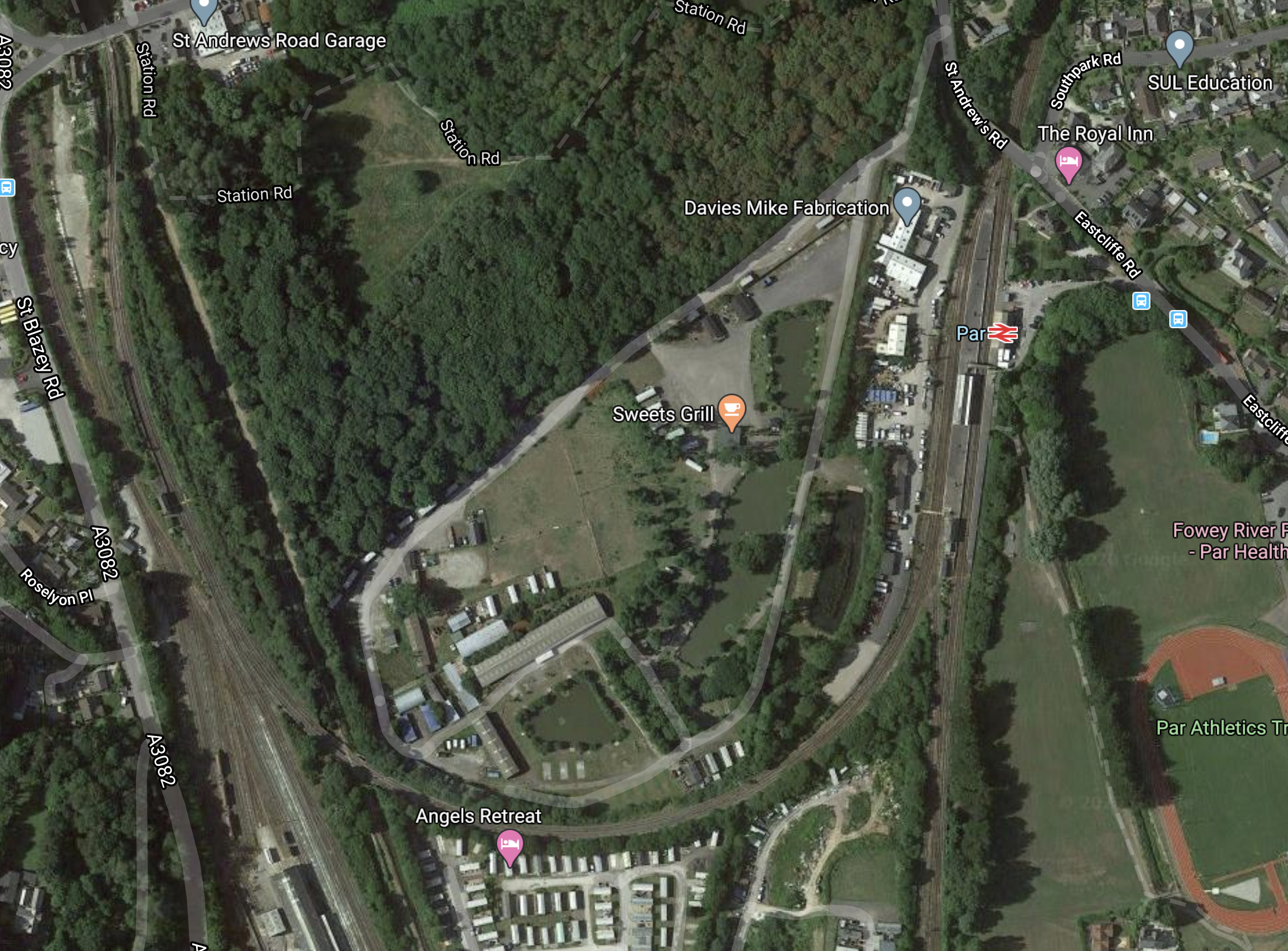
Note.
- The Atlantic Coast Line goes off to the North West.
- Par station is shown towards the North-Western corner on the Cornish Main Line.
- The junction is designed, so that china clay trains can access the branch.
In the summer, Newquay station is also served by long-distance trains from London and Scotland.
This Google Map shows Newquay station in the heart of the town.
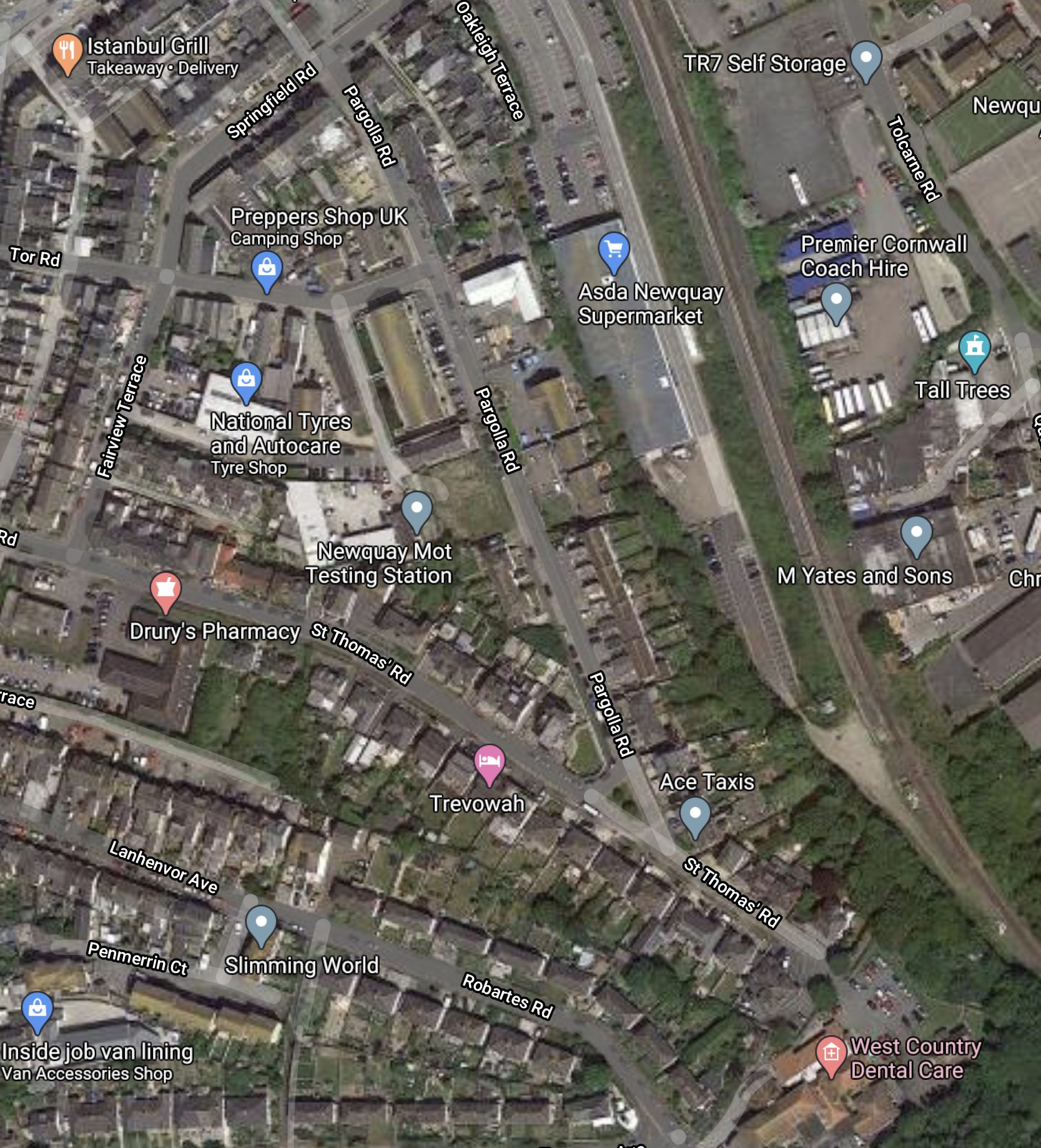
It could probably be called a Beach station, as the sea is just off the map.
Partly, because I lived in the town, from 1963 onwards, I can remember Felixstowe Beach station! Yarmouth Beach station has gone too, but how many others are left?
These are the only ones, I can think of with Beach in their name!
Perhaps, if Felixstowe ever gets the promised tram-train, that I wrote about in Could There Be A Tram-Train Between Ipswich And Felixstowe?, one of the or more of the stops on the way to the Port of Felixstowe will be Felixstowe Beach.
Frequency Improvement
The current frequency on the Atlantic Coast Line is one train every two hours, which is not a family-friendly frequency, as if any child starts playing silly games, you have a two-hour wait for the next train.
I would suspect that an hourly service would create a large increase in ridership on the line.
As the journey takes fifty-one minutes between Par and Newquay, is the frequency defined by the need for one train to work the line, by shuttling from end-to-end?
So is one of the needs, some better track layouts, so that trains can pass and be parked at Par, whilst the crew has a refreshment break?
I also suspect, that if one of Network Rail’s track wizards got the layout spot on, which they seem to do, that this would make things easier for any china clay trains still passing through the area.
Could Newquay Be Used As An Extra Terminal?
I wonder how many people drive to Newquay, if they live in East Cornwall or Devon?
I have just looked at train times today from Plymouth to Newquay.
To be fair to Great Western Railway (GWR), I would only have a few minutes to wait at Par station, but there is only one train every two hours, due to the limitations on the Atlantic Coast Line.
With an improved higher-capacity track, GWR could call up the heavy brigade.
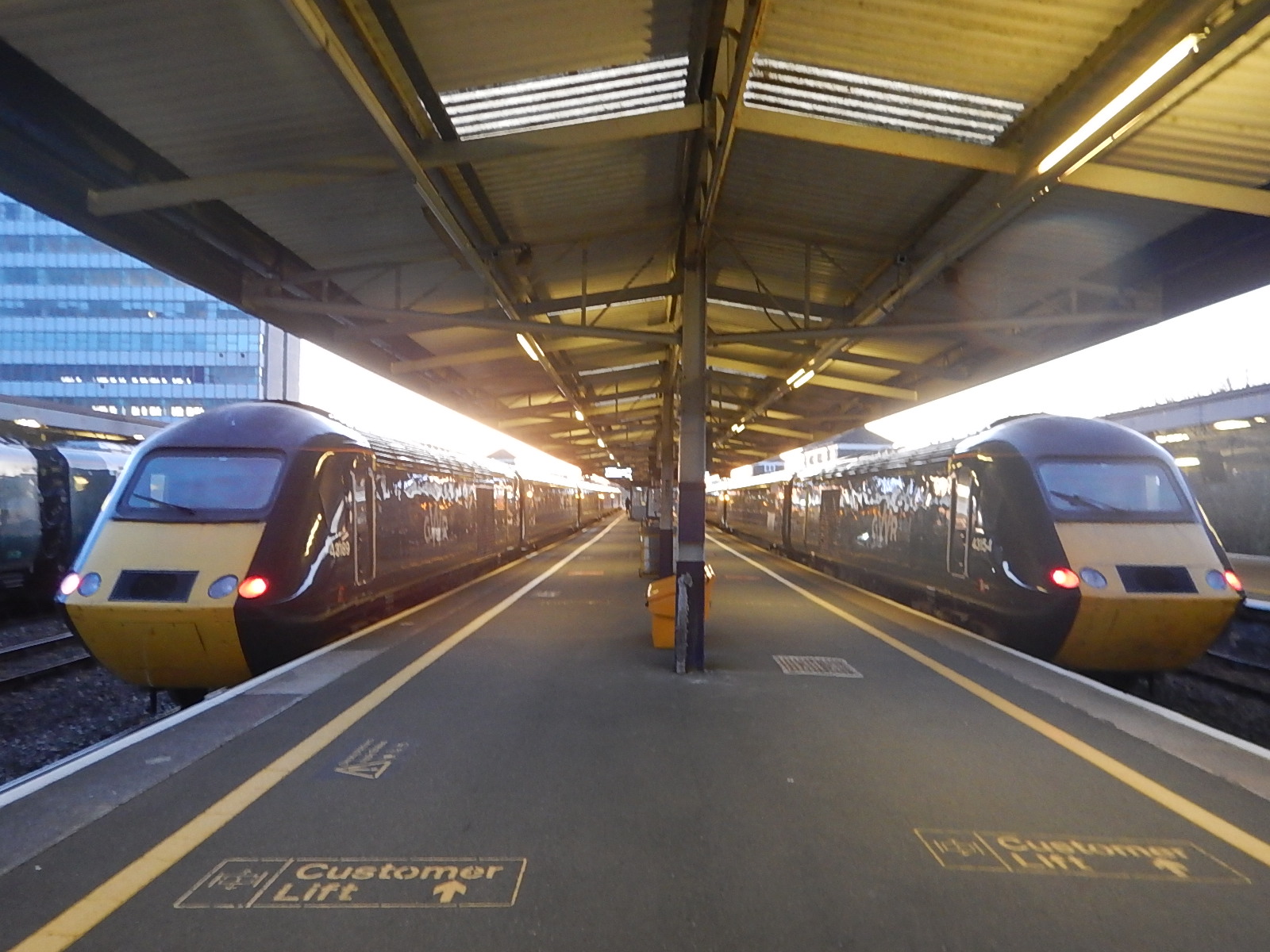
As full-length InterCity125s have served Newquay station for decades, four-car Castles like these, should manage the trip with ease.
Surely, once the Atlantic Coast Line can handle at least hourly trains, that would enable separate one train per two hour schedules.
- Newquay and Par
- Newquay and either Plymouth or Exeter.
This would improve service frequencies on both the Cornish Main Line and the Atlantic Coast Line and enable passengers to go between Exeter, Plymouth and Truro, and Newquay without changing trains.
Hopefully, the Cornish Main Line trains would serve appropriate refreshments at the correct times of the day.
Would Newquay Station Need A Second Platform?
Newquay station used to have more than one platform, but all the others were removed in British Rail’s ruthless quest to save money in the 1960s and 1970s.
I have never been to Newquay station, so I don’t know whether there is space to reinstate another platform.
However, I did find this video, which appears to be some very professional plans for Newquay station.
This video dates from 2008.
The video definitely says, that Newquay station needs an extra platform or two.
- Two platforms would allow two trains to share the station.
- A third platform would allow steam trains to visit.
The video also answers the age old question about why in many towns and cities, the railway station is often the best building, except for the church and the town or city hall.
Conclusion
It does appear to me, that giving the Atlantic Coast Line a modern track layout, will unlock a lot of possibilities that can be tried on the branch, to the benefit of all stakeholders.
 The Anonymous Widower