Beeching Reversal – Reopen Midge Hall Station
This is one of the Beeching Reversal projects that the Government and Network Rail are proposing to reverse some of the Beeching cuts.
Midge Hall station is a closed station on the Ormskirk Branch Line.
This Google Map shows what’s left of Midge Hall station.
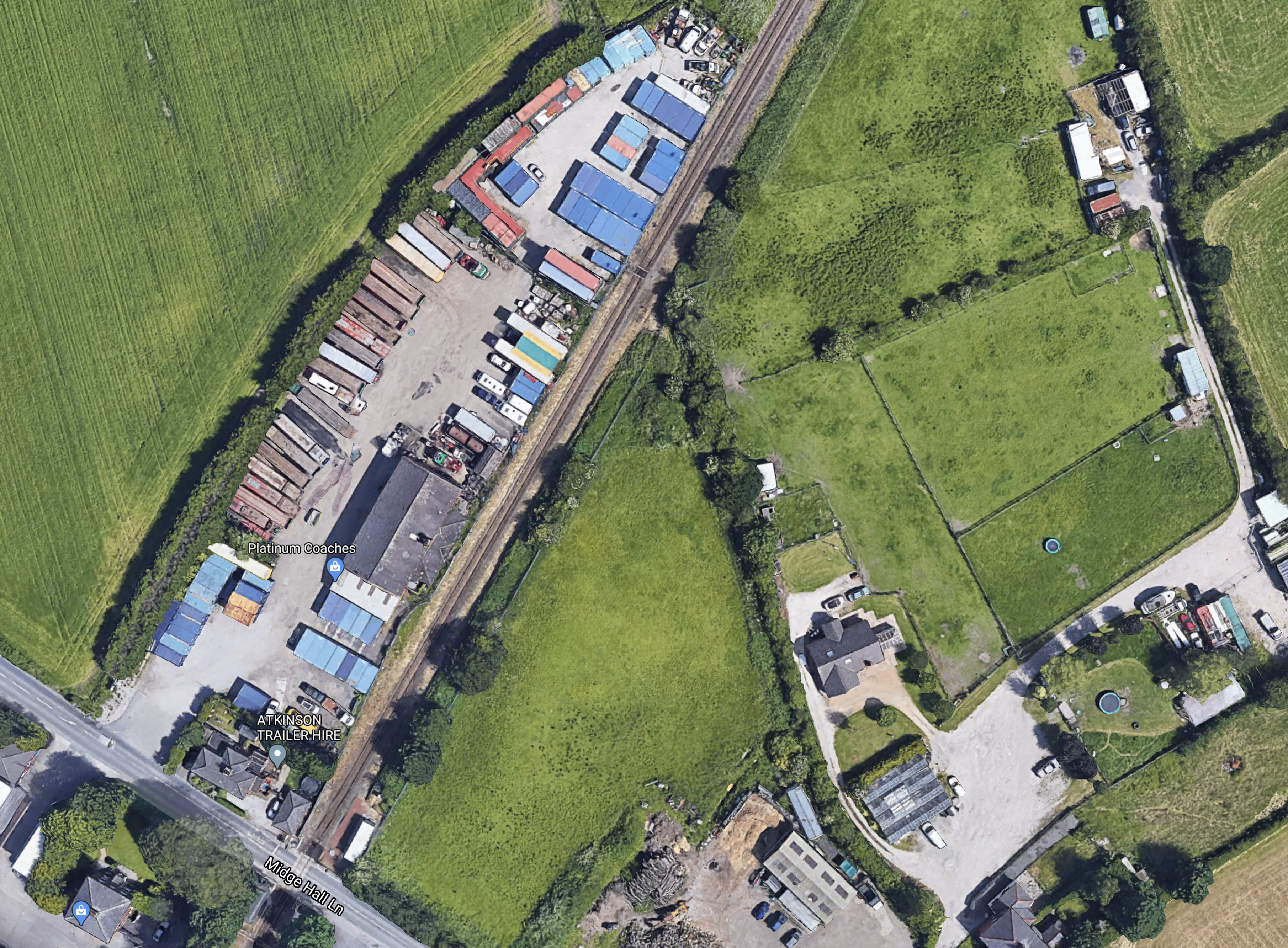
Note.
- The single-track Ormskirk Branch Line running SW-NE across the map.
- Midge Hall Lane crossing it at right-angles in the South-West corner of the map, where a level crossing can be seen.
- The original station had two platforms, of which the remains can be seen.
There certainly seems plenty of space to rebuild the station.
The Ormskirk Branch Line
The Ormskirk Branch Line runs between Ormskirk and Preston stations.
- It is single-track most of the way.
- It is about 15.5 miles long.
- The current trains take just over half-an-hour.
- There are four intermediate stations.
- Most services terminate in a bay platform at Preston station.
- Ormskirk station is electrified with 750 VDC third-rail electrification.
- Preston station is electrified with 25 KVAC overhead electrification.
The Future section in the Wikipedia entry says this.
There have been several proposals to extend the Merseyrail electric service to Preston using this line. This would restore the most direct Liverpool – Preston route. The reinstatement of the Burscough Curves has been proposed which would allow services to Southport from Preston and Liverpool via Ormskirk. This could be accompanied by the reopening of Midge Hall station.
The reports usually say, that this would be achieved by fitting batteries to the new Class 777 trains.
Battery Operation Of Merseyrail’s New Class 777 Trains
It would appear that on each round trip between Ormskirk and Preston, the trains will have to run thirty-one miles on batteries.
- In Batteries On Class 777 Trains, I estimated that, the battery capacity of a Class 777 train was 300 kWh.
- It also looks like Stadler have designed the Class 777 train, with battery-operation as an integral part of the design.
In an article in the October 2017 Edition of Modern Railways, which is entitled Celling England By The Pound, Ian Walmsley says this in relation to trains running on the Uckfield Branch, which is not very challenging.
A modern EMU needs between 3 and 5 kWh per vehicle mile for this sort of service.
I know both branches reasonably well and the Ormskirk Branch is probably the least challenging.
Consider.
- The Class 777 train is probably equivalent in length to a three-car train, as the cars are short.
- The Class 777 train appears to have a sophisticated traction system, that includes regenerative braking to the batteries.
If the Class 777 train can achieve 3 kWh per vehicle mile, it will have a range of 33.3 miles. Reduce it to 2 kWh per vehicle mile and the range would be 50 miles.
I am fairly certain, that Stadler have designed a train, that can achieve a round trip between Ormskirk and Preston, without needing a battery top-up at Preston.
I don’t think, that it will need to use overhead wires either.
So that will save on infrastructure costs!
Charging The Batteries
The batteries would be charged using the existing third-rail electrification between Ormskirk and Hunts Cross stations.
No new infrastructure would be needed.
Future Services Between Liverpool And Preston
Preston and Liverpool already a direct hourly electric service via Huyton, St. Helens and Wigan North Western and until proven otherwise a second hourly service via Ormskirk would probably be a more-than-adequate replacement for the current Ormskirk and Preston service.
This would probably be achieved by one if the four trains per hour (tph) continuing to Preston.
As the current trains take about thirty minutes to run between Ormskirk and Preston, I think this could help devising a passenger-friendly timetable.
Future Services Between Southport And Preston
There is currently no train service between Southport and Preston stations.
But there used to be tracks as this Google Map shows.
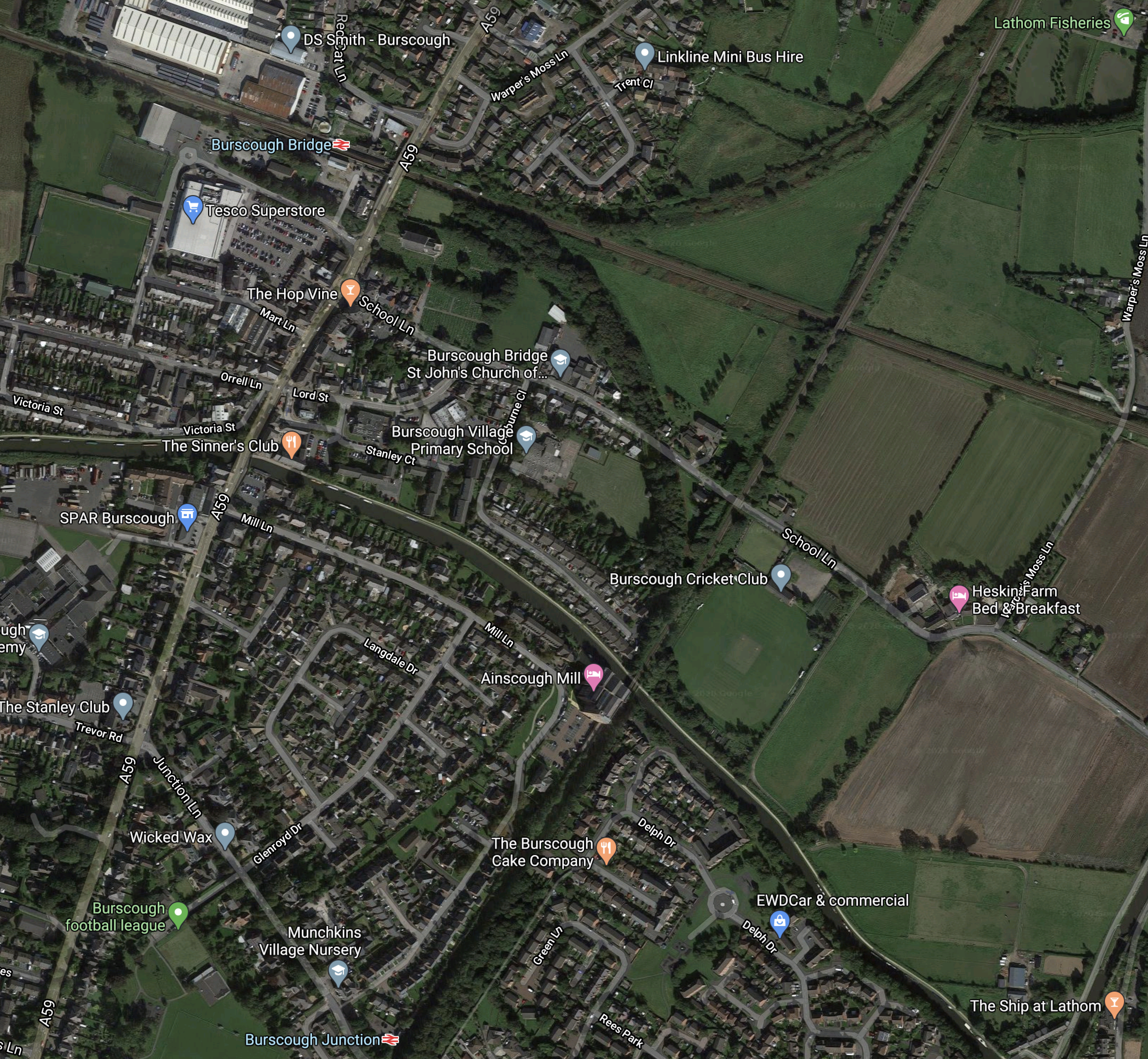
Two railway lines run across the map.
- Starting in the North-East corner of the map is the Southport and Manchester Line, which passes through Burscough Bridge station.
- Starting at the bottom of the map, is the Ormskirk Branch Line, which passes through Burscough Junction station.
The two railway lines cross towards the North-East corner of the map.
Note the two green scars of the disused and overgrown Burscough Curves reaching East from Burscough Bridge station.
- The Northern curve connects to the Ormskirk Branch Line and used to enable trains to go between Southport and Preston stations.
- The Southern curve connects to the Ormskirk Branch Line and used to enable trains to go between Southport and Ormskirk stations.
Full or even partial restoration of these curves would improve connections to Southport and Preston.
Extend Some Liverpool and Southport Services To Preston
One possibility would be to extend perhaps one-in-four Liverpool and Southport services to Preston via the following route.
- Reverse at Southport
- Via Burscough Bridge station and using the Northern Burscough Curve.
Coupled with a one-in-four extension from Ormskirk station, this would provide the following.
- A two tph service between Liverpool and Preston
- A two tph service through Rufford, Croston and Midge Hall stations.
With precise and intelligent timetabling. I suspect that Rufford, Croston and Midge Hall stations could all be single-platform stations.
Extend Some Liverpool and Ormskirk Services To Preston Via Southport
Another possibility would be to extend perhaps one-in-four Liverpool and Ormskirk services to Preston via the following route.
- Using the Southern Burscough Curve to Southport via Burscough Bridge station.
- Reverse at Southport
- Via Burscough Bridge station and using the Northern Burscough Curve.
If the route used the electrified Platform 3 at Southport to reverse, it could top-up the batteries.
The Future Midge Hall Station
The design of the station will depend on the train frequency through the station.
An Hourly Service
Midge Hall station would probably be a single-platform station.
- There would only need to be a single-track railway, as now!
- The signalling would be handled by one train working, where only one train at a time would be allowed on the single-track between Ormskirk and Preston stations.
- Passengers needing to cross the line to get to the platform, would use the level crossing.
- Trains would arrive at fixed times in each hour.
It would be a very basic, but practical station.
A Two tph Service
Midge Hall station could probably still be a single-platform station.
- There would only need to be a single-track railway, as now!
- For a two tph service the signalling would need to be more sophisticated.
- Passengers needing to cross the line to get to the platform, would still use the level crossing.
- Trains would arrive at fixed times in each hour.
It would be a basic, but practical station.
A More Frequent Service
Midge Hall station would need to be a two platform station, as the line would need to be double-track.
- Comprehensive signalling would be needed.
- There could need to be a footbridge, with full step-free access.
It would be more expensive option.
A Compromise
I suspect in the end, Midge Hall station will be designed as a simple single-platform station, that can be upgraded, as required.
Conclusion
The frequency of the service between Ormskirk and Preston has a big effect on the cost of the work to be done.
But I can certainly envisage a two tph service along this route, if the Burscough Curves are reinstated.
- One tph via Ormskirk.
- One tph via Southport.
There would be two tph, through the reinstated Midge Hall station.
Study Reveals Barriers To American Electric Car Adoption
The title of this post, is the same as that of this article on Hydrogen Fuel News.
The conclusion of the study from George Washington University, is that Americans don’t know much about electric vehicles.
And I suspect, that could apply to a lot of people and not just Americans.
East West Rail Takes New Steps Further East
The title of this post is the same as that of this article on Rail News.
This is the introductory paragraph.
A business case for improving train services between Cambridge, Ipswich and Norwich is to be developed by consultants on behalf of the East West Rail Consortium, as an addition to the plans for reopening the former Varsity Line between Oxford, Bedford and Cambridge.
I have covered this before in East West Rail Makes ‘Powerful Case’ For Direct Services From Ipswich And Norwich To Oxford, where I reference this report on the East-West Rail web site, which is entitled Eastern Section Prospectus and gives full details of their proposals.
I particularly like these smaller projects.
- An A14 Parkway station.
- A frequent tram-train between Ipswich and Felixstowe.
- Some extra electrification
- Increase of speed limits to 100 mph
- Haughley Junction improvements.
I suspect the consultants will come up with a few more useful projects.
Hyundai’s Hydrogen Truck Wins Award
The title of this post, is the same as that of this article on H2 View.
This is the introductory paragraph.
Hyundai’s hydrogen-powered fuel cell heavy-duty truck HDC-6 Neptune has won a 2020 Future Mobility of the Year (FMOTY) award.
Perhaps only a small step in the grand scheme of decarbonisation, but hydrogen trucks are starting to be noticed.
A Visit To Stevenage Station’s New Fifth Platform
These pictures show the new fifth platform at Stevenage station.
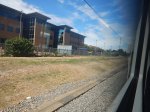

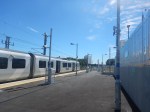
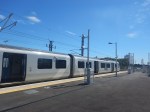
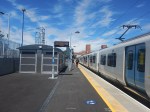


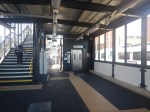

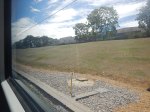

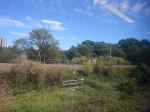
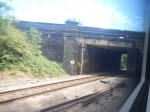


These are a few thoughts.
The New Spacious Platform
As the pictures show, the platform is spacious with plenty of shelter, which probably indicates that it has been designed to handle more than the current two trains per hour (tph).
Why Is Train-and-Platform Not Step-Free?
Look at this picture.

Surely, with a new platform and trains specifically-designed for the route, passengers in wheelchairs, pushing buggies or trailing heavy cases should be able to just stroll in?
If as is likely this route goes to Transport for London because of their policy of allowing those needing assistance to just turn up, this could become a problem in the future. Especially, if a more intensive service was run on this route between Moorgate and Stevenage, where turnround times have been reduced!
Track Layout
It looks like the new Platform 5 at Stevenage station is directly connected to the Down Line of the Hertford Loop, so that trains from London come straight in from the Down Platform 2 at Watton-at-Stone station. My return train appeared to run the other way until crossing over to the Up Line before it arrived back at Watton-at-Stone station.
Google Maps have not been updated in the area, so I’m not sure of the full track layout.
Following freight trains through Watton-at-Stone, it would appear that they use these platforms at Stevenage station.
- Platform 1 – Going South
- Platform 4 – Going North
As would be expected, it looks like it is possible for a freight train to pass through Stevenage to and from the Hertford Loop, with a train in Platform 5.
How Many Trains Per Hour Can Run Between Moorgate And Stevenage?
The timetable has appeared to have been setup, so that a very relaxed two tph can run very reliably between Moorgate and Stevenage stations.
Currently, there are four tph from Moorgate on the Hertford Loop, which alternate between terminating at Hertford North station or the new platform in Stevenage station.
So, if a commuter going home to Stevenage missed his train, they’d be thirty minutes late for supper.
Perhaps not a disaster, but as I indicated in Stevenage Station’s New Fifth Platform Opened A Year Early, Stevenage has an important hospital and increasingly trains for the North are calling at the station.
I suspect, that Network Rail and Great Northern will be investigating, if the two tph to Hertford North station can be extended to Stevenage.
Certain things must be in their favour.
- It is generally accepted, that a well-designed single platform can turn back up to four, and in some cases, six tph.
- The new Class 717 trains have better performance than the former Class 313 trains.
- The route is now run exclusively by the new fleet of trains.
- There are turn-back platforms at Hertford North and Gordon Hill stations.
But the biggest factor, must be that the Hertford Loop along with the rest of the Southern part of the East Coast Main Line, is going to be equipped with ERTMS digital signalling.
I can certainly see a day in the not-to-distant future, when at certain times in the day four tph run between Moorgate and the new fifth platform at Stevenage.
Freight Trains Through The Hertford Loop
According to Real Time Trains, during yesterday about ten freight trains ran through the Hertford Loop.
In addition, there appear to be up to two-three paths in some hours, which were not used.
In the future, after ERTMS digital signalling has been added to the route and more freight services are equipped, I can see increasing numbers of freight services on the Hertford Loop.
More Passenger Services On The Hertford Loop
In the past, whilst returning from the North to London, during periods of disruption caused by track and catenary problems, engineering works or other incidents, the train has taken some unusual routes. In one instance, the InterCity 125 used the Hertford Loop.
These are timings of trains between Finsbury Park and Stevenage stations.
- Moorgate services – 51 minutes
- Thameslink – Cambridge and Brighton – 19 minutes
- Great Northern – Cambridge Express – 16 minutes
To help with the bottleneck of the Digswell Viaduct, it is likely that the Cambridge Expresses will be 140 mph trains, so they can mix it with all the LNER, East Coast Trains, Hull Trains and the other high speed trains between Kings Cross and Hitchin, as I wrote in Call For ETCS On King’s Lynn Route.
Perhaps, other tricks can be employed using Stevenage station and the Hertford Loop Line.
- Could some services go non-stop on the Hertford Loop Line instead of over Digswell?
- Could some services split and join in the long platforms at Stevenage?
- Could some services from the North turnback at Stevenage?
I obviously don’t know all the technicalities, but it does seem that the recent works at Stevenage and the upcoming ERTMS signalling may open up possibilities.
Conclusion
This looks to be a major improvement at Stevenage!
Except for the lack of step-free access!
I
Beeching Reversal – East Didsbury – Stockport
This is one of the Beeching Reversal projects that the Government and Network Rail are proposing to reverse some of the Beeching cuts.
This project has been puzzling me.
Search Google for “East Didsbury and Stockport Rail Link” and all you find is grandiose plans for billion pound extensions to the Manchester Metrolink.
Having researched a lot of the proposed Beeching Reversal projects, it appears to me, that the ones likely to be built, will give a lot of benefit for millions, not billions of pounds.
I just wonder, if in this project, Manchester is stealing an idea from Birmingham – the four-poster station!
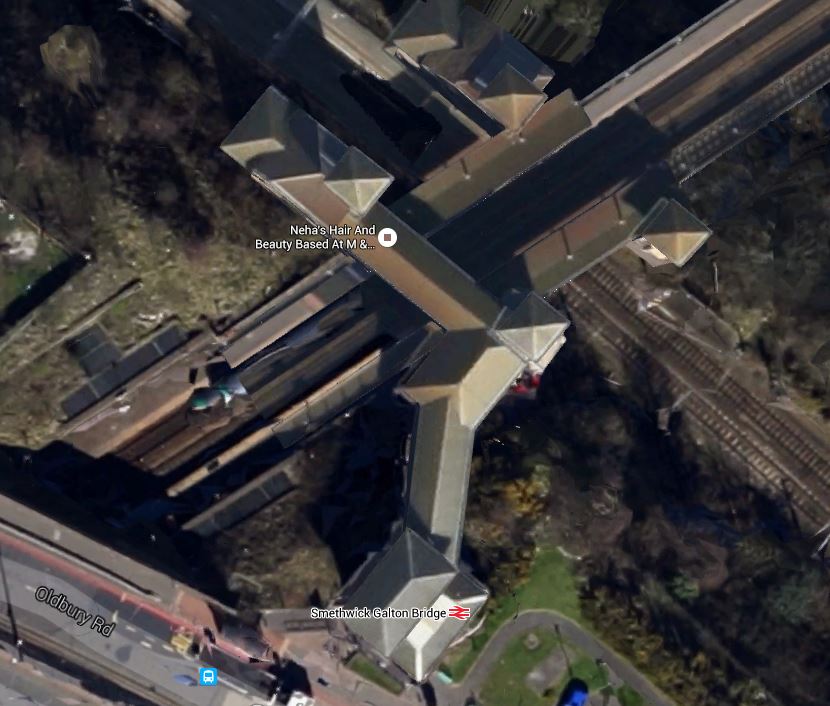
This Google Map shows Smethwick Galton Bridge station.
This extract from the Wikipedia entry, describes the station.
The station was opened in September 1995 as part of the Jewellery Line scheme to reopen the line between Smethwick and Birmingham Snow Hill station. It was built as an interchange station between two lines, and the platforms on both lines opened at the same time.
Note.
- The four lift towers with stairs, that connect the four platforms, have pyramid roofs.
- The station is fully step-free.
- The rail lines are at different levels.
These pictures show the station.
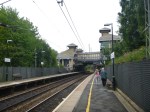
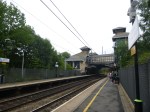

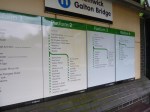
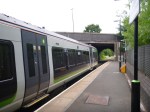
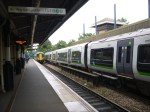


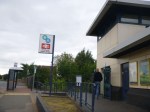


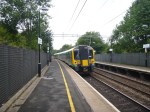
It is a very practical architectural idea and the world needs more four-poster stations to connect rail lines where they cross at different levels.
Could A Four-Poster Station Link East Didsbury And Stockport?
These are my thoughts.
The Location
This Google Map shows the general area, where the station could be built.
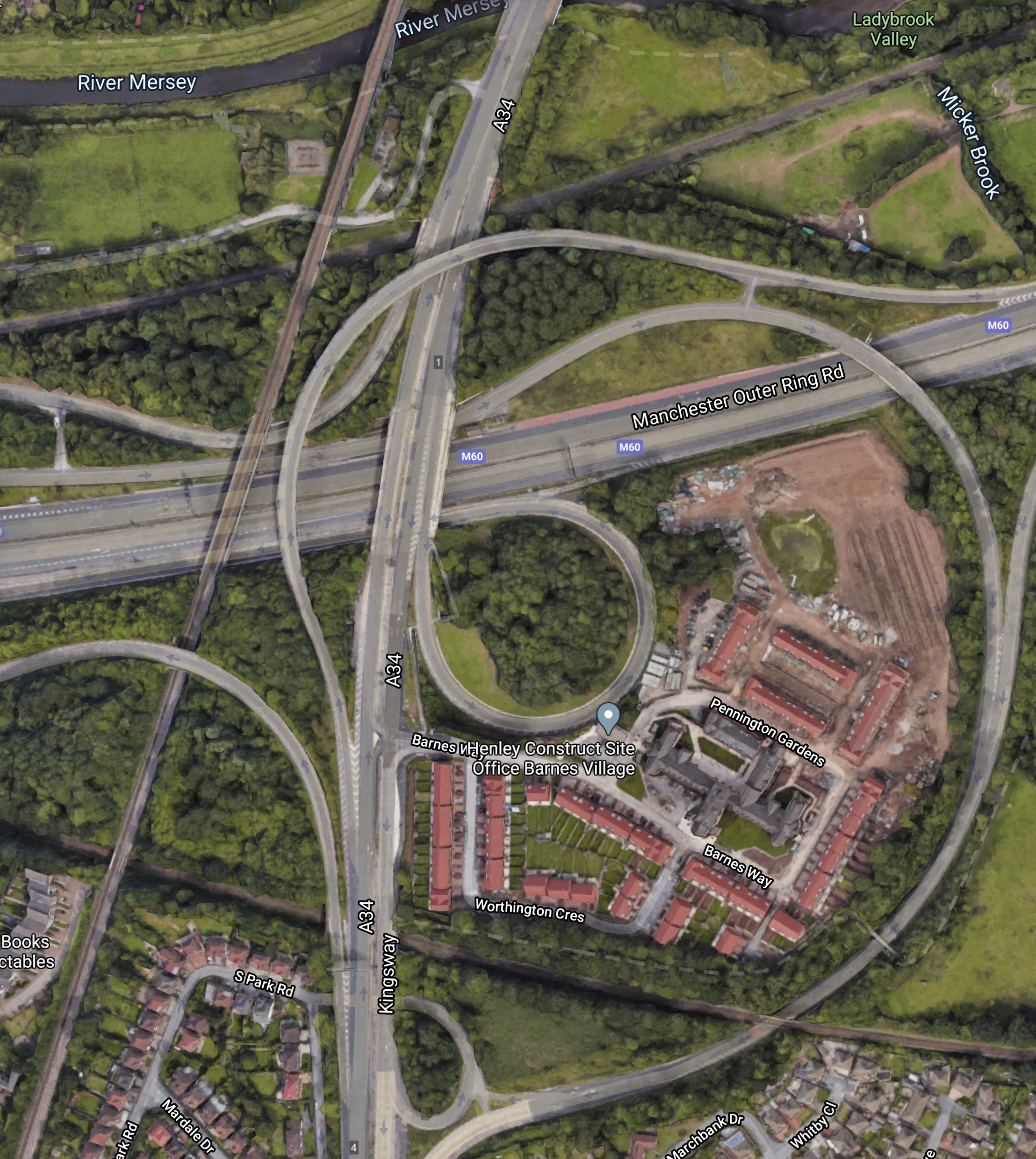
It is a spaghetti of motorways and rail lines with a lumpy sauce of new housing called Barnes Village in the middle.
Note, where the two rail lines cross in the South-West corner of the map.
This second Google Map, shows an enlarged image of the location, where the two rail lines cross.
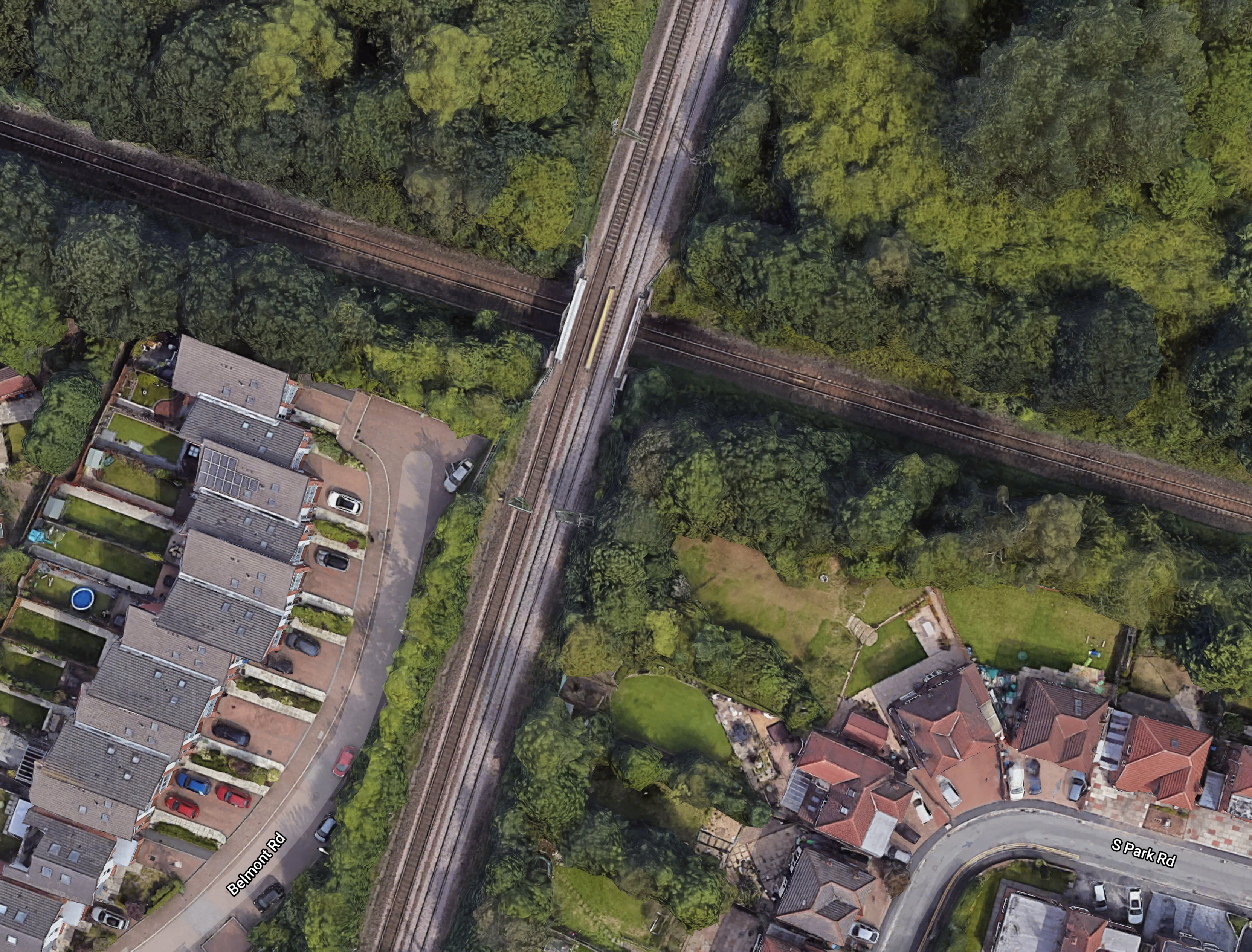
Note.
- The Styal Line runs North-South.
- The line running East-West is the Mid-Cheshire Line between Altrincham and Stockport stations.
I suspect most travellers joining the rail network at this point, would walk or cycle in from nearby locations or turn up in a taxi.
The Styal Line
The Styal Line has the following characteristics.
- It is an electrified double-track line.
- It connects Manchester Piccadilly and Wilmslow stations.
- There is a spur that serves Manchester Airport station.
- East Didsbury station, is the station North of where the two lines cross.
- Gatley station, is the station South of where the two lines cross.
- It is the route of trains to and from Manchester Airport.
These trains go through East Didsbury and Gatley stations in trains per hour (tph)
- 1 tph – Northern – Liverpool Lime Street and Crewe
- 1 tph – Northern – Liverpool Lime Street and Manchester Airport
- 1 tph – Northern – Manchester Airport and Blackpool North
- 1 tph – Northern – Manchester Airport and Cumbria
- 1 tph – Trains for Wales – Manchester Airport and Chester
- 1 tph – TransPennine Express – Manchester Airport and Redcar Central
- 1 tph – TransPennine Express – Manchester Airport and Newcastle
- 1 tph – TransPennine Express – Manchester Airport and Glasgow Central or Edinburgh
Freight trains also use the route.
This means that currently, there are eight tph between the Castlefield Corridor (Deansgate, Manchester Oxford Road and Manchester Piccadilly) and Manchester Airport, all of which go through the location, where the four-poster station could possibly be built.
So could the new station, be used to take pressure off the overloaded Castlefield Corridor?
The Mid-Cheshire Line
The Mid-Cheshire Line has the following characteristics.
- At this point it is a single-track without electrification.
- It connects Stockport and Altrincham stations.
Re-Doubling Of The Mid Cheshire Line Between Stockport and Altrincham And Associated Station Reopenings is another of the Beeching Reversal projects and envisages the following.
- Re-doubling the route.
- Possible electrification
- Reopening some stations.
This is the only passenger service that uses the route.
- 1 tph – Northern – Manchester Piccadilly and Chester
Up to two-three freight tph, also use the route.
In the related post, I said this about the desired frequency of services between Manchester and Chester stations.
It could be argued that two tph between Manchester Piccadilly and Chester are needed now and that four tph should be the preferred frequency.
There certainly needs to be four tph going through the proposed four-poster station.
Conclusion
I am being drawn to the conclusion, that this station if it were to be built, would help a lot of problems with Manchester’s railways.
- It would allow a sort out of train services to Manchester Airport.
- It would connect Stockport and Manchester Airport.
- It would connect Stockport and East Didsbury.
- It could help a solution to the problem of the Castlefield Corridor.
The station should be built.
Stevenage Station’s New Fifth Platform Opened A Year Early
The title of this post, is the same as that of this article on Rail Engineer.
This is the introductory paragraph.
A new £40 million platform and track at Stevenage station has been completed more than a year ahead of schedule.
Yesterday, it appears that the first scheduled train left Stevenage for Moorgate at 0502.
Will This Be Good For Travellers?
A few thoughts!
Stevenage Hospital
One of my old school friends lives in Cuffley. From that part of Hertfordshire, the hospital, patients use is in Stevenage. He can drive, but not everybody can!
LNER
Currently, LNER run an hourly service between Stevenage and Leeds, with an hourly service between Stevenage and Lincoln or York via Newark.
North From Enfield, Palmers Green, Southgate, Winchmore Hill and Wood Green
If you live in Enfield or the old London boroughs of Southgate or Wood Green, it could be easier to pick up trains for the North from Stevenage, rather than Kings Cross.
Not Bad For Me Too!
Even, where I live now, which is a mile or so East of Highbury & Islington station, if the timing is right, I can walk or get a bus for four stops to Essex Road station and get a train to Stevenage and then change for Leeds and the North.
East Coast Trains
East Coast Trains will be starting a fast, low-cost London Kings Cross and Edinburgh service, which will call at Stevenage.
Grand Central Trains
Grand Central Trains are currently shut down because of COVID-19, but will they call at Stevenage station, when they restart?
Hull Trains
Some Hull Trains services between London Kings Cross and Hull, call at Stevenage.
Hitachi’s Class 80x Trains
LNER, East Coast Trains and Hull Trains, all run versions of Hitachi’s Class 800 trains or similar.
These trains are built for performance and an extra stop at Stevenage station can probably be incorporated in the timetable without any penalty.
So will we see more trains stopping at Stevenage, if the train operators think it will be worthwhile?
Could Some Services From The North Terminate At Stevenage?
The Digswell Viaduct and the double-track section through Welwyn North station are the major bottleneck on the East Coast Main Line.
But a train returning North at Stevenage wouldn’t go over the viaduct.
Stevenage already has or could have excellent connections to the following.
- Cambridge, Stansted Airport and East Anglia
- Moorgate and the City of London and Crossrail.
- North East London
If keen pricing can encourage travellers to use Stevenage instead of Kings Cross, I can see operators wanting to run extra services, that could start at Stevenage.
I can also see Greater Anglia getting in on the act.
Could Greater Anglia’s Ipswich and Cambridge service be extended to Stevenage via the planned Cambridge South and Royston stations?
Could the service be timed to offer cross-platform interchange with their Norwich and Stansted Airport, at Cambridge South station?
Four important extra services would be created with a step-free interchange.
- Ipswich and Stansted Airport – 106 minutes – Step-free walk across at Cambridge South station
- Ipswich and Stevenage – 115 minutes – New direct service
- Norwich and Stansted Airport – 107 minutes – Existing service
- Norwich and Stevenage – 116 minutes – Step-free walk across at Cambridge South station.
A large number East Anglian rail journeys would be simpler.
Car Parking
Will there be enough car parking at Stevenage station?
I suppose, it would be possible to build a Stevenage Parkway station between Stevenage and Watton-at-Stone stations.
This Google Map shows the area.
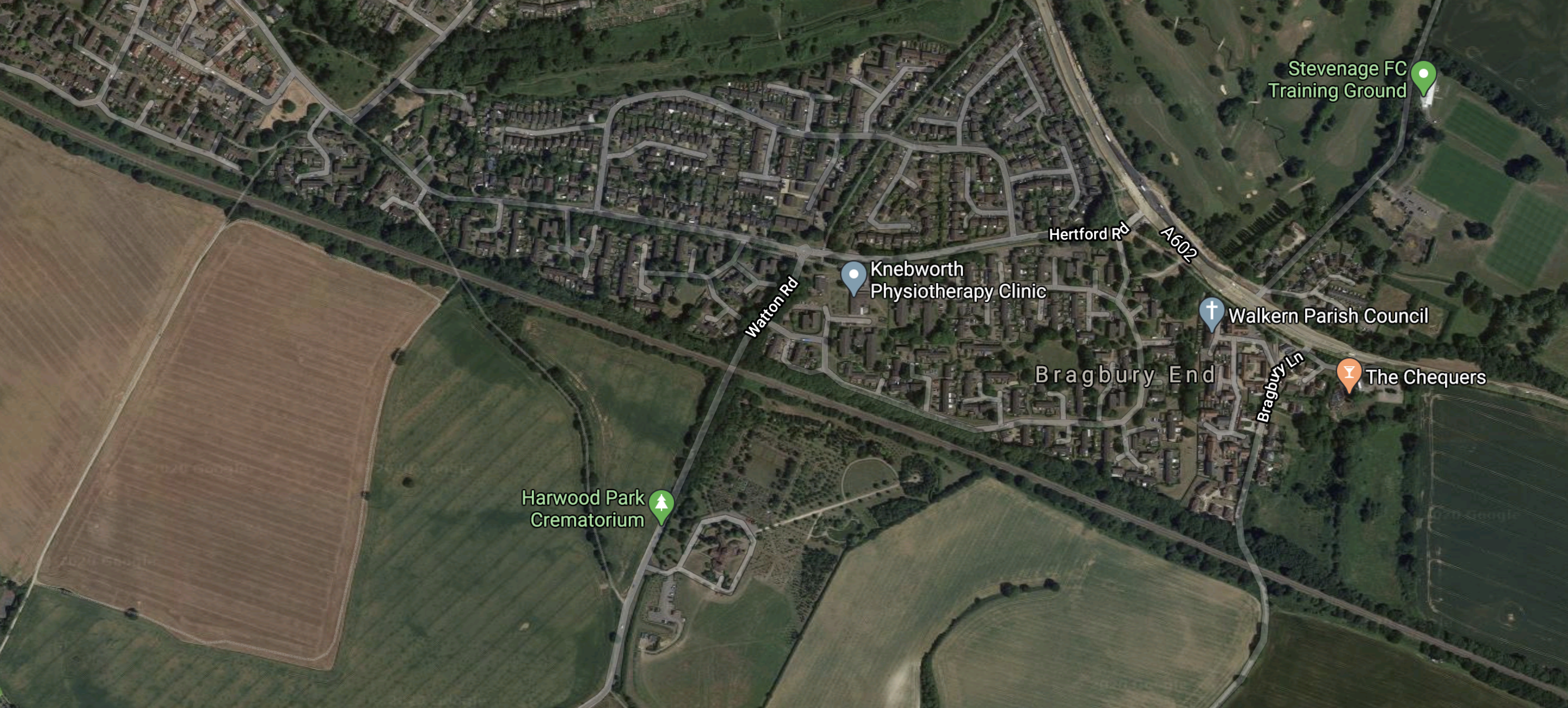
Note, that the railway seems to mark the development limit for the town.
The high performance of the Class 717 trains, would probably mean, that there would be no lengthened journey times.
Conclusion
This project appears to have been well-thought through!
Beeching Reversal – Re-Doubling Of The Mid Cheshire Line Between Stockport and Altrincham And Associated Station Reopenings
This is one of the Beeching Reversal projects that the Government and Network Rail are proposing to reverse some of the Beeching cuts.
Much of this project appears to be about bringing the former Stockport, Timperley and Altrincham Junction Railway, back up to somewhere near its original state.
This map clipped from Wikipedia shows the railway.
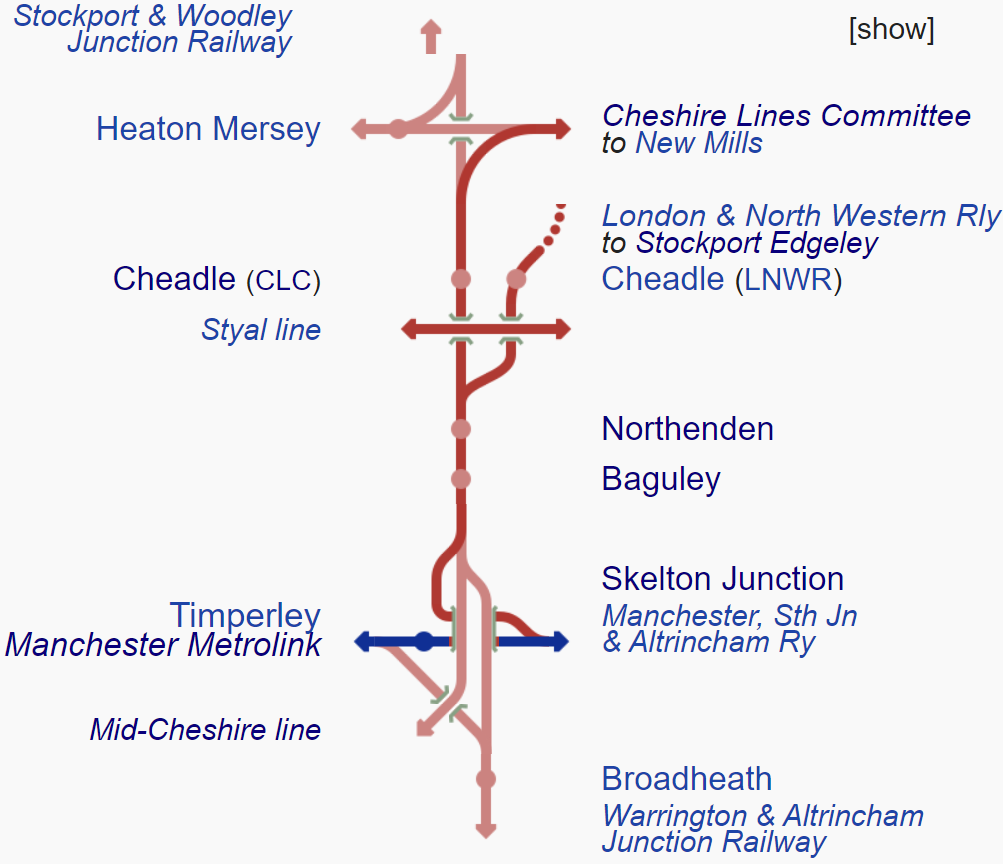
Note.
- Stockport Edgeley is now just Stockport station.
- Altrincham station is on the Mid-Cheshire Line.
- Baguley, Northenden and both Cheadle stations are now closed.
I have just flown my virtual helicopter between Stockport and Altrincham stations and much of the route is already double-track.
- At Cheadle Village Junction, which appears to be behind Cheadle Heath Police Station, the track becomes single.
- Just before Sharston Junction, which appears to be to the North-East of Sharston, the track becomes double again.
I estimate, that the single-track section is just over two miles long.
I was also able to ascertain, that there appeared to be plenty of space, where British Rail singled the track.
There is also a second section of single-track, through Navigation Road station, which is shown in this Google Map.
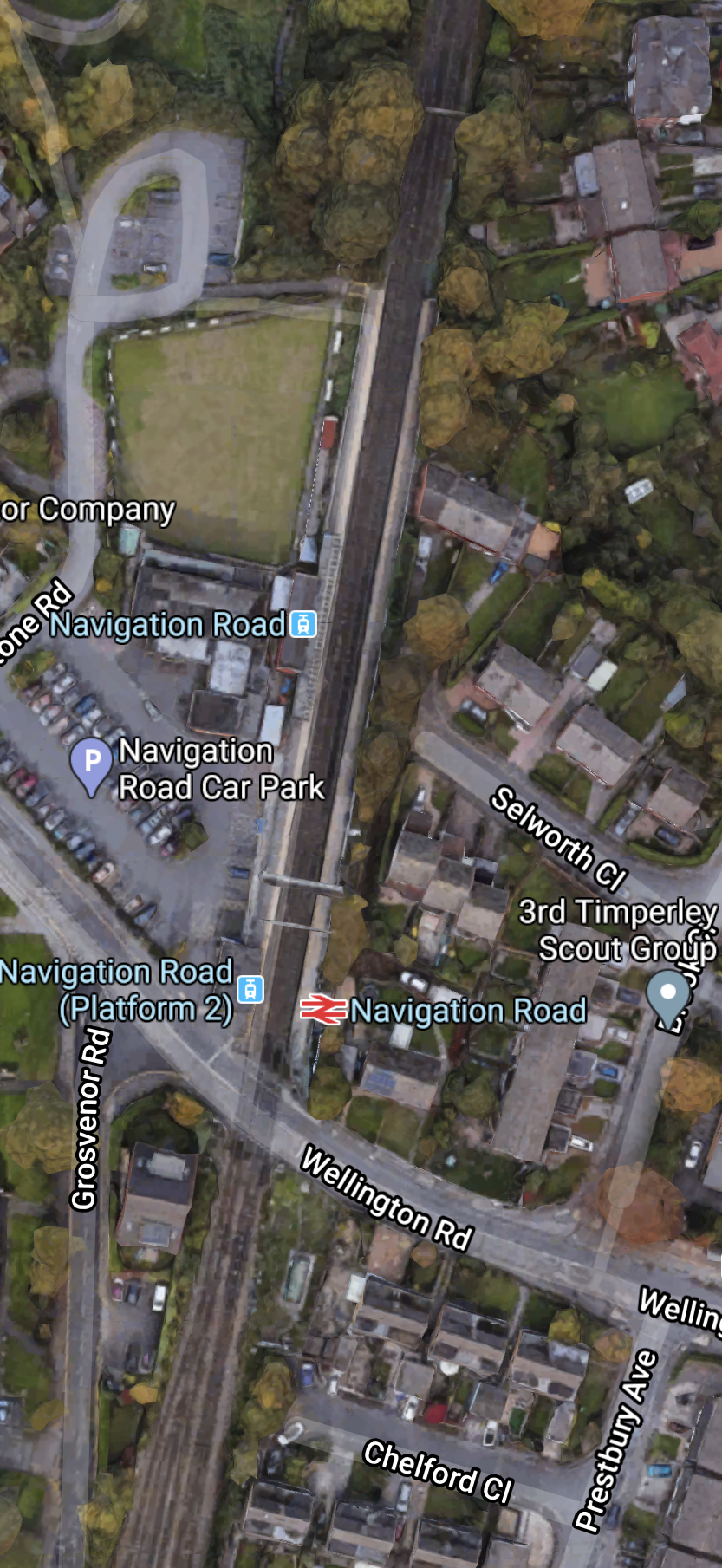
Note.
- Both tracks through Navigation Road station are bi-directional.
- The Metrolink track is on the West.
- The National Rail track is on the East.
- South of Navigation Road station, both Metrolink and National Rail get two tracks.
In the twenty-four hours to 0600 this morning, a total of seventeen freight movements, went through this section.
- Some were biomass trains between Liverpool and Drax power station, up to 6400 tonnes.
- Some were stone trains from the quarries in the Peak District.
- Some were Network Rail engineering trains.
I suspect this abort section of single track for both Metrolink and Network Rail is an absolute pain.
The single track must cause a lot of problems as the route is sometimes used by two or three trains per hour (tph) in both directions.
As some of the trains are some of the UK’s longest freight trains, it could also be very challenging for the signalling and the signallers.
Work That Could Be Done
These sub-projects could be performed.
Elimination of Single Track At Cheadle
I think this is essential and could greatly increase the capacity of the route.
This Youtube video from Don Coffey, shows the view from the cab, which travelling from Manchester to Chester. If you watch from about thirteen minutes, you’ll see the single-track section.
Sorting Out Navigation Road
As with the single-track section at Cheadle, I think this is essential and could greatly increase the capacity of the route.
Watch the same Youtube video from about twenty-two minutes, and you’ll see the single-track section, through Navigation Road station.
In Tram-Trains To Hale Station, I talked about the possibilities of using a variant of Class 399 tram-trains, similar to those running on the Sheffield Supertram.
Signalling
It could be there are minor adjustments or major work to get the most out of a double-track railway.
Electrification
This is an excerpt from the Wikipedia entry for the Mid-Cheshire Line.
In March 2015, the Electrification Task Force said that the Mid-Cheshire line was a tier 1 priority for being electrified in the CP6 period (2019-2024)
Would electrification be installed to perhaps run electric trains between Manchester Piccadilly and Chester?
Baguley Station
I covered Baguley station in Glazebrook Junction And Skelton Junction, where I said this.
Baguley station could be an interesting station, as it would be possible to create an interchange with the Manchester Metrolink. Wikipedia says this.
Proposals were made in the early 2000s to reopen a station in the Baguley area when the extension of the Metrolink out to Wythenshawe and Manchester Airport is actioned. In May 2011 re-opening of the station on the Stockport-Altrincham line was included in Transport for Greater Manchester’s Passenger Plan. The station would be on Southmoor Road and would be a tram/train interchange with the Baguley tram stop, which opened in 2014.
This Google Map shows the possible Baguley Interchange.
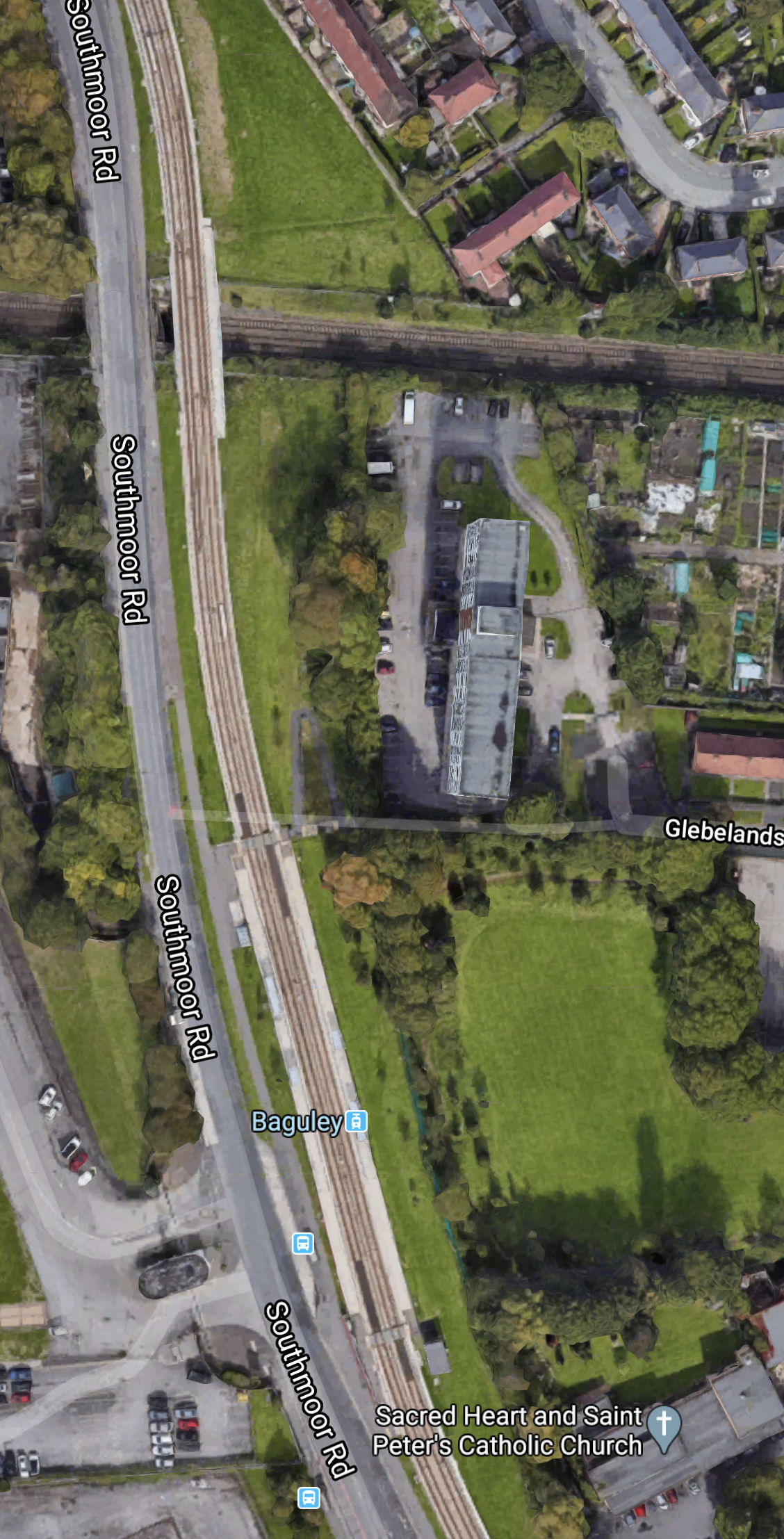
Note.
-
- The North-South road is Southmoor Road.
- The Metrolink branch to the Airport runs alongside.
- The Stockport and Altrincham Line crosses East-West towards the North of the map.
If you take a train between Manchester Piccadilly and Chester via Stockport, Navigation Road, Altrincham and Knutsford, you cross on the railway through here.
So perhaps a Baguley Interchange station, would help some people get to and from Manchester Airport?
Baguley station certainly has possibilities.
Cheadle North Station
Could Cheadle North station be replaced?
This article on the Manchester Evening News is entitled Cheadle ‘On Cusp’ Of Having Own Railway Station For First Time Since Mid-1960s, where this is said.
If ministers back the proposals, the railway station is likely to be built next to the Alexandra Hospital along the mid-Cheshire line – close to where the original Cheadle (later Cheadle North) station was.
This Google Map shows the Cheadle Alexandra Hospital and the Mid-Cheshire Line.
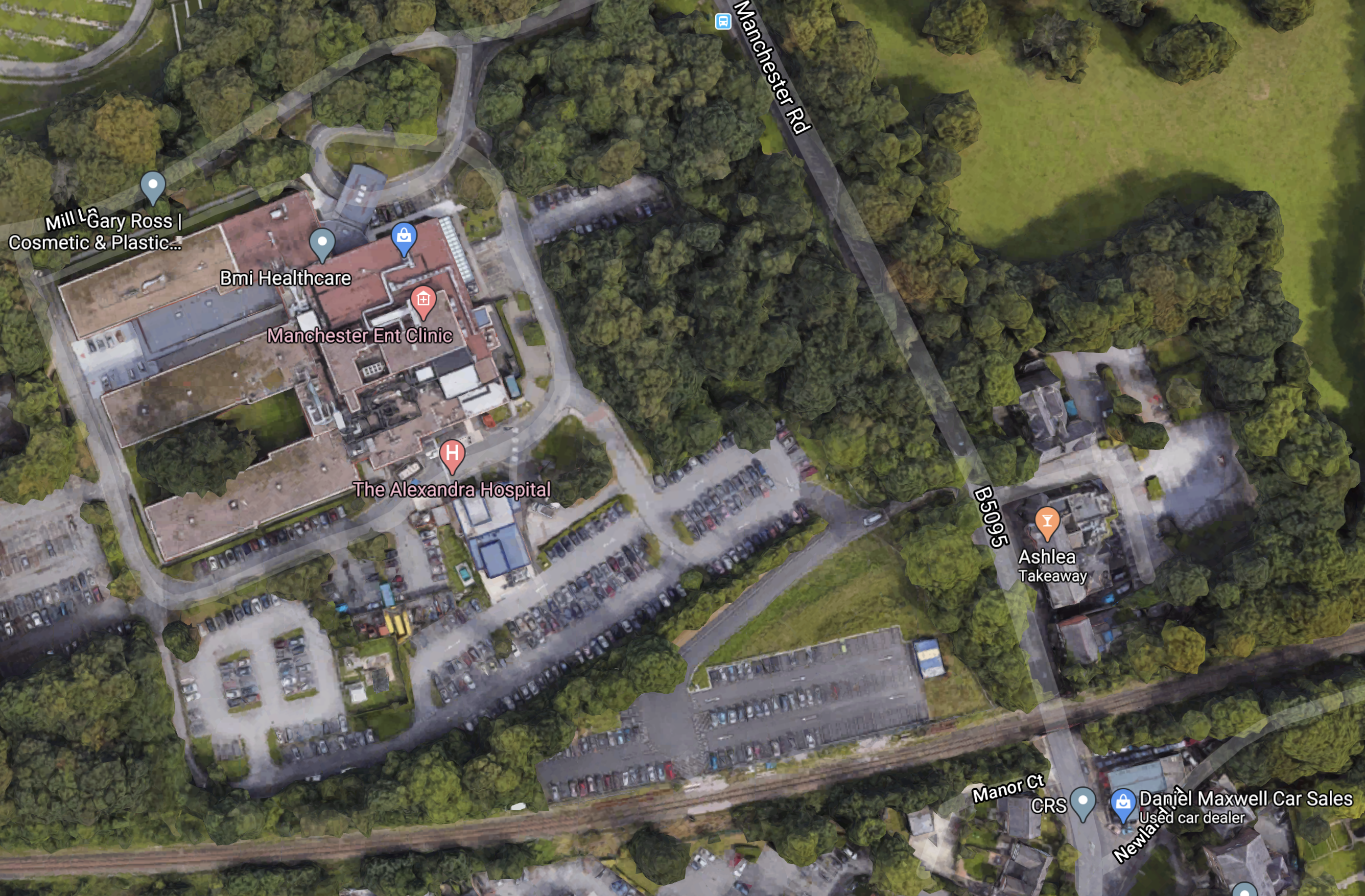
Note.
- The hospital is the largest private hospital in the UK, outside London.
- The railway, which is single-track at this point, runs along the South side of the site.
If the line is double-tracked, as seems likely, adding a small station would not be a challenging addition.
Northenden Station
Could Northenden station be replaced?
Future Train Services
The train service between Manchester Piccadilly and Chester is as follows.
- The service is 45 miles.
- It takes 90 minutes.
- There are stops at Stockport, Navigation Road, Altrincham, Hale, Ashley, Mobberley, Knutsford, Plumley, Lostock Gtalam, Northwich, Greenbank, Cuddington, Delamere and Mouldsworth.
It could be argued that two tph between Manchester Piccadilly and Chester are needed now and that four tph should be the preferred frequency.
There are other services.
Conclusion
After restoring the double-track on this route, there are possibilities to spend, as much money as you want.
In Tram-Trains To Hale Station, these were my conclusions.
- Tram-trains can deliver a capacity improvement through Navigation Road station.
- Tram-trains could be extensively tested on the existing Manchester Metrolink network.
- Tram-trains could be used to build a simple extension to Hale station from Altrincham.
- The Manchester and Chester service via Stockport, Navigation Road and Altrincham stations could be run by tram-trains.
A comprehensive network of tram-trains could be developed between, through and beyond Altrincham, Crewe and Chester.
Cheshire would have a quality commuter and local train network into Manchester.
After all in the next couple of years, Merseyrail’s Cheshire network will be getting a major upgrade with new trains and perhaps another new route.
Beeching Reversal – Glazebrook Junction And Skelton Junction
This is one of the Beeching Reversal projects that the Government and Network Rail are proposing to reverse some of the Beeching cuts.
This Wikipedia entry, which is entitled Glazebrook East Junction–Skelton Junction Line. gives a lot of information.
Closure Of Passenger Services
This is said.
As part of the London Midland region of BR, It remained a busy line with trains from Liverpool Central and Warrington Central up until the mid-1960s. It was only on the withdrawal of these stopping passenger services in 1964 that all the stations closed along the line.
Where did the services terminate?
I would assume it was Stockport.
Closure Of Freight Services
This is said.
The line carried on as freight only until 1983 when Cadishead Viaduct was in need of serious and costly repair. British Rail decided rather than repairing the viaduct to close it and mothball the line. The tracks were lifted in the mid-1980s from Glazebrook to Partington.
This Google Map shows Cadishead Viaduct over the Manchester Ship Canal, which appears to need some TLC.
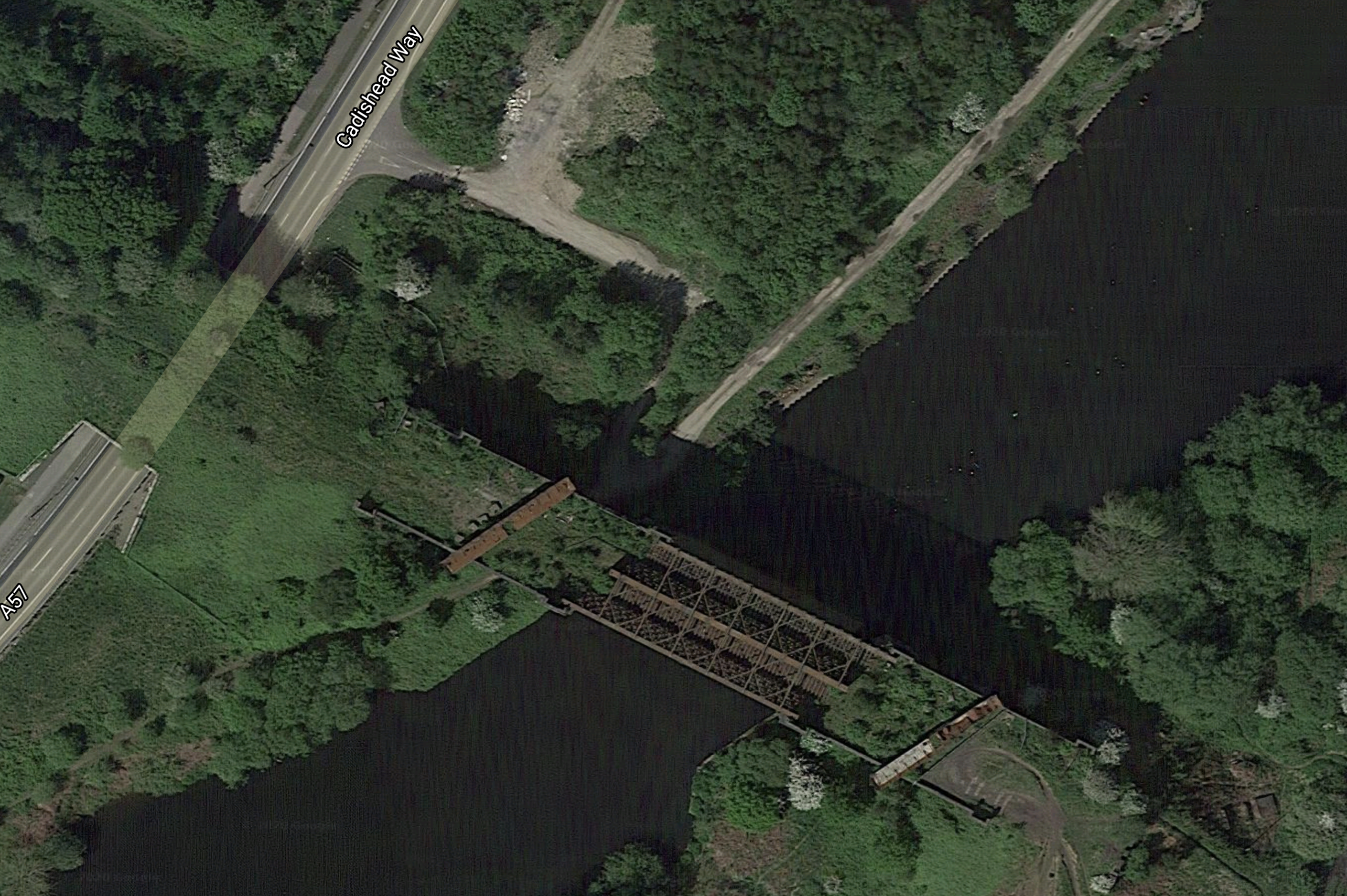
It looks to be in similar condition to that of this bridge at Tottenham Hale station in London, before it was replaced.
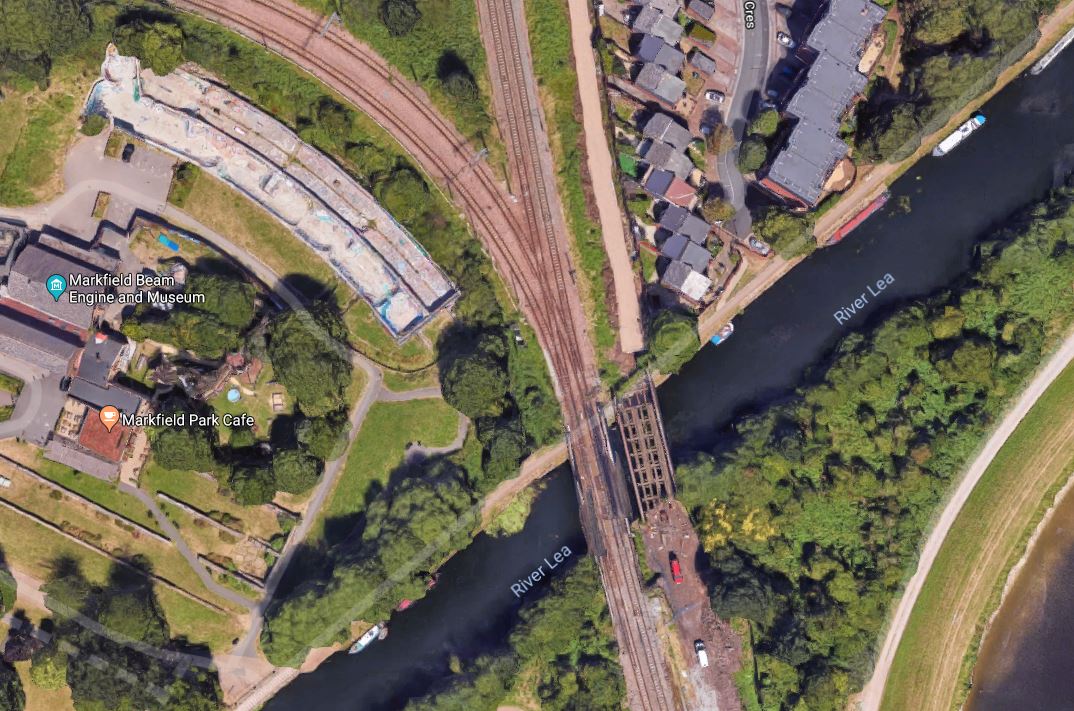
This Google Map show the bridge at Tottenham Hale now.
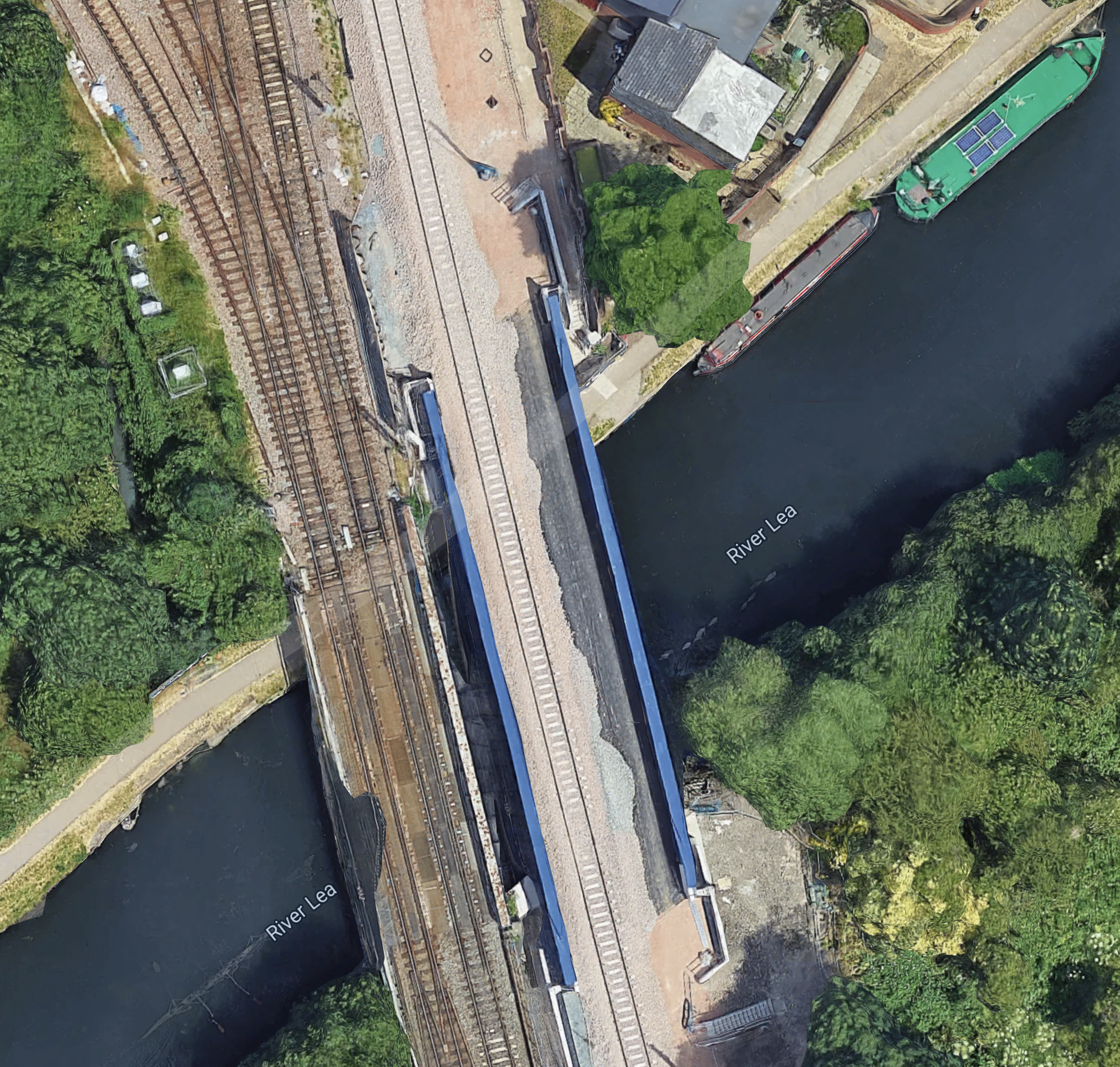
It certainly looks a lot better and was installed in a few days over Christmas.
It might be expensive but it certainly looks possible, to add a pair of replacements at Cadishead Viaduct.
Glazebrook Junction
This is said about Glazebrook Junction.
As of 2010 Glazebrook East Junction is still intact and remains part of the national network. The junction towards Cadishead on the original deviation is also still in place with a powered signal lamp showing a permanent red signal. This short section of track from the still live passing loop at Glazebrook East Junction towards Cadishead on the original non-deviated line is permanently point locked. The short section ends near a barrow crossing shortly before a bridge carrying a bridleway above.
This Google Map shows the Junction and Glazebrook station.
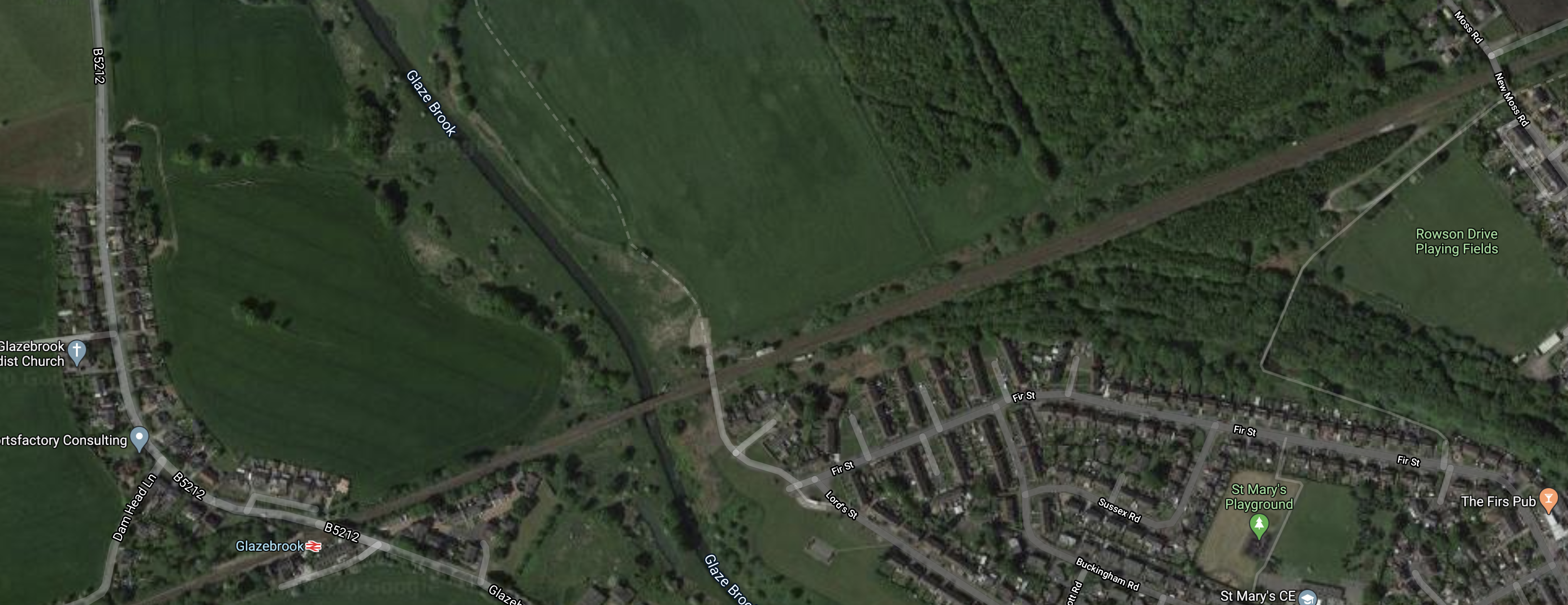
Note.
- Glazebrook station is in the South-West corner of the map.
- The line to be reinstated leaves the map in the South-East corner.
Could there be space for a double-track junction?
Skelton Junction
This is said about Skelton junction.
The tracks from Skelton Junction to the south east of Partington were left and remained intact for chemical trains for a local chemical plant. These trains continued to use this route until 10 October 1993. To this day however this part of the line is intact but disused; the signal lamps at Skelton Junction remain powered red. Also in 2005 this part of the track saw some work; vegetation clearance took place for the line to reopen for freight but this fell through.
This Google Map shows Skelton junction.
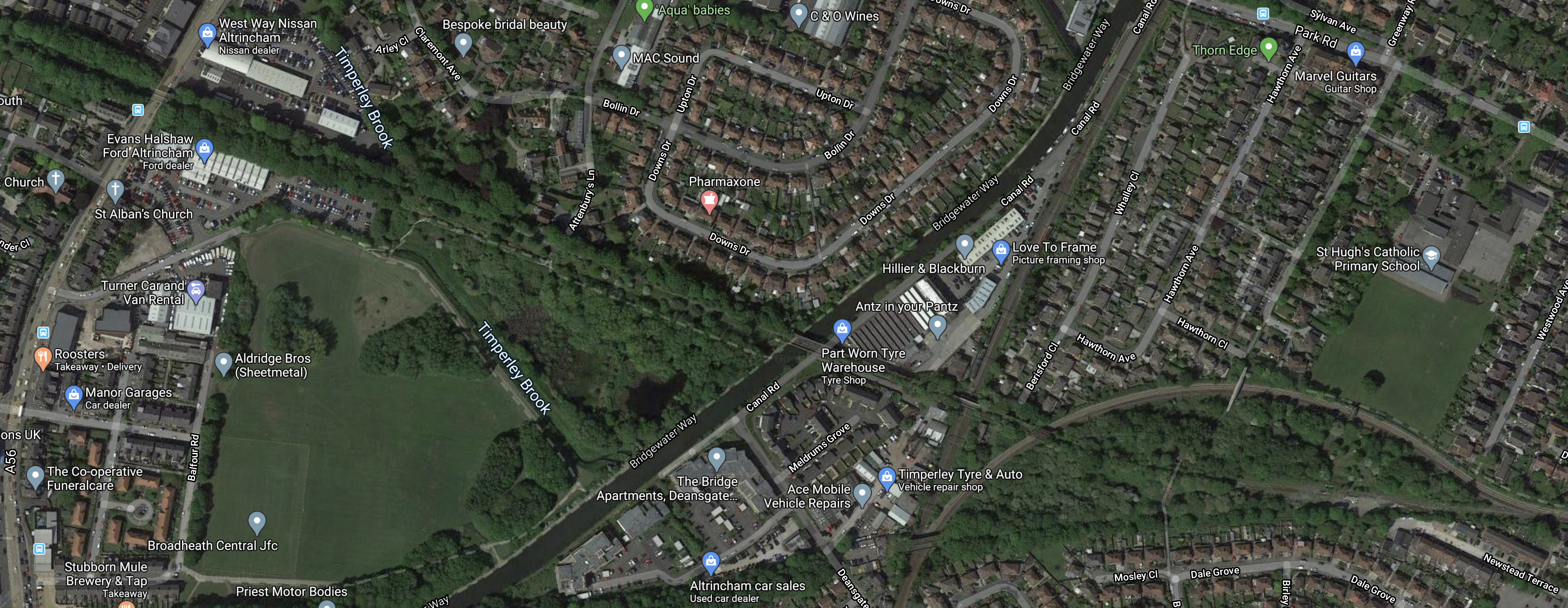
Note, that from Skelton junction it appears, it is an easy run to Stockport station.
Stations
Four stations from the route have closed.
Baguley station could be an interesting station, as it would be possible to create an interchange with the Manchester Metrolink. Wikipedia says this.
Proposals were made in the early 2000s to reopen a station in the Baguley area when the extension of the Metrolink out to Wythenshawe and Manchester Airport is actioned. In May 2011 re-opening of the station on the Stockport-Altrincham line was included in Transport for Greater Manchester’s Passenger Plan. The station would be on Southmoor Road and would be a tram/train interchange with the Baguley tram stop, which opened in 2014.
This Google Map shows the possible Baguley Interchange.
Note.
- The North-South road is Southmoor Road.
- The Metrolink branch to the Airport runs alongside.
- The Stockport and Altrincham Line crosses East-West towards the North of the map.
If you take a train between Manchester Piccadilly and Chester via Stockport, Navigation Road, Altrincham and Knutsford, you cross on the railway through here.
So perhaps a Baguley Interchange station, would help some people get to and from Manchester Airport?
Future Train Services
It would appear that at the simplest level it creates a passenger connection between Liverpool Lime Street and Manchester Piccadilly stations via South West Manchester and Stockport.
There are also large projects underway, close to Glazebrook.
Climate Emission Killer: Construction Begins On World’s Biggest Liquid Air Battery
railfuture On The Castlefield Problem
Will these two projects and others like them by the Manchester Ship Canal, create the need for more passenger and freight trains to the area?
Conclusion
It looks to me, that opening this new passenger train route could be very beneficial for those that live, work and play in the area.
Beeching Reversal – Reinstating Beeston Castle And Tarporley Station
This is one of the Beeching Reversal projects that the Government and Network Rail are proposing to reverse some of the Beeching cuts.
Beeston Castle and Tarporley station was on the Crewe and Chester Line.
- The station was closed in 1966.
- The station was situated almost exactly half-way between Crewe and Chester stations.
- If it were to be reinstated, Beeston Castle and Tarporley would be the only intermediate station.
- Wikipedia says reinstatement will cost £3 million.
This Google Map shows the site of the station.
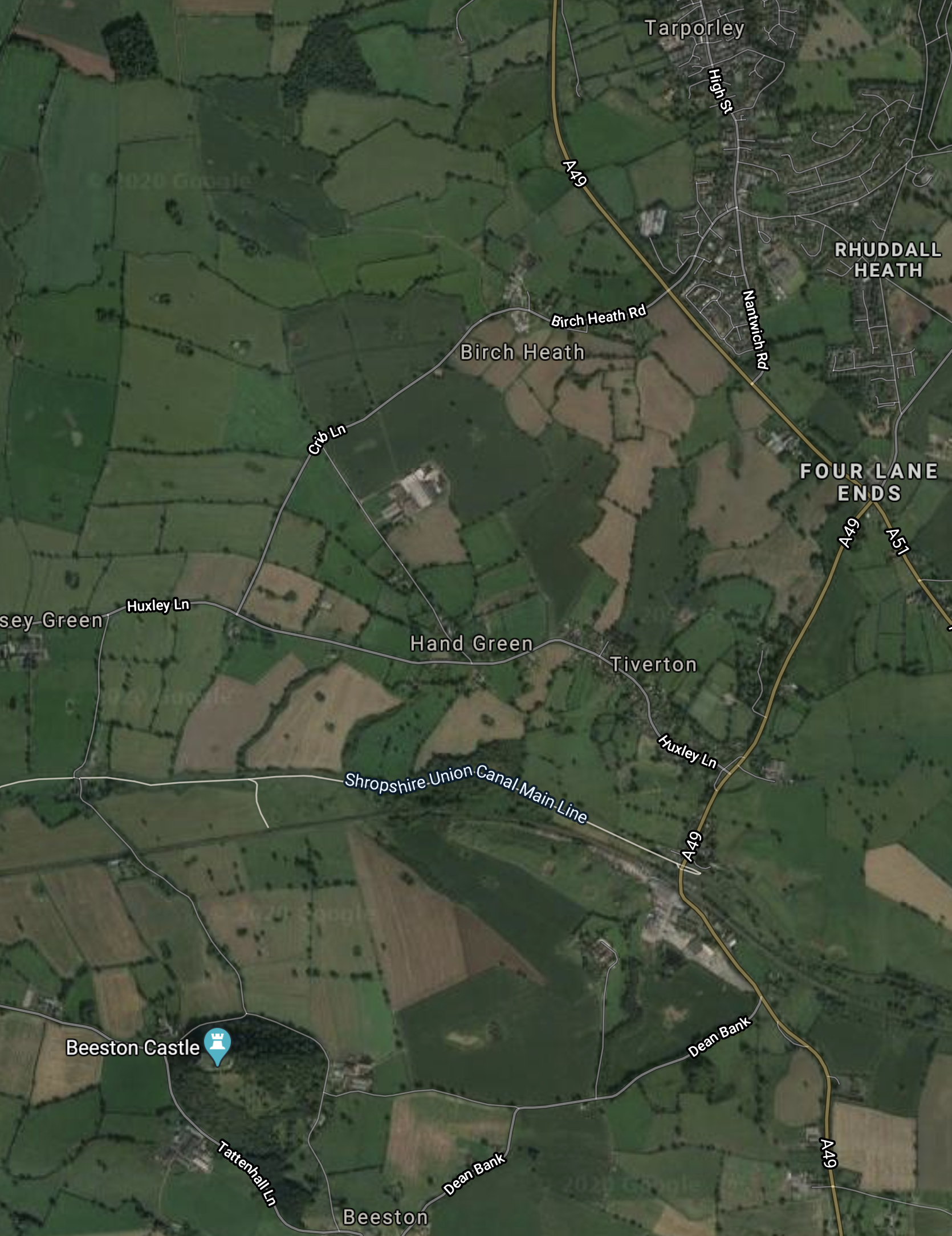
Note, that the station appeared to have been, where the A49 crosses the railway and the Shropshire Union Canal.
This Google Map shows an enlargement of the site.
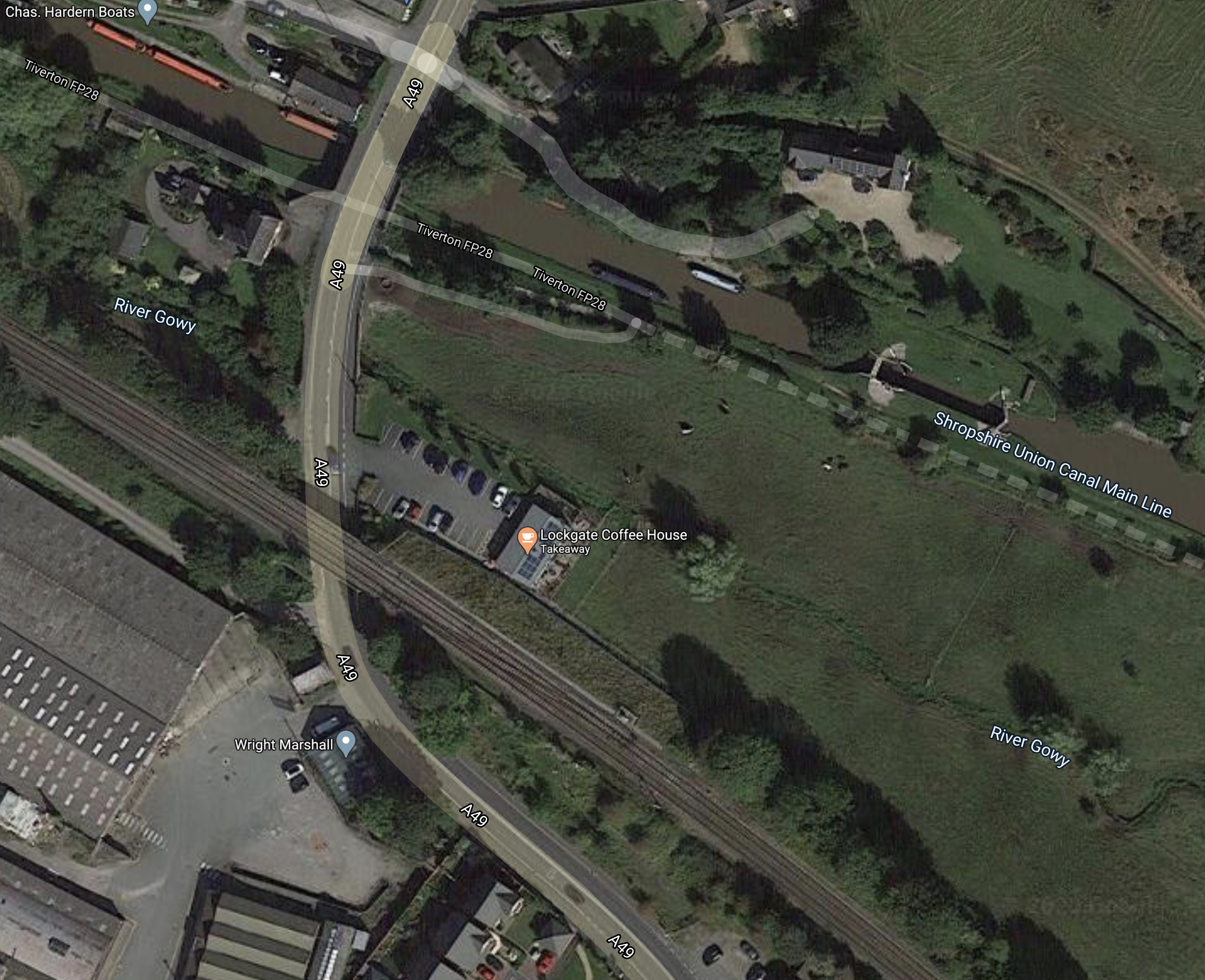
Note.
- If canal boats are for hire in the North-West corner of the map, someone will like a convenient station.
- The former platforms are just about visible.
- Is there enough space for the required car parking?
There’s even a handy cafe for the builders.
Conclusion
It doesn’t appear to be the most challenging station to reinstate.
 The Anonymous Widower