Climbing The Valley Lines In The South Wales Metro
There are five terminal stations on the Cardiff Valley Lines, of which four will be served by battery-electric trains or tram-trains from Cardiff.
In this post, I will show how they will achieve this feat.
Consider.
- To get to Aberdare, Merthyr Tydfil or Treherbert, a tram-train must first get to Pontypridd.
- To get to Rhymney, a train must first get to Caerphilly.
I will now deal with the seven stations in alphabetic order.
Aberdare
This OpenRailwayMap shows the three branches of the Cardiff Valley Lines, that go through Pontypridd.

Note.
- Electrified lines are shown in red and unelectrified lines are shown in black.
- The branch to Aberdare is the middle of the three branches.
- It is planned that the service on the Aberdare branch will be provided using Class 398 tram-trains, that will be fitted with batteries.
- Electrification will be complete between Aberdare and Pontypridd.
It would appear that a tram-train could run between Aberdare and Pontypridd using the complete electrification.
Caerphilly
These two OpenRailwayMaps show the tracks through Caerphilly.
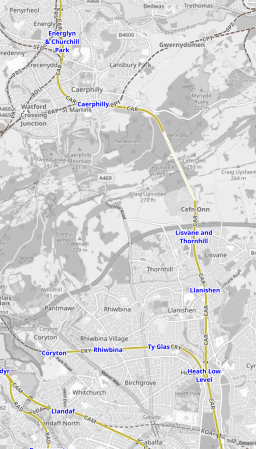
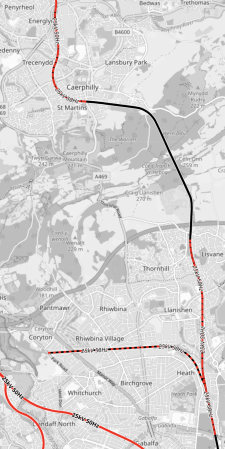
Note.
- The map on the left shows infrastructure, with the Rhymney Line shown in yellow.
- Caerphilly station is in the top third of the map.
- The white section of the Rhymney Line is the Caerphilly tunnel.
- The map on the right shows electrification, with the sections of the Rhymney Line that will be electrified are shown in red.
- Black sections will not be electrified.
- North of Caerphilly, the Rhymney Line is electrified, but through the station and the Caerphilly tunnel, there will be no electrification.
Trains will use battery power, where there is no electrification.
Ebbw Vale Town
This OpenRailwayMap shows the Ebbw Valley Railway.
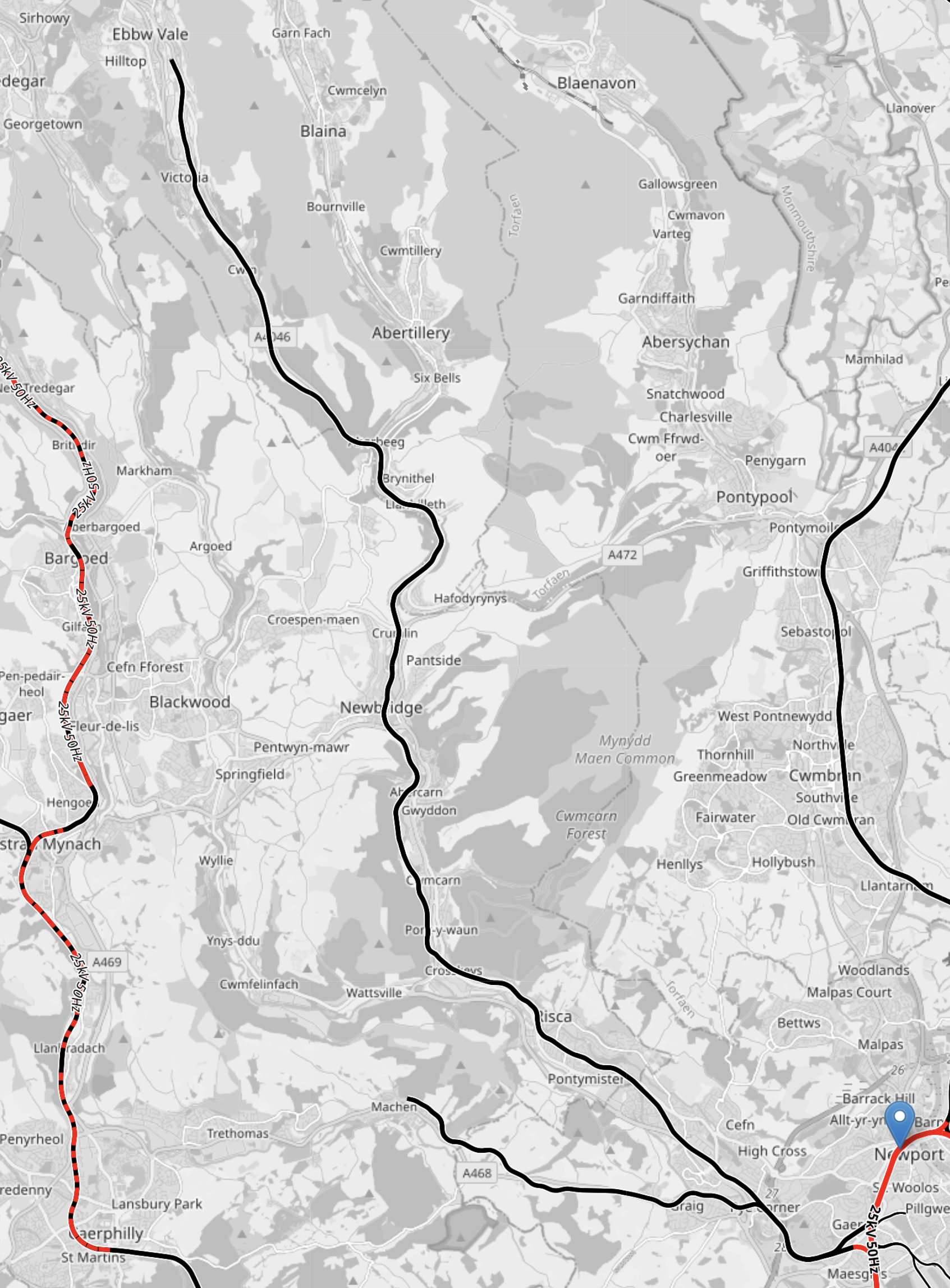
Note.
- Electrified lines are shown in red and unelectrified lines are shown in black.
- Lines where electrification will be installed are shown in red and black.
- Newport is marked by the blue arrow.
- The North-South Line at the left is the Rhymney Line.
- The North-South Line in the middle is the Ebbw Valley Railway.
- The North-South Line at the right is the Marches Line to Hereford and Shrewsbury.
Trains will use diesel power on the Ebbw Valley Railway, as there is no electrification and no means of charging battery-electric trains.
It does seem strange that no electrified solution has been proposed for the Ebbw Valley Railway.
Consider.
- An Abertillery branch has been proposed.
- A Newport and Ebbw Vale Town service has been proposed and will be implemented.
- Perhaps the line is difficult to electrify.
It could just be, the electrifying the Ebbw Valley Railway, was a step too far.
Merthyr Tydfil
This OpenRailwayMap shows the three branches of the Cardiff Valley Lines, that go through Pontypridd.
Note.
- Electrified lines are shown in red and unelectrified lines are shown in black.
- The branch to Merthyr Tydfil is the rightmost of the three branches.
- It is planned that the service on the Merthyr Tydfil branch will be provided using Class 398 tram-trains, that will be fitted with batteries.
- Electrification will be complete between Merthyr Tydfil and Pontypridd, except for two short sections.
- I would assume that the short unelectrified sections can be handled using the tram-trains battery power.
It would appear that a tram-train could run between Merthyr Tydfil and Pontypridd using the electrification and the tram-trains batteries.
This shows the track layout at Quaker’s Yard station.
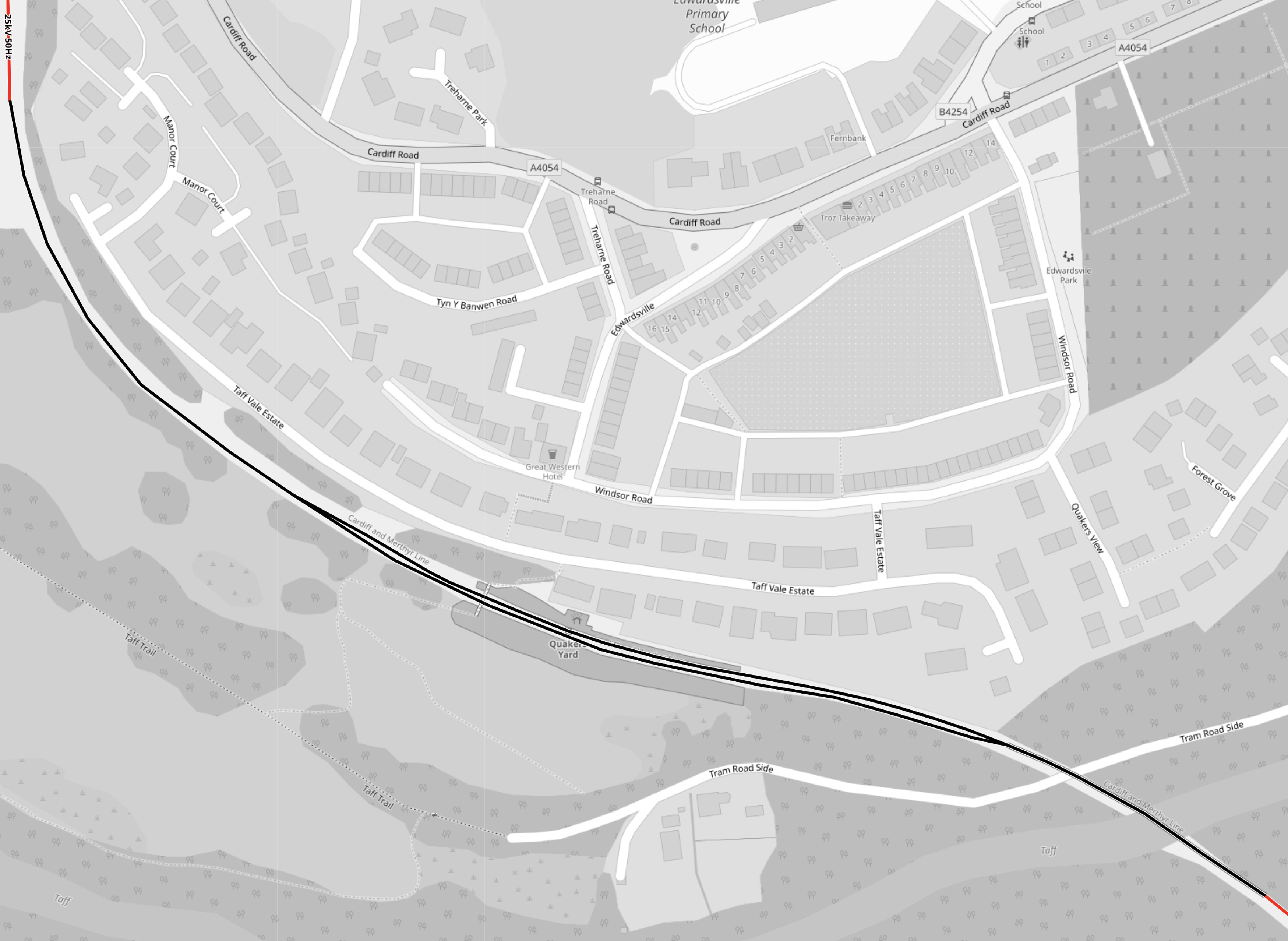
Note.
- Electrified lines are shown in red and unelectrified lines are shown in black.
- There are only two short length of electrification shown in the corners the map.
- Quaker’s Yard station has two platforms.
- The track layout appears to have single- and double-track sections.
It looks like it has been decided not to electrify this section. Perhaps, it was just too complicated to electrify easily?
This 3D Google Map shows the terminal station at Merthyr Tydfil.
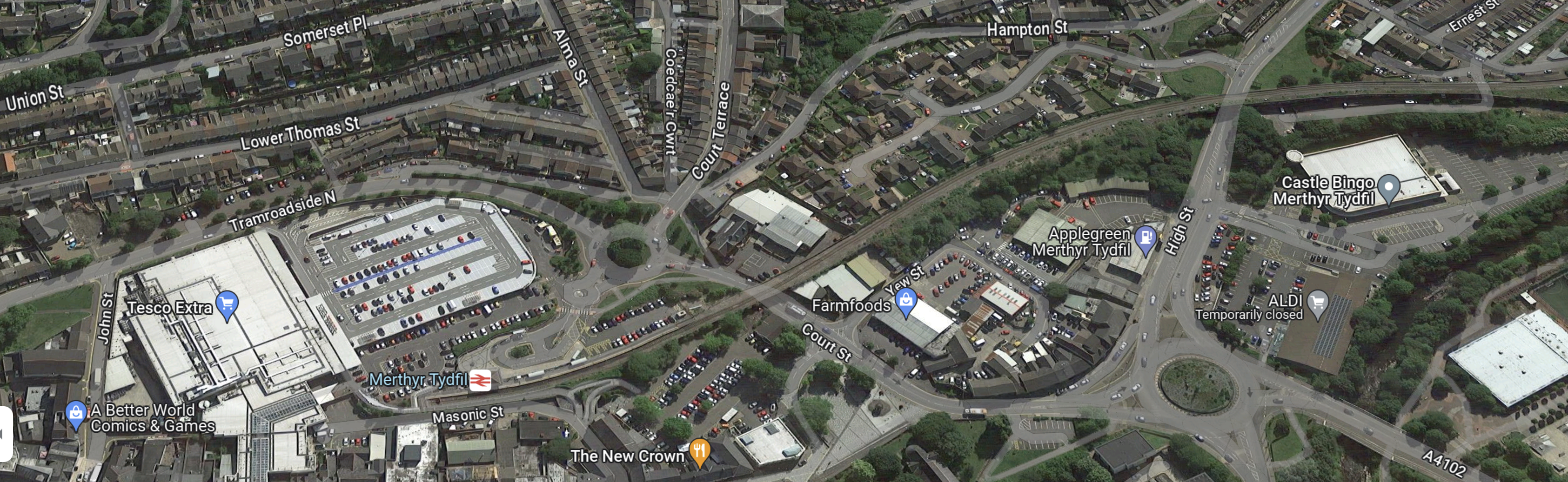
It looks like the railway runs through the town to the station. So perhaps leaving out the electrification made everything safer?
Pontypridd
This OpenRailwayMap shows the tracks through Pontypridd.
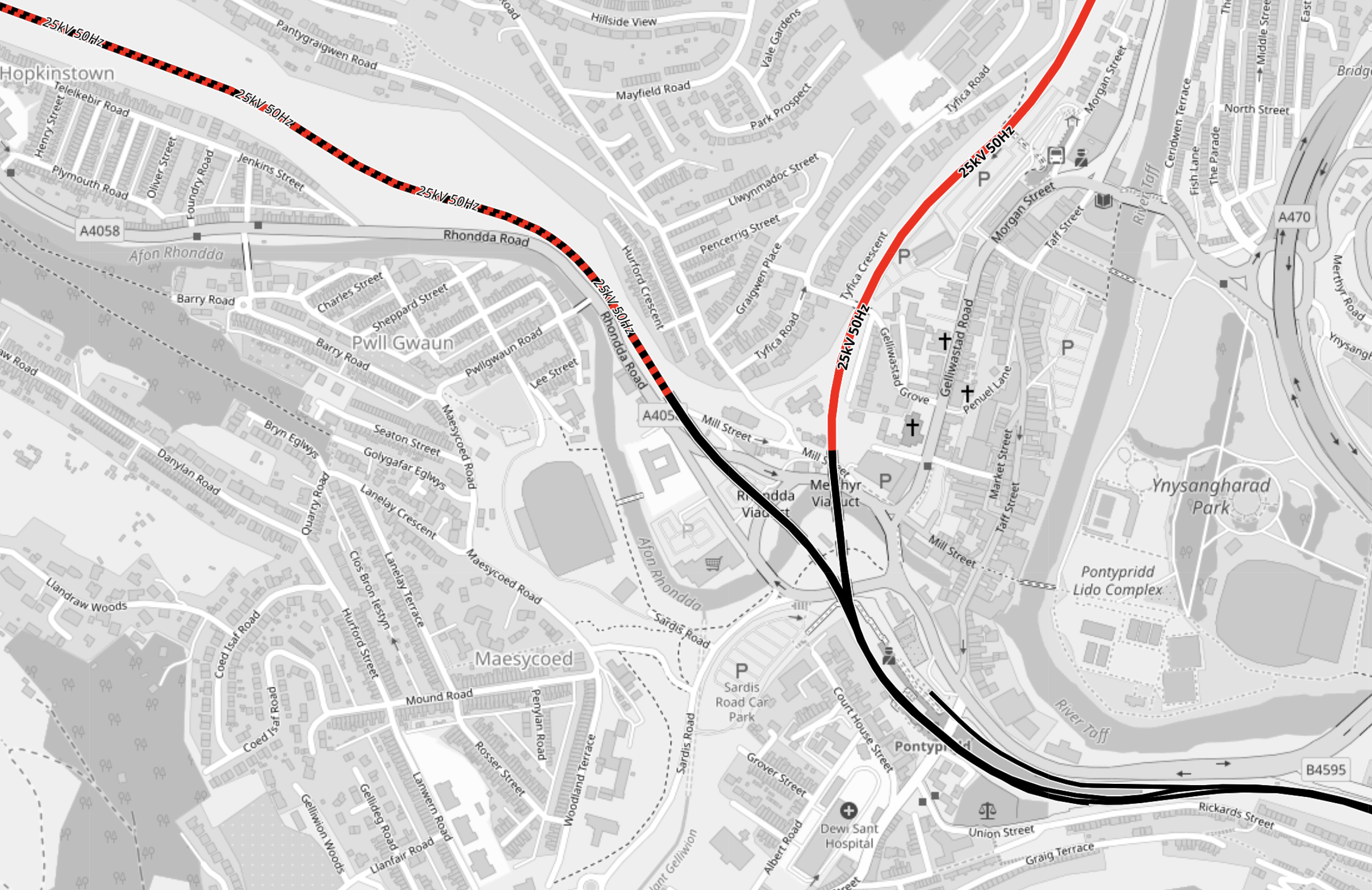
Note.
- Electrified lines are shown in red and unelectrified lines are shown in black.
- Lines where electrification will be installed are shown in red and black.
- The line leaving the map in the South-East corner is the line to Cardiff.
- The line leaving the map in the North-West corner is the Rhondda Line to Treherbert.
- The line leaving the map in the North-East corner is the Merthyr Line to Aberdare and Merthyr.
Pontypridd stations lies at the junction of the three lines.
This OpenRailwayMap shows the platforms at Pontypridd.
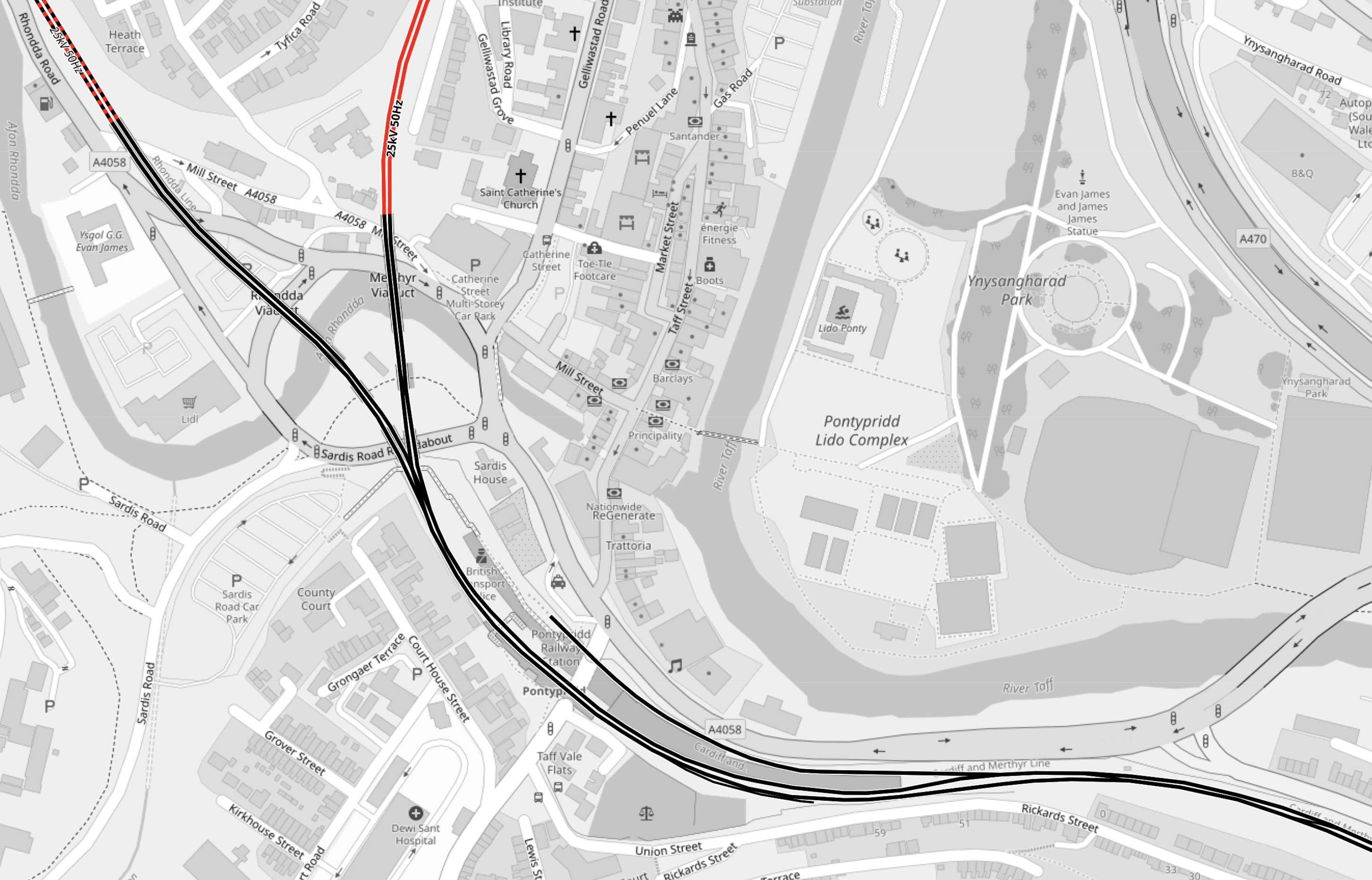
Note.
- There are two long through platforms.
- There is a bay platform on the North side of the station for extra Cardiff services.
- The station is not electrified.
These pictures show Pontypridd station.
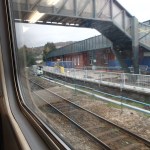
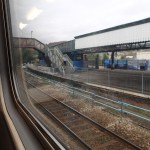
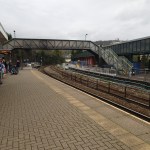
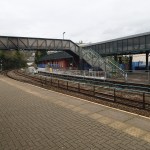
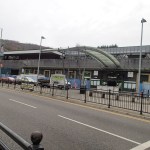
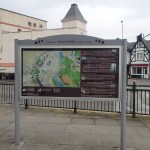
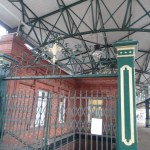
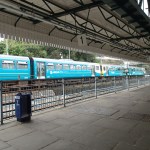
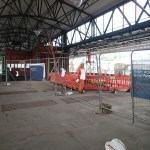
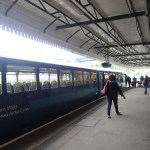
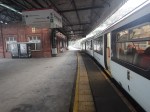
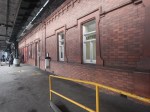
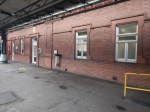
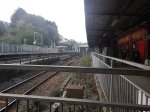
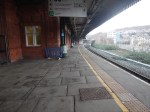
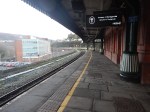

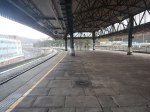
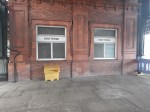
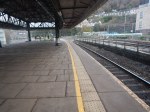
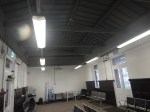

The station is Grade II Listed.
How will the tram-trains be powered through Pontypridd station?
Older Welsh railwaymen have told tales of how the coal trains from the mines in the valleys to Cardiff Docks were powered in part using gravity to propel the trains to the Docks. Steam locomotives then hauled the trains up the hills to get another load of coal.
Will Newton’s Friend be used to help the tram-trains return to Cardiff?
As the tram-trains descend, regenerative braking can be used to recharge the batteries.
A sophisticated computer control system, would choose the source of power from that which is available.
Descending from the terminal stations of Aberdare, Merthyr and Treherbert, and through Pontypridd would probably need a small amount of battery power to nudge the train to descend down the hill.
Fully-electrified stations like Aberdare and Treherbert will have the luxury of being able to use power from the electrification to start the descent.
Climbing the hills will be mainly on battery power, with the batteries being charged, where overhead electrification exists.
Rhymney
This OpenRailwayMap shows the Northern part of the Rhymney Line from Caerphilly to Rhymney.
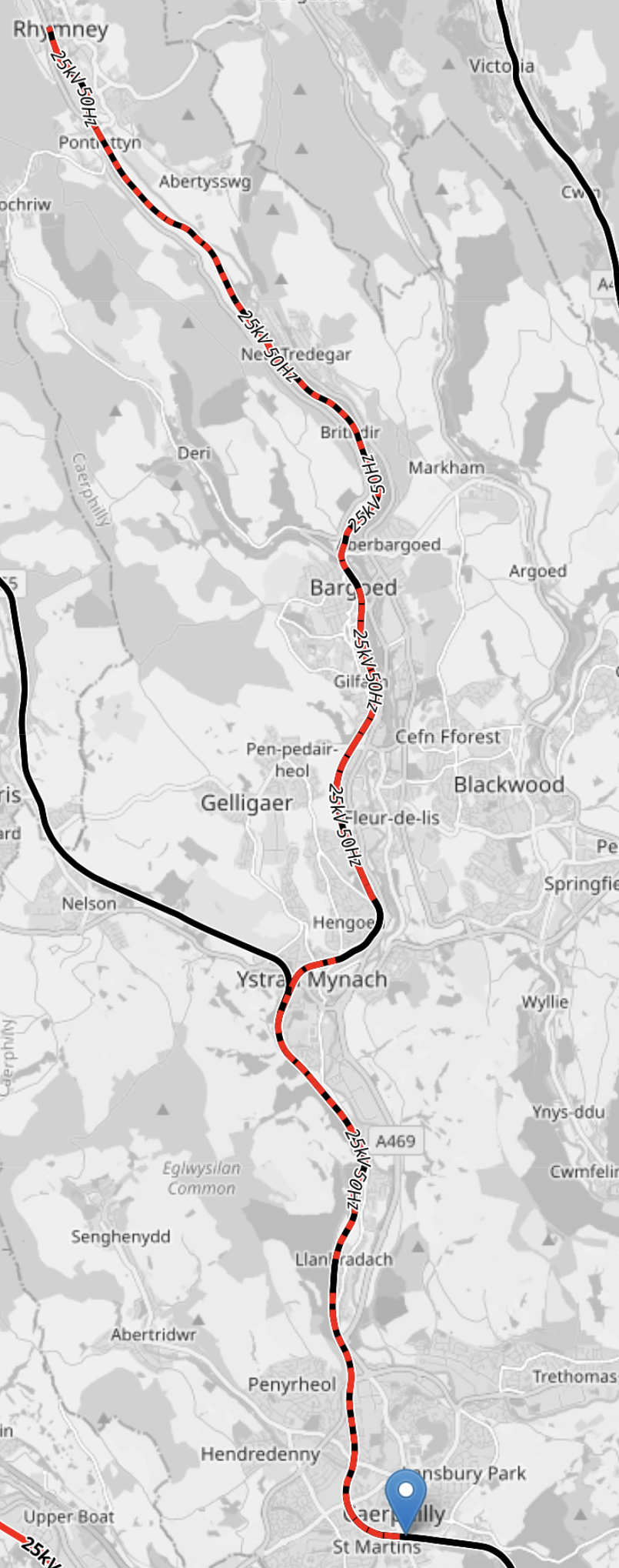
Note.
- Electrified lines are shown in red and unelectrified lines are shown in black.
- Lines where electrification will be installed are shown in red and black.
- Caerphilly is marked by the blue arrow at the bottom of the map.
- Rhymney is at the Northern end of the rail line.
- Bargoed, Hengoed, Llanbradach and Caerphilly stations appear not to be electrified.
- It is planned that the service on the Rhymney Line will be provided using Class 756 trains, that will be fitted with batteries and diesel engines.
The Class 756 trains appear to have been designed to climb to Rhymney in all conditions, including a complete power cut. They will use batteries on the unelectrified sections of the climb.
Treherbert
This OpenRailwayMap shows the three branches of the Cardiff Valley Lines, that go through Pontypridd.
Note.
- Electrified lines are shown in red and unelectrified lines are shown in black.
- Lines where electrification will be installed are shown in red and black.
- The branch to Treherbert is the leftmost of the three branches.
- It is planned that the service on the Theherbert branch will be provided using Class 398 tram-trains, that will be fitted with batteries.
- Electrification will be complete between Treherbert and Pontypridd.
It would appear that a tram-train could run between Treherbert and Pontypridd when the electrification is complete.
Conclusion
Each of the five lines use their own methods of getting trains up the hills.
I suspect we’ll see some of the ideas used here on other stretches of electrification.
Taff’s Well Station – 22nd November 2023
I took these pictures as I passed through.
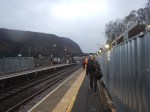
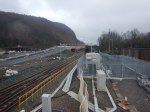
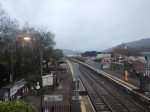
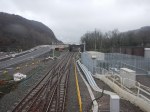
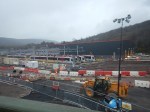
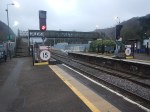
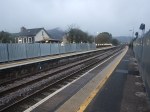
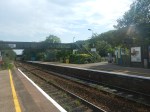
Note.
- A depot for the tram-trains is being built.
- The depot looks rather small.
- Four Class 398 tram-trains are lined up in the sidings of the depot.
- The last picture was taken four years ago , before any work started.
This OpenRailwayMap shows the depot.
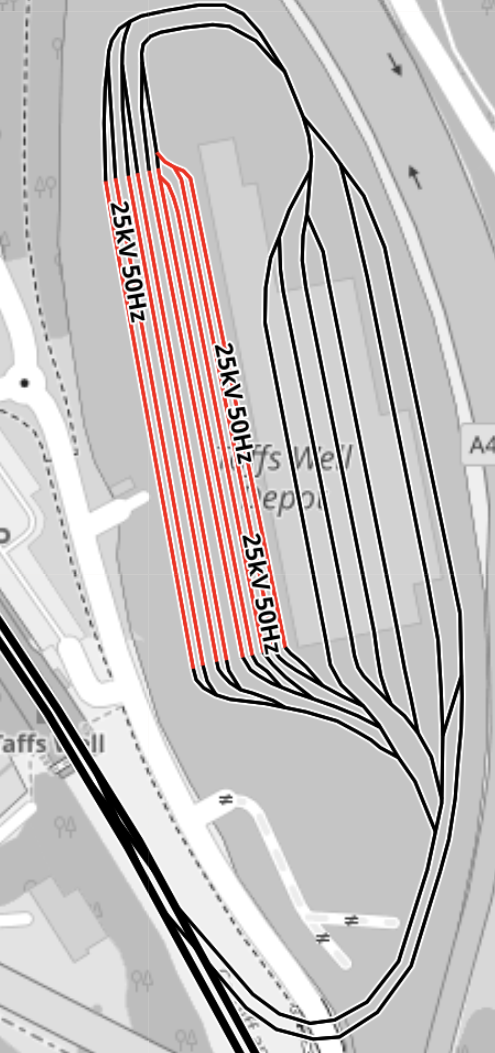
Note.
- Electrified tracks are shown in red.
- Unelectrified tracks are shown in black.
- There are nine electrified sidings, which from my picture appear to be able to hold two tram-trains each.
- From other pictures on the web four of the unelectrified lines are covered tracks in the depot.
- The final two tracks seem to allow tram-trains to enter and leave the depot and these tracks are partially covered, there could be a washer alongside the building.
- The unelectrified Merthyr Line runs across the South-West corner of the map.
- Tram-trains will always enter the depot from the North.
- Tram-trains will always leave the depot to the North.
It is a slightly unusual layout for a depot, but it seems to fit well into a small site.
This OpenRailwayMap shows the Merthyr Line as it passes Taff’s Well Station and Depot.
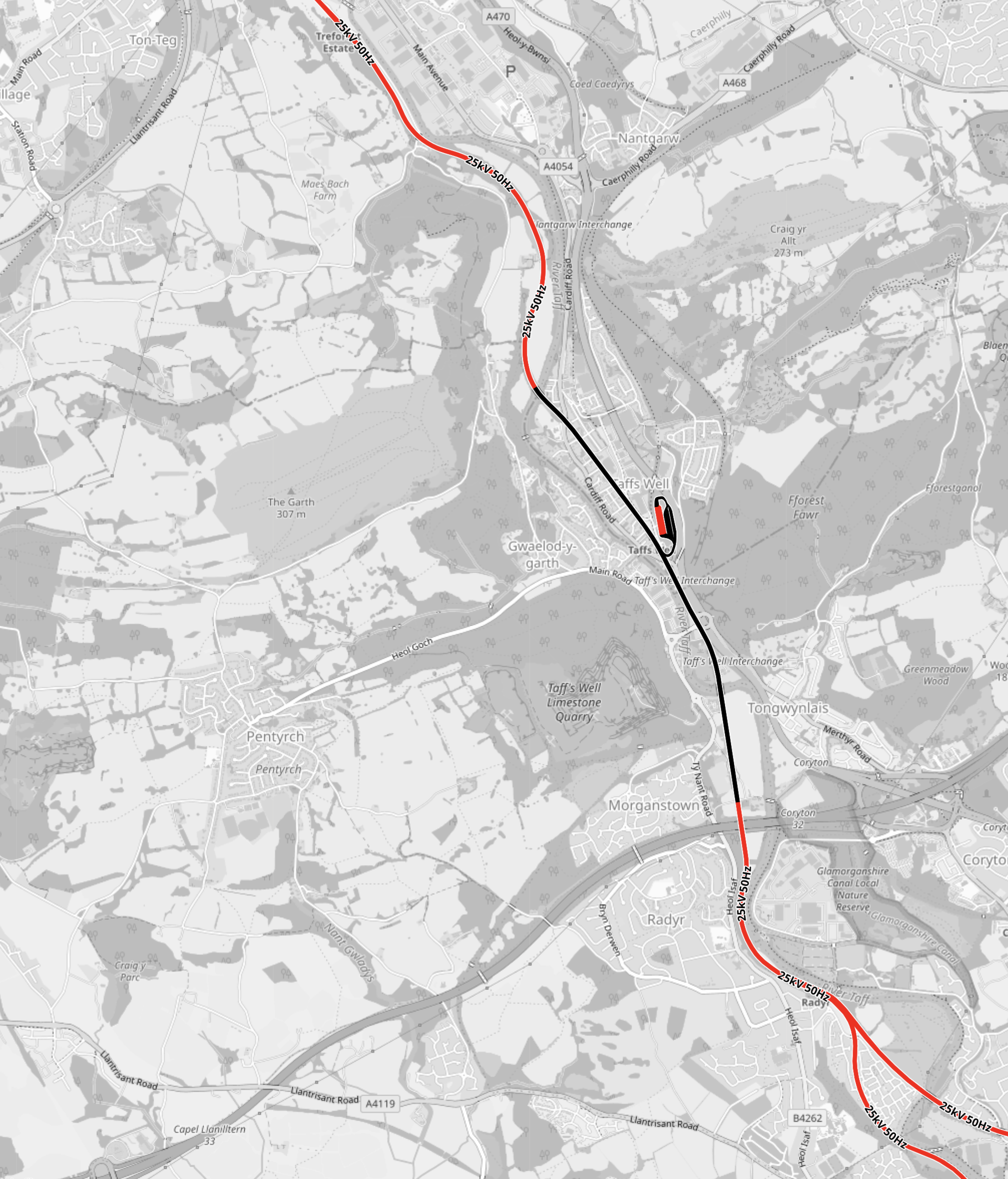
Note.
- The Merthyr Line runs roughly North-West and South-East across the map.
- The Northern and Southern sections of the Merthyr Line are electrified, but the central section is not.
- Taff’s Well Depot is the red and black wart on the unelectrified section of the Merthyr Line.
- Tram-trains going North go to Pontypridd and then on to the three branch terminals at Treherbert, Aberdare and Merthyr Tydfil.
- Tram-trains going South go to Cardiff Central and Cardiff Queen Street stations.
Tram-trains use a mixture of overhead electrisation, battery power and assistance from Newton’s friend for power.
How A Tram-Train Arrives At Taff’s Well Depot
Consider.
- Tram-trains must approach Taff’s Well Depot from the North to enter the depot.
- This shouldn’t be a problem, as there appear to be crossovers at Pontypridd to transfer a tram-train to the right line if needed.
- As they descend from Pontypridd, any braking can be used to charge the batteries on the tram-trains.
- The track layout in the depot appears to allow any entering train to go into any track in the depot.
So depending on the work needed before the next trip, the tram-train can be efficiently placed in the right section.
How A Tram-Train Leaves Taff’s Well Depot
Consider.
- Tram-trains must leave Taff’s Well Depot to the North.
- As the Merthyr Line is not electrified, where the tram-trains leave the depot, they need to leave with enough power in the battery to reach the electrified section of the Merthyr Line.
- Tram-trains can only be charged in the nine electrified sidings.
So do the tram-trains, wait in the electrified sidings until, they have enough power in the batteries to do a circuit of the depot, join the Merthyr Line and go up the hill to the electrification?
If as I suspect, there is a tram-wash behind the depot, they can even take a pass through, so they enter service after a wash.
Conclusion
This could be a very efficient depot.
Crafty Electrification On The Rhymney Line
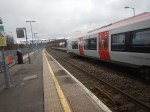
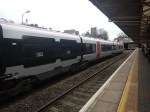
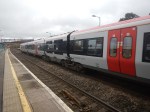
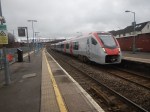
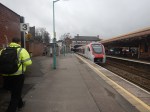
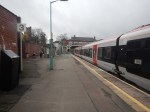
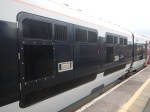
I was puzzled on Wednesday, when I took the Class 231 train to Caerphilly on the Rhymney Line, when I saw no signs of electrification.
These are pictures I took at Caerphilly station.
These two OpenRailwayMaps show the tracks through Caerphilly.
Note.
- The map on the left shows infrastructure, with the Rhymney Line shown in yellow.
- Caerphilly station is in the top third of the map.
- The white section of the Rhymney Line is the Caerphilly tunnel.
- The map on the right shows electrification, with the sections of the Rhymney Line that will be electrified are shown in red.
- Black sections will not be electrified.
- North of Caerphilly, the Rhymney Line is electrified, but through the station and the Caerphilly tunnel, there will be no electrification.
Trains will use battery power, where there is no electrification.
This article on Modern Railways gives more information.
This OpenRailwayMap shows the electrification around Cardiff Central and Queen Street stations.
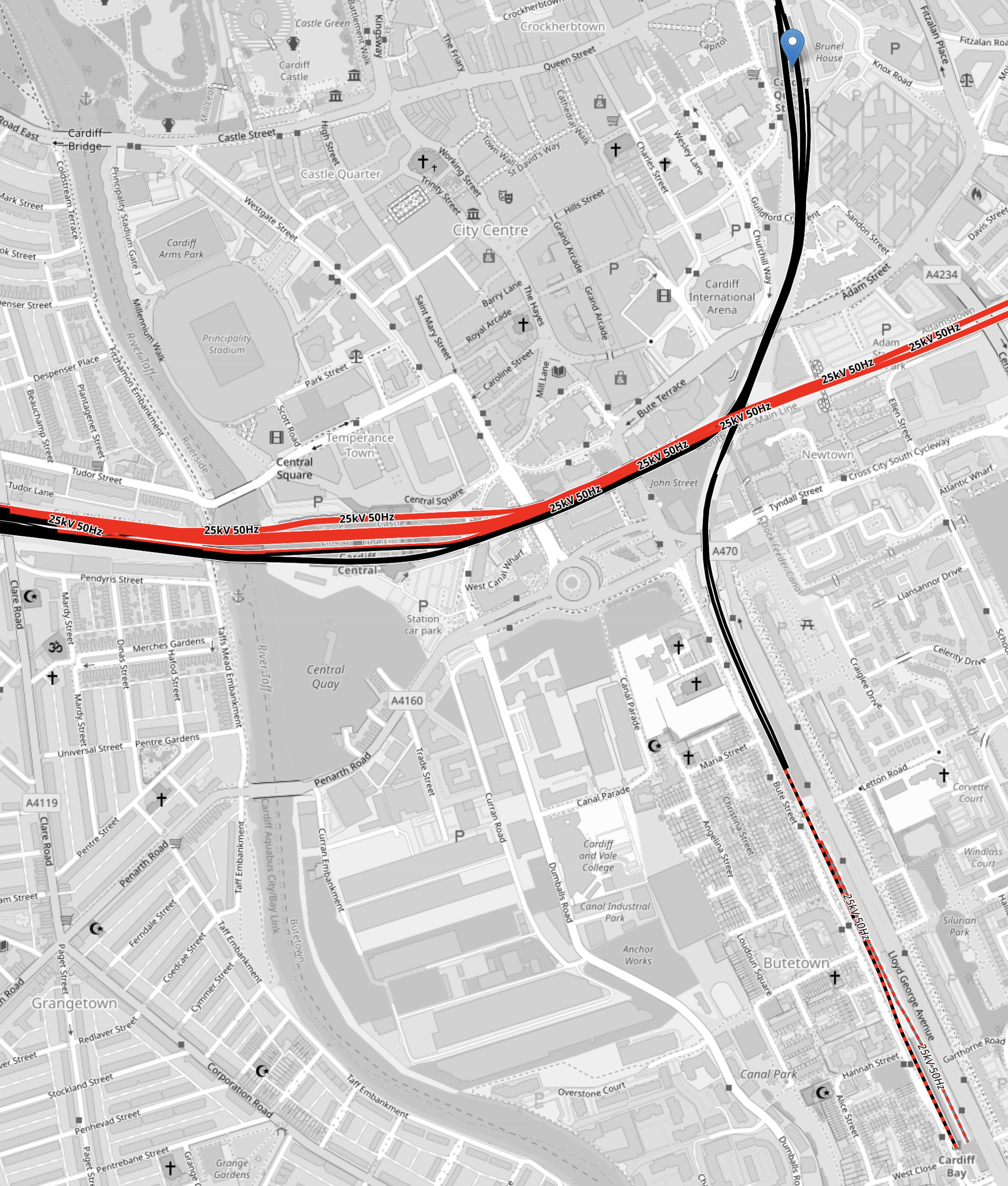
Note.
- Electrified lines are shown in red.
- Unelectrified lines are shown in black.
- The four-platform Cardiff Queen Street station is marked by the blue arrow in the North-East corner of the map.
- There appears to be no plans for electrification in Cardiff Queen Street station.
- The electrified line across the map is the South Wales Main Line.
- The nine-platform Cardiff Central station sits on the South Wales Main Line.
- The main line platforms at Cardiff Central station are electrified, but it appears that Platforms 6.7 and 8. that will serve the South Wales Metro, will not be electrified.
- The line going to the South-East is the branch to Cardiff Bay station.
- The Southern part of this branch appears to be planned to be electrified. so that it can charge the tram-trains before they return North.
This article on Modern Railways says this about catenary-free sections (CFS) in the electrification of the South Wales Metro.
Catenary-free sections are concentrated on areas where it is disproportionately expensive to erect overhead wires. These include the area around Cardiff Queen Street station and the adjacent junction, which has complicated switches and crossings. North of Queen Street, the Cathays area adjacent to Cardiff University and the hospital would present a significant electromagnetic compatibility challenge, so a CFS avoids this complication. Other catenary-free areas will include Pontypridd, where the station features listed canopies and the track is curved, and around the new depot at Taff’s Well, where there will be a significant number of new switches and crossings as well as challenges around highway bridges.
I am in touch with two major electrification companies and I am sure we’ll be seeing a lot more crafty electrification and the use of battery-electric trains.
My First Ride On Class 231 Trains – 22nd November 2023
I had several rides on Class 231 trains on a visit to Cardiff.
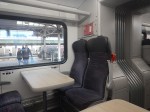
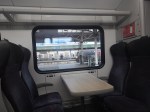
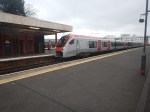
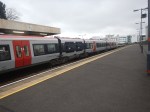
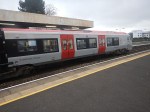
Note.
- The trans were running on the Rhymney Line.
- Like Greater Anglia’s Class 755 trains, they have pop-out steps and a PowerPack in the middle.
- The trains didn’t appear to be using their pantographs to run on electric, where it existed.
They were very similar to the Class 755 train.
Gatwick Airport – 23rd November 2023
I went to Gatwick Airport to see the new railway station.

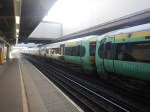
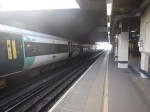
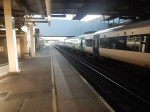
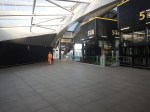
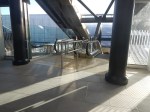
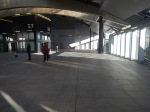
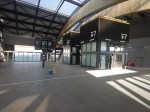
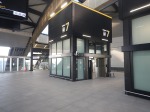
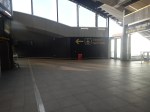
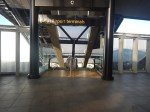
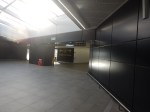



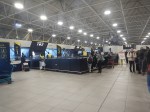
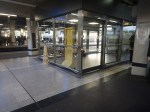
Note.
- As at Reading and Leeds stations, space has been created by building a wide concourse over the tracks.
- The experience certainly seemed better.
- Most platforms have up and down escalators and lifts.
- There were still a few things that needed to be finished.
But for me, as a man with a Freedom Pass and a Senior Railcard, the ticketing to Gatwick is still a pain.
- If I go to Heathrow or London City, I use my Freedom Pass to get to the Airport.
- If I go to Eurostar, I use my Freedom Pass to get to St. Pancras station.
- If I go to Stansted, I use my Freedom Pass to get to Liverpool Street station and buy a ticket for Stanstead Express.
If I go to Gatwick, Luton or Southend airports, I use my Freedom Pass to get to a station with a Booking Office and then buy an extension ticket from the Zone 6 boundary to the airport.
I believe there are three solutions.
Make It Possible To Link A Bank Card To A Freedom Pass
It should be possible to do something like the following.
- Touch in at Moorgate.
- Take the Elizabeth Line to Farringdon.
- Take Thames to Gatwick Airport.
- Check out at Gatwick Airport.
The credit card associated with the Freedom Pass would then be charged the fee for between the Zone 6 boundary and Gatwick Airport.
The credit card would be entered through the Freedom Pass web site.
On a related matter I believe that the Freedom Pass web site could be a nice little earner for Transport for London, by doing the following.
- Selling rail tickets on a best-priced basis. Savings are to be had by selling tickets for Freedom Pass holders from the Zone 6 boundary.
- Managing Railcards.
- Selling Transport for London merchandise.
Nobody would pay more than they do now, but Transport for London would pick up some commission from selling tickets.
Develop A Flexible App That Works With A Freedom Pass And Phone Payments
Similar to the first option, but the app charges accordingly.
Put Gatwick Airport In Zone 6
The management of Gatwick Airport might like to attract more travellers, so they would pay from the Zone 6 boundary for Freedom Farm users.
Conclusion
I would find the first two options acceptable, providing the charges were no more than now!
Cardiff To Reading In A Class 387 Train
Returning from my trip to Cardiff yesterday, it wasn’t the normal Class 80x train, but a pair of Class 387 trains.
The timings from real time trains, weren’t as bad as some would have expected.
- Cardiff Central – 16.54 – 16:56
- Newport – 17:07 – 17:11
- Bristol Parkway – 17:29 – 17:32
- Swindon – 17:53 – 17:58
- Reading – 18:20 – 18:26
Note.
- The first time is the scheduled time and the second time is the actual time of the Class 387 trains.
- The schedule covers the 109.2 miles in 84 minutes, which is an average speed of 78 mph.
- The Class 387 trains covered the 109.2 miles in 90 minutes, which is an average speed of 72.8 mph.
I also arrived in Reading with three or so minutes to catch the Elizabeth Line train.
Are More Elizabeth Line Services Needed To Reading?
In a couple of instances, I’ve waited at Reading for nearly half-an-hour for an Elizabeth Line train.
Currently.
- The two Elizabeth Line trains take 53 minutes between Reading and Paddington.
- The two Great Western Main Line trains, that serve Didcot Parkway take 37 minutes between Reading and Paddington.
- The Great Western Main Line train, that serve Newbury take 25 minutes between Reading and Paddington.
Perhaps four trains per hour (tph) on the Elizabeth Line would be more convenient?
But services wouldn’t be as fast.
Overground To London Bridge Under Consideration
The title of this post, is the same as that of a short article in the December 2023 Edition of Modern Railways.
This is the text of the article.
Transport for London is considering introducing London Overground services between Crystal Palace and London Bridge to help relieve overcrowding on the Sydenham corridor during the morning peak.
The move is one of two options outlined in a response to Lewisham’s Public Transport Liason Committee meeting on 4 October. The other is operating additional services on the existing route via the East London Line to Dalston Junction/Highbury & Islington. TfL acknowledges the London Bridge service would ‘represent a new routing for London Overground services that would necessitate significant changes to operational arrangements and driver testing’ and therefore further work is required ‘to establish the feasibility and business case for this change.’ There are no timescales for the implementation of either option.
The overcrowding follows the reduction by Govia Thameslink Railway of its Southern service to two trains per hour last September, when it replaced its East Croydon to London Bridge via Forest Hill stopping service with a Victoria to London Bridge via Forest Hill stopping service. In its response to the committee, GTR says the context to these changes is ‘the continued need to respond to the gap between our costs and revenues’, which it says is in the region of £15 million a year, with both demand and revenue having stabilised at around 80 % of pre-pandemic levels. It says its aim is to make ‘the most efficient use of the resources available to us,’ with the Victoria to London Bridge service designed to provide capacity for journeys to both stations’.
GTR says the current service has sufficient capacity and is lightly loaded outside peak times, and that while it will continue to keep passenger and feedback under review an increase from two to four trains per hour would require an increase in funding.
These are my thoughts.
Transport for London’s Long Term Plans
Plans exist to increase the frequency on various London Overground services and this graphic sums up what was planned a few years ago.
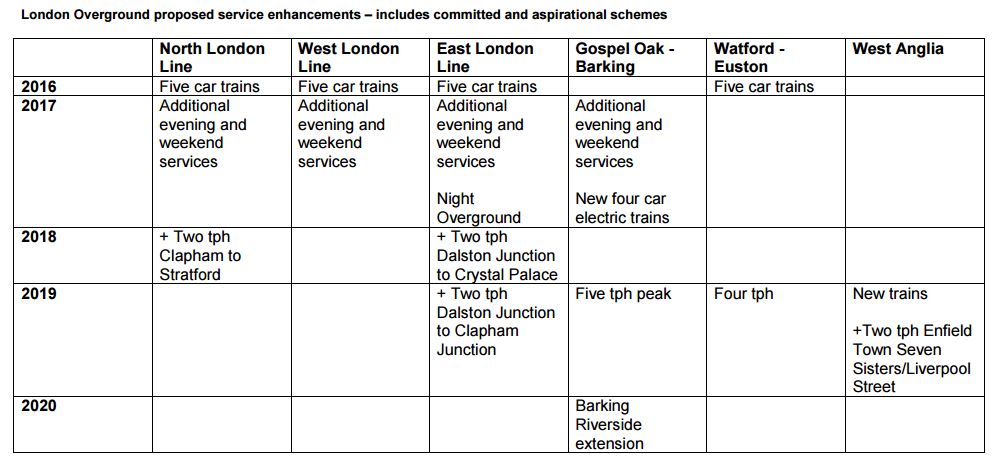
Note the extra two trains per hour (tph) between the following stations.
- Clapham Junction and Stratford
- Dalston Junction and Crystal Palace
- Dalston Junction and Clapham Junction
- Enfield Town and Liverpool St. via Seven Sisters
I think only Route 1 services have been increased.
I know signalling updates are holding up the extra trains on the East London Line, but are more trains needed to fully implement the extra services?
- Routes 2 and 3 services will need Class 378 trains because of the tunnel and these would be transferred from the North London Line.
- Route 4 would need Class 710 trains, as the service already uses them.
So there may be a need for more Class 710 trains.
This plan sees another two trains per hour (tph) running between Dalston Junction and Crystal Palace, which would help to reduce Lewisham’s overcrowding.
Would A London Bridge And Crystal Palace Service Be Easier To Implement?
It looks like the extra Dalston Junction and Crystal Palace services have been held up by two possible reasons.
- The required signalling update on the East London Line, that is needed to increase Crystal Palace and Clapham Junction services has not been performed.
- There are not a sufficient number of Class 378 trains to run the service through the Thames Tunnel. These will be released by running more Class 710 trains on the North London Line.
If two tph were to be run between London Bridge and Crystal Palace, this service would have these advantages.
- The train paths are available.
- The service would not be going through the Thames Tunnel, so the signalling upgrade would not be needed and the trains would not need to be able to evacuate passengers in the tunnel.
- The service could be run by any suitable third-rail trains.
- The service could be run by any length of train, that would fit all the platforms.
I believe the service could be run by eight-car trains to really get a hold on the current overcrowding.
How Many Trains Would Be Needed?
Looking at other services between London Bridge and Crystal Palace, I believe that the journey time would be about 24 minutes.
If the service were run efficiently, I suspect two trains would be needed to provide the required service of two tph.
An eight-car service would required four x four-car trains.
What Trains Could Be Used?
If the numbers are available, then third-rail versions of both London Overground’s Class 378 and Class 710 trains would be suitable.
But this would probably mean a number of Class 710 trains to be manufactured by Alstom. This would not be a short-term solution.
In Liverpool last week, I rode in a Class 319 train and these could be an interesting stop-gap.
- Several will soon be available as West Midlands Trains renews its fleet.
- They are already fitted with third-rail gear.
- They are 100 mph trains.
- Drivers seem to like them.
I believe they could fill in until more Class 710 trains were available.
Crystal Palace Station
This Open RailwayMap shows the platform layout at Crystal Palace station.
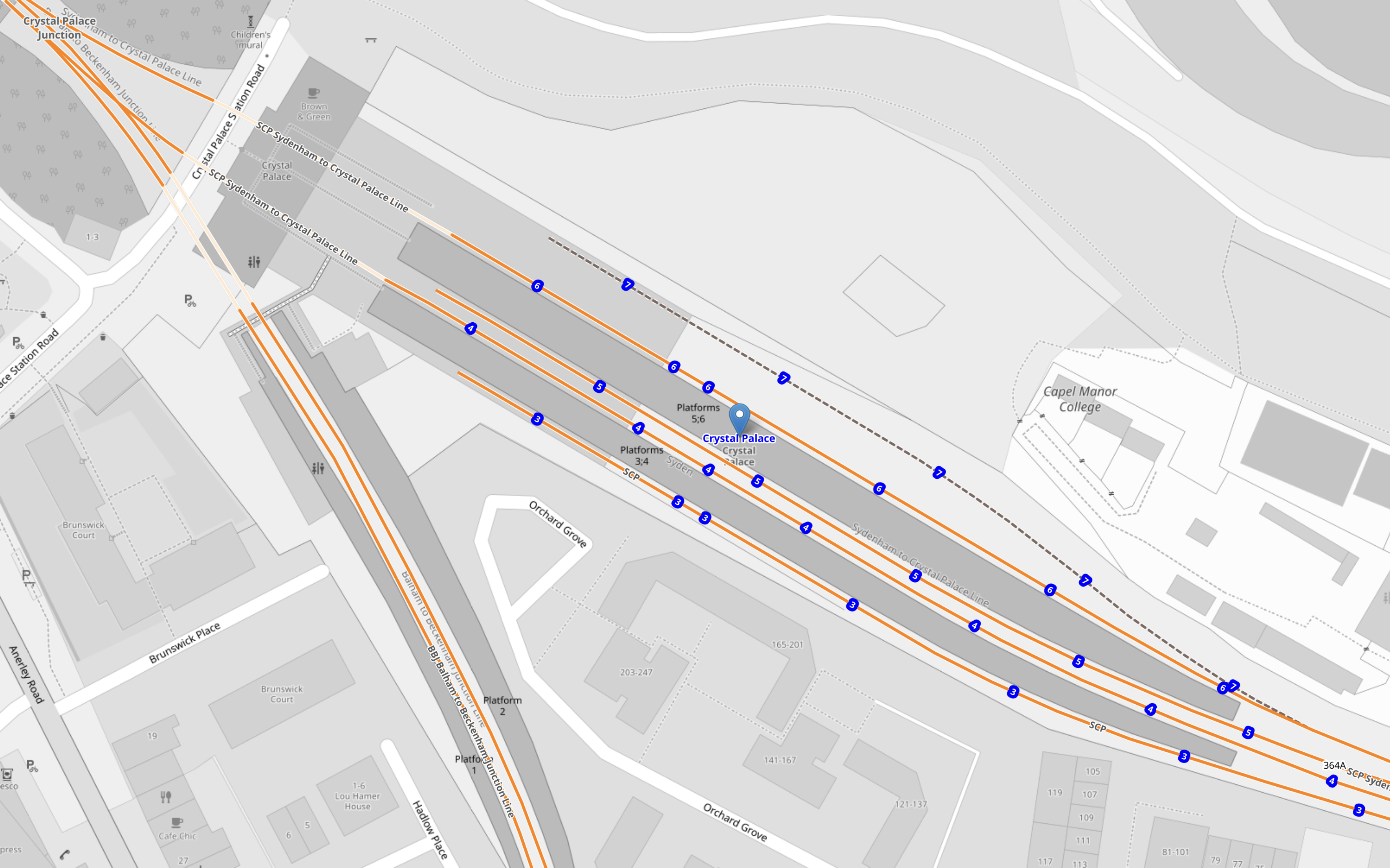
Note.
- Platforms 1 and 2 cross the South-West corner of the map and handle services like London Bridge and Beckenham Junction, London Bridge and London Victoria, and West Croydon services.
- Platform 3 is a little used bay platform, that can terminate trains from the East London Line or London Bridge.
- Platform 4 handles services between London Bridge and London Victoria.
- Platform 5 is a bay platform, that can terminate trains from the East London Line.
- Platform 6 handles services between London Victoria and London Bridge.
- Platform 7 is a disused bay platform.
These pictures show Crystal Palace station.
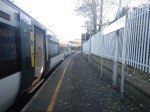
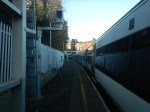
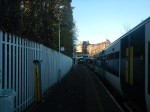
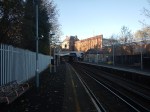
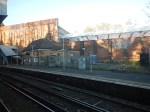
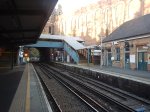
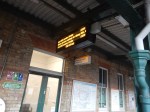
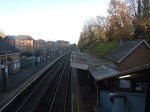
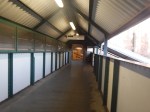
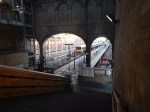
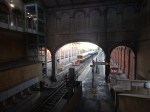
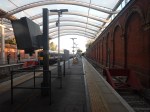
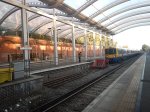
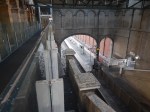
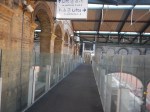

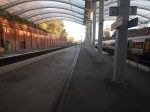
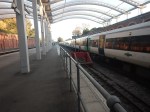

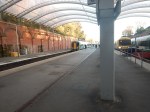
Crystal Palace station has an adequate number of platforms.
Conclusion
A service between London Bridge and Crystal Palace looks to be a sound plan.
Could Extra Passenger-Handling Capacity Be Added At St. Pancras International Station?
This article in Railway Gazette International, which is entitled Start-Up Announces Amsterdam To London And Paris High Speed Train Ambitions, has this opening paragraph.
A proposal to launch high speed train services from Amsterdam to London and from Groningen to Paris has been announced by Dutch start-up Heuro, while Virgin founder Sir Richard Branson is also reported to be looking at competing with Eurostar on cross-Channel routes.
This other paragraph also gives more details of Branson’s plans.
Heuro’s announcement comes after Spanish start-up Evolyn announced plans in October for a Paris – London service, while on November 11 British newspaper The Daily Telegraph reported that Sir Richard Branson and Phil Whittingham, former head of Virgin Trains and Avanti West Coast, were also drawing up plans to compete with Eurostar and had held discussions with infrastructure managers.
As in the past, German and Italian rail companies have expressed interest in running services to London, I don’t think it will be long before capacity at St. Pancras International will need to be increased.
There are six International platforms at St. Pancras International station and as it generally accepted that one well-managed platform can handle four trains per hour (tph), this means that the station has a theoretical limit of twenty-four tph.
Currently, services into St. Pancras International include.
- Up to 19 trains per day between London and Paris.
- Up to 10 trains per day between London and Brussels.
- One train per day between London and Amsterdam.
If we assume that trains can leave between 05:00 and 20:00, that is only about two trains per hour (tph).
There would appear to be plenty of space for the proposed 16 trains per day, that Heuro have said they will run.
My worry is will Customs and Immigration be able to handle all the extra passengers?
This Google Map shows King’s Cross and St. Pancras International stations.
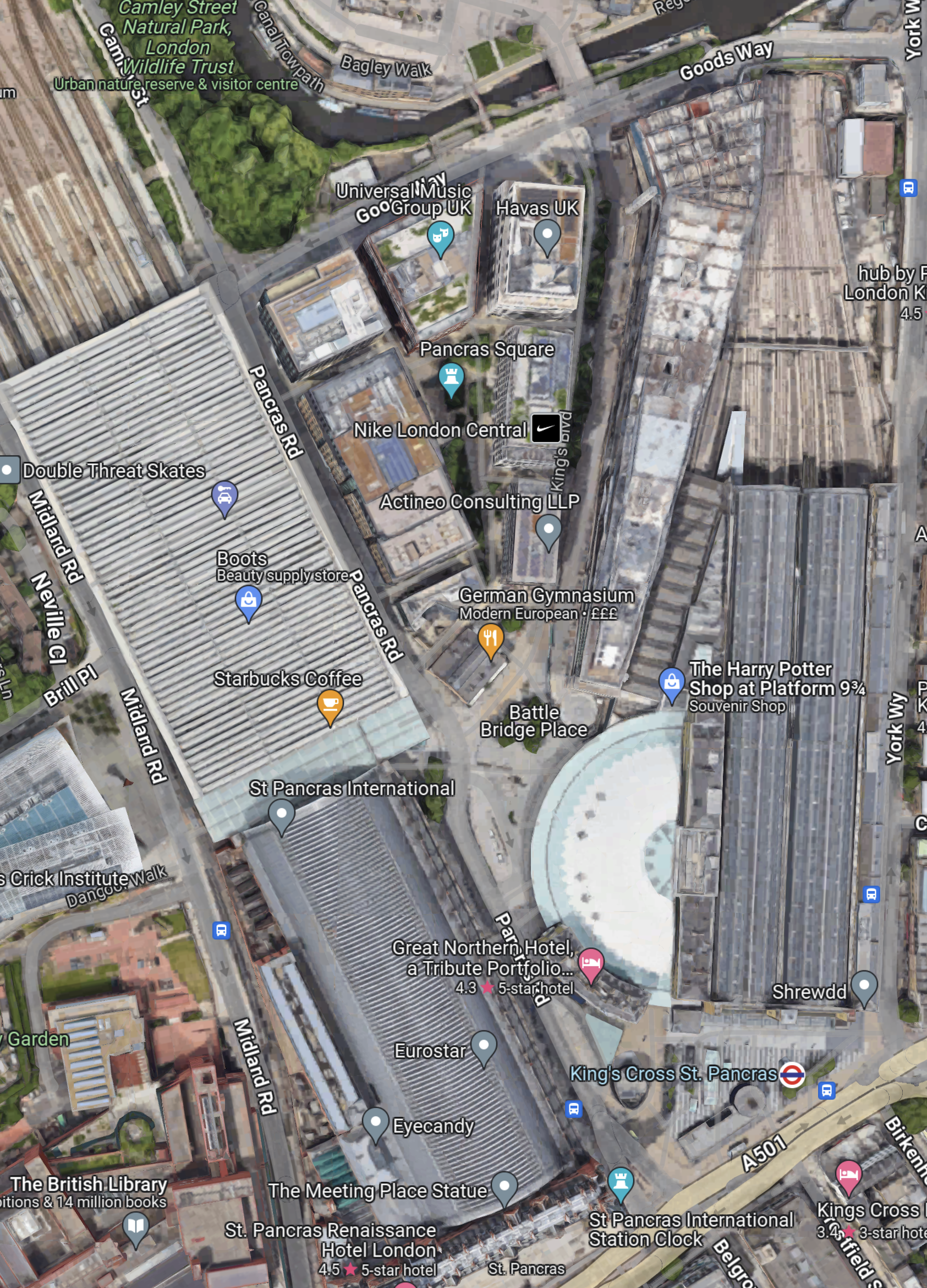
Note.
- St. Pancras International is the station on the left of the V.
- King’s Cross is the station on the right of the V.
- The new corrugated roof covers the Northern ends of the trains in the platforms at St. Pancras.
These pictures show the Northern end of the International and domestic HighSpeed platforms.
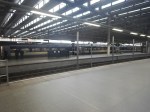
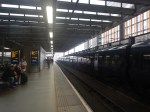
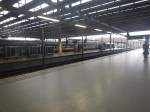
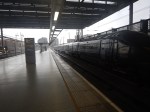


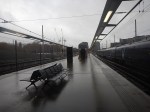
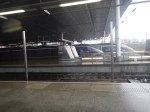
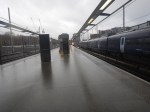
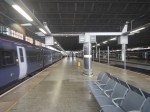
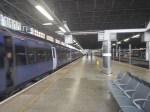
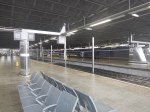
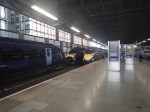
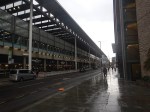


Note.
The pictures taken on the platforms were taken from the Southeastern HighSpeed platforms.
The Continental trains appear to be wholly in the dry either under the classic or the new roof.
The noses of the Continental trains appear to peek out from under the new roof by a few inches.
The air space above the platforms to the North of the new roof appears to be unobstructed.
This Google Map shows the Northern ends of the platforms at St. Pancras.
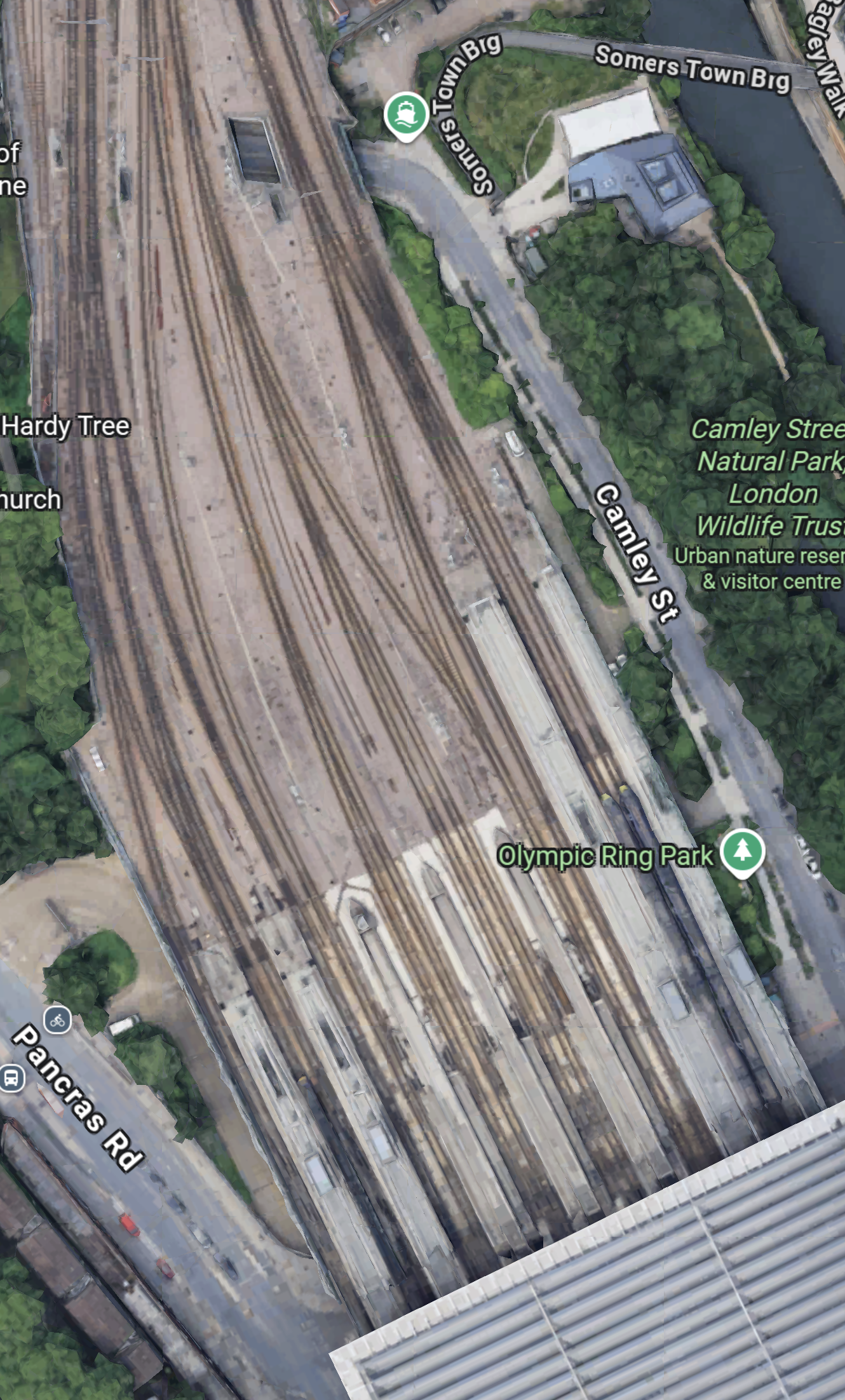
Note.
- The new roof is in the bottom-right of the picture.
- The platforms are numbered 1-13 from left to right.
- Platforms 1-4 are for East Midlands services, which are arranged in a 1-2-1 formation.
- Platforms 5-10 are for Continental services, which are arranged in a 1-2-2-1 formation.
- Platforms 11-13 are for Southeastern HighSpeed services, which are arranges in a 1-1-1 formation.
- Any trains in the station seem to be mainly under cover, although I think a couple of noses are just about visible.
- I am fairly certain, if more passenger-handling capacity were to be needed in the distant future, it could be built above the platforms.
I’ve never seen it said, but did the architects and structural engineers leave this space for future expansion of the station?
- The foundations could have even been designed to support a future vertical extension.
- But at least there is nothing of importance in the space above the exposed Northern ends of the station except a few pigeons.
- With two passenger-handling areas, one could be for departures and the other for arrivals.
- Escalators and lifts could give access to the three wide island platforms for Continental traffic.
Was this station designed to be expanded if required?
I also believe that that much of the work to add any new floors above the platforms could be carried out whilst train services were still running.
Alistair Lansley
According to his Wikipedia entry, the architect of the station was Alistair Lansley, who is not a well-known name or a celebrity architect, but an architect from British Rail’s Architect’s Department, who was also lead architect for Stratford and Ebbsfleet International stations.
So did he leave a space for the extension, that he knew from former experience would be needed?
Could A Mega-Station Be Built For The Channel Tunnel?
This article on Railway Gazette International, is entitled Start-Up Announces Amsterdam To London And Paris High Speed Train Ambitions.
It talks about how Dutch start-up; Heuro wants to run fifteen trains per day (tpg) between London and Amsterdam.
The article then has this paragraph, which details other operators, who are wanting to run services between London and the near Continent.
Heuro’s announcement comes after Spanish start-up Evolyn announced plans in October for a Paris – London service, while on November 11 British newspaper The Daily Telegraph reported that Sir Richard Branson and Phil Whittingham, former head of Virgin Trains and Avanti West Coast, were also drawing up plans to compete with Eurostar and had held discussions with infrastructure managers.
This leads me to the conclusion, that there will be a need for more capacity for trains and/or passengers at some time in the future.
- There are six International platforms at St. Panvcras International station, which can each probably handle four trains per hour (tph), so I suspect the station could handle 24 International tph.
- As a modern high speed train can carry over 500 passengers, that is 12000 passengers per hour.
- Visit St. Pancras station in the morning and it is often crammed with travellers coming from and going to Europe.
I suspect that the number of trains may not be a problem, but the number of passengers will.
We could always join Shengen, but then that would be an open door to all the would-be migrants to the UK.
This Google Map shows Stratford International station.
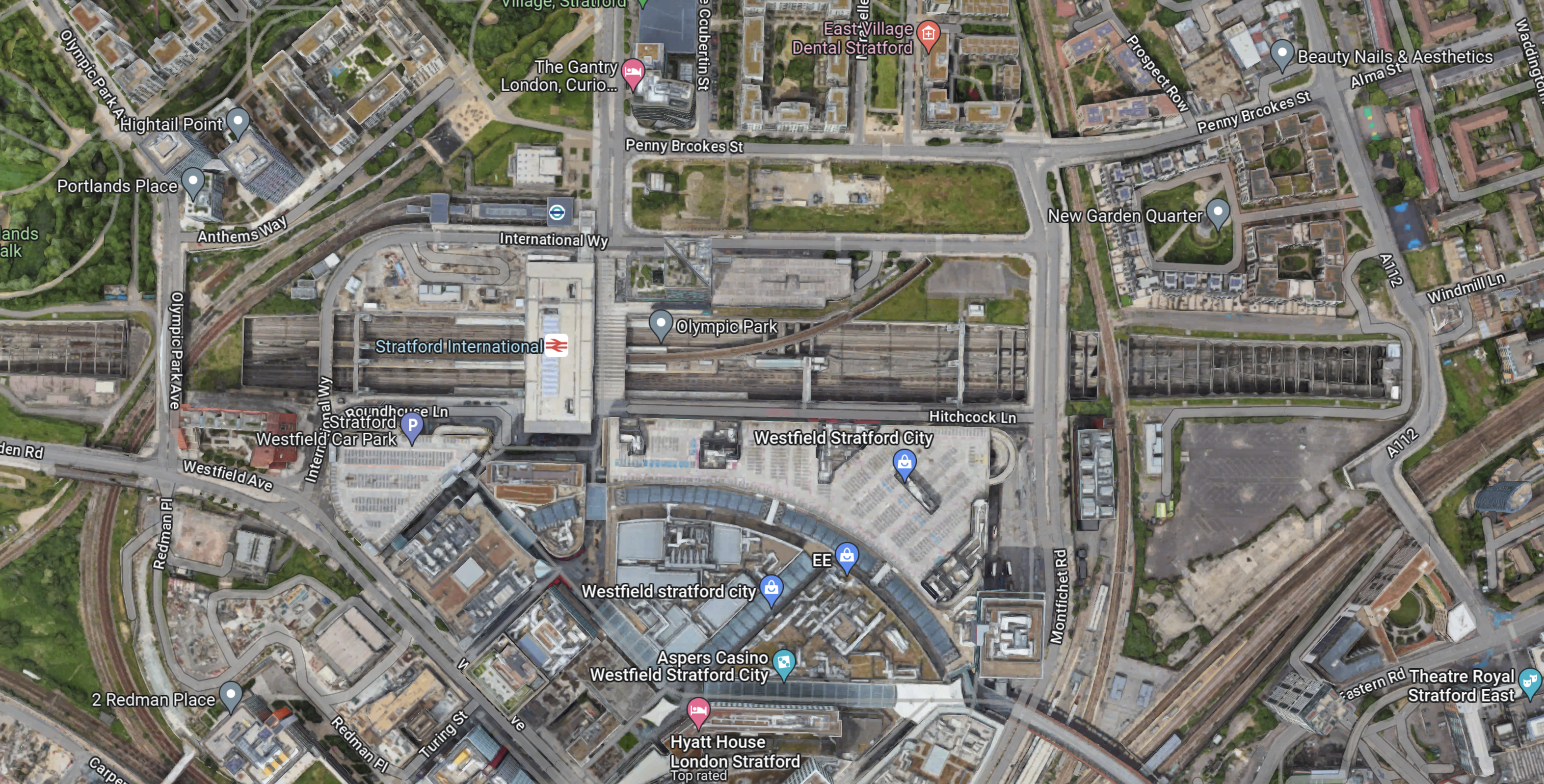
Stratford International station is in a soulless concrete cavern, that lies across the middle of the map.
In Platforms 1 And 4 At Stratford International Station, there are a lot of pictures of the station.
I think it would be extremely difficult to add extra platforms and passenger facilities to the station.
This Google Map shows Ebbsfleet International station.
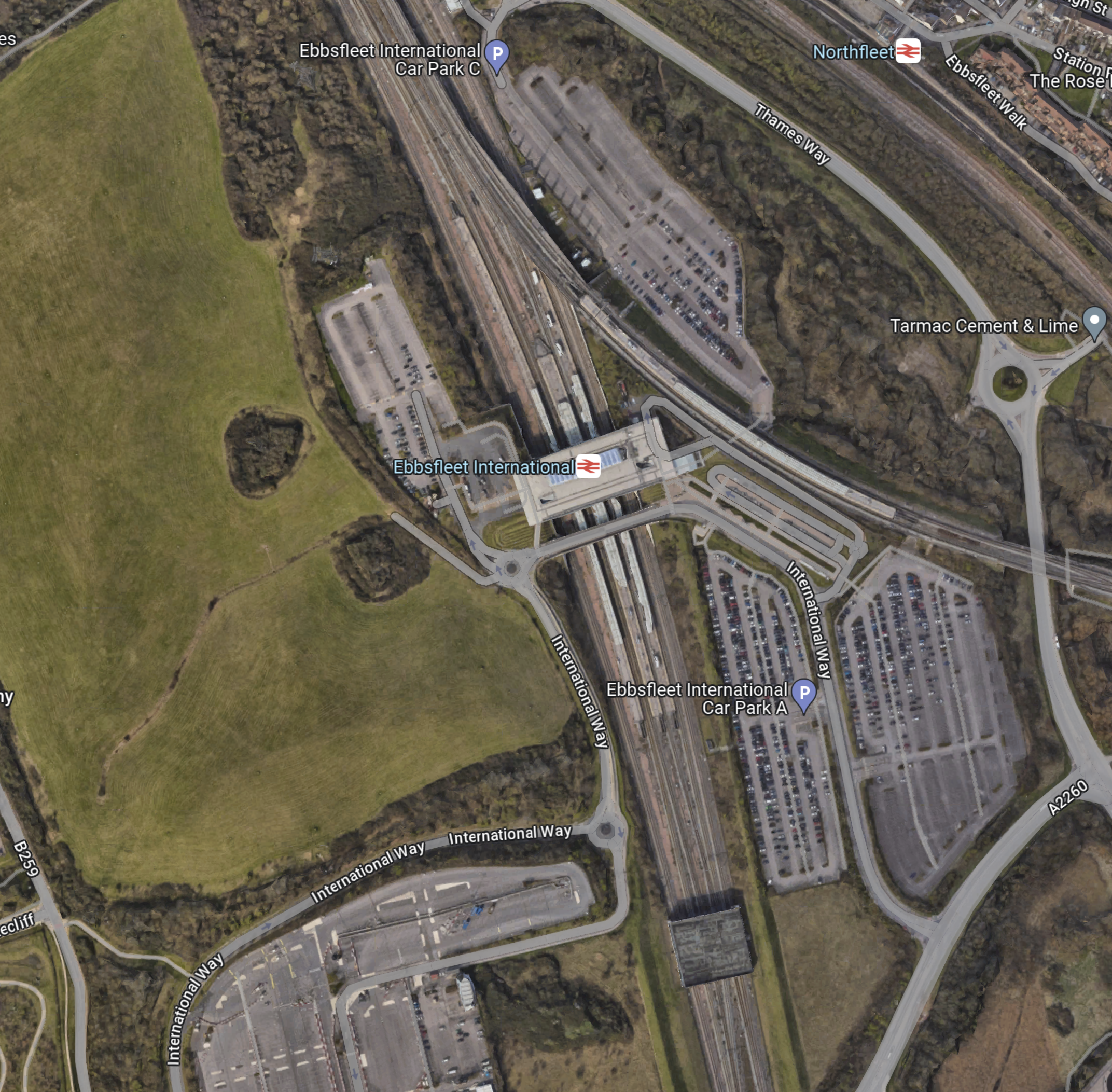
Note.
- Ebbsfleet International station, with its two International and four domestic platforms is in the middle of the map.
- The station is surrounded by car parks with a total of 5,000 spaces.
- Northfleet station is in the North-East corner of the map.
There is a lot of land, without any buildings on it.
These are my thoughts.
Enough Extra Bay Platforms To Handle The Additional Trains
There would appear to be space for perhaps two bay platforms to terminate trains.
But would passengers we happy being dumped outside Central London?
Would An Elizabeth Line Extension To Ebbsfleet Be Needed?
There are various plans to link the Elizabeth Line tp Ebbsfleet International.
In Elizabeth Line To Ebbsfleet Extension Could Cost £3.2 Billion, I showed this map from the Abbeywood2Ebbsfleet consultation.
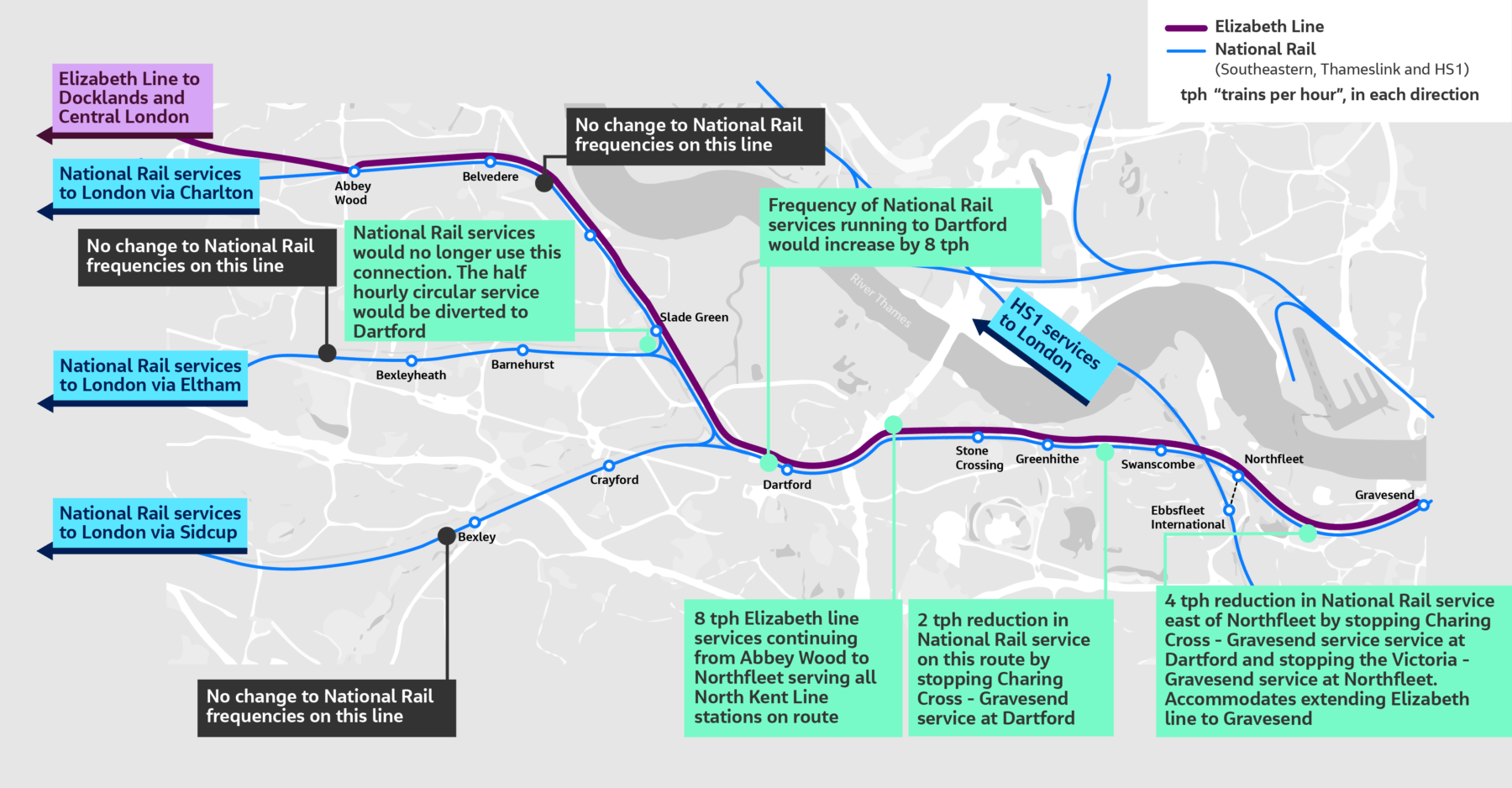
There doesn’t appear to be too much new infrastructure, except for a proper connection between Northfleet and Ebbsfleet stations. References on the Internet, say that the similar-sized Luton DART connection at Luton Airport, cost around £225 million.
The Elizabeth Line connects to the following.
- Bond Street
- Canary Wharf
- City of London
- Farringdon for Thameslink
- Heathrow Airport
- Old Oak Common for High Speed Two
- Liverpool Street station
- Oxford Street
- Paddington station
- Slough for Windsor
- Tottenham Court Road for the British Museum, Oxford Street, Soho, Theatreland and the Underground.
- West End of London
- Whitechapel for the Overground and Underground
For many people like me, the Elizabeth Line at Ebbsfleet will provide one of the quickest ways to get to and from European trains.
Ebbsfleet Has Space For A Bus Station
A bus station with comprehensive routes could be built at Ebbsfleet station, which I don’t think will be possible at St. Pancras.
It would also be possible to provide an easy route to Gatwick Airport along the M25.
Hotel Accommodation
This is surely necessary.
It would make an ideal base for tourists and business people, who wanted to visit several of the large cities connected to Ebbsfleet.
A Very Large Car Park
Consider.
- Heathrow Airport is looking at providing upwards of 50,000 car parking spaces.
- Some travellers are seriously allergic to public transport and will always use their car.
- Many travellers these days want to take a severely outside case with them, when they’re only having a weekend in Paris.
I feel that a mega-station for Europe will need upwards of 10,000 car parking spaces. All of them with vehicle-to-grid chargers.
A Very Large Storage Battery
According to this page on the E-on web site, the average size of the battery in an electric vehicle is 40 kWh.
If 5,000 car parking spaces were to be fitted with vehicle-to-grid charging (V2G), that would be 2 MWh of energy storage, that could be used by National Grid, to store surplus electricity.
Get V2G right and it could make a serious contribution to your parking costs.
Pictures Of Ebbsfleet Station
These are some pictures I took at Ebbsfleet station today.


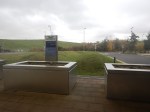
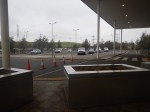
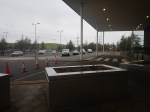

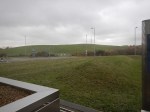

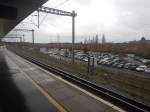
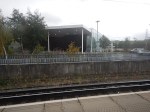
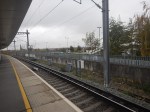
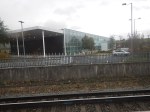
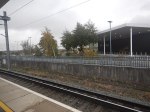
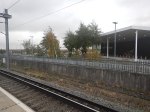
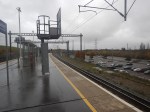
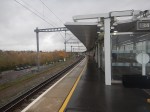
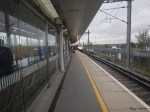
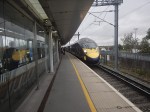
Note.
- The station is a fairly boring concrete, glass and steel construction.
- The SouthEastern HighSpeed services also go to St. Pancras, so they don’t offer any different connectivity towards the capital.
In addition, the SouthEastern HighSpeed Class 395 trains aren’t step-free at the platforms, as these pictures shows.
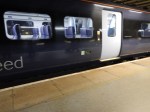
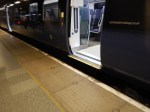
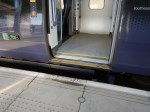
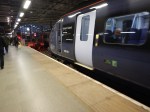
As I came back into St. Pancras International station, staff were struggling to load a wheelchair onto a train using a ramp.
Would A Two-Station Solution Increase Capacity?
High Speed Rail lines have high capacity trains and there are examples of more than one station at the end of a route.
- The London end of High Speed Two will have stations at Old Oak Common and Euston.
- The Manchester end of High Speed Two will have stations at Manchester Airport and Manchester Piccadilly.
- The Edinburgh end of the East Coast Main Line has stations at Waverley and Haymarket.
- The Amsterdam end of Eurostar and Thalys has stations at Rotterdam, Schipol Airport and Amsterdam.
A selection of stations gives choice and convenience for travellers.
Conclusion
I believe that selective development of Ebbsfleet International station could be used to take the pressure away from St. Pancras International station.
These developments could include.
- A comprehensive bus station
- Elizabeth Line to Northfleet
- Hotel Accommodation
- Lots Of Car Parking
Wisbech To March Rail Link Options Being Discussed
The title of this post, is the same as that of this article on the BBC.
This is the sub-heading.
Four options for a “rail” service between the Fenland towns of Wisbech and March are being considered by Network Rail.
These four options appear to be.
- Conventional rail
- Tram-train
- Light rail
- Very light rail
Note.
- I suspect all modes have their supporters.
- But only the first two options would be able to connect to Ely or Cambridge.
- The last two options would probably just be a shuttle to March.
I have looked at the route on OpenRailwayMap and there is no less than a dozen level crossings between March and Wisbech.
Even for very light rail, the engineering costs of these level crossings will be large.
Conclusion
I have a feeling that the costs of the engineering required for this scheme might kill it.
 The Anonymous Widower