Extending The Elizabeth Line – Improving The Northern City Line
Some parts of North and North-East London, have less-than-good connections with the Elizabeth Line.
- The Piccadilly Line has no direct connection with the Elizabeth Line.
- The Victoria Line has no direct connection with the Elizabeth Line.
- The Bank branch of the Northern Line has only a poor connection with the Elizabeth Line at Moorgate station.
- The Northern City Line has only a poor connection with the Elizabeth Line at Moorgate station.
- The Charing Cross branch of the Northern Line has a good connection with the Elizabeth Line at Tottenham Court Road station.
- The Lea Valley Lines of the London Overground have good connections with the Elizabeth Line at Liverpool Street station.
- Thameslink has a good connection with the Elizabeth Line at Farringdon station.
It would appear that if you live near one of the Lea Valley Lines or Thameslink stations, you can access the Elizabeth Line fairly easily at Liverpool Street or Farringdon stations, but if you rely on a Northern, Northern City, Piccadilly or Victoria Line local station, you are not so lucky!
Could The Northern City Line Be Improved To Give Better Connections Between North London And The Elizabeth Line?
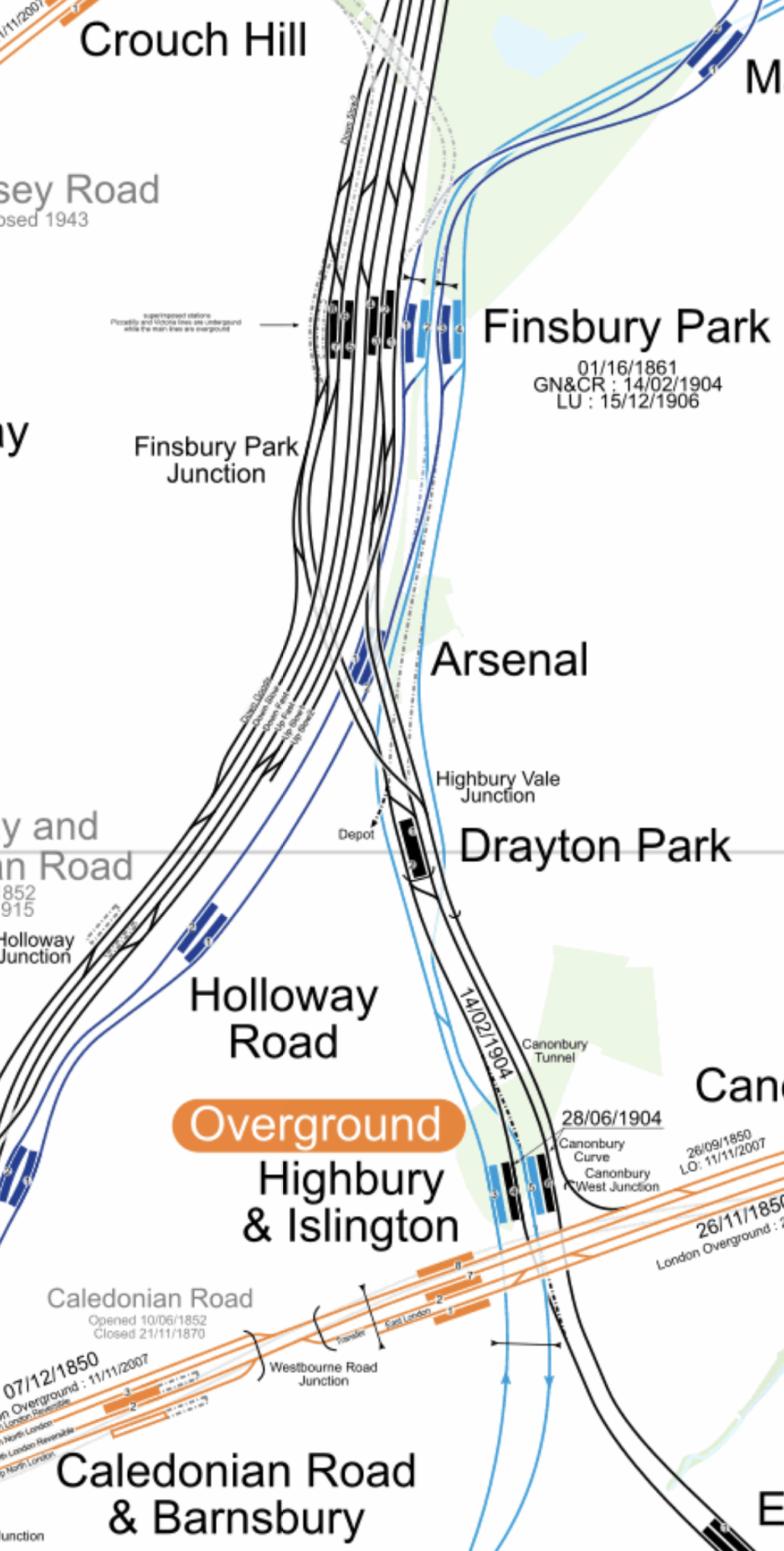
This map from cartometro.com shows the lines between Finsbury Park and Highbury & Islington stations.
Note.
- The dark blue tracks are the Piccadilly Line, which calls at M (Manor House), Finsbury Park, Arsenal, Holloway Road and Caledonian Road, before going South-West to King’s Cross St. Pancras.
- The lighter blue tracks are the Victoria Line, which calls at Finsbury Park and Highbury & Islington, before going South-West to King’s Cross St. Pancras.
- The black tracks on the Western side of the map are those of the East Coast Main Line into King’s Cross.
- The black tracks going South-East from Finsbury Park are the Northern City Line, which calls at Finsbury Park, Drayton Park, Highbury & Islington, E (Essex Road) and Old Street before terminating at Moorgate.
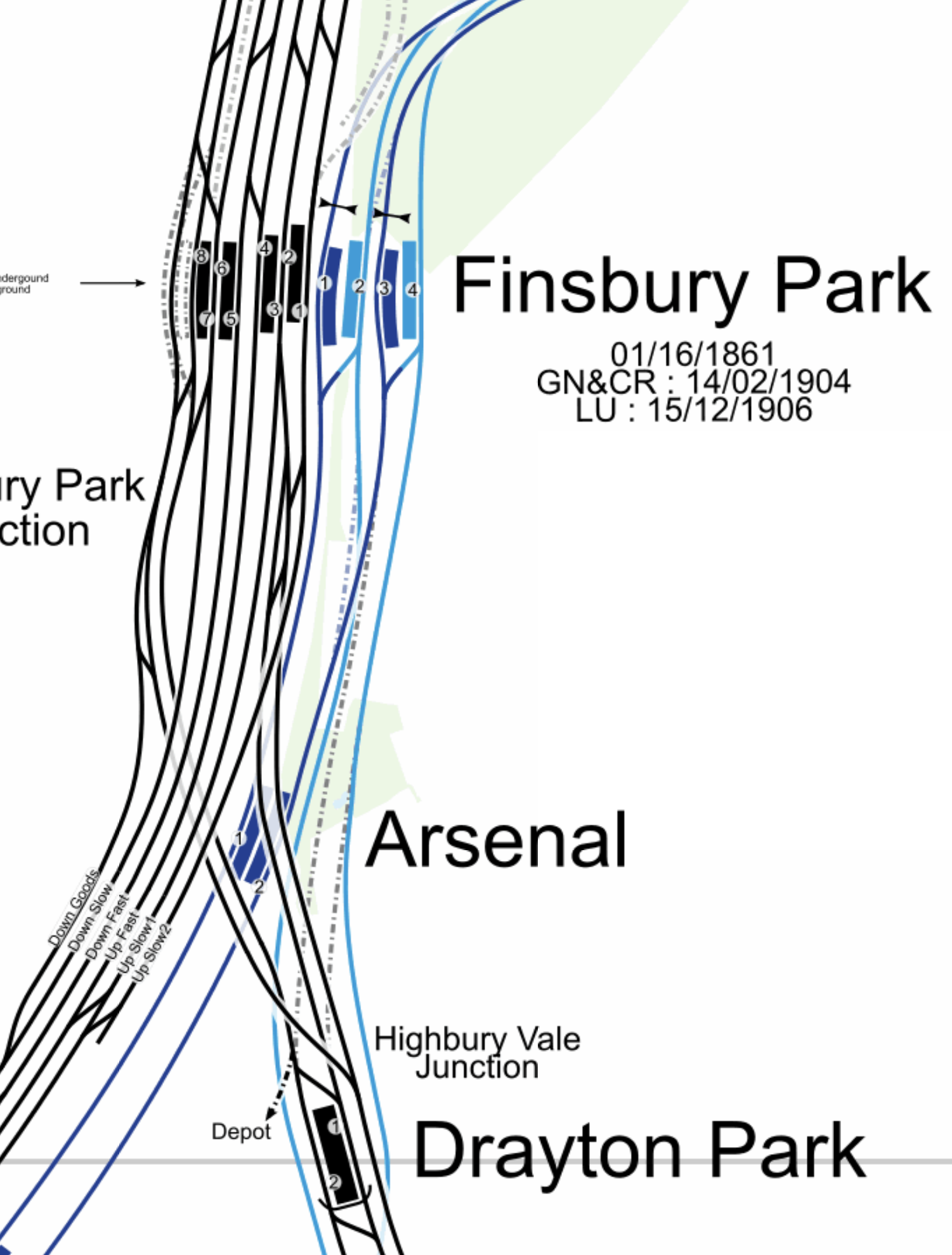
This second map shows the lines through Finsbury Park station.
Note.
- The dark blue tracks are the Piccadilly Line.
- The lighter blue tracks are the Victoria Line.
- The black tracks going through Drayton Park station are the Northern City Line.
- The platforms of the Piccadilly and Victoria Lines are paired at Finsbury Park station, so that passengers can change lines with a simple walk-across.
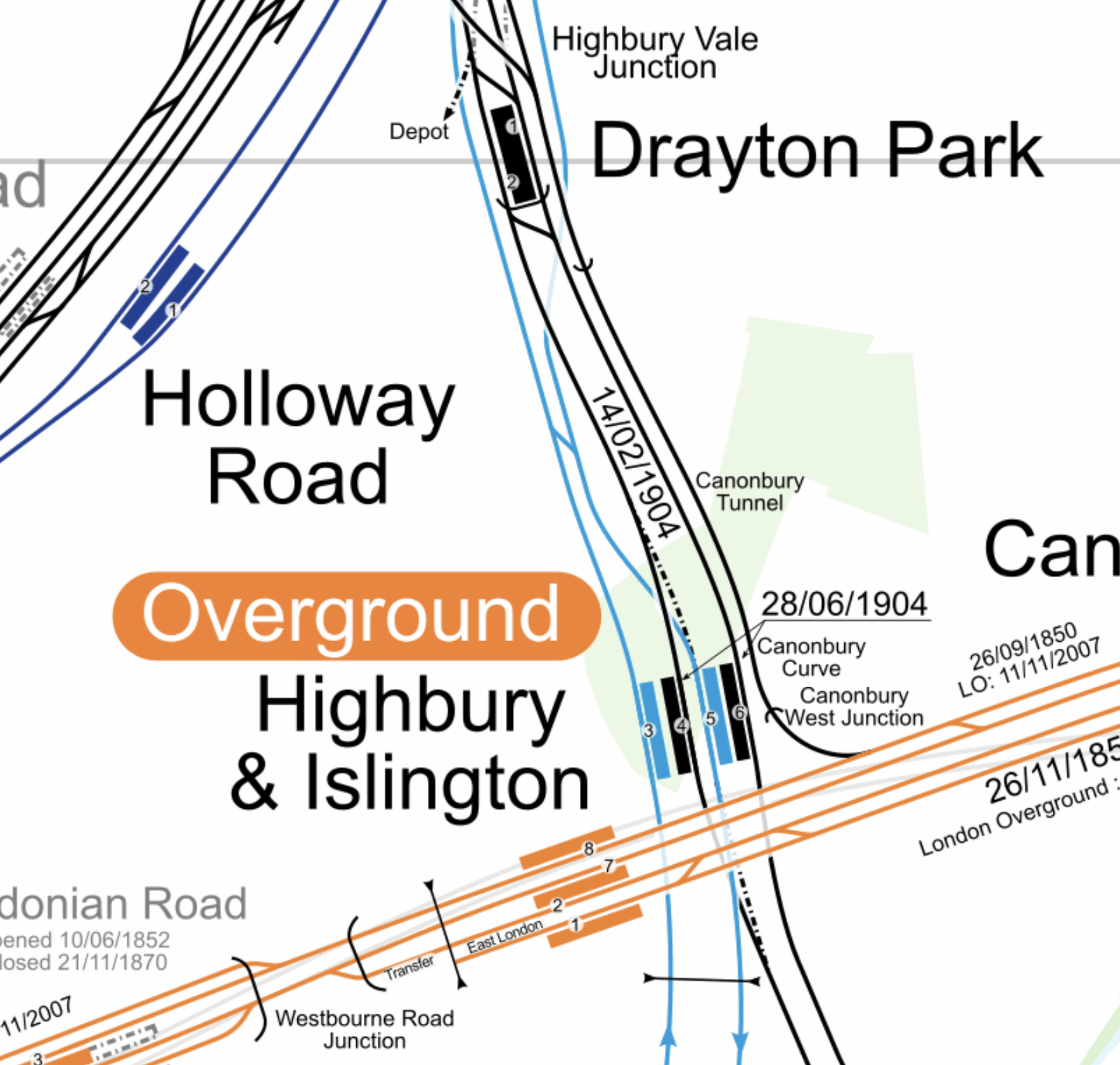
This third map shows the lines through Highbury & Islington station.
Note.
- The dark blue tracks are the Piccadilly Line.
- The lighter blue tracks are the Victoria Line.
- The orange tracks are the London Overground.
- The black tracks going through Drayton Park and Highbury & Islington stations are the Northern City Line, which terminates at Moorgate station.
- The platforms of the Northern City and Victoria Lines are paired at Highbury & Islington station, so that passengers can change lines with a simple walk-across.
The big problem with Highbury & Islington station is that is not step-free.
A Step-Free Route Between Wood Green And Moorgate Stations
Currently, it is possible to go between Wood Green and Moorgate stations by using three trains.
- Piccadilly Line – Wood Green to Finsbury Park – 6 mins
- Victoria Line – Finsbury Park to Highbury & Islington – 6 mins
- Northern City Line – Highbury & Islington to Moorgate – 10 mins
Note.
- These are actual times measured on my phone.
- The total time is twenty-two minutes.
- I had to wait a couple of minutes at both changes.
- Both changes are walk-across.
- The changes are not as perfect as they could be, although they would be easily managed with a buggy or a heavy case.
These pictures show the change at Highbury & Islington station.
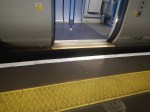
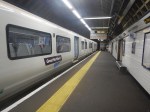
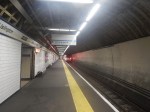
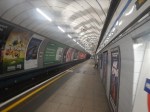
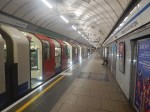
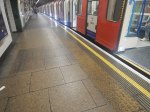
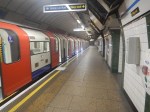
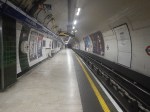
These pictures show the change at Finsbury Park station.

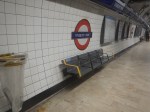
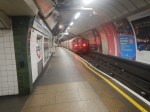
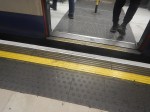
This route works for all stations Between Manor House and Cockfosters.
- Cockfosters – Add 15 minutes
- Oakwood – Add 12 minutes
- Southgate – Add 9 minutes
- Arnos Grove – Add 6 minutes
- Bounds Green – Add 3 minutes
- Turnpike Lane – Subtract 2 minutes
- Manor House – Subtract 5 minutes
But look at the frequencies of the three sections in trains per hour (tph)
- Piccadilly Line – 21 tph
- Victoria Line – 33 tph
- Northern City Line – 4 tph
The Northern City Line frequency is not high enough, as you could have a fifteen minute wait for a train.
Improvements Needed To The Northern City Line
The Northern City Line now has new Class 717 trains, a terminal platform at Stevenage and full digital signalling is being installed.
- The major improvement needed would be to improve frequency to at least 12 tph.
- Six tph on both branches should be possible.
I would also install step-free access at more stations.
Moorgate Station’s Northern City Line Platforms
These pictures show the platforms of the Northern City Line at Moorgate station.
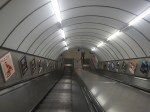
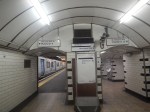
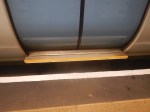
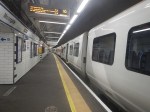
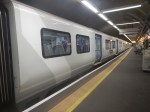
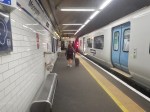

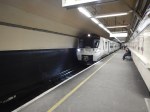
Note.
Improved Connections At Moorgate Station
I talked about the connections between the Northern and Elizabeth Lines at Moorgate station in Elizabeth Line To Northern Line At Moorgate Station.
This was my conclusion.
Routes between the Northern and Elizabeth Lines at Moorgate need to be improved.
I feel that some of the improvements could be fairly minor, but adding step-free access to the Northern City Line could be more difficult.
An Improved Connection Between Bank And Moorgate Stations
Currently, there are three ways between Bank and Moorgate stations.
- Use the Northern Line
- Use a 21, 43 or 141 bus routes
- Walk
I believe that it would also be possible to dig a pedestrian tunnel between the two stations and fit it out with a moving walkway.
This visualisation shows the updated Bank station.
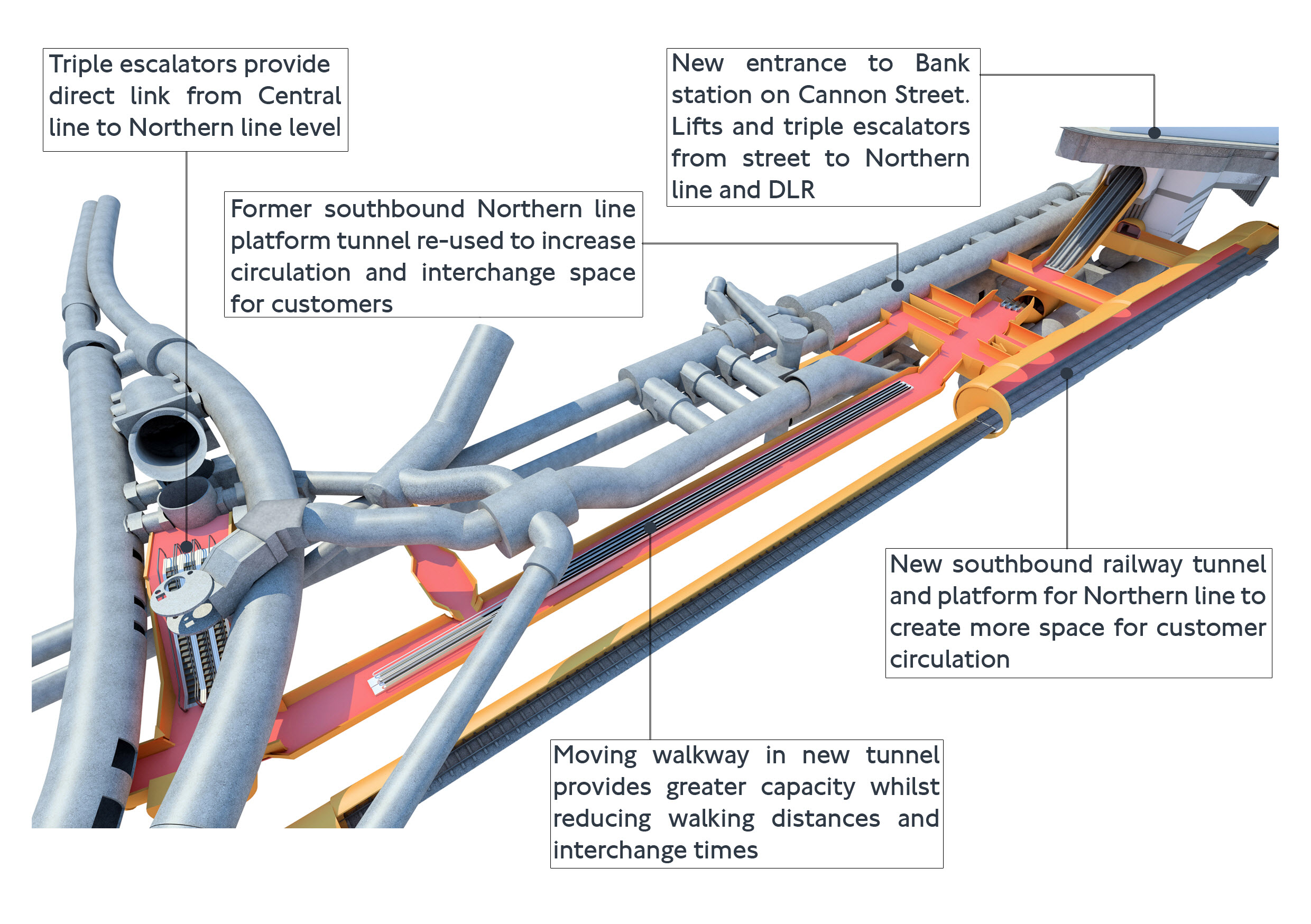
Note.
- Moorgate station is to the left.
- The only more-or-less completed bits are the two Northern Line tunnels and platforms and parallel pedestrian tunnel.
- The four cross tunnels can be picked out towards the far end of the station.
- Three of the cross tunnels can now be used by passengers.
- The moving walkway can be accessed from the two cross tunnels nearest to the Central Line.
- The escalators from the yet-to-open Cannon Street entrance appear to lead directly into a cross tunnel and a parallel tunnel to the moving walkway.
I believe that the moving walkway to Moorgate station could connect with the Bank station complex, at the Moorgate end of the new moving walkway in Bank station.
Extending The Elizabeth Line – London Crosslink
In the Wikipedia entry for the London Crosslink, this is the introduction.
London Crosslink was a passenger train service operated by Anglia Railways between Norwich and Basingstoke, using the North London Line to bypass central London. Class 170 Turbostar diesel multiple units were used, and the service operated between 22 May 2000 and 28 September 2002, supported by funding from the Strategic Rail Authority through its Rail Passenger Partnership fund.
As it was discontinued and it doesn’t seem to be sadly missed, I’m not advocating its reinstatement, but just looking how it might be run after the full opening of the Elizabeth Line.
But surely, there were good reasons, why the service was run in the first place and there might be a need in the future.
These are some characteristics of the service.
- There were about half-a-dozen services in both directions every day.
- At its full length it ran between Norwich and Basingstoke.
- Stops included Diss, Stowmarket, Ipswich, Colchester, Witham, Chelmsford, Ingatestone, Romford, Stratford, Highbury & Islington, Camden Road, West Hampstead, Brentford, Feltham, Staines, Woking and Farnborough (Main).
- Each service seemed to have a different stopping pattern.
- The timetable wasn’t very regular.
- The route wasn’t fully electrified.
It appears that it may have been a difficult service to timetable.
A London Crosslink Based On The Elizabeth Line
Consider.
- The route between Norwich and Stratford is possible and is fully-electrified.
- Trains could use the Central Tunnel of the Elizabeth Line between Stratford and Paddington.
- There is no connection between the Central Tunnel and Brentford, Feltham, Staines, Woking and Farnborough (Main).
I suspect that the service would go to Basingstoke via Reading.
An alternative route might be serve Heathrow Terminal 5 and then connect to the Windsor and Staines Line.
Note.
- In Extending The Elizabeth Line – Connecting Great Eastern Main Line Services To The Central Tunnel, I showed that I thought it was possible for Great Eastern Main Line service to use the Central Tunnel of the Elizabeth Line.
- Reading and Basingstoke is not electrified.
Would it be worthwhile?
Old Street Station – 24th August 2022
The new entrance to Old Street station is now open in the middle of the former roundabout.
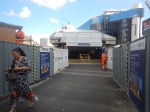
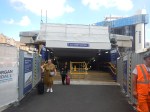
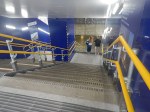
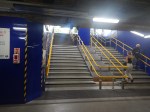
There will also be lifts.
Extending The Elizabeth Line – Thoughts On The Maximum Frequency In The Central Tunnel
The Wikipedia entry for the Elizabeth Line, says this about the indicative timetable after the 6th November 2022.
The indicative timetable consists of the following services on the Elizabeth line during peak hours: there will be 24 trains per hour (tph) in each direction in the central section (Paddington to Whitechapel): of these, 12 will run between Shenfield and Paddington, 6 will run between Abbey Wood and Heathrow, and 6 between Abbey Wood and either Reading or Maidenhead. Some trains on the Reading branch will not stop at all stations. Passengers travelling between stations west of Paddington and those on the north-eastern branch will need to change trains in the central section. Changing trains at Hayes & Harlington will be required for travel between Hanwell, West Ealing or Acton Main Line and other stations on the Reading branch.
The north-eastern section via Stratford is expected to see an additional four trains per hour during peak times between Gidea Park and the existing main line Liverpool Street station’s high level terminating platforms. Since these trains run over existing above-ground lines from Liverpool Street to Stratford, they will not call at Whitechapel.
When you consider, that Dear Old Vicky can handle 36 tph in the Peak, I feel that at some point in the future, the Elizabeth Line will handle more trains in the Central Tunnel.
This article on London Reconnections, which is entitled The Ninety Second Railway: Making the Victoria The Most Frequent Metro In The World, gives a history of increasing the frequency on the Victoria Line.
This is a paragraph from the article.
Of course, having the trains is only one part of the requirement. As our editor John Bull is prone to point out, there comes a point where frequency is not about how many trains you can squeeze through the tunnels, but about how quickly you can get passengers onto and clear of, the platforms.
As a regular passenger on the Victoria Line, there are times, when you notice that there are queues for the escalators and in the passageways at certain stations.
The Victoria Line probably can’t go to forty tph without substantial work on several stations.
But as these pictures show, the Elizabeth Line has space.

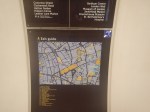
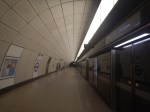
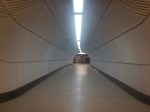
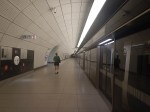
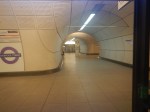
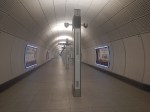
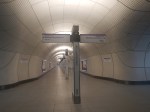


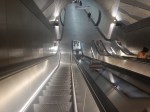
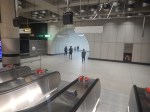
The Central Tunnel stations also have step-free walk-across access to the trains.
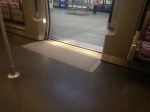
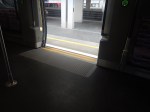
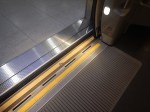
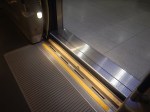
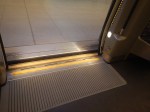

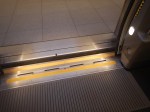
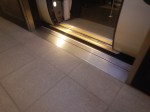
On my many journeys on the Lizzie Line, I’ve yet to see any delays in boarding in the Central Tunnel.
Extra Terminals
At present, the Elizabeth Line has been designed to have these terminal stations.
- Abbey Wood
- Heathrow Terminal 4
- Heathrow Terminal 5
- Maidenhead
- Paddington
- Reading
- Shenfield
The capacity in the East must match the capacity in the West.
Possible terminals in the East could be.
- Beaulieu Park
- Gravesend
- Hoo
- Northfleet
- Southend Victoria
And in the West they could be.
- Bedwyn
- Newbury
- Oxford
- Swindon
The numbers must still match.
Extra services would probably best be added gradually with time, when a need was proven.
Conclusion
I feel that only three things will limit the frequency of Elizabeth Line trains through the Central Tunnel.
- A frequency that fits the passenger numbers and route preferences.
- The capacity of the terminals
- The ability for engineers to meet that frequency safely and at an affordable cost.
Given that at certain times of the day, the Elizabeth Line is busier than you would expect, I wouldn’t be surprised to see that frequency higher than that planned.
Ilford Station – 4th September 2022
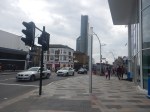
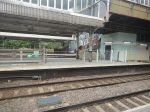
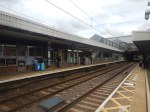
Ilford station is now substantially complete.
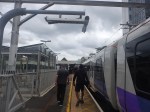


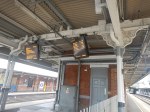


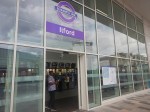

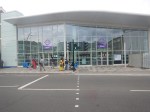
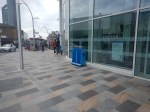


Note.
- Because of testing, the Elizabeth Line was running through Platforms 1 and 2 at Ilford station.
- Platforms 3 and 4 are running a test service between Shenfield and Paddington.
- Train displays on Platform 3 are showing trains going to Paddington.
It would appear, that there’s still a bit of work to finish.
Extending The Elizabeth Line – Connecting North Kent Line Services To The Central Tunnel At Abbey Wood
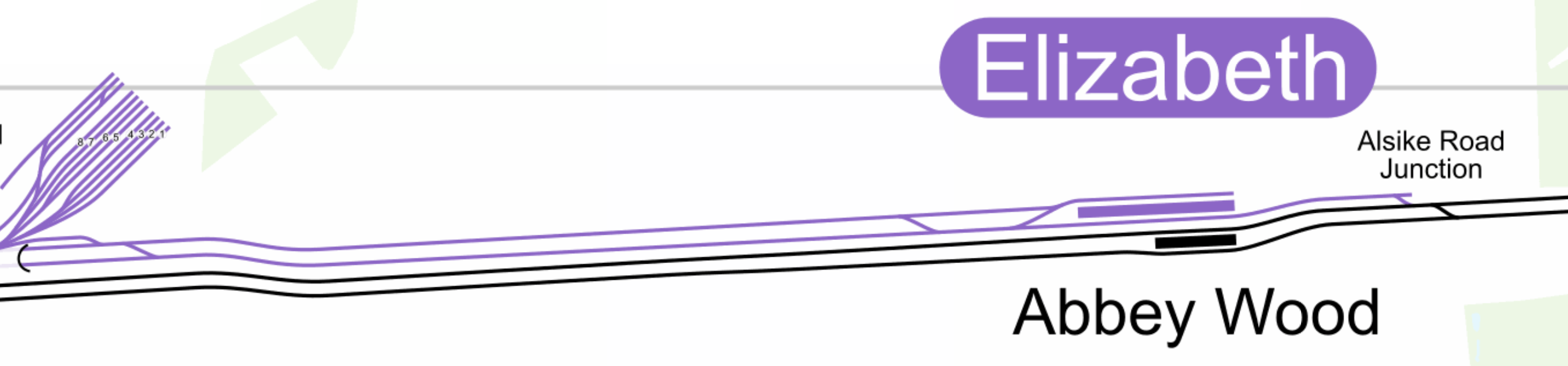
This map from cartometro.com shows the track layout at Abbey Wood.
Note.
- The Elizabeth Line is shown in purple.
- The North Kent Line is shown in black.
- The North Kent Line platform to London is the Southernmost platform and is numbered 1.
- The North Kent Line platform from London is the other Southern platform and is numbered 2.
- The Elizabeth Line platforms are numbered 3 and 4.
- Platform 4 is the Northernmost platform.
At present the Elizabeth Line service to Abbey Wood station is twelve trains per hour (tph), with each platform handling six tph.
This picture shows trains in both Platform 3 and 4 looking towards the station buildings.

Note.
- Platform 3 is on the right.
- Platform 4 is on the left.
In Elizabeth Line To Ebbsfleet Extension Could Cost £3.2 Billion, I talk about this proposal as described in this article on Ian Visits.
One of the key features of Crossrail To Ebbsfleet (C2E) project is that instead of all trains terminating at Abbey Wood, trains will terminate as follows.
- Abbey Wood – 4 tph
- Northfleet – 4 tph
- Gravesend – 4 tph
This will mean that 8 tph would pass through Abbey Wood station.
- Platform 4 could certainly handle the four tph that terminated on the Elizabeth Line.
- Platform 3 would need to handle eight tph in both directions or sixteen tph to fulfil the proposed C2E service.
- This would be one train every 225 seconds.
I believe that digital signalling could handle this easily and safely.
I am fairly sure that the track layout at Abbey Wood allows eight tph to go both ways between the North Kent Line and the Elizabeth Line Central Tunnel.
The Maximum Capacity At Abbey Wood Station
Because of the current track layout at Abbey Wood, I believe that without track modifications, Abbey Wood station will not be able to handle more than 12 tph.
Energy Storage Will Deliver ‘Tens Of Billions Of Pounds A Year’
The title of this post, is the same as that of this article on Energy Live News.
This is the first paragraph.
This week’s Net Hero Podcast delves into how energy storage is being underappreciated as a key to cutting costs on our energy bills.
I have listened to the half-hour podcast and it is a fascinating interview with Rupert Pearce, who is the CEO of Highview Power.
He talks about.
- Green stability services
- Power stations in a box
- Vehicle-to-grid storage
- How Highview Power is location agnostic.
- And lots of other topics.
He also talks about the twenty Highview Power CRYOBatteries located around the country and financed traditionally, as there is money to be made.
Listen to what he has to say!
Conclusion
Rupert Pearce is a man with vision. And I like what he says!
Extending The Elizabeth Line – Connecting Great Eastern Main Line Services To The Central Tunnel
If say it was ever needed to run a train between Ipswich or Southend Victoria stations and the Central Tunnel of the Elizabeth Line, three things must be possible.
Trains Would Have To Be Compatible With The Central Tunnel Of The Elizabeth Line
As any train would have to be compatible with the platform-edge doors in the central tunnel of the Elizabeth Line, the trains would have to be dimensionally identical to the current Class 345 trains.
- Nine cars
- Possibility of lengthening to ten cars.
- 204.73 metres long.
- 6 sets of doors per carriage
- Ability to run under full digital signalling.
I covered this in detail in Extending The Elizabeth Line – High Speed Trains On The Elizabeth Line.
Trains Would Need A 100 mph Capability To Travel On The Fast Lines Of The Great Eastern Main Line
They would be designed for a higher speed of at least 100 mph, to enable running on the fast lines.
The faster running would ease scheduling of the trains.
Effectively, the train would be a Class 345 train with more features and considerably more grunt.
Trains Must Be Able To Connect Between The Fast Lines And The Central Tunnel Of The Elizabeth Line At Stratford
This map from cartometro.com shows the track layout at Stratford.
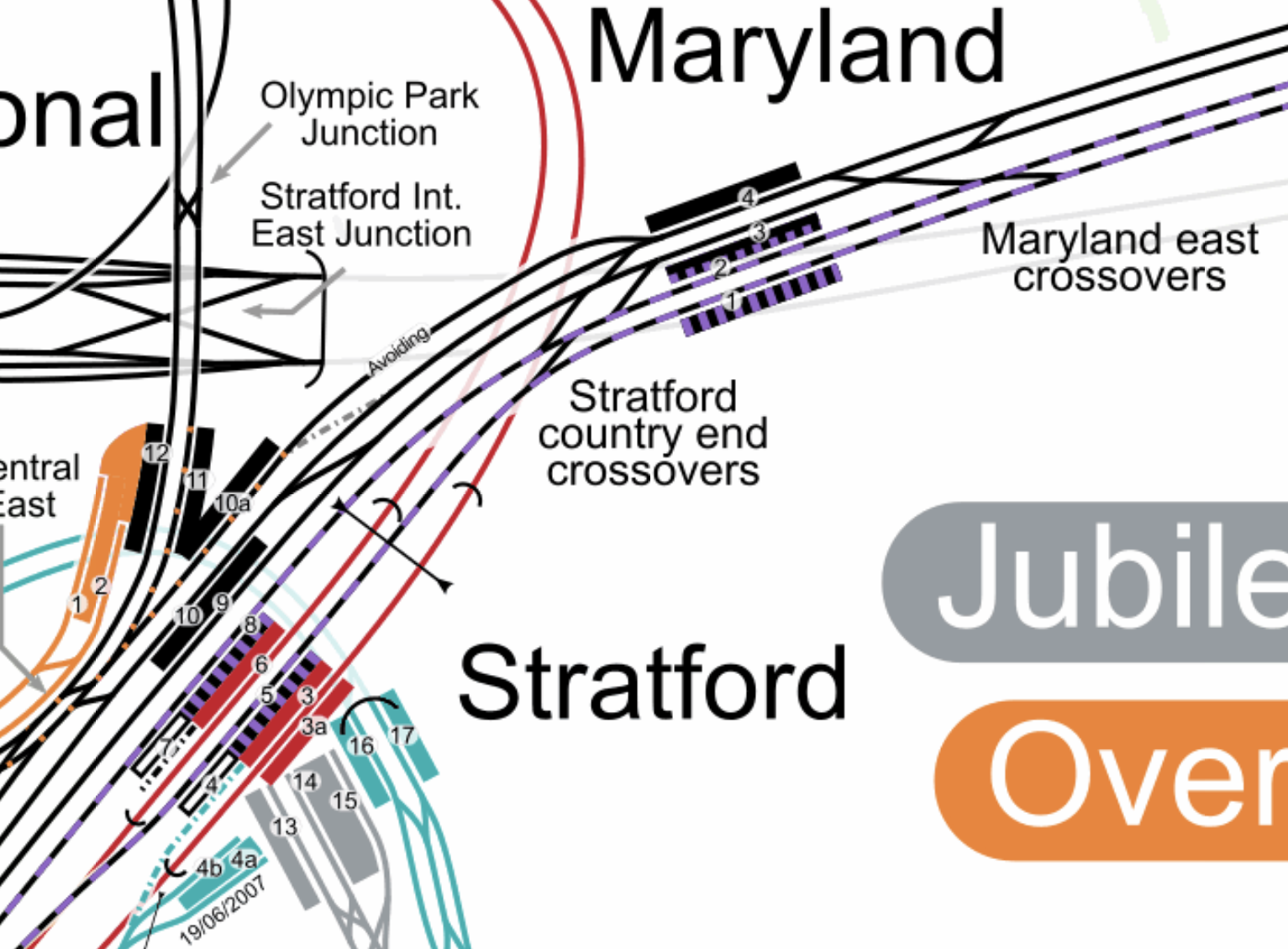
Note.
- The Elizabeth Line is shown in black and purple.
- The Elizabeth Line to Shenfield goes through Platform 8 at Stratford station and Platform 2 at Maryland station.
- The Great Eastern Main Line to Shenfield goes through Platform 10 at Stratford station and Platform 4 at Maryland station.
- The Stratford country end crossovers allow a train using the Elizabeth Line Central Tunnel to go through Platform 8 at Stratford station and Platform 4 at Maryland station before continuing on the Great Eastern Main Line.
- The Elizabeth Line to Central London goes through Platform 1 at Maryland station and Platform 5 at Stratford station.
- The Great Eastern Main Line to Central London goes through Platform 3 at Maryland station and Platform 9 at Stratford station.
- The Stratford country end crossovers allow a train using the Great Eastern Main Line to go through Platform 3 at Maryland station and Platform 3 at Stratford station before continuing through the Elizabeth Line Central Tunnel.
I am fairly sure that the track layout at Stratford allows trains to go both ways between Great Eastern Main Line and the Elizabeth Line Central Tunnel.
Extending The Elizabeth Line – Connecting Great Western Main Line Services To The Central Tunnel
If say it was ever needed to run a train between Oxford or Swindon stations and the Central Tunnel of the Elizabeth Line, three things must be possible.
Trains Would Have To Be Compatible With The Central Tunnel Of The Elizabeth Line
As any train would have to be compatible with the platform-edge doors in the central tunnel of the Elizabeth Line, the trains would have to be dimensionally identical to the current Class 345 trains.
- Nine cars
- Possibility of lengthening to ten cars.
- 204.73 metres long.
- 6 sets of doors per carriage
- Ability to run under full digital signalling.
I covered this in detail in Extending The Elizabeth Line – High Speed Trains On The Elizabeth Line.
Trains Would Need A 125 mph Capability To Travel On The Fast Lines Of The Great Western Main Line
They would be designed for a higher speed of at least 110 or 125 mph, to enable running on the fast lines.
The faster running would ease scheduling of the trains.
Effectively, the train would be a Class 345 train with more features and considerably more grunt.
Trains Must Be Able To Connect Between The Fast Lines And The Central Tunnel Of The Elizabeth Line At Royal Oak
This map from cartometro.com shows the track layout at Royal Oak.
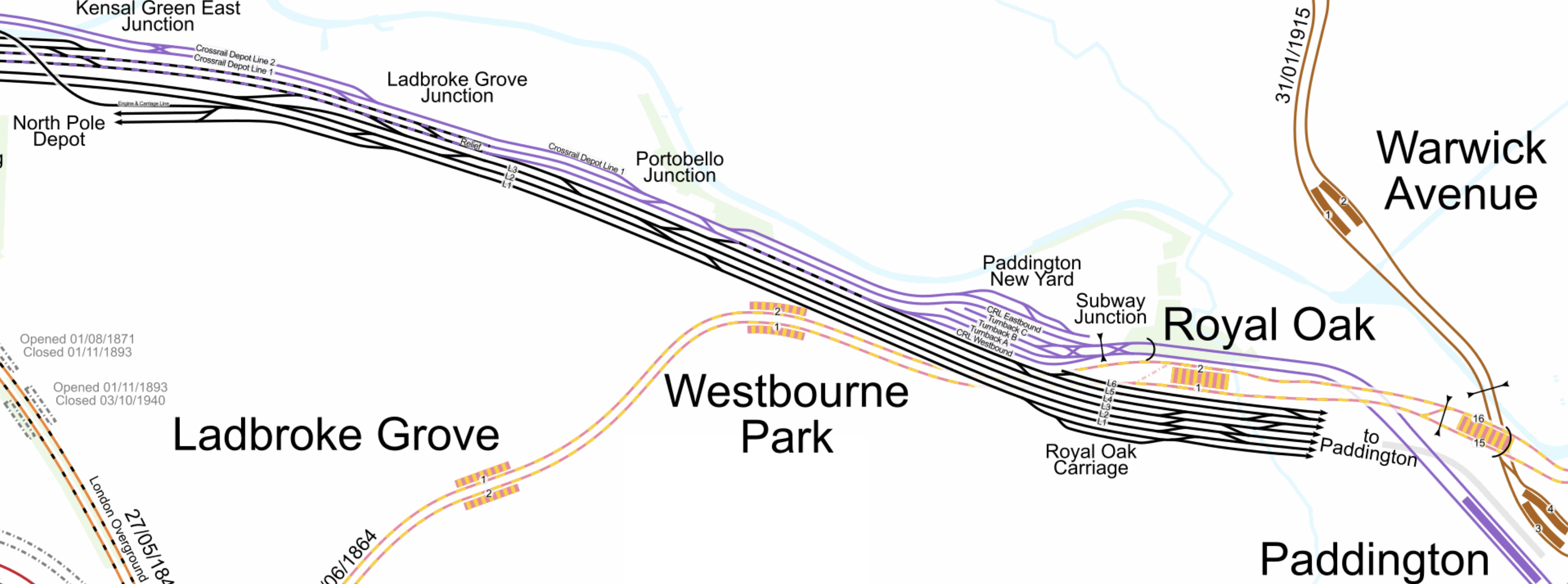
Note.
- The Elizabeth Line is shown in purple.
- Great Western Railway (GWR) tracks are shown in black.
- Where the Elizabeth Line shares the tracks with GWR services the tracks are shown in black and purple.
This map shows an enlargement of Kensal Green East Junction in the North-West corner of the previous map.
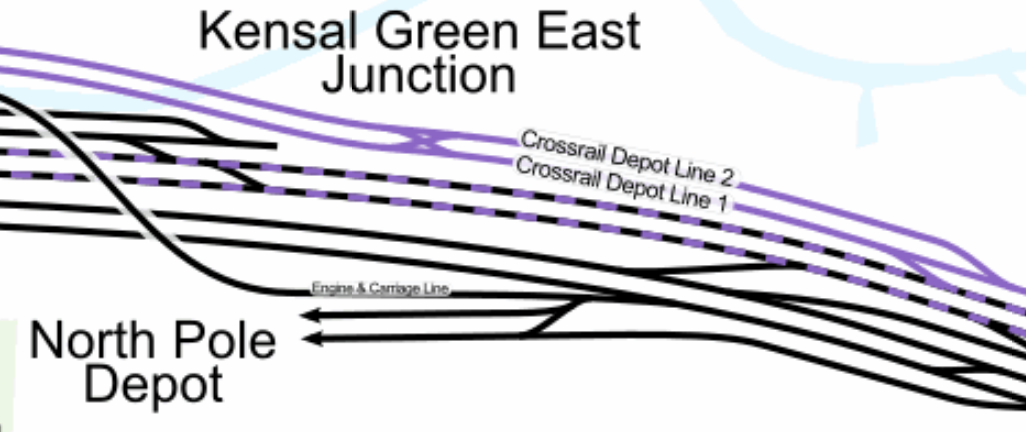
Note.
- The top pair of lines lead to the Elizabeth Line Depot at Old Oak Common.
- the pair of lines that are shown in black and purple handle Elizabeth Line and GWR local services.
- The pair of black lines are the Great Western Main Line.
- North Pole Depot is used by GWR for their Hitachi trains.
This map shows an enlargement between Ladbroke Grove Junction and Royal Oak.
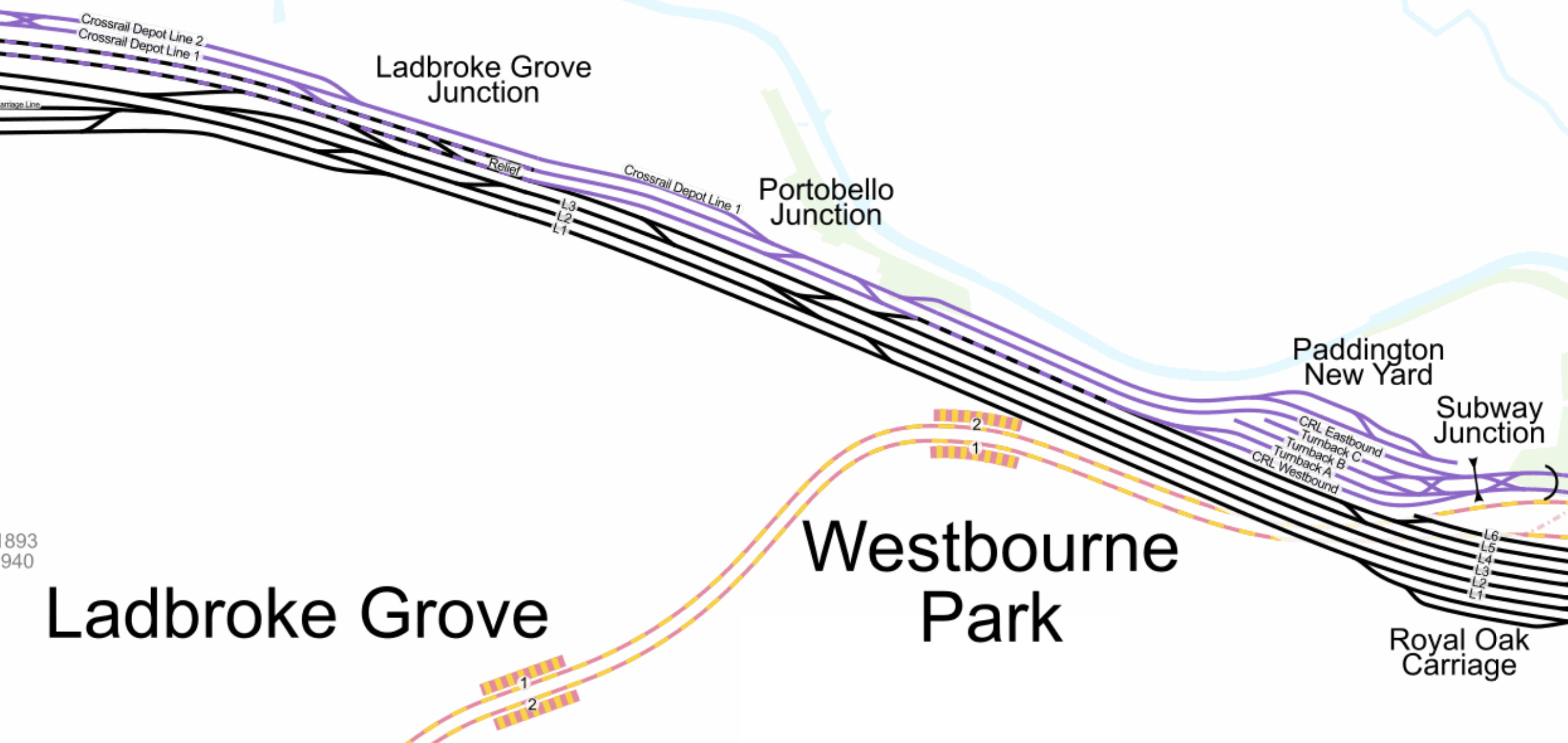
Note.
- In the South-East corner of the map is Subway junction, which appears to have two crossovers for maximum flexibility.
- To the East of Subway junction the curved line indicates the Royal Oak Portal of the Elizabeth Line Central Tunnel.
- To the West of Subway junction, there is Paddington New Yard, where there is five tracks labelled CRL Eastbound, Turnback C, Turnback B, Turnback A and CRL Westbound from North to South.
- Turnback C, Turnback B and Turnback A are the three turnback sidings, where trains are turned back East through the Elizabeth Line Central Tunnel.
- CRL Eastbound and CRL Westbound can be followed across the map to the black and purple lines of the Elizabeth Line to the West of Ladbroke Grove junction.
- At present the Western section of the Elizabeth Line terminates in Paddington station. Crossovers at Portobello junction appear to connect the Western section of the Elizabeth Line into Paddington station.
- More crossovers also appear to connect the Great Western Main Line to the CRL Eastbound and CRL Westbound through Paddington New Yard.
I am fairly sure that the track layout at Royal Oak allows trains to go both ways between Great Western Main Line and the Elizabeth Line Central Tunnel.
Pumped Storage Development In Scotland
The title of this post, is the same as that of this article on International Water Power & Dam Construction.
It describes and gives the current status of the two large pumped storage hydroelectric schemes under development in Scotland.
The 1.5 GW/30 GWh scheme at Coire Glass, that is promoted by SSE.
The Cruachan 2 scheme, that is promoted by Drax, that will upgrade Cruachan power station to 1.04 GW/7.2 GWh.
Note.
- Construction of both schemes could start in 2024, with completion in 2030.
- Both, SSE and Drax talk of a substantial uplift in employment during the construction.
- Both companies say that updated government legislation is needed for schemes like these.
The article is very much a must-read.
Conclusion
Welcome as these schemes are, given the dates talked about, it looks like we will need some other energy storage to bridge the gap until Coire Glas and Cruachan 2 are built.
Will Highview Power step forward with a fleet of their 2.5 GW/30 GWh CRYOBatteries, as was proposed by Rupert Pearce in Britain Will Soon Have A Glut Of Cheap Power, And World-Leading Batteries To Store It.
- The site needed for each CRYOBattery could be smaller than a football pitch.
- In Could A Highview Power CRYOBattery Use A LNG Tank For Liquid Air Storage?, I came to the conclusion that a single LNG tank could hold a lot of liquid air.
- The storing and recovery of the energy uses standard turbomachinery from MAN.
- Highview Power should unveil their first commercial system at Carrington near Manchester this year.
I am sure, that when they get their system working, they could build one in around a year.
 The Anonymous Widower