Does The Paddington Bakerloo Line Link Make The Bakerloo Line A NW-SE Cross-Branch Of The Elizabeth Line?
The Elizabeth Line has these major North-South cross-branches.
- Jubilee Line at Bond Street station.
- Charing Cross Branch of the Northern Line at Tottenham Court Road station.
- Thameslink at Farringdon station.
- Bank Branch of the Northern Line at Moorgate station.
- East London Line of the Overground at Whitechapel station.
With the opening of the Paddington Bakerloo Line Link, another North-South cross-branch of the Elizabeth Line has been added.
It could be argued that London has a new NW-SE high frequency link between Harrow & Wealdstone and Abbey Wood stations.
- Bakerloo Line – Harrow & Wealdstone and Paddington
- Paddington Bakerloo Line Link – 165 metre level step-free walk
- Elizabeth Line – Paddington and Abbey Wood via Whitechapel and Canary Wharf
The journey would appear to take 73 minutes from the National Rail journey planner, which allows fifteen minutes for the change at Paddington.
A New Route Between New Cross Gate And Queen’s Park Stations
In Does The Elizabeth Line Offer Similar Benefits To The Bakerloo Line Extension?, I said this.
I suspect that the easiest way between New Cross Gate and Harrow & Wealdstone will be with changes at Whitechapel and Paddington.
I also said, I would try out the route today.
I did a shorter route between New Cross Gate And Queen’s Park stations, with the same two changes.
For each extra station, I can apply Irene’s Law, by adding two minutes for each station.
I took these pictures on the route.

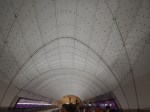
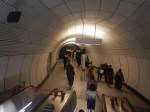
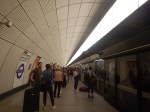

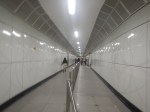

Note.
- On the Overground and the Elizabeth Line, there were few spare seats and a number of standees.
- Quite a few passengers changed at Whitechapel.
- The tunnel at Paddington between Elizabeth and Bakerloo Lines wasn’t very busy.
- The Bakerloo Line wasn’t very busy.
I have a few thoughts.
First Time Riders
I got the impression, a lot of passengers were first-time riders.
This could explain the passenger numbers.
Timings
These were my timings.
- It took me forty-six minutes for the fourteen stations.
- The interchange at Whitechapel was about four minutes.
- At Paddington, I walked between the Elizabeth and Bakerloo Line platforms in under five minutes and then just missed a Northbound train.
Irene’s Law
I talk about Irene’s Law in Irene’s Law – Estimating Tube Journey Times, where I define it like this.
If you want to get an estimate of how long a journey will take on the London Underground, you count the number of stations and multiply by two, before adding five for every interchange.
For the Overground, I’ve found that using three minutes for the number of stations gives a reasonable answer.
So how does it fit for my journey?
- The base time is forty-six minutes.
- Deduct ten minutes for the two changes gives thirty-six minutes.
- 36/14 gives 2.6 minutes.
I’ll go with that! But it looks like for a mixed journey like this, 2.5 might give a rough estimate.
How Would This Time Compare With An Extended Bakerloo Line?
Consider.
- New Cross Gate station could be on an extended Bakerloo Line.
- The Bakerloo Line timetable gives a time of 26 minutes between Queen’s Park and Elephant & Castle stations.
- There are three extra stations, which would probably be two minutes per station.
So the time between Queen’s Park and New Cross Gate stations would be 32 minutes via an extended Bakerloo line.
Conclusion
It looks like an extended Bakerloo Line will be a few minutes quicker.
But that the Elizabeth Line will be a good alternative for a few years.
My feeling is that the Elizabeth Line will have enough capacity for several years, but that eventually the Bakerloo Line will need to be extended.
Does The Elizabeth Line Offer Similar Benefits To The Bakerloo Line Extension?
This map shows the proposed Bakerloo Line extension.
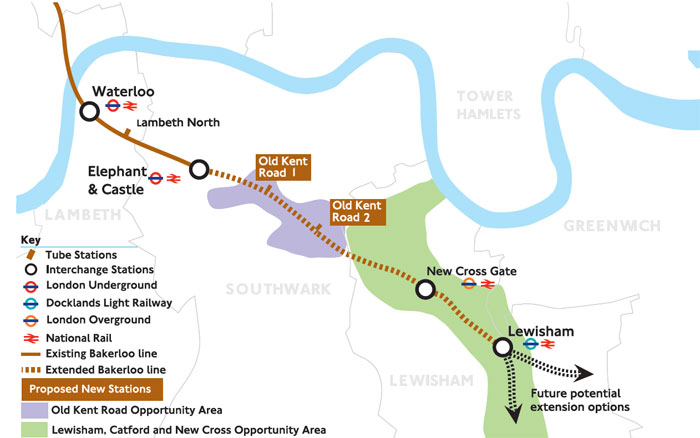
Note.
- There are new or improved stations at Old Kent Road 1, Old Kent Road 2, New Cross Gate and Lewisham.
- New Cross Gate station has Overground and Southern services.
- Lewisham station has Docklands Light Railway and Southern services.
- The future potential option going South is to take over the Hayes Line.
Could we provide improvements along the line of the Bakerloo Line Extension in a less disruptive and more affordable manner?
I will look at the various stations.
New Cross Gate
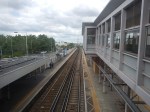
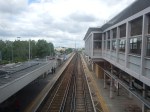
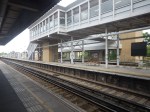
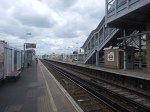
New Cross Gate station is a fully-accessible station, as these pictures show.
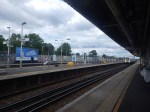
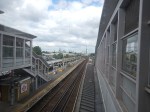
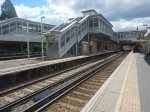
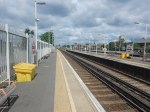
The station, currently has the following services.
- Overground – Highbury & Islington and Crystal Palace – 4 tph
- Overground – Highbury & Islington and West Croydon – 4 tph
- Southern – London Bridge and Victoria via Sydenham – 2 tph
- Southern – London Bridge and Coulsdon Town via Sydenham – 2 tph
Note.
- tph is trains per hour.
- The Overground services provide an 8 tph service to the Elizabeth Line at Whitechapel station.
- TfL may well increase the frequency of the two Overground services to 5 tph.
I suspect that the easiest way between New Cross Gate and Harrow & Wealdstone will be with changes at Whitechapel and Paddington.
- New Cross Gate and Whitechapel – Overground – 13 minutes.
- Whitechapel and Paddington – Elizabeth Line – 14 minutes.
- Paddington Interchange – 15 minutes
- Paddington and Harrow & Wealdstone – Bakerloo Line – 29 minutes
This gives a total time of 71 minutes.
As Bakerloo Line trains go between Elephant & Castle and Harrow & Wealdstone, which is 24 stations and the journey takes 48 minutes, this gives a figure of two minutes per station.
- This seems to fit Irene’s Law, which I wrote about in Irene’s Law – Estimating Tube Journey Times.
- So it looks like a direct train on the extension would take 54 minutes.
- That time fits well with the 71 minutes via the Elizabeth Line if fifteen minutes is allowed for the walk at Paddington.
I will do the trip for real today.
Lewisham
There are two ways to get between Lewisham and the Elizabeth Line.
- Take the Dockland’s Light Railway to Canary Wharf. Estimated at 15 minutes.
- Take a train to Whitechapel, which needs a change of train at New Cross station. Estimated at 17 minutes minimum.
Neither are perfect.
I will try out these two trips soon.
Hayes
The Hayes Line is often talked about as the final destination of the Bakerloo Line.
In More Frequent Trains And A New Station For The London Overground, I put forward a plan for connecting the Hayes Line to the New Cross branch of the London Overground.
This map from carto.metro.free.fr shows the lines at New Cross station.
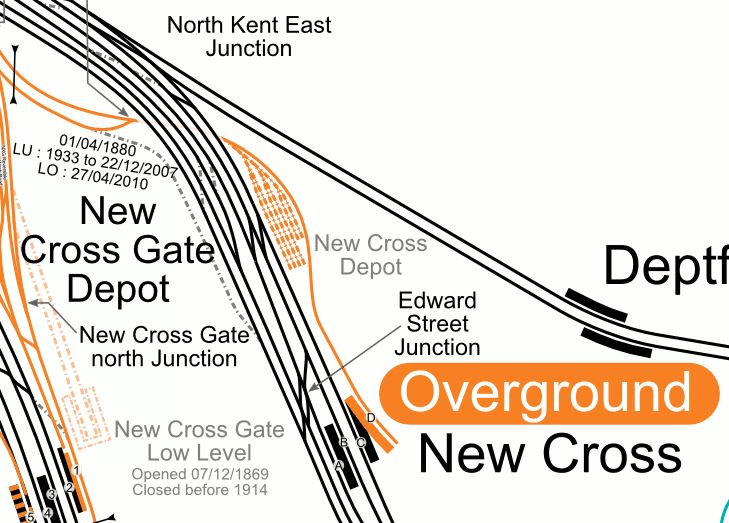
Note.
- The double-track East London Line, shown in orange, arrives from Surrey Quays station arrives in the North-Western corner of the map, becomes a single-track and then goes under the main lines before going into the bay platform D.
- Hayes Line services use Platform C going South and Platform A going North.
- Could the Overground going South divert into Platform C for Hayes?
- It would appear there used to be a line connecting Platform A to the East London Line of the Overground. Could this line be reinstated?
This Google Map shows the same area.
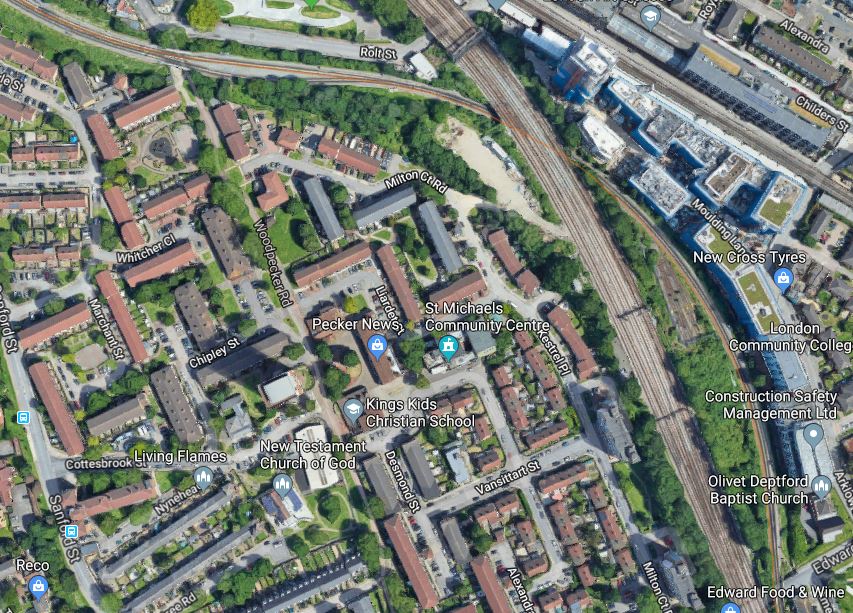
Note.
- The London Overground track is clearly visible.
- The needed connection certainly looks possible, without too much heroic engineering.
- Although, I suspect it could need digital signalling to get everything to work smoothly. But that will happen anyway!
The big advantage of this approach, is that all stations between Whitechapel and Hayes, would have a direct connection to the Elizabeth Line.
Hayes Line services would still continue to Victoria and Cannon Street, although the frequency might be reduced, depending on how many Overground services used the route.
Old Kent Road 1 And Old Kent Road 2
I think there are two ways to serve this important area.
- The first would be to run a high-frequency bus service between Elephant & Castle and the two stations at New Cross.
- I also suspect, it would be possible to have a short extension of the Bakerloo Line to a double-ended station at New Cross Gate and New Cross stations.
I went into the second way in More Frequent Trains And A New Station For The London Overground, where I came to these conclusions.
I am drawn to these two conclusions.
- The Bakerloo Line should be extended via two new Old Kent Road stations to a double-ended terminal station in New Cross with interchange to both New Cross Gate and New Cross stations.
- The New Cross branch of the London Overground should be extended through Lewisham to Orpington and/or Hayes.
My preferred destination for the London Overground service could be Hayes, as this would surely help to free up paths through Lewisham and London Bridge.
I also feel, that the scheme would be much more affordable if high-specification buses were used between Elephant & Castle and the two stations at New Cross.
Conclusion
There are certainly possibilities to create an alternative route, with the same objectives as the Bakerloo Line Extension.
Elizabeth Line – Paddington Bakerloo Line Link – 24th May 2022
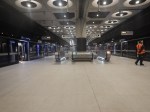
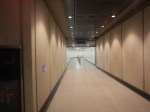
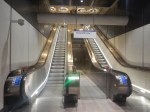
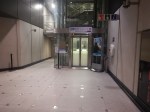
These pictures show the Elizabeth Line end of the Paddington Bakerloo Line Link.
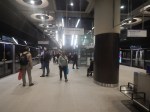


Note.
- This pedestrian tunnel connects the Elizabeth Line platforms and the Bakerloo Line platforms at Paddington station.
- The tunnel runs under the main pedestrian concourse of Paddington station from one side to the other.
- At the start of construction, I wrote about this tunnel in Paddington Bakerloo Line Link Project, London.
In Paddington Is Operational Again, I showed this image, that I found on the web.
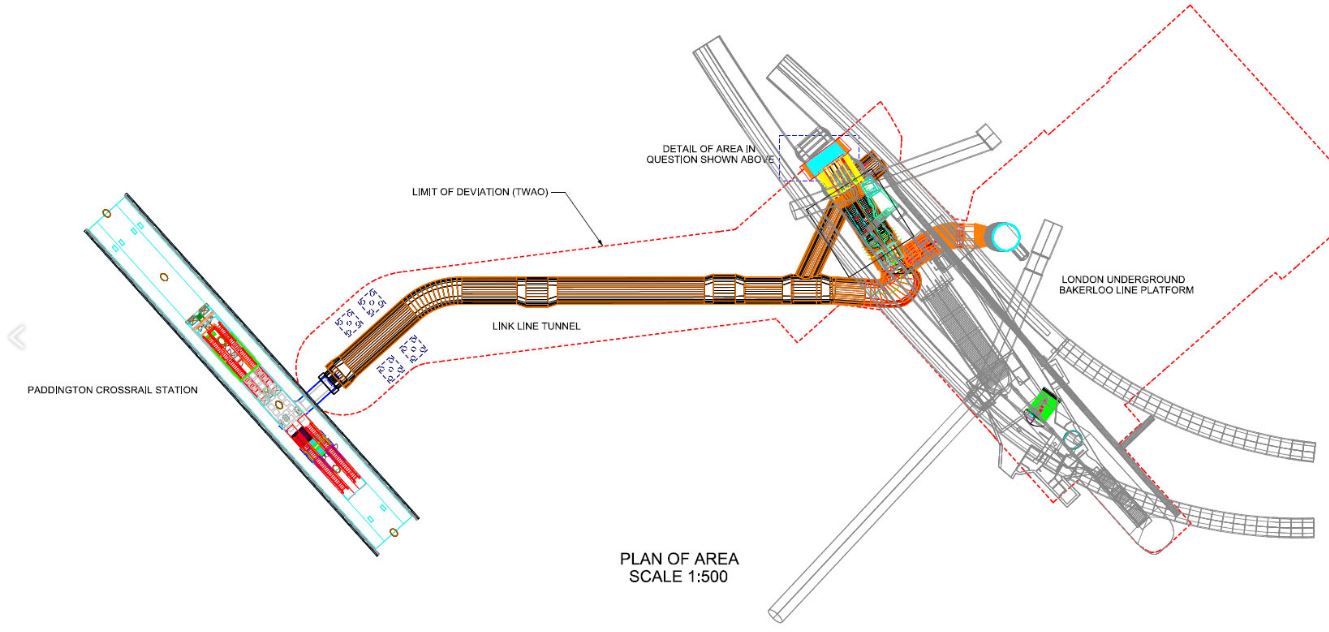
I also said this.
It looks to be a very well thought out link.
- It is connected to the Crossrail station by escalators and lifts in the middle of the island platform at that station.
- The connection at the Bakerloo Line end, would appear to have lifts, stairs and escalators.
- Wll the lifts go direct to the surface as well?
- All routes seem to be direct to the central landing in the Bakerloo Line platforms.
- It may be a hundred and sixty five metres, but the design probably means most passengers will do it fairly fast.But I’m only speculating.
It will certainly be a very powerful interchange, as it will give a much needed connection to London’s least-developed Underground Line.
Having seen one end today, I agree with my statement in the previous post.
Walking The Paddington Bakerloo Line Link
On the 26th May, I walked the Paddington Bakerloo Line Link from the Elizabeth Line to the Bakerloo Line platforms.
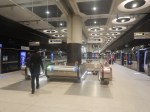

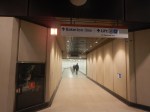
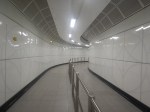
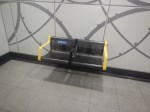
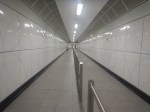

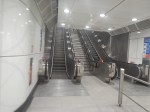
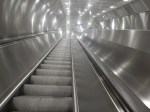
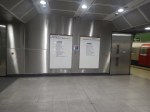
Note.
- There are two escalators and a lift at both ends.
- It appears to be a level walk. Walking the contours around a hill is always easier.
- There are two seats at one third and two thirds distance. Do the seats have a mobile phone hotspot?
- The seats make each section fifty-five metres, as the tunnel is 165 metres long.
- According to this page on the BRE Group web site, it cost just £40 million.
- There is a handrail all the way in the middle of the link.
- Each direction, is wide enough for the largest pram, wheelchair or stretcher.
The Paddington Bakerloo Line Link has set a high gold standard for below ground pedestrian links.
- Both ends have escalators and lifts to provide step-free access between platforms and the tunnel.
- The tunnel is level.
- There is a handrail.
- The tunnel is wide.
- The tunnel has seats for those who need a rest.
- There are help points.
- Most importantly, at only £40 million it was not expensive.
Several other long pedestrian links in London, the UK, Europe and the world could borrow ideas from this link, which I would rate as the best I’ve ever seen.
Does The Paddington Bakerloo Line Link Make The Bakerloo Line A North-South Cross-Branch Of The Elizabeth Line?
The Elizabeth Line has these major North-South cross-branches.
- Jubilee Line at Bond Street station.
- Charing Cross Branch of the Northern Line at Tottenham Court Road station.
- Thameslink at Farringdon station.
- Bank Branch of the Northern Line at Moorgate station.
- East London Line of the Overground at Whitechapel station.
With the opening of the Paddington Bakerloo Line Link, another North-South cross-branch of the Elizabeth Line been added.
It could be argued that London has a new NW-SE high frequency link between Harrow & Wealdstone and Abbey Wood stations.
- Bakerloo Line – Harrow & Wealdstone and Paddington
- Paddington Bakerloo Line Link – 165 metre level step-free walk
- Elizabeth Line – Paddington and Abbey Wood via Whitechapel and Canary Wharf
The journey would appear to take 73 minutes from the National Rail journey planner, which allows fifteen minutes for the change at Paddington.
Is The Bakerloo Line Extension Still Needed?
So how long would it take for journeys from Harrow & Wealdstone to selected stations, that could be served by the Bakerloo Line Extension.
- New Cross Gate – 82 minutes – Change at Paddington and Whitechapel
- Lewisham – 93 minutes – Change at Paddington and Canary Wharf
- Hayes – 98 minutes – Change at Paddington, Whitechapel and New Cross
Note.
- Going South the Hayes train arrives at New Cross, just after the train from Dalston Junction has arrived.
- I also feel with some Northbound improvements on the Overground service times could be shortened.
- Locations on the Old Kent Road might be better served by frequent buses between Elephant & Castle and New Cross stations.
Improving the Overground and the fast link between Whitechapel and Paddington may allow the Bakerloo Line Extension to be kicked into the long grass.
Wi-Fi And 4G
This page on the TfL web site is entitled Everything You Need To Know About The Elizabeth Line, where this is said about Wi-Fi and 4G.
WiFi access within the tunnels will be introduced later in 2022. Customers on both trains and platforms will have access to 4G connectivity this year too.
Will passengers be more likely to take a route through London with Wi-Fi and 4G?
I very much feel they will and that this will draw more passengers to use the Elizabeth Line.
And once, they start to use it, they’ll keep with it, so long as they’re happy.
Conclusion
The Bakerloo Line Extension can be kicked into the long grass.
Crossrail is Over Budget And Very Late – But The End Is Nearly In Sight
The title of this post is a quote from this article on the BBC, which is entitled Elizabeth line: The Ambient Detailing Behind Crossrail’s New Stations.
There have been little signs appearing in the last few days.
- In Is The Paddington Bakerloo Line Link Opening Soon?, it looked like the new tunnel, that will form the Bakerloo Line Link to Crossrail could be opening soon.
- In The Covers Are Off At Tottenham Court Road Station, it looked like the builders were finishing off Tottenham Court Road station.
- I go through Moorgate station about six times a week.This morning, as I normally do, I took the rat-up-the-drainpipe route to the surface, that I described in Up From The Depths At Moorgate Station. The escalators have been reversed and there were a lot of staff around.
- I’ve also seen guys and gals walking around with clipboards.
This all indicates to me that D-Day is not far-off, when passengers will be allowed to set foot on Crossrail’s platforms and trains.
Is The Paddington Bakerloo Line Link Opening Soon?
I took these pictures on the Bakerloo Line platforms at Paddington station yesterday.
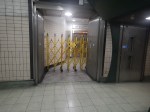
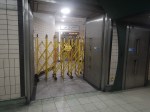
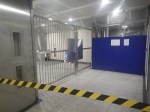
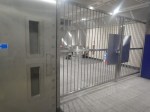

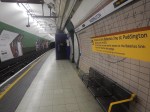

Note.
- There are new direction signs by the entrance, but they are covered in white plastic.
- The lights on the lift were showing sensible messages.
- The escalators behind the grill doors were running.
- It was only shut off using a barrier and black and yellow tape.
- The access between the Northbound Bakerloo Line platform and the escalator lobby, still needed to be opened up.
But it does look to me that this route is getting ready to be used.
In The Crossrail Article That Everyone Must Read, I review this article on Ian Visits, which is entitled A Sneak Preview Of London’s New Elizabeth Line Railway.
In a section, that is entitled The Bakerloo Line Link At Paddington Station, I wrote this.
Ian writes this interesting paragraph.
Something though that was added to Paddington station after the funding was approved was a new direct deep tunnel link from the platforms to the Bakerloo line. London Underground contractors built the link, and Andy Lord suggested that they are considering opening up the link before the Elizabeth line opens fully as it would help with offering step-free access for Bakerloo line customers.
Many people find getting to Paddington difficult, as I do from Dalston.
I typically use some roundabout and slow routes and most end up with arriving at Paddington on the Bakerloo Line.
Opening the link early would have the following effects.
- It would make things a lot easier for me and probably many other passengers.
- It would add passengers to London’s least-used Underground line.
- It would add capacity to the Bakerloo Line station at Paddington.
It would also give a piece of the infrastructure, a good soak testing with real passengers and may flag up some changes that needed to be made to details like signage.
Did Ian call it right?
Conclusion
I think he might have!
Grab-Handles In London Underground Train Entrances
I have been taking pictures of the grab-handles in the doors of London Underground trains.
Bakerloo Line
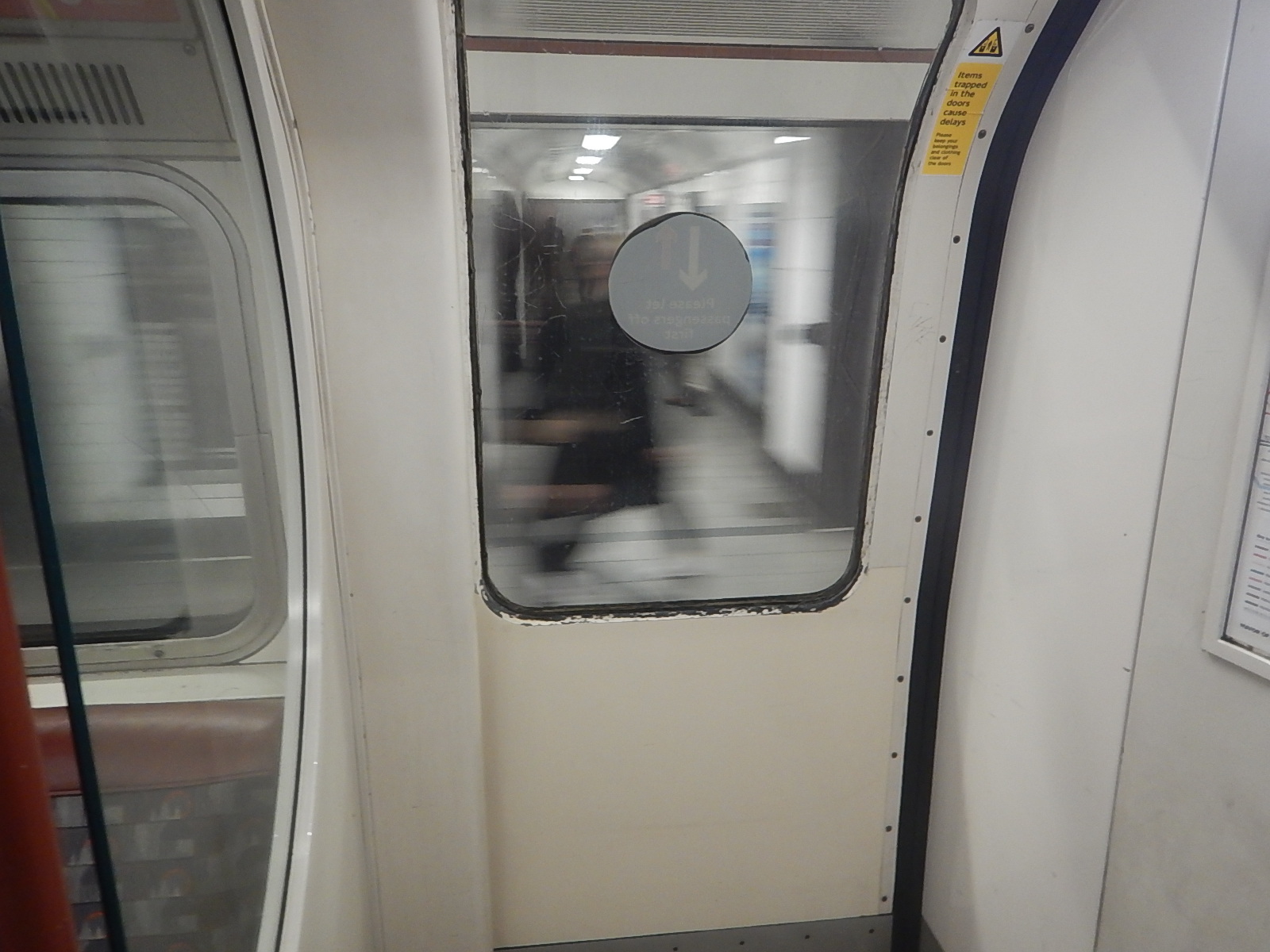
There are no grab-handles.
Central Line
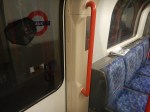

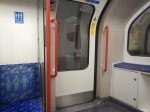
The Central Line trains, which were built in 1991-4, probably set the original standard.
Hammersmith & City Line
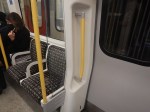
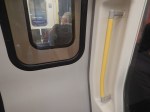

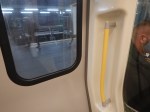
These are probably similar to Circle, District and Metropolitan Line trains.
Jubilee Line
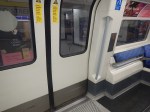
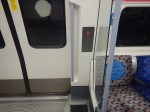
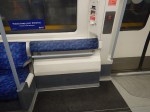
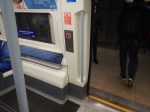
Note the long grab-handles tucked behind the doors.
Northern Line
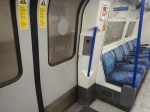
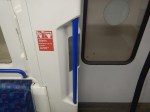

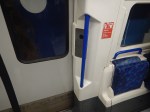
Note the long grab-handles tucked behind the doors.
There is also a cheeky one behind the wheelchair space. Although you would get into a Northern Line train in a wheelchair is another matter.
Piccadilly Line
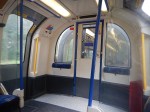


Despite their age, there is a full set of grab-handles.
Victoria Line

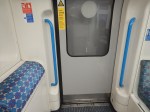
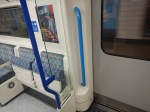
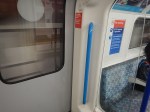
Note the long grab-handles tucked behind the doors.
Conclusion
I do find it strange that all the other Underground trains have vertical handles just inside the door, but the Bakerloo Line trains don’t have this valuable safety feature.
I think this could be dangerous.
I have a damaged left arm because the school bully broke my humerus. It can do most things, but some things are painful.
So when I get on a train, in case there is a step-up into the train, I position myself towards the right of the door. Then if there is a step-up, I reach forward and grab the handle and pull myself into the train.
Recently, I boarded a train on the Bakerloo Line platform at Waterloo. On finding there was no grab-handle I slipped slightly as I pulled back.
In the end I climbed into the train by holding on to the rubber edge of the door and got a very dirty hand.
Could this lack of grab-handles have contributed to a recent death at the station, that I wrote about in Death Of A Commuter At Waterloo?
I very much feel that grab-handles should be fitted to the doors on Bakerloo Line trains.
Would It Be Possible For The Bakerloo And Watford DC Lines To Use The Same Trains?
These two lines are very different.
- The Bakerloo Line is a classic London Underground Line with 25 stations and services run by 1972 Stock trains.
- The Watford DC Line is part of the London Overground with 19 stations and services run by Class 710 trains.
Ten stations are shared between the lines, of which only one; Queen’s Park offers level boarding.
The Shared Stations
The nine shared stations often have considerable steps up and down, as at Willesden Junction station, which is shown in Train-Platform Interface On Platform 1 At Willesden Junction.
I am rather pleased and pleasantly surprised, that there are not more accidents at the shared stations, but using the line must be a nightmare for wheelchair users, buggy pushes and large case draggers.
If Transport for London proposed building a line like this, they would have to launch it at the Hammersmith Apollo, where comedians perform.
The One Train Type Solution
To my mind, there is only one solution. The two services must use the same type of trains.
These are a few thoughts on the trains.
Trains Would Be Underground-Sized
As the trains will have to work through the existing tunnels to Elephant & Castle station, the trains would have to be compatible with the tunnels and therefore sized for the Underground.
I suspect they would be a version of the New Tube for London, that are currently being built by Siemens for the Piccadilly Line.
New Tube For London And Class 710 Train Compared
These figures are from Wikipedia.
- Cars – NTFL – 9 – 710 – 4
- Car Length – NTFL – 12.6 metres – 710 – 20 metres
- Train Length – NTFL – 113.4 metres – 710 – 80 metres
- Seated Passengers – NTFL – 268 – 710 – 189
- Total Passengers – NTFL – 1076 – 710 – 678
- Passenger Density – NTFL – 9.5 per metre – 710 – 8.2 per metre
- Speed – NTFL – 62 mph – 710 – 75 mph
Note.
- The passenger density and speed are closer than I thought they’d be.
- I’m sure Siemens can design a longer and faster train if required for the Euston service.
I feel that the New Tube for London could be designed, so that it could work the Watford DC service.
Platform Modifications
I suspect that the New Tube for London will be lower than the Class 710 train and all platforms would need to be lowered to fit the new trains.
I would also suspect that it would be easier to lower platforms, than modify them, so that they had dual-height sections to satisfy two classes of train.
It should be noted that the New Tube for London has shorter cars than the sixteen metre 1972 Stock trains currently used on the line, so there will be smaller gaps at stations with curved platforms like Waterloo.
I believe that with one class of train, all of the stations on the Bakerloo and Watford DC Lines could be made step-free between train and platform.
Queen’s Park And Euston
This map from cartometro.com, shows the route between Queen’s Park and Euston stations.
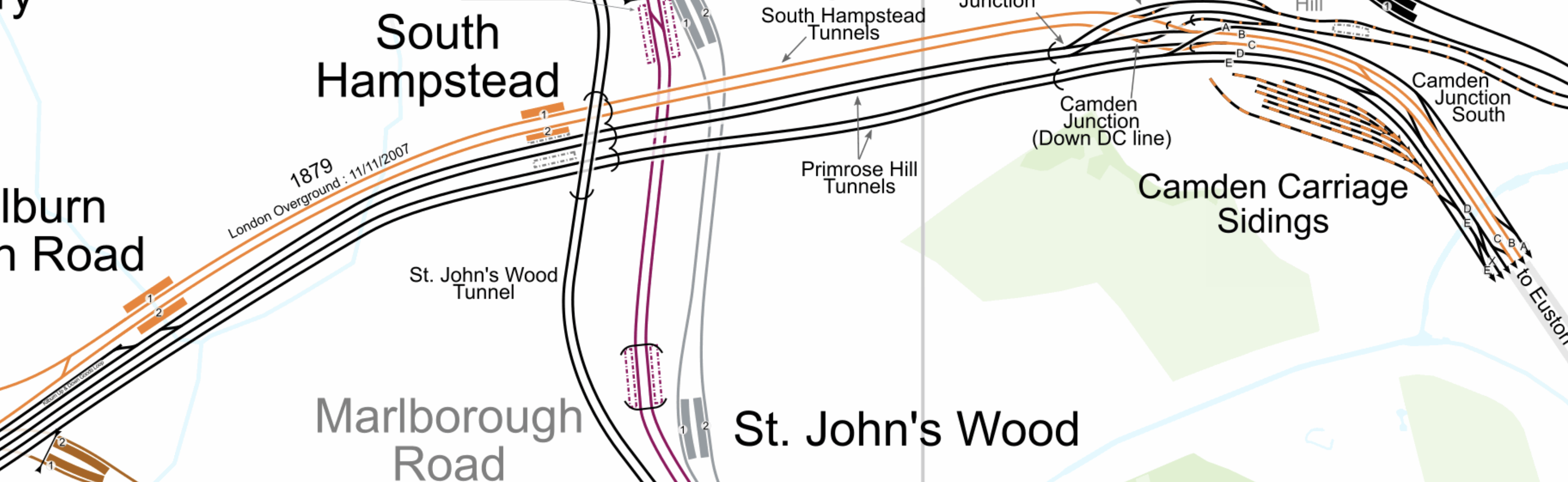
Note.
- The Watford DC Line is shown in orange.
- Queen’s Park station is to the West of Kilburn High Road station.
- It appears that Watford DC Line trains always use Platform 9 at Euston station.
The route seems to be a self-contained third-rail electrified line into Euston station.
On the subject of electrification between Queen’s Park and Euston stations, there would appear to be a choice between the third-rail system and London Underground’s four-rail system.
But it is rumoured that the New Tube for London will have a battery capability.
As Euston and Queen’s Park stations are only 3.7 miles apart, perhaps the choice would be to use battery power into Euston station, which would remove electrified rails from Euston?
How Many Trains Could Run Into Euston?
Currently, four trains per hour run into Euston.
It is generally accepted that six tph can use a single platform. But would this be enough?
I suppose there is the possibility of tunnelling under Euston station to a pair of terminal platforms.
In that case the current platform could be used by other services.
Southern’s Milton Keynes And Clapham Junction Service
This service wouldn’t be affected as it uses the fast lines between Willesden and Watford.
Conclusion
A common fleet used by the Bakerloo and Watford DC Line would appear to give advantages.
But what the Bakerloo Line, the Watford DC Line and the Bakerloo Line Extension need is a good dose of holistic design.
Train-Platform Interface On Platform 1 At Willesden Junction
Access to trains at Willesden Junction station can be difficult for some people.
I took these pictures of the access between train and platform for a Bakerloo Line train at Platform 1.
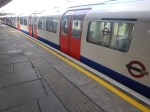

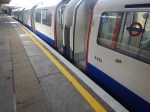
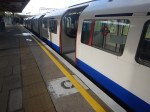
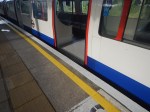
It is a step down from the platform of at least twenty centimetres.
These for a Watford DC Line train are not much better.


Once at this station, an elderly Indian lady in a sari was getting off one of these trains. She shouted something like “Catch me!” and jumped. Luckily, I caught her and it was smiles all round.
Of the ten stations that are shared by both services, it appears that only Queen’s Park has level access for both services.
These stations are an accident waiting to happen.
Death Of A Commuter At Waterloo
This tragic accident is reported in this article on ITV, which is entitled Commuter Crushed To Death After Falling Unseen Into Tube Gap At Waterloo.
These are the first two paragraphs.
A commuter was trapped and crushed to death by a Tube train after he fell down the gap on the northbound Bakerloo line train at Waterloo, an investigation has found.
Tube staff did not spot the man after he slipped and fell on to the track where he lay for more than a minute before being hit by a second train, the Rail Accident Investigation Branch (RAIB) said.
The accident is partly blamed on the curve of the track in the station.
I took these pictures at Waterloo station.



Note.
- Pictures were taken on both platforms, which are similar, as they are above each other.
- The gap is wide, but not the widest on the Underground.
- When I boarded a train, I realised there was no grab handle.
- I got my hand rather dirty using the door to pull myself across the gap.
Could this have been a factor in the death of the commuter, in that he looked for the grab handle, noticed there wasn’t one and then overbalanced?
This picture shows the detail on the inside of the door.
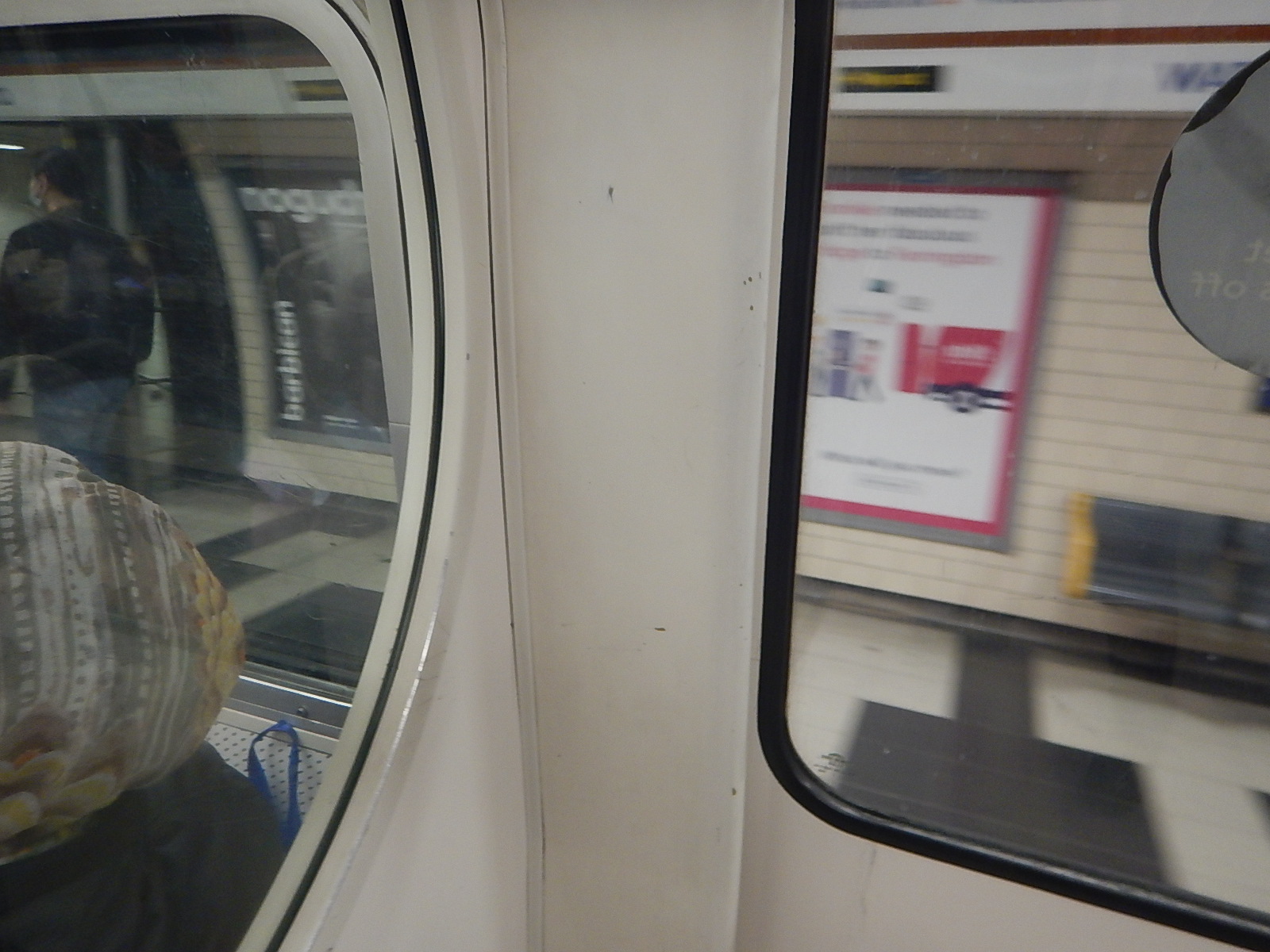
I’m sure a design could be created, that would give those who needed a pull-up something to grab.
 The Anonymous Widower