CAF Selected For Major Battery Train Order
The title of this post, is the same as that of this article on Railway Gazette International.
This is the first paragraph.
CAF has been named as preferred bidder for what it says is the largest order to date for battery trains. This covers the supply and maintenance of more than 60 electric multiple-units which will be able to operate on non-electrified sections of the Niederrhein-Münsterland network.
On reading the rest of the article, it sounds like the trains are to a high standard, with all the features one could expect.
As in Bolton-Wigan £78m Rail Electrification Project Announced, I predicted that CAF could sell a number of battery-electric trains to Northern in the UK, it looks like CAF could be building a substantial number of battery-electric trains.
There could even be the possibility of some of the German trains being assembled in the CAF factory in Newport, as the logistics might be easier.
Bolton-Wigan £78m Rail Electrification Project Announced
The title of this post, is the same as that of this article on the BBC.
This is a small electrification project compared to many, but it still includes.
- 13 miles of electrification.
- 450 new overhead line equipment stanchions.
- Modifications to 17 bridges and two level crossings.
- Platform extensions at Westhoughton, Hindley and Ince stations, so that they can handle six-car trains.
Completion is expected to be 2025.
The numbers indicate it could be be a small project with quite a bit of work.
I have a few specific thoughts.
How Far Will The Electrification Go?
This document on the Government web site is entitled Green Light Given For Wigan To Bolton Electrification.
These are two paragraphs.
The track between Wigan North Western station and Lostock Junction near Bolton will receive a £78 million upgrade, targeted to complete in 2024/2025.
Through electrifying almost 13 miles of infrastructure and lengthening platforms, this investment will ensure that CO2 emitting diesel trains are replaced by electric rolling stock. As longer trains with additional capacity, these will provide passengers with greener, more comfortable and more reliable journeys.
Note.
- Lostock junction is on the Manchester and Preston Line which was electrified in 2019.
- As is typical, the electrification continues for a short distance from Lostock junction towards the Wigan stations.
- Wigan North Western station is a fully-electrified station on the West Coast Main Line.
- Wigan Wallgate station is not electrified.
- The distance between Lostock junction and Wigan Wallgate station is 6.9 miles.
- Lostock junction and Wigan Wallgate station is double-track all the way.
- My Track Atlas shows crossovers that allow trains to and from Lostock junction to access some platforms at Wigan North Western.
These facts lead me to these conclusions.
- As thirteen files of electrification would be 6.5 miles of double-track electrification, the new electrification would create a fully-electrified line between Lostock junction and Wigan Wallgate station.
- By electrifying the crossovers at Wigan Station junction, electric trains would to able to access both Wigan stations.
But this does mean, that electric trains can’t run past Wigan Wallgate station, as the wires seem to stop there.
Electrification At Wigan Wallgate Station
Mark Clayton has made this comment to this post.
Yes there is a single track connecting from the track through Hindley to the WCML and vice versa, however at Wallgate there are buildings straddling the line and the station itself. Maybe the track could be lowered, but it could well be a major engineering project to get the wires under Wallgate.
The best picture, that I can get of the tracks under Wallgate is this 3D image from Google Maps.
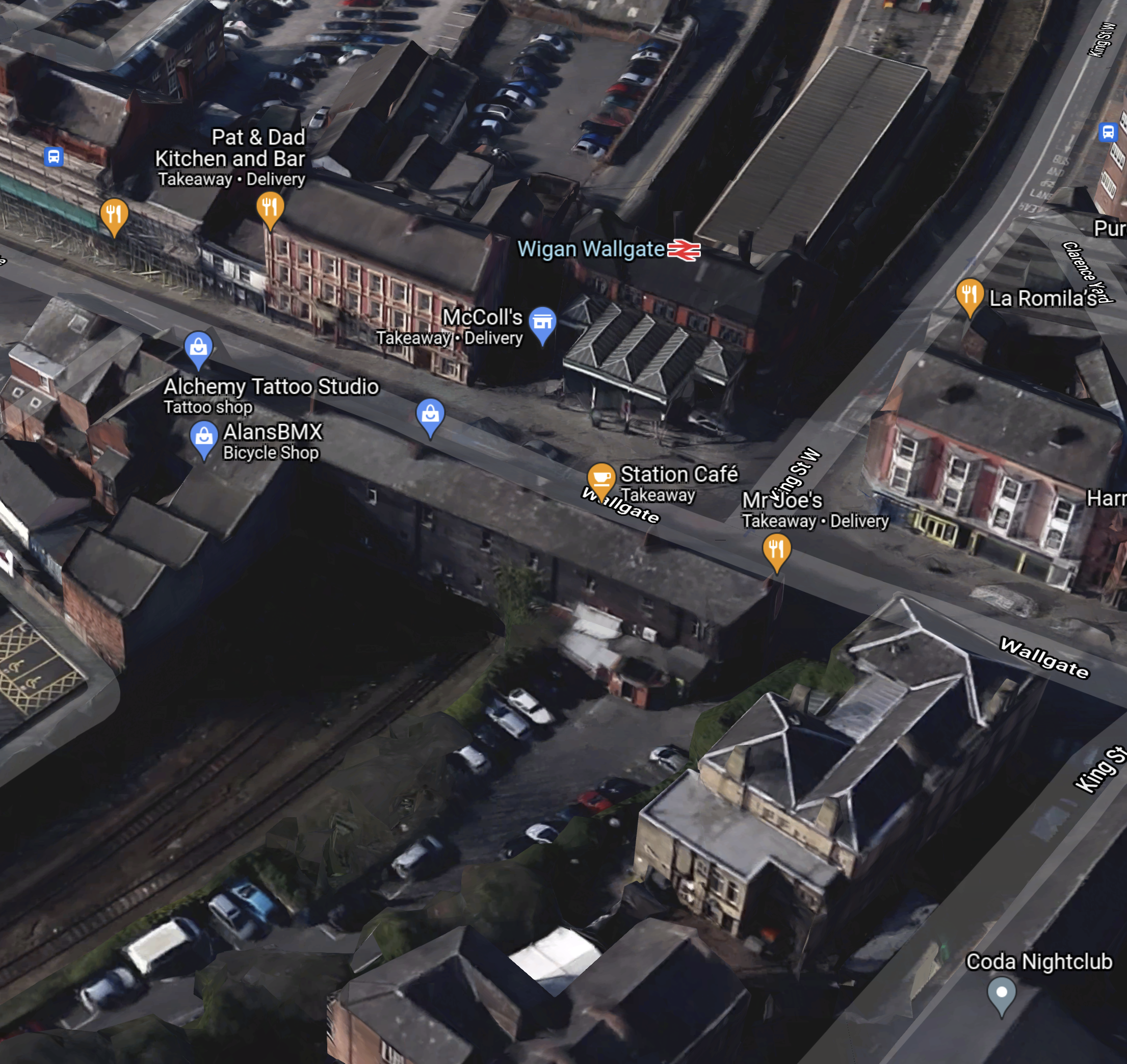
It does seem a bit tight in terms of height.
I have also looked at several videos of trains going trough the station and I suspect that the tracks may need lowering to get the wires through.
Or they could use some of the discontinuous tricks being used on the South Wales Metro.
It could be difficult, but I don’t think it will be impossible.
I do suspect though for operational reasons, Network Rail and the train operators would want the wires to extend to the station.
- Train operators probably prefer to raise and lower the pantograph in a station, in case anything goes wrong.
- If battery-electric trains should be used on the line, then if necessary, they could wait in the station to charge the batteries.
- If the station is wired, then the West-facing bay-platform can also be wired, so that it could be used for a battery-electric shuttle train to Kirkby or Southport.
It looks to me, that for lots of reasons, the engineers will have to find a way of getting the wires under the low bridge under Wallgate.
Services That Use All Or Part Of The Route Between Lostock Junction And Wigan
These services use all or part of the route.
- 1 tph – Southport and Alderley Edge via Ince (irregular), Hindley, Westhoughton and Bolton
- 1 tph – Southport and Stalybridge via Hindley, Westhoughton and Bolton
- 1 tph – Kirkby and Manchester Victoria via Ince (irregular), Hindley, Daisy Hill, Hag Fold, Atherton, Walkden, Moorside, Swinton and Salford Crescent.
- 1 tph – Wigan Wallgate and Blackburn via Hindley, Daisy Hill, Atherton, Walkden, Swinton and Salford Crescent.
- 1 tph – Wigan Wallgate and Leeds via Daisy Hill, Atherton, Walkden and Salford Crescent.
Note.
- tph is trains per hour.
- The two services that terminate at Wigan Wallgate sometimes terminate in Wigan North Western station.
- Wigan Wallgate station would appear to get up to five tph to Manchester, via a variety of routes.
I wonder how many of these services could be run by a battery-electric train, with a performance like the Hitachi Regional Battery Train, which is described in this Hitachi infographic.

Note 90 kilometres is 56 miles.
I will look at each route in detail.
Southport And Alderley Edge
The only section without electrification will be between Wigan Wallgate and Southport stations, which is a distance of 17.4 miles.
With a battery range of 56 miles, a battery-electric train should be able to run a return trip between Wigan Wallgate and Southport stations on battery power and have time for a leisurely turnround in Southport.
The batteries would be charged on the fully electrified section of the line between Wigan Wallgate and Alderley Edge stations.
Southport And Stalybridge
There are two sections without electrification.
- Wigan Wallgate and Southport stations – 17.4 miles
- Manchester Victoria and Stalybridge stations – 7.6 miles
With a battery range of 56 miles, a battery-electric train should be able to run a return trip on both sections without electrification.
The batteries would be charged on the fully electrified section of the line between Wigan Wallgate and Manchester Victoria stations.
Kirkby And Manchester Victoria
There are two sections without electrification.
- Wigan Wallgate and Kirkby stations – 12.1 miles
- Hindley and Salford Crescent stations – 13.4 miles
With a battery range of 56 miles, a battery-electric train should be able to run services on both sections without electrification.
The batteries would be charged on the two fully electrified sections of the line between Wigan Wallgate and Manchester Victoria stations.
Wigan Wallgate And Blackburn
There are two sections without electrification.
- Hindley and Salford Crescent stations – 13.4 miles
- Manchester Victoria and Blackburn stations – 39.4 miles
The first section could be easily run by a battery electric train, but the second section would need a charger at Blackburn station to return to Manchester Victoria station.
The batteries would be charged on the two fully electrified sections of the line between Wigan Wallgate and Manchester Victoria stations.
Wigan Wallgate And Leeds
There are two sections without electrification.
- Hindley and Salford Crescent stations – 13.4 miles
- Manchester Victoria and Leeds stations – 50.2 miles
The first section could be easily run by a battery electric train.
But the second section would be very much touch-and-go with a battery-electric train with a range of 56 miles, despite the fact that both Manchester Victoria and Leeds stations are electrified.
It should also be noted that Network Rail has plans in the TransPennine Upgrade to electrify the route between Leeds and Heaton Lodge junction between Mirfield and Brighouse stations. This would reduce the second section without electrification to a more manageable 37.1 miles.
I suspect that by the time the TransPennine Upgrade is complete, battery range would have improved to allow Manchester Victoria and Leeds stations to handle the route.
Battery-Electric Trains That Could Run The Services Through Wigan Wallgate Station
I have used the Hitachi Regional Battery Train as an example of a train that might run the services through Wigan Wallgate station.
- It has an operating speed of 100 mph.
- It could be based on a Class 385 train, which have three or four cars.
- It would have a battery range of 56 miles.
I suspect a demonstration train will run by 2025, which is the expected date of completion of the Lostock and Wigan electrification project.
But other manufacturers and rolling stock companies could also supply trains, with this specification.
- Alstom could create a battery-electric train based on an Electrostar, like a Class 379 or Class 387 train.
- CAF are developing a battery-electric train based on a Class 331 train.
- Porterbrook are developing a battery-electric train, based on a Class 350 train.
- Stadler could probably deliver a battery-electric Flirt based on a Class 755 train.
Competition would hopefully result in an excellent train, that would be suitable for many routes in the UK.
Northern’s Battery Plans And CAF
I suspect though that CAF could be the front runner as Northern already have forty-three Class 331 trains in service.
In Northern’s Battery Plans, I describe how CAF and Northern are planning to convert a number of three-car Class 331 trains into four-car battery-electric trains.
- The fourth car would contain batteries.
- Batteries would also be added to the PTS (pantograph) car.
I suspect that the battery range could be arranged so that all routes suitable for battery-electric operation could be handled.
In this article on Rail Magazine, which is entitled Northern Plans More New Trains After CAF Milestone, this is a paragraph.
A CAF source confirmed that a lot of work was ongoing with Northern, including the continued development of a battery EMU that is planned to be tested on the Oxenholme-Windermere route.
As the article dates from January 2021, things should be progressing.
Possible routes for battery-electric operation could be.
- Northumberland Line – Under construction
- Csrlisle and Newcastle – 61.5 miles between electrification at both ends
- Wigan Wallgate and Leeds via Dewsbury – 50.2 miles between electrification at both ends
- Manchester Victoria and Leeds via Hebden Bridge – 49.8 miles between electrification at both ends
- Leeds And Carlisle via Settle – 86.8 miles between electrification at both ends.
- Leeds and Morecambe – 37.8 miles between electrification.
- Manchester Airport and Barrow-in-Furness – 28.7 miles from electrification
- Manchester Airport and Windermere – 10.9 miles from electrification
Note.
- The distance is the longest section without electrification.
- Some routes have electrification at both ends.
- Some need an out-and-back journey at one end of the route.
I was surprised that the Settle and Carlisle Line could be included and as battery technology improves it certainly will be possible.
What a tourist attraction that line would be if worked by battery-electric trains.
Conclusion
This electrification of just 6.5 miles of double-track between Lostock junction and Wigan Wallgate station seems to be one of the smaller electrification projects.
But on closer examination, when linked to a fleet of battery-electric trains with a range of perhaps forty miles, the electrification enables battery-electric trains to run these services.
- Southport And Alderley Edge
- Southport And Stalybridge
- Kirkby And Manchester Victoria
With a charging station in Blackburn station, then the Wigan Wallgate And Blackburn service can be added.
It also looks that with the completion of the TransPennine Upgrade between Huddersfield and Leeds, that it might even be possible to run Wigan Wallgate and Leeds using battery-electric trains.
There will be a long list of stations, previously served by diesel trains, that will now only be served by electric or battery-electric trains.
- Appley Bridge
- Atherton
- Bescar Lane
- Burscough Bridge
- Daisy Hill
- Gathurst
- Hag Fold
- Hindley
- Hoscar
- Ince
- Kirkby
- Meols Cop
- Moorside
- New Lane
- Orrell
- Parbold
- Pemberton
- Rainford
- Southport
- Swinton
- Upholland
- Walkden
- Wigan Wallgate
- Westhoughton
That is a total of twenty-four stations.
Never in the field of railway engineering, has one small section of electrification delivered electric trains to so many stations.
Could High Speed Two Serve Holyhead?
Why?
It could be a way to create a zero- or low-carbon route between the islands of Great Britain and Ireland.
Battery-Electric Trains Could Be The Solution
In Will High Speed Two’s Classic-Compatible Trains Have Battery Operation?, I suggested that it might be feasible for High Speed Two’s Classic-Compatible trains to have batteries.
I said this at the start of that post.
I believe it is very likely, that High Speed Two’s new classic-compatible trains will have battery capabilities.
-
- Batteries would handle energy generated by regenerative braking.
- Batteries would give a train recovery capability in case of overhead catenary failure.
- Batteries would be used for depot movements.
- Batteries would probably improve the energy efficiency of the trains.
Effectively, the batteries would power the train and would be topped-up by the electrification and the regenerative braking.
Since I wrote that post in February 2020, Hitachi have launched two battery-electric trains, one of which is the Hitachi Intercity Tri-Mode Battery Train, which is described in this Hitachi infographic.

As diesel (or should I say Stuart) engines are so nineteenth-century. any high speed independently-powered train would probably use batteries, have no diesel engines and be a battery-electric train.
So could Hitachi or any other bidder for the High Speed Two Classic-Compatible trains produce a train, that would be capable of handling the long-distance routes from London, that would be difficult or expensive to electrify, by the use of batteries?
- Batteries will improve dramatically in the next few years.
- Batteries will also become more affordable.
- Engineers will also learn how to package them in better and more innovative ways.
I think it is very likely, that a High Speed Two Classic-Compatible train could be produced with a reliable range of over eighty miles on batteries.
Holyhead And Crewe By Battery-Electric Classic-Compatible High Speed Train
These are the distances between stops on the route between Holyhead and Crewe
- Holyhead and Bangor – 25 miles.
- Bangor and Llandudno Junction – 16 miles
- Llandudno Junction and Colwyn Bay – 4 miles
- Colwyn Bay and Rhyl – 10 miles
- Rhyl and Prestatyn – 4 miles
- Prestatyn and Flint – 14 miles
- Flint and Chester – 13 miles
- Chester and Crewe – 21 miles
Note.
- It is a route of only 105 miles.
- There is no 25 KVAC electrification, except at Crewe.
- It is nearly all double-track.
- The operating speed is 90 mph
- The route is also generally flat and mainly along the coast.
Suppose the following were to be done.
- Erect traditional electrification between Chester and Crewe.
- Hitachi ABB Power Grids build a section of their discontinuous electrification around Llandudno Junction.
- Install a battery charging system at Holyhead.
An alternative might be to put another section of discontinuous electrification through Bangor, if installing the charging station at Holyhead proved to be difficult.
I believe it would be possible to run a High Speed Two Classic-Compatible train equipped with batteries between London Euston and Holyhead.
What Time Would Be Possible?
Consider.
- High Speed Two are predicting 56 minutes between London Euston and Crewe.
- Avanti West Coast are showing journey times of one hour and 57 minutes between Crewe and Holyhead.
- Avanti West Coast are using 125 mph Class 221 trains, but are restricted to a lot less than this speed.
- The HSC Dublin Swift can sail between Dublin and Holyhead in several minutes under two hours.
I believe that a High Speed Two Classic-Compatible train equipped with batteries could go between London Euston and Holyhead in under three hours.
If this were to be linked to the latest hydrogen-powered fast ferry between Holyhead and Dublin, would London Euston and Dublin be fast enough to attract passengers from the airlines?
- The journey time could be under five hours.
- It would be zero-carbon.
- By cutting stops to the West of Chester and track improvements train times could be reduced.
- It would be the sort of adventure, that some families like!
I think that Avanti West Coast and the ferry company could have a rail and ferry service, that would appeal to many travellers.
Would There Be A Path To Euston For Another High Speed Service?
In How Many Trains Are Needed To Run A Full Service On High Speed Two?, I listed the trains that would use the Western leg of High Speed Two.
- Train 1 – London Euston and Birmingham Curzon Street – 400 metre Full-Size
- Train 2 – London Euston and Birmingham Curzon Street – 400 metre Full-Size
- Train 3 – London Euston and Birmingham Curzon Street – 400 metre Full-Size
- Train 4 – London Euston and Lancaster – Classic Compatible
- Train 4 – London Euston and Liverpool – Classic Compatible
- Train 5 – London Euston and Liverpool – Classic Compatible
- Train 6 – London Euston and Macclesfield – Classic Compatible
- Train 7 – London Euston and Manchester – 400 metre Full-Size
- Train 8 – London Euston and Manchester – 400 metre Full-Size
- Train 9 – London Euston and Manchester – 400 metre Full-Size
- Train 10 – London Euston and Edinburgh – Classic Compatible
- Train 10 – London Euston and Glasgow – Classic Compatible
- Train 11 – London Euston and Edinburgh – Classic Compatible
- Train 11 – London Euston and Glasgow – Classic Compatible
- Train 12 – Birmingham Curzon Street and Edinburgh or Glasgow – Classic Compatible
- Train 13 – Birmingham Curzon Street and Manchester – 200 metre Full-Size
- Train 14 – Birmingham Curzon Street and Manchester – 200 metre Full-Size
Note.
- A lot of the paths into London Euston would appear to be allocated.
- Train 4 is a pair of 200 metre long Classic-Compatible trains, that will split and join at Crewe, with one train going to Liverpool and the other going to Lancaster.
- Train 5 is only a single 200 metre long Classic-Compatible train.
I suspect it would be possible to make Train 5 a pair of 200 metre long Classic-Compatible trains, that will split and join at Crewe, with one train going to Liverpool and the other going to Chester and Holyhead.
It does appear that the proposed timetable for High Speed Two has been designed so extra trains can be added if the demand is there.
What Times Would Be Possible Between Holyhead And Crewe?
Consider.
- I have looked at the route from my virtual helicopter and suspect that much of the route can be upgraded to 100 mph running.
- The current average speed between Holyhead and Crewe is 54 mph.
- London Liverpool Street and Norwich is 114.5 miles and is regularly achieved in ninety minutes on a 100 mph line, which is an average speed of 76 mph.
- The number of stops could be reduced.
I can build a table of times for faster average speeds.
- 60 mph – One hour and 45 minutes – Two hours and 41 minutes
- 70 mph – One hour and 30 minutes – Two hours and 26 minutes
- 80 mph – One hour and 19 minutes – Two hours and 15 minutes
- 90 mph – One hour and 10 minutes – Two hours and 6 minutes
- 100 mph – One hour and 3 minutes – One hour and 59 minutes
Note.
- The first time is Holyhead and Crewe.
- The second time is London and Holyhead.
I am fairly certain, that a substantial time improvement is possible.
Why Not Electrify All The Way Between Holyhead And Crewe?
I am seventy-four and can remember several incidents of serious storms and flooding along the North Wales Coast Line.
There was a warning earlier this year according to this article on the BBC.
Perhaps it would be better to spend the money on improving the resilience and operating speed of the track?
Conclusion
London Euston and Holyhead could be a serious proposition.
With some development and a new fast ferry, it could also open up a practical zero-carbon route between Great Britain and Ireland.
Times of four and a half hours between London Euston and Dublin could be possible.
Where Are All The Battery-Electric Trains?
Consider these dates and notes
February 10th, 2015
, I wrote Is The Battery Electric Multiple Unit (BEMU) A Big Innovation In Train Design?, after an excellent first ride in Bombadier’s experimental battery-electric multiple unit or BEMU based on a Class 379 train.
October 10th, 2018
I wrote Battery Class 230 Train Demonstration At Bo’ness And Kinneil Railway, after a ride on Vivarail’s Class 230 train in Scotland.
October 15th, 2018
This article on Railway Gazette, which was entitled BatteryFLEX Desiro EMU Conversion Proposed, announced Porterbrook’s plan to convert their Class 350/2 trains to battery-electric operation.
September 30th, 2019
I wrote Battery Electrostars And The Uckfield Branch.
I indicated that according to Modern Railways, battery Electrostars were on their way to replace Class 171 trains, that need to be cascaded to East Midlands Railway by September 2021.
February 28th, 2020
I wrote Northern’s Battery Plans.
This described a plan by Northern Trains and CAF to convert three-car Class 331 trains into four-car battery electric trains, by adding a battery car.
July 6th, 2020
I wrote Hyperdrive Innovation And Hitachi Rail To Develop Battery Tech For Trains, which announced Hitachi’s Regional Battery Train, which is shown in this Hitachi infographic.
Hitachi are now testing Class 803 trains, which have batteries, but only for hotel purposes and not traction.
Although, I do suspect that the batteries in Class 803 trains will be very similar to those in other Hitachi trains.
It’s just not good engineering to do the same job twice and all Hitachi trains are members of the same A-train family.
August 12, 2020
In Converting Class 456 Trains Into Two-Car Battery Electric Trains, I mused on some remarks made by Mark Hopwood, who then was the interim Managing Director of South Western Railway.
December 15th, 2020
Hitachi released a press release which was entitled Hitachi And Eversholt Rail To Develop GWR Intercity Battery Hybrid Train – Offering Fuel Savings Of More Than 20%.
This is the Hitachi Intercity Tri-Mode Battery Train, which is described in this Hitachi infographic.
Details given in the press release include.
- A five-car train will be used as the prototype.
- The objective is fuel savings of 20 %.
- Battery power will be used in stations.
I have read elsewhere that testing will start in 2022, with trains entering service a year later.
In addition, I have written many posts on this blog about the possible deployment of battery-electric trains.
There are certainly a lot of ideas and aspirations for the development and use of battery trains, but except for the Class 803 trains, which only use batteries for emergency hotel power and are now under test, no battery-electric trains have been seen on the UK rail network.
I have a few thoughts.
Existing Trains That Could Be Converted To Battery-Electric Trains
The following trains would appear to be candidates for conversion to battery-electric operation for passenger operations.
- Class 350 trains – 87 trains of four cars – 110 mph – Will be replaced by Class 730 trains.
- Class 360 trains – 21 trains of four cars – 110 mph – In service with East Midlands Railway between St. Pancras and Corby, but with batteries could extend the route to Oakham and Melton Mowbray.
- Class 379 trains – 30 trains of four cars – 100 mph – Have been replaced by Class 745 trains and now filling in for late delivery of new Class 720 trains.
- Class 385 trains – 24 trains of four cars – 100 mph – In service with Scotrail and could be upgraded to Regional Battery Trains.
- Class 385 trains – 46 trains of three cars – 100 mph – In service with Scotrail and could be upgraded to Regional Battery Trains.
- Class 387 trains – 107 trains of four cars – 110 mph – Some are being replaced with new trains and it appears that some may be available for conversion. There must also be question marks over Heathrow and Gatwick Express services.
Note.
- All trains have an operating speed of 100 or 110 mph.
- I suspect most of the 100 mph trains could be upgraded to 110 mph trains.
- There is a total of nearly three hundred four-car trains.
In addition, there are other trains like Class 377 trains, Class 444 trains, Class 450 trains and Class 707 trains. that could be converted to battery-electric operation should it be necessary or the trains were withdrawn from service due to being replaced with new trains.
We could have access to over five hundred battery-electric trains, if all were to be converted.
Does that mean that until fleets start to wear out, we will not need to buy any new electric multiple units for the standard gauge UK rail network?
A Comparison Between A Hitachi Regional Battery Train And An Existing Electric Multiple Unit With Added Batteries
If you compare an Hitachi Regional Battery train based on a four-car Class 385 train with a four-car Class 350 train you get the following with Hitachi figures first.
- Cars – 4 – 4
- Operating Speed – 100 mph – 110 mph
- Seats – 273 – 270
- Length – 92 metres – 82 metres
- Dual-voltage – Probably possible – Yes
The two trains could share a route and few passengers would complain or even notice the difference.
Will Battery-Electric Trains Have Collateral Benefits?
All these trains, that are available to conversion to battery-electric trains are modern 100 mph four-car units that meet all the regulations.
They will offer a better standard of service than say a Class 156 diesel train, but most importantly, their size will mean that most services in the UK would be run by a four-car train, which would help to ease overcrowding in a lot of places.
Where Are The Battery Electric Trains?
Could it be that someone has added up the number of trains we already have and has decided that with decarbonisation to the fore, that by using a mix of battery-electric trains and discontinuous electrification, we can create a unified electric train network in England, Scotland and Wales, without ordering large fleets of new trains.
The specification for the UK’s standard battery-electric local train may need to emerge first, but I suspect that train manufacturers and upgraders like Wabtec, want to make sure they create a battery-electric train to these standards.
- Very reliable.
- A range as long as feasibly possible.
- Long-lasting
So with this technology change from pure-electric, bi-mode and diesel trains to pure-electric and battery-electric, is everybody making sure, that it ends up as a success, rather than a disaster?
Over the last few years, there have been a lot of late train deliveries for various reasons and releasing battery-electric trains too early might not be prudent.
Northern Rail Apologises Over Disruption On Durham Coast Line
The title of this post, is the same as that of this article on the Northern Echo.
These is the first two paragraphs.
Easington MP Grahame Morris has invited Northern Rail executives and the Rail Minister to travel on the Durham Coast Line following “another weekend of rail chaos”.
As the football season kicked off and Seaham Food Festival attracted thousands of people, travellers were left angry and disappointed as they were unable to board overcrowded rail services at Horden and Seaham train stations.
The article then goes on to say that this has been an ongoing problem for several years.
I would have thought that to maximise revenue on any transport service, it is best to provide enough stagecoaches, charabancs, buses, trams or trains.
Could this business naivety be why the original Northern went bust?
What Should The Government Do?
As Northern is now run by the Government’s Operator Of Last Resort, it is up to the Government.
In Boris Johnson Backs Station Opening Which Could See Metro Link To County Durham, I report on an exchange between Boris Johnson and an MP in Prime Minister’s Questions.
These are my two main improvements.
Reopen Ferryhill Station And The Leamside and Stillington Lines To Create A New Route
Boris Johnson talked about reopening Ferryhill station, which could be key to opening up a second route between Teesside and Newcastle and Sunderland.
- Ferryhill station would be on the East Coast Main Line and electrified to handle battery-electric trains.
- Ferryhill terminal would be an ideal Southern terminal for a reopened Leamside Line, which most stakeholders seem in favour of, as it would take the pressure off the East Coast Main Line to the South of Newcastle and connect large areas to the rail network and in particular, the Tyne and Wear Metro.
- Ferryhill station would be at the Northern end of the freight-only Stillington Line, which runs South-Eastwards from the East Coast Main Line at Ferryhill to Stockton and Hartlepool or Middlesbrough.
- A combination of the Leamside and Stillington Lines would open up a second route between the two conurbations.
It might also be possible to run a semi-fast York and Newcastle service via Northallerton, Yarm, Thornaby, Stockton, Ferryhill and the Leamside Line.
- This service would only run on the East Coast Main Line, where there were four tracks to the South of Northallerton.
- It could be run by a battery-electric train.
- A battery-electric train could be charged at York, Ferryhill and Newcastle.
This article on the Northern Echo is entitled ‘Rapid’ Progress On Reopening Leamside Line, Connecting County Durham And Washington.
Things don’t seem to be standing still.
There would appear to be lots of scope for rail development between the Tyne and Wear in the North and the Tees in the South.
If the go-ahead is given by Government to develop the Leamside and Stillington Lines, the great thing is that construction of the new route will not affect anything on the important East Coast Main Line, as Network Rail would just be creating a railway by-pass around one of busiest sections of main line, that will be used by local and freight trains.
Two routes through the area, would certainly double the capacity, if both had an hourly train.
Battery-Electric Trains
I mentioned battery-electric trains as the rolling stock for a possible semi-fast service between York and Newcastle.
We are accumulating a large pile of surplus Class 350, 387 and 379 trains.
- They are being replaced by modern units.
- They were built within the last twenty years.
- They are all high-quality four car trains.
- They can all be modified for a 110 mph operating speed, so could venture on the East Coast Main Line if needed.
These trains have been mentioned several times as possibilities for conversion to battery-electric trains.
With a few strategically-placed charging systems, these would be ideal trains for services in the area.
Conclusion
It would be a great improvement for train services in the North-East.
My first step would be to convert the Hexham and Nunthorpe service via Newcastle, Sunderland, Seaham, Horden and Middlesbrough to battery-electric operation, by adding charging at Hexham and Nunthorpe stations.
Some are keen on hydrogen trains for this route, but these will have a longer gestation period.
I would also suspect that travellers in the North-East would prefer jam today, rather than possibly inferior jam sometime in the future.
Battery-electric trains based on the train classes I named would also be ideal for the Northumberland Line and the Salburn and Bishop Auckland service.
East Kilbride Electrification Underway
The title of this post, is the same as that of this article on Modern Railways.
These are the last two paragraphs.
As well as electrification, improvements on the line will include an upgrade of East Kilbride station, relocation of Hairmyres station 600 metres to the west, platform extensions and accessibility upgrades. The aim is to provide a four trains per hour eight-car electric service at peak periods. A parallel project will cover electrification between Busby Junction and Barrhead.
The Scottish Government’s plan is to decarbonise its passenger rail services by 2035, chiefly through electrification. It has recently been confirmed that partial electrification of the Borders and Fife Circle routes will follow after the East Kilbride and Barrhead lines, with battery EMUs deployed on these lines.
Because partial electrification is mentioned, it looks like Scotland is getting serious about using battery-electric trains.
This map clipped from Wikipedia, shows the section of the Glasgow South Western Line, that includes Kilmarnock station and the branch to East Kilbride station.
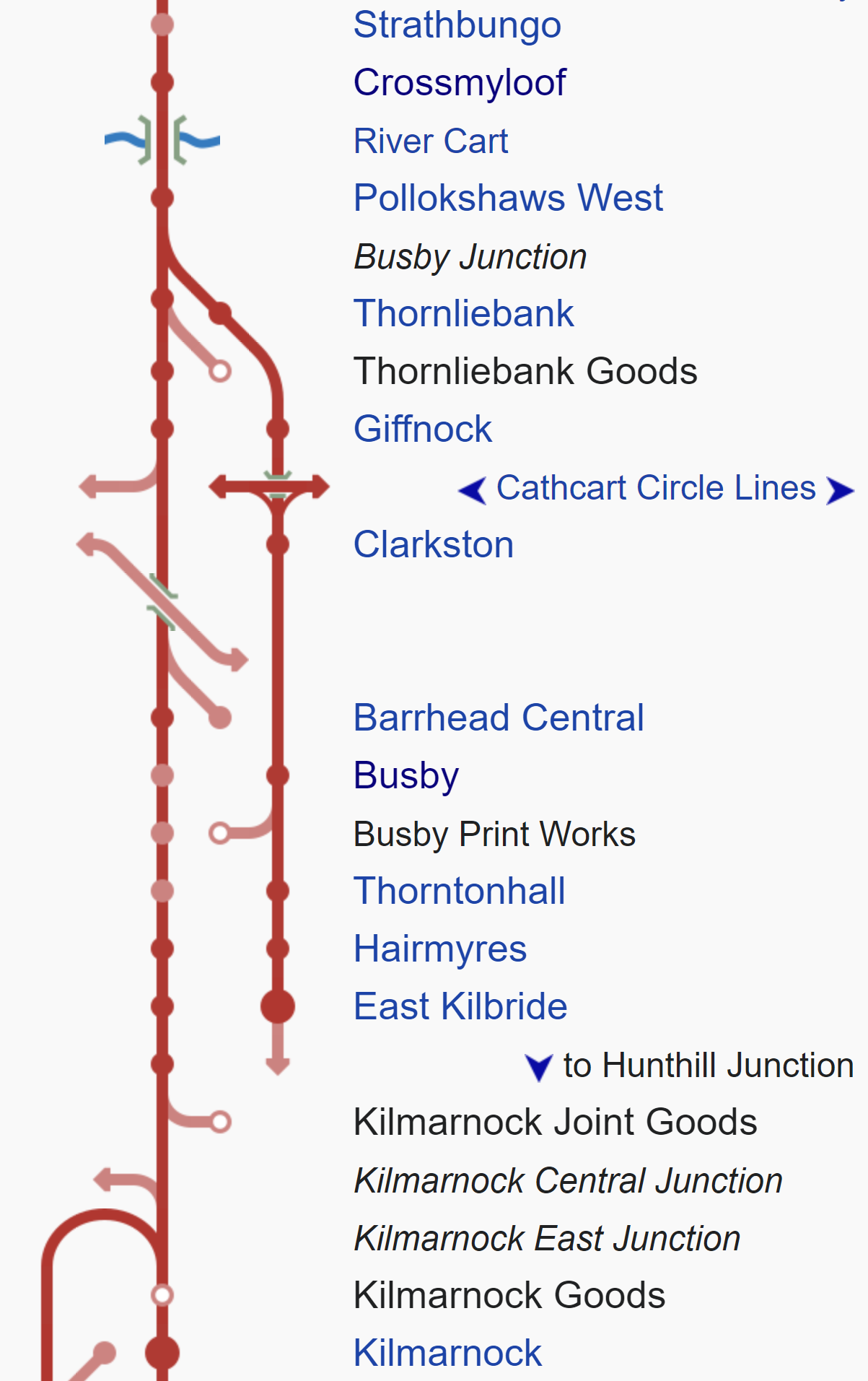
The route North of Strathbungo continues to Glasgow Central station.
Which Sections Will Be Electrified?
I will take each of the sections in turn starting at the North.
Between Muirhouse South And Busby Junctions
This sentence is from the Modern Railways article.
Contractor SPL will commence on-site activities between Muirhouse South Junction and Busby Junction, including piling and construction steelwork foundations to support overhead masts.
On the map, Muirhouse South Junction is to the North of Stratbumgo and Busby junction is clearly marked and is where the East Kilbride branch joins the main line.
This section of new electrification is only around two miles long.
This article on Rail Technology Magazine is entitled Network Rail: Strathbungo Locals Vote For New Footbridge.
There have been many bridge replacements for electrification, but this surely must be one of the first, where local people have voted for their preferred design.
The only other bridges on this section appear to be two substantial road bridges, where with any luck, it should be possible to squeeze the wires underneath.
Between Busby Junction And Barrhead Station
The other section listed for electrification is between Busby junction and Barrhead station.
This second section is only around 3.7 miles long and there are only two overbridges, both of which look modern.
Taking the two sections of electrification together they total under twelve track-miles and they are in a continuous straight line
I doubt, that together, they are the one of the world’s most challenging railway electrification projects.
Busby Junction and East Kilbride Station
There is no specific information about electrification between Busby junction and East Kilbride station.
- The branch is 7.8 miles long.
- There are fifteen overbridges on the branch.
In Plans To Introduce Battery Powered Trains In Scotland, Hitachi are quoted as saying that their trains will do sixty miles on batteries.
This should be more than enough range to run services to East Kilbride on battery power.
Barrhead and Kilmarnock Stations
There is no specific information about electrification between Barrhead and Kilmarnock stations.
- The distance is 16.8 miles.
- There are eleven overbridges between the two stations.
It would appear that Hitachi’s quoted sixty mile range, would be sufficient to enable battery-electric trains to run between the electrification at Barrhead and Kilmarnock station.
Operation
The various services between Glasgow Central and East Kilbride and Kilmarnock stations will probably operate as follows.
- Glasgow Central To East Kilbride – Electrification for traction and battery charging to Crossmyloof station and then battery power.
- East Kilbride To Glasgow Central – Battery power and gravity to Crossmyloof station and then electrification.
- Glasgow Central To Barrhead – Electrification for traction all the way.
- Barrhead to Glasgow Central – Electrification for traction all the way.
- Glasgow Central To Kilmarnock – Electrification for traction and battery charging to Barrhead station and then battery power.
- East Kilbride To Glasgow Central – Battery power to Barrhead station and then electrification.
Note.
- All power changeovers could be arranged to take place in stations.
- Gravity can be used to assist trains from East Kilbride to Glasgow Central.
- Glasgow Central and Barrhead services don’t need trains with batteries.
- The return trip between Crossmyloof and Glasgow central stations, should be more than enough to charge the batteries.
The project would appear to have been very well-designed for a fleet of battery-electric trains, with respect to reliability and electrical efficiency.
Onward To Carlisle And Stranraer
Hitachi’s system for discontinuous electrification, that I discussed in Solving The Electrification Conundrum, would appear to be ideal to extend electric trains to Carlisle and Stranraer.
Barrhead and Carlisle are 108 miles apart and Barrhead and Stranraer are 90 miles apart.
By adding two or three intermediate sections of 25 KVAC overhead electrification, it should be possible for electric trains to reliably travel between Glasgow Central and Carlisle or Stranraer.
Project Management
This electrification project could be a Project Manager’s dream.
Electrification projects in the UK can turn out to be nightmares, as if it can go wrong, it inevitably will.
But with this project, it appears that it is planned to get the often-troublesome job of erecting the gantries out of the way early.
The electrification between Muirhouse South junction and Barrhead station can even be completed first, so that passengers can see the benefit of electric trains and the electrification can be fully tested.
There are then a series of independent projects, that can be performed in the most convenient order.
- Track upgrades.
- Rebuild East Kilbride station.
- Move Hairmyres station to its new position.
- Platform extensions.
- Improve accessibility.
- Deliver the new battery-electric trains.
Note.
- It looks to me, that all of these smaller projects can be performed, whilst maintaining a full rail service on the railway. Doing that with conventional electrification usually results in some disruption.
- Late delivery of the battery-electric trains will not delay the overall project, if there are enough diesel multiple units to fill in.
- Passengers will see benefits and new facilities delivered in a stream, rather than all at once.
Similar processes can be used to extend the network to Carlisle and Stranraer.
Conclusion
This is a well-designed project.
Plans To Introduce Battery Powered Trains In Scotland
The title of this post, is the same as that of this article in the Scotsman.
This is said about the routes.
Hitachi said the trains could run up to 60 miles on batteries.
It said recharging would take ten to 15 minutes.
That would mean the trains could run beyond Dunblane – the northern extent of ScotRail’s electrified network – as far as Perth and Dundee.
Hitachi has suggested other routes they could be used on including from Glasgow to East Kilbride and Kilmarnock, and on a Glasgow northern suburban line to Anniesland via Maryhill.
The train described in the article sounds very much like the Hitachi Regional Battery Train, which is described in this Hitachi infographic.
My only reservation is that the article is from 2019.
Since then, Scotland has decided to run battery-electric trains to Leven, as I wrote about in Trains On The Levenmouth Rail Link.
Trains On The Levenmouth Rail Link
This page on the Network Rail web site, says this about the trains that will run the service.
And while the line will be electrified with overhead wires, services will be operated initially by battery electric units in order to reduce the number of diesels operating on the network as early as possible.
The obvious battery-electric trains to be used will be Hitachi Regional Battery Trains, which are described in this Hitachi infographic.
Note that the range on battery power alone is 90 km or 56 miles.
ScotRail currently run a fleet of the following Hitachi trains.
- 46 x three-car Class 385 trains.
- 24 x four-car Class 385 trains.
Hitachi have indicated that these trains can be fitted with batteries
Could some of these trains be fitted with batteries to work the Fife Circle Line and the Levenmouth Rail Link?
Distances involved include.
- Haymarket and Glenrothes-with-Thornton via Kirkcaldy – 29.6 miles
- Haymarket and Glenrothes-with-Thornton via Dunfermline – 30.5 miles
- Leven and Thornton junction – 5.9 miles
If between Haymarket and Dalmeny stations were to be electrified, this would reduce distances on battery power by over eight miles.
It would appear that if between Leven station and Thornton junction were to be electrified, then with a battery range of forty miles, the battery-electric trains could reach Haymarket station with ease.
Conclusion
It looks to me, that Baldrick’s Scottish cousin has developed a cunning plan!
But it does show how one short length of easy electrification on a new track – Leven and Thornton Junction, can avoid a more difficult electrification – Haymarket and Glenrothes-with-Thornton, which goes over the culturally-sensitive World Heritage Site of the Forth Bridge.
North From Thornton Junction
It should be noted that Haymarket and Dundee via Kirkcaldy is 57.9 miles.
- I have just flown my virtual helicopter on the route and much of it is flat farmland.
- Electrification to the North of Thornton Junction could use the same power feed as that used for the Levenmouth Rail Link.
- A good proportion of the battery-electric trains, that are pencilled in for Edinburgh and Aberdeen have been or will be built by Hitachi.
I would expect that Hitachi’s techniques, that I talked about in Solving The Electrification Conundrum could be used to enable battery-electric Class 385 and Class 80x trains to run between Edinburgh and Dundee.
I have a feeling, that electrifying the Levenmouth Rail Link, may only be 5.9 miles of double-track electrification, but that with a few miles of electrification North of Thornton Junction, it can enable electric trains to run the following routes.
- Edinburgh and Leven via Kirkcaldy.
- Edinburgh and Leven via Dunfermline.
- Edinburgh and Dundee
- Edinburgh and Perth
Note that as Dunblane is electrified, battery-electric trains might be able to reach Dundee from Glasgow with some charging at Perth.
It does appear that electric trains could be serving Dundee.
Related Posts
The New Leven Station On The Levenmouth Rail Link
The New Cameron Bridge Station On The Levenmouth Rail Link
Service Provision On The Levenmouth Rail Link
Liverpool’s Vision For Rail
This document on the Liverpool City Region web site is entitled Metro Mayor’s Vision Of A Merseyrail for All Takes Vital Step Forward With Successful Trial Of New Battery-Powered Trains.
It makes these points in the first part of the document.
- Game-changing technology paves way for Merseyrail network expansion across the Liverpool City Region and beyond
- Merseyrail services could reach as far as Wrexham and Preston
- City Region is at the forefront of the introduction of pioneering energy efficient technology.
The new battery-powered trains would certainly go a long way to enable, these objectives.
- Battery-powered trains would need a range of 26.9 miles to go between Bidston and Wrexham stations.
- Battery-powered trains would need a range of 15.3 miles to go between Ormskirk and Preston stations.
This link is to the North Cheshire Rail User Group’s Newsletter for Spring 2021.
This is said about battery range of the new Class 777 trains.
Later model Class 777’s have the ability to leave the 3rd rail and operate under battery power for 20 miles or more with a full load thus
permitting expansion of the Merseyrail network beyond its current limits.
I suspect they will also have regenerative braking to batteries, which will increase the range and allow Preston and Wrexham stations to be achieved without charge.
It certainly sounds like Preston and Wrexham and all the intermediate stations, will be added to the Merseyrail network.
As to the third point above about the introduction of pioneering energy efficient technology, I suspect this is mainly regenerative braking to batteries and replacement of elderly worn-out power supply equipment.
There is more in the Liverpool City Region document.
Expanding Merseyrail
This is said.
The game-changing technology could allow the Merseyrail network to extend across all six city region boroughs to places like Rainhill in St Helens, Woodchurch on the Wirral and Widnes in Halton.
It could also allow the new fleet to operate as far afield as Skelmersdale, Wrexham, Warrington and Runcorn.
Note.
- A 25 KVAC capability could well be needed. But that is built into the Class 777 trains.
- Chargers could be needed at some of these stations. I suspect Stadler have a Swiss manufacturer in mind.
In the run-up to May’s elections, the Mayor pledged to deliver ‘Merseyrail for All, a commitment to connecting under-served communities to the Merseyrail network.
New Stations
Initially the battery-powered trains, which are considerably greener, using up to 30% less energy than the existing fleet, are set to run on services to a planned new station at Headbolt Lane, Kirkby.
The wider Merseyrail for All programme could ensure every community is well served by an integrated public transport network and new and refurbished train stations are also high on the agenda.
They could include:
- The Baltic Triangle in Liverpool
- Carr Mill in St Helens
- Woodchurch on the Wirral
Note.
- The Baltic Triangle station will be built on the site of the former Liverpool St. James station.
- The Carr Mill station will probably be built on the site of the former Carr Mill station.
- Woodchurch station is likely to be built on the Borderlands Line between Upton and Heswall stations.
Tram-Trains And Trackless Trams
The document says this.
Tram-Train technology and trackless trams will also be looked at as potential means of extending the Merseyrail network into hard-to-reach places. The technology could benefit areas such as Liverpool John Lennon Airport and Speke, Kirkby Town Centre, Southport Town Centre, Wirral Waters and the Knowledge Quarter.
Tram-trains built by Stadler in Valencia are already running in Sheffield and in the next few years they should be deployed on the South Wales Metro.
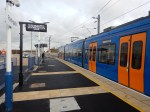

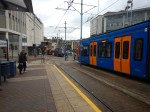
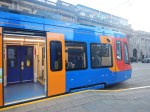
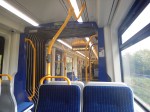
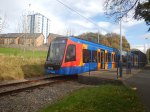
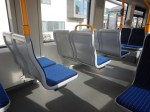
TStadler are also building Merseyrail’s new Class 777 trains, so I suspect they’ll go together like peaches and cream.
The Belgian firm; Van Hool have a product called Exquicity. This video shows them working in Pau in France.
These tram buses run on rubber types and are powered by hydrogen.
Similar buses running in Belfast are diesel-electric.
Could these be what the document refers to as trackless trams?
Battery Train Trials
The article finishes with this summary of the battery train trials. This is said.
Under the battery trials, financed by the Transforming Cities Fund, one of the new class 777 trains fitted with the battery technology was tested on the Northern line.
The batteries exceeded expectations with the trains travelling up to 20 miles per run without the need for re-charging.
The battery trains would remove the need for the third ‘electric’ rail, enabling the trains to travel beyond the existing network without major track investment.
The units passed all tests during four weeks of trials on the City Region’s rail network in May and June.
The Combined Authority and partners are still assessing the full impact of the Coronavirus pandemic on the programme and will provide more information regarding the roll out as soon as it has been agreed.
It looks to me, if all these plans get implemented successfully, Liverpool City Region will have one of the best public transport systems of any similar-sized cities in the world.
The Full Plan As A Map
This article on the BBC is entitled Battery-Powered Trains Part Of Merseyrail Expansion Plan.
The article contains this map.

There is no key or explanation, but it appears that the pink lines are new routes, where Merseyrail will run trains.
Before I discuss each of the possible routes, I will discuss two big factors, that will affect a lot of my thinking.
The West Coast Main Line
Avanti West Coast have the following stops in trains per hour (tph) at these stations on the West Coast Main Line as its trains pass the East of Merseyside to and from London Euston.
- Crewe – At least 5 tph
- Warrington Bank Quay – At least 2 tph
- Preston – At least 1 tph
These frequencies are in addition to these direct trains from London Euston.
- 1 tph to Liverpool Lime Street, which will rise to 2 tph in the December 2022, with a call at Liverpool South Parkway station.
- Occasional services to Chester throughout the day.
Passengers do not have to go via Liverpool Lime Street to travel to London.
In addition. there are useful services run by TransPennine Express between Liverpool Lime Street and Scotland, that call at Preston.
In Future; High Speed Two
This will call at Crewe, Liverpool Lime Street, Liverpool South Parkway, Preston and Warrington.
Northern Trains
Northern Trains were in all sorts of troubles and the service is now run directly by the Government’s Operator of Last Resort. I suspect that any reasonable offer to takeover over a service will be looked at favourably.
I will now look at Merseyrail’s new routes.
Ormskirk And Southport Via The Burscough Curve
Consider.
- This route has been a long term aspiration of Merseyrail.
- A curve between Burscough Bridge and Burscough Junction will have to be rebuilt on a former alignment.
- Southport and Ormskirk are about 13 miles apart.
- Southport and Ormskirk have third-rail electrified lines to Liverpool and the South.
It would be an ideal route for battery-electric trains with a range of 20 miles.
What would it do for passengers?
- It gives those living near five stations a direct link to Liverpool.
- It gives Southport a town of over 91,000 people more capacity to the city of Liverpool for jobs, leisure and shopping.
- Will it open up more opportunities for new housing in villages like Burscough?
It will certainly give Merseyrail operational advantages to Southport.
Ormskirk And Preston
Consider.
- Takeover of this Northern Trains route has been a long term aspiration of Merseyrail.
- Preston and Ormskirk are about 15.3 miles and 32 minutes apart.
- Omskirk has 750 VDC third-rail electrification and Preston has 25 KVAC overhead electrification.
- The Class 777 trains have been built so they can be updated to dual voltage.
It certainly looks to be a route that could be handled by a battery-electric Class 777 train.
What would it do for passengers?
- It gives those living near the Ormskirk and Preston Line a direct link to Liverpool.
- It creates a direct link in modern electric trains between North Liverpool and Preston, for onward travel on West Coast Main Line services and High Speed Two in the future.
- The journey time could be reduced to under thirty minutes.
As football is so important to the Liverpool economy, would a time around forty-five minutes between Preston and Sandhills station tempt football supporters going to Anfield and Goodison Park to use the train and then perhaps a trackless tram to the stadium?
This Google map shows the location of Anfield, Goodison Park and Sandhills station.
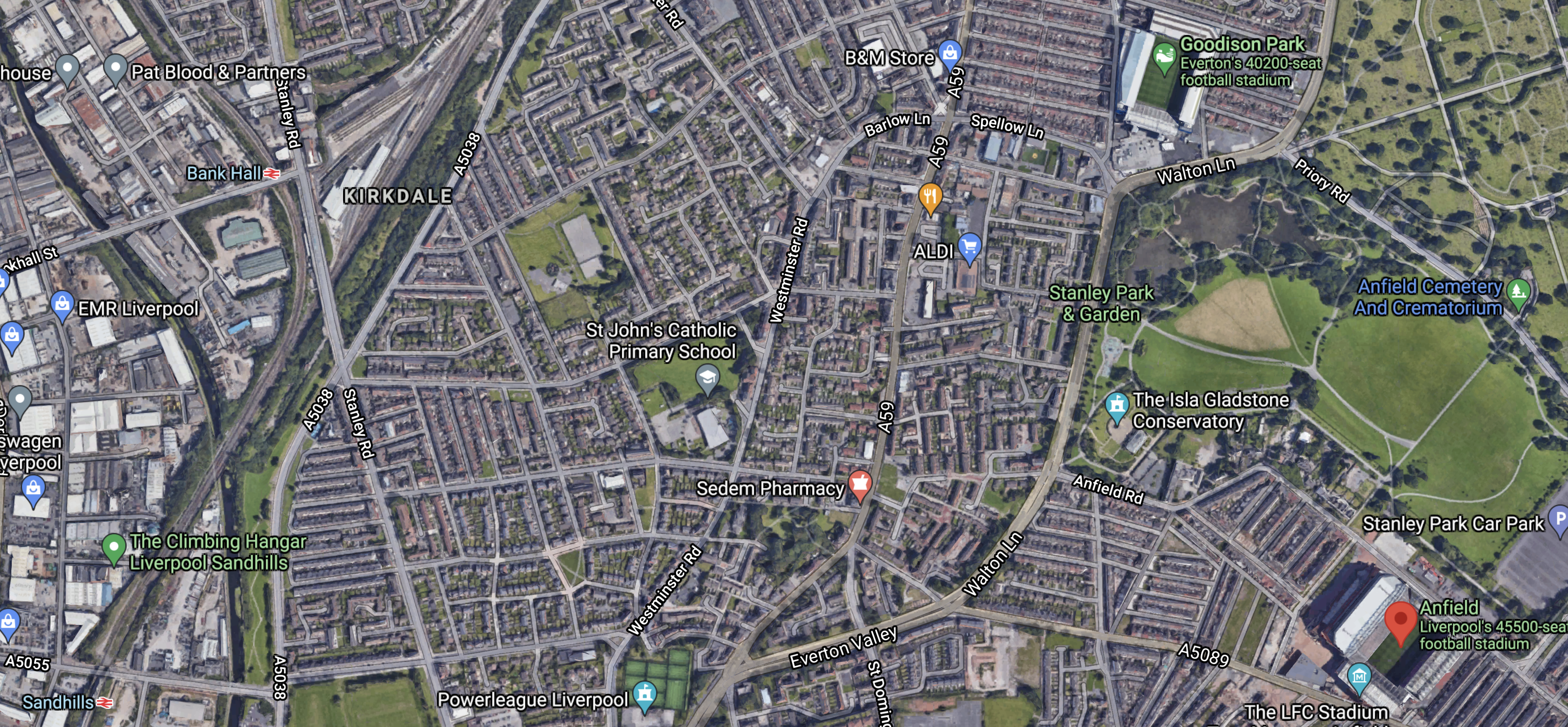
Note.
- Anfield is in the bottom-right corner of the map and is marked by a red arrow.
- Goodison is in the top-right corner of the map, slightly to the West of Anfield.
- Sandhills station is in the bottom-left corner of the map.
Both stadia are around a mile and a half from the station.
Southport And Preston
Once the Ormskirk and Southport and Ormskirk and Preston services are up and running, it would surely be possible to run a Southport and Preston service.
- There would be a reverse at Ormskirk.
- The two sections of Ormskirk and Southport and Ormskirk and Preston would both need battery power.
- Whilst the driver changed ends at Ormskirk, the train would be recharged using a fast and efficient charger.
- Times between Southport and Preston would be under an hour.
It certainly looks to be a route that could be handled by a battery-electric Class 777 train.
What would it do for passengers?
- It gives those living in Southport, a direct link to Preston.
- It creates a direct link in modern electric trains between Southport and Preston, for onward travel on West Coast Main Line services and High Speed Two in the future.
This service could be very valuable for passengers, but I suspect the route could be implemented with minimal infrastructure changes at Ormskirk station.
Ormskirk Station
This picture shows Ormskirk’s single platform from the Merseyrail end.
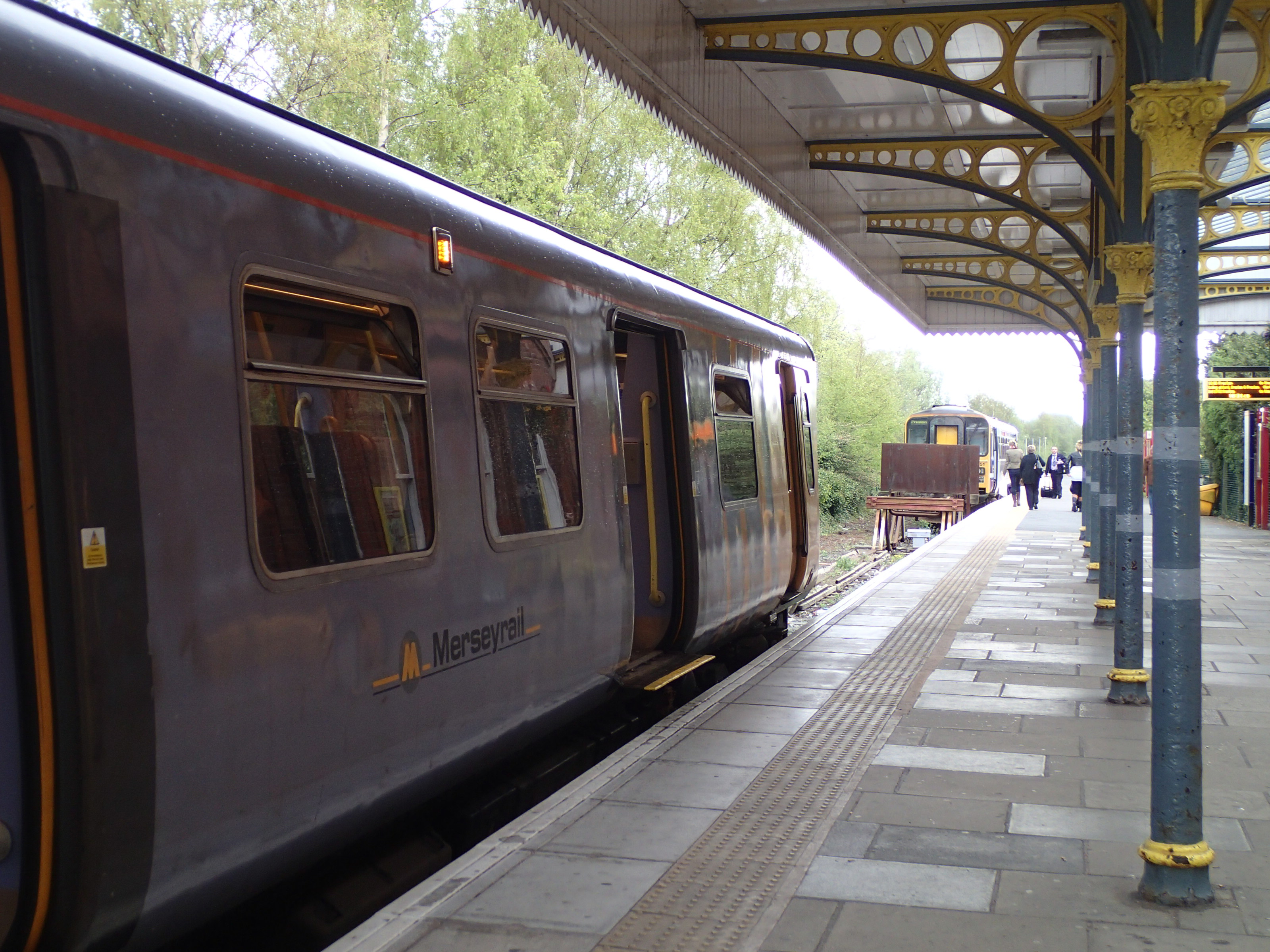
Note.
- The Liverpool train in the foreground.
- The Preston train in the background.
- The solid barrier between the trains.
I wonder if the following would be possible with the barrier removed.
- The long platform would be treated as one platform divided into two.
- Perhaps they will be the Liverpool and Preston/Southport platform,
- Trains that will leave the station for Liverpool will stop in the Liverpool platform.
- Trains that will leave the station for Preston or Southport will stop in the Preston/Southport platform.
- Through trains between Liverpool and Preston or Southport would be possible.
- A train between Preston and Southport could reverse in the Preston/Southport platform, whilst trains for Liverpool used the Liverpool platform.
It looks like it’s an efficient layout borrowed from somewhere else. and Stadler have probably seen it before.
Headbolt Lane Station
In Headbolt Lane Station Fly-Through, I described the new Headbolt Lane station.
This screen capture is from the video in that post,
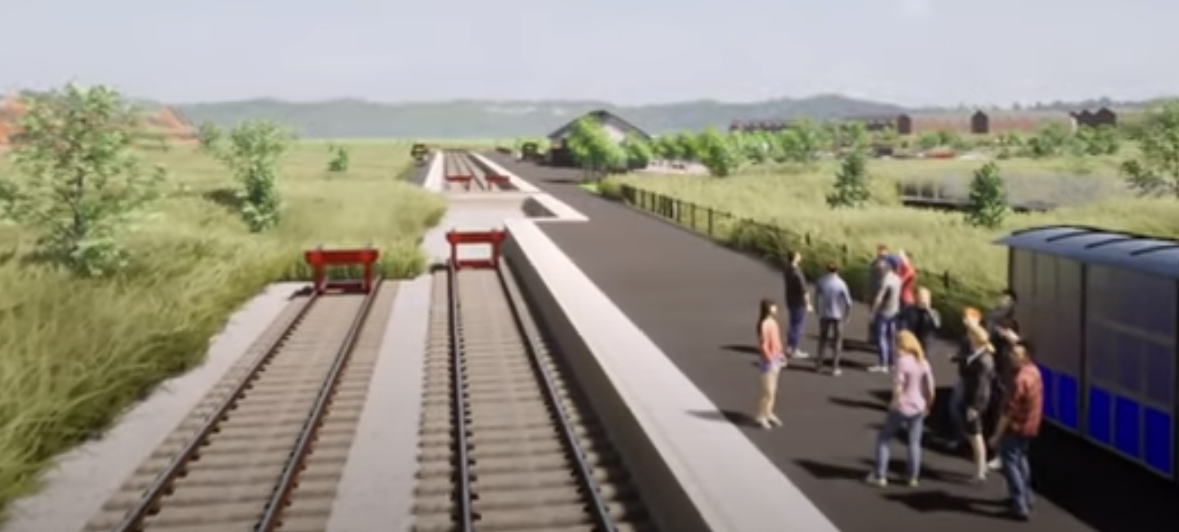
Note.
- Two platforms going away from the camera and one platform and what looks to be a siding going towards the camera.
- There appears to be no direct connection between the two different sets of tracks.
Until proven wrong, I believe that the camera is looking towards Liverpool, as it would mean that Liverpool services had two platforms. But they currently make do with one at Kirkby.
There is a walk through between the tracks, which
- Enables passengers to access the second platform.
- Allows passengers to enter the station from the other side.
- Allows non-passengers to cross the tracks on the level.
- Avoids the need to build a bridge.
It is certainly an innovative design.
If occasional trains need to go through, could there be a lift-out section of the walk-through?
But as there are buffer stops on the tracks in the three platforms, that are either side of the walk-through, I suspect it will never happen, as it’s too much hassle.
In the Wikipedia entry for Headbolt Lane station this is said.
The Liverpool City Region Combined Authority announced in July 2021 that a trial of a battery electric multiple unit (BEMU) version of the new Class 777 will serve the new station, when it opens. This will not require all of the line extension to Headbolt Lane to be electrified.
Merseyrail would appear to have neatly side-stepped, the Office of Road and Rail’s policy of no more third-rail electrification.
But I’m sure Merseyrail could put an approved train-charging system in the station.
- They would need one if a Class 777 train arrived with a flat battery.
- They would need one to charge trains on the Headbolt Lane and Skelmersdale service, if the service were to be run by battery-electric trains.
- They would need one to charge trains on the Headbolt Lane and Wigan Wallgate service, if the service were to be run by battery-electric trains.
The system could be based on a short length of overhead wire and a slim pantograph or a system like Railbaar from Furrer + Frey.
But does it give any clues as to the orientation of the station in the video?
- As there are three platforms and a siding, that meet at Headbolt Lane station, all could be fitted with chargers. to make sure the services are reliable.
- Liverpool services could be handled at either end, as it only needs one platform.
- Skelmersdale and Wigan services could probably share a platform, but they would be better surely using two platforms.
- The siding could be created into a platform for extra services to be added to the Merseyrail network
So there is no pressing reason, why the station cannot be North or South of the railway.
I suspect road layout and land use issues will eventually decide, the orientation of the station.
Headbolt Lane And Skelmersdale
Consider.
- This has been a long term aspiration of Merseyrail and Lancashire County Council.
- Headbolt Lane and Skelmersdale are just a few miles apart.
- Direct running between Liverpool and Skelmersdale will not be possible, but it will be a step-free change between trains.
The Wikipedia entry for Headbolt Lane station seems to indicate a proposed extension of the Northern Line with the next stop being the existing Rainford station. This would surely not add greatly to costs and bring Merseyrail to more fare-paying customers.
It certainly looks to be a route that could be handled by a battery-electric Class 777 train.
What would it do for passengers?
- Skelmersdale is a town of nearly 39,000 and is said to be one of the largest towns in England without a rail connection.
- At Headbolt Lane passengers will be able to change for Liverpool or Manchester.
A lot of passengers will have received a modern train service.
Headbolt Lane And Wigan
Consider.
- This service is currently run by Northern trains.
- Kirkby and Wigan Wallgate stations are just over twelve miles apart.
- Someone, who should know told me that by the time High Speed Two starts running through Wigan at a frequency of two tph, the two Wigan stations will have been combined.
- Headbolt Lane station could be the drop-off point for those needing to go to Birmingham, Edinburgh, Glasgow and London on both the current West Coast Main Line and the future High Speed Two.
What better way to start that journey than on one of Merseyrail’s battery-electric Class 777 trains.
What would it do for passengers?
With modern battery-electric trains linking Headbolt Lane station to the combined Wigan station complex, this route could be the zero-carbon route between large parts of Liverpool and cantres of tourism and employment along and to the East of the M6 and the West Coast Main Line.
Liverpool South Parkway And Warrington Central
Consider.
- This would be takeover of part of the current Liverpool Lime Street and Manchester Oxford Road service.
- The map shows the service going at least as far as Warrington Central station.
- Stations between Hunts Cross and Warrington Central include Halewood, Hough Green, Widnes, Sankey and the new Warrington West stations.
Distances are as follows.
- Liverpool South Parkway and Liverpool Lime Street – 5.5 miles
- Liverpool South Parkway and Warrington Central – 12.7 miles
- Liverpool South Parkway and Trafford Park – 25.4 miles
- Liverpool South Parkway and Manchester Oxford Road – 28.7 miles
The following sections of the route have 25 KVAC overhead electrification.
- Liverpool South Parkway and Liverpool Lime Street
- East of Trafford Park.
With a bit more electrification at either end, the whole route should be in range of a battery-electric Class 777 train.
Or the Class 777 trains could be fitted with bigger batteries!
It certainly looks to be a route that could be handled by a battery-electric Class 777 train.
What would it do for passengers?
- This is a route that has needed decent trains for years and has finally got new Class 195 trains.
- But, in addition, the battery-electric Class 777 trains would decarbonise the route.
The major problem, though is not infrastructure or trains, but surely Andy Burnham, who is the outspoken Mayor of Greater Manchester and could object to Merseyrail invading his patch.
Merseyrail’s Cheshire Ambitions
This is a section of the map shown on the BBC article, showing Cheshire.
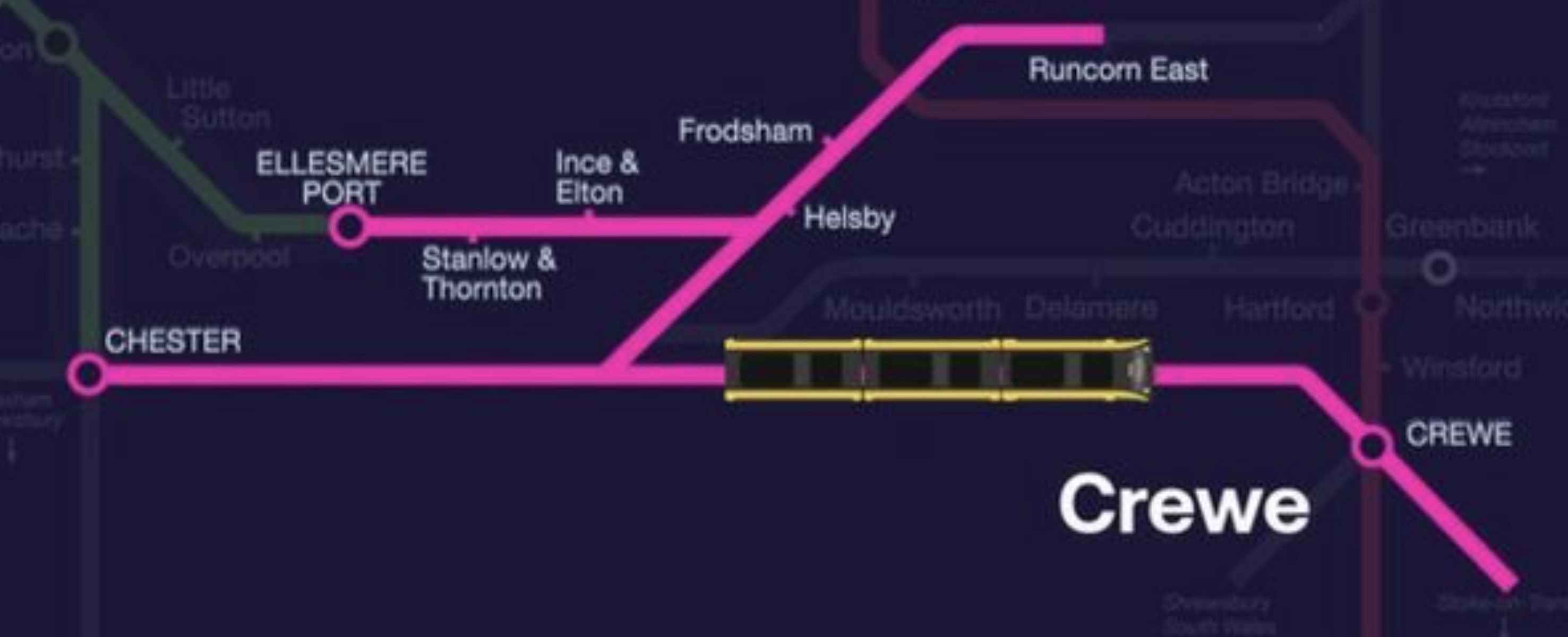
It looks like there could be as many as three routes.
- Chester and Crewe
- Chester and Runcorn East
- Ellesmere Port and Runcorn East
I’ll now cover the routes in detail.
Chester And Crewe
Consider.
- This would be a takeover by Merseyrail of the existing Trains for Wales service.
- Chester And Crewe are about 21,2 miles and 25 minutes apart.
- Chester has 750 VDC third-rail electrification and Crewe has 25 KVAC overhead electrification.
- The Class 777 trains have been built so they can be updated to dual voltage.
- There is a proposal, that Beeston Castle and Tarporley station be re-opened.
It certainly looks to be a route that could be handled by a battery-electric Class 777 train.
What would it do for passengers?
- If trains will run between Crewe and Liverpool, this creates a second route between the two major stations.
- It creates a direct link in modern electric trains between The Wirral and Crewe, for onward travel on West Coast Main Line services and High Speed Two in the future.
- The journey time could be reduced by enough to increase service frequency on the route.
I This would be a very useful extension of the Merseyrail network.
Chester And Runcorn East
Consider.
- This would be a takeover by Merseyrail of the existing Trains for Wales service.
- Chester And Runcorn East are about 13.1 miles apart.
- Two stations and five miles further on is Warrington Bank Quay station.
- Chester has 750 VDC third-rail electrification and Warrington Bank Quay has 25 KVAC overhead electrification.
- The Class 777 trains have been built so they can be updated to dual voltage.
It certainly looks to be a route that could be handled by a battery-electric Class 777 train.
What would it do for passengers?
- It would enable a Merseyrail circular route from Liverpool Lime Street to Chester via Edge Hill, Wavertree Technology Park, Broad Green, Roby, Huyton, Whiston, Rainhill, Lea Green, St Helens Junction, Warrington Bank Quay, Frodsham, Runcorn East and Helsby.
- After Chester, it could take the Wirral Line back to Liverpool to make it a true Mersey Circular service.
Would a Mersey Circular service be a good idea?
Ellesmere Port And Runcorn East
Consider.
- This been a long term aspiration of Merseyrail.
- This would be a takeover by Merseyrail of the infrequent Northern Rail service.
- Ellesmere Port And Runcorn East are about 10.8 miles apart.
- Two stations and five miles further on is Warrington Bank Quay station.
- Ellesmere Port has 750 VDC third-rail electrification and Warrington Bank Quay has 25 KVAC overhead electrification.
- The Class 777 trains have been built so they can be updated to dual voltage.
It certainly looks to be a route that could be handled by a battery-electric Class 777 train.
What would it do for passengers?
- It would certainly improve rail transport along the South Bank of the Mersey from Ellesmere Port to Warrington Bank Quay or Runcorn East depending on the Eastern terminus.
- If the terminal were to be Warrington Bank Quay that would sort out the charging.
- It could create a direct link in modern electric trains between Ellesmere Port and Warrington Bank Quay, for onward travel on West Coast Main Line services and High Speed Two in the future.
I feel that an Ellesmere Port and Warrington Bank Quay service would be good for the area.
The Borderlands Line
I’ve left the Borderlands Line to last, as I feel it will be a lot more than commuter and leisure line between Liverpool and Wrexham.
- It crosses the border between England and Wales
- The line is 26.9 miles of double track, with a single-track extension of under two miles between the two Wrexham stations.
- It has over twenty stations with more planned in both countries
- It crosses a couple of rivers on long steel bridges.
- It brings commuters to Liverpool and takes workers to the high-tech factories of companies like Airbus and Toyota on Deeside.
- It connects to a lot of golf courses, one of which is the Open Championship course at Royal Liverpool.
- Once in Wales it has two connections to the North Wales Coast Line, which runs between Chester and holyhead.
It is no ordinary railway and is ripe for improvement to bridge passengers to employment sites and leisure areas along its route.
The line has one big problem in that passengers need to change trains at Bidston between Liverpool and Wrexham stations.
- Between Bidston and Liverpool the Merseyrail electric trains to and from Hoylake are used and they turn in the Liverpool Loop under Liverpool City Centre calling at four stations before returning.
- Between Bidston and Wrexham, diesel multiple units are used.
It is a route design straight out of the 1970s of men with minds without imagination. Even British Rail were designing battery-electric trains in the 1950s, which I wrote about in Did The Queen Ever Ride In This Train?.
Merseyrail intend to right the wrongs of the past using battery-electric Class 777 trains.
- As electric versions of these trains will be used on the Liverpool and Hoylake service, there would be no need to change trains at Bidston if the Liverpool and Wrexham trains were just a battery-electric version of the same train.
- The Wrexham trains would drive round the Liverpool Loop tunnel as hundreds of trains do every day.
- The trains would be charged on the existing third-rail electrification at the Liverpool end.
- I’m fairly certain that a frequency of two tph would be possible on the route, if the Liverpool Loop tunnel signalling could cope,
- Trains would need to be charged at the Wexham end of the route and I’m sure Stadler have a solution.
It would be an efficient and cost effective way to decarbonise a tricky but useful branch line.
Conclusion
Stadler are playing their full orchestra of ideas on Merseyrail.
When completed, it will be one of the best metros of any urban areas up to a million people in the world.
This metro could do for Liverpool, what the Beatles did for the city in the 1960s.
East-West Rail ‘Must Use Electric Trains’ – Layla Moran MP
The title of this post, is the same as that of this article on the BBC.
These are the first three paragraphs.
It is of “paramount importance” that a £5bn direct rail line between Oxford and Cambridge uses electric trains, an MP has said.
The East West Rail project aims to connect the university cities by the end of the decade, but its electrification is yet to be confirmed.
MP Layla Moran said: “We’re in a climate emergency. No rail line should be designed for diesel by default.”
All trains need to be electric, but that doesn’t mean the lines need to be fully-electrified.
And if you design a railway for 100 mph diesel trains, you’ve also designed it for 100 mph electric trains.
In Solving The Electrification Conundrum, I explained how Hitachi Rail and Hitachi ABB Power Grids, have developed a practical solution to running battery-electric trains on railways without full electrification.
Their system would be ideal for the East-West Rail Link and fulfil Ms. Moran’s wish of electric trains.
There just wouldn’t be large numbers of electrification gantries marching all over the countryside.
 The Anonymous Widower