Chiltern Railways Seeks Proposals For Low-Emission Multiple-Unit Fleet
The title of this post, is the same as that of this article on Railway Gazette.
These are the first three paragraphs.
Chiltern Railways is seeking proposals for the supply of between 20 and 70 new or converted ‘low-emission’ multiple units.
The operator has called for ‘established’ rolling stock manufacturers, owners and modifiers to propose vehicles which would provide a ’meaningful’ reduction in the emissions and external noise compared to its existing diesel multiple-units, particularly in urban areas.
The envisaged five-year framework agreement has an estimated value of up to £400m, including supply and maintenance of the fleet, refuelling infrastructure and any depot modifications.
I have my thoughts.
Chiltern’s Rolling Stock
Chiltern Railways have two different types of rolling stock; diesel multiple units and rakes of coaches haled by diesel locomotives.
Chiltern’s Diesel Multiple Units
Chiltern has these diesel multiple units.
- Class 165 diesel trains – 28 x two-cars – 56 cars
- Class 165 diesel trains – 11 x three-cars – 33 cars
- Class 168 diesel trains – 9 x two-cars – 18 cars
- Class 168 diesel trains – 9 x three-cars – 27 cars
- Class 168 diesel trains – 10 x four-cars – 40 cars
Note.
- The trains were built between 1990 and 2004.
- The Class 165 trains are 75 mph units, whereas the Class 168 trains are 100 mph units.
- These total to 67 trains and 174 cars.
- This is an average train length of 2.6 cars.
Could a fleet of three-car low-emission 100 mph trains fit Chiltern’s requirements?
- They could work in pairs for six-car units for Birmingham Moor Street and Oxford.
- There may be a need for some four-car units.
But how will they be powered?
- Pure diesel will surely give out too many emissions!
- Would an mtu Hybrid PowerPack lower emissions enough?
- Could hydrogen-power be used, either with fuel-cells or a hydrogen internal combustion engine?
In Alstom And Eversholt Rail Sign An Agreement For The UK’s First Ever Brand-New Hydrogen Train Fleet, I wrote about Alstom’s proposed Hydrogen Aventra.
A version of these trains could be ideal, if Children could source the fuel economically.
Chiltern’s Diesel-Hauled Rakes Of Coaches
Chiltern have four rakes of Mark 3 coaches hauled by Class 68 locomotives.
These could be replaced by pairs of three-car low-emission’ multiple units.
Conclusion
A fleet of seventy three-car ‘low-emission’ multiple units, powered by hydrogen could be an innovative solution to the trains to run Chiltern’s services.
High Speed Two Works From A Chiltern Train – 19th July 2023
I took these pictures returning from Birmingham on a Chiltern train.
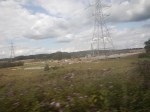




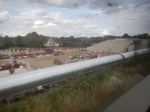
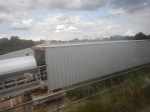
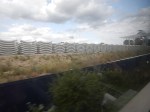
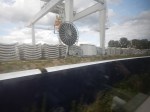

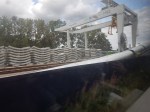
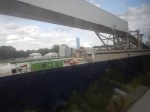

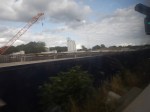

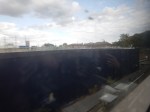

O don’t think I’ve seen so many tunnel segments on a site.
A Fraught Journey Between Worcester Shrub Hill And Reading Stations
My train home from Worcester Shrub Hill station didn’t make the most impressive of starts to my journey back to Reading.
- The five-car train was supposed to leave at 15:15.
- It was also supposed to arrive in Reading at 16:58.
- But the relief driver was delayed.
Eventually, we left at 15:31.
The train didn’t appear to be running at full speed and around Moreton-in-Marsh, staff started distributing water, which in my view is always a sign that all is not well.
I measured the temperature and humidity at 26.7 °C and 40% respectively, so the water was welcome.
I asked one of the staff what was up and was informed, that two of the engines were overheating because of the heat, so were we effectively running on the remaining cool engine?
Eventually, we were informed that the train would terminate at Charlbury station, where we would all be picked up by the following train, which would have nine cars.
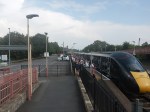
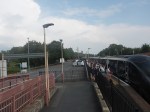
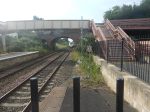
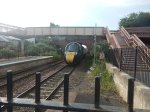
After Charlbury, things didn’t get much better.
- The rescue train eventually left Charlbury at 17:38, which was twenty-six minutes late.
- The train wasn’t full and I had a table to myself, but after Oxford, there wasn’t a seat anywhere.
- We missed out the stop at Didcot Parkway station because of flooding, caused because of a violent thunder storm.
- The rescue train didn’t even make Paddington and it was terminated short in the bi-directional Platform 7 at Reading, because of an unwell passenger.
Eventually, when I arrived in Reading station at 18:55, the rescue train was fifty-five minutes late.
As my original train, should have arrived at 16:58, I was actually, three minutes short of two hours late.
By the time, I got to Platform 14 for the 16:59 Elizabeth Line train to Central London, it had gone, so I had another thirty minute wait.
I finally arrived home at 21:00, after a nearly 5¾ hour journey.
I have a few thoughts.
Changing At Reading
Part of the reason, that I missed my Elizabeth Line train, was that the escalators to Platform 14 were out of action and I had to wait for the lift, as I don’t trust myself going down stairs.
I have said before that if you need a ticket in your change a Reading, there should be a ticket machine on the bridge.
As Reading station is managed by Network Rail, perhaps, they should examine the operation of the station with a good dose of old-fashioned time and motion in more detail.
The Elizabeth Line Frequency To London
The Elizabeth Line only runs two trains per hour (tph) between London and Reading.
This may be fine when everything is going well, but on days like Sunday, when trains aren’t performing well and the weather is not behaving itself, would four tph be better?
Perhaps, the two extra trains would run between Reading and Abbey Wood, and only stop at say Twyford, Maidenhead, Slough, Hayes & Harlington, Southall, Ealing Broadway, Old Oak Common, Paddington, Bond Street, Tottenham Court Road, Farringdon, Liverpool Street, Whitechapel, Canary Wharf, Custom House and Woolwich.
Great Western Railway Trains Between Oxford, Reading and Didcot Parkway and London
The three terminals get the following services to and from London
- Didcot Parkway – 4 tph
- Oxford – 4 tph
- Reading – 11½ tph – 8½ fast and 3 slow
Consider these questions.
- How many travellers between Didcot Parkway, Oxford and Reading and Paddington, now use the Elizabeth Line for onward travel from Paddington?
- How many of the endless visitors to Oxford start their journey on the Elizabeth Line?
- How many visitors to Oxford combine a trip with one to Bicester Village?
- How many travelling by train between Oxford and Cambridge will use part of the Elizabeth Line for the journey?
- Is it fair, that Cambridge is connected to four London rail terminals; King’s Cross, Liverpool Street, London Bridge and St. Pancras and Oxford is connected to just two; Marylebone and Paddington?
I suspect there’s considerable scope to reorganise services between the three stations and London to provide a better service.
GWR’s Paddington and Didcot Parkway service, which has a frequency of two tph, could be moved to the Elizabeth Line and possibly extended to Oxford, once Didcot Parkway and Oxford is electrified.
This would give.
- Didcot Parkway would have two fast tph to Paddington and two stopping tph on the Elizabeth Line with all its connectivity and delights.
- Oxford would have two fast tph to Paddington and two stopping tph on the Elizabeth Line.
- Reading will have a much-needed Elizabeth Line frequency of four tph.
Note.
- Terminating the Elizabeth Line at Oxford, means that there are services connecting Oxford and Cambridge, with a single change at either Farringdon or Liverpool Street.
- Oxford would also get one change connectivity to Gatwick, Heathrow and Stansted Airports.
- The slow lines between Oxford and Maidenhead typically have operating speeds of 90-100 mph. So if the Class 345 trains on the Elizabeth Line and the track were upgraded to 100 mph, this might save a few minutes in the outer reaches of the Elizabeth Line.
- The Elizabeth Line could terminate in one or two South-facing bay platforms on the East side of the station. This position would reduce passenger traffic on the crowded footbridge.
- If all the bay platforms were on the same East side of the station, this would simplify and ease passenger flows.
- Chiltern and East West Railway services could be timed for an easy interchange.
- The proposed Cowley Branch could also use the South-facing bay platforms.
The more I look at it, the more I like the idea of running the Elizabeth Line to Oxford.
The Heat Problem On The Class 800 Trains
The Wikipedia entry for the Class 800 trains has this paragraph on the overheating of the engines or generator units (GUs) on the trains.
The GU is installed on vibration-isolating mountings, and fitted with side-mounted cowls to reduce external noise. Heat management measures include thermal insulation around key areas such as cable ducts. According to Modern Railways magazine, the limited space available for the GUs is responsible for them being prone to overheating. It claimed that, on one day in summer 2018, “half the diagrammed units were out of action as engines shut down through overheating”.
That was in 2018, which was five years ago. But it appears to be still happening.
Would Overheating Happen With Battery Units?
One of the reasons, I went to Worcester was to assess the feasibility of battery-electric trains on the route.
This article from EV-Lectron is entitled Electric Cars in Hot Weather – What You Need To Know, gives a detailed set of answers.
But it probably comes to the conclusion, that cold weather with the extra heating load might be more of the problem.
I suspect, that if you were running battery electric trains on a route of over fifty miles, the best thing would be to have electrification at both ends of the route.
If, as I have calculated in Reading And Oxford – 10th June 2023, that to run battery-electric trains to Hereford needs a length of electrification between Worcester Shrub Hill and Great Malvern stations, then when they leave the electrification, they should have the interiors at the right temperature for staff and passengers.
I also suspect that battery-electric trains need to be well insulated to cope better with cold weather.
Reading And Oxford – 10th June 2023
Yesterday, after breakfast on Moorgate, I went for an explore at the Western end of the Elizabeth Line.
My aim was to change at Reading for Oxford and then have a bit of an explore in the University City.
These are my observations and thoughts.
Changing Trains At Reading
There are two trains per hour between Liverpool Street and Reading station, but at the Moorgate end of Liverpool Street station, there is no way of buying a ticket, that would get me between Reading and Oxford. To make things more complicated, I needed to be quick with my change at Reading, as I only had a few minutes before the next Oxford train left Reading.
In the end I had to leave Reading station and walk across the concourse in front of the station.

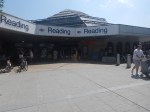


O then bought a ticket in a machine and then re-entered the station.
Great Western Railway can do better.
In Germany, there would be a ticket machine inside the barriers for those changing trains. But we never do that!
In the end, I missed my train and had to wait thirty minutes for a very crowded London Paddington to Oxford train.
Electrification At Oxford
This map from OpenRailwayMap shows the planned electrification at Oxford station.
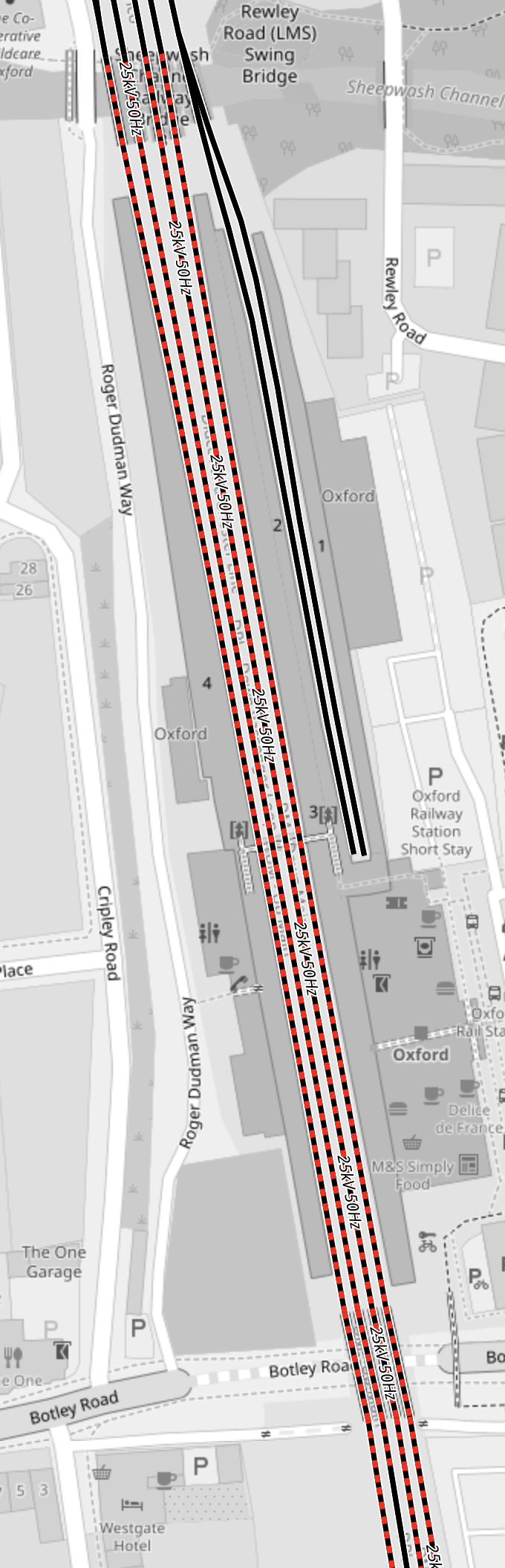
Note.
- The four through lines are shown in dotted red-and-black, which indicates, that they will be electrified with 25 KVAC overhead electrification.
- The proposed electrification continues all the way to Didcot Parkway station on the map.
- The two black tracks are the unelectrified platforms for Chiltern and East West Railway services.
But the proposed electrification stops just outside the station. Why?
Great Western Railway Services Beyond Oxford
Great Western Railway run an hourly service to Great Malvern, which according to Wikipedia terminates as follows.
- 4 trains per day continue to Hereford calling at Colwall and Ledbury.
- 1 train per day terminates at Worcester Shrub Hill.
- 4 trains per day terminate at Worcester Foregate Street.
So what are the distances of these stations from Oxford?
- Great Malvern – 65.6 miles
- Hereford – 86.3 miles
- Worcester Foregate Street – 57.6 miles
- Worcester Shrub Hill – 57.2 miles
I suspect that one version of the Hitachi Intercity Tri-Mode Battery Train, which is shown in the infographic below
could handle all these distances.

After the Oxford and Didcot Parkway electrification is complete, trains will arrive at Oxford station with a full battery.
But how would the batteries be recharged for the journey back to Oxford?
This map from OpenRailwayMap shows the tracks at Worcester.
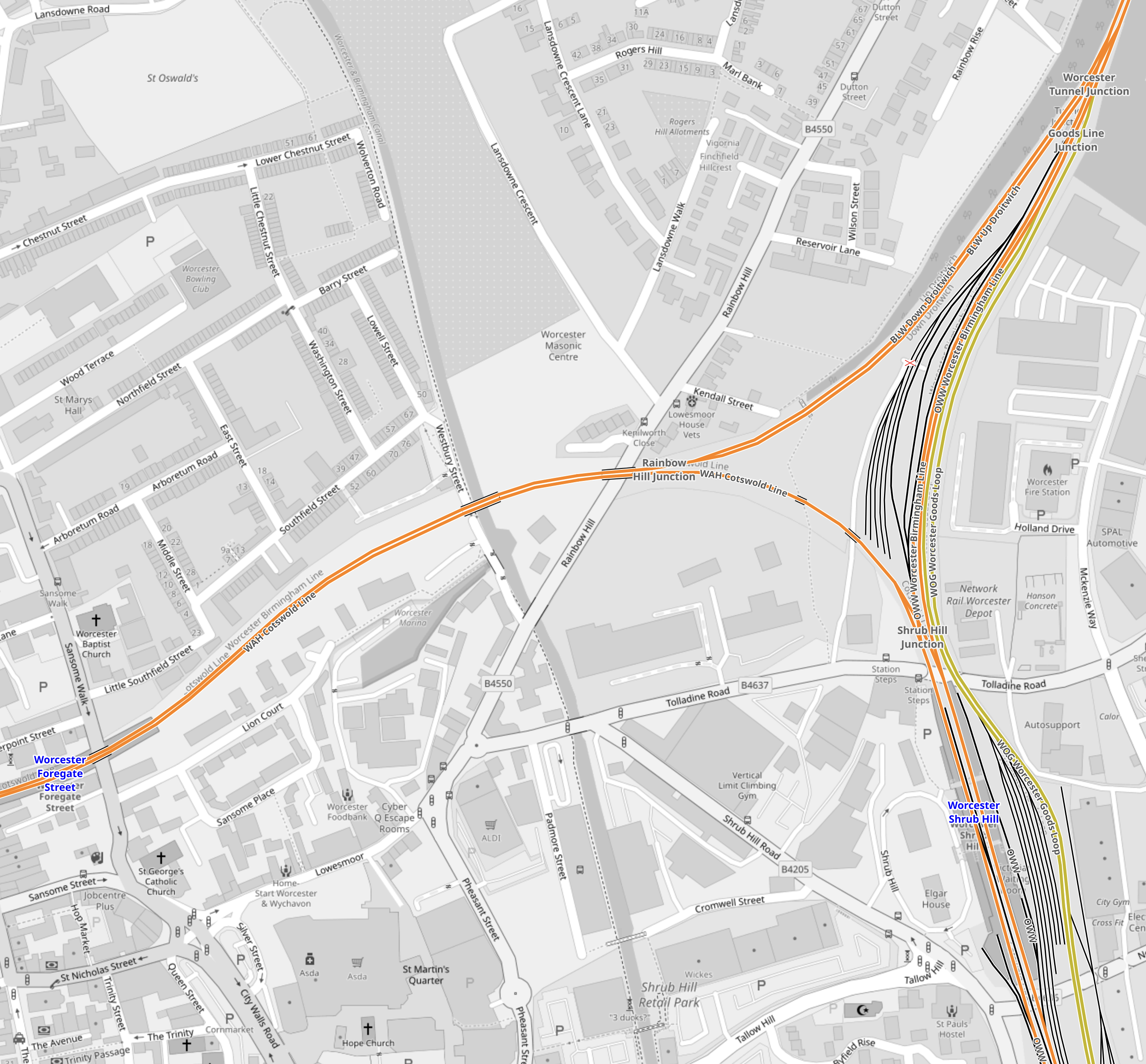
Note.
- Trains to and from Oxford, use the tracks in the South-East corner of the map.
- Trains to and from Birmingham, use the tracks in the North -East corner of the map.
- Trains to and from Great Malvern and Hereford, use the tracks in the South-West corner of the map.
I suspect that some selective electrification would be able to charge the trains.
Trains take around twenty minutes to go between Great Malvern and Worcester Shrub Hill via Worcester Foregate Street.
Electrifying this 8.5 mile section would surely enable the following.
- Trains to leave Worcester Shrub Hill for Oxford with a full battery.
- Trains to leave Great Malvern for Hereford with a full battery.
- As Hereford and Great Malvern are only 20.7 miles apart, I suspect a return trip without a recharge is possible.
- Trains terminating at Worcester Shrub Hill and Worcester Foregate Street to be fully recharged before travelling back to Oxford.
Other services to and from the Worcester stations could also be run by battery-electric trains.
As Worcester Shrub Hill and Oxford stations are only 57.2 miles and well within the capabilities of most battery-electric trains, there would be no need to electrify the route.
I may of course, be wrong about the length and position of the electrification at Worcester, but this could be just one of many solutions using partial electrification.
Does this explain the stopping of the proposed electrification at Oxford?
In addition, there must be marketing opportunities in running a battery-electric service to Hereford and Worcester.
The Bay Platforms At Oxford Station
These pictures show the two North facing bay platforms 1 and 2 at Oxford station.
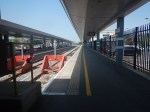
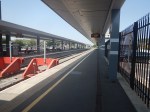

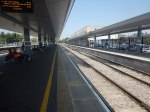
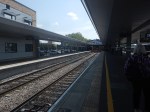
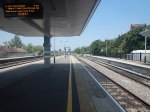
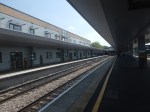
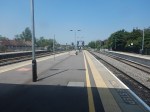
Note.
- The platforms are not electrified.
- They appear to be easily updated with electrification to be able to charge Chiltern and East West Railway trains.
- Marylebone is only 66.7 miles from Oxford.
- Milton Keynes Central is just over 40 miles from Oxford.
- Bedford is just under 60 miles from Oxford.
I suspect that services from Oxford to Bedford, Marylebone and Milton Keynes can all be run by battery-electric trains.
Aylesbury Vale Parkway Station – 4th June 2023
I went to Aylesbury and Aylesbury Vale Parkway stations today, to check out if my recent posts about the East West Railway are correct and take some pictures of the two stations.
This Google Map shows the layout of Aylesbury Vale Parkway station.

Note.
- The station only has a single bay platform.
- It appears that there is a step-free walk between the car park and the platform.
- There is no bridge or need for one.
- There is a single through line at the station on the opposite side to the car park, which is mainly used by trains going to the landfill at Calvert.
It looks from this map, that if the single platform were widened to an island platform, that both terminating and through trains could call in the station.
These are my pictures of the station.
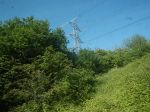







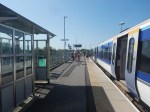

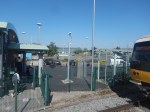


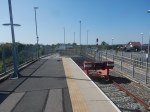
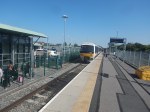
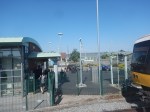
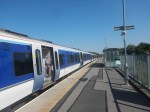
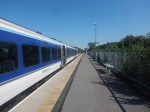
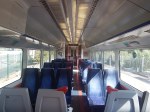
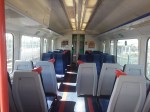
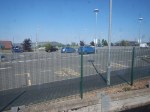

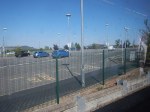
Note.
- The second track can be seen in the eighth picture.
- I believe an island platform could be created between the two tracks.
- There is a substantial amount of car parking for 501 vehicles.
- There is a step-free connection between the platform and the car parking.
- There appears to be a good grid connection.
I believe that Aylesbury Vale Parkway station could be modified to be a single platform station on the Aylesbury Spur of the East West Railway, that I wrote about in East-West Rail: Aylesbury Spur.
This Google Map shows the area around the station.
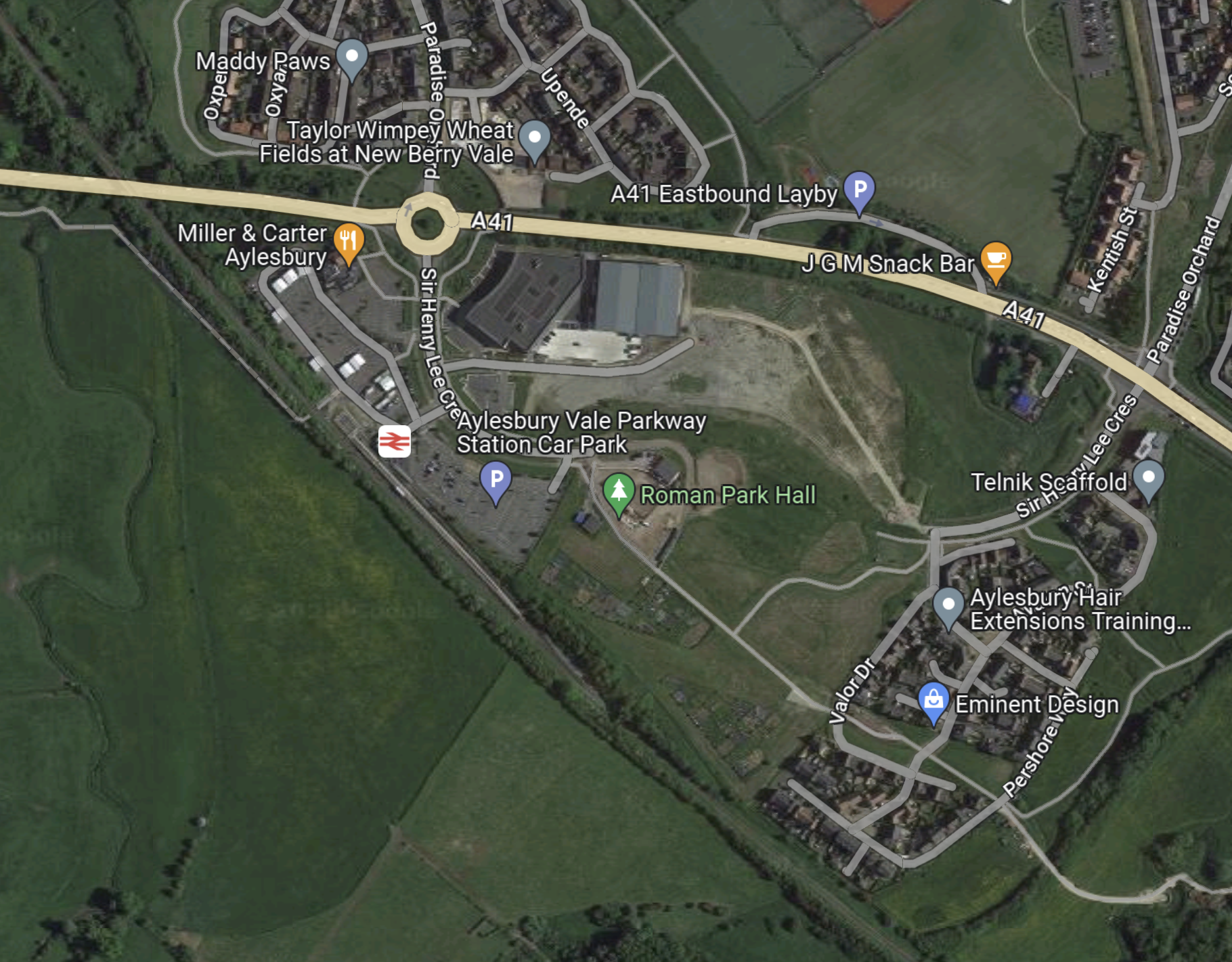
It shows how a parkway station can provoke development on an area.
East-West Rail: Electrification
The first paragraph of the Wikipedia entry for the East West Railway, says this about electrification.
As of March 2020, electrification of the line is not planned, but the 2019 decision (to rule it out) is under review.
But I don’t think it’s a simple decision of electrify or not!
These observations are guiding my thoughts.
Milton Keynes Central Station
This OpenRailwayMap shows the platforms and whether they are electrified in Milton Keynes Central station.
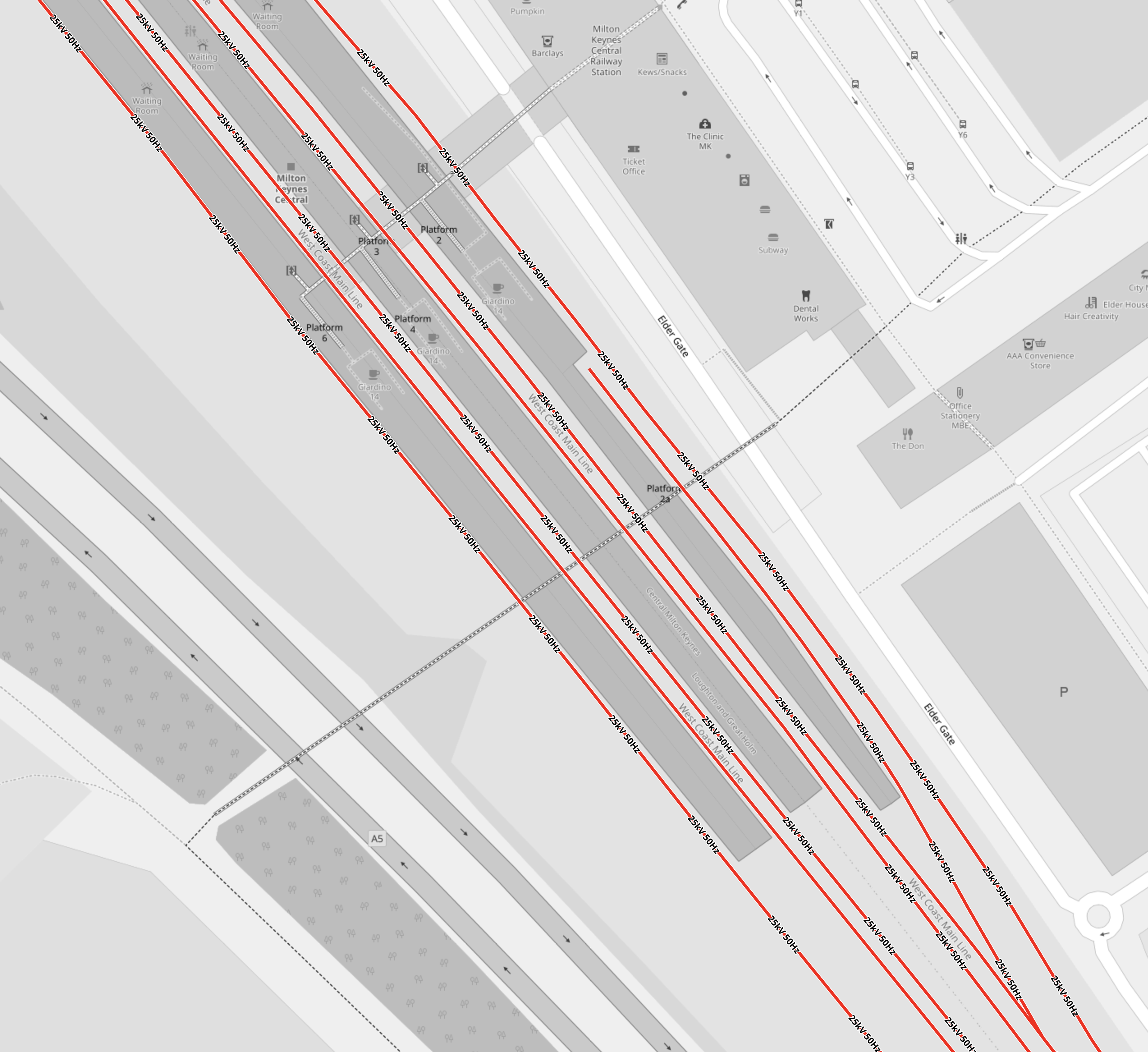
Note.
- Lines shown in red are electrified with 25 KVAC overhead wires.
- The short platform is Platform 2A, which can take a five-car train and was built recently to terminate the Marston Vale Line service.
- Could Platform 2A be ideal for handling and charging, battery-electric trains, that terminate in Milton Keynes station?
The Wikipedia entry for Milton KeynesCentral station, has a section called Platforms and Layout, which gives full details.
Bletchley Station
This OpenRailwayMap shows the platforms and whether they are electrified in Bletchley station.
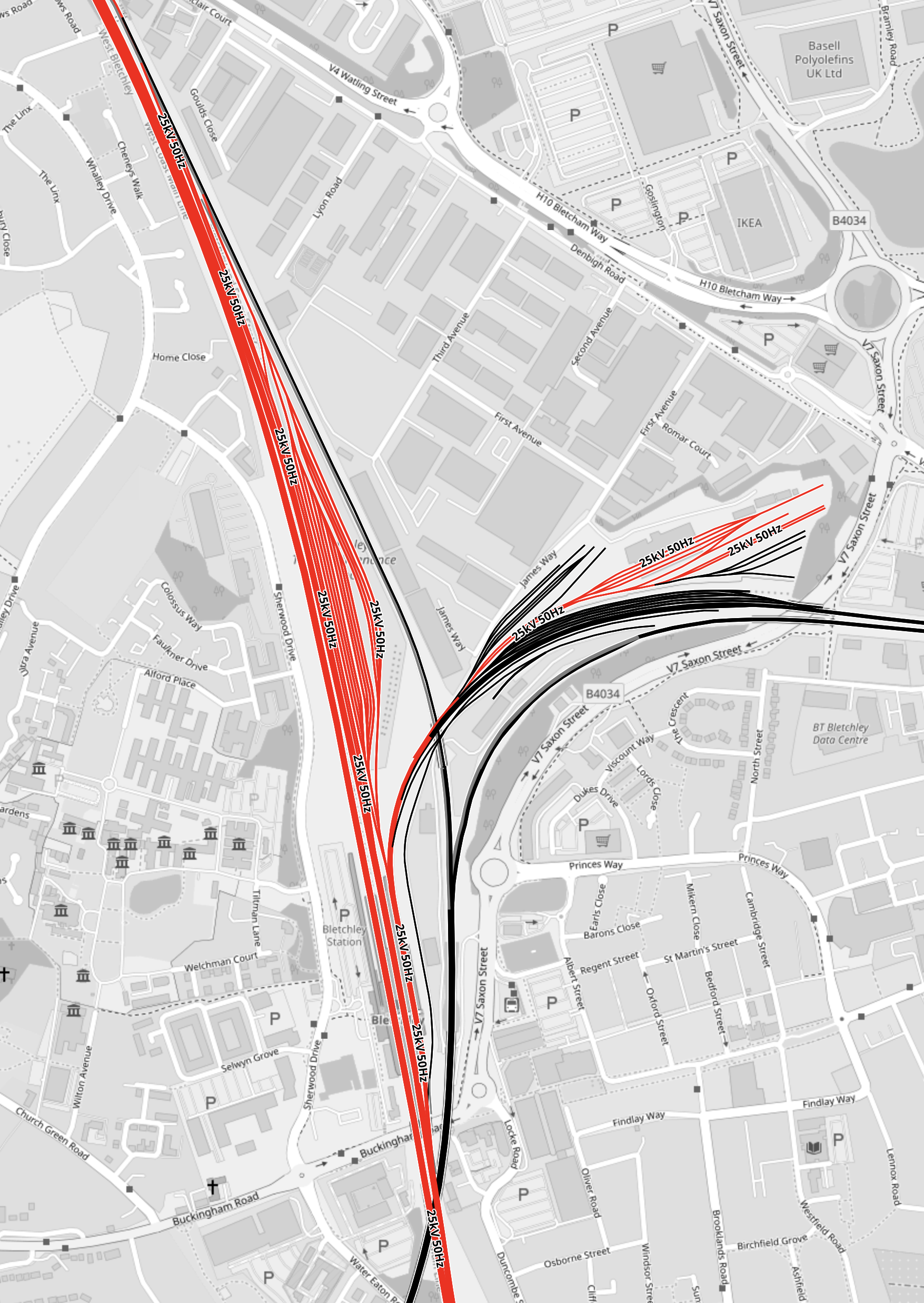
Note.
- Lines shown in red are electrified with 25 KVAC overhead wires.
- The wide swath of red going North is the West Coast Main Line.
- The smaller patch of red to the East of the West Coast Main Line are electrified sidings.
- All low-level platforms at Bletchley station are electrified.
- The viaduct platforms, are shown in black as they are not electrified.
- A non-electrified line leads North-West from the viaduct towards Milton Keynes Central.
- The Milton Keynes end of the line between Milton Keynes Central station and the viaduct is electrified.
- A non-electrified line leads North-East from the viaduct towards Fenny Stratford and Bedford.
The Google Map shows a 3D visualisation of Bletchley station.
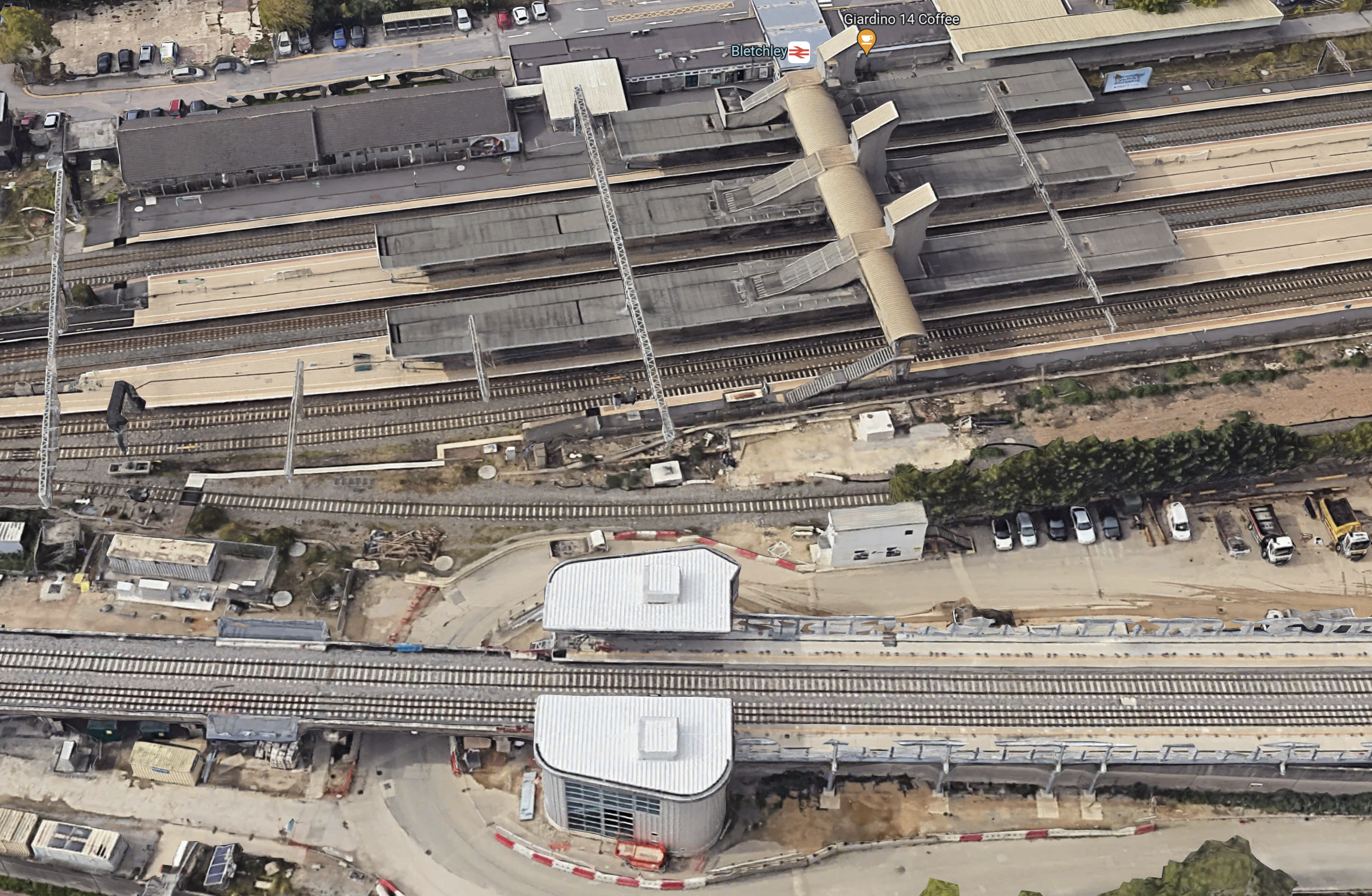
I can’t see much sign of any electrification.
Bedford Station
This OpenRailwayMap shows the platforms and the electrification around Bedford station.
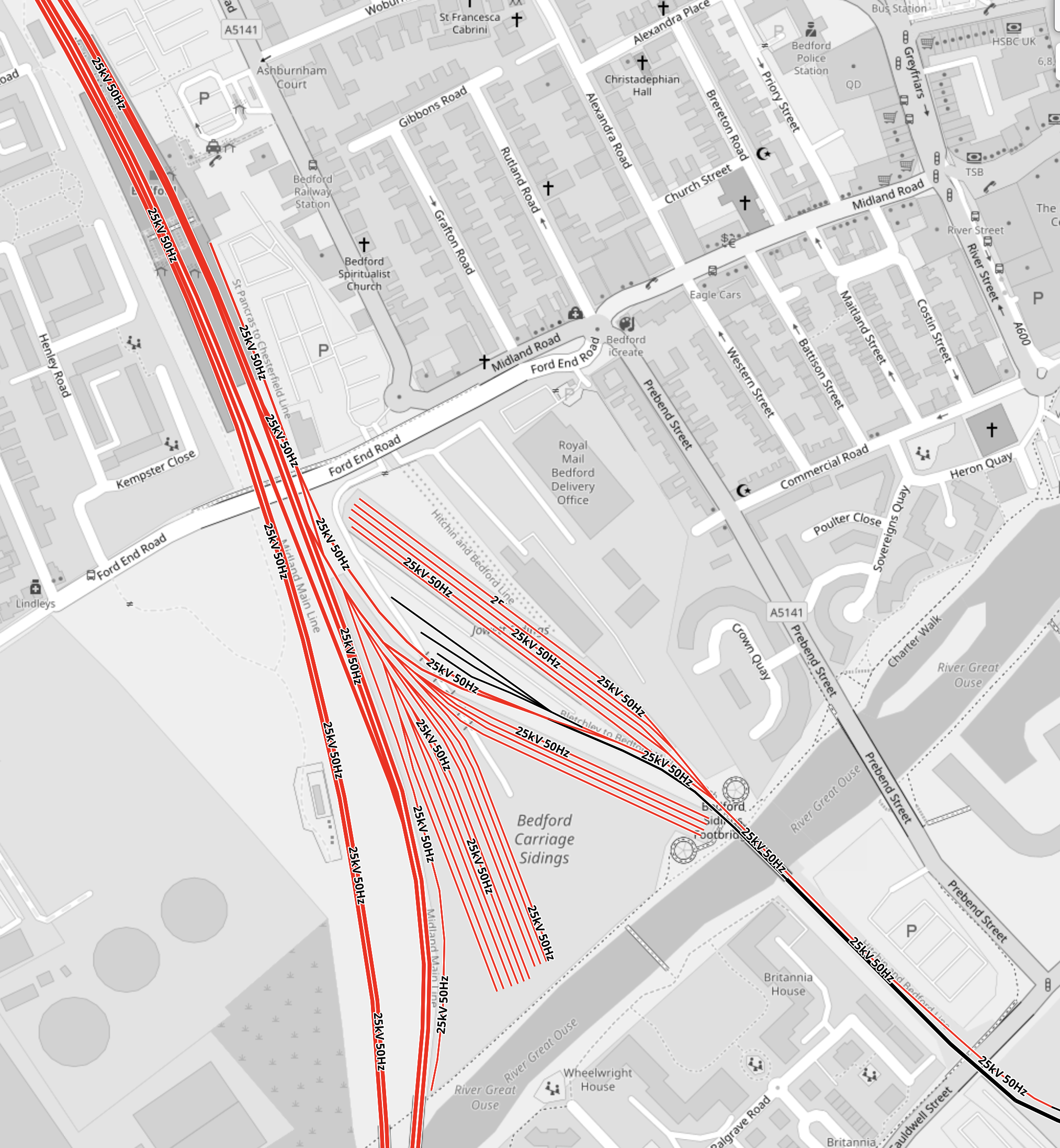
Note.
- All platforms at Bedford station are electrified.
- The lines to the West of the station are the electrified Midland Main Line.
- The Marston Vale Line services terminate in the short Platform 1A, which is the South-East corner of the station.
- The track into Platform 1A is electrified for about two hundred metres, through the sidings South of the station.
This picture shows the electrified track as it crosses over the river.
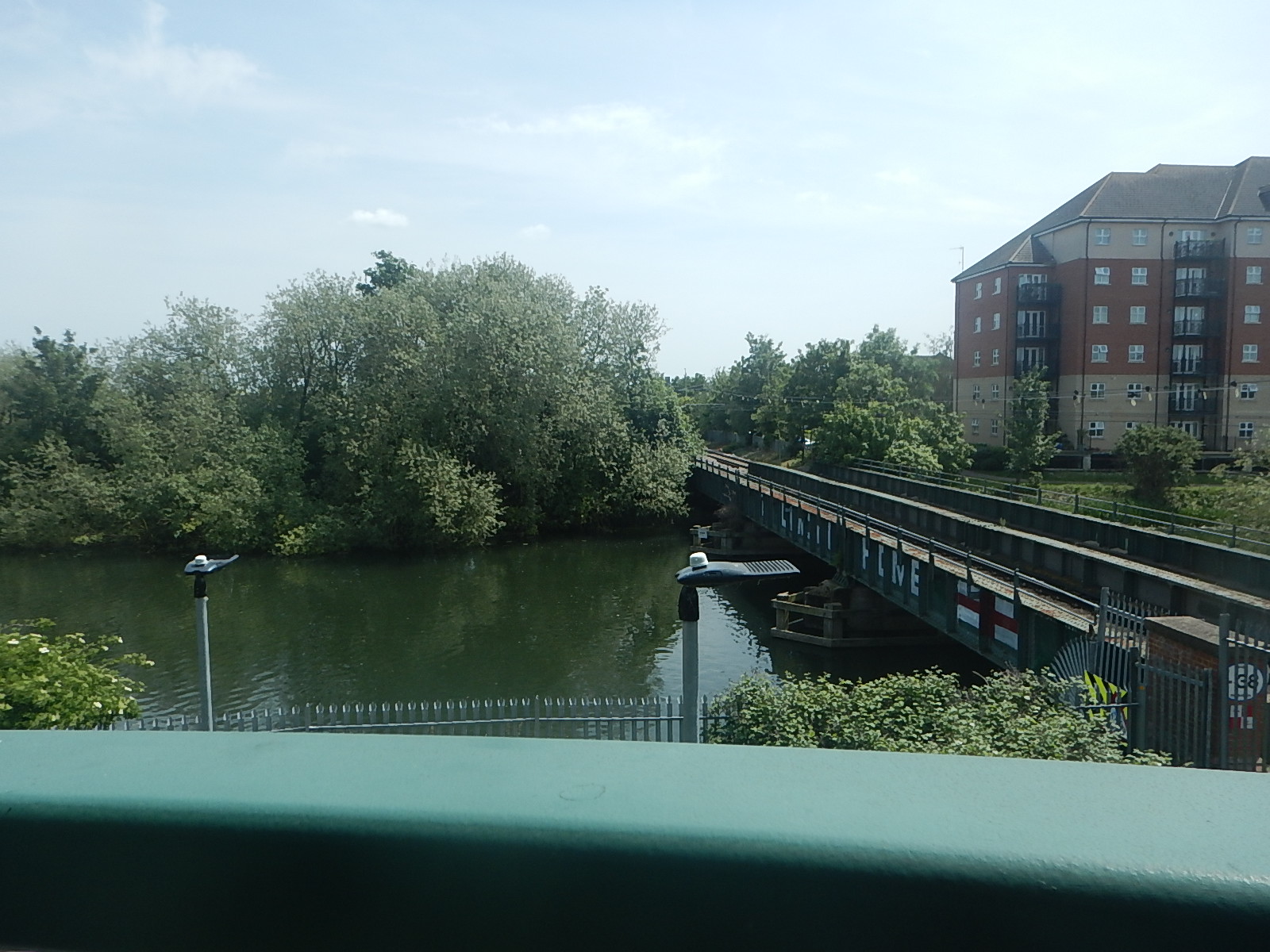
Could Platform 1A be ideal for handling and charging, battery-electric trains, that terminate in Bedford station?
It’s odd that there is the same platform layout at both ends of the Marston Vale Line.
Is it just a coincidence or does Engineer Baldrick have a cunning Plan?
Oxford Station
This OpenRailwayMap shows the platforms and the electrification around Oxford station.
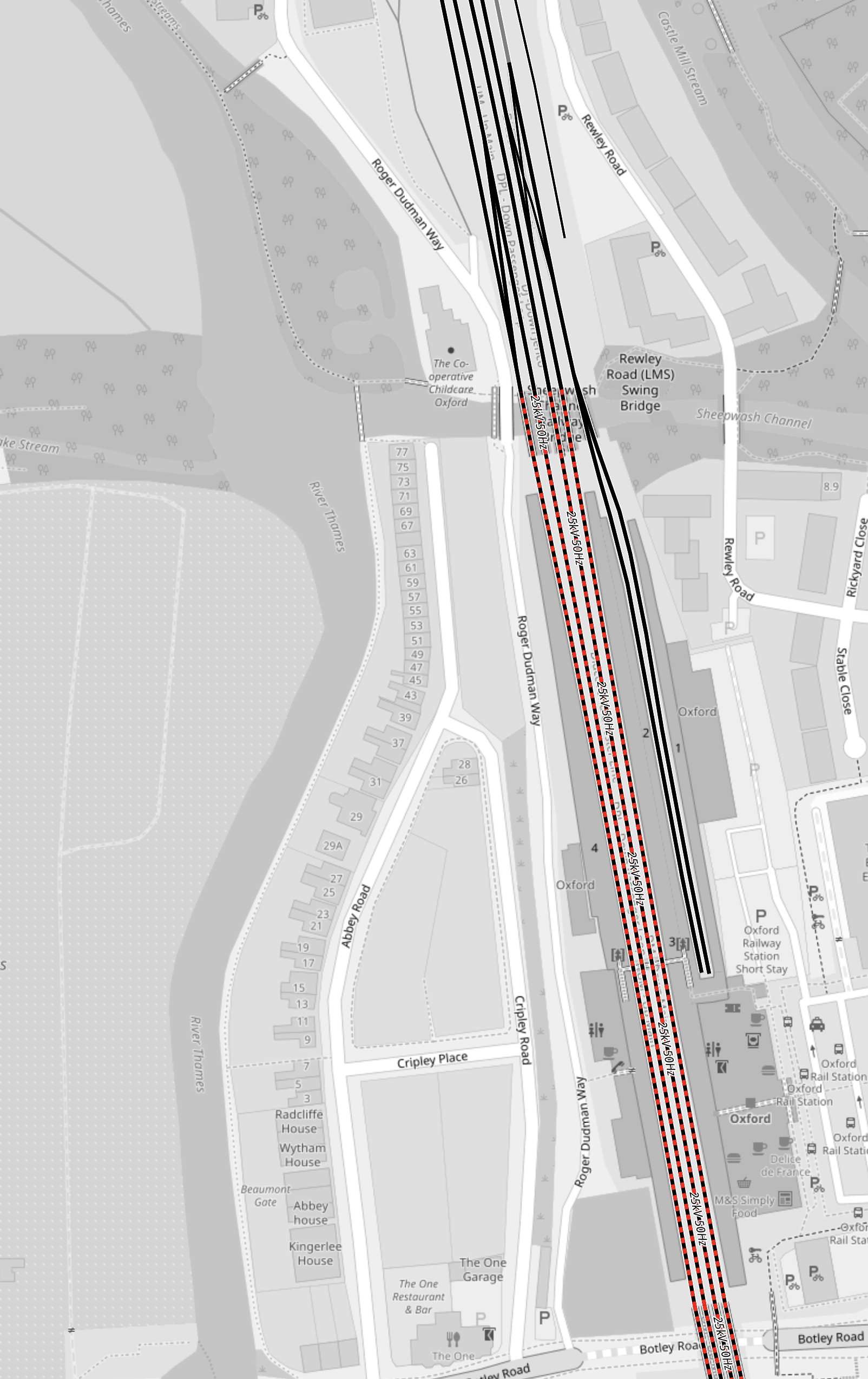
Note.
- The dotted red and black tracks, indicate electrification is planned.
- The planned electrification will connect Oxford station to Didcot Junction station.
- The two bay platforms at the North of the station are not electrified and Platform 2 is now used by Chiltern’s London services.
- Platform 1 could be used by trains on the East West Railway that terminate at Oxford.
When Oxford station is electrified, it wouldn’t be the largest project to add 25 KVAC overhead electrification to the two bay platforms.
Aylesbury Station
This OpenRailwayMap shows the platforms and the lack of electrification around Aylesbury station.
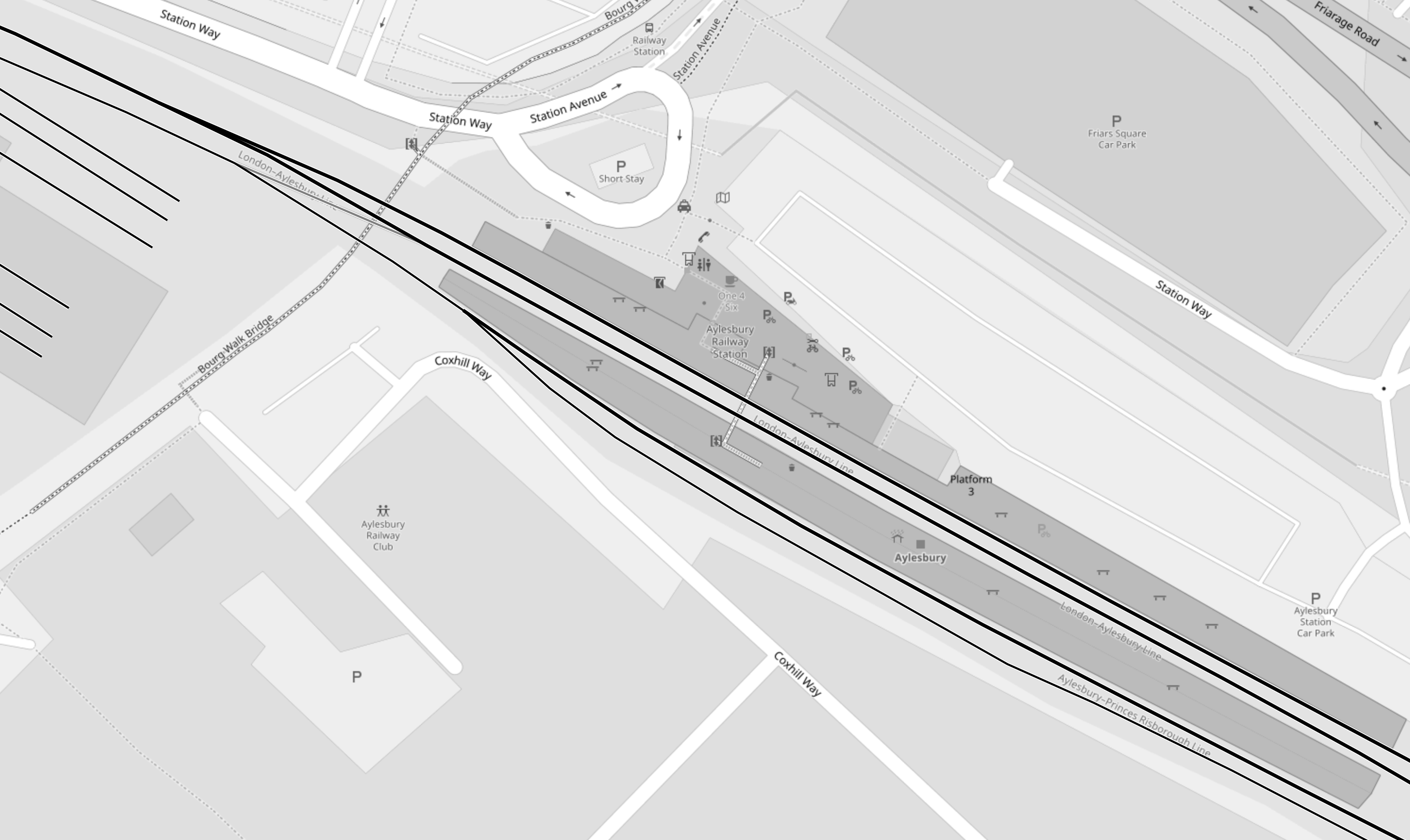
Note.
- No tracks are electrified.
- Platforms are numbered 3, 2, 1 from the top, so 2 and 3 are paired in the middle.
- All freight trains go through Platform 2 and most seem to go via Princes Risborough and High Wycombe.
- Chiltern services use Platforms 1 and 3.
Putting a charging system in Aylesbury station could be tricky.
I wonder if the simplest system for East West Railway would be to electrify between Aylesbury and Aylesbury Vale Parkway stations.
Chiltern Railway’s time between the two stations is as much as seven minutes.
Some trains to Aylesbury take over twenty minutes to do the short journey to Aylesbury Vale Parkway and return, which is more than enough to fully-charge a battery-electric train.
You can even have Chiltern’s hourly Aylesbury Parkway service, sharing the same stretch of electrification with East West Railway’s Aylesbury service, as there is a loop, which creates double-track for some of the way.
It should be noted that between Marylebone and Aylesbury Vale Parkway stations is only 41.1 miles, so some battery-electric trains could do that with a full charge at one end.
East West Railway Distances
In Trains Needed For The East West Railway, I calculated some of these distances.
- Oxford and Bedford – 46.8 miles
- Oxford and Milton Keynes – 33.4 miles
- Aylesbury and Milton Keynes – 25.9 miles
With charging at both ends, all of these routes are possible using modern battery-electric trains, where even a Class 777 IPEMU, designed for extending Merseyrail’s suburban network has done 84 miles on one charge.
On To Cambridge
In this document on the East-West Rail Consortium web site, these services are suggested, for when the East West Railway is complete.
- An hourly train via Norwich terminating at Great Yarmouth.
- An hourly train via Ipswich terminating at Manningtree.
These are distances on these routes that are not electrified, that are to the East of Cambridge.
- Ely and Norwich – 53.7 miles
- Norwich and Great Yarmouth – 18.3 miles
- Cambridge and Haughley Junction – 40.3 miles
Note.
- The Manningtree service would be able to charge its batteries after passing Haughley junction going East and it would be nearly an hour before it needed to use the battery for traction.
- If the Yarmouth service could handle the full route on batteries, then it could return to Cambridge with an efficient charger at Great Yarmouth, which for 25 KVAC overhead electrification trains is an off the shelf item.
- But it does look to me that the trains must leave Cambridge with full batteries, so they can reach electrification at Bedford, Haughley or Norwich.
This map shows the route of the East West Railway between Bedford and Cambridge.
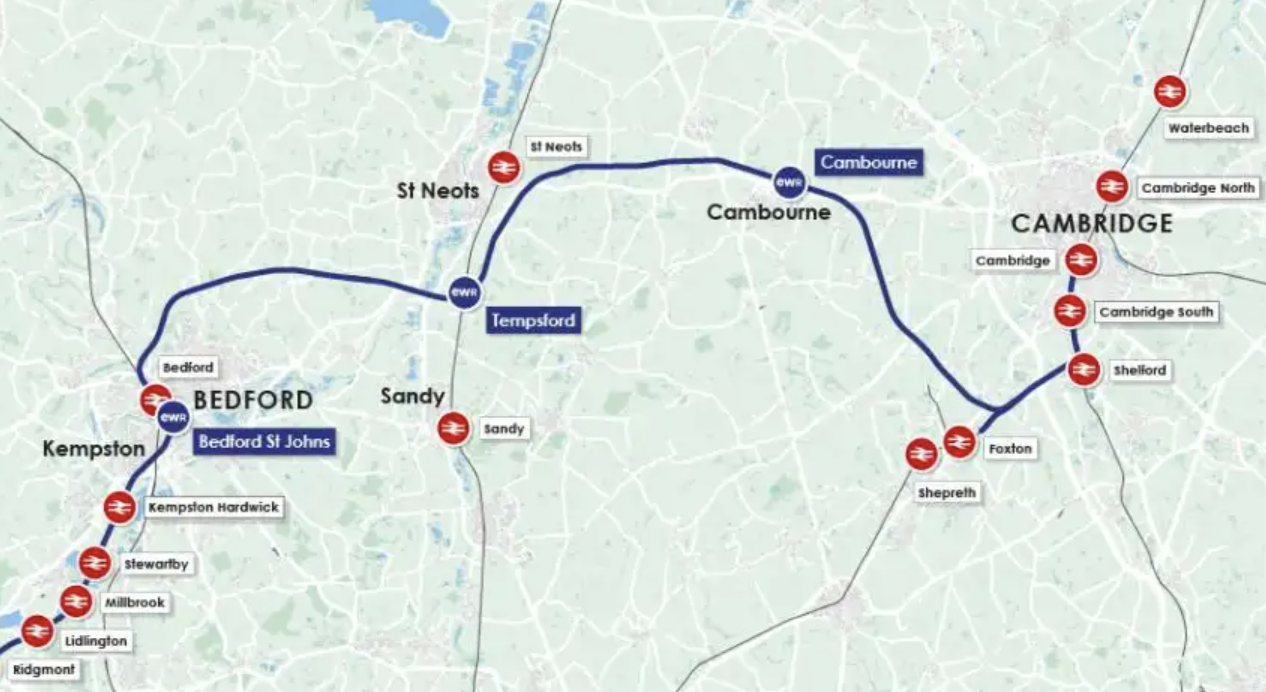
Note.
- Bedford is on the electrified Midland Main Line to London.
- Tempsford is on the electrified East Coast Main Line to London.
- Cambridge has two electrified main lines to London.
- These connections should ensure a good power supply to the East of Bedford for electrification.
I suspect the easiest option will be to add some more electrification at one or more of these places.
- At the Eastern end of the Bedford and Cambridge section.
- To the West of Haughley junction, when it is rebuilt.
- To the North of Ely, when the railways in that area are improved.
Although, as it will be a new route, it might be best to build Bedford and Cambridge as an electrified railway.
Chiltern Electrification Alternatives Studied
The title of this post, is the same as that of this article on Railway Gazette.
These are the first two paragraphs.
Chiltern Railways is working to present the Department for Transport with options for a fleet renewal programme, with London Marylebone being the only non-electrified London terminal and pressure for the withdrawal of diesel trains continuing to mount, particularly from local residents.
Industry insiders report that this could see at least the 39 two and three-car Class 165 diesel multiple-units replaced.
Note.
- The Class 165 trains were built in 1990-1992 and refurbished around the turn of the century.
- Chiltern Railways have 28 two-car and 11 three-car Class 165 trains.
- Chiltern Railways also have ten similar two-car, nine three-car and nine four-car Class 168 trains.
- In addition, Great Western Railway has 20 two-car and 16 three-car Class 165 trains, and 23 Class 166 trains.
- The Class 165 and Class 166 trains are 90 mph units, whereas the Class 168 trains are 100 mph units.
As Chiltern’s study would appear to rule out electrification, could all of these trains be replaced with an appropriate number of a new class of 100 mph zero-carbon independently-powered multiple units?
In Alstom And Eversholt Rail Sign An Agreement For The UK’s First Ever Brand-New Hydrogen Train Fleet, I talked about a proposed hydrogen train fleet.
These trains are described as three-car in Alstom’s press release.
- Most Aventras are 100 mph trains.
- They could easily be lengthened to four cars by the addition of an extra car.
- It may even be possible, that these trains could be fitted with a pantograph for working on electrified lines.
The only problem, I can envisage, is that a two-car version might not have enough space for the hydrogen and electrical gubbins.
Chiltern’s Locomotive-Hauled Mark III Stock
Greater Anglia have replaced locomotive-hauled Mark III stock with multiple units and it appears to have been successful.
Could Chiltern’s locomotive-hauled Mark III stock be replaced by six-car hydrogen-powered Aventras, with a long-distance interior?
Other Routes
Alstom and Eversholt Rail announced their agreement in November 2021.
Since then, I have written these posts, where the proposed Alstom Hydrogen Aventra could have an application.
- Adding Buxton And Manchester Piccadilly To The Bee Network
- ‘Castle’ HSTs To Be Withdrawn By Great Western Railway
- Proposals Submitted To Create Darlington To Dales Rail Link
- Alstom Hydrogen Aventras And Teesside
- Alstom Hydrogen Aventras And The Reopened Northumberland Line
- Alstom Hydrogen Aventras And Extension Of The Birmingham Cross-City Line
- Alstom Hydrogen Aventras And Great Western Branch Lines Between Paddington And Oxford
- Alstom Hydrogen Aventras And The Uckfield Branch
Note.
- A two-car version would surely increase the number of applications.
- A 110 mph capability would allow the trains to mix it with high speed trains on fast lines.
- Bombardier proposed a 125 mph bi-mode Aventra. Could this be achieved with hydrogen power?
I feel the eight applications, I listed, could be the start of something a lot bigger.
Conclusion
Alstom and Eversholt Rail Group appear to have done their research.
Riding The 182 Bus Between Harrow Bus Station And Brent Cross
I did this journey, which could be part of the Superloop, in good weather, and was able to take these pictures.


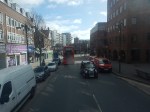
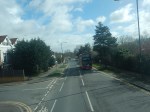
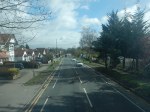






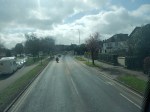

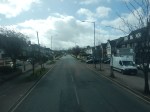

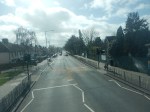
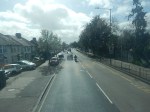
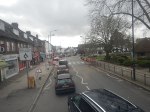

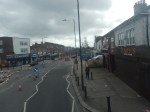
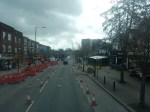
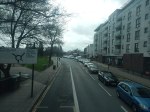
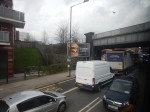
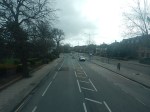
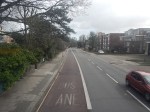



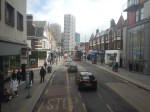


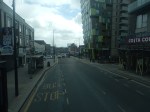
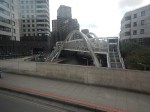
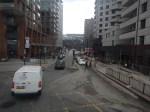
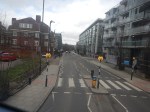

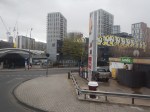
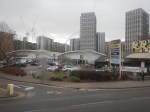
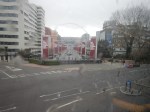

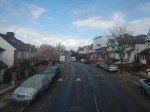
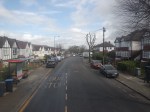
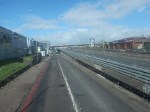

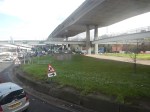
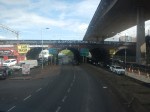

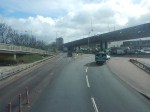
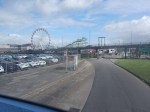
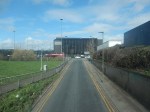

Note.
- The roads were not bad and were partly two lanes each way, with large roundabouts at junctions.
- I suspect the bus was going at between 30 and 40 mph most of the way.
- There was still quite a lot of traffic.
- It is a distance of about 7 miles.
- The timetable says that buses run every 10-13 minutes.
- Harrow-On-The-Hill station is next to Harrow Bus station.
- Harrow-On-The-Hill connects to the Metropolitan Line and Chiltern
- Northwick Park Hospital is on the route.
- Sudbury and Harrow Road station connects to Chiltern.
- South Harrow station connects to the Piccadilly Line.
- Wembley Central station connects to the Bakerloo and Watford DC Lines and National Rail.
- Wembley Stadium station connects to Chiltern.
- Wembley Park station connects to the Metropolitan and Jubilee Lines.
The journey took about 70 minutes, mainly because of the traffic at the road works.
I have a few thoughts.
The Route Of The Bus 182 Could Be Part Of The Superloop
I feel my journey today, proved that this would be part of a feasible Superloop leg between Harrow and North Finchley bus stations.
A Chiltern Metro
Wikipedia says this about a proposed metro service between Marylebone and West Ruislip stations.
- The Metro would have a frequency of four tph.
- It would call at Wembley Stadium, Sudbury & Harrow Road, Sudbury Hill Harrow, Northolt Park and South Ruislip.
- The service would require a reversing facility at West Ruislip.
- There would need to be passing loops at Sudbury Hill Harrow, and Wembley Stadium.
Given that the Chiltern Metro was first proposed over a decade ago, perhaps the concept could be increased in scope.
- Housing and other developments along the route may suggest that a station further out like High Wycombe might be a better terminal.
- ERTMS in-cab digital signalling is likely to be installed at some time, which would decrease headways between trains and allow more services.
- Electrification is likely in some form before 2040 and this will improve train performance.
- If Neasden station were to be rebuilt, as a comprehensive transport and residential development, I believe that this Metro service should also call at Neasden, as it would complement the West London Orbital Railway.
I believe that a review of the Chiltern Metro may mean, that an improved version is worth creating.
Riding The X140 Bus Between Heathrow Airport And Harrow Bus Station
I did this journey, which will be part of the Superloop, in better weather than yesterday, and was able to take these better pictures.
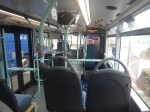


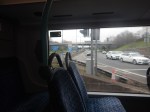
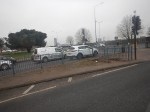
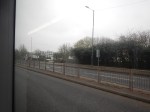
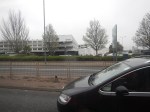




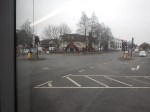
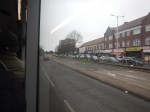
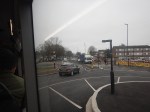
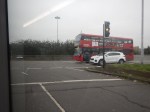
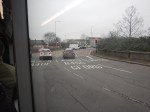

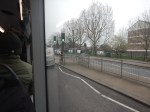
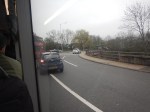

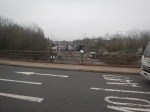



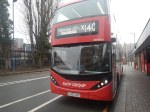
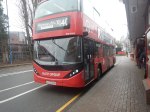

Note.
- The roads were much better than yesterday’s trip and were mostly two lanes each way, with large roundabouts at junctions.
- I suspect the bus was going at between 30 and 40 mph most of the way.
- There was still quite a lot of traffic.
- It is a distance of about 15 miles.
- The timetable says that buses run every 10-13 minutes.
- The X26 buses run between about six in the morning at midnight.
- There are twelve intermediate stops.
- Harrow-On-The-Hill station is next to Harrow Bus station.
- Heathrow Central connects to Heathrow Express, the Elizabeth and Piccadilly Lines.
- Hayes and Harlington connects to the Elizabeth Line and GWR’s local services.
- Northolt station connects to the Central Line.
- Northolt Park station connects to Chiltern.
- South Harrow station connects to the Piccadilly Line.
- Harrow-On-The-Hill connects to the Metropolitan Line and Chiltern
The journey took 49 minutes, which is only a minute longer than the timetable.
I have a few thoughts.
Passenger Numbers
These were my observations on my journey that started at about 11:30 on a dry day.
- Few got on at Heathrow Central, but I suspect we had just missed a bus.
- By Hayes & Harrington station, the bus was about a quarter full.
- At South Harrow station it must have been about three-quarters full.
- At Harrow bus station all the lower-deck seats were taken.
I would expect that the loading I saw fits with TfL’s expectations.
The Bus
The bus was one of the latest ADL battery-electric buses.
- It had a strong performance.
- It had wi-fi and phone charging.
- It was probably less than a year old.
- It was a lot better than yesterday’s bus!
At present not all buses on the route are battery-electric, as some are still older hybrids.
Travelling To Heathrow From The Northern Reaches Of The Metropolitan Line
Many people travel to and from Heathrow either for work or because they are flying.
- But it is not an easy journey from the Northern reaches of the Metropolitan Line.
- I believe the X26 bus could be a viable way to get to the airport for many.
- There would be a change at Harrow-on-the-Hill, but the station is at least step-free.
- It would avoid parking fees.
- Fares could be less than fuel costs.
The only big drawback, is that the X26 bus is not twenty-four hours.
More And More Frequent Buses Would Help
I believe that the Superloop should be a 24-hour service, as a lot of things go on at airports in the middle of the night.
I’ve just found out that there is an N140 bus that covers the route.
I also think, that as with the Overground, services should be at least four buses per hour.
Could Chiltern Go Battery-Electric?
In the October 2022 Edition of Modern Railways, there is an article, which is entitled Chiltern Considers Turbo Future, with a sub-title of Battery Replacement Could Be On The Cards.
These are the first two paragraphs.
In early September Chiltern Railways was preparing to launch a market sounding exercise to consider options for the future of the Class 165 Turbo DMU fleet.
The operator has 28×2-car and 11×3-car ‘165s’. which operate alongside its more modern Class 168 DMUs and its loco-hauled sets. The market sounding exercise will consider two options for the future of the fleet – some sort of hybrid conversion, or outright replacement.
The Class 165 Trains
The Class 165 trains were built in 1990-1991.
- Maximum Speed – 75 mph
- Prime Movers – One per car, Perkins 2006-TWH
- 2-car Trains – 28
- 3-car Trains – 11
One is being converted to a diesel/battery hybrid.
The Class 168 Trains
The Class 168 trains were built in 1998-2004.
- Maximum Speed – 100 mph
- Prime Movers – One per car, MTU 6R 183TD13H
- 2-car Trains – 9
- 3-car Trains – 8
- 4-car Trains – 11
One has been converted to a diesel/battery hybrid.
Conversion To Hybrid Operation
If this proves to be feasible, it will surely be the more affordable of the two options.
But it does leave Chiltern with a mixed fleet with two types of train with different maximum speeds and these lengths.
- 2-car Trains – 37
- 3-car Trains – 19
- 4-car Trains – 11
Would a fleet of similar trains, with perhaps a maximum speed of 100 mph, be better operationally?
Battery-Electric Operation
The Modern Railways article introduces the concept of battery-electric operation with this paragraph.
If a replacement fleet is considered the best option for the Turbo units, the replacements could take the form of a straight battery EMU, taking advantage of recent advances in ‘fast charge’ technology.
The article also says this about battery technology and electrification.
There is optimism that advances in battery technology will provide a smooth pathway to decarbonise Chiltern’s operations – the company serves the only non-electrified London terminus.
In the longer-term, it is hoped electrification from Birmingham to Banbury as part of a strategy to decarbonise CrossCountry and freight services would enable Chiltern to run a battery EMU on London to Birmingham duties, running under battery power as far north as Banbury and switching to overhead wires from there, both powering the unit and enabling the batteries to be recharged.
The Modern Railways article looked at each route and I will do this in more detail.
London Marylebone And Aylesbury via High Wycombe
London Marylebone and Oxford would be under battery operation for 40 miles.
Trains would be charged at London Marylebone and Aylesbury stations.
London Marylebone And Aylesbury Vale Parkway
London Marylebone and Oxford would be under battery operation for 41 miles.
Trains would be charged at London Marylebone and Aylesbury Vale Parkway stations.
It might be better to electrify between Aylesbury and Aylesbury Vale Parkway stations.
London Marylebone And Banbury
London Marylebone and Oxford would be under battery operation for 69 miles.
Trains would be charged at London Marylebone and Banbury stations.
Leamington Spa And Birmingham Moor Street
Assuming the Birmingham and Banbury section of the route is electrified, this route will be electrified.
London Marylebone And Birmingham Moor Street Or Birmingham Snow Hill
Assuming the Birmingham and Banbury section of the route is electrified, this route can be considered to be in two sections.
- London Marylebone and Banbury – Battery operation – 69 miles
- Banbury and Birmingham – Electric operation – 42 miles
Trains would be charged at London Marylebone station and on the electrified section.
London Marylebone And Gerrards Cross
London Marylebone and Oxford would be under battery operation for 19 miles or 38 miles both ways.
Trains would be charged at London Marylebone station.
London Marylebone And High Wycombe
London Marylebone and Oxford would be under battery operation for 28 miles or 56 miles both ways.
Trains would be charged at London Marylebone station.
London Marylebone And Oxford
London Marylebone and Oxford would be under battery operation for 66.8 miles.
Trains would be charged at London Marylebone and Oxford stations.
London Marylebone And Stratford-upon-Avon
Assuming the Birmingham and Banbury section of the route is electrified, this route can be considered to be in two sections.
- London Marylebone and Banbury – Battery operation – 69 miles
- Banbury and Hatton Junction – Electric operation – 26 miles
- Hatton Junction and Stratford-upon-Avon – Battery operation – 9 miles
Trains would be charged at London Marylebone station and on the electrified section.
Chiltern’s Mainline Service
Chiltern’s Mainline service between London and Birmingham is run by either a Class 68 locomotive pulling a rake of six Mark 3 coaches and a driving van trailer or two or three Class 168 trains.
As the locomotive-hauled train is about eight coaches, it could surely be replaced by two four-car multiple units working together.
I believe that if Chiltern obtained a fleet of four-car battery electric trains, this would be the most efficient fleets for all their routes.
Charging At London Marylebone Station
I took these pictures at Marylebone station today.
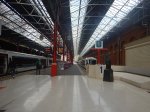
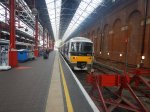
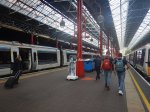
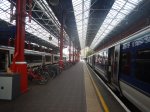
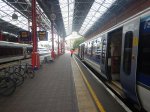
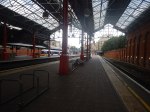

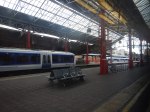


Note.
- It is a surprisingly spacious station and I feel that Furrer+Frey or some other specialist company could add some form of charging to the platforms.
- Charging would probably performed using the train’s pantograph.
It appears that the turnround time in Marylebone is typically twelve minutes or more, which should be adequate to fully charge a train.
Conclusion
Both solutions will work for Chiltern.
But I prefer the new battery-electric train, which has some crucial advantages.
- Battery-electric trains will be quieter than hybrid trains.
- Marylebone station has a noise problem and battery-electric trains are very quiet.
- Chiltern have ambitions to built new platforms at Old Oak Common and to serve Paddington. This could be easier with a battery electric train.
Rhe only disadvantage is that Banbury and Birmingham would need to be electrified.
 The Anonymous Widower