East-West Rail: Electrification
The first paragraph of the Wikipedia entry for the East West Railway, says this about electrification.
As of March 2020, electrification of the line is not planned, but the 2019 decision (to rule it out) is under review.
But I don’t think it’s a simple decision of electrify or not!
These observations are guiding my thoughts.
Milton Keynes Central Station
This OpenRailwayMap shows the platforms and whether they are electrified in Milton Keynes Central station.
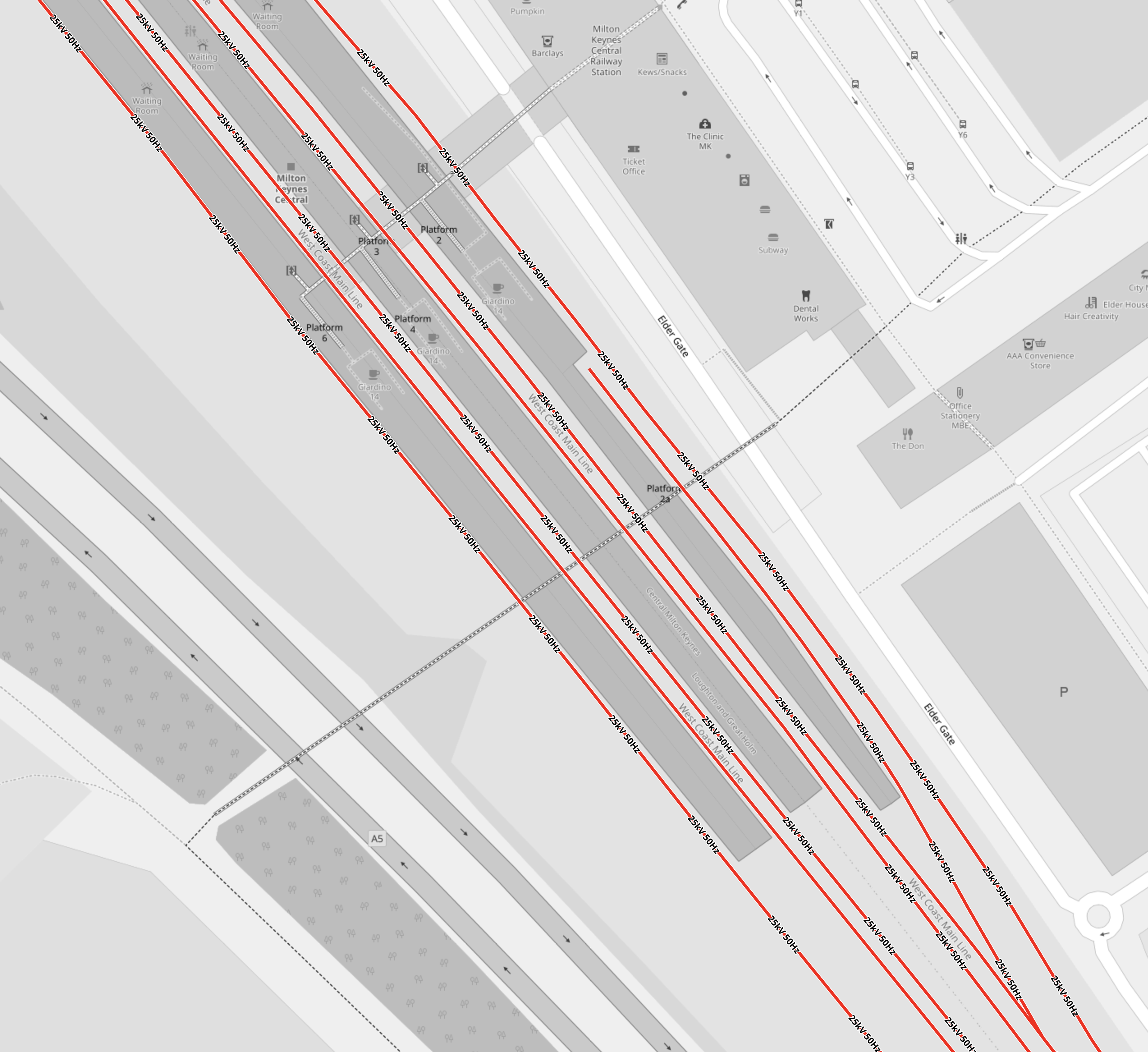
Note.
- Lines shown in red are electrified with 25 KVAC overhead wires.
- The short platform is Platform 2A, which can take a five-car train and was built recently to terminate the Marston Vale Line service.
- Could Platform 2A be ideal for handling and charging, battery-electric trains, that terminate in Milton Keynes station?
The Wikipedia entry for Milton KeynesCentral station, has a section called Platforms and Layout, which gives full details.
Bletchley Station
This OpenRailwayMap shows the platforms and whether they are electrified in Bletchley station.
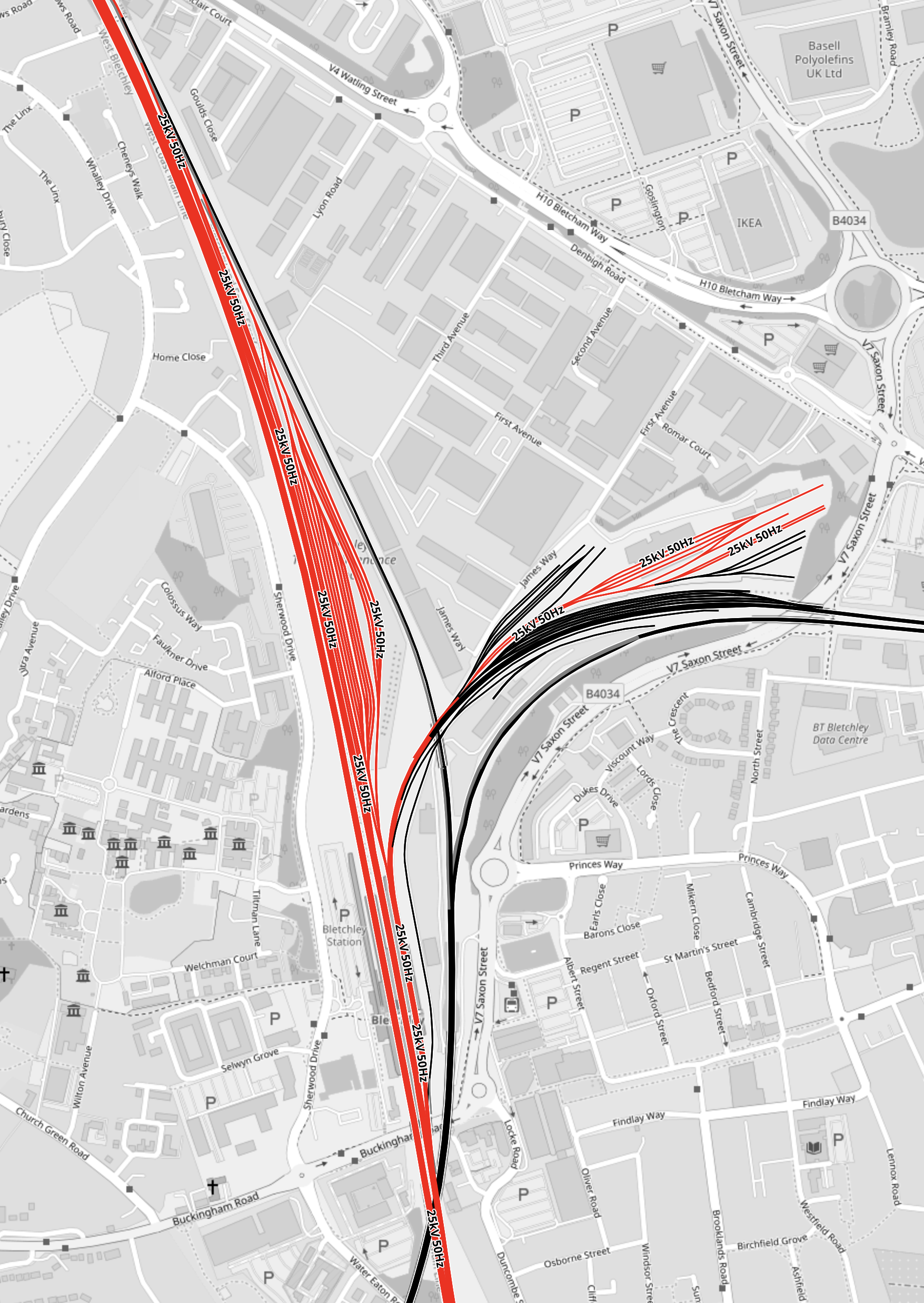
Note.
- Lines shown in red are electrified with 25 KVAC overhead wires.
- The wide swath of red going North is the West Coast Main Line.
- The smaller patch of red to the East of the West Coast Main Line are electrified sidings.
- All low-level platforms at Bletchley station are electrified.
- The viaduct platforms, are shown in black as they are not electrified.
- A non-electrified line leads North-West from the viaduct towards Milton Keynes Central.
- The Milton Keynes end of the line between Milton Keynes Central station and the viaduct is electrified.
- A non-electrified line leads North-East from the viaduct towards Fenny Stratford and Bedford.
The Google Map shows a 3D visualisation of Bletchley station.
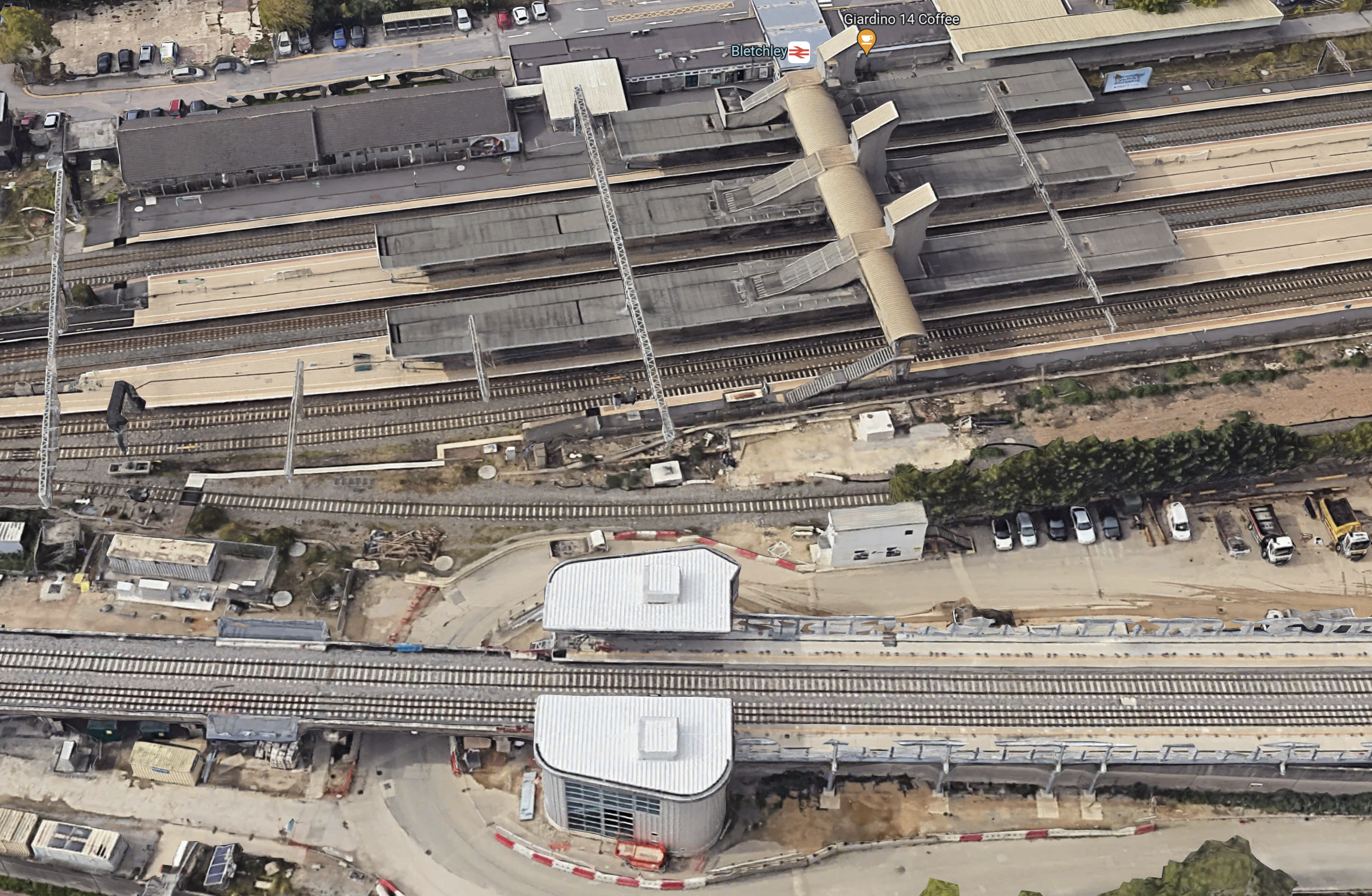
I can’t see much sign of any electrification.
Bedford Station
This OpenRailwayMap shows the platforms and the electrification around Bedford station.
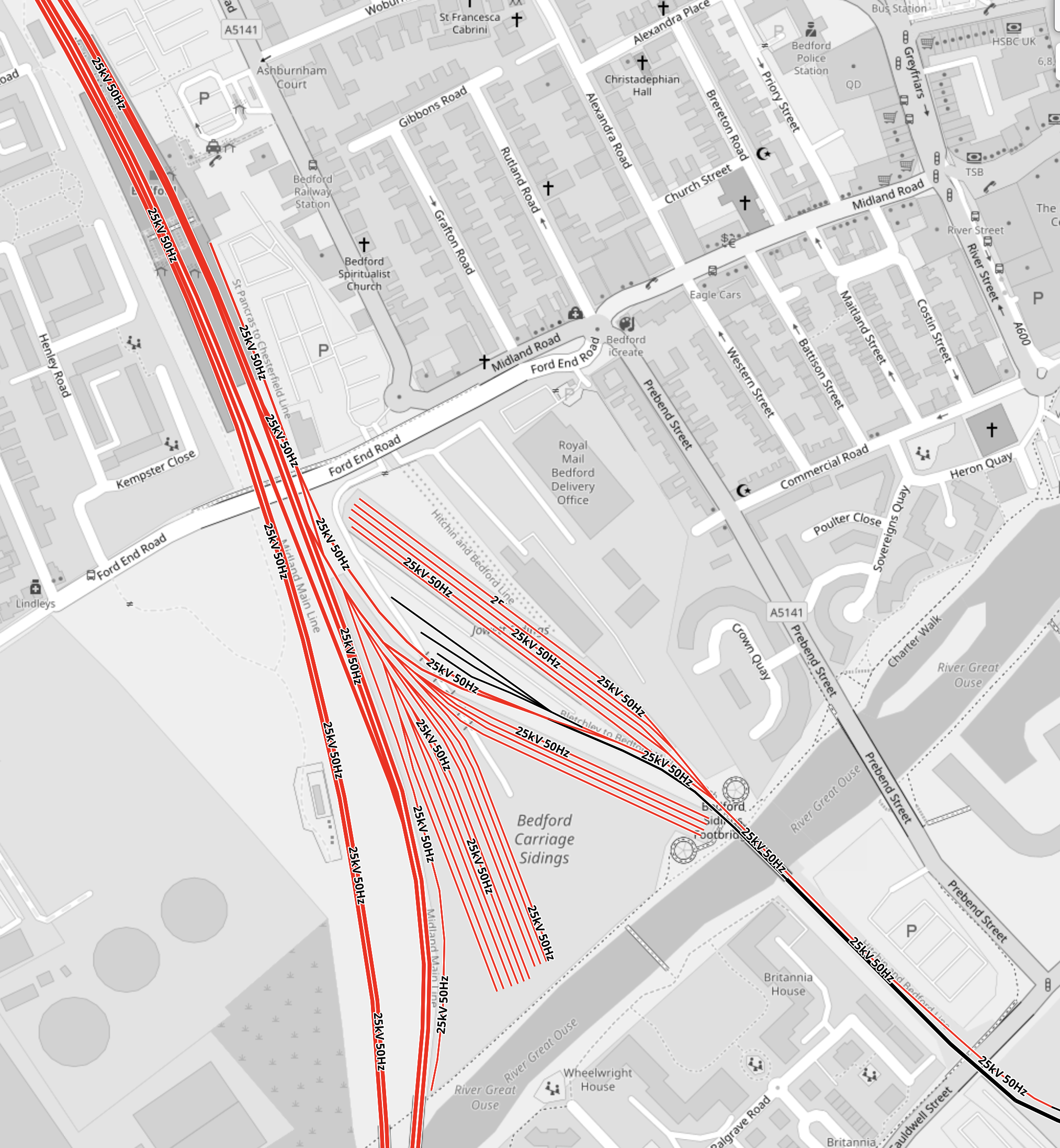
Note.
- All platforms at Bedford station are electrified.
- The lines to the West of the station are the electrified Midland Main Line.
- The Marston Vale Line services terminate in the short Platform 1A, which is the South-East corner of the station.
- The track into Platform 1A is electrified for about two hundred metres, through the sidings South of the station.
This picture shows the electrified track as it crosses over the river.
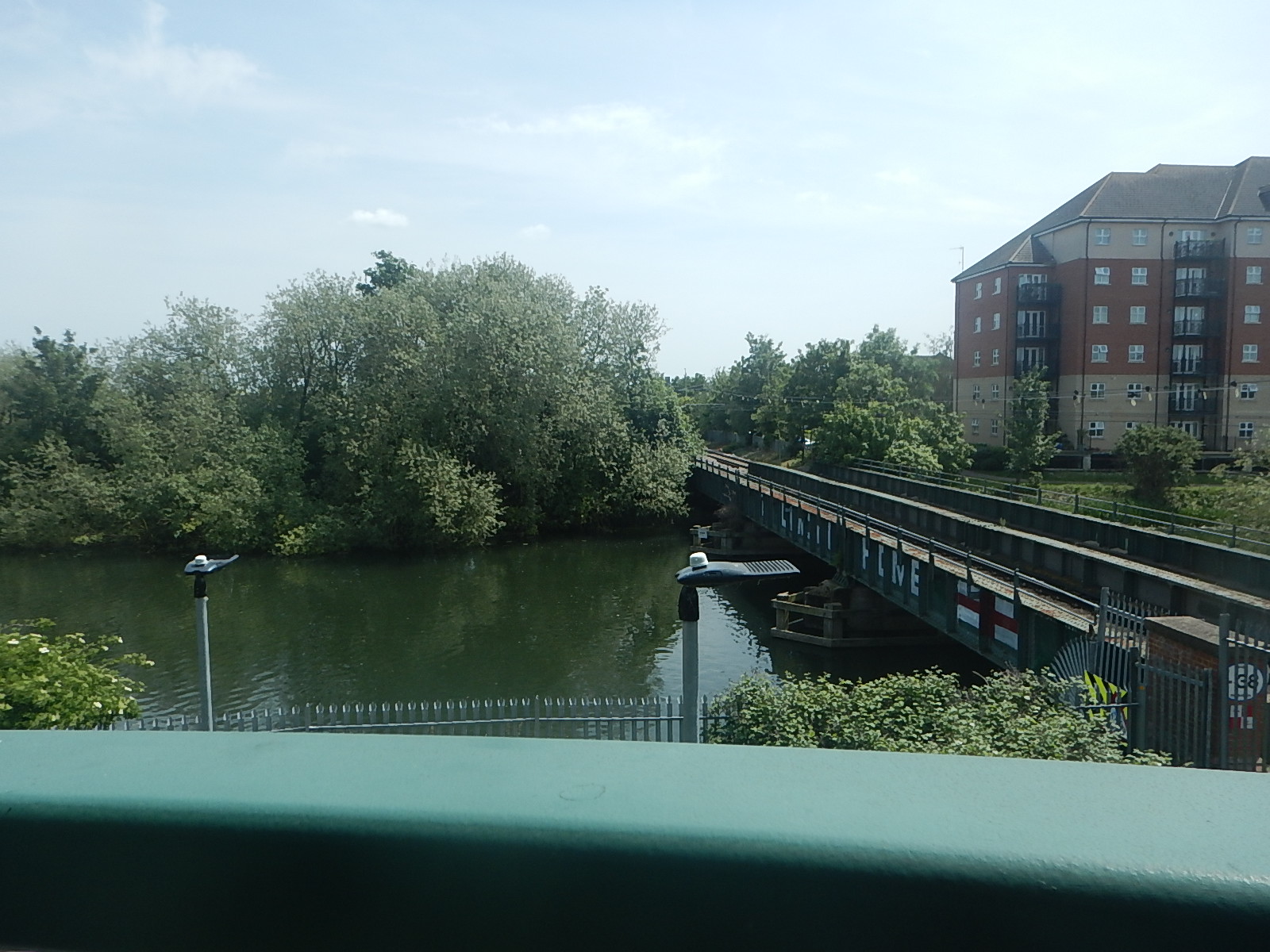
Could Platform 1A be ideal for handling and charging, battery-electric trains, that terminate in Bedford station?
It’s odd that there is the same platform layout at both ends of the Marston Vale Line.
Is it just a coincidence or does Engineer Baldrick have a cunning Plan?
Oxford Station
This OpenRailwayMap shows the platforms and the electrification around Oxford station.
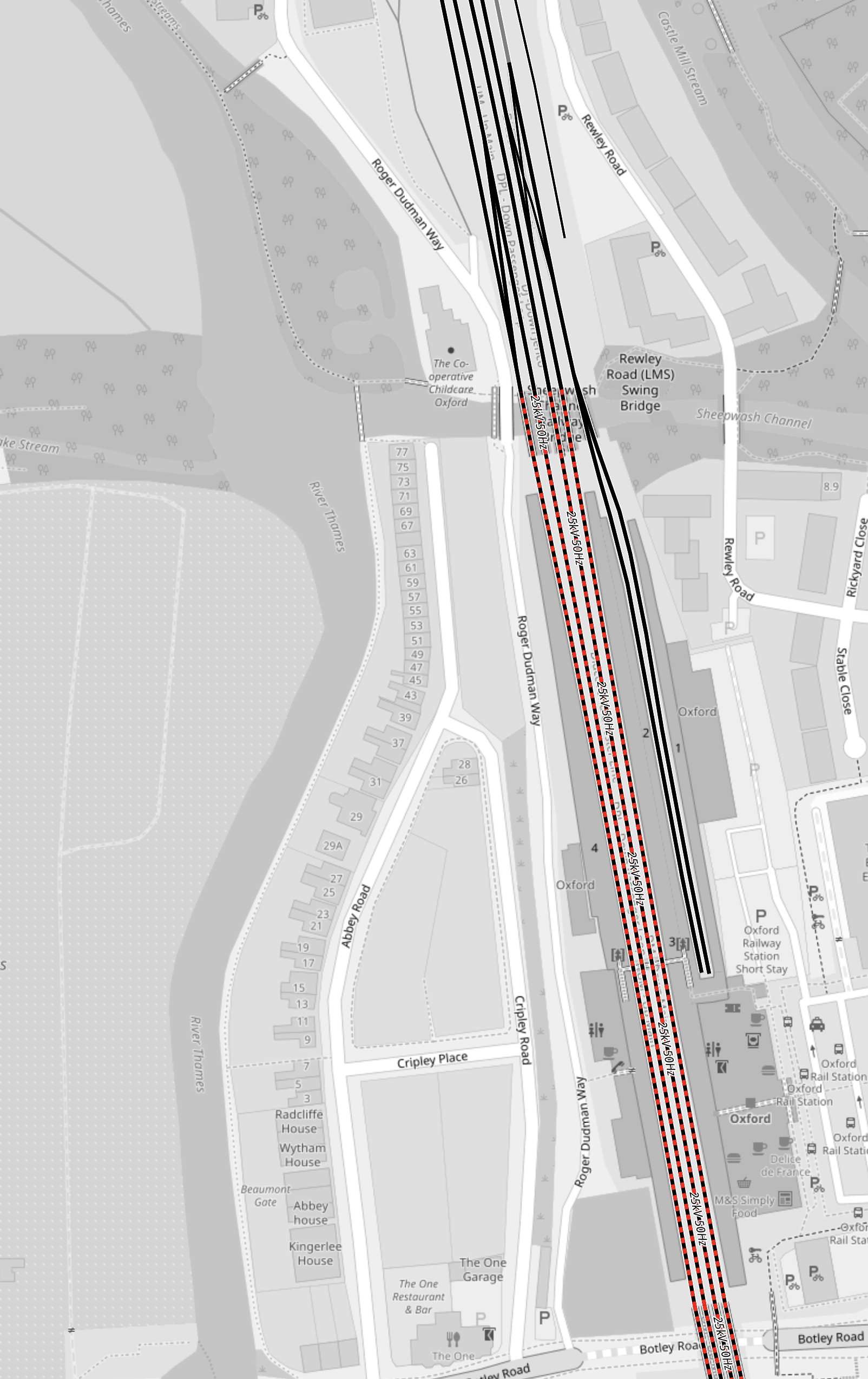
Note.
- The dotted red and black tracks, indicate electrification is planned.
- The planned electrification will connect Oxford station to Didcot Junction station.
- The two bay platforms at the North of the station are not electrified and Platform 2 is now used by Chiltern’s London services.
- Platform 1 could be used by trains on the East West Railway that terminate at Oxford.
When Oxford station is electrified, it wouldn’t be the largest project to add 25 KVAC overhead electrification to the two bay platforms.
Aylesbury Station
This OpenRailwayMap shows the platforms and the lack of electrification around Aylesbury station.
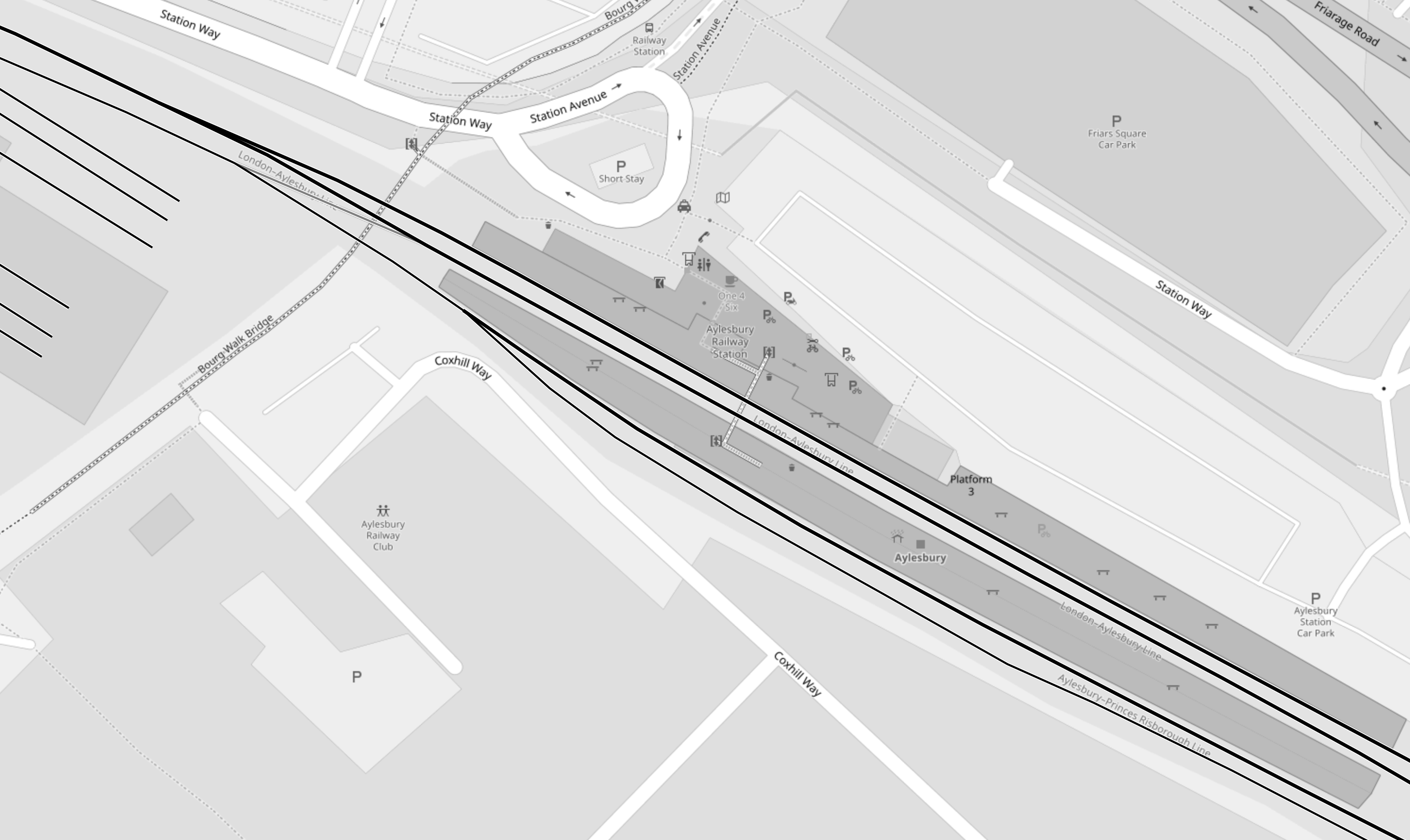
Note.
- No tracks are electrified.
- Platforms are numbered 3, 2, 1 from the top, so 2 and 3 are paired in the middle.
- All freight trains go through Platform 2 and most seem to go via Princes Risborough and High Wycombe.
- Chiltern services use Platforms 1 and 3.
Putting a charging system in Aylesbury station could be tricky.
I wonder if the simplest system for East West Railway would be to electrify between Aylesbury and Aylesbury Vale Parkway stations.
Chiltern Railway’s time between the two stations is as much as seven minutes.
Some trains to Aylesbury take over twenty minutes to do the short journey to Aylesbury Vale Parkway and return, which is more than enough to fully-charge a battery-electric train.
You can even have Chiltern’s hourly Aylesbury Parkway service, sharing the same stretch of electrification with East West Railway’s Aylesbury service, as there is a loop, which creates double-track for some of the way.
It should be noted that between Marylebone and Aylesbury Vale Parkway stations is only 41.1 miles, so some battery-electric trains could do that with a full charge at one end.
East West Railway Distances
In Trains Needed For The East West Railway, I calculated some of these distances.
- Oxford and Bedford – 46.8 miles
- Oxford and Milton Keynes – 33.4 miles
- Aylesbury and Milton Keynes – 25.9 miles
With charging at both ends, all of these routes are possible using modern battery-electric trains, where even a Class 777 IPEMU, designed for extending Merseyrail’s suburban network has done 84 miles on one charge.
On To Cambridge
In this document on the East-West Rail Consortium web site, these services are suggested, for when the East West Railway is complete.
- An hourly train via Norwich terminating at Great Yarmouth.
- An hourly train via Ipswich terminating at Manningtree.
These are distances on these routes that are not electrified, that are to the East of Cambridge.
- Ely and Norwich – 53.7 miles
- Norwich and Great Yarmouth – 18.3 miles
- Cambridge and Haughley Junction – 40.3 miles
Note.
- The Manningtree service would be able to charge its batteries after passing Haughley junction going East and it would be nearly an hour before it needed to use the battery for traction.
- If the Yarmouth service could handle the full route on batteries, then it could return to Cambridge with an efficient charger at Great Yarmouth, which for 25 KVAC overhead electrification trains is an off the shelf item.
- But it does look to me that the trains must leave Cambridge with full batteries, so they can reach electrification at Bedford, Haughley or Norwich.
This map shows the route of the East West Railway between Bedford and Cambridge.
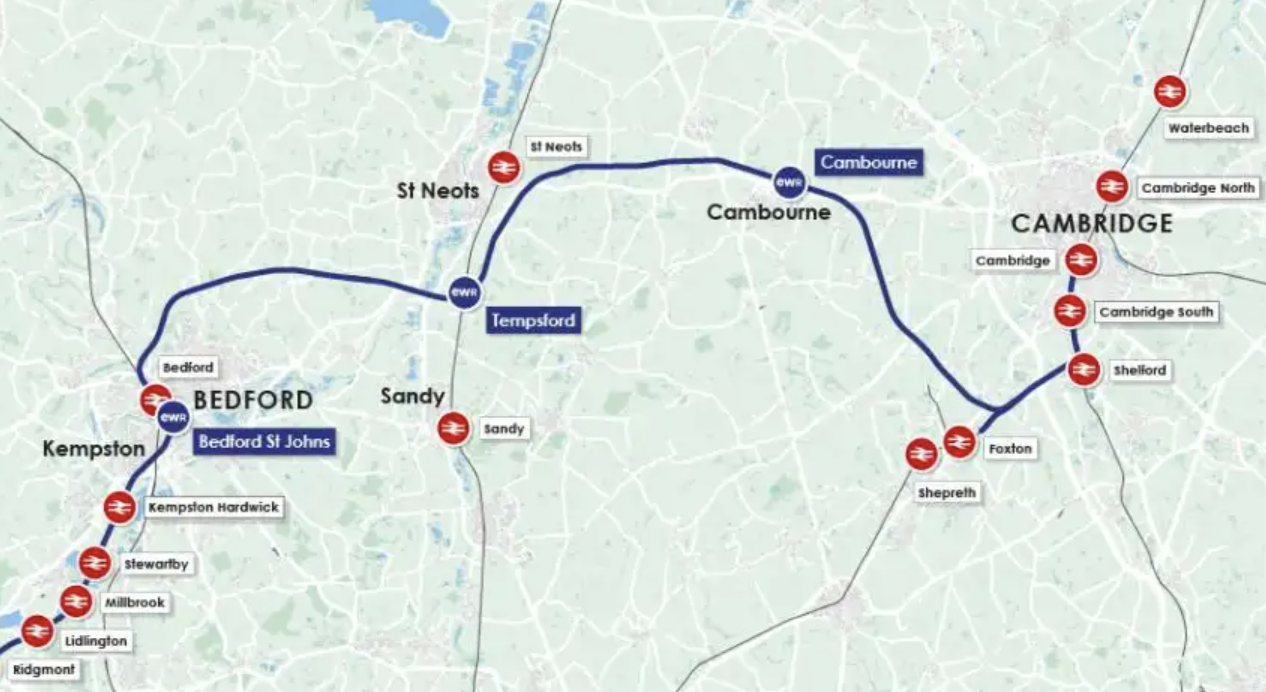
Note.
- Bedford is on the electrified Midland Main Line to London.
- Tempsford is on the electrified East Coast Main Line to London.
- Cambridge has two electrified main lines to London.
- These connections should ensure a good power supply to the East of Bedford for electrification.
I suspect the easiest option will be to add some more electrification at one or more of these places.
- At the Eastern end of the Bedford and Cambridge section.
- To the West of Haughley junction, when it is rebuilt.
- To the North of Ely, when the railways in that area are improved.
Although, as it will be a new route, it might be best to build Bedford and Cambridge as an electrified railway.
East-West Rail: Through Bedford
This Google Map shows the route of East West Rail through Bedford.
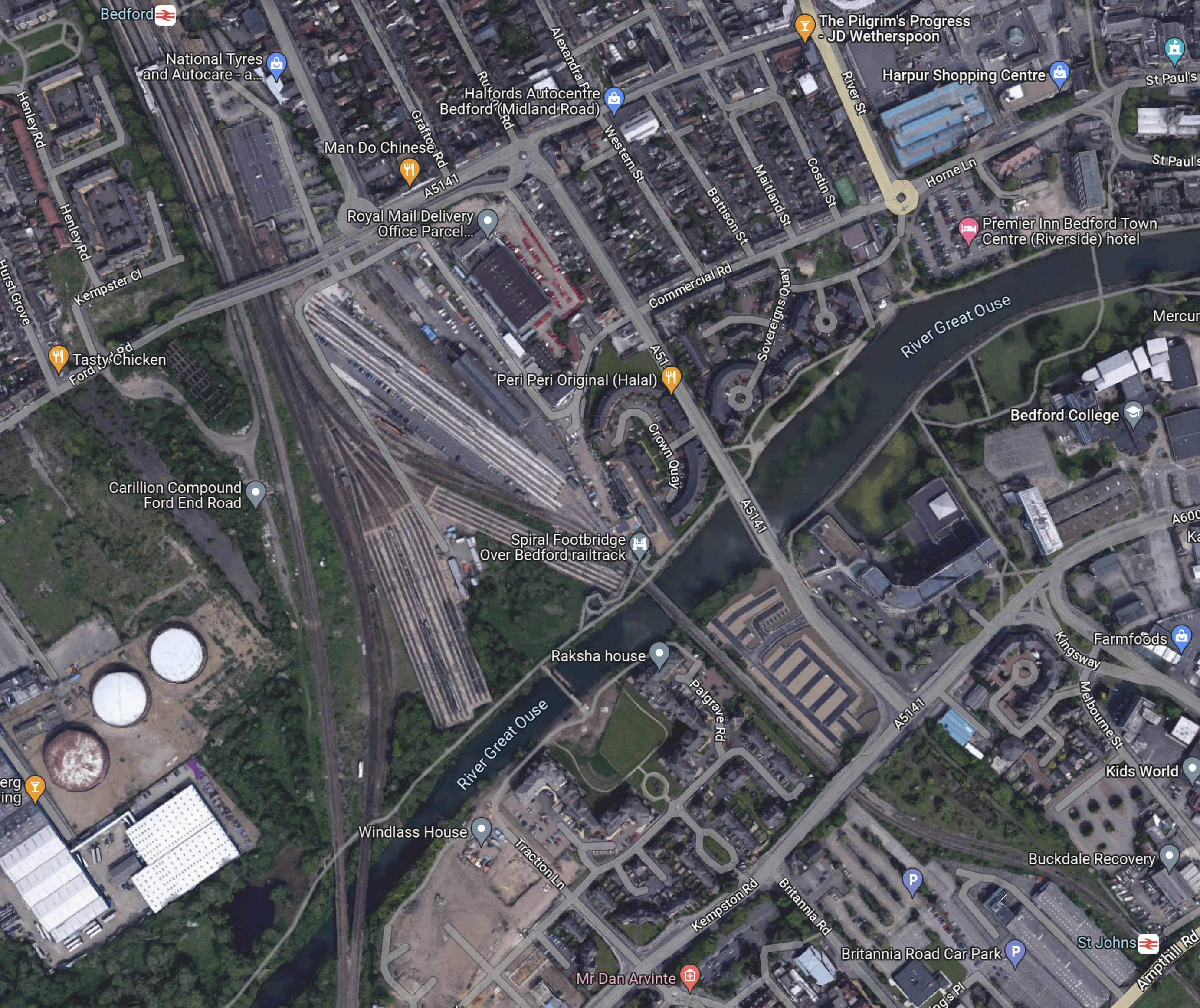
Note.
- Bedford St. Johns station in the South-East corner of the map.
- Bedford station is in the North-West corner of the map.
- Tracks run between the two stations to allow Marston Vale Line trains to terminate in Platform 1A at Bedford station.
- There are a lot of sidings for Thameslink trains South of Bedford station.
- The Great Ouse divides the town into two.
I’ll now explore further.
Bedford St. Johns Station
This Google Map shows Bedford St. Johns station.
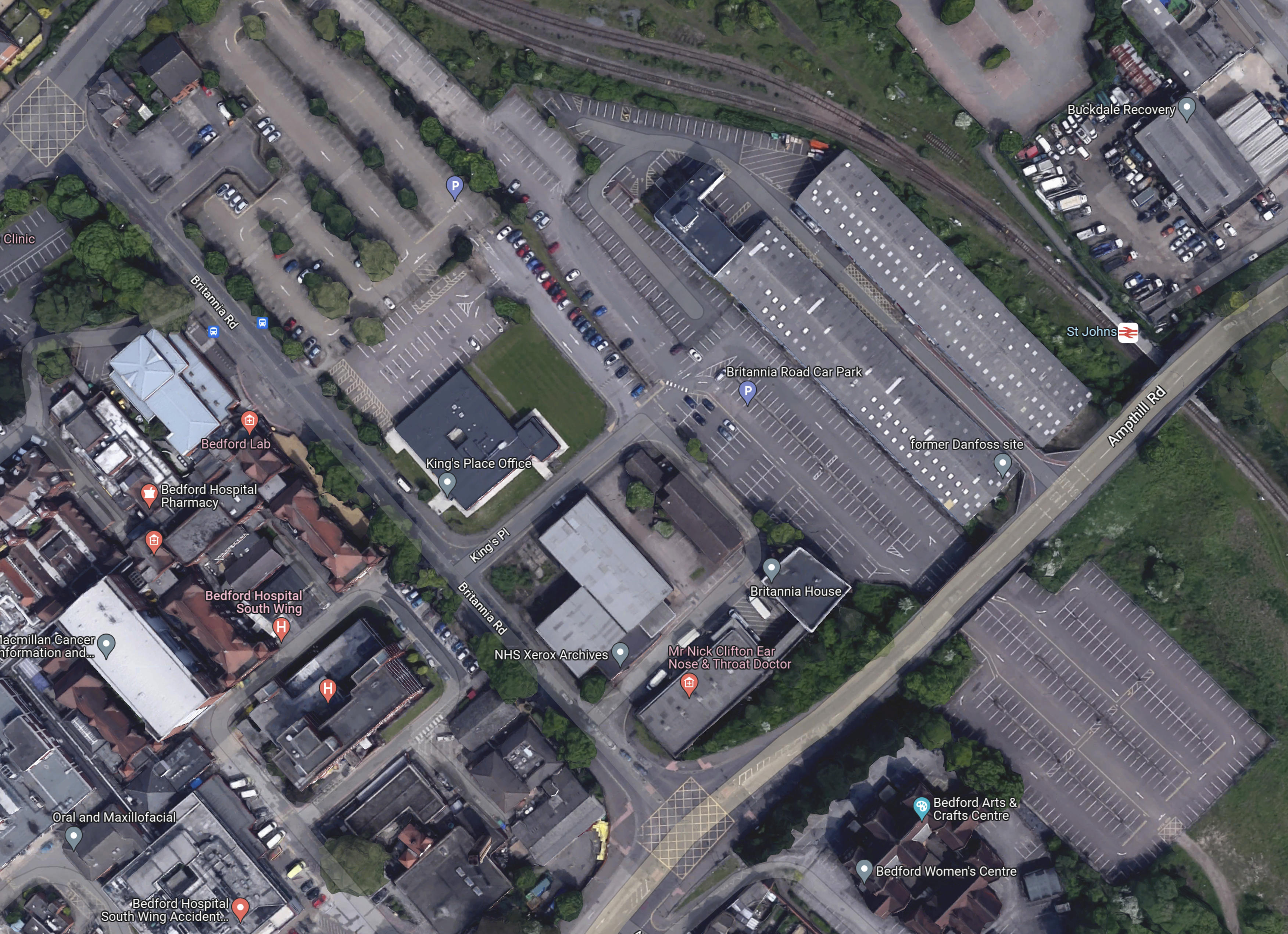
Note.
- Bedford St. Johns station towards the North-East corner of the map.
- The single-track Marston Vale Line passing through the station.
- The track becomes double track to the North of the station.
- Although not shown on the map, the Marston Vale Line becomes double track to the South of the station.
- If it was all double-track, this would surely make operation of the Marston Vale Line easier for two trains per hour (tph).
- In the South-West of the map is Bedford hospital.
The Wikipedia entry for Bedford St. Johns station, says this about the future of the station.
In March 2021, plans were unveiled which, if taken forward, would see Bedford St Johns railway station relocated as the track through the station will be realigned. In May 2023, EWRL announced that it proposes to relocate the station further north (to Kempston Road) to better serve Bedford Hospital.
That sounds sensible, as it would allow either a full two-platform step-free station or a smaller single-sided one-platform station to be built.
Over The Great Ouse
This Google Map shows the railway crossing the Great Ouse.
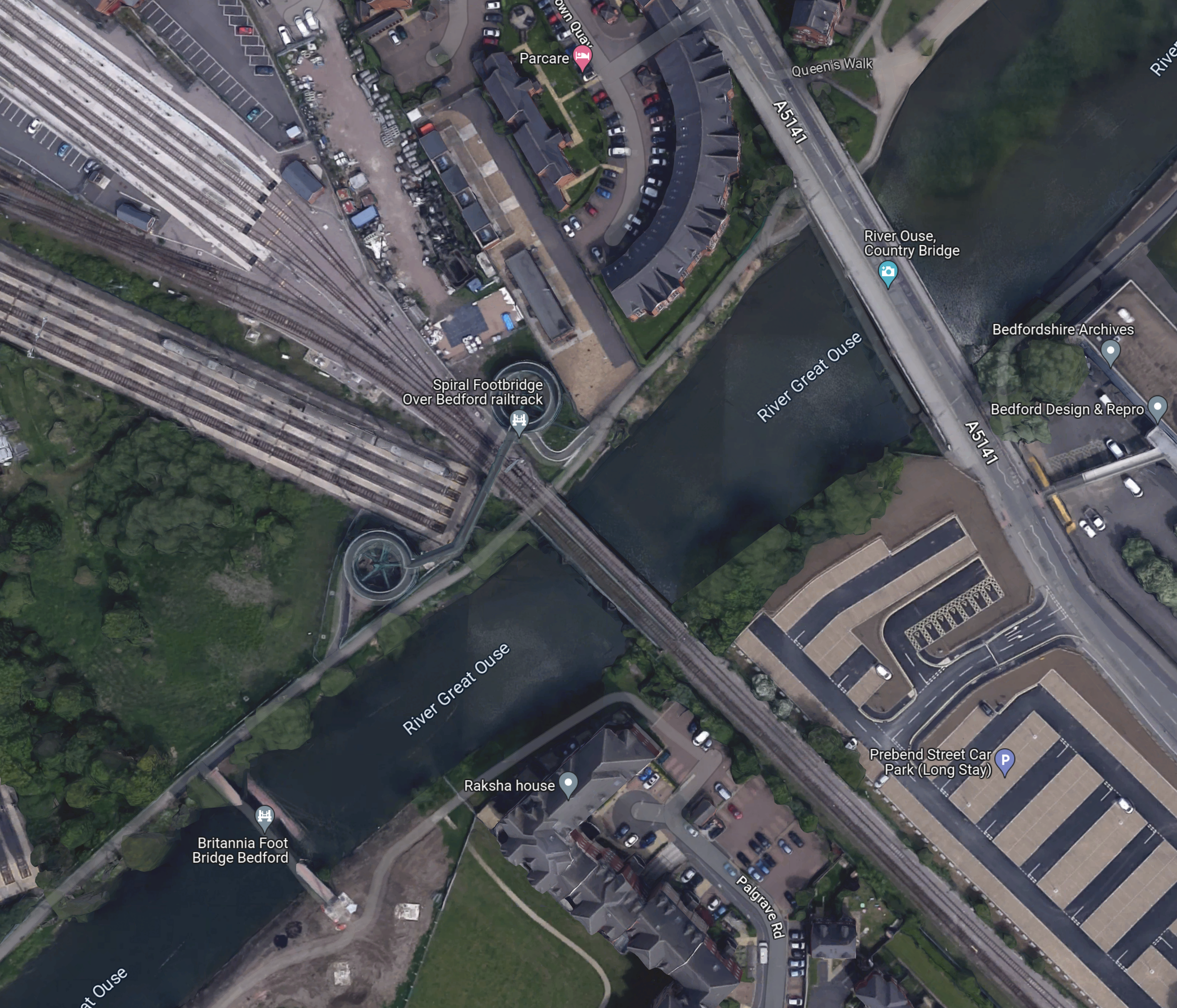
Note.
- The Marston Vale Line runs to the South -West of the long-stay car park in the South-East corner of the map.
- The Western bridge takes the line over the Great Ouse.
- It then runs between the sidings to Bedford station.
This picture, which was taken from the Spiral Footbridge on the North bank of the Ouse, shows the double-track rail bridge.
There are two tracks all the way from where the single-track divides to the North of Bedford St. Johns station.
The Southern Approaches To Bedford Station
This Google Map shows the Southern approaches to Bedford station.
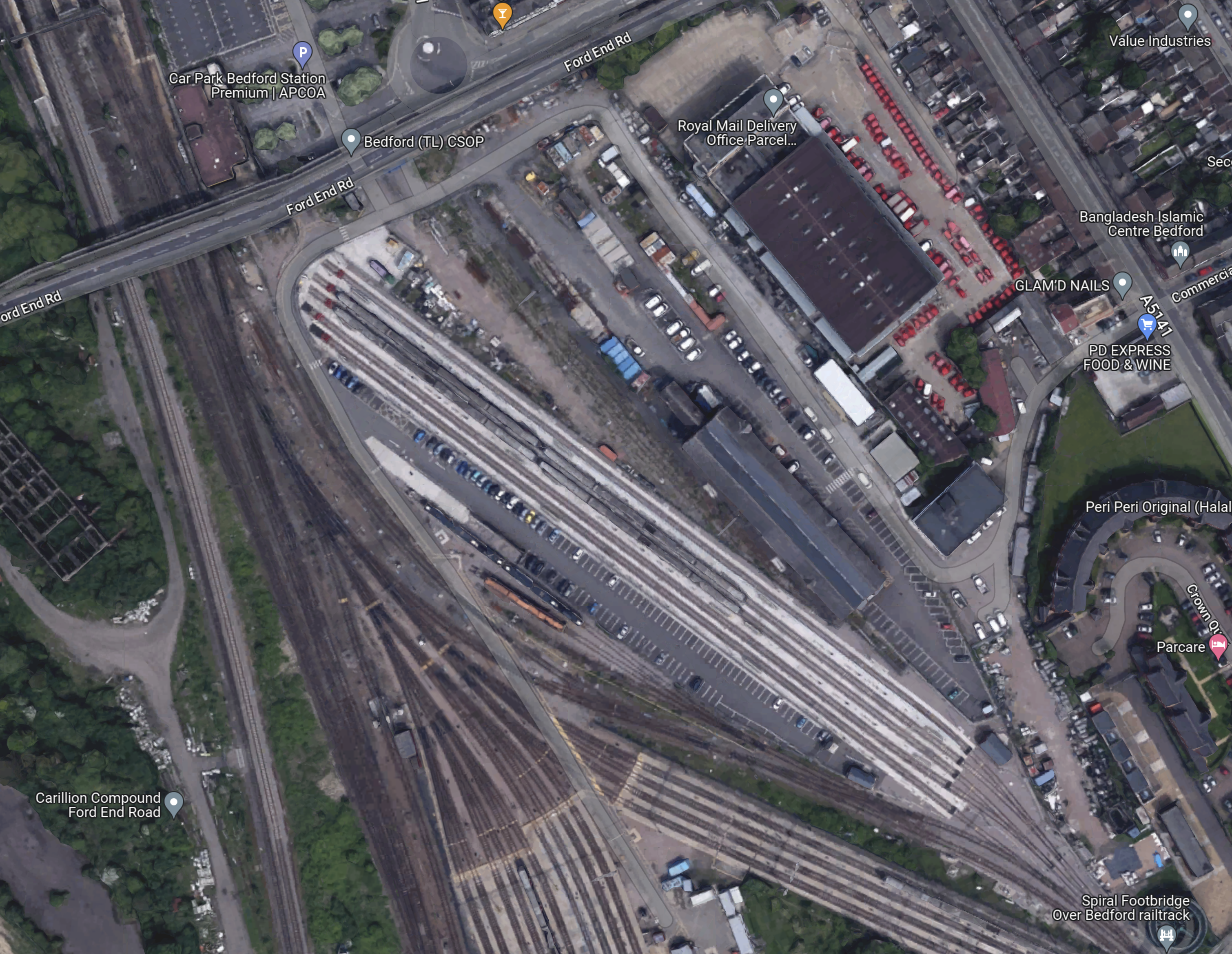
I have looked at the track layout and I’m fairly sure of the following.
- Current Marston Vale trains can go directly into Platform 1A without crossing any other tracks.
- Marston Vale trains can use Platform 1 if required.
- Thameslink trains can terminate in Platforms 1, 2 or 3.
- Southbound Corby trains can call in Platforms 1, 2 or 3.
- If they stop in Platforms 1 or 2, they appear to cross over South of Bedford station to the Midland Main Line.
If 2 tph were running on the Marston Vale Line; one fast and one stopping, a single platform should be able to handle the trains, if it was long enough.
Bedford Station
These pictures show Bedford station.

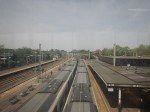
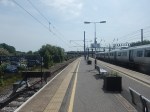
Note.
- The first two pictures were taken from the footbridge.
- The fast line between Platforms 3 and 4, is clearly visible in the second picture.
- Platform 1A is electrified.
This Google Map shows Platform 1A, where Marston Valley Line trains currently terminate.

Note.
- Platforms from the right are 1A and 1, 2 and 3 on the islands, with 4 to the left.
- Judging it against the three cars of the train in Platform 2, I reckon that Platform 1A could be updated to hold a six-car train.
Would a six-car train be long enough?
Initial East West Rail Services To Bedford
According to the Wikipedia entry for the East West Railway, these services will run on the railway between Oxford and Bedford.
- East West Railway – Oxford and Milton Keynes Central via Oxford Parkway, Bicester Village, Winslow and Bletchley – 2 tph
- East West Railway – Oxford and Bedford via Oxford Parkway, Bicester Village, Winslow, Bletchley, Woburn Sands and Ridgmont – 1 tph
- East West Railway – Aylesbury and Milton Keynes Central via Aylesbury Vale Parkway, Winslow and Bletchley – 1 tph
- West Midlands Trains – Bletchley and Bedford via Fenny Stratford, Bow Brickhill, Woburn Sands, Aspley Guise, Ridgmont, Lidlington, Millbrook, Stewartby, Kempston Hardwick and Bedford St Johns – 1 tph
Note.
- tph is trains per hour.
- There a fast train and a stopping train between Bletchley and Bedford.
- It appears that both these trains could terminate in Platform 1A at Bedford station.
I believe this will be possible with the current track layout, as the Marston Vale Line is almost all double-track.
East West Rail Services To Cambridge And Beyond
In this document on the East-West Rail Consortium web site, these services are suggested, for when the East West Rail is complete.
- An hourly train via Norwich terminating at Great Yarmouth.
- An hourly train via Ipswich terminating at Manningtree.
Would this mean three of four passenger tph on the Marston Vale Line?
If Cambridge and Oxford services, were running under digital signalling, I suspect trains could cross between the Thameslink and Marston Vale Lines, so that they could call in the through platforms at Bedford station.
How Would Trains Connect To The East At Bedford Station?
This Google Map shows the Midland Main Line through Bedform.
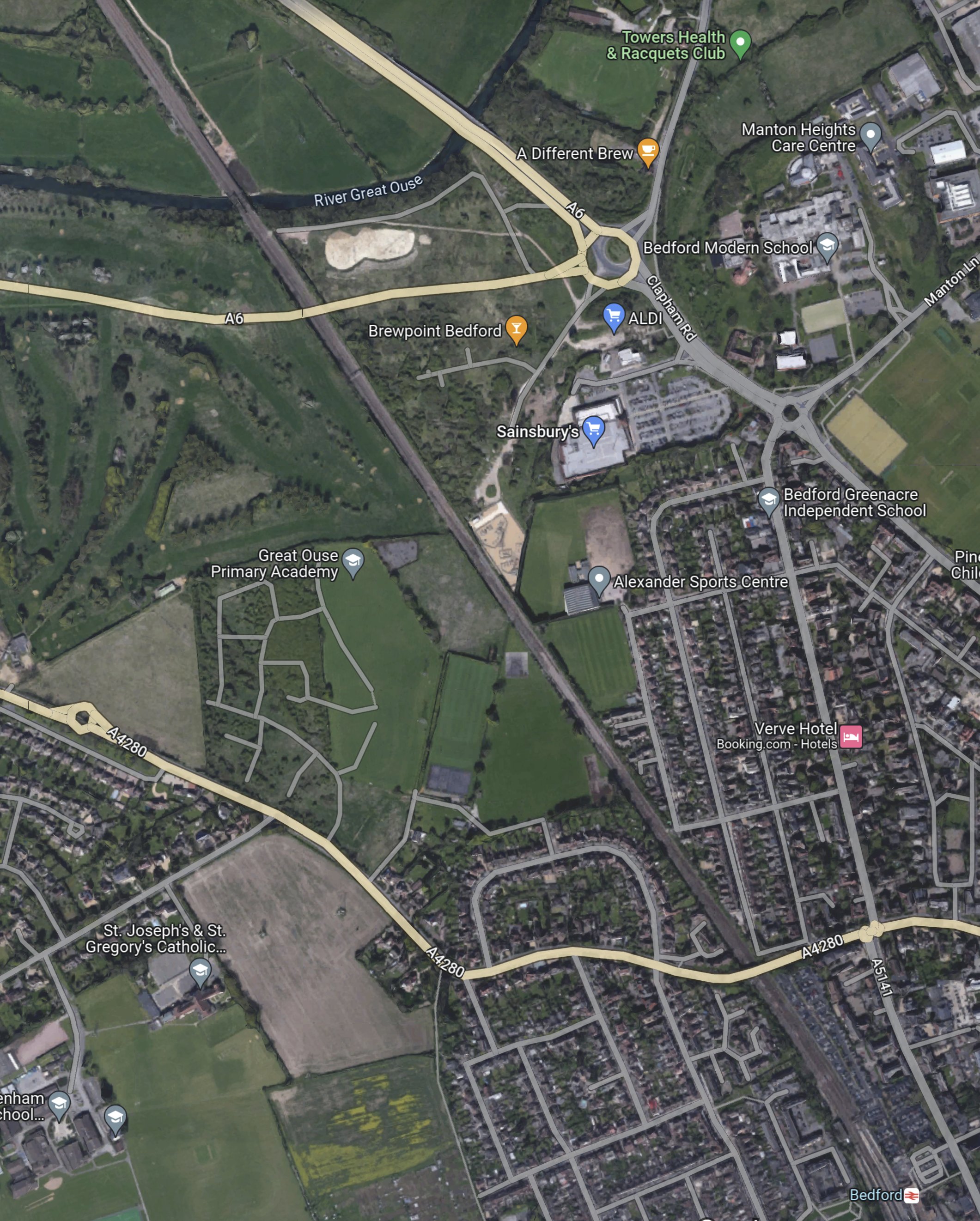
Note.
- Bedford station in the South-East corner of the map.
- The Midland Main Line runs diagonally from Bedford station across the map.
- The A6 seems to take a curious route in the North-West corner of the map, where it connects to a roundabout with an Aldi and a Sainsbury’s
This Google Map shows the countryside to the North-East of the roundabout.
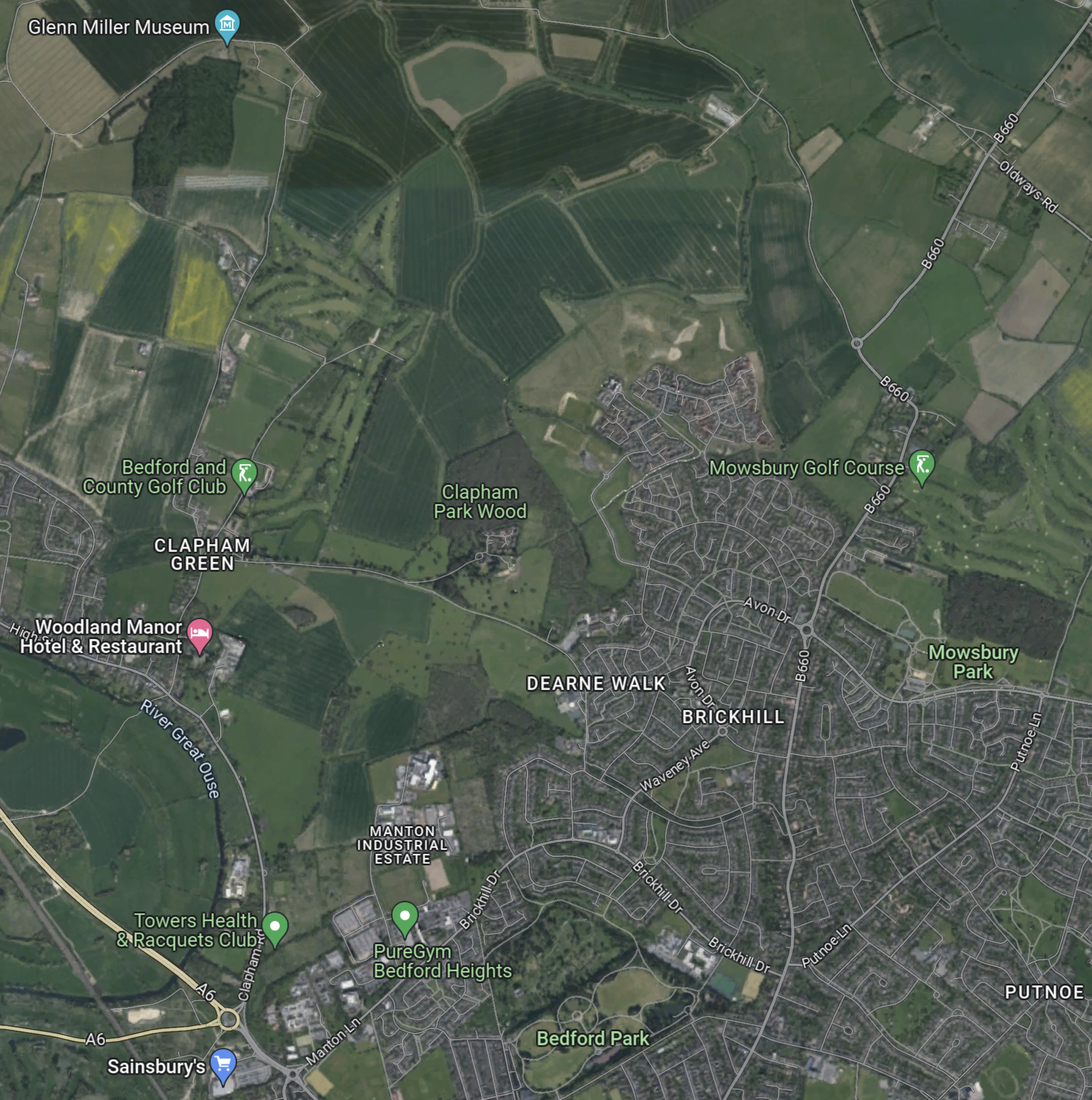
Judging by the colours of the fields to the North-East of the roundabout, I suspect, that a high proportion of the land is in one ownership.
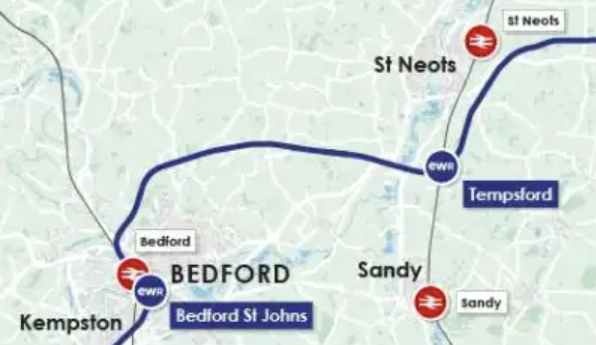
This map clipped from the East West Rail route map, shows the route between Bedford and the East Coast Main Line between St. Neots and Sandy stations.
This Google Map shows the area of the junction, that would connect the East West Rail tracks to the slow lines through Bedford station.
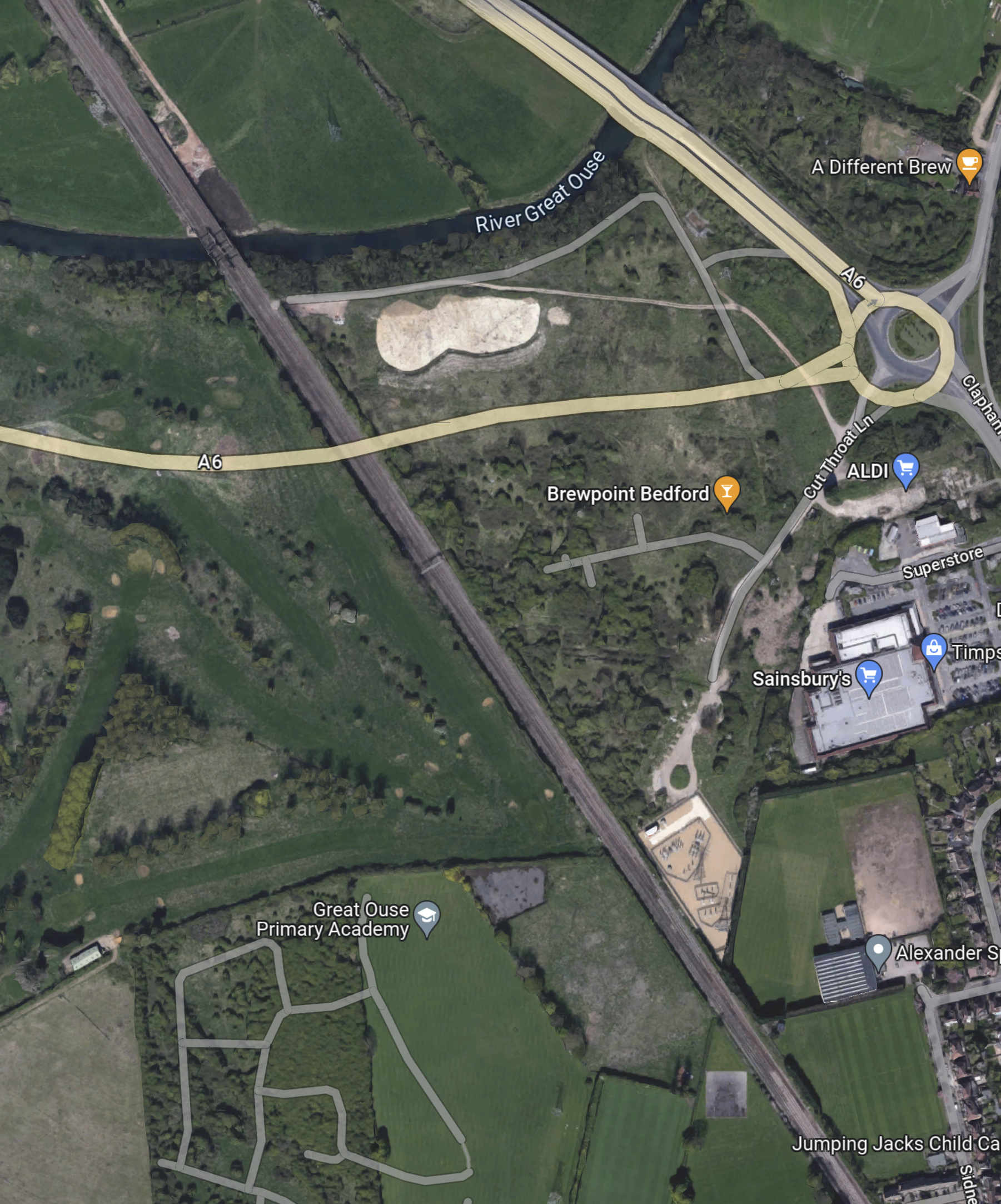
Note.
- The four-track Midland Main Line runs diagonally across the map.
- The beige-coloured diamond-shaped area by the railway is an electrical substation.
- There doesn’t appear to be many properties that would need to be demolished.
- There would need to be a viaduct over the A6.
- Once over the A6, the land seems to be in one ownership, which should ease building the railway across.
I feel it would be feasible, possibly with the use of a dive-under or flyover to connect the East West Rail tracks to the slow lines through Bedford station.
Soham Station’s Inaugural Year A Soaring Success
The title of this post, is the same as that of this article on Rail Technology Magazine.
This is the first paragraph.
Soham station has seen healthy and consistent passenger usage over its first year since opening to the public, seeing almost 50,000 journeys starting or finishing there, according to Greater Anglia’s figures.
I took these pictures, when the station opened.
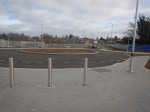
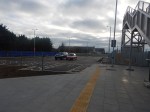
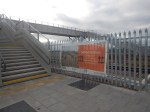
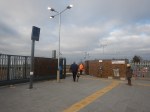
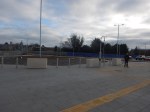
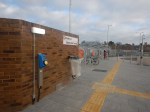
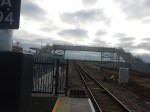
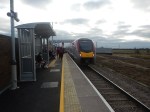
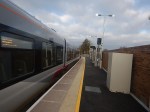
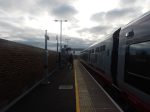
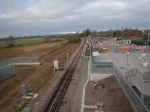
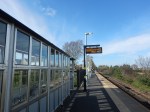
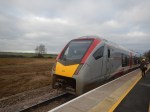
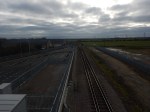
I think Soham station is a good design of a single-platform station.
- It’s a short walk from car park or drop-off point to the platform.
- There is adequate car parking.
- There is a shelter.
The station has also been built, so that it can be expanded.
These are my thoughts.
A Service To Cambridge
Soham station probably needs a train service to Newmarket and Cambridge, as it already has a two-hourly service to Bury St. Edmund’s, Ely and Ipswich and Peterborough.
Wikipedia says this.
There are no current plans for direct services to Cambridge, but the CPCA has expressed support for the idea in a future phase of the project. Mayor James Palmer said “the delivery of Soham station gives us a much stronger case to go to Government and Network Rail and lobby for the reinstating of the Snailwell loop which will provide a direct service between Ely, Soham, Newmarket and Cambridge”
This map from OpenRailwayMap shows the Snailwell Loop.
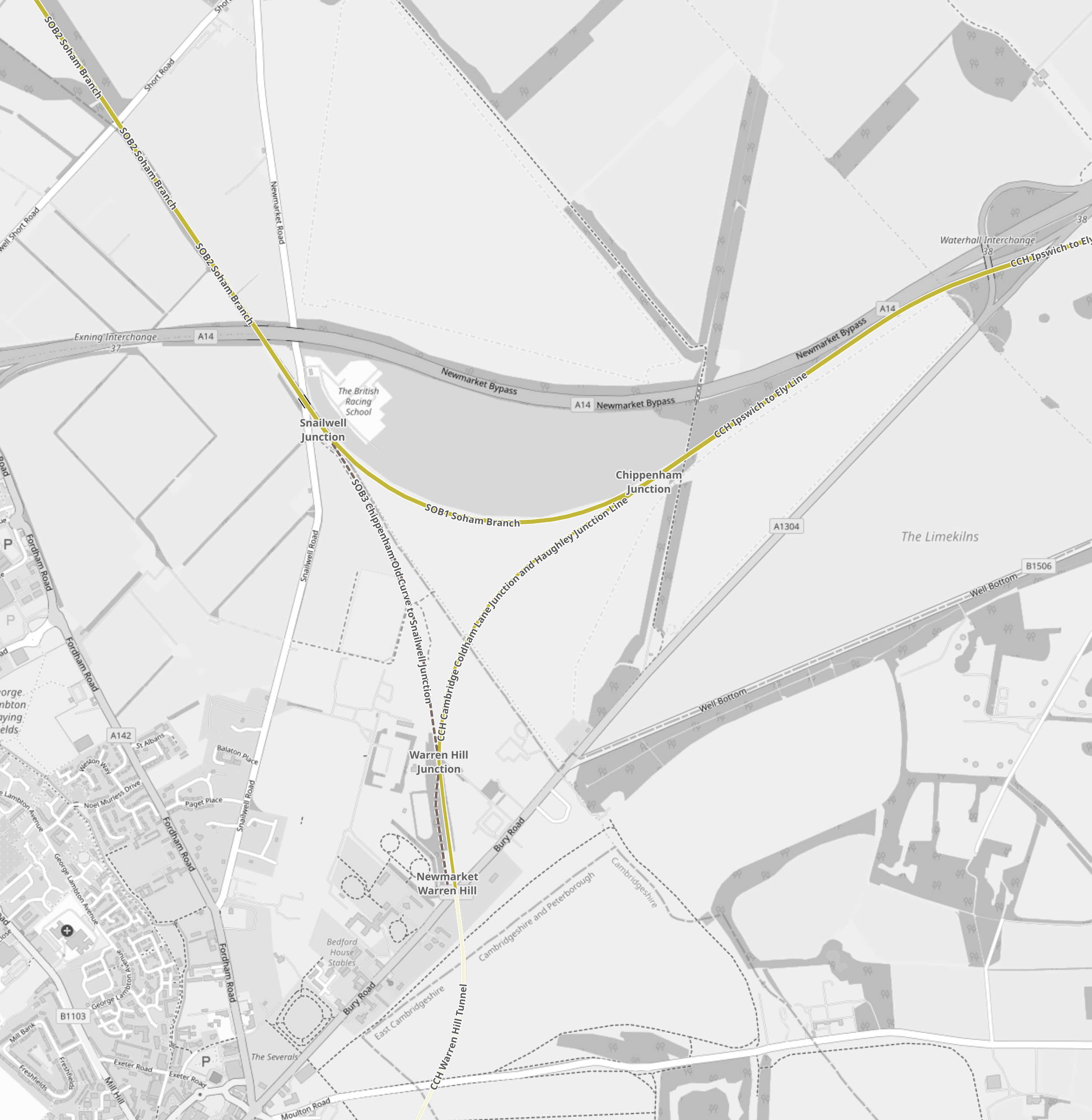
Note.
- The triangular junction in the middle of the map,
- The line from the junction leading East goes to Bury St. Edmunds and Ipswich.
- The line from the junction leading North goes to Soham, Ely and Peterborough.
- The line from the junction leading South goes to Newmarket and Cambridge.
- The Western side of the junction was removed by British Rail.
It would appear that by reinstating the Western side of the junction, a service between Ely and Cambridge via Soham and Newmarket could be run.
There are proposals for new stations in this area and given the need for comprehensive commuter services into Cambridge this Ely and Cambridge service could develop considerably.
The simplest service pattern would be
- Peterborough via Ely, Manea, March and Whittlesea.
- Ely non-stop.
- Ipswich via Bury St. Edmunds and Stowmarket.
- Cambridge via Newmarket and Dullingham.
All trains would be one train per two hours (tp2h).
Snailwell Junction And Cambridge
There could be problems between Snailwell junction and Cambridge, as the line is mainly single-track and it would need to handle the following trains.
Ipswich and Cambridge – 1 train per hour (tph)
Ely and Cambridge – 1 tp2h
Sundry freight trains.
In Roaming Around East Anglia – Newmarket Station, I wrote this about the plans of the East West Rail Consortium in the area.
In this document on the East-West Rail Consortium web site, this is said.
Note that doubling of Warren Hill Tunnel at Newmarket and
redoubling between Coldham Lane Junction and Chippenham Junction is included
in the infrastructure requirements. It is assumed that most freight would operate
via Newmarket, with a new north chord at Coldham Lane Junction, rather than
pursuing further doubling of the route via Soham.
So would it be possible to create a double-track railway through Newmarket station?
In the related post, I came to this conclusion.
Newmarket can benefit from East West Rail, but the two parties must agree objectives that don’t cause problems for the other.
But I do think, that Newmarket will not welcome the building of a double-track railway through the town.
The Proposed A14 Parkway Station
East West Rail Takes New Steps Further East
The title of this post is the same as that of this article on Rail News.
This is the introductory paragraph.
A business case for improving train services between Cambridge, Ipswich and Norwich is to be developed by consultants on behalf of the East West Rail Consortium, as an addition to the plans for reopening the former Varsity Line between Oxford, Bedford and Cambridge.
I have covered this before in East West Rail Makes ‘Powerful Case’ For Direct Services From Ipswich And Norwich To Oxford, where I reference this report on the East-West Rail web site, which is entitled Eastern Section Prospectus and gives full details of their proposals.
I particularly like these smaller projects.
- An A14 Parkway station.
- A frequent tram-train between Ipswich and Felixstowe.
- Some extra electrification
- Increase of speed limits to 100 mph
- Haughley Junction improvements.
I suspect the consultants will come up with a few more useful projects.
Are Train Services Around Norfolk And Suffolk Unbalanced?
Consider the following services in trains per hour (tph) after Greater Anglia’s proposed changes in their franchise.
- Cambridge and Bury St. Edmunds- 1 tph
- Cambridge and Ipswich – 1 tph
- Cambridge and Norwich – 1 tph
- Cambridge and Peterborough – 1 tph
- Cambridge and Stansted Airport – 2 tph
- Ipswich and Bury St. Edmund’s – 2 tph
- Ipswich and Colchester – 4 tph
- Ipswich and Lowestoft – 1 tph
- Ipswich and Norwich – 3 tph
- Ipswich and Peterborough – 1 tph
- Lowestoft and Great Yarmouth – 0 tph
- Norwich and Great Yarmouth – 2 tph
- Norwich and Lowestoft – 1 tph
- Norwich and Peterborough – 1 tph
Note.
- Most services are a measly 1 tph. Especially, if you’ve walked or cycled to a bleak station and just missed a train.
- Norwich and Ipswich get 3 tph, whereas Norwich and Cambridge and Ipswich and Cambridge get just 1 tph.
- East West Rail will add an extra 1 train per two hours on the Norwich and Cambridge and Ipswich and Cambridge routes, but improvements are needed now.
I would recommend.
- Two tph between Cambridge and Ipswich, Norwich and Peterborough.
- A direct Norwich service to Kings Cross, via Ely and Cambridge.
- Building Cambridge South station tomorrow!
- Terminate the Ipswich and Cambridge service at Cambridge South.
- All passing services would stop at Cambridge South.
- Add a second Ipswich and Cambridge service that terminated at Stansted Airport.
- Run a high-frequency local shuttle between Ely and Cambridge South stations.
- Improve the frequency on as many of the other routes as possible.
The could also be some new stations.
East-West Eail Link
This report on the East-West Rail web site is entitled Eastern Section Prospectus and gives full details of their proposals for the train services along the East-West Rail Link, to the East of Cambridge.
These are the main proposals as regards passengers.
- A new A14 Parkway station will be built to the North of Newmarket, where the railways and the A14 and A11 cross.
- Passenger services between Ipswich and Felixstowe will be replaced by a four tph tram-train running on the Felixstowe Branch Line and through the streets of Ipswich. Read all about it in Could There Be A Tram-Train Between Ipswich And Felixstowe?.
- The current hourly Ipswich and Cambridge service will be replaced or more likely augmented by an hourly Manningtree and Oxford via A14 Parkway, Cambridge and the East-West Rail Link.
- Combined with the Colchester and Peterborough service, there will be two tph between Ipswich and A14 Parkway via Needham Market, Stowmarket and Bury St. Edmunds.
- The current hourly Norwich and Standsted via Cambridsge service will be replaced or more likely augmented by a Reading and Great Yarmouth service via Cambridge and Norwich.
The two new East-West Rail Link services, which could be run by a train similar in design and performance to one of the new Hitachi expresses would act as both local and long distance trains to and from Cambridge and the West.
A Cambridge Crossrail?
Cambridge dominates the whole of the East of England and has a voracious appetite for more people to work in the high-tech businesses.
- Travel to Cambridge by train in the morning from London and there are large numbers of commuters going North.
- A large quantity of housing is being built at places like Bury St. Edmuds, Cambourne, Haverhill, Huntingdon, Lakenheath, Newmarket, Peterborough, Royston, Soham, Thetford and Wisbech.
Some places, where large developments are happening, have poor or no rail access to the City.
I believe the solution is a high-frequency local shuttle across the City.
- The core stations would be Ely, Waterbeach, Cambridge North, Cambridge and Cambridge South.
- The core frequency would be up to twelve tph between Cambridge South and Ely.
- Cambridge South station would turnback most Cambridge Crossrail services in the South.
- There could be additional Southern terminals at Haverhill, Royston and Stansted Airport
- Ely station would turnback most Cambridge Crossrail services. in the North.
- There could be additional Northern terminals at A14 Parkway, Bury St. Edmunds, Thetford and Wisbech.
Most of the infrastructure is already in place, but the following would be needed.
- Improvement of Ely station.
- Building of a junction, so that trains and passengers could go between Cambridge North and Bury St. Edminds stations without a change of train nor a reverse.
- Reinstate the Wisbech Branch with a new station in the town.
- Build the new Cambridge South station.
- Connect Haverhill to the West Anglia Main Line with a simple single-track branch.
The core section would use the same platforms as other trains on the route, to make interchange between services easier and stations more affordable.
A14 Parkway Station
Rereading this article, I believe that this station should be built as soon as possible.
Conclusion
Services in Cambridgeshire, Notfolk and Suffolk can be improved greatly and they need to be to allow, the UK’s premier Powerhouse to grow.
The East-West Rail Link Plans For Services Between Reading And East Anglia
This report on the East-West Rail web site is entitled Eastern Section Prospectus and gives full details of their proposals for the train services along the East-West Rail Link.
This post is particularly about services to Reading and the report says this about services between Reading and East Anglia.
Proposed Core Train Services
This is a sentence.
It has been assumed that, by this stage, a half hourly service will operate on the Central and Western sections between Oxford – Cambridge.
The report then goes on to add.
25 minutes are added to the Oxford journey time to represent the option of one service being extended to / from Reading with a Reading – Oxford non-stop.
So that looks like there will be a core hourly service between Reading and Cambridge, which will take 98 minutes.
The report then goes on to detail how various towns and cities in East Anglia will be connected to Reading.
Bury St. Edmunds
2h16 hourly with cross-platform changes at Cambridge and new A14 Parkway station.
Great Yarmouth
3h14 hourly direct
Ipswich
2h43 hourly with cross-platform changes at Cambridge and new A14 Parkway station.
Lowestoft
3h30 hourly with change at Norwich and cross platform change at Reedham.
Norwich
2h40 hourly direct
Trains For The Route
It looks like there will be two direct hourly train services.
- Reading and Great Yarmouth via Cambridge and Norwich, which will take three hours and fourteen minutes.
- Oxford and Ipswich via Cambridge and Bury St. Edmunds, which will take two hours and nineteen minutes.
The long term service pattern, envisages extending the Oxford and Ipswich service to Manningtree, which would add twenty-five minutes.
These are long services and given the overcrowding that happens on the current service between Norwich and Liverpool, I would think that the trains should be as follows.
- At least four or five cars.
- An on-board buffet.
- At least 100 mph operation.
I also think the trains should be bi-mode trains, able to use 25 KVAC overhead electrification or onboard power.
How Many Trains?
It looks like the Reading and Great Yarmouth service would be a seven-hour round trip, which would need seven trains.
The future Oxford and Manningtree service would be a six-hour round trip, which would need six trains.
So add in an allowance for maintenance and a spare, I suspect the fleet should be sixteen trains.
Roaming Around East Anglia – Could A Tram/Train Run Through Felixstowe?
This report on the East-West Rail web site is entitled Eastern Section Prospectus and gives full details of their proposals for the Eastern section of the East-West Rail Link.
This is said in the report.
Introduction of a tram-train service on the Felixstowe branch, with doubling between Derby Road and Felixstowe and street running through
Ipswich.
It is also said, that there will be a frequency of four trains per hour (tph) between Ipswich and Felixstowe.
On my trip round East Anglia, I deliberately walked from the sea-front to Felixstowe station, taking these pictures.

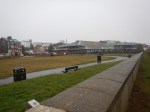
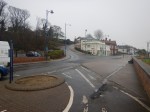
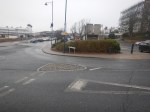
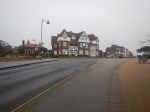
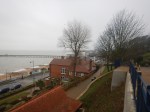
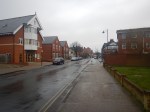
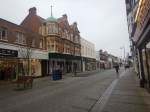
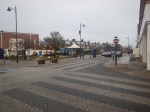
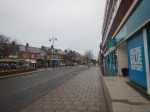
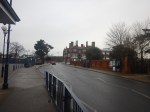
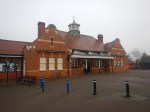
Would it be possible to run a tram-train through the town?
To my mind there are three places for the tram-train to Felixstowe to terminate.
The Current Platform In Felixstowe Station
This picture shows a Class 153 train in the current platform.
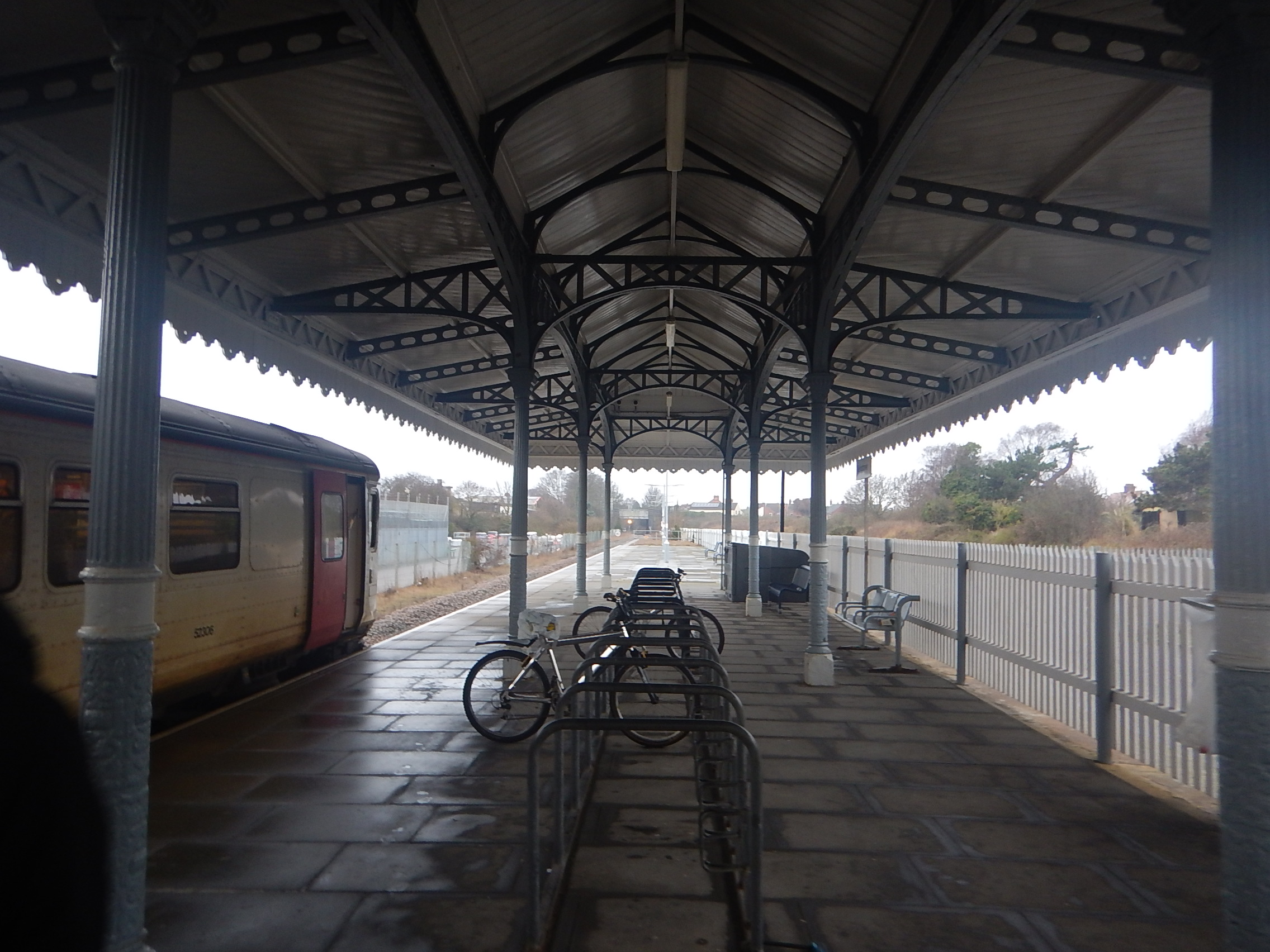
To say that it is safe and boring would be an understatement.
The Tram-Train Breakout
If the operator is running four tram-trains per hour to Felixstowe, then surely they should be taken to somewhere more interesting.
So would it be possible for the tram-trains to go through the station and perhaps use a single track railway to the Town Centre?
This Google Map shows the station and the old station buildings, which are now a Shopping Centre.
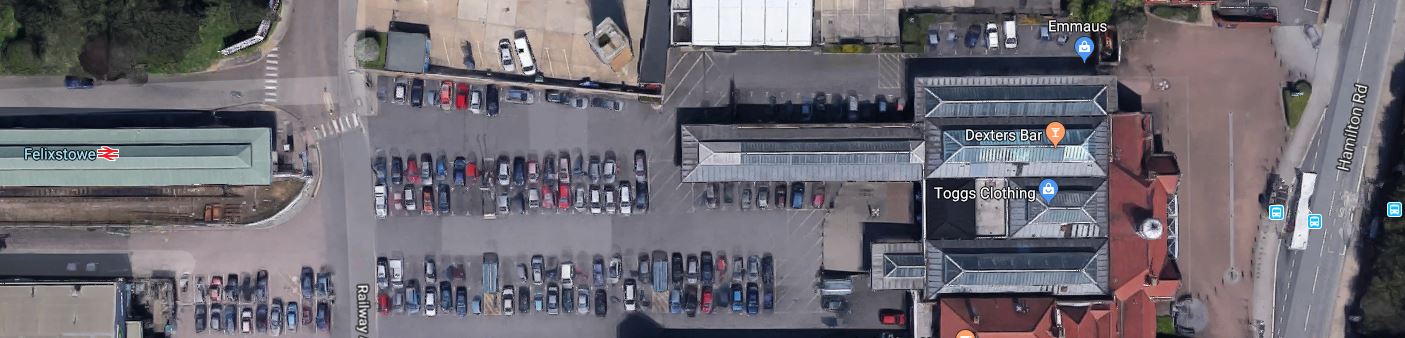
Would it be possible for a tram-train, running as a tram to run North of the Shopping Centre and turn onto the station forecourt, from where it would go walkabout?
These pictures show where the tram would run.
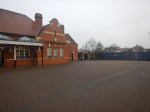
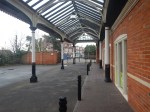
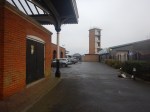
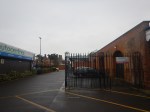
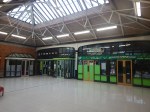
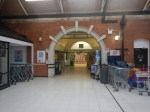
These pictures show the station buildings, which have been turned into a a Shopping Centre.


It looks very much like the shops would not need to be disturbed.
How Far Could The Tram-Train Go?
If a single-track extension were to be built through the station, the time-table could be arranged so that the outgoing and the incoming passed in the current island platform at Felixstowe station.
The simplest system would be for the tram-trains to go to the shops in the Town Centre and reverse outside by the shared space.
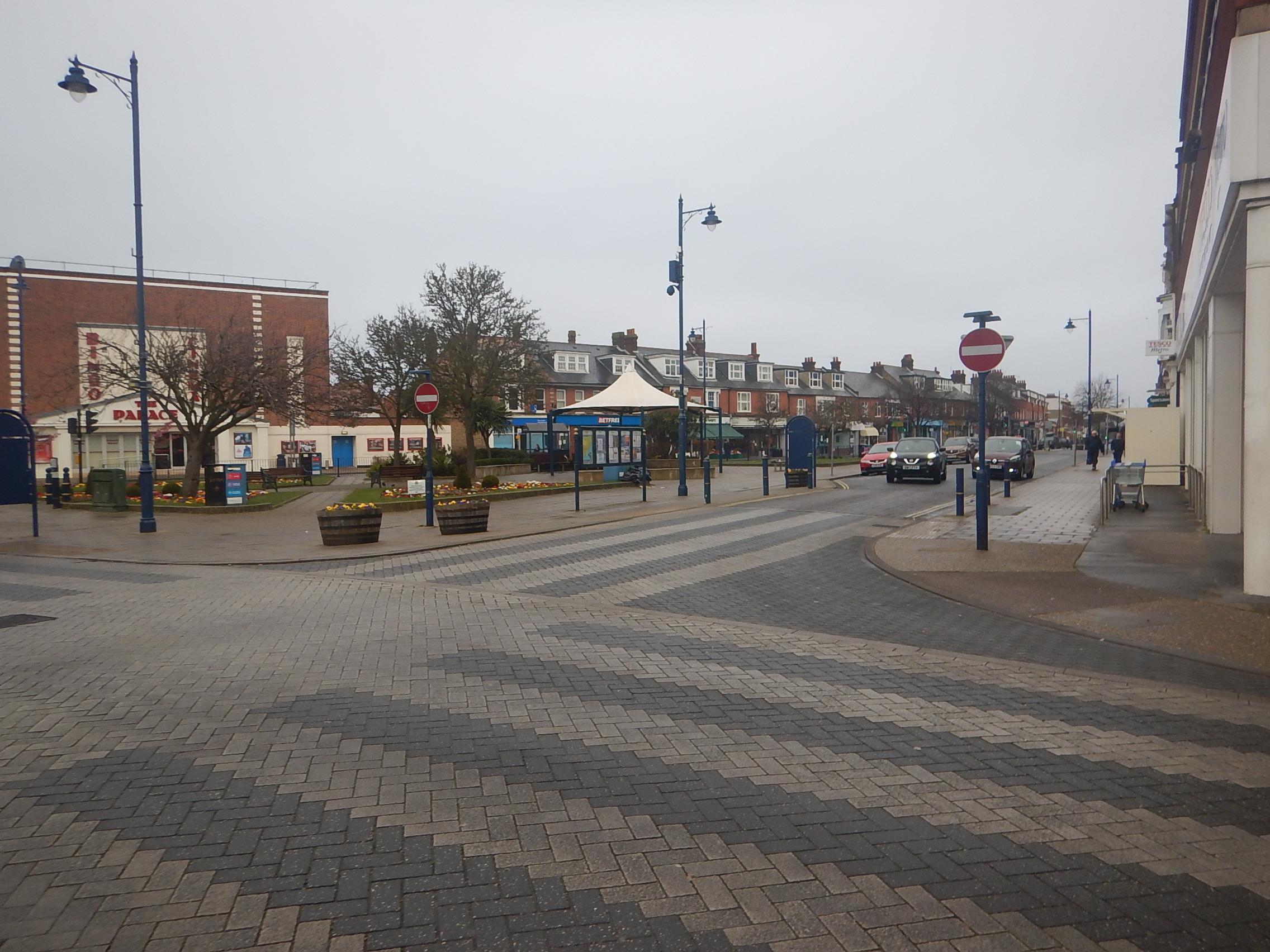
The picture shows the location. Trams would be timed to take fifteen minutes for the trip from Felixstowe station and the return.
- Only one tram-train would be on the single-track route at any time.
- Tram-trains would work on battery power.
It would be a very simple use of a tram-train to move a terminus of a branch line to a better place.
According to a tram driver in Sheffield, the Class 399 tram-trains as used in the City have bags of grunt and handle hills with ease.
So why not run a single tram line through the Town Centre and then take the route via Convalescent Hill to the sea-front, where a terminus could be by the Pier and the Leisure Centre?
The Pier stop would have the following.
- Two platforms, so that two tram-trains could pass.
- A charging facility.
So that the single-track through the Town Centre would work, tram-trains would need to go between Felixstowe station in perhaps ten minutes.
This would give ten minutes for a turnround with a charge at the Pier stop.
The Number of Tram-Trains Needed
Four tram-trains per hour between Ipswich and Felixstowe stations would need four vehicles.
Extending it to Felixstowe Pier would need another two tram-trains for a similar service.
Conclusion
A tram-train serving Felixstowe sea-front running on battery power through the Town Centre., looks to be feasible.
Roaming Around East Anglia – Freight Trains Through Newmarket
The East West Rail Consortium plan to change the route of freight trains to and from Haven Ports; Felixstowe, Harwich and Ipswich to the West of Kennett station.
In this document on the East-West Rail Consortium web site, this is said.
Note that doubling of Warren Hill Tunnel at Newmarket and
redoubling between Coldham Lane Junction and Chippenham Junction is included
in the infrastructure requirements. It is assumed that most freight would operate
via Newmarket, with a new north chord at Coldham Lane Junction, rather than
pursuing further doubling of the route via Soham.
How would these changes affect Newmarket and the horse-racing industry in the town?
How Many Freight Trains Are We Talking About?
This table shows the number of freight trains going through Kennett station on the 1st of March 2019.
- 00 1 1
- 01 1 0
- 02 0 1
- 03 2 1
- 04 1 1
- 05 1 1
- 06 1 2
- 07 1 1
- 08 1 0
- 09 1 0
- 10 1 0
- 11 0 0
- 12 0 0
- 13 2 2
- 14 0 2
- 15 1 1
- 16 0 1
- 17 1 1
- 18 0 1
- 19 1 1
- 20 1 0
- 21 1 2
- 22 0 2
- 23 0 0
In the table the first figure is the hour, the second figure is the number of freight trains going West and the third figure is the number of freight trains going East.
This gives a daily total of eighteen trains going West and twenty-one trains going twenty-one trains going East.
But these figures will increase!
At present, Network Rail are adding a passing loop on the Felixstowe Branch Line. This article on Rail Magazine is entitled £60.4m Felixstowe Branch Upgrade Under Way and says this about the upgrade.
Installing the new line will create capacity for up to ten additional freight trains, each the equivalent of 76 lorries.
Not all will come via Kennett, as some will go via London.
The Port of Felixstowe will get larger and other improvements on the route across Suffolk will increase the number of freight trains passing through Kennett station.
I estimate that it is very likely that in a few years there will be two trains per hour (tph) in both directions for every hour of the day.
Rerouting The Trains Through Newmarket
Currently, these freight trains go via Ely, but the plan of the East West Rail Consortium would be to reroute all these freight trains through the Warren Hill tunnel and Newmarket station.
I suspect the reasons for the change of route could include the following.
Accessing The East West Rail Link From Newmarket Is Easy And Quick
If as expected the East West Rail Link joins the London-Cambridge Line just South of Cambridge South station, then the trains would run through Dullingham, Cambridge and Cambridge South stations, when running between the East West Rail Link and Newmarket station.
The East West Rail Link Will Be An Efficient Railway
Drive on a new motorway and the curves are smooth with relaxed gradients.
A new railway will be like that too and less energy will be used to power trains along its length.
Increasing the Capacity Through Ely Is Difficult
There is a very complicated track layout at Ely and increasing the number of trains might be difficult or very expensive.
Freight Trains Will Use The East West Rail Link To Avoid London
Take going between the Haven Ports and Bristol or South Wales.
Currently, these trains tend to go via London and in a couple of years will have to share tracks with London’s intensive Crossrail network between Acton Main Line and Reading stations.
Using the East West Rail Link, the trains would join the Great Western Main Line at Didcot, a few miles West of Reading.
How many services will use the East West Rail Link to by-pass London?
Freight Trains Will Use The East West Rail Link To Get To The West Coast Main Line
Currently, these trains either go via London or take the slow cross-country route via Peterborough to Nuneaton for the West Coast Main Line.
If they use the East-West Rail Link, they can join the West Coast Main Line at Bletchley.
The East-West Rail Link Will Be An Important Freight Link
I think that as the years pass and more freight terminals are created, we will see more freight trains using the East-West-Rail-Link and many of these trains will go through Newmarket.
What Problems Would The Rerouting Create In Newmarket?
I can see these problems.
Noise And Vibration
Four freight trains per hour will create a lot of noise and vibration as they pass through.
Frightening The Horses
This Google Map shows a corner of the gallops at Newmarket.
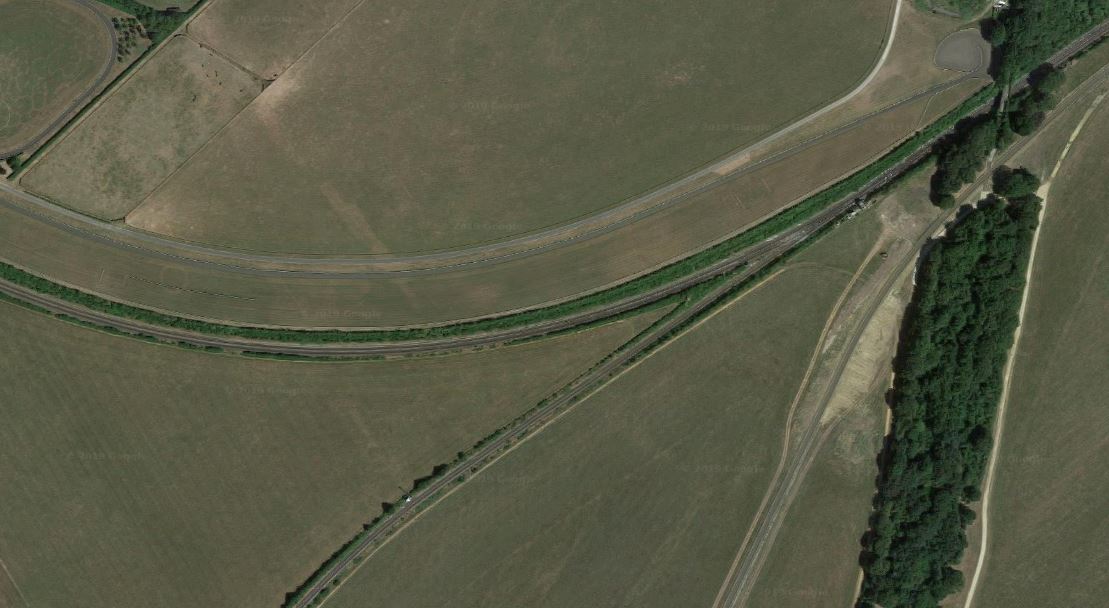
Note how the railway from the East splits into two, to the West of the band of trees running down the map.
- The top branch curves away to the North and goes through Soham to Ely.
- The bottom branch curves away to the South and goes through Warren Hill Tunnel to Newmarket station and then on to Cambridge.
Alongside, the Southern route is the Al Bahatri all-weather gallop, which is an important facility for training racehorses. It can just be picked out as a sand-coloured line.
Currently, nearly all the freight trains take the Northern route to Ely, keeping them away from the Al Bahatri.
But, if the main freight route was through the town, as planned by the East West Rail Consortium, then at least four freight trains per hour would run alongside the gallop. There could also be four passenger trains per hour.
Railway Electrification
It is unlikely, that the railway through Newmarket will be electrified, but under a different government, this could happen.
It might add another dimension to disturbance through the town, as you get pantograph noise and occasional sparks and flashes. I don’t know how horses will react, but from my own experience years ago, they do react to electrical fields.
The Rail Freight Industry
Look at most freight trains on the UK’s railways and the locomotive on the front, is a noisy, smelly and polluting Class 66 or Class 70 locomotive.
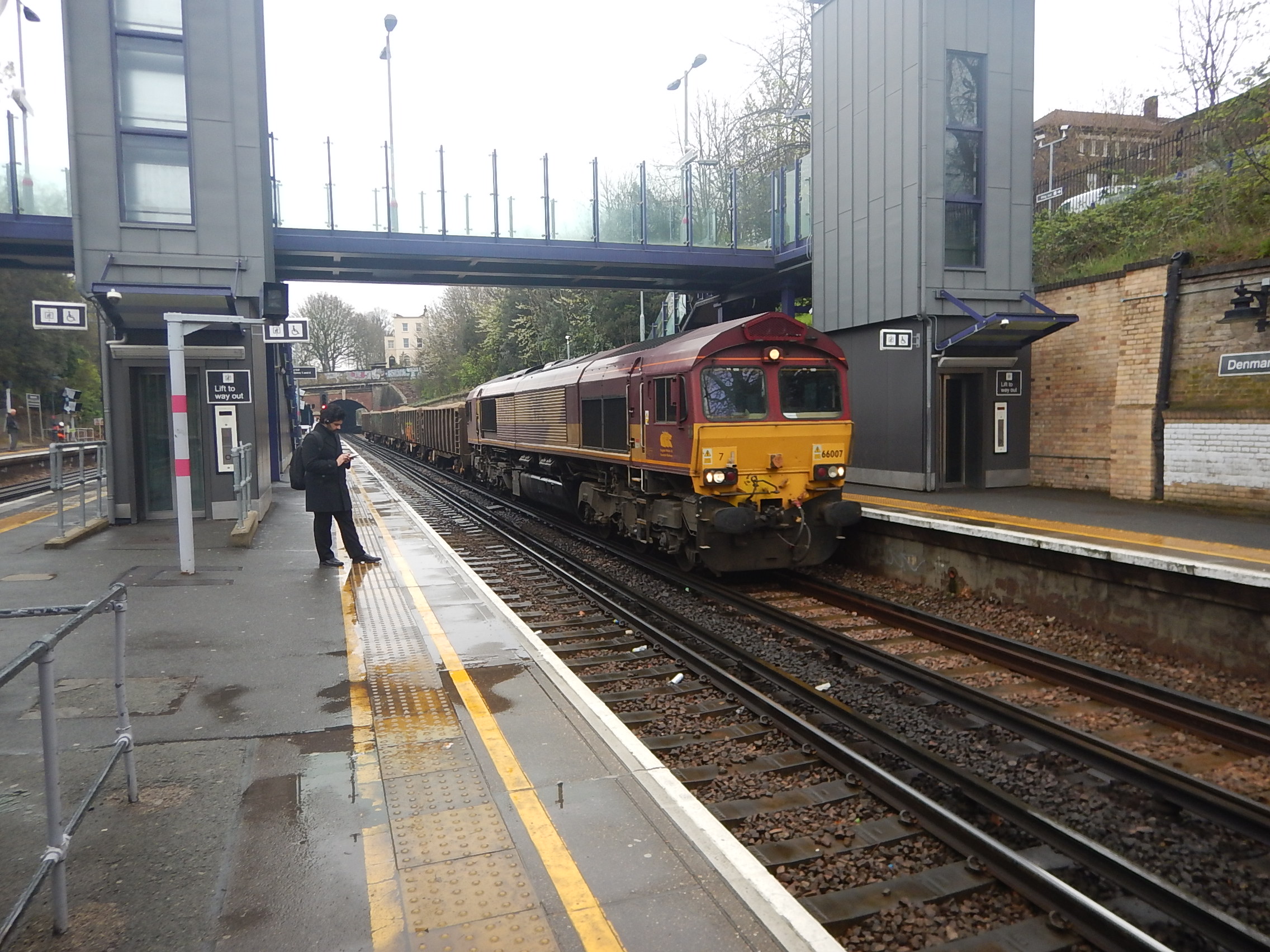
You’ll see these American imports, which don’t meet the latest emission regulations, hauling freight trains, even when there are overhead wires for electric haulage.
Why?
Because rail freight companies are so driven by accountants, that they can’t be bothered to obtain more modern diesel locomotives, that are quieter, more powerful and less polluting.
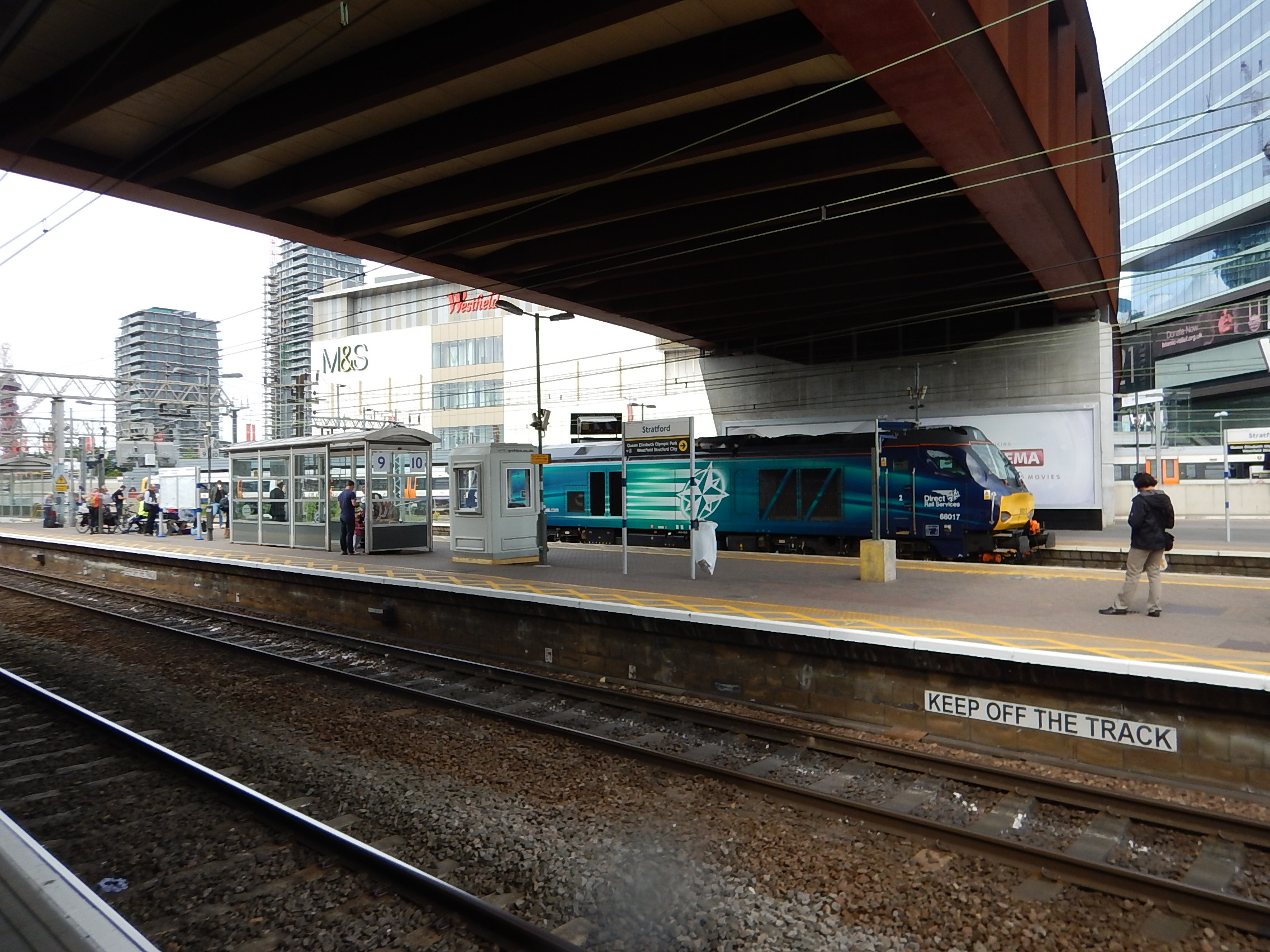
The picture shows a modern Class 68 locomotive at Stratford. These are quieter and meet most of the noise and emission regulations.
Mitigating The Problems
I’ll deal with various methods, that could be used, starting with the easiest.
A Level Railway Through The Town
It looks like the Victorian engineers, who built the railway through the town, built it as level as possible, so that steam locomotives didn’t have to work so hard in the Warren Hill Tunnel, which I don’t think has a chimney for smoke.
Modern engineers will ensure that the railway is as level as possible, with gentle gradients and curves all the way between Kennett and Dullingham stations.
Passenger Trains With Batteries
Greater Anglia’s new Class 755 trains are powered by both overhead electrification and onboard diesel engines. The latter sit in a power pack in the middle of the train.
Not having seen or heard one of these Swiss-built trains in the metal, I can make no comment as to the noise and vibration of these trains, but they should be quieter than the current three-car Class 170 trains.
It does appear that passenger trains built in the last years are much quieter, as they are much more aerodynamically correct and slippery, so they generate less noise.
The new trains have also been ordered for the South Wales Metro. But the Welsh trains will additionally be fitted with batteries to avoid some difficult electrification in the Valleys.
So if the passenger trains prove to be noisy through the town, which I doubt they will be, there will be the option of adding batteries to avoid the use of diesel power.
It is my belief, that technology will ensure that passenger trains will not be a problem.
More Environmentally-Friendly Freight Locomotives
As I said earlier, smelly, noisy and polluting freight locomotives are a big problem.
This is not just a problem for places like Newmarket with special circumstances, but on railways like the London Overground and those in Central Birmingham, Leeds and Manchester,, where suburban electric railways have to accommodate heavy rail freight.
The railway locomotive manufacturers have designed solutions for the problem in recent years.
Stadler, who are an innovative Swiss company have started to manufacture a Class 93 locomotive, which can run on diesel, electric and/or battery power. I’m fairly sure, that one of the design goals of this locomotive is to be able to haul a heavy freight train between Felixstowe and Peterborough, using electric power where it is available and a mix of diesel and battery at other times.
At Newmarket if the new double-track was well-designed and almost level, I suspect that a Class 93 locomotive could haul a train between Kennett and Dullingham stations on battery power.
Locomotives of this type should be compulsory on all freight routes through sensitive areas.
The government must legislate, as left to themselves the rail freight companies will sit on their hands and wallets.
One of the conditions of a double-track railway through Newmarket, should be that only locomotives that meet the latest noise, vibration and pollution standards, like the Class 93 locomotive should be allowed.
Quieter 100 mph Freight Trains
Karl Watts, who is a disruptive innovator and CEO of the Rail Operations Group, has bought the first ten Class 93 locomotives and intends to use them to haul 100 mph freight trains, where the routes allow.
On the electrified Great Eastern Main Line between Ipswich and London, the operating speed is 100 mph. But freight trains trundle up and down at 75 mph, thus slowing all of the passenger services.
Watts plans to use the Class 93 locomotives with new 100 mph container wagons to run freight trains at 100 mph on this and other routes, which would increase the freight and passenger capacity of the line.
New 100 mph freight wagons will be smoother, quieter and used through Newmarket at an appropriate speed would remove a large proportion of the noise and vibration.
Again, it would need investment from the freight companies.
However, modern freight trains hauled by modern hybrid locomotives like the Class 93 could significantly remove noise and vibration.
Lengthen Warren Hill Tunnel
A second bore will be dug to double-track the kilometre long Warren Hill Tunnel.
Some rail tunnels have been extended with covers and this technique might be possible at the Newmarket station end of the tunnel. The techniques exist, so that housing or other developments can be built on top of the railway.
Techniques like this not only suppress noise and vibration, but create much needed housing.
Acoustic Barriers
You see these a lot in Germany to reduce noise and vibration from railway lines in sensitive area, but rarely in the UK.
Conclusion
It will be difficult to put a double-track railway through Newmarket, but I believe that using modern rolling stock and some advanced construction, that a solution can be found.
Newmarket should dig in its heels and only accept the best to force rail freight companies to get their act together.
Government too, should enforce the current regulations on diesel locomotives, which most of the current locomotives do not meet.
Roaming Around East Anglia – Newmarket Station
I went to Newmarket station for two reasons; to assess if the East West Rail Consortium’s plans for Newmarket were feasible and also to see a friend, who trains racehorses in the town, to tell him about the plans.
I should say, that I haven’t been to Newmarket for perhaps six years and it struck me that the town was much more crowded with traffic, with a lot of full car-parks. Around the station, there were lots of cars parked. How many were owned by commuters going to Cambridge.
The Plans Of The East West Rail Consortium For Newmarket
In this document on the East-West Rail Consortium web site, this is said.
Note that doubling of Warren Hill Tunnel at Newmarket and
redoubling between Coldham Lane Junction and Chippenham Junction is included
in the infrastructure requirements. It is assumed that most freight would operate
via Newmarket, with a new north chord at Coldham Lane Junction, rather than
pursuing further doubling of the route via Soham.
So would it be possible to create a double-track railway through Newmarket station?
These are pictures that I took of the station.

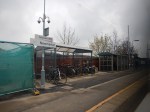
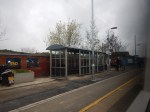
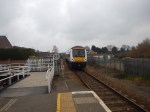
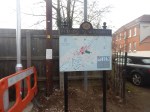

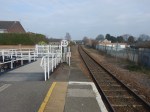
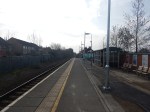

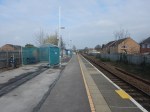
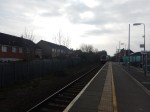
It does appear that there is space for another track on the other side of the current track to the platform.
Newmarket station has some positive attributes.
- It is in the centre of the town.
- There is enough shelter and storage for cycles.
- The platform will be long enough for Greater Anglia’s new four-car Class 755 trains.
- There is a wide, spacious platform.
But these are outweighed by these drawbacks.
- The vehicle access is terrible.
- There is no Kiss-and-Ride facility.
- Car parking is in the surrounding streets and as it’s free, the local roads will get choked, especially when Greater Anglia’s larger trains are introduced later this year.
- The East West Rail Link will introduce a two trains per hour (tph) through the station.
- Will the platform at Newmarket be long enough for the East West Consortium trains, which will be running between Ipswich and Oxford? Probably not!
- There is no coffee kiosk, shop or toilets.
But above all it is not a destination station., that gives a good impression for visitors and tourists, who could make up a proportion of travellers.
The East West Rail Consortium are planning a parkway station on the A14 to the North of Newmarket and this will surely solve the problem of traffic and parking, that blocks the local streets,
But I believe that Newmarket needs a station, that will attract visitors.
My pictures, show the previous station building still standing next door to the current station.
- This could be converted into a first-class station with excellent passenger facilities.
- There could be a large taxi rank.
- There could be passenger drop-off and pick-up facilities.
- There is space for a bus connection to the race-course on race-days.
- Limited car-parking of a short-term nature.
- A two-hundred metre long platform could be built to accommodate the longest-possible trains.
This Google Map, shows the combined site of the current and previous stations.
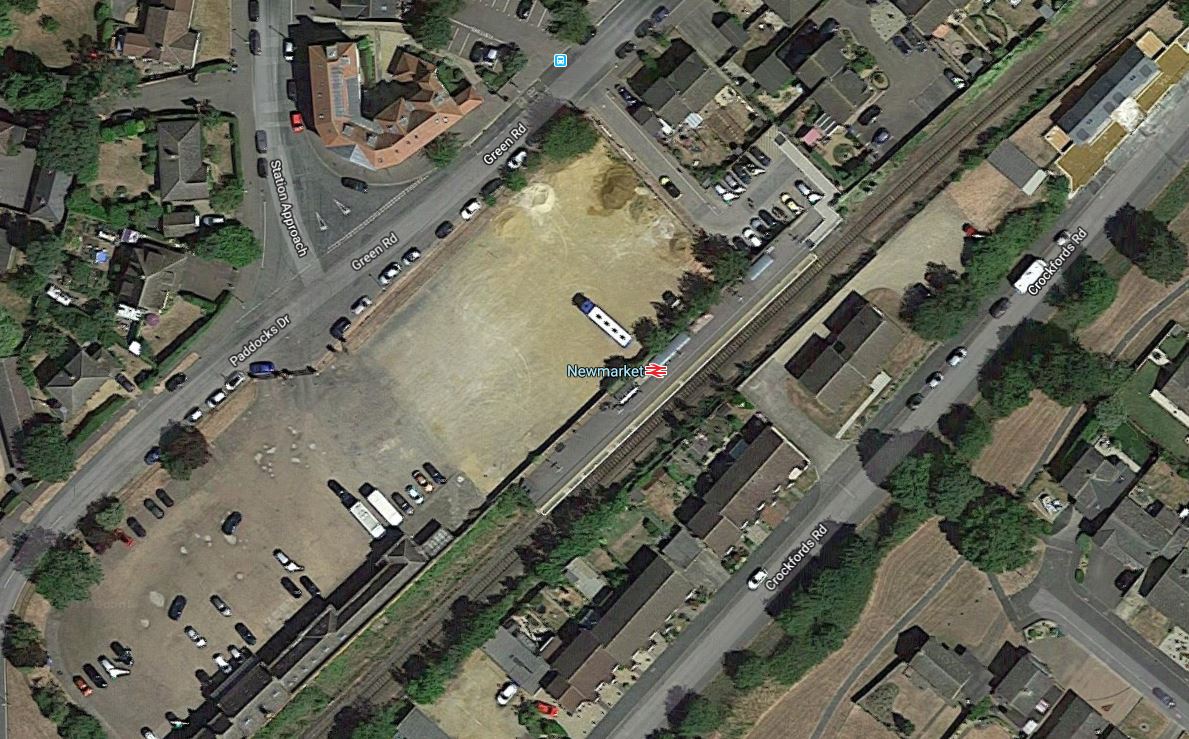
Both stations are effectively side-by-side, with the current station to the East.
The large area behind the stations is parking for horse-boxes during the numerous sales at Tattersalls. For much of the year, it is virtually empty.
I’m pretty sure, that with some management, the area could serve both its current purpose and as a forecourt to a landmark station,, that would enhance the town and the racing industry.
I don’t think that a second platform would be needed for the following reasons.
- Adding the step-free access to the seond platform would cost a seven figure sum.
- Commuters into Cambridge would be encounraged to use the proposed A14 Parkway station.
- Probably only on race days, would there be large enough numbers of passengers to need to accommodate two trains in the station at the same time..
However space could be left, if a second platform were to be needed in the future.
Conclusion And Recommendations
The current Newmarket station is totally inadequate for the current service of one three-car train per hour in both directions.
Greater Anglia’s new Class 755 trains could be a car longer and will certainly attract more passengers to use Newmarket station, as new trains always do!
I feel that in the next couple of years, possible additional trains, more passengers and lack of car parking will create problems at Newmarket station.
I would recommend the following actions.
A14 Parkway Station
Work should start as soon as is practical for the A14 Parkway station, proposed by the East West Rail Consortium.
This station would have the following Greater Anglia services.
- Peterborough and Colchester – 1 tph
- Ipswich and Cambridge – 1 tph
These two services would give the following frequencies to these places.
- Bury St. Edmunds – 2 tph direct
- Colchester – 1 tph direct and 2 tph with a change at Ipswich
- Diss – 1 tph with a change at Stowmarket
- Ipswich – 2 tph direct
- London – 1 tph with a change at Cambridge and 1 tph with a change at Ely
- Newmarket – 1 tph direct
- Norwich – 1 tph with a change at Cambridge, 1 tph with a change at Ely and 2 tph with a change at Stowmarket
- Peterborough – 1 tph direct and 1 tph with a change at Cambridge
- Stansted Airport – 2 tph with a change at Cambridge
- Stowmarket – 2 tph direct
A14 Parkway station sitting at the junction of two of the busiest roads in East Anglia; the A11 and A14, and two important rail routes,would be one of the most important stations in the East.
The station could only be named after Ancient Britain’s most famous queen, who by repute once lived in the area.
Upgrade Newmarket Station
Hopefrully, the A14 Parkway station would ease the problems at Newmarket station and this would enable work to progress on the design of an upgraded Newmarket station, that would serve the town, the racing industry and the towns tourist attractions.
Improved Train Services To/From Cambridge
Once the East West Rail Link opens between Cambridge and Oxford, the current service between Ipswich and Cambridge, could eventually be replaced with a service between Manningtree and Oxford or possibly Reading, that calls at Ipswich, Stowmarket, Bury St. |Edmunds, A14
Parkway, Newmarket, Cambridge, Cambridge South, Bedford, Bletchley, Milton Keynes, Bicester, Oxford and several smaller intermediate stations.
The three Cambridge stations of Cambridge, Cambridge North and Cambridge South will also increasingly be connected to the surrounding stations like A 14 Parkway, Bury St. Edmunds, Cambourne, Ely, Kings Lynn, March, Newmarket and Peterborough. Services will be at a frequency of at least two tph, with some as high as four tph.
In addition, there could be new services to Haverhill and Wisbech.
Newmarket will get a share of these services and I wouldn’t be surprised to see these frequencies from Newmarket station to the three Cambridge stations.
- Cambridge – 4 tph direct
- Cambridge North – 2 tph direct and 2 tph with a change at Cambridge
- Cambridge South – 2 tph direct and 2 tph with a change at Cambridge
Cambridge is becoming one of the most important cities in Europe and Newmarket can benefit by holding on to big sister’s skirts.
West Suffolk And London Services
If you look at the sizeable towns in Suffolk, the following ones that are rail connected, do not have a direct train service to London.
- Beccles
- Bury St. Edmunds
- Felixstowe
- Halesworth
- Lowestoft
- Newmarket
- Sudbury
- Woodbridge
Greater Anglia’s new Class 755 trains, will be running three trains per day, between Liverpool Street and Lowestoft, which will reduce this list to just.
- Bury St. Edmunds
- Felixstowe
- Newmarket
- Sudbury
If Felixstowe is discounted as it is on a branch line busy with freight trains and Sudbury because it is on a single track branch line, we are left with just.
- Bury St. Edmunds
- Newmarket
Add in the proposed A14 Parkway station and is it feasible to run a service between London Liverpool Street and Bury St. Edmunds via Cambridge, Newmarket and A14 Parkway.
I calculate that a round trip would be possible in around four hours, thus making three trains per day possible.
I suspect, there would be capacity problems on the Southern section of the West Anglia Main Line, but if this were to be four-0tracked as is proposed, this would ease that problem.
So a service between West Suffolk and London, is probably one for the future.
A Final Conclusion
Newmarket can benefit from East West Rail, but the two parties must agree objectives that don’t cause problems for the other.
Roaming Around East Anglia – Coldhams Common
I took the spacious three-car Class 170 train from Cambridge to Newmarket.
This Google Map shows the area, where the Cambridge to Ipswich Line via Newmarket leaves the main Cambridge to Ely route.
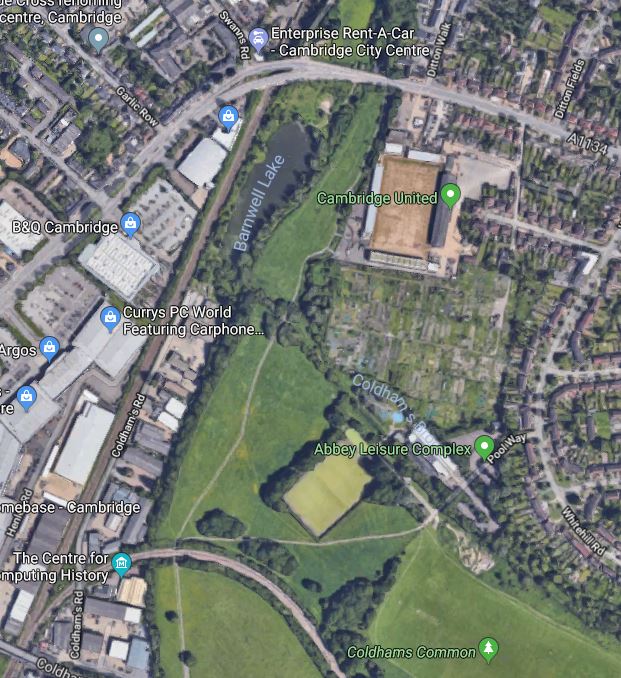
The Cambrifge-Ipswich line is the loop at the bottom of the map crossing the green space of Coldhams Common.
These are pictures, I took as my train passed.
The East West Rail Consortium have plans for this rail line.
In this document on their web site, this is said.
Note that doubling of Warren Hill Tunnel at Newmarket and
redoubling between Coldham Lane Junction and Chippenham Junction is included
in the infrastructure requirements. It is assumed that most freight would operate
via Newmarket, with a new north chord at Coldham Lane Junction, rather than
pursuing further doubling of the route via Soham.
So would it be possible to fit, the required chord between the two railway lines?
I suspect that a double-track chord would be preferred and there might be some extra tracks between Cambridge and Ely.
This Google Map shows the area in more detail.
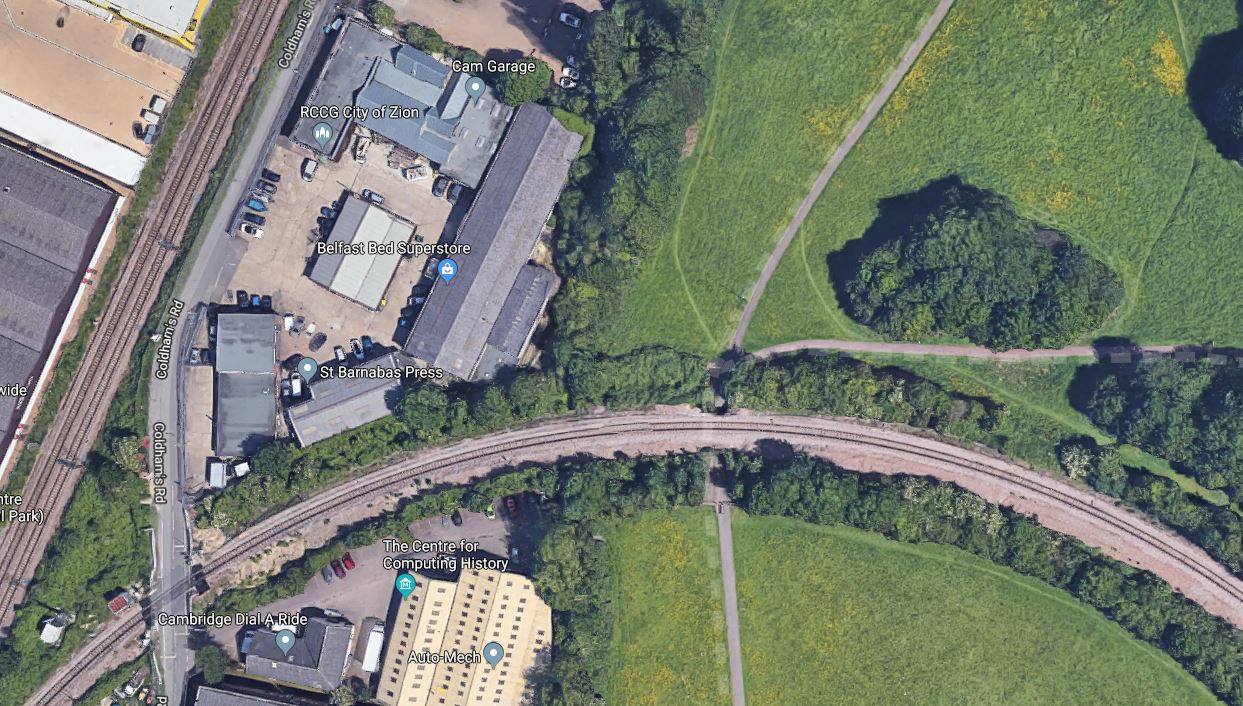
Note the level crossing shown in my pictures.
The main problems in the way of a double-track chord that would allow trains to pass between the routes to Ely and Newmarket, would appear to be the industrial Buildings and the level crossing that gives access across the rail line.
But I don’t think that this will be the major problem, as industrial premises can always be relocated, especially if the compensation is good.
I estimate that it is likely, that two heavy freight trains in every hour in both directions should be passing across the quiet green space of Coldhams Common.
Would this be acceptable to the nearby residents and the users of the Common?
- The East West Rail Consortium are well funded and I suspect they have a cunning plan here, that could put a double track railway through this sensitive area.
- If the landowner of these industrial buildings happened to be Network Rail, that would surely help, as they would co-operate.
- There also appears to be very little housing alongside the Cambridge-Ipswich rail line.
I could see a solution, where more of the industrial buildings than needed were removed and some of the land given over to extend Coldhams Common.
 The Anonymous Widower