What Do You Get When You Cross Good Engineering With Good Financial Skills?
February’s Modern Railways magazine has an interesting article about how a whole new lengthened set of trains are being created to work the South West London services for South West Trains.
Currently these services are worked by 4-car Class 458 and Class 450 trains.
For various reasons South West Trains want to go to a 10-car railway, which would mean the simplest solution would be to lengthen the Class 450s to 5-cars and run them in pairs as required. But this would require upwards of about a hundred new carriages and typically these cost about a million pounds each.
But then Porterbrook’s engineers and managers got involved and suggested using the redundant purpose built fleet of 8-car Gatwick Express Class 460 that were surplus to requirements to lengthen the Class 458’s to 5-car trains. This is possible as both sets of trains were built by Alstom to a common design.
So South West Trains will get what they want at a lesser cost and probably earlier too.
The irony is that Porterbrook, is basically a train leasing company and not an engineering one.
So next time you ask, what have bankers done for us, look at a clever piece of work like this. But then it was probably led by engineers who understood money, rather than bankers who understood engineering.
All of the best engineers I’ve worked with always understood the monetary implications of what they did! Some also understood marketing too!
The Last of the Many
I went to Greenford station today to see the last of something that was very common on the Underground; a wooden escalator.
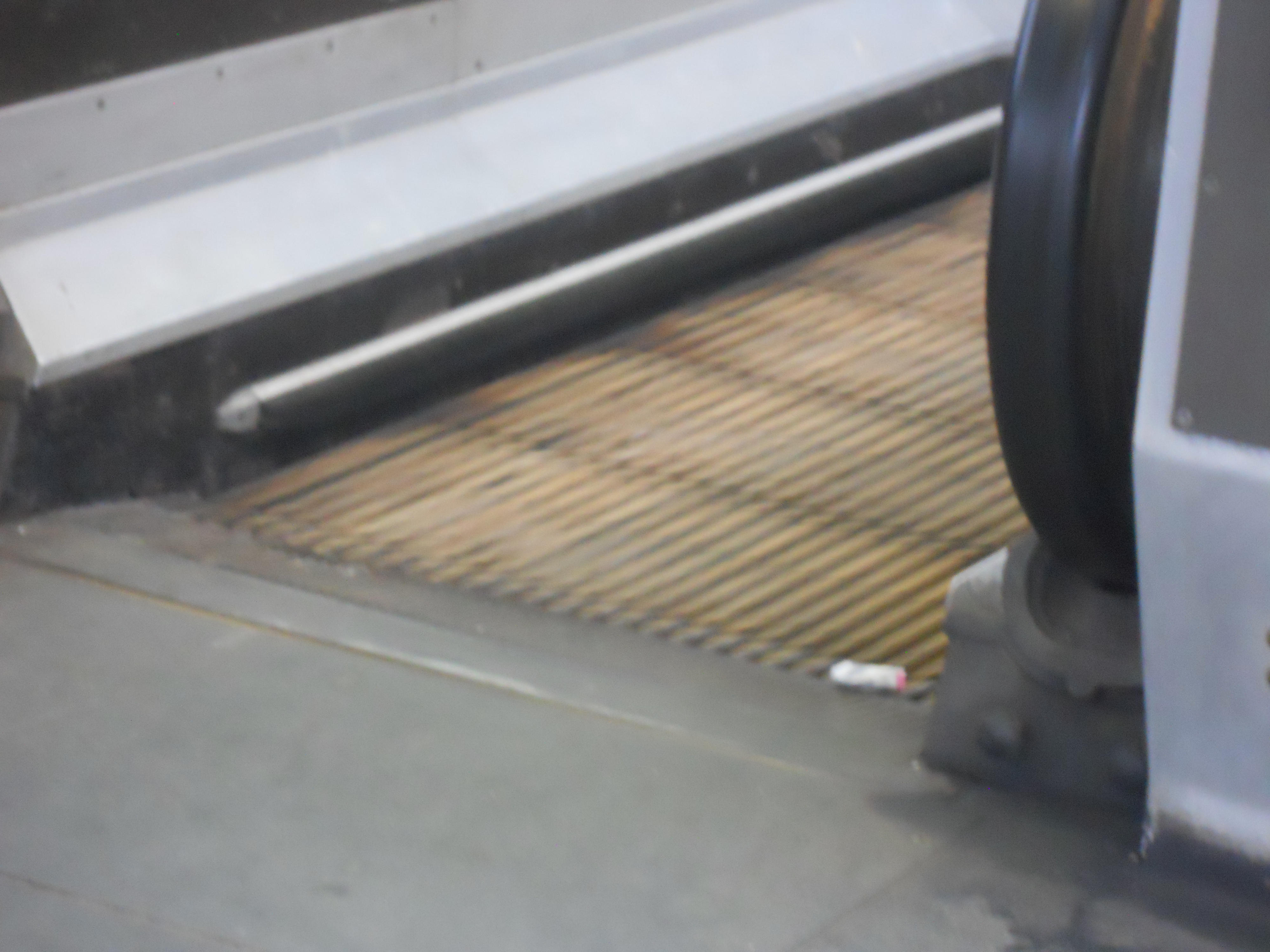
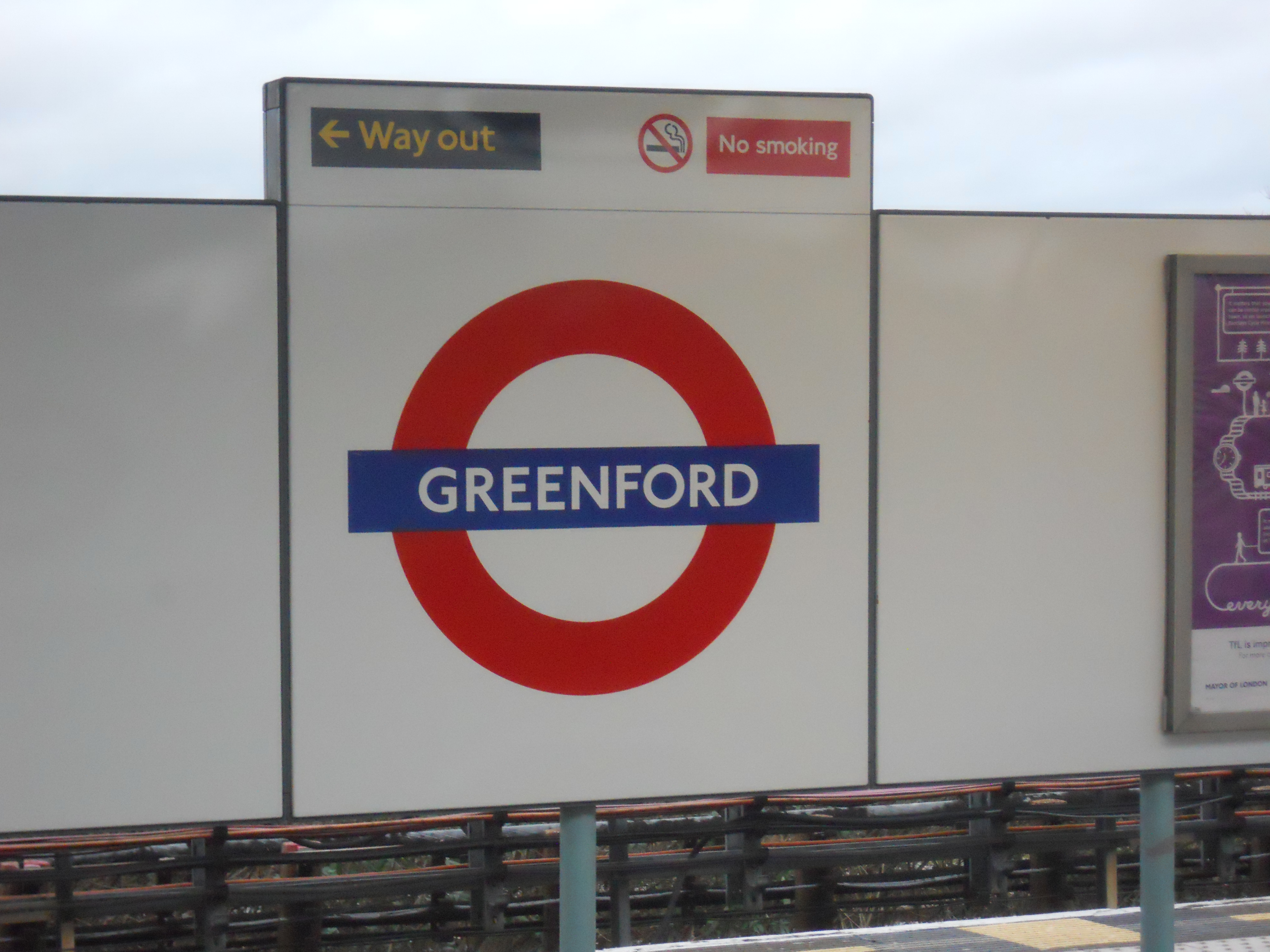
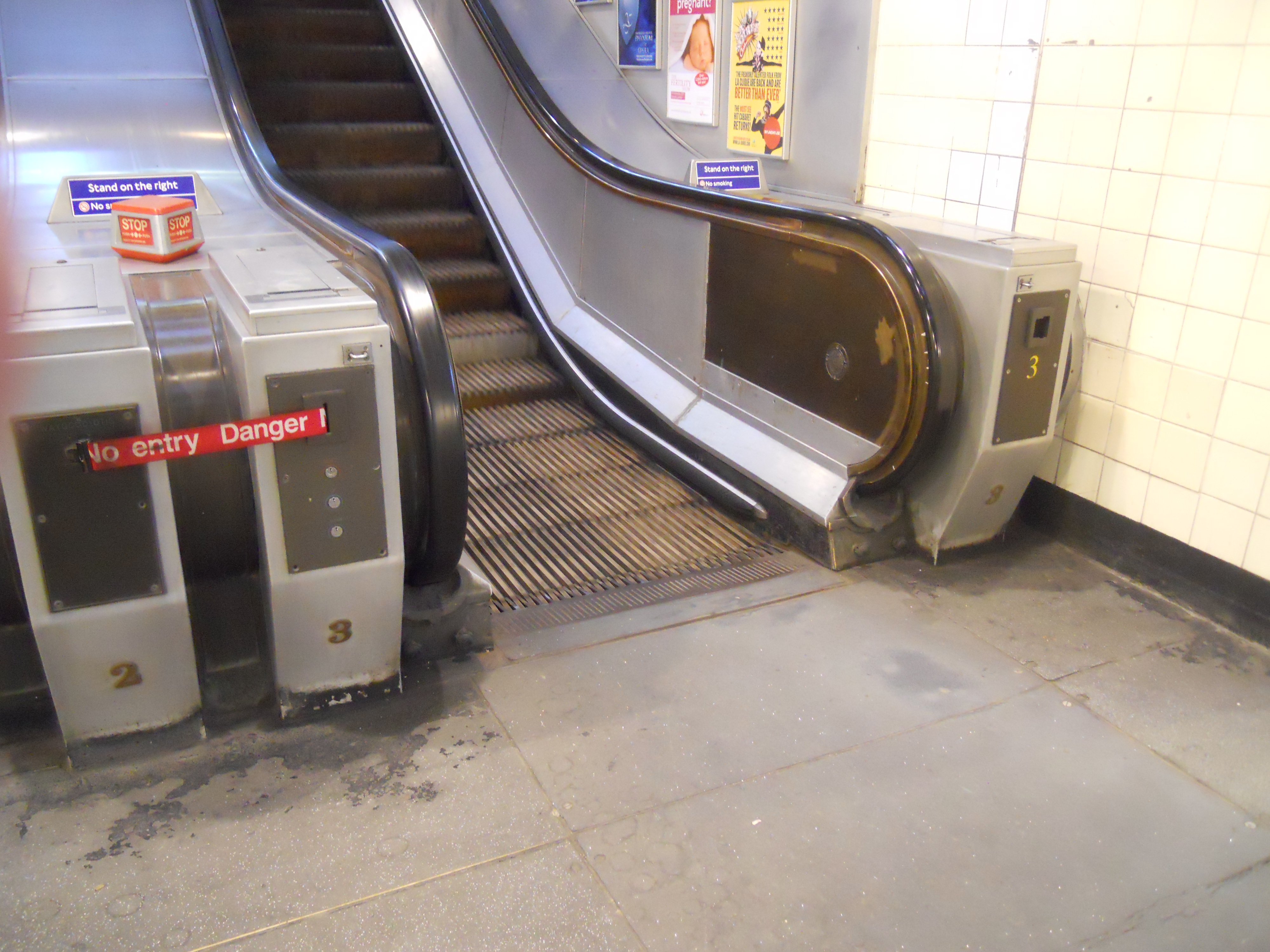
As you can see from the pictures, the escalator isn’t pristine, but being as it’s owned by London Underground, I suspect it’s mechanically perfect. And of course as they scrapped hundreds, they’ve probably got several shedfulls of spare parts.
I did also make a video, which shows it still works.
I wonder how many others are still running in the UK. When I went to Moscow in 2000, they were still going on the Moscow Metro. But the Greenford one is just a baby to the giants in Moscow.
Wooden escalators may have advantages for those who are not too good on their pins. When I ascended, I just slid off as I used to do as a child. And of course now that guide dogs are allowed on escalators, they’re probably more dog-friendly.
But these are not reasons to go back to wooden treads. I do think though, that In the next few years a better step design will evolve.
I think it is needed as we now have people with large cases, buggies and all types of dogs wanting to use them more and more. And then of course there’s fashion items like stiletto heels and long skirts, which sometimes get caught. I am also not forgetting those on crutches or in a wheel-chair, who find escalators difficult.
It’s a challenge and he or she who solves it will make a lot of money.
A High Speed Diesel Train at Castle Cary
I took this video of a High Speed Diesel Train at Castle Cary station some time ago.
I think though, that it sums up the grace and pace of probably the best diesel train ever built. It’s certainly the fastest in regular service and has proved that good engineering is timeless.
The railway industry and press is now saying that these trains will still be running to Devon and Cornwall from London in 2035, which will make them about sixty-five years old. I don’t believe that all will be retired even then, especially as they have other uses like the Flying Banana. But with another refurbishment to include coach rewiring, power doors and better toilets, they would make superb trains to take leisure passengers to the far-flung parts of the UK.
What Do You Do With Six Million Tonnes Of Earth?
Crossrail will produce six million tonnes of earth and spoil, from where they are digging the tunnels, shafts and stations in London. Three-quarters of this are being used to create a new wetland habitat for the RSPB at Wallasea Island, north of Southend in Essex. Read all about it here.
Crossrail’s Tunneling Machines
The BBC has been showing a story with video about Crossrail‘s giant tunneling machines which will start work in the near future.
Crossrail has more on the boring of 42 km. of tunnels under London using eight tunnel boring machines here.
They also have more on the Tunneling and Underground Construction Academy, which will be a unique legacy of Crossrail and will continue to provide trained staff for tunnel projects all over the world.
We really are entering the Golden Age of Tunneling.
How To Recycle A Tunnel
Crossrail is Europe’s largest construction project and they are really upping their publicity this year, as the work begins in earnest.
I found this story with a video about the reusing of the Connaught Tunnel on the BBC’s web site. I wrote about this earlier.
It’s a fine piece of engineering and the associated project management.
The Flying Banana
As I was waiting for my train, an unusual yellow one passed through.
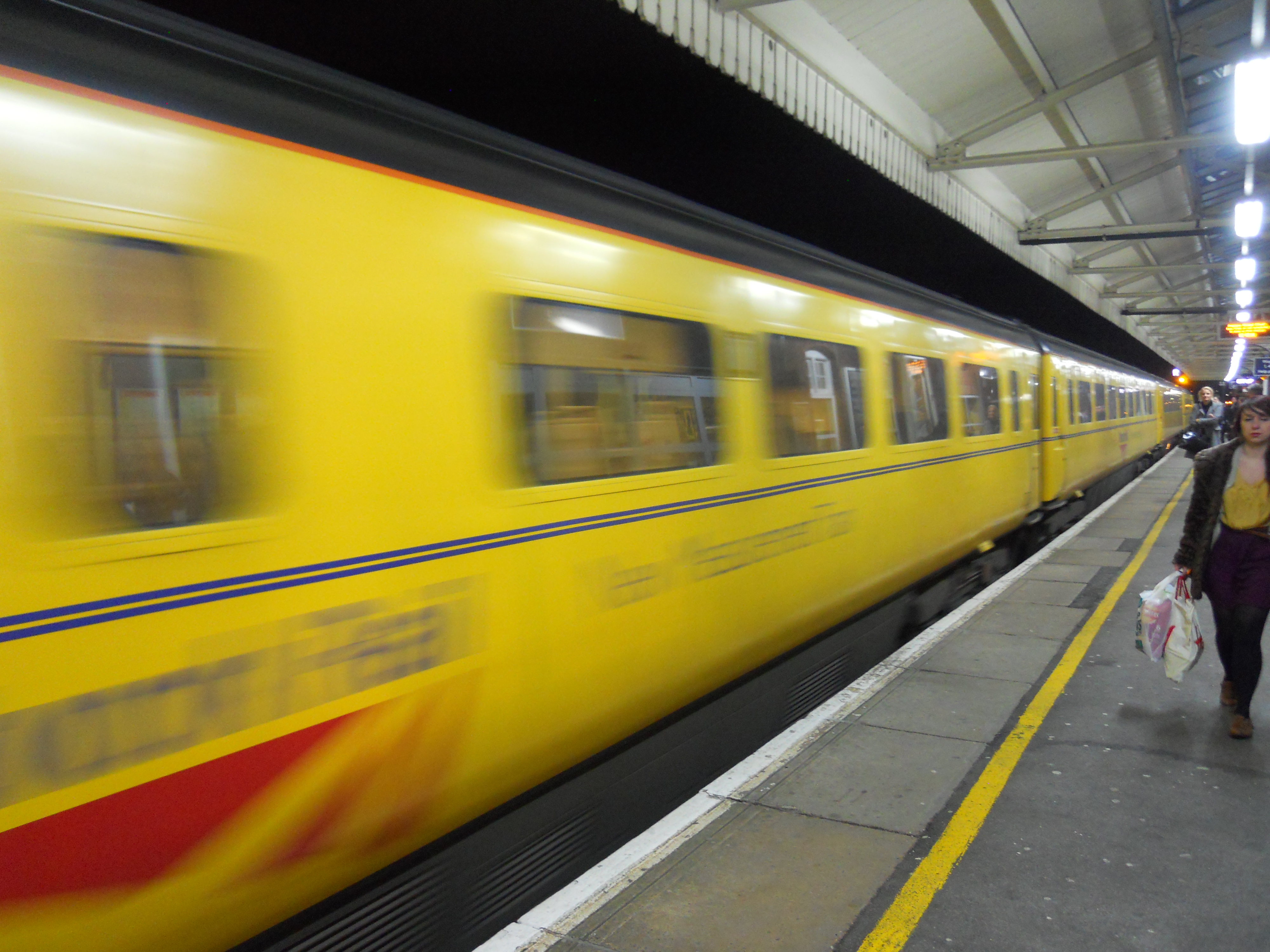
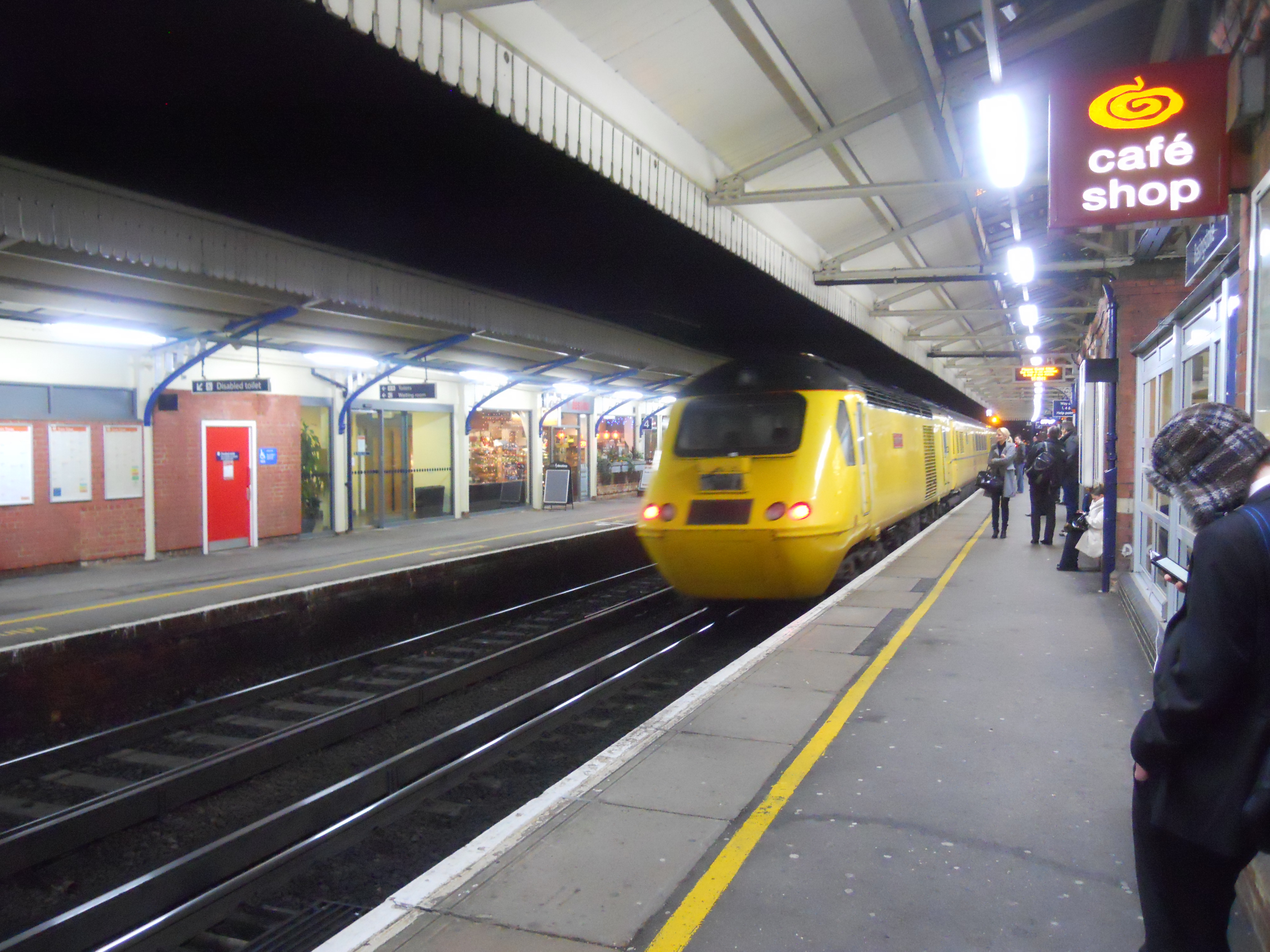
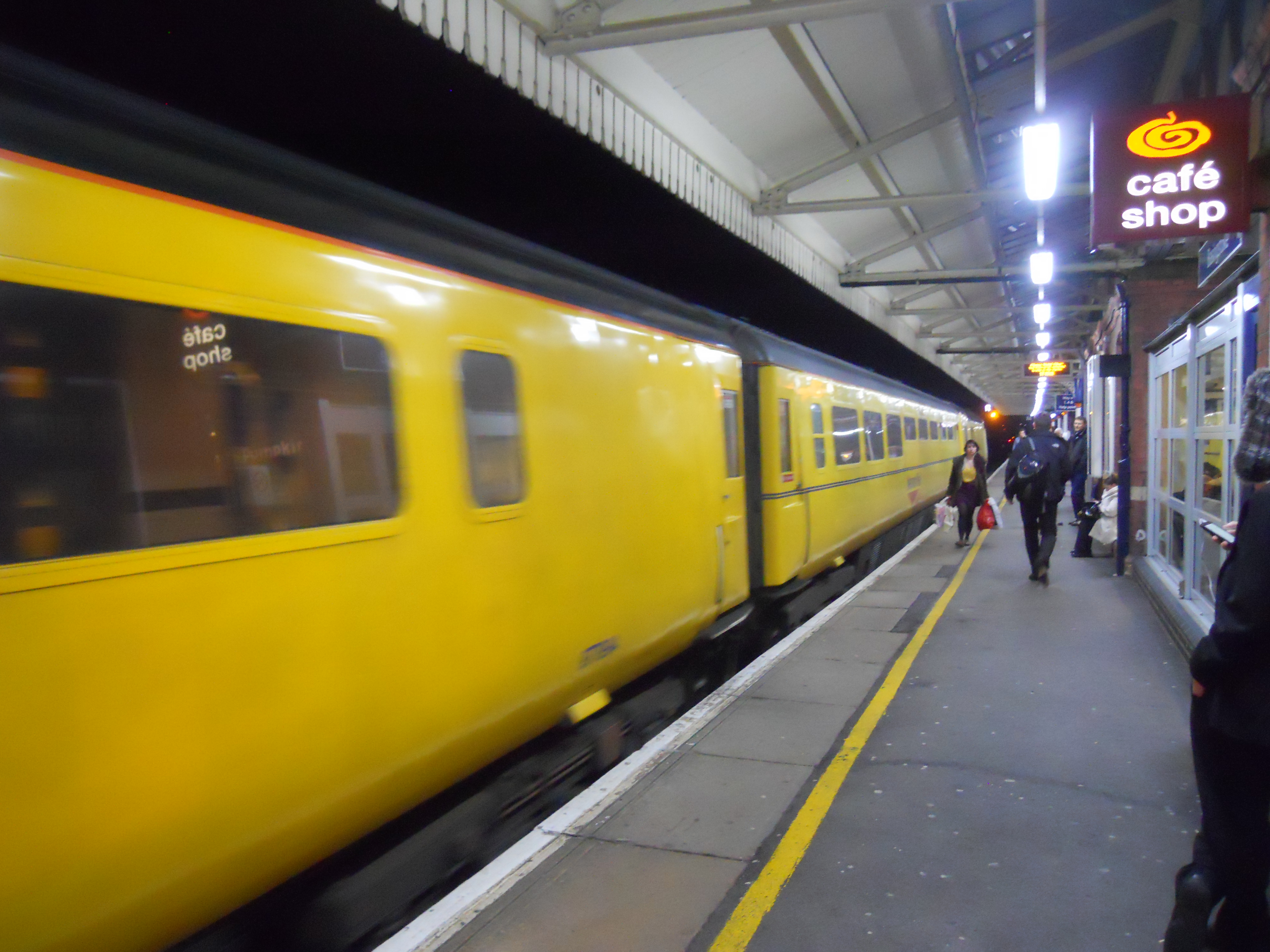
It looks like a High Speed Diesel Train, and it is actually a modified one called the New Measurement Train, which travels all over the network, checking track and electrification systems. Inspection is based on a thirteen week cycle. There is a detailed article on the train here in Construction News. And a video here.
You can see why it got its nickname.
In some ways it is a unique train, not only in the UK, but worldwide.
The Japanese and the French have similar trains for their high speed lines, but these are electrically powered, whereas the New Meaurement Train has two powerful diesel power cars. So as the British train is completely self contained, it can check any line in the UK, whether it is electrified or not. Where I saw it at Basingstoke, it was on a section of track, that uses third rail electrification.
As it is a High Speed Train, it can also be used at 200 kph on the East and West Coast Main Lines, thus testing them at their operational speeds.
Note that as the lines through the Channel Tunnel to London, are effectively built using French electrification standards, the French train is used to monitor those lines every two months. But it has to be diesel hauled through the tunnel.
It all goes to show that the High Speed Diesel Train will be laughing at us for a few decades yet.
The Sir Bobby Robson Bridge At Ipswich
The bridge spans the River Gipping at Ipswich.
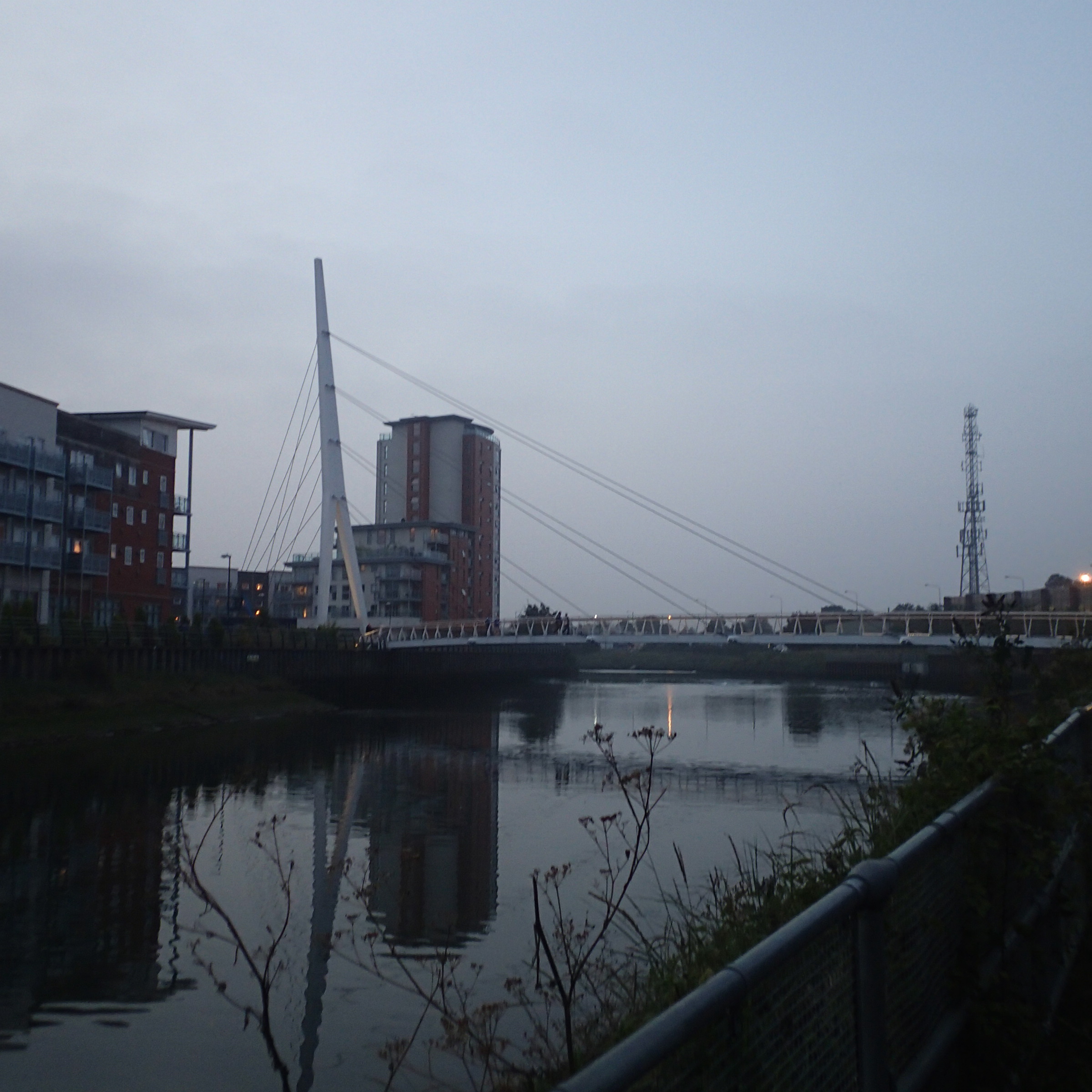
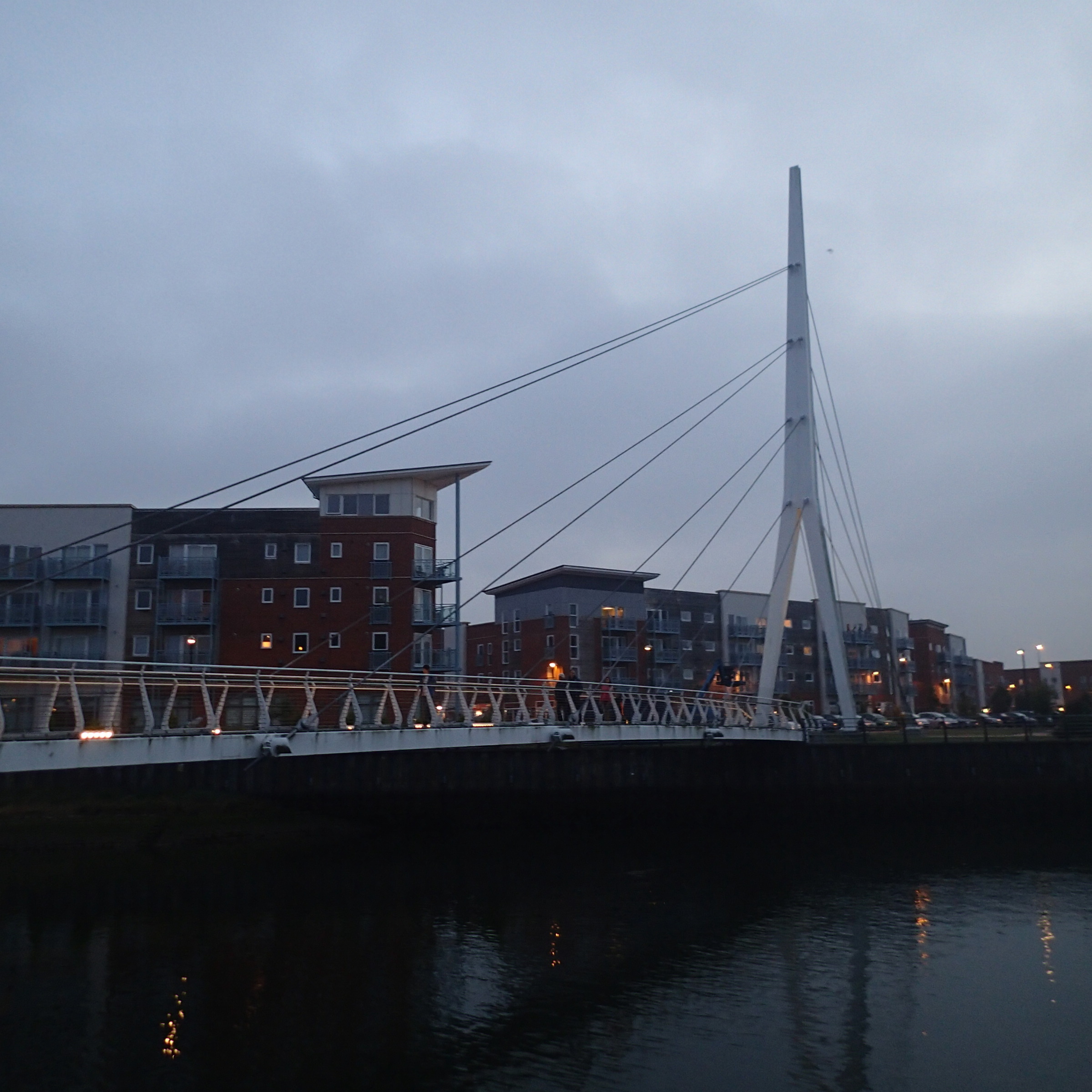
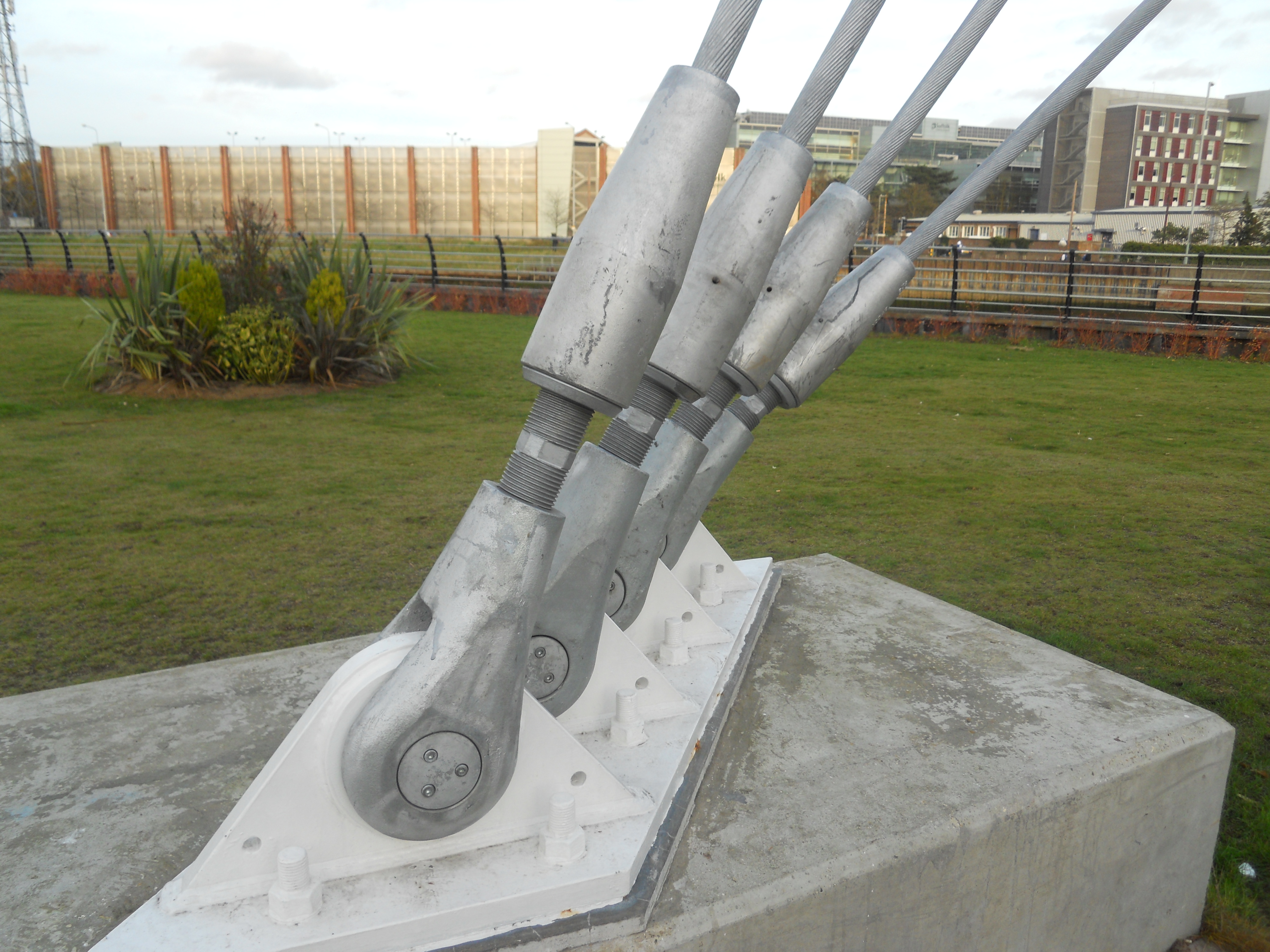
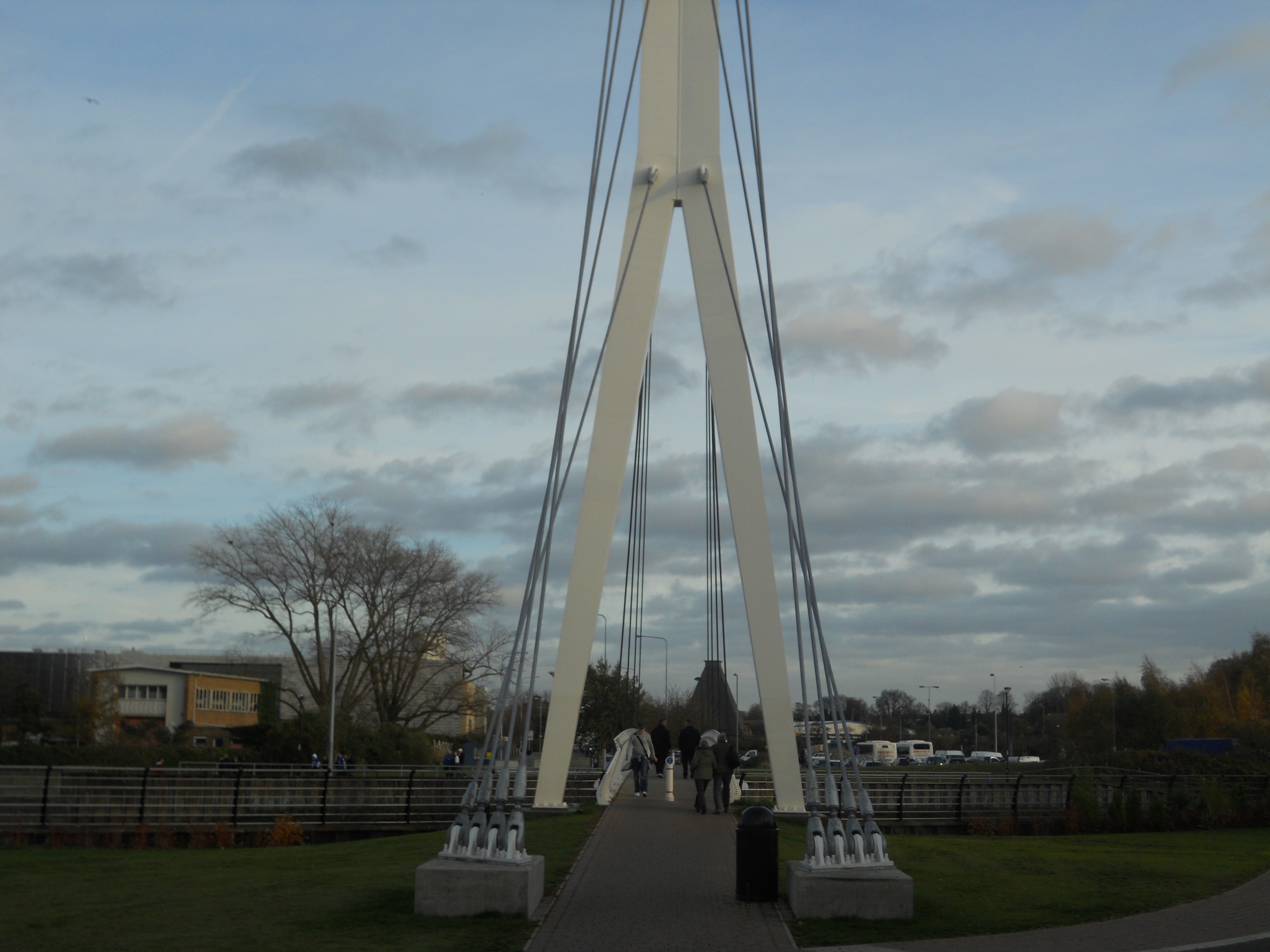
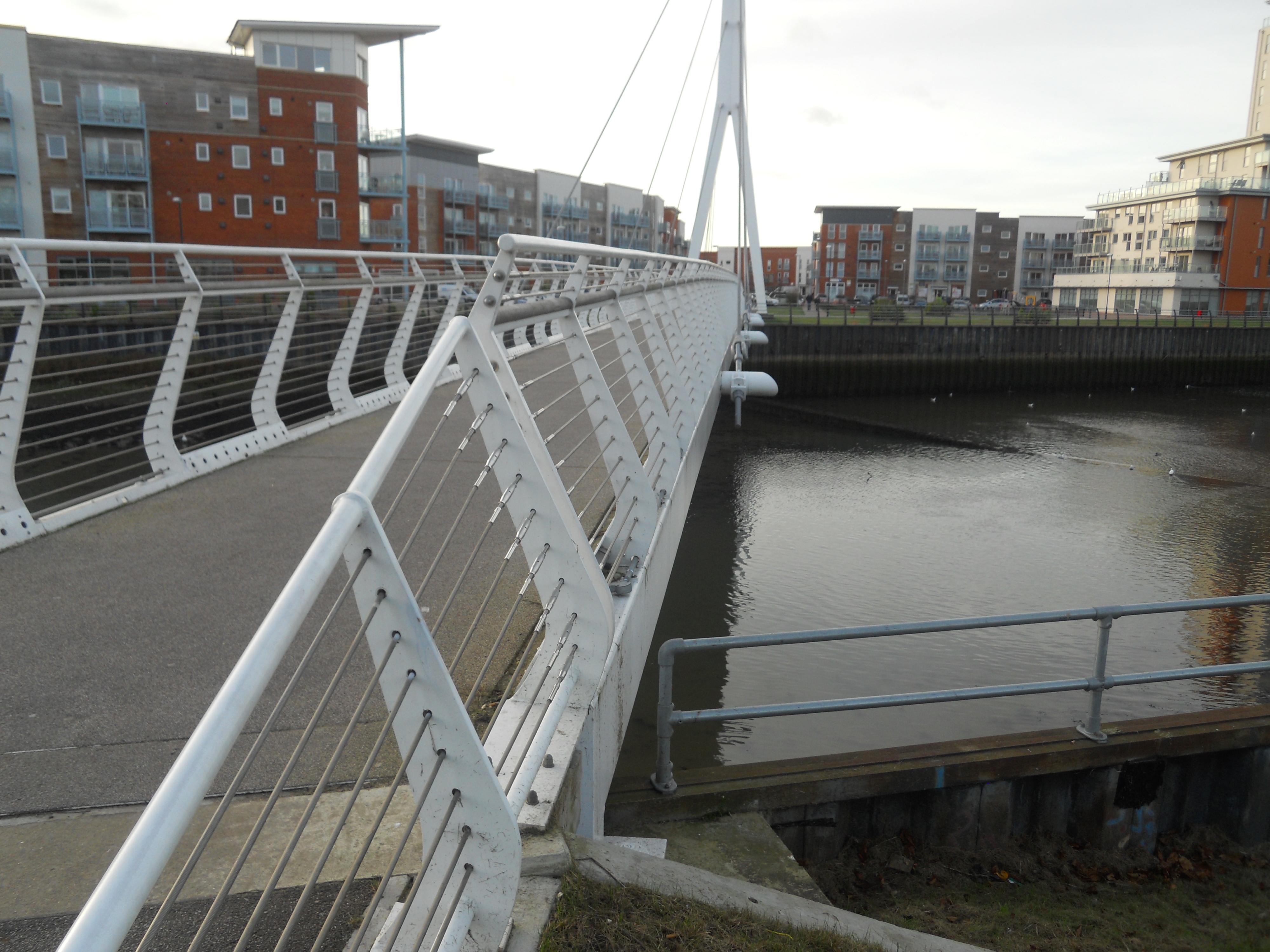


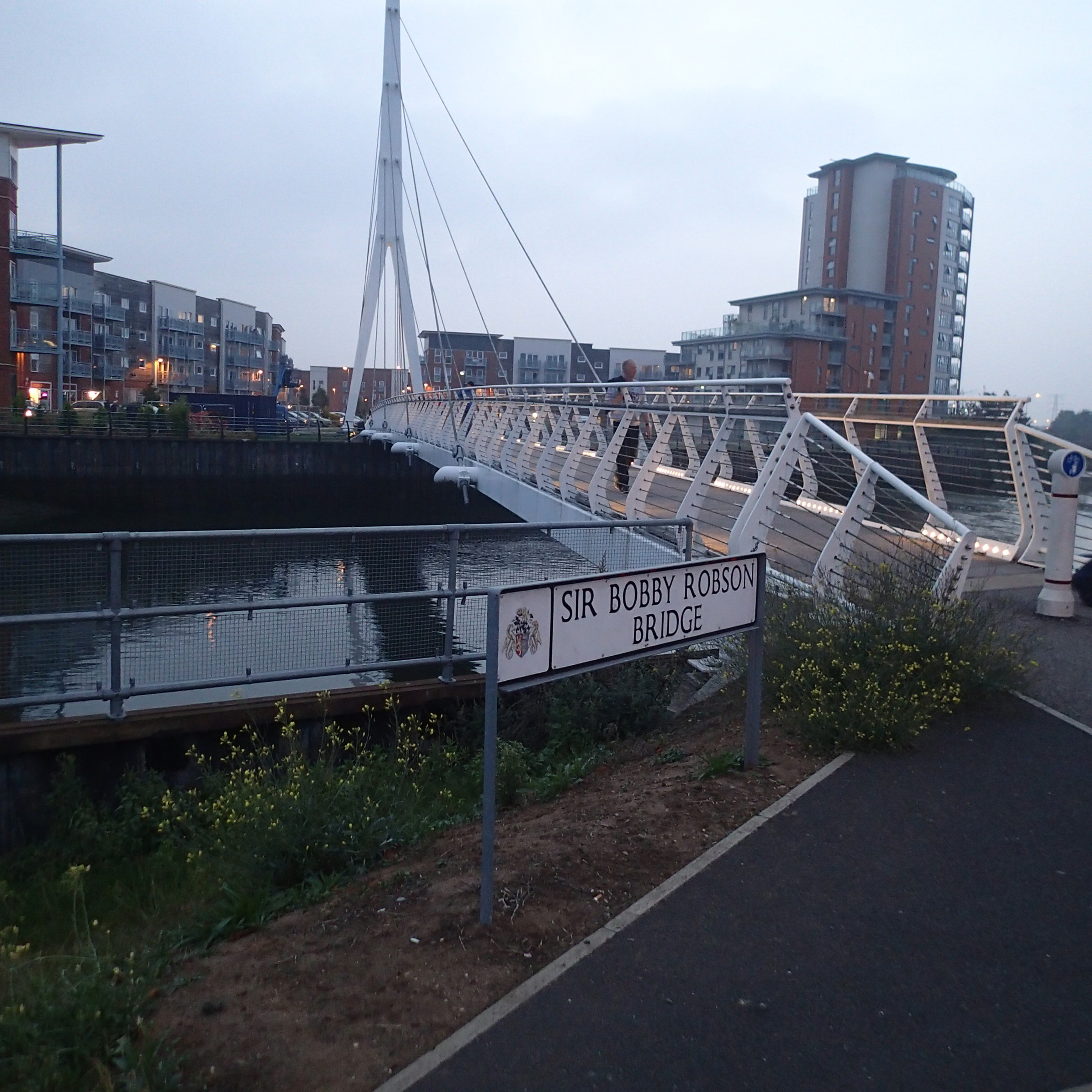
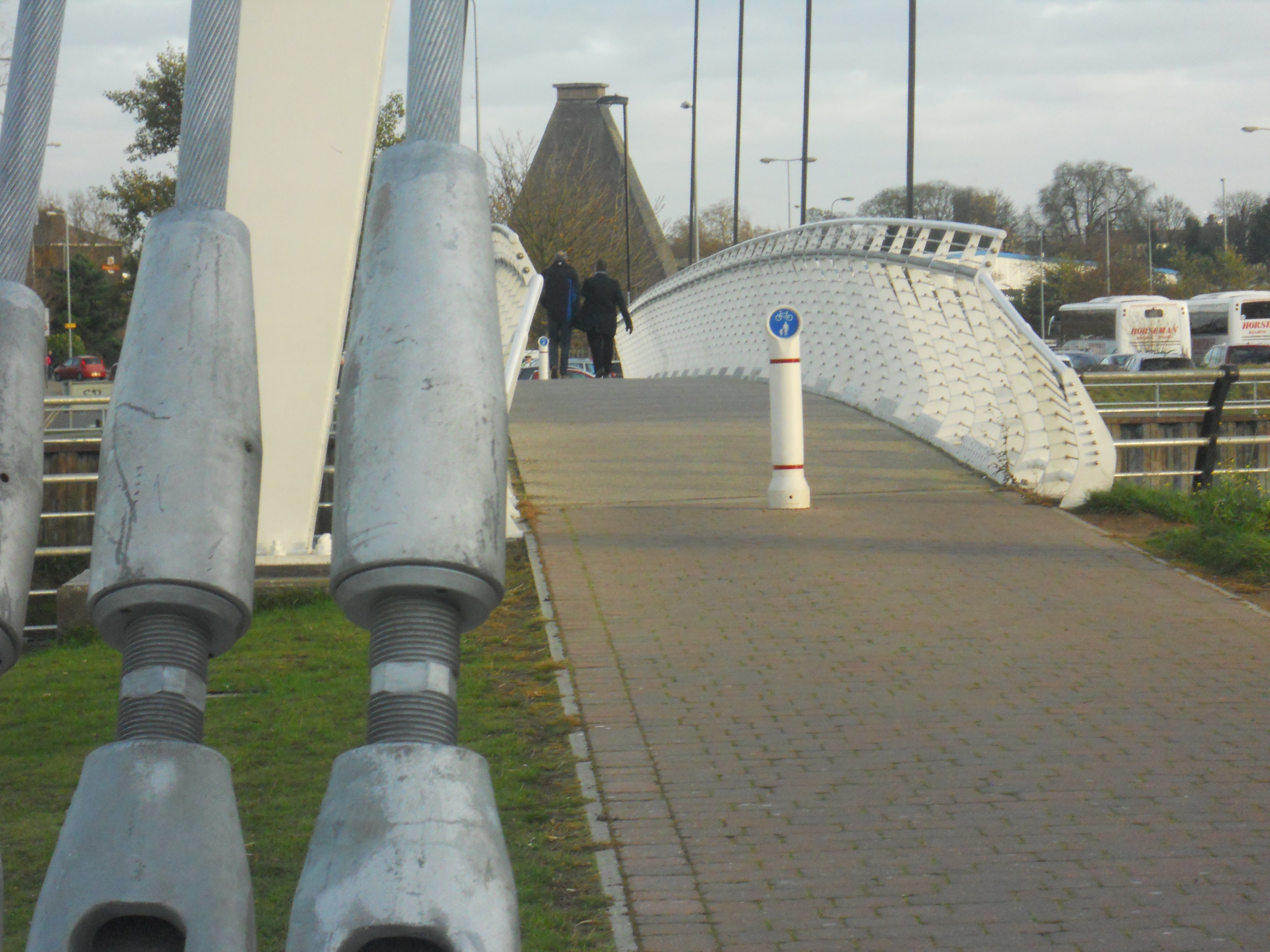
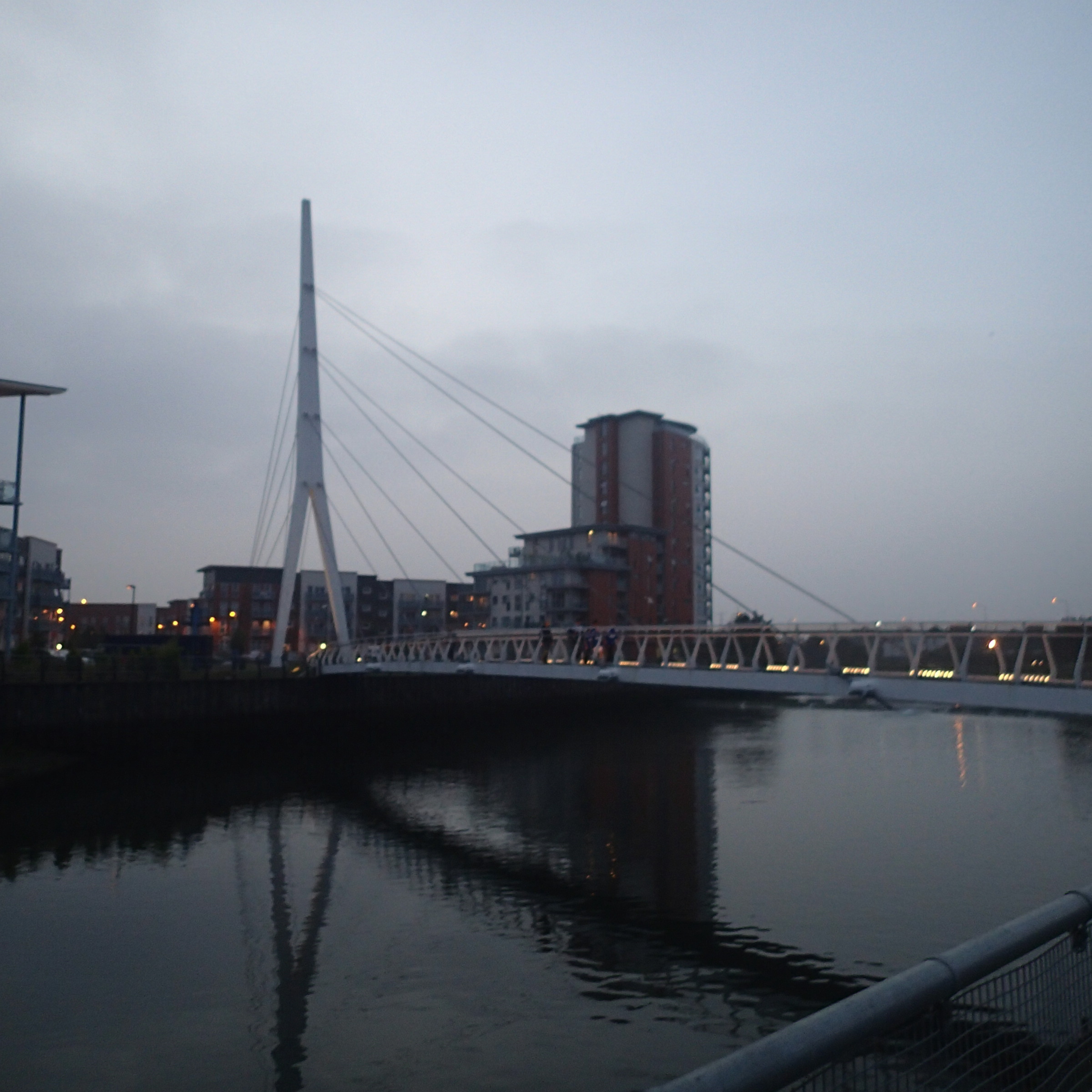
It effectively connects the new housing on the west bank to the offices, waterfront and football ground on the other.
Note that the River Gipping becomes the Orwell at Ipswich. The name might come from the same source as Gippeswyk, the old name for Ipswich.
Hidden Heroes At The Science Museum
I went to see Hidden Heroes at the Science Museum yesterday. It was quite an interesting little exhibition documenting the stories behind a selection of everyday objects.
As you would expect most of the items shown, had been invented or designed in the major industrial countries like the UK, the United States, Germany, France and Sweden.
But what was surprising was that only one had been designed or invented by a woman. and that was the coffee filter, which was invented by a German housewife called Melitta Bentz. Could it be that she was fed up with her family’s comments on her bad coffee?
In some ways it’s strange, but one of Britain’s most successful and well-known female engineers of the mid-twentieth century, Tilly Shilling, made her name in the field of getting liquids to flow properly. She designed a device, which meant that the Merlin engines in Spitfires and Hurricanes could perform negative-G manoeuvres and thus not be shot down by German fighters.
Writing In An Oven Glove
Can you write or do delicate tasks in an oven or other form of protective glove?
This video shows me writing in an oven glove from Gloven.
It was surprising how much control I had. As an engineer, I feel that it has many applications in the wider world, outside of the kitchen.
Remember they also protect against the cold and one version has extra silicone grips.
I will definitely be getting a pair to help with my gammy hand in the kitchen.

