More Engineering Pornography
I have a full-size electric drill, but I need something light to put plugs in the plasterboard walls, as although the hand-drill is good, the chuck is not very good and I can’t drill holes deeper than a couple of centimetres.
So I went to Franchi in the Holloway Road and bought a Bosch wine bottle opener.
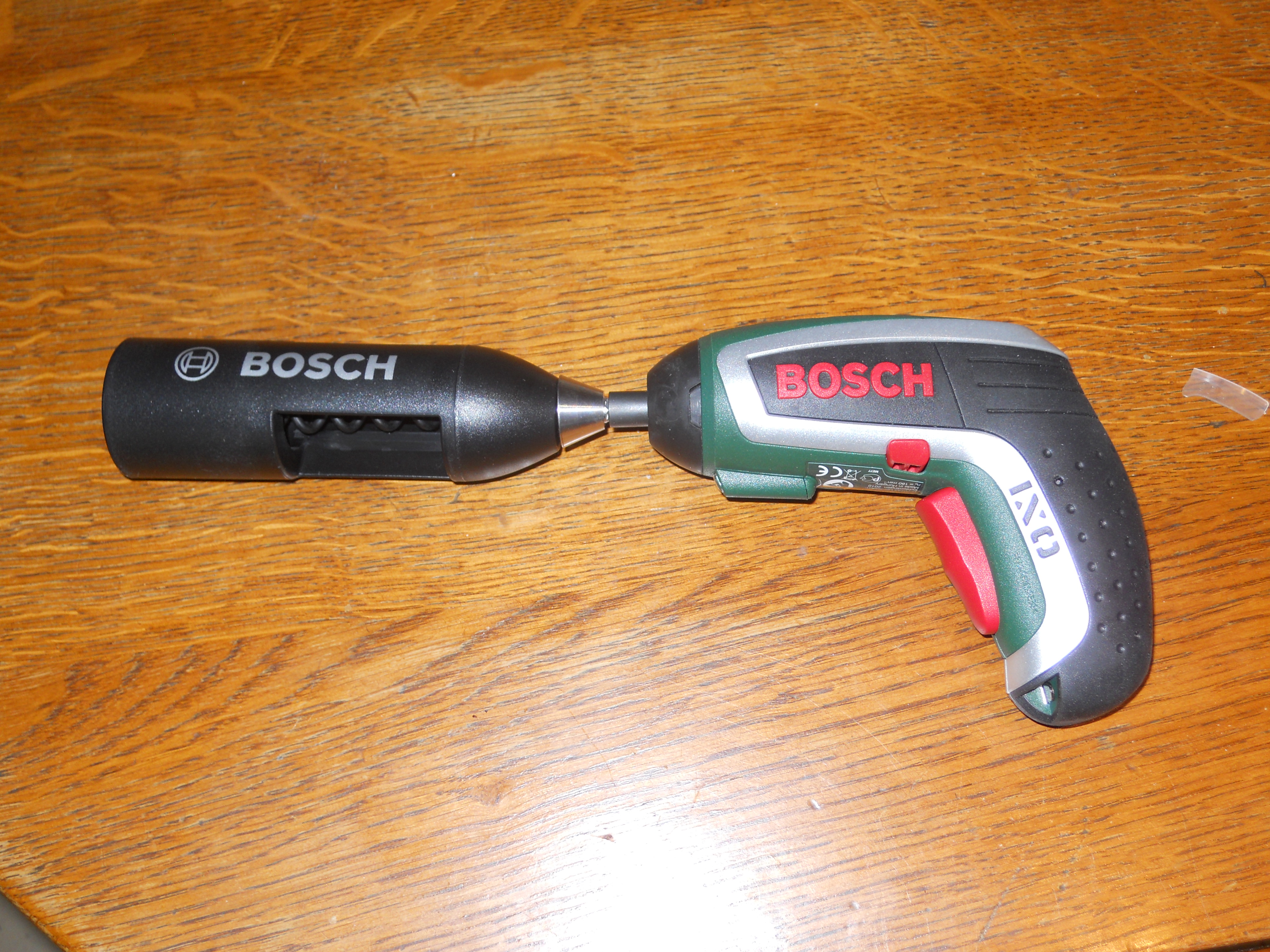
Bosch IXO Vino
But it also puts in screws and drills holes.

Bosch IXO Vino with Drill Bit
It is actually quite powerful and is ideal for those small jobs, which don’t need the strongest of tools. It also sits in a small charger/holder, so you don’t have to charge it up, when you haven’t used it for a few months.
So ladies, you now know what to buy your man for his birthday! Or for yourself, if you’re an alcoholic with a penchant for expensive wine in corked bottles and you don’t have the strongest of hands.
Engineering Pornography
I needed a 17 mm. ratchet spanner to try to fix the stairs. They may be more expensive, but they are so easy to use if you have gammy hands. Or just one good one like me!
So I bought this double-ended one made by TengTools from Franchi in the Holloway Road.
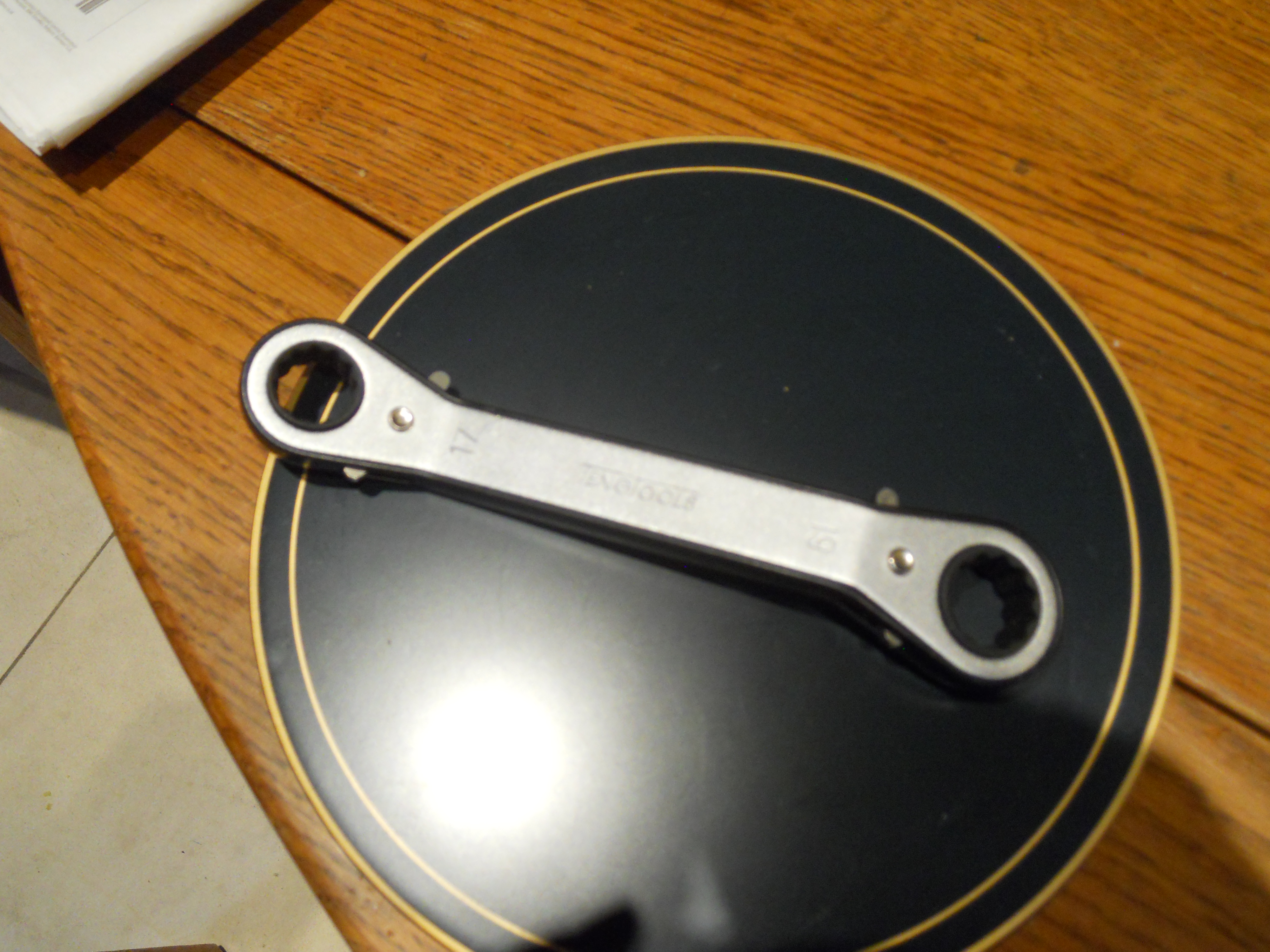
A TengTools 17/19 mm. Ratchet Spanner
It looks, feels and works so good it’s almost pornographic.
Twenty years ago, this sort of hand-tool, might well have been made in the United States, but TengTools are a Swedish company. So perhaps the United States isn’t building on its traditional strengths to get itself sorted out.
The Virtual Beagle
The headline of “It might look like a dog’s dinner; but this artificial stomach will save (canine) lives” caught my eye as I read The Times this morning.
Apparently, AstraZeneca have virtually replaced dogs with an artificial stomach for drug testing. So not only is it good for drug development, it’s good news for dogs. I’ve always felt that animal testing was wrong from a scientifically correct point of view as keeping animals is expensive and the in vitro and computer alternatives are cheaper and much easier to scale up.
The Times article doesn’t say who is behind this development, but it does quote Troy Seidle of the Humane Society International as saying.
This new use of the intestinal model in drug testing is a fantastic example of how innovative technologies can replace animal experiments and improve medical research at the same time.
I have searched the Internet and it would appear that the company behind this wonderful development could be SimCyp, based in Sheffield.
But why is everybody being so coy about this development? This British company should be on page one of all the newspapers.
On a personal note, I was involved in computer simulation of processes for several years in the 1970s, when I worked at ICI. We always felt that computers had a large part to play in modelling the body, but little seems to have been heard over the last four decades. These are two pictures of the PACE 231R analog computer, I used for simulation of chemical processes.
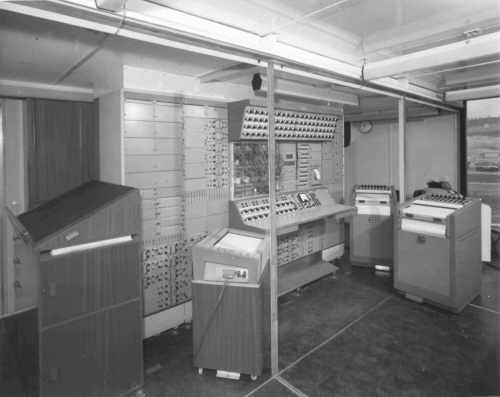

In my view, there are computers, good computers and the PACE 231R.
The 231R was built in the 1960s and it was all valve or vacuum tube, if you are from the United States. It was a formidable beast for solving differential equations and I have a feeling that there isn’t one left even in a museum. These pictures taken by a colleague at ICI seem to be two of the only ones of a 231R in a working environment. Hopefully the Internet will preserve them for ever!
The biggest claim to fame of the 231R was that two of them were used in tandem to solve all of the mathematics and differential equations of getting the Apollo spacecraft to the moon. They were actually linked to virtually a real spacecraft to test everything out.
So when Apollo 13 blew up and they had to use the Lunar Excursion Module to bring the astronauts home, it was these two computers that were reprogrammed to try to find out how to do it. They wouldn’t have stood a chance with a digital machine, but the engineers, programmers and astonauts were able to get the two 231R’s to find a strategy. I’ve never seen the Apollo 13 film, but I suspect that the role of the 231Rs is downplayed or ignored.
So when you ask me, what is the greatest computer ever made, there is only one answer. The amazing PACE 231R.
The Joy of Engineering
In many ways I am an engineer first, second and all the way to last.
In my troubles over the last couple of years, my reasoning and problem solving abilities have got me through it to a certain extent. I even cook like an engineer. And these skills I learned in my long training and experience as an engineer, from helping my father in his print works, through the vacation jobs at Enfield Rolling Mills, my degree at Liverpool University, the experience at ICI and then my years of programming, where I wrote planning and data management systems for a variety of industries.
So why are engineers different?
Many people like doctors have a theory and try to prove it, whereas engineers have a problem and try to solve it, whilst sticking to the best scientific and management principles. One of my principles is that you can’t ignore scientific correctness at any time. This is probably, why if you want to louse up a project, you just let politicians get their sticky fingers on it. Everywhere around you, you see good engineering ideas, that work, that probably had to overcome difficult obstacles from ignorant politicians to come to fruition.
There is a simple idea from close to me. Imagine the outcry if today, an electricity company said that they were going to lay 400 thousand volt cables underneath the towpaths of the Regent’s Canal and then cool them with water from the canal. After all water and electricity don’t mix! Do they? But that is what was done in the 1960s and as far as I can tell, there have been no problems. It would appear too, that the cooling system is being upgraded judging by signs beside the canal. So engineers are making a good idea even better.
Yesterday, the Head of the Electrical Engineering Department at Liverpool University invited me for a coffee and I spent an enjoyable hour with him discussing the problems of the world, that engineers could solve.
Few were controversial, but time and again engineering ignorance of the great and good came up as the reason a proven idea wasn’t implimented.
We must give everybody at least a basis of a scientific or engineering education, so that when someone says he’s going to do something, the idea can be properly discussed and the correct decisions taken. As an example, the public in this country is very much against waste incinerators, whereas in some countries like Austria, they have had serious discussions and use the best engineering designs to get rid of the waste that can’t be easily recycled, often by incineration in plants designed to advertise what they do.
So it is to be welcomed in the news today, that JCB have got involved in an academy to give young people a proper science, engineering and business education.
Let’s hope it’s not the only one.
I’ve enjoyed my time as an engineer so far and I’m not going to give up on it yet.
The Golden Age of Tunneling
London is one of the most dug under cities in the world and has been for many years.
The first large tunnels under London were Sir Joseph Bazalgette‘s Victorian sewers, built in response to the Great Stink. In some ways it was a large and very expensive scheme, but it started the clean-up of the Thames and effectively removed cholera from the City. It was in some ways the first great project, as it did what it said in the spec, vast numbers of people weren’t killed builling it and lots of it still works today. It is all documented in an excellent book; The Great Stink of London: Sir Joseph Bazalgette and the Cleansing of the Victorian Metropolis
Then came the Underground described so well in the Christian Wolmar’s book; The Subterranean Railway: How the London Underground Was Built and How it Changed the City Forever
Since the Second World War, we have seen a few tunneling projects and the reuse of some of the old ones.
The Victoria Line, the world’s first totally automated passenger railway was built in the 1960s. We missed a trick here, as we never realised what we had built. So the automation was vacuum tube, but for well over thirty years it showed how a well-designed underground railway could perform. It is now being upgraded with new signalling and new trains and the old reliability is rumoured to be suffering. Everybody is blaming the convenient scapegoat of the old 1967 trains running in partnership with the new ones, until all the new are delivered. I don’t! I blame bad project design and management. In the 1960s they got the automation absolutely correct and created a good system. They should have replaced all the old stuff with something that was modern and compatible and then built new trains, that were compatible with the old signalling.
They should also have used the principles of the line; no junctions, totally underground, hump-backed stations to save energy, full automation to create new lines where they were needed. But they didn’t, as the Victoria Line wasn’t sexy and didn’t appeal to the vanity of politicians. But it was and still is a superb design.
The Jubilee Line was then created by splitting the Bakerloo. The extension to Stratford was built on a grand scale and has some of the most amazing stations in the world. Was it the first example of bad co-operation between bankers and politicians, designed to appeal to both their vanities? It was also designed to serve that other monument to the vanity of politicians; the Dome.
In some ways a lot of the design of the extension of the Jubilee line, with large stations and platform edge doors were an attempt to future proof the line and in some ways, this has been vindicated by the decision to stage the 2012 Olympics at Stratford and the decision to build other lines which interchange with it. Only time will tell if the original cost was worth it.
In some ways the design of the Jubilee shows just how good the design of the Victoria was and the trick we missed was not building the Jubilee to the principles of the earlier line. Even now, despite being still a relatively new line, it is still being constantly upgraded.
There was also the building of High Speed One, which tunneled into St. Pancras from East London. Did they get this right? Substantially yes and it seems to work, although the Eurostar trains have suffered reliability problems. But that’s not down to the tunnels.
Other unqualified successes are the Docklands Light Railway extensions to Lewisham and Woolwich in tunnels under the Thames. The original DLR was built down to a cost, but in some ways this has proven to be a virtue, as like Topsy it keeps growing and has earned a big place in the hearts of those who use it. It will also play a big part in getting people to the Olympics.
But two of London’s most successful tunneling projects are reuse of old tunnels; Thameslink and the East London Line.
Thameslink was originally built by connecting the suburban lines running out of St. Pancras to those running south of London to Gatwick and Brighton using the old Snow Hill Tunnel. The economic argument says that as you do away with expensive terminal platforms in London, you can spend the money to buy more trains and electrify the lines. Thameslink was a victim of it’s own success and the necessary upgrades with a new station over the river at Blackfriars and twelve-coach trains are running many years late and billions of pounds over budget. Perhaps we needed a less elaborate Julibee Line, that interfaced properly with Thameslink?
The new East London Line uses the Thames Tunnel under the Thames. In some ways, it is a modest scheme, but I believe that like the DLR, it’ll prove to be an unqualified success. It surely must be the only new railway in the world running through a tunnel built in the first half of the nineteenth century. The tunnel surely is the supreme monument to its creator, Sir Marc Brunel and his more famous son, Isambard Kingdom Brunel, who was engineer in charge for much of the building.
Now, two major tunneling projects are in progress; CrossRail, which is actually being built and High Speed Two, which is just being planned. I am dubious about the latter, as I think that the money could be better spent upgrading existing lines and trains.
But in some ways to London, the most important scheme is the creation of electrical cable tunnels under the city to carry the high voltage mains here, there and everywhere. This PDF explains the project and shows how good thinking and engineering can benefit everyone.
So perhaps the golden age of tunneling will arrive in the next few years.
The Train that Won’t Go Quietly!
There are very few engineering projects in the world, that last a long time, as the technology gets replaced. To me some of the best in the UK are :-
The New River – Built in 1613 to supply London with fresh water, It is still used in part for that purpose nearly four centuries later. Will there be a celebration in 2013?
The Thames Embankments and Bazalgette‘s Sewers in London – These transformed the city and also laid down the basic quality control standards for large construction projects. I seem to remember reading that only one person died in the construction of the sewers, which was a major achievement for the ninteenth century.
The Forth Bridge – Probably the best known bridge in the world. Opened in 1890, it still carries nearly 200 trains a day.
The Thames Tunnel – The first tunnel under a navigable river, that now carries the East London Line under the Thames.
St. Pancras Station – The head of SNCF described it as the finest station in the world. I’ll agree with him. It was originally opened in 1868 and a lot of the original design is still intact.
Welwyn Viaduct – An extraordinary structure in Hertfordshire, that still carries the East Coast Main Line over 150 years after it was built.
We may have structures that last for years but actual vehicles that last more than a four decades or so are rare indeed.
The Mersey Ferries have been around for centuries, but the current three boats are all over fifty years old. I remember them with affection from my days at Liverpool University in the mid-1960s.
The London Routemaster bus was launched in 1956 and although most were replaced by 2005, their are still two heritage routes in central London. I rode on one in September.
The Victoria Line in London has two distinctions. It is the oldest fully-automated railway in the world and it still has some trains dating from 1967. I have travelled on some quite recently and they are still in good condition. at 43 years old.
And then there is the Inter-City 125 or High Speed Train. It may not be as venerable as the other three examples, but then they don’t travel at 200 km/hr or 125 mph over routes that measure hundreds rather than tens of miles. It was also designed as a stop-gap design after the failure of British Railways to get the tilting APT to work.
Now over thirty five years since the trains were introduced, they are being refurbished, re-engined and are still in front-line service all over the country.
On my trip north from Edinburgh to Inverness in the cab of HST, 43313, talked about some of the problems with the trains and added to my knowledge.
The old rather smoky diesel engines have now been replaced in many power cars with modern units.
The rather draughty and noisy doors in the cab have now been replaced to make the working environment second-to-none.
But the slam doors of the Mark 3 coaches with their rather quaint traditional windows are a worry.
But that is now being addressed by sound engineering according to Modern Railways.
Who’s to say when we’ll see the last of the HSTs. I wouldn’t be surprised if some are still running in 2030 or even 2040, as they are classic Darwinian train, that evolves to beat every attempt to kill it off.
In the same magazine, it was also announced that one of the HSTs had run from Plymouth to Paddington non-stop in just two hours forty minutes. That is an average speed of 84.375 mph. London to Paris by Eurostar is 307 miles and takes two hours fifteen minutes at an average speed of 136.444 mph.
So Eurostar is quicker, but it runs on a line virtually without curves and it isn’t thirty five years old.
As Modern Railways said, the Plymouth to Paddington run wasn’t bad for a thirty-five year old, British Rail-era diesel train dismissed as obselete by Labour transport ministers almost a decade ago!
I could talk about pots and kettles, but in a way isn’t the HST a superb two-fingered salute to the bunch of NuLabor morons, who almost bankrupted this country, by their idiotic policies?
Is This Platform the Future for Offshore Oil and Gas?
As Deepwater Horizon and Piper Alpha have shown, trying to get offshore oil and gas wells working properly can be a hazardous business.
I was converted to the idea and the economics of reuseable platforms many years ago, when I did the calculations for Balaena Structures in Cambridge.
A few days ago I was watching BBC Breakfast, when they had an item about F3-FA, which is a reuseable gas platform. It may have cost £200million, but it is intended to drain up to four or five smaller gas fields during ts working life.
The article says this about the costs of the design.
“Most platforms are permanently installed on the seabed, they are used for a number of years, after which they are decommissioned and brought back onshore,” he says.
“This platform is self-installing, which means it comes out on a barge, you put the legs down to the sea bed, you exploit the oil and gas out of the field and when the field is finished you do it in reverse and take it to the next field.
Just seven or eight people are needed to run the 9,000-tonnes facility“And you do that three or four times, thus reducing the cost.”
Note that statement about the platform needing a small crew. It must surely have safety and accommodation implications as well as cost.
Incidentally, it is very different to the Balaena I worked on. One day, I’ll put the details of that on this blog.
The Two Forth Bridges
You shouldn’t go to Edinburgh on a trip like mine, that is looking at the engineering that has shaped this country, without going to see the two Forth bridges.
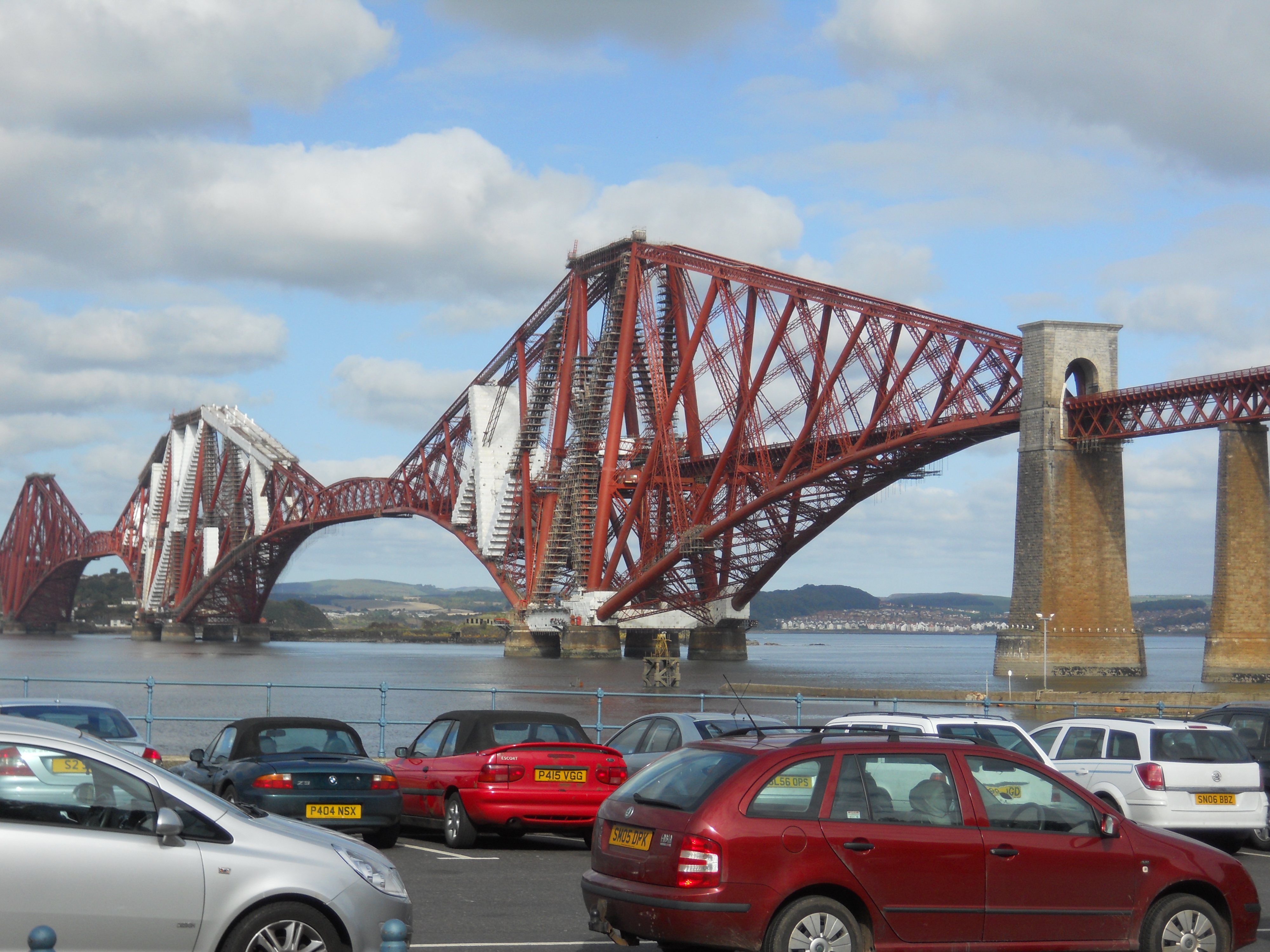
The Forth Rail Bridge
The rail bridge is probably the most recogniseable bridge in the world and despite being 120 years old it still carries upwards of ten trains per hour. Incidentally, as modern trains are lighter than steam ones, it is probably under less stress now than it was in the past. It’s been under less stree too in recent years as coal trains no longer use the bridge.
I do wonder that if can see this bridge in twenty years, whether the trains going across the top will be electric!
I’ve actually never been across the rail bridge and it’s been many years since I travelled across the road bridge. I think it was with my hosat in Edinburgh and my late wife, when we went to St. Andrews.

The Forth Road Bridge
It is rather ironic, that if I could return to this spot in 2100, it would be more likely that the older rail bridge would still be carrying traffic, whereas, it would appear that the road bridge will have to be closed by 2020.
So much for modern engineering!
Open Door in Edinburgh
Sunday was Open Door in Edinburgh, which is Scotland’s version of Open House, where historic buildings that are not normally opened, can be viewed by the general public. It is a good idea.
The list for Edinburgh was perhaps what you’d expect from Scotland’s capital, but for me, there wasn’t enough on the industrial and engineering side.
My host and I did have a good walk on Calton Hill with its views all over the city.
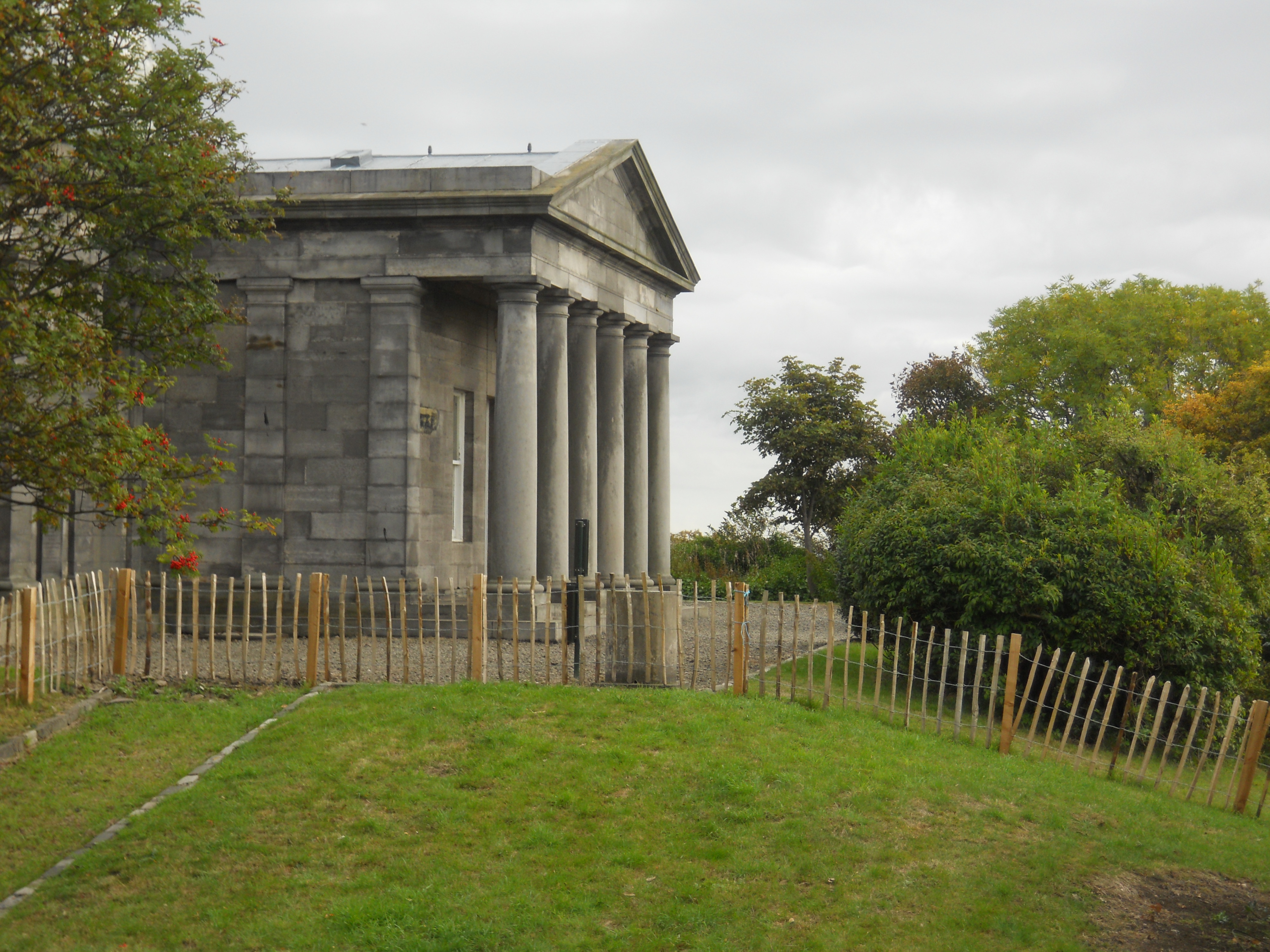
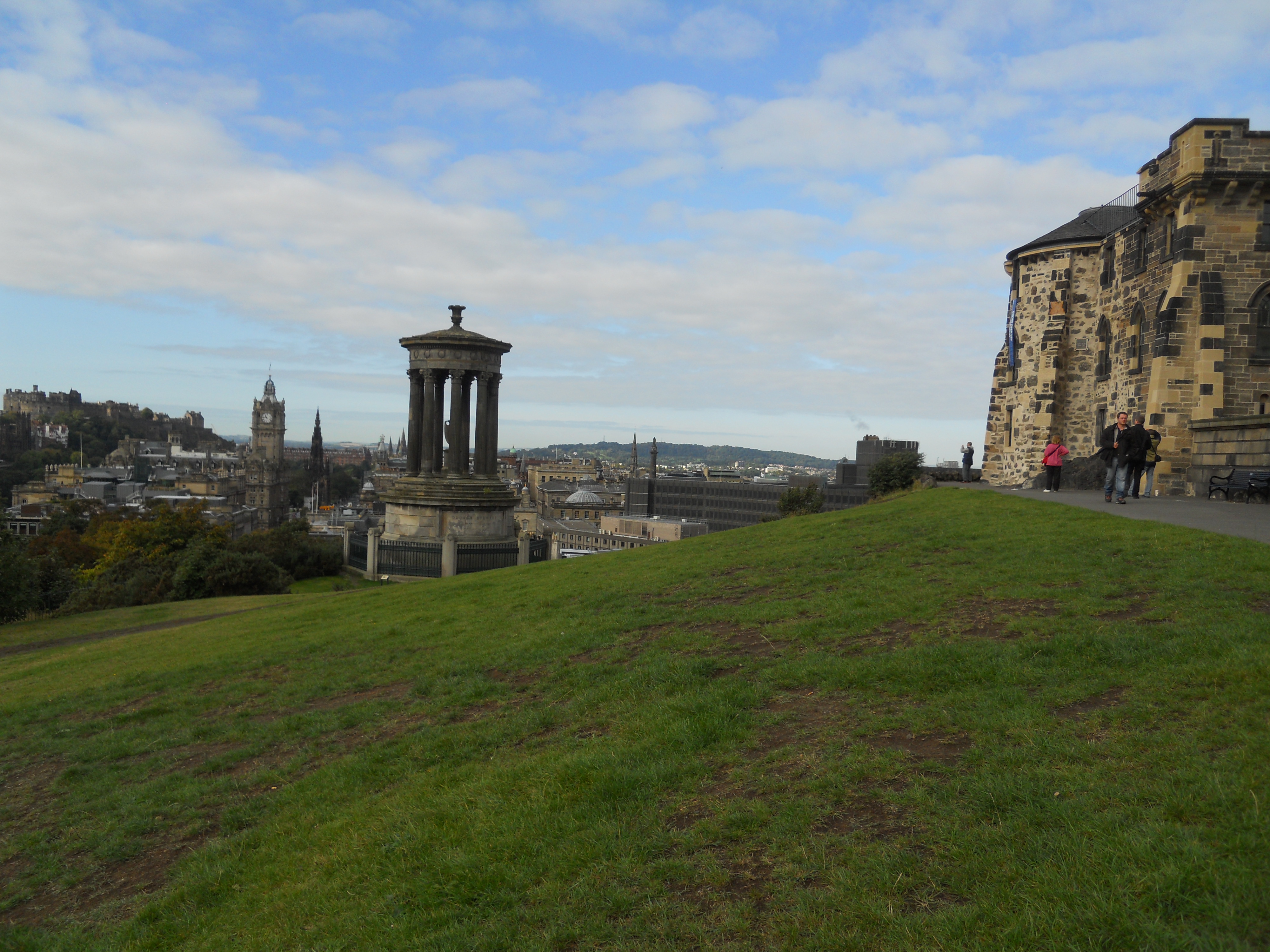
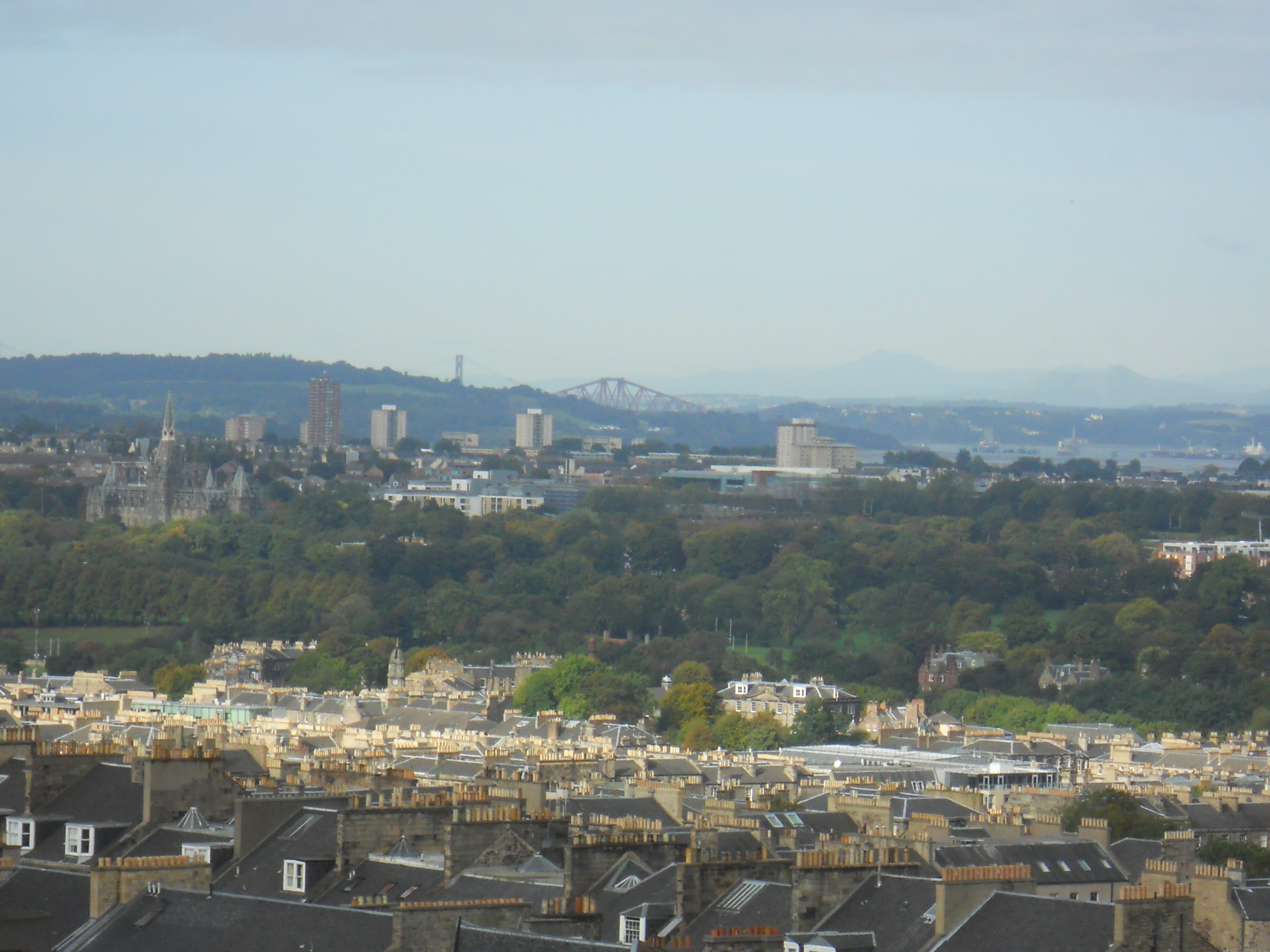
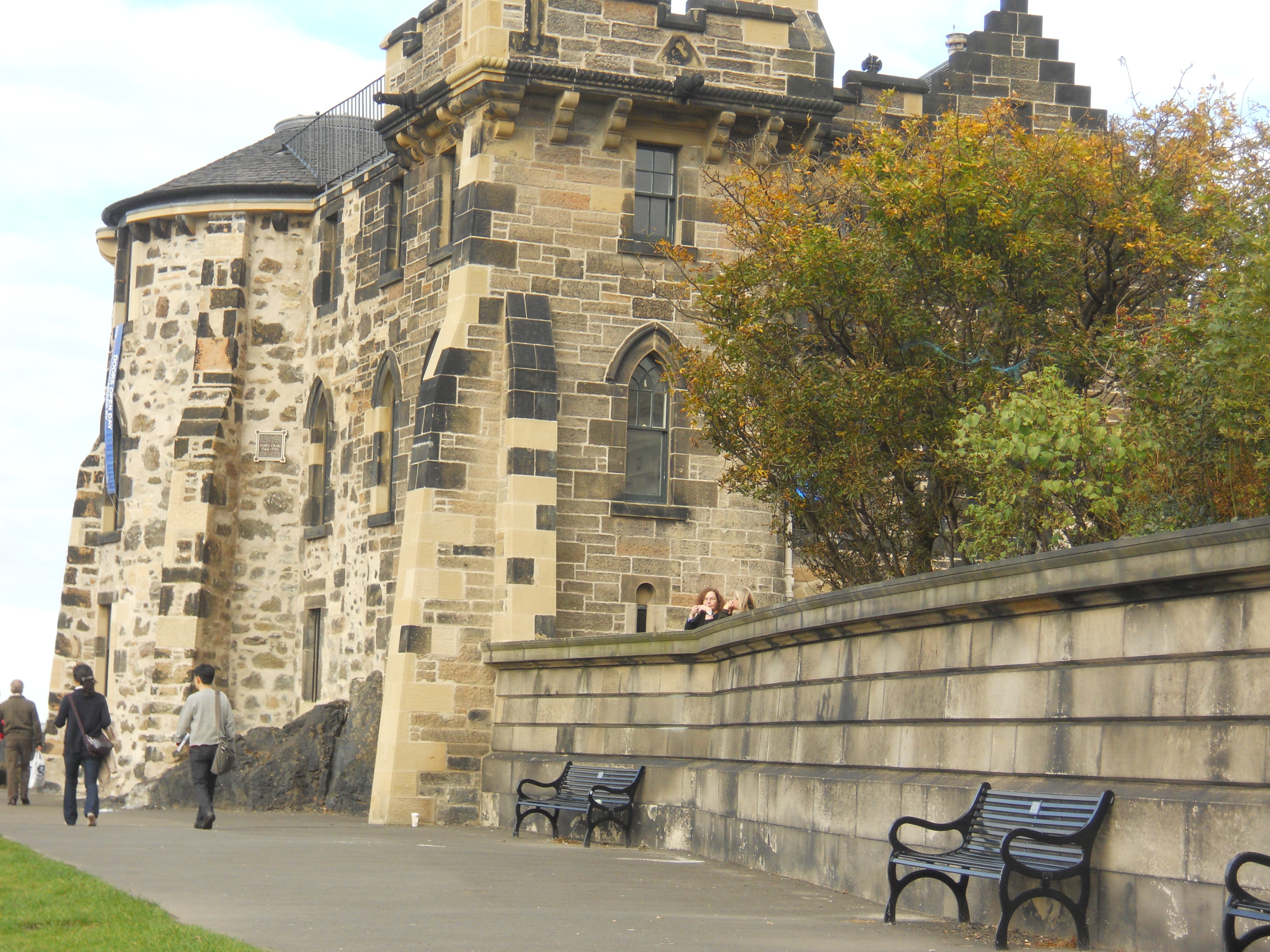
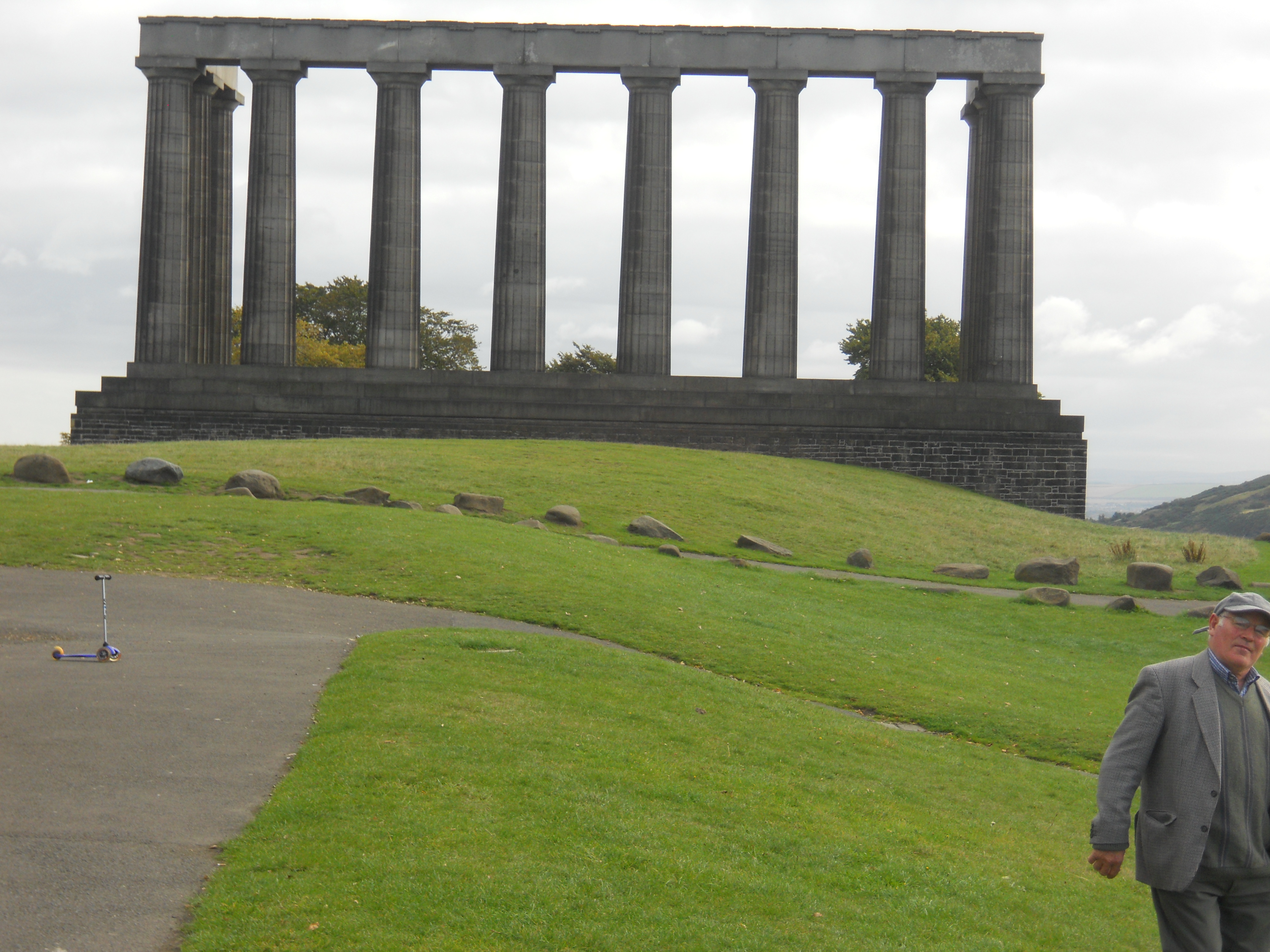
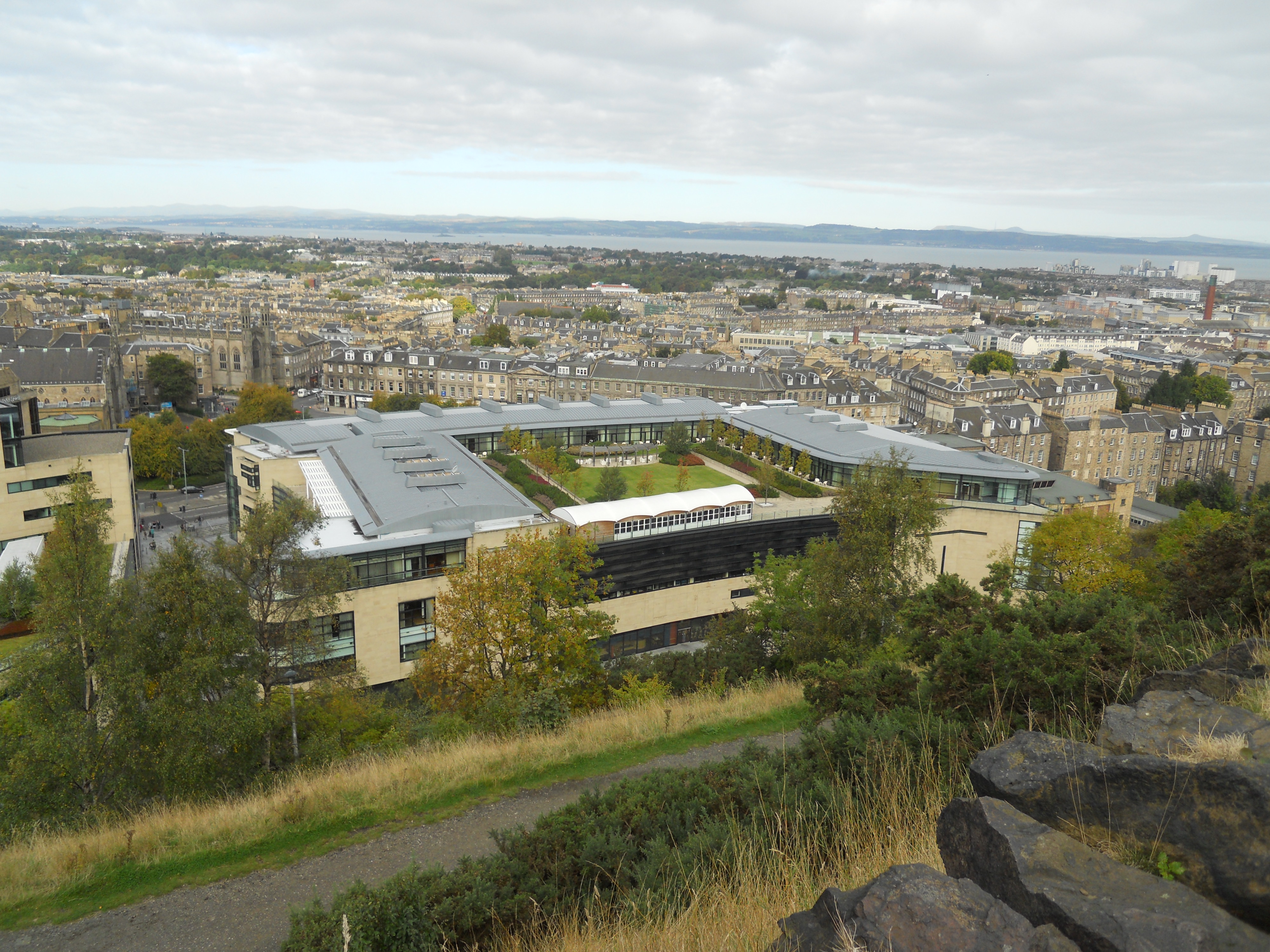
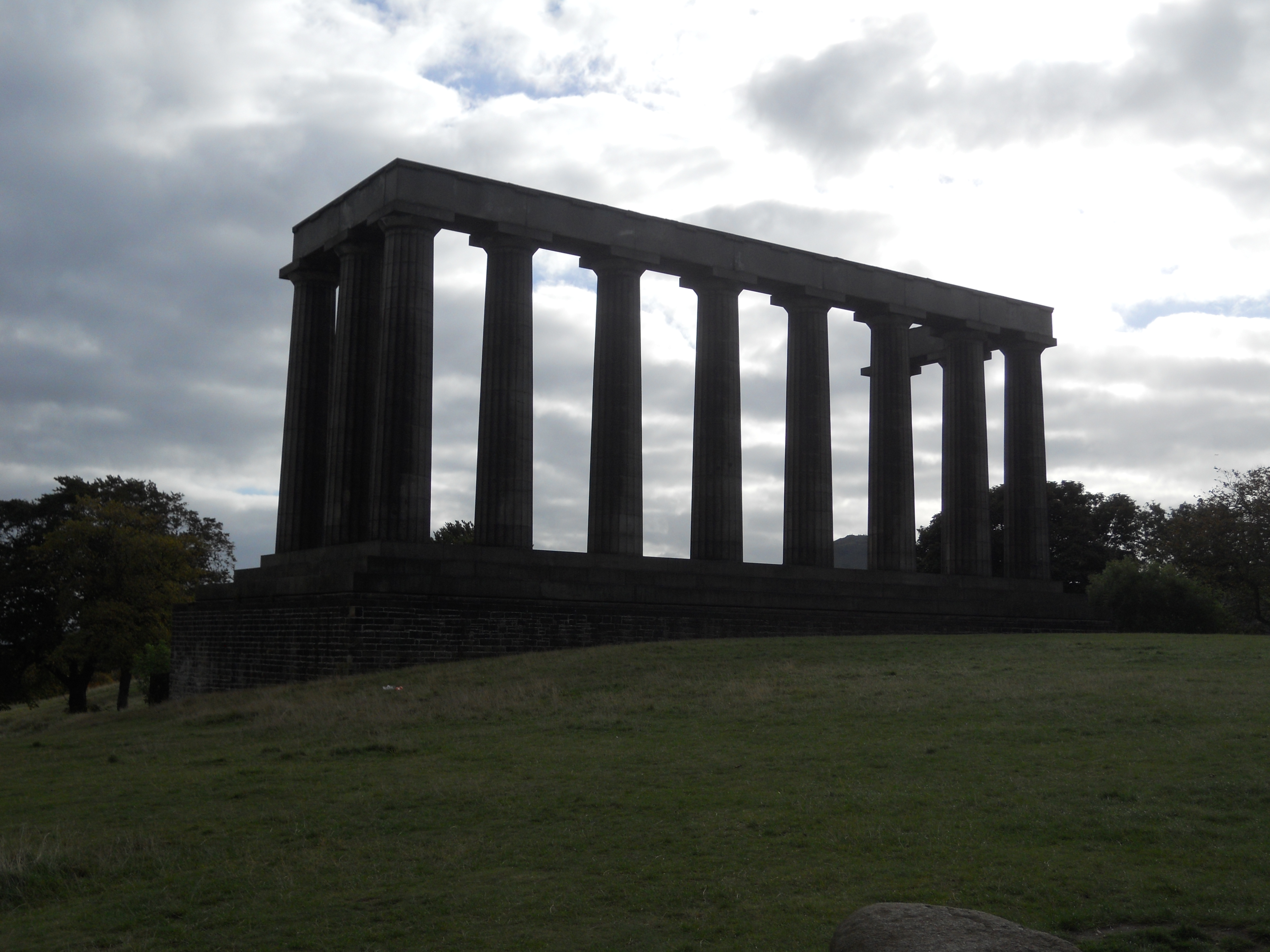
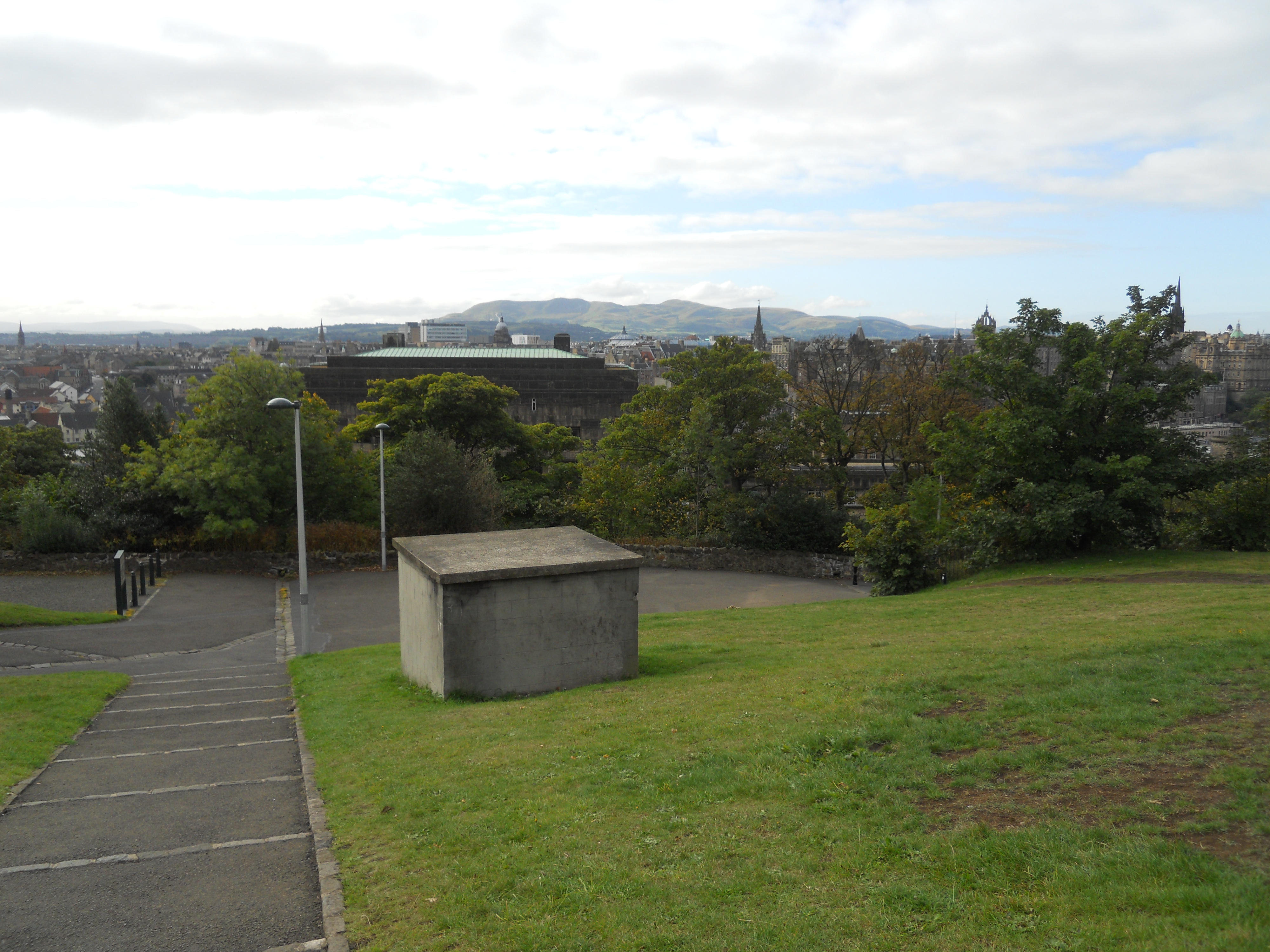
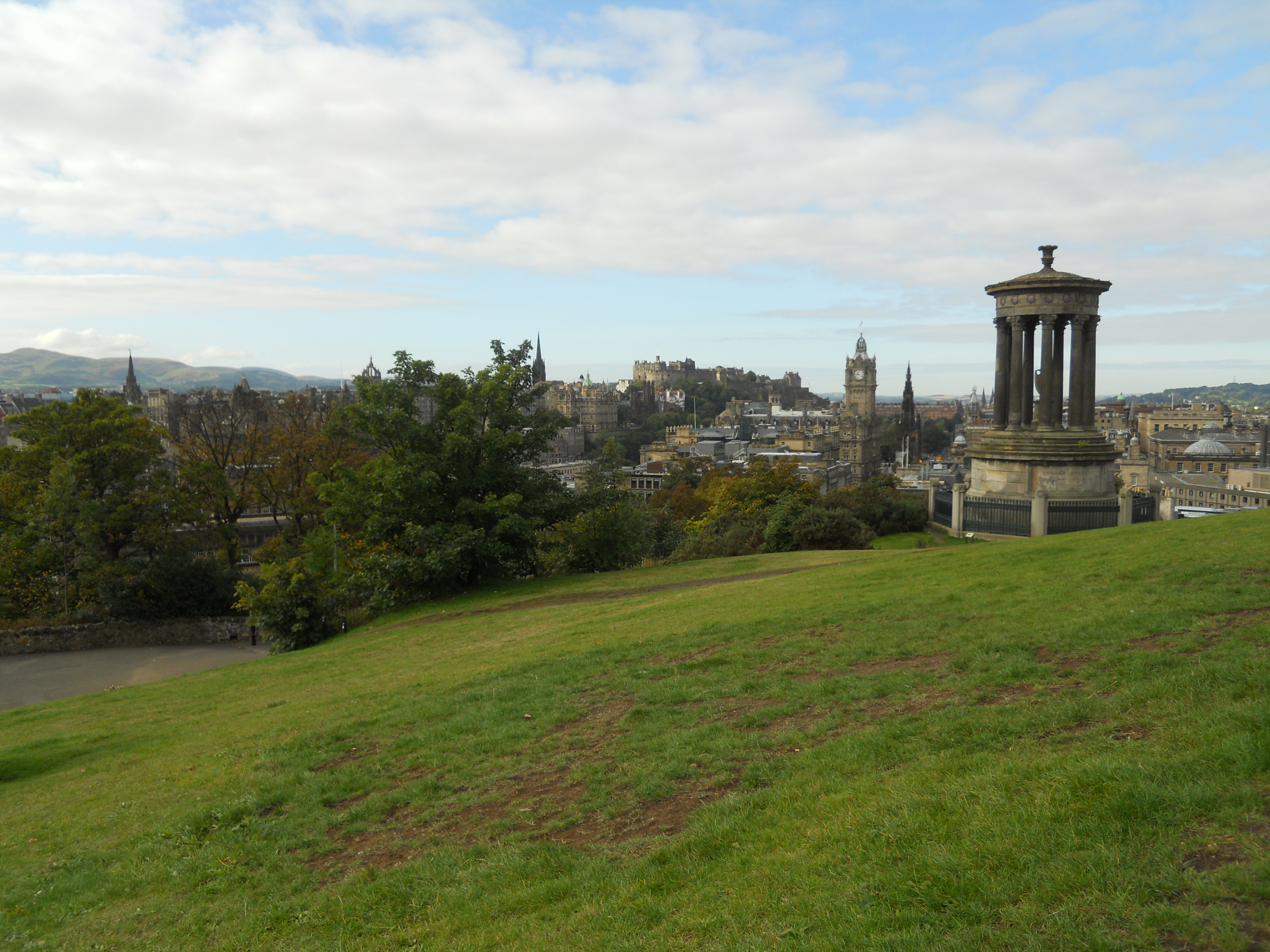

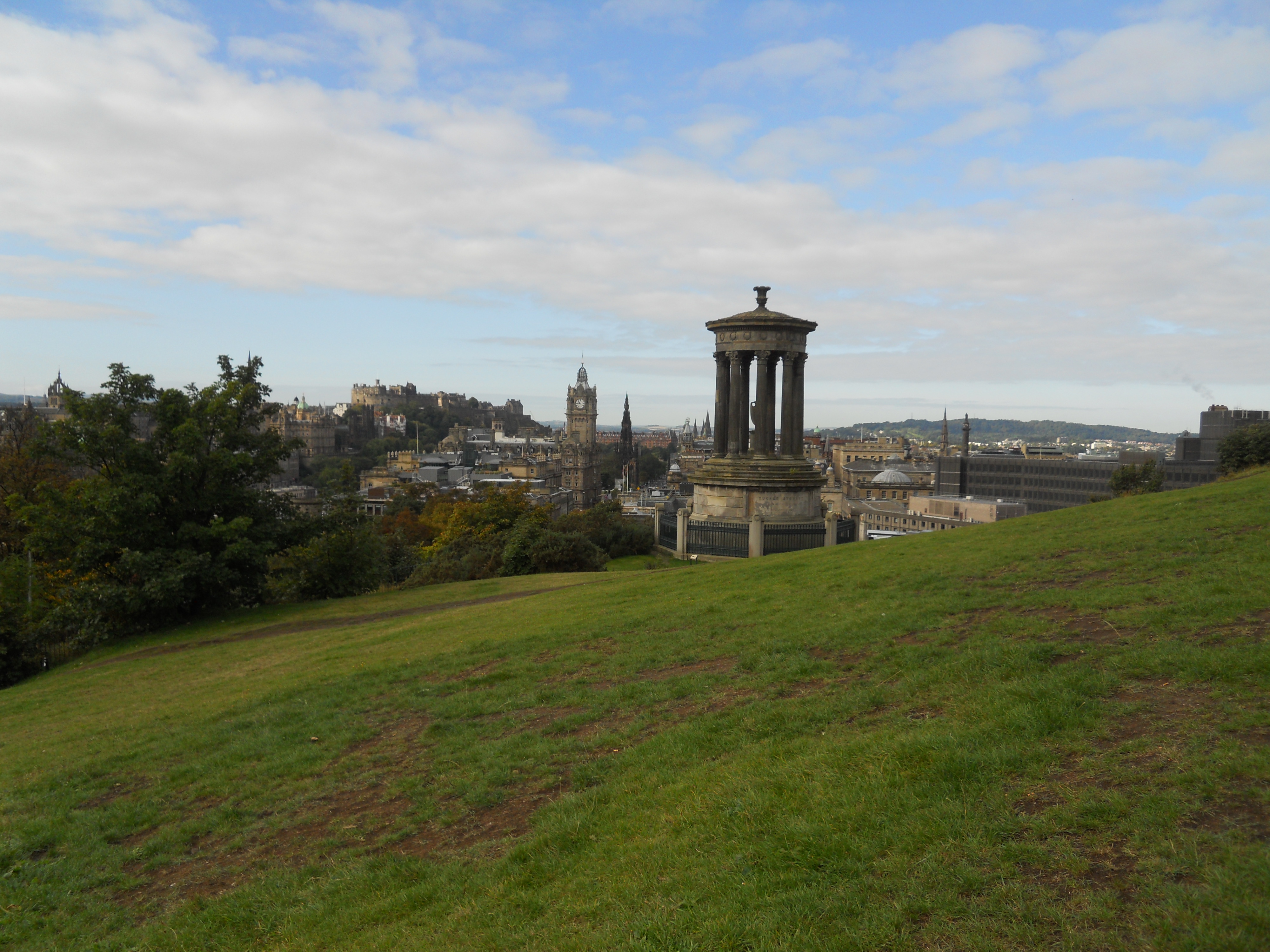

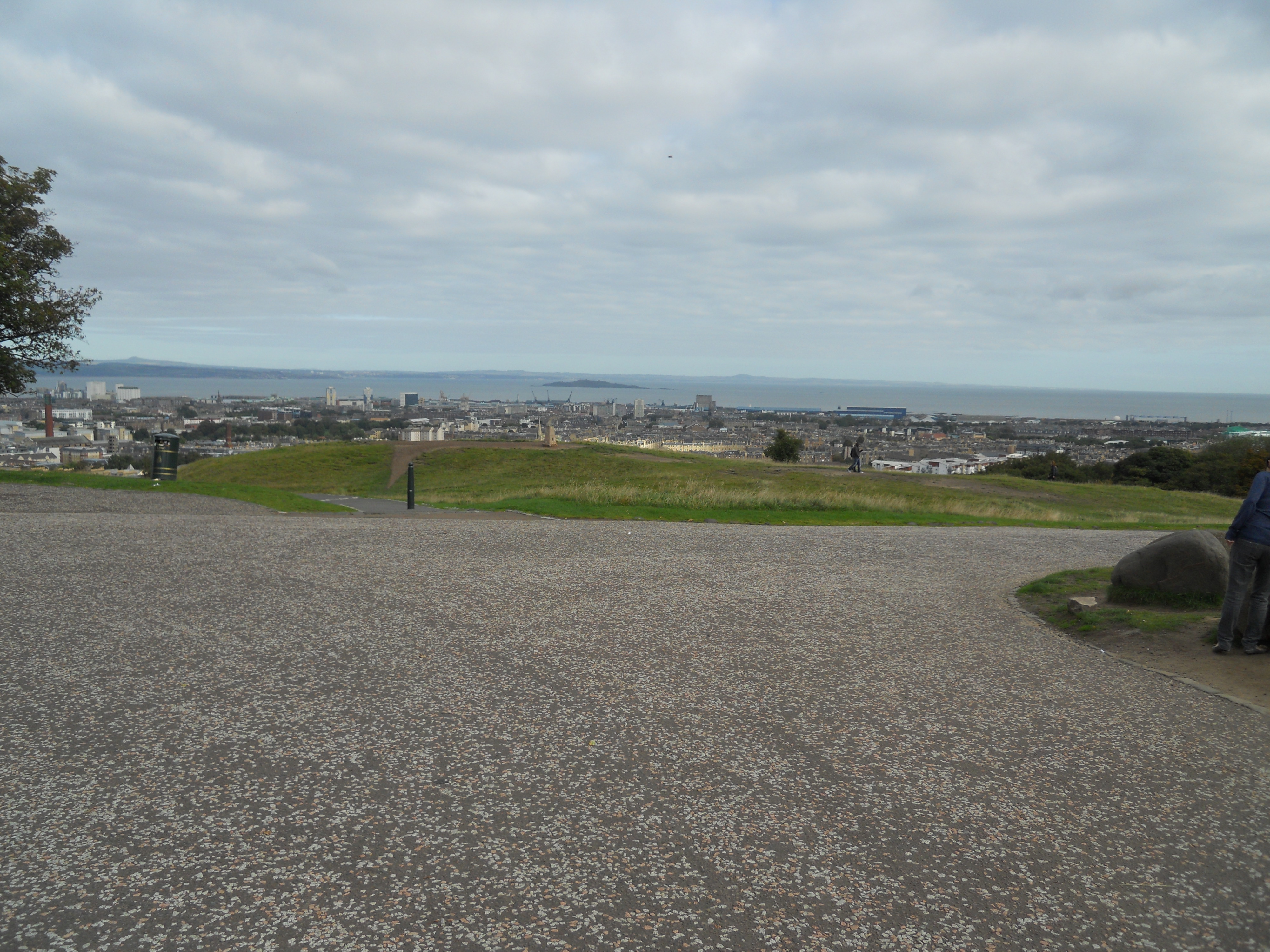
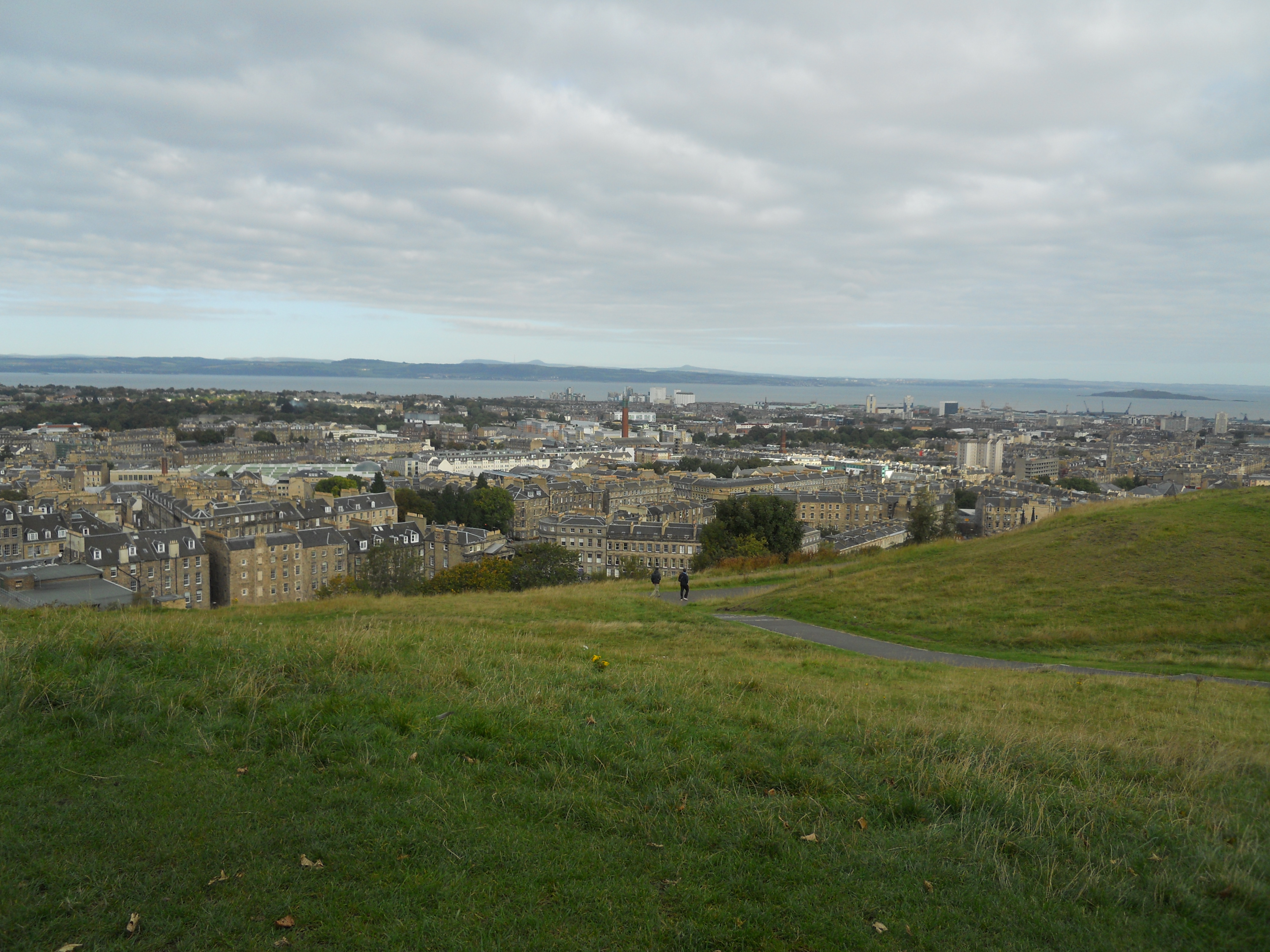
In the gallery you can see the National Monument. This is said about it in Wikipedia.
Particularly due to the use of high-quality materials, the project ended in 1829 with funds running out. Local legend suggests that the city of Glasgow apparently offered to cover the costs but Edinburgh was too proud to accept the other city’s charity. As a result, the monument is often given the nickname Edinburgh’s Disgrace or Edinburgh’s Folly.
Edinburgh and Glasgow are just like North and South London or on a national scale, Australia and New Zealand.
Thorne, Althorpe and Flixborough
One of the places the train stopped was Thorne.
I can remember driving through it on a dark and wet night sometime in about 1970, when it was one of the poorest areas in the UK. C, myself and our eldest son, who was just a baby at the time had been to visit C’s friend from Liverpool University, Sandra Briton and her husband Keith at Gliberdyke.
It still looked pretty bleak from the train, as the wind blew across the flat lands of North Lincolnshire.
It’s not a place I should have ever wanted to live.
Althorpe was another place passed by the train and we used to have friends who lived near there under the shadow of the River Trent. C could remember being woken up by a boat on the river virtually passing by the room where she was sleeping.
Our friends used to tell a story how tourists used to turn up looking for the last resting place of Princess Diana. But of course they had got the spelling wrong. I hope it’s improved with Sat-Navs or do they send those Dianaphiles to the wilds of North Lincolnshire?
But I couldn’t go to this part of the country, without thinking about the Flixborough disaster. I’ve worked on lots of chemical plants and know how dangerous they can be. And the disaster at Flixborough, proved my fears, when 28 people died and many were injured in June 1974.
According to Wikipedia, the cause of the explosion my well have been a badly-designed bypass pipe that wasn’t properly tested. I also heard a contributing factor from an engineer at ICI, was that the design of the plant had been metric as it was a Dutch design and it had been converted to Imperial when it was built in the UK. This had meant that the pipe that broke was the wrong size to withstand the pressure. Wikipedia says this.
The official inquiry into the accident determined that the bypass pipe had failed because of unforeseen lateral stresses in the pipe during a pressure surge. The bypass had been designed by engineers who were not experienced in high-pressure pipework, no plans or calculations had been produced, the pipe was not pressure-tested, and was mounted on temporary scaffolding poles that allowed the pipe to twist under pressure. The by-pass pipe was a smaller diameter (20″) than the reactor flanges (24″) and in order to align the flanges, short sections of steel bellows were added at each end of the by-pass – under pressure such bellows tend to squirm or twist.
I don’t know what the truth was and probably we’ll never find out, but in my view to mix measurement systems in anything as dangerous as a chemical plant is asking for trouble. It should be noted that ICI went fully metric in chemical plant design sometime in the 1950s. I seem to remember hearing somewhere that safety was one of the reasons.
The fact that we still commonly use Imperial measures is an absolute disgrace.
 The Anonymous Widower