Did Plans For Crossrail Ever Include A Station At Holborn?
I have only one North-South bus route, where I live.
The 141 bus connects Palmers Green and London Bridge station.
- The 141 bus was the replacement for the 641 trolley bus, which was the main link between Wood Green, Turnpike Lane and Harringay, and the City of London, when I was a child.
- The vehicles are up to ten years old Wrightbus diesel hybrids.
- The route suffers badly from overcrowding as it connects, Bank and Moorgate stations in the City of London, with the outer reaches of the Piccadilly Line.
The overcrowding on the 141 bus route has got worse in the last couple of years because of the following.
- The rebuilding of London Bridge station brought more passengers to the 141 bus route.
- The opening of the new London Bridge bus station at London Bridge station has improved access to the buses at London Bridge station.
- The improvement of the connection of the buses to the Docklands Light Railway, Central Line and Northern Line at Bank station.
- The opening of the Battersea branch of the Northern Line, which brings more passengers to Bank station.
- The opening of the new Cannon Street entrance to Bank Underground station.
- The opening of the Elizabeth Line through Moorgate station.
- Recently, a new walking route between Moorgate and Liverpool Street was opened, which will bring more passengers to the buses on Moorgate.
- The rebuilding of Old Street station brought more passengers to the 141 bus route.
So what was the response of the Mayor and Transport for London, to all this increase of passenger numbers?
The 21 bus, which shadowed the 141 route, and doubled the number of buses through where I live, was moved to serve Holloway.
It was a big crime against mathematics and the wishes of our long-serving Labour MP; Meg Hillier.
So to handle many more passengers between London Bridge station and Newington Green through the City of London, the number of buses was halved.
I believe that the overcrowding will get worse because of the improvements, that Transport for London have planned.
- The Piccadilly Line will be getting new air-conditioned trains within a couple of years and these will inevitably attract more passengers to the line.
- On the other hand the air-conditioning may persuade passengers to use the Piccadilly Line more than they do now. Instead of changing to the 141 bus at Manor House station, passengers could change at Finsbury Park, King’s Cross St. Pancras or Holborn stations for other routes to the City of London.
- The third line to receive the new air-conditioned trains will probably be the Central Line, which would create another East-West air-conditioned line and bring more passengers to Bank station.
- The Central Line could give some relief for the buses through Bank, if an extra station was built on the Central Line to interchange with Shoreditch High Street station on the East London Line of the London Overground.
- The fourth line to receive the new air-conditioned trains will probably be the Waterloo and City Line, which would create another air-conditioned line and bring more passengers to Bank station.
- It is likely, that more services will be added to the Elizabeth Line, which will bring more passengers to Moorgate station.
- It is likely, that more services will be added to the Northern City Line, which will bring more passengers to Moorgate station.
- The Mayor is also planning to pedestrianise Oxford Street, which may fill up the Central Line with extra passengers.
It looks to me, that there will be a need for a large increase of bus capacity through the City of London on a North-South axis.
On the other hand, the City of London have stated that they will pedestrianise many of their streets.
So what can be done to avoid gridlock in the City of London?
Develop The Northern City Line At Moorgate
I use this route regularly to and from Moorgate station.
- It already has new Class 717 air-conditioned trains.
- The route is already digitally signalled in conjunction with the East Coast Digital Programme.
- It has two platforms at Moorgate station.
- Highbury & Islington station has interchanges with the Victoria Line and the North and East London Lines of the London Overground.
- Finsbury Park station has interchanges with the Victoria Line and National Rail services.
- Bowes Park station has an out of station interchange with Bounds Green station on the Piccadilly Line.
- Step-free access needs improving.
- The Victorians had plans to extend the line to Lothbury near Bank station.
If the Northern City Line could handle more passengers, would passengers get to all parts of the City of London by changing at Finsbury Park and walking from Moorgate or Old Street stations?
I regularly go between my house and Moorgate, by taking a bus to Essex Road station and using the Northern City Line.
I believe that with improvements on the Northern City Line, the line could be turned into a very valuable part of London’s rail infrastructure.
Connect The Central Line And The East London Line At Shoreditch High Street Station
I wrote about this proposal in Will Shoreditch High Street Be Connected To The Central Line?
The Elizabeth Line needed to be completed before this could be started.
Build The Western Extension Of The Docklands Light Railway
I wrote about this proposal in The Bank Station Upgrade And The Western Extension Of The DLR.
Rebuild Holborn Station
The interchange between Piccadilly and Central Line at Holborn station is difficult to say the least.
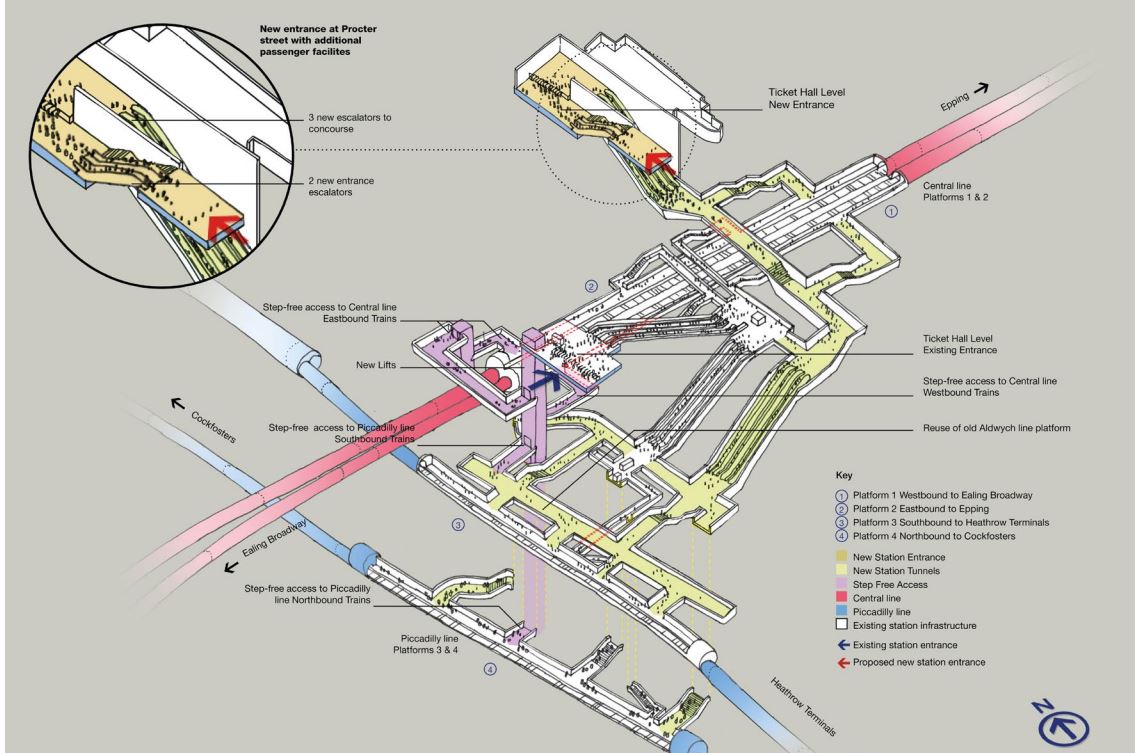
Holborn station is being extended with a new entrance. As with Euston, I suspect it has been designed with a feasible place for DLR platforms to be added.
This document on the TfL web site, gives more details of what is proposed at Holborn station.
I extracted this visualisation of the proposed station.
This map from carto.metro.free.fr shows the lines in the through and around the station.
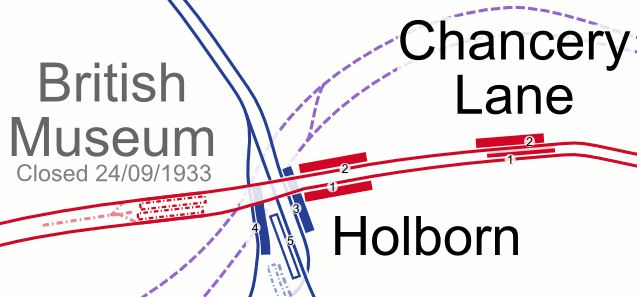
.Note, the Elizabeth Line, which is shown by dotted lines passes to the North of the station.
Conclusion
Not all these improvements need to be done, but each would improve transport in the City of London.
Great Northern’s Class 717 Fleet Receives Go-Ahead From ORR To Operate With In-Cab Digital Signalling
The title of this post is the same as that of this press release from Great Northern.
These five paragraphs outline how the new signalling will be introduced.
Govia Thameslink Railway (GTR) has received authorisation from the Office of Rail and Road (ORR) to place its Class 717 fleet into passenger service using Level 2 European Train Control System (ETCS) digital signalling.
This is a key step towards the introduction of digital signalling on both the Northern City Line, between Finsbury Park and Moorgate in London, and the East Coast Main Line between London and Grantham, as part of the government-funded East Coast Digital Programme (ECDP).
The programme will see traditional lineside signals replaced by state-of-the-art in-cab signalling technology (ETCS). On the Northern City Line this will give Great Northern passengers a more reliable service.
The trains, leased to GTR by Rock Rail, will begin running in passenger service once Network Rail has completed its approval works to switch on the trackside ETCS system. Once this second milestone is achieved later this year, GTR will start training, in passenger service, two hundred and fifty of its Great Northern drivers to drive using ETCS.
The new system overlays the traditional signals, so drivers will be able to continue using ETCS alongside their untrained colleagues once they are qualified, ensuring they maintain full competency until everyone is trained and the old system can be switched off.
I used the route from Essex Road to Moorgate stations, this morning about 09:30 and Great Northern seems to be running eight trains per hour (tph) on that section.
Is This A Simple And Affordable Solution To Providing Step-Free Access At Essex Road Station?
The access to and from the platforms at Essex Road station, is not the best.
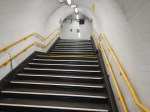
There is a set of tunnels beneath the two platforms.
- The tunnels are connected to the surface, by a pair of large lifts and an emergency spiral staircase.
- The tunnels are connected to the platforms by two wide sets of stairs.
- One set of stairs is for passengers leaving the station and the others are for those arriving.
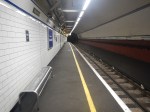
This set of pictures shows some of stations underground features.




It looks to be a difficult station to make step-free.
- The platforms are narrow.
- There is very little space in the station building to add more lifts direct to the platform.
- I’m not sure,but the rail tunnels might be under the Canonbury Road, which runs outside the station.
Unless its possible to use the Greenford solution.
This picture shows the inclined lift/stairs and escalator installation at Greenford station.
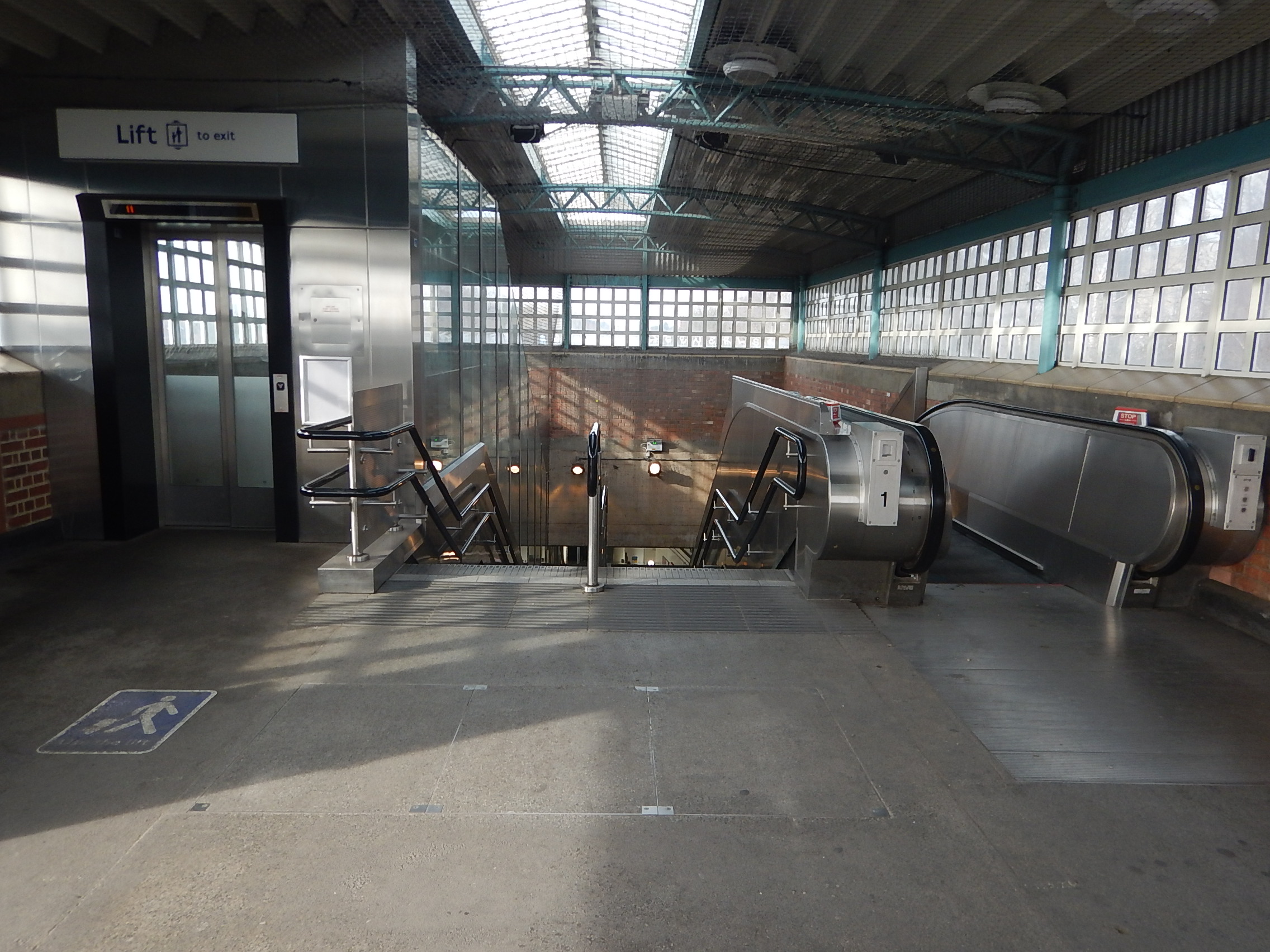
Note.
- The inclined lift has a capacity of about 4-6 people in normal times.
- The staircase is double, with a handrail up the middle.
- The escalator is permanently set to up.
It should be noted that Greenford station has two Central Line platforms and one National Rail platforms.
Could this type of installation be used at Essex Road station?
I will look at a few points and issues.
Station Usage
It should be said, that despite the different natures of the station, we are not comparing apples with oranges, as to get between the street and platforms at both stations, passengers have to use the stairs at Essex Road station or the multi-mode installation at Greenford station.
Entries and exits to Essex Road station over the last four years are as follows.
- 2016-17 – 811,000
- 2017-18 – 861,000
- 2018-19 – 857,000
- 2019-20 – 768,000
The average is 824,000
National Rail entries and exits to Greenford station over the last four years are as follows.
- 2016-17 – 230,000
- 2017-18 – 151,000
- 2018-19 – 153,000
- 2019-20 – 170,000
The average is 176,000
Central Line entries and exits to Greenford station over the last four years are as follows.
- 2015 – 4,720,000
- 2016 – 4,810,000
- 2017 – 4,680,000
- 2018 – 4,250,000
The average is 4,615,000
The total for Greenford station is 4,791,000 or nearly six times as much as Essex Road station.
In fact, the difference is bigger than that as Essex Road station could have a pair of installations, so the capacity of each of the Essex Road installations, would only need to be a twelfth of that of the Greenford installation.
The Simplest Installation
The simplest installation would surely be to fit an inclined lift at the side of one of the existing staircases.
The staircase would probably be halved in width, but quite frankly they are not safe for anybody encumbered with a pushchair or a heavy suitcase.
There would also need to improvements to the routes between the main lifts and the inclined lift.
London’s Single Escalators
London has several single escalators.
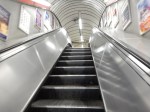
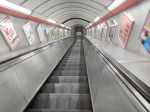
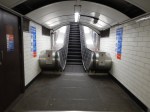
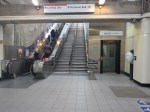
Three pictures are from Moorgate and the other one is at Greenford.
Could Pairs Of An Inclined Lift And An Escalator Be Fitted In At Essex Road Station?
It would be tight to fit a pair in one staircase, but I’m sure it would be possible. Especially, if the shaft could be widened a bit.
If they could be made to fit, then a simple program of works could be applied.
- Close one staircase and use the other staircase for both entry and exit. As there is a cross-tunnel, passengers would be able to walk between the lifts and the platforms, by walking about an extra thirty metres or so.
- The closed tunnel would then be gutted and an inclined lift and escalator would be fitted and tested.
- Once complete and tested, it would be opened to passengers.
- The station would now be entrance-only or exit-only, whilst the second lift and escalator were fitted and tested.
Being entrance-only or exit-only would not be the greatest problem, as the 271 bus parallels the rail route between Highbury & Islington and Moorgate stations.
Could An Inclined Lift And A Pair Of Escalators Be Fitted?
In this installation, one shaft would be fitted with a pair of escalators and the other with an inclined lift.
A similar program of works to that I laid out previously would be applied.
Conclusion
Essex Road station could be made step-free.
Because of the bus routes in the area and the 271 in particular, it wouldn’t cause the greatest of inconveniences to close the station for some time.
Essex Road Station – 16th November 2020
These pictures show Essex Road station.




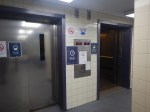


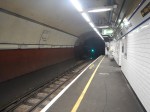
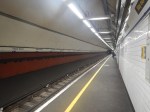
Note.
- It is a station of little architectural merit.
- It is not by any means step-free.
- The atmosphere could be better.
- In the last few weeks, I have witnessed two falls, that could have been serious with a little less luck on those dreadful stairs.
It is certainly not the best station in Islington, let alone North London.
A Train Of My Own!
To get to the the best Marks and Spencer food shop near me, I walk to Essex Road station and take a train to Moorgate or Old Street stations depending on the weather.
As it was sunny today, I took a private train to Old Street station.
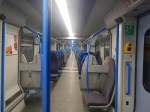
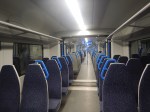
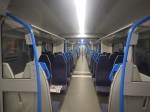
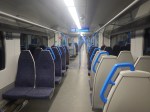
Everybody else was asked to get on the Rail Replacement Bus.
The Dalston Kingsland Station Problem
One of my local stations on the North London Line is Dalston Kingsland station.
Unlike Hampstead Heath station and the three neighbouring stations of Canonbury, Dalston Junction and Hackney Central, there are no lifts at Dalston Kingsland station and the stairs are narrower without a central rail.
Looking at the passenger traffic at the stations I have mentioned, gives the following numbers for 2017-18 in millions.
- Canonbury – 3.0
- Dalston Junction – 5.7
- Dalston Kingsland – 5.5
- Hackney Central – 4.3
- Hampstead Heath – 3.3
Dalston Kingsland serves almost as many passengers as does the nearby Dalston Junction, but it is a very inferior station.
- Recently, a high capacity wide gate-line has been installed.
- When trains call at the station, it is difficult to get to the platforms, unless you wait until arriving passengers have come up the stairs.
- There are no lifts.
- More housing is being built around Dalston Kingsland station.
- In December 2018, the train frequency through Dalston Kingsland was raised to eight from six trains per hour (tph).
Is Dalston Kingsland station an accident waiting to happen?
Various plans and other improvements will effect the passenger traffic through Dalston Kingsland station.
More Trains Through Dalston Kingsland Station
In Gospel Oak-Barking Fleet Plan Remains Unclear, I calculated that running the current combined eight tph service between Stratford and Clapham Junction/Richmond needs twenty trains.
- Increasing this service from four tph to five trains per hour to both Western termini, would increase the frequency between Stratford and Willesden Junction to ten tph.
- It would also require twenty-five trains to run the service.
- London Overground has six five-car Class 710 trains on order, that will be used to improve the service on the North and West London Lines.
This would leave a spare train to cover failures and maintenance.
So it would appear that Dalston Kingsland station could get a train every six minutes in both directions.
Passengers would appreciate this, but what about the freight operators, that use the line?
Will a twenty-five percent increase in train capacity result in a similar increase in passengers using the stairs at the station?
The Effect Of London Overground Syndrome
In London Overground Syndrome, I described the syndrome like this.
This benign disease, which is probably a modern version of the Victorian railway mania, was first identified in East London in 2011, when it was found that the newly-refurbished East London Line and North London Line were inadequate due to high passenger satisfaction and much increased usage. It has now spread across other parts of the capital, despite various eradication programs.
The North London Line through Dalston Kingsland station seems to have a particularly strong form.of the syndrome.
In December 2018, the frequency through the station was increased by thirty-three percent, but overcrowding in the Peak seems not to have reduced.
Could it be that because the line offers a more pleasant and easier connection between Stratford, Highbury & Islington, Camden, Hampstead, Willesden, Clapham Junction, Acton and Richmond, that any increase in capacity is welcomed and passengers transfer from a more crowded Underground?
There will be more Ducking and Diving!
Crossrail Effects
I suspect only educated guesses can be made, as to what effects Crossrail will have on Dalston Kingsland station.
Judging by the number of passengers, who get on and off Overground trains at Highbury & Islington station, a lot of passengers use the North London and Victoria Lines for commuting and other journeys.
Crossrail, with its connection to the North London Line at Stratford and eventually at Old Oak Common will take passengers from the North London Line and the various connections between the two lines, will further even out passenger traffic.
If it does, it will be Londoners Ducking-and Diving again!
Avoiding Dalston Kingsland Station
I think that some groups of passengers will avoid Dalston Kingsland station.
- Like me, some travellers have a choice of station.
- Passengers walking between the two Dalston stations, may choose to use the shorter step-free interchange at Canonbury.
- As the frequencies on the Overground increases, passengers may find that a less obvious route is better for them.
- I suspect some savvy passengers take a train from West Croydon at Dalston Junction station and then cross the platform at Highbury & Islington station.
It’s classic animal behaviour to avoid problems and go by a better way.
Northern City Line Effects
The Northerrn City Line between Highbury & Islington and Moorgate stations could have an effect on passenger numbers at Dalston Kingsland station.
In a couple of years, the line will be much improved.
- Services will be running seven days a week.
- Elderly Class 313 traiins will have been replaced by new Class 717 trains.
- There will be a step-free connection to Crossrail at Moorgate station.
- Frequencies will be significantly increased.
Overall, there will be a new high-capacity line running North-South within walking distance or a couple of bus stops of the two Dalston stations.
I have already started to use the line more, by catching a bus to Essex Road station for a train to Moorgate station. It’s quicker in the morning Peak.
HS2 Effects
I remember using the North London Line in the 1970s, between Broad Street and Willesden stations. It was terrible. But now, when High Speed Two opens in 2026, London’s Mucky Duck which has grown into a swan, will speed you to Old Oak Common station for your journey to the North.
Because many of these travellers will have heavy bags with them, all stations on the North London Line must be made step-free.
Highbury & Islington Station Improvements
Highbury & Islington station was rebuilt for the Victoria Line in the 1960s, when costs were much more important than passenger convenience.
The area outside the station is being sorted, but the plans are starting to be developed to create better and step-free access to the deep level platforms.
A much improved Highbury & Islington station would create a lot of easier routes from both Dalston stations.
Essex Road Station Improvements
Essex Road station has lifts, but is not step-free as the lifts go to well below the platforms, to which the final connection is a long set of steps.
The station sits on what must be a valuable site in Islington, which would be ripe for redevelopment.
Redevelopment of this station will happen and it will make things a lot better for me, as it is within my walking range or a short bus ride.
Bus Improvements
When I moved to Dalston in 2010, there was a good bus service to Highbury & Islington station along the Balls Pond Road.
But now, a South London Mayor has cut this, because I suspect we can use the Overground.
But this assumes that Dalston Kingsland station is has quality access. Which of course it doesn’t!
The buses must be improved along the Balls Pond Road.
Six-Car Trains Through Dalston Kingsland Station
I’ve deliberately left this to last, as it is the biggest and most difficult.
There are two routes through Dalston Kingland station.
- Four tph on that use the West London Line to go to Clapham Junction station.
- Four tph on that use the North London Line to go to Richmond station.
One or both of these routes might be possible to be run by six-car trains using selective door opening on the short platforms.
Lengthening the new Class 710 trains will not be a problem, as a few extra coaches would be ordered.
On the other hand lengthening the existing Class 378 trains may be more problematical, as they are out of production. I suppose that two five-car trains could be converted into a six-car and a four-car.
Six-car operation would surely add twenty percent to the passengers going through the station.
The Future Of Dalston Kingsland Station
The extra trains and capacity through Dalston Kingsland station will increase the pressure on the inadequate access at the station.
But some of the other improvements will divert passengers from the station and take the pressure off.
I suspect that Transport for London are hoping this will be sufficient action to keep the station functioning at a comfortable level, until it is rebuilt for Crossrail 2.
But that is a tough ask and could contain a lot of wishful thinking.
Conclusion
Dalston Kingsland station needs lift and wider and safer stairs in the near future.
A Good Timetable Change In May For De Beauvoir Town
I live in the North of an area in London called De Beauvoir Town.
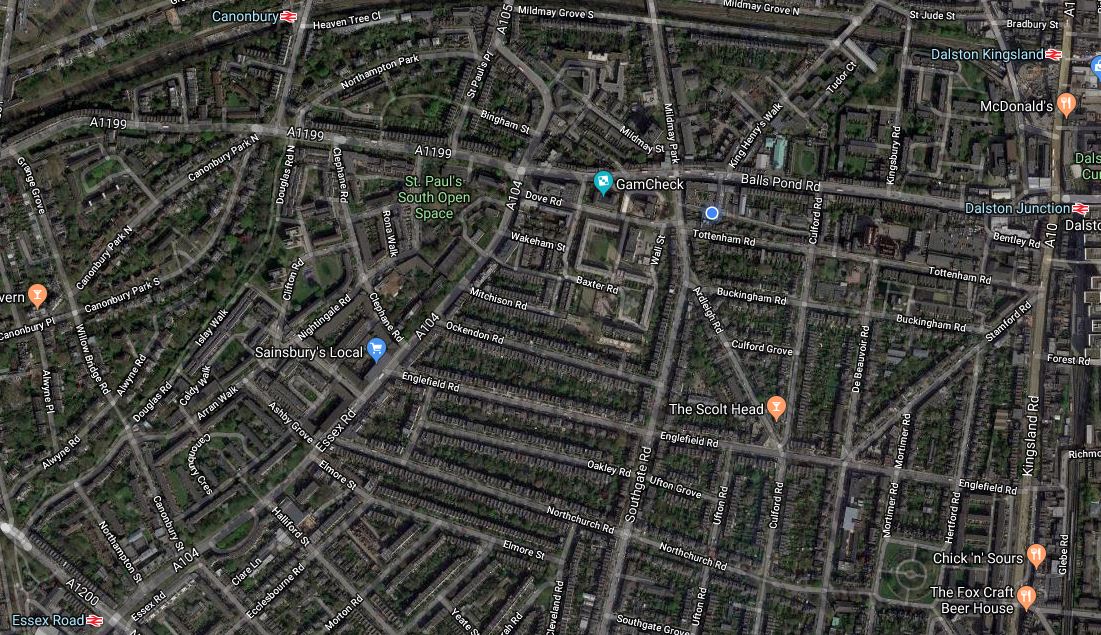
On the map, I live close to the junction of Mildmay Park/Southgate Road and the Balls Pond Road of Round the Horne fame!
The junction is a major bus interchange, with buses going regularly in all directions.
- North to Manor House, Turnpike Lane and Wood Green.
- South to Old Street, the City and London Bridge
- West to Highbury and Islington station, the Angel and the West End.
- East to Hackney, Waltham Forest and the River Lea.
All these buses was one of the reasons I moved here.
But note the railway stations ringing the area.
- Canonbury station is to the North-West about fifteen minutes walk away
- Dalston Kingsland station with its new M & S Food is a similar distance in the North-East corner of the map.
- Dalston Junction station is also in the North East corner.
- Essex Road station is in the South-West corner of the map.
But that is not all!
- Haggerston station is within walking distance on a good day, off the map to the South-East.
- Highbury and Islington station is a short bus ride off the map to the West.
- Angel station is a short bus ride off the map to the South-West.
- Manor House station is a short bus ride off the map to the North.
- Hackney Downs station is a short bus ride off the map to the East.
I can also get direct buses from local stops to Euston, Kings Cross, London Bridge, St. Pancras, Victoria and Waterloo.
From December 2018, I’ll be able to get a bus from the junction to the new Crossrail station at Moorgate/Liverpool Street.
Is there a better place to live for public transport?
On the twentieth of May, the date of the rail timetable change, things will get better.
An article on the timetable change in the May 2018 Edition of Modern Railways says this.
London Overground’s East London Line services are being recast in conjunction with the new Thameslink timetable. On the North and West London Lines, the off-peak timetable is being enhanced to match broadly the peak service, providing 8 tph between Stratford and Willesden Junction for most of the day seven days a week, with four continuing to Clapham Junction and the other four to Richmond.
London’s ugly duckling of the last century, is turning into a whole bevy of swans.
The service on the North London Line has improved several-fold since I moved here and will now be eight tph or a train every seven and a half minutes.
The East London Line will be recast, with another two tph this year to Crystal Palace station and two more next year to Clapham Junction station.
And then there’s the Northern City Line to Moorgate, that calls at Essex Road and Highbury and Islington stations!
In First ‘717’ In UK In June, I wrote about what will be happening in the May 2018 timetable change.
I said this.
From the May 2018 timetable change, the service levels will become.
- Four tph to Welwyn Garden City
- Five tph to Hertford North, with two tph extended to Stevenage or Watton-at-Stone.
- No direct services will run to Letchworth Garden City. Change seems to be a cross-platform interchange at Finsbury Park.
The service termination at Watton-at-Stone station is only temporary until Network Rail build a new bay platform at Stevenage station.
These changes mean that there will be nine tph between Alexandra Palace and Moorgate stations.
This represents a fifty percent increase in service frequency.
My Links To Thameslink
Thameslink is a railway, I don’t use much these days, as getting to stations is not that easy, since London Bridge was taken off the route, by the rebuilding.
St. Pancras is an absolute pain of a station to use, as the station was designed by a sadist with long tunnels from the deep-level Underground lines.
Farringdon is a better interchange going South, as it is step-free from the Westbound Metropolitan Line, which I take from Whitechapel after using the East London Line from Dalston Junction. But going North coming home from Farringdon is not easy.
City Thameslink is a bit of a walk from the 56 bus, which stops by my house.
Blackfriars is not the easiest station to get to from my area.
These are my thoughts about using Thameslink after about 2018, when the Great Northern Metro is open with its new Class 717 trains.
My Link To Thameslink Going North
Living where I do approximately midway between Highbury and Islington, Dalston Junction and Essex Road stations, getting to some major rail termini can be difficult and if I was taking a case with me, I would have to use a bus or taxi.
I tend to avoid Highbury and Islington station going out, as the station and its environs is in desperate need of a rebuild and to get say to the Victoria Line for Kings Cross is a long and difficult walk from the bus stop and through the maze of roads and tunnels to the platform.
But with Essex Road station having a frequent bus service from the stop nearest my house and a 10 tph connection to Finsbury Park, that will be my route to get to Thameslink going North to Cambridge or Peterborough.
I don’t think I’ll be alone, in using the Great Northern Metro to get access to Thameslink to go North.
My Link To Thameslink Going South
I have a choice of routes to go South on Thameslink.
- I could take the same route as for going North, but the interchange at Finsbury Park is a dreaded down and upper.
- I can take a 141 or 21 bus to London Bridge station. I regularly use this route coming home, but going South is dreadfully slow through Bank.
- I can take a 38/56 bus to the Angel and get the Northern Line to London Bridge.
- I can take a 56 bus to St. Bartholomews Hospital and walk downhill to Farringdon station.
- I can take a train from Dalston Junction to Canada Water and then use the Jubilee Line.
- Don’t suggest the Victoria Line to St. Pancras as the walk in the depressing tunnel at Kings Cross is to be avoided at all costs.
- Don’t suggest a 30 bus to St. Pancras, as it requires a long walk through the busy Shopping Centre at St. Pancras because Thameslink doesn’t have a much needed Southern entrance.
- I could always go via Essex Road and Finsbury Park.
I actually would like to take a train from Dalston Junction to say New Cross Gate for East Croydon and get Thameslink or the myriad Southbound services from there.
But the new proposed timetable for 2018, would seem to make that an more difficult dream, unless I wanted to wait for a long time on say Norwood Junction station.
Conclusion
Going North is easy, but as they don’t serve the \greater East London, GTR treat us with contempt and make it difficult for us to use Thameslink easily, if we’re going South.
The Great Northern Metro
Govia Thameslink Railway have just announced their proposals to create a Great Northern Metro.
This was something I speculated about in A North London Metro.
GTR’s Proposals
This document on their web site gives these outline proposals.
- 2018 timetable will provide new connections and increase capacity.
- More frequent trains to provide a ‘true’ metro service.
- New air-conditioned trains from 2018.
It looks like I got those right
These are other proposals.
14 Trains Per Hour To/From Moorgate in The High Peak
Currently, a maximum of 12 trains per hour (tph) can get in and out from Moorgate station in the High Peak.
Raising it by two to 14 tph surprised me, but it says that they have found a way with the new trains to save time possibly by using better technology to change the voltage quicker at Drayton Park.
Effectively, the headway between trains is being reduced from five minutes to four and a half minutes.
One big advantage for people like me, who live close to a Southern station on the line, as I do with Essex Road station, is that going North in the morning rush and South in the evening rush, will be easy.
Services To/From Moorgate in The Off Peak
This is a summary of the changes in the Off Peak.
- 6 tph to Hertford North – Up from 3 tph
- 4 tph to Welwyn Garden City – Up from 3 tph
- 2 tph to Stevenage – Up from 1 tph
- Sunday services are 4 tph to both branches and 2 tph to Stevenage.
On the other hand, it appears there will now be no direct trains between Moorgate and Letchworth Garden City.
My local station is Essex Road and I regularly use the line to go North and South between Moorgate and Alexandra Palace.
Instead of a measly six tph, I’ll now be getting 10 tph all day, with 8 tph on Sundays.
I thought it would be four tph to Hertford North and Welwyn Garden City, so they’re actually going to do better than I thought they would.
An Eastward Shift In Services
The two branches used to be treated fairly equally with 3 tph on each.
But now it appears that Hertford North gets preference.
But then the East Coast Main Line will be getting Thameslink services.
- 6 tph stopping at Finsbury Park
- 0 tph stopping at Alexandra Palace
- 2 tph stopping at Potters Bar
- 2 tph stopping at Welwyn Garden City
- 6 tph stopping at Stevenage
Note that these are very much a summary.
Problem! – Will Thameslink Stop At Alexandra Palace?
,I do hope that Thameslink services not stopping at Alexandra Palace, when they stop at places like Oakleigh Park is a typo.
Consider.
- Alexandra Palace is the last station before the Hertford Loop Line splits from the East Coast Main Line.
- Alexandra Palace has an attraction that passengers might want to visit.
- Alexandra Palace station may well be served by Crossrail 2.
But most importantly, Alexandra Palace could have a cross-platform and/or same-platform interchange between Great Northern Metro services on both routes and Thameslink.
So it would be a good interchange for eighty-year-old Aunt Mabel going from Enfield Chase to Gatwick Airport with her suitacse full of presents for her grandchildren.
My Link To Thameslink Going North
I laid this out in My Links to Thameslink and I suspect from 2018, I’ll take bus to Essex Road station and then take the Great Northern Metro to Finsbury Park.
I don’t think I’ll be alone, in using the Great Northern Metro to get access to Thameslink to go North.
My Link To Thameslink Going South
I laid this out in My Links to Thameslink and I suspect from 2018, I accept what GTR offer or take the Essex Road and Finsbury Park route.
- Highbury And Islington Station
But what would help everybody within a couple of miles or so of Highbury and Islington station, is to upgrade the station to the Twentieth Century.
- Provide a second entrance on the North side of Highbury Corner roundabout, where there is a disused station entrance.
- Provide a better connection between the Northbound and Southbound deep-level platforms.
- Provide full step-free access to the deep-level platforms.
- Improve the lighting and ambience in the deep-level platforms.
Talking to someone who works in the station and is obviously familiar with the tunnels, he felt, as I do, that there are fairly simple solutions to sorting out the deep-level platforms.
I would do the following.
- Open up the second entrance.
- Create a subway under Holloway Road.
- Improve the walking routes and access to buses outside the station.
- Put lift access from the new entrance to a passage that would cross all four deep-level lines.
- Provide step-free access from the cross-passage to the four deep-level lines.
- Replace the stairs connecting the two Southbound platforms
Unfortunately, I suspect that the new road bridge over the railway in front of the station has probably been built without leaving space for the subway.
The Link To Crossrail
In Liverpool Street Crossrail Station Disentangled, I showed that changing between Crossrail and the Northern City Line at Moorgate could be easy.
Now that the service into Moorgate will be 10 tph all day, with 8 tph on Sundays, the line will become an important link to Crossrail for a large area of North London.
Consider.
- The Piccadlly Line has no connection with Crossrail, so changing at Finsbury Park for Moorgate might be the quickest way to get to the new line.
- The Victoria Line has no connection with Crossrail, but there is cross-platform interchange at Highbury and Islington with the Great Northern Metro.
- The North London Line connects to the Great Northern Metro at Highbury and Islington.
Taken together, the Piccadilly Line, Victoria Line and the Great Northern Metro, with help from more local transport methods like bikes and buses, will certainly improve the link to Crossrail for a large area of Enfield, Hackney, Haringey, Islington and Waltham Forest.
My only worry, is that as the Great Northern Metro gives such good access to Crossrail for such a wide area of London and South Hertfordshire, that the planned 10 tph into Moorgate all day, with 8 tph on Sundays, will be too low.
At least the improvements to the service are coming in around 2018, which would be before Crossrail opens in 2019.
Once Crossrail opens, I suspect, it will give me a better link to Thameslink, especially when I need to go South.
Conclusions
The service is a great improvement on the current one. But I predicted that!
The service is going to meet what I suspect, GTR hope it will.
As an average punter on the Northern City route from Essex Road, I will get a lot more trains.
I shall certainly use Essex Road and Finsbury Park to get to Cambridge.
It’s a pity it doesn’t help to use Thameslink in the difficult direction to the South.
Related Posts
GTR’s 2018 Timetable Consultation
Liverpool Street Crossrail Station Disentangled
 The Anonymous Widower