National Express Owner Plans To Launch Eurostar Rival
The title of this post, is the same as that of this article on the Financial Times.
I have documented a few attempts to start a competitor to Eurostar.
- Express London-Amsterdam Eurostar Service Being Explored
- Getlink Pushes Budget Train Service Between London And Paris To Rival Eurostar
- RENFE Aims To Compete With Eurostar On Paris – London Route
- Transmanche Metro
- The Wikipedia entry for Eurostar details German and Italian attempts to start a service.
Note.
- None of the proposals seem to have got past being announced.
- The only useful fact given in the article, is that the service will be called Evolyn.
Searches of the Internet reveal virtually no more facts, rehashes of the FT article and a lot of waffle.
These are my thoughts.
Would Eurostar Give Up And Slots At St. Pancras International?
I use slots deliberately, as British Airways don’t seem keen to ever give up slots at Heathrow or Gatwick.
And I suspect Eurostar would be the same!
St. Pancras International Doesn’t Have Enough Space
This article on Kent & Surrey Bylines, which is entitled Why Are There Such Queues At St Pancras For Eurostar?, is typical of many you can find on the Internet.
This is the sub-heading.
Eurostar no longer stops at Ebbsfleet or Ashford International, and the queues at St Pancras are becoming intolerable
This is the first paragraph.
Passengers are complaining. The queues at St Pancras are now intolerable. The lines stretch back into the main hall. It is like an airport with the slow shuffle towards the security kiosks. Then, once you are through that, you go to the departure lounge. However, there is not enough seating for the waiting passengers (see picture above taken this month). Because you have to check in 90 minutes before the train starts, one can be stuck standing in this waiting room for an hour. Unless, that is, one is white-haired and venerable, in which case one is usually offered a seat by someone younger and fitter.
It was written on the 9th of last month. But the problems have been bad for some years, as St. Pancras station is too small.
Could Ashford International Station Be Used As A Terminal?
The station has platforms on High Speed One, but the Financial Times says the service will be run between London and Paris.
I doubt even Ryanair would stretch it to say that Ashford was in London.
Could Ebbsfleet International Station Be Used As A Terminal?
It might be possible to say that Ebbsfleet was in London, but then it is not well-connected to Central London.
Does That leave Just Stratford International?
In Platforms 1 And 4 At Stratford International Station, I came to this conclusion.
I have come to these conclusions about Platforms 1 And 4 at Stratford International station.
- The platforms are designed to take the longest Eurostar trains.
- The access to Platforms 1 And 4, doesn’t appear to be designed for continuous heavy use.
- The diamond crossover at the Eastern end of the station would allow Stratford International station to be used as an emergency terminus.
The track layout at the London end of High Speed One appears to have been designed for all eventualities.
But I suspect that Stratford International station will need a lot of money spent to provide Customs and Immigration facilities.
Could Victoria Station Be Used As A Terminal?
National Express is primarily a coach company, so could they be planning a service to connect the long distance coach networks of London and Paris?
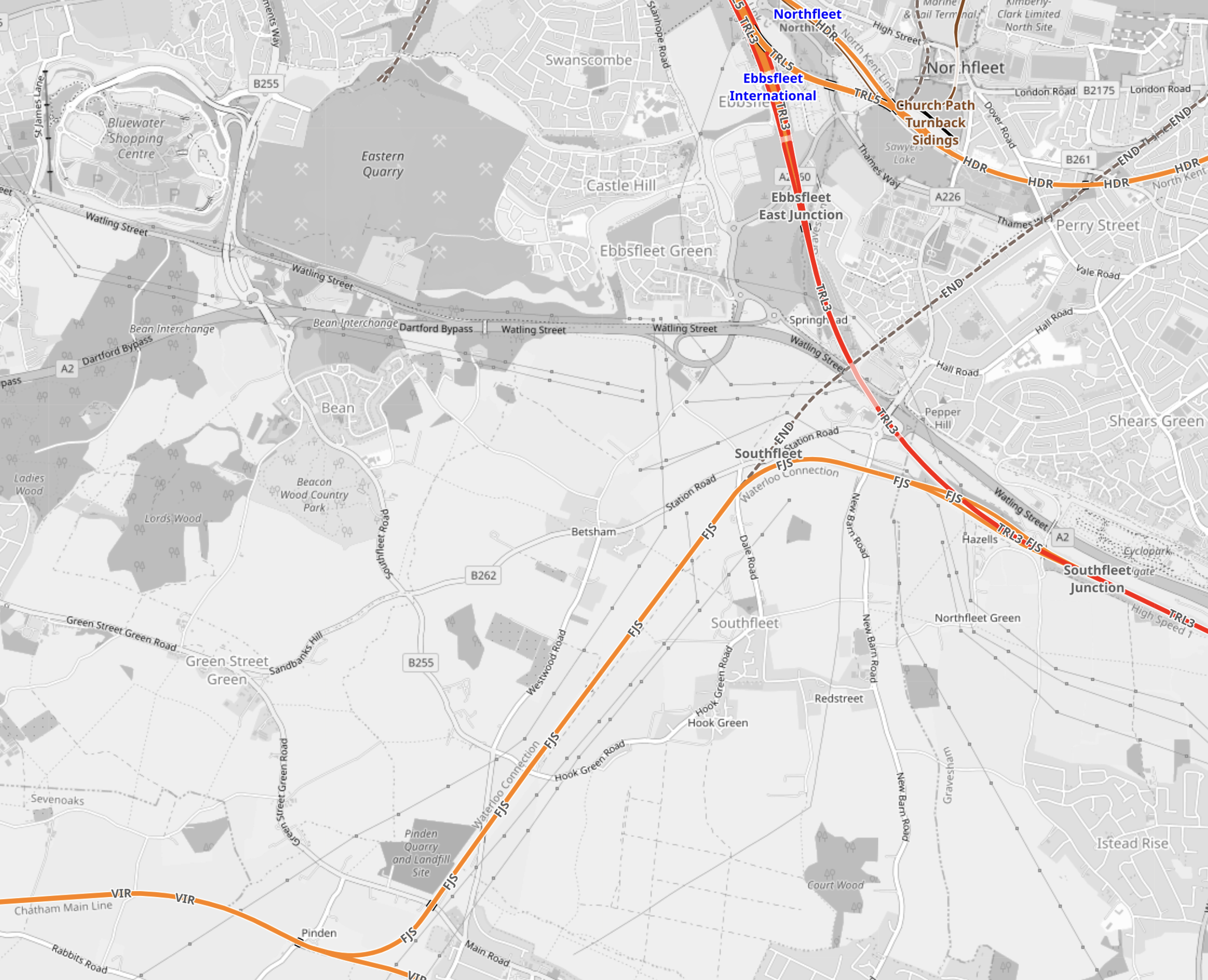
This OpenRailwayMap shows the link between High Speed One and the Chatham Main Line.
Note.
- Ebbsfleet International and Northfleet stations are at the top of the map.
- High Speed One is the red line going through Ebbsfleet International station.
- The orange line going across the South-West corner of the map is the Chatham Main Line between Victoria station and Chatham.
- The Chatham Main Line is connected to High Speed One, by the Waterloo Connection or the Fawkham Junction Link.
This route was the original route for Eurostar to Waterloo.
But it could just as easily go into Victoria.
- Southeastern’s Victoria and Dover service takes this route.
- The distance between Victoria and Fawkham junction is 22.6 miles.
- Trains take 28 minutes with a stop at Bromley.
- I wrote some more about the Fawkham Junction Link in Kent On The Cusp Of Change – Fawkham Junction Link.
- I also wrote some more about Victoria as a High Speed terminal in Kent On The Cusp Of Change – Victoria As A Highspeed Terminal.
Note that the two Kent On The Cusp Of Change posts were based on an article in the July 2017 Edition of Modern Railways.
I am convinced that Victoria could be used as a terminal for Continental trains.
Where Would The Service Terminate In France?
Everything I said about congestion also applies to Gare Du Nord, so would it be better to use Marne-la-Vallée–Chessy station that serves Disneyland Paris and Charles de Gaulle Airport, which used to be used by Eurostar.
There are certainly possibilities to do something different.
What Trains Would Be Needed?
The FT article says that the consortium have talked to Alstom, who build the Class 373 trains.
The trains would probably need a specification like this.
- Maximum speed of at least 200 mph, like Eurostar’s Class 374 trains.
- Ability to run on tracks with a UK loading gauge.
- Ability to use both 750 VDC third rail and 25 KVAC overhead electrification.
- Less than 240 metres long, which are the platform lengths at Victoria.
Would a High Speed Two Classic-Compatible Train be suitable?
- The trains will have a maximum speed of 224 mph.
- It has been designed for a UK loading gauge.
- The two partners in these trains; Alstom and Hitachi, have both built high speed trains capable of running at slower speeds using third rail electrification.
- The standard length of the trains are 200 metres.
I suspect they would do nicely.
Conclusion
I suspect that the National Express service could use High Speed Two Classic-Compatible Trains between Victoria and Marne-la-Vallée–Chessy stations.
- The trains would be standard with the ability to use third rail electrification
- They would use a single International platform at Victoria and Marne-la-Vallée–Chessy.
- Victoria station is well-connected to the Underground.
- Marne-la-Vallée–Chessy station is connected to Charles de Gaulle airport and Disneyland Paris.
I feel that there is a feasible service that can be designed.
Clapham High Street Could Gain Direct Overground Routes To Victoria Station
The title of this post, is the same as that of this article on the Clapham Nub News.
These two paragraphs introduce the article.
Local councillors and the Clapham Transport Users Group have been in discussions with Network Rail about the direct route once the current ‘Networker’ trains are replaced.
Clapham High Street lost its direct services to Victoria in December 2012 when the South London Line was withdrawn in favour of the London Overground to Clapham Junction.
This forces passengers onto the Northern Line, which through Clapham has two dangerous-looking stations; Clapham Common and Clapham North.
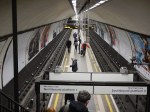
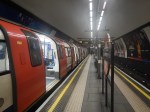
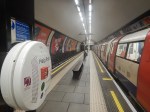
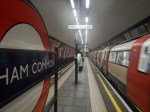



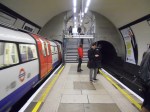
I have a few thoughts and observations.
Clapham High Street Station
These pictures show Clapham High Street station.
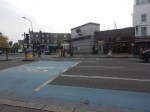
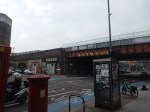
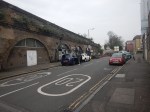
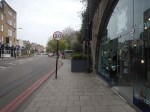



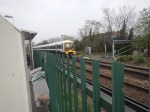
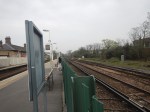
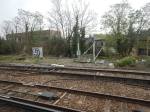
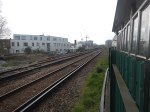
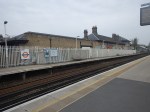
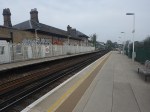
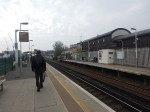
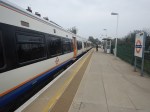
Note.
- The station is Grade II Listed.
- There are four tracks through Clapham High Street station.
- Only the lines used by the London Underground have platforms.
- I don’t think it will be difficult to add platforms to the other two tracks.
- The platforms will probably take five-car trains.
- Access to the platforms is by a subway, which could probably be extended to the other side of the tracks.
- A second entrance would be closer to Clapham North station.
- I suspect step-free access would not be too difficult to install.
- The tracks are over railway arches, which could be developed to add to the quality businesses in the area.
This Google Map shows the station.
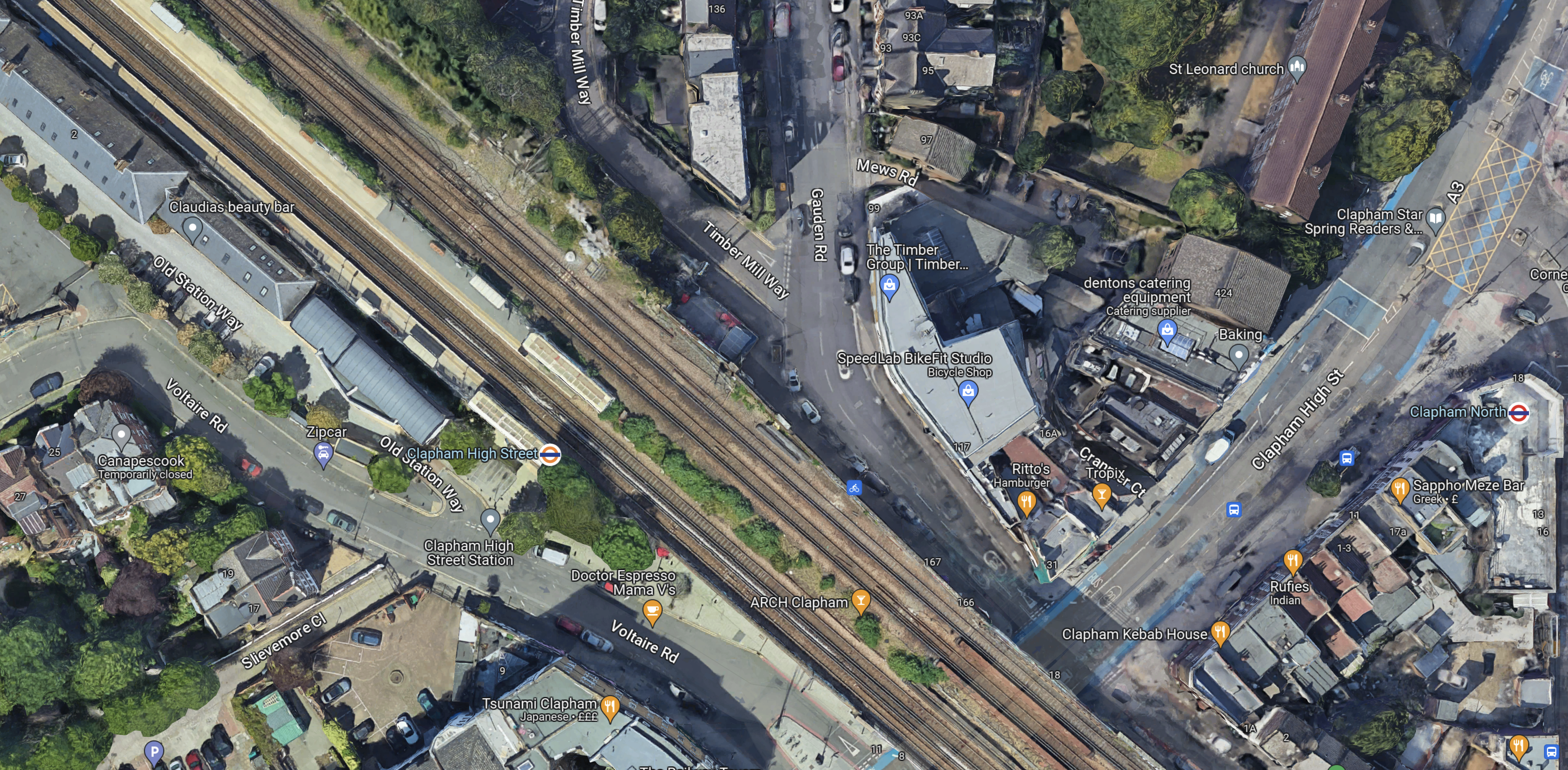
Note.
- Clapham High Street station is in the North-West corner of the map.
- Clapham North station is at the Eastern edge of the map in the middle.
- There seems plenty of space for two more platforms.
I think there is a lot of scope to improve this station.
Tracks Through Clapham High Street Station
This map from cartometro.com shows the tracks through Clapham High Street station.

Note.
- The Overground tracks are shown in orange and black.
- The fast lines, which are to the North of the Overground lines are shown in black.
- Shepherds Lane and Voltaire Road junctions allow trains on the fast lines to call in Clapham High Street station.
I suspect full digital signalling will be employed for efficiency of handling the junctions.
Services Through Clapham High Street Station
These services run through Clapham High Street station.
- London Overground – Dalston Junction and Clapham Junction – four tph – Goes via Denmark Hill and Peckham Rye
- Southeastern – London Victoria and Ashford International – one tph – Goes via Brixton, Herne Hill and West Dulwich
- Southeastern – London Victoria and Dartford – two tph – Goes via Denmark Hill, Peckham Rye, Nunhead and Lewisham
- Southeastern – London Victoria and Dover Priory – one tph – Goes via Brixton, Herne Hill and West Dulwich
- Southeastern – London Victoria and Gillingham – one tph – Goes via Denmark Hill, Peckham Rye, Nunhead and Bromley South
- Southeastern – London Victoria and Orpington – two tph – Goes via Brixton, Herne Hill and West Dulwich
- Southeastern – London Victoria and Ramsgate – one tph – Goes via Brixton, Herne Hill and West Dulwich
Note.
- tph means trains per hour.
- The London Overground services could be increased to 6 tph.
- Only the London Overground services stop in Clapham High Street station.
- The Dartford, Gillingham and Orpington trains are pathed for 90 mph trains.
- The Ashford International, Dover Priory and Ramsgate trains are pathed for 100 mph trains.
It is a comprehensive timetable.
Southeastern’s New Trains
In Battery EMUs Envisaged In Southeastern Fleet Procurement, I wrote about Southeastern’s proposed new trains.
Full details haven’t been announced yet, but I think we can be sure of the following.
- The first trains to be replaced will be the Networker trains, because they are the oldest and slowest.
- The new trains will have selected door opening (SDO), as this a feature of nearly all modern trains.
- I also suspect the trains will be capable of running at 100 mph and will be five cars long, with the ability to run in pairs.
This will enable the new trains to cross over from the fast lines to the Overground lines to stop in Clapham High Street station.
How Many Trains Would Stop At Clapham High Street Station?
Currently trains passing through the station are as follows.
- London Overground – 4 tph – Stopping
- Southeastern – 3 tph – 100 mph services to Ashford International, Dover Priory and Ramsgate – Non-stop
- Southeastern – 5 tph – 90 mph services to Dartford, Gillingham and Orpington – Non-stop
Note.
- It is likely that the London Overground service will go to 6 tph.
- Would 100 mph services always go through without stopping?
- In an ideal world would it be best if services alternated?
I suspect that a better service could be provided between Clapham High Street and Victoria with very little expenditure on infrastructure.
High Speed One Issues
An article in the July 2017 Edition of Modern Railways is entitled Kent On The Cusp Of Change.
The article suggests that Fawkham junction, could be used to allow Southeastern Highspeed services to access Victoria as a second London terminal, to increase capacity on High Speed One.
The route could be via Clapham High Street, Denmark Hill, Bromley South, St. Mary Cray, Swanley and Farningham Road.
The Arches Underneath
There are several railway arches underneath the tracks at Clapham High Street station.
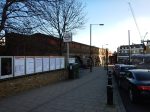

Some of the businesses look good and there are several other arches that are boarded up.
Railway arches are now generally owned by The Arch Co.
In Findlater’s Corner At London Bridge – 11th February 2023, I wrote about the company’s restoration of some arches at London Bridge station, which included these pictures.




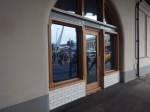
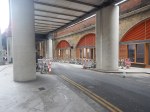
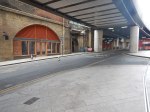
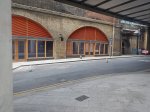
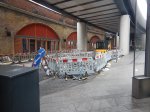
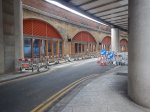
I suspect that a similar restoration in up-market Clapham could be a good investment for The Arch Co.
A Four-Platform Clapham High Street Station
Consider.
- There is space for two new platforms alongside the fast lines.
- The station entrance is in an arch, that goes right under the tracks.
- Putting lifts in an arch would not be the most challenging of tasks.
- A second entrance in Gauden Road would be nearer Clapham North Underground station.
- It should also be remembered that the Government is giving out levelling up funding.
- Hackney is to receive this type of funding and I wrote about it in Hackney Central Before Levelling Up.
I can see a fully-accessible four-platform station being built at Clapham High Street station.
Denmark Hill Station
Denmark Hill station is the next station to the East of Clapham High Street station and after a rebuild is now a high quality station, with these features.
- Four tracks and platforms.
- Frequent trains to Ashford International, Clapham Junction, St. Pancras, Victoria and Whitechapel.
- Full step-free access with lifts.
- A solar roof.
- A Grade II listing.
- King’s College and Maudsley Hospitals are next door.
- A pub.
I wrote about the station in Denmark Hill Station – 4th September 2021.
These are a few pictures.

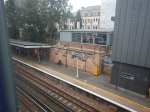


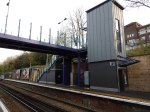
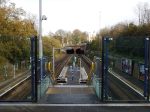
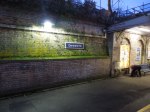
Note the solar roof. There’s more about the roof on this page of the BiPVco web site.
On the About page, there is a section called Our Story, where this is said.
BIPVco was established in April 2015 following five years of collaborative research between Tata Steel LCRI (Low Carbon Research Institute) and Swansea University with support from the Welsh government.
The research program developed ways of integrating thin-film CIGS PV cells directly onto the same substrates that make roofs and walls so that true BIPV functionality would become integral to the building envelope and could be achieved without having to resort to heavy on site mounting systems.
Our manufacturing processes were further enhanced to suit commercial production, and the products and procedures were tested and accredited before commercial launch.
Working with select partners, we designed and built many pilot PV integrated roofs between 2015 and 2017 in varying climates, including Nigeria, Canada, UAE and the UK, to demonstrate product suitability in all environments. The full commercial launch was effected in June of 2017.
They certainly seem to have taken solar panels to a new level.
I would also rate Denmark Hill station one of the finest suburban railway stations in the world!
Peckham Rye Station
The next station to the East of Denmark Hill station is Peckham Rye station.
Like many other stations and buildings in London, including the original Denmark Hill station, Peckham Rye station was designed by Charles Henry Driver.
These are some pictures, I’ve taken over the years at Peckham Rye station.
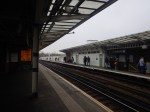
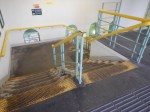




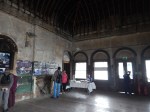



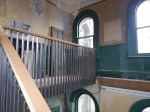




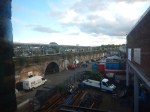



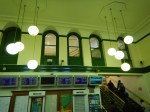
Note.
- It is a very busy station.
- I’ve read somewhere, that it is the busiest station in the UK, without any step-free access.
- It could be a magnificent station.
- One of the people driving this project is the architect; Benedict O’Looney.
This page on the Network Rail web site is entitled Peckham Rye Station Upgrade and it starts with this statement.
On 7th March 2022, we submitted Planning Permission and Listed Building Consent applications to upgrade Peckham Rye station to make it fully accessible with more capacity and better facilities for passengers.
It’s all a bit out of date, but these pictures, that I took this morning, indicate that something is progressing.
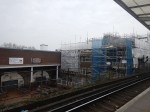
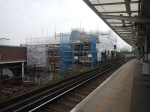
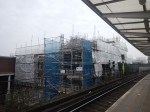
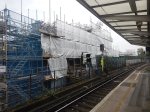



This article on IanVisits gives a few more details.
South London Crosslink
The South London Crosslink, doesn’t seem to have a website or a Wikipedia entry.
But it is mentioned in a question and answer to the London Mayor.
In response to this question.
Will you consider bringing the Victoria rail service back to Clapham High Street station and providing direct trains to Brixton, Herne Hill, and Bromley South?
The Mayor gave this answer.
The Department for Transport (DfT) is responsible for these services, as they run Southeastern railway as operator of last resort. Transport for London (TfL) is not opposed to the existing Southeastern services to and from Victoria making additional calls at Clapham High Street should the DfT, wish to take the idea forward.
There are however several practical issues that would need to be taken into consideration, and any changes to the service would be subject to cost-effective solutions being found to these.
The Clapham High Street platforms are too short for the eight-car trains used on the Victoria to Dartford and Orpington metro routes, and the existing rolling stock lacks a safety intervention called “Selective Door Opening” that enables trains to call at a station where the platform is shorter than the train. There are also technical restrictions, such as the frequent routing of these services along an adjacent pair of tracks which do not have any platforms, which would make implementation difficult using the existing railway infrastructure. Finally, there would need to be clear consideration on the wider capacity of the rail network and the robustness of the timetable. All of these concerns could affect the value for money of any proposal for these services to call at Clapham High Street station.
As I showed earlier, it looks like new trains will solve most of these problems. If they don’t, then the wrong trains have been ordered.
But there’s still not much about where the route will go after Peckham Rye, except for vague mentions of Dartford and Orpington.
I asked a friend and they said the South London Crosslink could possibly go to Bellingham.
This map from cartometro, shows the route between Denmark Hill and Crofton Park stations.
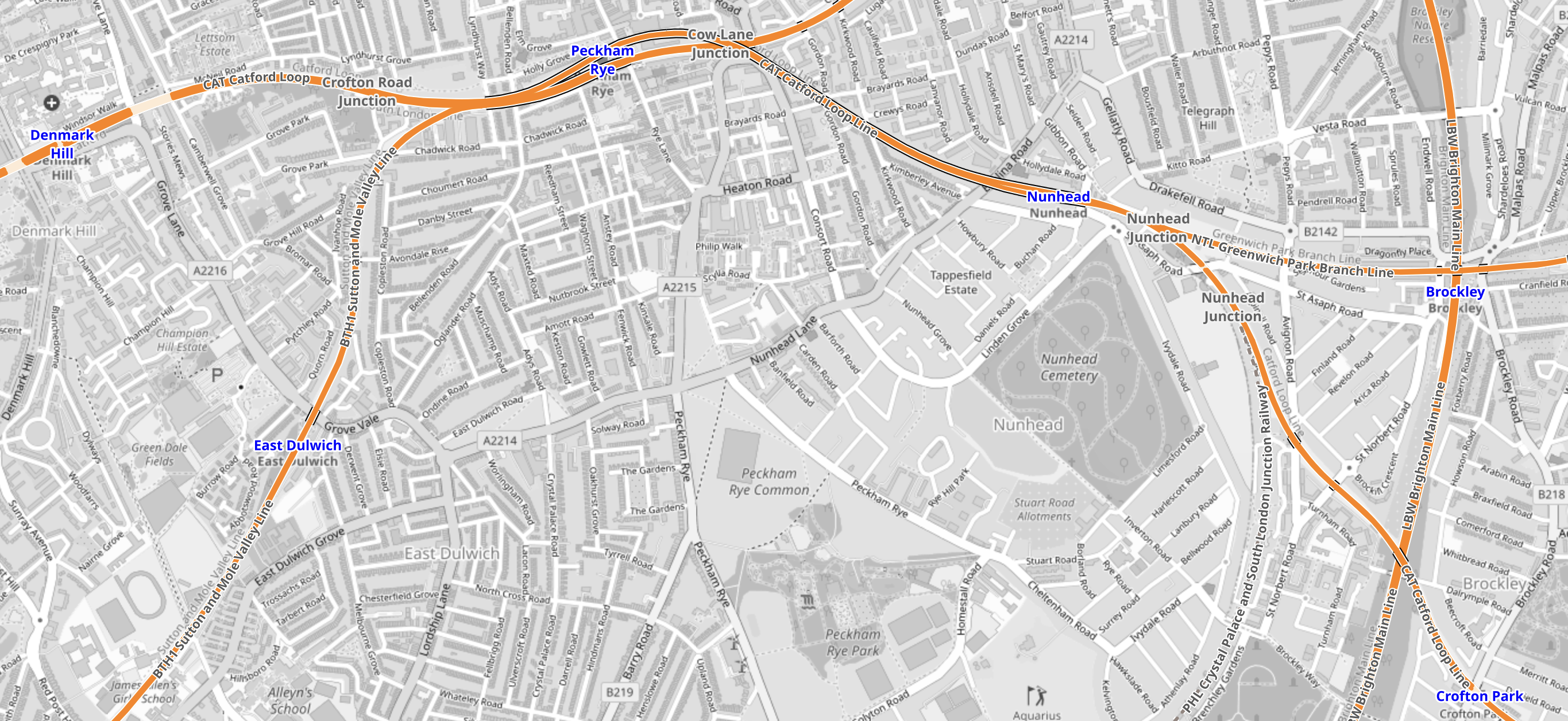
Note.
- Denmark Hill station is in the North-West corner of the map.
- Crofton Park station is in the South-East corner of the map.
- The route would be via Peckham Rye and Nunhead stations.
- It is not a very fast route with an operating speed of 50-60 mph.
- In Nunhead Junction Improvement, I wrote about improvements needed at Nunhead junction to the East of Nunhead station to improve capacity for freight trains.
This second map from cartometro, shows the route between Crofton Park and Bellingham stations.
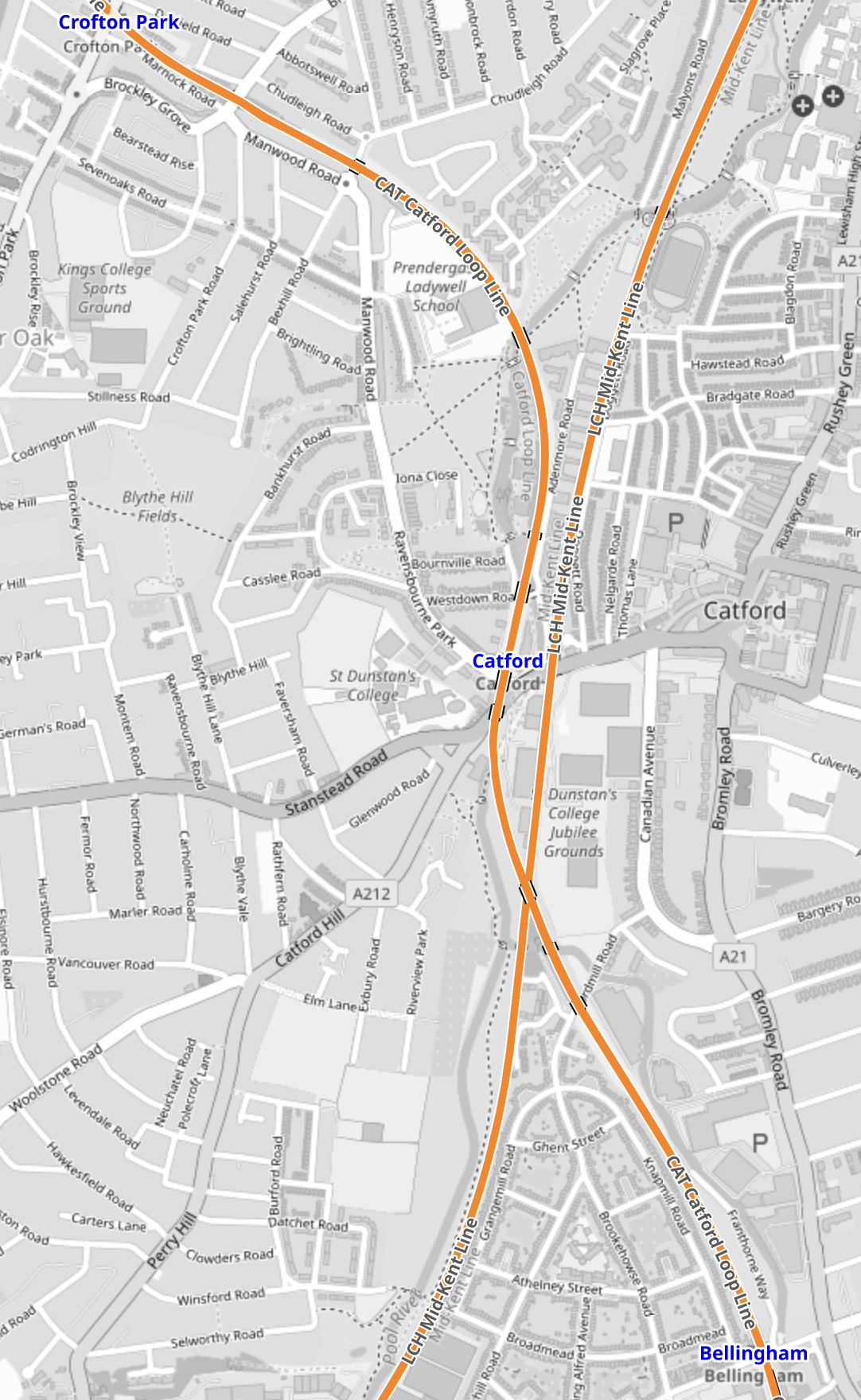
Note.
- Crofton Park station is in the North-West corner of the map.
- Bellingham station is in the South-East corner of the map.
- The line going diagonally across the map from North-East to South-West is the Hayes Line to Hayes.
- There are plans to create an interchange station at Catford.
This Google Map shows Bellingham station.
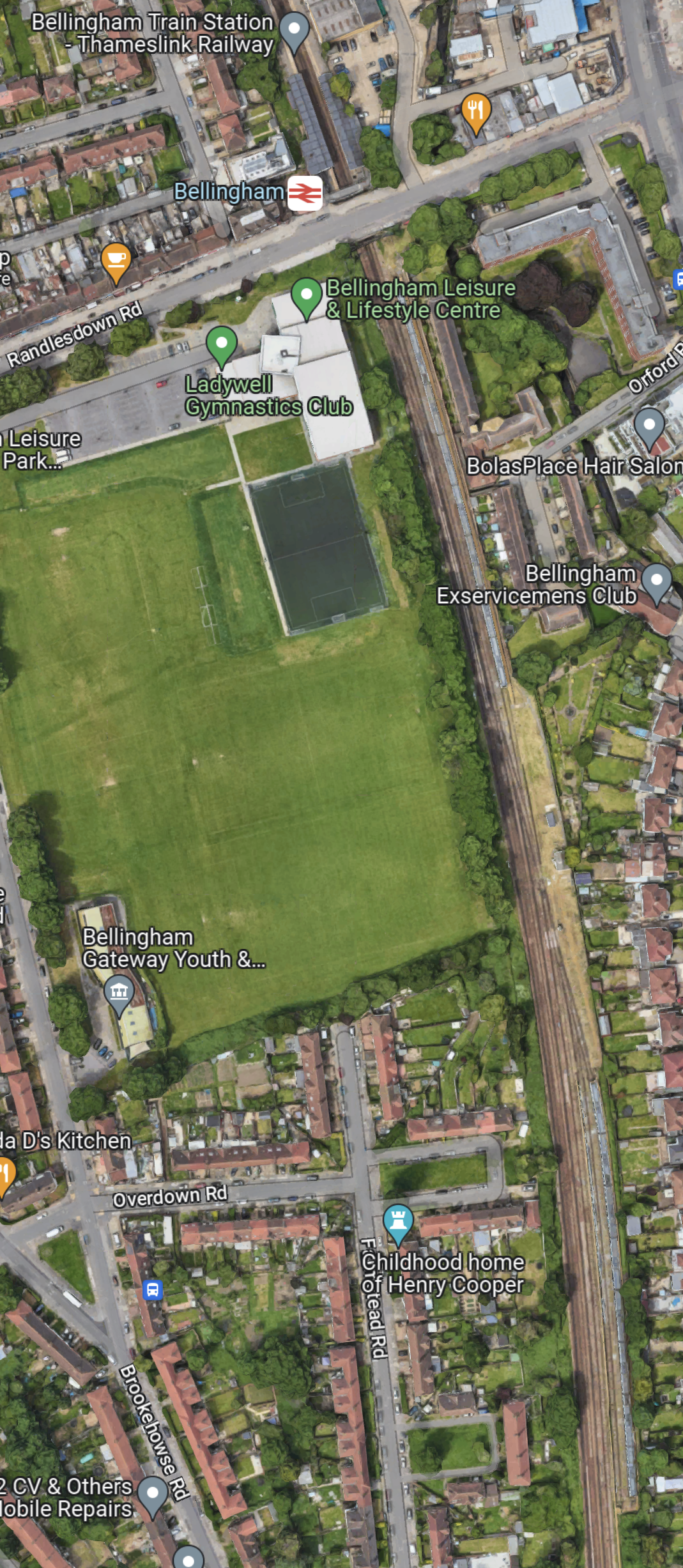
Note.
- Bellingham station is at the top of the map.
- Bellingham station is on the Catford Loop Line.
- South of Bellingham station are a series of sidings.
Is the reason, that Bellingham station was proposed as a terminus, that with a proper interchange at Catford, it creates a very efficient operational railway with some convenient sidings thrown in?
This map from cartometro, show the track layout at Bellingham station.
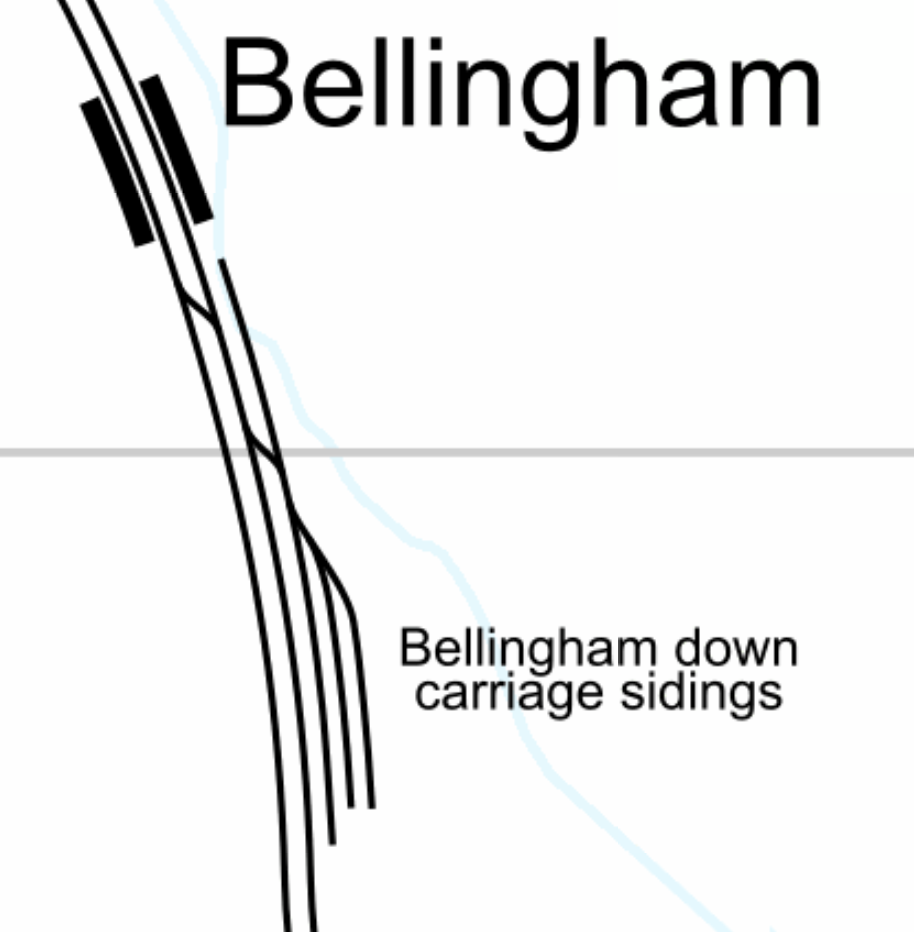
I believe that the sidings could be used as a turnback siding for trains from both directions.
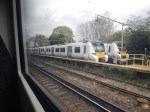
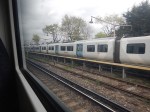
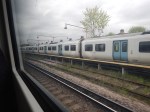
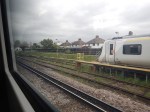
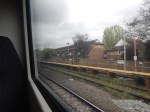
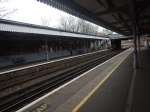
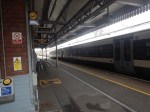
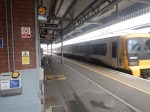
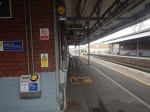
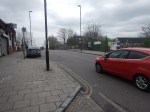
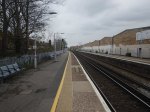
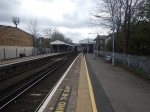
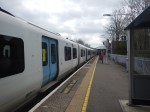
These pictures show trains in the sidings.
And these are of the station.
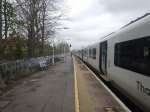
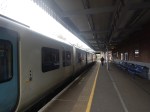

Note.
An Analysis Of The Train Service On The East Kent Line With Respect To The Three Options For Crossrail To Ebbsfleet (C2E)
Much of the analysis is an update of a post called Up To £3 Billion For Crossrail To Ebbsfleet, that I wrote in June 2019.
Current Services Along The North Kent Line
I shall start by looking at current services on the North Kent Line.
Thameslink – Luton And Rainham (Kent)
A Thameslink service
- Two trains per hour (tph)
- South of the Thames, the service calls at London Bridge, Deptford, Greenwich, Maze Hill, Whatcombe Park, Charlton, Woolwich Arsenal, Plumstead, Abbey Wood, Slade Green, Dartford, Stone Crossing, Greenhithe for Bluewater, Swanscombe, Northfleet, Gravesend, Higham, Strood, Rochester, Chatham and Gillingham.
- Eight-car Class 700 trains work the route, which have a 100 mph operating speed.
- The service calls at Northfleet for a possible interchange with services running from Ebbsfleet International station
- The service calls at Abbey Wood for interchange with Crossrail.
If there needed to be more capacity on this service, I suspect Thameslink could run twelve-car trains.
Southeastern – London Charing Cross And Gravesend
A Southeastern Metro service.
- Two tph
- Calls at Waterloo East, London Bridge, Hither Green, Lee, Mottingham, New Eltham, Sidcup, Albany Park, Bexley, Crayford, Dartford, Stone Crossing, Greenhithe for Bluewater, Swanscombe and Northfleet
- The service calls at Northfleet for a possible interchange with services running from Ebbsfleet International station.
- The service calls at Gravesend for interchange with Southeastern HighSpeed services between St. Pancras International station and North-East Kent, East Kent and soon-to-be East Sussex.
- Class 465 trains work the route, which have a 75 mph operating speed.
This picture shows a train for Gravesend in London Bridge station.
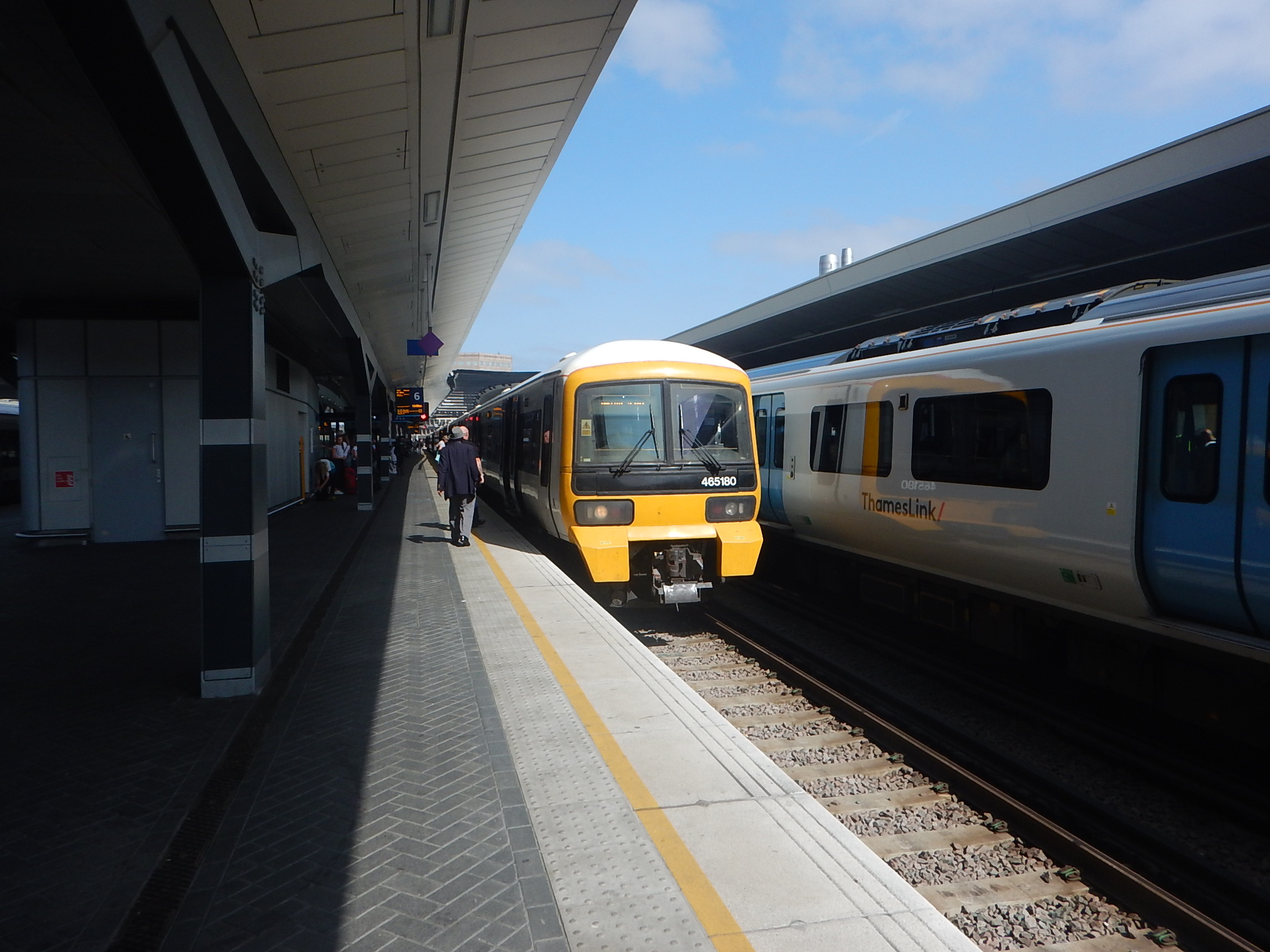
My feeling, is that the service would be improved by modern 100 mph trains, as these antique slow-coaches must restrict the speed of faster trains.
Southeastern – London Cannon Street And Dartford Loop Line
A Southeastern Metro service.
- Four tph in both directions.
- Calls at London Bridge, Deptford, Greenwich, Maze Hill, Westcombe Park, Charlton, Woolwich Dockyard, Woolwich Arsenal, Plumstead, Abbey Wood, Belvedere, Erith and Slade Green.
- Two tph return to Cannon Street via Crayford and Sidcup and two tph return to Cannon Street via Barnehurst and Bexleyheath.
- The service calls at Abbey Wood for a planned interchange with Crossrail.
- Class 465 trains work the route.
As I said with the previous service, these 75 mph trains need replacing with 100 mph trains.
Southeastern – London Charing Cross And Dartford
A Southeastern Metro service.
- Two tph
- Calls at Waterloo East, London Bridge, Lewisham, Blackheath, Charlton, Woolwich Dockyard, Woolwich Arsenal, Plumstead, Abbey Wood, Belvedere, Erith and Slade Green.
- The service calls at Abbey Wood for a planned interchange with Crossrail.
- Class 465 trains work the route.
As I said with the two previous services, these 75 mph trains need replacing with 100 mph trains.
Southeastern – London Victoria And Dover
A Southeastern Mainline service.
- Two tph
- Calls on the North Kent Line at Rochester, Chatham, Gillingham and Rainham.
- Class 465 trains work the route.
As I said with previous services, these 75 mph trains need replacing with 100 mph trains.
Southeastern – London Victoria And Ramsgate
A Southeastern Mainline service.
- One tph
- Calls on the North Kent Line at Rochester, Chatham, Gillingham and Rainham.
- Class 465 trains work the route.
As I said with previous services, these 75 mph trains need replacing with 100 mph trains.
Southeastern – London St. Pancras And Faversham
A Southeastern HighSpeed service.
- One tph
- Calls at Stratford International, Ebbsfleet International, Gravesend, Strood, Rochester, Chatham, Gillingham, Rainham and Sittingbourne.
- The service calls at Ebbsfleet International for an interchange with Continental services.
- Class 395 trains work the route, which have a 100 mph operating speed on lines electrified using a third-rail.
This picture shows a Class 395 train at Gravesend station.
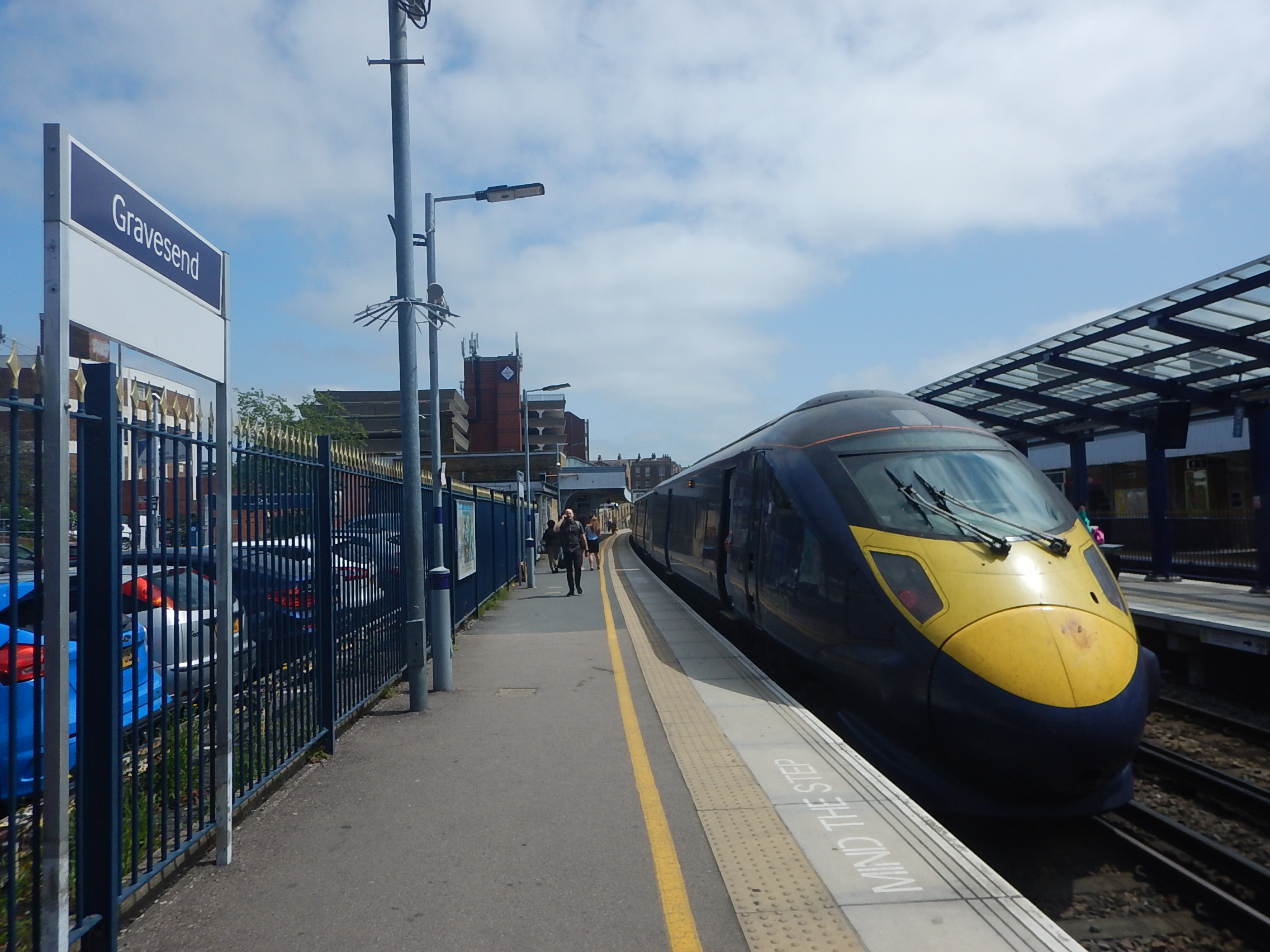
East of Ebbsfleet International, this service can be considered a 100 mph local train, that gets slowed by the 75 mph services.
Southeastern – London St Pancras International Loop Service
A Southeastern HighSpeed service.
- One tph
- Calls at Stratford International, Ebbsfleet International, Gravesend, Strood, Rochester, Chatham, Gillingham, Rainham, Sittingbourne, Faversham, Whitstable, Herne Bay, Birchington-on-Sea, Margate, Broadstairs, Ramsgate, Sandwich, Deal, Walmer, Martin Mill, Dover Priory, Folkestone Central, Folkestone West, Ashford International, Ebbsfleet International and Stratford International.
- The service calls at Ebbsfleet International and Ashford International for an interchange with Continental services.
- Class 395 trains work the route.
East of Ebbsfleet International, this service can be considered a 100 mph local train, that gets slowed by the 75 mph services.
Southeastern – London St Pancras International And Ramsgate
A Southeastern HighSpeed service.
- One tph
- Calls at Stratford International, Ebbsfleet International, Ashford International, Canterbury West, Ramsgate and Broadstairs
- The service calls at Ebbsfleet International and Ashford International for an interchange with Continental services.
- Class 395 trains work the route.
East of Ashford International, this service can be considered a 100 mph local train, that gets slowed by the 75 mph services.
A Summary Of Services By Station
I will look at the current number of trains at stations between London Bridge and Faversham.
- Deptford – 6 tph
- Greenwich – 6 tph
- Maze Hill – 6 tph
- Westcombe Park – 6 tph
- Charlton – 8 tph
- Woolwich Dockyard – 6 tph
- Woolwich Arsenal – 8 tph
- Plumstead – 8 tph
- Abbey Wood – 8 tph
- Belvedere – 6 tph
- Erith – 6 tph
- Slade Green – 6 tph
- Dartford – 12 tph to London and 6 tph to the East
- Stone Crossing – 4 tph
- Greenhithe for Bluewater – 6 tph
- Swanscombe – 4 tph
- Northfleet – 4 tph
- Gravesend – 6 tph to London and 5 tph to the East
- Higham – 2 tph
- Strood – 4 tph
- Rochester – 7 tph
- Chatham – 7 tph
- Gillingham – 7 tph
- Rainham – 7 tph to London and 5 tph to the East
- Sittingbourne – 5 tph
- Faversham – 5 tph
Note.
- This is almost a train every ten minutes all the way from London to Faversham.
- Between Gravesend and Faversham one tph is a Southeastern HighSpeed service.
- In addition Ebbsfleet International has four tph to and from London St. Pancras International.
This can be considered the base service to which Crossrail services can be added.
Service Frequency Of Option 1
The first option provides for an extension of Crossrail from Abbey Wood to Northfleet/Ebbsfleet and Gravesend, sharing the existing tracks with National Rail services.
- Of the 12 trains per hour (tph) that are planned to run to Abbey Wood. four tph will terminate at each of Abbey Wood, Northfleet/Ebbsfleet and Gravesend.
- Crossrail trains would call at all stations on the North Kent Line between Abbey Wood and Gravesend stations.
This gives a summary as follows.
- Deptford – 6 tph
- Greenwich – 6 tph
- Maze Hill – 6 tph
- Westcombe Park – 6 tph
- Charlton – 8 tph
- Woolwich Dockyard – 6 tph
- Woolwich Arsenal – 8 tph
- Plumstead – 8 tph
- Abbey Wood – 20 tph
- Belvedere – 14 tph
- Erith – 14 tph
- Slade Green – 14 tph
- Dartford – 20 tph to London and 14 tph to the East
- Stone Crossing – 12 tph
- Greenhithe for Bluewater – 14 tph
- Swanscombe – 12 tph
- Northfleet – 12 tph
- Gravesend – 10 tph to London and 5 tph to the East
- Higham – 2 tph
- Strood – 4 tph
- Rochester – 7 tph
- Chatham – 7 tph
- Gillingham – 7 tph
- Rainham – 7 tph to London and 5 tph to the East
- Sittingbourne – 5 tph
- Faversham – 5 tph
Note.
- Train frequencies between Abbey Wood and Northfleet have increased by 8 tph
- Train frequencies at Gravesend have increased by 4 tph.
- Train frequencies to the East of Gravesend are unchanged.
- Between Gravesend and Faversham one tph is a Southeastern HighSpeed service.
- Crossrail has a direct interchange at Gravesend with the Southeastern HighSpeed services.
I am fairly certain that signalling must be improved and train speeds must be increased for Option 1.
Service Frequency Of Option 2
The second option is to draw out Crossrail from south east London to Dartford using new dedicated tracks built next to the existing North Kent line, with increased rail service frequency between Dartford and Northfleet.
- All the 12 tph, that currently are planned to run ro Abbey Wood, all will terminate at Dartford station.
- Crossrail trains would call at all stations on the North Kent Line between Abbey Wood and Dartford stations.
- I will assume that Southeastern run an extra 4 tph between Dartford and Northfleet.
This gives a summary as follows.
- Deptford – 6 tph
- Greenwich – 6 tph
- Maze Hill – 6 tph
- Westcombe Park – 6 tph
- Charlton – 8 tph
- Woolwich Dockyard – 6 tph
- Woolwich Arsenal – 8 tph
- Plumstead – 8 tph
- Abbey Wood – 20 tph
- Belvedere – 18 tph
- Erith – 18 tph
- Slade Green – 18 tph
- Dartford – 24 tph to London and 10 tph to the East
- Stone Crossing – 8 tph
- Greenhithe for Bluewater – 10 tph
- Swanscombe – 8 tph
- Northfleet – 8 tph
- Gravesend – 6 tph to London and 5 tph to the East
- Higham – 2 tph
- Strood – 4 tph
- Rochester – 7 tph
- Chatham – 7 tph
- Gillingham – 7 tph
- Rainham – 7 tph to London and 5 tph to the East
- Sittingbourne – 5 tph
- Faversham – 5 tph
Note.
- There is a big increase in services to between Abbey Wood and Dartford.
- There is an increase of 4 tph in services between Dartford and Northfleet.
- There is no increase in services at Gravesend.
- Between Gravesend and Faversham one tph is a Southeastern HighSpeed service.
- Crossrail has no direct interchange with the Southeastern HighSpeed services.
I am fairly certain that signalling must be improved and train speeds must be increased for Option 2.
Service Frequency Of Option 3
A third option consists of improving the National Rail service between Abbey Wood and Northfleet, combined with a new Bus Rapid Transit service.
- It appears Crossrail services would stay the same at Abbey Wood, with all twelve tph terminating at the station, as are currently planned.
- Southeastern services to Dartford via Abbey Wood would be extended to Northfleet. This would increase the number of Southeastern trains to/from London serving stations between Northfleet and Dartford for connection to Crossrail at Abbey Wood from four to eight tph.
This gives a summary as follows.
- Deptford – 6 tph
- Greenwich – 6 tph
- Maze Hill – 6 tph
- Westcombe Park – 6 tph
- Charlton – 8 tph
- Woolwich Dockyard – 6 tph
- Woolwich Arsenal – 8 tph
- Plumstead – 8 tph
- Abbey Wood – 20 tph
- Belvedere – 6 tph
- Erith – 6 tph
- Slade Green – 6 tph
- Dartford – 8 tph to London and 10 tph to the East
- Stone Crossing – 8 tph
- Greenhithe for Bluewater – 10 tph
- Swanscombe – 8 tph
- Northfleet – 8 tph
- Gravesend – 6 tph to London and 5 tph to the East
- Higham – 2 tph
- Strood – 4 tph
- Rochester – 7 tph
- Chatham – 7 tph
- Gillingham – 7 tph
- Rainham – 7 tph to London and 5 tph to the East
- Sittingbourne – 5 tph
- Faversham – 5 tph
Note.
-
- There is a 4 tph increase in services between Abbey Wood and Northfleet.
- There is no increase in services at Gravesend.
- Between Gravesend and Faversham one tph is a Southeastern HighSpeed service.
- Crossrail has no direct interchange with the Southeastern HighSpeed services.
I am fairly certain that signalling must be improved and train speeds must be increased for Option 3.
Conclusion
I have come to several small conclusions about future services on the North Kent Line.
Improved Signalling
To handle the number of trains required, I am fairly certain that modern digital signalling as used on the central sections of Crossrail and Thameslink, should be installed on the route.
Faster Trains
The operating speed of the North Kent Line is 90 mph, which is not a good fit to the operating speed of the trains.
- Class 375 train – 100 mph
- Class 376 train – 75 mph
- Class 395 train – 100 mph
- Class 465 train – 75 mph
- Class 466 train – 75 mph
- Class 700 train – 100 mph
- Class 707 train – 100 mph
I’m sure that train capacity would be increased if trains could operate at 90 mph or even 100 mph on the route.
Only Option 1 Allows Interchange Between Crossrail And Southeastern HighSpeed Services
Option 1 allows this interchange at Gravesend and it could prove useful, when travelling between North-East Kent and Crossrail stations, including Paddington and Heathrow.
More Services East Of Gravesend
I suspect that there could be extra paths to the East of Gravesend.
These could be either classic or HighSpeed services.
In Kent On The Cusp Of Change – Highspeed Routes, I said this.
The Kent On The Cusp Of Change article in the July 2017 Edition of Modern Railways talks about the Southeastern Highspeed routes through Kent.
Some principles are laid down.
- All six-car services would be extended to twelve-car services.
- Trains could be divided at Ashford International station to serve multiple destinations.
- Maidstone West station would get an hourly Off Peak service.
The article gives an estimate that at least another twenty Class 395 trains are needed of which perhaps three would have batteries for operation along the Marshlink Line between Ashford International and Ore stations.
The new timetable proposed in the article is similar to that now, with the following changes in each hour.
- All Day – A St. Pancras – Ashford – Dover Priory service runs once per hour and splits at Ashford with one six-car train going to and from Hastings and the other six-car train going to and from Dover Priory.
- Off Peak – A new St. Pancras – Ashford – Canterbury West service runs once per hour.
- All Day – A new St. Pancras – Ebbsfleet service runs twice per hour.
- Off Peak – A new St. Pancras – Gravesend – Strood – Maidstone West service runs once per hour.
In addition all trains passing Thanet Parkway station will stop after it opens.
Note.
- Southeastern HighSpeed services will serve Hastings.
- Gravesend gets a second Southeastern HighSpeed service to St. Pancras.
I also wrote Kent On The Cusp Of Change – Fawkham Junction Link, which is about a Network Rail proposal to use Victoria as a second terminal for Southeastern HighSpeed services.
Little has been said about using Victoria as a second terminal, but if it was, it could free up space on the North Kent Lines, which would allow more paths for Crossrail.
Kent On The Cusp Of Change – Victoria As A Highspeed Terminal
The Kent On The Cusp Of Change article in the July 2017 Edition of Modern Railways has made me ask questions about services into St. Pancras International station.
Is There Enough Capacity For Continental Services At St. Pancras International Station?
Platforms 5-10 at the station are allocated to Continental services.
Under Eurostar (High Speed 1) in the Wikipedia entry for the station this is said.
Seventeen pairs of trains to and from Paris Gare du Nord every day, ten pairs of trains to and from Bruxelles-Midi/Brussel-Zuid for Brussels and the European Union de facto capital, and one train to and from Marne-la-Vallée for Disneyland Resort Paris. Extra services run to Paris on Fridays and Sundays, with a reduced service to Brussels at weekends. Additional weekend leisure-oriented trains run to the French Alps during the skiing season, and to Marseille via Lyon and Avignon in the summer.
So it looks like on a typical day, there are just under thirty pairs of trains between St. Pancras International station and the Continent. So on a typical operational day from 0700 to 2200, that means it’s approximately two trains per hour (tph).
I feel that with perhaps some changes to the operation of the passenger and train cleaning and victualling systems, that six platforms could easily handle up to six tph.
So I doubt, that there is too much of a problem increasing the number of Continental services from St. Pancras International station.
Is There Enough Capacity For Highspeed Services At St. Pancras International Station?
Platforms 11-13 at the station are allocated to Southeastern‘s Highspeed services, which are run by Class 395 trains.
Is There Enough Capacity On High Speed 1 Between Ebbsfleet International And St. Pancras International Stations?
Under Services in the Wikipedia entry for High Speed 1, this is said.
High Speed 1 was built to allow eight trains per hour through to the Channel Tunnel. As of May 2014, Eurostar runs two to three trains per hour in each direction between London and the Channel Tunnel. Southeastern runs in the high peak eight trains per hour between London and Ebbsfleet, two of these continuing to Ashford. During the 2012 Olympic Games, Southeastern provided the Olympic Javelin service with up to twelve trains per hour from Stratford into London.
I think the key figures here are the ability to handle eight tph for the Channel Tunnel and the twelve tph that was achieved during the Olympics.
Let’s fast forward to 2024 when Paris could be hosting the Olympic Games.
Given too, that by then, Continental services to Germany, the Netherlands and other parts of France could have expanded and there must be a strong possibility, that the full eight Channel Tunnel paths will be needed.
So that would leave just four train paths for the Highspeed services.
I suspect that whoever is running the Highspeed services will want to develop them with services to other destinations like Hastings and Eastbourne and more frequent services to the existing destinations in Thanet.
This leads me to the conclusion, that more capacity is needed for Highspeed services into London.
Some extra capacity can probably be created by improving the signalling and operational methods, but will that be enough.
The Problems With The Highspeed Services
Every time, I use the Highspeed services, they work well, but they do have problems.
- The only London terminal is St. Pancras International station.
- The interchanges at Stratford International station to the Underground is a long walk.
- The interchange at Stratford International station to Crossrail will be equally poor.
- The frequency of services are not what passengers demand these days.
- The services need to connect to Hastings and Eastbourne.
- Passengers complain about the cost.
Expanding the Highspeed services would solve some of these problems, but if the Continental services of Eurostar and other operators expand, there could be a capacity problem before the mid-2020s.
The Two London Terminal Solution
Network Rail and the train operating companies (TOCs) seem to have come up with a cunning plan.
In the Kent on the Cusp of Change article and in one in the May 2017 Edition, Modern Railways, the magazine reports that consideration is being given to reopening the Fawkham Junction link, that used to be used by Eurostar trains to access Waterloo station from the Channel Tunnel.
Trains would not now go to Waterloo, as there are other plans for the expansion of the station.
But it would be fairly simple for trains to go via Swanley and Bromley South stations into Victoria station.
In the next few sections, I will outline why I think this station could and probably will be used as a second London terminal for Highspeed services.
Extra Highspeed Terminal Capacity In London
As I indicated earlier, I think that within the next few years, there may be a capacity problem between London and Ebbsfleet and opening a second terminal at Victoria would add extra train paths on the surface through South L:ondon.
A Second Highspeed Terminal In London
Services to Victoria with its Underground connections, that are currently being improved dramatically, would be welcomed by many travellers, who want to go to places like Kensington and Westminster or perhaps avoid the long walks at Stratford International station to the Underground or Crossrail.
Crossrail 2 will also call at Victoria, if it’s ever built.
Services Between Victoria And Thanet Could Go Highspeed
All or some of the services between Victoria and the Thanet area would be able to go Highspeed and use the Class 395 trains.
The Highspeed services would use the reinstated Fawkham Junction link and High Speed One between stops at Ebbsfleet International and Ashford International stations.
Suppose All Services Between Victoria And Thanet Used Class 395 Trains
Surely, this would have tremendous advantages for Network Rail and the operator in that, all of the stations and tracks, to the East of Ashford International station, could be updated, so that they efficiently handled twelve-car Class 395 trains.
In a Network Rail document about the East Kent lines, Network rail says this.
Increase speed to rolling stock and signalling capability.
As the East Kent Re-Signalling Project seems to be improving the signalling, the faster Class 395 trains would set the desired operating speed.
As I indicated earlier, if the new batch of Class 395 trains could have a faster capability on third-rail routes.
What Times Could Class 395 Trains Achieve On Classic Routes?
As an illustration of the operating speed on the East Kent lines, Ashford International to Ramsgate stations takes thirty-six minutes for a journey of about thirty-five miles with only one stop.
Network Rail probably know how to reduce this important journey by at least ten minutes, which would benefit Highspeed and Classic services.
Currently, London Victoria to Ashford International stations takes just under an hour and a half via Maidstone East and another ten stops.
This document from Network Rail has two projects, that will improve times on the Chislehurt to Ashford section of this route.
- Journey Time Improvement – Reduce impact of Permanent Speed Restrictions
- Maidstone signalling interlocking renewal – Renewal of interlocking and external equipment
The document indicates they could be completed in 2019.
The Class 395 trains are a modern train with bags of grunt and probably the ability to execute a station stop in double-quick time.
So with the track improvements to allow higher speeds between London Victoria and Ashford International station, I suspect that it might be possible to trim perhaps twenty minutes from the journey time.
Could Network Rail be aiming for an hour between Victoria and Ashford International stations on the Classic route, via Bromley South, Swanley and Maidstone East stations?
If they could manage the magic hour, then Hastings could be within perhaps 95 minutes of Victoria in a Class 395 train with either diesel or battery power.
This would be a few minutes faster than the current faster times to Cannon Street on the Hastings Line.
It would certainly be a good interim alternative, until trains can go between High Speed One and the Marshlink Line.
What Times Could Class 395 Trains Achieve Using High Speed One Between Victoria and Ashford International Stations?
I estimate that Victoria to Ebbsfleet International using the Fawkham Junction link and Class 395 trains could be in the order of thirty minutes.
As Class 395 trains take nineteen minutes between Ebbswfleet International and Ashford International stations, I believe it would be reasonable to assume between Victoria to Ashford International stations will take forty-nine minutes or just twelve minutes longer than the current time between St. Pancras and Ashford International stations.
Victoria To Fawkham Junction
If the Fawkham Junction link were to be reinstated, a number of the trains between Victoria and Thanet would take the Chatham Main Line after passing Swanley station and then take the Fawkham Junction link to Ebbsfleet International station.
Other than the Fawkham Junction link, no substantial new infrastructure would be required, but if line improvements increased the speed between Victoria and Fawkham Junction, the Class 395 trains could certainly take advantage.
I suspect that each Class 395 train, would just take over the path of the Classic service it replaced.
There might even be a bonus, in that all fast trains through Bromley South and Swanley became Class 395 trains, which might aid the timetabling.
Class 395 Trains At Victoria Station
There are various reports on the Internet of Class 395 trains running into Victoria station, sometimes as a twelve-car train.
Class 377 trains also appear to run as twelve-car trains to Ramsgate.
So I think we can assume that Class 395 trains can run into Victoria.
Conclusion
I think that it is possible that Victoria can be used as a second terminal for Highspeed services from Thanet into London.
See Also
These are related posts.
- Abbey Wood Station
- Ashford Spurs
- Crossrail
- Elimination Of Slow Trains
- Fawkham Junction Link
- Highspeed Routes
- High Speed To Hastings
- Historic Routes
- Longfield Station
- Maidstone
- Reading To Tonbridge
- Thameslink
- Track Improvements
- Ultimate Class 395 Train
- Thanet Parkway Station
To know more read Kent On The Cusp Of Change in the July 2017 Edition of Modern Railways.
Kent On The Cusp Of Change – Fawkham Junction Link
The Kent On The Cusp Of Change article in the July 2017 Edition of Modern Railways discusses the Fawkham Junction Link, which was originally used to allow Eurostar trains to get to Waterloo station. It is now used as a siding for old Eurostar trains, that are waiting for the scrapyard.
I wrote about this link in Connecting Ebbsfleet International To South London, which connects the Chatham Main Line to Ebbsfleet International station and High Speed One.
A quick look on Google Maps appears to show, that the third-rail electrification is still in place, which must make the link easier to reinstate.
Obviously, Network Rail and the TOCs (train operating companies) have a cunning plan to create extra services using the reinstated link and High Speed One.
Ebbsfleet International Station
Bear in mind, that Ebbsfleet Internation station is an important transport hub.
- Services to and from the Continent call.
- Highspeed services between St. Pancras and Thanet call.
- There is masses of car parking.
If Ebbsfleet Interbational has a problem, it is badly connected to the local area and only serves St. Pancras in London.
London Victoria To Thanet Services
At present, services between Victoria and Thanet services that go through Bromley South and Swanley stations are as follows.
- 1 tph – Victoria to Ramsgate via Longfield and Chatham.
- 2 tph – Victoria to Dover Priory via Longfield and Chatham
- 1 tph – Victoria to Canterbury West via Swanley and Maidstone East
- 1 tph – Victoria to Ashford International via Swanley and Maidstone East
Note that in all these services the first stop is Bromley South station.
Could the plan be as simple as this?
- Some services between Victoria and Broadstairs, Canterbury, Dover Priory, Ramsgate and Thanet Parkway stations would be run by Class 395 trains or similar trains with a 140 mph capability on High Speed One.
- Trains would go to from Victoria to Swanley, with just the single stop at Bromley South station, as they do now, and then join High Speed One via the Fawkham Junction Link.
- Once at Ashford, they take the routes to Thanet as used by the current Highspeed services.
I suspect this would give times from Victoria as follows.
- Broadstairs in ninety-seven minutes as against 111 minutes now.
- Canterbury West in seventy-two minutes as against 125 minutes now.
- Dover Priory in seventy-six minutes as against to 122 minutes now.
- Ramsgate in ninety minutes minutes as against to 124 minutes now.
Times could probably be improved further with a bit of work in Thanet and between Swnley and Victoria.
This could mean.
- Nearly all trains in Thanet are Class 395 trains., so tracks and stations could be designed accordingly.
- The Class 395 trains use the Thanet paths into Victoria from Swanley.
- Provision would have to be made for stations losing their services to High Speed One.
It could all be very efficient and a simple way to improve timings to Thanet.
Thameslink Services
Thameslink services serve Swanley station and could easily be extended to Ebbsfleet International, if that was desired via the Fawkham Junction link.
Bromley South Metro Services
The Southeastern Metro service on the Bromley South Line could use Ebbsfleet as an alternative terminal to Petts Wood station, by using the Fawkham Junction link.
Conclusion
There are lots of possibilities, with perhaps the most important being to create a second Highspeed terminus in London, to relieve the inadequate capacity at St. Pancras.
See Also
These are related posts.
- Abbey Wood Station
- Ashford Spurs
- Crossrail
- Elimination Of Slow Trains
- Highspeed Routes
- High Speed To Hastings
- Historic Routes
- Longfield Station
- Maidstone
- Reading To Tonbridge
- Thameslink
- Thanet Parkway Station
- Track Improvements
- Ultimate Class 395 Train
- Victoria As A Highspeed Terminal
To know more read Kent On The Cusp Of Change in the July 2017 Edition of Modern Railways.
 The Anonymous Widower