Details At Hayes And Harlington Station
Yesterday, on my way to Reading, I changed trains at Hayes and Harlington station and took a few pictures.
An Ideally-Placed Waiting Room
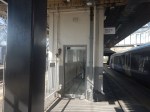
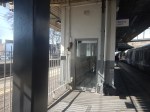
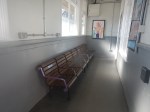
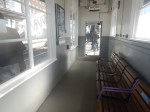
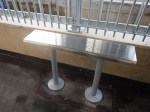
These pictures show a waiting room on the Westbound platform of the Elizabeth Line.




The Elizabeth Line has these Western destinations.
- Heathrow Terminal 4
- Heathrow Terminal 5
- Maidenhead
- Paddington
- Reading.
Note.
- If you are travelling to any of the Heathrow destinations and you are riding on a Maidenhead or Reading train, then Hayes and Harlington station is the last station you can change for the Airport.
- If you are travelling to any of the destinations on the Reading branch and you are riding on a Heathrow train, then Hayes and Harlington station is the last station you can change for the Airport.
- If you are travelling from any of the Heathrow destinations to any of the destinations on the Reading branch, then Hayes and Harlington station is the first station you can change for the Reading branch.
- If you are travelling from any of the Reading branch destinations to any of the Heathrow destinations, then Hayes and Harlington station is the first station you can change for the Heathrow destinations.
- To aid the change of platform in the third and fourth changes, there is a step-free footbridge at Hayes and Harlington station.
The waiting room at Hayes and Harlington station, which is complete with heating could be a welcome refuge whilst changing trains at Hayes and Harlington station.
The golden rule seems to be, that if you’re on the wrong train on the Elizabeth Line, then change for your desired destination at Hayes and Harlington station.
Track Warnings
These pictures show the bilingual track warnings at Hayes and Harlington station.


I hope Network Rail are analysing, if the warnings work.
The Main Step-Free Route Across The Tracks
These pictures show the main step-free route at Hayes and Harlington station.
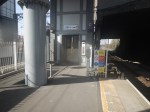
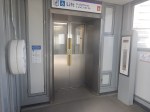
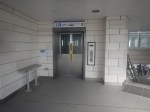
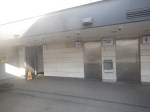

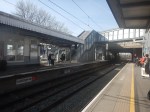
Note.
- The route with lifts, is rather tucked in at the Western end of the station.
- There are toilets under the bridge on the Eastbound platform.
- The steps are rather steep, so if you have any issues, I would use the lifts.
The golden rule is if you are going between the Reading and Heathrow branches with a change of direction from Eastbound to Westbound at Hayes and Harlington station, then make sure, you start your journey in the back of the train.
The Secondary Route Across The Tracks
These pictures show the secondary route at Hayes and Harlington station.
Note.
- I believe this bridge is better placed for some travellers, who need to reverse direction at Hayes and Harlington station.
- It is also convenient for the waiting room.
In Heathrow Rail Link Withdrawn, But MP Vows To Carry On, I asked this question.
Could Hayes And Harlington Station Become A Transport Hub For Heathrow?
I said this.
This Google Map shows Hayes and Harlington station.
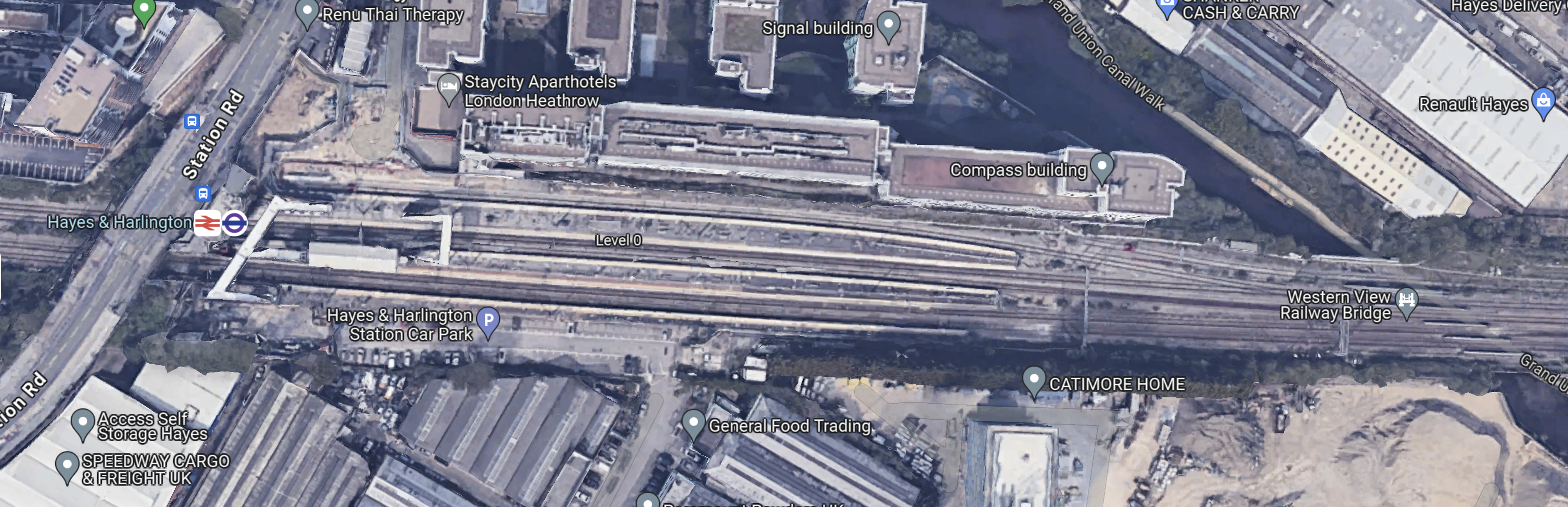
Note.
- It has platforms on all four tracks of the Great Western Main Line.
- There is a London-facing bay platform to terminate Elizabeth Line trains, if needed.
- The land to the North of the station has been developed.
- There is land to the South of the station that could be developed.
Could the space above the tracks, with some of the land to the South of the station be developed into a transport hub for Heathrow?
I took these pictures to answer my question.
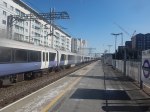
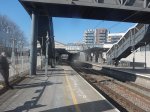
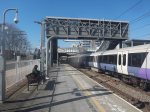
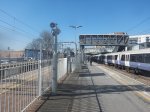
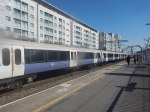

I don’t think there would be enough space to put a combined bus and coach station at Hayes and Harlington station.
Heathrow Rail Link Withdrawn, But MP Vows To Carry On
The title of this post, is the same as that as this article on Rail Magazine.
These are the first three paragraphs.
Hopes for a rail link between the Great Western Main Line and Heathrow Airport appear to have finally ended.
The scheme had been on hold since 2021, when Network Rail staff working on it were transferred to other tasks.
At the time, NR called it a “controlled pause”, but a pre-application process has now been withdrawn, according to the Planning Inspectorate website.
Currently, the two main routes to Heathrow from the Great Western Main Line are.
- Continue to Paddington and get either the Heathrow Express or the Elizabeth Line to the airport.
- Use the RailAir bus from Reading to the airport.
Both routes probably encourage passengers and staff to drive to the airport.
I have my thoughts.
Tan Dhesi
The article says this about this MP’s support for the rail link.
However, Slough MP Tan Dhesi, a former shadow transport minister, believes the link still has wide support as it would bring 20% of the UK population within one interchange of its busiest airport.
Dhesi led an All-Party Parliamentary Group for the Western Rail Link to Heathrow before the General Election. He now plans to re-launch the group, as some previous members have since lost their seats.
He has a point, but is this because a large number of his constituents work at Heathrow.
Would an improved local bus service, at least partially serve the need?
RailAir Between Reading And Heathrow
This appears to have two drawbacks.
- It only runs every thirty minutes.
- It doesn’t serve Terminal Four.
But at least it runs modern coaches, not buses.
I would increase the frequency to perhaps every twenty or even fifteen minutes, serve Terminal Four and perhaps in the future, switch to Wrightbus’s new hydrogen coaches, which I wrote about in Wrightbus Hydrogen Coach Planned For 2026.
I feel that switching to hydrogen power, may attract more passengers to the route.
Obviously, I feel the other RailAir routes from Guildford, Watford and Woking to Heathrow would also be updated.
Improving The Rail Route Between Reading And Heathrow Via Hayes And Harlington Station
Hayes and Harlington station has the following frequencies to Heathrow and Reading, in trains per hour (tph)
- Heathrow Terminals Two & Three – 6 tph
- Heathrow Terminal Four – 4 tph
- Heathrow Terminal Five – 2 tph
- Maidenhead – 2 tph
- Reading – 2 tph
More trains between Reading and Hayes and Harlington might encourage more passengers to use the trains.
Could Hayes And Harlington Station Become A Transport Hub For Heathrow?
This Google Map shows Hayes and Harlington station.
Note.
- It has platforms on all four tracks of the Great Western Main Line.
- There is a London-facing bay platform to terminate Elizabeth Line trains, if needed.
- The land to the North of the station has been developed.
- There is land to the South of the station that could be developed.
Could the space above the tracks, with some of the land to the South of the station be developed into a transport hub for Heathrow?
Heathrow Southern Railway
I prefer the Heathrow Southern Railway, which is a comprehensive, privately funded scheme.
Riding The SL8 Bus Between Shepherd’s Bush Market And Uxbridge Stations – 16th July 2023
This draft map from TfL illustrates the concept of the Superloop.
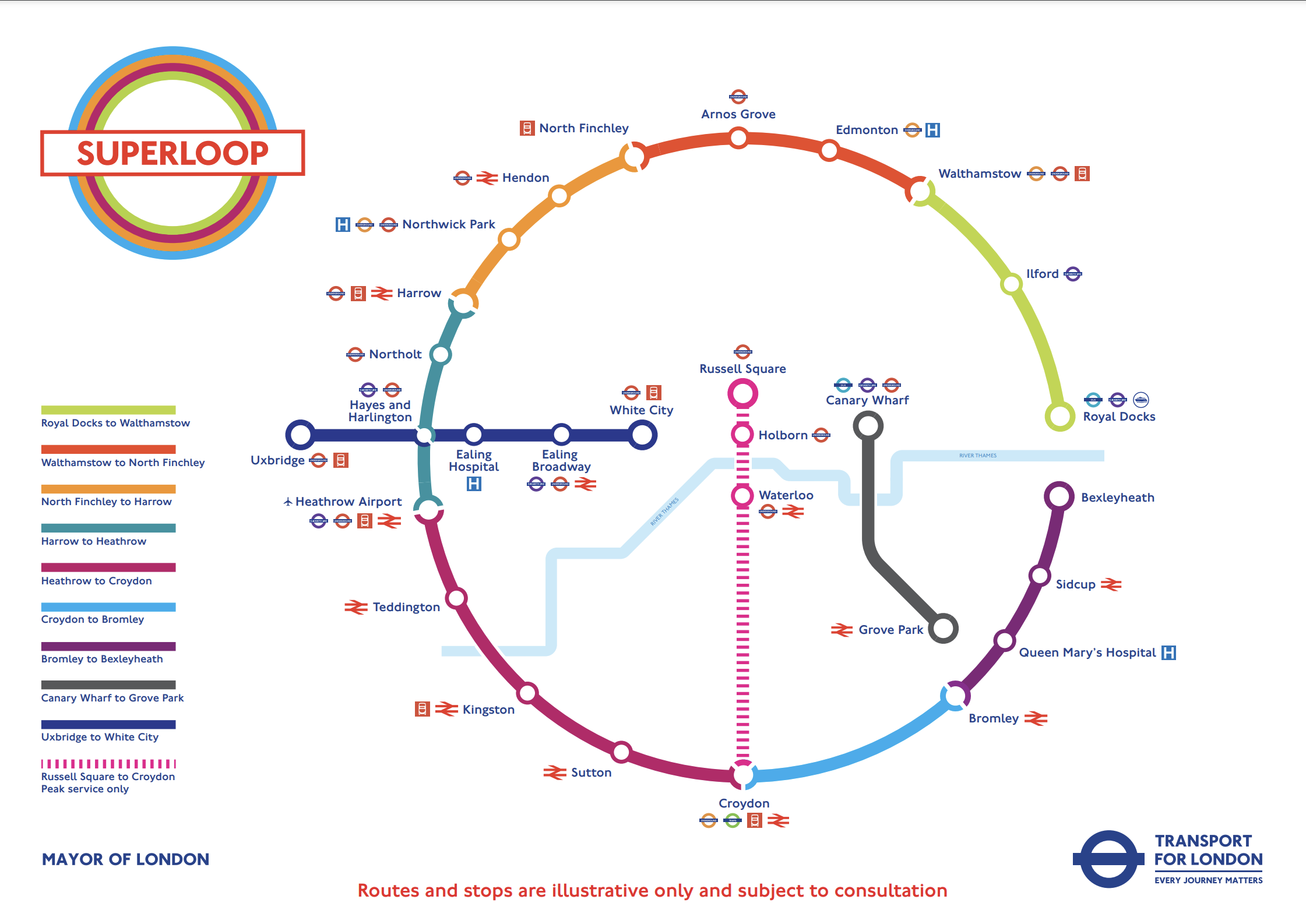
The spoke on the Western side of the map is route SL8 between White City and Uxbridge stations.
This morning I rode the route between Shepherd’s Bush Market and Uxbridge stations and took these pictures.

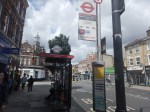
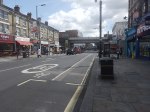
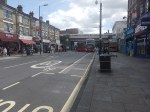
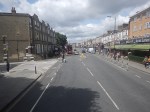

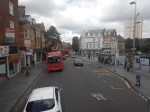
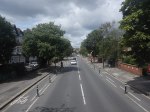

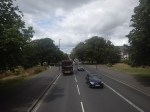

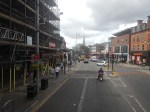
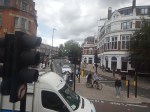
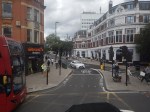
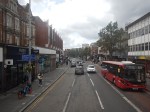


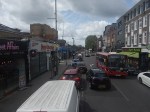
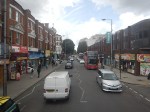
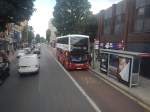
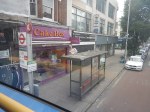
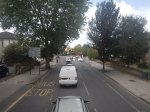
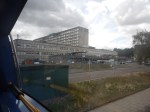
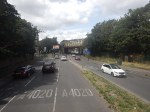
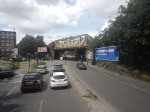
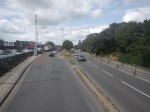
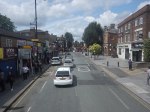
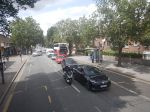
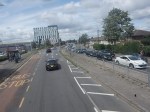
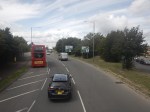
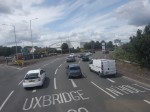
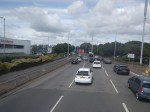

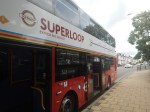
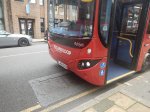
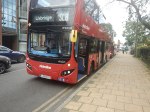
Note.
- Some of the buses have still to be painted in the new white-topped Superloop livery.
- The buses are diesel-powered.
- The stops have their own livery.
- I estimate the route is 12.3 miles long and the bus took 67 minutes.
- The frequency appeared to be typically four buses per hour.
- The route is mainly dual-carriageway to the West of Ealing Hospital.
Route SL8 used to be route 607 and except for the branding nothing has changed.
I have few thoughts.
The Concept
The concept seemed to work well, where the roads were free of traffic.
But we get get a bit delayed through places like Ealing Broadway, where parking reduced the width of the road.
The Route
The route connects quite a few stations and other important locations.
From East to West they include.
- Westfield Shopping Centre
- Shepherd’s Bush station for the Central Line and the Overground.
- Shepherd’s Bush Market station for the Hammersmith and City Line
- Acton Central station for the Overground
- Ealing Common station for the District and Piccadilly Lines.
- Ealing Broadway station for the Central, District and Elizabeth Lines.
- Ealing Broadway
- Ealing Town Hall
- Ealing Hospital
- Southall Broadway
- Hayes
Note.
- The route is very much the same as the now-abandoned West London Tram, which was proposed twenty years ago.
- The tram was opposed y the three London boroughs on the route, as it cut them in half. But buses don’t cause the same problems.
- The Superloop map shows that the SL8 bus calls at Hayes and Harlington station, but we went nowhere near it today.
- The route with its sections of dual carriageway and congested shopping streets was a bit like the route o Birmingham’s hydrogen buses, that I wrote about in Riding Birmingham’s New Hydrogen-Powered Buses.
I feel as the route is very similar to the West London Tram, which was probably extensively researched, that there won’t be too many changes to this route.
Parking Along The Route
I wouldn’t be surprised to see more parking restrictions along the route, to speed up the buses in the crowded shopping streets like Acton, Ealing Broadway and Southall Broadway.
The Buses
The buses are Egyptian-built eVoSeti diesel buses, which use a Volvo chassis.
- I don’t like these buses as they don’t have a flat floor and I’ve seen some passengers struggling with the stairs on the lower deck.
- At least the stairs to the upper deck aren’t too bad.
We used to have them locally in Dalston and I used to avoid them, if there was another bus close behind.
This new route, though should be served by zero-carbon buses, so that pollution and carbon emissions are reduced.
- Between White City and Uxbridge takes over an hour.
- A battery-electric bus would need recharging during the day.
- It looks like there’s not much space at White City and Uxbridge stations, to install charging stations.
- A hydrogen-powered bus could probably manage all day on one filling.
For these reasons, I suspect that hydrogen buses would be the preferred option.
New Fast Bus Service To Link London’s Outer Boroughs
The title of this post is the same as that of this article on the BBC.
This is the sub-heading.
A new fast service bus network has been announced for London’s outer boroughs.
These three paragraphs outline the concept.
Six new routes will be created and four incorporated into the ‘Superloop’ network, complete with distinct branding.
The plans propose a fast service to make more stops linking many of the peripheral boroughs.
The network is part of London Mayor Sadiq Khan’s effort to compensate for the impact of the ultra-low emission zone expansion, due to start in August.
This draft map from TfL illustrates the concept.
In the draft map, the following can be discerned.
- Arnos Grove station is in the North.
- West Croydon station is in the South.
- Royal Docks and Bexleyheath are in the East.
- Uxbridge and Hayes & Harlington stations are in the West.
- Elizabeth Line stations on the route include Ilford, Custom House, Heathrow Airport and Hayes & Harlington.
The plan may work well, as in the 1950s and 1960s, I used the 107 bus route very regularly, as it cut a circular path between Queensbury in the West and Enfield in the East.
I have some thoughts.
Royal Docks And Bexleyheath
This Google Map shows the Royal Docks.

Note.
- The dotted red line indicates the Royal Docks.
- The runway of the London City Airport can be seen.
- Custom House station on the Elizabeth Line is served by the Elizabeth Line and the Docklands Light Railway.
This second Google Map shows the Western end of the Royal Victoria Dock.

Note.
- Custom House station is in the North-East corner of the map.
- The Excel is on the East end of the map.
- London City Hall is at the Western end of the Royal Victoria Dock.
- The cable-car to Greenwich connects to the area.
I would suspect that the bus from Walthamstow will terminate close to City Hall and the cable-car.
This Google Map shows the Royal Docks and Bexleyheath.
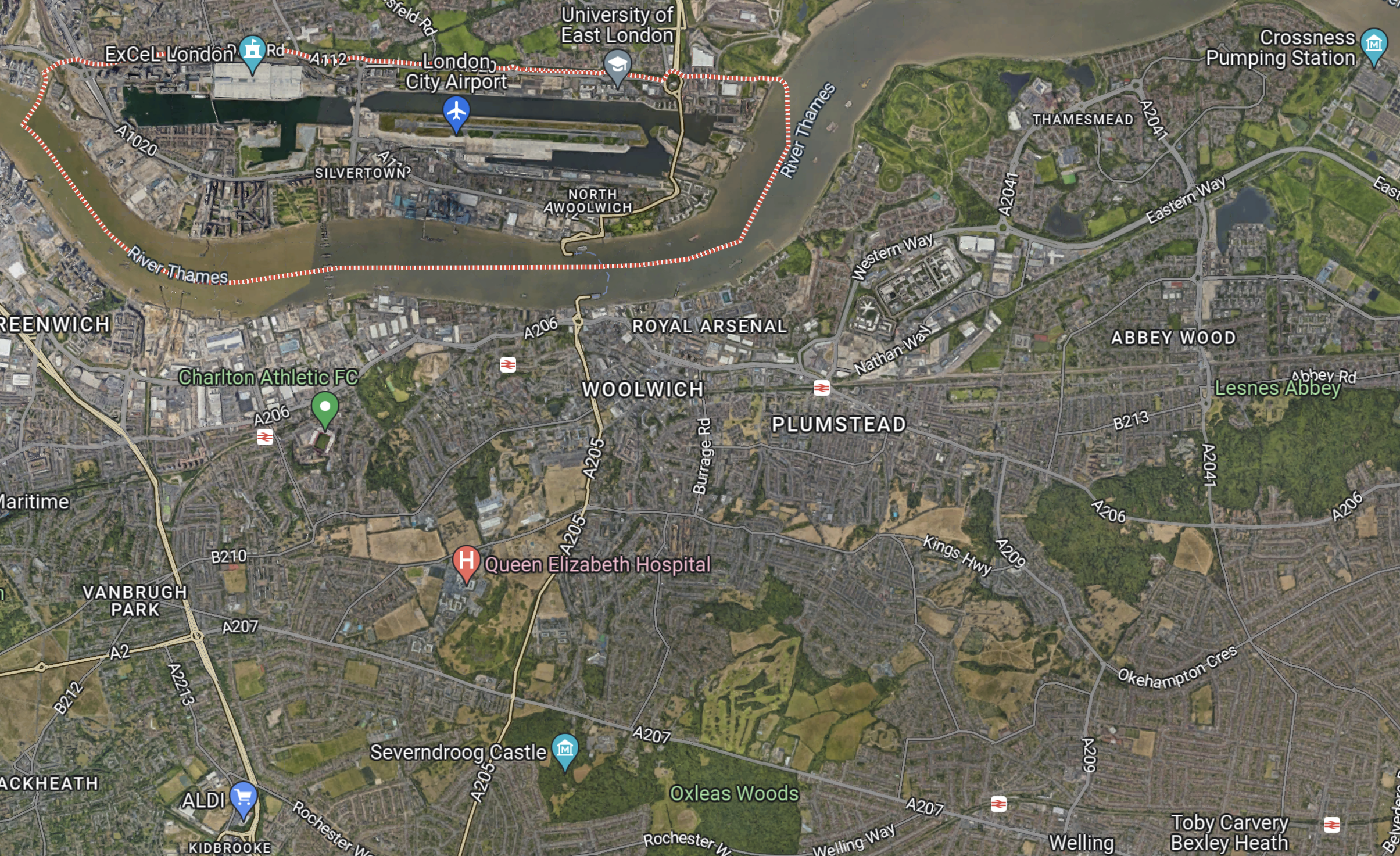
Note.
- The dotted red line indicates the Royal Docks.
- Bexleyheath station is in the South-East corner of the map.
I wouldn’t be surprised to see the Mayor organise a bus, through his new pet project; the Silvertown Tunnel.
Electric Or Hydrogen
Ideally, the buses will need to be zero-carbon; which means battery-electric or some form of hydrogen power.
Birmingham has a similar series of express routes, that run across the city, which I wrote about in Riding Birmingham’s New Hydrogen-Powered Buses.
I feel that long routes like some of these are should be run with hydrogen-powered buses, because of there longer range.
Reading To Heathrow On The Lizzie Line
Last week, I took the Lizzie Line to Reading and came back with a diversion to Heathrow.
I took the train from Reading as far as Hayes and Harlington, where I crossed over the tracks on the footbridge to get the train to Heathrow.
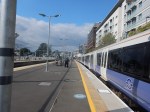
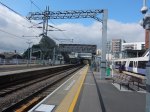
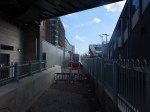
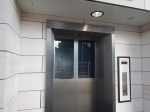
There are two bridges at Hayes & Harlington station, as these pictures show.



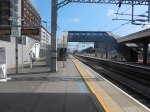
Note.
- Only the Western bridge has lifts.
- The Western bridge will be at the very back of the train from Reading.
- It is a long walk from the front of the train to the lifts.
This map from Cartometro shows the tracks through Hayes and Harlington station.

Note.
- The Great Western fast lines, which are shown in black on the South side going through platforms 1 & 2.
- The Elizabeth Line and the Great Western slow lines, which are shown in black and purple on the North side going through platforms 3 & 4.
- The Reading and Heathrow branches are to the West.
- London Paddington is to the East.
- Elizabeth Line Trains from the Reading or Heathrow branches to Paddington use Platform 4.
- Elizabeth Line Trains from Paddington to the Reading or Heathrow branches use Platform 3.
It should also be noted that if you are travelling between Heathrow Airport and any of the Elizabeth Line stations between Hayes and Harlington and Reading stations, you have to cross from Platform 4 to Platform 3 at Hayes and Harlington station.
All passengers will be travelling in the same direction at Hayes and Harlington station.
I feel it is absolutely essential, if you are travelling between Reading and Heathrow Airport using the Elizabeth Line, that you travel in the last carriage of the train from both Heathrow Airport or Reading.
When travelling to Heathrow in Where Should You Travel On An Elizabeth Line Train?, I said these were the positions to travel on the train.
- Heathrow Central – Eastern end
- Heathrow Terminal 4 – Western end
- Heathrow Terminal 5 – Eastern end
It looks like there could be some walking to do if you’re travelling between Reading and Heathrow Central or Heathrow Terminal 5.
I feel that Hayes and Harlington station could possibly have been better designed.
Would it have been better if Platforms 3 and 4 had been designed as an island platform, so that passengers going between the Reading and Heathrow branches would just walk across to the other side of the platform?
- The tracks would have had to be realigned.
- There would have been less lifts needed.
- The Eastern bridge might not have been needed.
I suspect, it would have been the more expensive option.
Hayes & Harlington Station – 15th September 2021
Hayes & Harlington station is the latest Crossrail station to be more or less completed.




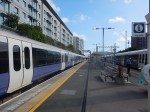
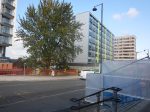

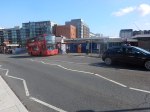




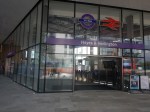
Note.
- The station is a big improvement on what was there previously.
- The building with the green stripes down the front used to be the offices of Metier Management Systems, of which I was a founder.
- A big development is being built to the South of the station, which is shown in the first to pictures.
There are still a few things to do, but it’s almost a complete station.
Services
It looks like Crossrail will run four trains per hour (tph) through the station all day.
Great Western Railway run two tph between Paddington and Didcot Parkway, that stop at the station.
Network Rail Awards Final West London Station Upgrade Contracts For Crossrail Project
The title of this post is the same as that of this article on Rail Professional.
The stations are Acton Main Line, Ealing Broadway, West Ealing, Southall, Hayes & Harlington and West Drayton.
New buildings and step-free access is planned to be completed by December 2020.
Conclusion
About time!
Hayes & Harlington Station – 19th April 2019
These pictures show Hayes & Harlington station.
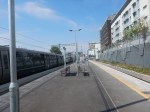


It will be an important station.
- There is still a lot of work to do for the station to look like the picture on the hoarding.
- There are a lot of residential development in the area, including the conversion of an old office block, where I once worked to flats.
- It will be a step-free interchange for local passengers from the West to Heathrow.
The station and the new bay platform are already fully operational.
Crossrail To Reading In December 2019
As current rumours are that Crossrail will open in December to Reading, it looks like the station will be usable.
It is planned that Hayes & Harlington station will have a train every six minutes.
A First Ride In A Nine-Car Class 345 Train
This morning, I had a first ride in a nine-car or full length Class 345 train.


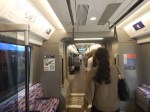


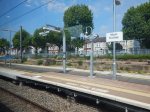

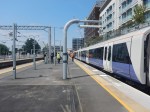
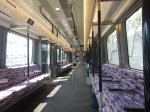
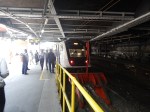
I just took it between Paddington and Hayes & Harlington stations and back again.
The overall impression, is how much longer they seem, than the seven-car version currently working between Liverpool Street and Shenfield.
A Low Key Launch Of New Electric Trains
This morning at 07:15, I was on the first Class 387 train out of Paddington for Hayes and Hsrlington.




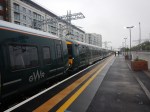


It was a new train of eight coaches, complete with that smell that all new vehicles have for a few weeks.
At the moment GWR only have four Class 387 trains in service, which should be enough for a two trains per hour (tph) shuttle with eight coaches in each service.
But because the new bay platform for the Greenford Branch has not been completed yet at West Ealing station, there are only a few services a day.
This page on the GWR web site gives more details and says this about services in 2017.
From January, all Greenford trains will terminate at West Ealing; as we increase our electric service between Hayes & Harlington and London Paddington to every 30 minutes.
From May, these trains will start running to and from Maidenhead, as we replace our existing diesel fleet.
Does this mean that from January 2017, the Greenford branch will be served by a four tph shuttle? Or will that be later?
 The Anonymous Widower