Riding Into the Future: Germany’s Pioneering Hydrogen-Powered Tram Project
The title of this post, is the same as that as this article on bnn Breaking.
This is the sub-heading.
Explore Germany’s groundbreaking project to develop a fuel cell-powered tram, leading the charge in sustainable urban mobility and reimagining the future of public transportation.
These are the first two paragraphs.
In the quiet, industrious corners of Germany, a revolution is unfolding on the tracks of public transportation. A consortium led by Hörmann Vehicle Engineering, alongside partners Heiterblick, Flexiva Automation & Robotik, and Technische Universität Chemnitz, has embarked on a groundbreaking journey to conceptualize, design, and test what could be the world’s next leap in eco-friendly mass transit: a hydrogen-powered tram. The project, aptly named the Hydrogen Tram for Next Generation, merges the realms of innovation, sustainability, and practicality, aiming to redefine urban mobility in ways we’ve only begun to imagine.
The project’s heart beats with a simple yet ambitious goal: to create a fuel cell-powered tram that doesn’t just exist as a prototype but thrives as a model for future public transportation. This initiative isn’t just about building a tram; it’s about reimagining the entire ecosystem surrounding urban mobility. From devising a robust refueling strategy to simulating operations and testing the fuel cell system, the collaborators are leaving no stone unturned. The project, with a generous €8 million budget, is buoyed by support from the federal government’s national hydrogen and fuel cell technology innovation program. This isn’t merely an experiment; it’s a statement of intent by Germany to lead the charge in sustainable transit solutions.
I have a few thoughts.
Chemnitz
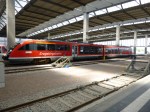
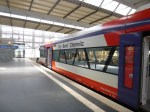
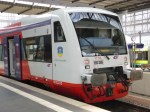
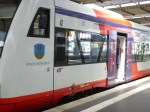
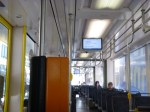
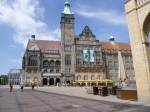
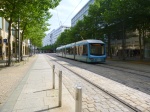
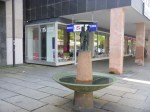
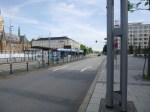
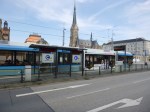
These pictures show Chemnitz and its trams.




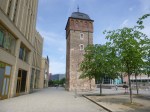
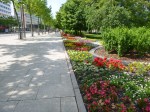


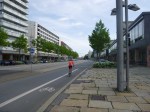
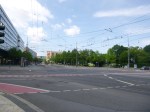



Note.
- Chemnitz used to be called Karl Marx Stadt.
- Chemnitz has some hybrid trams and tram-trains.
- I described how the Chemnitz trams work in Chemnitz Trams And The Chemnitz Model.
Chemnitz could be a very suitable place to try out the technology.
Hence, the involvement of Chemnitz University in the project doesn’t surprise me.
Tram-Trains
This article on Railway Gazette International, which is entitled Hydrogen Tram Development Project Underway, is also about the same project.
This is the first paragraph.
The Hydrogen Tram for Next Generation project has been launched to develop a fuel cell-powered vehicle which would enable services to be extended into new areas and tram-train routes created without the need for electrification.
It looks like this was added in the translation.
Tram Trains In South London
In The Third-Rail Tram-Train, I postulated using third-rail tram trains to extend the London Tramlink.
Since then Merseyrail have tried to extend, their third-rail electrified network and been told they couldn’t.
I have written these posts about using tram-trains to extend the London Tramlink.
- Could There Be A Tram-Train Connection At Reeve’s Corner?
- Would Third-Rail Tram-Trains Affect The Design Of The Proposed Streatham Interchange Station?
- The Cranleigh Line
- Thoughts On The Sutton Loop Line
- Could Third-Rail Tram-Trains Work The Epsom Downs Branch?
- Could Third-Rail Tram-Trains Be Used To Increase Services In South London?
- Could Beckenham Junction To Birkbeck Be Run Using Third-Rail Tram-Trains?
- Could Tram-Trains Be Used To Advantage In Croydon?
So would a hydrogen-powered tram-train be useful technology to extend the London Tramlink?
It just could be!
Zero-Carbon Between Manchester and Sheffield
This OpenRailwayMap shows the electrification across the Pennines.

Note.
- Red lines are electrified with 25 KVAC overhead.
- Mauve lines are tram lines electrified with 750 VDC overhead.
- The mauve lines in the West are the Manchester Metrolink.
- The mauve lines in the East are the Sheffield Supertram
- Black lines are not electrified.
- Red and black lines are currently being electrified.
- The blue arrow at the bottom of the map indicates Buxton.
- To the North of Buxton, the line linking Manchester and Sheffield is the Hope Valley Line.
- Running North-East from Manchester is the main TransPennine route between Leeds and Manchester via Dewsbury and Huddersfield.
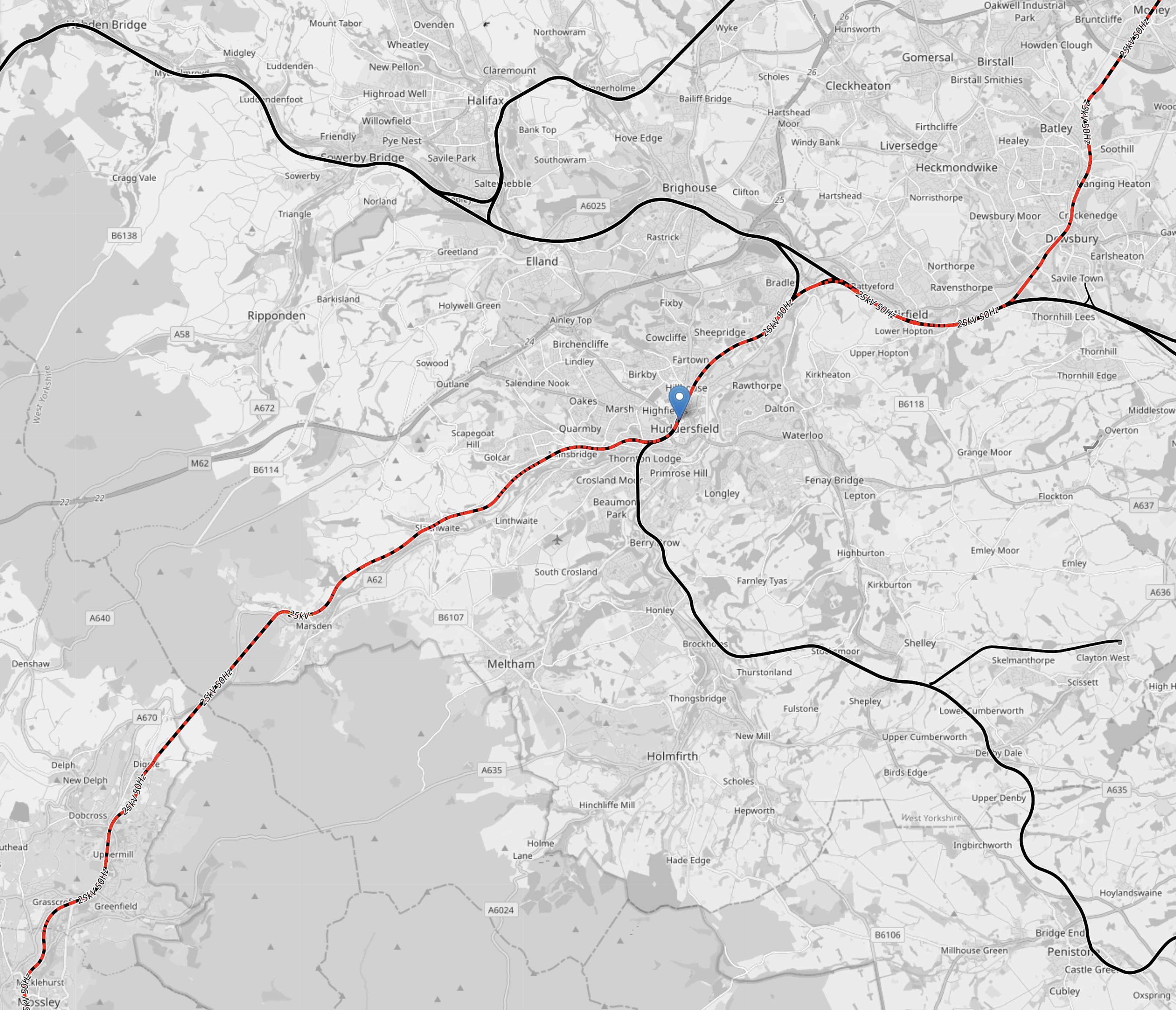
This OpenRailwayMap shows the TransPennine route between Morley and Mossley stations.
Note.
- Colours are as before.
- Morley station is in the North-East corner of the map.
- Huddersfield station is indicated by the blue arrow in the middle of the map.
- Mossley station is in the South-West corner of the map.
In a few years time, there will be 25 KVAC overhead electrification all the way between Leeds and Manchester via Dewsbury and Huddersfield.
This OpenRailwayMap shows the routes around Manchester and Sheffield and the connecting routes between Barnsley, Huddersfield, Manchester and Sheffield.
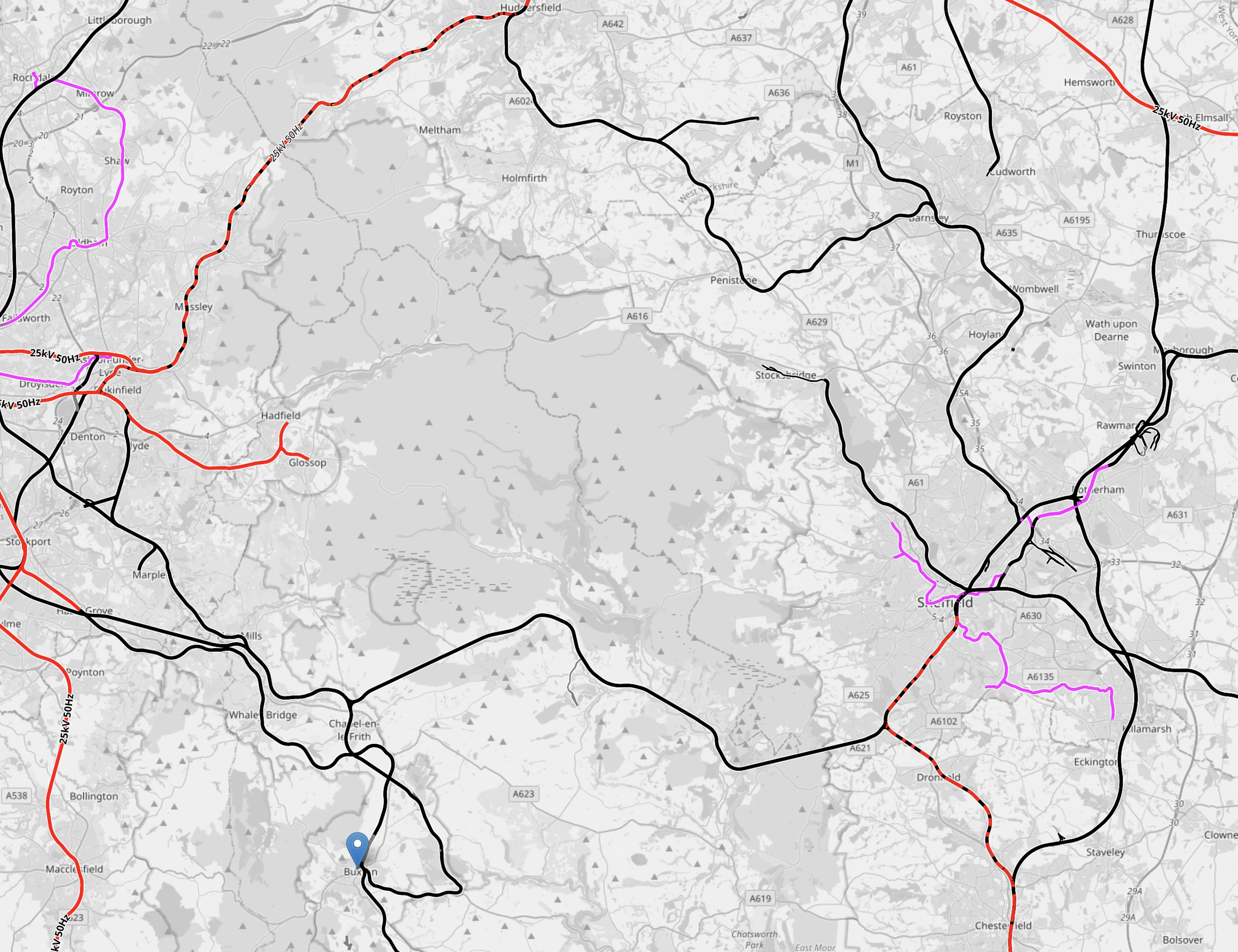
Note.
- Colours are as before.
- The blue arrow at the bottom of the map indicates Buxton.
- The line to Stocksbridge runs North-West from Sheffield.
- To its East the Penistone Line runs to Huddersfield via Barnsley.
- Manchester has a series of lines to the East that need to be electrified.
How many of these lines could be integrated into the tram systems of Manchester and Sheffield, by the use of hydrogen-powered tram-trains?
Hydrogen-powered tram-trains could share lines with battery-electric trains.
Tram-trains could run from say Cathedral in Sheffield to Piccadilly Gardens in Manchester.
Using self-powered trains would cut the need for expensive infrastructure.
The possibilities are endless and carbon free.
Conclusion
Hydrogen-powered trams and tram-trains could be a valuable tool for decarbonising trams and trains.
Liverpool Lime Street And Newcastle By Battery-Electric Class 802 Train
After my visit to Morley station, which I wrote about in Morley Station – 17th August 2023, in this post, I look at how a battery-electric Class 802 train might run between Liverpool Lime Street And Newcastle stations.
These are the various sections of the route.
- Liverpool Lime Street and Manchester Victoria – 31.6 miles – 36 minutes – Electrified
- Manchester Victoria and Huddersfield – 25.7 miles – 30 minutes – Not Electrified
- Huddersfield and Dewsbury – 8 miles – 7 minutes – Currently Being Electrified
- Dewsbury and Leeds – 9.1 miles – 14 minutes – Not Electrified
- Leeds and York – 25.8 miles – 30 minutes – Currently Being Electrified
- York and Newcastle – 80.2 miles – 58 minutes – Electrified
Note.
- Liverpool Lime Street and Manchester Victoria, Leeds and York and York and Newcastle are all long enough to fully charge a battery-electric train.
- There is electrification of both ends of the route.
- Manchester Victoria and York is a distance of 68.6 miles.
- The total route length is a distance of 180.4 miles.
In the August 2023 Edition of Modern Railways, there is an article, which is entitled GWR Seeks Opportunities To Grow.
This is the sub-heading.
Managing Director Mark Hopwood tells Philip Sherratt there is plenty of potential to increase rail’s economic contribution.
This is a paragraph.
Meanwhile, GWR had announced plans with Eversholt Rail to trial the replacement of a diesel generator unit with batteries on a Class 802 IET. However, Mr. Hopwood says this would not be useful for GWR and so the trial is not proceeding; instead, a TransPennine Express Class 802 will be the subject of a battery trial.
Could the trial be conducted on TransPennine Express’s Liverpool Lime Street And Newcastle route?
- The total route length is a distance of 180.4 miles.
- The two electrified sections at the ends of the route; Liverpool Lime Street and Manchester Victoria and York and Newcastle are both long enough to fully charge a battery-electric train.
- The central section between Manchester Victoria and York is not overly long at 68.6 miles.
- The route is convenient for Hitachi’s headquarters at Newton Aycliffe.
It looks like, the Liverpool Lime Street And Newcastle route would make an ideal test route for battery-electric Class 802 trains.
Manchester Piccadilly And Newcastle By Battery-Electric Class 802 Train
This is a very similar route to the Liverpool Lime Street And Newcastle route with a different Western terminal.
These are the various sections of the route.
- Manchester Piccadilly and Huddersfield – 25.5 miles – 42 minutes – Not Electrified
- Huddersfield and Dewsbury – 8 miles – 10 minutes – Currently Being Electrified
- Dewsbury and Leeds – 9.1 miles – 14 minutes – Not Electrified
- Leeds and York – 25.8 miles – 30 minutes – Currently Being Electrified
- York and Newcastle – 80.2 miles – 58 minutes – Electrified
Note.
- Turnround time at Manchester Piccadilly and York and Newcastle are all long enough to fully charge a battery-electric train.
- There is electrification of both ends of the route.
- Manchester Piccadilly and York is a distance of 68.4 miles.
- The total route length is a distance of 148.5 miles.
Like the Liverpool Lime Street And Newcastle route, I believe the Manchester Piccadilly And Newcastle route would make an ideal test route for battery-electric Class 802 trains.
Morley Station – 17th August 2023
These pictures show Morley station, which is currently being upgraded.
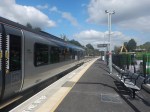
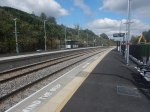
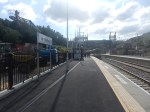
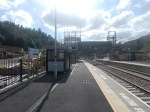
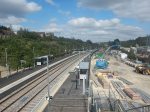
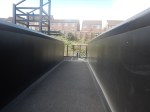
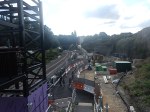
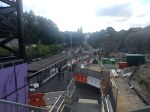
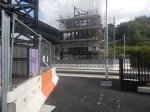
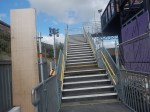
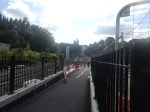
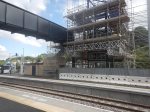
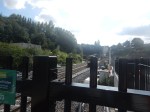
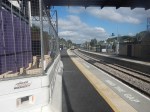
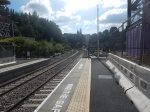
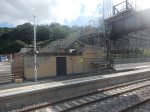
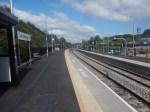
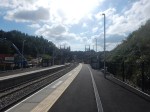
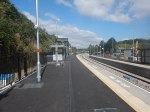
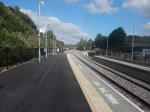
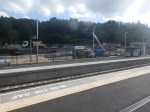
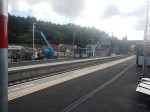
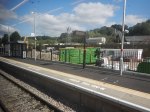
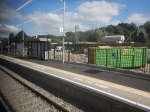
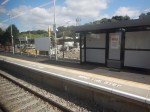
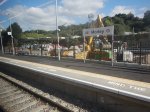
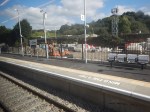
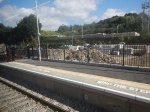
I was rather surprised at the lack of any sign of electrification.
There was no sign of any gantries for overhead electrification, either installed or ready to installed.
In Is There Going To Be Full Electrification Between Leeds And Huddersfield?, I said this.
I have now found this document on the Network Rail web site, which is entitled Huddersfield to Westtown (Dewsbury).
This statement is included under proposals.
Electrification of the railway from Huddersfield to Ravensthorpe – and right through to Leeds.
Because there is a dash in the words, has electrification to Leeds, been a recent addition?
I also showed this map, that I have copied from the Network Rail document
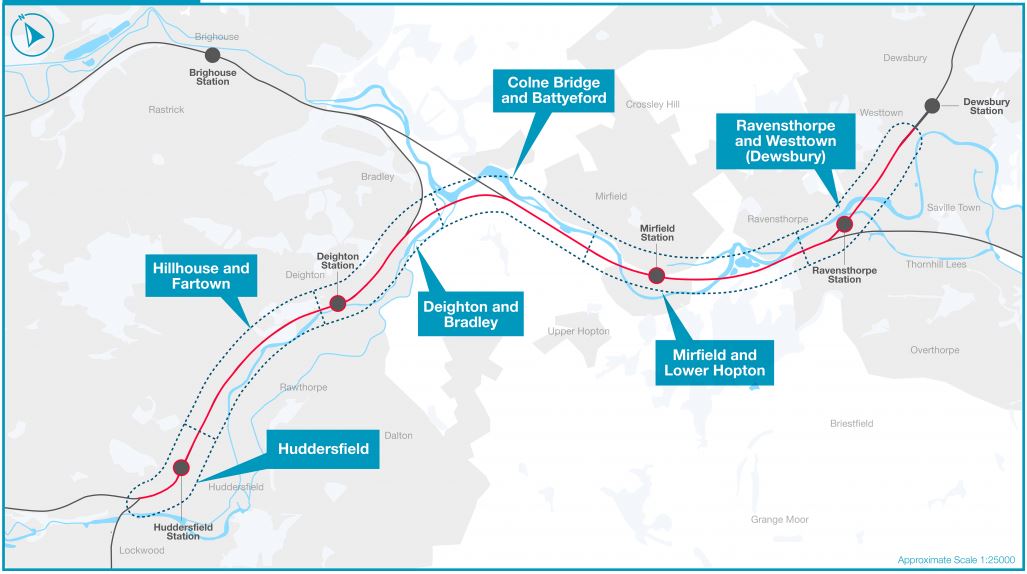
Note the railway lines shown in red. Are these the ones to be electrified? As they go from Huddersfield to Westtown, I think the answer is probably in the affirmative.
Surely, if there were going to be electrification through Morley, they’d have at least put the gantries up by now or installed the bases for them by now?
These are some distances from Real Time Trains.
- Leeds and Morley – 4.6 miles
- Morley and Dewsbury – 5,5 miles
- Dewsbury and Huddersfield 8 miles
Note.
- Leeds and Dewsbury are only 10.1 miles apart, which would be an easy journey for a battery-electric train.
- Trains typically take eighteen minutes between Dewsbury and Huddersfield, which would surely be more than enough time to charge the batteries on a train.
- It also appears that the only trains through Morley station are passenger services run by TransPennine Express or Northern Trains.
It certainly looks to me, that the section of the route between Dewsbury and Leeds though Morley station is to be run using battery-electric trains.
Morley’s New Accessible Station Set To Open In Summer 2023
The title of this post, is the same as that of this press release from Network Rail.
These paragraphs outline the work to be done to create the new Morley station.
A new, fully accessible station is set to open in Morley, Leeds in summer 2023 to make way for longer trains, more seats, and better journeys as part of the Transpennine Route Upgrade.
As a multi-million-pound investment, the new station will boast longer platforms to provide space for faster, more frequent, greener trains with more seats available for passengers travelling between Manchester, Huddersfield, Leeds and York.
The new, remodelled station will sit 75 metres away from the existing station and be fully accessible, with a footbridge and lifts connecting the two platforms.
Moving the station opens up opportunities to transform the platforms and track layout while installing the overhead wires needed to power electric and hybrid trains in the future. It also means that the current station can largely remain open for passengers whilst the new one is built.
It is not often, that a station upgrade, is such a comprehensive demolish and rebuild of a not very large station as this.
But rarely have I seen such a long list of problems as the one in this section in the Wikipedia entry for the station.
It looks like the Government is having a go, at levelling-up Morley.
Network Rail seem to be attempting to do the rebuild in under a year.
Is There Going To Be Full Electrification Between Leeds And Huddersfield?
This article on Rail Technology Magazine is dated 23/08/19 and is entitled Network Rail Reveals Detailed £2.9bn Upgrade Plans For TransPennine Route and it prompted me to write this post of the same name.
The Rail Technology Magazine article talks about a comprehensive upgrade to the Huddersfield Line is planned that includes.
- Improvement between Huddersfield and Westtown
- Grade separation or a tunnel at Ravensthorpe
- Rebuilding and electrification of eight miles of track.
- Possible doubling the number of tracks from two to four.
- Improved stations at Huddersfield, Deighton, Mirfield and Ravensthorpe.
I have now found this document on the Network Rail web site, which is entitled Huddersfield to Westtown (Dewsbury).
This statement is included under proposals.
Electrification of the railway from Huddersfield to Ravensthorpe – and right through to Leeds.
Because there is a dash in the words, has electrification to Leeds, been a recent addition?
It certainly doesn’t fit with the Rail Technology Magazine article.
It also doesn’t fit with this article on the BBC, which is dated 20/08/19 and is entitled Detailed TransPennine £2.9bn Rail Upgrade Plans Unveiled.
Electrification is mentioned in the second paragraph.
Network Rail has also announced it intends to electrify the line between Huddersfield and Dewsbury and double the number of tracks from two to four.
And in the sixth paragraph.
Network Rail said the proposed major overhaul and electrification work would be carried out on an 8-mile (13km) section of the route, with the “first round” of consultations starting with those living closest to the railway.
The two news sites seem to have used the same source.
The BBC also uses this map, that I have copied from the Network Rail document
Note the railway lines shown in red. Are these the ones to be electrified? As they go from Huddersfield to Westtown, I think the answer is probably in the affirmative.
I seems to me, that Rail Technology Magazine and the BBC are using a common source and could it be an earlier version of the Network Rail document.
But the map, I have shown, shows the electrification only going as far as Westtown, despite coming from a document, that states twice that the electrification is going as far as Leeds.
It is certainly sloppy documentation.
Track Layouts
This document on the Digital Railway web site is dated 16/08/18 and is entitled Transpennine Route Upgrade SDO1 ETCS – Analysis.
Significantly, it is written by the Digital Railway – Joint Development Group (JDG), which consists of representatives of Siemens, Hitachi, ARUP and Network Rail.
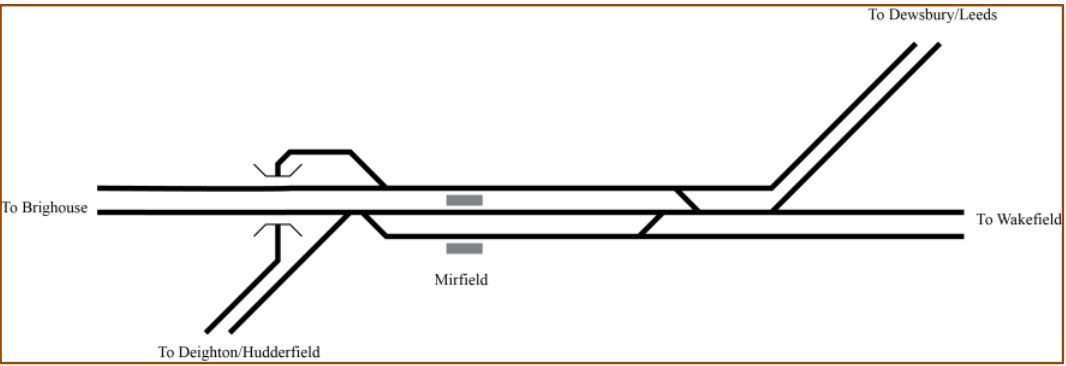
It is mainly about using digital signalling called ETCS on the Transpennine Route, but it does give these track layouts between Huddersfield and Dewsbury.
This is the current layout.
There is also this full four-track layout, which I assume was the original plan.
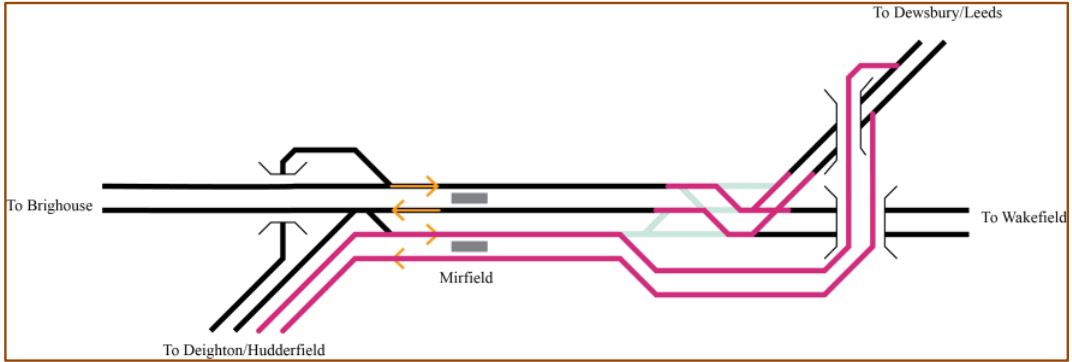
It is more complicated and involved the building of bridges in the area of Ravensthorpe station.
There is also a reduced four-track layout, which I assume was developed as the track analysis progressed.
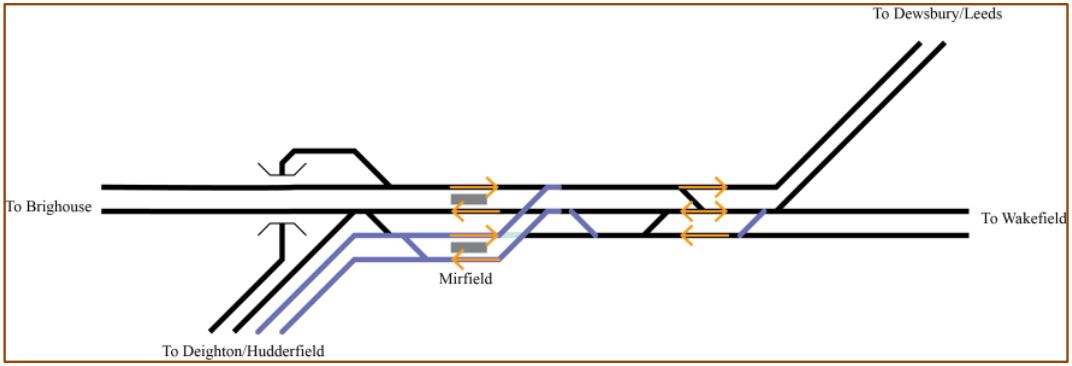
It is not a massive upgrade from the current layout.
As I see it, if the reduced layout can handle the required number of services, it has major advantages over the full scheme.
- There are no changes to track layout between Ravensthorpe and Dewsbury stations.
- Rebuilding Ravensthorpe station should be a smaller project.
- The current and reduced layout have three tracks between Mirfield and Ravensthorpe stations.
- There are no expensive new bridges to be built.
To make the scheme work there is a small amount of bi-directional running on the centre track, which is made possible by using digital signalling on the route.
Track Usage
By using bi-directional running on the centre track between Ravensthorpe and Mirfield stations, which is controlled by ETCS, the track layout is simplified, with three tracks instead of four.
- Slow trains from Huddersfield to Dewsbury will dive under the Brighouse lines and call in/pass Platform 1 at Mirfield station before going straight on to Ravensthorpe and Dewsbury. This is as trains do now.
- Slow trains from Dewsbury to Huddersfield will use the centre track from East to West and call in/pass Platform 2 at Mirfield station before turning South-West on to Huddersfield. This is as trains do now.
- Fast trains from Huddersfield to Dewsbury will call in/pass Platform 3 at Mirfield station and then cross over to the top track and go straight on to Ravensthorpe and Dewsbury.
- Fast trains from Dewsbury to Huddersfield will use the centre track from East to West and call in/pass Platform 4 at Mirfield station before turning South-West on to Huddersfield.
- Trains from Brighouse to Wakefield will call in/pass Platform 1 at Mirfield station and then cross to the centre track and go straight on to Wakefield. This is as trains do now.
- Trains from Wakefield to Brighouse will use the centre track from East to West and call in/pass Platform 2 at Mirfield station and go straight on to Brighouse.
Note.
- Platforms at Mirfield station are numbered 1 to 4 from the North
- The slow lines between Mirfield and Huddersfield are shown in black.
- The fast lines between Mirfield and Huddersfield are shown in blue.
- Passengers can use Platforms 1/2 as a cross-platform interchange between slow Huddersfield-Leeds and Brighouse-Wakefield services.
I also think it likely, that the proposed layout will improve the timetable.
Does The Reduced Layout Produce A Cost Saving?
In one of the first jobs I did at ICI Plastics Division, I simulated a chemical process on an analogue computer. My mathematics showed they could use much smaller vessels, which meant the height of the plant could be reduced by a few metres. I remember the engineer in charge of the project being very pleased, when he told me, that height costs money.
- The reduced layout removes three bridges, which must mean a cost saving.
- There is probably less track to lay
The negative is that digital signalling with ETCS must be installed through the area. This is going to be installed on the UK network, so it probably needs little more than shuffling the installation order.
On balance, when all things are considered, I suspect if the reduced layout can be used, there will be substantial cost savings on the project.
Problems At Morley Station
Morley station is two stations after Dewsbury station on the route towards Leeds.
Unusually for Wikipedia, the entry for Morley station has a large section entitled Current Problems.
This is the first two paragraphs.
The increase in demand, combined with growth elsewhere on the line, means that overcrowding in the morning peak, particularly for commuters heading towards Leeds, is becoming more of an issue.
Despite this commuter growth little has been done to bring this station into the 21st century. For example, only one platform is accessible for disabled passengers, there is insufficient parking, access routes to and from the station are often overgrown with weeds, and there are frequent drainage problems which all combine to make the station not as pleasant as other stations in West Yorkshire. In 2012 a “Friends of Morley station” group was formed, and is addressing some of these issues. Work to improve the car park and drainage commenced in February 2013.
To make matters worse, the station is 10-15 minutes walk from the centre of Morley with poor bus and taxi connections.
Would the following help the Friends of Morley Station?
- Longer trains.
- More frequent trains.
- Faster trains to Leeds
- Better bus services.
Electric trains would help solve the first three.
White Rose Station
There are plans to build a new White Rose station in the next couple of years at the White Rose Centre..
This would be between Morley and Cottingley stations.
This station will surely increase the passenger numbers on the Huddersfield Line.
Have Network Rail Designed The Electrification Between Dewsbury And Leeds?
This electrification has been off and on more times, than the lights in an average kitchen, so I suspect there is a workable plan dating from the last century amongst many others.
Would Extending Electrification To Leeds Provide The Power?
Electrification needs a good connection to the National Grid to provide the power needed to run the trains.
The short eight-mile electrification, as originally proposed could probably have been fed from one end; Huddersfield or Dewsbury.
Both locations would need new sub-stations, with Huddersfield possibly needed in the future to power the wires all the way to Manchester.
Leeds is already fully-electrified with electric expresses to Doncaster and London and several electric local services.
So is the easiest and most affordable way to power the eight-mile electrification between Huddersfield and Westtown to run an extension cable between Leeds and Dewsbury?
Network Rail had a similar problem on the Midland Main Line, which I wrote about in Welcome For Extension Of Midland Electrification.
National Grid had provided a power connection near Market Harborough for the Midland Main Line electrification, which was then cancelled North of Kettering North Junction, leaving the electrification to Corby without a power supply.
The problem is being solved, by extending the electrification to Market Harborough and connecting the wires to the power there.
I do wonder, that the most affordable way to power the Huddersfield and Westtown electrified line is to electrify all the way to Leeds and connect to the power there.
Conclusion
Improving services on the Huddersfield Line between Huddersfield and Leeds is going to be very necessary in the next few years, as passenger numbers will surely grow, due to new housing, increased commuting and the opening of White Rose station.
- New or refurbished four-car electric trains would provide more capacity, increased frequencies and faster services,
- Digital signalling with ETCS would allow more trains to run smoothly.
It appears to me, that to electrify all of the Huddersfield Line between Huddersfield and Leeds would be a good idea, if the money can be found.
Has that money been found by developing a more affordable track layout for the proposed TransPennine Upgrade between Huddersfield and Westtown?
But also using the power at Leeds and electrifying all the way between Huddersfield and Leeds, seems to be a bloody great tail, that is wagging the dog of electrification.
Further Electrification
Providing a fully-electrified route between Huddersfield and Leeds, would leave just two sections of the main TransPennine route without electrification.
- Stalybridge and Huddersfield over Saddleworth Moor and through the Standedge Tunnels.
- Leeds and the Northbound East Coast Main Line.
I don’t know about the planning and difficulty of the first route, but from my helicopter the engineering shouldn’t be too difficult, with the exception of the elecxtrification of the Standedge Tunnels, although Wikipedia seems optimistic about the electrifying the main twin-bore tunnel.
During the 2000s, Network Rail proposed reinstating rail traffic through the 1848 and 1871 tunnels to increase capacity on the Leeds-Manchester trans-Pennine route, but after a re-appraisal after the decision to electrify the trans-Pennine line, it was reported in 2012 that reinstatement was unnecessary.
In addition, could it be, that Manchester with lots of electric trains can provide enough power at Stalybridge, where an updated power connection has been recently installed, to power electric trains between Manchester and Huddersfield?
, The second has been planned for years and has a string of advantages.
- Speed up services between Leeds and Newcastle and Scotland.
- Allow LNER to run electric trains between London and Scotland via Leeds.
- Create an electrified route between Neville Hill Depot and York.
- Create an electrified diversion through Leeds for the East Coast Main Line
This section should be electrified for operational reasons on the East Coast Main Line.
A Final Conclusion
Network Rail’s plans seem to have evolved under analysis to be as follows.
- Limited four-tracking and updated track between Huddersfield and Westtown.
- Digital signalling with ETCS between Huddersfield and Leeds.
- Full electrification between Huddersfield and Leeds
- Power for the electrification from Leeds.
Could it even cost less than the allocated £2.9billion?
 The Anonymous Widower