Enterprise: Belfast-Dublin Rail To Receive Multi-Million Investment
The title of this post, is the same as that of this article on the BBC.
This is the sub-heading.
Cross-border rail services between Belfast and Dublin are set to benefit from a £141.9m investment.
These are points from the rest of the article.
- The investment is part of the Peace Plus initiative which funds projects in Northern Ireland and border counties.
- The funding will support a major programme aimed at providing an hourly service between Belfast and Dublin.
- All existing Enterprise trains are to be replaced with brand new trains by the end of this decade leading to faster journey times.
- Ian Campbell from transport company Translink said that the announcement was “good news” and “very much needed”.
- Mr Campbell said the funding would allow the current fleet of four enterprise trains to be replaced by eight new trains.
- He said that these trains would allow a “step up in accessibility and passenger experience”, as well as reducing the journey times by “about 15 minutes”.
- He added that the trains would be “designed ultimately to operate as a net zero service using sustainable technology”.
- Mr Campbell said that the hourly service was “very much needed” as Translink expected there to be demand for two million passenger journeys on the service by 2030.
- Funding is also being provided by the Department for Infrastructure (DfI) in Northern Ireland and the Department of Transport in the Republic of Ireland.
These are my thoughts.
The Enterprise Service
The BBC article describes the service like this.
Jointly operated by Northern Ireland Railways and Iarnród Éireann, the Enterprise train service has provided a transport link between Belfast and Dublin for over 75 years.
These are some points about the tracks and the trains.
- The Northern terminal is Belfast Lanyon Place station.
- The Southern terminal is Dublin Connolly station.
- The Wikipedia entry for the Belfast and Dublin line says the distance is 112 miles, with an operating speed of 90 mph.
The fastest services take two hours and five minutes, which is an average speed of 54 mph.
Electrification Between Dublin And Belfast
Currently, only the nine miles at the Southern end between Dublin Connolly and Malahide stations is electrified using 1,500 V DC overhead.
But there is a program being planned called Dart+, which could see electrification extended by 23 miles to Drogheda station.
New Trains For The Enterprise Service
The BBC article made these points about the new trains.
- Ian Campbell from transport company Translink said that the announcement was “good news” and “very much needed”.
- Mr Campbell said the funding would allow the current fleet of four enterprise trains to be replaced by eight new trains.
- He said that these trains would allow a “step up in accessibility and passenger experience”, as well as reducing the journey times by “about 15 minutes”.
- He added that the trains would be “designed ultimately to operate as a net zero service using sustainable technology”.
This article on Rail Technology Magazine is entitled Multi-Million Pound Transformation For Belfast-Dublin Rail Services.
The last two paragraphs of the article give more details of the trains.
This funding will finance the replacement of the current Enterprise fleet of four train-sets with eight new, modern and sustainable train-sets. Enterprise is jointly operated by Northern Ireland Railways and Iarnród Éireann, and the new trains are designed to evolve as both jurisdictions work towards a fully electrified cross-border rail corridor over the coming decades.
The procurement process for the new train-sets is set to be completed in the coming year, with the fleet expected to be in operation by 2029. The trains will be designed initially to run on electric and battery power, with the possibility to be converted into fully electric operation in the future.
After the DART reaches Drogheda, 32 miles of the Enterprise route will be electrified, with 80 miles unelectrified.
If it is assumed that the Dublin Connolly and Drogheda electrification, means that all trains leave Drogheda for Belfast with a full battery, then it looks to me, that there are three ways, this route could be operated.
- Trains would have a range on excess of 80 miles and would be charged by a short length of overhead wire in or near Belfast Lanyon Place station.
- Trains would have a range on excess of 160 miles and would be charged, whilst running South of Drogheda.
- Trains would be tri-mode trains, with diesel power.
Note.
- Battery-electric multiple units have already been ordered for the Dublin DART from Alstom.
- There are several charging systems available from companies like Furrer+Frey, Hitachi and others.
- The Guinness World Record for a battery-electric train is around 140 miles, but battery technology is improving.
- I suspect range will rule out the second option.
- The first option would be zero-carbon from day one.
Choosing the first option would seem to be the most likely option.
When electrification between Belfast Lanyon Place and Dublin Connolly is completed, all trains could be converted to either all-electric or battery-electric trains.
Could Similar Techniques Be Used To Decarbonise Other Irish Routes?
Just as the Belfast service uses a branch of the electrified DART, as a route out of Dublin, it appears that other Irish routes share tracks with the DART to access stations in the centre of Dublin.
- Cork services share the DART branch to Hazelhatch and Celbridge station.
- Sligo services share the DART branch to Maynooth station.
- Rosslare services share the DART branch to Greystones station.
- Waterford services share the DART branch to Hazelhatch and Celbridge station.
I can see similar trains, that will be used between Dublin and Belfast, being used on other routes to and from Dublin.
Conclusion
Decarbonisation of Dublin and Belfast could be the start of something big and green in the island of Ireland.
I suspect train manufacturers, like Alstom, CAF and Stadler will use all their skills to secure the contract to build the trains for the Enterprise service.
SSE Partners With Bord na Móna On 800MW Onshore Wind JV In Ireland
The title of this post, is the same as that of this press release from SSE.
These four bullet points, act as sub-headings.
- Leading low-carbon energy companies SSE Renewables and Bord na Móna continue to progress their respective portfolios in Ireland, by partnering to develop new onshore wind energy projects across the Midlands.
- More than €1 billion could be invested by the joint venture partnership to develop up to 800MW of new renewable energy projects, enough to provide power to over 450,000 homes.
- Onshore wind farm projects to be developed as part of the portfolio will include Lemanaghan Wind Farm in north-west Offaly, Littleton Wind Farm in Tipperary, and Garryhinch Wind Farm on the Laois Offaly border.
- The partnership has the potential to support hundreds of jobs across the Midlands during construction and operation of the onshore wind projects.
Note.
- It is a 50:50 project between SSE Renewables and Bord na Móna.
- It will deliver 800 MW of onshore wind energy.
These link to the three web sites for the wind farms.
- Lemanaghan Wind Farm will be 80-100 MW
- Littleton Wind Farm will be 60-80 MW
- Garryhinch Wind Farm will be 60-80 MW
These must be the first phases, as they are nowhere near 800 MW.
There is an interesting comparison to be made here.
- As I said in Wind Farm: Yorkshire Moors Could Get England’s Biggest Wind Farm, it looks like a 304 MW wind farm on England will be controversial.
- The 539 MW Whitelee Wind Farm near Glasgow is the largest onshore wind farm in the UK.
- The republic of Ireland is building three schemes totalling 800 MW in the Irish Midlands.
So why does England object?
Centrica Energy, Bord Gáis Energy And Mitsubishi Power Announce Development Of Europe’s First Ammonia Fired Power Generation Facility
The title of this post, is the same as that of this press release from Centrica.
This is the sub-heading.
Centrica plc and Mitsubishi Power Europe Limited “Mitsubishi Power Europe” have signed a Memorandum of Understanding (MOU) to explore the development, construction, and operation of Europe’s first-ever ammonia-fired power generation facility at Bord Gáis Energy’s Whitegate Combined Cycle Gas Turbine (CCGT) power station in Cork, Ireland.
These four paragraphs outline the project.
The project is being led by Centrica through its Bord Gáis Energy and Centrica Energy businesses and Mitsubishi Power Europe and would become Europe’s inaugural ammonia-fired power generation facility and one of only two such facilities in the world.
The utilisation of low carbon ammonia as a clean and sustainable fuel source for power generation has the potential to provide security of supply while reducing greenhouse gas emissions. Low carbon ammonia has a higher volumetric density than hydrogen, enabling the utilisation of low carbon hydrogen in a form which is easy to transport and store, resulting in a fuel that can be combusted with no carbon emissions at point of use. Its use as a fuel is a promising long-term energy solution for the transition to a low-carbon energy value chain.
Bord Gáis Energy’s facility at Whitegate CCGT power station would serve as a global demonstration site for ammonia-fired power generation technology, providing insight into the feasibility and scalability of low carbon ammonia as a green fuel and shaping the future of power generation worldwide, with low carbon ammonia being sourced through Centrica Energy’s global trading network.
Following the signing of the MOU, the project team is being established to commence project feasibility assessments. Upon the successful outcome of this assessment, extensive local stakeholder engagement will commence.
Note.
- No mention of the size of the new power station is given in the press release.
- Whitegate power station is a 445 MW combined cycle gas turbine (CCGT), that was built in 2010.
- It can meet ten percent of Ireland’s electricity demand.
I have a few thoughts.
Will The Existing Power Station Be Converted To Ammonia Or Will A New Ammonia-Fired Power Station Be Built Alongside?
Consider.
- If the second station doesn’t work, there’s no reduction in power.
- If a replacement station doesn’t work, ten percent of Ireland will be in the dark.
- Ireland will be needing more power in the next few years.
- A second power station can be appropriately-sized.
- Japanese don’t like to lose face!
Prudence probably says that building a second station alongside is the least risky route.
Wind Power In Ireland
This Wikipedia entry is entitled Wind Power In Ireland.
This is the first paragraph.
As of 2021 the island of Ireland has 5,585 megawatt and the Republic of Ireland has 4,309 MW of installed wind power nameplate capacity, the third highest per capita in the world. In 2020 wind turbines generated 36.3% of Ireland’s electrical demand, one of the highest wind power penetrations in the world.
There is also one 500 MW interconnector between the islands of Great Britain and Ireland, with another similar-sized one under construction.
As the wind doesn’t blow all the time, the island of Ireland will need some low-carbon backup.
Why Ammonia?
This paragraph from the press release gives several reasons.
The utilisation of low carbon ammonia as a clean and sustainable fuel source for power generation has the potential to provide security of supply while reducing greenhouse gas emissions. Low carbon ammonia has a higher volumetric density than hydrogen, enabling the utilisation of low carbon hydrogen in a form which is easy to transport and store, resulting in a fuel that can be combusted with no carbon emissions at point of use. Its use as a fuel is a promising long-term energy solution for the transition to a low-carbon energy value chain.
There may also be secondary issues here.
If you read the Applications section in the Wikipedia entry for ammonia, you will realise, what a useful chemical ammonia is.
As Ireland has a lot of agriculture, a fertiliser plant could be located close to the power station.
If the ammonia was green ammonia, then this will help to decarbonise the island of Ireland.
Where Will The Green Ammonia Come From?
These posts deal with the production and distribution of green ammonia.
- Could West Africa Become A Green Energy Powerhouse?
- H2U Eyre Peninsula Gateway Hydrogen Project Begins Largest Green Ammonia Plant
- KEPSA Signs Large-Scale Green Energy Projects MoU In Kenya
- Namibia Is Building A Reputation For The Cheapest Green Hydrogen
- Uniper To Make Wilhelmshaven German Hub For Green Hydrogen; Green Ammonia Import Terminal
Note.
- A continent with a lot of renewable energy like Africa or Australia can create lots of green ammonia.
- As the press release says, ammonia is easier to transport and store compared to hydrogen.
- The press release says that low carbon ammonia will be sourced through Centrica Energy’s global trading network.
- Fortescue Future Industries is mentioned in several posts, as producers of green hydrogen and green ammonia.
- Centrica is big enough to stand up to Andrew “Twiggy” Forrest and Fortescue Future Industries.
As in a few years, we will have many GWs of renewable energy, could we be making green ammonia for the Irish?
This news story on the UK Research and Innovation web site is entitled Designs For Green Ammonia Plant Become Reality.
This is the sub-heading.
Science and Technology Facilities Council (STFC) researchers are building a small-scale plant to generate ammonia using only renewable energy sources.
These two paragraphs outline the story.
Ammonia is a promising carbon-free fuel source of the future and so if successful, the plant has the potential to considerably advance the UK’s net zero ambitions.
It marks the second phase of the Ammonia Synthesis Plant from Intermittent Renewable Energy (ASPIRE) initiative which will be led by STFC in conjunction with the University of Bath, Johnson Matthey, and Frazer-Nash Consultancy.
The UK Research and Innovation news story has this description of the ASPIRE technology.
Current commercial ammonia synthesis is optimised for near steady production requiring constant power.
The first phase of ASPIRE however saw the design of a patented modular reactor and thermal management system that should enable operation from an intermittent renewable power supply.
The new plant will have three core elements:
- a pressure swing adsorption system which extracts nitrogen from air
- a modular electrolyser which splits hydrogen from water
- a synthesis loop that uses the modular reactor and a thermal management system to combine hydrogen and nitrogen to make ammonia
This will enable the entire production process to operate autonomously, powered by a small wind turbine and series of solar canopies with an ammonia generation rate proportional to the available renewable power.
There is even this quote from a Dr. Alan Partridge.
Thanks to the incredible work on this initiative by the team at Rutherford Appleton Laboratory as well as the University of Bath and private sector partners, we are closer than ever to producing industry-scale green ammonia for the UK and the world.
Perhaps, this technology will allow the island of Ireland to make all the green ammonia it needs.
Will Centrica Be Going Into The Green Ammonia Business?
The Centrica press release says they will be dealing in green ammonia for the benefit of Ireland. So Yes!
Conclusion
The news story on the UK Research and Innovation web site is a must-read.
As we have so much renewable energy in the UK, some company will build an ASPIRE-based green ammonia plant in the UK.
Ireland Awards 3.1 GW Offshore Wind Capacity In First ORESS 1 Auction
The title of this post, is the same as that of this article on offshoreWIND.biz.
This is the sub-heading.
Ireland has selected four projects with a combined capacity of nearly 3,100 MW in the first offshore wind auction under the Renewable Electricity Support Scheme (ORESS 1).
The four wind farms are.
- The 1,300 MW Codling Wind Park owned and developed by a 50/50 joint venture of Fred Olsen Seawind and EDF Renewables.
- The 824 MW Dublin Array owned and developed by RWE.
- The 500 MW North Irish Sea Array (NISA), owned and developed by Copenhagen Infrastructure Partners (CIP) and Statkraft.
- The 450 MW Sceirde Rocks wind farm owned and developed by Fuinneamh Sceirde Teoranta (FST), a joint venture owned by Corio Generation, a portfolio company of Macquarie’s Green Investment Group, and global infrastructure investor, Ontario Teachers’ Pension Plan.
Note.
- That makes a total of 3074 MW.
- All wind farms already have web sites.
- Looking at the web sites, it appears all wind farms will have fixed foundations and some seem to be located on convenient sandbanks.
- This is equivalent to over a third of Ireland’s entire electricity consumption this year and over a quarter of projected 2030 electricity demand.
- This article on offshoreWIND.biz, which is entitled Fred. Olsen Seawind And EDF Renewables Win Big Offshore Ireland, gives more details of the first wind farm.
- This article on offshoreWIND.biz, which is entitled 500 MW for Statkraft And CIP In First Irish Offshore Wind Auction, gives more details of the third wind farm.
- Given SSE’s large presence in Ireland, I’m surprised they didn’t obtain a lease.
The auction results appear to have surpassed the expectations of the Irish government.
Irish ESB Joins Northland Power On Two Scottish Offshore Wind Projects
The title of this post, is the same as that of this article on offshoreWIND.biz.
This is the sub-heading.
ESB will acquire a 24.5 per cent interest in Northland Power’s ScotWind projects, the fixed-bottom offshore wind farm Spiorad na Mara and the floating wind project Havbredey. Northland will retain 75.5 per cent in each project and continue to lead their development, construction, and operation
This is the first paragraph.
The companies have signed definitive agreements on ESB’s purchase of project stakes, with all commitments made prior to the agreements to remain in place.
Last month, I wrote ESB Invests In Floating Offshore Wind Mooring Tech. so are they in acquisitive mode?
This map from Cross Estate Scotland shows all the ScotWind contracts.

ESB now lrasr the following stakes in ScotWind.
Their details are as follows.
- 14 – Havbredey – Floating – 1500 MW – 25 %
- 16 – Spiorad na Mara – Fixed – 840 MW – 25 %
- 20 – Unnamed – Floating – 500 MW – 100 %
These figures mean they lease about a GW.
I have my thoughts.
Will There Be A Multi-Purpose Interconnector between Ireland And Scotland?
Nothing has been mentioned yet, but could new wind farms om the future to the West of the Hebrides be connected to both the North of Scotland and the North of Ireland by a multi-purpose interconnector?
Ireland To Develop National Industrial Strategy For Offshore Wind
The title of this post, is the same as that of this article on offshoreWIND.biz.
This is the sub-heading.
Ireland’s Minister for Enterprise, Trade and Employment, Simon Coveney, has announced plans to develop a National Industrial Strategy for Offshore Wind which will set out how Ireland can maximise the economic opportunity arising from the production of offshore wind energy
Ireland’s current objectives for offshore wind are.
- To deliver 5 GW of offshore wind by 2030.
- A further 2 GW of floating wind to be in development by 2030.
- The target for offshore wind could rise to at least 37 GW by 2050.
- There is a target to provide 80 per cent of the country’s electricity to be from renewable sources by 2030.
The government appears to recognise collaborative approach between state and industry is needed.
Nothing is said about co-operation with Northern Ireland or the UK.
This is despite.
- UK and Irish companies like ESB, Flotation Energy, Simply Blue Group and SSE have projects in both countries.
- Irish company; ESB is developing the Malin Sea Wind wind farm in Scottish waters and landing the electricity near Derry City.
- Scottish company; SSE is building biomass power stations in Ireland.
- Some promising waters for wind power are shared between the two countries.
- There are three interconnectors between the two main islands.
I would expect that there could be some multi-purpose interconnectors across the Irish and Celtic Seas.
These would connect windfarms between the islands to both the UK and Ireland. National Grid and TenneT are building the LionLink between England and The Netherlands, which I wrote about in World’s Largest-Of-Its-Kind Power Line To Deliver Clean Power To 1.8m UK Homes And Boost Energy Security.
I very much feel, that there will be a lot of co-operation between the UK and Irish governments as if they work together, the development of Ireland’s offshore wind and that of the West Coast of the UK could be more efficient.
Businesses Back Hydrogen Trials To Accelerate Net Zero Ambitions
The title of this post, is the same as that of this news item on Centrica.
These are the three main findings of a business survey, to ascertain attitudes to hydrogen.
- Three quarters (77%) of businesses back hydrogen as part of their energy improvement strategy with a quarter (27%) intending to trial or implement it in the next two years.
- Almost one in ten (8%) respondents say they have already installed hydrogen-ready combined heat and power (CHP) units.
- A third (33%) of firms say energy costs are motivating them to adopt hydrogen.
This paragraph details who were surveyed.
We surveyed 500 executives in December 2022 and January 2023 across food and beverage manufacturing, healthcare, hospitality and travel, pharmaceutical manufacturing, heavy industry, horticulture and light industry. 24% of respondents were from the UK, 16% Ireland, 20% Netherlands, 20% Italy, 20% Hungary.
It certainly looks to be a well-constructed survey, with a wide range of respondents.
I have some thoughts.
Centrica And Combined Heat And Power
I was initially surprised that eight percent of respondents had already installed hydrogen-ready combined heat and power units.
But according to Centrica Announces Hydrogen Ready Combined Heat And Power Partnership With 2G, Centrica are preparing themselves for selling systems in this area.
Businesses Are Certainly Looking At Hydrogen
A figure of 77 % of businesses are looking at hydrogen and 27 % are investing in hydrogen.
But I don’t think the average man on the Clapham Omnibus would be so enthusiastic.
Costs Are Motivating Firms To Adopt Hydrogen
I would be surprised if costs didn’t have an effect.
But if costs are driving them towards hydrogen, then hydrogen must be more affordable.
Which is one in eye for hydrogen deniers, who always tell me it is more expensive.
Are Centrica Working To Drop Their Costs?
These posts would suggest they are.
- Centrica And Ryze Agree To Develop Hydrogen Pathway
- Centrica Announces Hydrogen Ready Combined Heat And Power Partnership With 2G
- Centrica Partners With Hull-Based HiiRoc For Hydrogen Fuel Switch Trial At Humber Power Plant
- Centrica Plan Green Energy Hub At Former Gas Power Plant
- Centrica Re-Opens Rough Storage Facility
- Lhyfe And Centrica To Develop Offshore Renewable Green Hydrogen In The UK
They are doing deals with start-ups and repurposing old plants and pipelines.
Conclusion
Centrica seem to be leading the charge to hydrogen in the UK.
SSE Renewables Unveils Plans For Wind Farm Offshore Ireland’s Atlantic Coast
The title of this post, is the same as that of this article on offshoreWIND.biz.
This is the sub-heading.
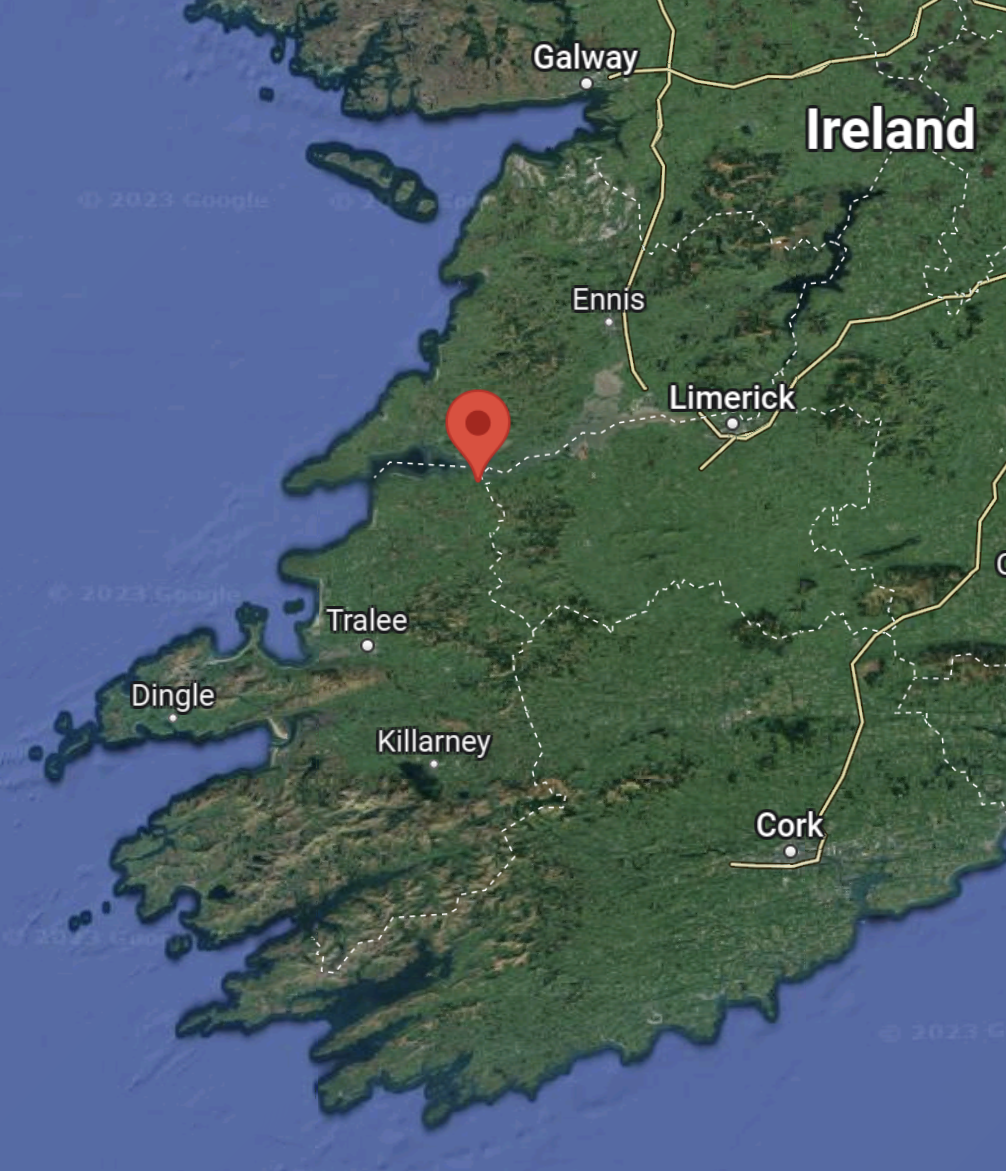
SSE Renewables is seeking an investigative foreshore licence to facilitate survey work for a possible new offshore wind farm in the Atlantic Ocean off the coast of Tarbert, Co. Kerry, Ireland.
This Google Map shows the approximate location of Tarbert.
These two paragraphs outline the project.
SSE Renewables has recently submitted an application for an investigative foreshore licence to Ireland’s Department of Housing, Local Government and Heritage and is seeking approval for investigative surveys of the seabed for an offshore wind project which could generate up to 1 GW of energy.
These geophysical, geotechnical, and environmental surveys are required to inform the renewable energy developer’s understanding of the prevailing environmental and met-ocean conditions at the foreshore investigative array area, which is a minimum of 13 kilometres offshore.
This is SSE Renewables’ first licence application for an offshore wind project off the west coast of Ireland.
In SSE Thermal Secures 10-year Contracts For Two New Low-Carbon Power Stations In Ireland, I talked about two biomass power stations at Tarbert in Co. Kerry and Platin in Co. Meath.
It looks like the Tarbert wind farm and power station will work as a team and back each other up.
We Mustn’t Forget Platin!
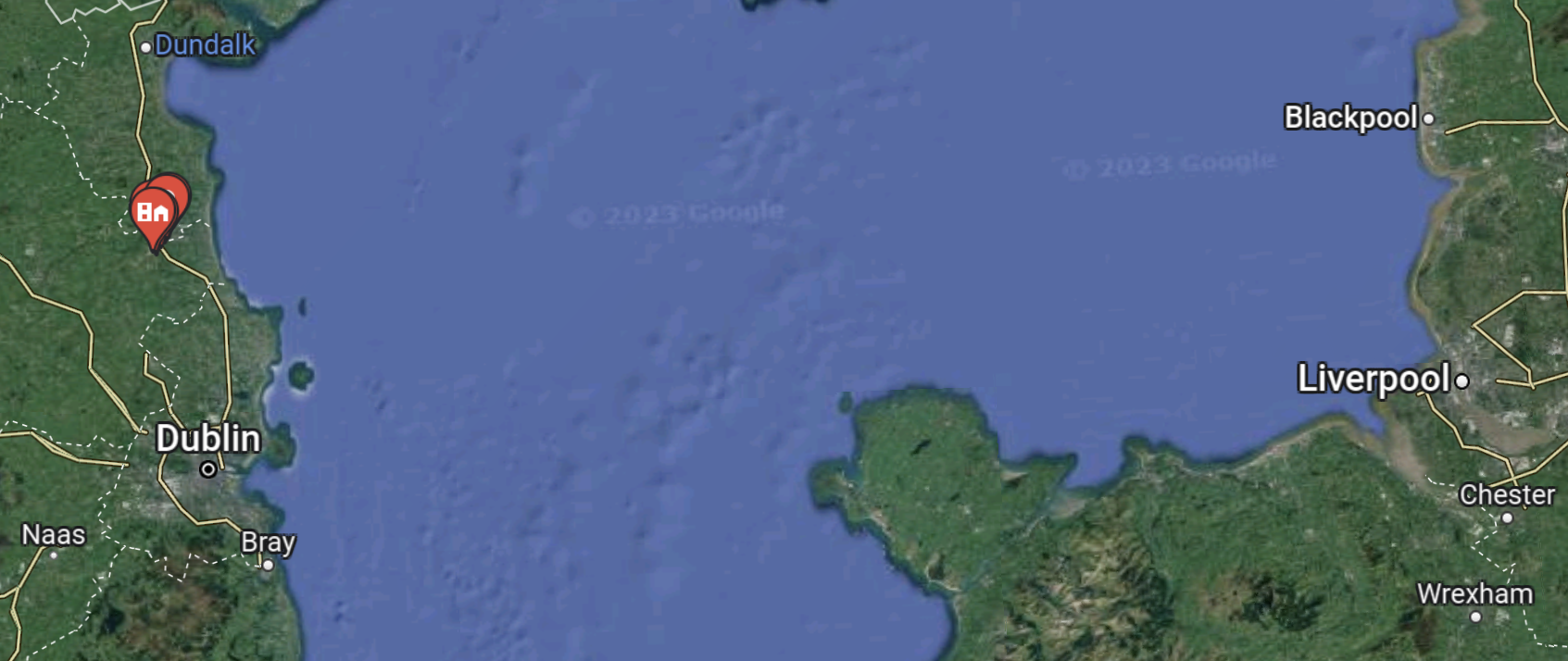
This Google Map shows Dublin and its position relative to the North Wales coast.
Note.
- Platin is marked by the red arrows to the North of Dublin.
- Platin also appears to be the head office and a manufacturing site of Irish Cement, who probably are a large user of energy.
- The sea between Blackpool, Liverpool, Anglesey and the Isle of Man is full of wind turbines.
These wind farms are located in this area of UK waters.
- Barrow – 30 MW
- Burbo Bank – 90 MW
- Burbo Bank Extension – 258 MW
- Gwynt y Môr – 576 MW
- Ormonde – 150 MW
- Rhyl Flats – 90 MW
- Walney – 367 MW
- Walney Extension – 650 MW
- West Of Duddon Sands – 389 MW
- Mona – 1500 MW – Being Planned
- Morecambe – 480 MW – Being Planned
- Morgan – 1500 MW – Being Planned
- Awel y Môr – 500 MW – Being Planned
Note.
- 2600 MW has been commissioned.
- 3980 MW is being planned.
I would not be surprised to see SSE or one of their friends, build a GW-scale wind farm between Anglesey, Dublin and Dundalk.
Is Ireland apparently lagging behind the UK, because the waters near the Irish coast are deeper and would need still-developing floating wind technology?
Conclusion
It looks like the Irish government and SSE are planning a low-carbon electricity system for Ireland.
SSE Thermal Secures 10-year Contracts For Two New Low-Carbon Power Stations In Ireland
The title of this post, is the same as that of this press release from SSE.
These first two paragraphs outline the two projects.
SSE Thermal, as part of SSE plc, has provisionally secured 10-year capacity agreements for its two proposed new-build power stations in Ireland which would run on sustainable biofuel.
The proposed low-carbon units at Tarbert in Co. Kerry and Platin in Co. Meath received the contracts in the T-4 Capacity Auction to commence in the 2026/27 delivery year.
Note.
- Both plants would help to protect security of supply and provide flexible backup to Ireland’s growing renewables sector.
- This Wikipedia entry is entitled Renewable Entry In Ireland and states that by the end of 2021, Ireland had 4.4 GW of onshore wind, with the intention of adding 5 GW of offshore wind, by 2030.
- The proposed units will initially run on Hydrotreated Vegetable Oil (or HVO), which is produced by processing waste oils to create a fossil-free alternative to diesel in accordance with EU sustainability standards.
- It looks like the two new-build HVO-powered station will back up the renewables.
- It is intended that the two new power stations will be in operation in 2026.
The two new power stations will be convertible to hydrogen in the future.
As at Keadby in Lincolnshire, which I wrote about in SSE Thermal Charts Path To Green Hydrogen Future With First-Of-A-Kind Project. it looks like SSE have developed a comprehensive plan to keep the electricity at full power, even when the wind isn’t blowing.
Conclusion
SSE Thermal are showing that in addition to gas, nuclear and pumped storage hydroelectric, renewables can also be backed up by biomass.
Platform Canopies To Be Renovated For Passengers At Lancaster Station
The title of this post is the same as that of this press release from Network Rail.
These are the first two paragraphs.
Station platform canopies are being renovated at Lancaster to improve passenger journeys on the West Coast Main Line.
Network Rail is investing £9.5m to restore and upgrade the station building for the future.
This picture from Network Rail shows an aerial view of the station.
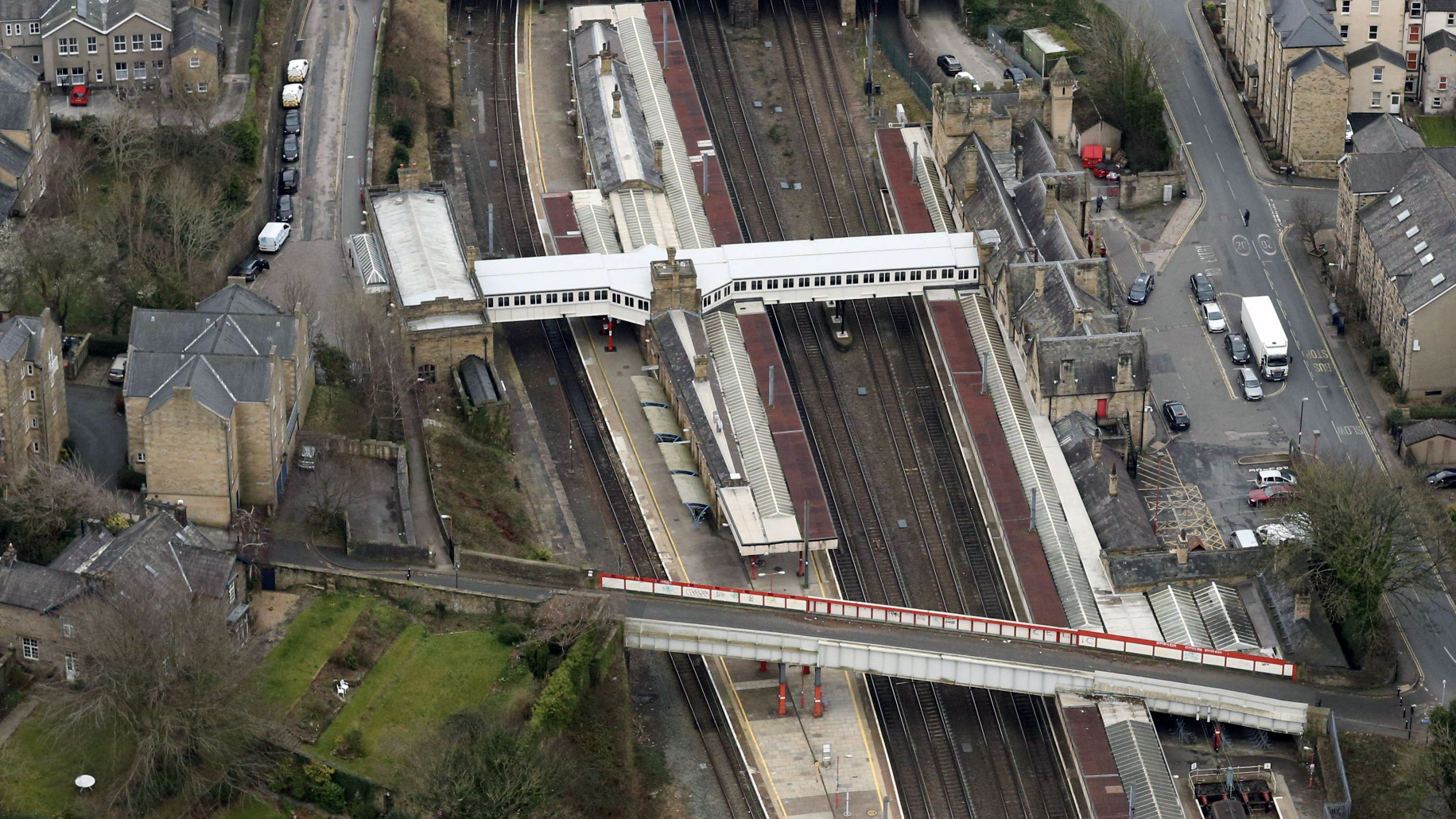
Note that the camera is looking South.
This picture shows the current canopies.
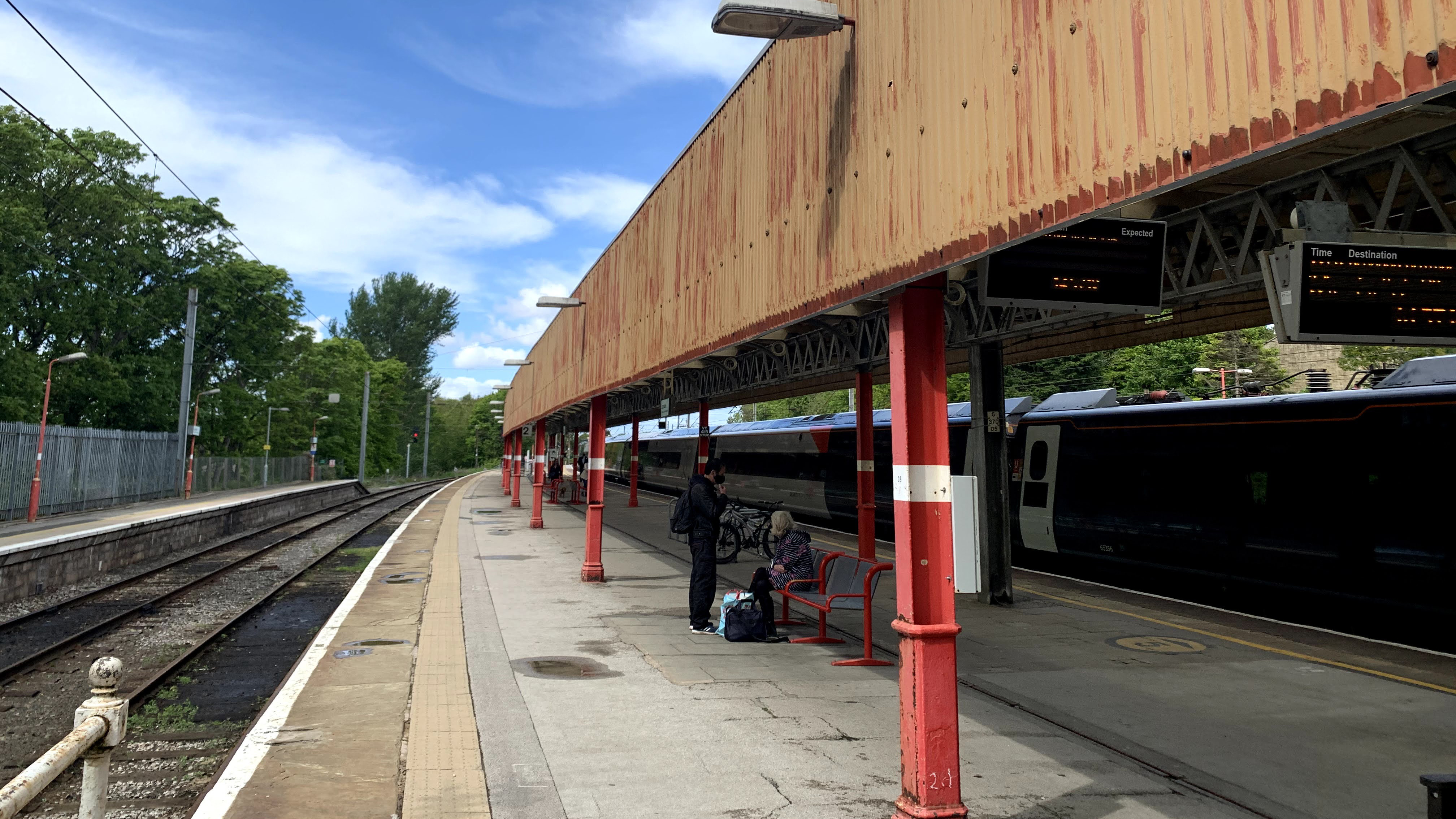
Network Rail can surely do better on a Grade II Listed Building.
The press release lists that this work will be done.
- Replacing all glazing in the platform canopies
- Repairing and strengthening the structure of the canopy structures
- Repainting across the station
The press release says the work won’t affect train services, but will be done when trains aren’t running.
These are my thoughts.
Lancaster Station and High Speed Two
Lancaster station will be a terminus on the High Speed Two Network.
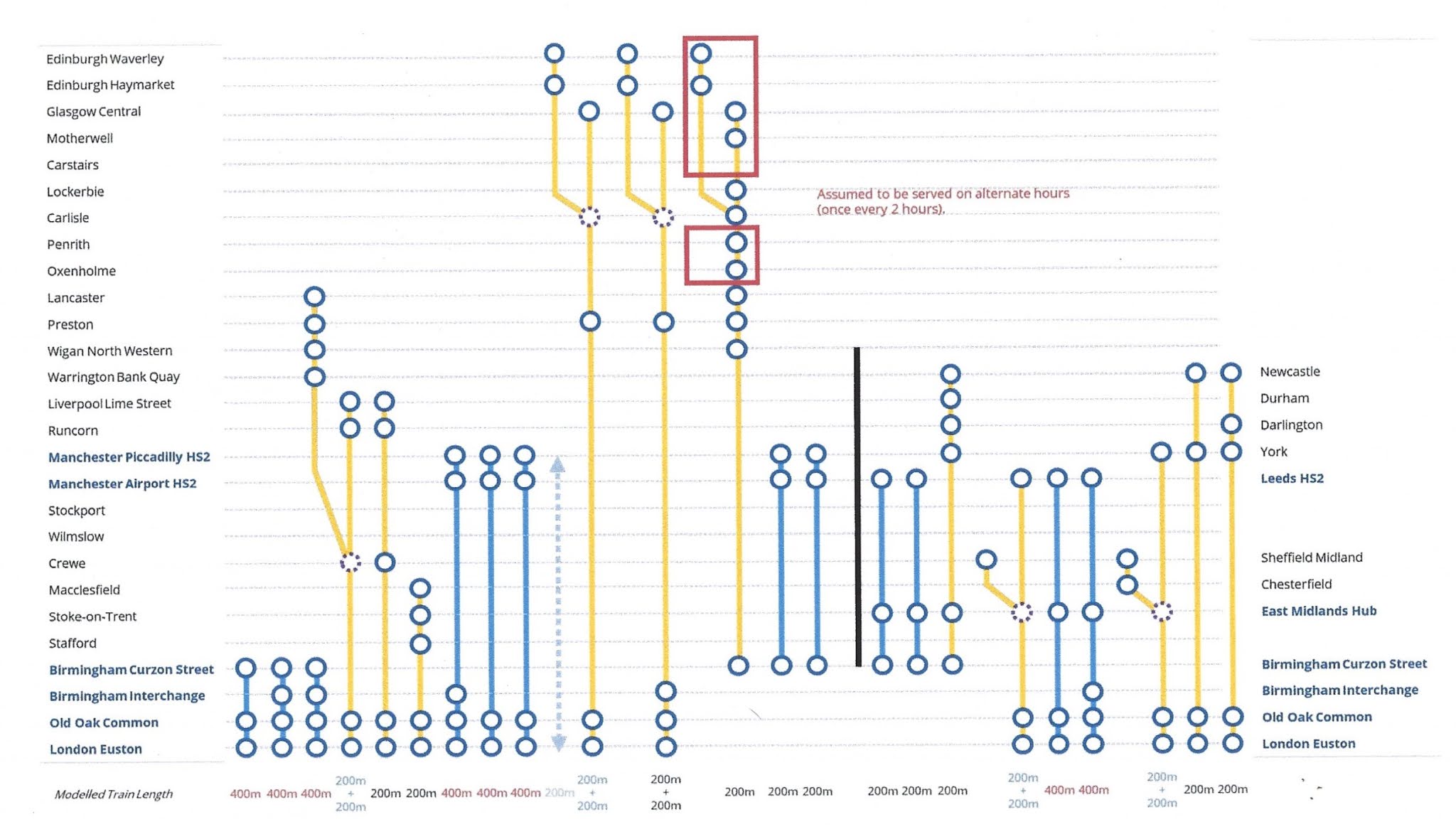
Note.
- Train 4 , which is a pair of 200 metre High Speed Classic Compatible trains, leaves London Euston and splits at Crewe, with one train going to Liverpool Lime Street and the other to Lancaster.
- Train 12, which runs between Birmingham Curzon Street and Scotland, also calls at Lancaster.
Both trains will be single 200 metre High Speed Classic Compatible trains at Lancaster station and platforms 3, 4 and 5 can handle them.
But how will the Lancaster train terminate?
This map from OpenRailwayMap shows the lines through Lancaster station.
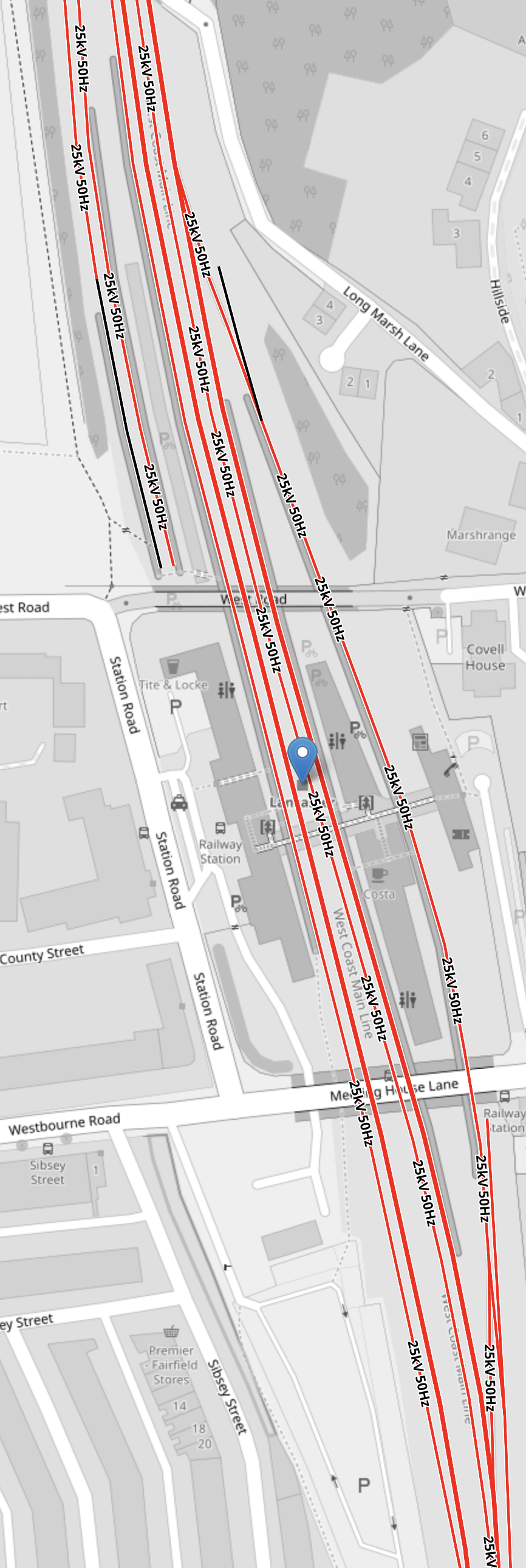
Note.
- The red lines are electrified with 25 KVAC overhead wires.
- In the North-West corner of the station are the bay platforms 1 and 2, which handle Morecambe services.
- West Coast Main Line services between London Euston and Scotland, go through platforms 3 and 4 in the middle of the station.
- On the East side of the station is platform 5 which is on a loop off the West Coast Main Line.
I would expect that the London Euston and Lancaster service will generally terminate in platform 5.
Wikipedia says this about platform 5 and the signalling.
Platform 5, which can be used by both northbound and southbound trains or by terminating services.
All platforms are signalled for arrivals and departures in either direction.
That all sounds very convenient.
There may be some minor changes for the longer High Speed Two trains, but I doubt it would be too challenging.
Onward To Morecambe
The Eden Project North at Morecambe could attract a lot of traffic.
- Lancaster will be just two hours and three minutes from London by High Speed Two.
- There are numerous rail connections from Lancaster to all over the North of England and Scotland.
- Would you drive for two hours to the Eden Project North, if there was a convenient and quicker train?
- Train companies may offer combined tickets for the attraction with rail tickets.
Wikipedia says this about the development and opening of the attraction.
Having been granted planning permission in January 2022 and with £50 million of levelling-up funding granted in January 2023, it is due to open in 2024 and predicted to benefit the North West economy by £200 million per year.
I’ve always wanted to go to the Eden Project in Cornwall, but it’s difficult if you don’t drive.
However, I might manage to get to Eden Project North.
Trains between Morecambe and Lancaster are at least hourly.
- I think they can use any platform at Lancaster.
- Morecambe station has two platforms.
- Morecambe and Lancaster stations are four miles apart, with probably half electrified.
- A battery-electric train could work between Morecambe and Lancaster.
I can envisage two main ways to arrange the connection between Morecambe and Lancaster.
- Trains arrive in Lancaster and passengers for Morecambe catch the next Morecambe train for two stops, that take ten minutes.
- When High Speed Two serves Lancaster from Euston, the shuttle train can wait in the Northern end of Platform 5 and when the High Speed Two train arrives passengers can just walk up the platform to the shuttle.
But if the Eden Project North is as successful as the Cornish original, there is going to be a need for more trains between Morecambe and Lancaster.
This Google Map shows Morecambe station.
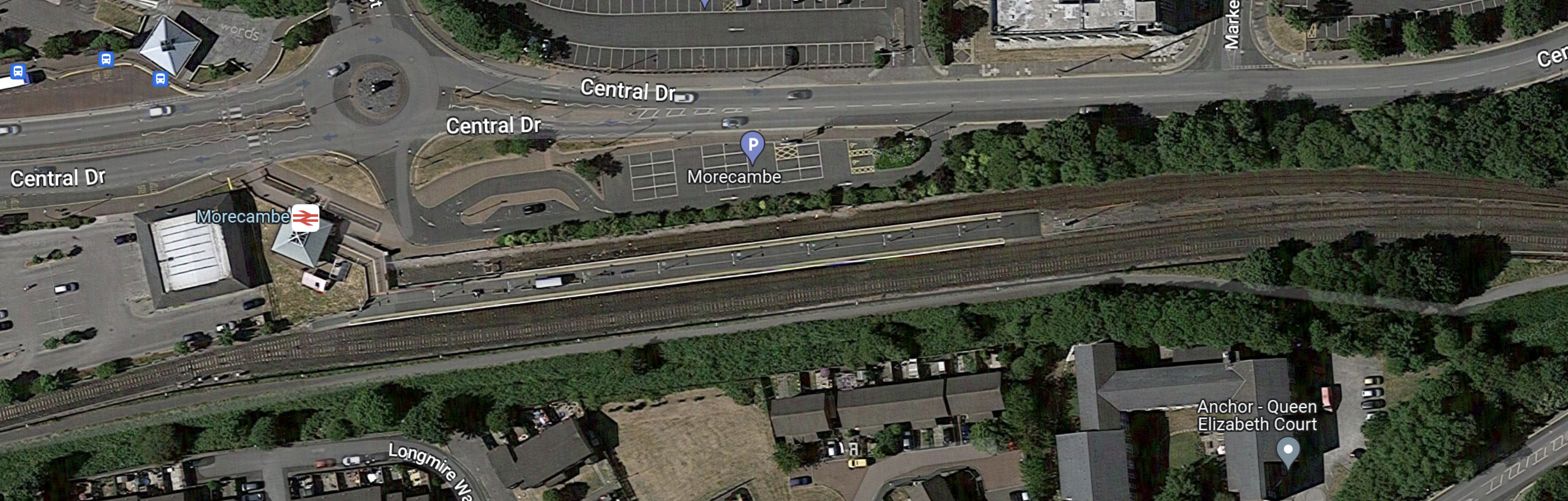
Note that the island platform is probably about 160 metres long.
This would accommodate.
- A five-car Class 802 or Class 805 train.
- A pair of four-car Class 319, Class 321 trains.
- A pair of three-car Class 331 trains.
But why not be bold and lengthen at least one platform to the full two hundred metres, so that it can accommodate a High Speed Classic Compatible train?
This would also accommodate.
- A seven-car Class 807 train.
- A pair of four-car Class 331 trains.
All of these electric trains would need the Morecambe branch line to be electrified to Morecambe station.
But the Eden Project North would get the public transport access it needs.
Electrifying To Morecambe
This map from OpenRailwayMap, shows the Morecambe Branch Line between the West Coast Main Line and Morecambe station.

Note.
- The tracks shown in red on the Eastern side of the map are the West Coast Main Line.
- The black lines are the unelectrified tracks of the Morecambe branch line.
- Morecambe station is marked by the blue arrow.
- Much of the Morecambe branch line is single track, with some sections of double track.
- The distance between the West Coast Main Line and Morecambe station is around 2.1 miles.
I don’t think it would be the most challenging of electrifications.
A Green Route To The Isle Of Man And Ireland
This map from OpenRailwayMap, shows the terminal of the Morecambe Branch Line at Heysham Port.
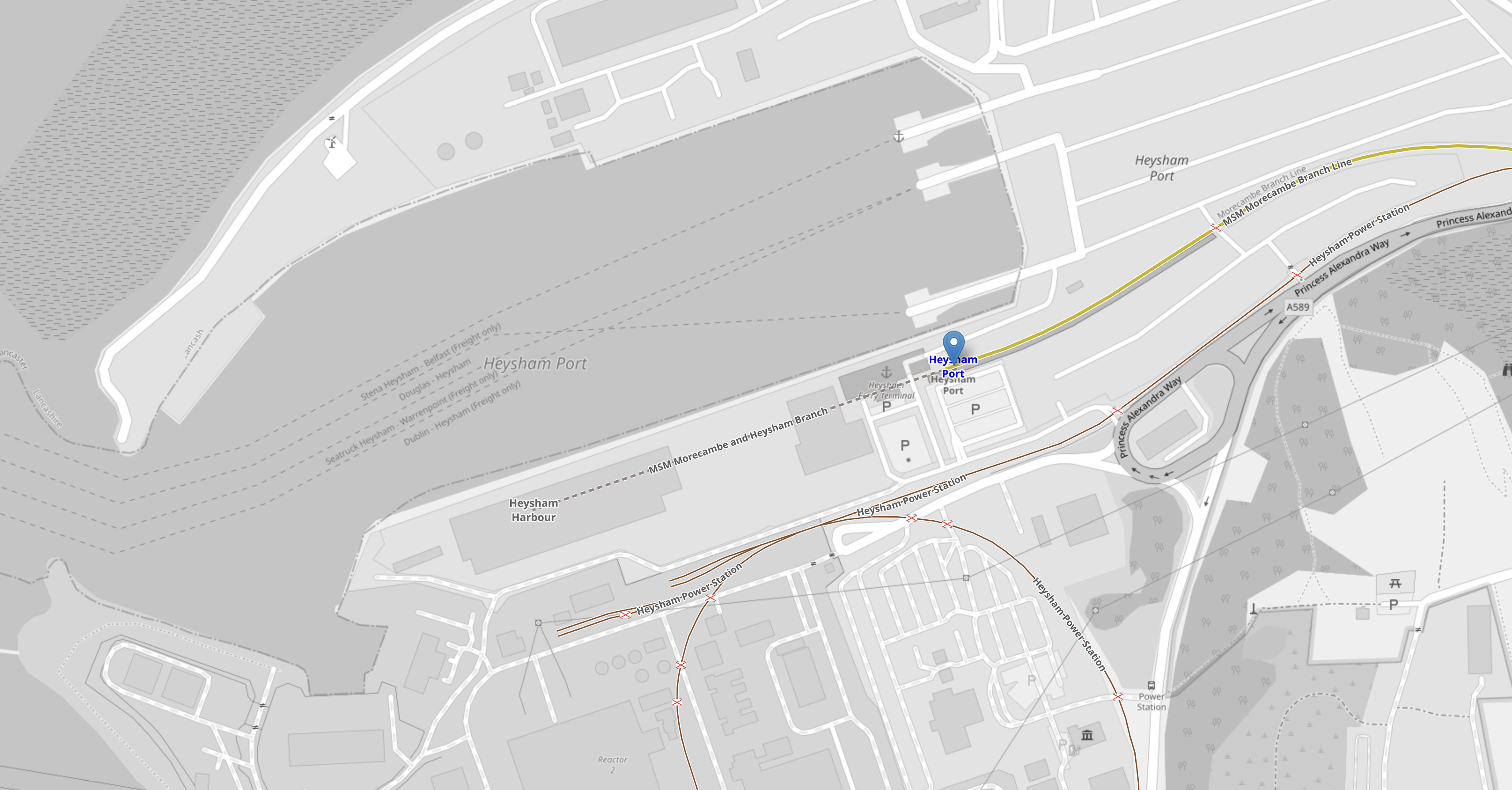
Note.
- There is a rail connection to the West Coast Main Line via Morecambe, which is shown in yellow.
- The port appears to have three berths for ferries.
- There are only a couple of train services per day.
- South of the port is the Heysham nuclear power station, which has a capacity of 2.5 GW.
At a first glance, it would appear, that a rail-served passenger terminal could be built close to the port.
I suspect most passengers using Heysham are travelling with a vehicle.
The problem is also that the ferry crossing to Belfast takes around eight hours and there are faster and more convenient routes.
The ferries could be decarbonised by using ammonia or hydrogen fuel, but I doubt that they would be any faster.
I suspect that getting more passengers to use Heysham for the Isle of Man or Ireland will be a difficult proposition to sell to passengers.
And it is made even more difficult with such an infrequent train service.
Before High Speed Two
Avanti West Coast might like to run a train between Euston and Morecambe for the Eden Project North.
Are National Rail Promoting Theme Parks?
I found this page on the National Rail web site, which is entitled Theme Parks.
It gives a list of most theme parks and their nearest stations.
Does such a page exist for hospitals, cathedrals and other similar groups.
 The Anonymous Widower