Crossrail’s Inclined Lifts
This page on variably, shows the inclined lifts on Crossrail, at Liverpool Street station.
Take a look, as they are impressive. To my built-in video camera with an enormous instant-access store, they look like modern versions of the first inclined lift, I ever saw, which was on the Stockholm Metro.
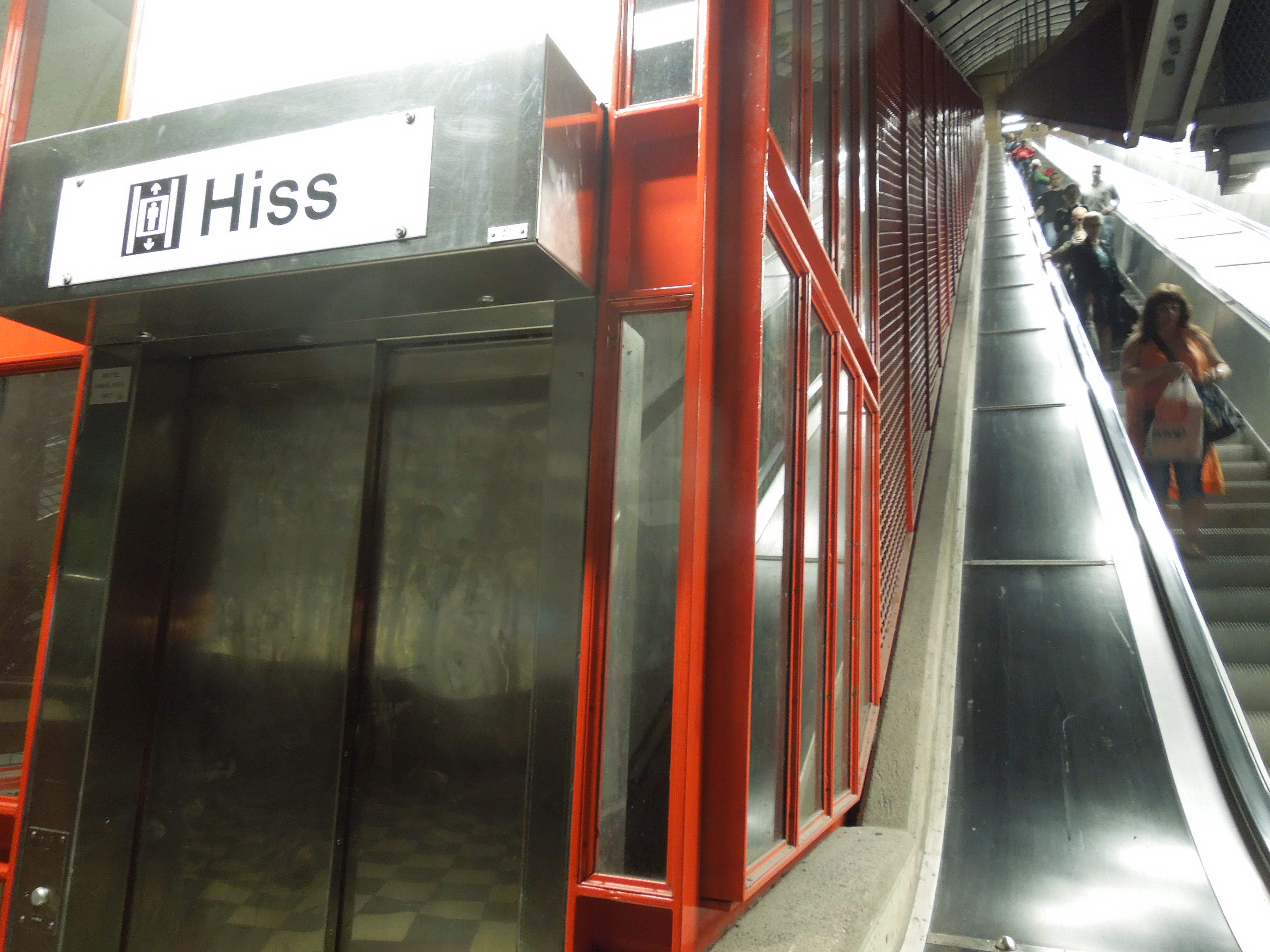
If I remember correctly, the Swedish one was installed on if not an Angel-sized set of escalators, certainly one of a good length.
It looks like it was at Duvbo station.
Enjoy the video.
It’s not this set of escalators at Duvbo, as it is the other way round, but it certainly is very similar.
Are they available in bronze for the Northern reaches of the Piccadilly Line, where I suggested inclined lifts for step-free access in Thoughts On Step-Free Access At Manor House Station.
One could be built in like this short one at Greenford station.
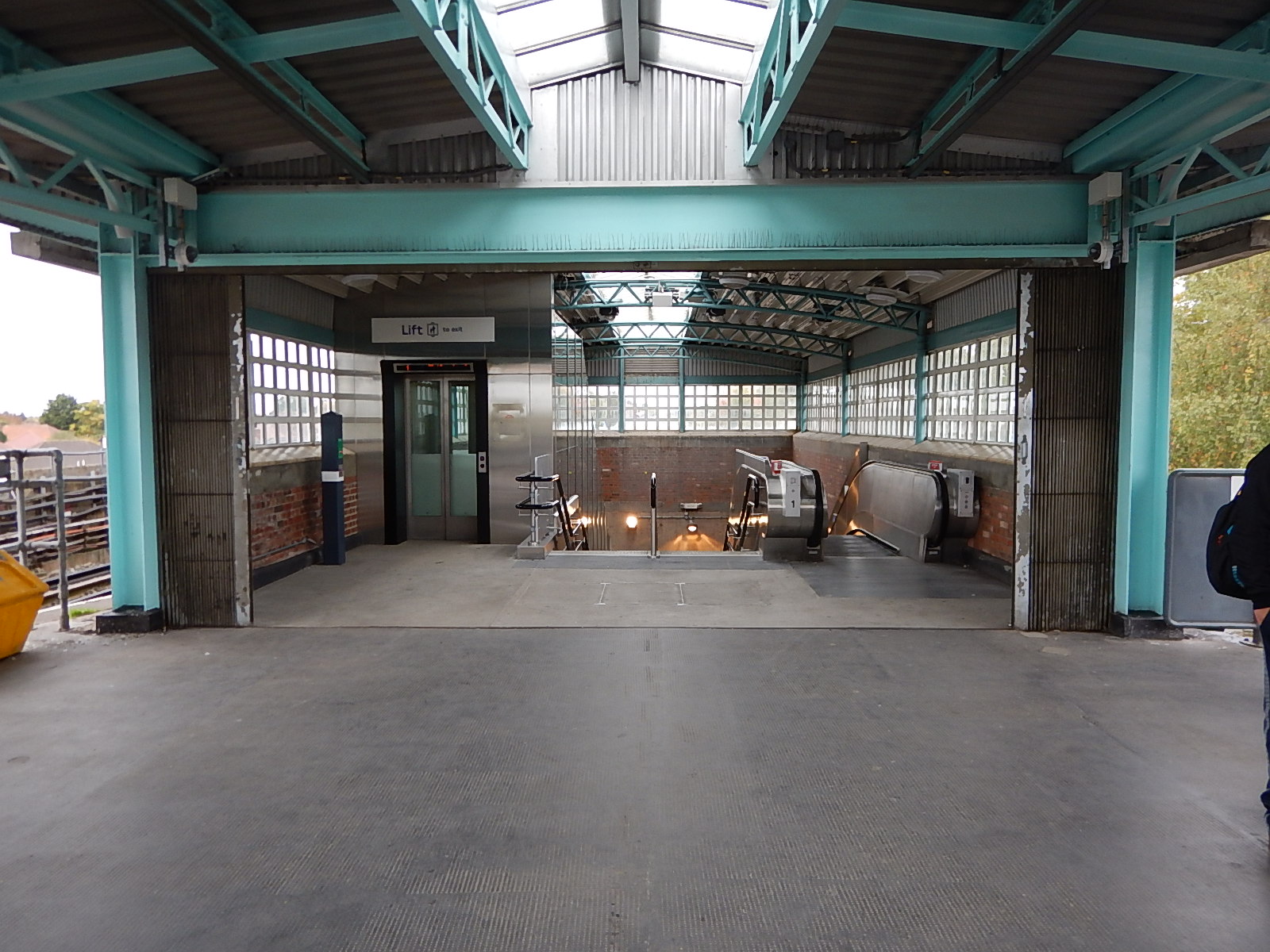
I shall replace this picture with a better one.
Thoughts On Step-Free Access At Manor House Station
I use Manor House station regularly, as I have a bus-stop by my house, that is perhaps fifty metres from my front door, that connects to the station.
- There is also a zebra crossing to get to the other side of the road.
- The 141 bus actually connects me to Manor House, Turnpike Lane and Wood Green stations on the Piccadilly Line.
- This is because it was a replacement for the 641 trolley-bus route that used to run between Winchmore Hill and Moorgate via. Milmay Park.
- I also use the station as a convenient station to go West on the Piccadilly Line.
- As it connects step-free at Finsbury Park station to the Victoria Line, it certainly has its uses.
Click this link to see an excellent photo of a 641 trolley-bus at Manor House station.
The pub in the photo was the Manor House, where I saw such performers as John Mayall and Eric Clapton amongst others.
I took these pictures today
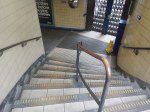
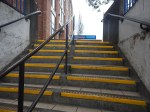
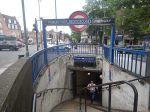

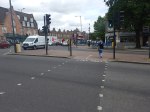
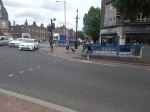
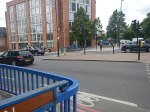
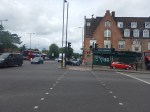
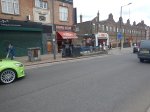
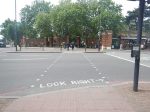
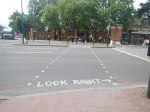
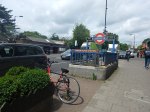
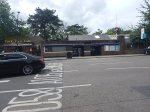
The station has an unusual layout.
-
-
- Two major roads; the Seven Sisters Road (A503) and Green Lanes (A 105) cross at the station.
- The four major roads are all controlled by traffic lights, which also allow pedestrians to cross the major roads safely on the surface.
- There are a couple of staircases at each corner of the junction and these lead down to a maze of passages that connect these entrances to the escalators that lead up and down to the platforms.
- The former Manor House pub and a new Travel Lodge sit opposite each other on the junction.
- The Travel Lodge sits on the South-West corner.
- The North-West corner leads directly into Finsbury Park., which is not a bad place to go for a walk or a jog.
-
The below ground subways in the station are all level.
The staircases between subway and street level are very reminiscent of those at Piccadilly Circus or Leicester Square stations.
The staircases also have some excellent period details.
But then they tend to do things as they should in my part of North London.
This picture was taken after a World Cup Third!
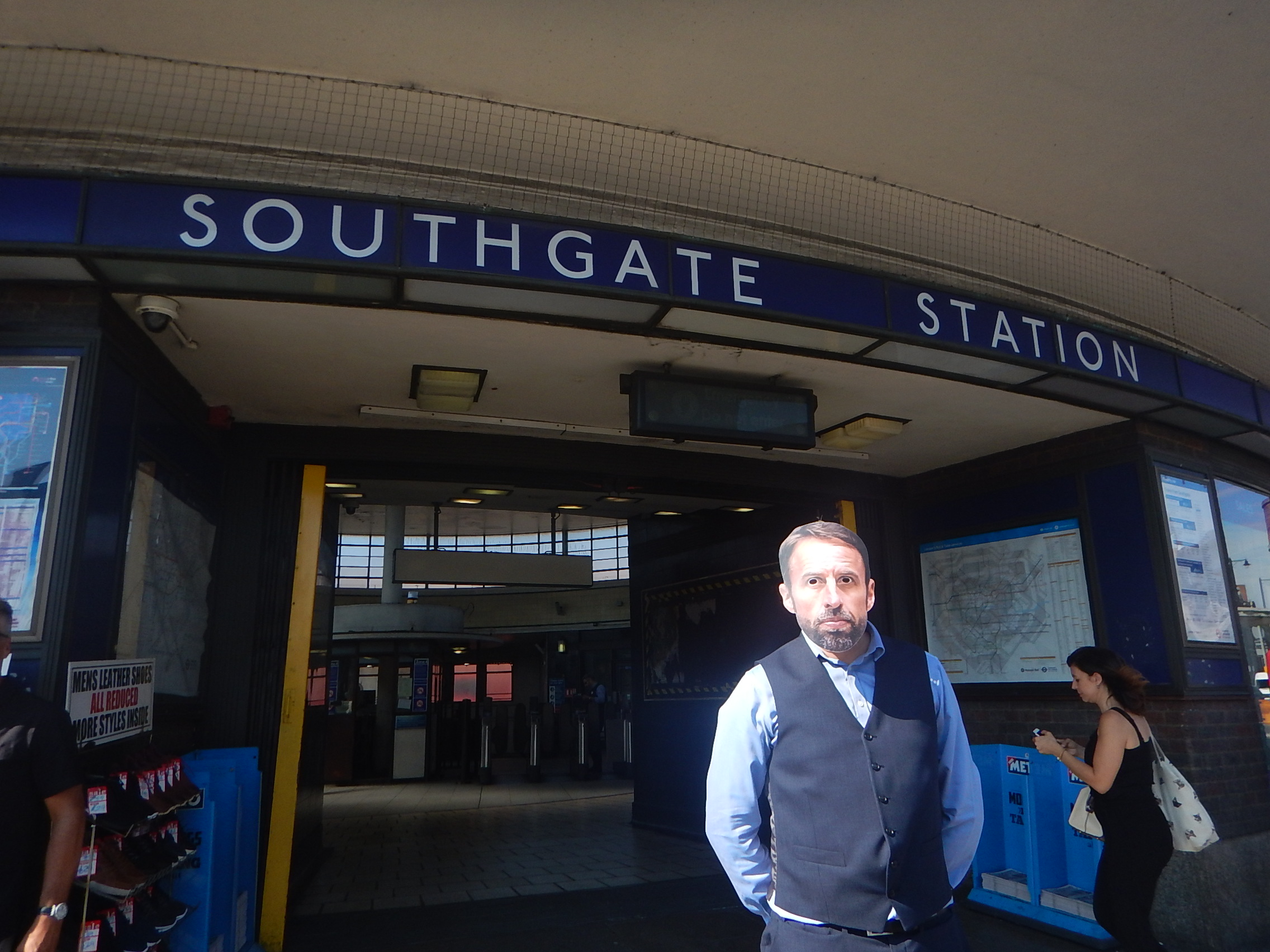
What will happen, if England win the Euros?
Manor House station’s design can best be summed up as two level areas connected by a series of staircases.
- Central London stations with this layout include Bank, Cockfosters, Kings Cross St. Pancras,Leicester Square, Manor House, Piccadilly Circus. Tottenham Court Road and Victoria.
- At least Cockfosters, Kings Cross St. Pancras, Tottenham Court Road and Victoria have lifts between the two levels.
- Bank station will have more lifts than Oti Mabusi in a dance routine, after the rebuild.
- Old Street was similar, but Transport for London (TfL) are rebuilding the station.
Cockfosters has level access at both the surface and the platform level and they have sneaked in a lift in a corner of the station.

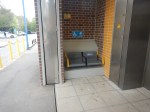
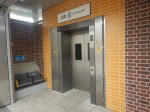

Grandparents in a wheel-chair or Louis or Lilibet in a pushchair can easily be taken easily between train and the car-park.I am certain, that if there are a number of lifts at the four corners of the road junction at Manor House, then access both to the station and across the junction will be substantially eased.
That just leaves us with the problem of getting between subway and platform levels.
This map from cartometro.com shows the platform layout.

Note that as at Turnpike Lane station in this platform layout, there is also a generous space between the platforms.
The two escalators and a set of stairs face North.

Wood Green station is a bit different, as it has a turnback siding
The two escalators and a set of stairs also face South.

When I used to use the Piccadilly Line in the 1960s, it tended to be pain, if a Wood Green train turned up, when you wanted to go to Oakwood or Cockfosters.
Bounds Green station is shown in this map.
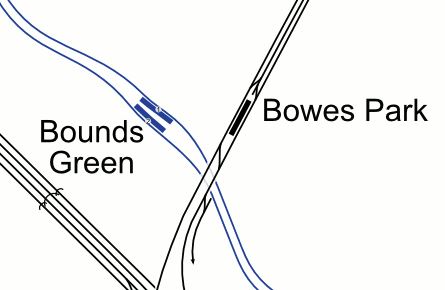
Again the tracks appear to have been curved to allow generous space.
The two escalators and a set of stairs face North.
Arnos Grove station is a station with sidings and four platforms on the surface.
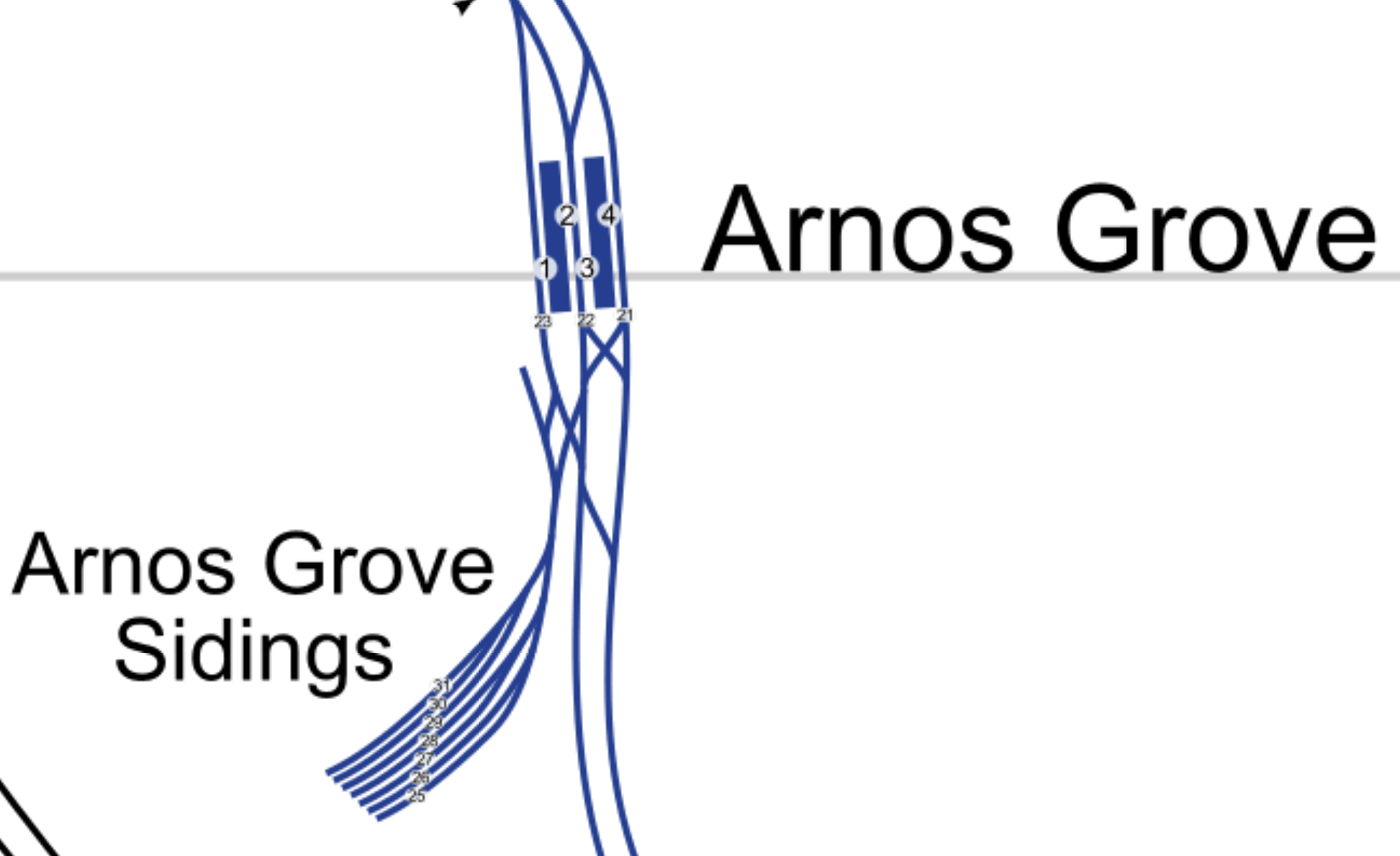
The car parks are likely to be developed for housing, so there will be major changes at the station.
Southgate station is the last station, that doesn’t have step-free access.
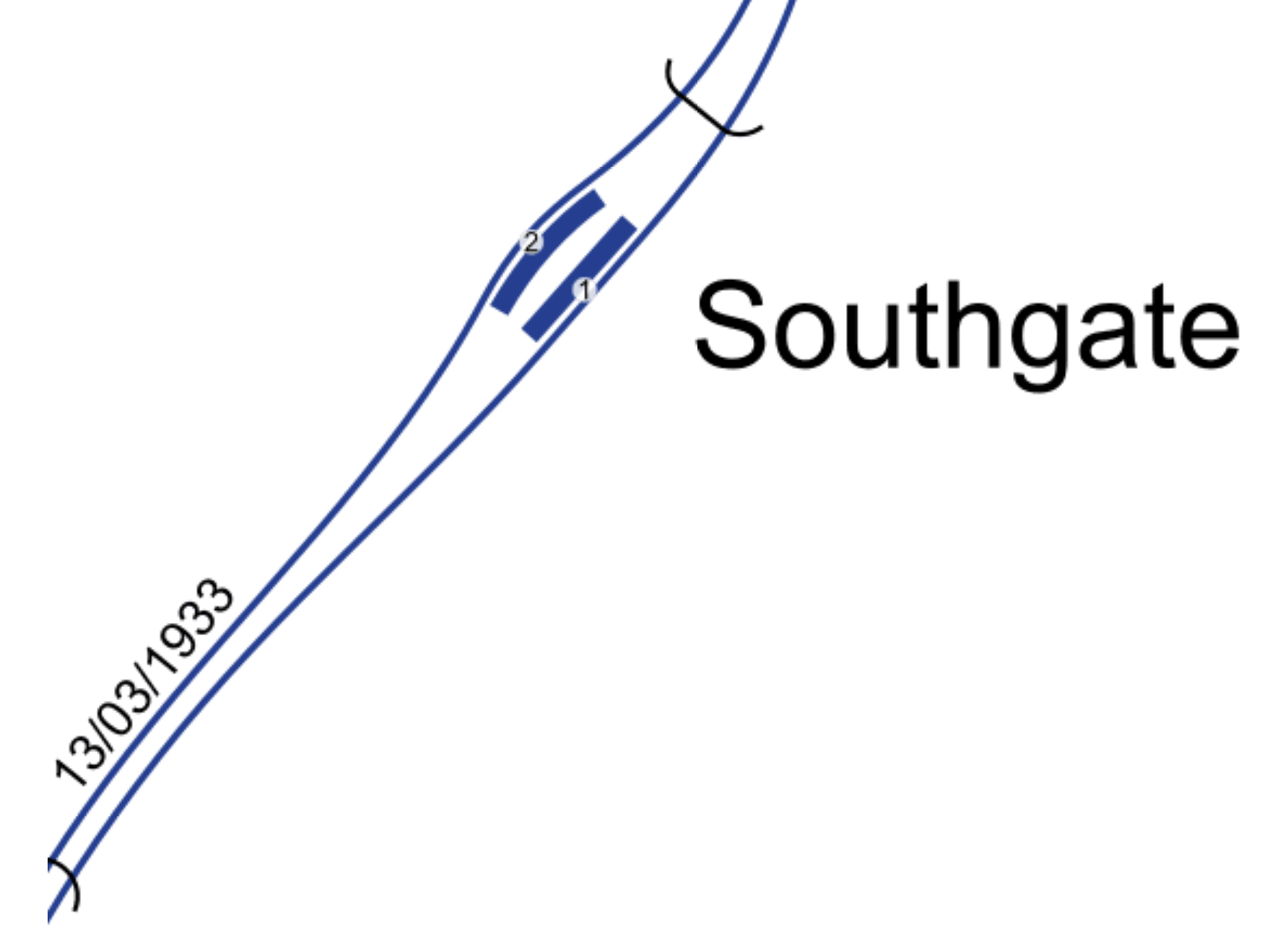
But again there is some space between the tracks.
The two escalators and a set of stairs face North.
So did the designers of the Northern Extension of the Piccadilly Line leave space to put in more equipment or even lifts?
After all they didn’t stint themselves on the design of the stations.
Designing Step-Free Access
This is not easy and various considerations must be taken into account.
Revenue Protection
At Cockfosters station, the new lift goes between two areas that are outside the ticket barriers.
If as I have proposed at Manor House station, where there would be lifts between the surface and the subway level, both areas are outside the ticket barriers.
At Tottenham Hale station, there several lifts all of which are inside the ticket barrier.
Staff At The Barrier
Nearly all ticket barriers in London are watched by staff to sort out problems like passengers, who don’t know how to use the system.
Costs
It is unlikely, that large sums of money will be available to add step-free access to all stations on the Underground.
I also think, that step-free access at stations will be funded by developments close to stations.
A London-Wide Solution
It is for these and other reasons, that I think London needs to look in detail at all stations and see if a series of solutions can be developed for all stations.
In this section of the Piccadilly Line, there are five stations with three escalators or two escalators and a staircase.
But there are others on the other deep tube lines.
So should a standard solution be developed for all stations like this? And for all groups of similar stations.
Could An Inclined Lift Be Used At This Group Of Stations?
This picture shows the first inclined lift, I ever saw, which was on the Stockholm Metro.
Looking at the picture shows it was installed on a very long set of escalators.
At present, there is only one inclined lift on the London Underground and that one is at Greenford station.
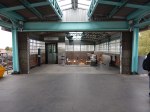

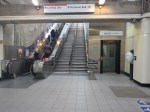
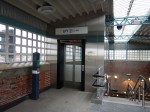
It is a very neat and compact installation, that incorporates a double-staircase, an up escalator and an inclined lift in a confined space.
I think we’ll see similar solutions to Greenford employed in some stations on the Underground. In Is This A Simple And Affordable Solution To Providing Step-Free Access At Essex Road Station?, I outline how an inclined lift could be used at Essex Road station.
These pictures show the three escalators at Manor House station.
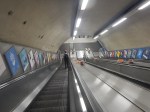
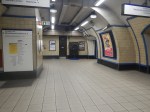
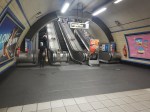
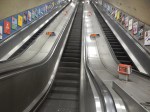
Note.
- The middle escalator was switched off.
- There is a spacious lobby at the bottom of the escalators.
The other four below-ground stations North of Finsbury Park; Turnpike Lane, Wood Green, Bounds Green and Southgate all have two escalators and a central staircase
These pictures show Bounds Green station.
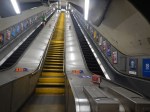
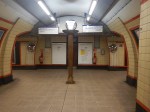
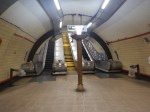
Note that the stairs are in the middle.
It looks to me, that all five escalator systems to the North of Finsbury Park are more or less identical.
- Only Manor House has a third escalator.
- There is a large lobby at the bottom.
- All stairs are in the middle escalator slot.
- Are the stairs designed to be replaced with a third escalator?
So would it be possible to design an inclined escalator solution for all stations, that fitted all of the stations?
I think it might be very much a possibility.
- The central staircase would be replaced by a third escalator.
- One of the outside escalators would be replaced with an inclined lift.
Note
- Many of these escalators were probably installed in the early 1990s, a few years after the Kings Cross Fire.
- Escalators are replaced regularly every ten or twenty years.
So could the installation of the inclined lifts, be worked into the schedule of escalator maintenance and replacement?
I believe with good project management it could be arranged.
- At no time during the works would any station have less than two escalators.
- If there were to be an escalator failure, all of the stations are connected by frequent buses and some are even within walking distance.
The works could also be arranged to fit in with available cash-flow.
I believe that eventually all these stations will need to be provided with full step-free access.
Conclusion
I believe that a sensible program of works can be developed to make all deep-level stations North of Finsbury Park step-free on the Piccadilly Line.
- The deep-level platforms would be served by two escalators and an inclined lift.
- The works would be performed alongside the regular maintenance and replacement of the current escalators.
- There would be no substantial tunneling.
- The works could also be arranged to fit in with available cash-flow.
The technique would be applicable to other stations on the Underground network.
Turnpike Lane Station
In Is Turnpike Lane Tube Station Going Step-Free?, I tried to explain the puzzling works going on at Turnpike Lane station.
Could those works be digging a lift-shaft or something in a more engineering line, like installing more ventilation or new power cables?
There’s certainly no clues on the Internet.
This table shows step-free status and 2019 passenger numbers at the Piccadilly Line stations to the North of Kings Cross St. Pancras station.
- Cockfosters – Step-Free – 1.86 million
- Oakwood – Step-free – 2.78 million
- Southgate – 5.43 million
- Arnos Grove – 4.44 million
- Bounds Green – 5.99 million
- Wood Green – 12.13 million
- Turnpike Lane – 10.6 million
- Manor House – 8.55 million
- Finsbury Park – Step-free – 33.40 million
- Arsenal – 2.77 million
- Holloway Road – 6.69 million
- Caledonian Road – Step-free – 5.60 million
- Kings Cross St. Pancras – Step-free – 88.27 million
Note.
- The high passenger numbers at Finsbury Park and Kings Cross St. Pancras, where there is interchange with lots of other services.
- The long gap of step-free access between Oakwood and Finsbury Park.
- Arnos Grove could be an easier station to make step-free.
I just wonder, if a lift at Turnpike Lane station could be the interim solution, until inclined lifts are installed in the distant future.
Is Turnpike Lane Tube Station Going Step-Free?
I took these pictures as I passed through Turnpike Lane station today.
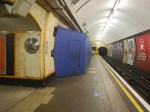

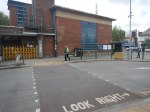
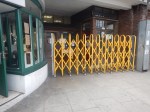
Note.
- The blue hoardings are at the London end of the Northbound platform.
- There are no other blue hoardings at platform level.
- The yellow gates are on the bus station side of the station.
- A lift on the surface behind the yellow gates would be convenient for the buses and just round the corner from a light-controlled crossing of the busy Green Lanes.
- I couldn’t find any other evidence of work.
This Google Map shows the station.

Note.
- The station block in the North-West corner of the map.
- Green Lanes runs North-South to the West of the station.
- There is a bus on Green Lanes by the station.
- The spine of the bus station to the East of the station.
- The pedestrian crossing between the Underground station and the bus station at the Northern end of the spine.
- The wide pavements to give access to the light-controlled crossing over Green Lanes and the bus stops on the road.
This second map from carto metro, shows the track layout through the station.
Note that the escalators to the platforms are to the North of the platforms and connect to a lobby between middle of the two platforms,
Could this mean that using traditional tunneling on the London-end of Platform 2 allows access to what appears to be a generous space between the two platforms and their associated tracks?
It looks to my untrained eye, that a lift shaft could be dug in this area.
But there is no reference to step-free access at Turnpike Lane station anywhere on the internet.
Conclusion
This could be a simple scheme to add step-free access to another of the stations on the Northern section of the Piccadilly Line.
- At present, Cockfosters, Oakwood, Finsbury Park and Caledonian Road stations are already step-free.
- Southgate station could be difficult, but it does have bus connections to some of the stations with step-free access.
- Arnos Grove station is a surface station, where there will be a major housing development on the car park. So I would expect, that this could be one of the next to be planned for step-free access.
- The track and escalator layout might make Wood Green station difficult to make step-free. But it does have lots of buses to Turnpike Lane station.
- I’ve never used Bounds Green station, but it does appear that a Turnpike Lane solution might be possible.
- Manor House station has so many exits, that full step-free access could be expensive. But if it were to be decided that it should be step-free, I feel there could be an innovative solution.
It should be noted that all these stations, with the exception of Manor House are Grade II or Grade II* Listed.
As all road crossings at Manor House are controlled by lights, perhaps the solution at the station, is to replace one or more of the many exits with a lift.
Ealing Broadway Station – 31st May 2021
This article on Rail Technology Magazine, which is entitled Transport for London Completes Step-Free Access At Ealing Broadway, alerted me that the station might be worth a look.
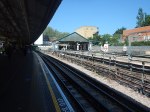

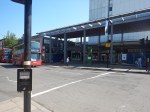
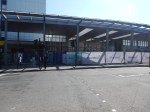

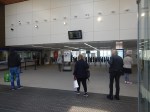

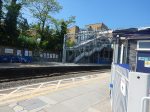
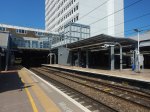
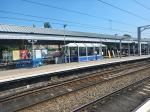
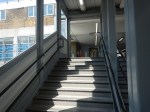

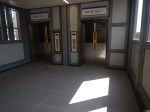
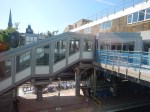
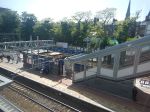
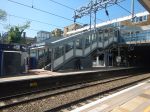
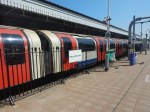
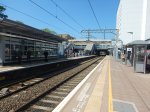
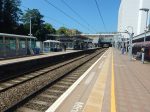
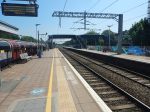
I took these pictures this morning.
This map from cartometro.com shows the station layout.
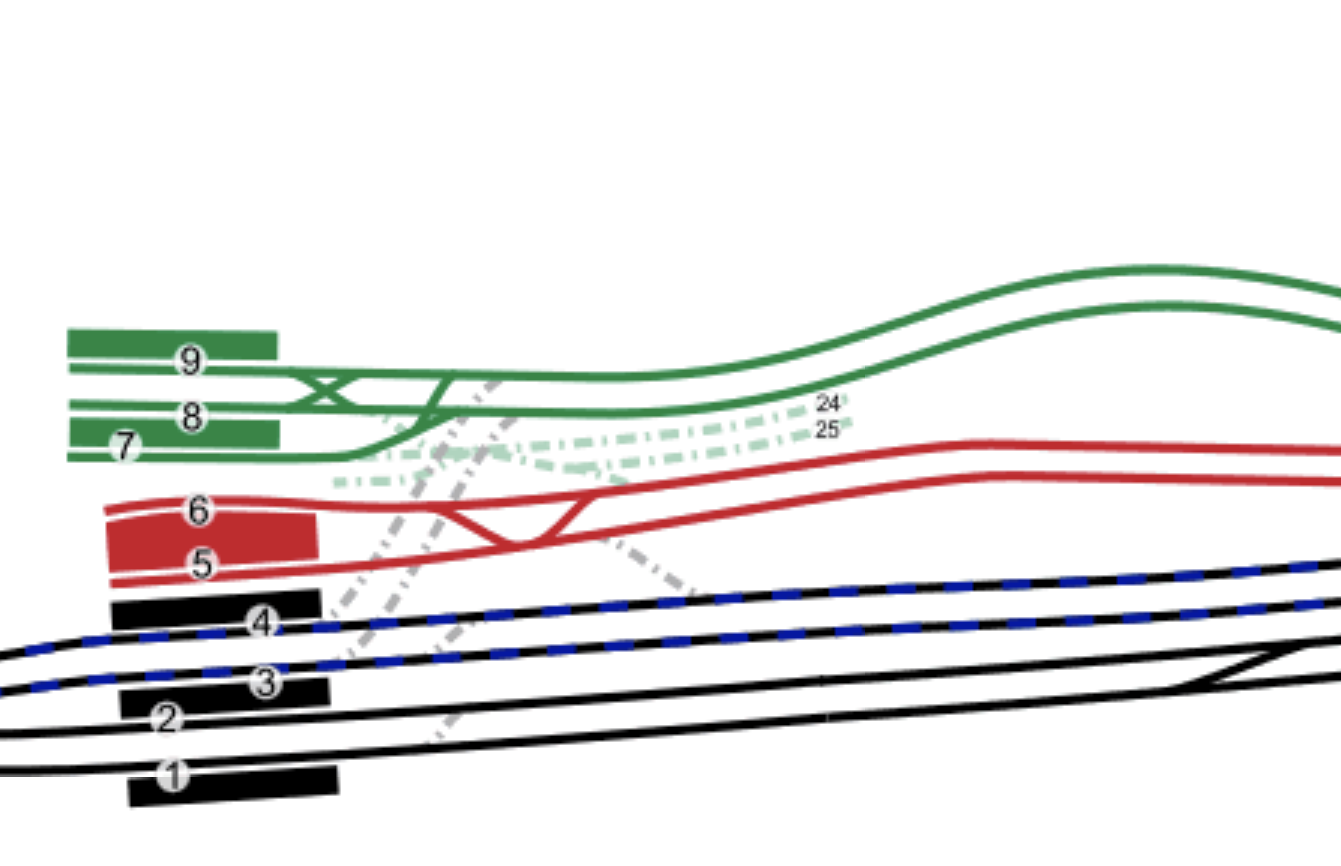
Note.
- The black lines in Platforms 1 and 2 are the Great Western Railway main line platforms.
- The black/blue lines in Platforms 3 and 4 are the Great Western Railway slow line platforms, which are also used by Crossrail.
- The red tracks in Platforms 5 and 6 are the Central Line platforms.
- The green tracks in Platforms 7, 8 and 9 are the District Line platforms.
These are my thoughts.
Step-Free Access
Consider.
- Access between platforms 4, 5, 6, 7, 8 and 9 is on the level, as it has been for years.
- There are a pair of lifts to access these six platforms from street level.
- There are also two other lifts to Platform 1 and Platform 2/3.
- There are three typical Network Rail stairs to the platforms, with double-handrails, which at 73, I can still manage.
I’ve certainly seen much worse stations with supposedly step-free access.
I also wonder if another lift will be added to directly serve the District Line platforms.
It could be one of those additions, that has been catered for, so it can be added if necessary.
Crossrail And Routes Into And Out Of London
Crossrail will change commuting and leisure routes, into and out of London.
- Crossrail serves the West End, the North of the City and Canary Wharf directly.
- Crossrail has good connections to the Central, Circle, District and Jubilee Lines.
- Crossrail has a direct connection to Thameslink.
- All Crossrail interchanges will be step-free.
After it has been opened for a few months, I can see that direct connections and ducking and diving will have seriously changed London’s well-established commuting and travel patterns.
Using Ealing Broadway Station As An Interchange
It will certainly be easier with all the new step-free access, but I suspect some passengers, who previously changed at Ealing Broadway station, will go straight through on Crossrail.
In Will Crossrail Open To Reading in 2019?, I said that Ealing Broadway station will get the following total number of Crossrail trains.
- 12 tph in the Peak
- 10 tph in the Off-Peak
Note.
- tph is trains per hour.
- Six tph would go between London Paddington and Heathrow.
- Two tph would go between London Paddington and Reading.
It will be interesting to see what Crossrail timetable is delivered.
The Overall Design
It is a fairly conservative design, that follows the principles of good step-free access.
Interchange is level and good between Crossrail and the tube lines.
There are still a few details to be finished and I suspect it will be a well-thought of station.
A Few Questions
These are a few questions.
Will The Station Be A Gateway To Heathrow?
I suspect it could be, as the station is well-connected by bus and tube to large numbers of places.
Conclusion
Ealing Broadway will be a busy interchange and I’m sure, it’s been designed to handle a lot of passengers.
Marsh Barton Station – A Ride-To-Work Station
According to this article on pbctoday, work has started at the new Marsh Barton station in Exeter.
This first paragraph from the article makes it clear.
Graham has commenced works on the construction of the new £16m Marsh Barton railway station in Exeter.
This Google Map shows the location.
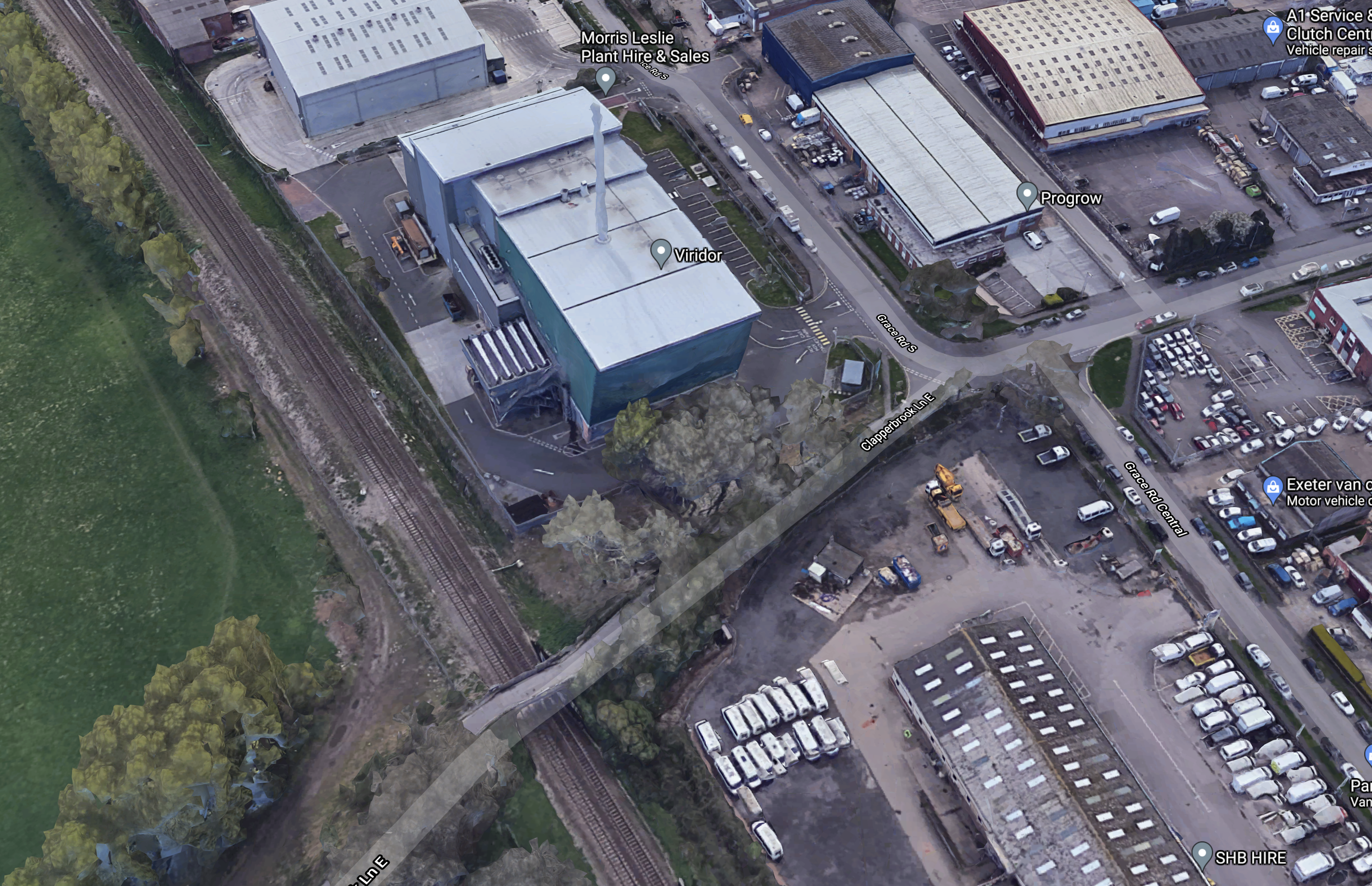
Note.
- The Riviera Line between Paignton and Exeter towards the Western side of the map.
- Clapperbrook Lane running to the South-West corner of the map over the railway.
- The large blue-clad building with the chimney, is the Viridor energy-from-waste plant.
- Marsh Barton itself is a large trading estate to the North-East of the railway.
The station will be built where Clapperbrook Lane crosses the railway,
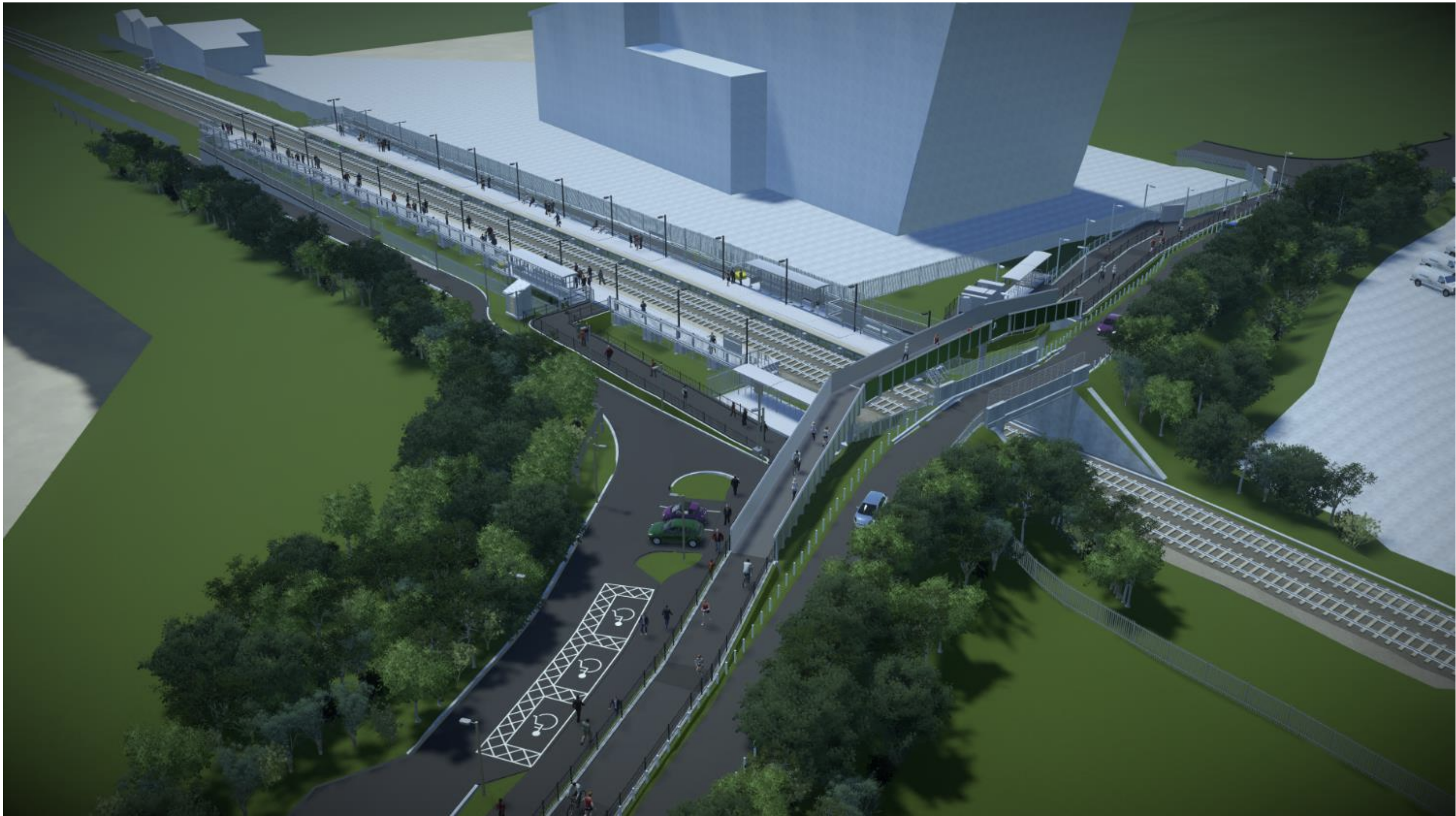
This document of the Devon County Council (DCC) web site gives more details about the station.
This image from the DCC document shows how the completed station will look.
These are my thoughts.
Crossing The Tracks
A cycle and foot bridge will be built parallel to the current Clapperbrook Lane East Bridge over the railway.
The DCC document says this about the bridge.
The key changes from the previous proposal relates to the ramps and access
between the two platforms. The previous design included ramps running parallel to
the railway, with long ramps and imposing structures due to Network Rail
requirements for their asset. The redesign now includes the ramps and a new bridge
constructed parallel to Clapperbrook Lane. This will instead be a Devon County
Council-owned asset and allows Devon County Council standards to be applied for
their pedestrian bridges. This is more in line with preferences expressed by disability
groups who supported shorter length but slightly steeper gradient with resting
platforms.
It looks to me that the final design will be much more aesthetically-pleasing than some of the structure Network Rail have erected lately.
These pictures show Network Rail’s traditional approach at Horden station.

I feel the Devonian approach could be better, when I see it.
From the Google Map 3D image of the station, it looks like the bridge could be already under construction, so I don’t think, I’ll have long to wait.
The Platforms
The DCC document says that there will be two 124 metre long platforms, which will take six-car local trains.
- 3 x 2-car Class 150 trains will be 120.2 metres long
- 3 x 2-car Class 156 trains will be 138.2 metres long
- 2 x 3-car Class 165 trains will be 137.1 metres long
- 1 x 5-car Class 800 train is 130 metres long
It strikes me that although 124 metres can accommodate a formation of three Class 150 trains, it might be too short in the future.
Especially, as trains likely to be available in battery-electric versions, which will surely be used to decarbonise the Riviera Line in the future, all have cars of 23 metres or longer.
Both platforms appear to have just a single waiting shelter.
Cycle Parking
There are twenty parking spaces for cycles on each side of the line.
The DCC document says this about local housing and cycling.
The station will be within reasonable cycling distance of the 2,500 dwelling South
West Exeter strategic allocation and Alphington village and so forms an important
part of mitigating traffic impacts on routes on the western side of the city.
Is there enough provision for the secure storage of cycles?
Disabled Parking
There are just three parking spaces for disabled passengers.
Car Parking
There are no generally-available car parking spaces.
The DCC document says this about car parking.
The scheme will also support aims for low-car development aspirations as part of the
emerging Liveable Exeter housing plans, which includes proposals for strategic
levels of housing in the Marsh Barton area, all within easy walking distance of the
station.
But will the station persuade local residents to forgo driving into Exeter and use the train?
Who Will Use The Station?
The DCC document talks of Marsh Barton station being a destination station for those who work in the area.
It also says this about leisure use.
In addition, the existing Clapperbrook Lane adjacent to the station provides an important link into the Riverside Valley multi-use trail network for leisure trips as well as commuter journeys to RD&E and County Hall, within a short walk/cycle distance of the station. Being located adjacent to a high quality, attractive cycle network offers huge potential to improve integration between rail and cycling.
Currently the lane is very popular with over 400 cyclists per day recorded crossing the rail bridge; however, it is narrow with poor visibility and although lightly trafficked is not suitable for all young families, people with disabilities or people less confident on bicycles.
I have a feeling that the station will need some extra facilities to attract more passengers. Ideas like a drop-off and pick-up facility, a warm place to wait and perhaps a local shuttle bus come to mind.
But as I said in the title it is very much a Ride-To-Work station.
Conclusion
The station has an interesting feature in the bridge over the railway, which gives full step-free access.
But I do feel that some of the details of the station will need some extra thought.
From other pages on the web, it appears the station is being constructed under a Design and Build contract with experienced station builder; Graham Construction. So hopefully, the details will be properly sorted.
The proof of the quality of the design will be in the usage figures.
Headbolt Lane Station Fly-Through
I had to show this Merseytravel YouTube video, as I feel the new Headbolt Lane station uses some interesting ideas.
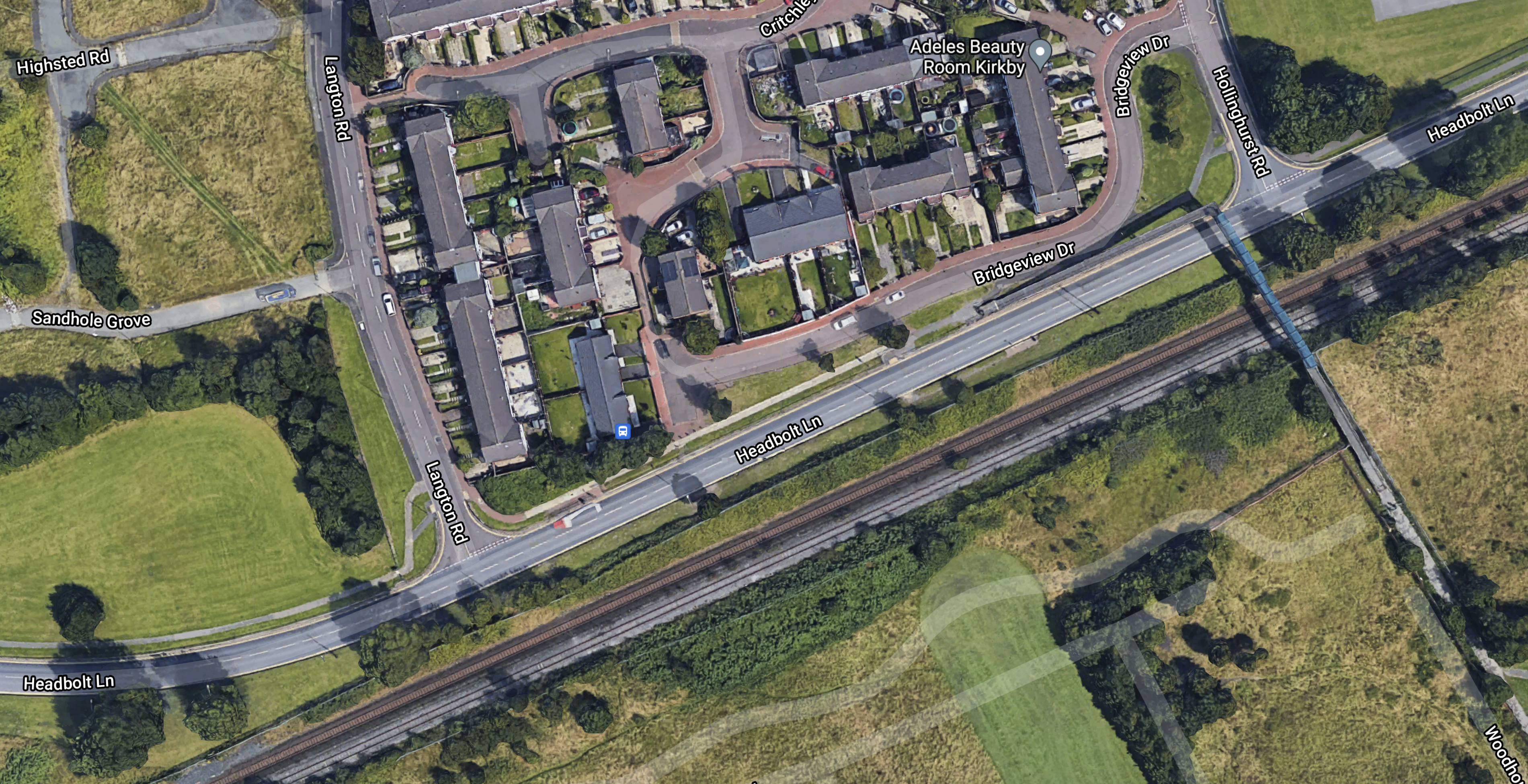
This Google Map shows Headbolt Lane and the railway.
Note.
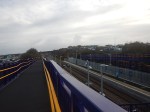
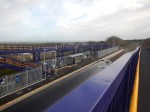
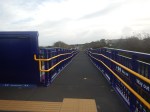
- The footbridge over the railway. I took the pictures from and around this bridge in Merseyrail To Skelmersdale – Headbolt Lane Station.
- The footbridge can’t be seen in the YouTube video.
Liverpool is to the West and Wigan is to the East.
These are my thoughts.
Is The Station North Or South Of The Railway?
As it is called Headbolt Lane, the station must have good access from that road, otherwise travellers will get rather confused.
So until proven otherwise, I will assume that the station must be to the North of the railway.
Which Way Is Liverpool In the Video?
If the station is North of the railway, then in the first part of the video, the visualisation approaches the station from the North and Liverpool is to the right and Wigan is to the left.
If that is right, then the yellow bus always points towards Liverpool.
How Many Platforms?
Wikipedia says that Headbolt Lane station will have three platforms.
From the video there will be two platforms for trains to and from Liverpool, although the current layout at Kirkby station makes do with just one platform.
There would also appear to be a single platform for trains to and from Wigan, Bolton and Manchester.
But there is a second Eastern track shown in the video, which possibly indicates provision has been made for a second platform for services in that direction.
Wot No Bridge?
It would appear that there is no bridge over or subway under the railway.
But it does appear that the platform layout shown allows passengers to walk between the ends of the tracks on the level to the platform or platforms on the side of the station away from the station building.
Will There Be A Second Entrance To The Station On The Other Side Of The Tracks?
The layout would allow this and it could be useful for those passengers living or working on that side of the railway.
Is The Platform Layout Unique?
I have travelled widely looked at railway stations all over the world.
But I can’t remember seeing a layout like this.
The layout does have advantages.
- An expensive bridge with lifts will not be needed.
- There is nothing mechanical or electrical to go wrong.
- Extra platforms can be added if required.
- It can also be used as a simple step-free way to cross the railway.
I suspect that the layout could be used in other places.
Train Frequencies To Liverpool
The current service between Kirkby station and Liverpool is four trains per hour (tph), which is handled on a single platform.
One platform at Headbolt Lane would surely be sufficient, but a second platform must surely allow extra services and provide more resilience in case of train failure.
Train Frequencies To Wigan, Bolton And Manchester
The current service between Kirkby station and Manchester is one tph, which is handled on a single platform.
One platform at Headbolt Lane would surely be sufficient and could easily handle two tph.
Are two platforms provided for Liverpool services, so that extra services could be run in the Peak or to provide more resilience, should a train fail in the station.
A Service To Skelmersdale
Consider.
- Skelmersdale is about five miles North of the line between Headbolt Lane and Wigan.
- One of Merseyrail’s current Class 507 trains covers the 5.5 miles between Kirkby and Sandhills station in twelve minutes.
- The proposed layout of Headbolt Lane station does not allow direct services between Liverpool and Skelmersdale.
These distances and timing would mean the following.
- A single shuttle train between Headbolt Lane and Skelmersdale could run a two tph service.
- A pair of shuttle trains between Headbolt Lane and Skelmersdale could run a four tph service.
Passengers would need to change trains at Headbolt Lane station.
This may seem less passenger-friendly than a direct service, but it could be the most affordable option.
And it could always be improved with modifications at Headbolt Lane station.
Is There A Role For Battery-Electric Trains?
Consider.
- For Health and Safety reasons, it is very unlikely that any new third-rail track will be laid in the UK.
- The distance between the current Kirkby station and the new Headbolt Lane station is about 1.5 miles.
- The distance between Headbolt Lane and Skelmersdale stations is less than eight miles.
- I suspect Headbolt Lane and Skelmersdale stations would both have good power supplies.
- Merseyrail’s new Class 777 trains have a battery capability.
Would this allow the following?
- Liverpool and Headbolt Lane services to use battery power between Kirkby and Headbolt Lane station. All charging would be done between Liverpool and Kirkby.
- The shuttle train between Headbolt Lane and Skelmersdale would work on battery power, with batteries charged at both ends of the route.
There is also the possibility, that the Headbolt Lane and Manchester Victoria service could be run using battery-electric Class 331 trains.
- Headbolt Lane and Manchester Victoria will be a 28.5 mile service with a couple of miles of electrification at the Manchester end.
- I estimate that the battery-electric Class 331 trains will have sufficient range to handle this route with charging at Headbolt Lane station.
- Currently, trains from Manchester Victoria take over ten minutes to turnround at Kirkby station.
- Provision for a charger could be built into Headbolt Lane station.
It would be a simple way to electrify the Kirkby and Manchester Victoria service.
In addition, battery-electric Class 331 trains are likely to have longer battery range than the Class 777 trains.
So might it be better if the Headbolt Lane and Skelmersdale shuttle was worked by battery-electric Class 331 trains.
If the two East-facing platforms at Headbolt Lane station were to be fitted with charging facilities, this would give an increased level of reliability.
Could Northern’s Manchester Victoria Service Terminate At Skelmersdale?
If both services were to be run by Northern’s battery-electric Class 331 trains, this could be a possibility.
- A reverse would be needed at Headbolt Lane station.
- I estimate that 2tph on the route would fit together well.
- Trains would be charged at Skelmersdale station.
- Chargers might not be needed at Headbolt Lane station.
In addition, a two tph service would fit in well with four or six tph to Liverpool.
Conclusion
It’s almost as if Headbolt Lane station could consist of three elements.
- The station facilities, bus interchange and car parking.
- A two-platform station for Merseyrail services to Liverpool
- A two-platform station with charging facilities for Northern services to Blackburn, Bolton, Manchester Victoria, Skelmersdale and Wigan.
All services from Headbolt Lane station will be run by battery-electric reains.
Costs have been saved by the following.
- Not having a bridge over the tracks.
- Maintaining the separation between Northern and Merseyrail services.
- Not electrifying between Kirkby and Headbolt Lane stations.
- Not electrifying the Skelmersdale Branch.
The whole station appears to have been designed on a single level.
£3m Hackney Overground Station Upgrade To Begin In June
The title of this post, is the same as that of this article on the Hackney Gazette.
Selfishly, this is the improvement, that I’m waiting for.
I live to the West of Dalston Junction station on the 38 bus route. The second entrance will make getting to and from Stratford and the various attractions there much easier.
Perry Barr Station – 7th May 2021
Birmingham will be hosting the 2022 Commonwealth Games.
Perry Barr station is to be rebuilt for the games.
This page on the West Midlands Railway web site explains what will happen.
This is the first two paragraphs.
From Monday 10 May 2021, Perry Barr Railway Station will be closed for a large refurbishment project. This means trains will not call at the station during this time, and passengers will not be able to get on or off trains from this station.
The closure is part of a large regeneration plan for the area, being built on the existing site. The current station will be demolished to make way for a new, modern and more accessible station for Perry Barr, scheduled to reopen in May 2022.
I took these pictures on a visit.
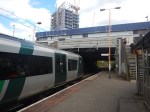
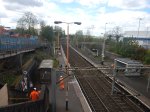
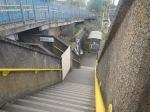
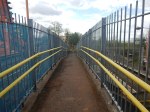
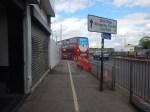

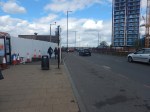
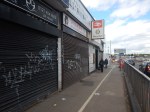
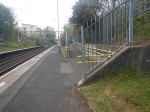
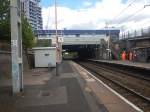
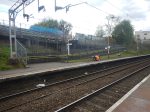
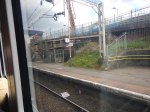
Note.
- The station certainly needs a lot of improvement.
- The stairs are steep.
- The information displays are total crap.
- There are ramps.
- Crossing the main road outside the station is difficult.
This article on the Construction Enquirer indicates the following.
- There will be a bus and train interchange for the Athletes Village.
- Pictures in the article clearly show lift towers.
It will be a great improvement.
A Tasteful Lift Installation In A Listed Tube Station
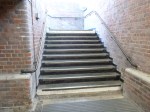
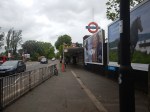
These pictures show Cockfosters station a couple of years ago and recently.





Note.
- There are two similar entrances on either side of the busy Cockfosters Road.
- Both have wide staircases down to the platform level.
- There is a subway between the two entrances.
- There is also a level light-controlled crossing across Cockfosters Road for those who need to cross the road.
- The station was designed by Charles Holden.
- The station opened in 1933.
The station is a Grade II Listed Building, which could have made designing a lift system tricky.
This Google Map shows the station layout.
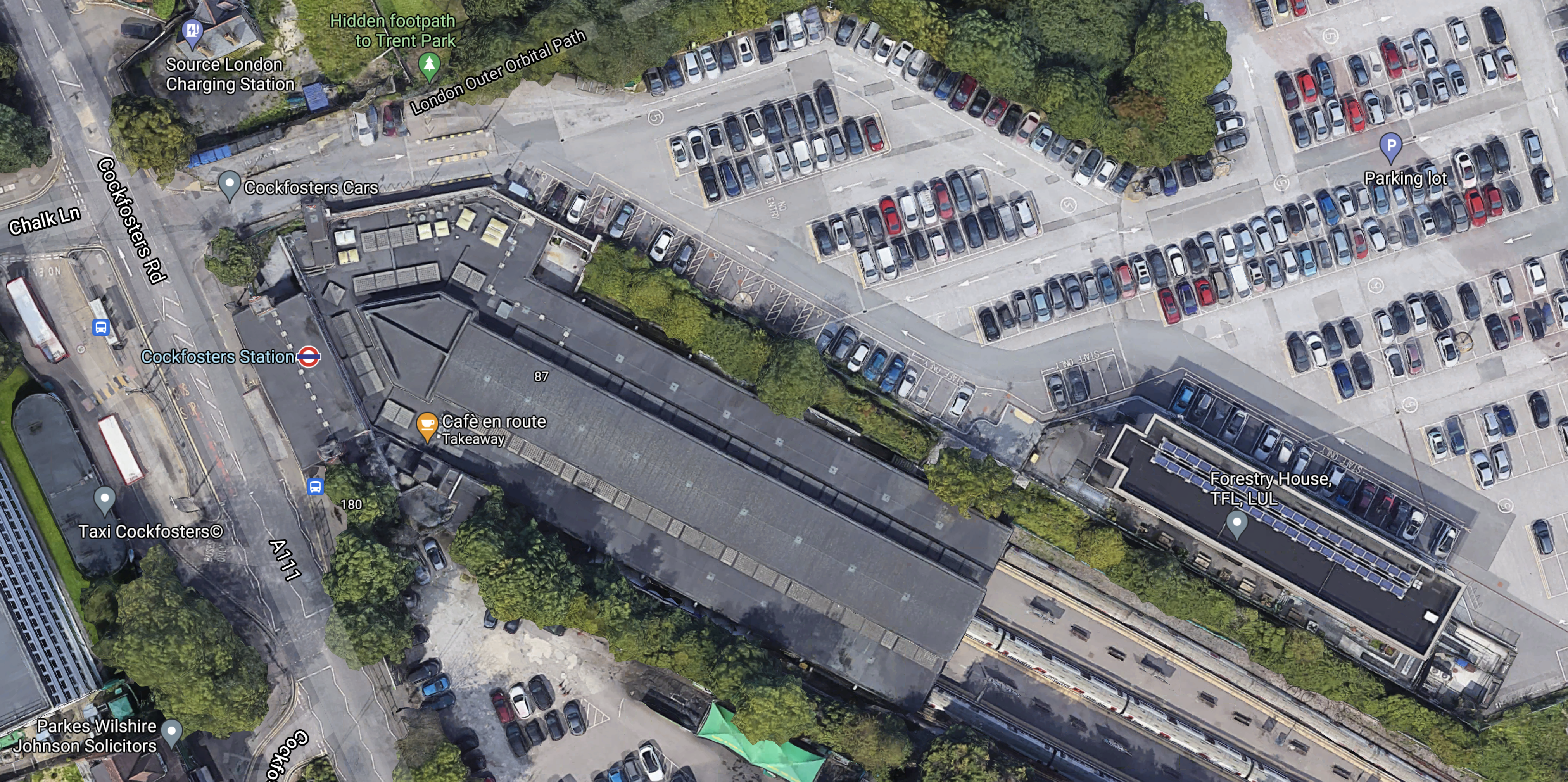
Note.
- Cockfosters Road at the West of the map.
- The white roofs of the buses, indicate, that there is a small bus station at the Western entrance to the station.
- The London Transport roundel indicates the Eastern entrance to the station.
- There are two trains in the four platforms of the station.
- There is a large level car park.
- Transport for London have a small office block in the car park.
- The London Orbital Path and a hidden path to Trent Park can be accessed from the entrance to the station car park.
It is a well-equipped terminal station.
Transport for London could have opted for a double lift installation with one lift on either side of the road.
But they have opted for a single lift at the Eastern side of the station.
I took these pictures of the new lift.
Note.
- The first picture shows the lift in the corner of the station ticket hall and lobby.
- From the lift to the trains is a level walk or push.
- The second picture shows the surface installation in the car park.
- The lift is positioned by the two walking routes and conveniently for anybody being dropped off or picked up by car.
- The light-controlled crossing is perhaps fifty metres away to give access to both sides of Cockfosters Road.
- The third picture shows a close-up of the lift.
- The fourth picture shows a seat, for those who need to wait.
It is a very simple and well-thought out installation.
Increase In Hate Crime Against Disabled Rail Users
The title of this post, is the same as that of this article on Rail Technology Magazine.
This is the introductory paragraph.
New figures published by the Department for Transport have shown that hate crimes toward disabled people traveling on the rail network have risen by 24% in the last three years.
I don’t think the abuse has just been on trains either.
I rarely see any friction over the use of the wheelchair bay on buses in London, but my feeling is that I see it more often than I used too!
- Perhaps six months ago, a mother was not very pleased at having to get off the bus so that a disabled guy in a wheelchair could use the space.
- Some people think possession of the space is all important.
- I’ve also heard arguments over who takes precedent.
I wonder, if it is worse in other parts of the UK, where wheelchair access to buses is not as easy,as in London and there are fewer buses.
Are Some Passengers Annoyed At Being Delayed?
I’ve certainly seen moderate annoyance on buses and trains, when there is a delay caused by a disabled passenger getting on or off a bus or train, with sometimes some very offensive words being said.
So What Should Be Done About It?
Obviously, we need to do all the usual personal things to make sure that things run smoothly and serious abusers should be prosecuted.
But I also think, that we should aim for the following.
Every train must have a level platform and train interface.

The picture was taken from literature about the South Wales Metro and shows a visualisation of one of the Flirts, that will run on the routes in South Wales.
We should ban the ordering of trains, that don’t meet this criteria.
All routes between street and platform should be step-free.
It would be an expensive program, but there would be a lot who’d benefit.
- People in wheelchairs
- Babies and toddlers in buggies and their pushers.
- People dragging large cases.
- Cyclists with bicycles
- Older people with mobility issues.
There will be collateral benefits.
- Trains would be speeded up, as they would not have to wait so long in stations.
- More people will use the trains and not just the disabled.
- If the program were properly managed, it could create work for local construction firms all over the UK.
It might even encourage inward and stay-at-home tourism from those with mobility issues.
 The Anonymous Widower