A London Overground Replacement For Southern’s East Croydon And Milton Keynes Service
In July 2017, I discussed this suggestion by Chris Gibb in Gibb Report – East Croydon – Milton Keynes Route Should Be Transferred To London Overground.
In an article, in the July 2019 Edition of Modern Railways, , which was entitled ‘710s’ Debut On Goblin, this was this last paragraph.
On the West London Line, TfL is curremtly working with the Department for Transport on options for the devolution of services originally suggested in Chris Gibb’s report on the Govia Thameslink Railway franchise, which could lead to ‘710s’ being deployed here.
It made me think, that further investigation was called for.
An Apology
I apologise, if you think I’m repeating myself.
What The Gibb Report Says
The Gibb Report, says this about the current service between East Croydon and Milton Keynes Central stations.
I believe there is an option to transfer the East Croydon – Milton Keynes operation to TfL and it’s London Overground concession in 2018.
TfL may decide to change the service, for example by not running it north of Watford Junction, or running it to an alternative southern destination other than East Croydon. They could also develop the combined West London line service to better match available capacity to demand.
They would have a number of crewing and rolling stock options, but should be able to operate the service more efficiently than GTR in the longer term, without the involvement of Selhurst.
Selhurst TMD is the depot in South London, where the current Class 377 trains are based.
A few of my thoughts.
The Trains
Using Class 710 trains as suggested in the Modern Railways article, would surely offer a suitable crewing and rolling stock option for the route, if they were based at the convenient Willesden TMD, where the fleet of up to twenty-five dual-voltage Class 710/2 trains are stabled.
The Northern Terminus
Chris Gibb suggested the service might not go past Watford Junction.
I think that could be difficult.
- The longitudinal seating of the Class 710 train, is probably not suitable for outer suburban services North of Watford.
- East Croydon to Watford Junction takes 69 minutes, which is not a good journey time to create an efficient service.
It would also appear to be tricky for a train to transfer between the West London Line and the Watford DC Line.
This map from carto.metro.free.fr shows the complicated track layout in the Willesden Junction area.
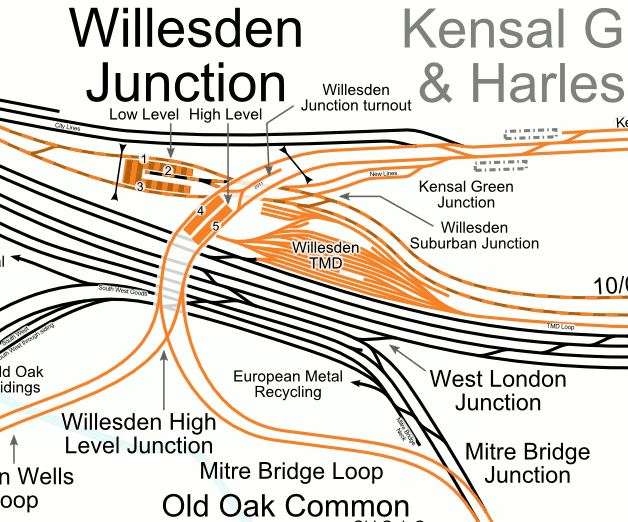
Note.
- The two Willesden Junction stations, labelled High Level and Low Level.
- The Watford DC Line, which is shown in black and orange, passing to the North of Willesden TMD. and through the Low Level station.
- The four tracks shown in black are the West Coast Main Line, with Watford to the West and Euston to the East.
- The North London Line to Richmond and the West London Line to Clapham Junction splitting at Wilesden High Level Junction.
The current service between East Croydon and Milton Keynes, is only one train per hour (tph) and uses a succession of flat junctions to take the slow lines to and from Watford.
This is not a good operational procedure and I suspect Network Rail and various train operators, would like to see it discontinued.
So if trains in a new London Overground version of the service, don’t go up the Watford DC Line or the West Coast Main Line, where do they turn back?
Note the siding to the East of the High Level platforms, which is labelled Willesden Junction Turnout.
This is regularly used to turnback London Overground services on the West London Line.
I feel that London Overground will be turning their replacement service in Willesden Junction High Level station.
Current train services at the station include.
- For passengers, who want to go further North, there is a good connection to the Watford DC Line for Wembley Central, Harrow & Wealdstone and Watford Junction stations.
- The Watford DC Line can also take you to Euston.
- The Bakerloo Line between Stonebridge Park and Elephant & Castle via Central London.
- Frequent North London Line services between Stratford and Richmond.
The station has kiosks, coffee stalls, toilets and waiting rooms.
There are certainly worse places to change trains.
The Southern Terminus
Obviously, existing travellers on the route would like to see as few changes as possible.
East Croydon station must be a possibility for the Southern terminus, as it is the currently used.
But East Croydon is a busy station and perhaps it is not a convenient station for trains to wait in the platform.
On the other hand, West Croydon station offers some advantages.
- The station has a long bay platform, which might be long enough for nine or ten cars.
- There is a separate turnback siding.
- It has space to add another bay platform, but this may have been sold to a developer.
- It already has a four tph London Overground service to Highbury & Islington station.
- Using West Croydon avoids the crowded lines to the North of East Croydon station.
It is also managed by London Overground, so the landlord would be co-operative.
How Many Trains Would Be Needed For A West Croydon And Willesden Junction Service?
West Croydon station has two possible routes, that trains could take to Willesden Junction.
- Via Norwood Junction and Clapham Junction in 55 minutes.
- Via Selhust and Clapham Junction in 45 minutes.
These times mean that a two-hour round trip between West Croydon and Willesden Junction should be possible.
Trains required for various frequencies would be as follows.
- One tph – Two trains.
- Two tph = Four trains.
- Four tph – Eight trains.
They would need to be dual voltage Class 710/2 trains, as are now running on the Gospel Oak to Barking Line.
Compare the figures with those for the current East Croydon and Milton Keynes service, which needs four pairs of four-car trains for an hourly service.
What Would Be The Frequency?
I think one, two and four tph are all possibilities!
One tph
One tph would be a direct replacement for the current service. But is it enough?
Services at West Croydon could probably share the bay platform with the existing Highbury & Islington station service.
Two tph
Two tph could be a compromise frequency.
Two tph could probably still share the current bay platform with the Highbury & Islington service.
Four tph
Four tph would be a full Turn-Up-And-Go service,
- It would probably be London Overground’s preference.
- It would give a very passenger-friendly eight tph between Willesden Junction and Clapham Junction stations.
- The two services would call at opposite sides of Clapham Junction station.
- It would give a four tph link between Croydon and High Speed Two.
- Westfield wouldn’t mind all the extra shoppers at Shepherds Bush!
But there could be downsides.
- The service could need an extra bay platform at West Croydon.
- Would it be possible to turn four tph at Willesden Junction?
- Will the train paths be available through South London.
But four tph would probably would be London Overground’s preference.
It will be interesting to see the reasons, why Transport for London choose a particular frequency.
A Trip Between Imperial Wharf And East Croydon Stations
Today, I took a trip between Imperial Wharf and East Croydon stations at around 11:30.
- The train was two four-car Class 377 trains working as an eight-car train.
- After Clapham Junction it wasn’t very busy.
- I was in the last car, which was empty, except for myself.
I came to the conclusion, that an eight-car train was too much capacity for the Southern section of the journey.
I suspect that Transport for London have detailed passenger estimates for this route, so they should be able to determine the frequency and length of replacement trains required.
The Upgraded Norwood Junction Station
In Major Upgrade Planned For Norwood Junction Railway Station, I talked about a plan to upgrade Norwood Junction station.
The idea behind the upgrade is to improve connectivity and capacity in the crowded Croydon area.
If the West Croydon and Willesden Junction service, was routed via Norwood Junction station, the upgraded station would give easy access to both East and West Croydon stations.
Conclusion
I’ve always liked Chris Gibb’s suggestion of the transfer of the service between East Croydon and Milton Keynes stations to the London Overground and I can now start to see flesh on the bones!
At the present time and until better data is available, I think the replacement service should be as follows.
- The Northern terminus should be Willesden Junction.
- The Southern terminus should be West Croydon station, where there are good tram and train connections.
- The route would be via Shepherds Bush, Kensington Olympia, West Brompton, Imperial Wharf, Clapham Junction, Wandsworth Common, Balham, Streatham Hill, West Norwood, Gipsy Hill, Crystal Palace and Norwood Junction.
- Going via Gipsy Hill, rather than the current route via Selhurst, would give access to the connectivity at Norwood Junction.
- The frequency should be four tph.
- Trains will be four- or five-car Class 710 trains.
The benefits would be as follows.
- The rail hubs of Clapham Junction, Norwood Junction, West Croydon and Willesden Junction would be connected together by a Turn-Up-And-Go service.
- The proposed four tph service would need eight Class 710 trains, whereas the current one tph service needs eight Class 377 trains. Would this be better value?
In the future with a connection to High Speed Two in the Old Oak Common area, the benefits would increase.
- There would be a simple interchange with High Speed Two.
- South London from Clapham to Croydon, would get a direct service to High Speed Two.
- There would also be a better connection to Heathrow Airport and other rail services through Old Oak Common.
I think that the connection to High Speed Two trumps everything else.
‘710s’ Debut On Goblin
The title of this post is the same as an article in the July 2019 Edition of Modern Railways.
The article is mainly about the introduction of the Class 710 trains on the Gospel Oak to Barking Line.
But the last sentence of the article is worth more investigation.
On the West London Line, TfL is curremtly working with the Department for Transport on options for the devolution of services originally suggested in Chris Gibb’s report on the Govia Thameslink Railway franchise, which could lead to ‘710s’ being deployed here.
I investigate it fully in A London Overground Replacement For Southern’s East Croydon And Milton Keynes Service.
This was my conclusion.
At the present time and until better data is available, I think the replacement service should be as follows.
- The Northern terminus should be Willesden Junction.
- The Southern terminus should be West Croydon station, where there are good tram and train connections.
- The route would be via Shepherds Bush, Kensington Olympia, West Brompton, Imperial Wharf, Clapham Junction, Wandsworth Common, Balham, Streatham Hill, West Norwood, Gipsy Hill, Crystal Palace and Norwood Junction.
- Going via Gipsy Hill, rather than the current route via Selhurst, would give access to the connectivity at Norwood Junction.
- The frequency should be four tph.
- Trains will be four- or five-car Class 710 trains.
The benefits would be as follows.
- The rail hubs of Clapham Junction, Norwood Junction, West Croydon and Willesden Junction would be connected together by a Turn-Up-And-Go service.
- The proposed four tph service would need eight Class 710 trains, whereas the current one tph service needs eight Class 377 trains. Would this be better value?
In the future with a connection to High Speed Two in the Old Oak Common area, the benefits would increase.
- There would be a simple interchange with High Speed Two.
- South London from Clapham to Croydon, would get a direct service to High Speed Two.
- There would also be a better connection to Heathrow Airport and other rail services through Old Oak Common.
I think that the connection to High Speed Two trumps everything else.
I will keep returning to this vital link down thw West London Line.
By Overground To High Speed Two
The North London Line will be my route to High Speed Two when it opens in 2026.
This map from Wikipedia, shows how the lines connect.
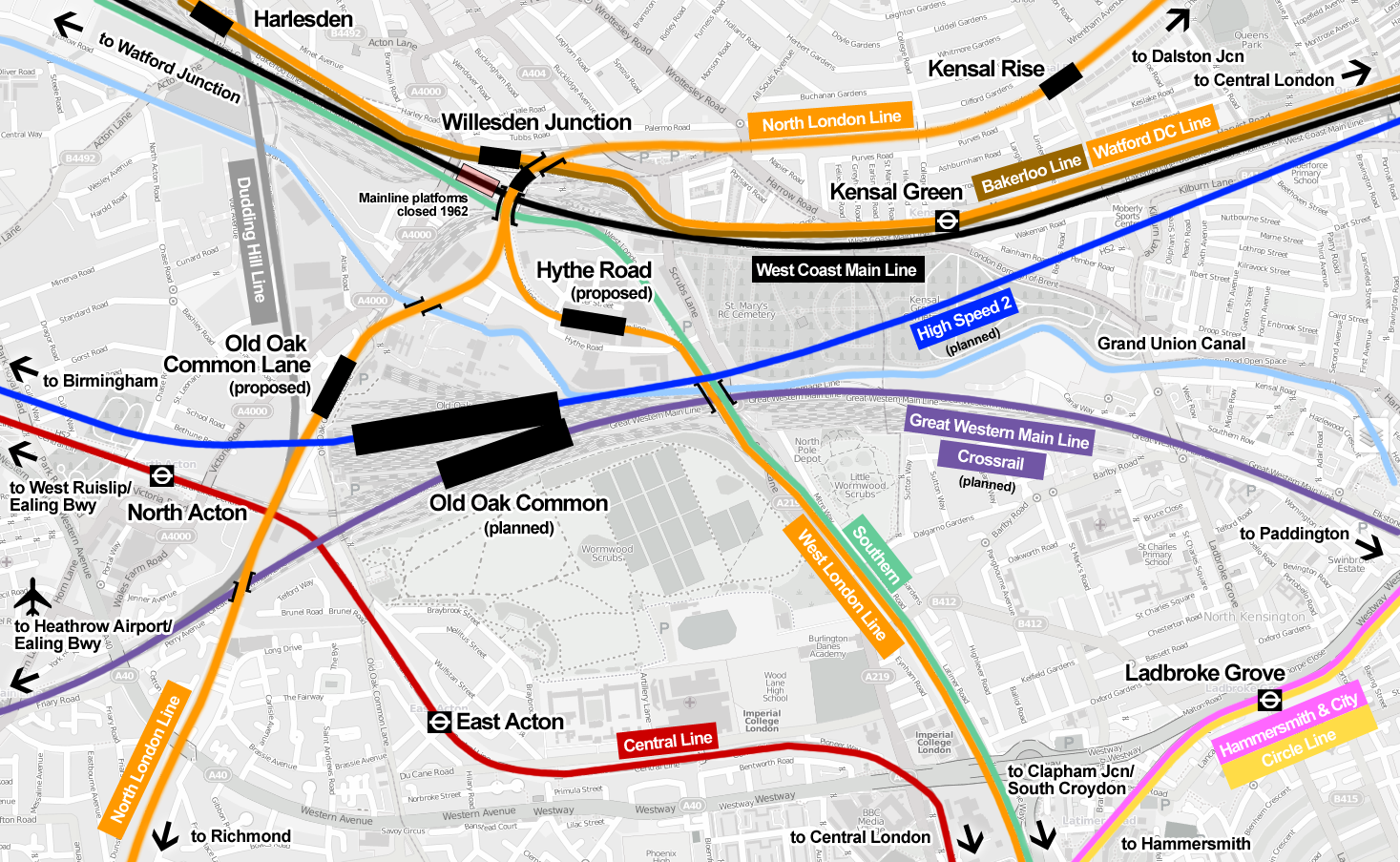
I will actually have two Overground stations, that I will be able to use.
- Old Oak Common Lane station on the North London Line between Stratford and Richmond stations.
- Hythe Road station on the West London Line between Stratford and Clapham Junction stations.
Note.
- Wikipedia says that both stations should open in 2026, which is the same date as High Speed Two.
- Hythe Road station is 700 metres from the High Speed Two station.
- Old Oak Common Lane station is 350 metres from the High Speed Two station.
Currently, both lines have a four trains per hour (tph) service.
- The Class 378 trains are five cars, which can get very busy in the Peak.
- It would need an additional five trains to increase the frequency to five tph on both routes.
- Six new five-car Class 710 trains are on order for North and West London Line services.
- I feel the higher frequency could be in operation by the opening of High Speed Two.
- Most stations between Stratford and Willesden Junction would appear to be able to accept six-car trains, if selective door opening were to be used.
I think by 2026, there will be a more than adequate service between Stratford and High Speed Two.
- There will be at least ten tph to Stratford, with services split equally between Hythe Road and Old Oak Common Lane stations.
- Richmond and Clapham Junction stations will get at least five tph.
- Step-free access is not currently available at Brondesbury Park, Brondesbury, Finchley Road & Frognal, Kentish Town West and Dalston Kingsland stations.
But what other developments will or might happen?
Highbury & Islington Station
Highbury & Islington station is the thirteenth busiest station in the UK and it is in need of a major upgrade to bring the deep level platforms and their access up to the standard of the four London Overground platforms, which all have lifts.
I also think that the track layout at the station could be modified to allow trains on the East London Line to continue further to the West. This was mentioned, when the Oveground was created, but is seldom talked about these days.
Step-Free Access On The North And West London Lines
These two lines which form a Y-shaped railway that splits at Willesden Junction, will provide these services from High Speed Two to major interchange stations.
The only thing that is needed is to complete step free access at all stations on the North and West London Lines.
The Maximum Frequency Across North London
Five tph on both the North and West London Line would give the following turnback frequencies at the four terminals.
- Clapham Junction – 5 tph
- Richmond – 5 tph
- Stratford – 10 tph
This chart from TfL shows planned improvements on the London Overground
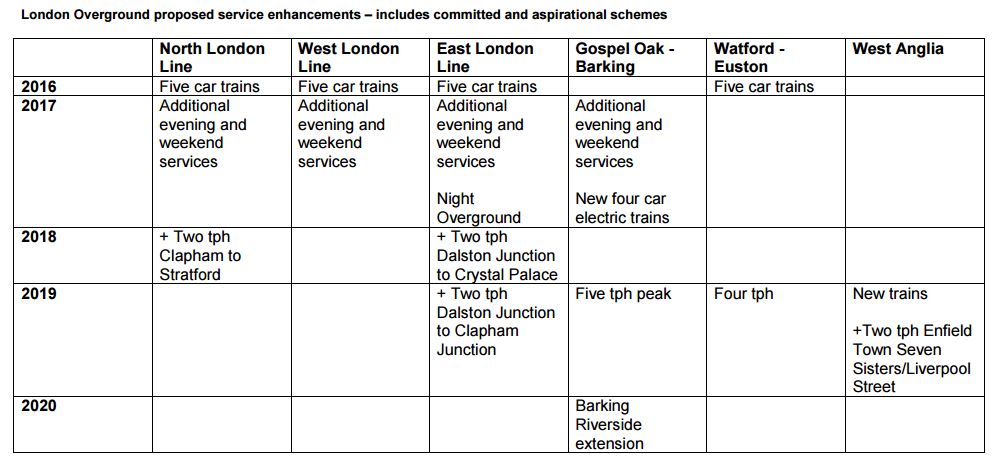
Note that it clearly shows that it is possible to run a six tph service between two single platform stations.
I think it likely that it would be possible to run six tph on both routes, provided that the route and the signalling could handle the increased frequency.
Twelve tph between Stratford and Willesden Junction stations would probably be the maximum frequency.
But would the number of freight trains allow this frequency?
A Reduction In Freight Services
Currently, the North London Line carries a lot of freight trains, going between Barking, Felixstowe and London Gateway in the East to virtually everywhere West of London.
- Noises from the East West Rail Consortium are hinting that services to and to and from Bristol, Liverpool, Manchester, South Wales, Southampton and the West Midlands might use their new route between Oxford and Cambridge.
- Could more freight use ports like Liverpool and Teesport in the North of England, which would reduce the traffic through the ports in the South?
Whatever happens, the current succession of diesel-hauled freight trains across London is not environmentally-friendly and it will raise increasing numbers of protests.
I think it is inevitable that the number of freight services will reduce, thus allowing more paths for passenger trains.
Digital Signalling
To handle the increasing traffic on the North and West London Lines, I can see digital signalling being installed. There could even be a degree of Automic Train Control.
Six-Car Trains
Only a few stations can handle six-car trains without selective door opening and even the rebuilt West Hampstead station still has platforms for five-cars.
Selective door opening would allow six-car trains to use the five-car platforms and passengers have in London have shown they can cope with moving forward to get out at certain stations. Especially, as the walk-through design of the train, makes this a lot easier.
A Round-The-Corner Service
I can remember reading in Modern Railways, that one of the reasons for the East and North London Lines running parallel through Canonbury to Highbury & Islington was to possibly enable extension of the East London Line to perhaps Willesden Junction, where there is a handy bay platform.
This has not happened and I doubt we’ll ever see something like a New Cross to Willesden Junction service, as Crossrail will effectively provide a faster frequent service between Whitechapel and Old Oak Common stations.
West London Orbital Railway
The proposed West London Orbital Railway will have two routes.
- West Hampstead Thameslink and Hounslow
- Brent Cross Thameslink and Kew Bridge
Both routes will have four tph and have a connection to Crossrail, High Speed Two and the North London Line at Old Oak Common station.
The only possible problem would be the eight extra tph through Acton Central station and level crossing and South Acton station.
But it would become an important feeder route to Crossrail, Heathrow Airport and High Speed Two.
Conclusion
The North and West London Line route between Stratford and Willesden has the ability to handle a lot more traffic than it currently does.
Dgital signalling and six-car trains could add over another fifty per cent capacity to the route.
I very much feel that digital signalling will be absolutely necessary.
A North London Line With Digital Signalling
In Digital Signalling Implications For North London, I indicated that there may be benefits in equipping the North London Line with digital signalling.
- It would ease co-ordination of services between Gunnersbury and Richmond stations, where track, stations and signalling are shared with the District Line.
- All freight trains are being fitted with digital signalling capabilities.
Obviously, the other benefits of digital signalling like closer running of trains would apply.
Current Service Levels
The Service Levels section of the Wikipedia entry for the North London Line, gives the following details..
Services run seven days a week and since the December 2018 timetable change are the same all day.
- Four trains per hour (tph) – Richmond and Stratford
- Four tph – Clapham Junction and Stratford
Which gives eight tph between Willesden Junction and Stratford
Compared to the service I remember from the 1980s, it is a great improvement.
Possible Future Service Levels
London Reconnections is a web site, that usually gets things right.
In this article, which is entitled More Trains for London Overground: A Bargain Never to be Repeated, this is said.
London Overground have a long-held desire to increase the frequency on the WLL from 4tph to 6tph. They also aspire to another 2tph (at least) from Clapham Junction continuing to Stratford, to further increase the frequency on the North London Line (NLL). This would enable 10tph on eastern end of the North London line. This is due to be implemented with the main order of the new Class 710 stock.
What, it is suspected, London Overground would really like is to have 6tph from Richmond to Stratford and 6tph from Clapham Junction all the way to Stratford. Unfortunately, the additional trains to Stratford would appear to rely on freight, travelling between East London and the West Coast Main Line, using the route via Gospel Oak instead of via the NLL. Until that actually happens, sometime after the electrification of the GOBLIN, such an intensive service on the NLL can only be a dream.
Would this mean this service?
- Six tph – Richmond and Stratford
- Six tph – Clapham Junction and Stratford
Which gives twelve tph between Willesden Junction and Stratford
I can’t say I’d complain living equidistant from Dalston Kingsland and Canonbury stations.
Richmond Station
The current service between Richmond and Gunnersbury station is as follows.
- Four tph – London Overground to Stratford
- Six tph – District Line to Upminster
Digital signalling on the District Line is likely to add 33% capacity to Peak Hour services, so this would mean another two trains to Upminster.
So a future service could be as follows.
- Six tph – London Overground to Stratford
- Eight tph – District Line to Upminster
This level of service could be easily handled by conventional signalling and good driving or by digital signalling.
Piccadilly Line To Ealing Broadway Station
This article on Chiswick W4, is entitled Major Reorganisation Of Local Tube Services Planned.
This is said.
The decision appears to have been made by Transport for London (TfL) to press ahead with a major restructuring of local underground services. This would see the District line service to Ealing Broadway ended and services switched to the Piccadilly line. The rolling stock would transfer to the Richmond and Wimbledon branches of the District line allowing an increase in regularity for these services.
Currently, Ealing Broadway station has a six tph service to Upminster on the District Line.
This map from carto.metro.free.fr shows the lines at Ealing Broadway station.
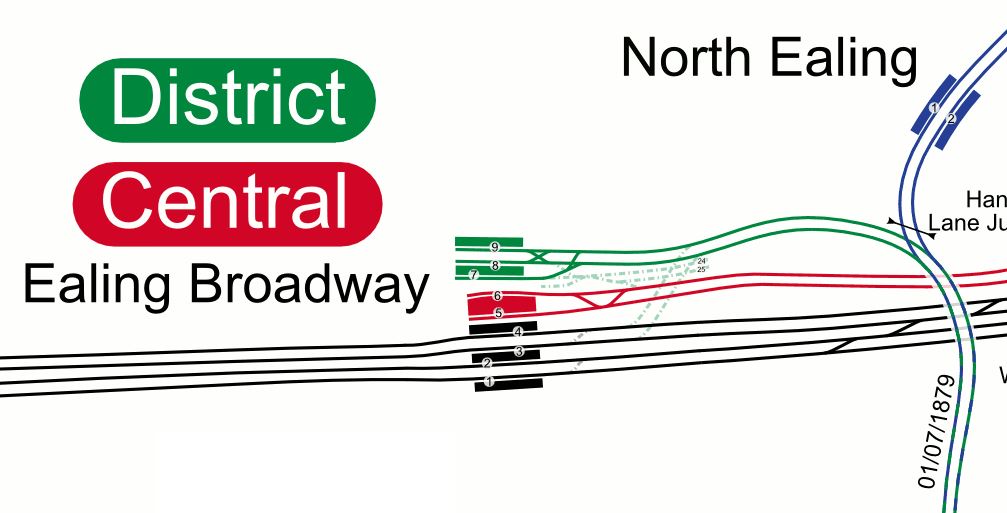
Note that after the changeover, the following would apply.
- The Piccadilly Line would have three platforms.
- In a few years time, the Central and Piccadilly Lines will have similar trains.
- Passengers for Turnham Green, Stamford Brook and Ravensbrook Park, would use the Piccadilly Line, which would probably have a higher frequency.
- Passengers for Victoria and other stations in the East on the District Line, would probably have a step-free cross-platform interchange at a number of stations.
But I think, that probably the main reason for the change, is that it will make the proposed frequency of well upwards of twenty tph of the Piccadilly Line easier to operate.
Consider.
- The platforms would help with service recovery,
- I suspect that TfL would like to see a Victoria Line frequency of thirty-six tph.
- Currently, twenty-four tph run between Arnos Grove and Acton Town in the Peak.
- Twenty-one tph run in the Off Peak.
If thirty-six tph is the intended frequency, then two terminal platforms in a rebuilt step-free Ealing Broadway station, could turn a lot of trains.
A Side Effect Of Changing The District Line Terminus
If the District Line service of six tph to Ealing Broadway, were to be reallocated between Richmond and Wimbledon, this would add three tph to the section between Gunnersbury and Richmond.
So now we could be looking at seventeen tph between Gunnersbury and Richmond stations.
Will that mean that North London Line trains to Richmond will need digital signalling and automatic train control?
The West London Orbital Railway
The proposed West London Orbital Railway will use the Dudding Hill Line to create the following services.
- West Hampstead to Hounslow
- Hendon to Kew Bridge
If both routes run at four tph, then it will add eight tph to the North London Line between Acton Wells and South Acton junctions.
Added to the six tph between Richmond and Stratford, this would be fourteen tph through Acton Central and South Acton stations.
Digital signalling on the North London Line and the West London Orbital Railway would probably ease the merging of trains for the joint section.
Freight
It appears that there are up to four freight trains per hour in both directions on the line.
The Level Crossing At Acton Central Station
I doubt the users of the level crossing at Acton Central would like the levels of traffic, that digital signalling would enable.
A Summary Of Passenger Services
I can summarise the passenger train frequencies as follows.
- Stratford to Willesden Junction – 12 tph
- Willesden Junction to Acton Wells Junction – 6 tph
- Acton Wells Junction to South Acton Junction – 14 tph
- South Acton Junction to Gunnersbury – 6 tph
- Gunnersbury to Richmond – 16 tph
I have assumed all developments mentioned earlier take place.
The Effect Of High Speed Two And Crossrail
When High Speed Two and Crossrail open at Old Oak Common station, this must surely increase the number of passengers using the North London Line, by a significant amount.
There will be two new stations.
- Old Oak Common Lane station will be between Willesden Junction and North Acton stations.
- Hythe Road station will be on the West London Line between Willesden Junction and Shepherds Bush stations.
Will the proposed six tph, each of five cars have sufficient capacity?
Conclusion
It looks to me, that they’ll come a time, when digital signalling will be needed to squeeze the required number of trains along the North London Line.
As I said in the previous section, traffic will continue to grow on the North and West London Lines because of High Speed 2 and Crossrail, as it has done since the route’s reopening with new trains in 2010.
I feel there will come a time, when trains will have to be lengthened from their current length of five cars.
Can all the stations on the route be extended if necessary?
Between Heathrow And Gatwick Airports Using Heathrow Southern Railway
I have received a few messages asking how the Heathrow Southern Railway would help travellers get between Heathrow and Gatwick Airports.
How Many Passengers Would Actually Transfer Between The Two Airports?
This question would definitely be filed under pieces of string.
The direct route using Crossrail and Thameslink will take under two hours, with a change at Farringdon.
- There are several major tourist attractions close the the Crossrail/Thameslink route; Oxford Street, British Museum, St. Paul’s, River Thames, Tate Modern, Tower of London and Tower Bridge, for those unencumbered by baggage.
- Will Farrington develop into a joint terminal for both airports?
- How many passengers, will want to have a day of rest and recuperation in the best city in the world?
- How many travellers to and from Europe, the North and Scotland will switch to the long distance trains at Kings Cross and St. Pancras stations?
Passengers wanting to avoid London could use the Waterloo – Heathrow service proposed by Heathrow Southern Railway and change at Clapham Junction.
- The proposed Waterloo – Heathrow service will be four trains per hour (tph)
- It would probably run at an appropriate frequency at night, just like Gatwick Express and Thameslink.
- Passengers would change at Clapham Junction between Gatwick and Heathrow services.
- I estimate, that the Clapham Junction route, could be quicker than the Crossrail/Thameslink route, at perhaps an hour and twenty minutes.
- Clapham Junction station is step-free, but the bridge could be made more passenger-friendly.
Until, I get firm evidence to the contrary, I have a strong feeling that not many passengers will want to a faster service thanthe one, these two routes offer.
What About The Workers?
There must be people in the aviation industry, who need to go regularly to both airports for the purposes of work.
If you were in that class of worker, you might choose to live, somewhere that was convenient for both airports.
I suspect that this valuable group will be well-served by services from Clapham Junction.
- Clapham Junction to Heathrow – 30 minutes
- Clapham Junction to Gatwick – 25 minutes
Feeder times to Clapham Junction using direct trains include.
- Balham – 6 minutes
- Canada Water – 29 minutes
- East Croydon – 11 minutes
- Epsom – 28 minutes
- Peckham Rye – 19 minutes
With four tph, the maximum wait at Clapham Junction would be fifteen minutes.
Clapham Junction Will Become An Even Bigger Hub
Heathrow Southern Railway will make Clapham Junction station, an even more important hub.
- It is about thirty minutes away from both Heathrow and Gatwick Airports.
- Large numbers of stations have direct connections to Clapham Junction in under thirty minutes.
- The Northern Line could be extended from Battersea to Clapham Junction.
- Clapham Junction station is proposed to be on Crossrail 2.
- Clapham Junction is at the centre of an extensive bus network.
It would certainly be very convenient to live close to Clapham Junction station, if you needed to go to both airports regularly.
But improvements are needed at the station.
Changing Trains
The Wikipedia entry for Clapham Junction station says this.
The station is also the busiest UK station for interchanges between services.
I use Clapham Junction regularly as an interchange, if say I’m going from Dalston Junction to Gatwick, Reading or Windsor. It can be a sprint up the stairs, and a rush across the bridge, before a careful decent to the platform.
A typical change from Platform 1/2 to 5/6 took me two and a half minutes, in the middle of the morning.
Changing trains could be improved.
These pictures show the step-free bridge at Clapham Junction
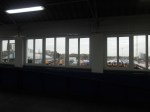
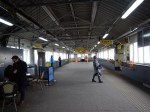
Note.
- Lighting is not of a high quality.
- It is quite wide, but not as wide as the new bridge at Reading.
- There are lifts to most platforms, but they could be bigger.
- Reading has an up and down escalator for each platform. Surely the busiest station in the UK, deserves the same.
- It is cluttered with retail outlets, which could be reduced in number or placed on the platforms.
If I was the CEO of Heathrow Southern Railway, I’d rebuild this bridge, as doing that might attrack more passengers for Heathrow to use the proposed new service.
Information
Clapham Junction is well organised, with trains for a particular destination generally leaving from the same platform or pair of platforms.
They even have a board that gives this information in detail..
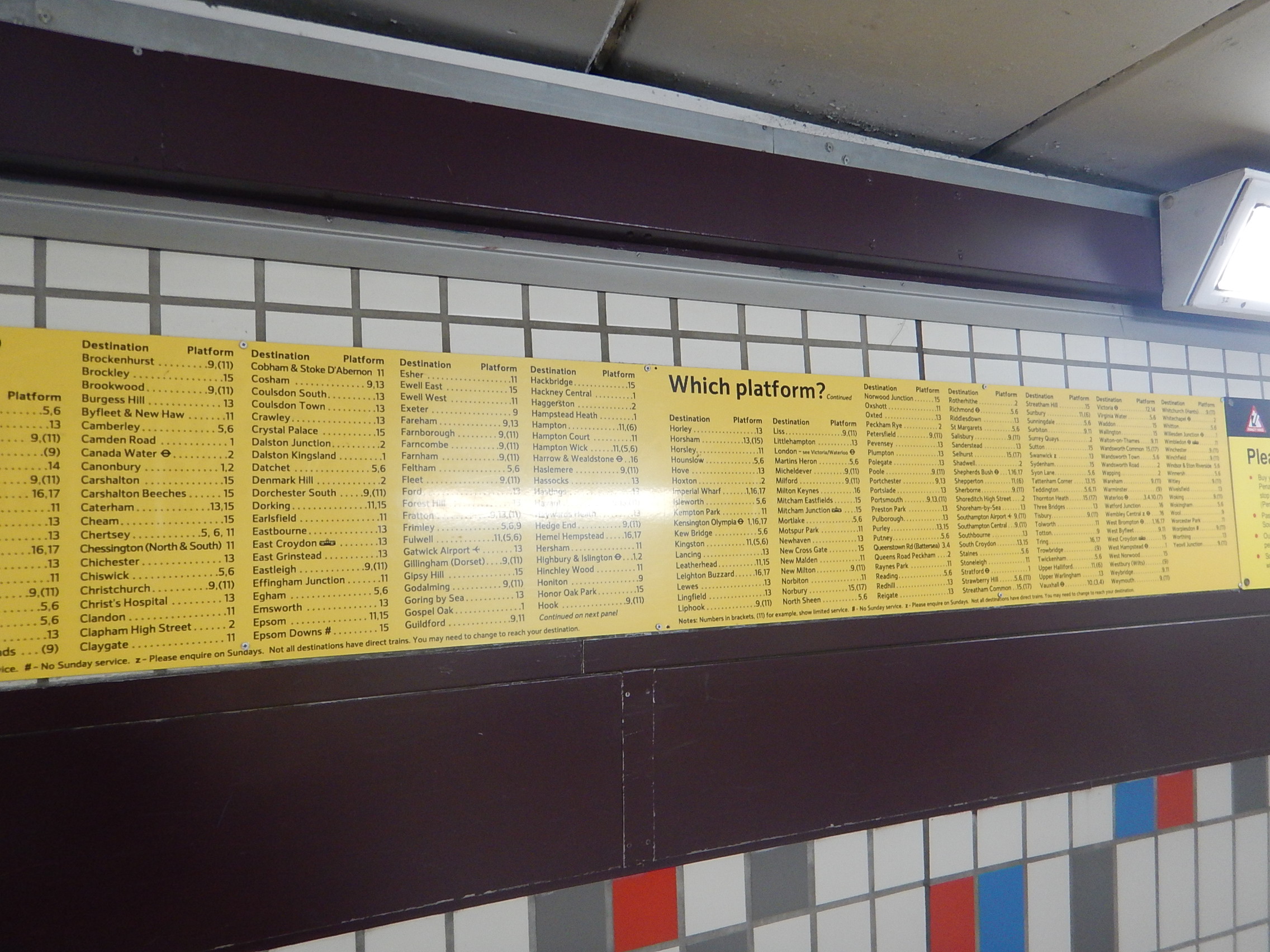
But it’s now 2018 and we can do much better.
There would also need to be large, clear signs everywhere to Gatwick, Heathrow, Victoria and Waterloo!
Timetable Improvements
I took a train from Clapham Junction to Feltham and although there are six tph, I had to wait sixteen minutes for a train.
It’s just that in an hour, there are four short intervals and two long ones.
Improvements need to be made, so that the timetable is more passenger friendly.
Some Platform Reorganisation
This map from carto.metro.free.fr shows the track layout at Clapham Junction station.
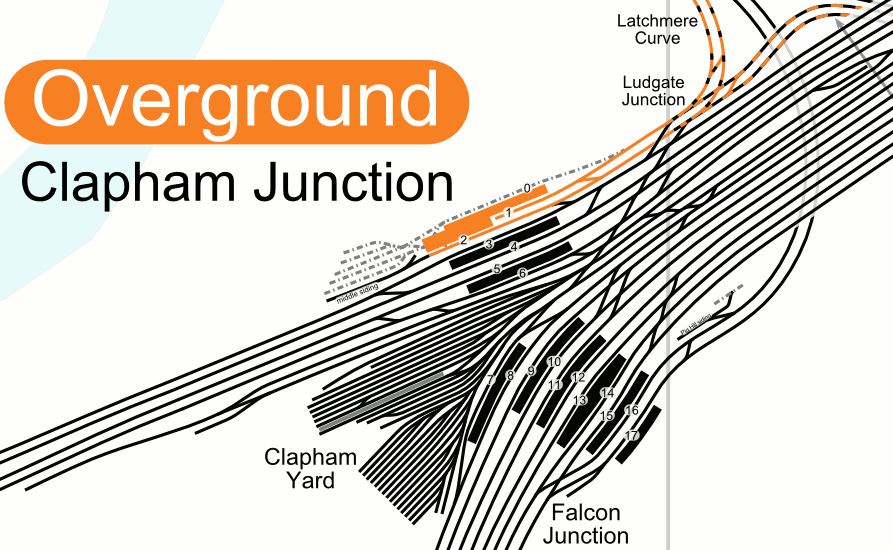
It looks to me, that that terrible engineer; Topsy had a big hand in the design.
Note.
- Tracks and platforms in orange are the London Overground.
- Trains to Heathrow will probably use Plstforms 5 or 6, as do the Reading and Windsor services.
- Trains from Heathrow will probably use Plstforms 3 or 4, as do the Reading and Windsor services.
- Heathrow, Reading and Windsor are to the West.
- Platforms 3 to 11 are for services to and from Waterloo.
- Platforms 12 to 15 are for services to and from Victoria.
- Services to and from Gatwick will use these platforms.
- Platforms 16 and 17 are for West London Line services.
It looks to me, that it might be possible to reorganise the platforms so that Heathrow and Gatwick services weren’t at opposite end of the bridge.
Or should the bridge be made wide enough for a travelator?
West London Line Services
The West London Line has two main passenger services.
- 4 tph – London Overground between Clapham Junction and Stratford, which uses Platform 1
- 1 tph – Southern between Milton Keynes Central and East Croydon, which have virtually sole use of Platforms 16 and 17.
If possible, an increase in frequency on this line would surely help many travellers get to and from London’s two main airports.
- London Overground are planning to add two extra tph between Clapham Junction and Stratford in 2018.
- London Overground will match this in 2019, with another two tph between Clapham Junction and Dalston Junction via the South London Line.
This is going to make Southern’s one tph service between Milton Keynes Central and and East Croydon pathetic, especially as the route will eventually serve Old Oak Common with connections to Crossrail and HS2.
Chris Gibb recommended that this service , should be transferred to the London Overground in the Gibb Report. I wrote about it in Gibb Report – East Croydon – Milton Keynes Route Should Be Transferred To London Overground.
If nothing else the current service which uses two platforms at Clapham Junction for a one tph service, which doesn’t run on Sundays, is a waste of resources at Clapham Junction.
.Conclusions
I have come to the following conclusions.
- If Clapham Junction station is improved, Heathrow Southern Railway will create a faster route to Gatwick.
- Clapham Junction station will become a major hub station feeding London’s two major airports.
It gives very large numbers of passengers a quicker route to the airports.
I also think it could be advantageous for Heathrow Southern Railway to contribute to the upgrading of Clapham Junction station.
Musical Trains On The Overground
The November 2017 Edition of Modern Railways (MR) has a news item entitled Nine More Class 710s Planned.
This is the first paragraph.
Transport for London is proposing the acquisition of nine additional Class 710 EMUs from Bombardier to support the London Overground rxtension to Barking Riverside and an enhanced service on the East London Line.
Transport for London (TfL) are ordering six five-car and three four-car Class 710 trains.
This article on London Reconnections (LR) is entitled More Trains for London Overground: A Bargain Never to be Repeated.
The title gives a clue as to the first part of the article and it talks about how it may be necessary for TfL to get their order in now to get the best terms and price for the trains.
Putting the two articles together, some interesting train use could be happening on the various lines of the Overground.
The East London Line
Certain improvements have been planned for the East London Line.
The Class 378 Trains
The current fleet of 57 Class 378 trains are now five cars in length, after starting at just three cars.
Many of the stations on the East London Line could accept six-car trains and the other could be worked using selective door opening.
So TfL probably have an option to increase capacity on the East London Line by twenty percent, by adding an extra car to the Class 378 trains on the line.
The Class 378 trains are also certified for working the Thames Tunnel, whereas the Class 710 trains don’t appear they will be.
The Night Overground
A 24-hour service on Friday and Saturday nights, between New Cross and Dalston Junction/Highbury and Islington stations.
Crossrail And The East London Line
This will happen in December 2018, when Stage 3 of Crossrail opens between Abbey Wood and Paddington stations, with a connection to the East London Line at Whitechapel station.
When you consider that Whitechapel will be served by 12 x nine-car Crossrail trains per hour (tph) from December 2018 and 24 x nine-car tph from May 2019, you do wonder if the East London Line’s sixteen x five-car tph will cope with the extra passengwe.
Increased Frequencies
TfL have said they will increase the core frequency of the East London Line from sixteen tph to twenty in 2021.
I wrote about this two years ago in Increased Frequencies On The East London Line, so the plan is an old one, even if it has slipped a bit.
The original plan envisaged the following extra trains on the East London Line.
- Two tph – Dalston Junction to Crystal Palace in 2018
- Two tph – Dalston Junction to Clapham Junction in 2019
It would need the following.
- More Class 378 trains, as the Class 710 trains are not certified for the Thames Tunnel.
- Improved digital signalling in the core, which would eventually enable twenty-four tph.
The LR article suggests that there may be capacity problems at Clapham Junction station and two tph to Battersea Park station is suggested as an alternative.
Battersea Park Station
Battersea Park station is already served by the Overground, with this service, which is detailed in Wikipedia.
1 train per day to Highbury & Islington / 1 train per day from Dalston Junction.
Wikipedia adds this comment.
Until December 2012, Southern operated a twice-hourly service from London Victoria to London Bridge via Denmark Hill. This ceased when London Overground’s Clapham Junction to Dalston Junction service commenced at that time. However, since December 2012, a skeleton London Overground service has run to/from Battersea Park (instead of Clapham Junction) at the extreme ends of the day to retain a “parliamentary service” between Battersea Park and Clapham High Street.
This map from carto.metro.free.fr shows the track layout at Battersea Park station.
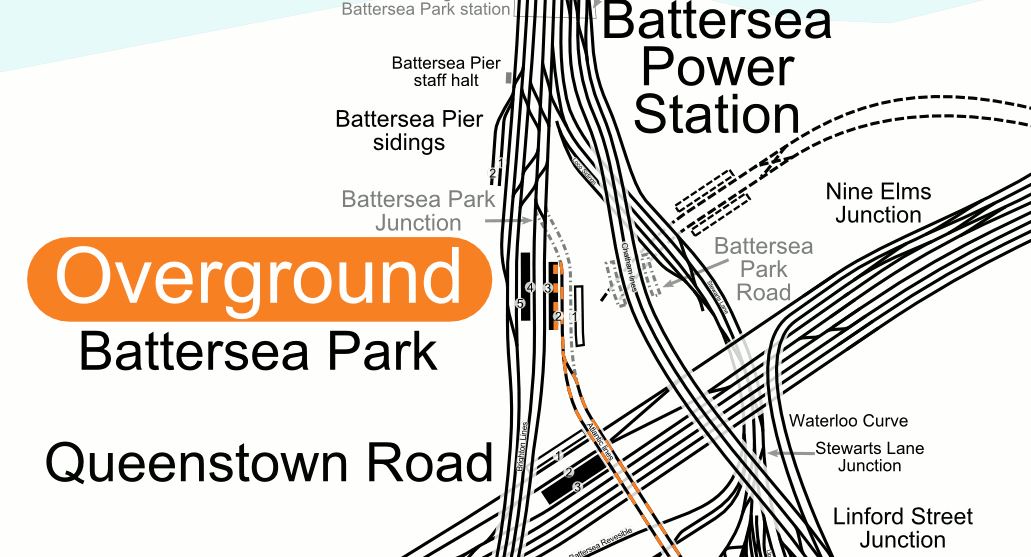
Note.
- The single track going in to Platform 2.
- Platform 1 at Battersea Park station is disused.
- The close proximity of the station to the new Battersea Power Station station, that opens in a few years.
These are some selected pictures of Battersea Park station.
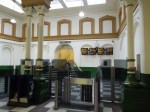
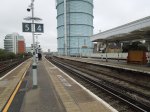
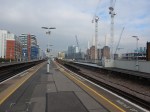
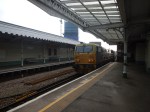
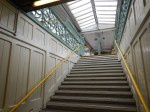
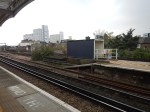
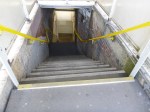
I think it is true to say, that it is a Victorian station, that wasn’t designed for the modern age.
- The station is Grade II Listed.
- The booking hall is a tidy Victorian example.
- There is a lot of excellent Victorian detailing.
- Platform 2 and 3 is wide with sensible stairs.
- Platform 2 is a well laid out terminal platform.
- Platform 4 and 5 is narrow with terrible stairs.
- Plstforms 3 and 4 seem to be long enough for ten-car trains.
It could be turned into what Roy Brooks would have called something better than a ruin. For those of you born since 1960, check the link to a memory of one of the world’s late great honest estate agents.
I’m sure Londoners used to buy the Sunday Times, just to read his adverts.
I can remember my late wife sitting on the sofa, laughing loudly, as she read aloud an advert about a flat, that wouldn’t suit an owner with a cat,.
Battersea Park station and a two tph service from Dalston Junction across South London have a lot going for them.
- I’m sure a budding Lord Foster or Zaha Hadid could come up with a scheme to fix the platform access and make the station passenger friendly and their name.
- The station is a short walk from Battersea Power Station station and must open up routes across London.
- Battersea Park station could easily handle two tph on a single platform.
- In A New Station For Battersea, I talked about a proposal to create a station at Battersea that linked the new tube station to the Southeastern lines into Victoria.
- In Four Trains Per Hour Between Dalston Junction And Battersea Park Stations, I write about how on the 6th November 2017, because of a track fault, London Overground ran a four tph shuttle between the two terminals.
Will all of this be tied together?
Train Requirements On The East London Line
Doing a quick calculation, I think that each of the four branches need the following number of trains for four tph.
- Dalston Junction to Clapham Junction – 8 trains
- Highbury and Islington to Crystal Palace- 8 trains
- Dalston Junction to New Cross – 2 trains
- Highbury and Islington to West Croydon – 8 trains
Which gives a total requirement of 26 trains.
Up the frequency to six tph on each branch or one train every 2½ minutes, which would be 24 tph through the Thames Tunnel and you get the following.
- Dalston Junction to Clapham Junction – 12 trains
- Highbury and Islington to Crystal Palace- 12 trains
- Dalston Junction to New Cross – 3 trains
- Highbury and Islington to West Croydon – 12 trains
Which gives a total requirement of 39 trains.
If you just have an increase to six tph on just the Clapham Junction and Crystal Palace routes as London Overground are proposing for 2020, you get the following.
- Dalston Junction to Clapham Junction – 12 trains
- Highbury and Islington to Crystal Palace- 12 trains
- Dalston Junction to New Cross – 2 trains
- Highbury and Islington to West Croydon – 8 trains
Which gives a total requirement of 34 trains, providing a service of one train every 3 minutes, which would be 20 tph through the Thames Tunnel.
This is eight more trains than at the present time.
It’s all rather impressive for the Thames Tunnel, which was built between 1825 and 1843, by the Brunels.
The Ultimate Capacity Of The East London Line
If we look perhaps ten years into the future, the following will have happened.
- Signalling will have improved.
- Crossrail will be running more than 24 tph through Whitechapel.
- Automatic Train Operation (ATO) will be driving the trains, with the driver keeping a vigilant watch, just as happens on the Victoria Line now!
- Passenger information and management will have improved and passengers will be able to handle the increased frequency of trains easily.
So if Dear Old Vicky can manage thirty-six tph in a 1960’s tunnel, will the East London Line be able to manage the same frequency in an 1840’s tunnel?
The Brunels would have made sure it happened and if it is needed, so will their engineering successors!
Let’s cut it back a bit and aim for 32 tph through the Thames Tunnel, as that was the sort of target engineers were looking at, for the Victoria Line in the 2000s, when the East London Line was being proposed.
How many trains will be needed to run the eight tph on the four routes, that would comprise thirty-two tph through the Thames Tunnel?
- Dalston Junction to Clapham Junction – 16 trains
- Highbury and Islington to Crystal Palace- 16 trains
- Dalston Junction to New Cross – 4 trains
- Highbury and Islington to West Croydon – 16 trains
Which gives a total requirement of 52 trains.
The London Overground has fifty-seven Class 378 trains. I can’t believe that the original fleet was sized on eight tph in operation through the tunnel and a few as hot spares and in maintenance!
But surely eight tph is impossible, as turning the trains at the terminal platforms would be too much!
Think again!
- The Victoria Line at Brixton and Walthamstow Central stations handles 36 tph using two platforms or 18 tph per platform.
- The Northern Line is targeting 36 tph on both lines, when it has been split into two.
With ATO, I’m sure each terminal platform can handle more than eight tph.
More Trains On The East London Line
According to the LR article, the planned new services on the East London Line will require another eight trains. This fits with my calculation.
- These trains have to be Class 378 trains, due to evacuation issues in the Thames Tunnel.
- These trains have to be able to work on lines with third-rail electrification.
London Overground has ordered six five-car Class 710 trains and they will be run on the North London Line and West London Line, where they will displace some five-car Class 378 trains for running on the East London Line.
Some five-car Class 378 trains on the Watford DC Line will also be replaced by four-car Class 710 trains.
So it would look like the East London Line will get some of the eight Class 378 trains that it needs.
Improvements To The North London Line/West London Line
The LR article says this.
London Overground have a long-held desire to increase the frequency on the WLL from 4tph to 6tph. They also aspire to another 2tph (at least) from Clapham Junction continuing to Stratford, to further increase the frequency on the North London Line (NLL). This would enable 10tph on eastern end of the North London line. This is due to be implemented with with main order of the new Class 710 stock.
The article also suspects that London Overground want to run the following services.
- 6 tph – Stratford to Richmond
- 6 tph – Stratford to Clapham Junction
This would deliver a twelve tph service between Stratford and Willesden Junction.
Living about halfway between those two stations, I’m not complaining.
But the article concludes, that London Overground’s objective can’t be achieved until some freight is moved to the Gospel Oak to Barking Line after the electrification of that line is completed.
As I said earlier, the pair of lines will get six extra five-car Class 710 trains and displace some Class 378 trains to the East London Line.
So will London Overground stick with a mixed fleet on these lines? Or will they perhaps run one class on each route?
I have no idea, but there are quite a few Class 378 trains, that could be displaced by new Class 710 trains to allow the East London Line frequency to be increased.
The Watford DC Line
Currently the Watford DC Line has a three tph service and I suspect that this needs six five-car Class 378 trains to run it.
The LR article says that London Overground want to run four tph on this line and I calculate this will need eight four-car Class 710 trains.
The new trains will probably be a few minutes faster and they will offer an hourly capacity increase of six percent.
But they will release six five-car Class 378 trains to strengthen services on the North, East and West London Lines.
Step-Free Access
Step-free access from platform to train is not good on the Watford DC Line.
You step up into a Class 378 train and step down into a Bakerloo Line 1972 Stock train.
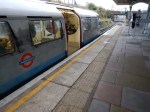
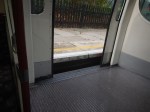
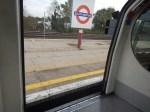
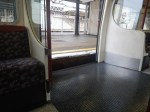
These pictures show the problem with the Class 1972 trains. When I got off one of these trains at Willesden today it was a jump.
It is some of the worst step-free access on the Underground.
On my short trip on the Bakerloo Line today, I deliberately sat in the last carriage. On most stations the the last carriage was aligned with the end of the platform, which leads me to the conclusion, that most stations are about as long as the trains, which are over 110 metres long.
Can a step-free platform be designed, that will work with the following trains?
- The current Class 378 trains
- The future Class 710 trains
- The current Underground 1972 Stock.
- Any future deep-level Underground trains
The latter could make design more difficult, if the train is built for Unattended Train Operation (UTO) and if platform edge doors are needed at all stations with UTO.
The only solution I can think of, is one that is used in Karlsruhe in Germany and is now being used at Rotherham Central station to accommodate main line trains and Class 399 tram-trains.
The platform is long enough to have two sections, with different platform heights.
- A high section is used with the main line trains.
- A low section is used with the Underground trains.
- Platform edge doors could be fitted to the low section.
- A gentle slope would connect the two sections.
- Entry to the combined platform could be near where the two sections join.
Also, consider the following.
- Given that the length of a Class 710 train is around 80 metres and that of a 1972 stock is in excess of 110 metres, it will be a long platform.
- Selective door opening will be installed on all trains.
- I do wonder, if the new trains for the Watford DC Line are only four cars to ease the problem of step-free access. The reduced length could knock twenty metres off every platform.
- Could we even see the new Underground trains built to a shorter length?
I’m sure that a workable platform design is possible.
The Bakerloo Line And The Watford DC Line
The Bakerloo Line is being extended to the South, but nothing has been said about how it will be changed in the North.
Possibilities for Northern terminals for the line could include.
- Queen’s Park
- Stonebridge Park
- Harrow and Wealdstone
- Watford Junction
It’s also complicated because the depot is at Stonebridge Patk.
I wouldn’t rule out extending the of the Bakerloo Line to Watford Junction, as is talked about in Wikipedia under Re-extension to Watford Junction.
What would be the consequences, if the following were to be done?
- An extended Bakerloo Line has an increased frequency of at least twenty tph between Watford Junction and Lewisham.
- The new trains for the Bakerloo Line are faster.
- The new Bakerloo Line trains had a capacity increase from the current 700, so they carried about the same as the five-car Class 378 trains.
The increased frequency of Bakerloo Line service, would probably result in London Overground’s Euston to Watford service to be discontinued.
The benefits would be as follows.
- Stations from Queen’s Park to Watford Junction would get a more frequent service, of possibly a train every three minutes.
- The problems of step-free access and platform-edge doors would be solved, as all trains would be on the Bakerloo Line.
- London Overground would not need any platforms at Euston, which could help in the rebuilding of Euston for HS2.
It would also mean that London Underground got another high-frequency Underground Line without any junctions, that could be run very efficiently.
But it would mean Kilburn High Road and South Hampstead stations would lose their connection to Euston.
A Willesden Junction To Stratford Via Kilburn High Road, South Hampstead and Primrose Hill Service
Reopening Primrose Hill station has been mooted in the past. This is said in the Wikipedia entry for the station.
It has been proposed to re-open Primrose Hill station by bringing the short stretch of line between South Hampstead and Camden Road stations back into the regular passenger service by incorporating it into the London Overground network.
A reopened Primrose Hill station, would only be a short walk to Chalk Farm station.
At Willesden junction station, there is even a convenient South-facing bay platform, that is numbered 2 and could handle four tph.
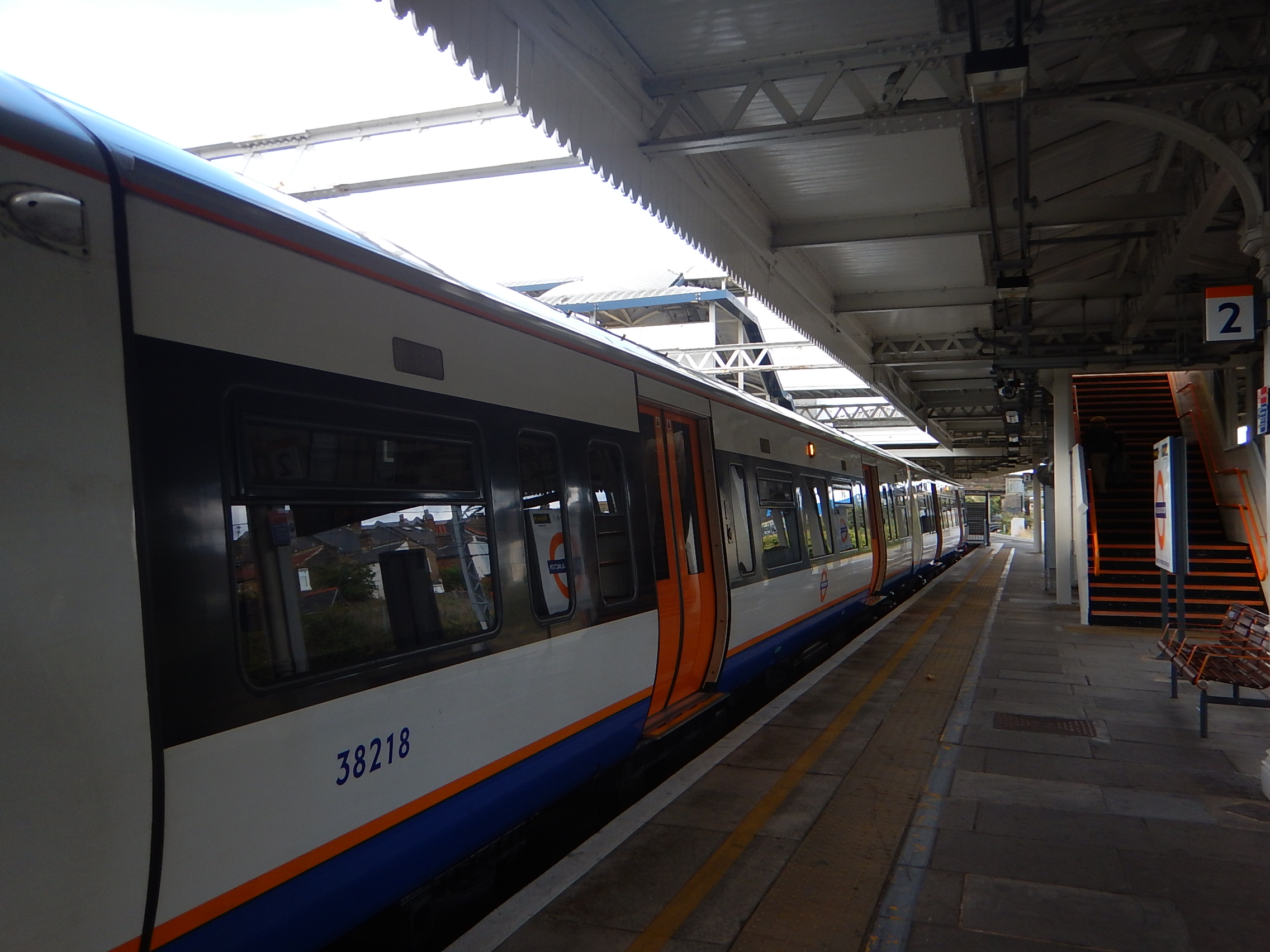
The picture shows a Class 378 train in Platform 2 at Willesden Junction station, was taken on Sunday, the 2nd of October 2016, during engineering works, when a Rail Replacement Train was run between Willesden Junction and Stratford stations.
But there are problems.
- Where would you terminate the service at its Eastern end? Highbury and Islington, Stratford or somewhere else, like perhaps a reopened Maiden Lane station?
- Kilburn High Road and South Hampstead stations sill lose their srtvoce to Euston and they would have to change at Highbury and Islington.
- Organising the time-table might be difficult.
- I also think, it would mean that Kensal Green station would be very difficult to make step-free, if it had to be served by both Overground and Bakerloo Line trains.
On the other hand, Queen’s Park station is an excellent example of a step-free cross-platform interchange between the two types of trains and Willesden Junction station could be equally good.
Crossrail, The Bakerloo Line And The Watford DC Line
All these three lines either serve Watford Junction or it has been suggested that they do.
- Plans to extend Crossrail up the West Coast Main Line would probably include a stop at Watford Junction, if they materialise.
- Extending the Bakerloo to Watford Junction is suggested from time-to-time.
- The Watford DC Line already serves Watford Junction station.
Given that a high-frequency efficient extended Bakerloo Line running between Watford Junction and Lewisham would serve the smaller stations on the way to Watford very capably, I suspect that whatever happens to Crossrail and the Watford DC services, the Bakerloo Line will be extended to Watford Junction.
The extended Bakerloo Line would have the following characteristics.
- Probably all trains running between Watford Junction and Lewisham.
- A frequency of upwards of 20 tph
- No junctions and end-to-end running like the Victoria and Jubilee Lines.
- Full step-free access at all stations.
- New faster, walk-through trains with wi-fi and 4G.
- An efficient connection to Crossrail at Paddington will be opened in December 2018.
- National Rail connections at Charing Cross, Elephant and Castle, Lreisham, Marylebone, Paddington, Waterloo and Watford Junction
It may be London’s forgotten line, but once extended, it could be a new star. Especially, if it gets to be linked directly into Old Oak Common station for all the services including HS2, that will be available there.
The Watford DC Line doesn’t connect to Crossrail, which makes me feel, that when everything gets decided about the extended Bakerloo Line and the new station at Old Oak Common, then the Watford DC Line could miss out.
Through Running Between North And East London Lines
I seem to remember reading in Modern Railways about ten years ago, that there was an ambition in TfL to extend some East London Line trains to Willesden Junction.
Look at this map from carto.metro.free.fr, which shows the lines at Highbury and Islington station.
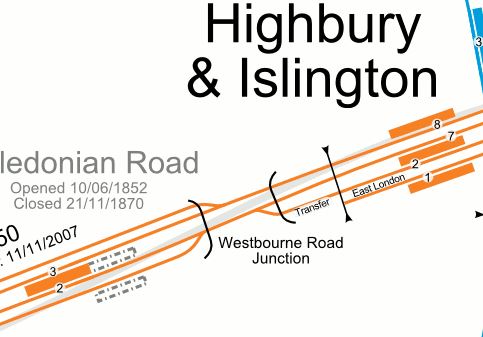
Note the single line labelled Transfer, that connects Platform 2 at Highbury and Islington station to the Westbound North London Line, that runs through Platform 7.
I think it would be possible to make Platform 2 into a bi-directional through platform.
- All Westbound trains on the Westbound North London Line would leave from the island platform between platforms 2 and 7.
- Voltage changeover between 750 VDC and 25 KVAC would take place in Platform 2.
- A four tph service in both directions would mean a train every 7-8 minutes.
- The four-track section of the North London Line between Highbury and Islington and Camden Road stations, includes two reversible lines.
Was this all future-proofing to allow services to run between the North London and East London Lines?
It is interesting to note, that Platform 2 is used for services to and from West Croydon station.
These services take around 51-55 minutes and currently need eight trains for a four tph service.
This screen capture shows the train timetable, when I rode between Highbury and Islington and Willesden Junction stations.
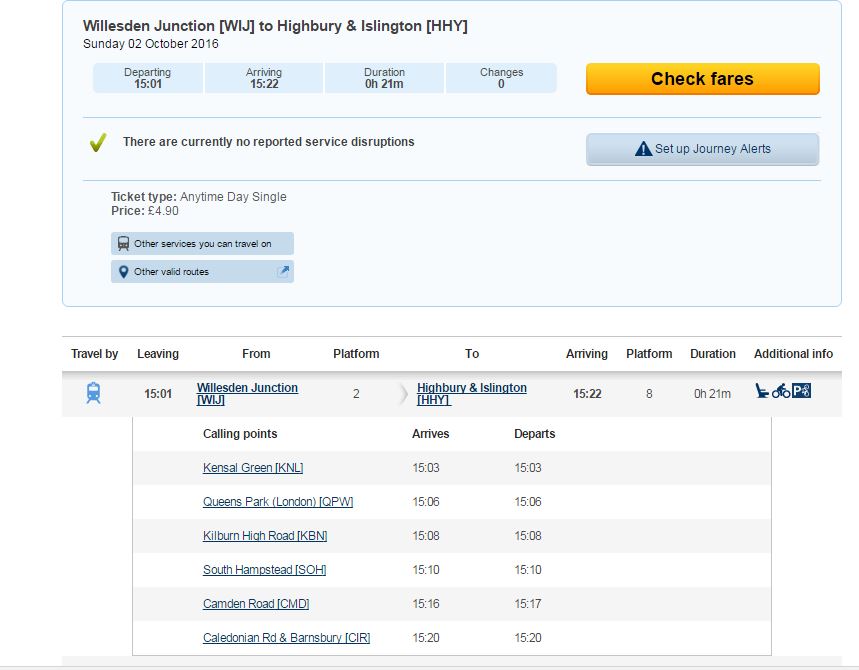
Note that the journey takes 22 minutes.
I am led to the conclusion, that it would be possible to run a service between West Croydon and Willesden Junction stations.
The service would run via Kilburn High Road, South Hampstead and and a reopened Primrose Hill stations.
It would have a frequency of four tph.
Trains would change voltage at Highbury and Islington station.
I would certainly like the service for these reasons.
- I regularly travel along the North London Line from the West to Dalston Junction station. The change between the North and East London Lines at Highbury and Islington can be very busy.
- Going West along the North London Line from Dalston Junction can involve a lot of walking up and down at Highbury and Islington station.
- Using Dalston Kingsland station to go East can be difficult, as there are masses of passengers changing between rge two Dalston stations.
- I like to go to Primrose Hill and London Zoo.
- Could the service also ease the pressure on Camden Town station, until the upgrade is complete?
I have no idea if London Overground would do this, but if there was a vote, I’d say yes!
The Gospel Oak To Barking Line
I have never seen a detailed analysis of running trains on the Gospel Oak to Barking Line (GOBLin).
Currently, eight Class 172 trains provide the four tph service. Consider this round trip.
- Leave Gospel Oak station at 09:05
- Arrive Barking station at 09:42
- Leave Barking station at 10.03
- Arrive Gospel Oak station at 10.45
Note.
- It is a very generous timetable.
- There is a twenty minute turn-round time at both ends of the route, which is good for recovering the timetable after a delay.
- The Class 710 trains could save time at every one of the ten stops, as they accelerate faster, have smooth regenerative braking and should have a better platform-train interface.
This leads me to the conclusion, that the Class 710 trains could run a faster service on the line.
Extending Services To Barking Riverside
Barking Riverside station will only be a short distance from Barking station and I suspect, it would only add ten minutes at most to the end-to-end journey time.
As there is a twenty minute turn-round time, I suspect that a train will be able to go from Gospel Oak to Barking Riverside and back again in under two hours.
This would mean that the current service of four tph could be possible on the extended route, with the same fleet of eight trains.
This is said in the MR article about the Class 710 trains.
The remaining two additional four-car units would support the extension of Gospel Oak to Barking services to Barking Riverside.
This leads me to one of these conclusions.
- The service is going to be extended somewhere else.
- The frequency on the route is going to be increased to five tph.
The next few sections deal with the various options.
Extending To The West Along The North London Line From Gospel Oak
I sometimes change between the GOBLin and the North London Line, as I can get a convenient bus from my house to Harringay Green Lanes station.
Allowing GOBLin services to continue along the North London Line would need extensive and expensive remodelling of Gospel Oak station to create an Eastbound plstform for the GOBLin.
The tracks to the West of the station, would probably need to remodelled to allow efficient operation.
The GOBLin trains would also be four-car trains, as opposed to the five-car trains on the North London Line.
Extending To The North Along The Midland Main Line
By using the Carlton Road Junction after Upper Holloway station, GOBLin trains could access the Thameslink tracks and go North to a convenient station.
Unfortunately, the track layout is such, that crossing to the Dudding Hill Line is difficult.
But continuing to the proposed Brent Cross Thameslink station is surely a possibility.
Although, I can’t see anything happening until plans for the West London Orbital Railway are agreed and Brent Cross Thameslink station is opened.
So it can probably be discounted for a few years yet!
Extending Across The Thames From Barking Riverside
Barking Riverside station is being built so that an extension under the Thames is possible.
But as a tunnel would be involved, I can’t see this extension being started or even planned fully for several years.
Five tph On The GOBLin
If two extra trains are added to the GOBLin fleet, this would mean that there are ten trains, which would be enough to run a five tph service between Gospel Oak and Barking Riverside stations.
I think this will be the most likely use of the two extra trains on the GOBlin.
Romford To Upminster
The Romford To Upminster Line is slated to get a brand-new Class 710 train to work the two tph shuttle.
The DR article says that it is possible that this line could be served by a Class 315 train, held back from the scrapyard.
This would mean a new Class 710 train could be deployed elsewhere, where its performance and comfort levels would be more needed.
Surely, this would be enough capacity for the line and a lot cheaper than a new Class 710 train! Provided of course, that it was reliable, comfortable and could maintain the current two tph service.
I discuss this in detail in A Heritage Class 315 Train For The Romford-Upminster Line.
Conclusion
It looks like Transport for London are planning for a large increase in services on the East London Line.
A Proposal For Two London Overground Stations At Old Oak Common
Transport for London published this proposal a few weeks ago, but it’s only now that I’ve found time to document it here.
TfL’s Proposal
This document on Tfl’s web site, gives full details of their proposals.
The Location Of The Stations
This map from TfL shows the location of the two stations.
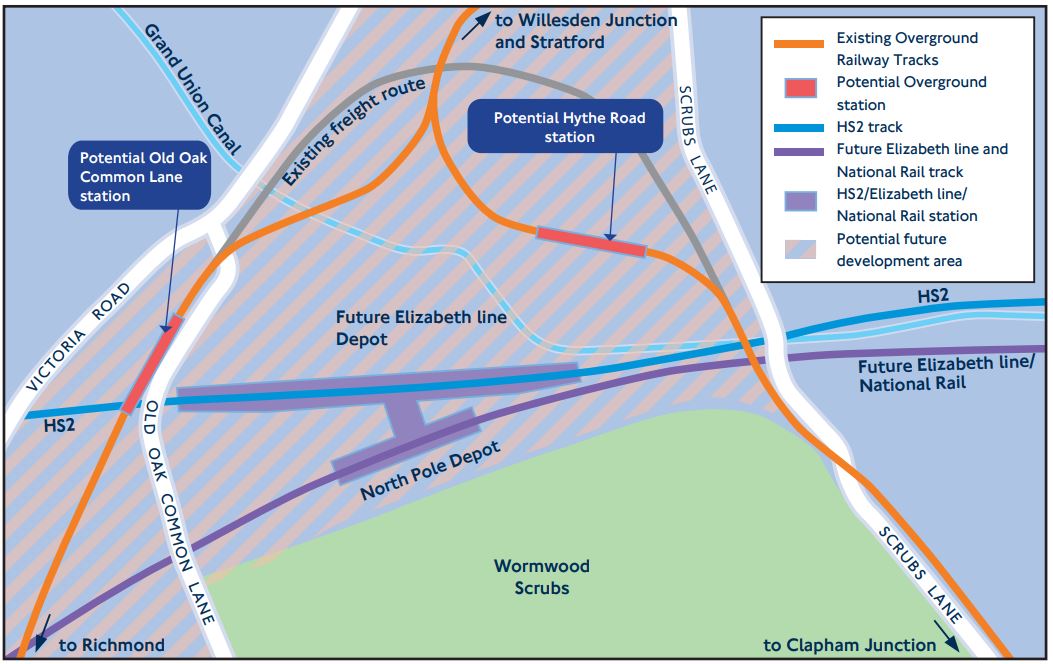
Hythe Road station will be on the West London Line between Willesden Junction and Shepherd’s Bush stations.
Old Oak Common Lane station will be on the North London Line between Willesden Junction and Acton Central stations.
This Google Map shows the area.
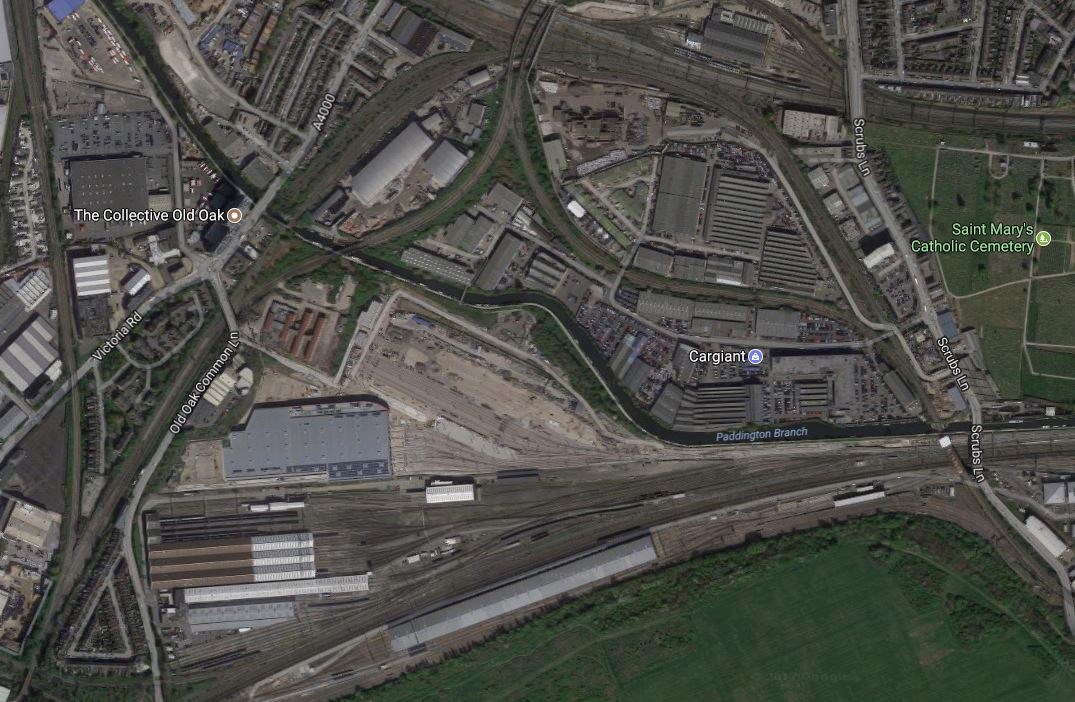
Three features on both maps link them together.
- The Grand Union Canal.
- The layout of the two Overground Lines that meet at the distinctive Willesden High Level Junction.
- The long silver-roofed North Pole Depot at the bottom of the maps.
Note from the Google Map, how much space is available.
Are Two New Stations Needed?
There are various factors at work here.
More Stations And Entrances Shorten Journey Times
Research has shown that the more routes you give passengers, the quicker and easier the journeys.
Old Oak Common Is A Large Site
25,500 new homes and 65,000 jobs are being created in the Old Oak Common/Park Royal area and two new stations are probably needed.
The North And West London Lines Pass Separately Through The Site
Two separate stations give direct services to the following.
- West and South-West London via the North London Line.
- North and North-East London via the North London Line.
- Clapham Junction for South London via the West London Line.
Some might argue, that a new spur from Willesden High Level Junction, where the two lines divide direct to the combined HS2 and Elizabeth Line station, may be a better and cheaper option.
But this would only provide a connection to North and North-East London. Connections to the latter area, are also provided by the Elizabeth Line with a change of train at Liverpool Street or Stratford.
Conclusion About Two Stations
I’m convinced, that two Overground stations are needed and I suspect eventually, there will be other stations.
Hythe Road Station
TfL’s proposal for Hythe Road station would be built to the North of the existing embankment of the West London Line, which would be demolished.
This visualisation is from the TfL document.
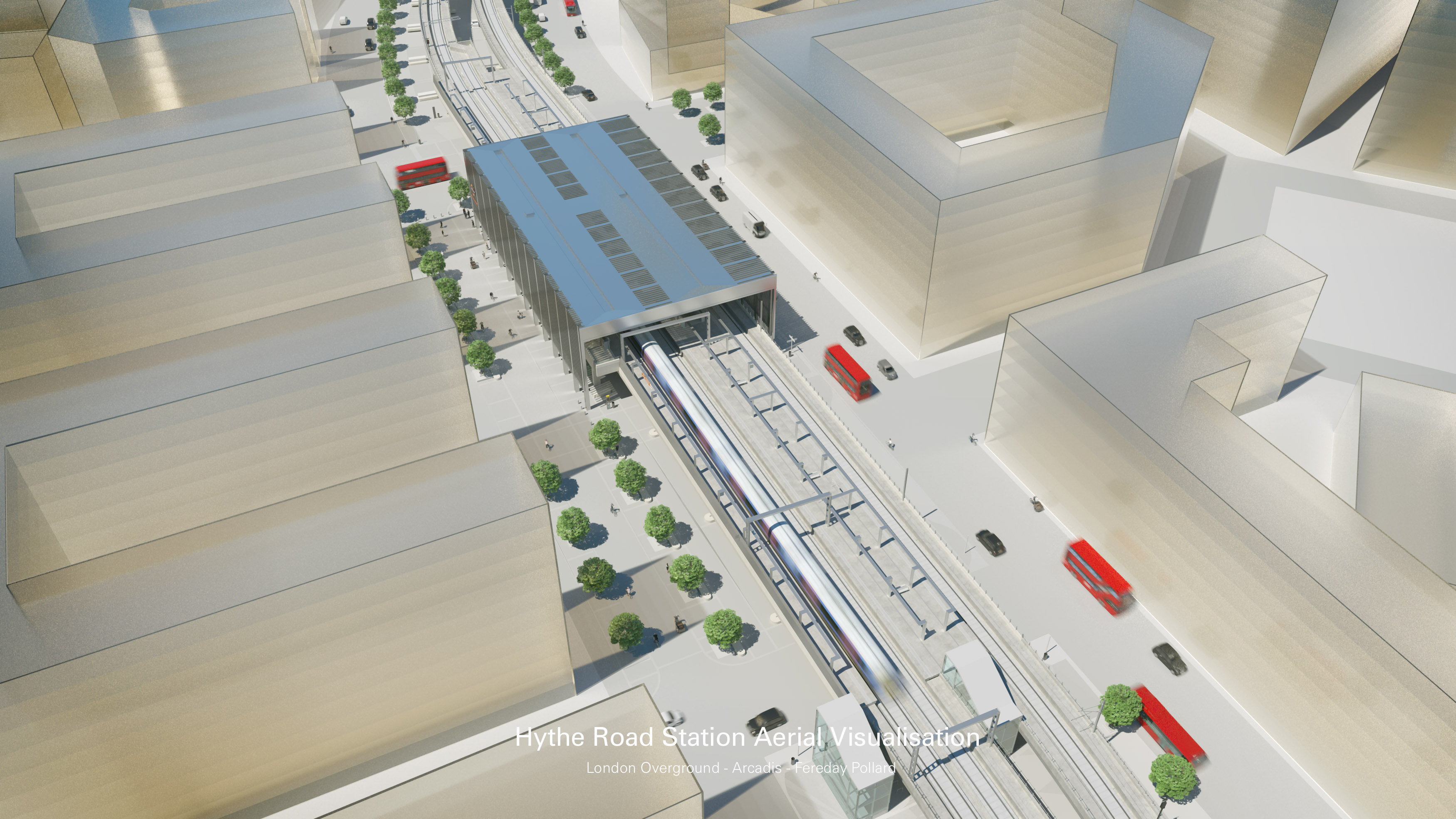
It would appear to be reminiscent of Shoreditch High Street station, but built at ground-level.
Conclusion About Hythe Road Station
It is an inherently simple proposal, that can be built around an existing rail line, so it shouldn’t create too many construction problems.
Old Oak Common Lane Station
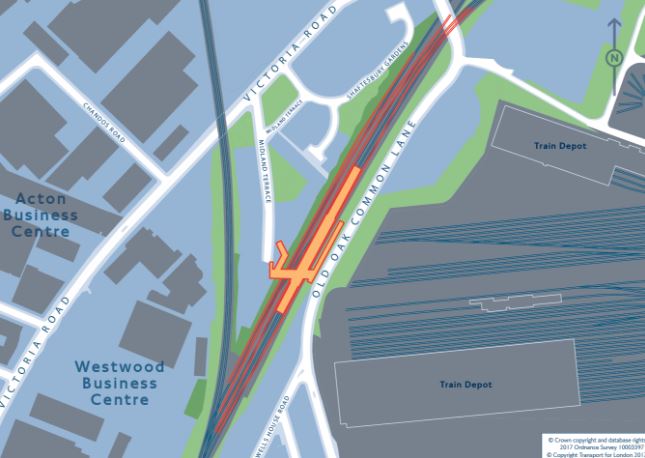
TfL’s proposal for Old Oak Common Lane station would incorporate an overbridge extending westwards to Victoria Road, to allow pedestrians and cyclists to cross the railway.
This map from the TfL document shows the location of the station.
And this Google Map shows roughly the same area.
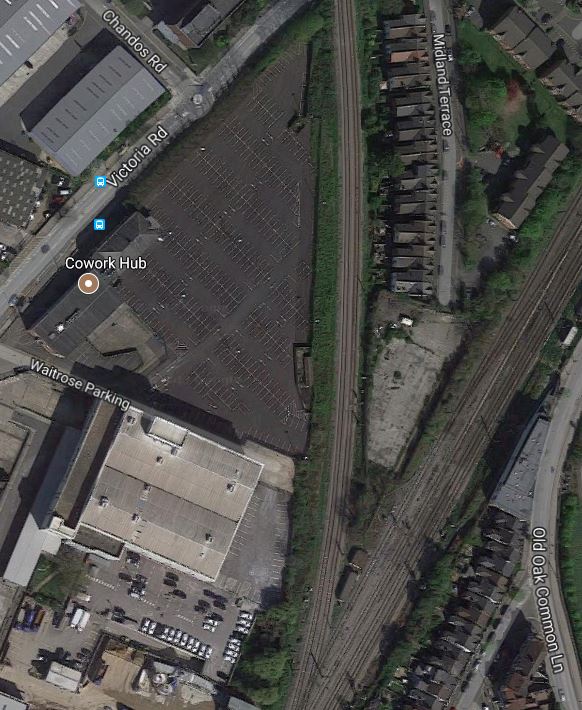
The line breaking off to the North is the Dudding Hill Line, which is an important part of a proposal for a new railway line in West London, which I wrote about in New Railway Line For West London Proposed.
This visualisation is from the TfL document.
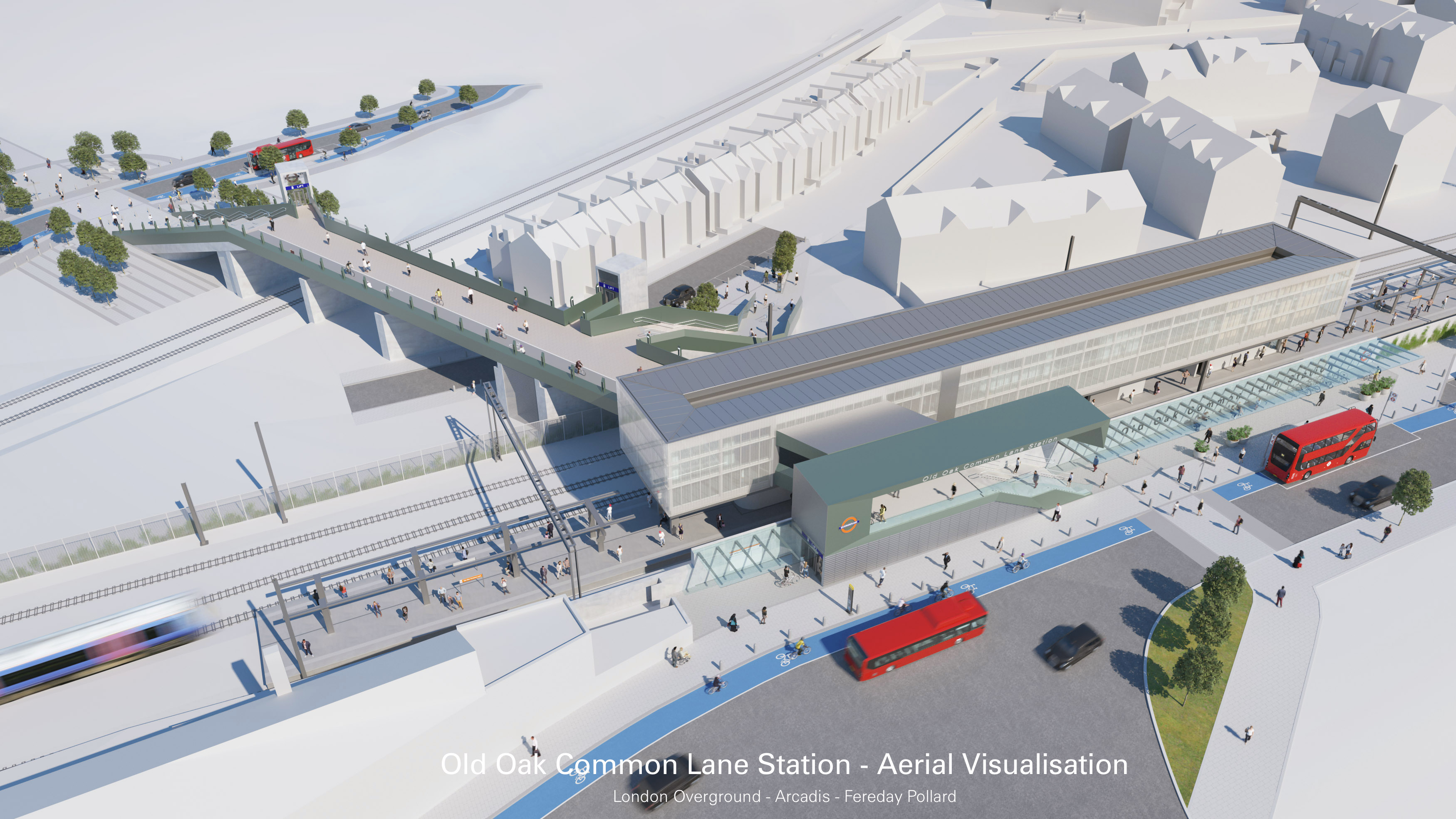
Note.
- The bridge for cyclists and pedestrians to Victoria Road.
- The Dudding Hill Line passing under the bridge.
It very much looks like Old Oak Common Lane station could have platforms on the Dudding Hill Line, which would be a very important addition to the West London Orbital Railway proposal.
Cnclusion About Old Oak Common Lane Station
TfL’s proposal looks comprehensive and reasonably simple to build.
It also includes provision to connect to the proposed West London Orbital Railway.
What Else Would I Do?
Here are my thoughts.
An East-West People Mover
The only one thing I would definitely add, is some form of people mover stretching East-West across the whole Old Oak Common site.
My preferred option would be to use a high-level moving walkway perhaps enclosed in a glass tunnel, which would stretch from Victoria Road in the West to perhaps Wormwood Scrubs Park in the East.
Escalators and lifts would give step-free connections to Old Oak Common Lane, HS2, Elizabeth Line and Hythe Road stations.
We’re not getting any younger!
Terminal Platforms
Both stations could have terminal platforms in the visualisations.
But they would surely be a good idea to allow extra services to be run to and from the major station complex.
Both new stations will have a platform on each track.
Would it be a good idea to have a third platform, that could be used as a bay platform in both directions?
A Terminal Platform At Hythe Road Station
The West London Line currently has a Milton Keynes to East Croydon service and this must mean that services to the West Coast and Brighton Main Lines are possible from a Hythe Road station.
- Trains to the South could go to Clapham Junction, East Croydon, Gatwick and any desired station South of London.
- Trains to the North could go to Wembley Central, Watford and Milton Keynes.
A stopping service on the West Coast Main Line would be complementary to HS2. Take for instance, sports or music fans going to an event at Wembley Stadium.
A Terminal Platform At Old Oak Common Lane Station
The only passenger services on the North London Line are London Overground services, between Stratford and Eichmond, but surely a terminal platform at Old Oak Common Lane station could be useful in providing some needed services.
If the West London Orbital Railway is created, this will add eight trains per hour after Acton Central. This might be too many trains for the route, so perhaps there would be a need to turn-back some trains from Stratford at Old Oak Common Lane?
A terminal platform at Old Oak Common Lane station might be used for an extended Gospel Oak to Barking service.
Building The Stations
I haven’t had a good look at the sites of the two stations and I don’t know the area well.
But I do have the feeling that both these stations can be built independently without affecting any other projects.
So they could be built at any convenient time in the development of this large site.
Crowded Roads In West London
Today, I tried to get to West Drayton station to have a lunchtime drink with an old mate from Cambridge, who had called me up yesterday, as he might have needed a second person to help him with one of his robotic machines.
But it all went pear-shaped at Paddington, where trains to West Drayton were very much delayed and I was advised to take the Underground to Greenford station and then use a bus.
But at Greenford, there wasn’t a bus map or anybody to ask, so in the end I took a bus to Ealing Hospital, where I thought I knew I could get a bus to West Drayton. But there wasn’t! So I thought about giving up and instead, I got a bus to Ealing Broadway station, to get back to Paddington. But I arrived at Ealing Broadway station, just before a train to West Drayton arrived. I caught that, had a drink with my friend and then caught a train back to Paddington. He didn’t need me to help, as all he needed was a pair of eyes to tell him what was happening at the sharp end of his machine and the client had turned up with his glasses.
So I achieved my objective and also had a wander round the Boroughs of Ealing and Hillingdon on buses and trains.
I trundle round North and East London most of the time and sometimes I even cross the River and go to the Deep South.
But I do find West London the most crowded, with buses slowed by all the traffic on the roads and infrequent very busy trains.
The West of London needs improvement in public transport.
I sometimes think, the traffic has got worse over the forty-six years, I had a driving licence.
Rail And Underground Lines
There are several lines going West from Central London, which include.
- The Chiltern Line from Marylebone to West Ruislip
- The Central Line to West Ruislip
- The Metroplitan Line to Uxbridge
- The Piccadilly Line to Uxbridge
- The Great Western Main Line tfrom Paddington to Reading and Heathrow
- The Piccadilly Line to Heathrow
Going further round, there are several lines from Waterloo going to the South West.
Only one line; the West London Line goes North South, although there used to be others.
The network is probably more sparse than some other directions from London.
Reliance on Cars And Buses
I think this rather thin coverage, puts a heavy radiance on cars and buses, which might explain the crowded roads.
Crossrail
Crossrail will bring improvement with the following Off Peak services in trains per hour (tph), along the slow lines of the Great Western Main Line.
- 4 tph to Heathrow Terminal 4
- 2 tph to Reading
- 2 tph to Maidenhead
Note.
- The central core tunnel probably has a limit of 24 tph.
- The service has a good balance between the various destinations.
- There will also be Great Western Railway services.
- Looking at the Crossrail schedule, there is scope to adjust the schedule on each branch.
I think that as Crossrail develops and the line and its passengers learn more about each other, the service pattern of Crossrail will change.
If I have a worry about Crossrail, it is that few of the stations towards Central London have many parking spaces, so will walking, cycling and the buses be adequate for Crossrail to tap its full potential?
The West London Tram
The West London Tram was proposed by Ken Livingstone in 2002.
These paragraphs from Wikipedia describes the tram and its route.
The West London Tram was a proposed on-street light rail line that was to run along the Uxbridge Road (A4020) corridor in West London, England. The scheme is promoted by Transport for London (TfL) but opposed by the councils of all three London Boroughs through which it would run. It was postponed indefinitely on 2 August 2007
The tram route was planned to run between Uxbridge and Shepherd’s Bush, serving Hillingdon, Southall, Hanwell, West Ealing, Ealing and Acton en route and would have completely replaced a number of equivalent London Bus routes.
If it had been built it would have had good connectivity to Crossrail and the Central Line. But the view of those against the project prevailed.
In my trip today, you could see why probably every car driver in the area, would be against a scheme like the tram. Only at places on the route, where there was a wide island of grass dividing the carriageways, would the tram not have increased congestion.
It looks like the thirty million pounds spent was wasted.
Crossrail And/Or West London Tram?
This Google Map shows the area around the three stations of Hanwell, West Ealing And Ealing Broadway.
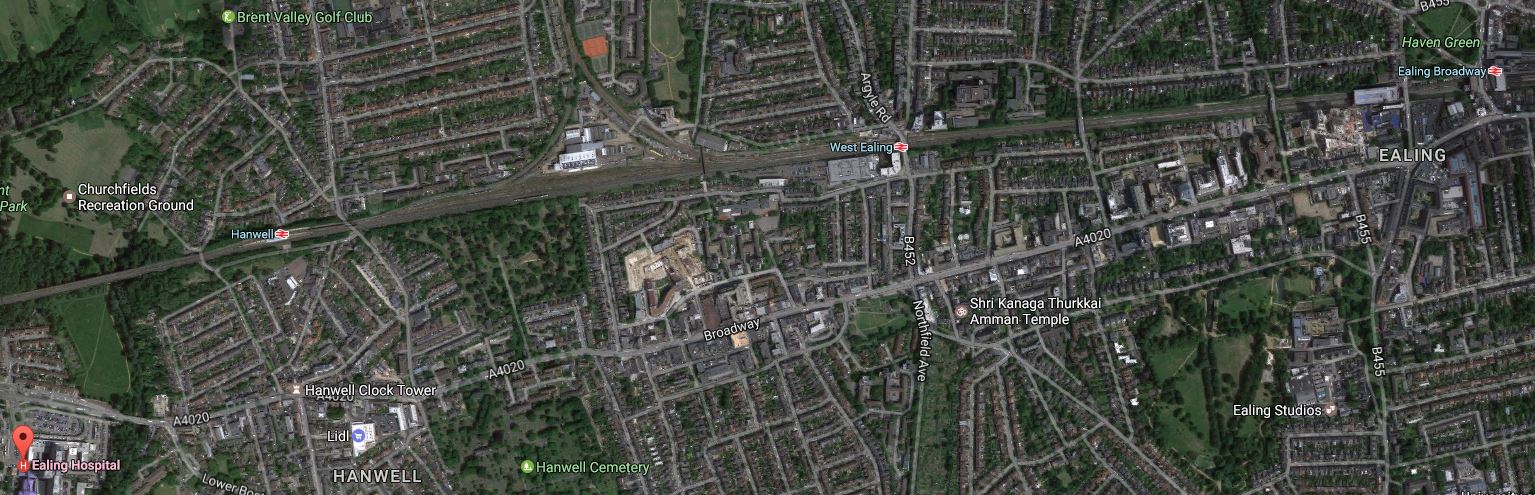
Great Western Main Line And The A4020 Through Ealing
Note.
- The Great Western Main Line across the middle.
- The A 4020 runs South of and parallel to the railway.
- Ealing Hospital is marked by the red arrow in the bottom left of the map.
I asked in the Header to this section if it should be And/Or between the projects.
Undoubtedly, it should be Or! Taxpayers can’t afford both!
In comparing the two, I believe the following points are valid.
- Trams stop about three or four more times than trains.
- The train is faster.
- The tram doesn’t serve Old Oak Common station or Heathrow.
- Trams annoy drivers in the same way that bendy buses do.
- Crossrail has a rich connection pattern compared to the tram.
- Pedestrians probably prefer trams, whilst drivers prefer trains.
The politicians decided and chose the trains.
Making More Of The Railways
If the streets are crowded can we use the existing railways to inject greater capacity into the existing railways in West London?
The key to this, as it sits in the middle of so many lines is the creation of a new station at Old Oak Common.
I will now summarise the possible rail projects that can be developed in West London
Chiltern Railways To Old Oak Common
Chiltern Railways have a capacity problem at Marylebone and one way to alleviate it would be for Chiltern to create a second terminal at Old Oak Common station, which could be accessed using an improved New North Main Line.
There is a real possibility of this project going forward and it could have many worthwhile features.
It would add another East-West route across West London, but with the comprehensive connectivity of Old Oak Common.
Chiltern Metro Creation
Wikipedia says this about a Chiltern Metro.
New Chiltern Metro Service that would operate 4+tph for Wembley Stadium, Sudbury & Harrow Road, Sudbury Hill Harrow, Northolt Park, South Ruislip and West Ruislip. This would require a reversing facility at West Ruislip, passing loops at Sudbury Hill Harrow, and a passing loop at Wembley Stadium (part of the old down fast line is in use as a central reversing siding, for stock movements and additionally for 8-car football shuttles to convey passengers to the stadium for events).[73] This ‘Chiltern Metro’ service was not programmed into the last round of franchising agreements.
When I wrote Could A Chiltern Metro Be Created? and came to the conclusion, that it might be possible, I got several positive responses.
Greenford Branch Improvements
The Greenford Branch Line connects the Great Western Main Line and the New North Line.
This map from carto.metro.free.fr shows the Northern end of the branch, where it joins the New North Line.
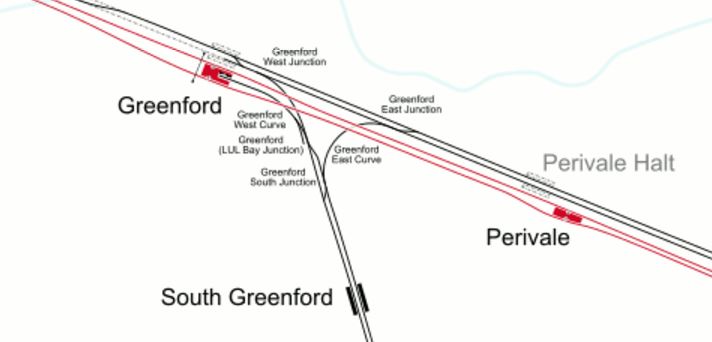
Northern End Of The Greenford Branch
Whilst this map from carto.metro.free.fr shows the Southern end of the branch, where it joins the Great Western Main Line.
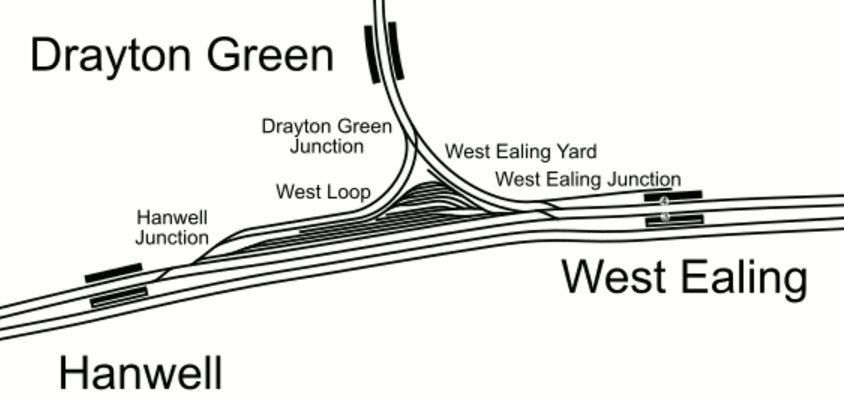
Southern End Of The Greenford Branch
What service the line will get after Crossrail opens has still to be decided,
- 4 tph between West Ealing and Greenford stations is certainly possible.
- There are those, including Ealing Council, who don’t like Greenford losing its direct connection to Paddington.
- A rebuilt Greenford station could incorporate Chiltern services.
As the connections at both ends of the branch allow trains to go in either an East or West direction, could this be useful in creating services between the two main lines?
Brentford Branch Reopening
I wrote about this in Could The Golden Mile In Houslow Get A Station?
The Brentford Branch could be a useful branch, worked by a shuttle train!
Hounslow Loop Line Improvements
The Hounslow Loop Line, which has a strong presence on both sides of the river and takes passengers to and from Waterloo, is being improved to increase capacity.
Could we see the Overground opening new services along the North London Line to perhaps Brentford, Hounslow and Feltham stations?
The route is used by freight trains, and Transport have suggested using the route to create an orbital Overground route.
Conclusions
The railways will take the strain in West London, after the abandonment of the West London Tram.
Improving Imperial Wharf Station
In the June 2016 Edition of Modern Railways, there was an article entitled Turning South London Orange.
One of the proposals is to create a walkway across Battersea Railway Bridge to give access to Imperial Wharf station from the South Bank of the River Thames.
This Google Map shows the station, the river and the South Bank.
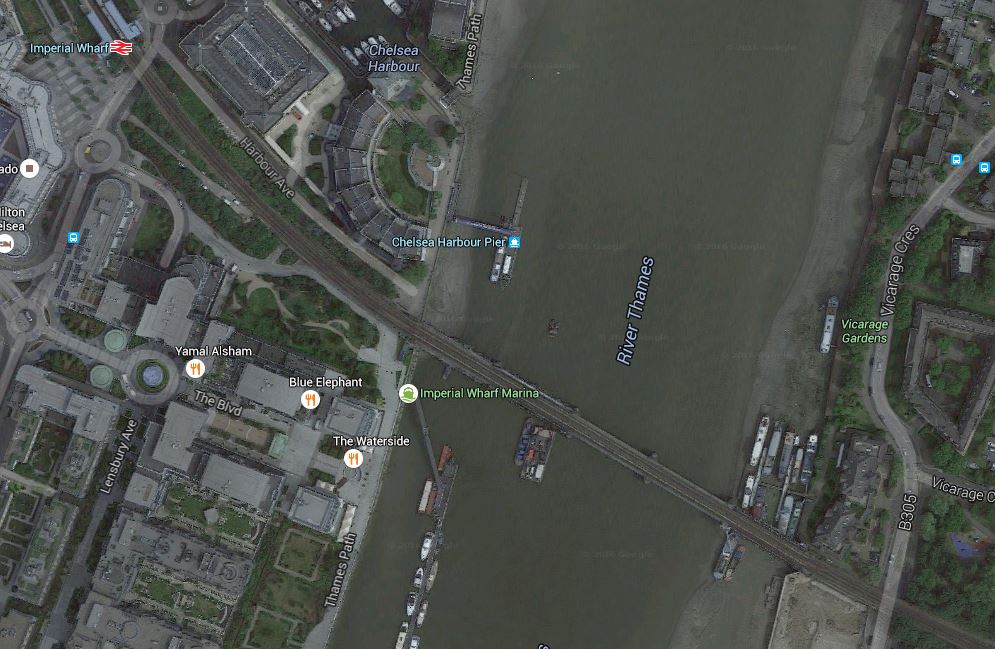
Just to look at this map, shows that the scheme has potential.
- I estimate that the distance is probably about five hundred metres.
- The walkway would also give access to the Thames Clippers at Chelsea Harbour Pier.
- The walkway would give better walking routes in the area and across the river.
Unfortunately, the design of the station is possibly not one, that could accept passengers walking in and out at track level, so without a lot of work at the station, passengers might have to climb down and up to get between the walkway and the platforms.
Battersea Railway Bridge is also a Listed structure and it may be difficult to add a walkway.
These pictures show the station and the bridge.
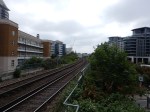
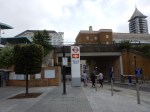
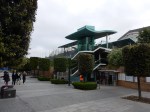
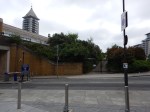
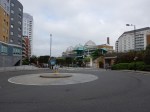
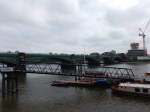
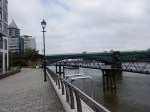
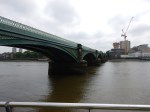
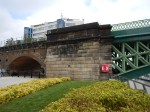
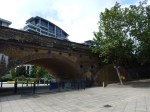
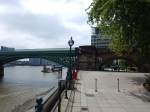
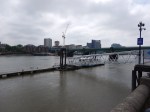
However, it would appear that help is at hand. There are plans for a new footbride called the Diamond Jubilee Footbridge, which will be directly upstream of the railway bridge. This page from the Diamond Jubilee Footbridge web site has a picture and the reasons, why it should be built.
Incidentally, there used to be a Battersea station on the South bank of the River, in the area of Battersea High Street.
This Google Map shows the area.
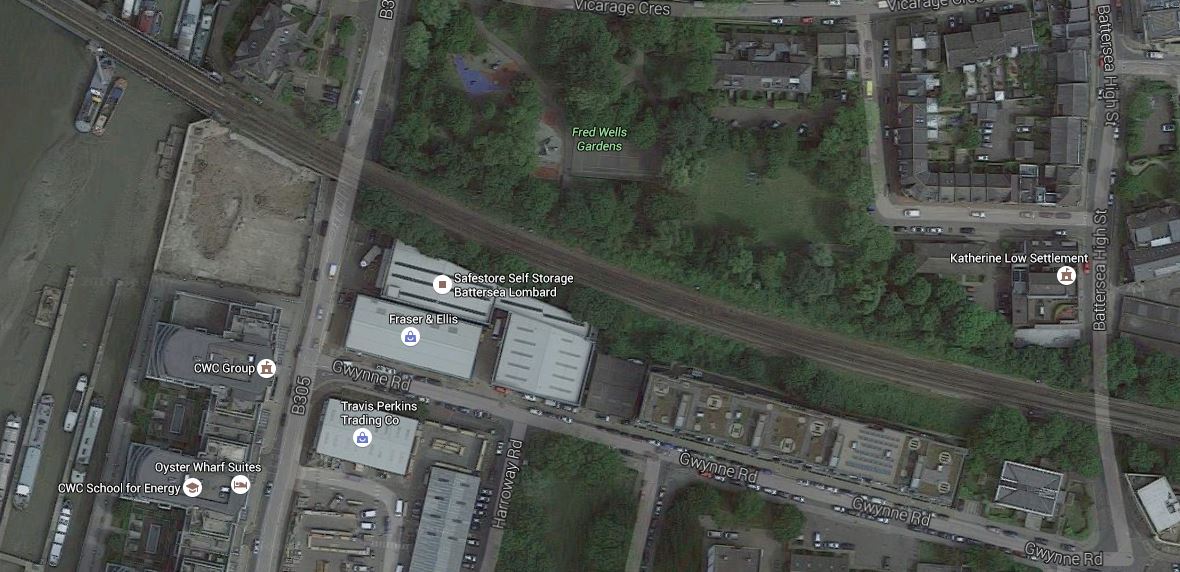
The Location Of Battersea Station
Although, it looks like the station, which was destroyed in 1940s by German bombing, could be rebuilt, I feel that the Diamond Jubilee Footbridge, is a much better way to spend the money.
 The Anonymous Widower