Platform 0 At Redhill Station Is Progressing
Redhill station is being upgraded.
This picture of the new Platform 0 was taken from the existing Platform 1.
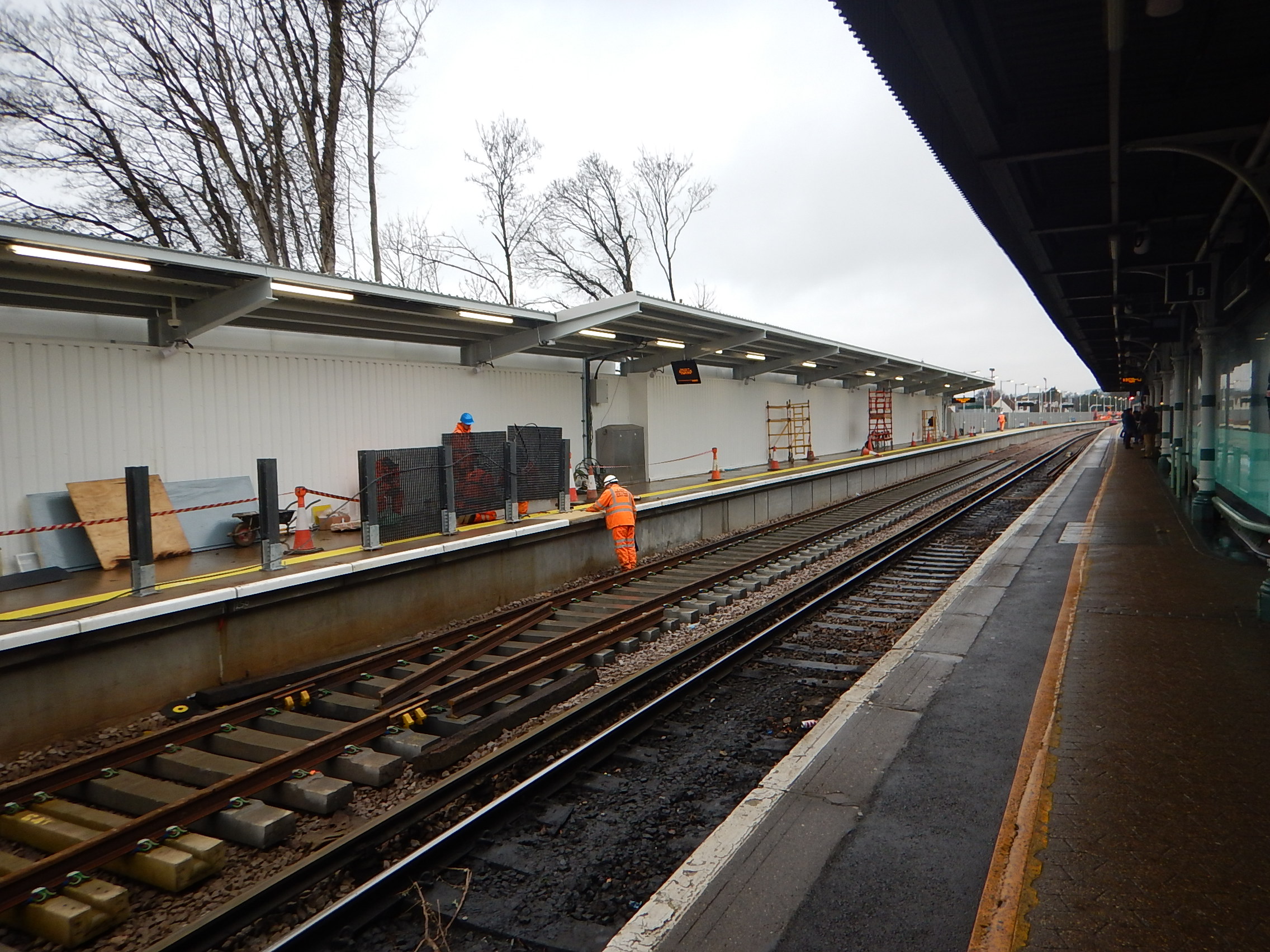
Works include.
- The new Platform 0 will become a through platform for trains to London.
- It is certainly long enough for a twelve car train.
- It appears it will be fully connected to the entrsnce by the car park.
- The current platform 1 will become a South-facing bay platform.
The January 2018 Edition of Modern Railways, also says this about the upgrade.
This is aimed to allow GWR to boost the Reading to Gatwick frequency from hourly to half-hourly from May 2018. The operator’s ultimate sim is to introduce a third hourly service on the North Downs line, although concerns from Network Rail about level crossing risk have affected progress with this plan.
Currently, the journey between Reading to Gatwick Airport takes 76 minutes without a change, but the train reverses direction at Redhill. One driver told me, that if GWR issued the drivers with better shoes, they could save a minute or so on the timetable at Rewdhill.
But 76 minutes isn’t a bad time by way of the North Downs Line. Especially, as the trains have to negotiste eleven level crossing! Is that what Network Rail mean by level crossing risk?
If you take Crossrail’s estimate of the Reading to Farringdon time of 59 minutes and the timetabled Farringdon to Gatwick Airport time of 54 minutes, you get a time 113 minutes or nearly forty minutes longer than the shorter and more direct route.
The North Downs Line is partly electrified with third rail and I wonder what time a Class 802 train could achieve!
Conclusion
The Platform 0 works at Redhill station are part of a fifty million pound project, whivh will do the following.
- Increase capacity at Redhill station.
- Remove conflicts between Brighton Line and Reading to Gatwick Airport services.
- Enable a two trains per hour service between Reading and Gatwick Airport.
It will be interesting to see if it works in May 2018.
The works do show how money spent on smaller projects can give multiple benefits.
Hitachi’s Thoughts On Battery Trains
On page 79 of the January 2018 Edition of Modern Railways, Nick Hughes, who is the Sales Director of Hitachi Rail Europe outlines how the manufacturer is embracing the development of battery technology.
He is remarkably open.
Hitachi’s Battery Development
Nick Hughes says this.
Hitachi has for many years seen great potential in battery technology.
We began studying on train storage energy systems in 2003. Working jointly qith operational partners in Japan and in the UK, we developed a realistic solution based on a lithium-ion battery, that could store the braking energy and reuse it for the traction.
Then came our V-train 2 (nicknamed the Hayabusa), which was tested on the Great Central Railway in 2007, using hybrid battery/diesel power and regenerative charging. This was the world’s first high-speed hybrid train.
This picture show the Hayabusa running in the UK.
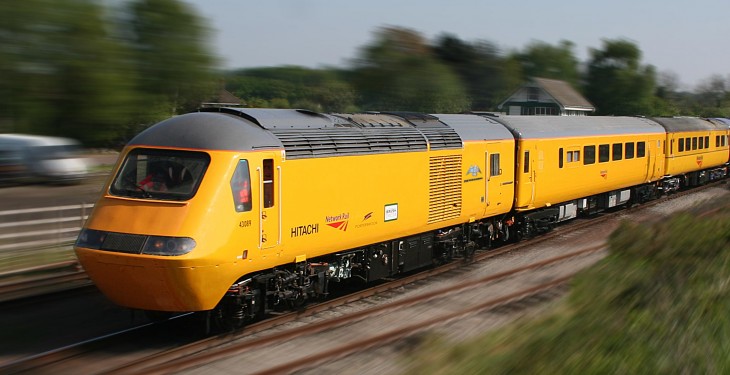
If you think it looks familiar, you are right! It’s a modified Class 43 locomotive from an InterCity 125. The locomotive; 43089, is still in service with East Midlands Trains. But without the batteries!
When the remaining members of the team, who had developed the InterCity 125 in the 1970s, saw these pictures, I suspect it was celebrated with a call for a few swift halves!
BEMU In Japan
Nick Hughes goes on to outline the status of Battery Electric Multiple Units (BEMUs) in Japan, where Hitachi launched a train called the DENCHA in 2016, on the Chikuhi line.
- The train has a range of up to 50 km on batteries.
- DENCHA is popular with passengers.
- The train won a prestigious award.
I don’t know what it is with battery trains, but the Bombardier/Network Rail BEMU Trial was also liked by those who rode the train. As was I!
Nick Hughes Prediction
Nick Hughes follows his description of the DENCHA, with this.
I can picture a future when these sorts of trains are carrying out similar types of journeys in the UK, perhaps by installing battery technology in our Class 395s to connect to Hastings via the non-electrified Marshlink Line from Ashford for example.
This would massively slice the journey time and heklp overcome the issue of electrification and infrastructure cases not stacking up. There are a large number of similar routes like this all across the country.
It is a prediction, with which I could agree.
Renewable Energy And Automotive Systems
Nick Hughes finishied by saying that he believes storing power from renewable energy and the development of automotive systems will drive battery technology and its use.
Conclusion
It is the most positive article about battery trains, that I have read so far!
My Main Electricity Supply
This may be a strange thing to post, but the company installing my smart meter needs a serties of pictures, so this way they will be easily available.


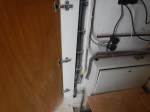
The pictures are in top to bottomn down the wall.
A Walk Down The Finchley Road
Aleks2cv made this comment on my long post about the West London Orbital Railway, which was entitled New Railway Line For West London Proposed.
West London’s version of Goblin, an available resource with potential. All urban London so suitable for Overground 4 car metro service.
I would add extensions to your outline.There is space at the former Midland Finchley Road station for a single terminating platform with existing street facade. Interchange with North London, Metropolitan, and Jubilee and coaches on Finchley Road such as Stansted AirLink.
It got me thinking.
This is only part of the comment and I’ll deal with the rest after Christmas, if I renmember.
This is a Google Map of the area along the Finchley Road, between Finchley Road and Frognal station in the North and Finchley Road station in the South.
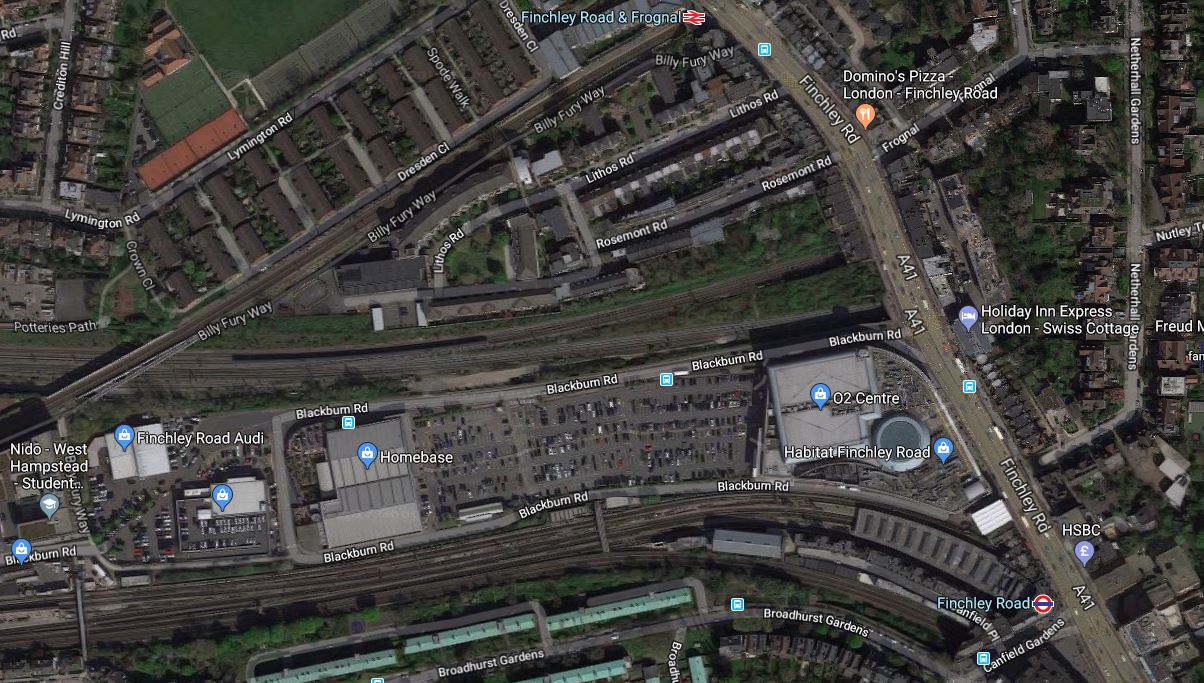
It is one of those interchanges, you might do in a North to South direction, as you have gravity assistance.
This second map from carto.metro.free.fr shows the various rail lines.

Note, the following lines can be seen in both maps.
- The Midland Main Line through West Hampstead Thameslink station, which crosses Finchley Road between Finchley Road and Frognal and Finchley Road stations.
- The Metropolitan and Jubilee Lines going through West Hampstead and Finchley Road stations.
- The North London Line going through West Hampstead and Finchley Road and Frognal stations.
I took these pictures as I walked down Finchley Road.

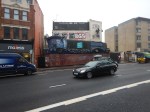
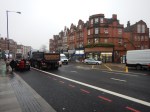
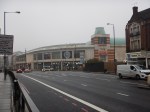
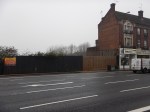
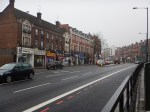
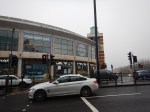
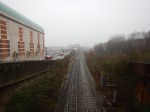


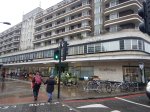

My thoughts on various parts of the area.
Finchley Road And Frognal Station
The station is a very poor example.
- There is no step-free access.
- Station buildings are minimal.
- There is a ruin next door.
- There is a need for perhaps a light-controlled crossing outside the station, as the road is very busy.
Improvement wouldn’t be helped, by the fact that the station is at the end of Hampstead Heath tunnel.
This Google Map shows a close-up of the station.
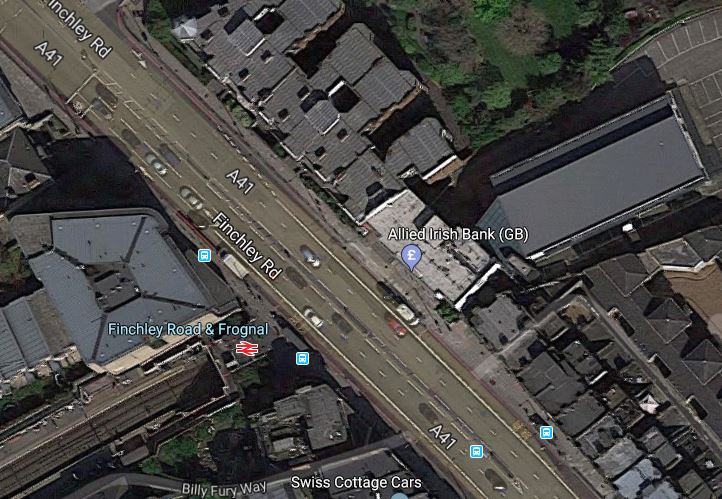
The only solution is probably a full rebuilding with perhaps a block of housing or offices on the top of a modern station.
The Midland Main Line
This Google Map shows the Midland Main Line as it passes under Finchley Road, to the North of the O2 Centre.
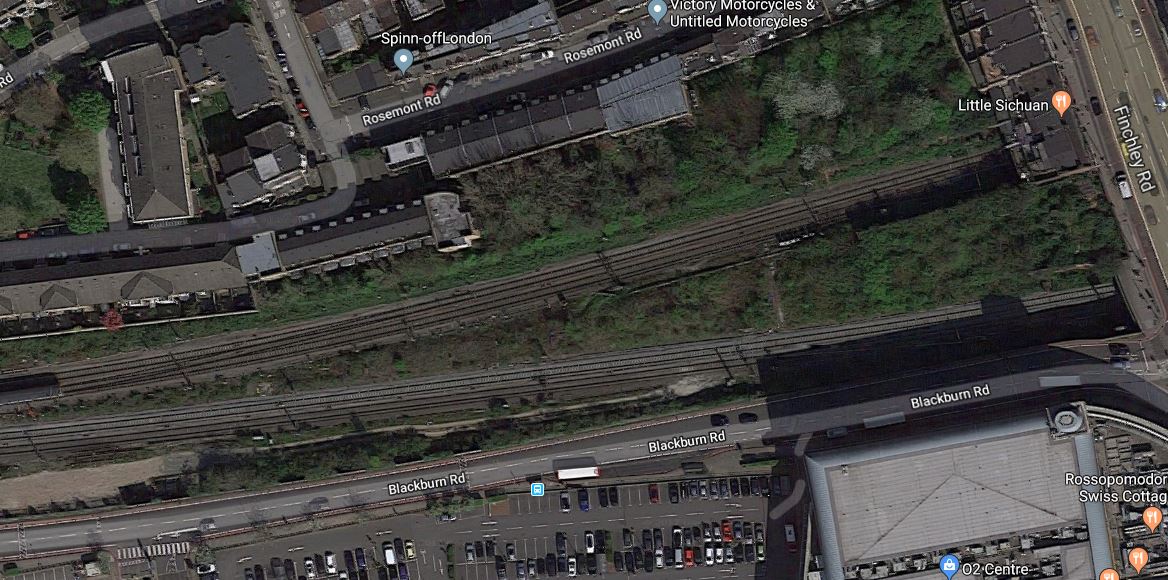
Note.
- There is not much space between the railway and the service road for the O2 Centre.
- The large surface-level car park of the O2 Centre is visible.
- The two slow lines are the Northern pair of lines, with the two fast lines to the South.
At least there is space in the middle of the lines.
A Terminus For The West London Orbital Railway
Aleks2cv in his comment, felt that the West London Orbital Railway can be extended to Finchley Road.
I think this could be very difficult, as the West London Orbital Railway will probably be a single track railway sneaking up the South side of the Midland Main Line.
- There is very little space.
- Passengers would still have to walk about a hundred metres to connect to the Underground.
- Connecting to the Overground would require a stiff walk up the hill.
This Google Map shows the limit of the freight line, that could possibly be turned into the West London Orbital Railway.
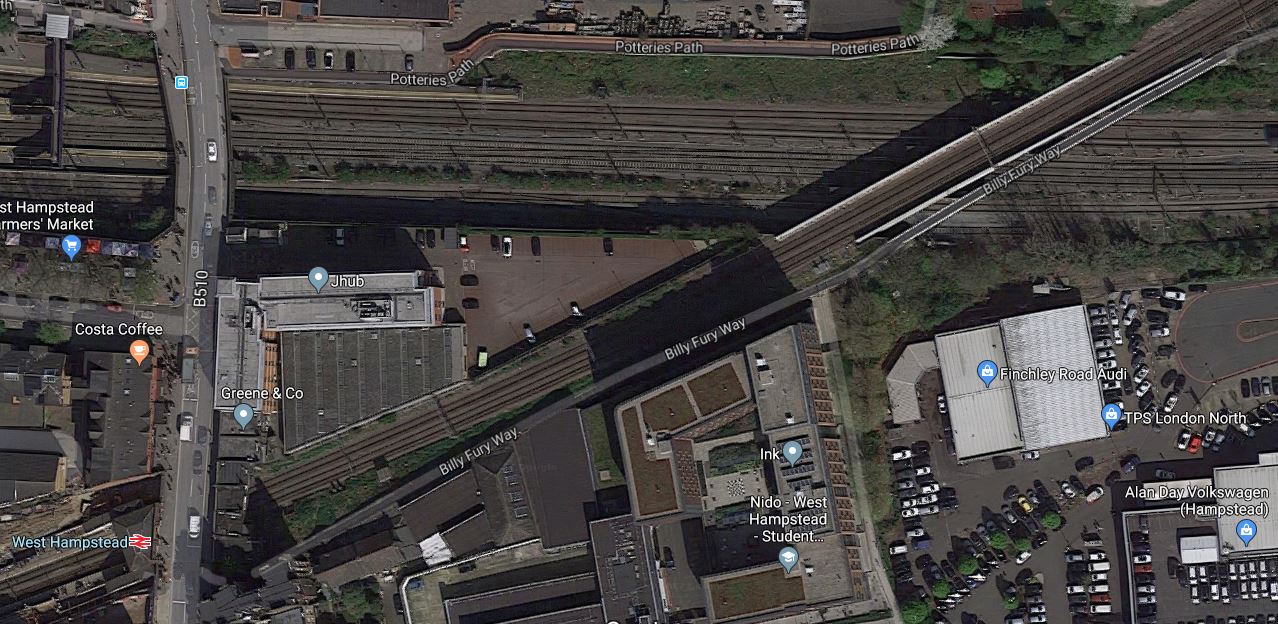
Note.
- The railway going East-West is the Midland Main Line.
- The diagonal railway is the North London Line through West Hampstead station.
In the shadows on the South side of the Midland Main Line, you can just see tyhe freight line, which connects to the Down Fast of the Midland Main Line to the East of the bridge.
It looks to me, that years ago, the land now occupied by the O2 Centre was some form of railway yard or factory premises.
Finchley Road Underground Station
Finchley Road Underground station is a station in need of a degree of refurbishment.
- It is not step-free.
- Pedestrian access to the O2 Centre is not good.
But it is a cross-platform interchange between the Jubilee and Metropolitan Lines.
This Google Map shows the station.
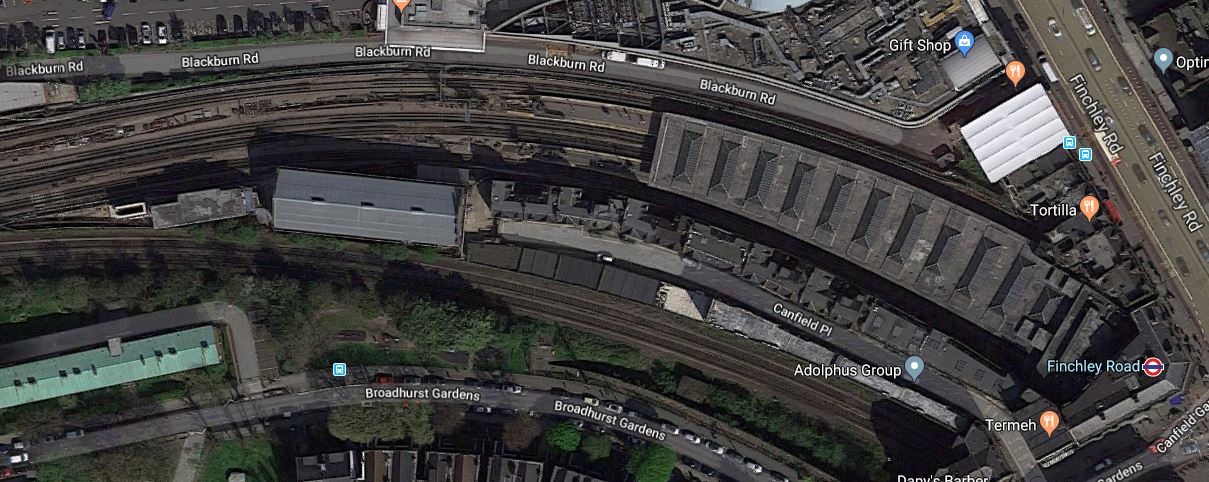
Note.
- The two Chiltern tracks to the South of the station.
- The closeness of the Western end of the station to the Car Park of the O2 Centre.
- There is space to the South of the Chiltern tracks.
I feel very much that this station could be developed sympathetically to be a very good station, that could be paid for by housing on the top.
The O2 Centre
I think the O2 Centre could be the key to Aleks2cv’s idea for the West London Orbital Railway.
- The O2 Centre appears tired.
- Public transport can take people easily to the shopping at Oxford Street or Brent Cross.
- Surface car parking is so Twentieth Century.
As the O2 Centre is owned by British Land, who are one of the UK’s biggest property companies, I think that it is likely the site could be redeveloped.
Suppose the site was developed as follows.
- It extended over and connected to the Western ends of the platforms at Finchley Road Underground station.
- A two-platform terminal station for the West London Orbital Railway could probably be fitted in reasonably close to the Underground station.
- A small bus station.
Over the top would be shops, offices, housing or whatever was desired.
Conclusion
I believe that something will be done to redevelop this site.
Whether it has the terminal for the West London Orbital Railway underneath, will only be made clear, when planning permissio is given.
This Year’s Engineers Christmas Party Is At Highbury And Islington Station
Three year’s ago, I wrote VolkerFitzpatrick Are Having A Christmas Party At South Tottenham.
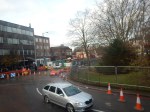
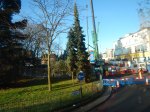
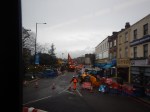
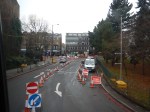
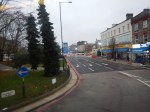
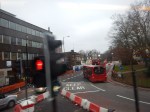
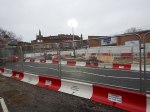
This year’s Engineers Chrismas Party is at Highbury and Islington station, where they are replacing the bridge on the Holloway Road over the North London Line.
These pictures were taken on the 20th of December.
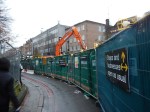
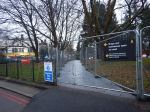
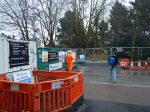
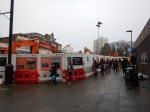
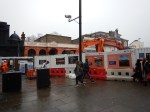
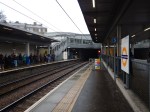
The first action of the rebuilding of the bridge was the shutting of the Post Office outside the station, which I wrote about in Highbury And Islington Post Office Is Now Shut.
That post dates from July 2014 and signs around the station say the bridge will be replaced by Summer 2018.
Four years to rebuild a bridge. Are Network Rail looking for an entry in the Guinness Book Of Records?
But then Network Rail has form with bridges in North London.
On the Gospel Oak to Barking Line, they forgot to rebuild the bridges at Wightman Road and Crouch Hill.
These pictures were taken on the 22nd of December.
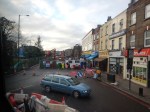
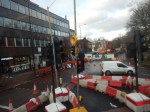

These pictures were taken on the 28th of December.



These pictures were taken on the 31st of December.


The large cranes have gone.
The 8th of January marked the reopening of the roads.

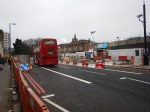
I think the bridge will be fully completed in the Summer.
C2E – Crossrail 1 1/2?
The title of this post is the same as that in this article in Rail Engineer.
It describes a proposal to extend the Abbey Wood Branch of Crossrail to Ebbsfleet International station along the North Kent Line.
The article starts with these two paragraphs.
With the main Crossrail project now mostly complete, and with tracks running right through the new tunnels, there has been much talk of Crossrail 2 as the next project, crossing under London from South West to North East and linking Wimbledon with the Leigh Valley.
Rather overlooked is a shorter-term proposal to extend the current Crossrail (or Elizabeth line as it will be called) from Abbey Wood to Ebbsfleet in Kent.
The article talks about the advantages of an extension to Ebbsfleet International station.
This proposal would connect several major brownfield development sites with central London, London City and Heathrow airports, and the West, while also connecting Crossrail passengers with Eurostar and the continent
Specific figures and points include
- Bexley has 1,100 acres of development space available.
- 55,000 homes could be built.
- Potential for high-value jobs.
- Dartford, where there is a lot of demand, has six trains per hour (tph) to London.
In addition the following additional services call or will call in the near future at Dartford.
- Southeastern – Two tph running between Gillingham and London Charing Cross.
- Southeastern – Two tph running between Gravesend and London Charing Cross.
- Thameslink – Two tph running between Rainham and Luton.
This map from the article shows the route.
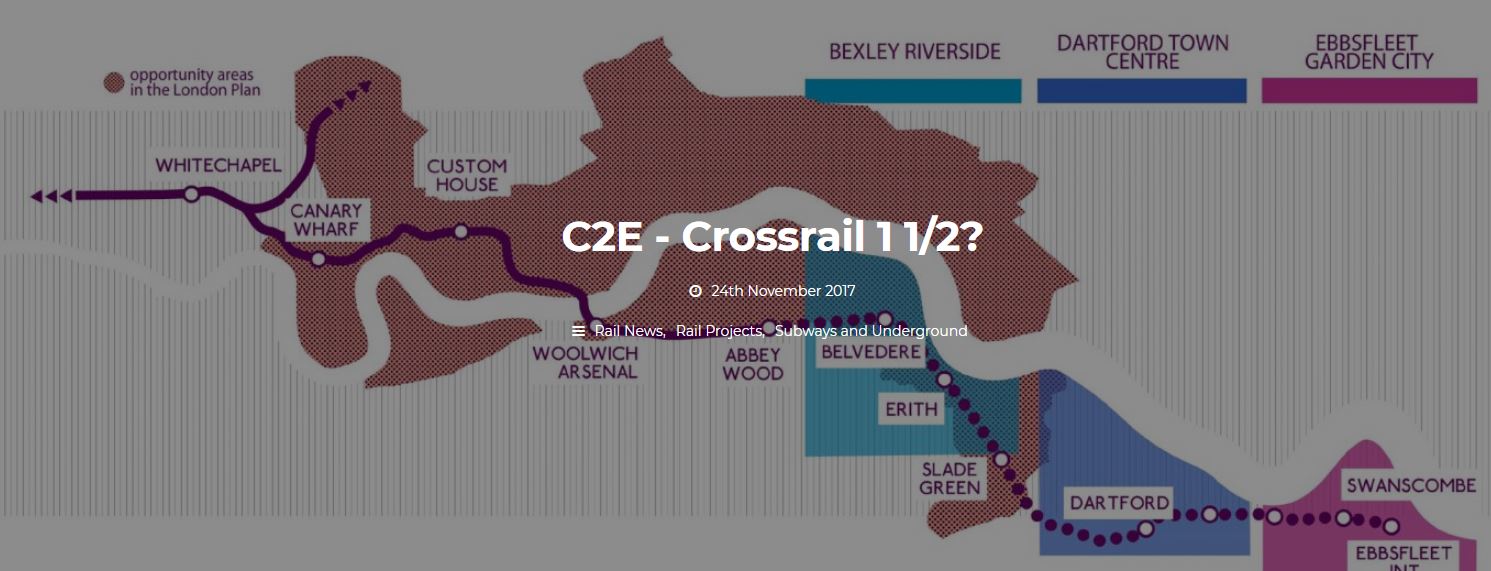
I think it is a good plan and I’ll give my reasons in the following sections.
Abbey Wood Is Not A Terminal Station
Was the reason Abbey Wood station was chosen as a terminus more to do with giving a rail connection to the public transport desert of Thamesmead and all its supposed Labour voters?
- It’s not by any important tourist venue like the Thames.
- There’s not even a Shopping Centre.
- There’s little space for car parking.
- Abbey Wood station is a very cramped site.
When compared to the three other termini, it is the least significant.
- Shenfield is a small town with shops and a railway junction.
- Reading is a thriving city and a major transport interchange.
- Heathrow is Heathrow.
I also suspect that the track layout at Abbey Wood station has been designed to allow Crossrail trains to continue Eastwards on the North Kent Line.
Ebbsfleet International Would Be A Much Better Terminal Station
Ebbsfleet International station has a lot going for it, as a Crossrail terminal.
- It is a station for Eurostar and the Continent.
- Some continental services might terminate at Ebbsfleet in the future due to capacity limitations at St. Pancras.
- It would connect Crossrail to the Highspeed commuter services to and from East Kent and East Sussex.
- There’s plenty of space for platforms and depots.
- There’s already masses of car parking.
- The area may get a theme park.
There is also the interesting possibility, that it could be faster for many passengers from Central London to use Crossrail and Ebbsfleet, rather than a taxi and St. Pancras to get a train to Paris and Brussels.
I also believe that one of our World Class architects can come up with a proposal for a passenger-friendly station that combines the current Ebbfleet International station with Northfleet station on the North Kent Line.
The Route Would Require Little Major Engineering Works
The route to Ebbsfleet would be predominantly, if not completely, on the surface, along the double-track North Kent Line. Having just flown my helicopter along the route, there is a lot of apace on either side of the tracks for quite a proportion of the route.
A four-track route would probably be impossible, but I suspect that Network Rail could design an efficient route, that would handle the services on the route efficiently.
Trains Along The North Kent Line
Current frequencies of Off Peak through trains on the North Kent Line between Abbey Wood and Gravesend stations are as follows.
- Abbey Wood – 8 tph
- Belvedere – 8 tph
- Erith – 6 tph
- Slade Green – 6 tph
- Dartford – 4 tph
- Stone Crossing – 4 tph
- Greenhithe – 4 tph
- Gravesend – 2 tph
There will be additional services in the Peak and Thameslink will run an extra two tph from Rainham to Luton, within the next year or so.
The North Kent Line doesn’t seem to have the most extensive level of services.
The New Southeastern Franchise
The new South Eastern franchise will be awarded in August 2018 and is due to start by the end of the year.
The franchise will probably bring changes and add new trains to the fleet and lines like the North Kent Line.
I also suspect that all trains running on the North Kent Line will in a few years be modern trains capable of operating at 100 mph.
Modern Signalling Could Handle Twenty-Four Trains Per Hour On The North Kent Line
There is no doubt, that if Crossrail-style signalling were applied to the North Kent Line between Abbey Wood the Medway towns, capacity could be increased, if all trains on the line were modern 100 mph units.
I doubt that twenty-four tph would be needed, but I’m sure that enough capacity could be created on the route to handle all services; curent or proposed.
How Many Trains Would Crossrail Run Between Abbey Wood And Ebbsfleet International Stations?
Crossrail’s timetable plan shows these frequencies at the various termini in the Peak.
- Abbey Wood – 12 tph
- Gidea Park – 4 tph
- Heathrow Terminal 4 – 4 tph
- Heathrow Terminal 5 – 2 tph
- Liverpool Street – 4 tph
- Maidenhead – 2 tph
- Paddington – 12 tph
- Reading – 4 tph
- Shenfield – 12 tph
From these figures, it would appear that four tph to Ebbsfleet International would be reasonable starting point.
This would give the following frequencies along the line.
- Abbey Wood – 14 tph
- Belvedere – 14 tph
- Erith – 12 tph
- Slade Green – 12 tph
- Dartford – 10 tph
- Stone Crossing – 10 tph
- Greenhithe – 10 tph
- Gravesend – 4 tph
Note I have added in the 2 tph Thameslink trains from Rainham to Luton.
These frequencies are well within the limits of a double-track railway with a 100 mph operating speed and modern signalling.
The Original Plan Was To Extend To Gravesend
The route for Crossrail from Abbey Wood is safeguarded to Gravesend. Under Future Extensions in the Wikipedia entry for Crossrail, this is said.
The route to Gravesend has been safeguarded by the Department for Transport, although it was made clear that as at February 2008 there was no plan to extend Crossrail beyond the then-current scheme. The following stations are on the protected route extension to Gravesend: Belvedere, Erith, Slade Green, Dartford, Stone Crossing, Greenhithe for Bluewater, Swanscombe, Northfleet, and Gravesend.
A depot would be built at Hoo Junction to the East of Gravesend.
The extended service could always call at both stations.
- Ebbsfleet International station connects to Eurostar and has space for masses of parking.
- Gravesend connects to services to East Kent and is on the Thames.
Money and accountants would decide.
Conclusion
Extending four tph from Abbey Wood to a new terminus at Ebbsfleet International station, doesn’t appear to be the most difficult of undertakings.
Big On The Inside And The Same Size On The Outside
This morning, I took a ride in one of London Overground’s Class 378 trains to Shoreditch High Street station, so that I could have Leon’s version of a Full English Breakfast and a real mug of tea, in their restaurant in Spitalfields. And all for £5.25!
Afterwards, I walked the short distance to Liverpool Street station and took one of Crossrail’s new Class 345 trains to Stratford station.
As the Class 345 train was more or less empty, I was able to take these pictures of the inside.
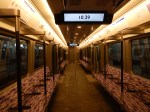
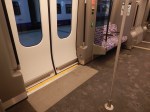
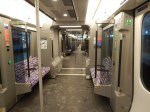

Several design features are noticeable.
- The wide flat floor
- The walk-through design of the train.
- The wide aisle in the centre.
- The seats cantilevered from the side of the train.
- The heating under the seats.
- The spacious lobbies.
- The large windows.
- The way the body sides bulge outwards to create more width at just below shoulder height.
The design seems to create more room for passengers and because of the wide aisle and large windows, the room might even look more spacious than it actually is.
It is certainly a more pleasing train to ride in, than the Class 378 train, I rode ealier, which is very much one of the better trains from the previous generation.
Later I rode on one of Thameslink’s Class 700 trains.
- The lobbies are wide.
- Seats obscure the view, as they are not aligned with the windows.
- The heating takes up space along the side of the train.
But as the sides of the train don’t seem to be so curved, the aisle between the seats seems to be narrower. A lady wheeling a case between the seats would have hit people, if anybody had been sitting in the seats.
I should ride in a full Aventra in the Peak and see if my everybody appears to have more space. I did later!
On the 19th of December, I rode from Romford to Liverpool Street in an Aventra during the morning Peak.
- The train was perhaps three-quarters full.
- For some parts of the journey, all seats were taken, but the standees didn’t seem to have too much trouble standing in the smooth-riding train.
- Only a few were strap-hanging and several were using the backs of seats for support.
It did seem to be a better experuience than other commuter trains.
Others ideas and consequences have emerged in recent months.
Aventras Have Underfloor Heating
The Greater Anglia Class 720 trains have underfloor heating as I detailed in Aventras Have Underfloor Heating.
Underfloor heating would appear to release space for passengers. Especially when it is coupled with seats cantilevered from the sides of the train.
Aventras Have No Doors Between Cars
Tthis article on Global Rail News, which is entitled First look around Greater Anglia’s Bombardier Aventra mock-up, says this.
There will be no doors separating vehicles.
There is just a wide lobby, where the cars are joined together.
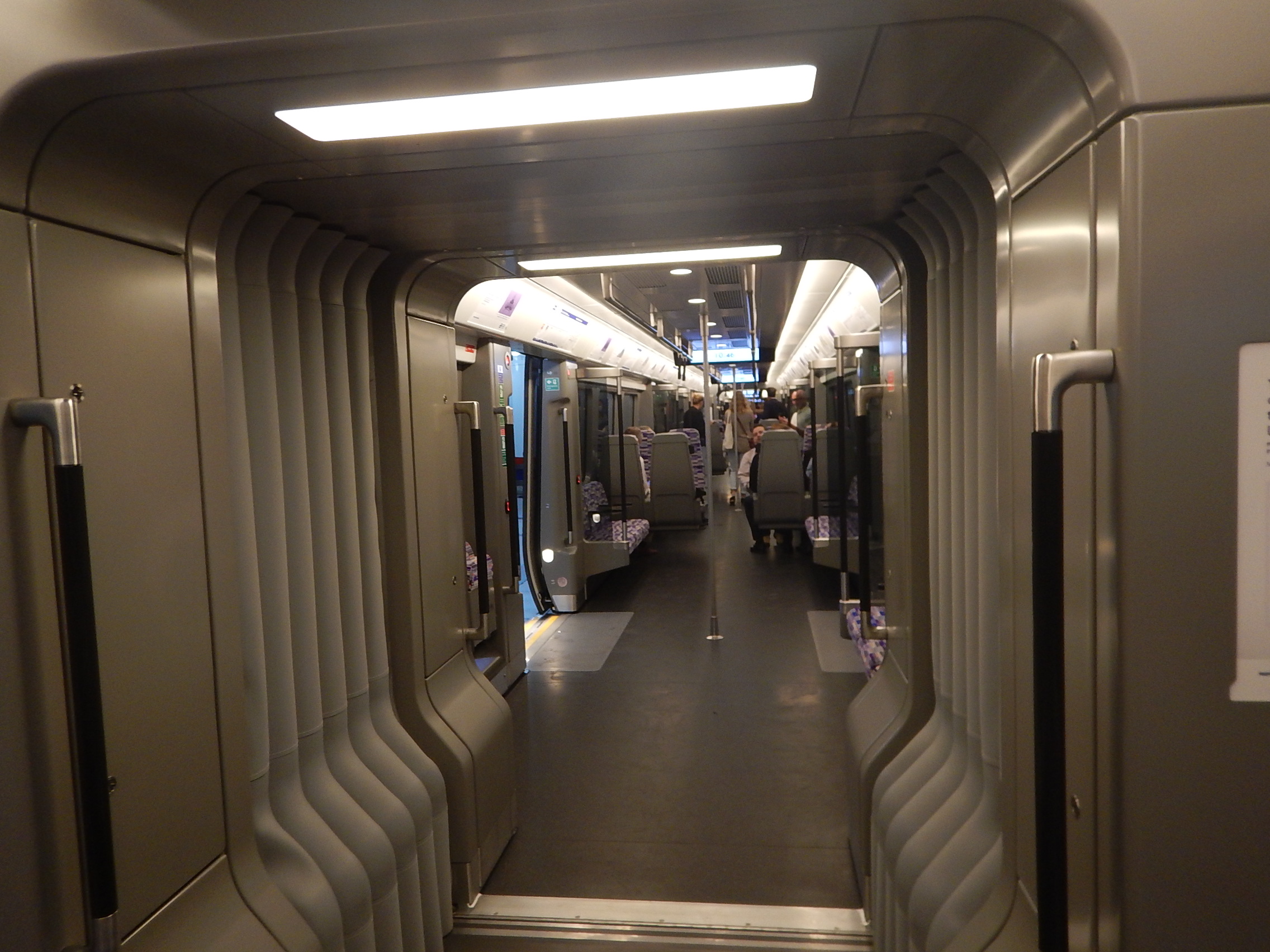
This shows the join in a Class 345 train.
Regularly in busy times on London Overground’s Class 378 trains or London Underground’s S Stock, similar areas are full with people.hanging on to the vertical handles or wheelie cases.
It’s a design that seems to work well and again it makes more space available for passengers.
Aventras Can Have 2+3 Seating
This picture shows the inside of Greater Anglia’s Aventra mockup.
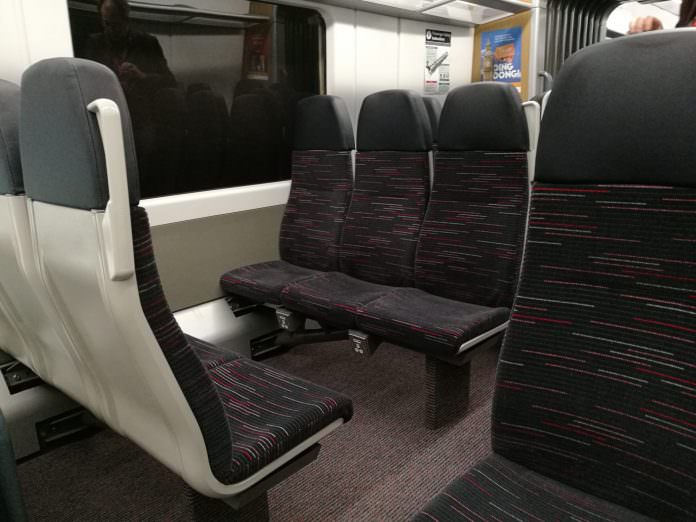
Could the 2+3 seating be wider and more comfortable, as Aventras seem to be wider inside at shoulder height, due to the innovative body design?
Note the power sockets in the front of the seats.
Aventra Car Length And Number of Cars Is Flexible
The first two fleets of Aventras ordered had different length cars and different number of cars.
Orders have now been placed for trains with twenty and twenty-two metre length cars and three, four, five, seven, nine and ten cars.
It also seems that it is very simple to change train length by adding and removing cars as required.
Greater Anglia
Greater Anglia have stated that they are ordering ten-car Aventras with similar train lengths to twelve-car sets of their current rolling stock.
Lengths and passenger capacity are given as follows in Wikipedia.
- Ten-car Class 720 – 243 metres – 1,145 seats
- Twelve-car Class 321 – 239.4 metres – 927 seats
- Twelve-car Class 360 – 244.08 metres – 840 seats
This looks like an over thirty percent increase in seats in a train around the same length, with the following advantages
- Little if any expensive platform extensions. Especially at Liverpool Street station.
- Trains will fit existing depots and sidings.
- Nearly all trains will be fixed formations.
The only disadvantage is that Greater Anglia won’t be providing any First Class seats. Judging by the lack of complaints, few seem to be bothered.
But being less complicated, it would probably be a more affordable train to run and maintain.
In this Greater Anglia example, another factor helps.
The Aventra will only have two cabs, whereas three Class 321 or Class 360 trains will have six.So the length released by four cabs is available for passengers.
c2c
It would appear that the c2c order, where ten-car Aventras replace twelve-car Electrostars, is another application of the same philosophy, that was used by Greater Anglia.
This is an extract from c2c’s Press Release.
The Aventra is one of the fastest-selling trains in the UK rail industry, and these new trains will be manufactured at Bombardier’s factory in Derby. Each new train, which will operate in a fixed set of 10-carriages, will include over 900 seats, plus air-conditioning, wifi, plug sockets and three toilets onboard. Each new carriage is larger and contains more seats than on c2c’s current trains, so each 10-carriage new train provides capacity for 15% more passengers onboard compared to a current 12-carriage c2c train.
So three x four-car trains working as a twelve-car train are replaced by one ten-car train, just as with Greater Anglia. Note the claimed fifteen percent capacity increase!
West Midlands Trains
West Midlands Trains have ordered three sets of Aventras.
- 16 x five-car 110 mph trains for long-distance services.
- 29 x five-car 110 mph trains for electrified suburban services.
- 36 x three car 90 mph trains for Redditch to Lichfield Trent Valley.
Consider.
- Fleet 1 will probably be used to augment the Class 350 trains in pairs on long distance services.
- Could these work in pairs that split and join en route to save paths into Euston?
- Fleet 3 will be direct replacements for the Class 323 trains and will probably work in pairs.
- Would a five-car train have a similar capacity to two three-car trains working as a pair?
- Would some of the five-car trains in Fleet 2 be fitted with diesel powere-packs or batteries, so they could run services on lines without electrification?
West Midlands Trains must have a plan, or there will be a large number of trains sitting in sidings.
Conclusion
It looks to me like Bombardier have designed a train, where more passengers can be accommodated, without sacrificing passenger comfort.
An Unusual Set Of Steps
These steps currently exist at Moorgate station.

The steps have been closed and it looks like they will be replaced by a lift to the subway.
At least they’re roped off securely!
East West Rail To Be A ‘Diesel Commuter Railway’
The title of this post is the same as that of this article in Rail News. The article talks about the design of the East West Railway.
The East West Railway is important for three reasons.
- It creates a passenger rail link between the high-tech cities of Reading, Oxford, Milton Keynes and Cambridge.
- There are various sites on the route, where much-needed development of houses is proposed and these would benefit from the railway.
- Likewise the developments would provide passengers for the railway.
Rob Brighouse is chairman of the company setup to build the rail link and he indicates more details of the proposal to reopen the railway.
Purpose Of The Railway
Rob Brighouse says this about the purpose of the railway.
The route has changed from being an electrified corridor for freight – part of the ‘electric spine’ envisaged in 2012 – to become a diesel operated commuter railway, at least for the foreseeable future.
So it looks like the railway will be built without provision for long and heavy freight trains.
But I wouldn’t rule out fast parcels and light freight traffic using diesel or bi-mode multiple units, capable of 100 mph. Would these trains be something like a modern version of a Class 325 train?
In practice, this probably means that no provision is made for long freight loops and some of the connections to other lines can be simpler.
Single Or Double Track
Nothing is said about whether the design is for a single or double track railway.
I doubt there is much money to be saved by adding sections of single-track.
The Wikipedia entry for the East West Railway indicates that the Oxford to Bletchley section is proposed to have a 100 mph operating speed.
For these and other reasons, I feel that the engineers designing the line, will ensure that it is a double track 100 mph line.
The section along the Marston Vale Line would need to be upgraded if 100 mph double-track is the standard.
I also think that almost uniquely for a railway in the UK, that the line could be built virtually level with very gentle turns, so that little energy is wasted fighting the terrain.
Level Crossings
West of Bletchley, there are few if any level crossings, but those between Bletchley and Bedford would need to be removed, if the railway was to be built as a fast and smooth line.
Electrification
Rob Brighouse said this about electrification of the route.
I am not planning on making specific provision for electrification. If there are locations where it can be accommodated at a sensible price and it’s much more effective today than tomorrow then we will certainly look at that, yes.
I will review the work that has already been done to adjust structures on the Bicester-Bletchley section. If it creates many abortive costs by cancelling that work then obviously that will inform the decision, but if the work can be done later then that’s what I’ll be looking at. At the moment we are looking at a non-electrified route.
That is a pragmatic approach.
As I said previously, I believe that a well-designed almost-level 100 mph double track could mean that the amount of carbon dioxide produced by an energy- efficient diesel or bi-mode train would not be excessive.
The approach would also have these advantages.
- The route would be available to diesel or bi-mode trains immediately after it is built and certified.
- Electrification of the new railway at a later date with 25 KVAC overhead electrification would be relatively easy, if the building of the initial line is properly documented.
- Overbridges, station platforms and other structures could be built or rebuilt with the required clearance for electrification at a convenient time.
- In the next few years, more efficient battery, hydrogen-powered or whatever trains might be built, which could take advantage of the line.
Electrifying the line, only when needed would delay the time, when a lot of money is spent!
Proposed Services Along The Route
This document on the East West Railway web site, shows the following services.
Bedford to Oxford and Reading
- Due to open in 2022.
- Calling at Ridgmont, Woburn Sands, Bletchley, Winslow, Bicester Village, and Oxford Parkway
- 1 train per hour in each direction
- Approximate journey time: Bedford to Oxford 61 minutes
The current Bletchley to Bedford service will continue.
Milton Keynes to Oxford and Reading
- Due to open in 2022
- Calling at Bletchley, Winslow, Bicester Village and Oxford Parkway
- 1 train per hour in each direction
- Approximate journey time: Milton Keynes to Oxford 41 minutes
Combined with the Bedford service, Bletchley, Winslow, Bicester Village and Oxford Parkway will get two trains per hour (tph) to and from Oxford and Reading.
Milton Keynes to Aylesbury and London Marylebone
- Due to open in 2024
- Bletchley, Winslow, Aylesbury Vale Parkway, Aylesbury, Princes Risborough and High Wycombe
- 1 train per hour in each direction
- Approximate journey time: Milton Keynes to Aylesbury 33 minutes
Winslow will be getting three tph in both directions.
Nothing has been said about services to the East of Bedford.
There must be endless possibilities, as Ipswich and Norwich are mentioned in East West Railway articles.
Train Length
As to train length, I suspect that this is much on the lines of how long is a piece of string.
So will they just start with a four- or five-car train and see how it goes?
This approach was tried on the London Overground and the Borders Railway and in both cases, train capacity had to be increased.
At least most modern trains like Aventras from Bombardier and those from Hitachi are cut-and-shut trains, that can be easily extended, by adding cars in the middle.
The platforms are a bigger problem, if they need to be lengthened.
So I would build them long enough to handle two five-car trains working as a pair.
The pair of trains could also join and split en-route if required.
- Two trains start from Ipswich and Norwich.
- They join at Cambridge and proceed along the East West Railway.
- They split at Oxford, with one section going to Reading and the other going to Swindon or Bristol.
The trains would need end gangways, so passengers could get into the right part of the train.
Hitachi already have automatic joining and splitting with Class 385 trains, so that isn’t a problem.
Train Frequency
The line will be built with the following characteristics.
- Double track
- 100 mph operating speed.
- Level with gentle curves.
- No level crossings.
- No slow freight trains.
- 100 mph trains.
- Modern signalling as on Crossrail and Thameslink
I don’t think that a headway as low as six or even four minutes between trains will be unreasonable.
Headway could also be variable along the route.
Bi-Mode Trains
Going from East to West along the route, the following stations are or will be on electrified lines.
- Cambridge – Electrified
- Cambridge South – New station at Addenbrooke’s Hospital – Electrified
- Sandy – Crossing the electrified East Coast Main Line.
- Bedford – Crossing the electrified Midland Main Line.
- Bletchley – Crossing the electrified West Coast Main Line.
- Didcot – Electrified
- Reading – Electrified
So it would surely be prudent to run bi-mode trains on the line, so they may be able to take advantage of the electrification at the ends of the line.
Bi-mode trains will improve in the next few years with the following features.
- The ability to change between electric and diesel at line speed.
- Batteries could handle regenerative braking in both electric and diesel mode and help to asccelerate the train, when running on diesel.
- The ability to raise and lower the pantograph quickly and without driver intervention.
- Overhead or third-rail electrification could be used to fully charge the battery, if required.
I feel it would be very feasible to use bi-mode trains on the route and they would create less carbon-dioxide than a pure diesel.
I would also opt for bi-mode trains with a top speed of 125 mph on electrified lines, so extensions on the four connecting lines with this capability, would be possible and efficient.
Strategic short lengths of electrification would make the trains more energy-efficient.
Didcot
Didcot Parkway station sits on the junction where the East West Railway will join the Great Western Main Line.
This Google Map shows the junction.
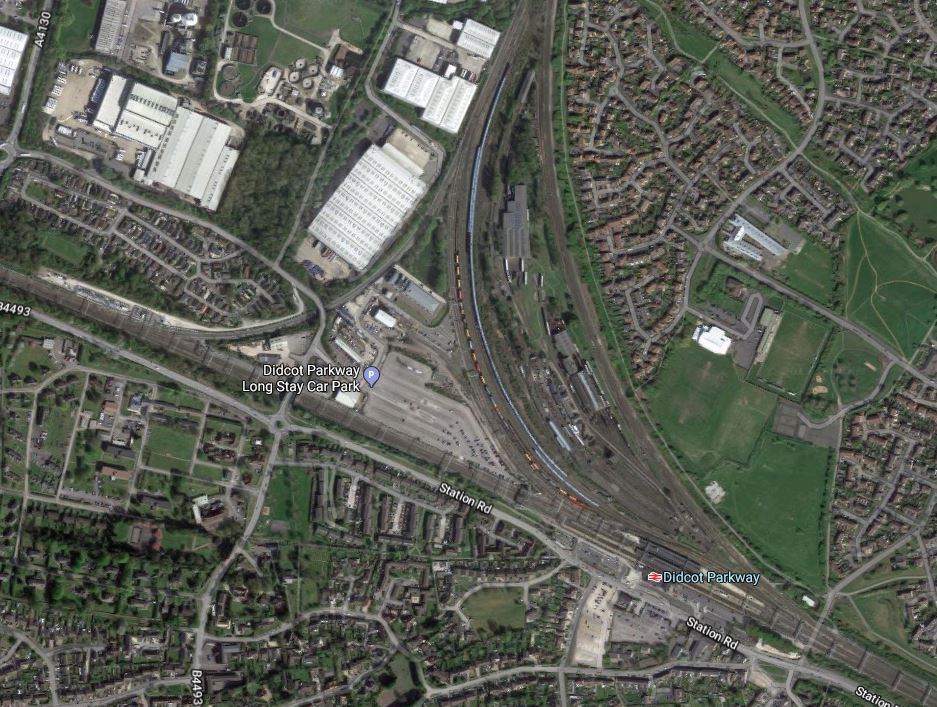
Note the Great Western Main Line going across the map.
- Reading is to the East.
- Swindon is to the West.
- Lines give connection to the East West Railway in both directions.
At some point in the future, services on the East West Railway could go to and from the West to perhaps serve Wales and the West.
If East West Railway adopt the same policy as they have with the Marston Vale Line, I will assume that other services between Reading and Oxford will remain unchanged.
Oxford
Oxford station will be a key interchange on the East West Railway.
I very much suspect though that services will be arranged at Oxford, so that change between local and East West Railway services is just a hop-off one train and hop-on another, or perhaps a walk across the platform.
Bletchley
A flyover at Bletchley station takes the East West Railway over the West Coast Main Line, which I discussed the in The Bletchley Flyover.
Connectivity
At present trains can also use the flyover to go in both directions between the Northbound West Coast Main Line and the Westbound East West Railway.
I also think trains can connect on the flat between the Southbound West Coast Main Line and the Eastbound East West Railway.
Will the building of the East West Railway increase connectivity at Bletchley?
The Bletchley Flyover And The New Platforms
This picture shows the Bletchley flyover.

Note.
- It is a massive concrete structure.
- It is almost a mile long.
- It is not electrified.
- West Coast Main Line is electrified using 25 KVAC overhead wires.
- Two new platforms for the East West Railway will be built on the flyover to enable interchange with the West Coast Main Line.
- Services will use the flyover to access Milton Keynes Central station.
This is a visualisation of how the proposed Bletchley station with the extra platforms could look.
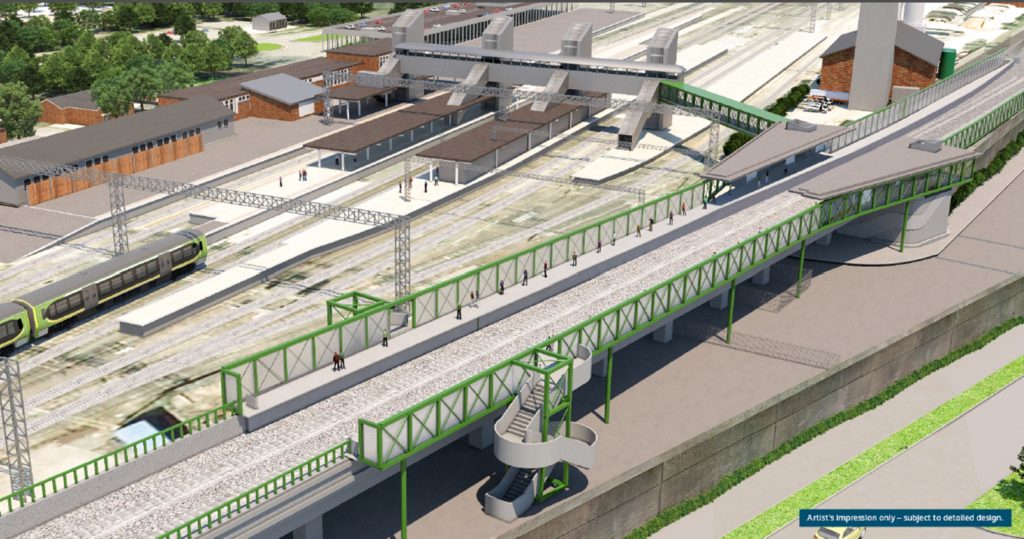
I think the architects and engineers have created a good design.
- A new entrance to the station on the other side of the West Coast Main Line has been created.
- Interchange between the West Coast Main Line and the East West Railway will be step-free.
- No electrification of the East West Railway is shown.
I also think it could be built for an affordable cost.
Electrification At Bletchley
As substantial work will have to be done on the viaduct, would it be prudent to at least prepare the viaduct for electrification, when the new platforms for the East West Railway are created?
If a short section of electrification was added here will be beneficial for train operation.
- Bi-mode trains could use it to reduce their diesel consumption and carbon footprint.
- In future, battery trains could use it to charge their batteries.
Electrification of the flyover is a decision for the accountants.
But as the company building the line, will also operate some of the trains, they can offset construction against running costs.
Bedford
In the next phase of the building of the East West Railway, which is projected to be completed in 2022, Bedford station will be the Eastern terminus.
The service would probably use the existing platform 1A.
Under Future Developments in the Wikipedia entry for Bedford station, this is said.
Plans were being promoted by Network Rail and Bedford Borough Council for the redevelopment of the station quarter.
Platform 1A will be extended through the existing building to accommodate 12-car trains; presently it is only long enough to handle four-car trains and is a terminating bay.
Such a platform would be able to terminate trains arriving from.
- Midland Main Line and Thameslink from the South.
- Midland Main Line from the North.
- The East West Railway.
The longer platform will need to be electrified to be able to handle Thameslink trains.
But it would enable services from the East West Railway to connect to the North at Bedford along the Midland Main Line.
Until more detail is published, I can’t say any more about Bedford.
Sandy
Sandy will be where the East West Railway crosses over the electrified East Coast Main Line.
I suspect that the design of this station will build on experience of Bletchley and hopefully it will be a convenient step-free interchange between services on both lines.
As with the new platforms at Bletchley, it could be relatively easy to provide a short length of electrification at the station.
Cambridge, Ipswich And Norwich
Only Cambridge on the West Anglia Main Line is electrified on the route of the East West Railway.
Wires reach to Ely in the North and Stansted Airport and London in the South.
Consider.
- Greater Anglia are going to use Stadler Class 755 bi-mode trains on lines without electrification from Cambridge to Ipswich and Norwich.
- The Breckland Line to Norwich could be turned into an almost-level 100 mph-plus line with very little infrastructure to slow trains.
- The Breckland Line is lightly used, with a passenger service of two tph and very few freight trains.
- Cambridge to Ipswich is partially electrified.
- Cambridge and/or Peterborough to Ipswich has a passenger service of two tph and large numbers of heavy freight trains.
Bi-mode trains would probably be the preferred choice of train to the East of Cambridge.
Battery Trains
If you look at the lengths of the various sections of the East West Railway, they are as follows.
- Cambridge South – Sandy – 22 miles
- Sandy – Bedford – 9 miles
- Bedford – Bletchley – 24 miles
- Bletchley – Bicester – 20 miles
- Bicester – Oxford – 14 miles
- Oxford – Didcot – 14 miles
Consider.
- No section is very long and all would be within the capability of battery trains in a few years.
- Charging would be at both ends of the line in Cambridge and between Didcot and Reading.
- But this might not be enough, especially if the trains used battery power at the Cambridge end to reach Ipswich and Norwich.
- The solution would probably be to add enough electrification at Bletchley, Bedford and Sandy.
If battery trains do finally arrive, the East West Railway would be a very appropriate line to embrace the technology.
New Technology
If ever there was a railway, where new technology would be understood and welcomed by passengers, it must surely be the East West Railway between Cambridge in the East and Oxford and Reading in the West.
One big advantage this route has over others in the UK, is that I believe it could be built almost-level with perhaps the biggest gradient being climbing over the Bletchley flyover. The energy needs of a modern train could be low.
Hydrogen-Powered Trains
Hydrogen-powered trains are effectively bi-mode trains with batteries, that use a hydrogen-powered power-pack instead of a diesel one to generate electricity when needed.
In this Press Release, Alsthom give a lot of details of their hydrogen-powered Coradia iLint.
- Completely emission-free
- 1000 km range on a tank-full of hydrogen.
- 140 kph operating speed.
Alsthom have received their first order for fourteen trains from Germany.
I believe, that once they are fully developed, they could be ideal for the East West Railway.
Solar-Powered Trains
This may seem bizarre, but read Solar Power Could Make Up “Significant Share” Of Railway’s Energy Demand.
I believe that small solar-farms with batteries could be used to advantage on this line.
- The line could be designed almost level and could have very low traction power consumption.
- Much of the route goes through open countryside, where people don’t seem to object to solar farms.
- Third-rail electrification could be installed at stations and for perhaps a kilometre on either side, to charge batteries on trains.
- The electrification could also accelerate the trains on their way.
- Power to the track would only be switched on when a train is present, thus reducing consumption and increasing safety.
- The electricity generated could power the stations.
Why not?
Additional Services
The East West Railway will have created extra capacity in a loop round London, that Rob Brighouse will be free of slow, heavy freight.
I believe that train operating companies will make use of the new route.
- It will be a 100 mph double-track railway with plenty of capacity.
- If built as an almost level track, it could offer substantial energy savings.
- It will have connections to four electrified main lines radiating from London.
- It will be free of slow, heavy freight trains.
However, it would need suitable diesel, bi-mode or hydrogen trains capable of 100 mph running.
But it could be a very efficient and lower-cost route across England!
Parcels And Light Freight
As I said earlier, I feel the route will also be used by fast parcels and light freight trains based on diesel or bi-mode multiple units.
As an example, plans exist to create a major freight airport at Doncaster-Sheffield Airport, which I wrote about in A Station At Doncaster Sheffield Airport. Part of the plan involves, diverting the East Coast Main Line to serve the Airport directly.
Amazon already flies parcels into the Airport and these could be loaded onto bi-mode express parcel trains, which could go down the electrified East Coast Main Line before taking the East West Railway to travel to Wales and the West of England.
Birmingham To Stansted Airport
Thjis one tph service is run by CrossCountry and goes via Cambridge, Ely, Peterborough, Leicester and Nuneaton. If CrossCountry were to switch to 125 mph bi-mode trains, might it be an alternative to use the East West Railway and perhaps the West Coast Main Line, where paths will be released once, HS2 is opened.
It would certainly be a faster and more economical journey
New Or Rerouted CrossCountry Services
Many of CrossCountry’s services take forever and visit some unsuspected stations. But obviously, it’s what their customers want.
I suspect though with 125 mph bi-mode trains, CrossCountry would look seriously about the possibility of using the East West Railway with its connections to four electrified main lines.
Marston Vale Services
This document on the East West Railway web site, says that current hourly services between Bletchley and Bedford along the Marston Vale Line will continue.
- On that section, the long distance trains are planned to stop at just Ridgmont and Woburn Sands stations.
- Low-performance Class 230 trains planned for the line could slow fast traffic.
- Especially if they stick to the current journey time of forty-three minutes.
- Would an express want to get stuck behind a a slow local train?
I wonder how fast a 100 mph diesel multiple unit like a Class 172 train could go between Bedford and Bletchley?
I think it won’t be fast enough to avoid delaying East West Railway services.
So, something radical will need to be done.
It might be the solution would be to build that section of the route with three tracks; two for the East West Railway and a bi-directional one for the Marston Vale services.
- This would separate the fast and local services.
- There’s certainly plenty of space alongside the current tracks.
At least there don’t seem to have been many protests about building the East West Railway.
Conclusion
I think we could see the East West Rasilway built in a totally-different way.
- Track designed for low energy use and fast, frequent trains.
- Innovative trains.
- Reduced carbon emissions, by the application of new technologies.
It could truly be a railway for the twenty-first century!
 The Anonymous Widower