Go Ahead For West Midlands Interchange Development
The title of this post, is the same as that of this article on Rail Technology Magazine.
This is the introductory paragraph.
Expansion for a new Strategic Rail Freight Interchange and other supporting infrastructure works near Junction 12 of the M6 motorway in South Staffordshire District has been given development consent.
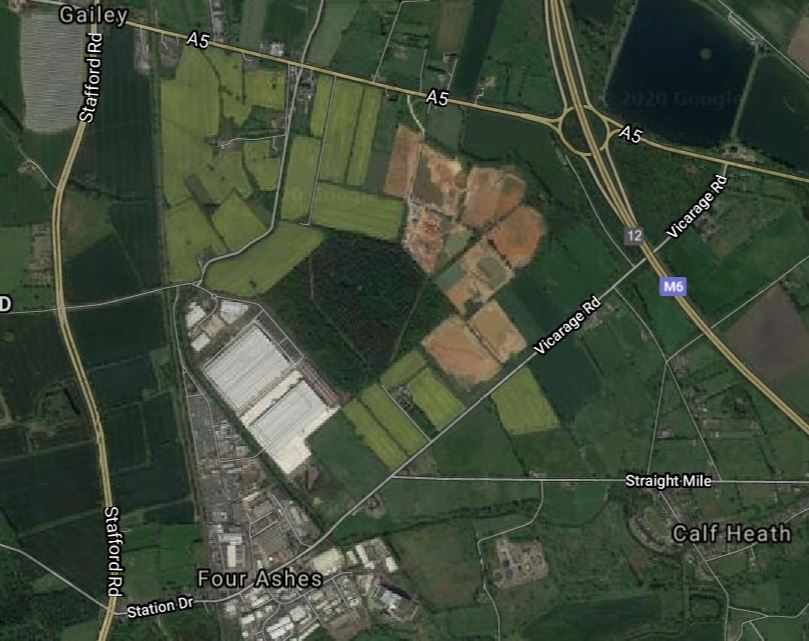
This Google Map shows the location of the West Midlands Interchange.
Note.
- Junction 12 of the M6, where it connects with the A5 is in the North-East corner of the map.
- The village of Four Ashes is in the South-West corner of the map.
- The Birmingham Loop of the West Coast Main Line runs North-South between Four Ashes and Gailey.
- The railway is double-track and electrified.
- There are typically about four passenger trains per hour (tph) in both directions along the railway.
The developers of the West Midlands interchange have ambitious plans according to this extract of their home page.
West Midlands Interchange is a proposed Strategic Rail Freight Interchange (SRFI) with warehousing and other associated development that would be built on land west of Junction 12 of the M6 in South Staffordshire.
West Midlands Interchange will be linked directly to the West Coast Main Line, one of the country’s principal rail freight routes, and will be well placed to serve the West Midlands, the Black Country, Staffordshire, Birmingham, the northern M6 corridor and parts of Warwickshire.
When built, it will provide up to 743,200 square metres (sq m) of new rail-served and rail-linked warehousing allowing the region’s important logistics industry to grow. The scheme will create 8,550 direct jobs boosting opportunities for people in South Staffordshire, the Black Country, the West Midlands and other surrounding areas.
As the railway is electrified, they also have the chance to use electric haulage for freight trains serving the interchange.
Equipmake And HiETA Developing New Motor With 20kW/kg Power Density With Additive Manufacturing
The title of this post is the same as that of this article on Green Car Congress.
This is the introductory paragraph.
UK-based electrification company, Equipmake, has teamed up with additive manufacturing organization HiETA to develop a next-generation motor as part of a project grant-funded by Innovate UK.
Additive manufacturing is 3D-printing by another name. This has come to the fore in the COVID-19, where schools, colleges and individuals have been using it to produce PPE.
Equipmake and HiETA are printing exotic alloys in intricate shapes to create the powerful motor.
Additive manufacturing is starting an amazing revolution. How many other common products can be redesigned to be more efficient and manufactured at lower cost.
Equipmake Opens New Electric Bus Factory In Snetterton
The title of this post, is the same as that of this press release from Equipmake.
This is the introductory paragraph.
Expert electrification company, Equipmake, has opened a brand-new factory in Snetterton, Norfolk, which will design and manufacture its fully-integrated electric bus chassis for an increasingly international customer base.
This paragraph sums up their marketing philosophy for their bus chassis.
Equipmake’s innovative electric bus chassis allows any bus coachbuilder to become a full electric bus manufacturer almost overnight. Such is the demand from bus makers wishing to go zero emissions that Equipmake has forged partnerships with companies in Brazil, Argentina and India and grown its UK staff from 15 employees to 52 in a little over two years.
Equipmake certainly seem to be doing something right.
- They make their own electric motors.
- They claim to make the world’s most power dense electric motors.
Perhaps, it’s all down to good design?
This paragraph from the press release gives more details of the bus chassis.
Thanks to efficient management of its onboard heating and cooling system, the bus – a 12m single deck model capable of carrying 70 passengers – will have enough electric range for one day’s running without the need for charging. To charge the vehicle, the operator simply needs access to a standard three-phase supply, which will fully charge it in around five hours.
That seems impressive to me!
The Proposed MSG Sphere At Stratford
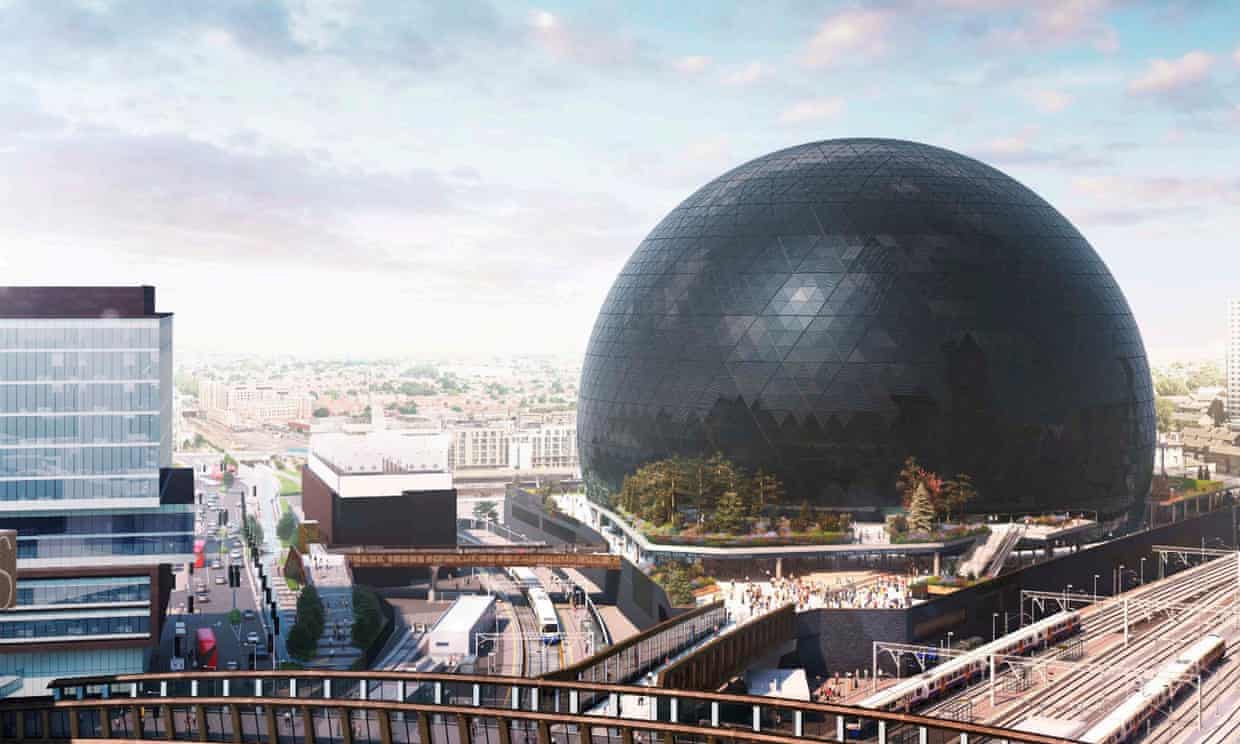
I have been reading about the proposed MSG Sphere at Stratford in East London.
Note.
- The railway lines to the left of the sphere are platforms 11 and 12 of Stratford station on the West Anglia Main Line.
- The Great Eastern Main Line goes off to the right.
This article in the Guardian gives a good outline of the building and its promoters and backing.
But it won’t be plain sailing to get planning permission, as this paragraph explains.
Worries have already been voiced by local residents. A petition launched four months ago argues that the building will block sunlight, create light pollution and increase traffic in the area. Others have opposed MSG, whose executive chair, James Dolan, has donated funds to Donald Trump, and was on the board of the Weinstein Company from 2015-16. Beverley Whitrick, strategic director of the Music Venue Trust, has argued< that some audiences would feel uncomfortable in a venue from a Trump backer.
Protestors also believe the site should be used for housing, as Newham has over 25,000 households on the housing waiting list.
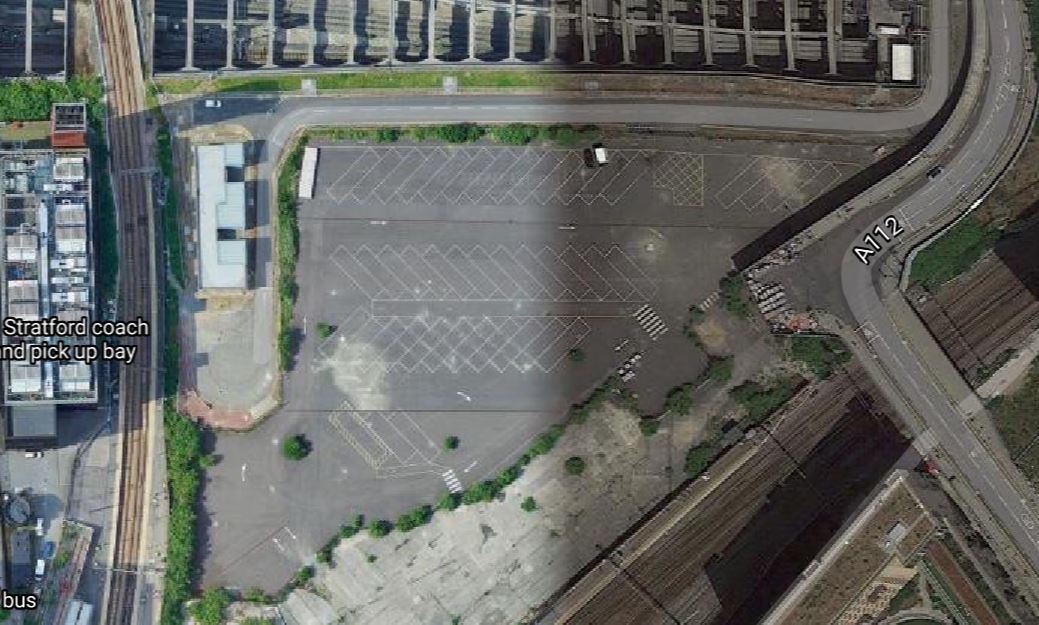
This Google Map shows the site.
Note.
- The site was used as a coach park during the 2912 Olympics.
- The Channel Tunnel Rail Link runs across the Northern edge of the site.
- The Great Eastern Main Line runs along the South-Eastern edge of the site.
As the sphere will be five hundred feet across, it must almost fill the site.
And then there’s this article in The Telegraph, which is entitled Crossrail Objects To Plan For London Mega-Venue.
This is the introductory paragraph.
Crossrail’s operator is seeking to block plans for a “second O2” in London, over concerns flashing lights from the proposed entertainment venue could cause crashes, with trains travelling at up to 80mph.
Crossrail have a serious point.
Majority Of Ready-to-Build UK Battery Storage Projects Are Bigger Than 30MW
The title of this post is the same as that on this article on Energy Storage News.
This is the introductory paragraph.
There are 1.3GW of read-to-build battery storage projects in the UK, with the majority between 30MW and 49.9MW power output per project, according to new analysis from Solar Media Market Research.
There is certainly a lot of energy storage being developed in the UK.
But then Wind Power In The UK is set to rise substantially to at least 40GW, in the next few years.
Ian Publishes Details Of Future Developments At Euston And Euston Square Underground Stations
This post on the Ian Visits blog is entitled A New London Underground Entrance To Euston Station.
The Underground Lines In The Euston Station Area
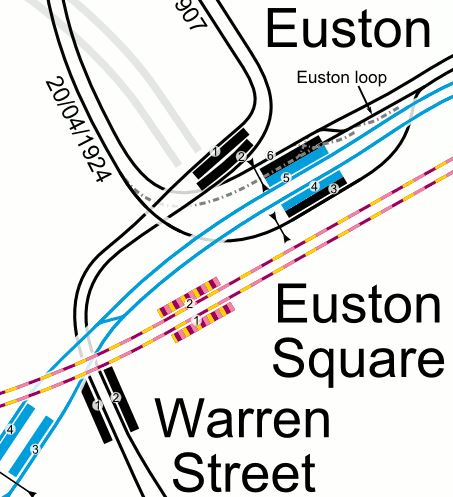
This map from carto.metro.free.fr shows the Underground Lines in the Euston station area.
Note.
- The sub-surface lines run underneath the busy Euston Road.
- Platform 2 at Euston Square station has no lift or escalator.
- Platform 1 at Euston Square station has a lift, which also serves the subway.
- To connect between the sub-surface lines at Euston Square and the deep lines at Euston means a walk on the surface.
- Euston station only has two up and two down escalators and no lifts for the six deep-level platforms.
- To connect between the Bank and Charing Cross branches of the Northern Line is often along a very crowded passage.
This interchange has not been fit for purpose since the Victoria Line was built in the 1960s.
A Second Entrance To Euston Square Station
One of the key projects to unlock the interchange, is to create a subway from the current Euston station.
It will lead to a new entrance placed in the middle of Gordon Street.
The subway will have stairs, escalators and/or lifts to connect to the Eastern ends of the current Euston Square platforms.
Ian showed this diagram of the subway.
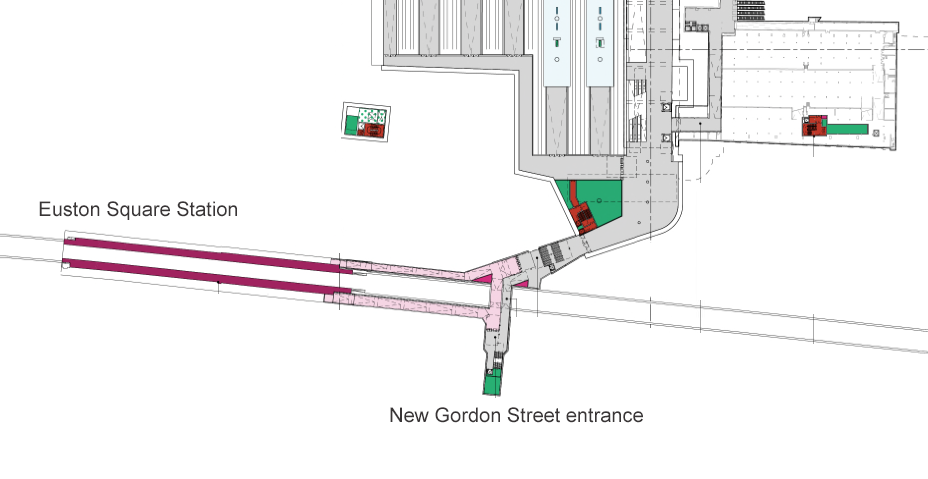
Note.
- It serves both platforms at Euston Square station.
- It looks to be reasonably wide and level.
These are some pictures I took on a walk round the area.




This is a possible future visualisation from Ian’s site.
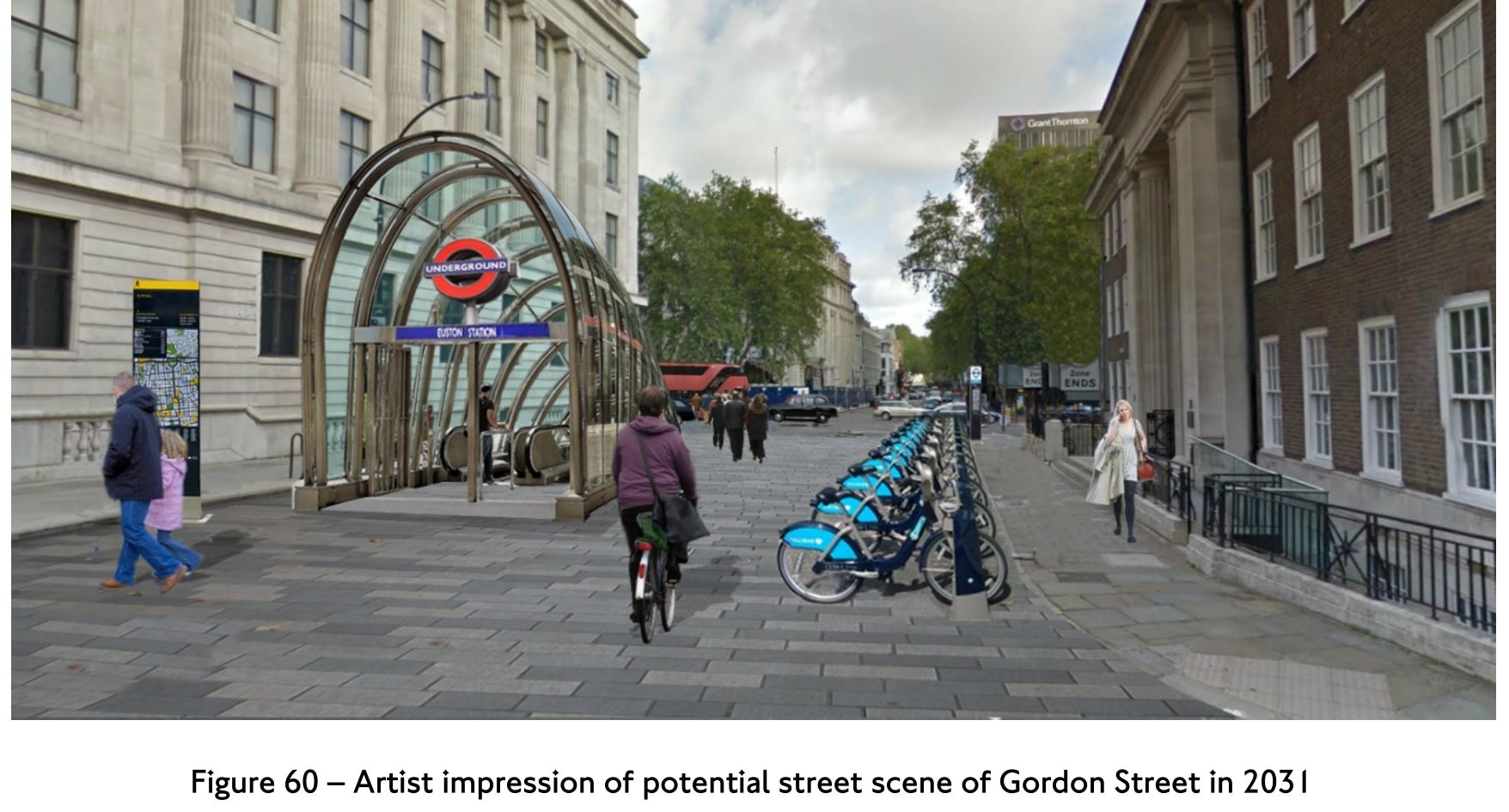
The new Gordon Street entrance appears to be opposite the porticoed building, which is part of University College London.
- The view is looking North, like the first three of my pictures.
- Gordon Street appears to be at least part-pedestrianised.
- Escalators are visible.
It looks to be a London version of Bilbao’s fosteritos.




Fosteritos are named after Norman Foster, as he or his practice designed the Bilbao Metro.
- The escalators in Bilbao are longer than would be needed at Gordon Street.
- I don’t think that fitting in a slimline lift would be difficult.
I like the fosterito concept and I feel a similar approach could be used to add step-free access to a lot of stations on the London Underground.
The Design Of The Updated Euston Underground Station
Ian showed this visualisation of the updated Euston Underground station.
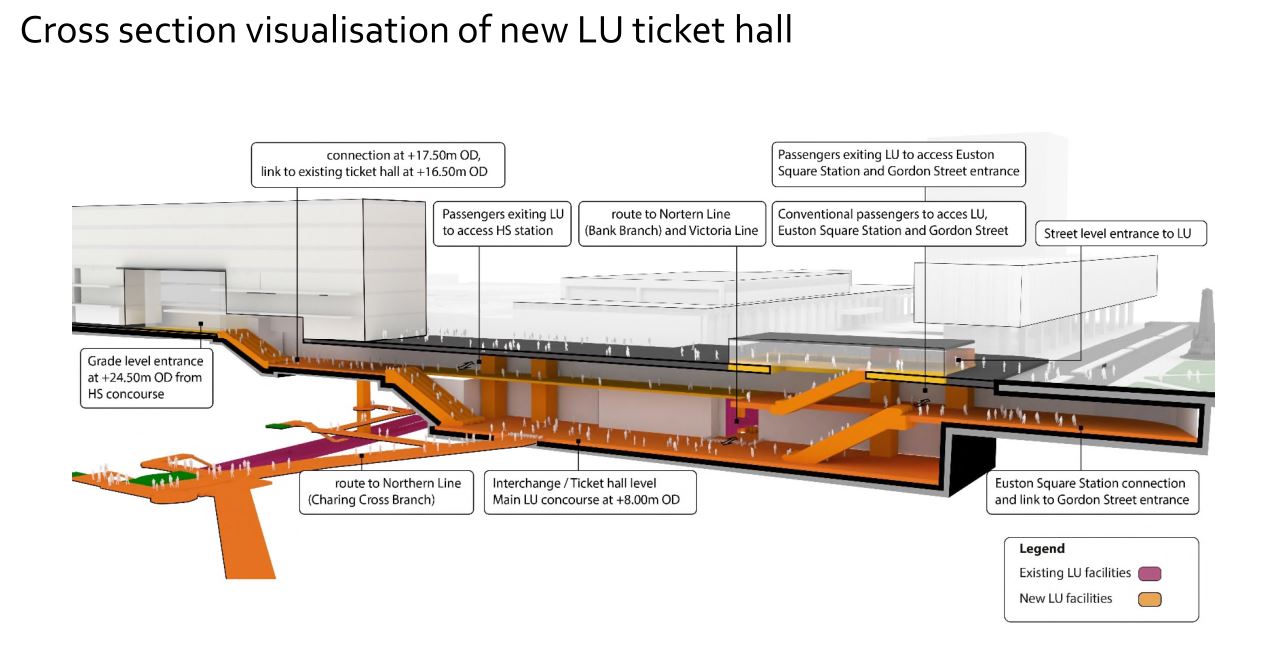
At a first look, it appears to be a very similar concept to the entrance to the Underground in front of St. Pancras station.
Click on the image to show it large and you can pick out the following.
- West is to the left and East is right.
- Much of the construction appears to replace the original car park and taxi rank.
- The upper level looks like where passengers enter and leave the station.
- The subway to Euston Square station and the new Gordon Street entrance joins to the upper level towards the Eastern end.
- There is grade access between the upper level and the High Speed Two concourse.
- There are lots of escalators to travel between levels. The square orange columns could be lift towers.
- The lower level is the Interchange/Ticket Hall level.
- The lower level is not much higher than the Charing Cross branch of the Northern Line.
- The design seems to make clever use of levels to make changing easier.
- The access between the lower level and the Charing Cross branch of the Northern Line at the Western end of the station, appears to be comprehensive and step-free.
- The access between the lower level and the Victoria Line and the Bank branch of the Northern Line, appears to use the current route, which will probably be upgraded to be fully step-free.
This second image shows the design from above the platforms of the convention section of Euston station.
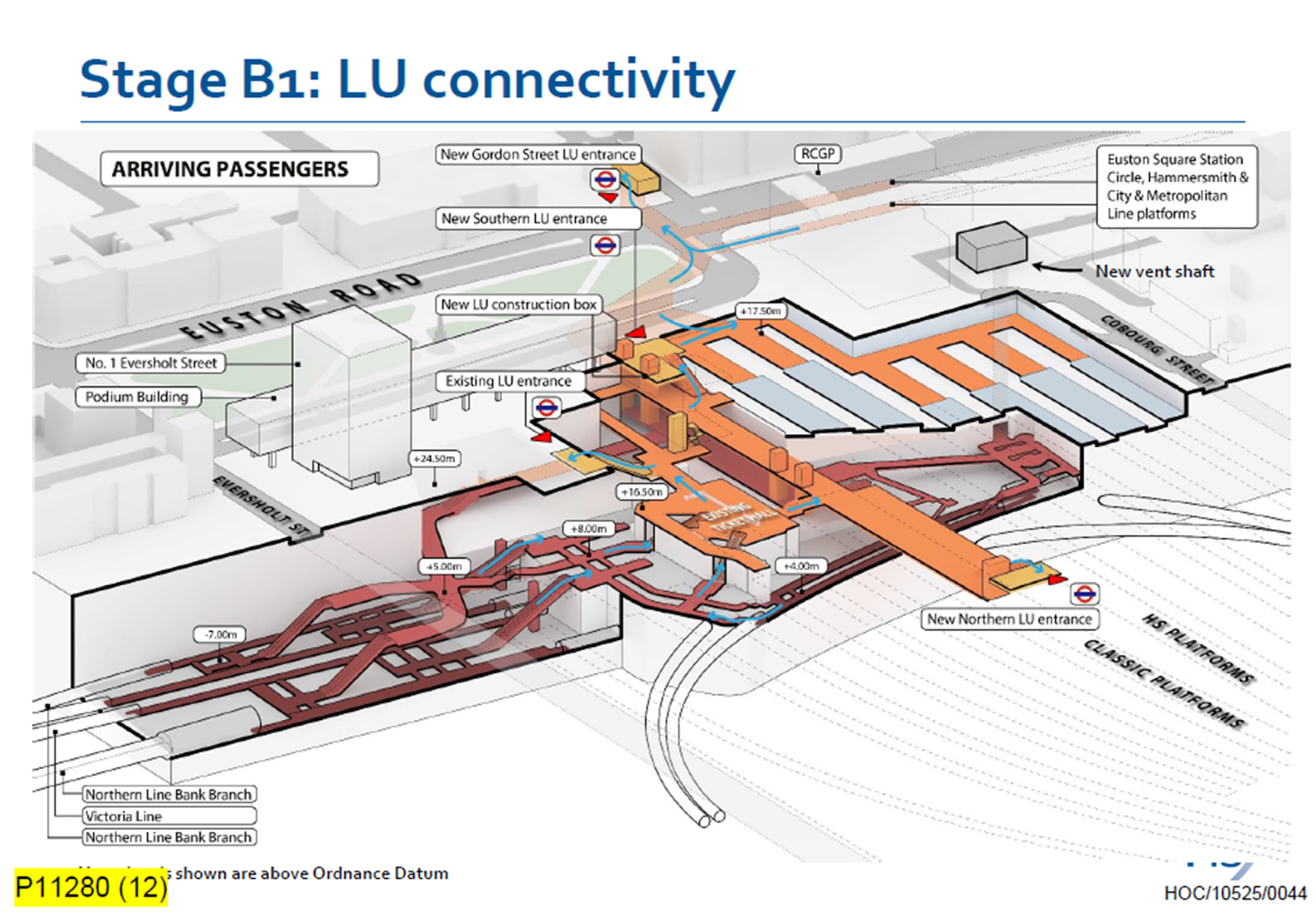
Click on the image to show it large and you can pick out the following.
- The complicated passages, escalators and lifts of the existing four platforms serving the Bank branch of the Northern Line and the Victoria Line.
- The cross passage connecting these lines to the platforms of the Charing Cross branch of the Northern Line.
- The two up and two down escalators leading to the existing ticket hall.
- The Charing Cross branch of the Northern Line curving in and away from the station. See the earlier map of the Underground lines.
- The eleven High Speed platforms on the West side of the station.
- The thirteen Classic platforms on the East side of the station.
- The new Northern entrance to the Underground between the two sets of platforms. How convenient!
- There appears to be a wide passage between the Northern and Southern entrances, with connections to the lines branching off.
- The subway to the new Gordon Street entrance is shown at the top of the image.
The design seems to have separated access to the two branches of the Northern line, by creating a new high-capacity route to the Charing Cross branch.
I also think, that the design allows the station to be built without disrupting passengers using the Underground and the current Euston station.
- A large hole for the station can be excavated, without touching existing access.
- It could then be fitted out section by section.
- Once the new access to the Charing Cross branch of the Northern Line is complete, the current access to the Northern and Victoria Lines can be refurbished.
Arriving At Euston
Imagine you are a passenger arriving from the North, who knows the Underground line, you need to take, you would then enter the Underground station using the new Northern entrance.
- For the Bank branch of the Northern Line or the Victoria Line, you would go through the existing ticket hall and down the escalators, much as you do now! Except that you’d enter the ticket hall on the other side from the East side of the passageway connecting the two entrances. New lifts appear to be shown.
- For the Charing Cross branch of the Northern Line, you would take the passages, lifts and escalators on the West side of the passageway connecting the two entrances.
- If you wanted the sub-surface lines, you would just keep going and take the new subway, which connects to the Eastern ends of the platforms at Euston Square station.
It will certainly do me fine, if I arrive at Euston, as I’ll walk through the subway and get in the front of any Eastbound train for Moorgate station, where being in the front is convenient for the exit and the nearby bus stop to my home.
This route will surely be one of the ways arriving passengers at Euston will get Crossrail to Abbey Wood, Canary Wharf and Shenfield stations. In Crossrail – Northern – Northern City Interchange At Moorgate Station, I show some visualisations of Moorgate station and the connectivity.
Conclusion
I certainly think, that the new Underground station is a good design.
Rail Solar Project Seen As Stepping Stone For Renewables
The title of this post is the same as that of this article on Engineering & Technology.
This is the introductory paragraph.
A British solar power company is working on technology that could enable railways all over the world to be powered by renewable energy, with South Wales seen as a likely testbed for the equipment.
Riding Sunbeams is developing its technology to see if it can be part of the electrification of the South Wales Metro.
Some relevant points from the article.
- Their test installation at Aldershot, which is rated at 37 kW, is quite small.
- The Aldershot system is already delivering power to trains.
- The Welsh Government are aiming for the South Wales Metro to be powered by renewable energy, of which 50 % is generated in Wales.
- There could be export possibilities for the technology.
Note that the article gives an interesting insight into the various equipment needed to power railway electrification.
Manchester Piccadilly ‘Super Hub’ Proposed
The title of this post is the same as that of this article on Rail Technology Magazine.
This is the introductory sentence.
A Manchester Piccadilly ‘super hub’ has been proposed as part of the High Speed North rail project.
And these two paragraphs lay out the proposed design.
To create the super hub, the report suggests a new tunnel from Ordsall into Manchester Piccadilly from the west, which could connect to High Speed 2 (HS2) and Northern Powerhouse Rail (NPR).
Fast trains from Chester and North Wales, Liverpool, Blackpool, Barrow and Glasgow could travel through the super hub with services emerging eastwards and across the Pennines to Leeds/Bradford, Sheffield, Hull, York and Newcastle.
Five years ago, I wrote Whither HS2 And HS3?, which argued for greater integration of the two routes and more tunnelled stations under major cities to build High Speed Two and Northern Powerhouse Rail with less disruption.
Part of that post was deliberately over the top, but it seems that others have been thinking in a similar way.
Last year, I wrote Changes Signalled For HS2 Route In North, which was an attempt to add detail to this report on the Transport for the North web site, which is entitled At A Glance – Northern Powerhouse Rail.
The proposed Manchester Piccadilly ‘Super Hub’ fits very well with the Transport for the North report.
- The station, could have entrances and exits were all over Manchester City Centre
- The main platforms could be long East-West through platforms, that would have direct tunnelled approaches from both directions.
- There could also be terminating platforms to take services from North Wales, Blackpool, Barrow and Glasgow.
- According to the Wikipedia entry for High Speed Two, the Western tunnel would be 7.5 miles long and link Manchester Piccadilly and Manchester Airport stations at speeds of up to 142 mph.
- As a High Speed Two size tunnel will be needed on the Eastern approach, if High Speed Two trains eventually use the route, could this tunnel extend for perhaps five miles with speeds of up to 142 mph, to speed up journey times?
- Journey times between Manchester Piccadilly and Manchester Airport stations could be under four minutes.
The Manchester Piccadilly ‘Super Hub’, High Speed Two And Liverpool
This clip of a map from the Transport for the North report shows a schematic of the current and possible rail links in the area.

High Speed Two would appear to come North and split into two routes.
- One continues North to join the existing West Coast Main Line just South of Wigan.
- Another goes through Crewe station.
North of Crewe, the two routes join and then split into three at the Junction labelled 6.
- To Warrington and Liverpool
- To Wigan, Preston and Scotland
- To Manchester Airport and Manchester.
A second Junction labelled 5, allows Northern Powerhouse Rail trains to run Liverpool-Warrington-Manchester Airport-Manchester.
The Transport for the North report, also says the following.
- There could be a new Warrington South Parkway station.
- Six trains per hour (tph) between Liverpool and Manchester via Warrington are planned.
- Journey times will be 26 minutes.
Will a Liverpool and Manchester time of 26 minutes be possible with two stops?
- I estimate Liverpool and Manchester will be a distance of 43 miles.
- As the will be a newly-built railway high speed railway, I suspect it will be at least a 125 mph line between Liverpool and Manchester Airport.
- But it is perfected feasible, that this section could be designed for speeds up to 140 mph or even the High Speed Two speed of 186 mph.
- TransPennine Express‘s current Class 802 trains, can run at up to 140 mph, so could take advantage of the higher speed.
- In addition, the Wikipedia entry for High Speed Two says that trains will use the Manchester Airport to Manchester City Centre tunnel at speeds of up to 142 mph.
Calculating journey times for various average speeds, including the two stops at Warrington South Parkway and Manchester Airport stations gives the following.
- 100 mph – 26 minutes
- 125 mph – 21 minutes
- 140 mph – 18 minutes
If the Liverpool and Manchester Airport section were to be built to High Speed Two standards, I can see a very comfortable Liverpool and Manchester time of under twenty minutes.
The Twenty-First Century will finally get a modern and fast Liverpool and Manchester Railway.
Going East From The Manchester Piccadilly ‘Super Hub’
The principle long-distance destinations to the East of Manchester Piccadilly station use one of two routes.
The Huddersfield Line to Leeds and beyond.
The Hope Valley Line to Sheffield and beyond.
Both routes leave the Manchester Branch of the West Coast Man Line out of Manchester Piccadilly station at Ardwick Junction.
This Google Map shows Ardwick Junction, Ardwick station and the Siemens Train Care Facility.
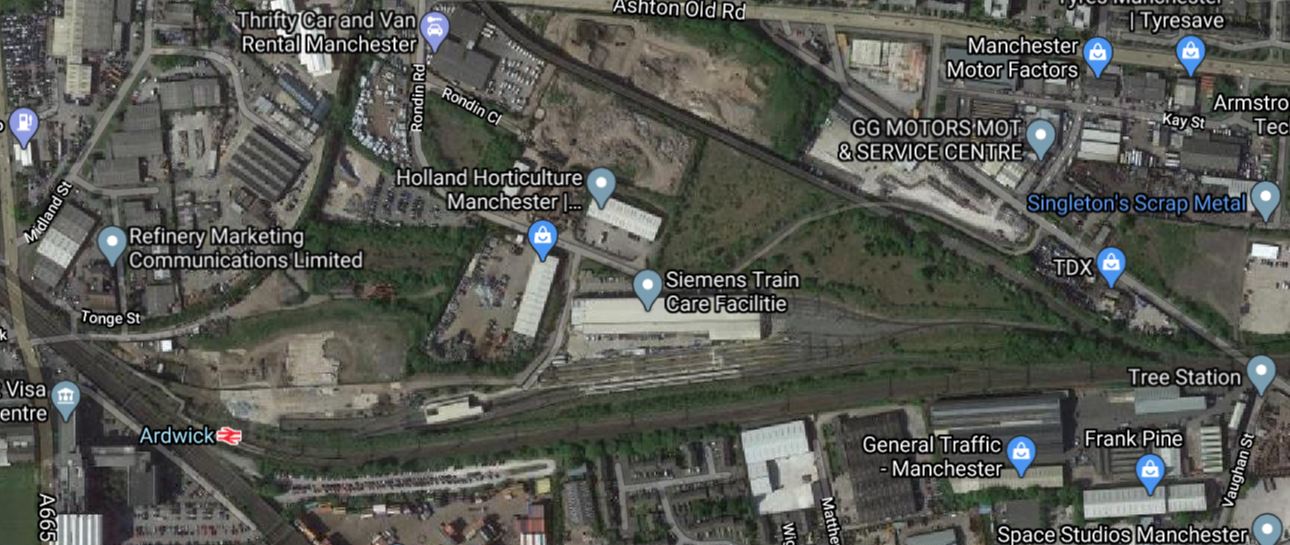
It would appear that the Eastern portal of the tunnels that lead to the proposed underground platforms of the Manchester Piccadilly ‘Super-Hub’ could emerge in this area.
Note.
- Ardwick station is about a mile from Manchester Piccadilly station.
- The Sheffield and Leeds routes split about a mile to the East of Ardwick station.
- The large site of the Train Care Facility, could surely be used for the tunnel portal.
The Transport for the North report says this about the services to the East from Manchester.
- Sic tph between Manchester and Leeds are planned.
- Four tph between Manchester and Sheffield are planned.
Ten tph through the underground platforms is surely possible, when Crossrail will handle 24 tph with full digital signalling.
A Manchester And Leeds High Speed Line
This clip of a map from the Transport for the North report shows a schematic of the rail links to the East of Manchester.
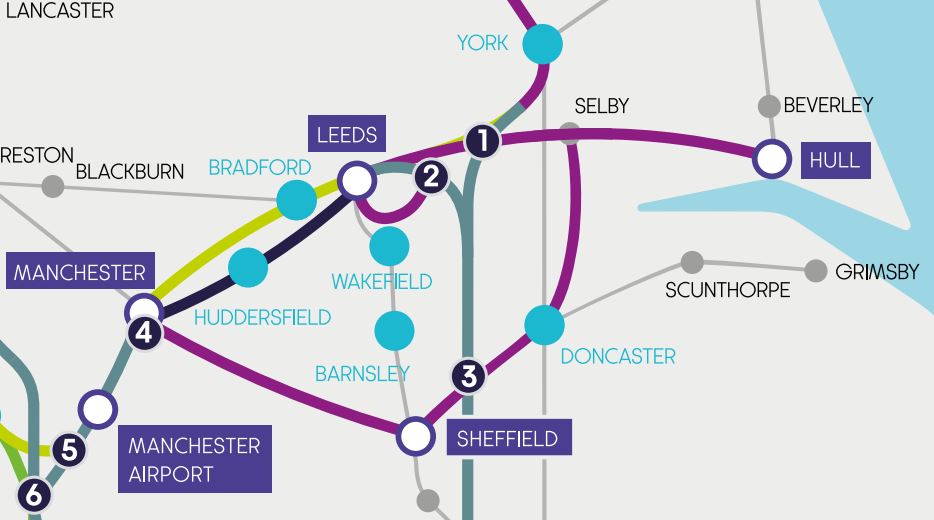
Two alternative routes are proposed between Manchester and Leeds.
- The black route would be created by upgrading the Huddersfield Line.
- The yellow route would be a new route via Bradford.
The Transport for the North report says this about the Leeds-Manchester service.
- There will be six tph.
- The journey will take 25 minutes.
In Is There Going To Be Full Electrification Between Leeds And Huddersfield?, I detailed Network Rail’s £2.9 billion proposal to upgrade the existing route between Huddersfield and Leeds. This is the black route.
If this project results in the full electrification between Leeds and Hudderfield, the Leeds and Manchester route will have these characteristics.
- It will be about forty-two miles long
- All except the sixteen mile section between Stalybridge and Huddersfield is electrified or is planned to be so.
- Network Rail have published plans to upgrade Huddersfield station.
- The section between Huddersfield and Dewbury will be upgraded to four tracks.
- The approach to the underground platforms at Manchester Piccadilly station could be in a two-mile 100 mph tunnel.
- Twenty-five minutes between Leeds and Manchester will need an average speed of 100 mph.
I don’t think it is unreasonable to assume that with a few other improvements, that the twenty-five minute time between Leeds and Manchester is possible.
New 140 mph Trains Will Be Needed
Consider a Blackpool and Leeds service via Preston, Wigan North Western, Warrington, Manchester Airport, Manchester and Huddersfield.
- It could be a fully-electrified route, if between Stalybridge and Huddersfield were to be electrified.
- Much of the route would be cleared for at least 140 mph running including the West Coast Main Line and the new route between Warrington and Manchester Piccadilly via Manchester Airport.
- Some sections of the route would allow more than 140 mph, but most would be 140 mph or less.
Without doubt, trains capable of running at 140 mph would be needed to make full use of the operating speeds available.
China And US Snub Global Talks On Vaccine
The title of this post is the same as that of this article in The Times.
Judging by the list of those that turned up to the talks, the United States and China care less about the health of their people and the wider world than Saudi Arabia.
My Equilibrium INR Has Risen Under Lockdown
For something like four years my Warfarin regime has been to take 4 mg. every day and to self test every Monday and Friday. It has been a simple regime that has worked well and my INR has stayed between two and three, with 2.4-2.6 being the common readings.
In other words what I would call as a Control Engineer, my equilibrium INR is spot on.
In the past, I have noticed that in times of hot weather my INR has tended to rise and in times of cold weather, it has occasionally dropped. A change of dose to three or five mg. has generally kicked it back towards 2.5 mg.
Doctors and this Control Engineer would say that you shouldn’t chase the INR by constantly changing the dose.
Warfarin also seems to have a cumulative property. A couple of years, I had to have a small operation. I dropped the INR to 2.1 for the operation over three days, by cutting back to 3 mg. After the operation three days at 5 mg. brought it back to 2.5.
Under lockdown, my equilibrium INR rose initially to 3 on a dose of 4 mg. every day.
In a telephone conversation with my GP, we agreed to alternate the dose between 3 and 4 mg. every day. My INR now seems to be stabilising between 2.5 and 2.8.
Why has my equilibrium INR risen under lockdown?
My house can get hot, as it wasn’t designed and built correctly and because of that I am drinking a lot of fluids. When I prick my finger for the self-test, the blood seems more watery than usual, so are all those fluids diluting my blood and causing my INR to rise?
Bodies can’t disobey the laws of physics!
Oh! For a walk by the sea in the sun!
 The Anonymous Widower