Belgrove House – A New Entrance For King’s Cross Tube Station
The title of this post, is the same as that as this article on Ian Visits, with the addition of Belgrove House,
This is the introductory paragraph.
An isolated box entrance to King’s Cross tube station is to be demolished and replaced with a new step-free entrance as part of a building development.
I went and took these pictures today, as I needed a few bits of shopping, which I bought in the area.
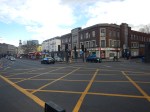
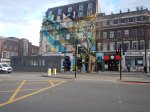
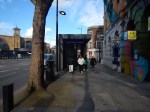
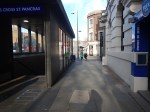
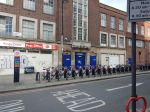

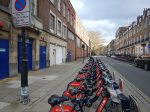
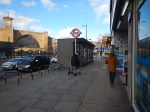

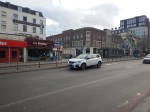
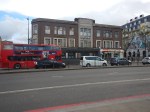
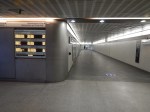
Note.
- The busy Euston Road which is a major route into and out of London in front of the two stations.
- The two station boxes on the South side of Euston Road, making the pavements difficult places to walk at times.
- The subway is step-free to all the Underground lines at Kings Cross and to both National Rail stations on the North side of Euston Road.
The block with the access self-store and the entrance to the station in front, will be replaced by a substantial new building, with step-free entrance to the existing subway.
This web page is entitled Welcome to the Consultation Website for Belgrove House and Acorn House.
It more of less does what it says and has this statement on the page.
This site presents our aspirations for an exciting new project for Camden; a life science Discovery Hub and UK HQ as a centre of excellence for MSD UK at Belgrove House along with affordable housing at Acorn House. It involves two interlinked sites within the King’s Cross ward of the London Borough of Camden – Belgrove House is located on Euston Road and fronts onto the King’s Cross Square and Acorn House is located a four minute walk away on Gray’s Inn Road.
We have now updated our website to include virtual exhibition boards where you can view the proposals for both sites in detail, see the consultation that has been undertaken to date and review the feedback that we have received so far. This is also an opportunity for you to give us your feedback on the plans ahead of a planning application being submitted to Camden Council at the end of August 2020.
The virtual exhibition boards can be viewed here.
The web page also features this visualisation of the building.
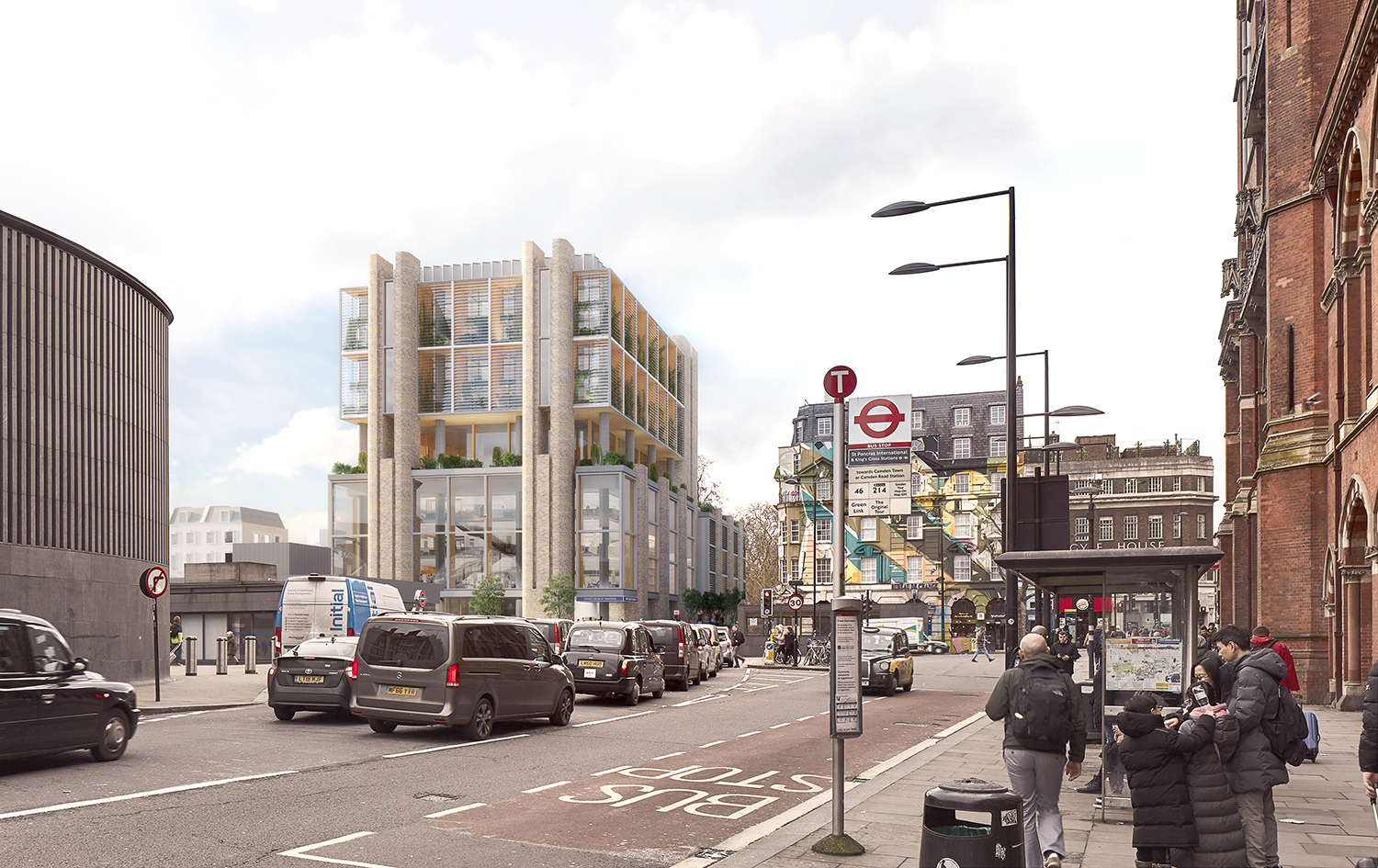
I have read most of the virtual exhibition boards and I wish that more consultation websites would be only half as good as this one.
These are a few points from the exhibition boards.
Cafe
There will be a publicly available cafe on the ground floor.
Many times in my life, I’ve arrived early and there is nowhere suitable to wait.
Carbon-Efficient Building
This is obvious from the proposal and raises its green head everywhere in the proposal.
Heating
It will be an all-electric building, with no combustion on site.
There will be air-source heat pumps and heat recovery.
Innovative Biophilic Façade
Wikipedia says this about biophilic design.
Biophilic design is a concept used within the building industry to increase occupant connectivity to the natural environment through the use of direct nature, indirect nature, and space and place conditions. Used at both the building and city-scale, it is argued that this idea has health, environmental, and economic benefits for building occupants and urban environments, with few drawbacks. Although its name was coined in recent history, indicators of biophilic design have been seen in architecture from as far back as the Hanging Gardens of Babylon.
This sounds to me, like the sort of post-Covid working environment we need to tempt people back into offices.
Parking
This is said about cycle and car parking.
We are proposing over 350 cycling parking spaces as part of our proposals for Belgrove House. These will be accessed via its own entrance located on Belgrove Street. We are also not proposing any car parking spaces as the area benefits from excellent transport connections.
I can’t see many disagreeing with that.
Recycled Building
I particularly liked this paragraph.
In line with the low-carbon strategy, the team intends to recycle and reuse existing building materials on the site where possible, such as bricks where these are salvageable. The re-use of these materials will reduce the embodied carbon of the new building.
Some of the buildings, I’ve commissioned have made extensive use of recycled bricks. And very fine, they’ve looked too!
Service Vehicles
This is said about servicing the offices and the retail units.
All servicing and deliveries for the Belgrove House offices/lab space will take place via the ground floor loading bay, with any vehicles entering the site from Crestfield Street and exiting onto Crestfield Street. The retail element of the development will be serviced from Crestfield Street in the same way as the existing McDonalds unit.
Sounds fair to me.
The more I read about this building the more I like it.
MSD
The main tennant will be MSD.
This is said about the company and its involvement in Belgrove House.
The proposals for Belgrove House have been designed to meet the needs of Knowledge Quarter occupiers such as MSD, a multinational life sciences company that discovers, develops and provides innovative medicines and vaccines to make a difference to people’s lives.
MSD has been looking for a suitable site for some time and identified King’s Cross as the ideal location for their Discovery Hub and UK HQ as a centre of excellence for the life science community.
They have form with this type of development and have a similar Discovery Hub in San Francisco.
Connection To Kings Cross Station
The current station boxes on the South side of Euston Road will be replaced by a step-free entrance inside Belgrove House, that will connect to the existing subway under Euston Road.
It is a difficult area to walk through and the pavements will be widened.
This Google Map shows the location of Belgrove House and the two stations of Kings Cross and St. Pancras.
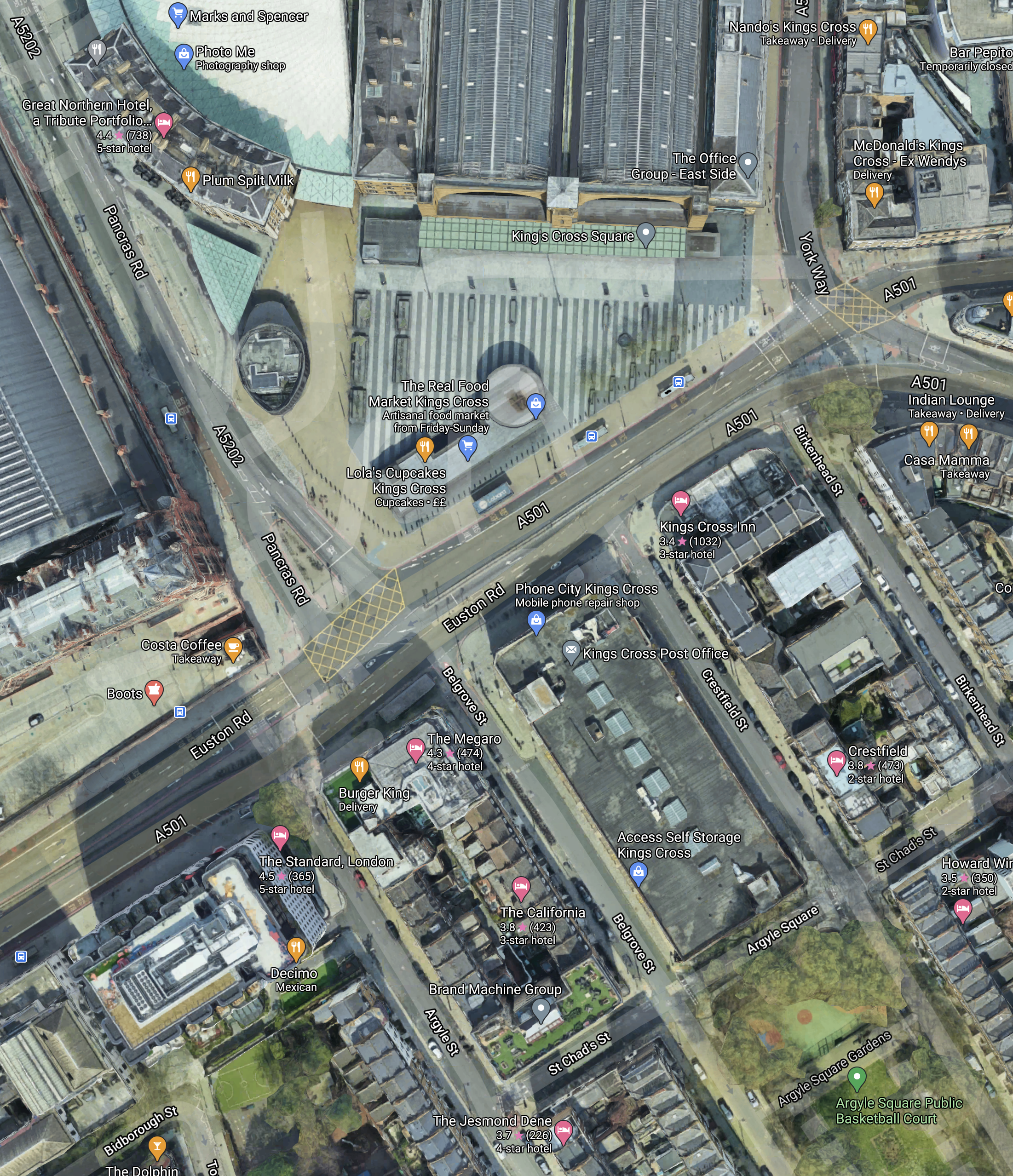
Note.
- Kings Cross station is at the top of the map.
- St. Pancras station is in the North-West corner of the map.
- Argyle Square Gardens is the green space in the South East corner of the map.
Belgrove House will replace the Access self-storage with the squares on the roof, that lies between Argyle Square and Euston Road.
Conclusion
If the development is as good as the proposal and lives up to the aims of the developers and MSD, it will be a building of which London will be proud.
How long will it take for some wag in a tabloid to call it The Hanging Gardens Of Kings Cross?
Get H2 Partners Propose Green Hydrogen Pipeline In Europe
The title of this post, is the same as that of this article on the Green Car Congress.
This is the first paragraph.
Seven companies from the GET H2 initiative in Europe want to build a cross-border pipeline for green hydrogen. From Lingen (Emsland) to Gelsenkirchen and from the Dutch border to Salzgitter, production, transport, storage and industrial acceptance of green hydrogen are to be connected in several steps between 2024 and 2030 under the umbrella of the overall project.
Note.
- I suspect this could be almost four hundred kilometres of hydrogen pipeline.
- The hydrogen will be used in refineries, for steelmaking and other industrial uses.
- It could avoid production of sixteen million tonnes of carbon dioxide by 2030.
This will need a lot of wind-turbines and electrolysers, most of which I expect will be in the German and Dutch parts of the North Sea.
Air-Conditioned Piccadilly Line Train Designs Presented
The title of this post, is the same as that of this article on Railway Gazette.
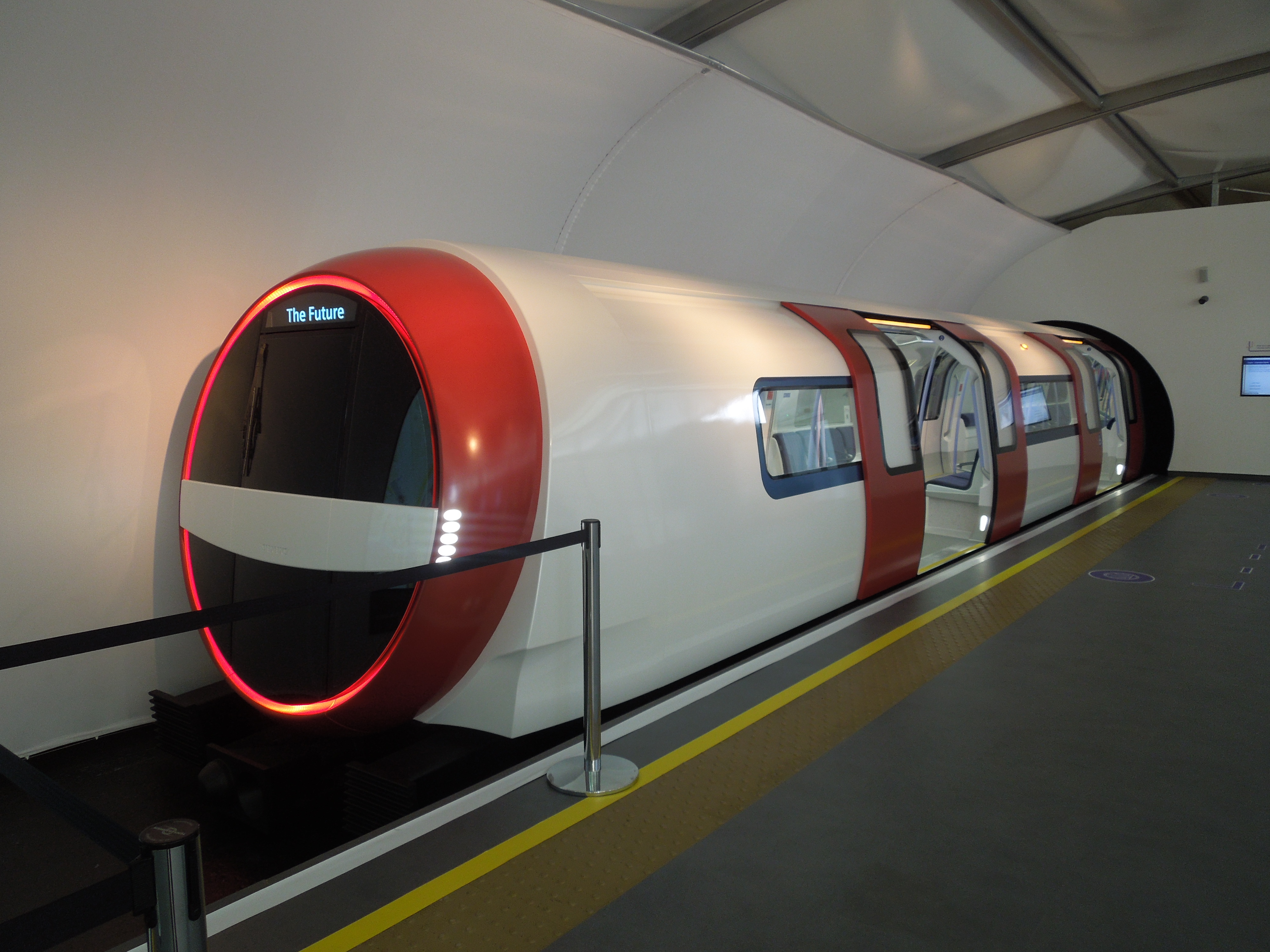
The article has four pictures of the final design of the new trains for the Piccadilly Line and the pictures don’t seem to be the same as those I took of the mock-up in October 2013 and can be seen in Siemens’ View Of The Future Of The Underground.
- The design has a less dramatic nose compared to the mock-up.
- It also appears to be taller.
- Judging by the external profile, the design has a clerestory to perhaps add a couple of inches.
- The seats appear to have a chunky profile. Is the air-conditioning partly behind the seats.
The interior seems to borrow heavily on the design for the London Overground’s Class 710 train.


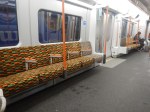
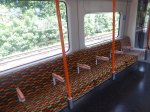


Note.
- The air-conditioning outlets in front of or underneath the seats.
- No grilles behind the seats.
- The Class 710 train has a clerestory for extra height, but it is not visible on the outside. Does the one on the Siemens’ design have grilles from air entry or exit?
These are some views of seats in current Underground stock.


Note.
- The Piccadilly Line trains were fully refurbished in 2001.
- The Northern Line trains were fully refurbished in 2013.
- The grilles behind the seats on the Northern Line trains.
You can see a progression through the various designs, with the Class 710 trains
It looks like Siemens are using a similar interior layout to current trains on the Underground and the Overground.
A few thoughts.
Heated Floors
Some Bombardier Aventras like Greater Anglia’s Class 720 trains have heated floors. Will Siemens copy this idea?
These trains will go to some of the coldest parts of the Underground around Cockfosters.
USB Charging
This Siemens’ picture shows a front view of the seats.
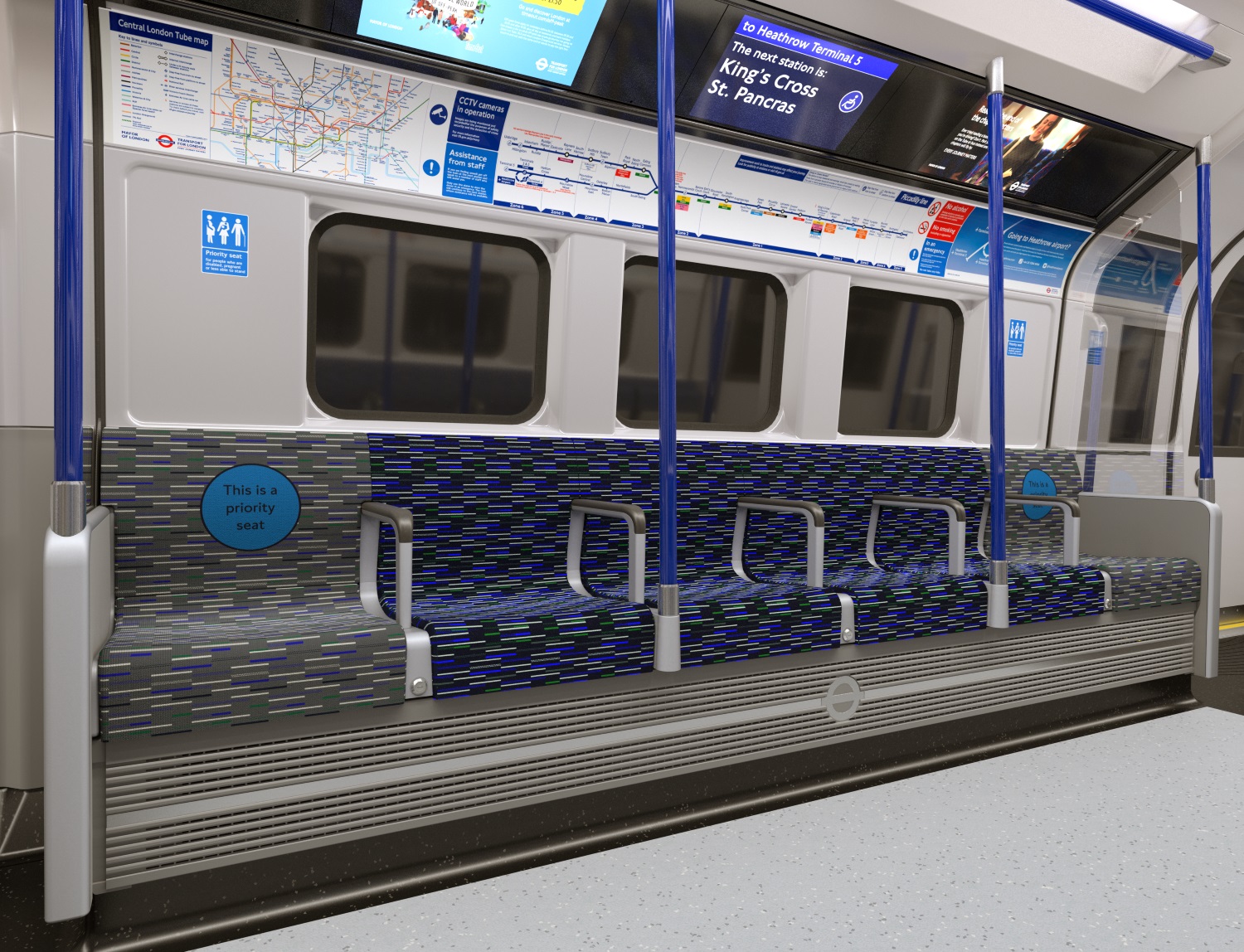
I thought for a moment, that there was a USB charge point in the front of the seat, but on second thoughts, that is just a fitting to enable extra vertical grab rails.
Siemens should put USB charge points in the arm rests, as Vivarail have done.
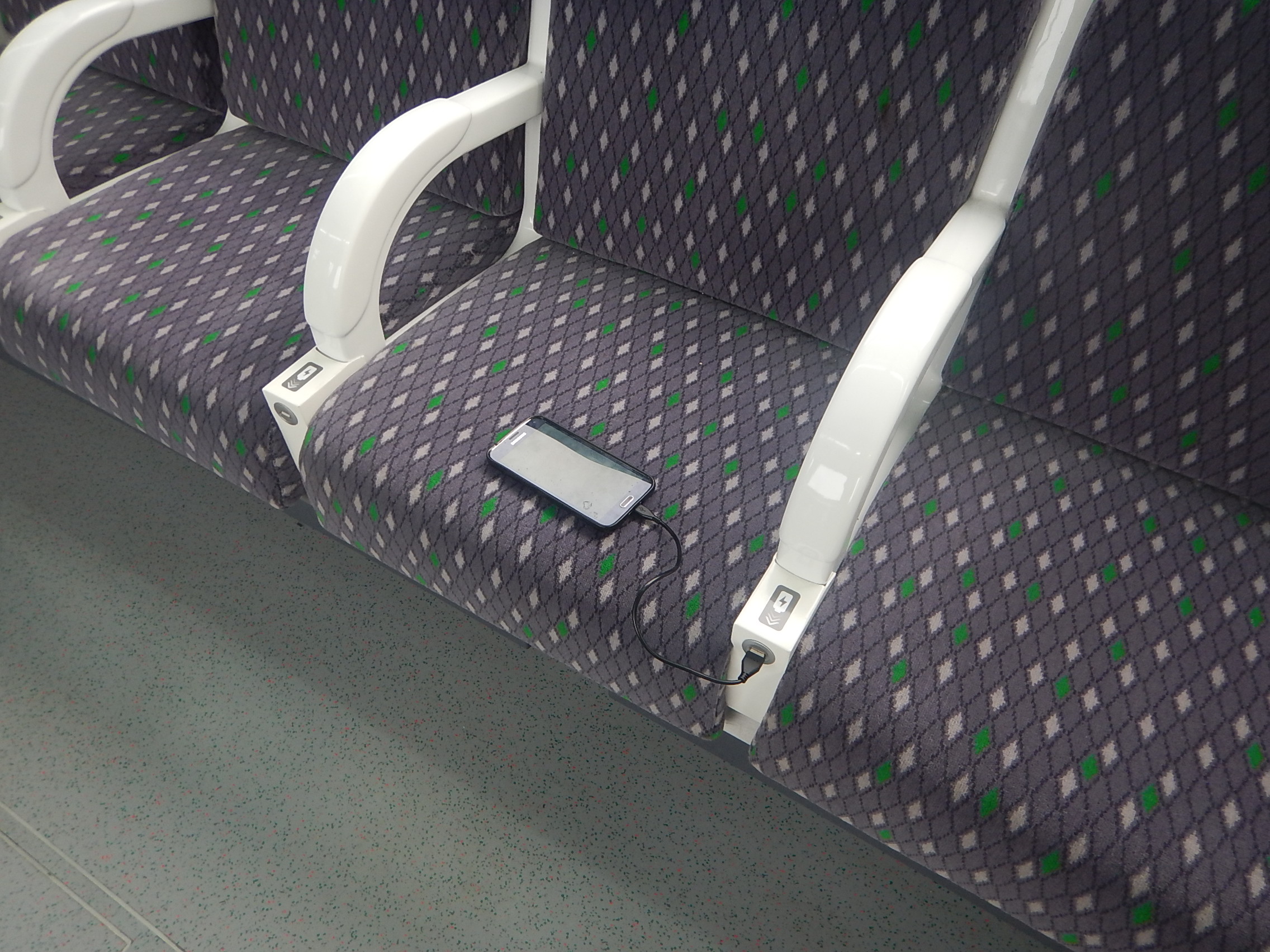
Good design is often simple.
Walk-Through Cars
The Railway Gazette article says this about walk-through cars.
The longer cars and walk-through interior of the articulated design would maximise the usable interior space, increasing capacity by 10%.
They say nothing about what I think is there biggest advantage – Passengers can freely circulate in the train, to perhaps get a better seat or be better placed for a quick exit.
Do women feel less vulnerable in wall-through trains?
Step-Free Entry
One of the good points of the mock-up in 2013 was that entrance into the train was step-free, as this picture shows.
But look at this screen-capture for the detailed design.
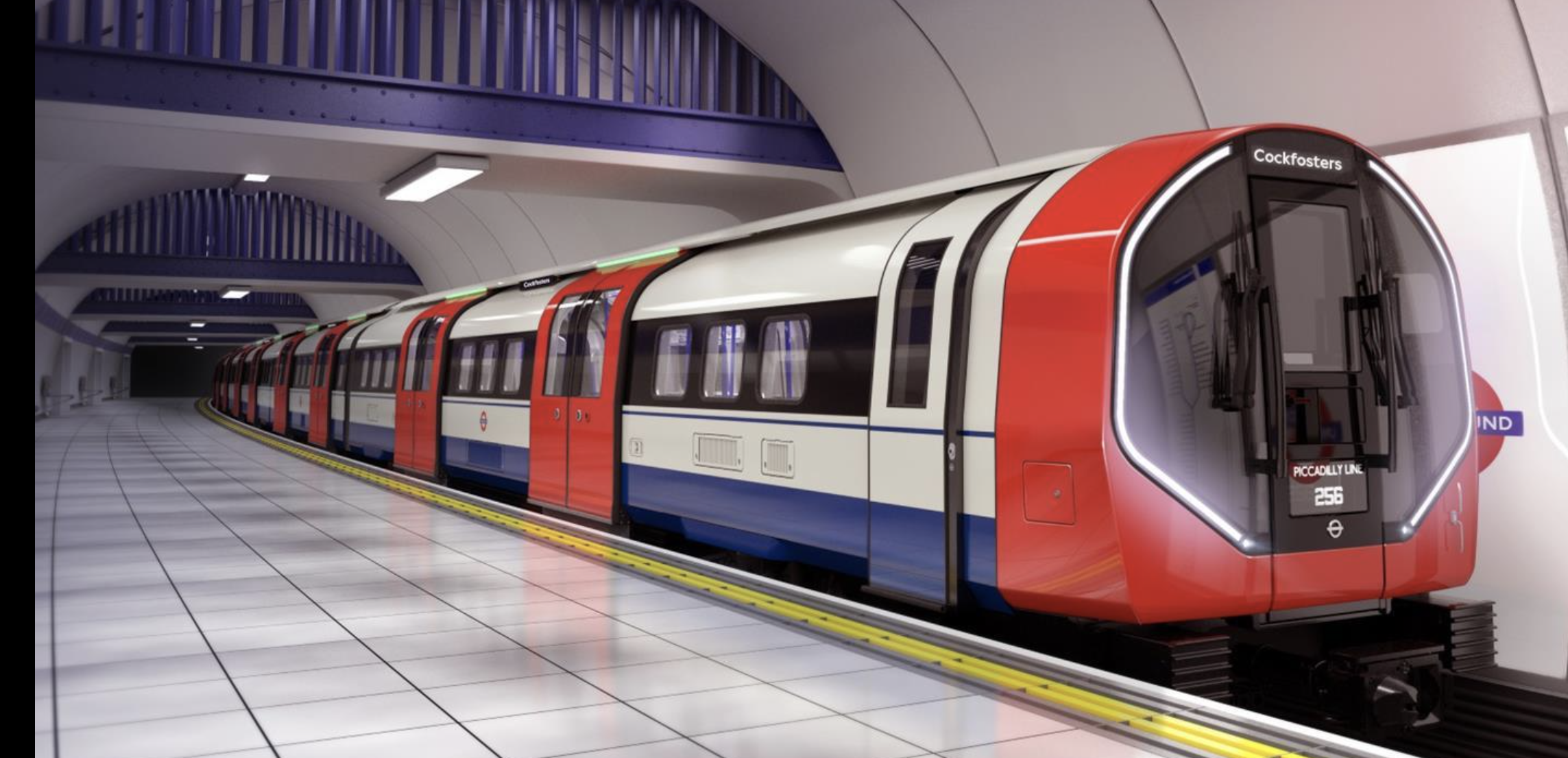
The doors now seem a couple of inches above the platform.
Have the designers removed a must-have feature?
German trains have a terrible reputation for not being step-free between train and platform, but if Stadler and Merseyrail can do it with the new Class 777 trains, then surely it can be done on the London Underground.
Front End
The previous two pictures do show the front end of the mock-up and final design well.
I do wonder, if the original design with the bar across didn’t go down to well with drivers.
- The driver on most trains sits to the left.
- Trains in the UK generally run on the left.
- Signals on the Underground are usually placed on the left.
So did the bar across get in the way of looking across at passengers, as a train entered a station?
Driver’s Doors
The previous two pictures also show that the original mock-up is without a door for the driver, but that these have been added to the final design.
Perhaps drivers feel a separate door is necessary, as it can’t be blocked by baggage, bicycles or buggies.
Train Length
In Thoughts On The New Tube For London, I speculated about train length and feel that with clever cab design, that the trains can be a bit longer than the platform with the walk-through design.
After all on the East London Line at a few stations, the platforms aren’t long enough for the five-car trains and passengers in the last car are just asked to walk forward.
This picture shows what happens on the Overground at Canada Water station.
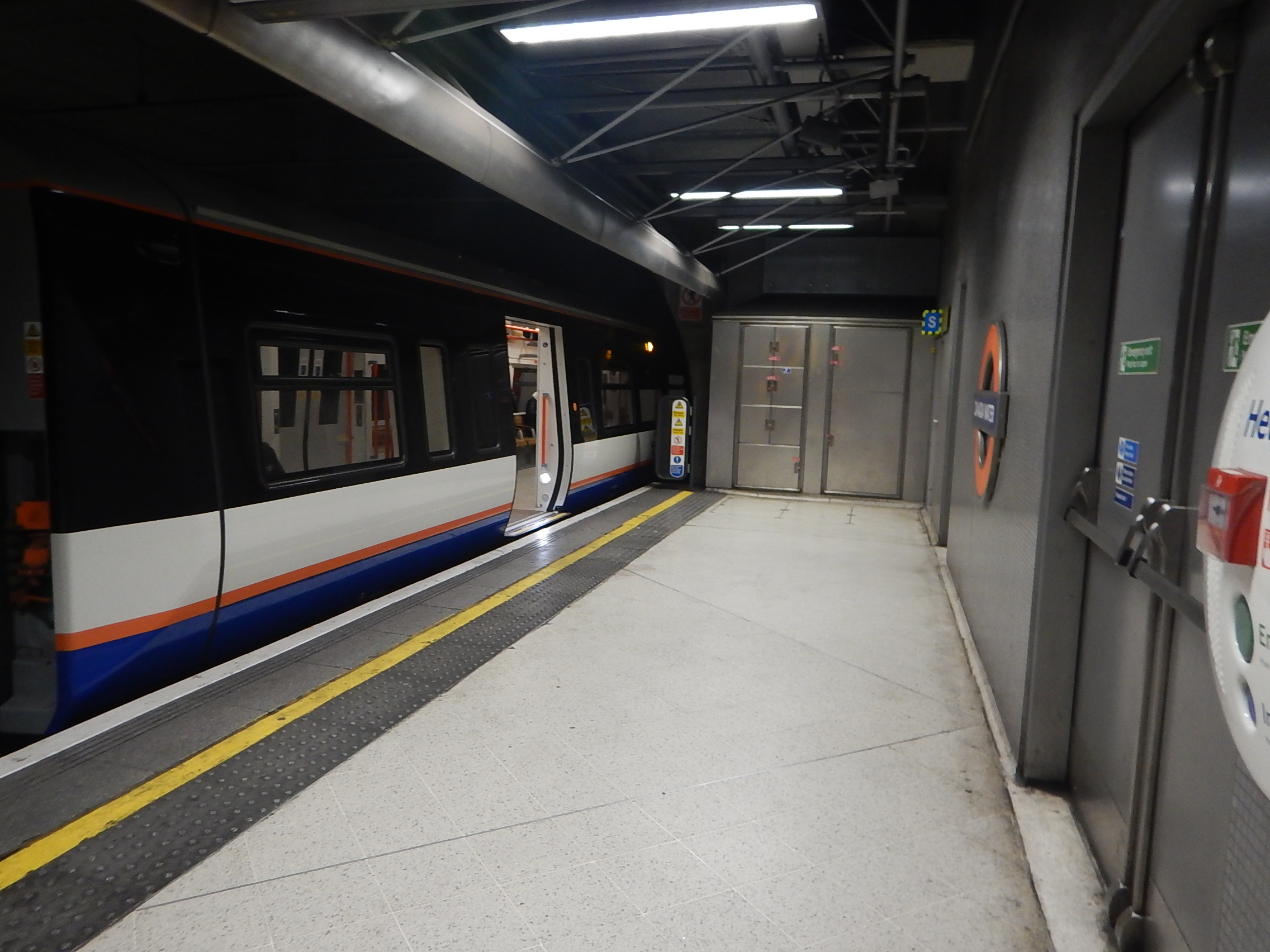
Those travelling in the last car of the train have to walk forward to the front doors of the car to exit. I suspect that with Siemens new trains, this will be the case on the Piccadilly Line.
The big advantage is that it avoids lengthening the platforms, which would be extremely tricky and very expensive.
So will the new Siemens trains be made longer, by allowing overhang into the tunnel at the rear and messaging to inform passengers?
I think they might!
Wikipedia gives the length of the new Siemens 2024 Stock as 113.7 metres, which compares with the 106.8 metres of the current 1973 Stock.
So the new trains are 6.9 metres longer.
Does that mean that if the front of the train is at the same position it is now, the rear end of the train will be overhanging the platform, by almost seven metres?
Judging by what happens on the East London Line, I think it would be feasible. It could even be a few metres longer, in which case the first set of double-doors would be outside the platform and wouldn’t open.
Seats Per Car
I believe this Siemens’ picture shows the view of one of the end cars looking towards the driver’s cab.

Note.
- The red and green labels on the door to the driver’s compartment at the far end.
- The two pairs of passenger doors and the lobbies with the black floors.
- The six banks of seats, each of which have six individual seats.
This means that the driver cars each have thirty-six seats.
According to Wikipedia, each new Siemens train has nine cars and a total of 268 seats.
So that means that the middle seven cars have a total of 196 seats or twenty-eight in each car. What convenient numbers!
Could that mean that the seven intermediate cars have four banks of seven seats arranged around a lobby with a pair of double-doors on both sides?
Could the intermediate cars have just one set of wide doors? I shall be taking a tape measure and my camera to a Class 710 train, to see what Bombardier have done.
So a new Siemens train might look something like this.
- Car 1 – driver cab – six seats – double-door/lobby – six seats – double-door/lobby – six seats
- Car 2 – seven seats – double-door/lobby – seven seats
- Car 3 – seven seats – double-door/lobby – seven seats
- Car 4 – seven seats – double-door/lobby – seven seats
- Car 5 – seven seats – double-door/lobby – seven seats
- Car 6 – seven seats – double-door/lobby – seven seats
- Car 7 – seven seats – double-door/lobby – seven seats
- Car 8 – seven seats – double-door/lobby – seven seats
- Car 9 – six seats – double-door/lobby – six seats – double-door/lobby – six seats- driver cab
Note.
- There will be a maximum of fourteen seats between any two entrance and exit lobbies.
- The train will have eleven sets of doors on either side.
- Trains of different lengths can be made for the Waterloo and City Line, where trains are shorter, and the Jubilee, where trains are longer, by just removing or adding intermediate cars.
For the Piccadilly Line, so long as the distance between the front of the train and the first set of doors is greater than 6.9 metres, these trains can be run using the overhanging into the tunnel method used on the East London Line of the London Overground.
Observations From The Underground And Overground
I went for a look and can say this.
- The seats on Overground Class 710 trains and Underground S Stock trains have a width of 0.5 metres. So is this a Transport for London standard?
- Double doors on both trains are around 1.5 metres wide.
On Class 710 trains, some cars have a run of fourteen seats. Is it a design clue for Transport for London train interiors?

There must be some proof somewhere that fourteen 0.5 metre seats and two 1.5 metre lobbies can handle large numbers of passengers.
The new Siemens trains will have an articulated join in the middle.
Could The Trains Be Lengthened?
The only things we know about the lengths of the cars of the new Siemens trains are.
- The average length of cars is 12.6 metres.
- The two driving cars are probably identical.
- The seven intermediate cars are probably identical.
- The distance between the end of the train and the first set of doors must be long enough to allow the first set of doors to open on the platform, with nearly seven metres of the train in the tunnel.
If we assume that the length of the intermediate car is X metres and it has two banks of seats and one lobby, then the driving car with three banks of seats, two lobbies and a driving cab could be almost twice as long.
I can do a little calculation.
How long would the driver cars be for various lengths of intermediate car?
As the driver car is effectively an intermediate car with an extra pair of doors/lobbie and an overhang containing another set of sets and the driving cab, I can also estimate the between the end of the train and the first set of doors, by subtracting the intermediate car length and two metres for the lobby from the driver car length
- 9 metres – 25.35 metres – 14.35 metres
- 9.5 metres – 23.6 metres – 12.1 metres
- 10 metres – 21.85 metres – 9.85 metres
- 10.5 metres – 20.1 metres – 7.6 metres
- 11 metres – 18.35 metres – 5.35 metres
- 12 metres – 14.85 metres – 0.85 metres
Note.
- The three figures are intermediate car length, driver car length and an estimate of the distance between the end of the train and the first set of doors.
- I shall improve this table, when I get the measurements from a Class 710 train.
- As there is a need for at least an overhang into the tunnel of at least 6.9 metres, it looks like intermediate cars can’t be longer than 10.5 metres.
Suppose that the intermediate car length is 10.5 metres.
Adding an extra car would mean that the new train length would be 124.2 metres, which would be 17.4 metres longer than the current Piccadilly Line 1973 Stock train.
This would be an overhang of 8.7 metres at both ends of the train, which would probably mean that the train wouldn’t fit the route, as the overhang is not long enough to accommodate it.
But with a length of ten metres, the overhang would be only 8.45 metres, which would appear to be feasible.
I wonder, if it would be possible with appropropriate modifications to the tunnel mouths and by using in-cab signalling to run ten car trains, if the intermediate cars were limited to ten metres.
- It looks to be possible mathematically.
- There would need to be no modifications to the platforms.
- There would be a ten percent increase in capacity.
It will hopefully come clear, when Siemens release the length of the driver and intermediate cars.
I believe that it is possible, that Siemens have designed these trains, so they can be extended without having to lengthen the platforms.
First French Region Signs Hydrogen Train Contract
The title of this post, is the same as that of this article on the International Railway Journal.
This is the introductory paragraph.
The Bourgogne-Franche Comté region has signed a contract with Alstom, through operator French National Railways (SNCF), for the supply of three Coradia Polyvalent electro-hydrogen dual-mode multiple units.
These are some points from the article.
- The three trains are from an order for 14 from four French regions.
- The trains can use 1500 VDC and 25 KVAC electrification.
- They will be able to use hydrogen power, where there is no electrification.
- Range on hydrogen will be 400-600 km.
- Operating speed will be up to 160 kph.
- Trains will be four cars, with a capacity of 220 passengers.
- Trains will start test running in 2024 on the 19km non-electrified Auxerre – Laroche – Migennes line.
As with the Alstom Class 600 hydrogen trains for the UK, deliveries don’t seem to be fast.
I wrote Hydrogen Trains Ready To Steam Ahead in January 2019. This is the first few paragraphs.
The title of this post is the same as that of an article in today’s copy of The Times.
This is the first two paragraphs.
Hydrogen trains will be introduced in as little as two years under ambitious plans to phase out dirty diesel engines.
The trains, which are almost silent and have zero emissions, will operate at speeds of up to 90 mph and release steam only as a by-product. The new trains, which will be called “Breeze” will be employed on commuter and suburban lines by early 2021.
Wikipedia is now saying, that these trains will enter service in 2024.
As Alstom haven’t got any orders for the train, I will be very surprised if they achieve that date.
Is it Alstom, French project management or problems with hydrogen?
I don’t think it’s anything to do with hydrogen, as the Germans built the successful iLint for Alstom and Birmingham University put together a hydrogen demonstration train in double-quick time.
Given all the problems that the French are having with rolling out the Covid-19 vaccine could it be that the French have a Can’t Do! attitude, rather than most other countries, which seem to have a Can Do! attitude.
Honeywell Introduces Power Source For Hybrid-Electric Aircraft
The title of this post, is the same as that of this article on Flying Magazine.
Honeywell have created a power source for hybrid-electric aircraft, that will run on a wide range of fuels including jet fuel, diesel and sustainable aviation fuel.
The Flying Magazine article is a must-read, which is mainly based on this press release from Honeywell, which is entitled Honeywell’s Newest Turbogenerator Will Power Hybrid-Electric Aircraft, Run On Biofuel.
The turbogenerator has two main parts.
Small Turbofan Provides The Power
These are details of the turbo fan.
- The small turbo fan is the auxiliary power unit or APU from an Airbus A 350 XWB.
- The APU is identified as a Honeywell HGT1700.
- Over four hundred of these APU’s have been delivered in Airbus A350 XWBs.
- It can run on jet fuel, diesel and sustainable aviation fuel.
- It can also run on Honeywell Green Jet Fuel.
- I suspect in the future, it will be able to run on hydrogen.
The APU is obviously well-proven technology, from a company with a large share in the airliner market.
Generator To Provide Electricity
These are details of the generator.
- It weighs 127 Kg or about two of me.
- It can generate a megawatt of electricity.
The generator sounds powerful to me.
The first demonstration of this turbogenerator system will occur in the third quarter of 2021, with ongoing development and qualification to follow.
Honeywell says this about their collaboration with Faradair and other companies.
In December, Honeywell signed a memorandum of understanding with British startup Faradair Aerospace to collaborate on systems and a turbogeneration unit that will run on sustainable aviation fuel to power Faradair’s Bio Electric Hybrid Aircraft (BEHA). Faradair intends to deliver 300 hybrid-electric BEHAs into service by 2030, of which 150 will be in a firefighting configuration. Honeywell is in advanced discussions with several other potential turbogenerator customers, working to help define power requirements based on mission profiles required by various manufacturers.
I can see a lot of customers for this turbogenerator.
And not all will be in aviation!
The Proposal For Stonehenge And Wilton Junction Station
This article on the Salisbury Journal is entitled Wilton Railway Project On Track As Bid Submitted.
It starts with this paragraph.
An application to reopen the railway station in Wilton has reached the third round of the Restoring Your Railway Ideas Fund.
There are also more details in the February 2021 Edition of Modern Railways.
The following sections give more information and some of my thoughts.
Station Name
The station appears to be called Stonehenge and Wilton Junction in all the articles and reports.
Station Location
This page on the TransWilts web site, says this about the station.
Wilton is at the junction between the Salisbury to Bristol line and the Salisbury to Exeter line.
It is 7 miles to Stonehenge Visitor Centre. A consultants report by Atkins shows an economic case and a developer for housing at the site has been identified. Station cost is in the order of £15m.
This Google Map shows the area.
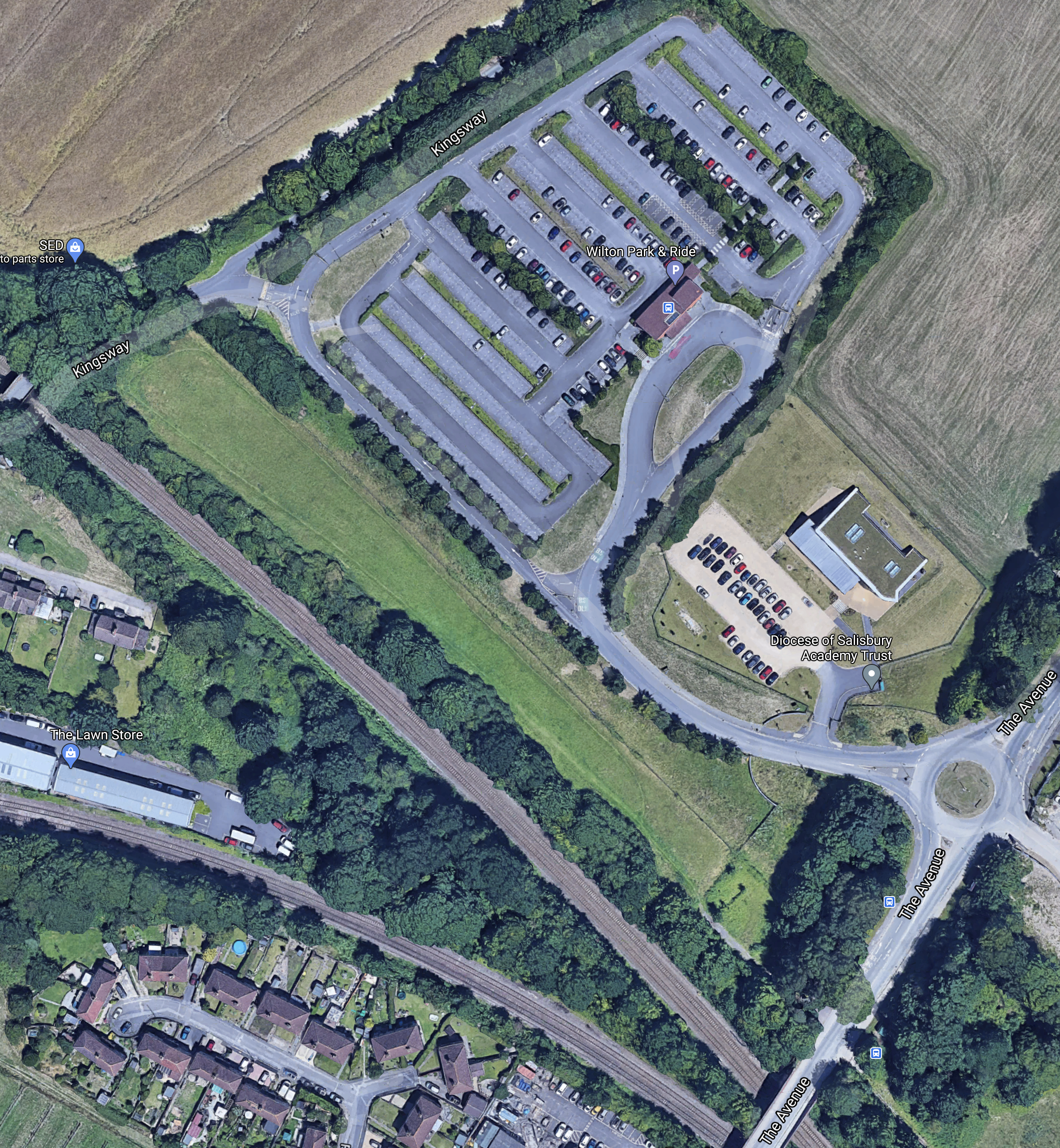
Note.
- The Wilton Park-and-Ride site at the top of the Map.
- The railway going South-East and North-West across the map is the Wessex Main Line, that links Salisbury and Bristol.
- The railway going South-East and West across the map is the West of England Main Line, that links Salisbury and Exeter.
- Both routes are double track.
It would appear that the new station would have platforms on both rail lines through the station.
Station Design
If Atkins reckon the station can be built for £15 million as I quoted earlier, it can’t be a very grand station.
The Modern Railways article says this about the station.
A park-and-ride facility at the station would reduce congestion in the centre of Salisbury. Improving London services in the proposal improves the cost-benefit ratio, so what is now envisaged is a four-platform station, with platforms on both the TransWilts and the Yeovil to London lines. The thinking is that the new station could work in tandem with the lengthening of the Tisbury loop and other proposals for possible expansion on the South Western route to Exeter that was floated in the latest Network Rail Continuous Modular Strategy.
My feelings are that a radical approach could yield an efficient station with a smaller number of platforms.
Train services through the station could include.
- GWR – Cardiff Central and Portsmouth Harbour – Hourly – Transwilts Lines – Also calls at Salisbury
- GWR – Great Malvern and Brighton or Southampton – Hourly – Transwilts Lines – Also calls at Salisbury
- SWR – London Wareloo and Exeter – Hourly – Yeovil and London Lines – Also calls at Salisbury
There is also talk of extending the Transwilts hourly service between Swindon and Westbury to Salisbury and then on to Southampton via Romsey.
This would do the following.
- Create a link to Southampton Airport.
- Give the new station a Turn-Up-And-Go service to Salisbury.
- The fourth service would mean that three services called on the Transwilts platforms and one service called on the Yeovil and London platforms.
So why not have one large platform between the two pairs of lines?
- It would have a tunnel connecting it to the buses and the car parking.
- One large lift would take passengers with limited mobility to the platform.
- The Southern face of the platform, would handle all trains running on the Yeovil and London line. A single platform can easily handle an hourly fast service in both directions.
- The Northern face of the platform, would handle all trains running on the Transwilts.
- Three trains per hour (tph) in both directions, could probably be handled with some innovation and a long platform.
Why complicate everything with four platforms?
Link To Stonehenge
I haven’t been to Stonehenge since the 1950s, although I have observed it from traffic jams on nearby roads many times.
Surely, there is a chance here to connect the new station and the World Heritage Site with a zero-carbon battery or hydrogen bus.
As the distance between the station and Stonehenge is only about seven miles, it would probably be the easiest way to get large number of visitors to the unique site.
We probably need more well-planned zero-carbon bus links to historic, tourist and other important sites.
Coal Plant Closures Loom Large As NSW Backs Hydrogen For The Hunter
The title of this post, is the same as that of this article on the Sydney Morning Herald.
This is the first paragraph.
The future of NSW’s coal-fired power plants is under increasing threat from cheap renewable energy, which this week forced Victoria’s Yallourn coal plant to bring forward its closure date as analysts warn the end may come even sooner.
The future for coal in Australia certainly doesn’t look good.
‘Staycation Express’ To Return Along Full Length of S & C
The title of this post, is the same as that of this article on Rail Magazine.
These are the first three paragraphs,
This year’s ‘Staycation Express’ will use a refurbished High Speed Train and run the full length of the Settle-Carlisle Line.
The final plans are being confirmed by Rail Charter Services, which last year used locomotive-hauled trains between Skipton and Appleby. This year, the plan is for the HST to operate the 0930 Appleby-Skipton, 1130 Skipton-Carlisle, 1500 Carlisle-Skipton and 1730 Skipton-Appleby, although the timings are yet to be finalised.
The trains will run daily except for Fridays between mid-July and early September (dates still to be determined).
Full details will be published by Rail Charter Services in April, but after last year’s success a second year of services is not a surprise.
I wouldn’t be surprised to see Locomotive Services Ltd. supplying the rolling stock, as they have recently recreated the Blue Pullman using a redundant InterCity 125.
Long Covid And Coeliac Disease
I recently heard an interview with Adrian Chiles on Radio 5 about the so-called long covid
I am 73 and the more I read about Long Covid, the more I think I had something similar around 1958, when I had just started Minchenden Grammar School, where I missed most of the Spring Term. This was at the time of the 1957-8 flu pandemic., which killed between one and four million people worldwide.
This article on New Decoder is a personal memory of that pandemic, from an experienced journalist called Harvey Morris.
Last night, I was listening to another program about kids with long covid and they seemed to be describing how I felt all those years ago.
One of those two programs, also said that one doctor tested patients for coeliac disease.
In 1997, at the age of fifty, I was diagnosed as a coeliac and have been gluten-free ever since. From friends and acquaintances, who are also coeliac on a long-term gluten-free diet, it appears that none of us have had a serious dose of the covids, including one who works in an office with several cases of Covid-19.
This observation has been backed-up by peer-reviewed research at the University of Padua, who followed a group of coeliacs on a long-term gluten-free diet through the first wave of the pandemic. None caught the virus.
It should also be noted that Joe West at the University of Nottingham, has shown that coeliacs on a long-term gluten-free diet are 25 % less likely to get cancer, so do we have a strong immune system, that gives us this protection against against both cancer and the covids.
Coeliac disease has been called the many-headed hydra by some doctors, so could it be an alligator in the swamp of Covid-19?
Research needs to be done!
But could it be that in 1958, my less than perfect immune system, because I was not diagnosed as a coeliac and was not on a gluten-free diet, had difficulty overcoming the flu at the time?
Ex-Steelworks To Make Wind Farm Parts In Plan For 6,000 Green Jobs
The title of this post, is the same as that of this article on The Times.
This is the introductory paragraph.
The government will invest almost £100 million creating new wind turbine ports in northeast England, with a big renewables company announcing plans to make crucial parts in Teesside.
The two ports will be on Teesside and North Lincolnshire.
The next generation of wind turbines in the North Sea will be very different.
Larger Turbines
They will be larger and the blades will be bigger, so building them close to, where they will be installed is a sensible idea.
We are also very good at aerodynamics in the UK. This is the reason Airbus designs and builds wings in the UK.
Floating Turbines
The next generation of wind farms will be floating, as for some reason, they have a higher capacity factor.
I am personally pleased about this, as it appears they are based on a patented but failed design of floating oil production platform from the 1970s, where I performed the calculations on how to install them.
Some of these floating wind turbines can also be floated into port for major services and upgrades, which probably means we need local manufacturing of as many parts as possible.
Hydrogen Rather Than Electrical Connection
They will also create hydrogen, rather than electricity, by using a combination of wind turbine and hydrogen electrolyser.
As distances between shore and wind farm get longer, it is cheaper to use a gas pipe, rather than a DC electricity link.
Hydrogen can also be stored in worked out gas fields and also brought ashore in redundant pipelines.
The hydrogen electrolysers will probably be built in the world’s largest electrolyser factory in Rotherham, owned by ITM Power; a UK company.
Conclusion
As we are going to build almost 70 GW of offshore wind in the next few years, we’re going to need a turbines and I believe increasingly, they will be built in the UK.
So these two wind ports at Teesside and in Lincolnshire are a good idea.
 The Anonymous Widower