New Facility To Power Liverpool’s Buses With Hydrogen
The title of this post is the same as that of this article on Air Quality News.
These are the first three paragraphs.
Arcola Energy will build a facility to develop hydrogen and fuel cell technology for buses near Liverpool.
The company has secured 15,000 sq. ft of newly-built premises in Knowsley which will house the company’s manufacturing, installation and maintenance facilities.
The manufacturing area of the new site will be used to produce and install hydrogen fuel systems into a fleet of double-decker buses for the Liverpool City Region, after the city region was awarded £6.4m for the project by the Office for Low Emission Vehicles.
The article says this about the design of the buses.
The buses have been developed through a partnership between Arcola and Alexander Dennis, the world’s largest double-decker bus manufacturer.
Arcola Energy‘s Head Office is just round the corner from where I live, by the Arcola Theatre in Dalston.
Could London Get A New Tube Line Between Canary Wharf And Euston?
The title of this post is the same as that as this article on CityMetric.
The article makes some interesting points.
- The line has been proposed by the owners of Canary Wharf.
- Getting to Canary Wharf from Euston, Kings Cross and St. Pancras is difficult.
- Property developers have always decided where London’s railways go.
- The plan would seem to have just one intermediate stop at Blackfriars station.
These new or improved services will be happening in the next ten years.
- More and faster services to/from the Midlands and the North West at Euston.
- High Speed Two services at Euston
- More and faster services to/from the East Midlands and Sheffield at St. Pancras.
- More Continental services at St. Pancras
- More and faster services to/from Yorkshire, the North East and Scotland at Kings Cross.
These lead me to the conclusion, that a new rail link is needed across London.
A Possible Western Extension To The Docklands Light Railway
In A Connection Between City Thameslink Station And The Docklands Light Railway, I wrote about a possible Western extension of the Docklands Light Railway.
his map from Transport for London, shows this possible Western extension of the DLR.
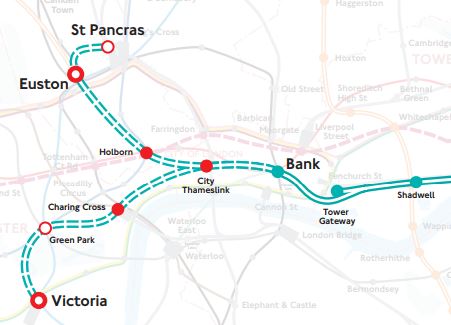
This was my analysis.
With all the problems of the funding of Crossrail 2, that I wrote about in Crossrail 2 Review Prompts Fresh Delays, could this extension of the DLR, be a good idea?
Consider,
- Victoria, Euston and St. Pancras are prosposed Crossrail 2 stations.
- It would link Canary Wharf and the City of London to Eurostar, Northern and Scottish services and High Speed 2.
- It would give all of the Docklands Light Railway network access to Thameslink.
- A pair of well-designed termini at Euston and St. Panras would probably increase frequency and capacity on the Bank branch of the system.
- The DLR is getting new higher capacity trains.
- Bank station is being upgraded with forty percent more passenger capacity.
- Holborn station is being upgraded and hopefully will be future-proofed for this extension.
- One big advantage at City Thameslink, is that Thameslink and the proposed DLR extension will cross at right-angles, thus probably making designing a good step-free interchange easier.
- The Bank Branch of the DLR currently handles 15 tph, but could probably handle more, if they went on to two terminal stations at St Pancras and Victoria..
- Waterloo and City Line can run at twenty-four tph.
Cinderella she may be, but then she always delivers, when there is a desperate need, just as she did magnificently at the 2012 Olympics.
The only problem with this extension of the DLR, is that compared to the rest of the system, the views will be terrible.
For myself and all the others living along the East London Line, with a step-free change at Shadwell, we would get excellent access to Euston, Saint Pancras and Victoria
But could the line still be called the Docklands Light Railway, as it spreads its tentacles further?
Will Cinderella come to the help of Canary Wharf for a second time?
I remember, when the Lewisham extension of the DLR was built without fuss, fanfare and cost and time overruns a couple of decades ago.
It was a triumph of sensible engineering.
Chatham Station To Go Step-Free
This document on the Government web site is entitled Access for All: 73 Stations Set To Benefit From Additional Funding.
Chatham station is on the list.
These pictures show the station.
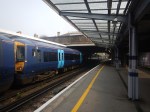
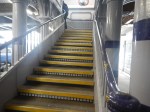

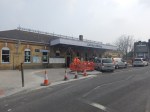
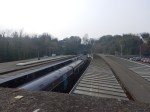
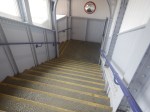
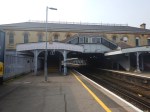
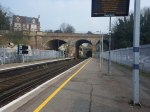
This Google Map shows the station.
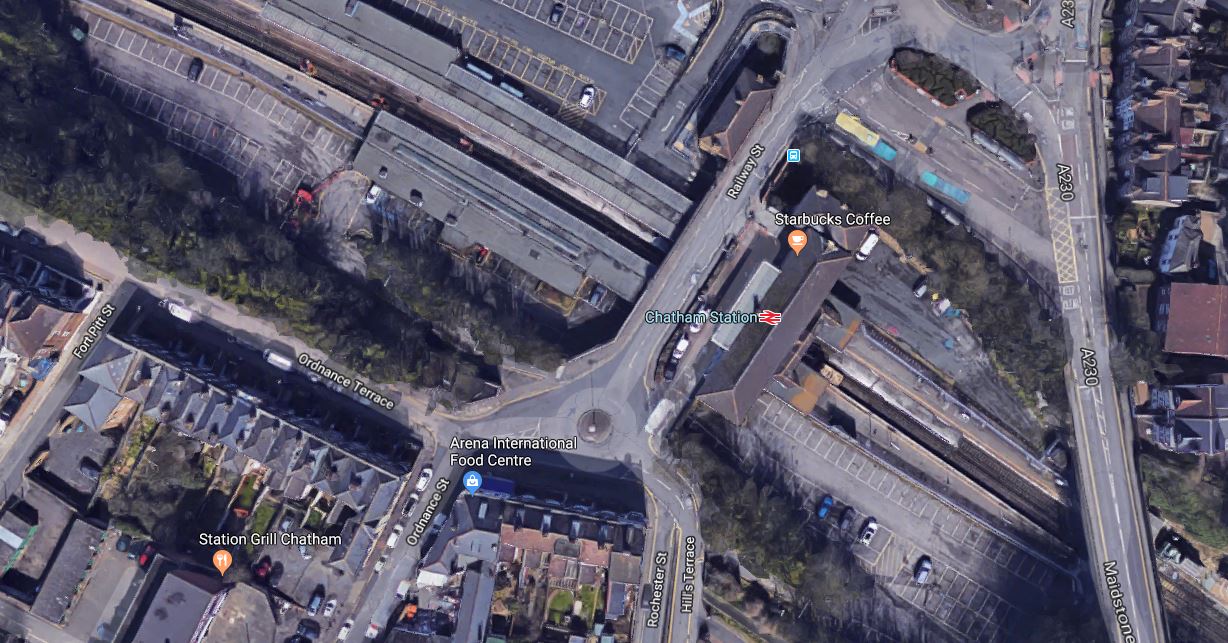
Note.
- The station building is above the tracks.
- There are two staircases from the building to each platform.
- The platforms are reasonably wide.
It might not be an easy station to provide full step-free access.
Installing Step-Free Access
This Google Map shows the Eastern side of the station building.
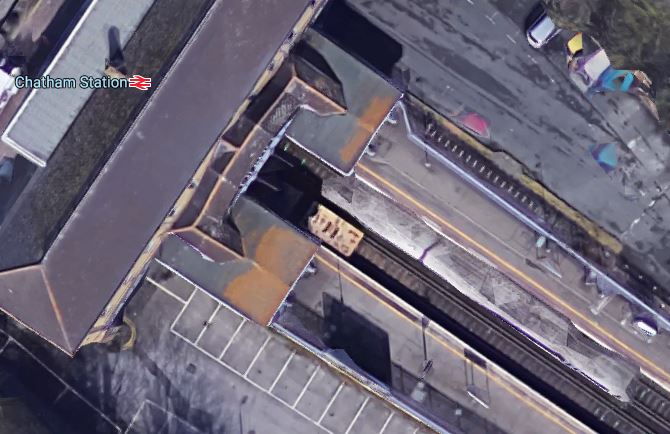
You can just see the stairs at the back of the building.
In stations with similar layouts, Network Rail have built new stairs and lift structures, like these at New Cross Gate station.
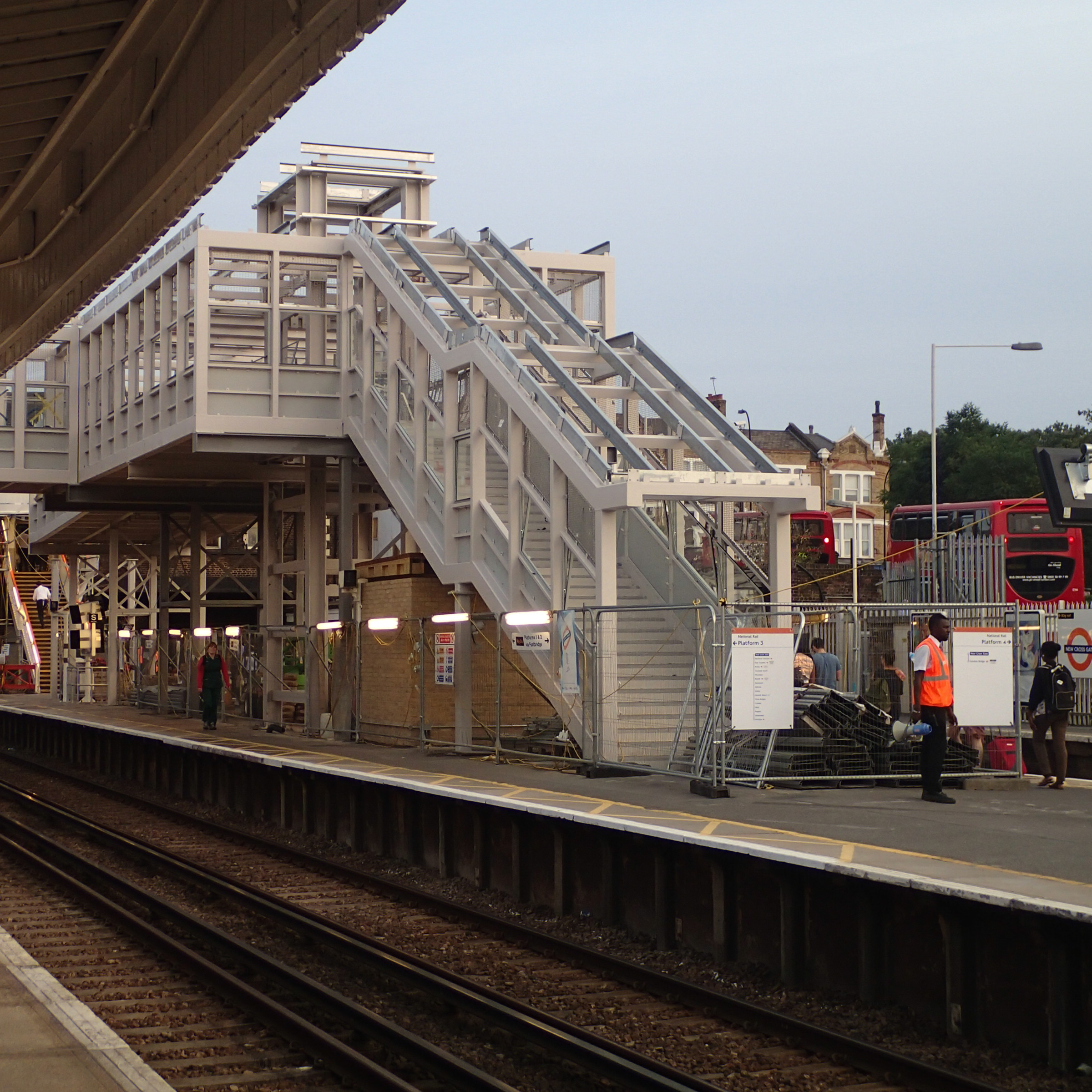
Could something similar be squeezed in at Chatham station?
It would be difficult but podssible, in a station that handles nearly three million passengers per year.
Herne Bay Station To Go Step-Free
This document on the Government web site is entitled Access for All: 73 Stations Set To Benefit From Additional Funding.
Herne Bay station is on the list.
These pictures show the station and the current subway.
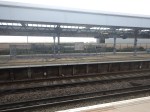
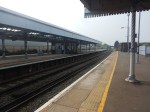

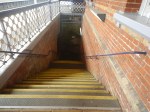
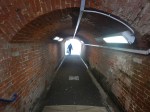

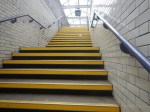
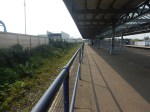
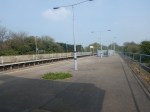
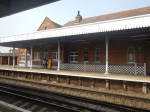
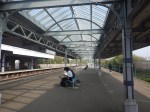
This Google Map shows the station.
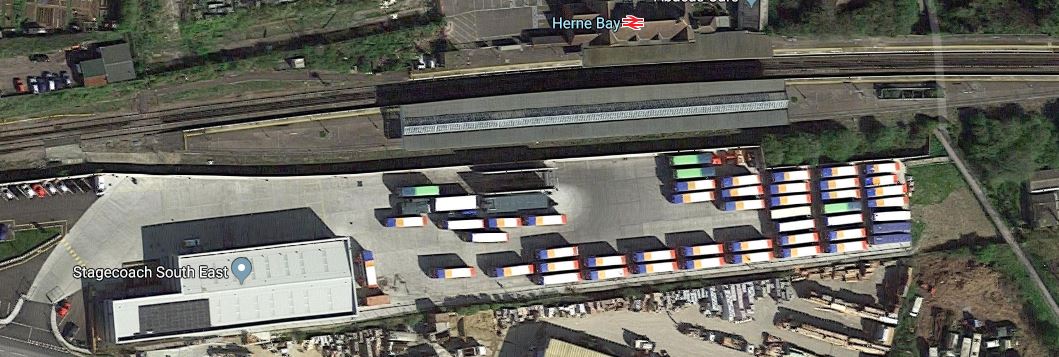
Note.
- The station has two platforms, with a closed third platform.
- The Eastbound platform is Platform 2, with the Westbound platform numbered 1.
- The two platforms are connected by a very bad subway, with steep stairs at either end.
- There are three trains per hour (tph) in both directions through the station.
Whilst I was at the station, there were three guys with bikes using the trains.
Consider.
- In my experience, coastal stations attract visitors with buggies and bikes.
- There are a higher proportion of older passengers.
- Good weather can increase passenger numbers.
It is without doubt the sort of smaller station on the coast, that needs step-free access.
Installing Step-Free Access
When I first saw the subway, I thought it could be possible to just add a lift at each end.
But looking at the station and the pictures on this page, I wonder if a bridge would be better.
- The subway is rather cramped and might not be wide enough for a large wheelchair or buggy to pass another.
- Digging the lift shafts would probably close the subway for at least a few weeks.
- There appears to be space at the Eastern end of the station for a bridge.
- Adding a bridge wouldn’t interfere with the siubway operation.
- If the station had both a bridge and a subway, the extra capacity would be welcome and might help reliability.
In Winner Announced In The Network Rail Footbridge Design Ideas Competition, I wrote how the competition was won by this bridge.
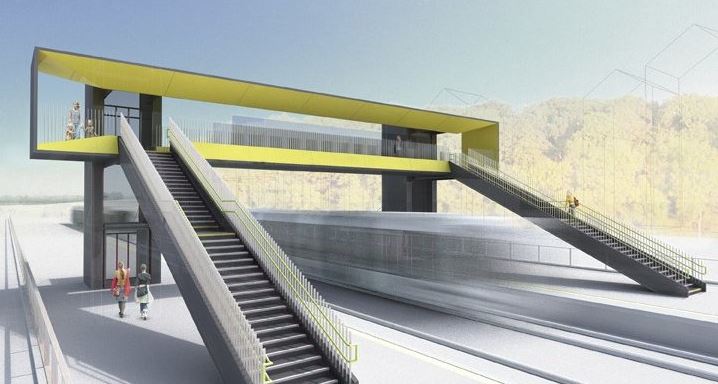
Could a factory-built bridge like this be used at Herne Bay station?
- The bridge would be designed to fit.
- Platform 2 would probably need to be widened, so passengers could pass the steps to get to the lift.
I think it could be made to work very well!
Croy Station To Go Step-Free
This document on the Government web site is entitled Access for All: 73 Stations Set To Benefit From Additional Funding.
Croy station is on the list.
These pictures show the station and the current bridge,
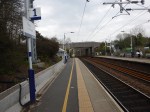
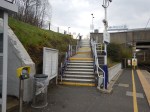

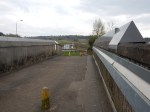



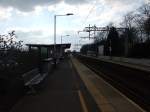
This Google Map shows the station.
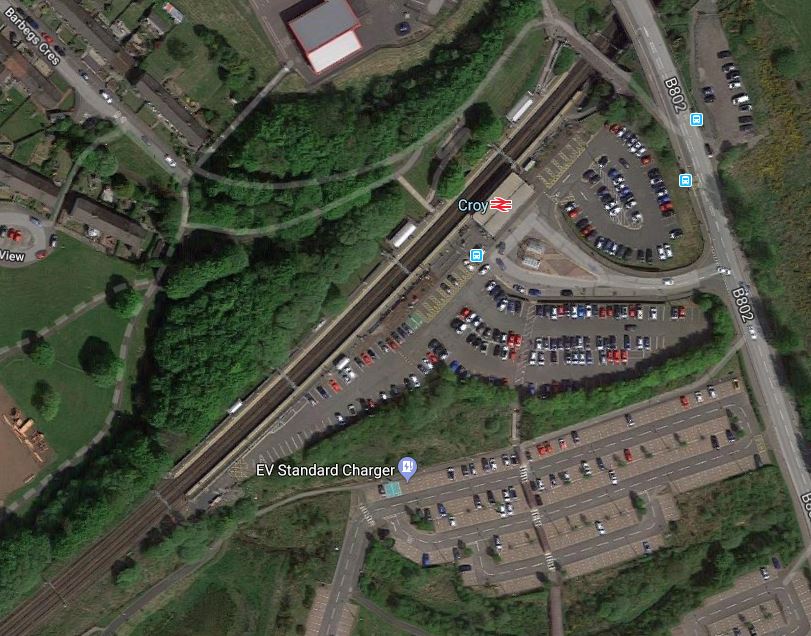
Note how the car parking is on the Glasgow-bound side of the tracks.
So after a hard day’s work, shopping, watching football or just at leisure in Glasgow, to get back to your car at Croy station, you will need to climb up and down steep steps.
The station desperately needs a well designed bridge to give passengers and especially the less able to get back to the car parking.
Installing Step-Free Access
This Google Map shows an enlarged view of the platforms in the Glasgow direction.

Note how the disabled parking spaces are close to the station building and the Glasgow-bound platform.
In Winner Announced In The Network Rail Footbridge Design Ideas Competition, I wrote how the competition was won by this bridge.
Could a factory-built bridge like this be used at Croy station?
Looking at the Google Map, it might even be possible to fit the bridge between the two overhead gantries for the electrification, which are visible!
It appears to me, that Network Rail’s competition has come up with an adaptable and very practical design.
Uddingston Station To Go Step-Free
This document on the Government web site is entitled Access for All: 73 Stations Set To Benefit From Additional Funding.
Uddingston station is on the list.
These pictures show the station and the current bridge,
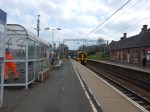
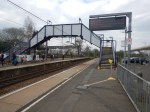
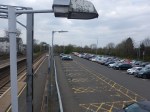

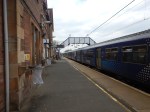

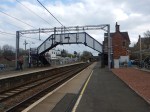
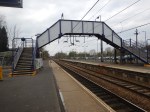
This Google Map shows the station.
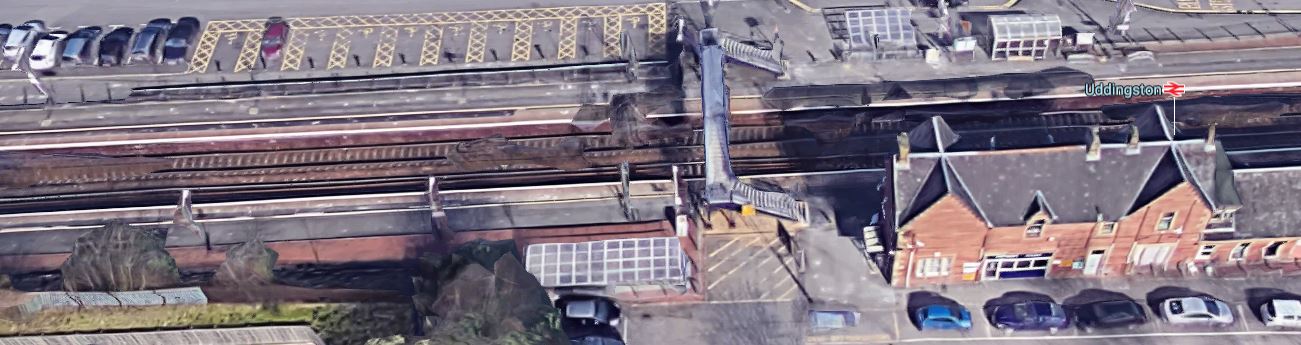
Note that Uddingston station has a fair amount of car parking, that is arranged on both sides of the tracks.
So if a traveller commutes or goes shopping in Glasgow, they have to cross the bridge at least once on their two journeys.
Installing Step-Free Access
In Winner Announced In The Network Rail Footbridge Design Ideas Competition, I wrote how the competition was won by this bridge.
Could a factory-built bridge like this be used at Uddingston station?
I think, due to space limitations, it might need to replace the current footbridge.
The advantage of placing it in the same position, is that the lift on the Northern side is close to the disabled parking spaces.
Beaconsfield Station To Go Step-Free
This document on the Government web site is entitled Access for All: 73 Stations Set To Benefit From Additional Funding.
Beaconsfield station is on the list.
These pictures show the station and the current bridge,
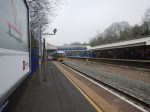


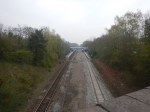


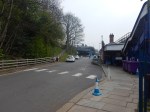
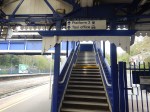

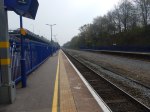

This is a Google Map of the station.

Note these points about Beaconsfield station.
- There is a large multi-story car park alongside the London-bound platform
- There are entrances on both sides of the railway.
- The station is in a deep cutting and the paths down to the station could be easier. But this seventy-one-year-old managed them!
- Currently, three trains per hour (tph) call at the station in both direction in the Off Peak, wwith more in the Peak.
- There is space between the current two tracks for an avoiding line.
- The platforms are very long, although I would prefer them to be wider.
The station also has the problem of many stations used by shoppers going to a nearby large city. Many travellers come home in the evening carrying a lot more, than they left with.
So do travellers want to cross a bridge without lifts carrying heavy, bulky or just plain awkward parcels, to get back to their car?
I’m fairly certain that a bridge at this station might encourage more travellers to use the train rather than their car for a trip to London.
So I can certainly understand, why it is on Network Rail’s list.
Installing The Step-Free Access
I think that this could be one of those stations, where a solution similar to that at Slough station can be used, where the old bridge was given a good refurbishment and a new step-free bridge was installed on the other side of the station entrances.
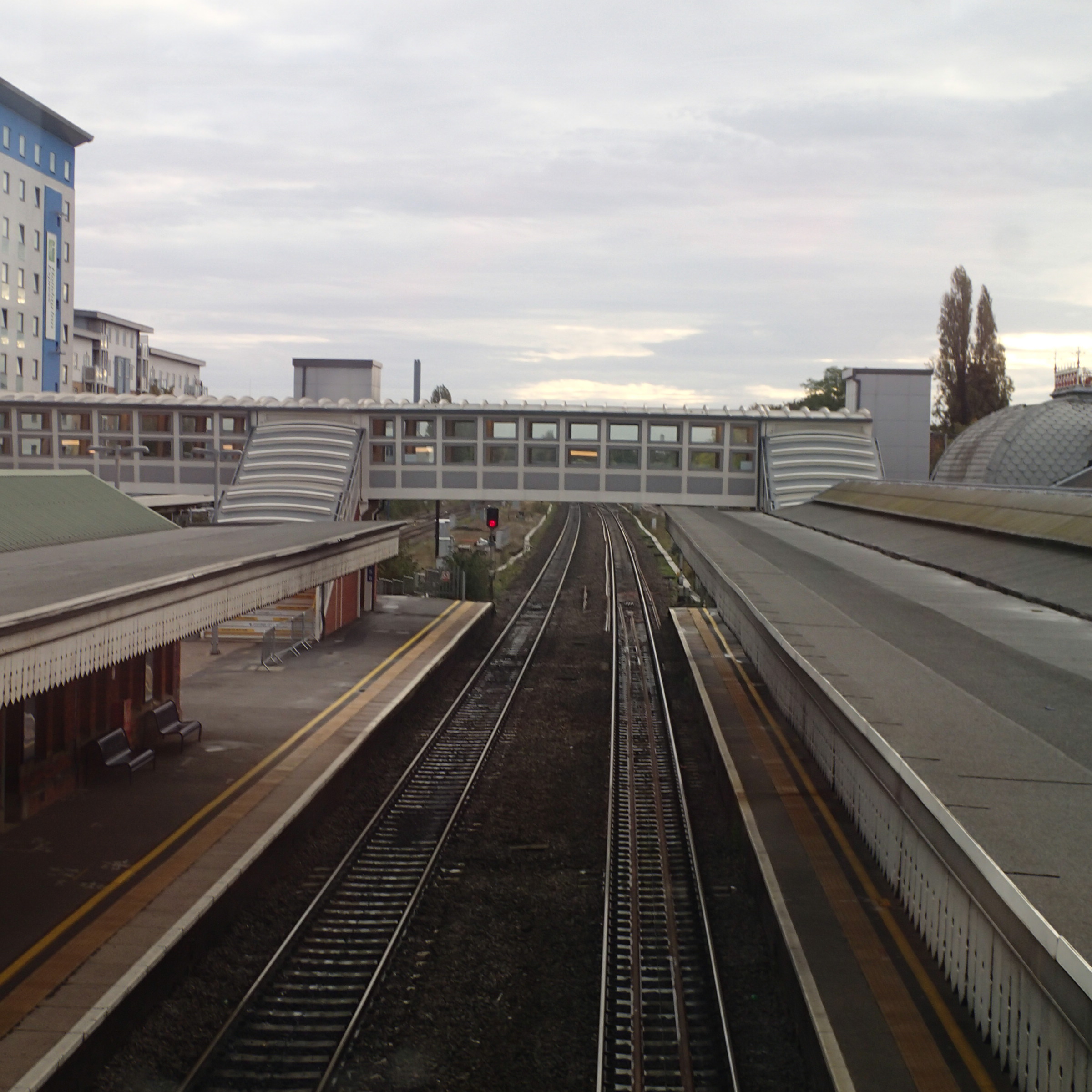
This picture, which was taken from the original bridge, shows the new step-free bridge at Slough station.
It is a good design philosophy, which has advantages.
- During the installation of the new bridge, the station can be fully operational.
- Able-bodied travellers can choose their best route.
- Two bridges have a higher capacity than one.
- It is unlikely both bridges will be out of action at the same time.
- The only extra cost will be refurbishing the existing bridge.
In Winner Announced In The Network Rail Footbridge Design Ideas Competition, I wrote how the competition was won by this bridge.
So could a factory-built bridge like this be installed on the Eastern side of the station buildings?
This enlarged Google Map shows the Eastern end of the station.

Consider.
- If the bridge were to be placed with the lifts on the Eastern side, the lift on the London-bound platform would be conveniently close to the disabled parking bays.
- It would also mean, that travellers with walking difficulties or encumbered by heavy cases or young children, could get in the rear coach at Marylebone and be ideally placed for the bridge to get to the car-park.
- Note that the main taxi office is placed for trains from London.
- More able travellers could use either route, depending on where they were going.
Beaconsfield could be a station, with step-free access of the highest quality.
Interchange Between Chiltern Railways And The Central Line At South Ruislip Station
After my trip to Beaconsfield station, which I wrote about in Beaconsfield Station To Go Step-Free, I needed to get to West Ealing station.
So I took a direct train to South Ruislip station, where I changed to the Central Line for Greenford station and the Greenford Branch to West Ealing.
These pictures show the subway at South Ruislip station.
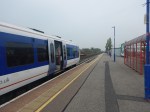
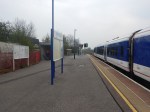
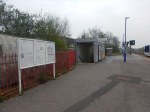
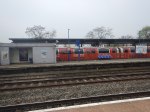

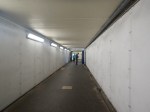
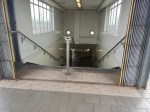

It is a subway with inadequate steep steps.
According to the Wikipedia entry for Chiltern Railways, one of their active plans is for a Chiltern Metro. This is said.
New Chiltern Metro Service that would operate 4+tph for Wembley Stadium, Sudbury & Harrow Road, Sudbury Hill Harrow, Northolt Park, South Ruislip and West Ruislip. This would require a reversing facility at West Ruislip, passing loops at Sudbury Hill Harrow, and a passing loop at Wembley Stadium (part of the old down fast line is in use as a central reversing siding, for stock movements and additionally for 8-car football shuttles to convey passengers to the stadium for events).
So there could be four trains per hour (tph) through South Ruislip station, in addition to the current hourly service to High Wycombe.
Also.
- When Chiltern Railways have a second London terminal at Old Oak Common station, there could be more stopping trains.
- There is also pressure to run services along the Greenford Branch to West Ruislip and High Wycombe.
- The Central Lione will be getting new larger trains in the next few years.
There is certainly, a lot of potential to improve services and South Ruislip station could need to go step-free.
This Google Map shows the station.
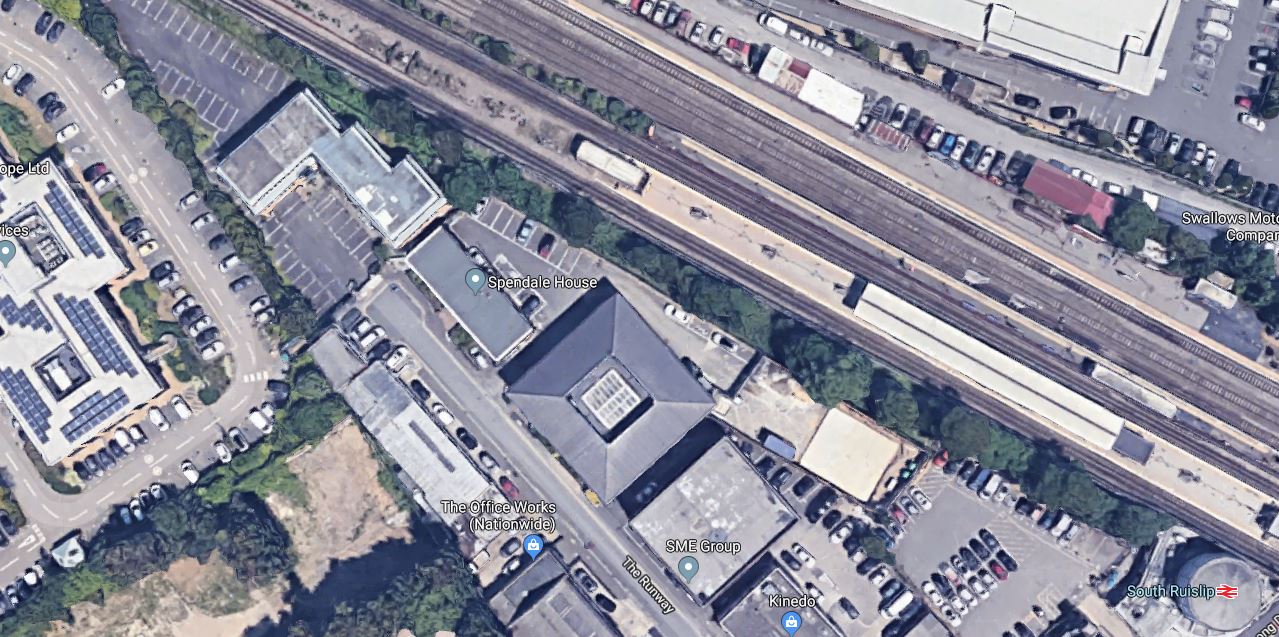
Putting lifts into the subway to access platforms has been done many times and wouldn’t be the most major of projects.
Whether it is worth doing, would be solely down to passenger numbers.
- Currently, the station handles about two million passengers per year, most of whom are using the Central Line.
- There will probably be a lot of new housing built in the next few years.
- With the disruption of building High Speed Two, through the area, this might mean new passengers start using the station.
I predict that South Ruislip station will go step-free.
West Ealing Station – 16th April 2019
These pictures were taken at West Ealing station.
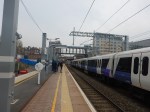
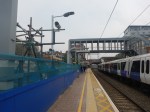


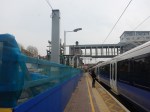
At last there appears to be some progress, with the footbridge now under construction.
The station certainly looks to be advanced enough, to fit in with Crossrail opening within a year, as I wrote about in Crossrail Service To Reading On Track For December Opening.
According to the Wikipedia entry for Crossrail, West EWaling station will have the following trains, when Crossrail opens.
- Two trains per hour (tph) between Reading and Abbey Wood
- Two tph between Maidenhead and Abbey Wood
- Four tph between Heathrow Terminal 4 and Abbey Wood.
- Two tph between Heathrow Terminal 5 and Abbey Wood.
What if you want to go to Shenfield?
If the Western section of Crossrail opens in December, would West Ealing station get the following service?
- Two tph between Reading and Paddington
- Two tph between Maidenhead and Paddington
- Four tph between Heathrow Terminal 4 and Paddington
- Two tph between Heathrow Terminal 5 and Paddington
That would surely be an excellent service!
If the frequency on the Greenford Branch could be doubled to four tph, there would also be an excellent interchange to the branch line.
Crossrail To Reading In December 2019
As current rumours are that Crossrail will open in December to Reading, it looks like the station will be usable.
It is planned that West Ealing station will have a Crossrail train every six minutes.
 The Anonymous Widower