Approaching Kings Cross – 2nd April 2021
I took these pictures approaching Kings Cross.
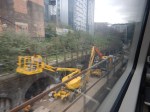
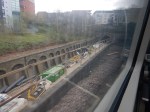

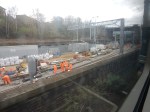
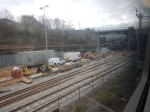
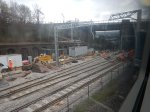
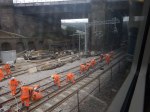
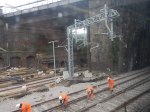


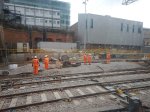
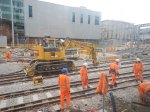
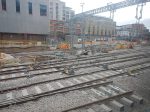
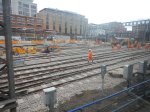
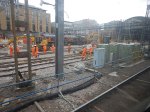
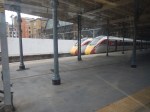
Comparing these pictures to those in Approaching Kings Cross – 19th February 2021, show that work is progressing.
It should be finished by the Summer.
Battersea Power Station’s Glass Elevator To Open Next Year
The title of this post, is the same as that of this article on Ian Visits.
It sounds like it will give a reason for some tourists to visit the area and it will be a balance to the cable-car in the London Docks.
Ian gives more details about what could be a new experience for Londoners and tourists.
Finsbury Circus Appears Fully Open
I bought my breakfast yesterday in Leon on Moorgate and ate it in the nearby Finsbury Circus Gardens.





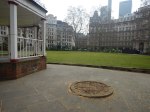
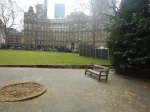


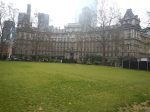


It is now fully open.
This picture shows the gardens during the construction of Crossrail.
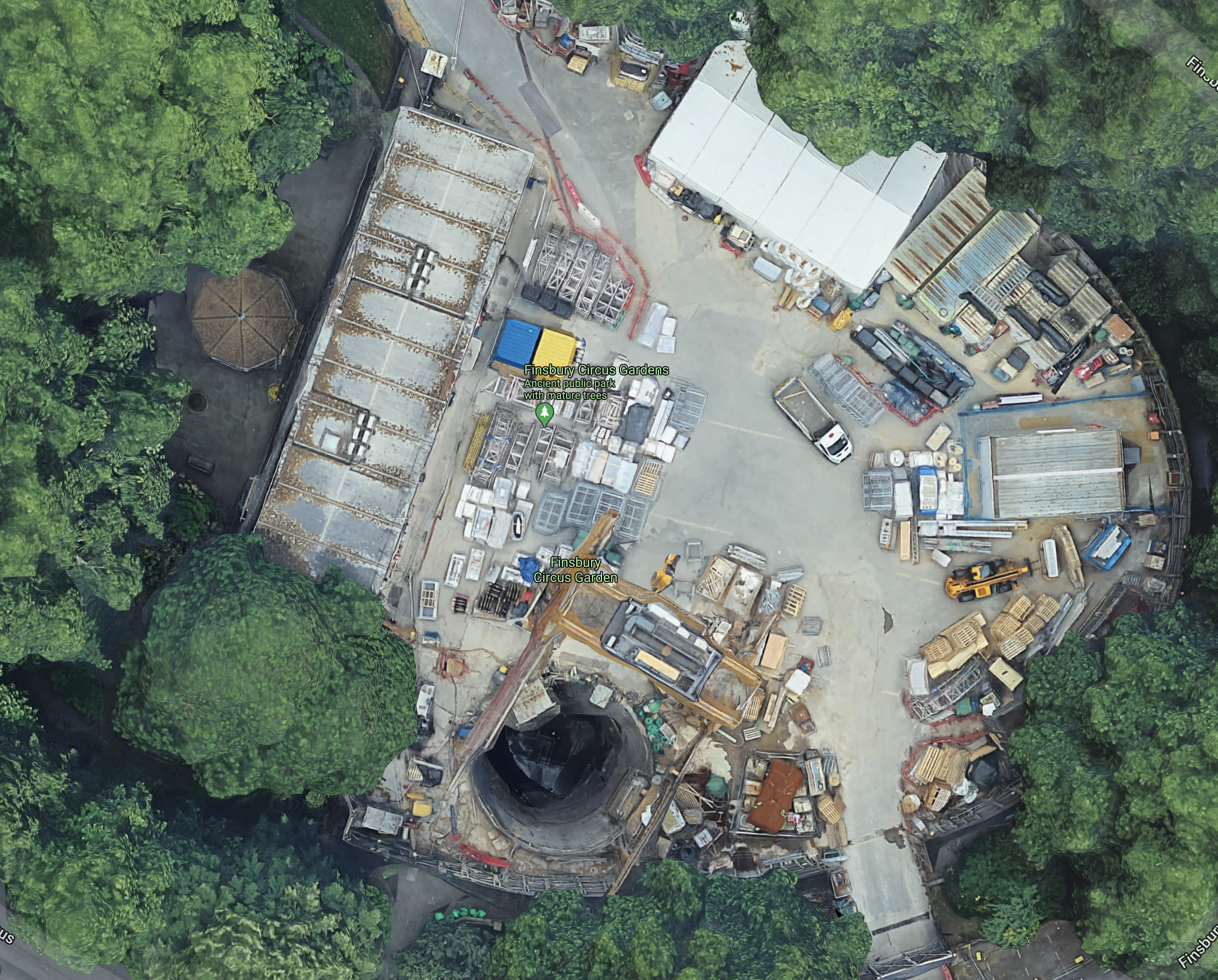
Note.
- The bandstand can be picked out amongst the trees.
- The shaft towards the bottom is forty metres deep and was used to get men and materials to the tunnels.
Comparing the pictures shows that the gardens are now able to used for their original purpose.
Orsted In Gigawatt-Scale Offshore Wind To Green Hydrogen Plan With Steel Giant ArcelorMittal
The title of this post, is the same as that of this article on Recharge.
The title says a lot and at the heart of the plan is a 1 GW electrolyser.
Now that is enormous.
Will it be made in Rotherham by ITM Power?
The article is a must read.
West Ealing Station Goes Step-Free As Part Of Crossrail Upgrades
The title of this post, is the same as that of this article on Ian Visits.
The title says it all.
These pictures, which were taken on the 31st March 2021, show West Ealing station.
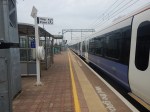
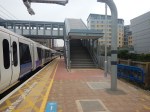
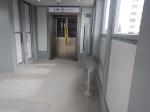
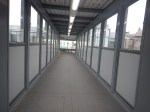
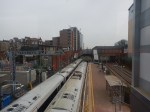
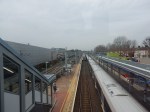
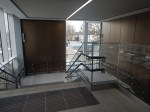


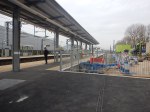


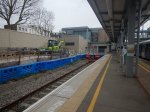
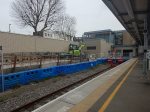
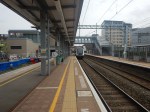
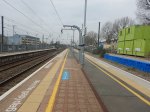
Note
- It is fully step-free.
- As at Acton Main Line station, the lifts are very disabled-friendly.
- The terrible staircases of the old station have yet to be demolished.
- There is just a small amount of work to finish.
It is a fine addition to London’s portfolio of stations.
But one thing is not covered in the article – What is going to happen to the Greenford Branch?
- Currently, it is only hourly.
- Will it be going to four trains per hour (tph) ? It certainly needs this frequency to be a feeder line for Crossrail, which could have as many as six tph stopping in the station.
- Will it be run by battery electric trains.
- Will three-car Aventras work the route, as I wrote in Could Three-Car Aventras Run Services On The Greenford Branch??
- Will it be going to an automated shuttle, as I wrote in An Automated Shuttle Train On The Greenford Branch Line?
- Will it be run by Class 230 trains, as I wrote in Will The Class 230 Trains Be Coming Home??
- Will the management of the route go to Transport for London?
I think I would favour the automated shuttle! But then I’m a trained Control Engineer.
- Two-car battery electric train.
- Option of being lengthened to three cars.
- I suspect Alstom, CAF, Stadler and Vivarail could all provide trains.
- There would be level access between train and platform to reduce station dwell times.
- Automated like the Victoria Line, where when ready to depart, the driver presses a button to close the doors and then the train moves automatically to the next station.
- The driver could sit in the middle of the train with screens to see front and rear, so they wouldn’t even have to change ends, which wastes time.
- Or they might choose to sit in the front cab or even use a sophisticated remote control, developed with gaming or military drone experience.
- Charging would be automatic at both terminals.
- One train would run a continuous service with a timetable, which just said services would be a service approximately every fifteen minutes
- Trains would have wi-fi and passengers could view front and rear camera images on their devices.
- Trains would be stabled at night in one of the two terminal platforms and could have a spruce up each night from a mobile or the station cleaning crew.
- Trains might need to have sufficient performance to run a service into and out of Paddington, at the beginning and end of the day. But if Crossrail services were reliable and six tph, this feature could be superfluous. But other services might need a main line capability at say 60 or 70 mph to relocate to and from the main depot.
- On the Greenford Branch, signallers and/or the driver would need the ability to park the train in the next terminal station, when a freight train is passing through.
Get this automated branch line right and the technology could be used in several places around the UK.
The New Step-Free Entrance At Euston Square Station
This map from cartometro.com shows the Underground Lines in the Euston station area.
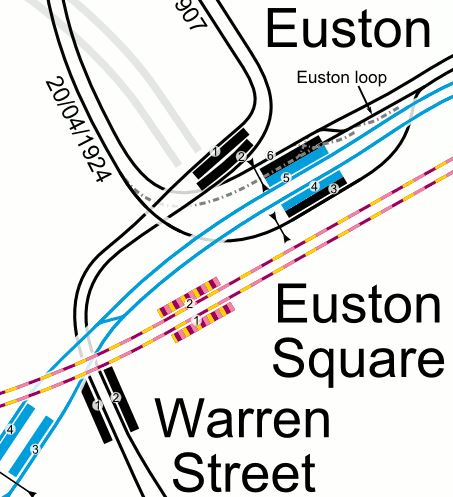
Note.
- The Northern Line is shown in black.
- The Victoria Line is shown in light blue.
- The sub-surface lines are shown in yellow and mauve.
- The Northern and Victoria Lines are deep underneath the station, whereas the sub-surface lines are under Euston Road.
This Google Map shows the area and the positions of the station entrances.
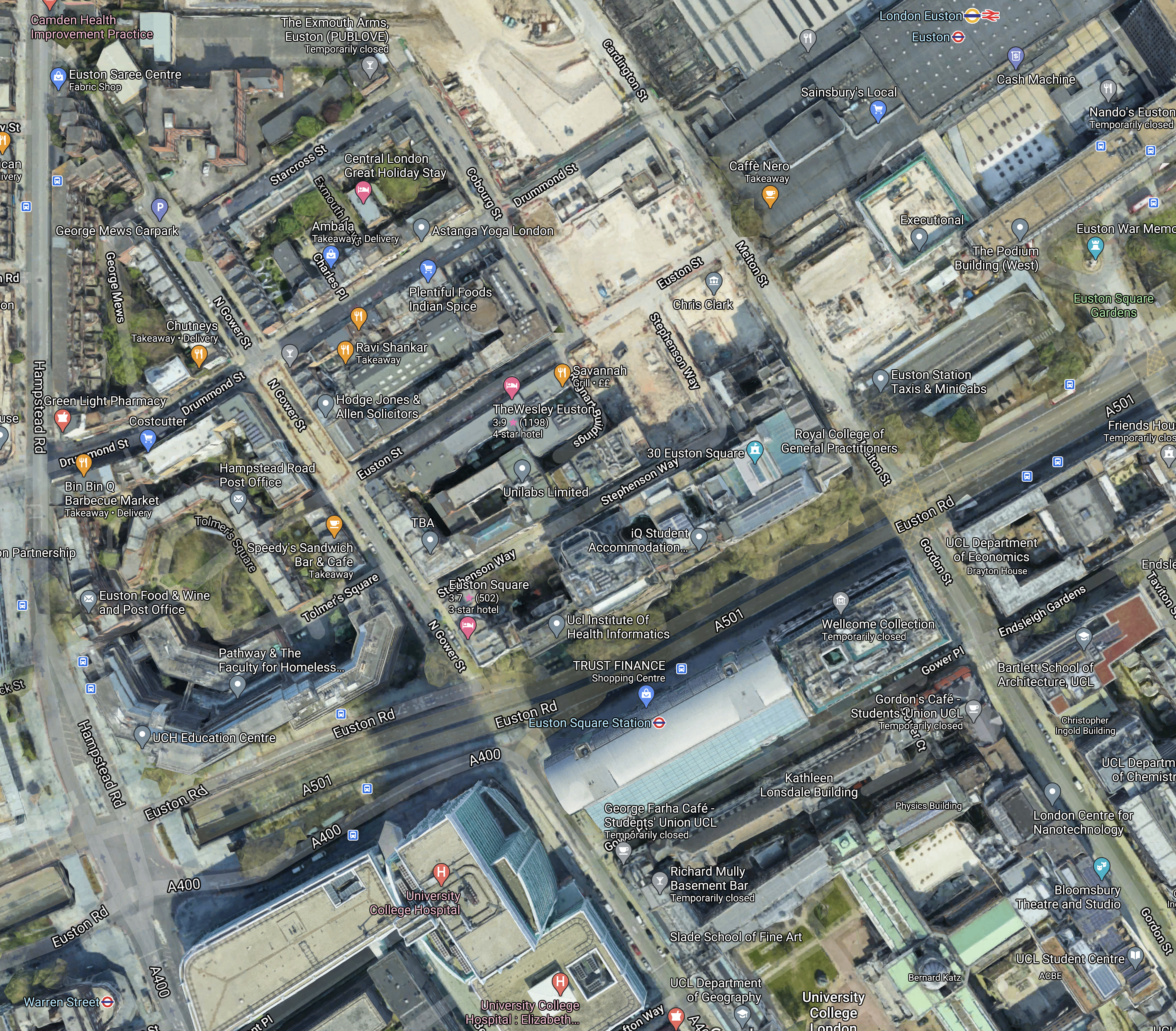
Note.
- Warren Street station in the South West corner of the map at the Northern end of Tottenham Court Road.
- Euston Road running South-West to North-East across the map.
- University College Hospital is on the South side of Euston Road between Tottenham Court Road and Gower Street.
- There is a subway under Euston Road almost in line with Gower Street, that gives access to the Western ends of the platforms at Euston Square station.
- There is a lift to the station from the South side of Euston Road on the Eastern side of Gower Street.
- The Western end of the platforms at Euston Square are probably just to the East of Gower Street.
The next road across Euston Road is Gordon Street, where the entrance to a new subway under Euston Road to Euston station will be located.
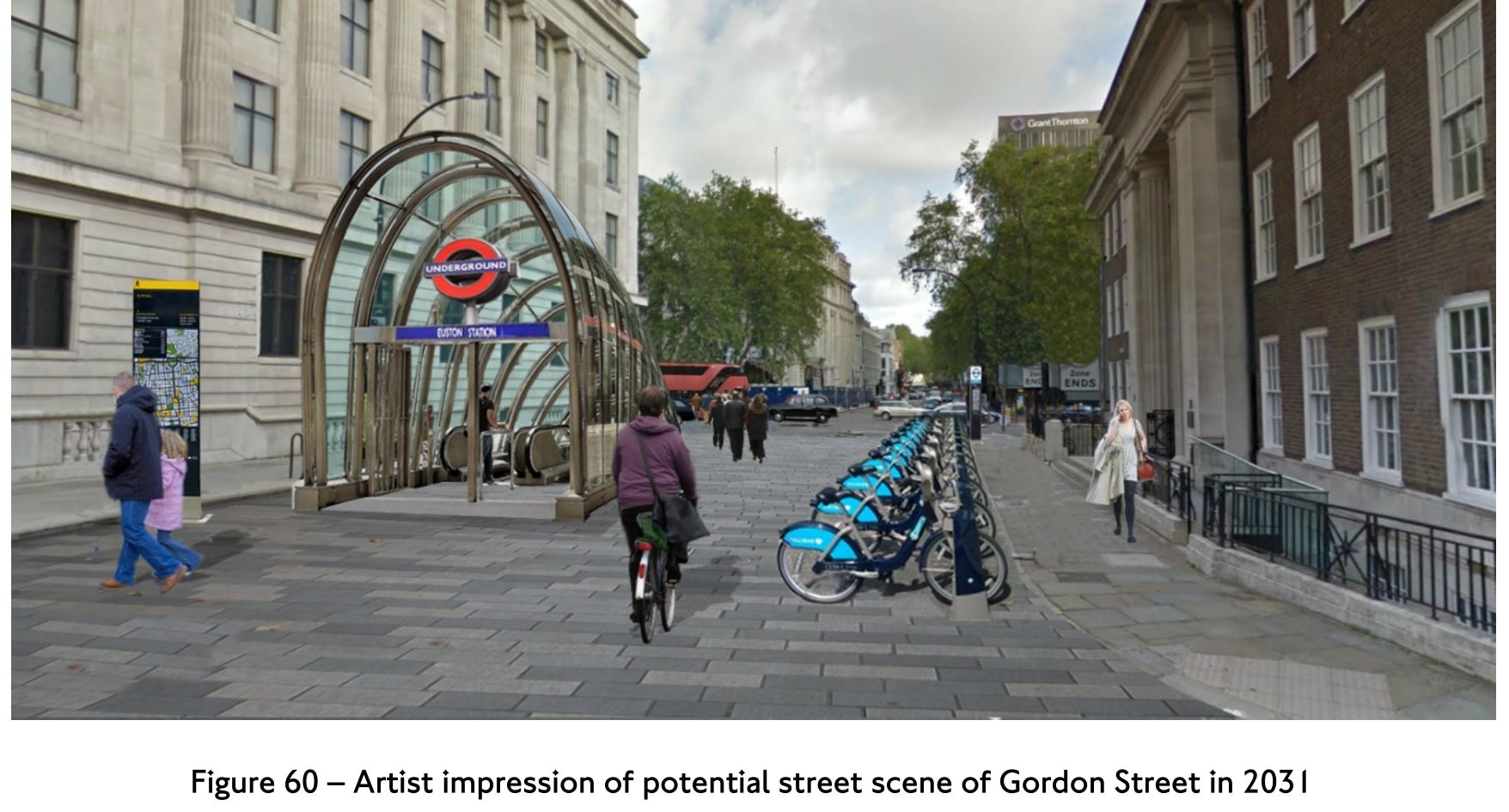
This Transport for London visualisation shows the entrance to the subway looking towards Euston station.
This diagram of the subway. is from Ian Visits,
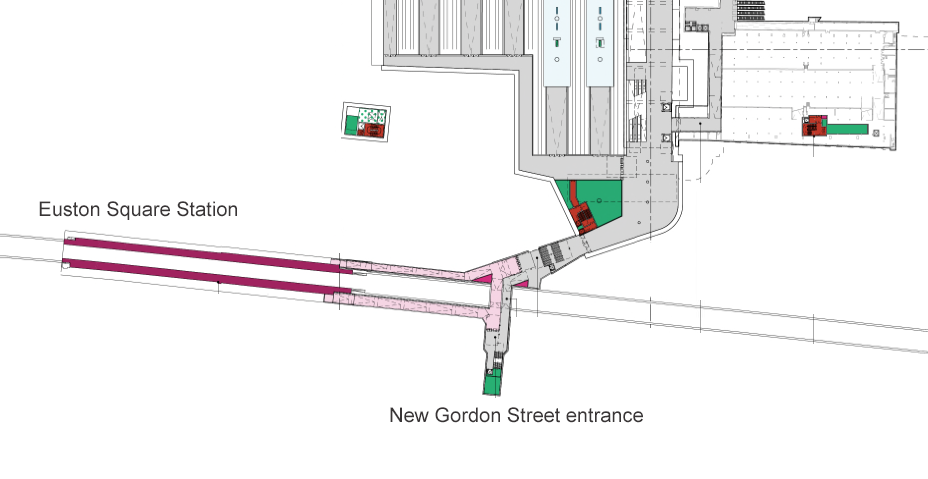 Note the platforms at Euston Square station appear to be shown in red and end to the West of Gordon Street.
I took these pictures at the Eastern end of Euston Square station.
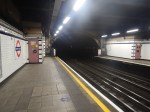
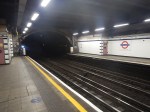
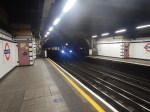
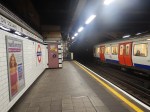
Note what look like bricked off areas at the end of the platforms for electrical and other gubbins. I suspect they could be removed to create more space.
Conclusion
I don’t think that connecting the platforms to the subway will be the most challenging of projects, if they can dig easily behind and over the walls of the Victorian tunnel and behind the platforms.
A Danish Study On Links Between Coeliac Disease And Blood Clots
I am a coeliac on a long-term gluten-free diet.
I am worried that the covids might prey on people like me, so I am researching hard to find out the truth.
Note that in much of Europe, North America and Australasia, coeliacs are at least 1-in-100 of the population and could be higher. The NHS quotes the 1-in-100 figure on this web page, which also says reported cases of coeliac disease are higher in women than men.
This morning I found on the Internet, a peer-reviewed Danish study which was entitled
Coeliac Disease And Risk Of Venous Thromboembolism: A Nationwide Population-Based Case-Control Study
The nation in the study was Denmark.
This was the introductory paragraph.
Patients with coeliac disease (CD) may be at increased risk of venous thromboembolism (VTE), i.e. deep vein thrombosis (DVT) and its complication pulmonary embolism (PE), because they are reported to have hyperhomocysteinaemia, low levels of K-vitamin-dependent anticoagulant proteins, and increased levels of thrombin-activatable fibrinolysis inhibitor.
One thing in this summary screams at me. The mention of vitamin-K!
Ten years ago, I had a serious stroke, that because of modern clot-busting drugs failed to kill me.
I am now on long-term Warfarin and know I have to eat a diet without Vitamin-K.
Given that in a nation like Germany with a population of eighty-three million, there could be nearly a million coeliacs, many of whom will be undiagnosed, this Danish study should be taken seriously, as it should be able to predict the number of clots down to coeliac disease in Germany. But I’m just an engineer and statistician and no medic. Although after the medical troubles of my family, I know a lot more medical knowledge than I did twenty years ago.
An article in The Times, also says that all but two who suffered clots after having the AstraZeneca vaccine were women.
It should be noted that the NHS states on its web site, that women are more likely to suffer coeliac disease than men.
I am absolutely certain, that more research needs to be done.
Blood Clots In Young German Ladies After AstraZeneca Vaccine
There have been various reports that young ladies in Germany have suffered blood clots after having the AstraZeneca vaccine.
I am coeliac on a long-term gluten-free diet.
The UK, Ireland and Italy are generally fairly good at identifying coeliacs, as they suffer from so many side effects, one of which is strokes.
I had a stroke and a cardiologist thought it could have been because I wasn’t diagnosed until fifty, so my diet damaged my heart muscle causing atrial fibrillation.
My father, who I now believe was coeliac, died of a series of strokes.
I do wonder, if Germany doesn’t look for coeliacs, as they should, partly because it is a Jewish disease in their minds. Certainly finding gluten-free food in Germany can sometimes be difficult.
It should also be noted that the NHS says that there are three times as many coeliacs who are female.
Conclusion
This adds to the circumstantial evidence that coeliac disease is the alligator in the swamp of Covid-19.
The New Lift To The Northern Line At Moorgate Station
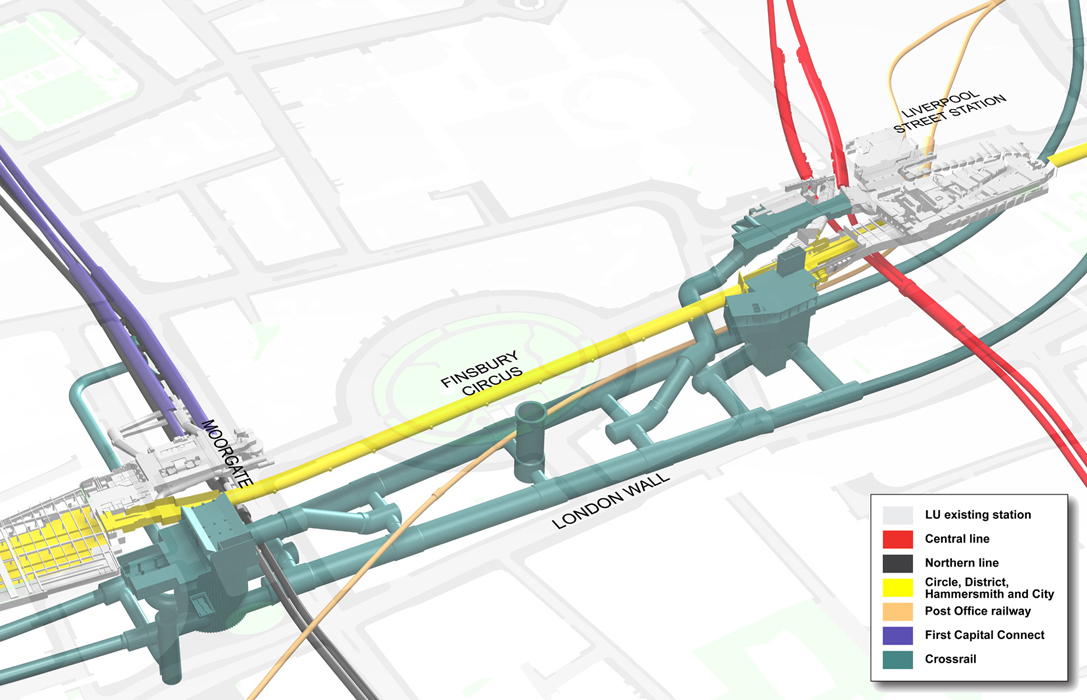
Look at this image, I’ve clipped from this large visualisation of the massive Liverpool Street-Moorgate Crossrail Station.
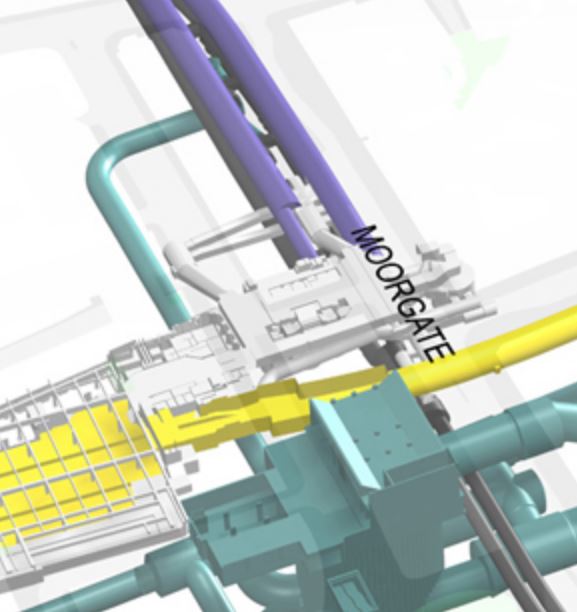
The image shows the Northern City Line coming into Moorgate station.
Note.
- The Northern City Line is shown in purple.
- The double escalator going down to between the two terminal platforms of the Northern City Line.
- The Northern Line is shown in black and the two platforms are underneath the Northern City Line.
- The Northern Line tunnels cross over the top of the Crossrail running tunnels.
- Note the other escalator going down to the left of the Northern City Line escalators, that is connected to the Northern Line by two passages and stairs.
- There are also two single escalators connecting the Northern Line to the Northern City Line above. I regularly use the up escalator, when I arrive in Moorgate station on the Northern Line, as it is quicker and there are no steps. I described this exit in Up From The Depths At Moorgate Station.
- There is also a new passage shown in the visualisation, which appears to link the main Crossrail station with the Northern Line platforms or the area underneath them.
Whilst going through the station today, I found this lift.
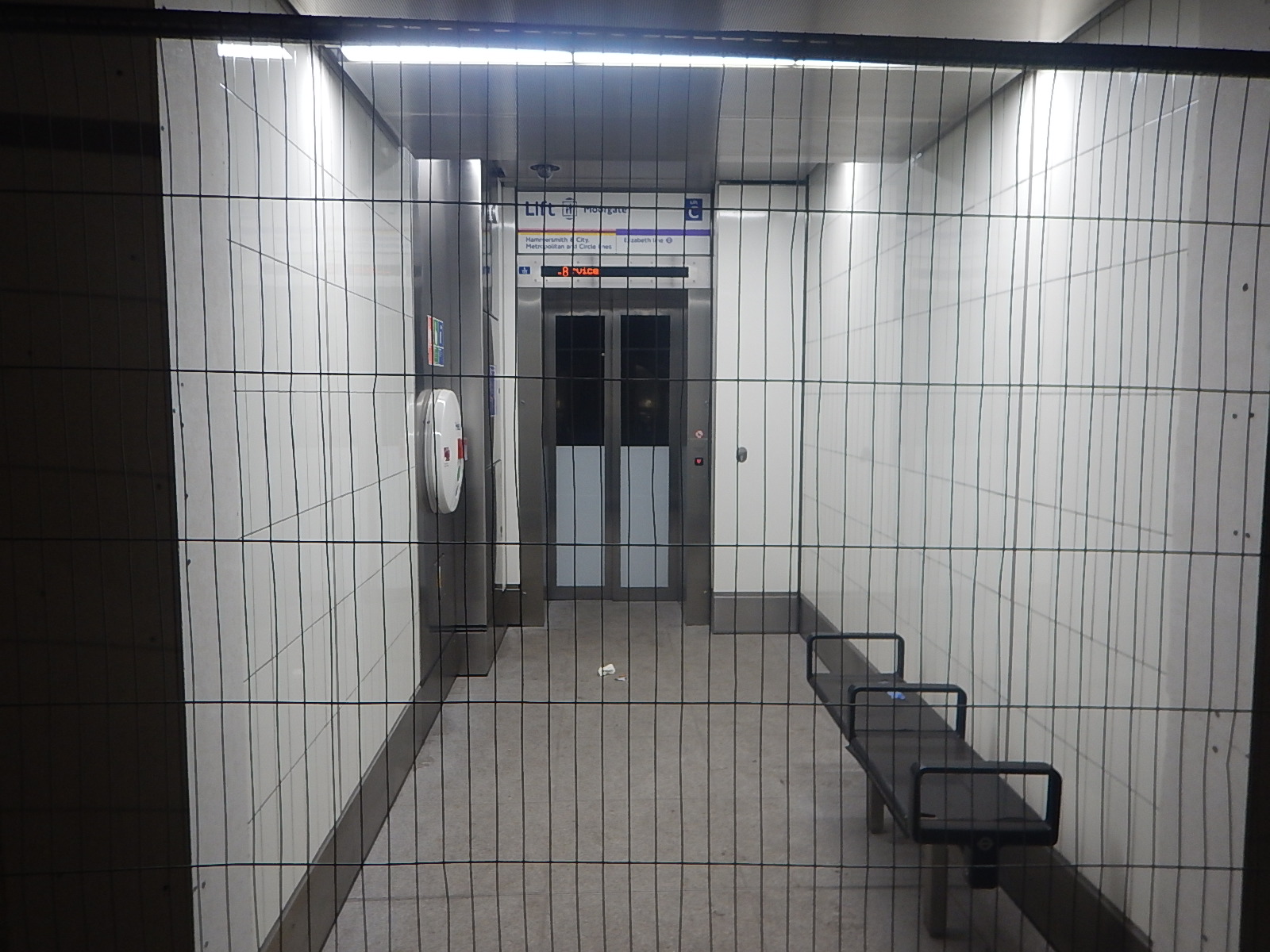
It appears to be squeezed in between the two escalators linking the Northern and Northern City Lines.
Note
- Does it serve the Northern City and Northern Lines and the passage to Crossrail?
- The sign says Moorgate. Does this mean that the lift goes to the surface? But it would come probably up to the surface in Boots. So I suspect it leads to the passage, which means you go to Moorgate that way.
- The lift looks finished.
- The lights are on.
It certainly looks Crossrail-ready.
If you look at the visualisation in detail by clicking on it, it looks like,there could be two new short escalators and a lift going down from the Northern Line platforms to the passage underneath.
It looks to me, that if you arrive in the passage underneath the Northern Line from the main Crossrail part of the station, that you can do one of the following.
- Take one escalator to the Northern Line.
- Take two escalators to the Northern and City Line.
- Take three escalators to the surface.
In addition you can do the following.
- If you’re on the Northern and City Line platforms, you can take two escalators down to take the passage to access Crossrail.
- If you’re on the Northern Line platforms, you can take pne escalator down to take the passage to access Crossrail.
- Use the lift to go up or down as required.
If I’m not right what is shown in green?
I can see this technique used to squeeze escalators and a lift between the platforms on some stations with less space than a 1960s Mini.
GSK To Manufacture 60m Doses Of Novavax Covid Vaccine In UK
The title of this post is the same as that as this article in the Financial Times.
As the Novavax Covid-19 vaccine is a two-dose vaccine, that is enough for thirty million people.
Wikipedia gives brief details of the the manufacturing of the vaccine for Canada and the UK in this section entitled Deployment.
On 2 February 2021, the Canadian Prime Minister Justin Trudeau announced that Canada has signed a tentative agreement for Novavax to produce millions of doses of its COVID-19 vaccine in Montreal, Canada, once it is approved for use by Health Canada, making it the first COVID-19 vaccine to be produced domestically.
On 29th March 2021, the UK government announced an order for 60 million doses of the Novax vaccine, which will be manufactured in the UK. FUJIFILM Diosynth Biotechnologies and GlaxoSmithKline will manufacture and fill the orders respectively.
This Google Map shows Barnard Castle in relation to Teesside.

Note.
- The red arrow in the South-West corner of the map indicates the GSK factory at Barnard Castle.
- Teesside is the estuary at the Eastern edge of the map.
- FUJIFILM Diosynth Biotechnologies are located in Billingham, which is on the North bank of the Tees.
The two sites are under an hour apart.
This page on the UK Government web site gives details of the vaccines ordered.
- Adenovirus – Oxford/AstraZeneca – 100 million – Approved and in deployment
Adenovirus – Janssen – 30 million – Phase 3 trials
mRNA – Pfizer/BioNTech – 40 million – Approved and in deployment
mRNA – Moderna – 17 million – Approved
Protein Adjuvant – GlaxoSmithKline/Sanofi Pasteur – 60 million – Phase 1/2 trials
Protein Adjuvant – Novavax 60 million – Phase 3 trials
Inactivated whole virus – Valneva – 60 million – Phase 1/2 trials
Note.
- Type, manufacturer, number and status are shown for each vaccine.
- This is a total of 567 million doses.
It looks to me, that backing four different technologies and seven different partnerships or companies was a successful strategy, as if the Novavax vaccine get approval, as serious commentators like Fergus Walsh of the BBC, think it will, picking four winners in a seven horse race.
GlaxoSmithKline appear to be a big loser in that they backed the French Sanofi Pasteur vaccine, which is still in Phase 1/2 trials. Wikipedia has a section entitled Deployment.
In July 2020, the UK government signed up for 60 million doses of a COVID-19 vaccine developed by GSK and Sanofi. It uses a recombinant protein-based technology from Sanofi and GSK’s pandemic technology. The companies claimed to be able to produce one billion doses, subject to successful trials and regulatory approval, during the first half of 2021. The company also agreed to a $2.1 billion deal with the United States to produce 100 million doses of the vaccine.
Someone appears to have lost billions.
I wonder though, if GSK had developed a plan to fill and finish the sixty million doses for the UK.
So have the fixers in the Joint Committee on Vaccination and Immunisation (JCVI) matched FUJIFILM Diosynth Biotechnologies vaccine manufacturing to GSK’s fill and finish plan to give Novavax a 60 million dose capacity in the UK?
- Both vaccines are of the same type, so can one fill and finish line handle both?
- The Novavax vaccine was trialled in the UK.
- Supplying Europe from Teesside would not be difficult.
Wikipedia seems to indicate, that Novavax like to spread production around. Spain, India and Poland are mentioned.
Conclusion
Every one of sixty million jabs helps.
President Macron was unavailable for comment.
 The Anonymous Widower