Changing For Chester At Shotton Station – 6th June 2025
From Wrexham Central station, I took the Borderlands Line to Shotton, where I changed to a train for Chester.
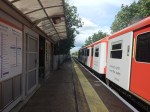
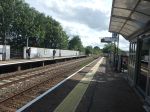
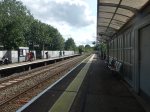
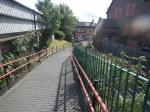
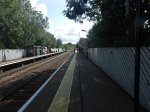
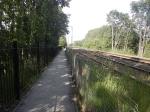
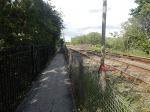
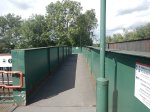

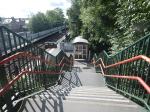
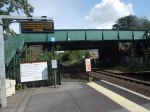
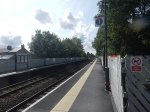



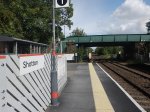
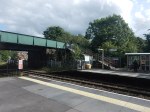
This Google Map shows the station.
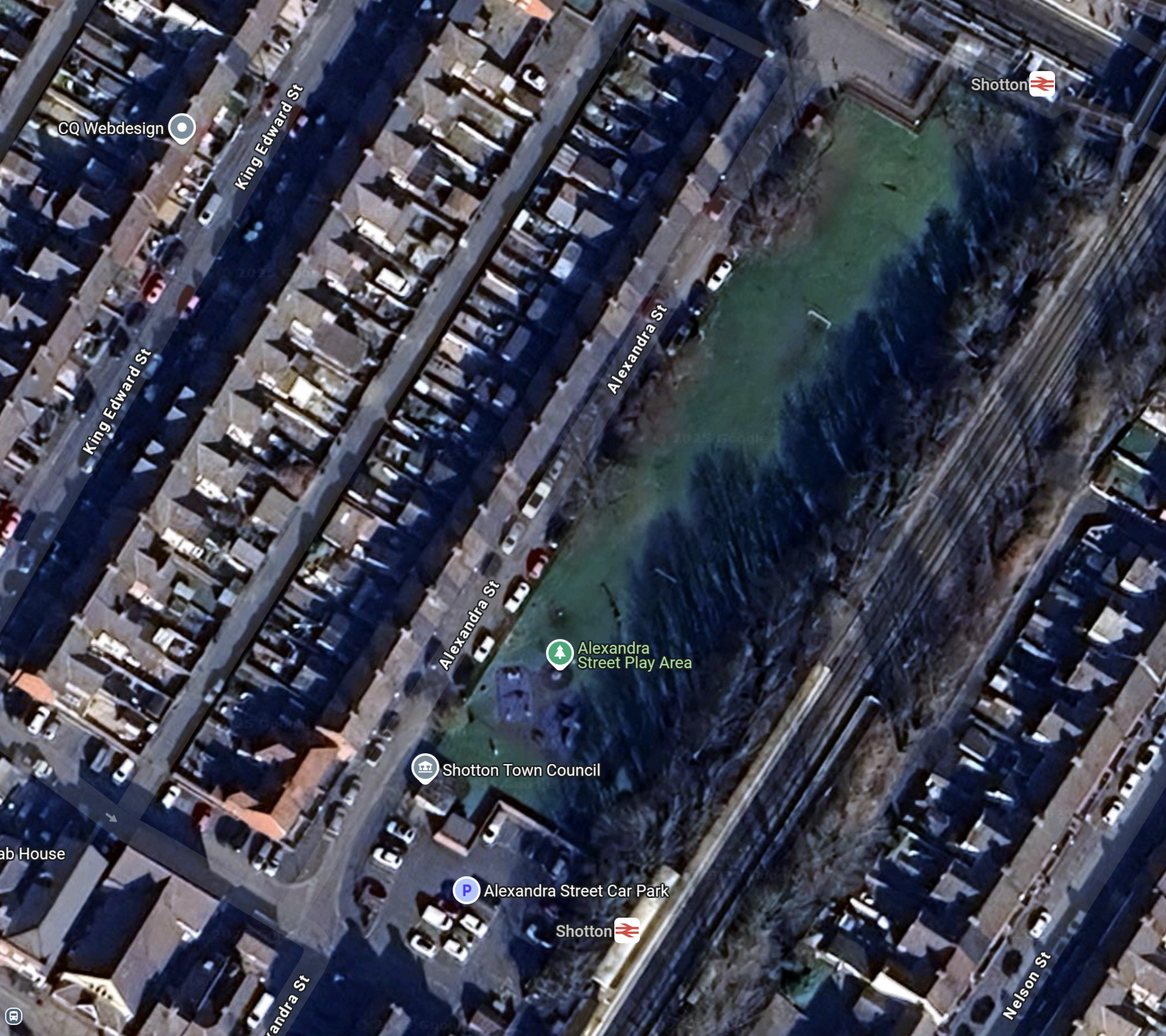
Note.
- The station logo in the top-right corner of the map indicates the low-level station on the North Wales Coast Line.
- The second logo at the bootom of the map indicates the high-level station on the Borderlands line.
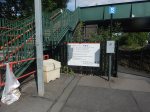
- It was quite a long walk between the two pairs of platforms.
- There were no lifts or facilities.
The Wikipedia entry for Shotton station gives this summary of future plans.
In March 2015 Network Rail published the draft version of their Welsh Route Study. It contained a proposal to build a new interchange station that would replace the existing High and Low Level stations, allowing for greater connectivity between the North Wales Coast Main Line and the Borderlands Line. The document recommended a transport planning study to establish the cost, feasibility and benefits of the proposed scheme.
In £2.1bn North Wales Rail Overhaul Plans Unveiled, match funding for step-free access at Shotton station is mentioned.
It certainly is a station in need of improvement. Especially, where step-free access is concerned.
It also needs a few more trains, as I waited an hour.
£2.1bn North Wales Rail Overhaul Plans Unveiled
The title of this post is the same as this article on the BBC.
This is the sub-heading.
A £2.1bn plan to overhaul north Wales’ railway network has been unveiled by Welsh Transport Secretary Ken Skates, but with no funding commitment from the UK government so far.
These three introductory paragraphs add more detail.
The proposals include more services, the introduction of pay-as-you-go “tap in tap out” technology, electrification of lines and a Metro-style service linking Wrexham and Liverpool.
Promising the plans would mean “better stations and more trains”, Welsh ministers have committed an initial £13m, with substantial UK government cash needed to realise the proposals.
The UK government has been asked to comment.
Having lived in Liverpool for seven years, I can understand how this upgrade will benefit Wales and also bring the area closer to Liverpool and Merseyside, to the benefit of the wider region.
There is also this press release from the Welsh Government, which is entitled “METRO IS GO” with Network North Wales.
This press release says plans include.
- Commencing work on the line between Wrexham and Liverpool as the crucial first phase of delivering metro services direct between the two cities.
- Doubling train services between Wrexham and Chester next May.
- Bringing forward the introduction of 50% more services across the North Wales mainline from December 2026 to next May – resulting in a new service from Llandudno to Liverpool and extending the Manchester Airport service to Holyhead in place of Llandudno.
- Upon completion of rail line works at Padeswood, increase train services between Wrexham and Bidston to 2 trains per hour within the next three years, ahead of the introduction of 4 trains per hour that will run direct between Wrexham and Liverpool by 2035.
- The existing Borderlands Line will also be renamed the Wrexham – Liverpool line.
- Key stations on the Wrexham – Liverpool line will be improved in the next 12 months.
- Trains operating on the Wrexham – Liverpool line will be wrapped to reflect the communities and football clubs they serve.
- Introducing Pay as You Go tap in tap out technology – covering connections between Gobowen and Rhyl, and along the full length of the Wrexham -Liverpool line
- Working with Network Rail to determine the feasibility of a rapid delivery of a new test railway station at Deeside Industrial Park, to gauge demand for permanent services to the park.
- A new, multi-million pound electrification innovation fund to develop a plan to decarbonise the railway in North Wales and enable more frequent metro services and additional stations
- Match funding for step-free access at Shotton and Ruabon stations.
- Working with local authorities to develop plans for Gateway multi-modal interchanges at Holyhead, Bangor, Caernarfon and Wrexham.
- A new T13 bus service – connecting Rhyl, Ruthin, Denbigh and Wrexham.
- Examining options to re-open stations and build new stations to serve employment growth areas.
- A new bus network specifically designed to link communities with industrial estates in the Flintshire and Wrexham Investment Zone.
It all seems very comprehensive.
The Current Wrexham And Liverpool Route
This OpenRailwayMap shows the railways of North Wales between Chester, Flint and Wrexham Central.
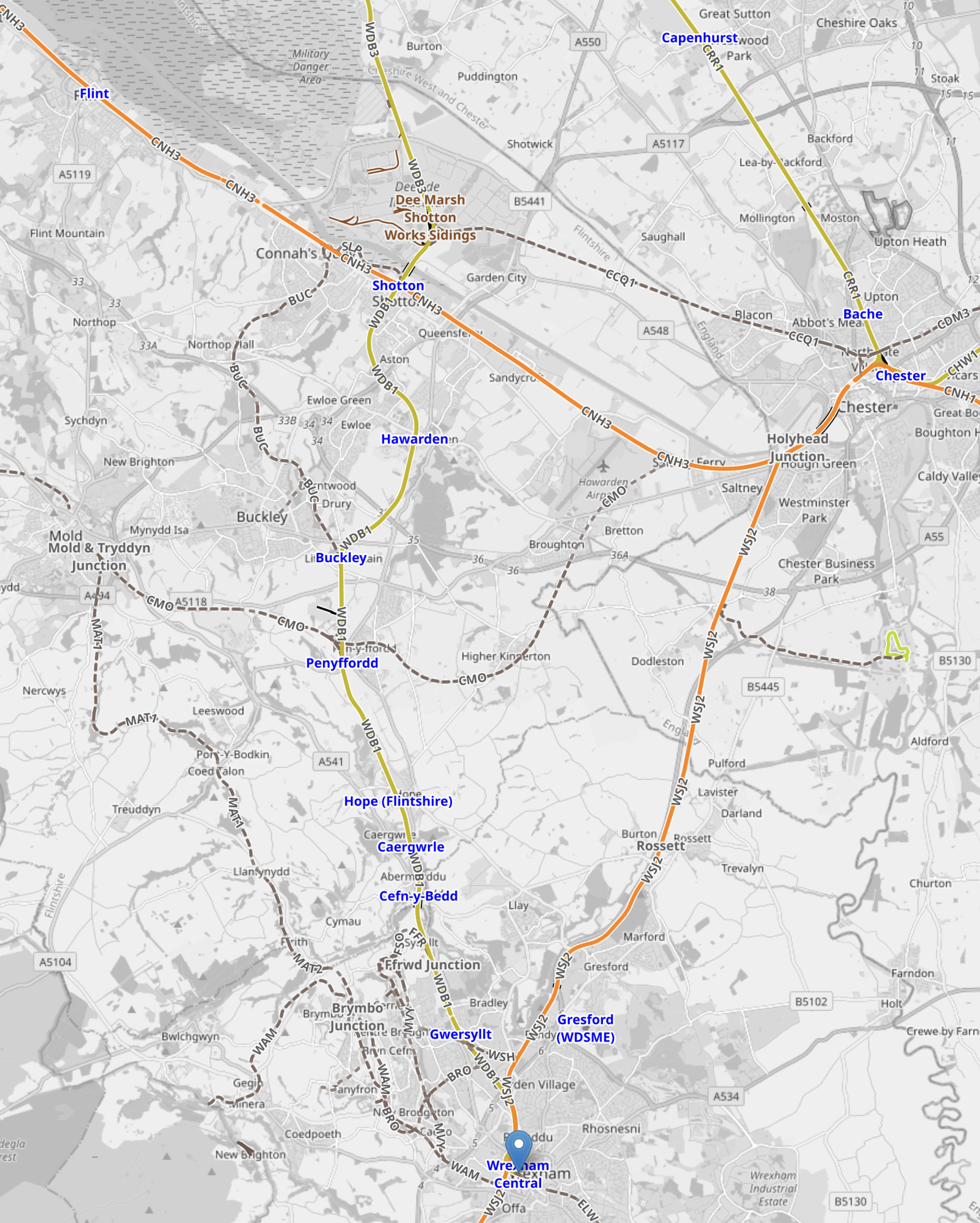
Note.
- Wrexham Central station is at the bottom of the map indicated by the blue arrow.
- Chester is in the North-East corner of the map, where three orange tracks meet.
- The orange track running East from Chester is the North Wales Coast Line to Crewe
- The orange track running West from Chester is the North Wales Coast Line to Shotton, Flint and then on to Llandudno, Bangor and Holyhead.
- The orange track running South from Chester goes to Wrexham.
- The yellow track running North from Chester is Merseyrail to Liverpool.
- Flint station is in the North-West corner of the map, with Shotton station between Chester and Flint stations.
- The yellow track running North from Wrexham Central station to Shotton station is the Borderlands Line to Bidston for Liverpool.
This second OpenRailwayMap shows the two Wrexham stations and the lines to Liverpool and Chester.
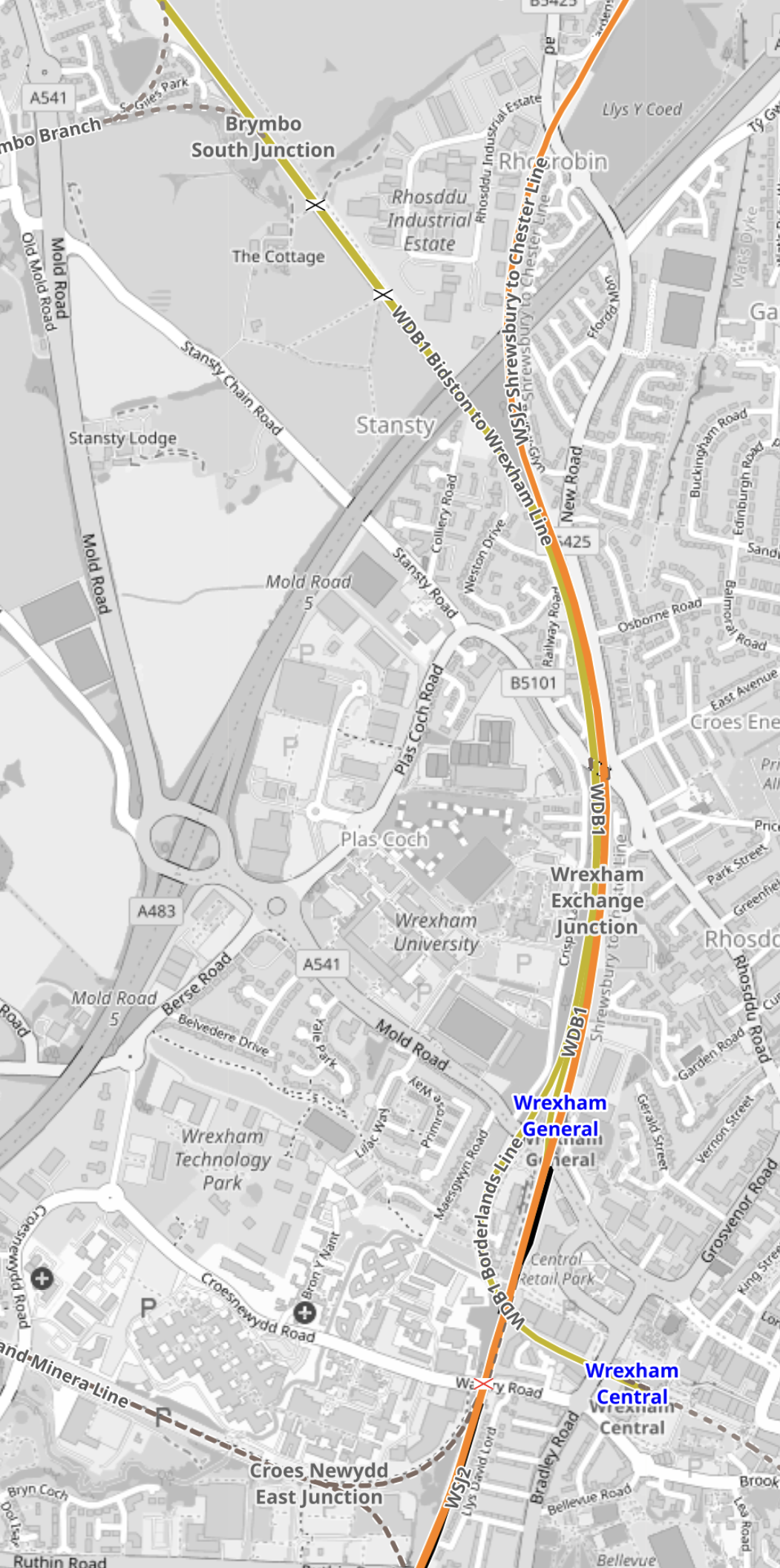
Note.
The orange track running North-South is the Chester and Shrewsbury Line, which runs through Wrexham General station.
The yellow track running North -West is the Borderlands Line to Shotton and Bidston for Liverpool.
Wrexham Central station is on an extension of the Borderlands Line.
This third OpenRailwayMap shows where the Borderlands Line crosses the River Dee on the Hawarden Bridge.
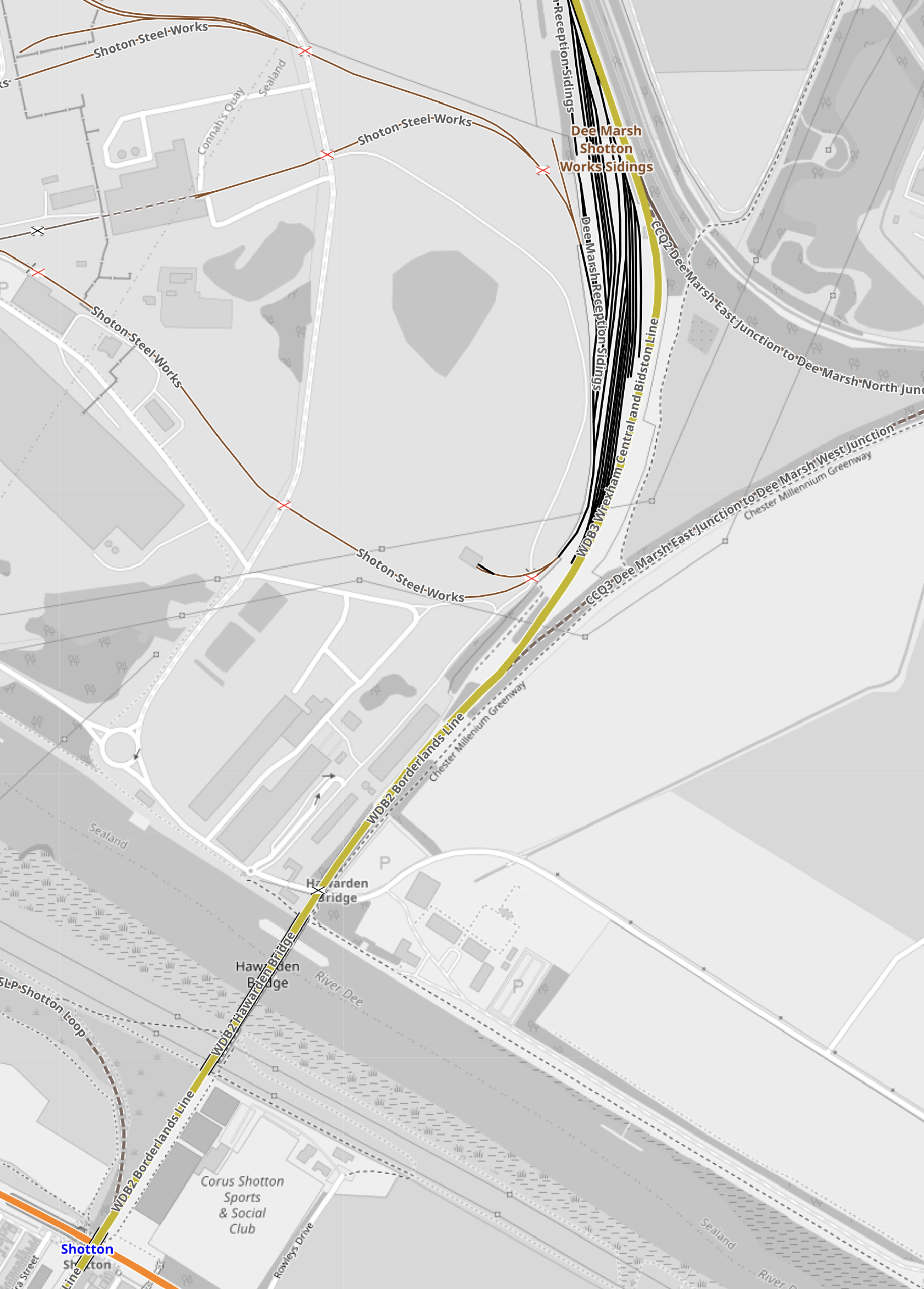
Note.
- Running across the South-West corner of the map is the River Dee.
- The orange track in the South-West corner of the map is the North Wales Coast Line between Chester and Holyhead.
- The yellow track is the Borderlands Line between Wrexham and Bidston for Liverpool.
- The Borderlands Line crosses the River Dee on the Hawarden Bridge.
- Shotton station is a poor interchange between the two lines.
- Hawarden Bridge station is North of the river.
This fourth OpenRailwayMap shows where the Borderlands Line joins Merseyrail’s Wirral Line at Bidston station.
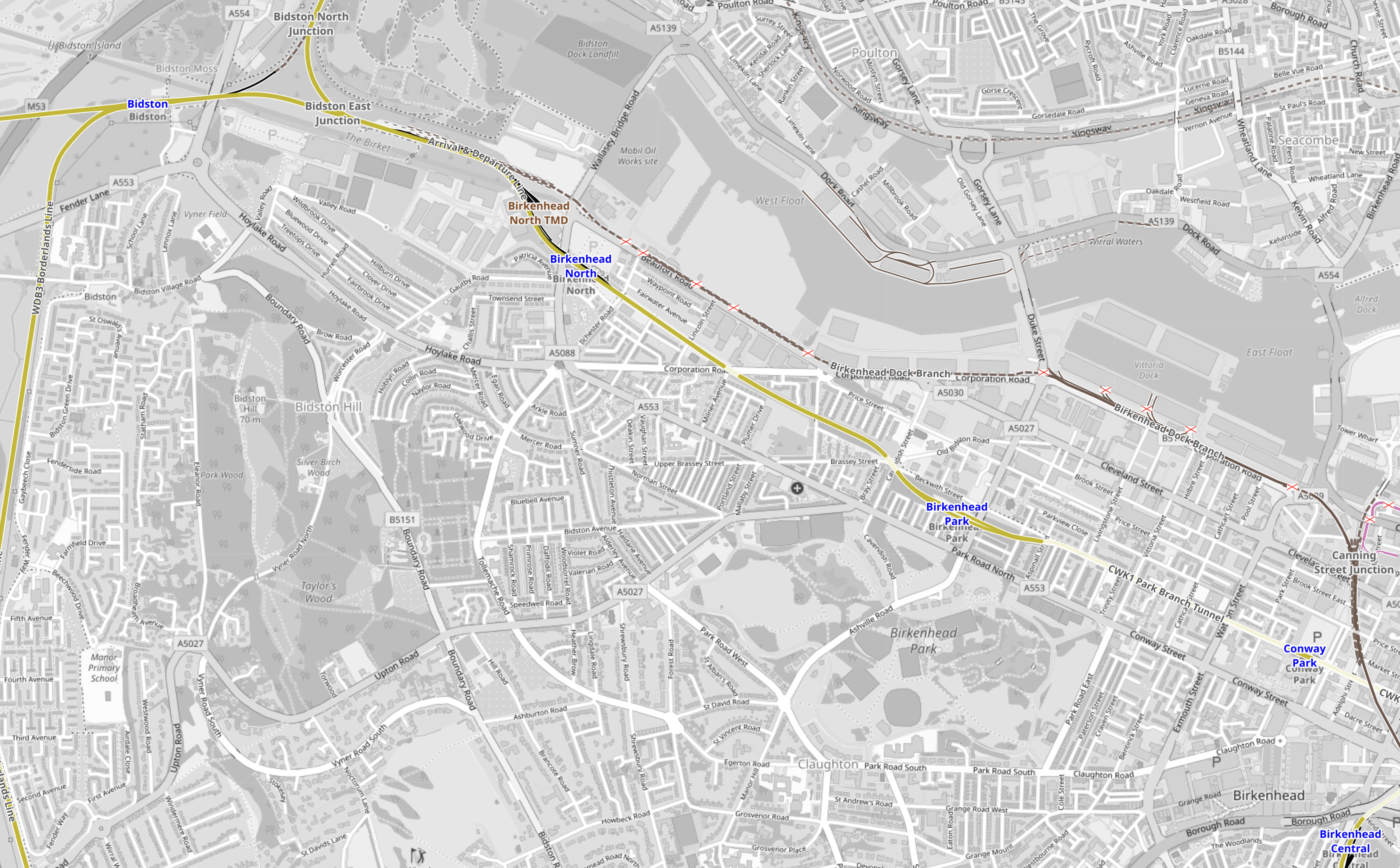
Note.
- Bidston station is in the vNorth-West corner of the map.
- The yellow track running West from Bidston station is Merseyrail to West Kirby.
- The yellow track running South from Bidston station is the Borderlands Line to Wrexham.
- The yellow track running North from the triangular junction to the East of Bidston station is Merseyrail to New Brighton.
- The yellow track running East from the triangular junction to the East of Bidston station is Merseyrail to Liverpool via Birkenhead North, Birkenhead Park, Conway Park and Hamilton Square stations.
- Birkenhead Central station is in the South-Eastern corner of the map and is on Merseyrail’s branches to Chester and Ellesmere Port stations.
Services from Chester, Ellesmere Port, New Brighton and West Kirby all combine at Hamilton Square to go round the stations under the centre of Liverpool; James Street, Moorfields, Lime Street, Central and James Street (again).
Wrexham And Liverpool Improvements
These plans concern the Borderlands Line or the Wrexham and Liverpool Line.
- Commencing work on the line between Wrexham and Liverpool as the crucial first phase of delivering metro services direct between the two cities.
- Upon completion of rail line works at Padeswood, increase train services between Wrexham and Bidston to 2 trains per hour within the next three years, ahead of the introduction of 4 trains per hour that will run direct between Wrexham and Liverpool by 2035.
- The existing Borderlands Line will also be renamed the Wrexham – Liverpool line.
- Key stations on the Wrexham – Liverpool line will be improved in the next 12 months.
- Trains operating on the Wrexham – Liverpool line will be wrapped to reflect the communities and football clubs they serve.
- Introducing Pay as You Go tap in tap out technology – covering connections between Gobowen and Rhyl, and along the full length of the Wrexham -Liverpool line
- Working with Network Rail to determine the feasibility of a rapid delivery of a new test railway station at Deeside Industrial Park, to gauge demand for permanent services to the park.
- A new, multi-million pound electrification innovation fund to develop a plan to decarbonise the railway in North Wales and enable more frequent metro services and additional stations
- Match funding for step-free access at Shotton and Ruabon stations.
- Examining options to re-open stations and build new stations to serve employment growth areas.
There looks a lot to do, but none of the actions would appear to be that large and expensive.
Running Class 777 Trains Between Wrexham Central Station And Liverpool City Centre
Consider.
- There is no way, that the Office of Road and Rail will allow any more third rail electrification.
- Class 777 trains could be fitted with pantographs, if the trains need to be charged on the tracks past Bidston station.
- Siemens Mobility have developed a Rail Charging Converter, that I wrote about in Technology Behind Siemens Mobility’s British Battery Trains Hits The Tracks.
- I suspect Stadler have some similar technology for the Class 777 trains.
- Wrexham Central station is a single platform station.
- Bidston and Wrexham Central stations are 27.5 miles apart or a 55 mile round trip.
- In New Merseyrail Train Runs 135km On Battery, I describe how a Class 777 train ran for over eighty miles on battery power.
In Liverpool City Centre, trains would join services from Chester, Ellesmere Port, New Brighton and West Kirby and go round a loop through James Street, Moorfields, Liverpool Lime Street, Liverpool Central and James Street.
This Google Map shows Wrexham Central station.
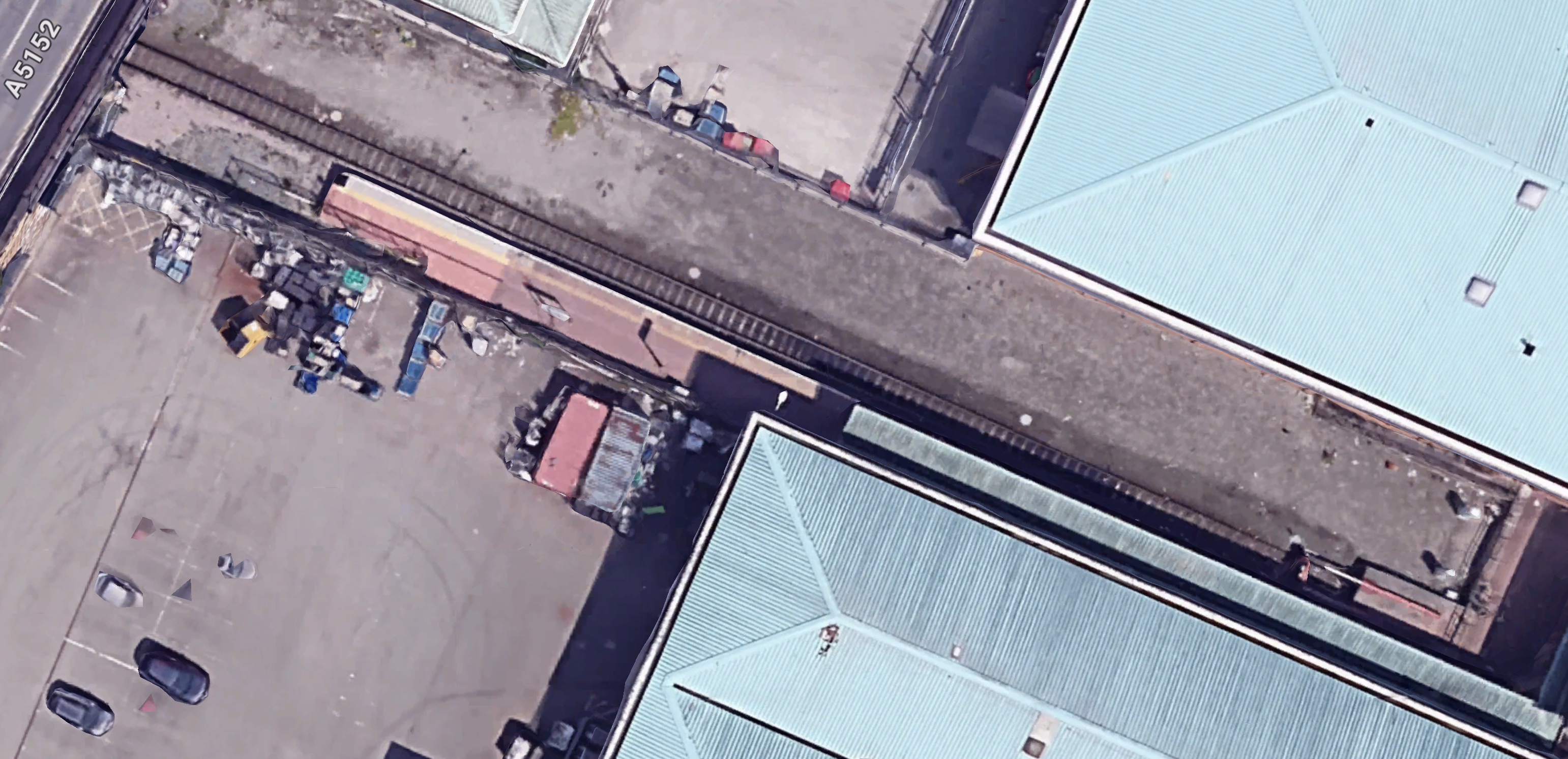
Note.
- The single track, with the platform alongside.
- There would be plenty of space on the North side of the track to put up a short length of overead wire to charge the trains.
- The station appears to be surrounded by a shopping centre.
One platform should be able to handle four trains per hour (tph)
This second Google Map shows Bidston station.
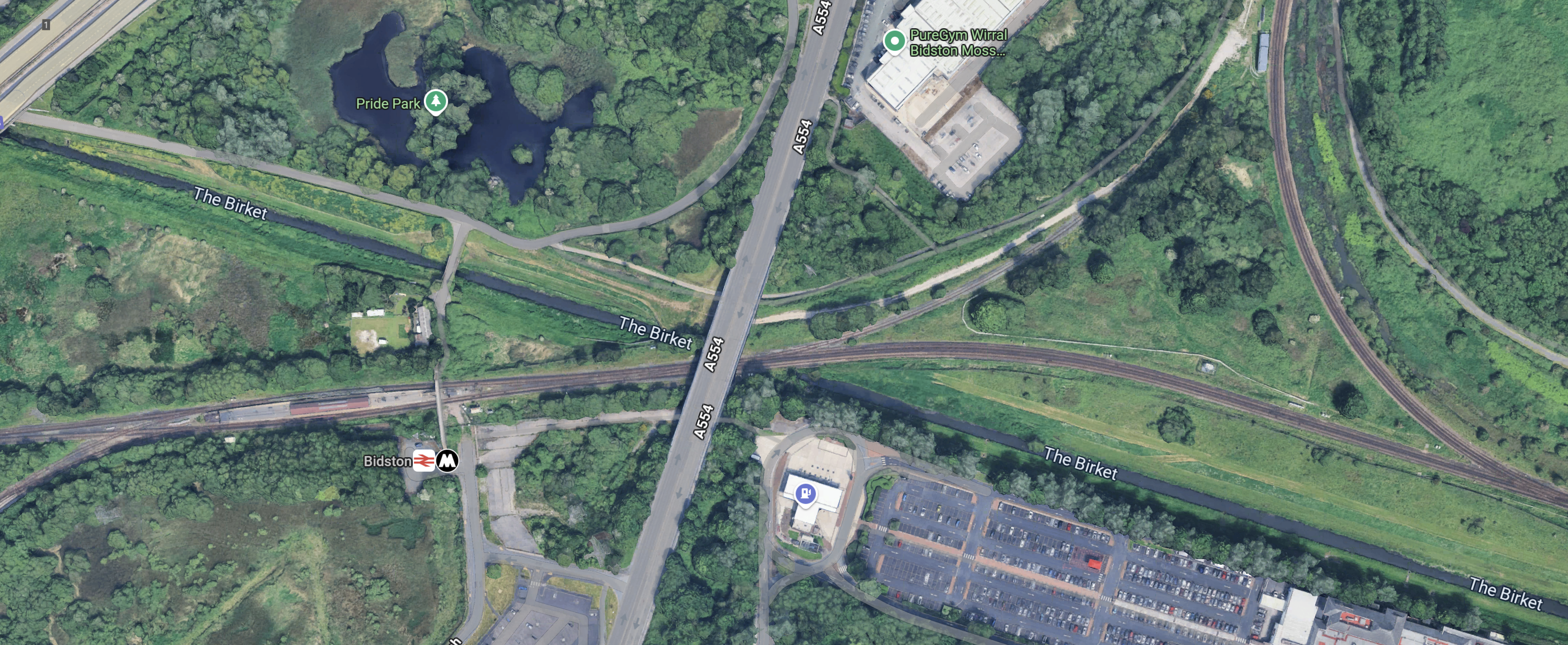
Note.
- Bidston station is indicated by the station symbol.
- Merseyrail’s line between West Kirby and Liverpool runs through the station.
- Trains to Liverpool take the Eastern point of the triangular junction.
- Trains to New Brighton take the Northern point of the triangular junction.
- Trains to West Kirby and Wrexham take the Westerly lines, from Bidston station.
Work will probably need to be done at the junction, where the West Kirby and Wrexham line split.
I discuss the work at Padeswood in Train Frequency Focus In North Wales Transport Commission’s Interim Recommendations.
It doesn’t seem to me, that to be able to run 2 or even 4 tph between Wrexham Central and Liverpool, is going to need a large budget. Although, a few extra Class 777 trains, with a battery-electric capability, will be needed.
But this corner of Wales will have one of the world’s first battery-electric international trains.
New And Improved Services And Stations
These plans concern new and improved services and stations on the Borderlands Line or the Wrexham and Liverpool Line.
- The existing Borderlands Line will also be renamed the Wrexham – Liverpool line.
- Key stations on the Wrexham – Liverpool line will be improved in the next 12 months.
- Trains operating on the Wrexham – Liverpool line will be wrapped to reflect the communities and football clubs they serve.
- Introducing Pay as You Go tap in tap out technology – covering connections between Gobowen and Rhyl, and along the full length of the Wrexham -Liverpool line
- Match funding for step-free access at Shotton station.
- Examining options to re-open stations and build new stations to serve employment growth areas.
Deeside Industrial Park Station
This is planned for Deeside Industrial Park station.
Working with Network Rail to determine the feasibility of a rapid delivery of a new test railway station at Deeside Industrial Park, to gauge demand for permanent services to the park.
This Google Map shows Deeside Industrial Park
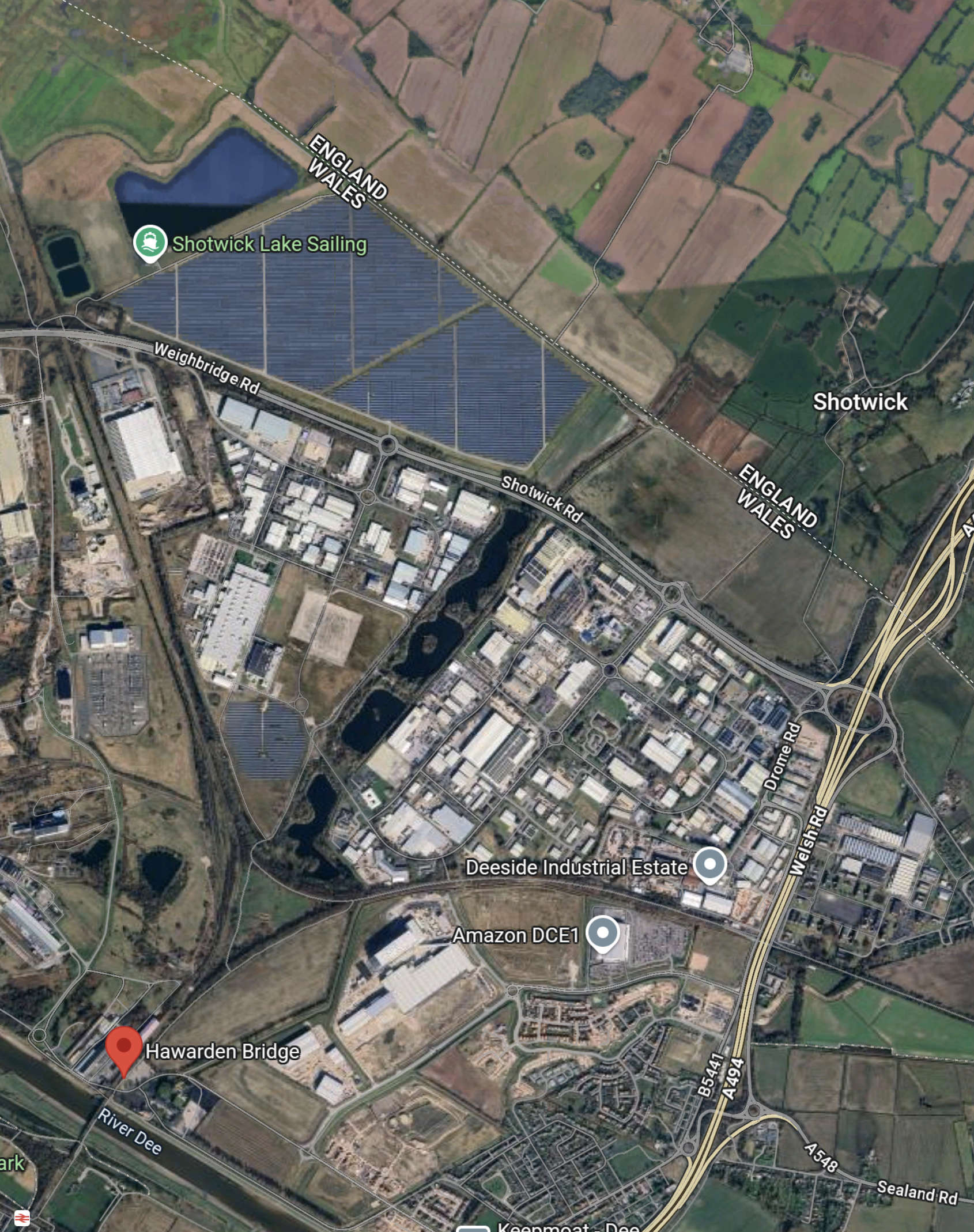
Note.
Shotton station is in the South West corner of the map.
Hawarden Bridge station is indicated by the red arrow.
The double-track Borderlands Line runs between the two stations and then Northwards between the warehouses and factories of the estate.
This second Google Map shows the area to the North of the two stations in greater detail.
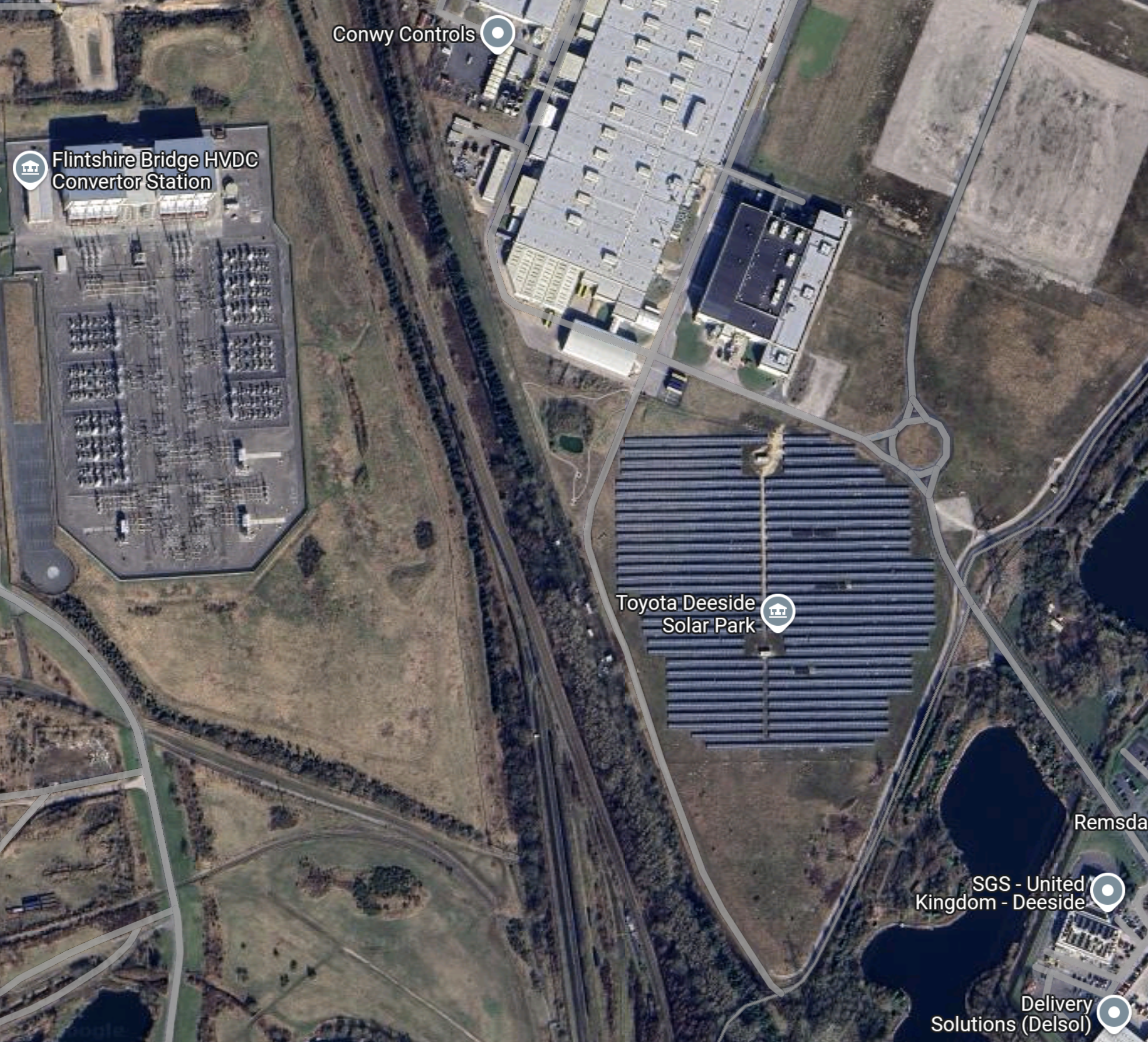
Note.
- Flintshire Bridge Converter Station is the Southern end of the 2.2 GW Western HVDC Link from Scotland.
- Toyota’s Deeside Solar Park.
- The Borderland’s Line running between the substation and the solar park.
It does appear there could be plenty of space for a station.
Network Rail on Merseyside certainly have access to to a temporary station, as these pictures show of one’s use at Liverpool South Parkway station, which I wrote about in Liverpool South Parkway Station Stands In For Lime Street.


Note.
- It was mainly built of scaffolding.
- It was long enough for an eleven-car Class 390 train.
It could certainly be rearranged to make a temporary two-platform station.
But why a temporary station?
- It may turn out, that Bidston and Wrexham Central is too long for battery-electric trains.
- But Deeside Industrial Park station would be about half-way, so an ideal place for a pit-stop.
- It’s also got plenty of electricity.
- Toyota might also want to see how it helps the operation of their engine plant.
Network Rail might want to try out the idea of building a temporary station elsewhere in the future.
enfinium Announces Proposal For £200m Investment In Carbon Capture Project In North Wales
The title of this post is the same as that of this press release from enfinium.
This is the sub-heading.
The project could be capable of capturing up to 235,000 tonnes of CO2 every year, accelerating efforts to achieve net zero.
The first two paragraphs outline the project.
Today, enfinium, a leading UK energy from waste operator, announces it is progressing plans to invest around £200 million in carbon capture and storage (CCS) technology at the Parc Adfer energy from waste facility in Deeside, North Wales, providing vital carbon removals and boosting the green economy.
The project could capture up to 235,000 tonnes of carbon dioxide (CO2) every year. As over half of the waste processed at the facility is organic, installing CCS would enable the plant to take more CO2 out of the atmosphere than it produces. The Welsh Government’s Carbon Budget makes clear that Wales needs carbon removal solutions to mitigate other polluting parts of the economy to achieve a Net Zero economy.
The press release also says this about Paec Adfer.
Opened in 2019 in partnership with the five local authorities that make up the North Wales Residual Waste Treatment Partnership (NWRWTP), Parc Adfer currently diverts up to 232,000 tonnes of unrecyclable waste from climate damaging landfill. As recognised by the National Infrastructure Commission, emissions from energy from waste plants are lower per tonne of waste compared to landfill.
With CCS installed, Parc Adfer will support the Welsh Government’s ambition to have 100% zero carbon power by 2035 and support over 1,000 jobs in the green economy during the construction phase.
This Google Map shows the location of Parc Adfer, with respect to Liverpool and the River Dee.
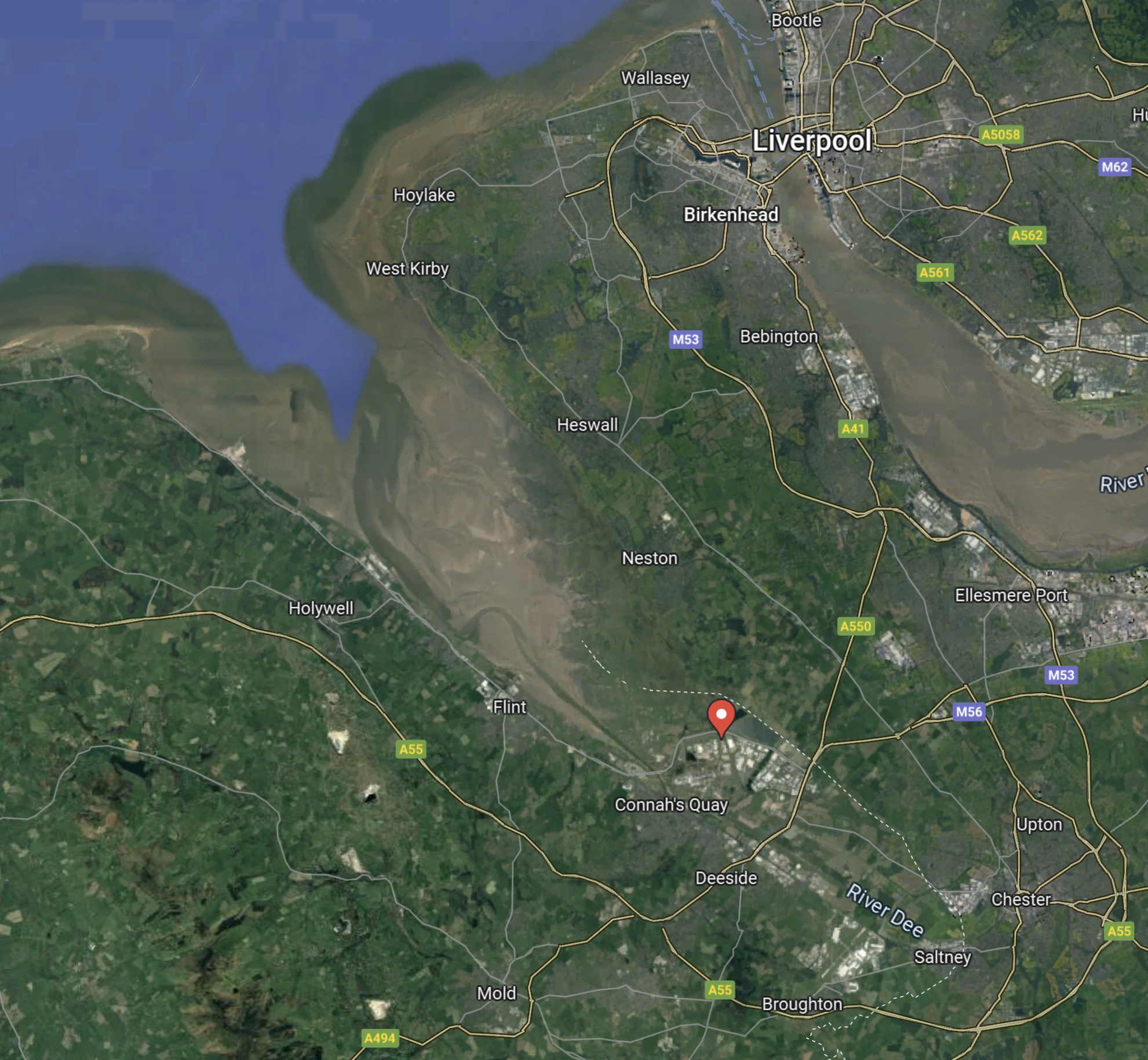
Note.
- Liverpool is in the North-East corner of the map.
- Chester is in the South-East corner of the map.
- The Dee Estuary is in the North-West corner of the map.
- The red arrow indicates the location of Parc Adfer.
This second Google Map shows the location of Parc Adfer in Deeside Industrial Park, which is just over the England-Wales border.
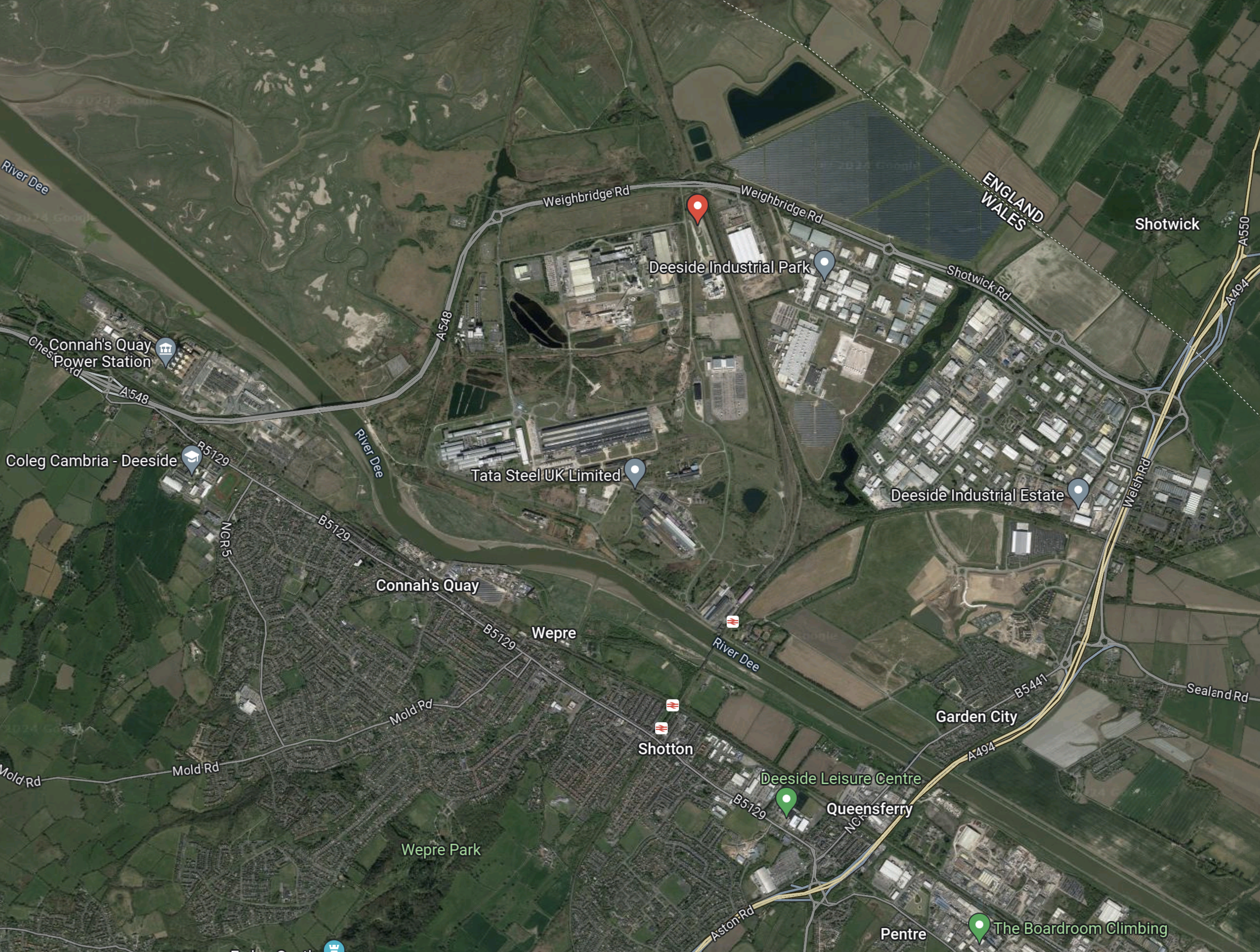
As before, the red arrow indicates the location of Parc Adfer.
This third Google Map shows the detailed area of Parc Adfer.
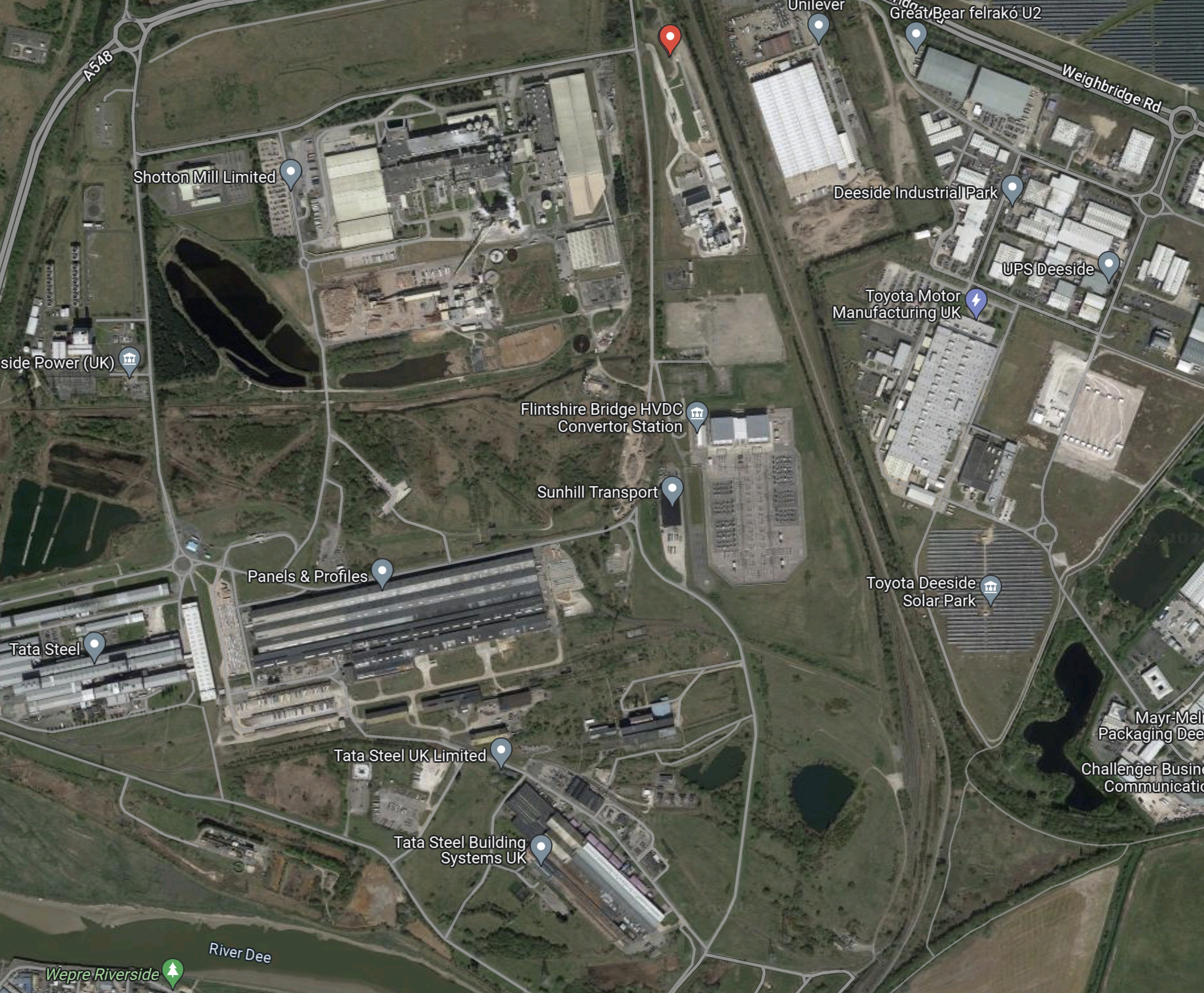
Note.
- The red arrow indicates the location of Parc Adfer.
- The Borderlands Line between Liverpool and Wrexham runs alongside the site.
- Around Parc Adfer are assorted steel works and the Flintshire Bridge HVDC Convertor Station for the Western HVDC Link to Hunterston in Scotland.
- On the other side of the tracks are Amazon, Great Bear Distribution, Toyota, Unilever and the Toyota Deeside Solar Park.
These are my thoughts.
Parc Adfer Has Excellent Electrical Connections
In addition to the 2.25 GW Western HVDC Link to Hunterston, there are following power sources in the area.
- The wind farms of Liverpool Bay.
- The 1.4 GW Connah’s Quay power station.
- The 498 MW Deeside power station.
From the enfinium web site, it looks like Parc Adfer will generate 21 MW of zero-carbon energy from waste.
Will Parc Adfer Have A Rail Connection?
According to the enfinium web site, Parc Adfer will process waste from Flintshire County Council, Denbighshire County Council, Conwy County Borough Council, Gwynedd Council and the Isle of Anglesey County Council.
I have arranged these councils in order from East to West and all are served by the North Wales Coast Line.
This OpenRailMap shows the rail connection between Parc Adfer and the North Wales Coast Line.
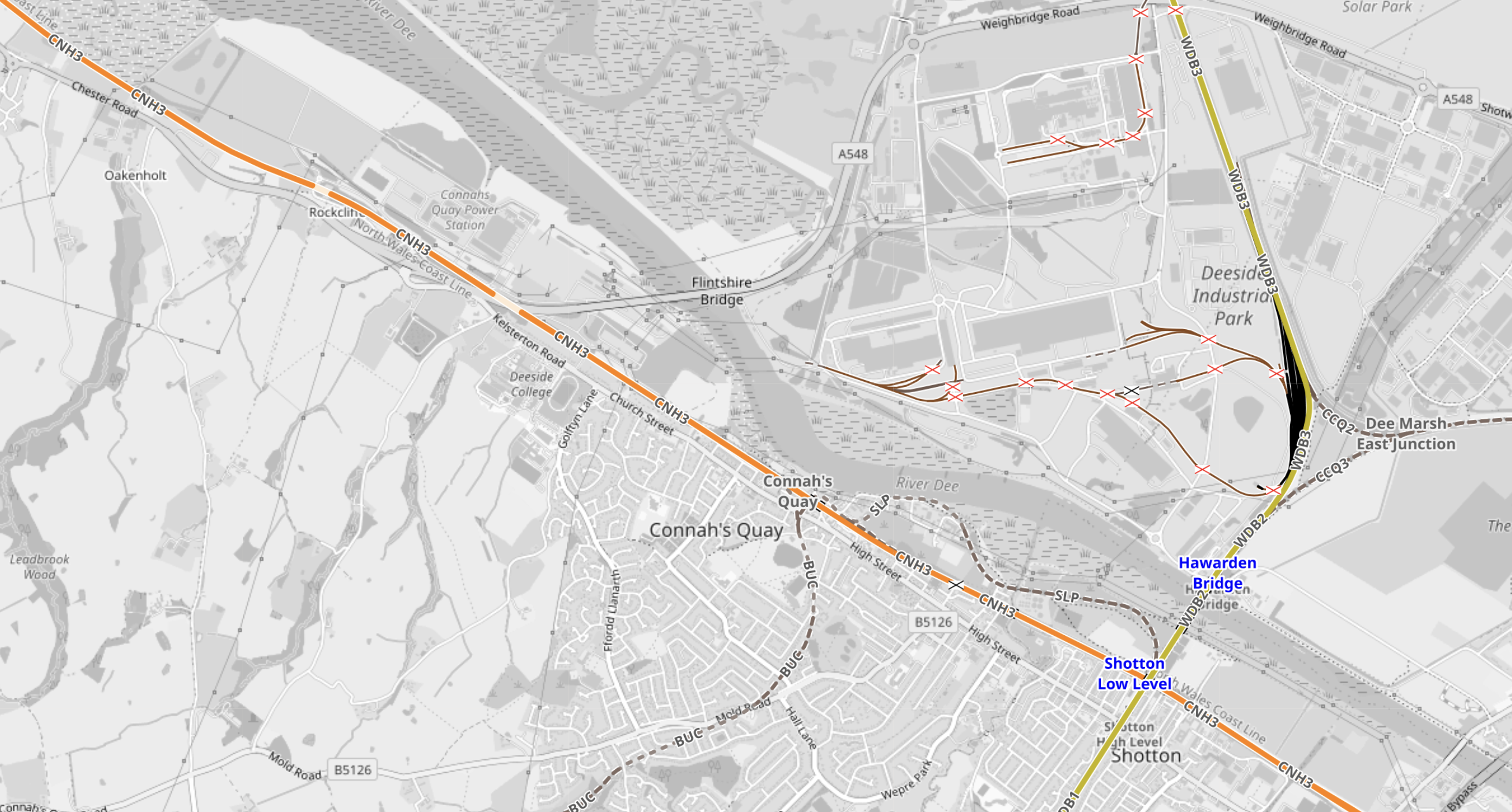
Note.
- The Borderlands Line is shown in yellow and runs between Liverpool and Wrexham.
- The Borderlands Line runs past Parc Adfer just off the North of the map.
- The North Wales Coast Line is shown in orange and runs between North Wales and Chester.
- There are two stations at Shotton; High and Low Levels, which allow a passenger connection.
Unfortunately, there is no rail connection for trains which would allow freight services between Parc Adfer and North Wales.
A section called Future, in the Wikipedia entry for Shotton station, says this about upgrading the station.
In March 2015 Network Rail published the draft version of their Welsh Route Study. It contained a proposal to build a new interchange station that would replace the existing High and Low Level stations, allowing for greater connectivity between the North Wales Coast Main Line and the Borderlands Line. The document recommended a transport planning study to establish the cost, feasibility and benefits of the proposed scheme.
It appears to be likely, that no rail route will be created to allow freight services between Parc Adfer and North Wales.
Deeside Parkway Railway Station
It does appear that a parkway station at Deeside Parkway is a possibility.
This is the opening paragraph of the Wikipedia entry for Deeside Parkway station.
Deeside Parkway is a proposed railway station situated between Neston and Hawarden Bridge on the Borderlands Line. The station is intended to serve the Deeside area of Flintshire, North Wales, particularly the Deeside Industrial Park.
The station is proposed to be park of the North Wales Metro, which is described in this Wikipedia entry.
Train Frequency Focus In North Wales Transport Commission’s Interim Recommendations
The title of this post, is the same as that of this article on Railway Gazette International.
This is the first paragraph.
The North Wales Transport Commission chaired by Lord Burns has published its interim recommendations for the development and delivery of an integrated multi-modal transport system in the region.
The following sections, outline the recommendations for rail services.
Chester Station Improvements
The North Wales Transport Commission (NWTC) supports proposed improvements at Chester station to enable additional services to operate.
This page on Transport for Wales detailed the improvements at Chester station, where this is said.
Transport for Wales is delivering significant improvements to Chester Station. The project primarily focuses on customer improvements within the station, with work to include new branding and signage, a new passenger assist point, cycle stands, roaming mics and hearing loop systems, a new full station CCTV system, toilet refurbishments on the concourse and platforms 4 and 7, a new changing place toilet, customer waiting room upgrade, water refill unit, platform and concourse seating and waste facilities.
New Customer Information Screens will be installed throughout Chester station increasing the train service information available on the platforms and within the station waiting rooms. We’ll also be installing new screens for onward journeys, including bus, and an interactive screen which will be installed on the concourse.
Improvement works in the concourse also include, repurposing of the ticket office to create a new retail unit for the future, a new rental unit, a new customer service desk with ticket selling facilities, additional ticket vending machines, a repositioned gate line with additional standard and wide aisle gates. A new quiet room will also be introduced as a place for customers who require a safe, isolated space whilst waiting for their train.
TfW is working closely with industry partners to minimise disruption during these works for both customers and the local community. Customers are encouraged to plan in extra time to allow for potential disruption during this work. Signage and hoardings will be erected at the station in advance of and throughout, these significant improvement works, and communications will be provided at the station, onboard services and online, to advise of any temporary changes to accommodate the work on site at the station.
Note.
- It looks a serious level of improvement for customers.
- The Chester and Wrexham Line was improved in 2017, with full double-tracking and higher maximum speeds.
- It looks like completion is some time in 2024.
Nothing is said about extra train services.
North Wales Main Line
The NWTC says this about the North Wales Main Line.
On the North Wales Main Line, it says the priority should be service frequency improvements and supporting infrastructure works between Crewe and Llandudno. Improvements to signalling and line capacity from Llandudno to Bangor and Holyhead would require larger scale works, which should be planned so that they are ready to progress as and when funding is available.
I went to Holyhead earlier in the year and more trains would be welcome.
Borderlands Line
The NWTC says this about the Borderlands Line.
Signalling and line capacity improvements are required along the Borderlands Line, the commission believes. A key constraint is the sidings for the Hanson site at Padeswood, where freight trains block the line for up to an hour, and the commission says this needs to be resolved before other work to improve the line can proceed.
There should be investment to reduce journey times and increase service frequencies between Wrexham and Liverpool to significantly increase the attractiveness of the route.
I talked about the freight problem in New Trains Could Be Operating Through Flintshire From May But No Green Light For Two An Hour Service.
This map from OpenRailwayMap shows the track layout at Padeswood site.
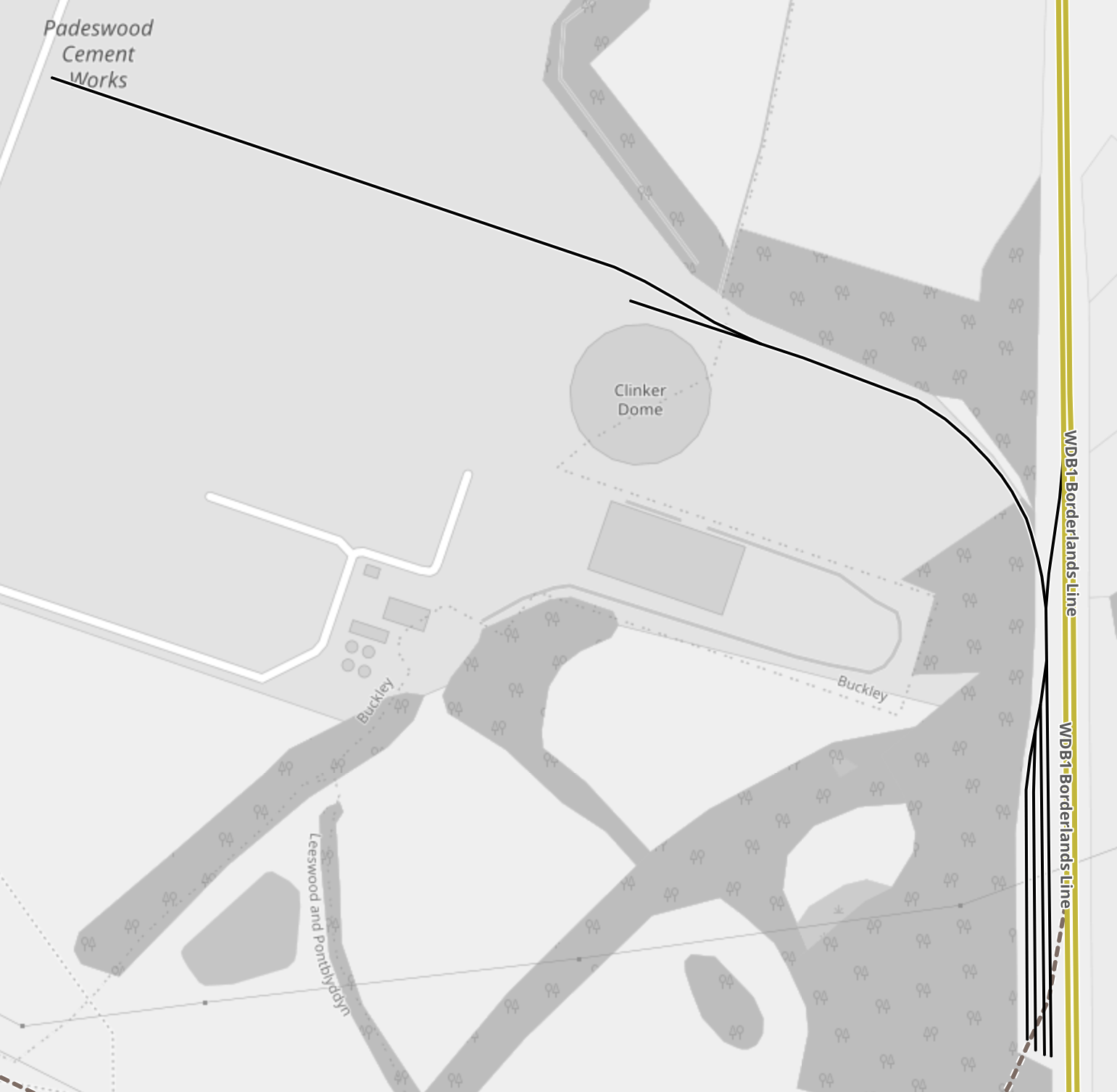
I was able to follow a train on Real Time Trains, as it left Padeswood Cement Works.
- It moved to the sidings alongside the Borderlands Line.
- It then joined the Borderlands Line and went Northwards through Buckley, Hawarden, Shotton and Hawarden Bridge stations before stopping in Dee Marsh Sidings.
- The engine then changed ends and brought the train back down the Borderlands Line to Wrexham.
- The train then continued to its destination via Ruabon, Gobowen and Shrewsbury.
This movement doesn’t seem too bad, so has there been some signalling and track improvements?
Shrewsbury And Chester Line
The NWTC says this about the Shrewsbury and Chester Line.
The commission says it has not seen a pressing case for full electrification of the Shrewsbury to Chester line, and the priority should be signalling improvements at Gobowen.
I thought that Shrewsbury and Chester might have been electrified, as it could be used to charge battery-electric going between England and Wales. But it will be some years before Transport for Wales get a battery-electric train strategy together.
On the other hand the two cities are only 42 miles apart, which is in range of battery-electric trains.
Conwy Valley And Cambrian Coast Lines
The NWTC says this about the Conwy Valley Line and the Cambrian Coast Line.
There could be merit in introducing increased frequencies on the Conwy Valley and Cambrian Coast lines during the peak season. Service enhancements and infrastructure improvements such as passing loops may be beneficial, ‘as has happened to similar lines in Devon and Cornwall’, but ’in the immediate future, those communities served by stations along the route should have access to enhanced bus services to reduce dependence on car use’.
This seems like a sensible and non-disruptive plan.
Anglesey Central Railway
The NWTC says this about the Anglesey Central Railway to Amlwch.
NWTC ‘is not persuaded’ that there is a case for opening the line to Amlwch, and says ’more urgent improvements to existing lines and services should take a higher priority’.
The Anglesey Central Railway reopening would appear to be a fairly simple project as the track is mostly already there, so this might be the sort of project, that finds itself moving up the list, if related housing or commercial developments are proposed.
This Google Map shows Amlwch and the surrounding area.
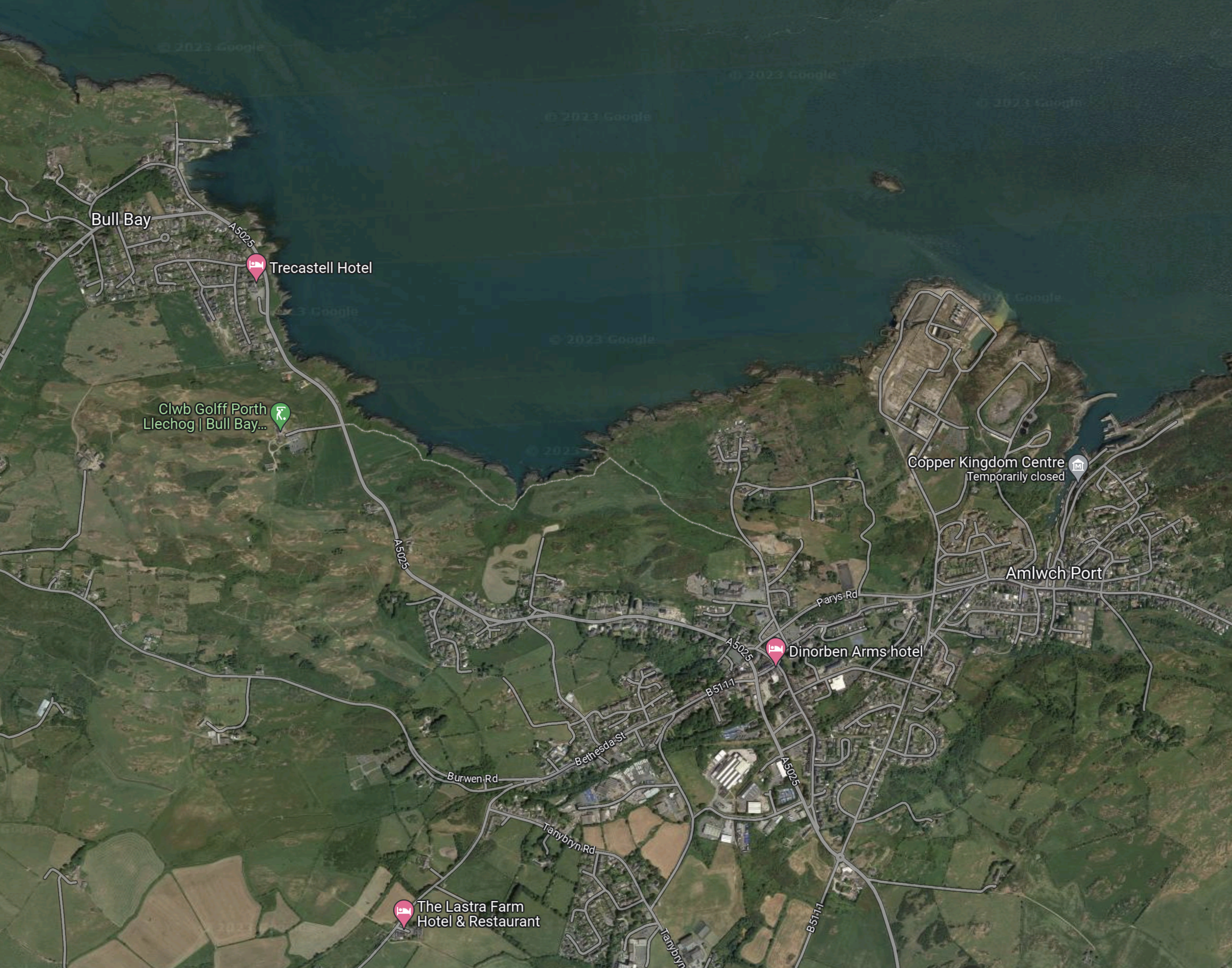
With all the tidal, nuclear and wind energy possibilities in the area, I would never rule out the rail link to Amlwch being restored.
Associated Octel used to have bromine works in Amlwch and more details can be found in this web site.
I’ve worked in chemical works with chlorine, fluorine and bromine and my advice is be very careful with them.
Criccieth And Bangor
NWTC says this about reopening the route between Criccieth and Bangor.
NWTC ‘is not persuaded’ that there is a case for opening the line between Criccieth and Bangor, and says ’more urgent improvements to existing lines and services should take a higher priority’.
This OpenRailwayMap shows the area of the reopening.

Note.
- The orange line going across the top of the map is North Wales Coast Line between Chester in the East and the Port of Holyhead on Anglesey.
- Towards the North-East corner of the map, Bangor station is indicated by the blue lettering.
- The Menai Strait runs between the Welsh mainland and the Island of Anglesey.
- The important town of Caernarfon can be picked out.
- The orange line at the bottom of the map is the Cambrian Line, which connects to Shrewsbury and Aberystwyth.
- This line terminates at Pwllheli on the Lleyn Peninsular in the South-West corner of the map.
A dotted line indicates a disused railway between the Southern coast of the peninsular and Bangor via Caernarfon, which I assume is the railway that has been proposed for reinstatement.
It could be a valuable addition to the railways of North Wales and could help to promote tourism.
Station And Other Improvements On The Borderlands Line
This is said about station and other improvements on the Borderlands Line.
The commission supports a new station at Deeside Industrial Park, and enhancements at Shotton to improve connectivity between the high and low-level platforms.
It says frequency enhancements should be prioritised over new stations, and fleet improvements should facilitate the frequency enhancements. It endorses the proposed use of Merseyrail’s Class 777 battery-electric trainsets on the Borderlands Line.
I feel that the Class 777 trains, which could travel under Liverpool are a shoe-in.
Conclusion
North Wales will be getting the railway it need to promote education, employment, leisure and tourism.
Will Hollywood Celebrity Involvement Be The Catalyst To Spark Development Of the Borderlands Line?
In Wrexham General Station – 4th May 2023, I showed this map, of Wrexham General station and the Racecourse Ground.

Consider.
- Wrexham A. F. C. are certainly a club, whose fans won’t need much encouragement to go to matches by train.
- I also feel that given the celebrity ownership, it will be one of those grounds where away supporters will want go.
- Its ground and Wrexham General station is well-served by direct trains from Birmingham, Cardiff, Liverpool and London.
- Interesting matches next year could be against Crewe, Newport and Tranmere.
I’m sure that because of the location of the ground and the celebrity owners, there will be pressure to improve the Borderlands Line to Liverpool.
The Wikipedia entry for the Borderlands Line has a section called Development, where this is said.
The doubling of the journey frequency on the line is one of the aims of the Growth Track 360 group, a consortium of business, politicians and public sector leaders. The group aims to improve transport and create jobs in the North Wales, Merseyside and Cheshire area over the next 20 years. During the 2017 Autumn budget, Chancellor Philip Hammond stated that part of the additional £1.2 billion funding Wales was receiving would be used to look into proposals to improve journey times on the line and developing a business case.
In October 2019, Transport for Wales announced £280,000 have been allocated to revamp stations along the line in north Wales and Merseyside, as part of TfW’s £194 million station improvement programme.
In a section called Proposed New Stations, these improvements have been proposed.
- Build a new station at Deeside Industrial Park.
- Build a new station at Woodchurch.
- Build a new station at Beechwood.
- Incorporate the line into the Merseyrail Wirral line to provide direct connectivity with Liverpool city centre.
- Replace the High and Low levels at Shotton station with a dedicated interchange station, improving connectivity between the North Wales Coast Main Line & the Borderlands line.
- Remove level crossings to improve line speed.
All these proposals seem reasonable.
There is also a section called Proposed Electrification, where this is said.
There have been proposals for the full or partial electrification of the line since 1999 with participation of Merseytravel and the devolved institutions in Wales. Such electrification is usually intertwined with proposals for the full incorporation of the line into the electrified Merseyrail network, allowing for services from either Wrexham Central or partway along the line to travel all the way to Birkenhead and Liverpool Central.
In 2008, a Network Rail study estimated the cost for third-rail electrification of the entire line to be £207 million. To lower costs, Merseytravel suggested overhead-wire electrification as an alternative, bringing estimates down to £66 million. However, this would mean trains running between Wrexham and Liverpool would have to be compatible with both electric systems, therefore incompatible with the third-rail only trains in use at the time.
There is political support to electrify the line from both Welsh and Merseyside authorities, however the responsibility of rail infrastructure lies with the UK Government’s Department for Transport. The Welsh Government aims to increase services between North Wales and Merseyside, in particular Wrexham and Deeside with Liverpool and Liverpool John Lennon Airport. Whereas Merseyside authorities would like to increase services to stations on the line on the Wirral Peninsula in particular, as well as the rest of the line.
In 2016, a working group had been set up to examine improving the line, including proposals to increase the frequency of trains on the line. It is hoped that an increase in the number of passengers would improve the case for electrification.
It seems that various solutions have been proposed.
Consider what will be available to Merseyrail and Transport for Wales within a year or so.
- Merseyrail will be running a new fleet of electric Class 777 trains.
- These new trains will be running from Bidston station and under Liverpool City Centre using the Wirral Line.
- Merseytravel has an option for a further 60 units.
- Class 777 trains are designed for running with 25 KVAC overhead electrification, should this be required in the future.
- Merseyrail and Transport for Wales will be working with Stadler on the use of battery-electric trains.
- Bidston and Wrexham Central are only 27.5 miles apart.
- The Borderlands Line is not the most challenging of rail lines to improve, as it is fairly straight and level.
- It is unlikely that Health and Safety would allow any more third rail electrification. But would this ban also apply in Wales?
- West Kirby trains run for 10.4 miles in 34 minutes to perform their loop under from Bidston under Liverpool City Centre.
- If Wrexham trains could turn under Liverpool City Centre, this would improve shopping, business and educational opportunities for those living along the Borderlands Line.
This section of the Wikipedia entry for the Borderlands Line says this about the range of the Class 777 trains on battery power.
The Liverpool City Region Combined Authority announced that trials of the seven battery electric multiple unit (BEMU) versions of their new Class 777 had shown that they were capable of travelling up to 20 miles (32 km) without a charge. Further trials by Stadler reached a range of 84 miles (135 km). This would allow the line to be served without the full electrification.
In Battery Answer To Schleswig-Holstein’s Diesel Replacement Question, I talked about how Stadler were using battery-electric trains to replace diesels in Schleswig-Holstein.
It seems obvious to me, that Stadler would have experience of a suitable battery-electric train and charging system, that could be applied to the Borderlands Line.
- I would suspect that the 34 minutes that the train would take to go from Bidston to Liverpool and back to Bidston would be more than adequate to fully charge the batteries on a train.
- This would be enough to get a full train to Wrexham, even when Liverpool or Everton were playing an FA Cup match against Wrexham A. F. C.
But how would trains recharge at Wrexham? This map from OpenRailwayMap shows the track layout at Wrexham.

Note.
- Wrexham Central station is in the South-East corner of the map.
- Wrexham General station is towards the top of the map marked by blue letters.
- A single track connects Platform 4 at Wrexham General station to the single platform at Wrexham Central station.
It looks like space could be a bit limited at Wrexham Central station, so would it be an idea to electrify between the two stations?
A train takes typically about seven minutes from arrival at Wrexham General station from Bidston until it leaves the station to return to Bidston.
- This should be enough to charge the train fully.
- Theoretically, it would allow Wrexham to have a four trains per hour (tph) service to Liverpool.
- Electrifying between the two stations would be about 0.6 miles of single-track electrification.
- Connection and disconnection to the electrification would be in Wrexham General station.
- The electrification would only be switched on, when there is a train using it. This could be arranged using simple automation or by employing another signaller.
I do wonder if Welsh Health and Safety would allow third-rail electrification? If it’s a UK matter, then give it to the Welsh Government. But it would be the only third-rail electrification in the Principality.
Conclusion
I believe that if the Welsh Government would allow third-rail electrification, the service could start as soon as Merseyrail has enough battery trains.
Wrexham General Station – 4th May 2023
I took these pictures on my trip to Wrexham General station, yesterday.
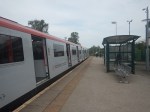

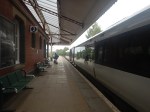
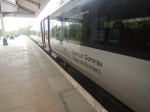
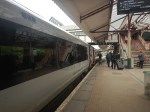
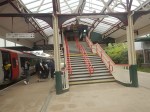
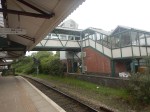
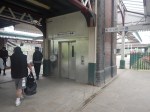
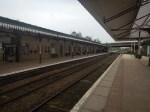
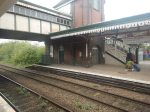
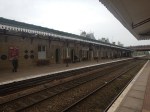
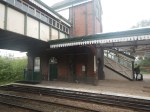




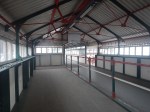
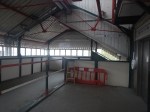
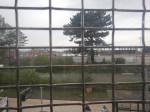

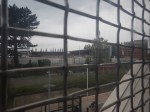

Note.
- The station is next to the Racecourse Ground, which is the home of Wrexham A.F. C.
- I didn’t walk to the ground, but there can be few league grounds, in England, Scotland or Wales, that are closer to a station.
- There is a one train per hour (tph) service along the Borderlands Line to Bidston station on the Wirral Line.
- It is a well-equipped station with lifts, toilets and a cafe.
It was tastefully refurbished in the 1990s.
This Google Map shows the relationship between the Racecourse Ground and Wrexham General station.
It can’t be much for than about two hundred metres between the station and the ground.
Wales’ Inaugural Hybrid Train Service Launches On The Borderlands Line
The title of this post, is the same as that of this article on Rail Technology Magazine.
These are the first two paragraphs.
Today marks a historic day for the Welsh rail sector, seeing the introduction of the first battery-hybrid trains used in regular passenger service on the Borderlands Line between Wrexham and Bidston, as announced by Transport for Wales (TfW).
The inaugural service for the Class 230 trains left Wrexham Central at 07:31, following months of testing and crew training.
Unfortunately, it didn’t go very well, as some trains were late and there were several rail replacement buses and cancellations.
I’m afraid, Vivarail’s ambitious project is starting to look like a heroic failure.
Could Stadler Rescue The Borderlands Line?
Perhaps the solution for the Borderlands Line, which is only 27.5 miles each way, is to ask Stadler for an estimate to extend Merseyrail’s Class 777 trains to Wrexham Central station.
- Trains would use battery power between Bidston and Wrexham.
- Passengers would not need to change trains to go between Liverpool and Wrexham.
- Trains would go round the rail loop under Liverpool, where they would charge their batteries.
- There may need to be some form of charging in Wrexham.
I’m sure the good people Merseyside and North Wales wouldn’t object, but the politicians in Cardiff might!
The UK-Wide Need For Self-Powered Trains
Consider.
- The UK needs a substantial number of two-, three- and four-car self-powered trains.
- A proportion of these trains will run on partially-electrified routes.
- 100 mph trains would be preferable.
- Some routes would need trains capable of using third-rail electrification.
They are also needed urgently.
Will Mark 3’s Save The Day?
Consider.
- The only Mark 3 electric multiple units still running or in a state good enough to be converted are the thirty-four three-car Class 320 trains and perhaps fifty four-car Class 321 trains.
- Class 317 and Class 318 trains are probably too old to convert.
- A Class 319 train is a very inferior train from a passengers point of view to the Class 321 Renatus.
As some of these like the thirty Class 321 Renatus have been refurbished and given AC transmissions, it might be a good idea to build a few prototypes and try them out on various routes to assess their quality, reliability and performance.
But this route would only give about eighty three- and four-car trains.
It wouldn’t supply any two-car trains.
Sadly, the twenty-four two-car Class 456 trains, which could have been converted have all been recently scrapped.
Are There Any Other Trains That Can Be Converted?
There are several fleets of modern trains, that might be available.
- Four-car Class 350 trains
- Four-car Class 360 trains
- Four-car Class 379 trains
- Four-car Class 386 trains
There may also be some three- and four-car Bombardier Electrostars.
Again, there is a shortage of two-car trains, except for thirty-nine Class 466 trains.
- They are Networkers.
- They were built in the 1990s.
- They were refurbished ten years ago.
- They are third-rail trains.
- They are not in bad condition.
- Their operating speed is only 75 mph.
But they would probably be a hard train to convert and would only be a stopgap.
Conclusion
I am led to the conclusion, that there is a large gap in the UK rail network for a two-car train with this specification.
- Battery-electric operation.
- 100 mph operation
- Battery range of at least eighty miles.
- Quality interior.
- Ability to run on 25 KVAC overhead and/or 750 VDC third-rail electrification.
- Ability to add a third-car in the middle to create a three-car train.
Effectively, they would be a replacement for the Class 170 diesel trains.
Eversholt Rail And Vivarail To Develop Class 321 BEMU
The title of this post, is the same as that of this press release from Eversholt Rail.
These three paragraphs introduce the project.
Eversholt Rail and Vivarail have signed an agreement aimed at developing battery power – and range extension – to the Class 321 ‘Renatus’ fleet.
The 30 unit ‘Renatus’ fleet is a product of £65m investment in AC traction, air conditioning and upgraded interior. Completed in 2019, it provides a high-quality passenger experience, proven reliability in intensive operations and is widely compatible on the UK network. This fleet is currently operating on the Greater Anglia network until the introduction of their new trains is completed.
Eversholt Rail and Vivarail are committed to supporting the UK Government’s ambition to decarbonise its rail sector by 2050, and the Scottish Government’s objective of doing so by 2035. This proven and reliable fleet is an excellent fit in terms of characteristics, fleet size and availability for conversion to a Battery Electric Multiple Unit (BEMU). Vivarail, as the designers and manufacturers of the UK’s only battery and hybrid trains currently in passenger service are well positioned to progress this development.
This paragraph talks about the design objectives.
We will be working together to develop a design to integrate battery technology to provide between 20 to 30 miles of self-propulsion. Enabling the fleet to operate on non-electrified or partly electrified routes would offer the opportunity to increase the range of modern, low-carbon options to accommodate passenger demand; to enable fleet cascades; to improve the passenger experience; and to bring air quality and decarbonisation benefits to local areas.
I have a few thoughts on what I have read so far.
Vivarail’s Technology
In Battery Class 230 Train Demonstration At Bo’ness And Kinneil Railway, I talked about a ride in the battery version of Vivarail’s Class 230 train.
The train impressed me, as it did others that day.
I know that the train is late on being introduced on the Borderlands Line in Wales, but then all bi-mode or tri-mode trains seem to be having software problems.
In D-Train Order For Marston Vale Confirmed, I talked about the technicalities of Vivarail’s battery train.
Battery Prototype
The article also gives more details of the battery prototype.
- The train has four battery rafts, each with a capacity of 106 kWh
- Range is up to fifty miles with a ten minute charge at each end of the journey.
- Range will increase as battery technology improves.
- The train is charged using a patented automatic charging point.
- The batteries will have a seven-year lifespan, backed by a full warranty.
- Battery rafts would appear to be interchangeable with the diesel generators.
- Hydrogen power will be used within the next few years.
The specification seems comprehensive and it would appear there is a high degree of innovative automation and well-thought-out electrical engineering.
Train Energy Consumption
The train has the following characteristics.
- Two cars
- 424 kWh of battery capacity.
- 50 mile range
This gives a consumption 4.24 kWh/per car/per mile.
In an article in the October 2017 Edition of Modern Railways, which is entitled Celling England By The Pound, Ian Walmsley says this in relation to trains running on the Uckfield Branch, which is probably not much more taxing than the Marston Vale Line.
A modern EMU needs between 3 and 5 kWh per vehicle mile for this sort of service.
I am surprised that the Class 230 train lies in the 3-5 kWh range, but then I’m not sure of the weights of the two trains.
I estimate two-car units to weigh as follows.
- Class 230 train plus batteries – Around 50 tonnes.
- Electrostar – Around 90 tonnes
- Aventra – Around 80 tonnes
I shall get some better figures, when I actually see the trains, as the weight is on the side.
Note.
I should say, that I have met some of Vivarail’s designers and I have been impressed.
They were also very complimentary about the D78 Stock, where it appears no expense was spared by Transport for London to keep them up to scratch.
I will apply Ian Walmsley’s rule in the extract to the Class 321 train.
- Four cars
- Thirty miles
- As the Class 321 Renatus has a modern traction system, I’ll assume it is efficient and uses 3 kWh per vehicle mile for a gentle short branch line.
- These figures would need a 360 kWh battery.
If the consumption was 5 kWh per vehicle mile, it would be a 600 kWh battery.
Under Train Space
There is plenty of space under a Class 321 train, as these pictures show.
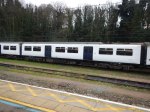
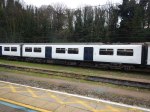
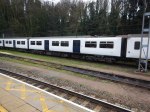
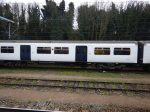
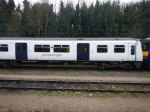
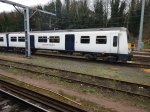
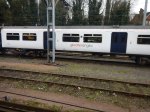
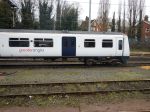
My design would see a battery under each car, if that were possible to even out the weight.
The Renatus Interior
These pictures show the Renatus train and interior.
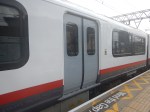
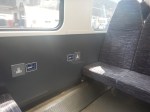
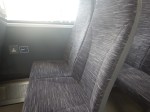
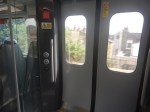

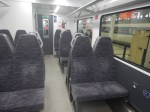
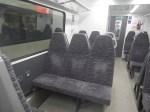

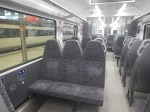
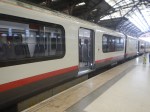
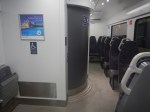
Not bad for a train approaching its mid-thirties.
Will The Train Have Third-Rail Shoe Gear?
I have read the technical documents for Porterbrook’s Class 769 train, which this is based on the Class 319 train.
In the Wikipedia entry for the Class 319 train, this is said,
Class 321 passenger units and Class 325 postal units were developed from the Class 319 design, using similar traction equipment and the same steel body design, with revised cab designs. The 325 units used a Networker style cab design.
It looks like except for cosmetic differences in the drivers cab, the Class 319, Class 321 and Class 325 trains are identical under the skin.
Does this mean that like the Class 319 train, Class 321 trains can be fitted with third-rail shoes?
It should be noted, that if the trains can be fitted with third-rail shoes, then Vivarail’s Fast Charge system can be used to charge the train.
Could Other Trains Be Converted?
It certainly looks like in addition to the Class 321 trains, both the Class 319 and Class 325 trains can be converted to battery-electric power.
These three trains are all members of British Rail’s Mark 3 family, which were designed before computers were used in structural design to be able to withstand the force of a twenty-four tonne cement truck falling on them from a bridge. On the 5th of November 2010, this nightmare scenario happened in the Oxshott Rail Accident and no-one was killed.
So to avoid the scrapyard, trains based on the Mark 3 coach, like the Class 320, Class 322, Class 455 and Class 456 trains will be happy to sign up to the Eversholt Rail and Vivarail conversion process.
- The Class 320 trains are three-cars, so would offer another type of train.
- The Class 322 trains are four-cars, were built for the Stanstead Express.
- The Class 455 trains are four-cars with third-rail gear, so would offer another type of train.
- The Class 456 trains are two-cars with third-rail gear, so would offer another type of train.
In SWR Says Farewell To ‘456’s, I talk about converting the two-car Class 456 trains after Mark Hopwood, who is now a big cheese at Great Western Railway, suggested the conversion to create a useful two-car battery-electric train.
If you doubt, the quality of the bodies and interiors of these trains from another era, I suggest you go to Liverpool Street station and take a ride in one of Greater Anglia’s Class 321 Renatus trains.
As there are six classes that could be converted, various different types of train can be converted to suit an operator’s needs.
Main Line Speed
Most of these trains are 100 mph trains, with drivers telling me, that they have superb brakes to handle stopping from that speed.
However, Class 455 and Class 456 trains are only 75 mph trains, with some of the Class 320 trains being only 90 mph trains.
Accidents And Incidents
As far as I can tell, none of these trains has had a serious accident, that has resulted in the death of a passenger.
Even the Oxshott Rail Accident only resulted in two serious and five minor injuries, with one of the serious injuries being the driver of the cement truck.
It is a remarkable safety record.
Possible Routes
I will do these on a company-by-company basis, as all companies needs are different.
c2c
c2c is an all-electric company.
I doubt there is a possibility of the company needing any battery-electric trains.
Chiltern Railways
Chiltern Railways is an all-diesel company.
They effectively have three different types of motive power and the solutions for each will be different.
- Six Class 68 locomotives haul Chiltern’s flagship main line services. As there are thirty-four of these modern locomotives in operation in the UK, I would suspect their manufacturer; Stadler will come up with a zero-carbon solution for application to these locomotives. I suspect they will become hydrogen-powered.
- Workhorses are 28 Class 168 trains totalling eighty-five carriages. One has been converted to hybrid operation by Rolls-Royce mtu and I suspect that Rolls-Royce mtu have a plan to make all these trains zero-carbon by 2030.
- There are also 39 Class 165 trains, which are diesel Networkers, dating from the 1990s.
I suspect that as the Networkers are the oldest in the fleet, these might be replaced with new rolling stock or some cascaded Turbostars.
I also wonder, whether Chiltern’s owner; Deutsche Bahn is watching the development of the Rolls-Royce mtu solution as it could be very applicable in Germany.
Govia Thameslink Railway
Govia Thameslink Railway is an all-electric railway except for two services, where diesel multiple units are used.
- Eastbourne and Ashford International – 25.4 miles one-way – Charge at Eastbourne and Ashford International using existing electrification or a charger.
- London Bridge and Uckfield – 25 miles one way – Charge at Hurst Green and Uckfield using existing electrification or a charger.
Note.
- The trains would need a third-rail capability.
- The company also has a fleet of nineteen forty-year-old Class 313 trains, which are used on Coastway services.
- The Class 321 BEMUs could take over all Coastway services between Ashford International and Portsmouth, which would probably make things easier for the operator, with respect to staff training.
The addition of a fleet of Class 321 BEMUs or similar would surely be a sensible move to improve Govia Thameslink Railway services.
Great Western Railway
This article on Railway Gazette is entitled GWR Seeks Input To Decarbonisation Plan.
This is the first four paragraphs.
Great Western Railway is to undertake a market engagement exercise to support its development of a decarbonisation plan including a move away from diesel traction.
The operator is seeking industry input to inform the creation of a Future Fleet & Depot Proposal, setting out ‘affordable’ options for decarbonisation whilst improving and aligning services to future customer needs.
This could include automated rapid battery charging and innovative approaches to energy supply.
The Future Fleet & Depot Proposal will be submitted to the Department for Transport. If accepted by DfT, GWR would then begin procurement of rolling stock and supporting infrastructure. It envisages that this could get underway in September 2024.
It looks a good plan.
In Converting Class 456 Trains Into Two-Car Battery Electric Trains, I opened the post with this quote from Mark Hopwood who at the time was the interim Managing Director of South Western Railway and in Special Train Offers A Strong Case For Reopening Fawley Line, I quote him as saying the following about the trains for the Fawley Branch Line.
However, SWR’s Mark Hopwood favours a much bolder plan. “We’d have to take a decision, once we knew the line was going ahead. But my personal belief is that we should be looking for a modern environmentally-friendly train that can use third-rail electricity between Southampton and Totton and maybe operate on batteries down the branch line.”
Pressed on whether that would mean Vivarail-converted former-London Underground stock, Hopwood ads. “It could be. Or it could be a conversion of our own Class 456, which will be replaced by new rolling stock very shortly. But I don’t think this is the time to use old diesels.
Mark Hopwood is so right about using old diesels and he has moved on to be Managing Director of Great Western Railway.
Could Mr. Hopwood be a driving force behind the decarbonisation of the Great Western Railway?
These trains will be possibilities for battery-electric trains.
- Newbury and Bedwyn – Four cars – 13.3 miles one way – Charge at Newbury using existing electrification
- West Ealing and Greenford – Two cars – 2.5 miles one-way – Charge at West Ealing
- Slough and Windsor & Eton Central – Four cars – 2.8 miles one-way – Charge at Slough using existing electrification
- Maidenhead and Marlow – Two cars – 7.1 miles one way – Charge at Maidenhead using existing electrification – Four car trains could run between Bourne End and Paddington
- Twyford and Henley-on-Thames – Four cars – 4.6 miles one-way – Charge at Twyford using extended existing electrification – Trains could run to Paddington
- Reading and Gatwick Airport – Four cars – 17.4 and 12.1 mile sections without electrification – Charge on existing third-rail electrification
- Reading and Redhill – Four cars – 17.4 and 12.1 mile sections without electrification – Charge on existing third-rail electrification
- Reading and Basingstoke – Four cars – 13.6 miles one-way – Charge at Reading using existing electrification
- Didcot Parkway and Oxford – Four cars – 10.3 miles one-way – Charge at Didcot Parkway using existing electrification
- Didcot Parkway and Banbury – Four cars – 33 miles one-way – Charge at Didcot Parkway using existing electrification – Charger or electrification needed at Banbury
- Cardiff Central and Portsmouth Harbour – Probably needs electrification in the Bristol area.
- Cardiff Central and Taunton – Probably needs electrification in the Bristol area.
- Weston-super-Mare and Severn Beach – Two/Four cars – 45 miles one-way – Charge at Bristol Temple Meads, Weston-super-Mare and Severn Beach
- Bristol Temple Meads and Avonmouth – Two/Four cars – 16.6 miles one-way – Charge at Bristol Temple Meads and Avonmouth
- Bristol Temple Meads and Filton Abbey Wood – Four cars – 4.4 miles one-way – Charge at Bristol Temple Meads
- Great Malvern and Westbury – Probably needs electrification in the Bristol area.
- Gloucester and Weymouth – Probably needs electrification in the Bristol area.
- Swindon and Westbury – Two/Four cars 32.5 miles one-way – Charge at Swindon and Westbury
- Exmouth and Paignton – Four cars – 39.5 miles one-way – Charge at Exeter St. Davids, Exmouth and Paignton
- Exeter Central and Barnstaple – Two/Four cars – 39.6 miles one-way – Charge at Exeter St. Davids and Barnstaple
- Exeter Central and Okehampton – Two/Four cars – 25.6 miles one-way – Charge at Exeter St. Davids and Okehampton
- Plymouth and Gunnislake – Two cars – 14.6 miles one-way – Charge at Plymouth and Gunnislake
- Liskeard to Looe – Two cars – 8.3 miles one-way – Charge at Liskeard
- Par and Newquay – Two cars – 20.8 miles one-way – Charge at Par and Newquay
- Truro and Falmouth Docks – 11.8 miles one-way – Charge at Truro
- St Erth and St Ives – 4.2 miles one-way – Charge at St. Erth
Note.
- Many of the charging stations could be standard systems that are available from companies like Furrer+Frey and Vivarail.
- Or alternatively, a short length of 25 KVAC overhead electrification could be erected.
- I suspect major stations like Bristol Temple Meads, Exeter St. Davids and Plymouth will be electrified.
- There probably needs to be more electrification in the Bristol area.
- Mark Hopwood’s nose, that said two-car trains will be needed, is probably right.
- Some of the trains would need a third-rail capability.
I suspect that with appropriate charging or electrification nearly all of Great Western Railways services can be run using battery-electric trains.
It does appear that Eversholt Rail Group and Vivarail have got the specification of the trains very close to the ideal, with respect to Great Western Railway’s needs.
Southeastern
Southeastern is a fully-decarbonised train operating company, with respect to passenger services.
But it wants to reopen the Hoo Branch, which will need some self-powered trains. I wrote about this in Effort To Contain Costs For Hoo Reopening.
The Class 321 BEMU would surely be a possibility to extend London and Gravesend services, by a distance of about a dozen miles to a new station at Hoo.
These trains would need a third-rail capability.
New Trains Could Be Operating Through Flintshire From May But No Green Light For Two An Hour Service
The title of this post is the same as that of this article on Deeside.com.
These are the first two paragraphs.
Transport for Wales (TfW) is aiming to bring a number of its new Class 230 trains into service on the Wrexham – Shotton – Bidston line next month, three years later than first planned.
However a two train per hour service promised by TfW from December 2021 is yet to be approved by the rail regulator due to an ongoing conflict with a freight operator.
The lateness of the new trains is down to the Covids.
This Google Map illustrates the ongoing conflict with the freight operator.
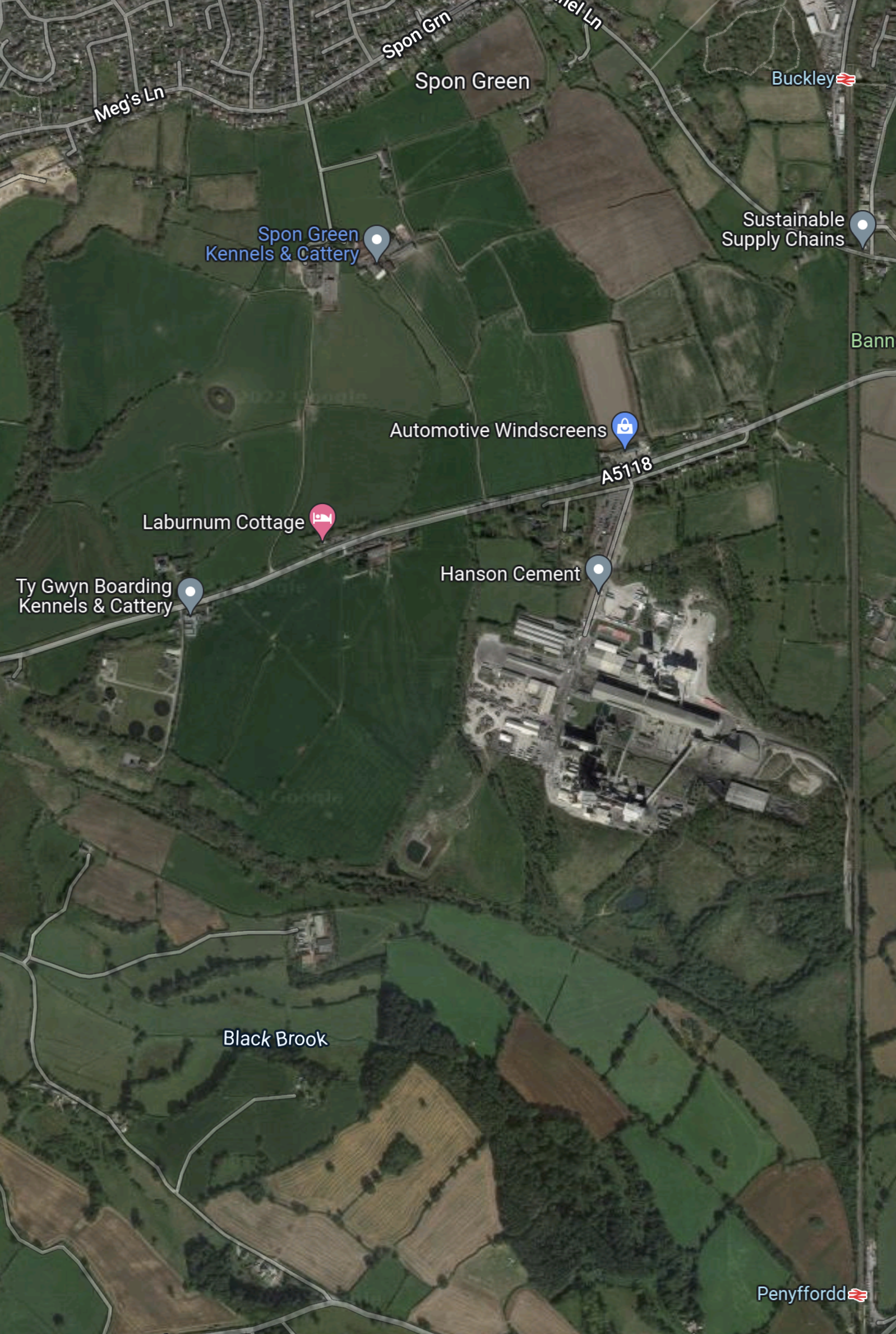
Note.
- The Borderlands Line running up the Eastern side of the map.
- Buckley station is at the North of the map.
- Pennyffordd station is at the South of the map.
- The Padeswood cement works is on a siding to the West of the line.
The problem is that when a cement train leaves the works, it blocks the railway line for an hour.
Improvements are obviously needed, if the two operators are to share this line.
The article suggests various ideas including Park-and-Ride facilities.
Liverpool’s Vision For Rail
This document on the Liverpool City Region web site is entitled Metro Mayor’s Vision Of A Merseyrail for All Takes Vital Step Forward With Successful Trial Of New Battery-Powered Trains.
It makes these points in the first part of the document.
- Game-changing technology paves way for Merseyrail network expansion across the Liverpool City Region and beyond
- Merseyrail services could reach as far as Wrexham and Preston
- City Region is at the forefront of the introduction of pioneering energy efficient technology.
The new battery-powered trains would certainly go a long way to enable, these objectives.
- Battery-powered trains would need a range of 26.9 miles to go between Bidston and Wrexham stations.
- Battery-powered trains would need a range of 15.3 miles to go between Ormskirk and Preston stations.
This link is to the North Cheshire Rail User Group’s Newsletter for Spring 2021.
This is said about battery range of the new Class 777 trains.
Later model Class 777’s have the ability to leave the 3rd rail and operate under battery power for 20 miles or more with a full load thus
permitting expansion of the Merseyrail network beyond its current limits.
I suspect they will also have regenerative braking to batteries, which will increase the range and allow Preston and Wrexham stations to be achieved without charge.
It certainly sounds like Preston and Wrexham and all the intermediate stations, will be added to the Merseyrail network.
As to the third point above about the introduction of pioneering energy efficient technology, I suspect this is mainly regenerative braking to batteries and replacement of elderly worn-out power supply equipment.
There is more in the Liverpool City Region document.
Expanding Merseyrail
This is said.
The game-changing technology could allow the Merseyrail network to extend across all six city region boroughs to places like Rainhill in St Helens, Woodchurch on the Wirral and Widnes in Halton.
It could also allow the new fleet to operate as far afield as Skelmersdale, Wrexham, Warrington and Runcorn.
Note.
- A 25 KVAC capability could well be needed. But that is built into the Class 777 trains.
- Chargers could be needed at some of these stations. I suspect Stadler have a Swiss manufacturer in mind.
In the run-up to May’s elections, the Mayor pledged to deliver ‘Merseyrail for All, a commitment to connecting under-served communities to the Merseyrail network.
New Stations
Initially the battery-powered trains, which are considerably greener, using up to 30% less energy than the existing fleet, are set to run on services to a planned new station at Headbolt Lane, Kirkby.
The wider Merseyrail for All programme could ensure every community is well served by an integrated public transport network and new and refurbished train stations are also high on the agenda.
They could include:
- The Baltic Triangle in Liverpool
- Carr Mill in St Helens
- Woodchurch on the Wirral
Note.
- The Baltic Triangle station will be built on the site of the former Liverpool St. James station.
- The Carr Mill station will probably be built on the site of the former Carr Mill station.
- Woodchurch station is likely to be built on the Borderlands Line between Upton and Heswall stations.
Tram-Trains And Trackless Trams
The document says this.
Tram-Train technology and trackless trams will also be looked at as potential means of extending the Merseyrail network into hard-to-reach places. The technology could benefit areas such as Liverpool John Lennon Airport and Speke, Kirkby Town Centre, Southport Town Centre, Wirral Waters and the Knowledge Quarter.
Tram-trains built by Stadler in Valencia are already running in Sheffield and in the next few years they should be deployed on the South Wales Metro.
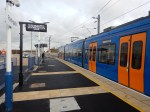

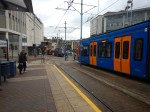
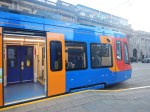
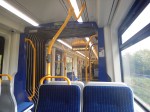
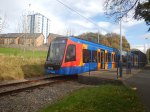
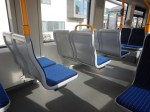
TStadler are also building Merseyrail’s new Class 777 trains, so I suspect they’ll go together like peaches and cream.
The Belgian firm; Van Hool have a product called Exquicity. This video shows them working in Pau in France.
These tram buses run on rubber types and are powered by hydrogen.
Similar buses running in Belfast are diesel-electric.
Could these be what the document refers to as trackless trams?
Battery Train Trials
The article finishes with this summary of the battery train trials. This is said.
Under the battery trials, financed by the Transforming Cities Fund, one of the new class 777 trains fitted with the battery technology was tested on the Northern line.
The batteries exceeded expectations with the trains travelling up to 20 miles per run without the need for re-charging.
The battery trains would remove the need for the third ‘electric’ rail, enabling the trains to travel beyond the existing network without major track investment.
The units passed all tests during four weeks of trials on the City Region’s rail network in May and June.
The Combined Authority and partners are still assessing the full impact of the Coronavirus pandemic on the programme and will provide more information regarding the roll out as soon as it has been agreed.
It looks to me, if all these plans get implemented successfully, Liverpool City Region will have one of the best public transport systems of any similar-sized cities in the world.
The Full Plan As A Map
This article on the BBC is entitled Battery-Powered Trains Part Of Merseyrail Expansion Plan.
The article contains this map.

There is no key or explanation, but it appears that the pink lines are new routes, where Merseyrail will run trains.
Before I discuss each of the possible routes, I will discuss two big factors, that will affect a lot of my thinking.
The West Coast Main Line
Avanti West Coast have the following stops in trains per hour (tph) at these stations on the West Coast Main Line as its trains pass the East of Merseyside to and from London Euston.
- Crewe – At least 5 tph
- Warrington Bank Quay – At least 2 tph
- Preston – At least 1 tph
These frequencies are in addition to these direct trains from London Euston.
- 1 tph to Liverpool Lime Street, which will rise to 2 tph in the December 2022, with a call at Liverpool South Parkway station.
- Occasional services to Chester throughout the day.
Passengers do not have to go via Liverpool Lime Street to travel to London.
In addition. there are useful services run by TransPennine Express between Liverpool Lime Street and Scotland, that call at Preston.
In Future; High Speed Two
This will call at Crewe, Liverpool Lime Street, Liverpool South Parkway, Preston and Warrington.
Northern Trains
Northern Trains were in all sorts of troubles and the service is now run directly by the Government’s Operator of Last Resort. I suspect that any reasonable offer to takeover over a service will be looked at favourably.
I will now look at Merseyrail’s new routes.
Ormskirk And Southport Via The Burscough Curve
Consider.
- This route has been a long term aspiration of Merseyrail.
- A curve between Burscough Bridge and Burscough Junction will have to be rebuilt on a former alignment.
- Southport and Ormskirk are about 13 miles apart.
- Southport and Ormskirk have third-rail electrified lines to Liverpool and the South.
It would be an ideal route for battery-electric trains with a range of 20 miles.
What would it do for passengers?
- It gives those living near five stations a direct link to Liverpool.
- It gives Southport a town of over 91,000 people more capacity to the city of Liverpool for jobs, leisure and shopping.
- Will it open up more opportunities for new housing in villages like Burscough?
It will certainly give Merseyrail operational advantages to Southport.
Ormskirk And Preston
Consider.
- Takeover of this Northern Trains route has been a long term aspiration of Merseyrail.
- Preston and Ormskirk are about 15.3 miles and 32 minutes apart.
- Omskirk has 750 VDC third-rail electrification and Preston has 25 KVAC overhead electrification.
- The Class 777 trains have been built so they can be updated to dual voltage.
It certainly looks to be a route that could be handled by a battery-electric Class 777 train.
What would it do for passengers?
- It gives those living near the Ormskirk and Preston Line a direct link to Liverpool.
- It creates a direct link in modern electric trains between North Liverpool and Preston, for onward travel on West Coast Main Line services and High Speed Two in the future.
- The journey time could be reduced to under thirty minutes.
As football is so important to the Liverpool economy, would a time around forty-five minutes between Preston and Sandhills station tempt football supporters going to Anfield and Goodison Park to use the train and then perhaps a trackless tram to the stadium?
This Google map shows the location of Anfield, Goodison Park and Sandhills station.
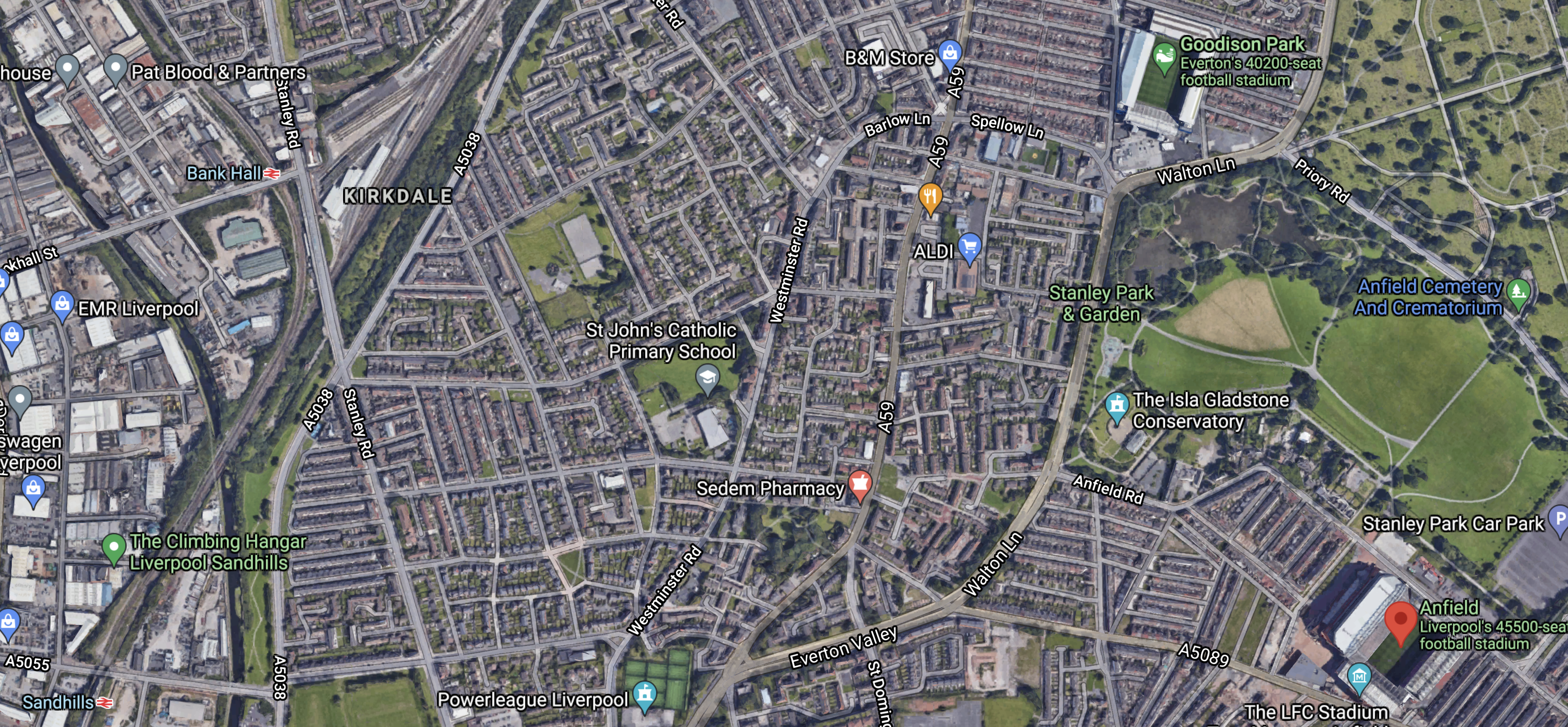
Note.
- Anfield is in the bottom-right corner of the map and is marked by a red arrow.
- Goodison is in the top-right corner of the map, slightly to the West of Anfield.
- Sandhills station is in the bottom-left corner of the map.
Both stadia are around a mile and a half from the station.
Southport And Preston
Once the Ormskirk and Southport and Ormskirk and Preston services are up and running, it would surely be possible to run a Southport and Preston service.
- There would be a reverse at Ormskirk.
- The two sections of Ormskirk and Southport and Ormskirk and Preston would both need battery power.
- Whilst the driver changed ends at Ormskirk, the train would be recharged using a fast and efficient charger.
- Times between Southport and Preston would be under an hour.
It certainly looks to be a route that could be handled by a battery-electric Class 777 train.
What would it do for passengers?
- It gives those living in Southport, a direct link to Preston.
- It creates a direct link in modern electric trains between Southport and Preston, for onward travel on West Coast Main Line services and High Speed Two in the future.
This service could be very valuable for passengers, but I suspect the route could be implemented with minimal infrastructure changes at Ormskirk station.
Ormskirk Station
This picture shows Ormskirk’s single platform from the Merseyrail end.
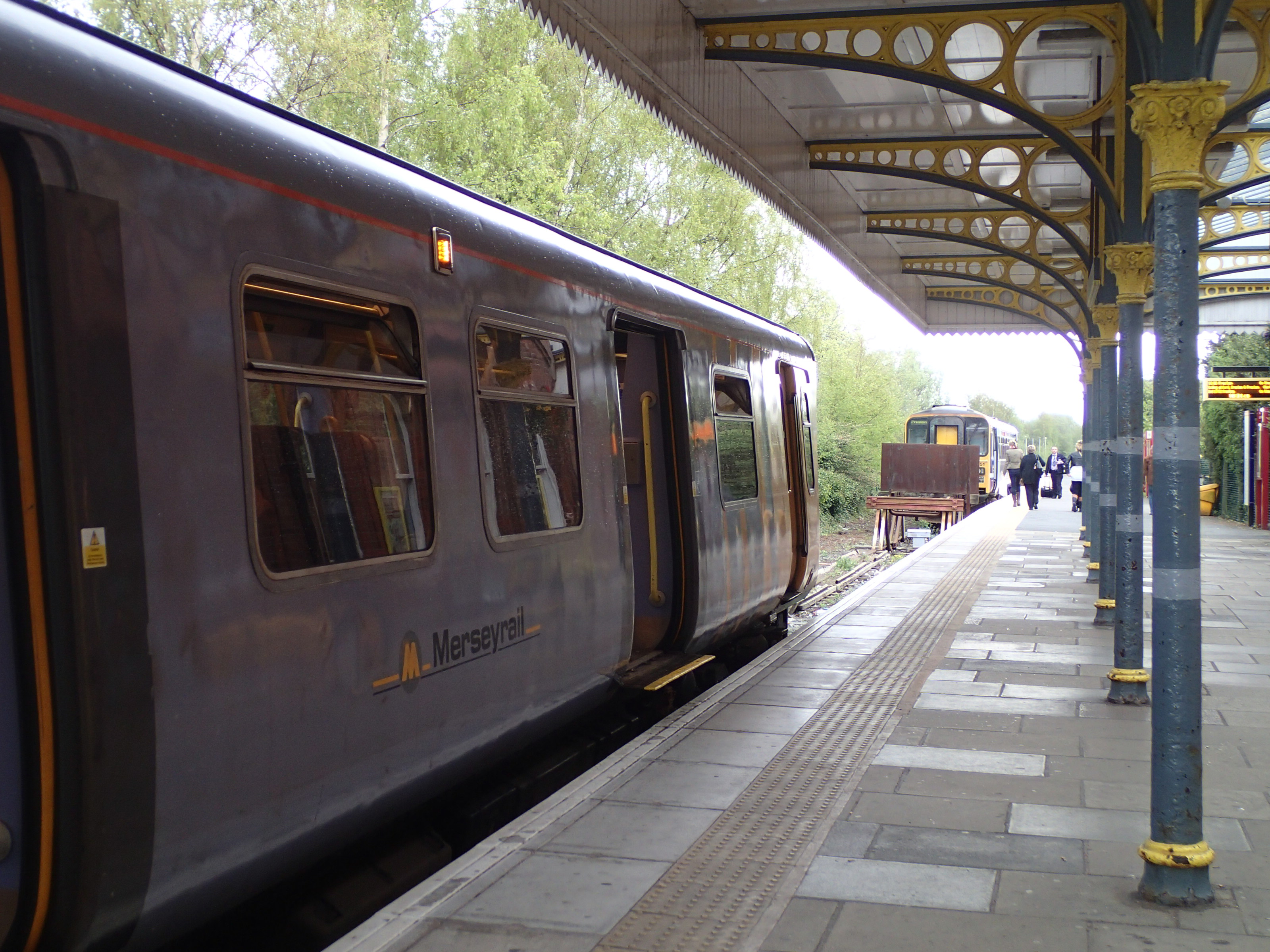
Note.
- The Liverpool train in the foreground.
- The Preston train in the background.
- The solid barrier between the trains.
I wonder if the following would be possible with the barrier removed.
- The long platform would be treated as one platform divided into two.
- Perhaps they will be the Liverpool and Preston/Southport platform,
- Trains that will leave the station for Liverpool will stop in the Liverpool platform.
- Trains that will leave the station for Preston or Southport will stop in the Preston/Southport platform.
- Through trains between Liverpool and Preston or Southport would be possible.
- A train between Preston and Southport could reverse in the Preston/Southport platform, whilst trains for Liverpool used the Liverpool platform.
It looks like it’s an efficient layout borrowed from somewhere else. and Stadler have probably seen it before.
Headbolt Lane Station
In Headbolt Lane Station Fly-Through, I described the new Headbolt Lane station.
This screen capture is from the video in that post,
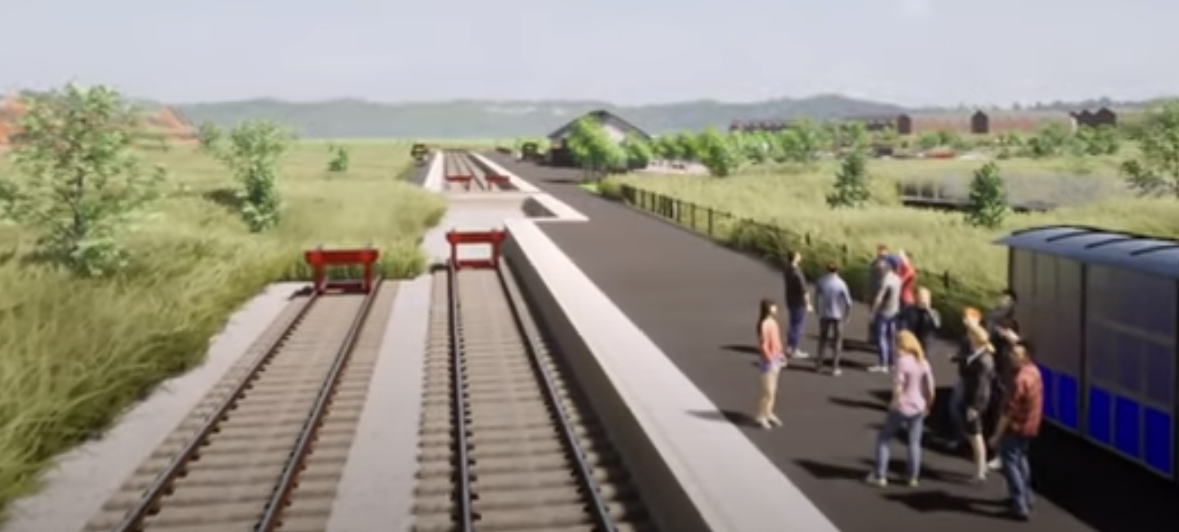
Note.
- Two platforms going away from the camera and one platform and what looks to be a siding going towards the camera.
- There appears to be no direct connection between the two different sets of tracks.
Until proven wrong, I believe that the camera is looking towards Liverpool, as it would mean that Liverpool services had two platforms. But they currently make do with one at Kirkby.
There is a walk through between the tracks, which
- Enables passengers to access the second platform.
- Allows passengers to enter the station from the other side.
- Allows non-passengers to cross the tracks on the level.
- Avoids the need to build a bridge.
It is certainly an innovative design.
If occasional trains need to go through, could there be a lift-out section of the walk-through?
But as there are buffer stops on the tracks in the three platforms, that are either side of the walk-through, I suspect it will never happen, as it’s too much hassle.
In the Wikipedia entry for Headbolt Lane station this is said.
The Liverpool City Region Combined Authority announced in July 2021 that a trial of a battery electric multiple unit (BEMU) version of the new Class 777 will serve the new station, when it opens. This will not require all of the line extension to Headbolt Lane to be electrified.
Merseyrail would appear to have neatly side-stepped, the Office of Road and Rail’s policy of no more third-rail electrification.
But I’m sure Merseyrail could put an approved train-charging system in the station.
- They would need one if a Class 777 train arrived with a flat battery.
- They would need one to charge trains on the Headbolt Lane and Skelmersdale service, if the service were to be run by battery-electric trains.
- They would need one to charge trains on the Headbolt Lane and Wigan Wallgate service, if the service were to be run by battery-electric trains.
The system could be based on a short length of overhead wire and a slim pantograph or a system like Railbaar from Furrer + Frey.
But does it give any clues as to the orientation of the station in the video?
- As there are three platforms and a siding, that meet at Headbolt Lane station, all could be fitted with chargers. to make sure the services are reliable.
- Liverpool services could be handled at either end, as it only needs one platform.
- Skelmersdale and Wigan services could probably share a platform, but they would be better surely using two platforms.
- The siding could be created into a platform for extra services to be added to the Merseyrail network
So there is no pressing reason, why the station cannot be North or South of the railway.
I suspect road layout and land use issues will eventually decide, the orientation of the station.
Headbolt Lane And Skelmersdale
Consider.
- This has been a long term aspiration of Merseyrail and Lancashire County Council.
- Headbolt Lane and Skelmersdale are just a few miles apart.
- Direct running between Liverpool and Skelmersdale will not be possible, but it will be a step-free change between trains.
The Wikipedia entry for Headbolt Lane station seems to indicate a proposed extension of the Northern Line with the next stop being the existing Rainford station. This would surely not add greatly to costs and bring Merseyrail to more fare-paying customers.
It certainly looks to be a route that could be handled by a battery-electric Class 777 train.
What would it do for passengers?
- Skelmersdale is a town of nearly 39,000 and is said to be one of the largest towns in England without a rail connection.
- At Headbolt Lane passengers will be able to change for Liverpool or Manchester.
A lot of passengers will have received a modern train service.
Headbolt Lane And Wigan
Consider.
- This service is currently run by Northern trains.
- Kirkby and Wigan Wallgate stations are just over twelve miles apart.
- Someone, who should know told me that by the time High Speed Two starts running through Wigan at a frequency of two tph, the two Wigan stations will have been combined.
- Headbolt Lane station could be the drop-off point for those needing to go to Birmingham, Edinburgh, Glasgow and London on both the current West Coast Main Line and the future High Speed Two.
What better way to start that journey than on one of Merseyrail’s battery-electric Class 777 trains.
What would it do for passengers?
With modern battery-electric trains linking Headbolt Lane station to the combined Wigan station complex, this route could be the zero-carbon route between large parts of Liverpool and cantres of tourism and employment along and to the East of the M6 and the West Coast Main Line.
Liverpool South Parkway And Warrington Central
Consider.
- This would be takeover of part of the current Liverpool Lime Street and Manchester Oxford Road service.
- The map shows the service going at least as far as Warrington Central station.
- Stations between Hunts Cross and Warrington Central include Halewood, Hough Green, Widnes, Sankey and the new Warrington West stations.
Distances are as follows.
- Liverpool South Parkway and Liverpool Lime Street – 5.5 miles
- Liverpool South Parkway and Warrington Central – 12.7 miles
- Liverpool South Parkway and Trafford Park – 25.4 miles
- Liverpool South Parkway and Manchester Oxford Road – 28.7 miles
The following sections of the route have 25 KVAC overhead electrification.
- Liverpool South Parkway and Liverpool Lime Street
- East of Trafford Park.
With a bit more electrification at either end, the whole route should be in range of a battery-electric Class 777 train.
Or the Class 777 trains could be fitted with bigger batteries!
It certainly looks to be a route that could be handled by a battery-electric Class 777 train.
What would it do for passengers?
- This is a route that has needed decent trains for years and has finally got new Class 195 trains.
- But, in addition, the battery-electric Class 777 trains would decarbonise the route.
The major problem, though is not infrastructure or trains, but surely Andy Burnham, who is the outspoken Mayor of Greater Manchester and could object to Merseyrail invading his patch.
Merseyrail’s Cheshire Ambitions
This is a section of the map shown on the BBC article, showing Cheshire.
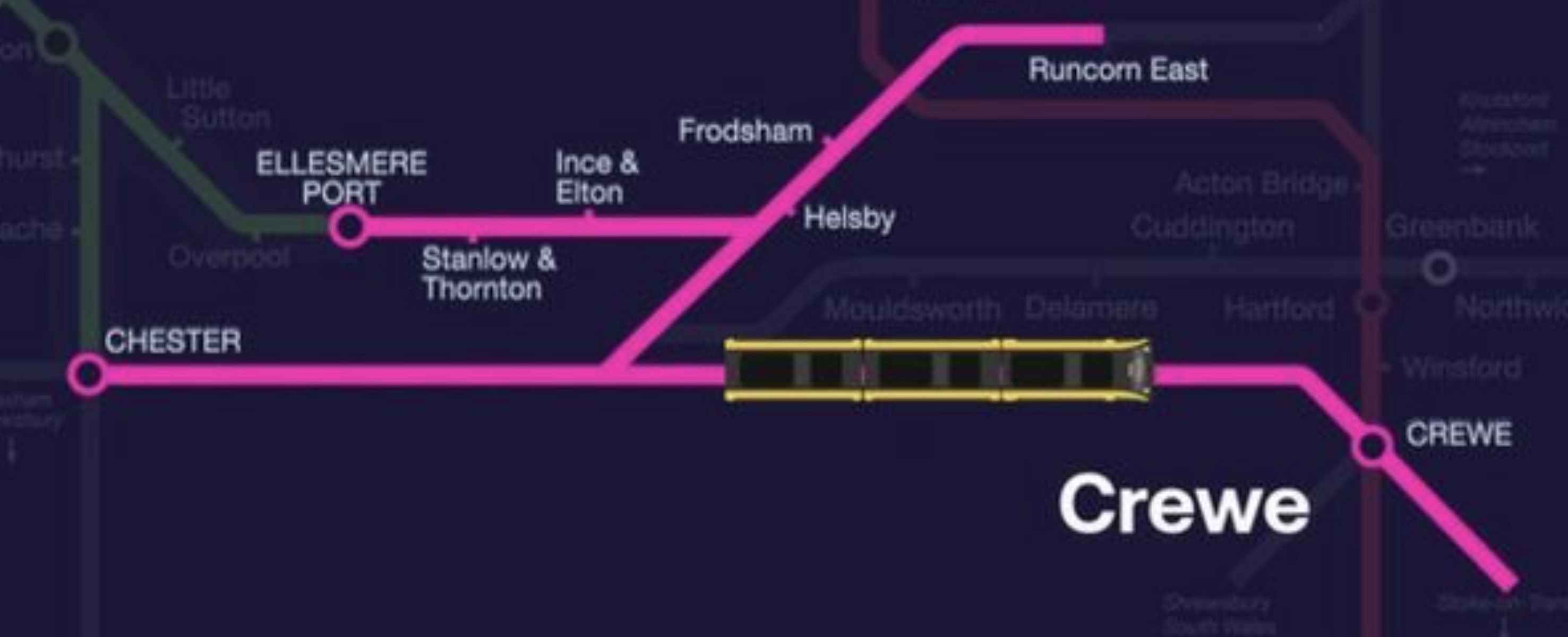
It looks like there could be as many as three routes.
- Chester and Crewe
- Chester and Runcorn East
- Ellesmere Port and Runcorn East
I’ll now cover the routes in detail.
Chester And Crewe
Consider.
- This would be a takeover by Merseyrail of the existing Trains for Wales service.
- Chester And Crewe are about 21,2 miles and 25 minutes apart.
- Chester has 750 VDC third-rail electrification and Crewe has 25 KVAC overhead electrification.
- The Class 777 trains have been built so they can be updated to dual voltage.
- There is a proposal, that Beeston Castle and Tarporley station be re-opened.
It certainly looks to be a route that could be handled by a battery-electric Class 777 train.
What would it do for passengers?
- If trains will run between Crewe and Liverpool, this creates a second route between the two major stations.
- It creates a direct link in modern electric trains between The Wirral and Crewe, for onward travel on West Coast Main Line services and High Speed Two in the future.
- The journey time could be reduced by enough to increase service frequency on the route.
I This would be a very useful extension of the Merseyrail network.
Chester And Runcorn East
Consider.
- This would be a takeover by Merseyrail of the existing Trains for Wales service.
- Chester And Runcorn East are about 13.1 miles apart.
- Two stations and five miles further on is Warrington Bank Quay station.
- Chester has 750 VDC third-rail electrification and Warrington Bank Quay has 25 KVAC overhead electrification.
- The Class 777 trains have been built so they can be updated to dual voltage.
It certainly looks to be a route that could be handled by a battery-electric Class 777 train.
What would it do for passengers?
- It would enable a Merseyrail circular route from Liverpool Lime Street to Chester via Edge Hill, Wavertree Technology Park, Broad Green, Roby, Huyton, Whiston, Rainhill, Lea Green, St Helens Junction, Warrington Bank Quay, Frodsham, Runcorn East and Helsby.
- After Chester, it could take the Wirral Line back to Liverpool to make it a true Mersey Circular service.
Would a Mersey Circular service be a good idea?
Ellesmere Port And Runcorn East
Consider.
- This been a long term aspiration of Merseyrail.
- This would be a takeover by Merseyrail of the infrequent Northern Rail service.
- Ellesmere Port And Runcorn East are about 10.8 miles apart.
- Two stations and five miles further on is Warrington Bank Quay station.
- Ellesmere Port has 750 VDC third-rail electrification and Warrington Bank Quay has 25 KVAC overhead electrification.
- The Class 777 trains have been built so they can be updated to dual voltage.
It certainly looks to be a route that could be handled by a battery-electric Class 777 train.
What would it do for passengers?
- It would certainly improve rail transport along the South Bank of the Mersey from Ellesmere Port to Warrington Bank Quay or Runcorn East depending on the Eastern terminus.
- If the terminal were to be Warrington Bank Quay that would sort out the charging.
- It could create a direct link in modern electric trains between Ellesmere Port and Warrington Bank Quay, for onward travel on West Coast Main Line services and High Speed Two in the future.
I feel that an Ellesmere Port and Warrington Bank Quay service would be good for the area.
The Borderlands Line
I’ve left the Borderlands Line to last, as I feel it will be a lot more than commuter and leisure line between Liverpool and Wrexham.
- It crosses the border between England and Wales
- The line is 26.9 miles of double track, with a single-track extension of under two miles between the two Wrexham stations.
- It has over twenty stations with more planned in both countries
- It crosses a couple of rivers on long steel bridges.
- It brings commuters to Liverpool and takes workers to the high-tech factories of companies like Airbus and Toyota on Deeside.
- It connects to a lot of golf courses, one of which is the Open Championship course at Royal Liverpool.
- Once in Wales it has two connections to the North Wales Coast Line, which runs between Chester and holyhead.
It is no ordinary railway and is ripe for improvement to bridge passengers to employment sites and leisure areas along its route.
The line has one big problem in that passengers need to change trains at Bidston between Liverpool and Wrexham stations.
- Between Bidston and Liverpool the Merseyrail electric trains to and from Hoylake are used and they turn in the Liverpool Loop under Liverpool City Centre calling at four stations before returning.
- Between Bidston and Wrexham, diesel multiple units are used.
It is a route design straight out of the 1970s of men with minds without imagination. Even British Rail were designing battery-electric trains in the 1950s, which I wrote about in Did The Queen Ever Ride In This Train?.
Merseyrail intend to right the wrongs of the past using battery-electric Class 777 trains.
- As electric versions of these trains will be used on the Liverpool and Hoylake service, there would be no need to change trains at Bidston if the Liverpool and Wrexham trains were just a battery-electric version of the same train.
- The Wrexham trains would drive round the Liverpool Loop tunnel as hundreds of trains do every day.
- The trains would be charged on the existing third-rail electrification at the Liverpool end.
- I’m fairly certain that a frequency of two tph would be possible on the route, if the Liverpool Loop tunnel signalling could cope,
- Trains would need to be charged at the Wexham end of the route and I’m sure Stadler have a solution.
It would be an efficient and cost effective way to decarbonise a tricky but useful branch line.
Conclusion
Stadler are playing their full orchestra of ideas on Merseyrail.
When completed, it will be one of the best metros of any urban areas up to a million people in the world.
This metro could do for Liverpool, what the Beatles did for the city in the 1960s.
 The Anonymous Widower