Easter Disruption For Europe’s Busiest Train Line
The title of this post, is the same as that of this article on the BBC.
This is the sub-heading.
Thousands of Easter train journeys will be disrupted by a six-day shutdown on the West Coast Main Line (WCML).
These two paragraphs add more details.
Engineering work means no intercity services will run between London Euston and Milton Keynes from Good Friday to Wednesday, 8 April, Network Rail said.
The Easter work is part of a £400m project to boost reliability, which WCML said was Europe’s busiest railway line used for passenger and freight trains.
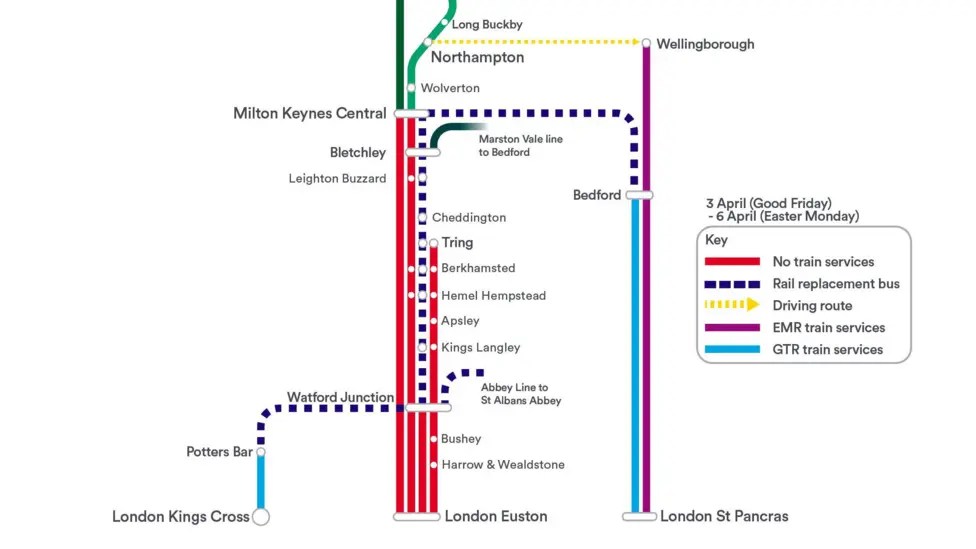
This graphic from London Northwestern Railway, shows the Rail Replacement Bus routes around the blockade.
Note.
- There are no trains South of Milton Keynes Central
- There is a Rail Replacement Bus between Milton Keynes Central and Bedford.
- There is a Rail Replacement Bus between Milton Keynes Central and Watford Junction
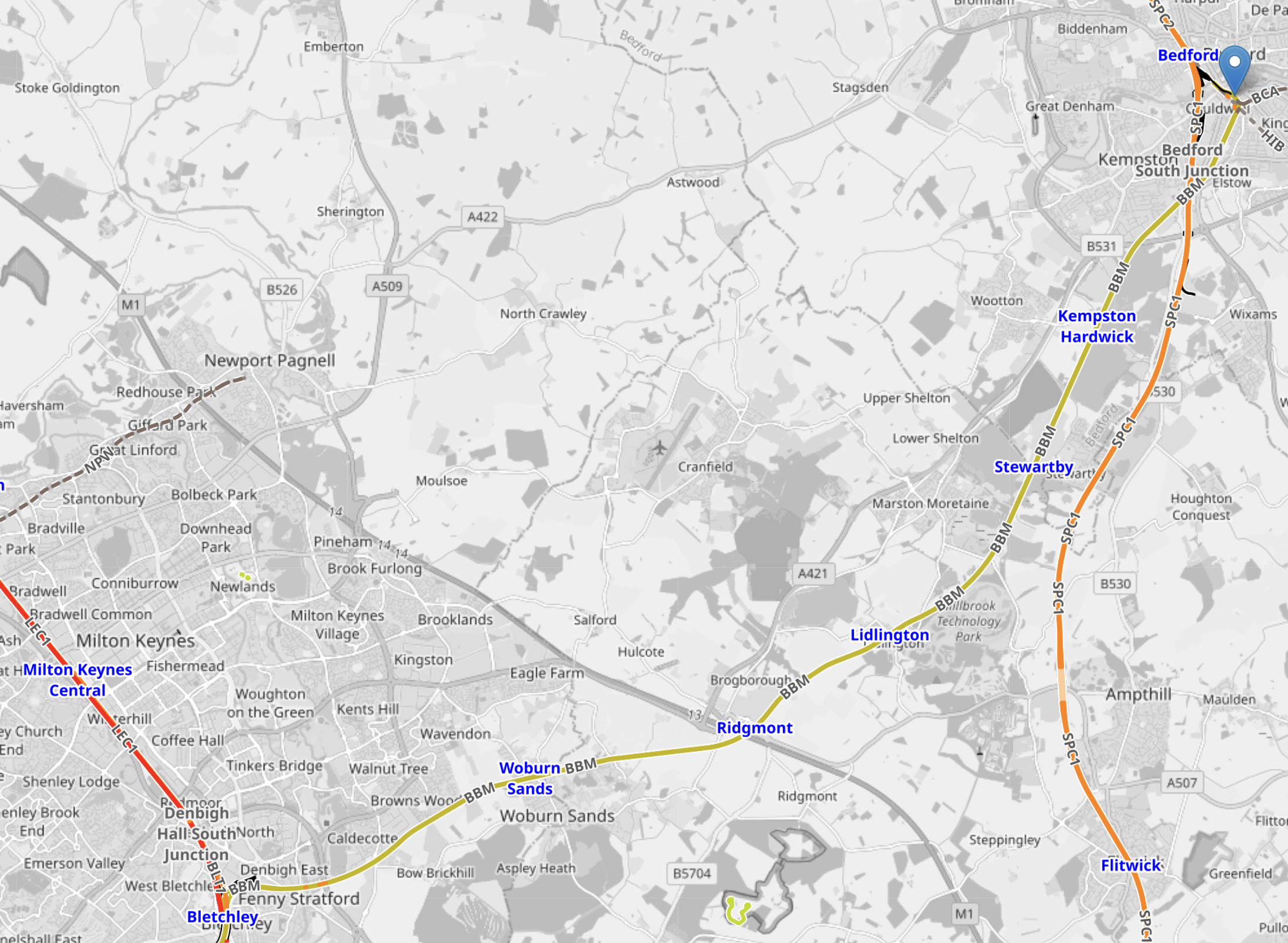
This OpenRailwayMap , shows the Marston Vale Line between Milton Keynes Central and Bedford.
Note.
- The two Bedford stations ; Bedford and Bedford St. Johns are in the North East corner of the map.
- Milton Keynes Central station is on the Western edge of the map.
- The Marston Vale Line, which is shown in yellow, links Milton Keynes Central and the two Bedford stations.
- The track shown in red, going through Milton Keynes Central is the West Coast Main Line.
- The track shown in orange, going North South through Bedford is the Midland Main Line.
- The Midland Main Line appears to be running normally between Bedford and St. Pancras. This is according to Real Time Trains.
- The Marston Vale Line should be running new Class 196 trains, but it is not due to a door opening dispute with the trains.
- The Marston Vale Line appears to be running normally between Milton Keynes Central and Bedford. This is according to Real Time Trains.
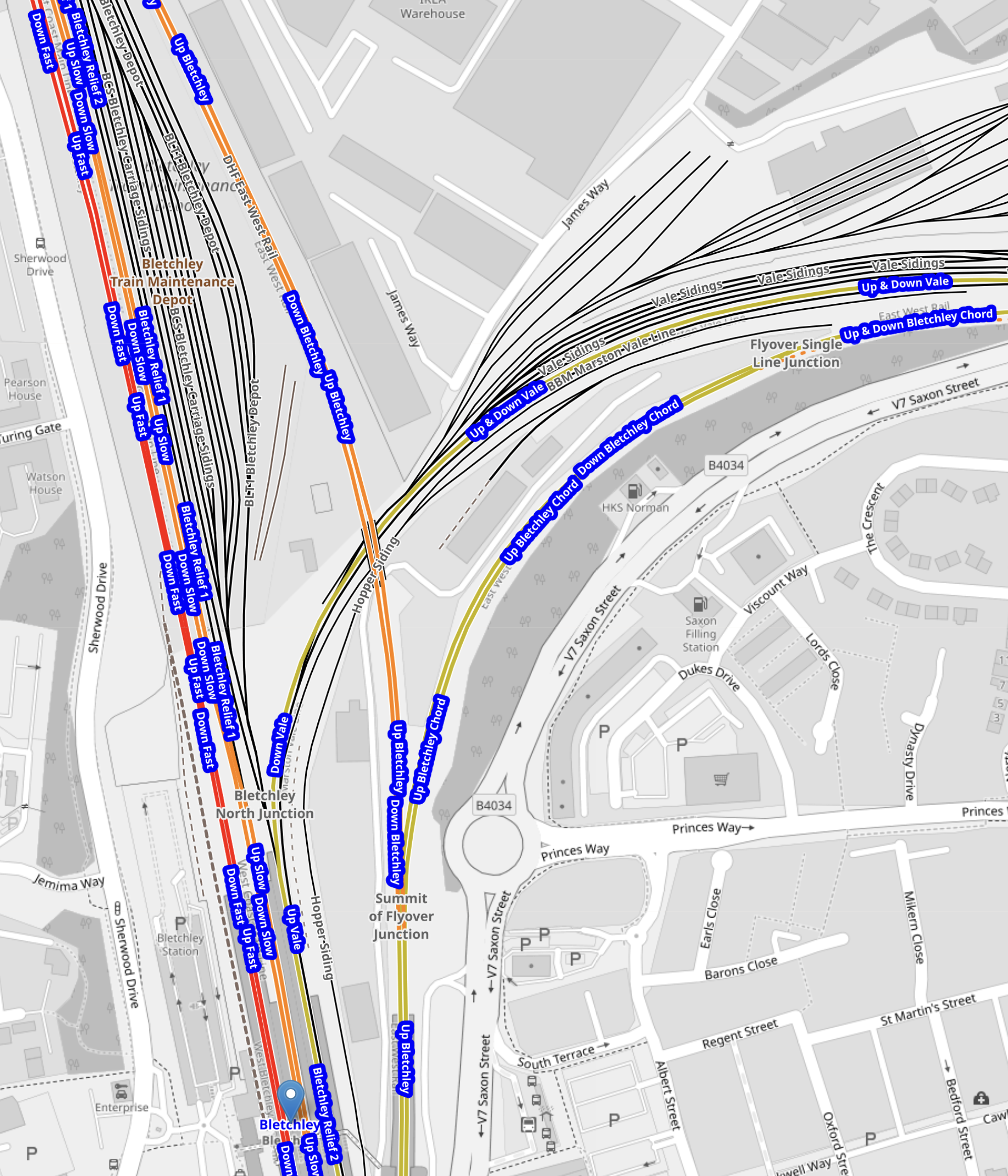
This OpenRailwayMap shows Bletchley station and the flyover on the East side of the station.
Note.
- The West Coast Main Line is on the West side of the map.
- Bletchley station is indicated by the blue arrow at the bottom of the map.
- To the East of the station is Bletchley flyover, which is labelled “Summit of Bletchley Flyover.
- The flyover splits with one branch going North to Milton Keynes and the other East to Bedford.
It does appear, that no train can go between Milton Keynes Central and Bedford stations, without a reverse at Bletchley station.
But you can go between Milton Keynes Central and Oxford stations, without a reverse at Bletchley station, as you stop on the flyover.
To check, I read the tracks right, I asked Google AI, “Can Trains Go Between Bedford And Milton Keynes Central Without A Reverse At Bletchley and received this answer.
Currently, no. Trains running between Bedford and Milton Keynes Central cannot bypass a reversal (reversing direction) at Bletchley because the Marston Vale line terminates at Bletchley station. Trains must enter Bletchley and then change direction to join the West Coast Main Line to reach Milton Keynes Central.
Key Details:
Current Routing: The Marston Vale line connects Bedford and Bletchley. Services from Bletchley to Milton Keynes Central operate as a separate connection.
The Reversal: Passengers currently must change trains or experience a driver change/reversal at Bletchley to continue.
Future Changes: The East West Rail project aims to improve these connections, but as of early 2026, the direct link remains through Bletchley.
Conclusion
Does this explain, why there is a Rail Replacement Bus rather than a shuttle train between Bedford And Milton Keynes Central stations?
Will Hydrogen Buses and Coaches Make Good Rail Replacement Buses?
My near-twenty-mile-ride in a Wrightbus hydrogen-powered bus yesterday, got me thinking.
I believe they would make excellent Rail Replacement Buses.
- The 280 mile range would allow them to both deploy over a l long distance to an incident or cover over a hundred miles or more.
- The quality of the interior is more main line train, than suburban bus.
- Every seat has a charging point.
- The performance of the hydrogen-powered bus, should mean that less time is lost and less compensation will be paid.
- This performance could be used to advantage if the rail line being replaced is alongside a motorway.
I feel it could be good PR for train companies, that they are using quality, fast Rail Replacement Buses.
London Bridge And West Croydon By London Overground
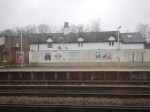
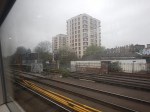
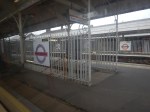
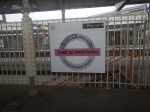
This morning, I took a London Overground train between London Bridge and West Croydon stations.
I took these pictures on the route.


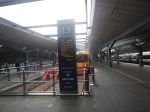
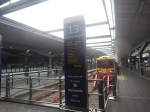
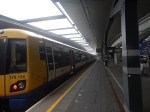




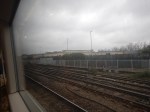
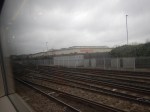

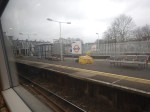
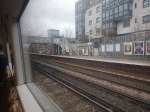
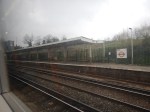
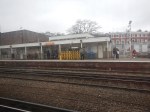
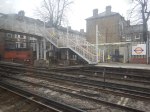
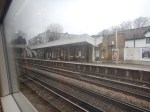
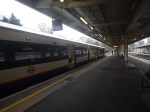
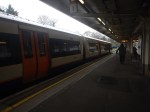
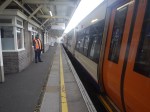

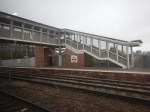
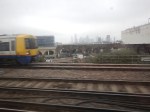
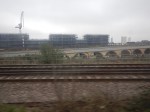
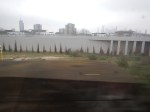


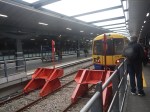
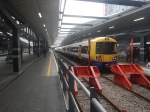
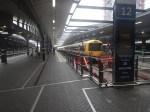
Note.
- It appears there are no London Overground services running through the Thames Tunnel.
- The only service in South London is two trains per hour (tph) between London Bridge and West Croydon stations.
- The service seemed to be working well, with no significant delays.
- The 10:24 from London Bridge wasn’t very busy, but the return at 11:03 was very crowded and there were no spare seats.
It was certainly better than a Rail Replacement Bus.
These are some further thoughts.
Could West Croydon Station Handle Six Trains Per Hour?
- West Croydon station has a bay platform 1, that handles all the London Overground services.
- Typically, a train leaves the platform about 8-9 minutes after it arrives.
- 6 x 8 is 48 minutes.
It would be tight, but possible.
Before the bay platform was extended, trains used to reverse using a turnback facility to the West of the station, which I described in How Trains Reverse At West Croydon. As this facility appears to be still there, it can probably act as a substitute bay platform for London Overground trains, if the service gets disrupted.
If in the future, it was decided to have a service, which ran say 4 tph to Highbury & Islington station and 2 tph to London Bridge station, I believe this would be possible.
Were Transport for London Training Drivers?
One or possibly both of the trains, that I rode had two drivers.
This is not unusual, but one of the drivers was wearing a Southern Day-glo vest.
So was he instructing the London Overground driver on the route, that the London Overground, doesn’t normally use?
Charging Battery-Electric Trains At London Bridge Station
This Google Map shows the roof of London Bridge station over platforms 10-15.

Note.
- The three gaps in the roof are above platforms 10-15.
- There are roof supports over the tracks.
- Platforms 10 and 11 are at the top, platforms12 and 13 are in the middle and platforms 14 and 15 are at the bottom.
My train used Platform 13 as these pictures show.
Note the roof supports over the tracks.
If the Uckfield or another service needed to be run by battery-electric trains, the trains might need to be charged at London Bridge station, as there may be issues charging using third-rail electrification.
These pictures show rigid overhead conductor rails over the Thameslink platforms at St. Pancras station.
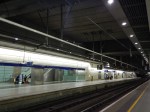
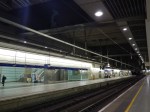
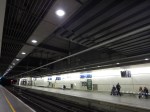
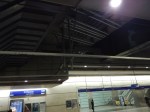
Could rails like these be installed over some or all of the bay platforms to London Bridge station, so that battery-electric trains could be charged?
- If the battery-electric trains were converted Class 377 or Class 387 trains, these are available as dual-voltage.
- Uckfield services use Platform 10 at London Bridge station.
- A round trip to Uckfield station is only 2 x 24.7 miles or 49.4 miles of unelectrified track.
- Short lengths of 25 KVAC overhead electrification could be installed at Uckfield station and the bay platform at Oxted station if needed.
A dual-voltage battery-electric train with a range of say just over 50 miles could handle Uckfield services.
Eurostar Cancels All Today’s Trains After Tunnel Floods
The title of this post, is the same as that of this article on the BBC.
This is the sub-heading.
Eurostar has cancelled all of Saturday’s services to and from London St Pancras due to flooding in a tunnel under the River Thames, throwing new year travel into chaos.
These are the first two paragraphs.
This morning, Eurostar said it hoped later services could run but it has now cancelled all 41 trains.
All Southeastern’s high-speed services to Ebbsfleet, which use the same line, have also been cancelled.
I know the tunnel shouldn’t flood, but Eurostar don’t seem to have an adequate emergency plan to keep things moving, when it does.
The plan would obvious depend on where and what the problem was, but if something goes wrong at the London end of High Speed One, then surely the remaining infrastructure should be used to run an emergency service.
With flooding in the tunnel between Stratford International and Ebbsfleet International, trains could only run as far as Ebbsfleet, but surely an hourly shuttle could be run between Ebbsfleet and both Brussels and Paris.
The problem would surely be getting travellers between St. Pancras and Ebbsfleet International.
- There can be no trains between Central London and Ebbsfleet International, as the tunnel is flooded and can’t be used.
- Rail replacement buses would be difficult to organise at such short notice.
- I doubt rail replacement buses could be run from St. Pancras station, as traffic is generally solid in the area of the station at all times.
The nearest station to Ebbsfleet International is Northfleet station, which has four trains per hour (tph) to and from London; two each to St. Pancras and Charing Cross.
I have walked between Ebbsfleet International and Northfleet stations, but in times of disruption, I’m sure buses operating a shuttle would be better.
The Wikipedia entry for Northfleet station, explains, why the pedestrian link has not been built, in this paragraph.
The station is very close to Ebbsfleet International station (the NNE entrance is only 334 yards (305 m) from Northfleet’s station), but passengers (using public transport) will find it far easier to access Ebbsfleet International from Gravesend or Greenhithe, as these stations are more accessible and offer easy access to Fastrack bus services. The walking route between the two stations is 0.6 miles (1 km) or 0.8 miles (1.3 km) and a suitable pedestrian link has not been built because of funding issues and objections from Land Securities.
Perhaps after the pantomime this Christmas, the connection will be improved.
So4’s Law will probably mean, that if it is built, it will only be used by travellers and those working at Ebbsfleet International station for whom it is more convenient.
Wales’ Inaugural Hybrid Train Service Launches On The Borderlands Line
The title of this post, is the same as that of this article on Rail Technology Magazine.
These are the first two paragraphs.
Today marks a historic day for the Welsh rail sector, seeing the introduction of the first battery-hybrid trains used in regular passenger service on the Borderlands Line between Wrexham and Bidston, as announced by Transport for Wales (TfW).
The inaugural service for the Class 230 trains left Wrexham Central at 07:31, following months of testing and crew training.
Unfortunately, it didn’t go very well, as some trains were late and there were several rail replacement buses and cancellations.
I’m afraid, Vivarail’s ambitious project is starting to look like a heroic failure.
Could Stadler Rescue The Borderlands Line?
Perhaps the solution for the Borderlands Line, which is only 27.5 miles each way, is to ask Stadler for an estimate to extend Merseyrail’s Class 777 trains to Wrexham Central station.
- Trains would use battery power between Bidston and Wrexham.
- Passengers would not need to change trains to go between Liverpool and Wrexham.
- Trains would go round the rail loop under Liverpool, where they would charge their batteries.
- There may need to be some form of charging in Wrexham.
I’m sure the good people Merseyside and North Wales wouldn’t object, but the politicians in Cardiff might!
The UK-Wide Need For Self-Powered Trains
Consider.
- The UK needs a substantial number of two-, three- and four-car self-powered trains.
- A proportion of these trains will run on partially-electrified routes.
- 100 mph trains would be preferable.
- Some routes would need trains capable of using third-rail electrification.
They are also needed urgently.
Will Mark 3’s Save The Day?
Consider.
- The only Mark 3 electric multiple units still running or in a state good enough to be converted are the thirty-four three-car Class 320 trains and perhaps fifty four-car Class 321 trains.
- Class 317 and Class 318 trains are probably too old to convert.
- A Class 319 train is a very inferior train from a passengers point of view to the Class 321 Renatus.
As some of these like the thirty Class 321 Renatus have been refurbished and given AC transmissions, it might be a good idea to build a few prototypes and try them out on various routes to assess their quality, reliability and performance.
But this route would only give about eighty three- and four-car trains.
It wouldn’t supply any two-car trains.
Sadly, the twenty-four two-car Class 456 trains, which could have been converted have all been recently scrapped.
Are There Any Other Trains That Can Be Converted?
There are several fleets of modern trains, that might be available.
- Four-car Class 350 trains
- Four-car Class 360 trains
- Four-car Class 379 trains
- Four-car Class 386 trains
There may also be some three- and four-car Bombardier Electrostars.
Again, there is a shortage of two-car trains, except for thirty-nine Class 466 trains.
- They are Networkers.
- They were built in the 1990s.
- They were refurbished ten years ago.
- They are third-rail trains.
- They are not in bad condition.
- Their operating speed is only 75 mph.
But they would probably be a hard train to convert and would only be a stopgap.
Conclusion
I am led to the conclusion, that there is a large gap in the UK rail network for a two-car train with this specification.
- Battery-electric operation.
- 100 mph operation
- Battery range of at least eighty miles.
- Quality interior.
- Ability to run on 25 KVAC overhead and/or 750 VDC third-rail electrification.
- Ability to add a third-car in the middle to create a three-car train.
Effectively, they would be a replacement for the Class 170 diesel trains.
London’s New 733 Bus Route
London has a new 733 bus route, that runs between Moorgate and Oval stations.

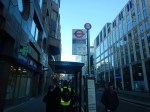
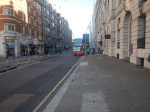
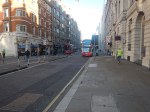
Transport for London do seem to have rounded up some better quality buses, to double for the Northern Line during the close at Bank station.

