Cardiff Queen Street And Cardiff Bay Stations – 24th March 2026
After I’d visited Caerphilly station, which I wrote about in Cardiff And Caerphilly – 24th March 2026, I went to look at Cardiff Queen Street And Cardiff Bay stations.
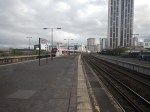
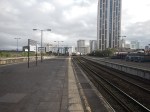
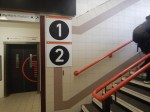
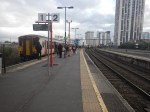
I took these pictures.

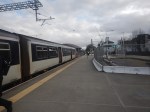


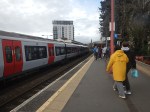
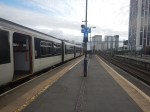
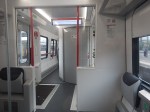
Note.
Cardiff And Caerphilly – 24th March 2026
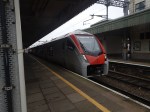
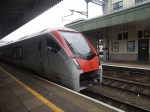
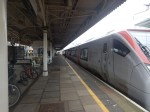
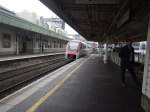
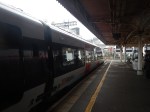
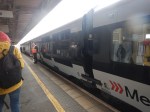
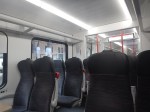
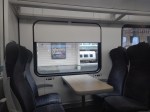
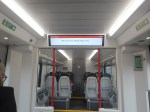
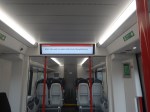
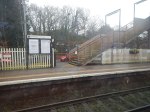
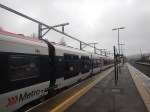
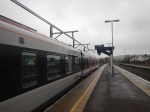
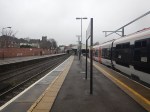
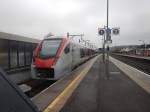
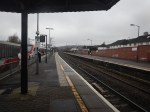
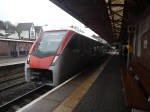
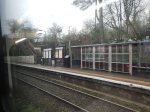
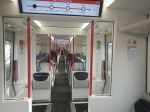
I took this pictures, as I rode up the Rhymney Valley from Cardiff to Caerphilly.
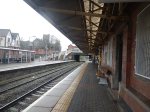
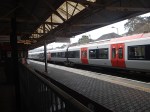
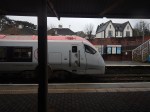
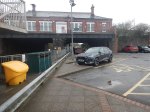
Note.
- The trains I took up and down the valley were both Class 756 tri-mode trains.
- My train reversed to Penarth in Platform 1.
- I think they were running using the diesel power in the power pack.
- There is an overhead conductor rail in Platform 1 at Caerphilly station to charge trains.
- The electrification North of Caerphilly station can be seen through the bridge in one of the pictures.
- Platforms 2 and 3 are not electrified.
I think Caerphilly station is a very neat electrification layout for occasional charging of battery-electric or tri-mode trains.
I have some specific thoughts.
What Have Caerphilly And St. Pancras Thameslink Stations Got In Common?
These pictures show the rigid conductor rail through St. Pancras Thameslink station.
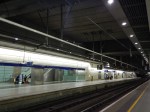
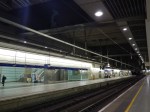
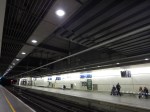
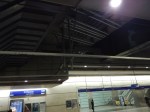
It looks remarkably similar to that in Platform 1 at Caerphilly station.
Judge in this picture.
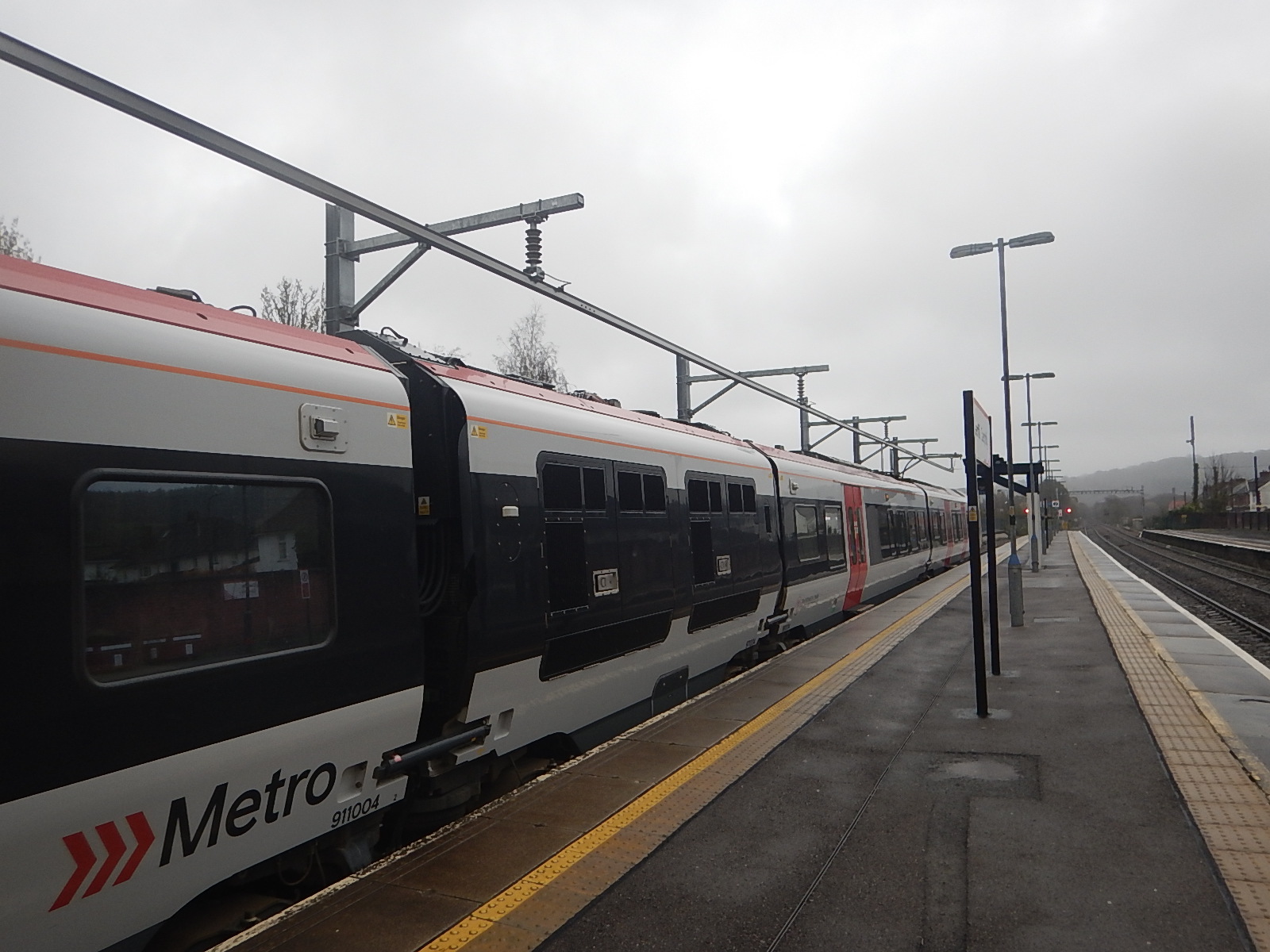
The rails are probably out of the same Swiss electrification maker’s parts bin.
Both look equally professional with an I-section conductor, which could be aluminium, as it is lightweight and a good electrical conductor.
Google AI finds this.
The I-beam overhead conductor system used in St. Pancras Thameslink station is made of a hollow extruded aluminium profile. This system, known as a conductor beam, holds a conventional copper contact wire, providing a rigid, low-profile alternative to traditional overhead wires.
Key details:
Material: Extruded aluminium profile.
Structure: Hollow, designed to hold an un-tensioned, conventional copper contact wire.
Application: Developed by Balfour Beatty to reduce the required depth of overhead line equipment.
Installation: Often installed in a sinusoidal wave to ensure consistent wear on the pantograph.
This technology is used in areas with restricted overhead space, such as tunnels and some modern station approaches, to manage 25kV AC electrification.
It looks like it’s been used to provide a charging rail in Caerphilly station.
Is The Conductor Rail In Platform 1 Used To Create A Continuous Electrical Connection Around Caerphilly Station?
Look at this OpenRailwayMap, which shows the completed electrification through Caerphilly station.
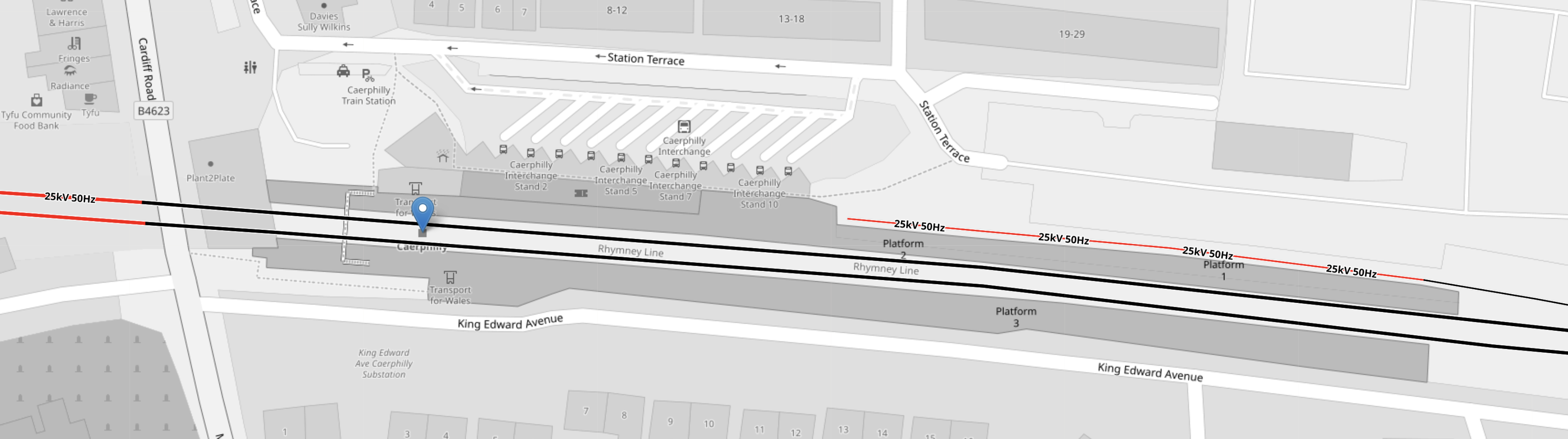
Note.
- Red tracks are electrified.
- Black tracks are not electrified.
- Caerphilly station is indicated by the blue arrow.
- The electrification continues to the Western end of the station.
- The two main platforms 2 & 3 are not electrified.
- The bay platform 1 is electrified to charge trains for return to Cardiff.
- Class 756 tri-mode electric-diesel-battery trains are already in service.
- There appears to be a comprehensive bus interchange.
The power for Platform 1 could come from the electrification at the Western end of the station.
I wouldn’t be surprised that the Rhymney Line will be fed with electricity at the heads of the valleys and it is fully-connected down to Cardiff to give a secure electrical connection.
Will Welsh Wind Power From The Heads Of The Valleys Be Used To Power The Cardiff Valley Lines?
To start with, as I know it can be blowy there, I asked Google AI, this question.
“Is Onshore Wind Planned At The Heads Of The Valleys In South Wales?”
I received this answer.
Yes, there is significant onshore wind energy development planned and in progress along the Heads of the Valleys area in South Wales. This region, encompassing areas like Merthyr Tydfil, Blaenau Gwent, and northern Rhondda Cynon Taf, is part of a broader push to increase onshore wind capacity in Wales, with many projects located on Natural Resources Wales forestry land.
Key Developments and Proposed Projects (2025-2026):
Trydan Gwyrdd Cymru: The Welsh government-owned developer has selected sites in South Wales for new, large-scale wind farms intended to be operational by 2040.
Carreg Wen Wind Farm: A planned 18-turbine project located between Aberdare and Maerdy (Rhondda Cynon Taf), near the Hirwaun/Heads of the Valleys area.
Hirfynydd Renewable Energy Park: A proposed project located on the Hirfynydd mountain range between Seven Sisters and Banwen, north of Neath, near the western end of the Heads of the Valleys.
Mynydd Llanhilleth and Trecelyn Wind Farms: Projects in the pre-application or planning stages by Pennant Walters in the Blaenau Gwent area.
Abergorki Wind Farm: A consented three-turbine project on Mynydd Maerdy (Rhondda Cynon Taf) with construction scheduled for 2026.
Operational Context:
Pen y Cymoedd: Already operational and currently the largest onshore wind farm in England and Wales, situated in the hills above the upper Neath, Afan, Rhondda, and Cynon Valleys.
Grid Infrastructure: Proposed new substations, such as one near Hirwaun (Rhondda Cynon Taf), are intended to connect these new projects to the national grid.
These developments are part of a target to generate 70% of Wales’ electricity from renewable sources by 2030, with a focus on areas previously identified as suitable for large-scale wind development.
Note.
- Pen y Cymoedd is the largest onshore wind farm in Wales and England, with an installed capacity of 228 MW.
- With the right size of battery, I’m fairly sure, that this wind farm could go a long way to powering the Cardiff Valley Lines.
- Carreg Wen Wind Farm is planned to be 108 MW wind farm.
- Hirfynydd Renewable Energy Park is planned to be a 100 MW hybrid development of wind turbines and solar with a battery.
- Mynydd Llanhilleth is planned to be a 48 MW wind farm.
- Trecelyn is planned to be a 20 MW wind farm.
- Abergorki is planned to be a 13 MW wind farm.
The total of new developments is 389 MW, which is about the same size as a Rolls-Royce SMR.
How Green Are The Valley Lines?
This news item from Transport for Wales is entitled 100% Electrification Of The Core Valley Lines Complete.
This is the sub-heading.
Transport for Wales has completed the full electrification of the Core Valley lines, at the heart of the South Wales Metro, delivering one of Wales’ most ambitious rail infrastructure transport projects.
These two paragraphs describe the current status.
Dubbed the ‘Welsh Tube’, the £1bn project brought electric tri-mode trains to the South Wales Valleys for the very first time in 2024. This spring, TfW will introduce the first of its 36 fully electric Class 398 tram-trains. The new fleet will initially operate between Pontypridd and Cardiff Bay, providing greener, more frequent services as part of the South Wales Metro.
Passengers are already benefitting from these improvements with the Core Valley lines being one of the most punctual and reliable networks in Great Britain over the past 6 months.
This OpenRailwayMap shows the electrification in the Cardiff area.
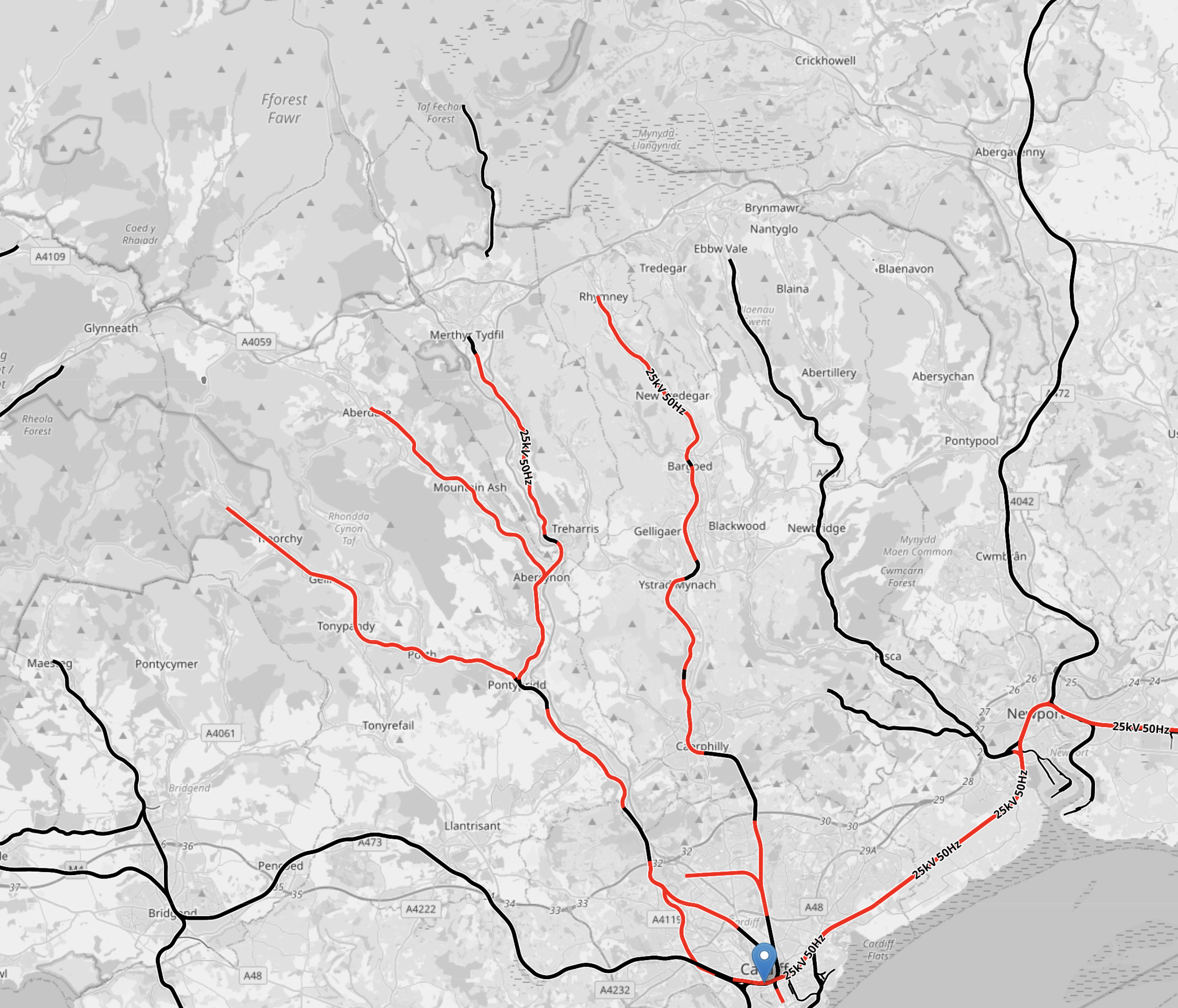
Note.
- Red tracks are electrified.
- Black tracks are not electrified.
- Cardiff station is indicated by the blue arrow.
- The black track going West from Cardiff is the South Wales Main Line to Llantrisant, Bridgend, Port Talbot and Swansea.
- The red track going East from Cardiff is the South Wales Main Line to Newport, the Severn Tunnel, Bristol Parkway, Reading and London.
- The lines going North up the valleys are from the West to Maesteg, Treorchy, Aberdare, Merthyr Tydfil, Rhymney and Ebbw Vale.
- The most Easterly line is the Newport and Hereford Line.
I will now look at some of the electrification.
Caerphilly Station
Caerphilly statition is on the Rhymney Line.
In June 2018, I wrote Caerphilly Station and took these pictures of the station.
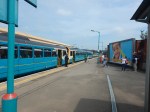
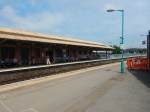
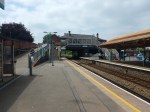
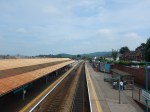
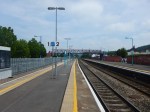
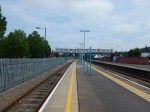
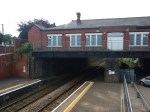
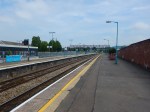

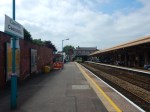
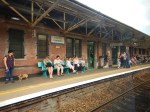
At the time, I considered it a difficult station to electrify.
This OpenRailwayMap shows the completed electrification through Caerphilly station.
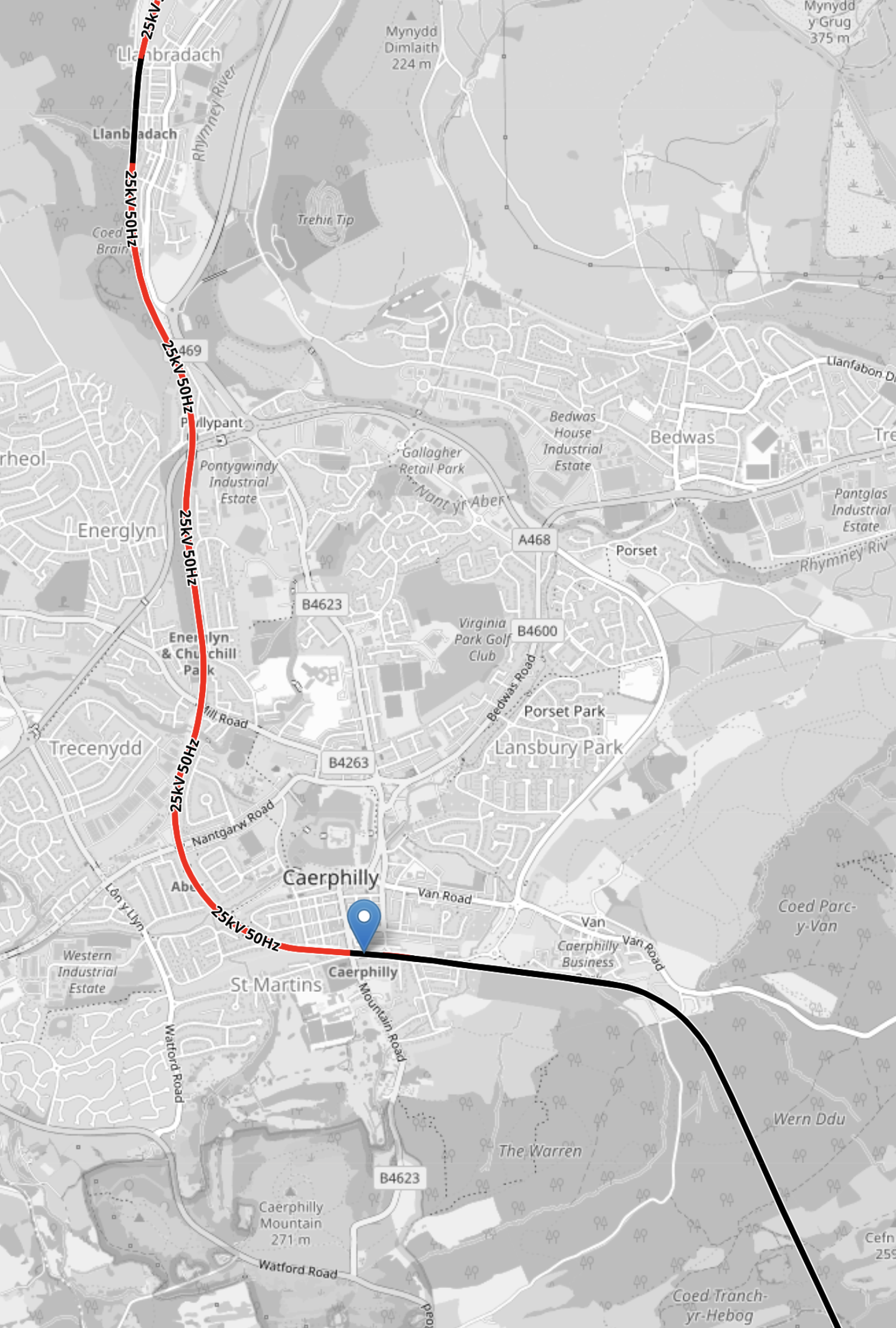
Note.
- Red tracks are electrified.
- Black tracks are not electrified.
- Caerphilly station is indicated by the blue arrow.
- Tracks to the North of Caerphilly are electrified.
- Tracks to the South of Caerphilly are not electrified.
- The electrification layout allows station with its two bridges and the 1784 metre Caerphilly Tunnel to the South of the station, to be unwired.
- There appears to be another section of plain track to the North of Caerphilly.
This second OpenRailwayMap shows the completed electrification through Caerphilly station.
Note.
- Red tracks are electrified.
- Black tracks are not electrified.
- Caerphilly station is indicated by the blue arrow.
- The electrification continues to the Western end of the station.
- The two main platforms 2 & 3 are not electrified.
- The bay platform 1 is electrified to charge trains for return to Cardiff.
- Class 756 tri-mode electric-diesel-battery trains are already in service.
- There appears to be a comprehensive bus interchange.
Major Revamp Of Wales’ Busiest Station Gets Go-Ahead
The title of this post, is the same as that of this article on the BBC.
This is the sub-heading.
Plans for a major revamp of Wales’ busiest railway station have received final approval.
These three paragraphs add more details.
The £140m upgrades to Cardiff Central – including a new brick arch rear entrance, larger concourse and improved waiting areas – aim to support passenger growth and reduce overcrowding.
Better accessibility for people with reduced mobility and additional retail and cycle facilities are also among the changes.
Work is due to start in the middle of next year with the aim of completing most of it within three years.
Note.
- The new entrance on the south side of the station, was opened in September 2015.
- A new Platform 8 was added in 2017, which allows sixteen local trains per hour to run between Cardiff Central and Cardiff Queen Street stations, to serve the twenty railway stations in the city.
- All platforms are bi-directional, which surely improves the flexibility of the rail network in Cardiff City centre.
- Access from the station to the Principality Stadium has improved greatly in recent years.
- The station will remain open during the works.
Cardiff’s railways are a comprehensive mix of local and inter-city trains.
I have some thoughts on Cardiff Station.
The Cardiff & Valleys Day Ranger
This very useful ticket, is the ideal way to explore the Cardiff and Valleys area and I’ve used it several times.
- I usually buy it from one of the two ticket offices in Cardiff Central station, but in one case, I did buy it in Paddington to save time.
- According to Transport for Wales, you can buy it on a local train from the conductor.
- It costs about £16 for an adult, but railcard apply.
I actually find taking a train up the valleys, is a good way to clean out my lungs.
Sights To See On The Cardiff & Valleys Lines
Google AI makes these suggestions.
The Cardiff & Valleys Lines offer historic castles (Cardiff, Caerphilly, Castell Coch), world-class museums (St Fagans, National Museum Cardiff, Big Pit), industrial heritage (Rhondda Heritage Park, Royal Mint Experience), and stunning nature in Bannau Brycheiniog National Park, with scenic railway journeys connecting these sites for history, culture, and outdoor adventure.
Hopefully, when the new Stadler trains and tram-trains are fully operational on the Cardiff & Valleys Lines, someone will write a full guide.
My First Ride On Class 231 Trains – 22nd November 2023
I had several rides on Class 231 trains on a visit to Cardiff.
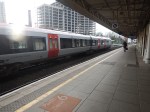
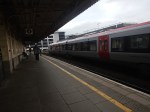
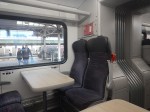
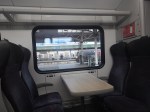
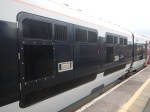
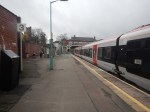
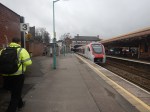
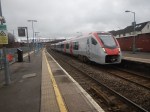
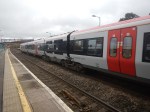
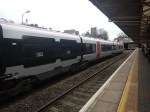
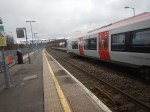
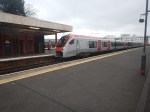
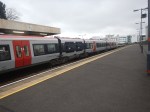
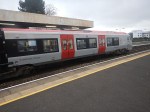
Note.
- The trans were running on the Rhymney Line.
- Like Greater Anglia’s Class 755 trains, they have pop-out steps and a PowerPack in the middle.
- The trains didn’t appear to be using their pantographs to run on electric, where it existed.
They were very similar to the Class 755 train.
One Of The Worst Train Journeys I’ve Had In The UK Since The 1960s
I started out with a simple objective, in that I intended to go to Cardiff Central station and then explore the Cardiff Valley Lines to look at the progress of the electrification. I had also arranged to possibly have a drink, with an old acquaintance at Rhymney station.
For the first time, I took the Elizabeth Line from Moorgate to Paddington to catch a long distance train. It is so much easier than taking the Underground.
I bought a Super Off Peak Return ticket to Cardiff Central station for £62.15 with my Senior Railcard.
This was the journey I took today.
- I left Paddington on the 10:18 train for Cardiff Central.
- The train arrived at Bristol Parkway at 11:34½.
- Real Time Trains says this about the rest of the journey. “This service was cancelled between Bristol Parkway and Cardiff Central due to a problem with signalling equipment (J3)”
- I was advised by a member of staff, that I wouldn’t be going to Cardiff in the near future and he advised taking a CrossCountry train to Bristol Temple Meads and then going back to London using my Return ticket.
- I left Bristol Parkway at 12:12¼ and arrived in Bristol Temple Meads at 12:20½, after taking the CrossCountry train.
- At Bristol Temple Meads to salvage something of a wasted day, I took a diversion to Severn Beach for the princely sum of £1.95 with my Senior Railcard, arriving back at Bristol Temple Meads at 14:48½.
- I then caught the next train to London, which turned out to be the 16:00, as both the 15:00 and 15:30 were cancelled due to an incident at Didcot.
- The train left Bristol Temple Meads at 16:03 and arrived at London Paddington at 18:00, which was twenty minutes late.
Note.
- I never got to Cardiff.
- If I’d waited at Bristol Parkway and caught the next train, I’d have got to Cardiff at 16:15¼, which would have been four hours later, than if the first train hadn’t been cancelled and had been on time.
I’ve just tried to phone Great Western Railway, but their Contact Us page only gives details of Facebook, Twitter and What’s App. I don’t use any of those!
Conclusion – Added On 5th June 2023
I just received an e-mail saying the cheque will be the post!
Cardiff Northwest Corridor Tram-Train Report Published
The title of this post, is the same as that of this article on Railway Gazette.
This is the introductory paragraph.
Proposals have been published for the development of a tram-train network to serve housing developments on the Northwest Corridor between Cardiff and Llantrisant.
And this paragraph describes the route.
The report looks at a route making use of the existing City Line railway from Cardiff and then following a safeguarded former railway alignment to M4 Junction 33 and Creigiau. Possible extensions could run from Creigiau to Cross Inn and Pontyclun and from Cross Inn to Miskin, Talbot Green, Llantrisant and Beddau.
This map shows the route from the City Line to Creigiau.
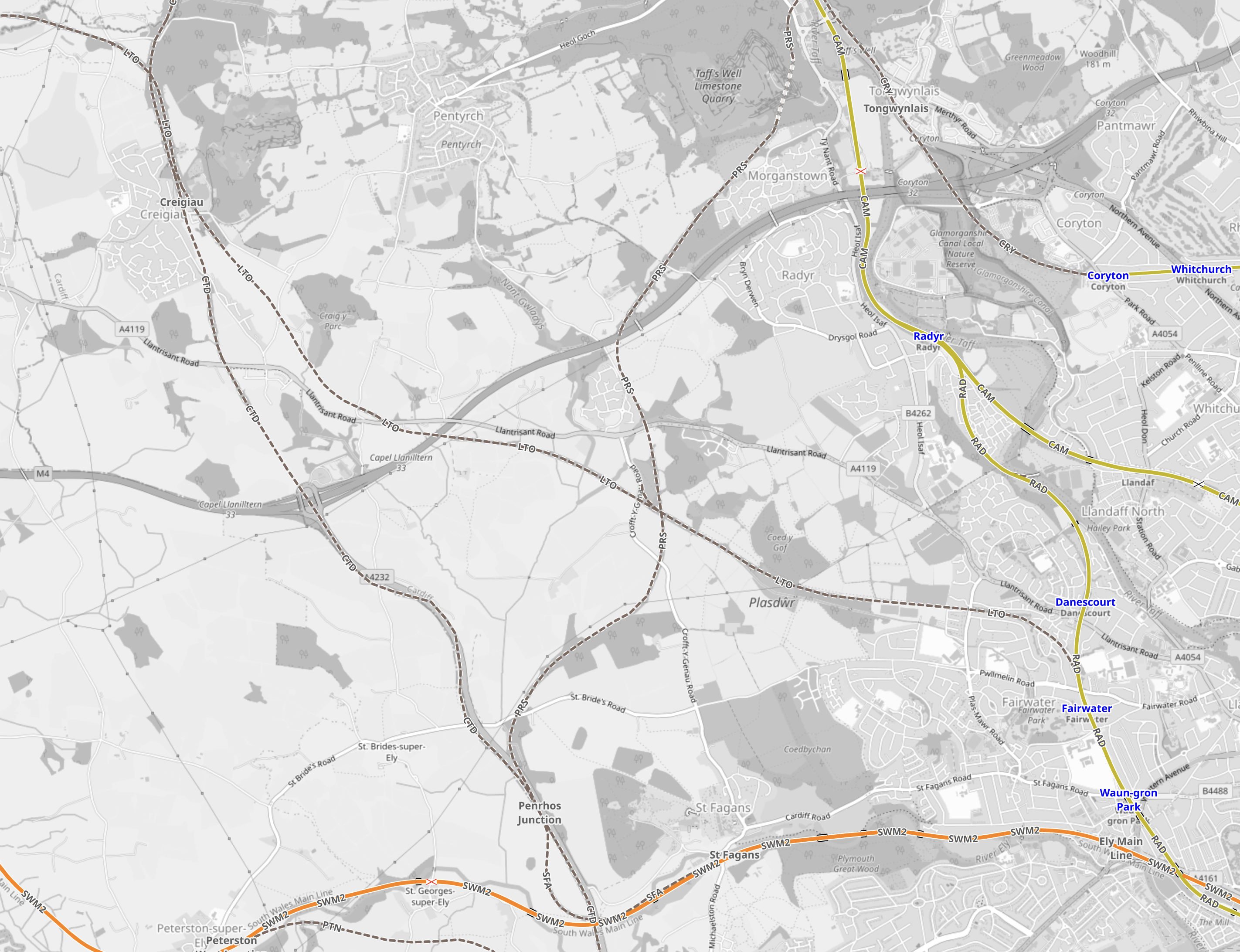
Note.
- The City Line to Radyr passing through Waun-Gron Park, Fairwater and Danescourt, which is shown in yellow.
- The South Wales Main Line running across the bottom of the map, which is shown in orange.
- The M4 running Westerly from the North-East corner of the map.
- The A4232 runs North-South and meets the M4 at Junction 33.
- Creigiau is in the North-West corner of the map.
The route of the tram-train would follow the route of the disused railway between the City Line and Creigiau, which is shown as a dotted line, identified with the code LTO.
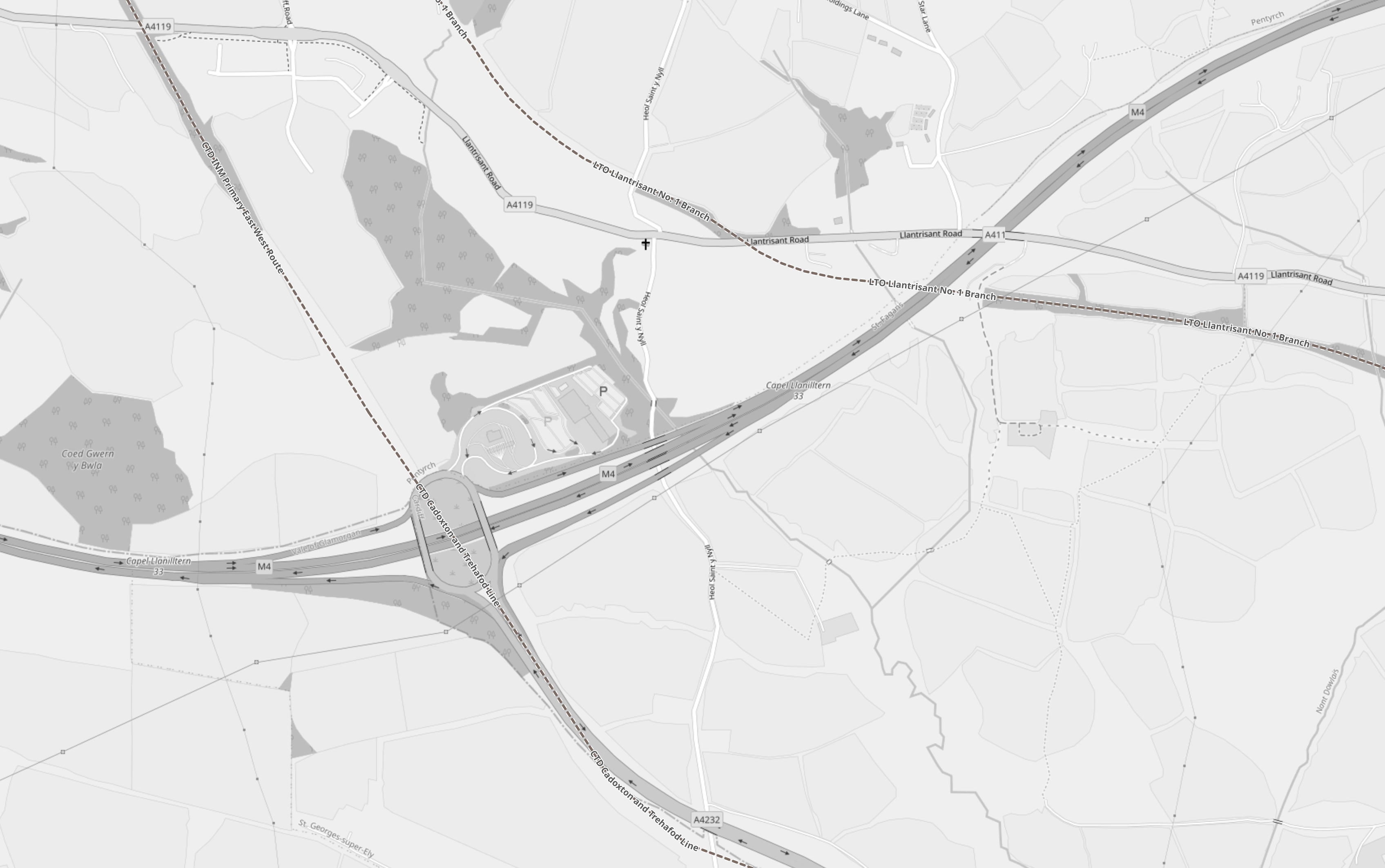
This second map from OpenRailwayMap shows the area around Junction 33 of the M4.
Note.
- The M4 going across the map.
- The A4232 going South from Junction 33.
- The proposed tram-train line passing to the East of Junction 33.
I suspect that as there is a BP petrol station and a Travel Lodge at the junction, there is a lot of scope to create a comprehensive Park-and-Ride hub for Cardiff, that would be served by the new tram-train.
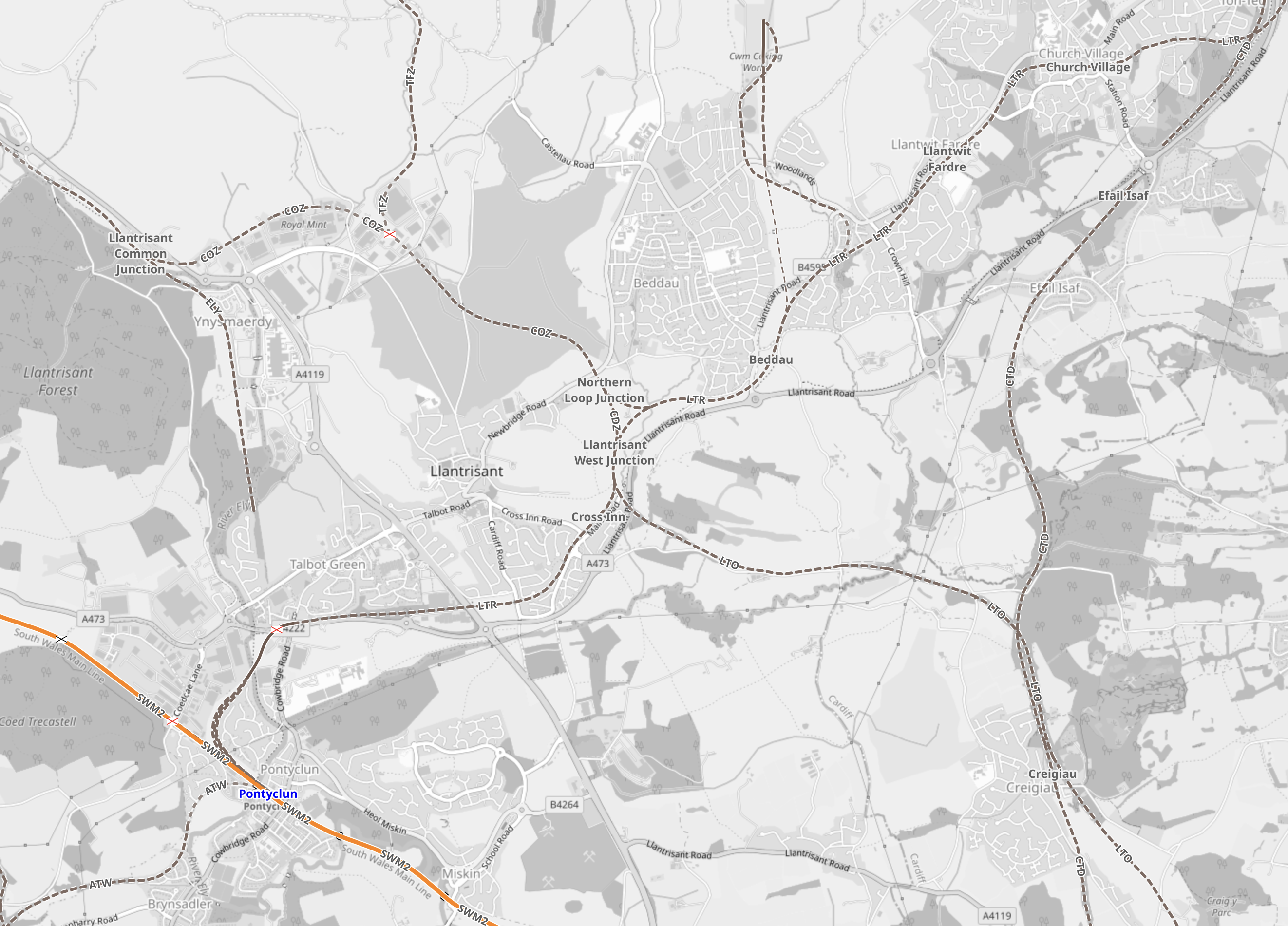
The third OpenRailwayMap shows the various routes from Creigiau.
Note.
- Creigiau is in the South-East corner of the map.
- Cross Inn is in the middle of the map.
- The South Wales Main Line, which is shown in orange, cuts across the the South-West corner of the map.
The ultimate destinations of Miskin, Pontyclun, Talbot Green, Llantrisant and Beddau all have disused railway tracks leading to Cross Inn.
Serving The Royal Mint
The Royal Mint moved to Llantrisant in the late 1960s and it could be served by the tram-train, as it is to the North of the town, close to a disused railway line.
I must admit, I am very surprised, that a company that employs 10,000 people doesn’t have a nearby railway station.
But then the move of the Royal Mail to Wales was planned by Harold Wilson’s government, which was led by a man, who believed that railways were irrelevant and everybody should have their own cars.
Installation Of OLE Begins In The Valleys
The title of this post, is the same as that of a short article in the September 2021 Edition of Modern Railways.
This is the first paragraph.
Construction of Core Valley Lines (CVL) overhead electrification equipment commenced on 26 July, when the first piles for masts were installed on the Aberdare branch.
The article appears has several small stories buried in the text.
Was This Good Project Management?
This is a paragraph.
The work, between Penrhiwceiber and Mountain Ash took place a year later than Transport for Wales had aimed for prior to the Covid-19 pandemic. However, TfW does not expect significant delays to completion, because the CVL transformation has been rescheduled and revised.
It certainly sounds like it to me that good Project Management has brought the electrification back on track.
I have seen this happen many times over past decades.
Yesterday, at Whitechapel station, I asked one of Crossrail’s Senior Managers, who in the past had used Artemis, if good project management was bringing Crossrail under control. He gave a knowing smile and said that there’s still a lot to do with the trains and gave me the official First Half Of Next Year answer.
But I do wonder, if we’ll get a surprise!
Battery Power To The Rescue
This is a paragraph.
Less overhead line electrification will be needed than was expected when the plans were announced in 2018. Improvements in battery technology enable the battery/electric dock to run further without OLE than had been assumed.
There must be an optimal point, where the extra expense of battery/electric trains are paid for by the savings and disruption of not installing overhead line equipment.
Using The Pandemic To Advantage
This is a paragraph.
TfW also accelerated preparatory works between Radyr and Pontypridd with a three-week blockade last winter taking advantage of low passenger numbers during the second Covid-19 lockdown.
It sounds like another case of good Project Management.
Dealing With A Level Crossing
This is a paragraph.
A crossing on the Rhondda Line will be permanently closed as a result of TfW purchasing the only building accessed by it! Deputy Climate Change Minister Lee Waters said it was more cost-effective for TfW to acquire the former army barracks at Pentre than spend an estimated £450,000 to bring the nearby crossing up to the requisite safety standards.
This Google Map shows the site.

It strikes me, that Transport for Wales will have to be very innovative to find a sensible use for a site hemmed in by the railway on one side and the River Rhondda on the other.
Conclusion
As we do more electrification in the UK, hopefully we’ll get better at it.
Cardiff Queen Street Station
Cardiff Queen Street station is the first station to be refurbished for the proposed South Wales Metro.
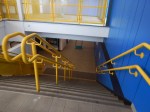
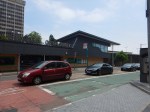
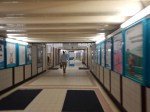
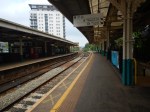
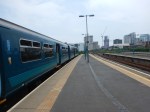
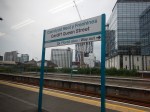

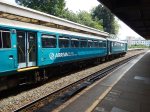
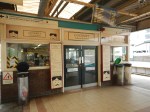
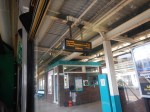
Note.
- The station is fully step-free.
- The platforms are wide, which helps interchange or waiting for your destination. See Canada Water on the Overground and St. Pancras on Thameslink.
- Currently, to get to Cardiff Bay station, you need to catch a five trains per hour (tph) shuttle train from Platform 1.
The service pattern is fairly-straight-forward, with the following lines passing though the station from South to North.
- 2 tph – Coryton Line between Radyr and Coryton stations via Cardiff Central.
- 2 tph – Cynon Line between Barry Island and Aberdare stations via Cardiff Central.
- 2 tph – Rhondda Line between Cardiff Central and Treherbert stations.
- 3 tph – Rhymney Line between Cardiff Central and Bargoed stations.
- 1 tph – Rhymney Line between Penarth and Rhymney stations via Cardiff Central.
- 2 tph – Taff Line between Cardiff Central and Merthyr Tydfil stations.
It is said, that to build anything, you need good foundations.
These services through Cardiff Queen Street station, seem to be a good foundation for the South Wales Metro.
The current proposed services through the station after the Metro is completed are.
- 2 tph – Coryton Line between Penarth and Coryton stations via Cardiff Central – Tri-Mode Stadler Flirts
- 2 tph – Cynon Line between The Flourish and Aberdare stations.. – Stadler Citylink Metro Vehicles
- 2 tph – Rhondda Line between Cardiff Queen Street and Treherbert stations – Stadler Citylink Metro Vehicles
- 2 tph – Rhondda Line between The Flourish and Treherbert stations – Stadler Citylink Metro Vehicles
- 2 tph – Rhymney Line between Barry Island and Rhymney stations via Cardiff Central – Tri-Mode Stadler Floirts
- 2 tph – Rhymney Line between Bridgend and Rhymney stations via Cardiff Central – Tri-Mode Stadler Flirts
- 2 tph – Rhymney Line between Penarth and Caerphilly stations via Cardiff Central – Tri-Mode Stadler Flirts
- 2 tph – Taff Line between The Flourish and Merthyr Tydfil stations – Stadler Citylink Metro Vehicles
- 2 tph – Cynon and Taff Lines between Aberdate and Merthyr Tydfil stations via the City Line and Cardiff Central – Stadler Citylink Metro Vehicles.
Summarising services gives these figures.
- 6 tph – To and from The Flourish – Stadler Citylink Metro Vehicles
- 10 tph – To and from Cardiff Central – Tri-Mode Stadler Flirts
- 2 tph – To and from Cardiff Central – Stadler Citylink Metro Vehicles
This Google Map shows Cardiff Queen Street station.
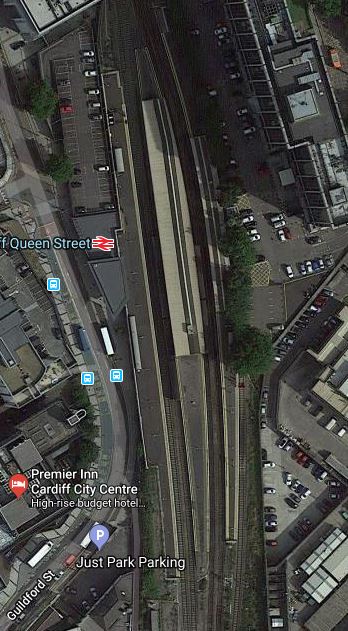
Note.
- The bay platform, which is numbered 1, is in the South East corner of the station. is used for services to Cardiff Bay station.
- There is no North-facing bay platform.
- Northbound trains for Aberdare, Merthyr Tydfil and Treherbert share Platform 5.
- Northbound trains for Bargoed, Coryton and Rhymney share Platform 4.
- Sounthbound trains use Platforms 2 and 3.
I believe that this layout will be changed in the creation of the South Wales Metro.
In an ideal world passengers should have a same-platform or cross-platform interchange between services going in the same direction.
If services going in the same direction shared the same platform, this would meet sixteen tph using two platforms, as two tph will terminate at Cardiff Queen Street station.
Canada Water station on the East London Line of the London Underground in a couple of years will be handling twenty tph.
- The platforms are wide with escalators, lifts and stairs.
- Four Southern destinations and Two Northern destinations are served.
- All services are run by Class 378 trains.
- Access between train and platform is step free and wheel-chairs and buggies can be pushed across.
- The East London Line has modern signalling.
If Crossrail and Thameslink will be able to handle twenty-four tph with digital signalling, I believe a solution can be found so that sixteen tph can pass through Cardiff Queen Street station.
Having seen wide platforms in operation at stations like Canonbury, London Bridge and Whitechapel, I feel an ideal layout at Queen Street station would be to use Platform 3 for all Southbound services and Platform 4 for all Northbound services, with as wide a platform as possible in between.
Consider.
- Passengers from Rymney and Coryton needing to go to The Flourish, would get off the train and get a Citylink for The Flourish.
- Passengers between The Flourish and Cardiff Central would just have to walk across the platform at Queen Street station to change trains.
- Passengers needing a train to Rhoose Airport could choose to change at Queen Street station.
Most waits at Queen Street station would be in a few minutes.
Although, passengers would wait longer for Barry Island, Bridgend and Rhoose Airport.
There is still the problem about what to do with the two tph that from Treherbert that terminate at Queen Street station.
- They could use Platform 2 or 5.
- They could use a new bay platform in the North end of Pltform 3/4.
- They could go through Queen Street station to terminate at The Flourish
- They could go through Queen Street and Central stations to terminate elsewhere.
Option 1 would have problems.
- Every thirty minutes a Citylink would have to cross the busy lines to the North of Queen Street station.
- Passengers wouldn’t always use the same platform for the Rhondda Line.
- Passengers wouldn’t have an easy interchange at Queen Street station.
Option 2 would be better.
- The track layout would be similar.
- Rhondda Line passengers would only have the inconvenience of sometimes walking along the platform.
.Even if this option was not used to turn trains, I suspect it could be built, as it would also be useful for service recovery purposes.
I like Option 3, although it will have the following consequences.
- ,The Flourish would need to be able to handle eight tph on the two proposed platforms.
- Queen Street station would need to be able to handle eighteen tph in both directions.
I suspect that both problems are solvable.
The problem with Option 4 is where do you turn the two extra trains?
I suspect that the Citylink vehicles can only use the City Line after Cardiff Central.
Would it be a good idea or not to run four tph on this route?
I don’t know! But a personable young station man at Queen Street station, said that handling the football can be a problem.
So perhaps more trains going to Ninian Park station might be a good idea.
I write about it in detail in The South Wales Metro and Big Events.
Conclusion
Cardiff Queen Street station has the possibility to be a World Class Metro interchange.
How Can Discontinuous Electrification Be Handled?
On the proposed South Wales Metro, it is proposed to use discontinuous electrification to avoid rebuilding a lot of bridges and other structures.
This document on the KeolisAmey web site details their plans for the new Wales and Borders Franchise.
The document states this about the electrification.
Discontinuous overhead line electrification to 25 KVAC with permanently earthed sections around restricted structures, saving 55 interventions e.g. rebuilding bridges/no need for wire in Caerphilly tunnel.
So how are these interventions avoided?
The Karlsruhe Solution
On the Karlsruhe Stadbahn, similar Citylink vehicles to those proposed for Cardiff need to work on both the main line 15 KVAC used in Germany and the 750 VDC used by Karlsruhe trams.
To isolate the two voltages, a ceramic rod is placed in the catenary. The vehicle’s pantograph just rides across the voltage boundary and the vehicle’s electrical system uses whatever voltage is present.
Bridges On The South Wales Metro
These pictures show some of the types of bridges on the Cardiff Valleys Lines.

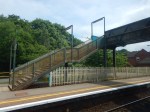
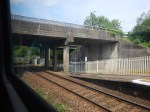


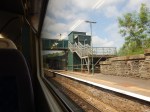
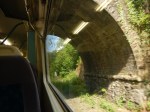
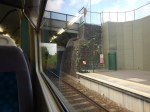

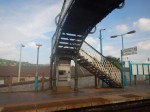


They are a real assortment.
- Some station footbridges from the Victorian era with nice castings and decoration, but no much-needed step-free access.
- Some quality brick and stone arch bridges.
- British Rail-era steel bridges, with no architectural merit
- Some modern road bridges in steel and concrete.
I also saw sizeable pipelines over the railway, which would need to be raised.
The greatest number were simple steel bridges like the one at Caerphilly station, designed to get pedestrians and cyclists, who were not using the railway, from one side of the tracks to the other.
I suspect the simplest way would be to erect two standard gantries at a safe distance of a few metres either side of the structure.
Between the two gantries would be an conductor, like this one. that I photographed in the Berlin Hauphtbahnhof.

It would be earthed, so that it offered no danger to life. There could even be extra supports under the bridge.
At each end, it would be connected to the 25 KVAC using a ceramic rod or other insulating device.
The vehicle’s pantograph would then ride from one side of the bridge to the other on its own track without being lowered.
Anything electrified at 25 KVAC would be kept at a very safe distance from the bridge.
In the earthed section, when the vehicle would be receiving no power, the vehicle would automatically switch to battery power. There would be no driver action required, except to monitor it was all working as it should.
As on the South Wales Metro, it appears that all vehicles using the lines proposed to be electrified will have their own onboard batteries, there shouldn’t be any problem.
In some ways, this discontinuous operation is a bit like using your laptop connected to the mains. When say the cleaner pulls out the plug to put in the vacuum cleaner, your laptop switches automatically to the battery.
The Caerphilly Tunnel
The Caerphilly tunnel is over a mile long. This picture shows the tunnel entrance.

It would probably be possible to electrify using a rail in the roof, but why bother if the trains running through the tunnel could go from one end to the other on their own battery power?
Trains could lower the pantograph before entry and then raise it again, when under the electrification at the other end.
This could be performed automatically using a GPS-based system.
I have also had an e-mail, which said this.
As I understand Caerphilly will have a natural bar in it but be much closer to the train roof than would be allowed with a live one.
Now there’s an idea!
A composite or earthed metal rail would be fixed to the roof of the tunnel, so that the pantograph could run smoothly from one electrified section on one side of the tunnel to the electrification on the other side, using battery power all the way.
Cost Savings
In Novel Solution Cuts Cardiff Bridge Wiring Cost, I talked about another method applied in South Wales to avoid rebuilding a bridge.
At this bridge, traditional electrification methods were used, but the need to demolish the bridge was avoided by using advanced insulation and protection measures.
This was my final statement.
Network Rail reckon that the solution will save about £10 million on this bridge alone, as it avoids the need for an expensive rebuild of the bridge.
The savings on this bridge will be higher as it is a large bridge over several tracks, but even saving a million on each bridge in the South Wales Metro is £55 million, which will probably be enough to build much of the infrastructure to extend to The Flourish, which would appear to not need expensive viaducts or electrification.
Should Downhill Tracks Be Left Without Electrification?
I think this may be possible on the South Wales Metro, as vehicles coming down the hills could use gravity and small amounts of battery power.
Regenerative braking would also be continuously charging the batteries.
It would certainly be simpler, than having to constantly swap between overhead and battery power on the descent, where the electrification was discontinuous.
As the lines are going to have a more intensive service, there will be additions of a second track in places to allow trains to pass.
Any electrification that could be removed from the project would be beneficial in terms of building and operational costs.
Other Routes
This post has used the South Wales Metro as an example, but I don’t see any reason, why the discontinous method and that used on the Cardiff Bridge can’t be applied to other bridges and structures over the lines on other routes in the country.
I suspect, that if they’d been used on the Gospel Oak to Barking Line, electric trains would have been running months ago!
Conclusion
Look what you get with thinking, when you have a Bonfire of the Boxes!
 The Anonymous Widower