Super-Efficient Flats Don’t Need Heating Or Air-Con
The title of this post is the same as that of this article on Page 34 of today;s copy of The Times.
These are the first two paragraphs.
In a city of skyscrapers the 26-storey building on a small island next to Manhattan looks unremarkable. Hiding in plain sight, however, is an architectural revolution.
The House, a dormitory for graduate students at Cornell University, is so energy efficient it can eliminate the need for heating and air conditioning. It is the first “passive house” in the US and is providing a stream of data for engineers.
If someone built a passive skyscraper in London, I’d ceretainly go and look.
Network Rail To Outline Business Case For Clapham Junction Redevelopment
The title of this post is the same as that of this article on Rail Technology Magazine.
This is the first two paragraphs.
Network Rail have timetabled their plans to publish a strategy outline business case (SOBC) for the redevelopment of Clapham Junction station.
The public body told delegates at a rail conference in London that it intends to lay out the strategy by the end of the year.
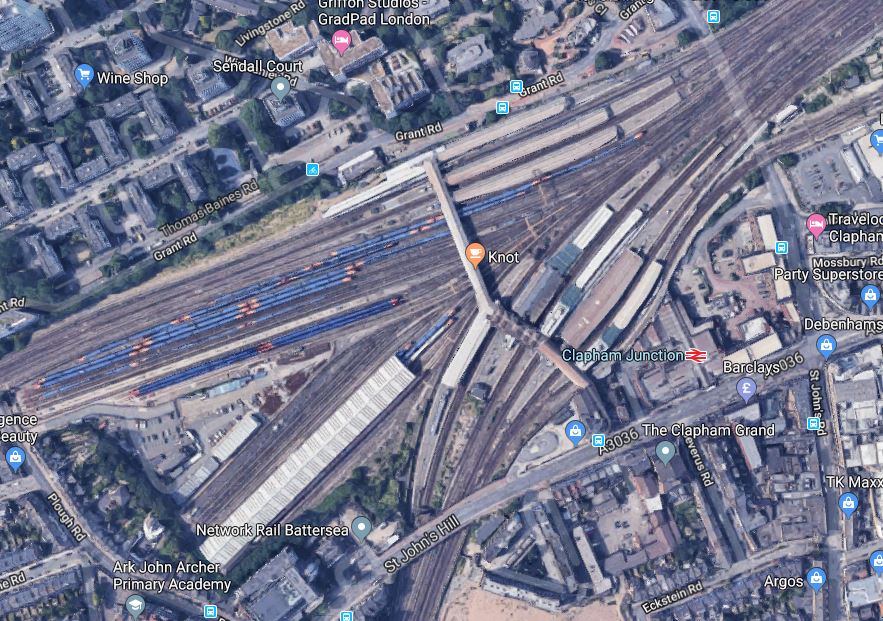
To get a better idea of Clapham Junction station, this Google Map shows the station.
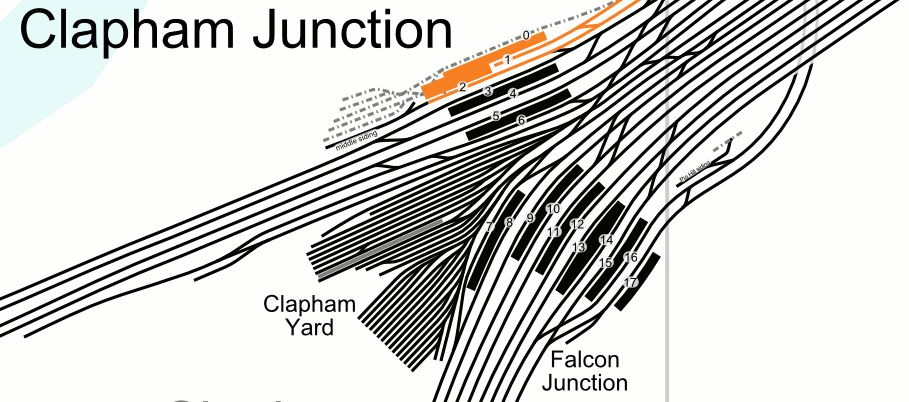
And this map from carto.metro.free.fr shows the track layout.
Note.
- The track layout is extremely complicated.
- A large amount of the area of the station is used for stabling of trains.
- The large number of platforms connected by a pedestrian bridge in the middle.
- There are a lot of stairs and lifts between the bridge and the platforms.
This description of the amount of traffic through the station is from Wikipedia.
Routes from London’s south and south-west termini, Victoria and Waterloo, funnel through the station, making it the busiest in Europe by number of trains using it: between 100 and 180 per hour except for the five hours after midnight. The station is also the busiest UK station for interchanges between services.
All of this adds up to a challenging problem, that if it can be solved, will fulfil these objectives.
- Greatly improve the passenger experience.
- Increase the train and passenger capacity of the station.
- Create more and longer platforms.
- Create or release lots of space for housing and other developments.
- Make the station ready for the Northern Line Extension from Battersea and Crossrail 2.
All of the development must be carried out with as little disruption to trains and passengers.
I’m no architect, but neither are Network Rail or were their predecessor British Rail, but they are good at creating well-thought out track layouts.
I suspect somewhere in a drawer or on a computer, is a British Rail plan for how the station could be laid out.
Such a plan probably existed for London Bridge station and with the design from good architects and structural engineers on top, one of the best terminal stations in the World has been built.
The Rail Technology Magazine article talks of decking over the whole station and putting two million square feet of development on top. But it also cautions, it would be very expensive.
- Could an imaginative architect create a unique development?
- Clapham Junction station, is the best-connected railway station in the South of London.
- Could the development be built with very little provision for car parking?
- Is the land strong enough for a cluster of high tower blocks?
- Could green space be provided?
I’ve lived in the Barbican with a young family and that estate works. But it should be remembered that the City of London had a completely cleared site at the Barbican, due to Nazi bombing.
So would decking over the station, be the way to create a cleared site to create a high-quality eco-friendly development for all?
I think it would and I think it could allow the development to be built at an affordable price.
I also feel that the important objective of building the development without disrupting trains and passengers can be met, by arranging construction in the right order.
Conclusion
Clapham Junction station is a unique site on which to build and like the Barbican, if we build it right, it will be admired fifty years later.
House Prices And Stations
I clipped this from the Evening Standard.
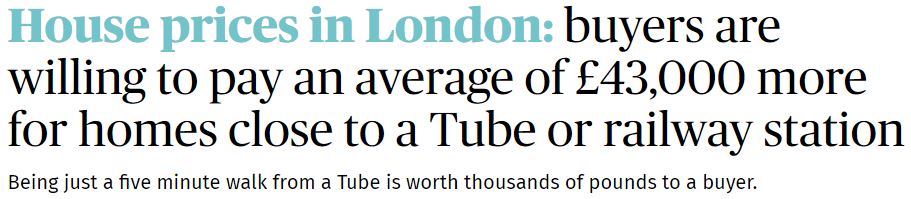
Enough said!
I purposely chose my house to be within ten minutes walk from the two Dalston Overground stations, that would open a couple of years after I moved in.
- It is also within walking distance of twelve major bus routes. All the routes can carry wheel-chairs, if I should ever need one!
- Five routes have stops, within a hundred metres, serving Bank, British Museum, Euston, Harley Street, Kings Cross, London Bridge, Manor House, Moorgate, Piccadilly Circus, Shaftesbury Avenue, St. Pauls, University College Hospital and Victoria.
- I’m only fifty metres from a major cycling route between the City and White Hart Lane.
- I even have a garage, that opens onto the street! But no car!
- My road is wide and there is usually plenty of parking space for visitors or on-line deliveries.
- A taxi ride from Euston, Liverpool Street or Kings Cross is usually under fifteen pounds at all times.
It will get even better!
- When Crossrail opens, I will have 10-12 buses per hour to the Moorgate/Liverpool Street station.
- Dalston Junction station will get a frequency of twenty trains per hour to and from Canada Water, Shoreditch and Whitechapel, that fan out to a selection of places in South London like Crystal Palace, Clapham Junction, Peckham and Penge.
- Dalston Kingsland station will get a frequency of twelve trains per hour to Stratford in the East and Camden, Clapham Junction, Hampstead and High Speed Two in the West.
- I will probably get a series of electric car charging points in the parking spaces in the road, where I live.
- I could put a personal electric car charging point in my garage.
I’m told the value of my house has risen well in the almost ten years, I’ve owned it.
Did somebody once say, that the location of a property, were the three most important things about it?
Conclusion
Make sure your next property has good access to public transport.
A Residential Development Convenient For Rugby And Train Travel
I went through Twickenham station yesterday and took these pictures.
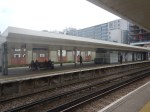
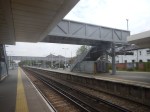
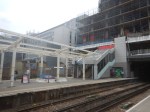
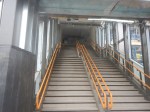


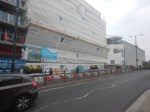
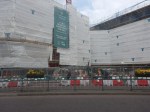
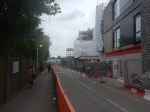
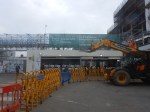
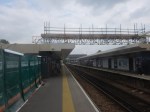
Surely many more stations could sustain a substantial development of much-needed housing on the top.
Development Of The Southall Gas Works Site
I took these pictures as my train went past the former Southall Gas Works to the West of Ealing station.







This was where there used to be a gasholder with a helpful sign, showing the way to Heathrow..
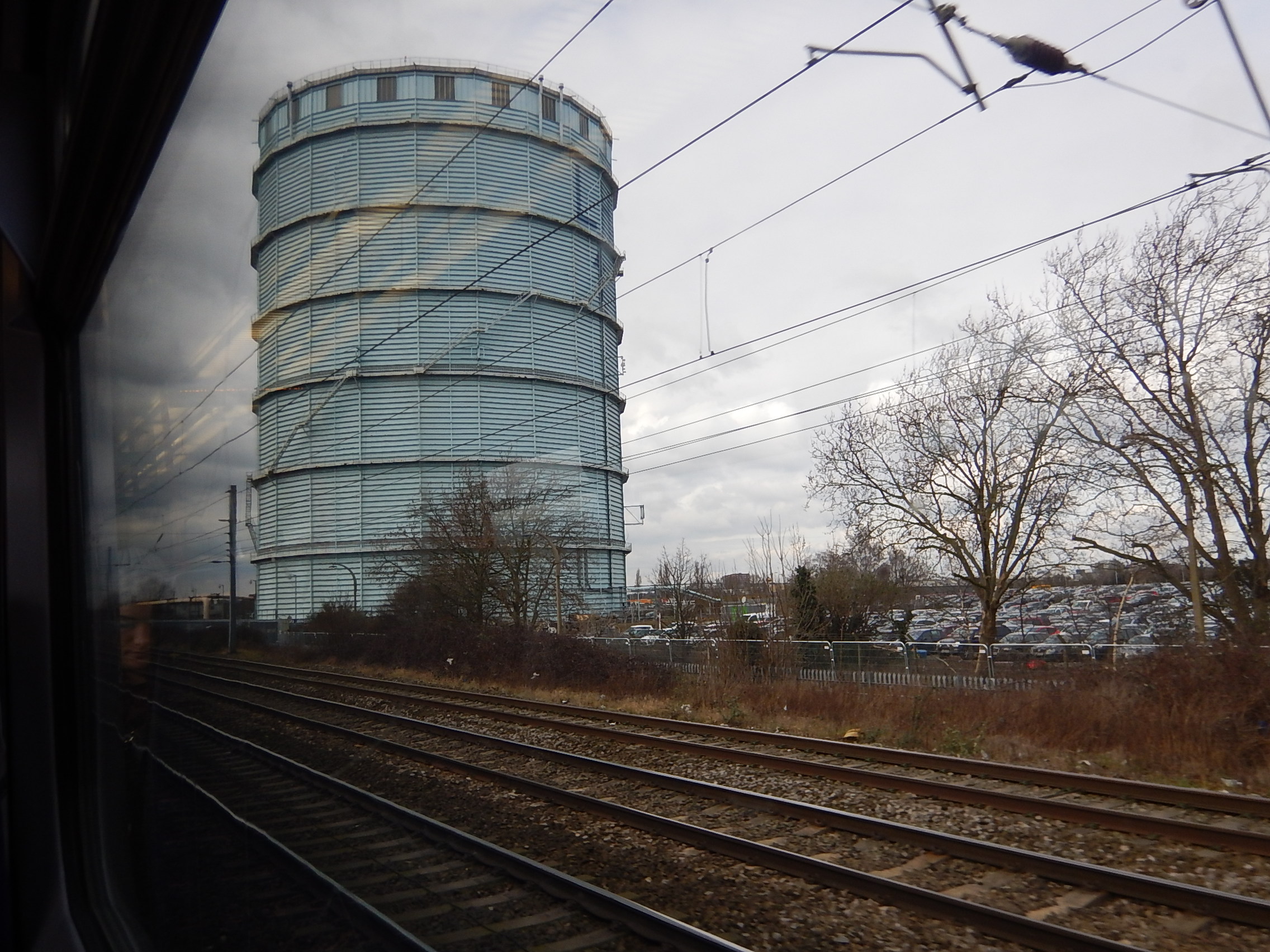
You can just see the L of LHR and the arrow.
This Google Map shows the site.
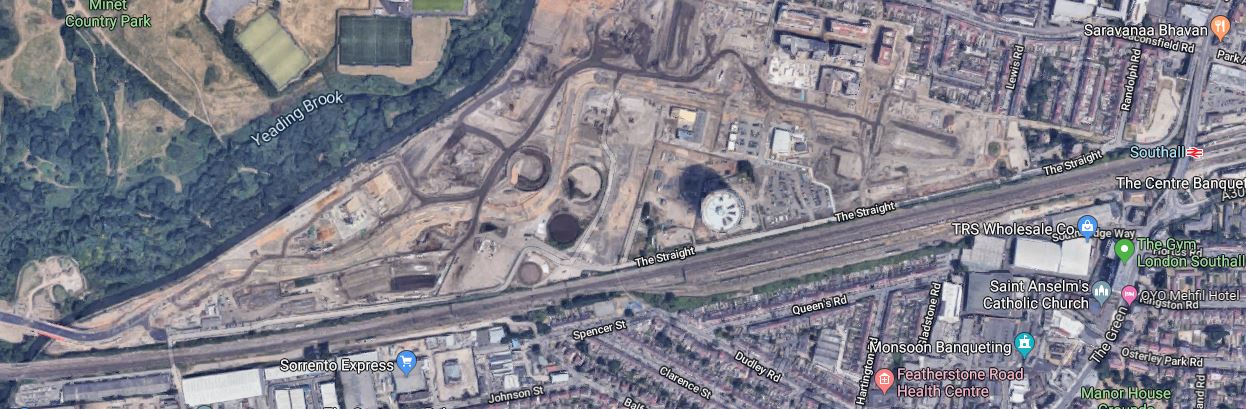
It is going to be a big development.
There are some older pictures from 2016 in What A Waste Of Valuable Land.
Where Has Lillie Bridge Depot Gone?
This is the first paragraph of the Wiikipedia entry for Lillie Bridge Depot,
Lillie Bridge Depot is a historic English traction maintenance depot on the London Underground Piccadilly and District lines, situated in between West Brompton and West Kensington stations in the London Borough of Hammersmith and Fulham. It is accessed from the District line tracks between Earl’s Court and West Kensington or between Earl’s Court and Kensington (Olympia).
This map from carto.metro.free.fr shows the rail lines in the area.
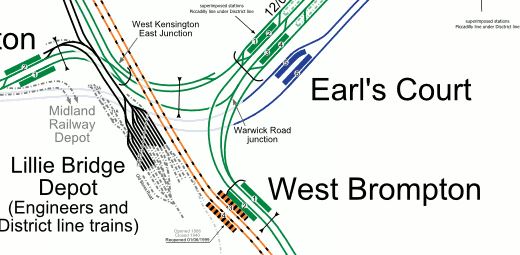
Note that the triangle in the middle of the junction used to be occupied by the Earl’s Court Exhibition Centre, which is now being redeveloped as upmarket housing.
This Google Map shows the area now.
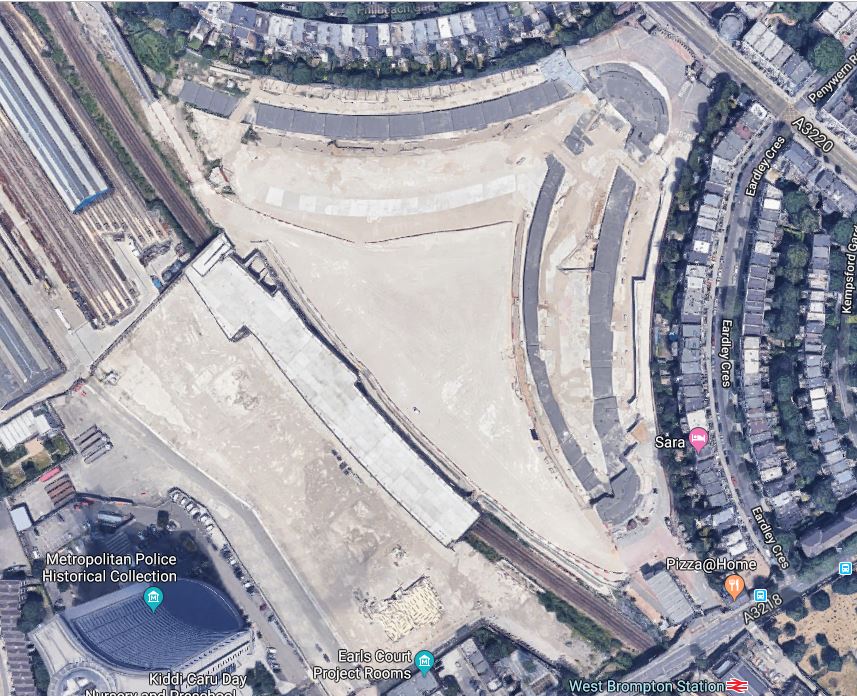
Where is the Lillie Bridge Depot and the other railway lines?
West Brompton station and the West London Line going North-South are just about visible.
But much of the rest of the lines are or will be under the massive development.
Wikipedia says this about the future of Lillie Bridge Depot.
The Depot is scheduled to be decommissioned by 2019 by Transport for London, as part of an Earl’s Court regeneration scheme. Engineering facilities will be moved to Acton Works, and it will be replaced by stabling for twelve S7 Stock trains at a lower level, with redevelopment taking place above it. The scheme has not been universally popular, attracting criticism from the Mayor of London, the current Hammersmith and Fulham Council, local housing associations and residents.
We will be seeing more and more developments like this over railway lines and especially depots, which offer a nice-shaped plot of several acres.
As to who gets to buy or rent the flats and houses, that is up to local and national politicians.
My one worry, is that some politicians insist on so many conditions as to the residents, that development of the site becomes impossible to fund.
Hastings Bus Stop Note Lands Homeless Man Job
The title of this post, is the same as that of this article on the BBC.
This is the first paragraph.
A man who has been living on the streets for nine years has been found a home and job after a teenager spotted his note posted next to a bus stop.
This is a must-read heartwarming story.
My father always reckoned if you wanted something from an individual, company or organisation, that a polite, well-written note often got results.
It’s a technique, I’ve used all my life and it has been successful on the whole.
This guy has just used a modern version, helped by a school-girl and social media.
Heat From HS2 Trains Will Warm 500 New Homes
The title of this post is the same as that of an article in today’s copy of The Times.
This is the third paragraph.
HS2 Ltd, the company building the £56 billion high-speed line, has produced plans to recycle waste heat from the electric motors and brakes of trains approaching and departing from a £1 billion “super hub” station at Old Oak Common, near Willesden, North West London.
Other points from the article include.
- Five air source heat pumps will be used.
- , Each heat pump costs around £11,400.
- The carbon footprint of each house could be reduced by a fifth.
- Plans are at an early stage, but the technology is proven.
- Similar technology could be applied to tunnels on the Northern routes to Leeds and Manchester.
I can only see one problem with the idea.
The companies bidding to make the trains for HS2, will design trains with the following features.
- Highly-efficient aerodynamics of both trains and tunnels, to reduce energy losses and power required to move the train.
- Regenerative braking to onboard electricity storage.
- Train systems like air-conditioning, lighting and toilets that use smaller amounts of electricity.
HS2 will also draw heavily on proven innovative ideas from similar projects, to reduce the energy used by the trains, whether in the tunnels or the open.
But, I would also suspect that HS2’s proposal is based on a good assessment of the energy dissipated by the trains.
Articles In Today’s Times
In addition to World’s Top Wealth Fund Puts Billions Into Britain, there were other articles worth blogging about in today’s copy of The Times.
Build New Homes Away From Roads, Heath Watchdog Says
Surely, this very sensible! The distance can of course be vertical!
Plastic Packaging Used To Make Car Parts In Upcycling Revolution
Scientists working for the US Department of Defense have shown it is possible to convert recycled PET bottles and other packaging into useful long-life products.
Corbyn’s Favourite Firebrand Is Suspended In Antisemitism Row
My father believed that there was little different between the extreme left as represented by Stalin and the extreme right as represented by Hitler.
Royal Mint Gardens
Royal Mint Gardens is a housing development to the East of Fenchurch Street and Tower Gateway stations.
These are a few pictures of the development.






But this doesn’t tell the full story.
This Google Map shows the position of the development.
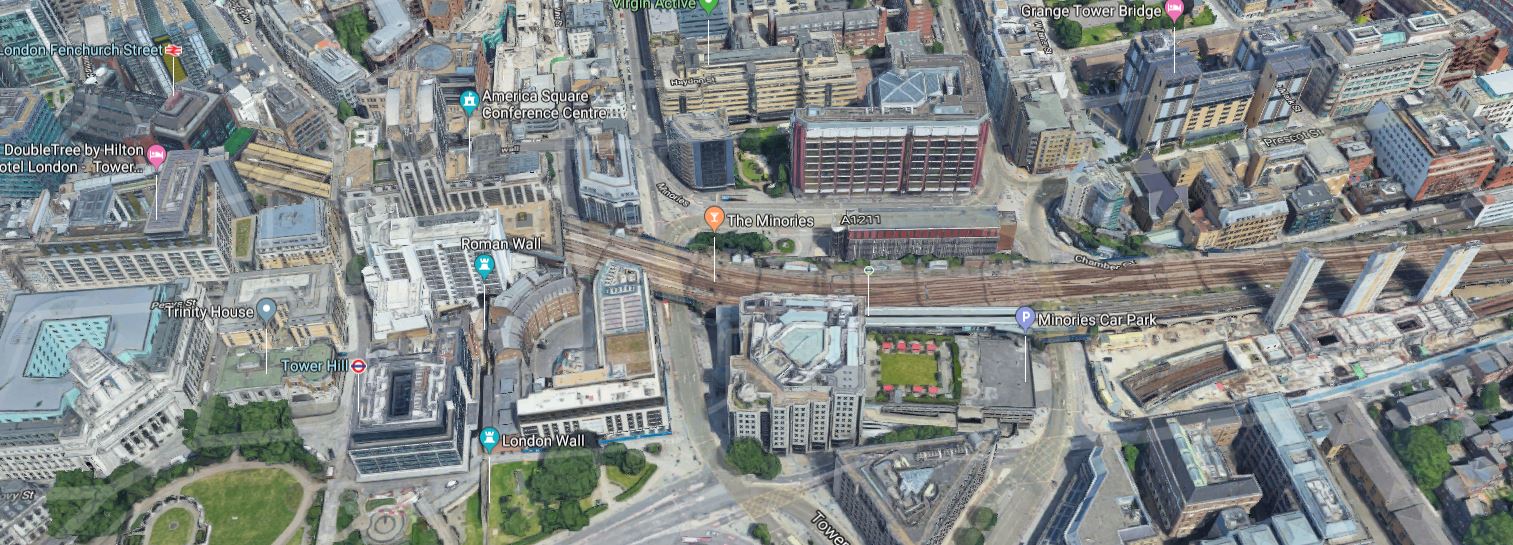
Note.
- Fenchurch Street station is towards the top-left corner of the map.
- The c2c tracks running to the East from Fencurch Street station.
- Tower Gateway DLR station is just to the right of the centre, just above the green space.
- The tracks of the Docklands Light Railway running to the East from Tower Gateway DLR station.
The three concrete towers at the right of the map, lying to the South of the railway tracks, are the three structural towers of Royal Mint Gardens.
This Google Map shows a close up of Royal Mint Gardens.
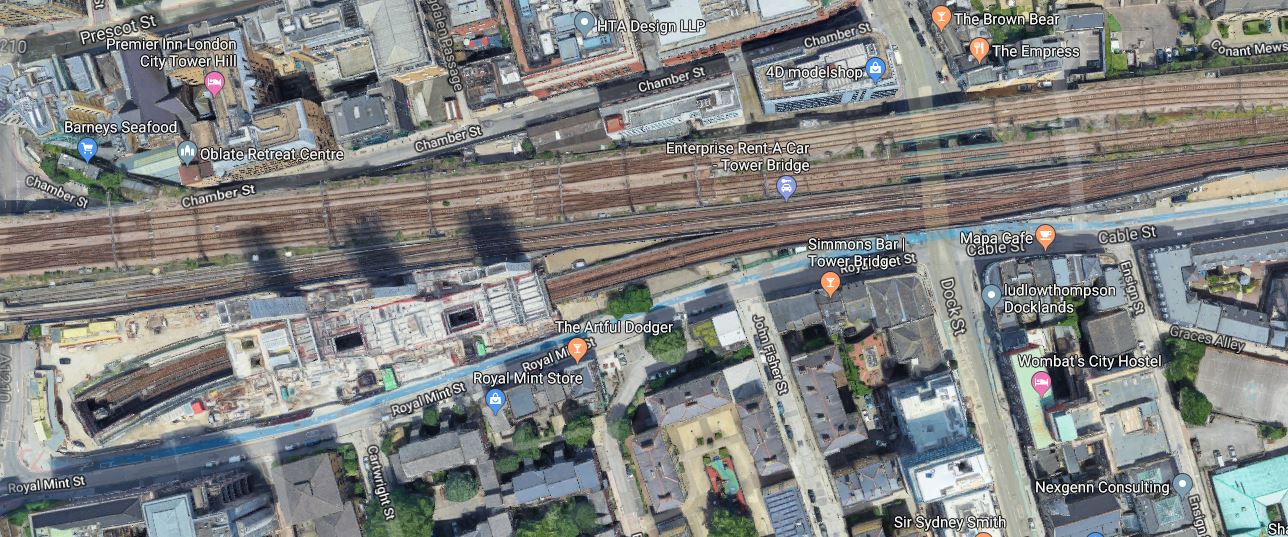
Note how the Docklands Light Railway splits into two to the East of the development.
- The Northern pair of tracks skirt the development to the North to go to Tower Gatewat DLR station.
- The Southern pair of tracks go underneath the development to go to Bank DLR station.
The new development has put the Bank branch in a concrete tunnel.
So in an area of the world, where land is a very expensive commodity, this area is being used twice at the same time.
Royal Mint Gardens On The BBC
BBC London television has been covering various aspects of the building of Royal Mint Gadens in local news for most of the day.
The developer, the architect, Network Rail and the reporter, all seemed very positive about what is being created.
The architect felt up to 250,000 houses could be created on similar sites across London.
How many houses could be built over rail lines in the rest of the UK?
Conclusion
Building over rail lines like this, will increasingly be seen as a way of adding new housing in densely populated cities.
 The Anonymous Widower