Aberdeen City Council And BP Sign Joint Venture Agreement To Develop City Hydrogen Hub
The title of this post, is the same as this article on Renewable Energy Magazine.
The title is a good description of the project and these are a few details.
- Production will start in 2024.
- The hub will produce 800 kilograms of green hydrogen per day.
- That will be enough for 25 buses and 25 other vehicles.
- Further investment would provide hydrogen for rail, freight and marine uses.
I don’t think this is a small project, as they are talking about potentially exporting the hydrogen.
These are a few thoughts.
Electricity Supply
In Can The UK Have A Capacity To Create Five GW Of Green Hydrogen?, I said the following.
Ryze Hydrogen are building the Herne Bay electrolyser.
- It will consume 23 MW of solar and wind power.
- It will produce ten tonnes of hydrogen per day.
The electrolyser will consume 552 MWh to produce ten tonnes of hydrogen, so creating one tonne of hydrogen needs 55.2 MWh of electricity.
Scaling those figures mean that to create 800 kilograms of hydrogen will need 44.16 MWh of electricity or if it is a 24/7 operation, the electrolyser will need a feed of 1.84 MW.
Currently, there are two offshore wind farms close to Aberdeen.
- European Offshore Wind Development Centre – 93 MW
- Hywind Scotland – 30 MW
That would provide enough electricity to provide a starter of under 2 MW.
I can see a lot more wind farms off the coasts around Aberdeen, as on all my visits to the city it has been windy and there is a lot of empty sea.
I don’t think providing enough renewable electricity for a very large electrolyser in Aberdeen will be a problem.
Hydrogen Exports
I would expect, that the hydrogen would go to Germany, as the Germans are backing BP in their wind farm ambitions and they are building a large hydrogen import terminal at Wilhelmshaven on the North-West German coast. The distance for a ship is under 500 miles.
BP’s Future Hydrogen Plans
This is a quote from Louise Kingham CBE, BP’s UK head of country and senior vice president for Europe.
Partnering with cities and corporates as they shape their paths to net zero is a core part of BP’s strategy. BP expects to partner with 10-15 cities globally by 2030 to provide innovative, integrated, and decarbonized energy solutions at scale to help them achieve their goals of net zero emissions. BP also aims to capture 10% of the low carbon hydrogen market in key geographies by 2030.
BP is investing across all the energy transition growth areas in the UK. In fact, we have committed to spend £2 in the UK for every £1 generated here out to the middle of this decade.
“Today’s announcement is evidence of that commitment in action and is supported by other ambitious plans to produce clean energy from UK offshore wind, develop carbon capture in Teesside and grow the country’s electric vehicle charging network.
BP would be in part using their expertise in providing oil and gas to the production and delivery of hydrogen to end users, be they large or small.
I can also see BP repurposing a few gas and oil production platforms into offshore hydrogen production hubs, as this could be a better financial route, rather than demolishing the platforms.
Conclusion
Birmingham is building a hydrogen hub at Tyseley Energy Park to fuel hydrogen buses and other vehicles.
Where is the plan for London’s hydrogen hubs?
Catalyst Capital Makes First Move In GBP 300m Battery Storage Strategy
The title of this post, is the same as that of this article on Renewables Now.
This is the first paragraph.
Fund manager Catalyst Capital has acquired a site to build a 100-MW battery in Yorkshire, northern England, in the first of a series of planned deals under a GBP-300-million (USD 406.1m/EUR 358.9m) strategy to develop diversified UK battery energy storage systems (BESS) facilities.
£300 million, says to me that the finance industry, now finds battery storage to be a worthwhile investment.
Skelton Grange Power Station
This Google Map shows the location of the Skelton Grange power station site, where the battery will be developed.
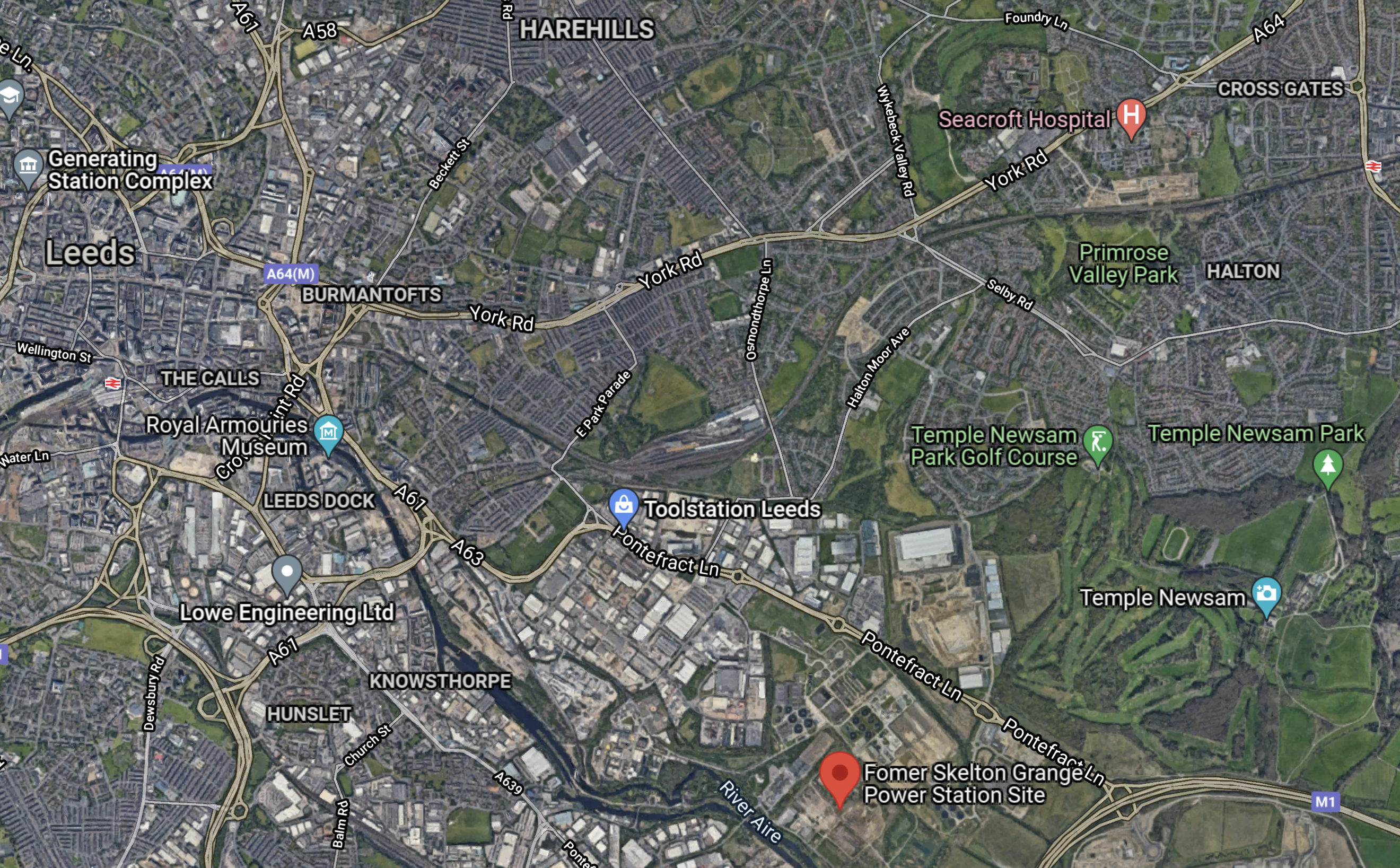
And this second Google Map shows the site in more detail.

Note that there is still a sub-station on the site.
The article states that planning permission was received in 2021 and they hope to have the facility on-line in the first quarter of this year.
That appears quick to me. Is it because the electrical connection already in situ?
It should also be noted, that the battery output of 100 MW is much less than that of the former coal-fired power station in the mid-1980s, which was at last 480 MW.
I also wonder, if the site could host a hydrogen fuelling station for buses.
- It is not far from the centre of Leeds.
- It has a good connection to the National Grid.
- An electrolyser like the one built by ITM Power at Tyseley Energy Park uses 3 MW of electricity to produce around 1.5 tonnes of hydrogen per day.
I also feel that the site could host a wind turbine up to about 10 MW.
Conclusion
Catalyst Capital seems to have made a big entry into the market. They won’t be the last to do this, as the returns are there and the battery storage is needed.
Riding Birmingham’s New Hydrogen-Powered Buses
I went to Birmingham today and took one of their new hydrogen buses on route 51 to Perry Barr and another one back.



















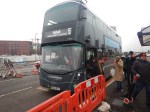



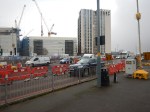




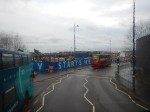
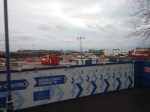
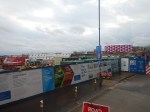


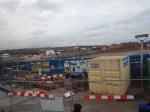
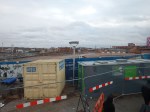



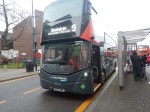
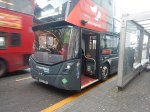

Note.
- As the pictures show Perry Barr is a bit of traffic bottleneck because of the reconstruction of Perry Barr station an other developments in the area, because of the Commonwealth Games, which are going to e held in Birmingham in 2022.
- The route goes past the High Speed Two site.
- Birmingham is a city of highways, flyovers, underpasses and roundabouts.
- The buses have wi-fi and charging points for phones.
I very much feel that the buses are the best hydrogen-powered vehicles, that I’ve travelled in, as they are smooth, comfortable, quiet and seem to have excellent performance.
Birmingham Buses Have Their Own Hydrogen Electrolyser
London bring their hydrogen in by truck from Runcorn, where it is created by electrolysis, for their hydrogen-powered buses.
On the other hand, Birmingham Buses have their own electrolyser at the Tyseley Energy Park.
This Google Map shows Tyseley Energy Park.

Note.
- The Birmingham Bus Refueler hadn’t opened, when this map was last updated.
- Tyseley Energy Park is only a few miles from the City Centre and route 51.
- I estimate that the Tyseley Energy Park occupies around four hectares.
This page on the Tyseley Energy Park web site described the refuelling options that are available.
- Fuels available include hydrogen, biomethane, compressed natural gas, diesel, gas oil and AdBlue.
- There are a range of charging options for electric vehicles.
The 3 MW electrolyser was built by ITM Power of Sheffield, which I estimate will produce nearly 1.5 tonnes of hydrogen per day.
According to this page on the Wrightbus website, a hydrogen-powered double-deck bus needs 27 Kg of hydrogen to give it a range of 250 miles. The refuelling of each bus takes eight minutes.
So the current fleet of twenty buses will need 540 Kg of hydrogen per day and this will give them a combined range of 5000 miles.
It would appear that the capacity of the electrolyser can more than handle Birmingham’s current fleet of twenty buses and leave plenty of hydrogen for other vehicles.
Could Other Towns And Cities Build Similar Energy Parks?
I don’t see why not and it looks like ITM Power are involved in a proposal to build an electrolyser at Barking.
Some would feel that London ought to follow Birmingham and create its own hydrogen.
.
 The Anonymous Widower