All T-Pylons Fully Wired Up In Major Milestone For Hinkley Connection Project
The title of this post is the same as that of this press release from National Grid.
These three bullet points are sub-headings.
- Hinkley Connection Project’s 116 T-pylons now ‘strung’ with overhead conductors
- Final conductors fixed into place on a row of T-pylons near Yatton, North Somerset
- 460km and 1,288 tonnes of power line have been installed between project’s T-pylons
Seven paragraphs of the press release go into great detail about how the cables were attached.
But I find this image from the press release, is the most interesting part.
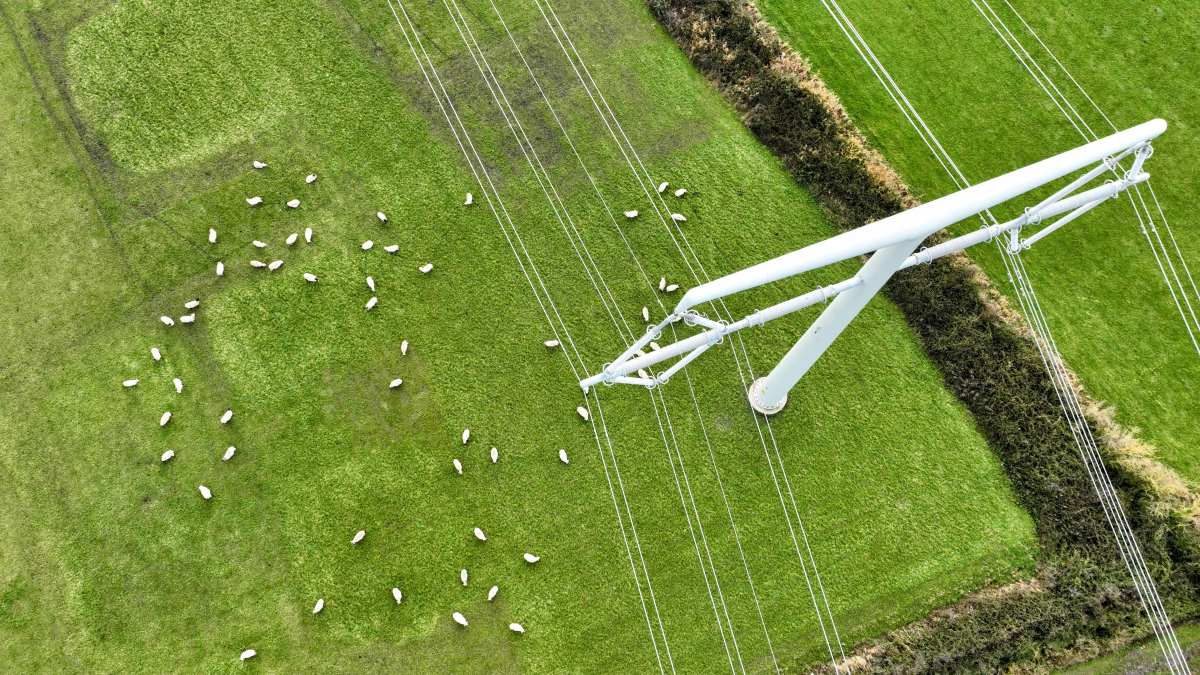
Note.
- There are six cables on each diamond earring-shaped insulator.
- There appears to be a second cross-bar between the insulators.
- The pylon has a small footprint on the ground.
- The white dots on the ground look like sheep.
- The base of the pylon, will make a good scratching post for animals, like sheep, cattle and horses.
This second picture is a profile, that I took at Yatton from a passing train.
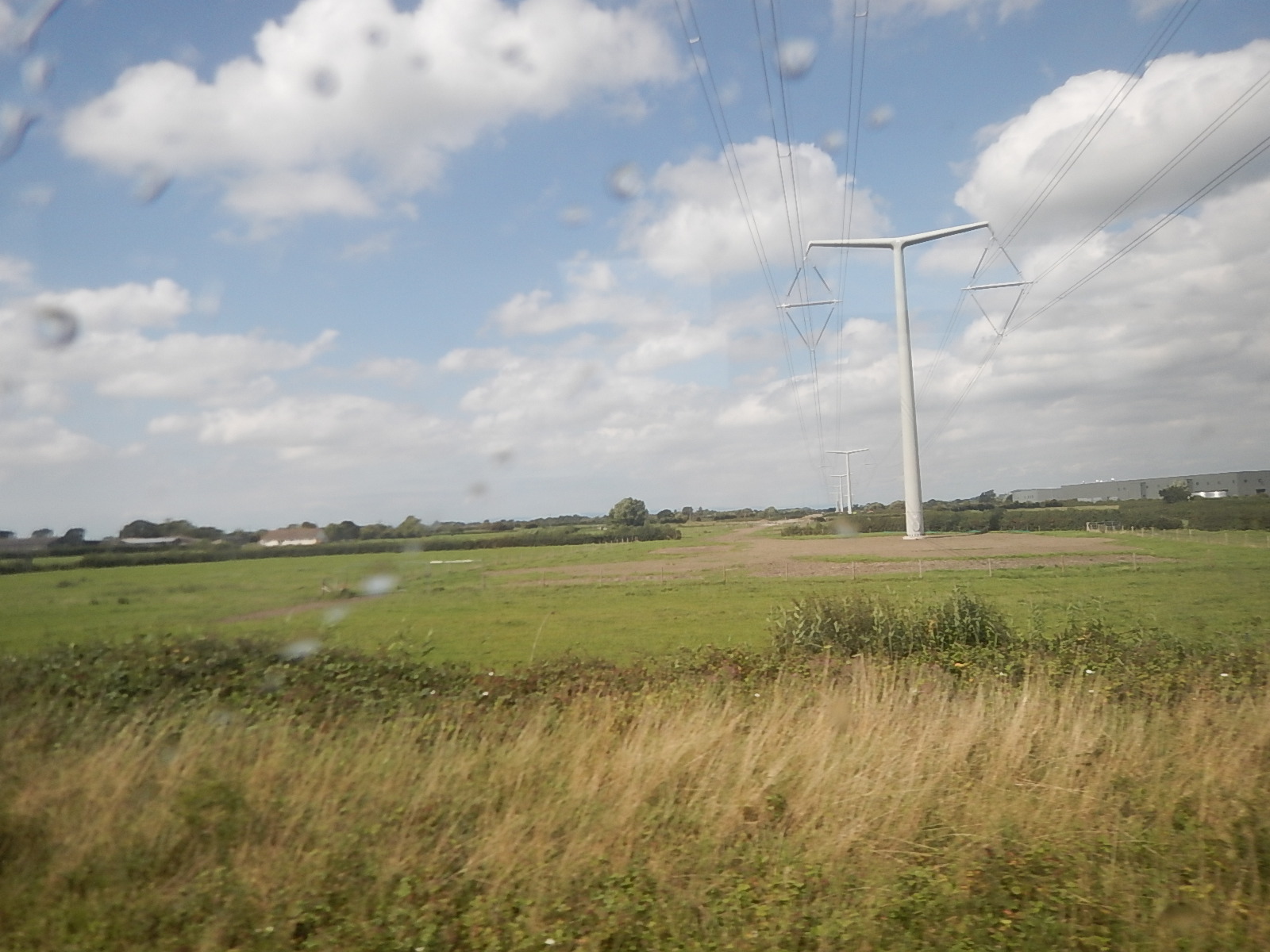
Note that the second cross-bar is not there. Is it to steady the insulators during the installation of the cables?
This picture shows some of the traditional pylons used to connect the Sizewell site to the National Grid.
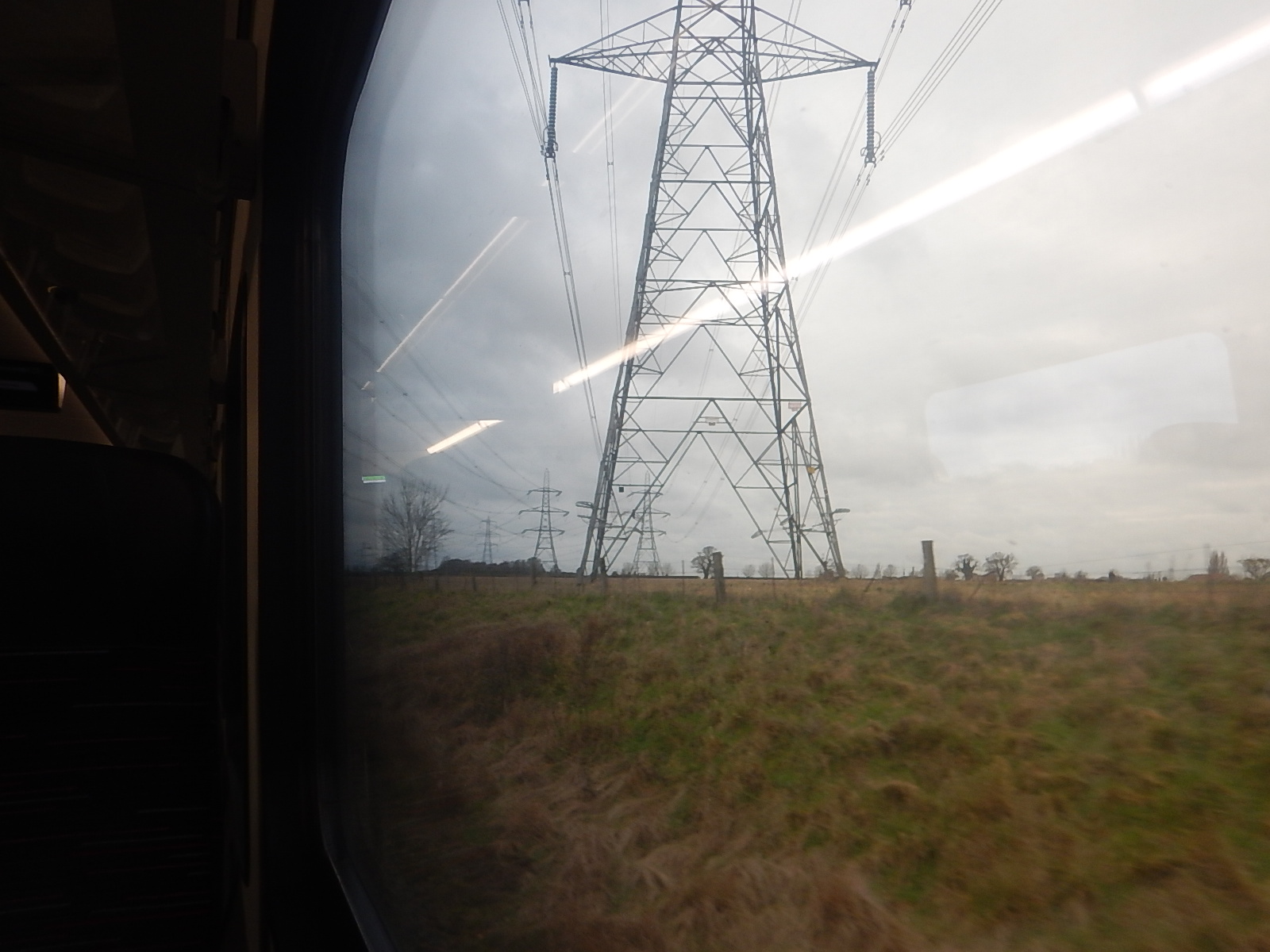
I know which ones I prefer.
National Grid Launches Viking Link, The Next Step Towards A North Sea Super-Grid
The title of this post, is the same as that of this press release from National Grid.
These four bullet points act as sub-headings.
- The £1.8bn project connecting the UK with Denmark was launched today.
- With a capacity of 1.4GW, Viking Link will be able to power up to 2.5 million UK homes and is the longest land and subsea cable in the world.
- Viking Link will deliver £5.2bn in benefits to UK consumers.
- As the UK’s first connection with renewable energy-rich Denmark, Viking Link will be instrumental in both countries achieving net zero carbon emissions.
The press release then gives all the details of the latest of National Grid’s sixth interconnector.
As a Control Engineer, I like this interconnector.
- Denmark and the UK are both importers of electricity.
- The UK has 30 GW of wind power and Denmark has 7 GW.
- The UK has almost 15 GW of solar power and Denmark has 3.5 GW.
- The UK has 6 GW of nuclear and Denmark banned nuclear in 1985.
- Both the UK and Denmark use large amounts of biomass to generate electricity.
- As the sun goes East to West, Denmark will produce its daily peak solar before the UK.
- If the prevailing winds go West to East, the UK will produce its daily peak wind before Denmark.
It looks to me that a UK-Denmark interconnector could perform a valuable job, by balancing the UK’s electricity peaks and troughs with those of Denmark.
The system could be improved in two ways.
- If Southern England has a sunny, windy day, there may be need for substantial energy storage.
- The route between the UK and Denmark could be via a large offshore wind farm in the North Sea.
Vind∅ is a proposed Danish energy island in the North Sea.
There’s more about the Viking Link on its web site.
This is the introduction on the home page.
Viking Link is a 1400 MW high voltage direct current (DC) electricity link between the British and Danish transmission systems connecting at Bicker Fen substation in Lincolnshire and Revsing substation in southern Jutland, Denmark.
The project involves the construction of converter sites and installation of onshore and offshore cable in each country. These are then connected to the substations.
Viking Link is approximately 765 km long and allows electricity to be exchanged between Great Britain and Denmark.
The interconnector enables the more effective use of renewable energy, access to sustainable electricity generation and improved security of electricity supplies. It also benefits the socio economy of both countries.
This is going to be a very valuable interconnector for the UK, Denmark and those that own it.
Did A Day In A Class 350 Train Lower My INR?
Yesterday, I went to Birmingham to take pictures of the rebuilt Birmingham University station.
- I travelled by West Midlands Trains catching the 11:23 to Birmingham New Street station, where it arrived at 13:45.
- Coming home, I caught the 15:36 from Birmingham New Street station, which arrived in Euston at 17:49.
So I spent nearly four and a half hours in the train.
This morning, when I measured my INR, it was only 1.8.
Did the weather and the train’s air-conditioning conspire to lower my INR by removing water from my body?
A Manifesto For Liverpool City Region
The title of this post is the same as that of this document from the Heseltine Institute of Public Policy, Practice and Place.
The Heseltine Institute for Public Policy, Practice and Place. describes itself like this on its home page on the University of Liverpool web site.
An interdisciplinary research institute focusing on the development of sustainable and inclusive cities and city regions.
The main sections of the document are as follows.
- How Can We Reduce Health Inequalities?
- How Do We Meet Our Net Zero Goals?
- How Can We Address The Cost Of Living Crisis?
- How Can We Deliver Sustainable Mobility?
- How Can We Address The Challenges And Meet The Opportunities Of Artificial Intelligence?
- How Do We Build Enough New Homes In The Right Places?
- How Should We Care For The Most Vulnerable In Society?
- How Can We Maintain A Vibrant And Inclusive Cultural Life?
- How Do We Restore Trust In Democracy?
These are nine very important questions and the document is worth a good read.
Hyundai Heavy Sets Sights On Scottish Floating Offshore Wind
The title of this post, is the same as that of this article on offshoreWIND.biz.
This is the sub-heading.
Major South Korean shipbuilder, HD Hyundai Heavy Industries, has signed a Memorandum of Understanding with two Scottish enterprise agencies which is expected to unlock expertise in the design and manufacture of floating offshore wind substructures.
These are the first three paragraphs.
Scottish Enterprise (SE) and Highlands & Islands Enterprise (HIE) signed the MoU with Hyundai Heavy in Edinburgh, described as a “vote of confidence” in Scotland, committing each other to pursue opportunities for floating offshore wind projects in Scotland.
This is the South Korean company’s first agreement in Europe on floating offshore wind manufacturing.
HD Hyundai Heavy Industries is the world’s largest shipbuilding company and a major manufacturer of equipment such as the floating substructures that form a critical part of the multi-billion offshore wind supply chain.
To say this is a big deal, could be a massive understatement, as my history with large Korean companies could say otherwise.
Around 1980, one of the first prestigious overseas projects, that was managed by Artemis was in Saudi Arabia.
- This may have been something like the King Khaled City, but I can’t be sure.
- Most of the hard work on the project was done by labour imported by Hyundai from South Korea.
After a few years, the Korean running Hyundai’s part of the project returned to Korea and he indicated that he would help us break into the Korean market.
Our salesman; Paul, with responsibility for Korea, who sadly passed away last year, told me this tale of doing business in the country.
Our Korean friend had bought a system for Hyundai in Korea and he organised a meeting for important Korean companies, so that Paul could present the system.
Everything went well, with our friend doing the necessary pieces of translation.
When he had finished, Paul asked if there were any questions.
The most common one was “Can we see the contract?”
Contracts were given out and after a cursory read, the leaders of Korean industry, all started signing the contracts.
So Paul asked our Korean friend, what was going on.
After a brief discussion, Paul was told. “If it’s good enough for Hyundai, it’s good enough for my company!”
And that was how we broke the Korean market.
Conclusion
In UK And South Korea Help Secure Millions For World’s Largest Monopile Factory, I talked about Korean company; SeAH Wind’s new monopile factory on Teesside.
In South Korea, UK Strengthen Offshore Wind Ties, I talk about a developing partnership.
In Mersey Tidal Project And Where It Is Up To Now, I talk about Korean involvement in the Mersey Tidal Project.
The Koreans are coming and Hyundai’s endorsement will help.
A Redbrick Station For A Redbrick University
My late wife; C and myself, met at Liverpool University in the 1960s.
Liverpool considers itself as the Original Redbrick on its web site.
This Google 3D visualisation shows why.

Note.
- This 3D picture was taken from the East.
- The white building in the bottom-right corner is the Electrical Engineering and Electronics, where I did most of my studying.
- The building above it is the Harold Cohen Library.
- The clock tower in front is part of the Victoria Building.
There’s a lot of redbrick on the University site.
These pictures show University (Birmingham) station.


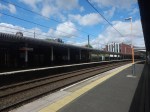
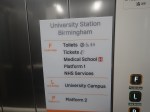







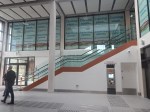
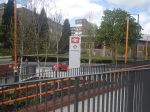


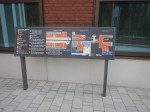
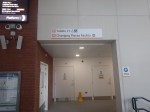


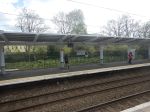
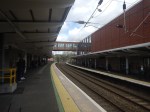
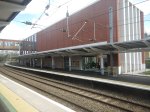

Note.
The Architects didn’t spare the red bricks.
- The station has an NHS Clinic
- The bridge has lifts and steps.
- There is a lot of glass.
There are a pair of bi-sexual toilets, which seems to the standard for new stations these days.
Will Other Universities Want A Station?
Here are a few thoughts.
Liverpool University
I wrote about the possibility in A Railway Station At Liverpool University.
This is an extract.
In Liverpool’s Forgotten Tunnel, I showed this map, which shows a proposed reopening of the Wapping Tunnel as a passenger route between Liverpool Central and Edge Hill stations.
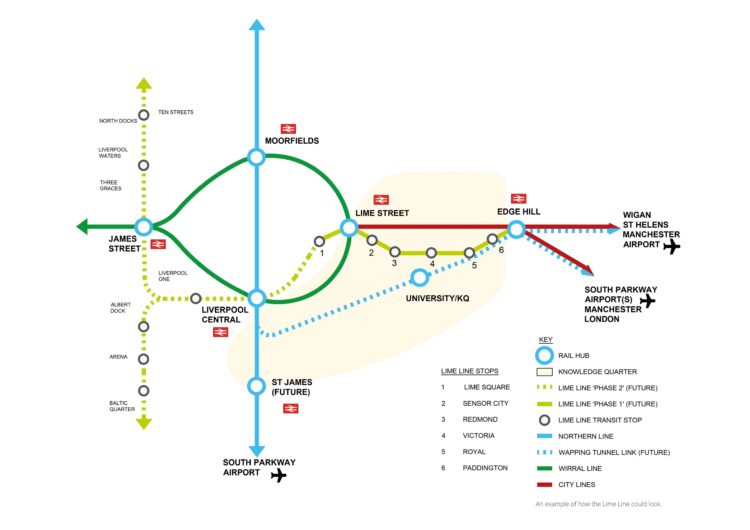
Note.
- The map shows a station at University
- The Wapping Tunnel is shown as a dotted blue line.
- Between four and eight trains per hour (tph) would be running through University station.
Liverpool has other projects on its mind at present, but I wouldn’t rule it out in the future.
Manchester University
This Google Map shows the location of Manchester University.
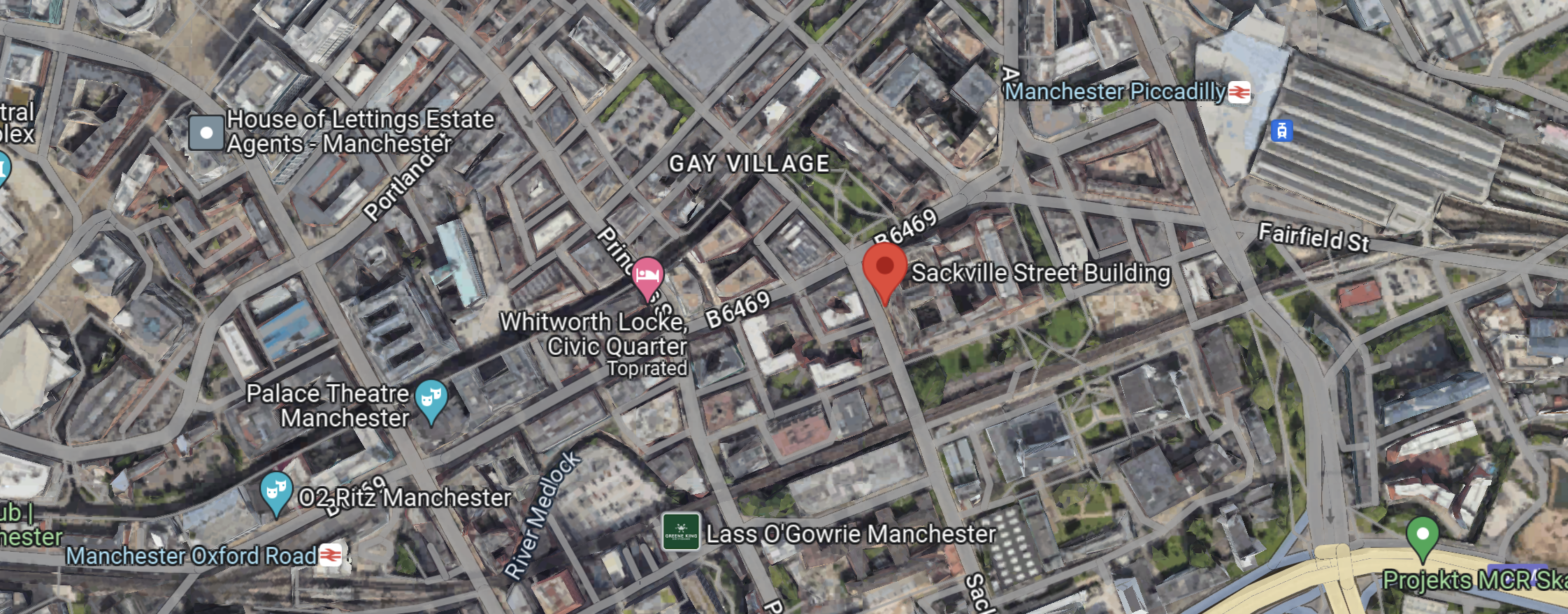
Note.
- The red arrow picks out a notable building in the University.
- Manchester Piccadilly station is in the North-East corner of the map.
- Manchester Oxford Road station is in the South-West corner of the map.
- In recent years I’ve walked between the two stations.
- The Castlefield Corridor passes through the University.
A station on the Castlefield Corridor could be a possibility.
£9.2m Electricity Research Project To Save 39,000 Tonnes Of C02 Gets Go-Ahead
The title of this post, is the same as that of this press release on National Grid.
These four paragraphs detail the project.
National Grid Electricity Transmission (NGET) has been successful in securing £8.12m of funding from Ofgem’s Network Innovation Competition (NIC) to research the uprating of overhead lines, with the remainder being funded by National Grid.
The RICA (Retro-Insulated Cross-Arms) research project will commence in early 2021 and aims to develop an innovative method for uprating overhead lines, allowing the voltage on 275kV overhead lines to be increased to 400kV. This potentially paves the way for uprating 400kV lines to 550kV in the future.
By removing the suspended insulators on these overhead lines and instead insulating the cross arms, the wires will be held higher and further apart, thereby enabling an increased voltage to be carried.
Uprating lines in this way could allow 45% more power to be carried on some existing routes and support significant reductions in UK CO2 emissions – 39,000 tonnes. This could deliver up to £286m of efficiencies to consumers and with future development, it could open the door to ultra-high voltage networks in the UK.
This is a National Grid picture of fitters installing the new system.
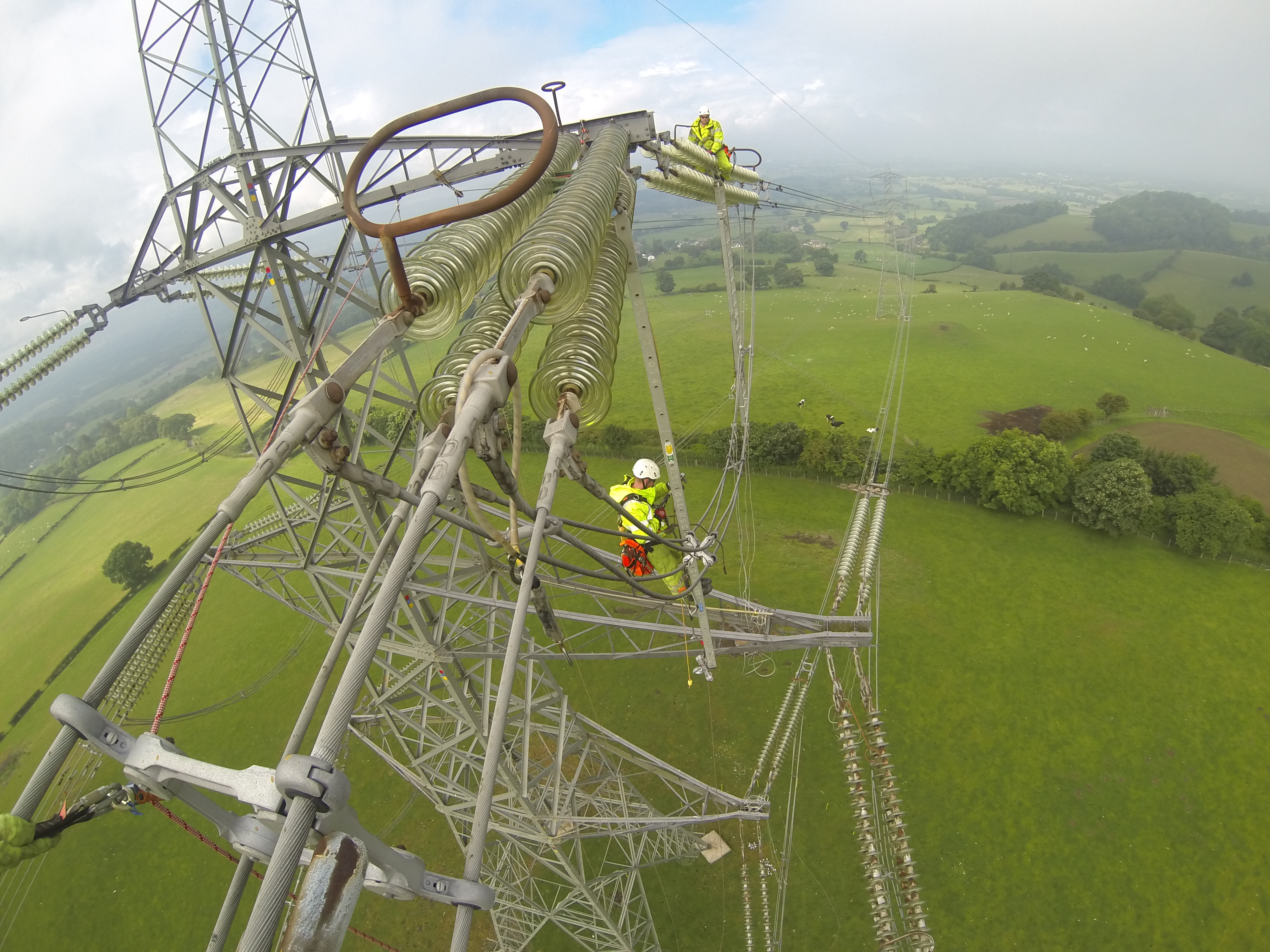
Note.
- Surely, if you can increase the capacity of an electricity line by 45 %, by using innovation and just changing the insulators, this would be much cheaper, than adding another high voltage line.
- It would also incur less legal costs and disruption, than a second line.
I like this idea and hopefully it will please the Nimbies.
More About RICA
This web page is the RICA web site.
This document gives a lot more information.
Conclusion
It appears to be a simple solution to increasing the capacity of the grid.
I’d like to see some recent results.
Opportunity For Communities To Have Their Say On New Clean Energy Substation Proposed In High Marnham
The title of this post, is the same as that of this article on National Grid.
These three bullet points act as sub-headings.
- National Grid is consulting communities from 22 April to 20 May 2024 on its plans for a new electricity substation which will strengthen its network and connect clean energy to the grid – part of The Great Grid Upgrade
- Substation crucial to upgrade critical infrastructure and ensure a secure and reliable supply of clean energy
- Local people invited to attend consultation events to learn more about the proposals
This is the first paragraph.
National Grid is making changes to its network of electricity infrastructure that transports power around the country, in order to connect new sources of power generated from offshore wind and other low carbon sources to the homes and business across Britain.
These two paragraphs detail the work at High Marnham.
The Great Grid Upgrade is the largest overhaul of the grid in generations. It will play a large part in the UK government’s plan to boost homegrown power, helping the UK switch to clean energy and make sure our electricity network is fit for the future; carrying more clean, secure energy from where it’s generated to where it is needed.
As part of the Brinsworth to High Marnham project, National Grid is proposing to build and operate a new 400kV substation immediately west of its existing substation site in High Marnham. The new substation, which forms a key part of The Great Grid Upgrade, will play an important role in building a more secure and resilient future energy system and provide the ability to transport cleaner energy from the North of England to homes and businesses across the Midlands and beyond, helping to reduce our reliance on fossil fuels.
This is a 3D Google Map of the current sub-station.
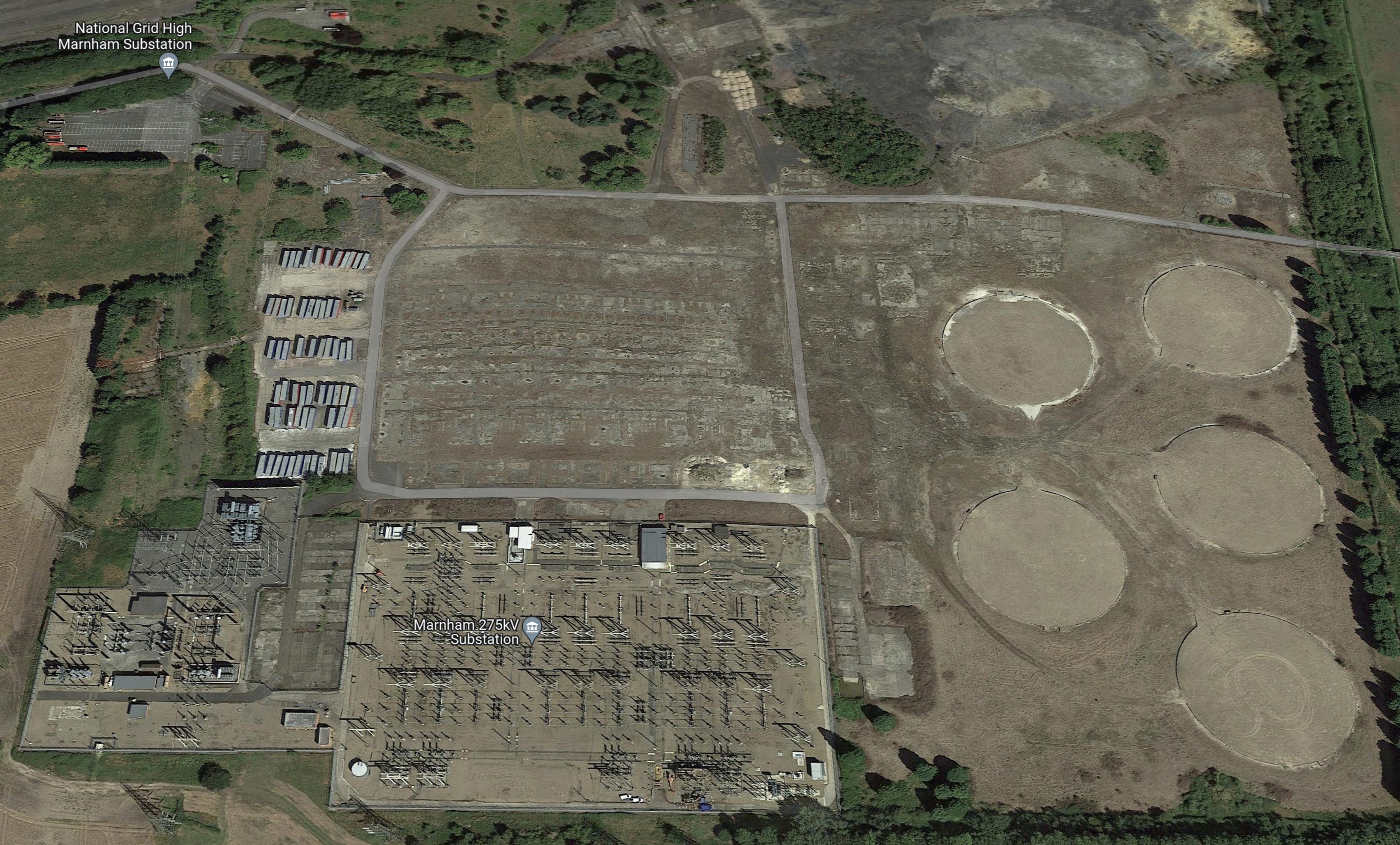
Note.
- The three large circles are the bases of the cooling towers of the former High Marnham power station.
- The 9.3 MW HyMarnham electrolyser will be built on the site of the demolished coal-fired power station.
- The current sub-station is in the South-West quarter of the power station site.
- The new substation will be on the West side of the current substation.
It is a large site, with space for more electrical gubbings.
The Consultation
There is a web site, a webinar and two local in-person meetings.
- Friday 26 April from 2pm – 7pm at South Clifton Coronation Hall, South Clifton, Newark, Nottinghamshire, NG23 7BG
- Saturday 27 April from 9am – 2pm at Normanton on Trent Village Hall, South Street, Normanton on Trent, NG23 6RQ
This is the third Opportunity For Communities To Have Their Say in a few days.
I can’t fault that!
Opportunity For Communities To Have Their Say On New Clean Energy Substation Proposed Near Chesterfield
The title of this post, is the same as that of this article on National Grid.
These three bullet points act as sub-headings.
- National Grid is consulting communities from 22 April to 20 May 2024 on its plans for a new electricity substation which will strengthen its network and connect clean energy to the grid – part of The Great Grid Upgrade
- Substation crucial to upgrade critical infrastructure and ensure a secure and reliable supply of clean energy
- Local people invited to attend consultation events to learn more about the proposals
This is the first paragraph.
National Grid is making changes to its network of electricity infrastructure that transports power around the country, in order to connect new sources of power generated from offshore wind and other low carbon sources to the homes and business across Britain.
These two paragraphs detail the work at Chesterfield.
The Great Grid Upgrade is the largest overhaul of the grid in generations. It will play a large part in the UK government’s plan to boost homegrown power, helping the UK switch to clean energy and make sure our electricity network is fit for the future; carrying more clean, secure energy from where it’s generated to where it is needed.
As part of the Brinsworth to High Marnham project, National Grid is proposing to build and operate a new 400kV substation which will extend to the south of its existing substation site off Calow Lane in Cock Alley, near Chesterfield in Derbyshire. The new substation, which forms a key part of The Great Grid Upgrade, will play an important role in building a more secure and resilient future energy system and provide the ability to transport cleaner energy from the North of England to homes and businesses across the Midlands and beyond, helping to reduce our reliance on fossil fuels.
This is a 3D Google Map of the current sub-station.
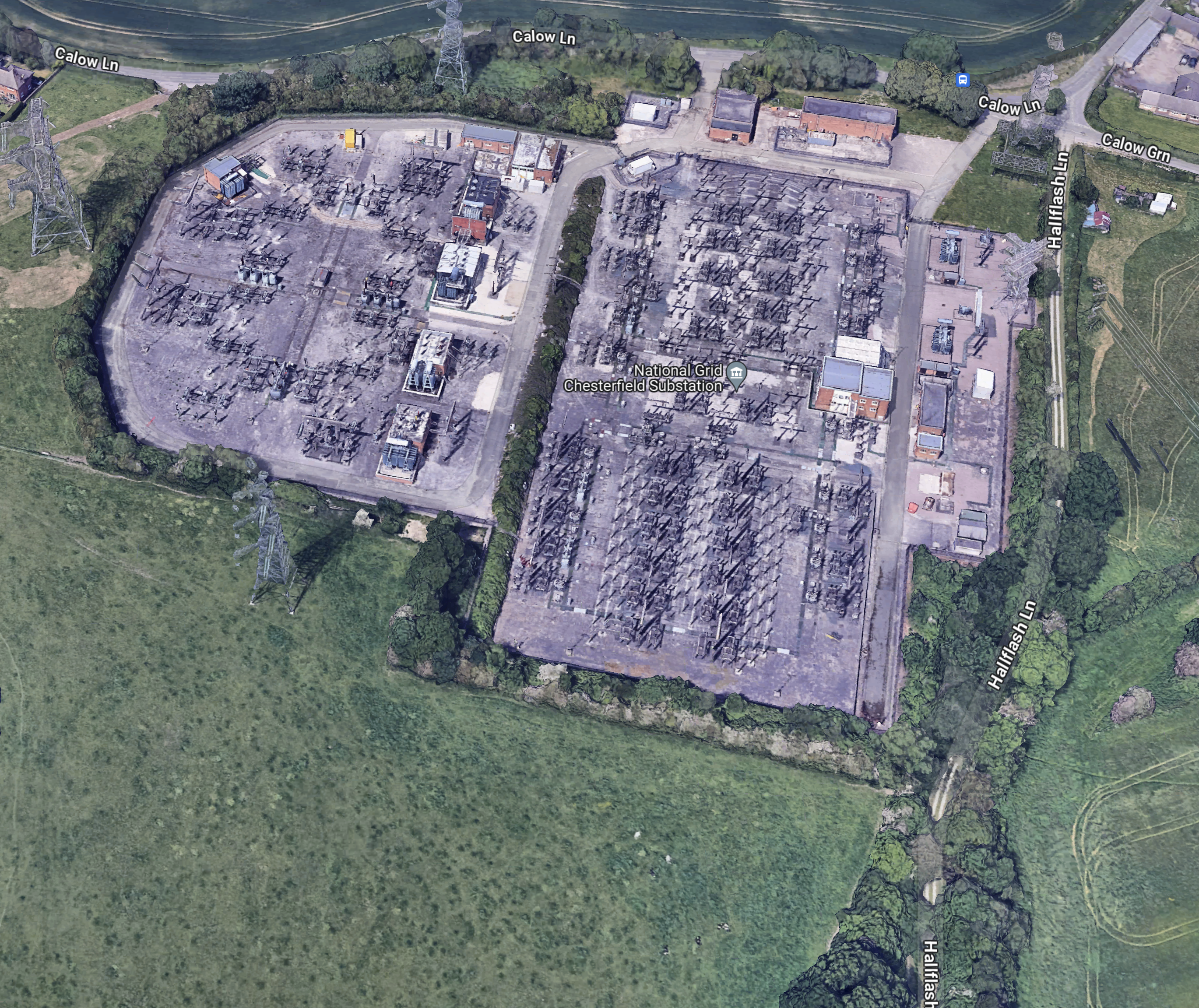
Note.
- Four pylons can be seen.
- The image is shown looking North.
- The new substation will be on this side of the current substation.
It certainly will be a large substation.
The Consultation
There is a web site, a webinar and a local in-person meeting.
The local meeting is on Friday 10 May from 2pm – 7pm and Saturday 11 May from 9am – 2pm at Calow Community Centre, Allpits Road, Calow, Chesterfield S44 5AT
- Friday 26 April from 2pm – 7pm at South Clifton Coronation Hall, South Clifton, Newark, Nottinghamshire, NG23 7BG
- Saturday 27 April from 9am – 2pm at Normanton on Trent Village Hall, South Street, Normanton on Trent, NG23 6RQ
This is the third Opportunity For Communities To Have Their Say in a few days.
This is probably sufficient consultation.
Enterprise: Belfast-Dublin Rail To Receive Multi-Million Investment
The title of this post, is the same as that of this article on the BBC.
This is the sub-heading.
Cross-border rail services between Belfast and Dublin are set to benefit from a £141.9m investment.
These are points from the rest of the article.
- The investment is part of the Peace Plus initiative which funds projects in Northern Ireland and border counties.
- The funding will support a major programme aimed at providing an hourly service between Belfast and Dublin.
- All existing Enterprise trains are to be replaced with brand new trains by the end of this decade leading to faster journey times.
- Ian Campbell from transport company Translink said that the announcement was “good news” and “very much needed”.
- Mr Campbell said the funding would allow the current fleet of four enterprise trains to be replaced by eight new trains.
- He said that these trains would allow a “step up in accessibility and passenger experience”, as well as reducing the journey times by “about 15 minutes”.
- He added that the trains would be “designed ultimately to operate as a net zero service using sustainable technology”.
- Mr Campbell said that the hourly service was “very much needed” as Translink expected there to be demand for two million passenger journeys on the service by 2030.
- Funding is also being provided by the Department for Infrastructure (DfI) in Northern Ireland and the Department of Transport in the Republic of Ireland.
These are my thoughts.
The Enterprise Service
The BBC article describes the service like this.
Jointly operated by Northern Ireland Railways and Iarnród Éireann, the Enterprise train service has provided a transport link between Belfast and Dublin for over 75 years.
These are some points about the tracks and the trains.
- The Northern terminal is Belfast Lanyon Place station.
- The Southern terminal is Dublin Connolly station.
- The Wikipedia entry for the Belfast and Dublin line says the distance is 112 miles, with an operating speed of 90 mph.
The fastest services take two hours and five minutes, which is an average speed of 54 mph.
Electrification Between Dublin And Belfast
Currently, only the nine miles at the Southern end between Dublin Connolly and Malahide stations is electrified using 1,500 V DC overhead.
But there is a program being planned called Dart+, which could see electrification extended by 23 miles to Drogheda station.
New Trains For The Enterprise Service
The BBC article made these points about the new trains.
- Ian Campbell from transport company Translink said that the announcement was “good news” and “very much needed”.
- Mr Campbell said the funding would allow the current fleet of four enterprise trains to be replaced by eight new trains.
- He said that these trains would allow a “step up in accessibility and passenger experience”, as well as reducing the journey times by “about 15 minutes”.
- He added that the trains would be “designed ultimately to operate as a net zero service using sustainable technology”.
This article on Rail Technology Magazine is entitled Multi-Million Pound Transformation For Belfast-Dublin Rail Services.
The last two paragraphs of the article give more details of the trains.
This funding will finance the replacement of the current Enterprise fleet of four train-sets with eight new, modern and sustainable train-sets. Enterprise is jointly operated by Northern Ireland Railways and Iarnród Éireann, and the new trains are designed to evolve as both jurisdictions work towards a fully electrified cross-border rail corridor over the coming decades.
The procurement process for the new train-sets is set to be completed in the coming year, with the fleet expected to be in operation by 2029. The trains will be designed initially to run on electric and battery power, with the possibility to be converted into fully electric operation in the future.
After the DART reaches Drogheda, 32 miles of the Enterprise route will be electrified, with 80 miles unelectrified.
If it is assumed that the Dublin Connolly and Drogheda electrification, means that all trains leave Drogheda for Belfast with a full battery, then it looks to me, that there are three ways, this route could be operated.
- Trains would have a range on excess of 80 miles and would be charged by a short length of overhead wire in or near Belfast Lanyon Place station.
- Trains would have a range on excess of 160 miles and would be charged, whilst running South of Drogheda.
- Trains would be tri-mode trains, with diesel power.
Note.
- Battery-electric multiple units have already been ordered for the Dublin DART from Alstom.
- There are several charging systems available from companies like Furrer+Frey, Hitachi and others.
- The Guinness World Record for a battery-electric train is around 140 miles, but battery technology is improving.
- I suspect range will rule out the second option.
- The first option would be zero-carbon from day one.
Choosing the first option would seem to be the most likely option.
When electrification between Belfast Lanyon Place and Dublin Connolly is completed, all trains could be converted to either all-electric or battery-electric trains.
Could Similar Techniques Be Used To Decarbonise Other Irish Routes?
Just as the Belfast service uses a branch of the electrified DART, as a route out of Dublin, it appears that other Irish routes share tracks with the DART to access stations in the centre of Dublin.
- Cork services share the DART branch to Hazelhatch and Celbridge station.
- Sligo services share the DART branch to Maynooth station.
- Rosslare services share the DART branch to Greystones station.
- Waterford services share the DART branch to Hazelhatch and Celbridge station.
I can see similar trains, that will be used between Dublin and Belfast, being used on other routes to and from Dublin.
Conclusion
Decarbonisation of Dublin and Belfast could be the start of something big and green in the island of Ireland.
I suspect train manufacturers, like Alstom, CAF and Stadler will use all their skills to secure the contract to build the trains for the Enterprise service.
 The Anonymous Widower