A World First For Liverpool
This article on The Engineer is entitled ABB Grid Balancing Facility Comes Online.
This is the sub-heading.
A significant new project to provide vital inertia across the UK’s electricity grid has gone live at the Lister Drive Greener Grid Park in Liverpool.
This Google Map, shows the Lister Drive Greener Grid Park.
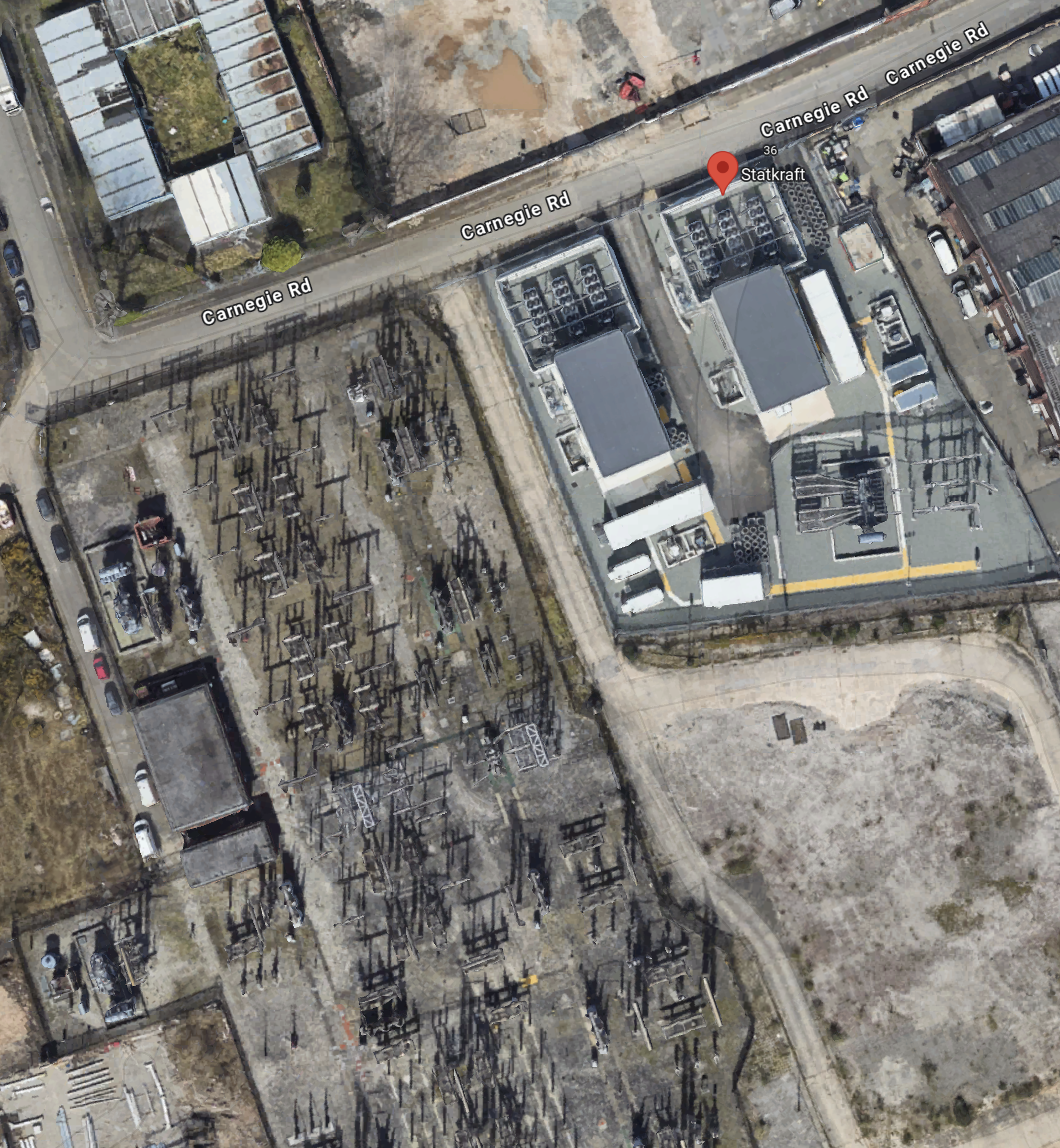
Note.
- The red arrow indicates the location of the pair of synchronous condensers.
- The metal forest to the West of the Statkraft site, looks like a large substation.
These are the first two paragraphs.
Featuring two ABB synchronous condensers, the facility is designed to replicate the inertia currently provided by spinning turbines at coal and gas-fired plants. This inertia is essential for maintaining the correct frequency and voltage across electricity grids, so an alternative source must be installed as thermal generation is replaced by wind and solar, which provide no inertia.
Developed for Norwegian renewable energy firm Statkraft, Lister Drive is the first project anywhere in the world to feature a high-inertia configuration that couples a synchronous condenser with a 40-tonne flywheel. According to ABB, this approach increases the instantaneously available inertia by 3.5 times, ensuring the network frequency and voltage are held stable within the tight limits essential to maintain grid reliability.
In my Electrical Engineering degree course at Liverpool University, I opted out of power engineering, as I preferred Electronics and Control Engineering. So I am indebted to this Wikipedia entry for what a synchronous condenser is and does.
Statkraft seem to be developing several of their Greener Grid Parks, in various places in the UK.
Bedford And Bletchley For £1.30 Return
I am not talking, rubbish, but that is the ticket price, I was charged to go between Bedford and Bletchley stations today.
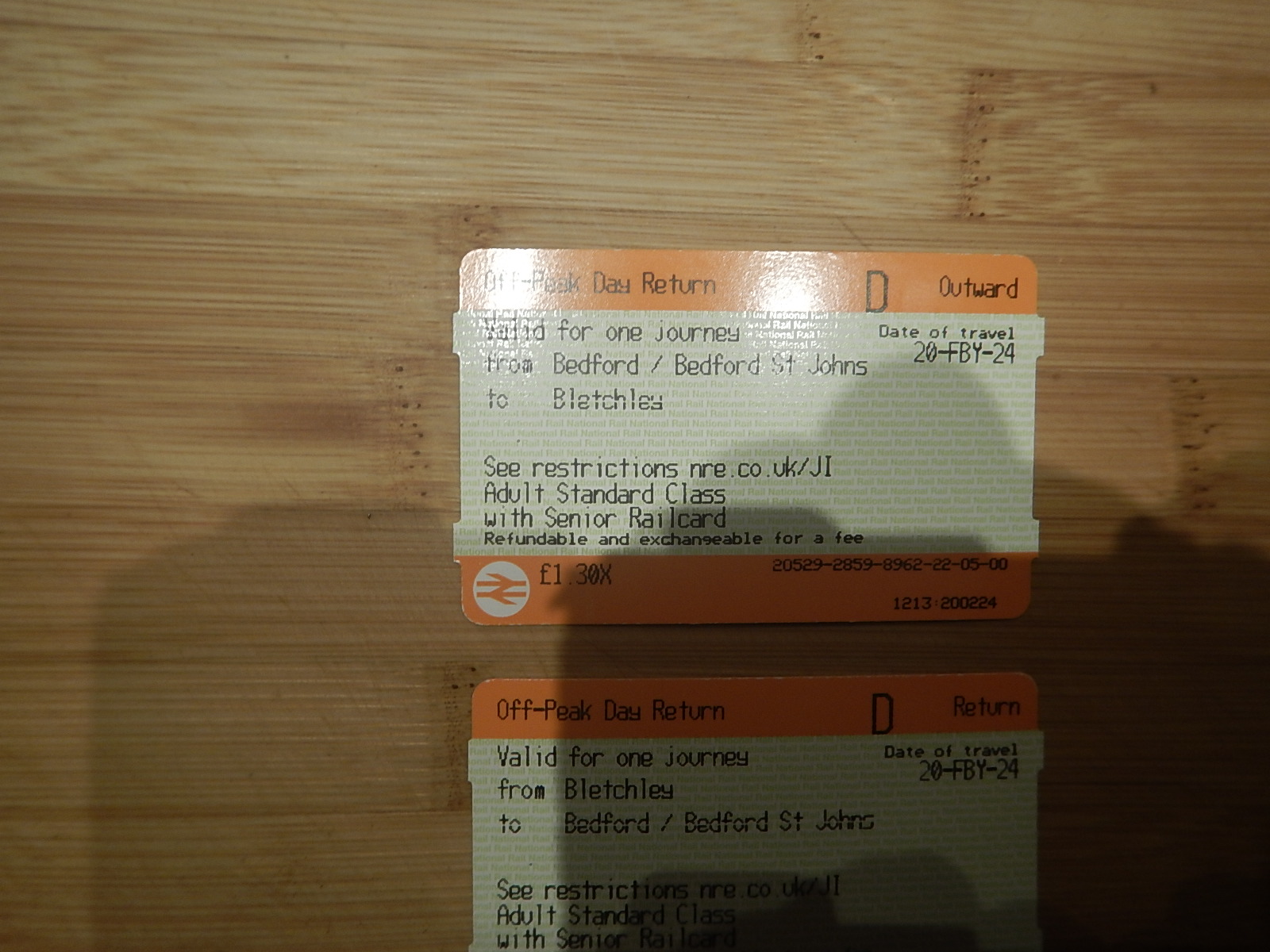
Note.
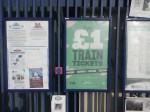
- I bought the two tickets from the machine at Bedford station.
- I did get £0.70 pence off for my Senior Railcard.
These are some more pictures I took along the route.
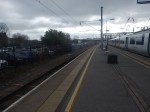
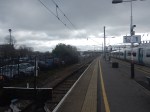
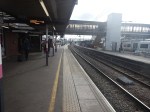
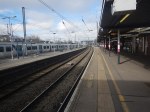
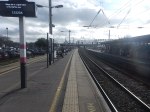
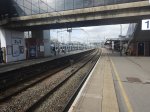
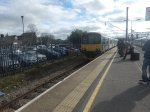
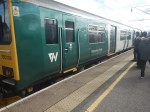
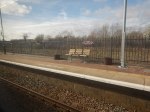
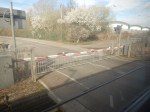
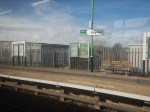
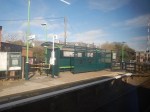
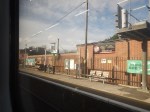
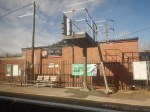
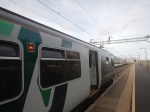
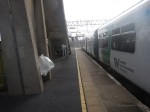

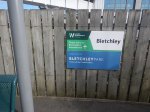
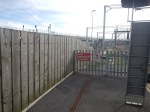
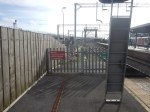
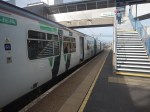
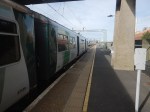
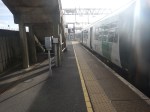
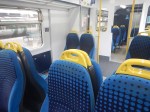
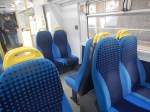
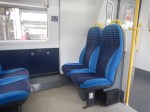
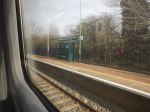
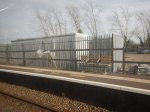
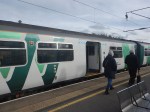
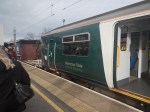
Note.
- Platform 1a at Bedford station is electrified.
- The train was a Class 150 train, that had had a quality refurbishment.
- The stations were neat and tidy.
- The flyover and the extra platforms at Bletchley station seemed ready for the East West Railway.
- There were several level crossings.
- Platform 6 at Bletchley station is electrified.
- Trains took over fifteen minutes to turn at both ends of the journey.
- Bedford and Bletchley is 16.2 miles
- The train was moderately full both ways.
This press release from London Northwestern Railway is entitled London Northwestern Railway: Full Timetable To Resume On Marston Vale Line As £1 tickets Launched.
This is an extract.
The full hourly train service will resume on Monday 19 February. To celebrate its return and encourage passengers to return to the route, LNR is also announcing a major ticket offer today. For three months from Monday, a single journey between any two stations on the Marston Vale Line will cost just £1 (50p for children). The promotion represents a discount of up to 90% on the usual fare, depending on the journey.
Jonny Wiseman, LNR customer experience director, said: “The return of the full timetable to the Marston Vale Line is fantastic news and marks the end of a frustrating period for our customers.
“Our focus now is on encouraging passengers to make full use of their local train service, which is why we have reduced the cost of a trip on the line to £1 for the next three months.
When were tickets between Bedford and Bletchley, last this price?
Will Bedford And Bletchley Be Electrified?
It is not a question of will, as the route already is.
- Platform 1a at Bedford is already electrified.
- Platform 6 at Bletchley is already electrified.
- The schedule gives battery-electric trains sufficient time to charge, whilst the driver changes ends at the two terminal stations.
- Bedford and Bletchley is just 16.2 miles.
- There is even electrified track from Platform 6 at Bletchley station to Bletchley depot, which is being extended.
All it needs is a small fleet of battery-electric trains, which have a 25 KVAC overhead capability.
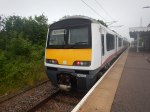
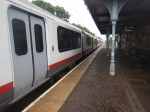
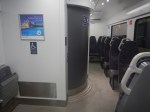
These pictures show a Class 321 Renatus.
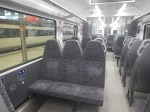

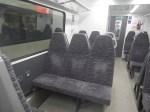
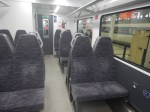

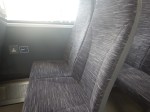
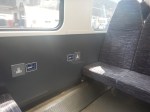
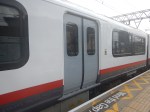
Note.
- The trains were recently refurbished by Greater Anglia.
- In Eversholt Rail And Vivarail To Develop Class 321 BEMU, I talked about how Eversholt Rail planned to get Vivarail to convert the Class 321 Renatus trains into battery-electric multiple units.
- The Class 321 train is a 100 mph four-car train.
- Four-car trains would future proof the route for many years.
- Thirty trains were converted to the Renatus specification.
These trains converted to battery-electric multiple units could certainly handle Bletchley and Bedford services.
Could Four-Car Battery Electric Multiple Units Handle The Next Phase Of East West Rail?
It is likely, when the East West Rail opens that this could be the service.
- Oxford and Milton Keynes – 2 tph – Calling at Oxford Parkway, Bicester Village, Winslow and Bletchley
- Oxford and Bedford – 2 tph – Calling at Oxford Parkway, Bicester Village, Winslow, Bletchley, Woburn Sands, Ridgmont and Bedford St Johns
- Bletchley and Bedford – 2 tph – Calling at Fenny Stratford, Bow Brickhill, Woburn Sands, Aspley Guise, Ridgmont, Lidlington, Millbrook, Stewartby, Kempston Hardwick and Bedford St Johns
Note.
- tph is trains per hour.
- I have assumed that the existing Bletchley and Bedford service is doubled in frequency.
- I estimate that Oxford and Milton Keynes Central is 41.6 miles.
- I estimate that Oxford and Bedford is 54.7 miles.
This would mean the following.
- Oxford and Bletchley would have a frequency of 4 tph.
- Bletchley and Bedford would have a frequency of 4 tph.
- Oxford station would have to charge and turn 4 tph.
- Bedford station would have to charge and turn 4 tph.
- Bletchley station would have to charge and turn 2 tph.
- Milton Keynes Central station would have to charge and turn 2 tph.
There would need to be some form of charging at Oxford.
But Oxford station has two North-facing bay platforms.
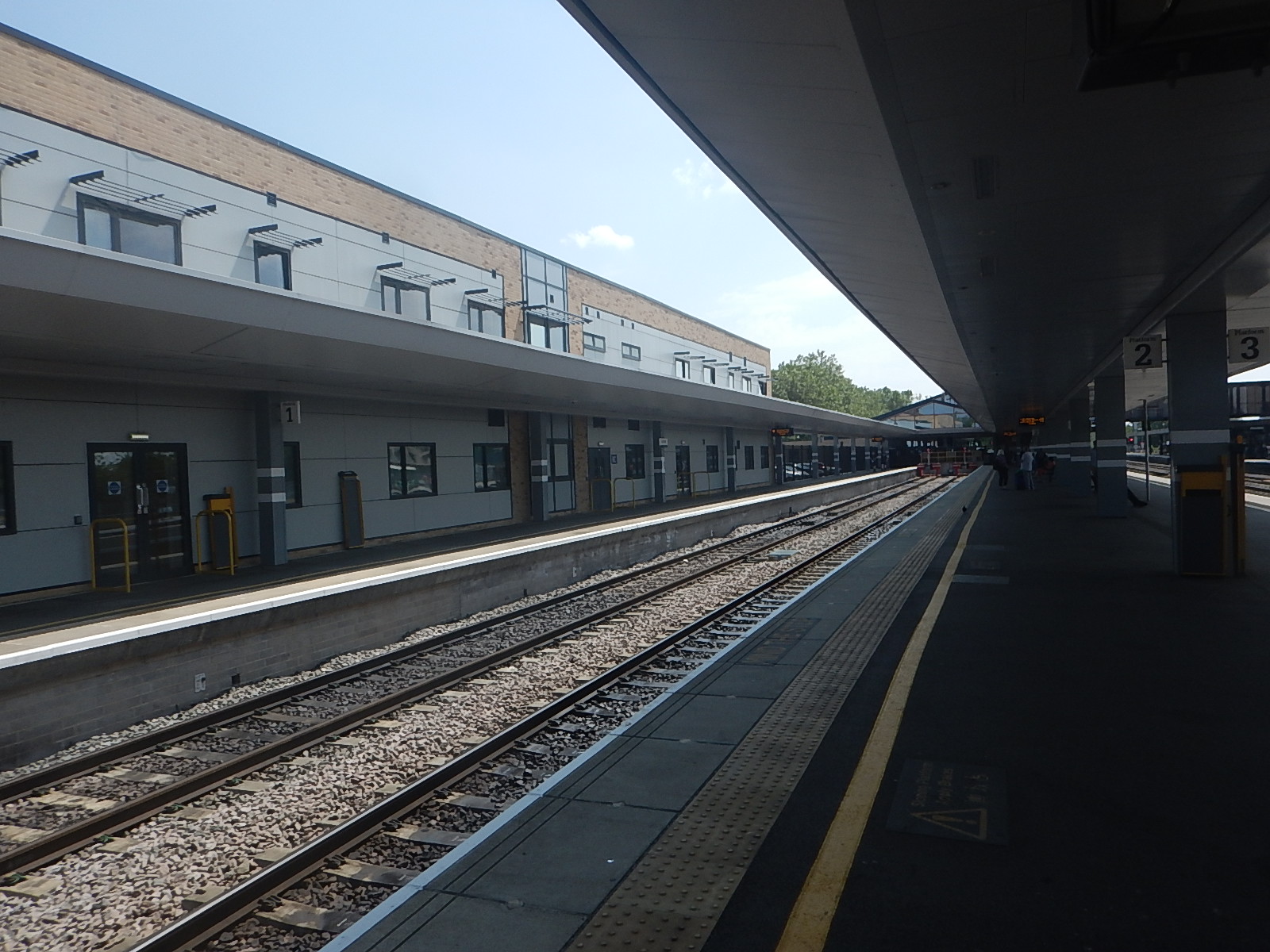
These platforms could be electrified or fitted with a Vivarail/GWR Fast Charger.
As it takes less than fifteen minutes to fully-charge a train, two platforms could charge eight tph.
Form Energy To Begin Manufacturing Iron Air Batteries In Weirton To Stabilize Electrical Grid
The title of this post, is the same as that of this article on wesa.fm.
These three paragraphs detail the story.
A company pioneering electrical grid batteries that will provide days of backup power for power plants reliant on renewable energy is building out its manufacturing arm throughout the greater Pittsburgh region.
Form Energy is on track to begin manufacturing the new kind of grid asset this spring, one the company says is sorely needed in a destabilized climate. As bonuses, it’s cheap — made of earth-abundant and predominantly domestically sourced materials — and Form needs a large, maker workforce to pull it off.
This is a welcomed development in the community of Weirton, West Virginia, which has seen population and industry decline steadily since the 1970s. Most recently, Cleveland-Cliffs — a neighbor company in the small town — announced it would idle its tinplate production plant and lay off up to 900 employees.
I like Form Energy’s iron-air batteries.
They would appear to be a direct replacement for lithium-ion batteries in stationary applications likeBattery-Energy Storage Systems (BESS).
I suspect they will work eoth the grid-balancing software developed for lithium-ion batteries.
- They use rust and air to store energy.
- The science came out of MIT.
- The venture is well-backed by the likes of Bill Gates.
There’s more about this factory on this page of their web site.
- The web site talks of innovative software, like grid modelling software.
- They aim to start production in the second half of this year.
- At full production the factory will employ 750 people.
- The annual production will be 500 MW of batteries.
This is a company to watch.
Footbath Train Launched To Serve Hot Springs Resort
The title of this post, is the same as that of this article on Railway Gazette.
This first two paragraph give full details.
Private train operator Kintetsu has modified one of its electric multiple-units to operate luxury tourist services between Nagoya and Yunoyama-Onsen, a hot springs resort in the Suzuka area of outstanding natural beauty.
Branded Tsudoi, the three-car EMU has been retrofitted with outward-facing longitudinal seats backing onto a central aisle. It can carry up to 88 passengers, although the operator intends to limit ridership to 56.
It looks very up-market!
The Bay Platform At Greenford Station
These pictures show Greenford station.

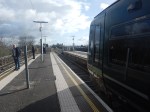

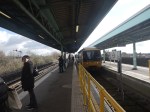
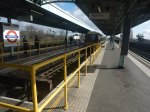
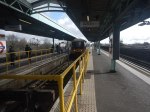
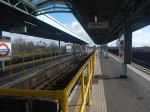
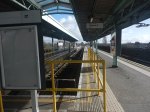
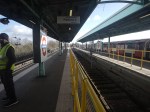
I have some observations to make.
Electrification
Tests for the new battery-electric train would appear to be taking place soon, but there is no electrification or Vivarail/GWR Fast Charge system.
This leads me to the conclusion, that all charging will be done at West Ealing station.
What Length Of Train That Can Be Accommodated In Platform 2 At Greenford Station?
Consider.
- The two-car Class 165 train shown in the pictures is 47 metres long.
- FirstGroup’s test Class 230 train appears from a GWR video, to be three-cars, which would make it 54.663 metres long.
- The test Class 230 train would appear to be nearly eight metres longer, than the current train that works the route.
From the pictures it appears that there is sufficient space in the platform to accommodate the longer train.
Fire Safety Of Battery-Electric Vehicles
I notice that there has been talk of fires in battery-electric vehicles on this blog.
So I thought I’d put up a post with an appropriate topic.
There are some things that already could worry me.
- Vivarail had a fire early on.
- The Merseyrail Class 777 trains go in the tunnels under Liverpool.
- The new Piccadilly Line trains will have batteries.
- Did electric vehicle batteries contribute to the ferocity of the fire in the Luton Airport car park?
- Fire brigades are getting very worried about e-scooter and e-bike fires.
- This page on the Internet gives details of recent BESS fires.
- Do we investigate fires and publish the results properly?
I have some questions.
- Would it be sensible to have nationwide database of all batteries?
- Should we use more non-lithium methods in large stationary batteries?
- Should we use more capacitors?
- Should we make it a criminal offence to build or use a non-compliant e-bike or e-scooter?
- Should installing a battery in your house, need a safety certificate?
One half of me says yes and the other says no, to some of these questions.
Great Western Railway’s Battery Train Sets New Distance Record
The title of this post, is the same as that of this press release from Great Western Railway.
This is the sub-heading.
Great Western Railway’s innovative FastCharge battery trial has achieved another significant step – just days after laying claim to a battery train UK distance record without recharging.
These two paragraphs add more detail.
The train demonstrated its capability on Wednesday by travelling a UK record of 86 miles (138km) on battery power alone and without recharging.
Today the Class 230 battery train completed a 70-mile move from Long Marston to Reading Train Care Depot – using just 45 per cent of its battery capacity. GWR’s team of specialist engineers on board the train claim it could have travelled more than 120 miles on a single charge.
There is also this impressive video.
Note.
- In the video, the train is cruising at 36 mph.
- The top speed of the D78 Stock was 45 mph.
- The train looks in excellent condition.
This is a total game-changer for battery-electric trains in the UK.
The train makers, who have demonstrated battery-electric trains; Alstom/Bombardier, CAF, Hitachi, Siemens and Stadler will have to up their distances on battery power to at least 86 miles and possibly 120 miles, as who would want their new product to be outdistanced by second-hand forty-year-old upcycled London Underground trains?
I have some further thoughts.
The Trains Performance In The Real World
Dr. Simon Green, who is GWR’s Engineering Director, said this.
It’s also worth noting that in reaching the 86 miles on Wednesday, the train was operating in a real-world environment, at speeds of up to 60mph, stopping and starting over a hilly route, with elevation changes of up to 200m.
The train exceeded the 84 miles (135km) recorded by a Stadler Class 777 under test conditions in 2022 – believed to have been the greatest distance travelled by a battery train designed for the UK.
Note that the train was running at up to 60 mph.
Timings For The Mid-Cornwall Metro
This map shows the Mid-Cornwall Metro.

I have been looking at the Mid-Cornwall Metro and this service will share the Cornish Main Line with faster services between Par and Truro.
- Expresses and the Mid-Cornwall Metro will both stop at Par, St. Austell and Truro.
- Par and Truro is a distance of 19 miles.
- Expresses between Penzance and Plymouth take around 22-23 minutes to go between Par and Truro.
- This is an average speed of around 50-52 mph.
It looks to me, that there is scope for the Mid-Cornwall Metro and the express trains to run at similar speeds between Par and Truro.
- If the Mid-Cornwall Metro used Class 230 trains running on batteries, these trains should be fast enough to keep out of the way of the expresses.
- Par station has an island platform, where the Mid-Cornwall Metro uses one side (Platform 3) and expresses use the other (Platform 2).
Perhaps, if the timetable was something like this, it would give the best services to passengers.
- All expresses would use Platform 2, if they were stopping at Par station. The current track layout allows this.
- For Westbound passengers the Mid-Cornwall Metro would stop in Platform 3 and the express would stop in Platform 2, so that passengers going to beyond Truro on the Cornish Main Line could to the express on the other platform.
- Between Par and Truro, the Mid-Cornwall Metro would run a couple of minutes behind the express.
- Passengers for the Falmouth Branch could swap trains at Par on wait for the Metro at St. Austell or Truro.
- For Eastbound passengers, between Par and Truro, the Mid-Cornwall Metro would run a couple of minutes behind the express.
- At Par, the Mid-Cornwall Metro would stop in Platform 3 and the express would stop in Platform 2.
- The express would wait at Par for the Mid-Cornwall Metro.
- Passengers for Plymouth and London Paddington would change trains at Par for the express on the other platform.
- Passengers for the Newquay Branch on the express would swap trains at Par or wait for the Metro at St. Austell or Truro.
I suspect there are other patterns, but something like this will combine express services with the Mid-Cornwall Metro.
Simon’s Vision
Simon Green also says this about his vision of how the trains and the related FastCharge technology could be used.
GWR’s FastCharge technology has been designed to solve the problem of delivering reliable, battery-only trains capable of fulfilling timetable services on branch lines, eliminating the use of diesel traction and helping to meet the Government and wider rail industry’s target to reach net-zero carbon emissions by 2050.
The use of batteries for extended operation has typically been constrained by their range and meant widespread implementation has, until now, not been possible. It also negates the need for overhead electric lines which are expensive, time consuming to install and impact the landscape.
He’s judging the system as a whole, which is the only way to do it.
Where Could Class 230 Trains Be Used On The Great Western Railway?
These are a few ideas.
- Slough and Windsor & Eton Central – 2.8 miles – 3 cars – FastCharge at Slough
- Maidenhead and Marlow – 7.1 miles – 2 or possibly 3 cars – FastCharge at Maidenhead
- Twyford and Henley-on-Thames – 4.6 miles – 3 cars – FastCharge at Twyford
- Reading and Basingstoke – 15.4 miles – 3 cars – FastCharge at Basingstoke
- Weston-super-Mare and Severn Beach – 32.5 miles – 3 cars – FastCharge at Severn Beach
- Bristol Temple Meads to Avonmouth 8.9 miles – 2 cars – FastCharge at Avonmouth
Bourne End station, where there is a reverse may restrict the length of the service to Marlow.
Heathrow Third Runway Shelved As Airport Seeks To Be ‘Better Not Bigger’
The title of this post, is the same as that of this article in The Times.
This is the sub-heading.
Chief executive Thomas Woldbye exploring how to squeeze millions more passengers through the airport without expanding its footprint
These are the first two paragraphs.
Heathrow’s third runway has been shelved as leaked details of the airport’s “better not bigger” strategy can be revealed.
New chief executive Thomas Woldbye is understood to have begun disbanding Heathrow’s third runway team in favour of exploring how to squeeze millions more passengers through the airport without expanding its footprint.
Various strategies to increase the capacity are suggested.
- More buses to transport passengers from the terminal to the aircraft. This allows planes to be parked further from the terminal.
- More efficient use of the runway so that planes could take off and land closer together.
- Increasing the flight cap by five percent, if the Government agrees.
This paragraph indicates the number of passengers, Heathrow will be planning for.
Leaked details of the plans reveal that annual passenger numbers could hit 96 million by 2036, up from the record 80.9 million it welcomed in 2019, if all of its initiatives can be realised. A “core” case is understood to forecast a rise to 86 million passengers.
If the figure of 96 million passengers is correct, that would be a nearly twenty percent increase in passengers in just seventeen years.
Newquay Station – 9/10th February 2024
These pictures show Newquay station.



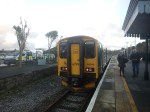
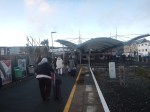



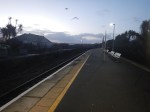

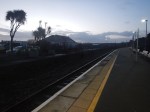

Note.
- It is a small one-platform station.
- It has a few facilities.
- It is located on the main street in the centre of the town.
This Google Map shows Newquay station.

Newquay station appears to have a very long platform.
- This page on Railway Data gives a length of 242 metres.
- It should accommodate a nine-car Class 802 train.
- The station is also close to the beach.
It looks to me that Newquay station is ready for a big surfing festival.
I have a few thoughts.
Adding A Second Platform
These pictures show the space alongside the current single track. At least for a five-car train.
Note.
- I would expect that adding a second platform could be easily done by a competent and experienced construction company.
- There would need to be new track and a set of points, so that a train could use either platform.
- Signalling would be added, so both platforms could be used, either separately or at the same time.
I also expect that the Tregoss Loop would need to be commissioned before the second platform.
Adding Charging For Battery-Electric Trains
Consider.
In GWR Trialling Transformative Ultra-Rapid Charging Train Battery, I talked about the installation of the Vivarail/GWR Fast Charge system at West Ealing station.
In Decarbonising The Mid-Cornwall Metro, I talked about using the Vivarail/GWR Fast Charge system or hydrogen to decarbonise the Mid-Cornwall Metro.
This picture shows the Vivarail/GWR Fast Charge system at West Ealing station.
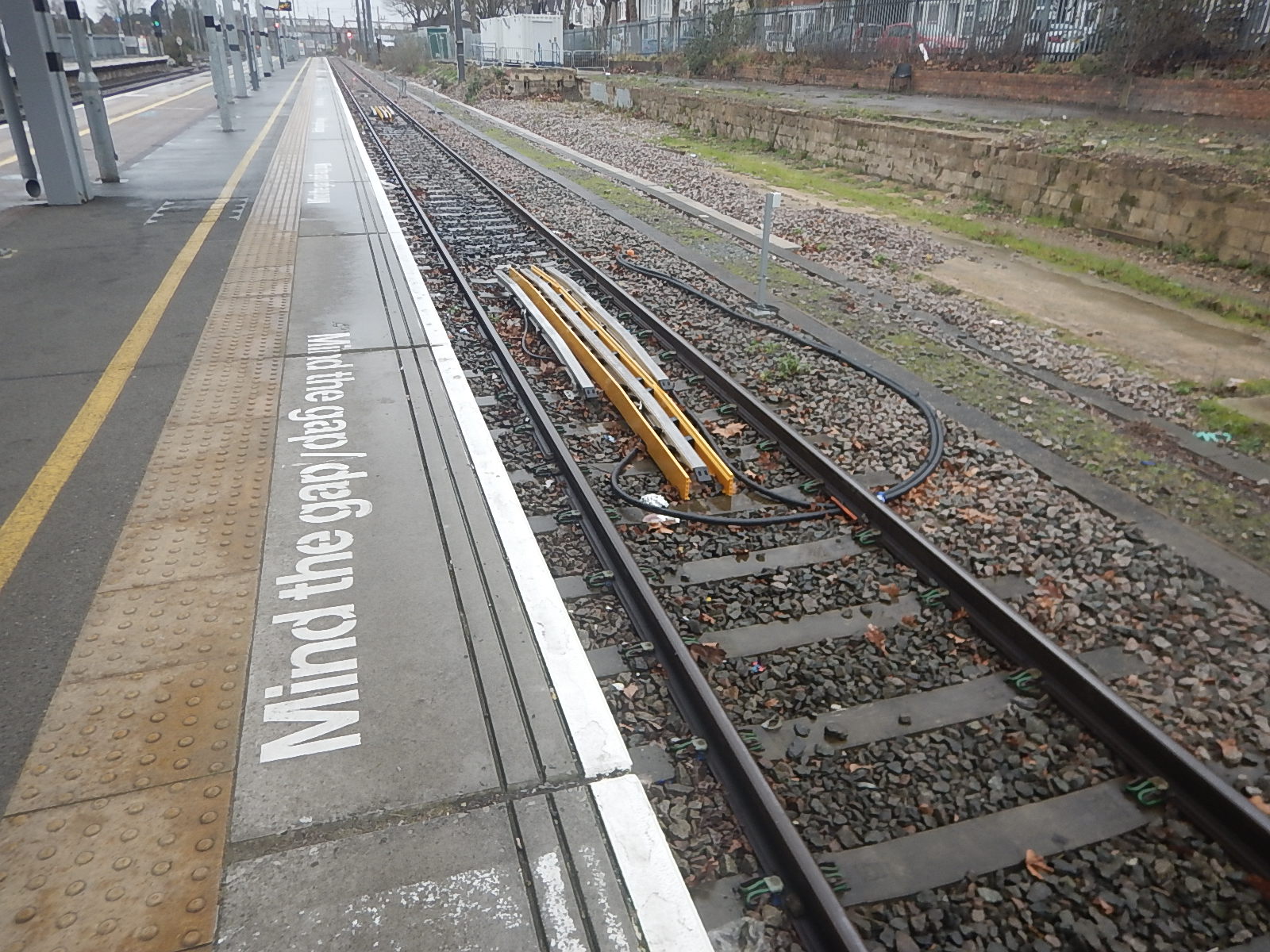
I feel there would be no problem fitting one of these in one or both of the platforms at Newquay.
But I do feel that the best way to decarbonise services to Newquay, would be to fully-electrify Par station with 25 KVAC overhead wires.
- Mid-Cornwall Metro services would charge their batteries using a pantograph, every time that they reversed in the station.
- Long distance battery-electric services through the station would top up their batteries during a stop at the station.
- Locomotives with batteries will be increasingly used on freight services and charging may be needed for the locomotives used from china clay trains.
Note.
- Par and Falmouth Docks is 30.8 miles.
- Par and Newquay is 20.8 miles.
- Par and Penzance is 44.8 miles
- Par and Plymouth is 34.7 miles.
- Par and Truro is 19 miles.
Par would appear to be a station, that could be easy to electrify and is conveniently placed in the heart of services through Cornwall.
Tideway – Blackfriars Bridge Foreshore – 12th February 2024
It is two years since I took the last set of pictures here.
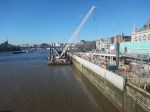
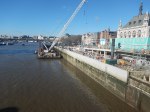
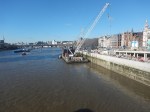
The tunnelling is now complete.
 The Anonymous Widower