Project Launches To Pair Offshore Wind With Sustainable Food Production
Note that it’s a little over a fortnight to April Fool’s Day!
The title of this post, is the same as that of this article on offshoreWIND.biz.
This is the sub-heading.
Win@Sea, a new collaboration between Vattenfall and Danish universities and companies, will investigate how to produce offshore wind power and sustainable food – all while improving the marine environment and biodiversity in the same marine area.
This is the first paragraph.
The partners will look into whether an offshore wind farm could simultaneously produce fossil-free electricity and sustainable food while also contributing positively to biodiversity in the same area.
But this report is not alone, in using the sea as a farm.
- Amazon Finances First-Ever Commercial-Scale Seaweed Farm Located Between Offshore Wind Turbines
- Brown Seaweed Could Remove 550 Million Tons Of Carbon
- The Plans For Giant Seaweed Farms In European Waters
- Oysters Get New Home At Eneco Luchterduinen Offshore Wind Farm
It sounds to me like a case of great minds thinking alike.
Moorgate To Charlton Via Cannon Street
I needed to go to Charlton station this morning to take a couple of photographs for a possible blog post.
- I had had my usual breakfast in LEON on Moorgate, so I started from Moorgate station.
- I took the Northern Line one stop to Bank station.
- It was then straight up the double escalators.
- I followed this by a brisk walk along Cannon Street.
The total time between entering Moorgate station and sitting on my train at Cannon Street station was about ten minutes.
One of London’s more difficult stations to access now has a North-South Underground line, to go with its East-West line.
A Quality Takeaway With A Station And A Large Garden
It was cold today and on walking from the Hanover Square entrance to Bond Street station to the Marks and Spencer store on Oxford Street, I came across this Leon, where I had a hot chocolate.



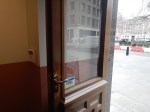
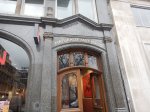
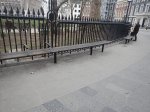
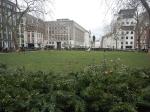

Is this the ultimate pit-stop on the Elizabeth Line?
East London Is A Duckers And Divers Paradise
This is the East End Tube Map, which I clipped off the full tube map.
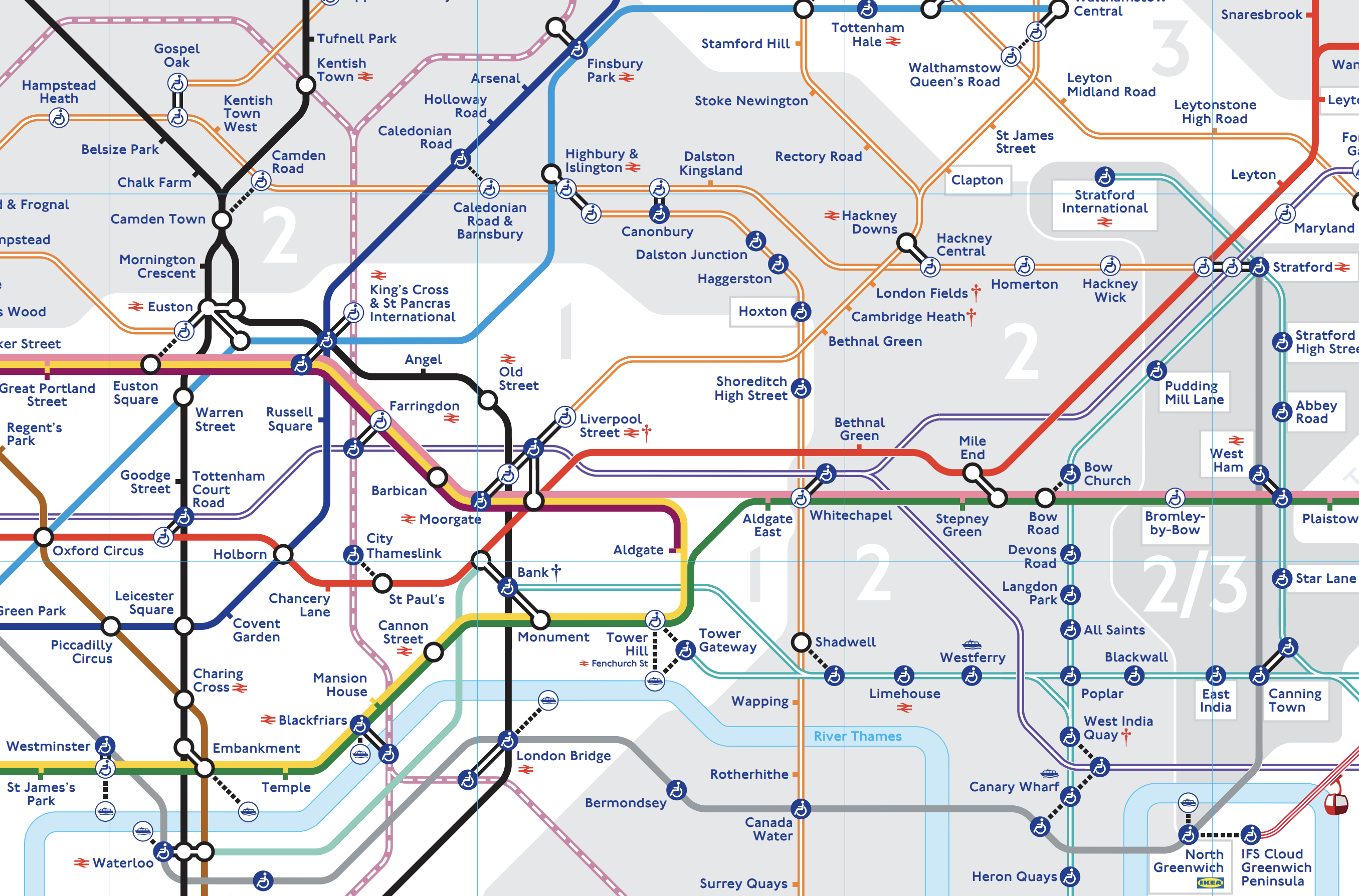
I live just South of the East London Line between Canonbury and Dalston Junction stations.
Today started just after nine, as many others do by braving the nightmare on the buses to take a 141 bus to Moorgate.
- At Moorgate, I had breakfast as I do regularly in the Leon, by Moorgate station.
- After breakfast, it was one stop South on the Northern Line to Bank, to see if the new entrance had opened.
- It was then a trip on the new moving walkway to the Central Line.
- I took the Central Line to Stratford to do my main shopping at the start of the week, in the large Marks and Spencer in Eastfield, by the station entrance.
- It was then on to the North London Line to go back home.
- I didn’t go all the way home on the Overground, but got off the train at Hackney Central and using the new Graham Road entrance, I crossed to get a 38 bus, which would take me home.
- But two 38s passed as I tried to cross the road and in the end I took a 277 bus to Dalston Junction station.
- From the Junction, I got a 56 bus home.
I got home about eleven.
At least now, I’ve got food until Thursday!
Amazon Finances First-Ever Commercial-Scale Seaweed Farm Located Between Offshore Wind Turbines
The title of this post, is the same as that of this article on offshoreWIND.biz.
This is the sub-heading.
Multinational technology company Amazon is funding the world’s first commercial-scale seaweed farm located between offshore wind turbines
This paragraph details the project.
The North Sea Farm 1 will be located in a wind farm off the coast of the Netherlands, designed to test and improve methods of seaweed farming, while researching the potential of seaweed to sequester carbon.
Seaweed is all the rage at the moment, since Notpla won Prince William’s Earthshot Prize, with their packaging made from seaweed.
It sounds to me, that as Amazon probably create more need for packaging, than any company in the world, there could be an almighty coming together, which will create a lot of environmentally-friendly ideas.
Findlater’s Corner At London Bridge – 11th February 2023
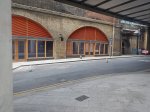
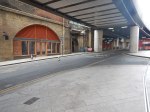
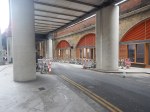
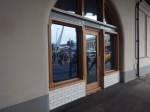
This restoration was shown on the BBC London news in a story, which was entitled London Bridge: Derelict Railway Arches Restored To Past Glory, and I thought it was worth a visit.
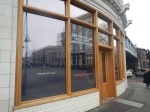


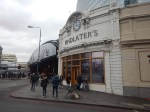
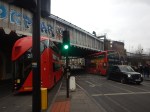
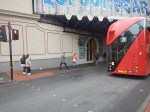
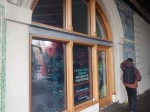
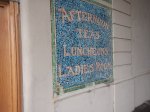

Note.
- It is a fine restoration.
- I shall be interested to see, the tenants it attracts.
- The railway bridge needs an appropriate repainting, to eliminate the graffiti.
I think, that with the right tenants, the tea room could be a gem.
The BBC article says this about the tea room.
The project team also made a surprise discovery when removing a section of plaster from a wall to another of the arches; a glass mosaic for an Express Dairy Tea Room dating back to the early 1900s.
Railway stations were a popular location for tea rooms because at the time they had access to the freshest milk, often transported from farms on trains before being sent to urban milk dairies.
“The tea rooms were one of the first places that ladies, who couldn’t necessarily go and eat in bars or eat in chop houses, could come, get together as single women and meet their friends, so this is perhaps an important part of the emancipation of urban woman in London”, said Mr O’Looney.
Mr. O’Looney is the architect of this project, who is the gloriously named; Benedict O’Looney.
He featured in this blog before in It’s Not April The First, where I wrote about his restoration of the waiting room at Pekham Rye station.
Nightmare On The Buses
The title of this post, is not the title of a horror remake of the popular 1970s-sitcom’ On The Buses, but a description of my journeys on a 141 bus today.
Until, last Friday, I had two buses; the 21 and 141 to take between my house and Moorgate, which is an important destination for me.
- There is a large Marks and Spencer food store there, where I regularly buy the gluten-free food, I must have as a coeliac.
- There is a LEON there, where I regularly have my gluten-free breakfast.
- Moorgate station is a good transport interchange from which I regularly start journeys over London.
But now there is only one bus; the 141.
In November 2021, I wrote The Great Bus Robbery, where I said this.
What is TfL’s latest crime?
The 21 and 271 buses are going to be combined into a new route between Lewisham and Highgate, which will go nowhere near the Balls Pond Road.
So we’ll just have the one bus route to the City of London.
On past form, if TfL say they will increase the frequency, I wouldn’t believe them.
This was my conclusion.
We will need the 21 bus to provide us with a route to Crossrail, as the 141 buses will be full.
The 21 bus is needed where it is and mustn’t be stolen.
Note that Crossrail is now called the Elizabeth Line.
Today, I made three journeys between my house and Moorgate station and this is what happened.
Journey 1 – Southbound
I arrived at the bus stop and after five minutes a 141 bus arrived.
But it was full and didn’t open the door to let any of the waiting six passengers board.
After another three minutes, another 141 bus arrived and we squeezed on.
But there wasn’t any seats left and I stood all the way to Moorgate.
Journey 2 – Northbound
I only had my breakfast and as I had things to do at home, I returned fairly quickly after finishing my breakfast.
Partly, this was also because a 141 bus turned up with some seats available.
But it was a lot closer to capacity, than Northbound buses at about the same time last week.
Journey 3 – Northbound
My third journey started at about four in the afternoon, after I’d been out to take some pictures and buy a few food items in Marks and Spencer.
I had to wait seven minutes for a 141 bus and as there was a 76 bus a couple of minutes in front of it, I took that, with the intention of changing halfway.
I was able to get a seat.
In the end, the 76 bus got stuck in traffic and I walked to my intended change stop and waited there for the 141 bus, which was without a seat, so I stood for three stops to home.
It was one of the slowest journeys, I’d had between my house and Moorgate station.
Day 2 – February 7th – 2023
I arrived at the bus stop and found a lady, who had been waiting for an hour-and-a-quarter.
I had no problem coming home, as I went to Liverpool during the day and got a taxi back from Euston.
Day 3 – February 8th – 2023
Perhaps, they’d heard our pleas, but a bus turned up after a couple of minutes with plenty of spare space.
I even got a seat.
Going home, at about 10, there wasn’t a spare seat.
Revenue per bus, is certainly rising.
Conclusion
On the evidence of the first three day, it appears that there is not enough capacity without the 21 bus.
Could The Giant Station At Bank, Liverpool Street, Monument And Moorgate Be Considered A Superhub?
In Is The City Of London Moving Towards One Giant Station?, I showed how the four stations were being drawn together and developed as one large station that served the heart of the City of London.
London is also developing other large interchange stations that could claim because of their connectivity could be classed as London superhub stations.
- Canary Wharf stations, which connect the Elizabeth and Jubilee Lines, and the Docklands Light Railway.
- Old Oak Common station, which could bring together the Central, Chiltern and Elizabeth Lines, the London Overground and High Speed Two.
- Stratford station, which connects the Central, Elizabeth and Jubilee Lines, the Docklands Light Railway, the London Overground, High Speed One and the Great Eastern Main Line.
- Whitechapel station, which connects the Circle, District, Elizabeth and Hammersmith & City Lines, and the London Overground.
But what are the characteristics of a superhub station?
A Lot Of Lines And Services
Obviously, it must have a lot of lines and services, so perhaps Clapham Junction station is the original superhub station.
All Lines Should Have Step-Free Access
This surely, goes without saying.
There Should Be Lots of Information
If the station is large it needs a lot of information and there’s probably the space to put it.
Helpful Staff
Should we have a fully-staffed kiosk at superhub stations, as there are at some main line stations?
Good Bus Connections
Bus connections at a superhub station must be comprehensive and probably connect to other superhubs.
There Should Be A Selection Of Shops For Travellers
I do my daily food and other shopping, as I travel around London. I’ll often use a station like Paddington with a good selection of shops.
Toilets
There are not enough public toilets in London.
Cash Machines
I know we’re using less cash, but a large station is a secure place to put a cash-machine.
Works Of Art
I also believe that railway stations are a secure place to put some of those large bronze sculptures and other works of art, that are currently locked away in the storerooms of galleries.
SSE Renewables Lays Out Plans To Bolster Ties With Fishing Industry
The title of this post, is the same as that of this article on offshorewind.biz.
This is the sub-heading.
SSE Renewables has published a report that sets out the company’s vision to better co-exist with fisheries when building and developing offshore wind energy.
Sounds like a good idea on the line of Jaw, jaw is better than war, war!
The original press release is here.
Hackney Central Before Levelling Up
This press release from Hackney Council is entitled £19m Funding Boost For Town Centre At Hackney’s ‘Beating Heart’.
This summary is in the first two paragraphs.
A greener, safer and more welcoming Hackney Central is one step closer after Hackney Council’s successful application for £19m in Levelling Up funding.
The award will see five acres of public space transformed, bringing new green space, trees and seating along Amhurst Road, investment in Hackney Central Library, a much-needed redesign of Pembury Circus junction, new creative workspace and a rejuvenated Hackney Town Hall Square.
This is the summary from the Government’s levelling-up document.
£19 million for renovating public spaces in Hackney Central, such as the iconic Town Hall Square, as well as new creative workspace and upgrades to the Hackney Central Library.
So. this afternoon I went for a walk around Hackney Central and took these pictures.
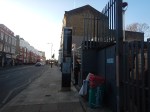

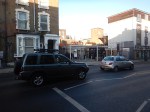
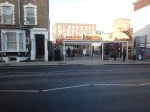
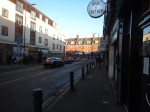
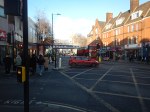
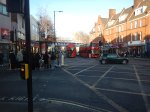
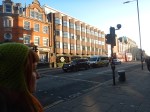
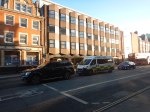

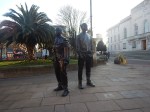
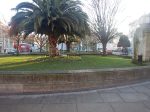
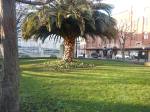
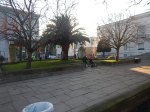

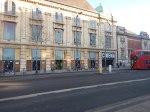
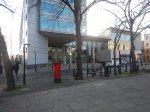
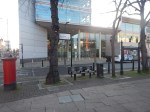
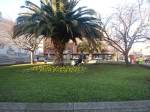
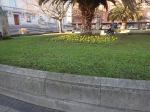

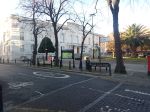
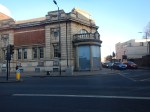
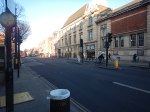
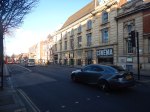
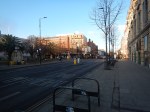

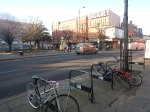

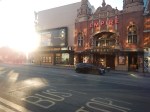
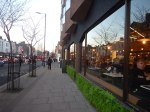
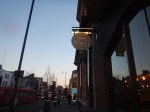
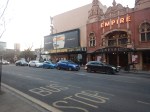
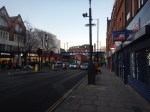
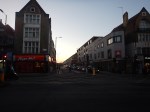
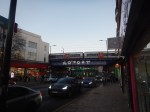
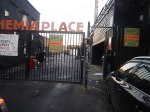
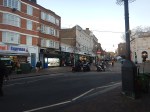
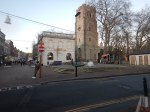
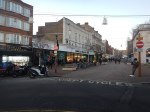
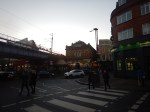
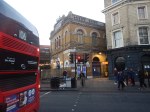
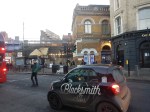

Note.
- The roundel is missing outside the Graham Road entrance to Hackney Central station.
- Hackney Town Hall is a Grade II Listed Building, dating from the 1930s.
- I wrote abut the Hackney Picturehouse in The Film That Changed My Life!.
- The Hackney Empire is a Grade II* Listed Building.
- The Pizza Express is new, swanky and spacious, and not what I’d expected. I had a late lunch there.
- The bridge carrying the Overground over Mare Street needs improvement.
- I wrote about the Hackney Marks and Spencer in Levelling Up – The Marks & Spencer Way.
- St. Augustine’s Tower is the oldest building in Hackney.
- The main building of Hackney Central station is now a bar and music venue.
In words that could be attributed to legendary estate agent; Roy Brooks, it is an area with potential.
These are some thoughts.
The Town Hall Square
What puzzles me about the garden in front of the Town Hall, is the two trees, which I would associate with warmer climes.
Even today, when it was rather cold, there were still flowers in front of the Town Hall.
The Overground
I argue that the coming of the London Overground raised the standard of Dalston, Hackney, Whitechapel and other parts of East and South London to that of their more desired and affluent neighbours.
We can’t really attribute the the creation of the London Overground to any one politician, as it has been an aspiration of several politicians and rail professionals since the 1990s. This History section in the Wikipedia entry for the Overground lists all the false starts and hopes.
But one man; Peter Hendy has been there most of the time and has worked with all three of London’s Mayors and several Transport Ministers.
I do wonder how much the Overground benefited from a sane, quiet hand from someone like Lord Hendy.
The Overground has certainly done its best for Hackney and we need more of its common sense approach to levelling-up all over the country.
Marks And Spencer
When I moved back to London, Hackney had a terrible Marks and Spencer.
As one of their biggest London stores, is just three stops away on the Overground, it might have been financially prudent to close the store at Hackney Central.
But Marks did the opposite and converted it into an upmarket food store, which is much more Knightsbridge than East End.
It’s certainly convenient for me, as I can get a bus there and a bus back, with only a hundred metre level walk at both ends.
The Graham Road Entrance To Hackney Central Station
This makes it easier to travel around Hackney and to get to the Town Hall, Theatre, Cinema and Library area.
How many extra entrances to railway stations will improve journeys and attract more passengers?
The Continuous Development Of The Hackney Central And Hackney Downs Complex
Since I moved to Hackney three projects have been completed on the station complex.
- A walkway has been built between the two stations to ease interchange.
- Lifts have been added to the footbridge at Hackney Central.
- The Graham Road entrance has been opened.
Two other projects have been proposed, but nothing has been actioned.
- A replacement entrance to Hackney Central station on the North side of the station.
- Step-free access to Hackney Downs station.
Will either of these projects be covered by the levelling up funding?
Pizza Express
This opened in December and I hadn’t seen it before, but you won’t notice it, unless you walk or ride on a bus up Mare Street, which I rarely do these days, since Hackney Wick station has been rebuilt.
So I was surprised to see it and like the Marks and Spencer it is more upmarket than other pizzadromes in East London.
- There is a lot of space.
- It has a proper wheel-chair entrance, that no-one could fault.
- Seating is upmarket, with several tables having a good view of the street outside. Ideal for someone eating alone, as I do regularly.
The restaurant still has a few rough edges, but it has the potential to be a pizzadrome to visit.
I do wonder, if the upmarket Marks and Spencer and Pizza Express are in a way an endorsement of Hackney’s plans for the future, by two market leaders of the High Street.
Buses
There are a lot of bus routes going through the area, which is a good thing.
But the information could also be improved.
Clapton Bus Garage
This map shows the location of Clapton bus garage.
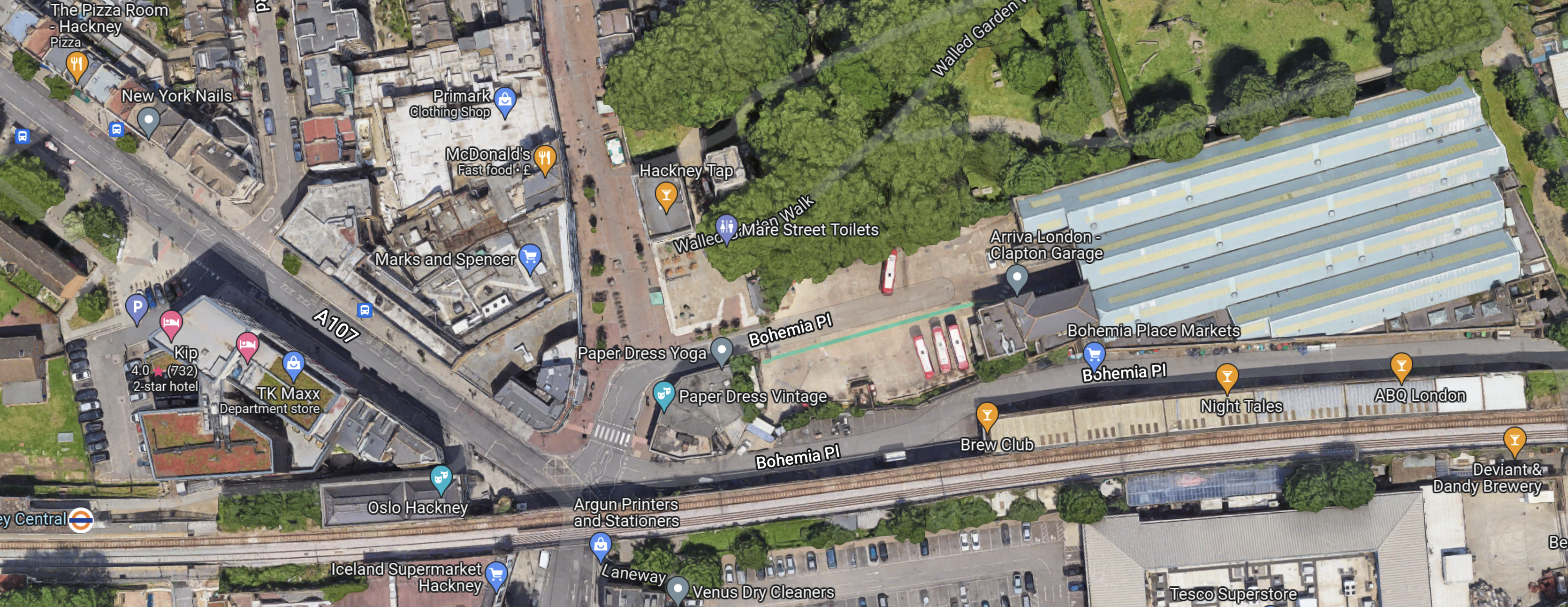
Clapton bus garage is the large building in the North-East corner of the map, red buses with white roofs outside.
This document on the Hackney Council web site is entitled Draft Hackney Central And Surrounds Masterplan, where this is said.
Relocate Clapton Bus Garage to an alternative site, to develop the site for mixed use, commercial/
residential development, and create a new route from St John-at-Hackney Churchyard Gardens to
Bohemia Place and beyond.
This sounds like a good idea, as part of the congestion in the area is caused by buses having to fight their way into the garage, when the roads are busy.
If they built, the right flats there I might be interested, as the site has good transport connections and an excellent Marks and Spencer.
Ashurst Road And Pembury Circus
This paragraph is in Hackney’s press release.
The award will see five acres of public space transformed, bringing new green space, trees and seating along Amhurst Road, investment in Hackney Central Library, a much-needed redesign of Pembury Circus junction, new creative workspace and a rejuvenated Hackney Town Hall Square.
Cut out what I have already covered and you get.
The award will see public space transformed, bringing new green space, trees and seating along Amhurst Road and a much-needed redesign of Pembury Circus junction.
This map shows Amhurst Road and Pembury Circus.

Note.
- Amhurst Road runs NW-SE across map.
- Hackney Central station is at the bottom of the map on the North London Line, which runs East-West.
- Hackney Downs station is the other station in the middle of the map.
- Pembury Circus is to the East of where Amhurst Road runs under the railway, at the top of the map.
- Dalston Lane runs between Pembury Circus Hackney Downs station.
I know the area around Hackney Downs station well.
- I regularly take a train to Hackney Downs station and get a 30 or 56 bus to my home from a bus stop on Dalston Lane.
- It can be a very unfriendly and cold place to catch a bus late at night.
But saying that, I’ve never had any trouble.
Improvements in that area, would certainly make my journey easier.
I would like to see the bus stops at Hackney Downs station moved to under the railway bridge to both improve shelter and cut the walking distance.
Conclusion
This could be £19 million very well spent and all residents of Hackney, myself included, could benefit.
 The Anonymous Widower