A Walk Over Wandsworth Bridge – 25th July 2023
This article on the BBC is entitled Wandsworth Bridge Closes For 10 Weeks Of Repairs.
This is the sub-heading.
A 10-week closure of Wandsworth Bridge for “essential safety repairs” has begun, Wandsworth Council says.
These are the first three paragraphs.
The authority added that the work was needed “to safeguard the long-term future of this key river crossing”.
Transport for London (TfL) has warned passengers that bus services which use Wandsworth Bridge will be diverted or stop short of normal destinations.
It added that the bridge would remain open for pedestrians, while cyclists can cross if they dismount.
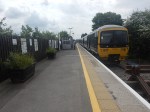
So I went to have a look, starting at Wandsworth Town station.



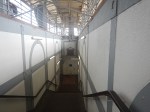

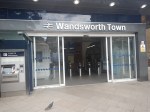


It is a station, that needs a single lift and perhaps a small amount of refurbishment.
I walked from the station and over Wandsworth Bridge and along Wandsworth Bridge Road.











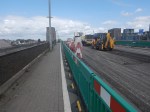





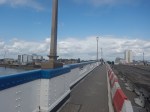






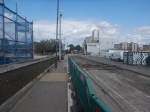











Note.
- There were several restaurants and cafes.
- It was a level walk.
- It looks like the Council was taking the chance to resurface the bridge.
- Along Wandsworth Bridge Road, drivers were not keeping to the 20 mph speed limit.
Some cyclists were still cycling on the bridge.
Il Pagliaccio Restaurant
I had lunch in the Il Pagliaccio Restaurant.




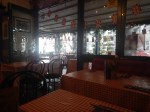
It was a typical friendly Italian restaurant, that served gluten-free food.
My First Takeaway Since Before The Covids
The pictures show my first takeaway since well before the Covids hit!




Note.
- Leon are now following UK railways and doing takeaways in a paper bag with handles.
- We all used to laugh at British Rail catering, but their invention of the paper bag with handles is still the only practical way of gong up and down a train carrying a hot drink.
- I do like Leon’s chilli sauce, so I bought a bottle.
- It was only a snack, which I followed with a plastic of strawberries.
As there is a Leon, where I change from train to bus to come home, I should do it more often.
Ecojet: Dale Vince Launches An Aviation Revolution
The title of this post is the same as that as this news story from Ecotricity.
This is the sub-heading.
The world’s first electric airline powered by renewable energy
These three paragraphs outline the project.
Ecotricity founder, Dale Vince, has announced the launch of Ecojet, the world’s first Electric Airline, powered by renewable energy. The move marks the beginning of an aviation revolution by making net-zero, emission-free air travel possible for the first time.
Ecojet’s fleet will comprise conventional planes retrofitted with hydrogen-electric powertrains. Once converted, the aircraft will operate with the same power output as before, but with a one-hundred percent reduction in CO2 emissions.
The decision to repurpose old planes rather than build new models from scratch will save 90,000 tonnes of carbon per year. The only byproduct will be water, which can be captured and released into the lower atmosphere to avoid the harmful effects of contrails.
These ae my thoughts.
The Aircraft
The news story contains pictures of two aircraft; a de Havilland Canada Twin Otter and a 737 or A320 variant.
- It also says that hydrogen-electric powertrains will be used.
- ZeroAvia in partnership with Cranfield Aerospace are developing such a powertrain and I suspect they could have one certified by 2025.
This would be used in the Twin Otter.
But what about 737 or A320 variant?
Airbus are already proposing the ZEROe Turbofan, which appears to be based on an improved A320 neo.
But the image on the news story looks more like a Boeing 737 from the wing-tips.
This article on the IET web site, which is entitled Airbus And Boeing To Embrace Hydrogen From Mid-2030s, indicates that it will be the mid-2030s before hydrogen twinjets of this size are in service.
This paragraph from the news story indicates his philosophy about the aircraft.
Short-term, to secure routes and a license from the Civil Aviation Authority, Ecojet will initially launch using conventionally fuelled planes. Ecojet will launch with two different sizes of turboprop aircraft (a 19-seat aircraft and a 70-seat aircraft). These aircraft will be retrofitted with the hydrogen-electric powertrains as they become approved for service by the CAA – the first retrofits will take place in 2025, one year after the commencement of flights.
Note.
- The news story clearly states that two types of aircraft will be used; a 19-seat turboprop and 70-seat turboprop.
- So the second picture of a Boeing 737 had nothing to do with the news story.
- They will be retrofitted with hydrogen-electric powertrains, when they have been certified.
- Flights are planned to start next year.
It looks a very canny philosophy, as Ecojet will be able to prove the route with aircraft running on traditional fuels or sustainable aviation fuel (SAF) and only switch to hydrogen, when the hydrogen-electric powertrains are proven, certified and installed, and the hydrogen infrastructure is in place.
The Smaller Aircraft
The first picture in the news story is of a de Havilland Canada Twin Otter.
- This aircraft accommodates 19-20 passengers.
- It has two turboprop engines.
- Production started in 1966 and it is still ongoing.
- Nearly a thousand have been built, so plenty of nearly-new examples will be available for refurbishment and conversion.
- Loganair operate three aircraft in Scotland.
It looks fairly certain, that Ecojet’s 19-seat aircraft will be a Twin Otter.
The Larger Aircraft
Possibilities would include these aircraft.
- ATR-72 – 72 seats
- de Havilland Canada Dash 8 – > 50 seats
Note.
- Both aircraft are still in production.
- In ZeroAvia To Bring Zero-Emissions Flight To Sweden, I talk about how ZeroAvia have sold their hydrogen-electric powertrains to Swedish ATR-72 operator; Braathens and are targeting Dash 8 operators.
- In Universal Hydrogen Successfully Completes First Flight Of Hydrogen Regional Airliner, I talk about Universal Hydrogen’s successful progress in selling hydrogen-electric powertrains for ATR-72s and Dash 8s. The first flight of their system was in an ATR-72.
It looks to me, that Dale Vince has a choice of two 70-seat aircraft and hydrogen-electric powertrains from two manufacturers; ZeroAvia and Universal Hydrogen.
In Monte To Purchase 100 FC Aircraft Drives From ZeroAvia, I talk about how Monte Aircraft Leasing have done a deal with ZeroAvia to lease ZeroAvia’s hydrogen-electric powertrains to regional airlines.
Has Dale Vince done a deal with Monte Aircraft Leasing for his aircraft?
- Monte Aircraft Leasing and ZeroAvia would get an eco-celebrity customer, who could even be the launch customer.
- Ecojet’s aircraft would all have similar ZeroAvia hydrogen-electric powertrains, although the size might be different.
- Dale Vince would only be sharing the risk, if the technology was a dog.
- De Havilland Canada and/or ATR will see how the passengers like zero-carbon flight.
There is also, one of aviation’s most powerful companies close to the deal, as Airbus own half of ATR.
Airbus are developing the hydrogen-powered ZEROe Turboprop, which is shown in this Airbus image.

Note.
- It looks very much like an improved ATR-72.
- It has more extreme propellers and probably better aerodynamics.
- Airbus might like to persuade Ecojet to use ATR-72s as their 70-seat airliner.
- Information from an operator of hydrogen-powered airliners would be very valuable to Airbus.
I wouldn’t be surprised to see Ecojet lease some nearly new ATR-72s.
Would Airbus Fit ZeroAvia Hydrogen-Electric Powertrains In The ZEROe Turboprop?
This page on the Airbus website is entitled ZEROe.
In a section, which is entitled Hydrogen Propulsion To Power Future Aircraft, this is said.
All three ZEROe concepts are hybrid-hydrogen aircraft. They are powered by hydrogen combustion through modified gas turbine engines. Liquid hydrogen is used as fuel for combustion with oxygen.
In addition, hydrogen fuel cells create electrical power that complements the gas turbine, resulting in a highly efficient hybrid-electric propulsion system. All of these technologies are complementary, and the benefits are additive.
In 2022, we launched our ZEROe demonstrator with the aim to test hydrogen combustion technology on an A380 multimodal platform. Through future ground and flight testing, we expect to achieve a mature technology readiness level for a hydrogen-combustion propulsion system by 2025.
Note.
- Airbus state they are using modified gas turbine engines.
- Airbus also talk about using fuel cells to create electrical power that complements the gas turbines.
- Could the hydrogen fuel cells be used to power the aircraft’s systems, like avionics, control systems, air-conditioning and the hydrogen system for the main engine?
- This concept of effectively a hydrogen auxiliary power unit, might be a more efficient way of using the hydrogen, which either gives longer range or a smaller fuel tank.
- In The ZEROe Demonstrator Has Arrived, I talk about the ZEROe Demonstrator, which is a modified Airbus A 380.
Did the adding of hydrogen fuel cells to the ZEROe aircraft, lead to the concept of a hydrogen-powered auxiliary power unit, that I talked about in Airbus To Trial In-flight Auxiliary Power Entirely Generated By Hydrogen?
It looks to me, that Airbus have developed their own simple concept of powering the aircraft.
I doubt they will need ZeroAvia’s technology.
But.
- Aircraft manufacturers like Airbus generally fit the best and most suited engines they can find in their aircraft.
- The Wikipedia entry for ZeroAvia says that the prototype hydrogen-electric powertrain is in the cabin, consisting of two fuel cells and a lithium-ion battery for peak power.
- ZeroAvia have powerful shareholders like Amazon, Bill Gates and Royal Dutch Shell.
- ZeroAvia have also received grants from the UK Government.
I wouldn’t be surprised to learn, that Airbus have taken a long hard look at ZeroAvia’s technology.
After all, ZeroAvia could probably build a hydrogen fuel cell power pack, that would meet Airbus’s needs for a hydrogen-powered auxiliary power unit.
Remember too, that many fleets of aircraft have been updated with new engines for decades and I don’t think Airbus would mind ZeroAvia giving a new zero-carbon lease of life to the hundreds of ATR-72s in service around the world.
Surely, a successful hydrogen-powered ATR-72 is only going to create more interest in airlines buying ZEROe Turboprops.
All the converted aircraft will still need support from ATR.
Both the converted and new aircraft will need hydrogen refuelling services, so could the two aircraft use a common standard.
Airbus and ZeroAvia would appear to have several common interests.
Ecojet’s Core Route
This is a paragraph from the news story on the Ecotricity web site.
Dale has partnered with experienced pilot Brent Smith and a team of aviation specialists to set up Ecojet. Flights across the UK will commence in early 2024, starting with the Edinburgh to Southampton route, and expanding to mainland Europe shortly after, with long-haul flights planned for the future.
Note.
- The ATR-72 has a range of 949 miles, which is more than adequate for Southampton and Edinburgh, which is just over 350 miles.
- Diagonal journeys in the UK are often the most passenger-unfriendly by rail and tend to use diesel trains.
- Southampton Airport has good road and rail connections, with the terminal less than a minute from the station.
- Edinburgh Airport has good road and tram connections, with rail connections needing a short journey on the tram.
- Southampton Airport has flights to the Channel Islands, Ireland and Schiphol.
- Edinburgh Airport has a comprehensive service from major airlines and low-cost carriers, and several flights to destinations in the North of Scotland and on the Islands.
I think that it is a well-chosen core route for their 70-seat aircraft.
Which Routes Will Ecojet Fly With The Twin Otters?
Consider.
- My Scottish friends tell me that flying to the Scottish Islands, like the Hebrides, Orkney and Shetland is expensive.
- The growth of the Scottish wind power industry will mean, that more capacity is needed to serve the North of Scotland and the Islands.
- Tourism to the North of Scotland and the Islands is on the up.
- There will not be a shortage of green electricity to produce green hydrogen.
- The North of Scotland isn’t short of airports.
- The Twin Otter has a surprisingly long range on aviation fuel and I suspect, that a hydrogen version would be designed to have a similar range.
- The longest flight needed would probably be Edinburgh and Sumburgh, which is about 280 miles, which should be well within the range of a Twin Otter.
- I suspect that hydrogen refuelling could be easily provided at enough airports, to support hydrogen-powered airliners.
- I am sure, that the Twin Otters could be used on a network of zero-carbon flights from Edinburgh to the North of Scotland and the Islands.
- A zero-carbon airline would help Scotland’s net-zero ambitions.
There is certainly a need for another airline to connect Edinburgh to the North of Scotland and the Islands and the infrastructure could be upgraded to support a hydrogen-based zero-carbon airline.
Could Ecojet build a similar network at Southampton, that served the Channel Islands, Southern Ireland and Northern France?
Conclusion
There’s a lot more to this venture, than there appears at first sight.
O wish Vince and his partners well, but as a coeliac, I’ll skip the food.
Marsh Barton Station – 4th July 2023
The main purpose of my trip to Devon was to visit the new Marsh Barton station, on the Riviera Line.





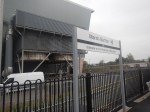
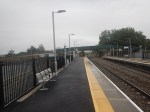
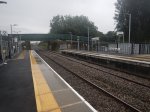
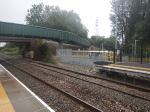


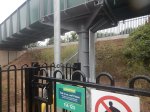
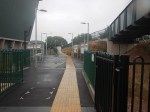
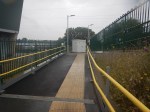


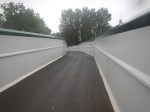
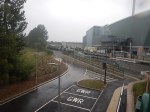
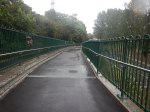
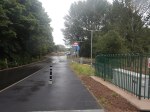

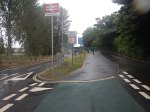
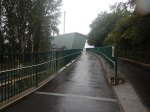

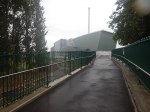

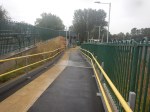

These are my thoughts about the station.
The Overall Design
This Google map shows Marsh Barton station under construction.
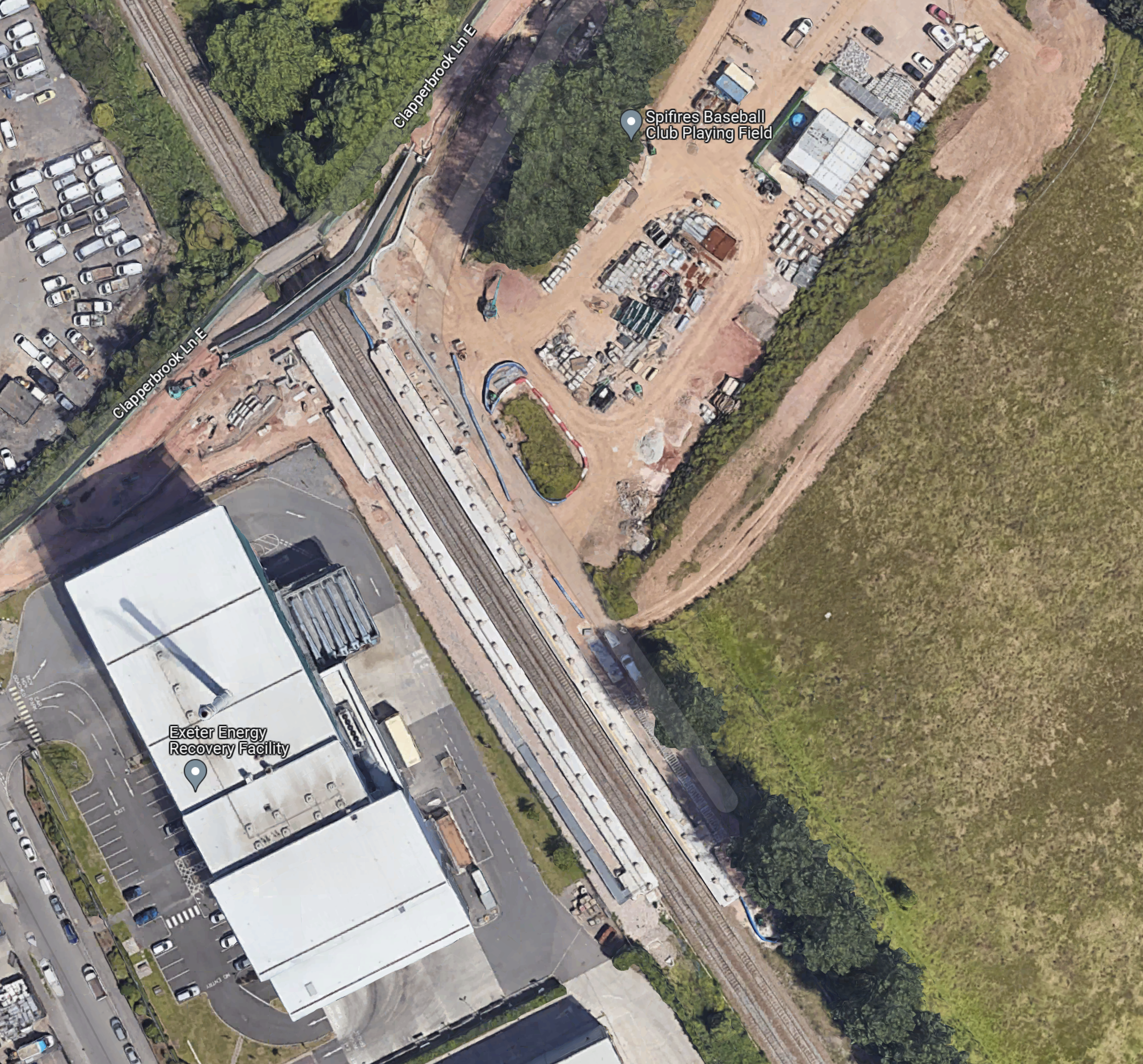
The station is built on a narrow lane by an industrial estate, which features a large waste-to-energy facility, which is in the South-West corner of the map.
The station is a basic two platform design with everything you need on the platforms and a gently sloping bridge over the top to give full step-free access.
I’ve never been to a station, which uses this form of step-free access, either in the UK or Europe.
I think it works because of the unusual site.
Car Parking
The station’s page on the GWR web site, says this about parking.
The station only has disabled parking bays for blue badge holders in order to encourage more sustainable transport use to and from the station.
Staff
The station is unstaffed.
Refreshments
When I arrived, I was hungry and needed a drink, so I asked a guy with a dog, if there was a cafe or pub nearby.
He said, the cafe shut the day before, but there was a pub called Double Locks about three or four minutes away on the canal.
These pictures show the walk.




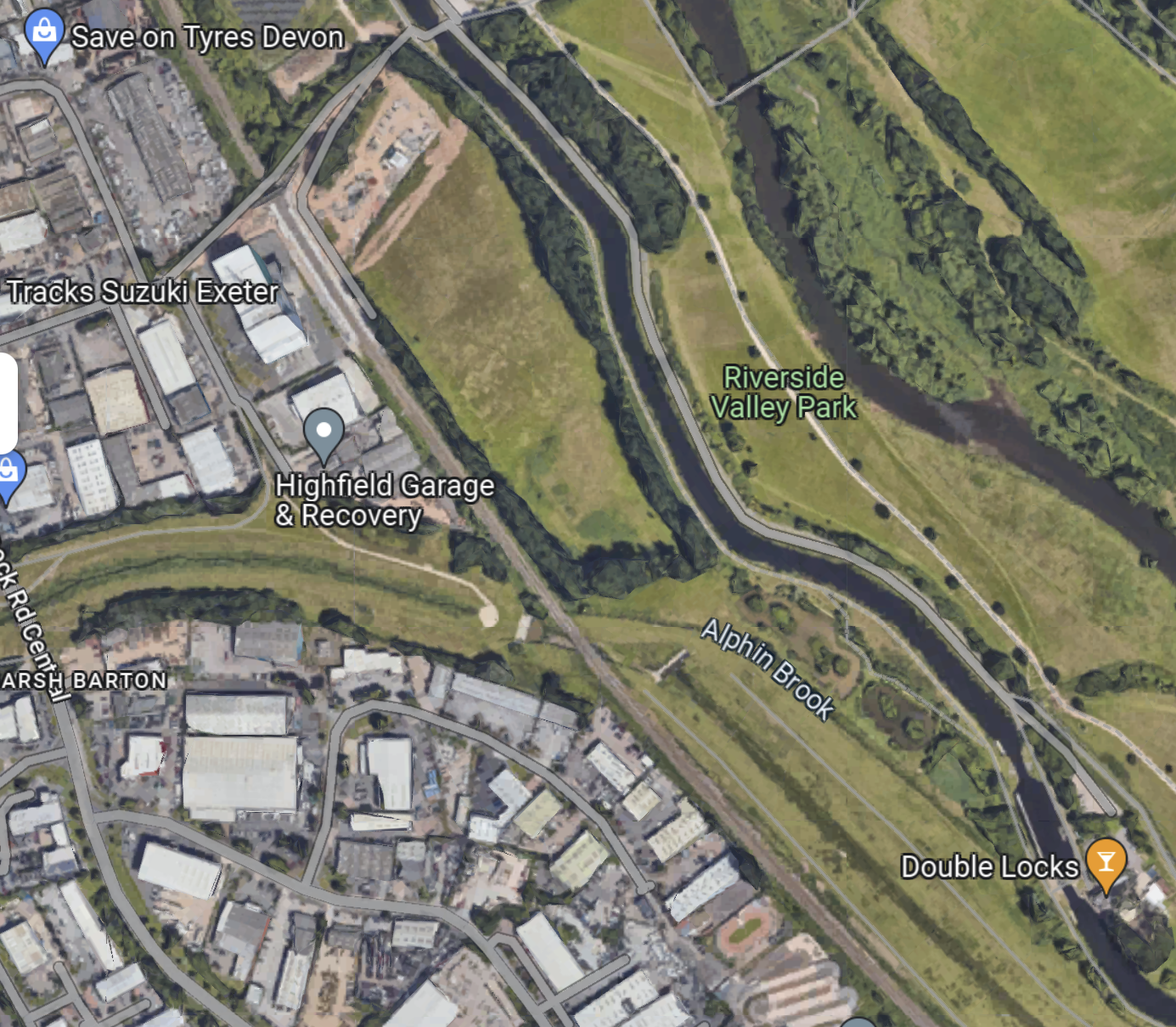
And this map shows the location of the pub and the station.
Are country minutes like country miles and a lot longer than those everybody else uses?
In the end, as I was getting soaked, I made a retreat back to the station.
Service Frequency
Currently, the trains are only hourly. Is that enough?
Dawlish Station And The New Sea Wall – 4th July 2023
These pictures show Dawlish station and the new sea wall.


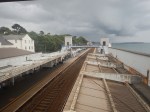


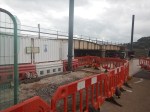
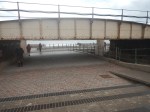


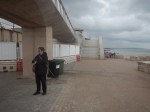
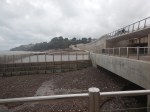
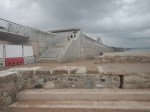
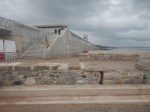


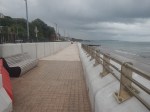

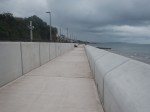
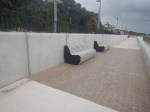

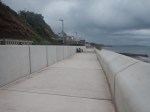

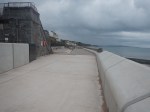
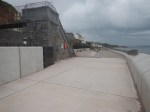

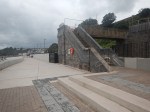
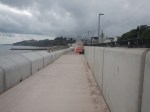
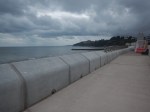
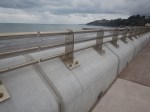
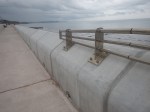
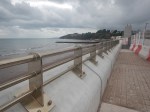
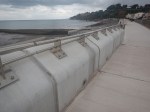
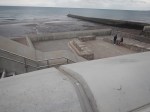
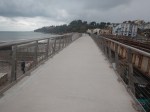


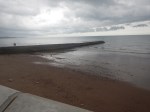


Note.
- It is a high quality sea wall.
- I particularly liked the hand-rails which seemed to be made from an expensive sea-proof metal.
- There was a busy fish and chip shop, by the station, but I don’t think they did gluten-free fish and chips.
You can still walk all the way to Dawlish Warren, as I did in Walking Between Dawlish And Dawlish Warren Stations. A guy in the station said it would take me about thirty minutes.
Lunch On The Pier In Cleethorpes
I took these pictures as I walked along the sea front, where I had lunch at a restaurant called Papas.
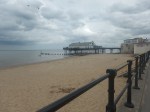
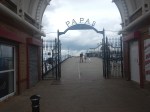









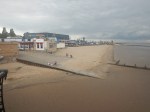
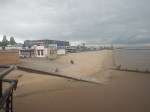
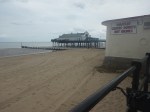
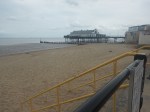
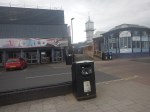
Note.
- As you can see, I had some excellent gluten-free fish and chips, which I washed down with a zero-alcohol beer.
- The service was good, friendly and fast.
- I needed it fast, as I had a train to catch and if I missed it, it would be a two-hour wait.
Strangely, I don’t think, I’ve ever eaten a proper meal on a pier.
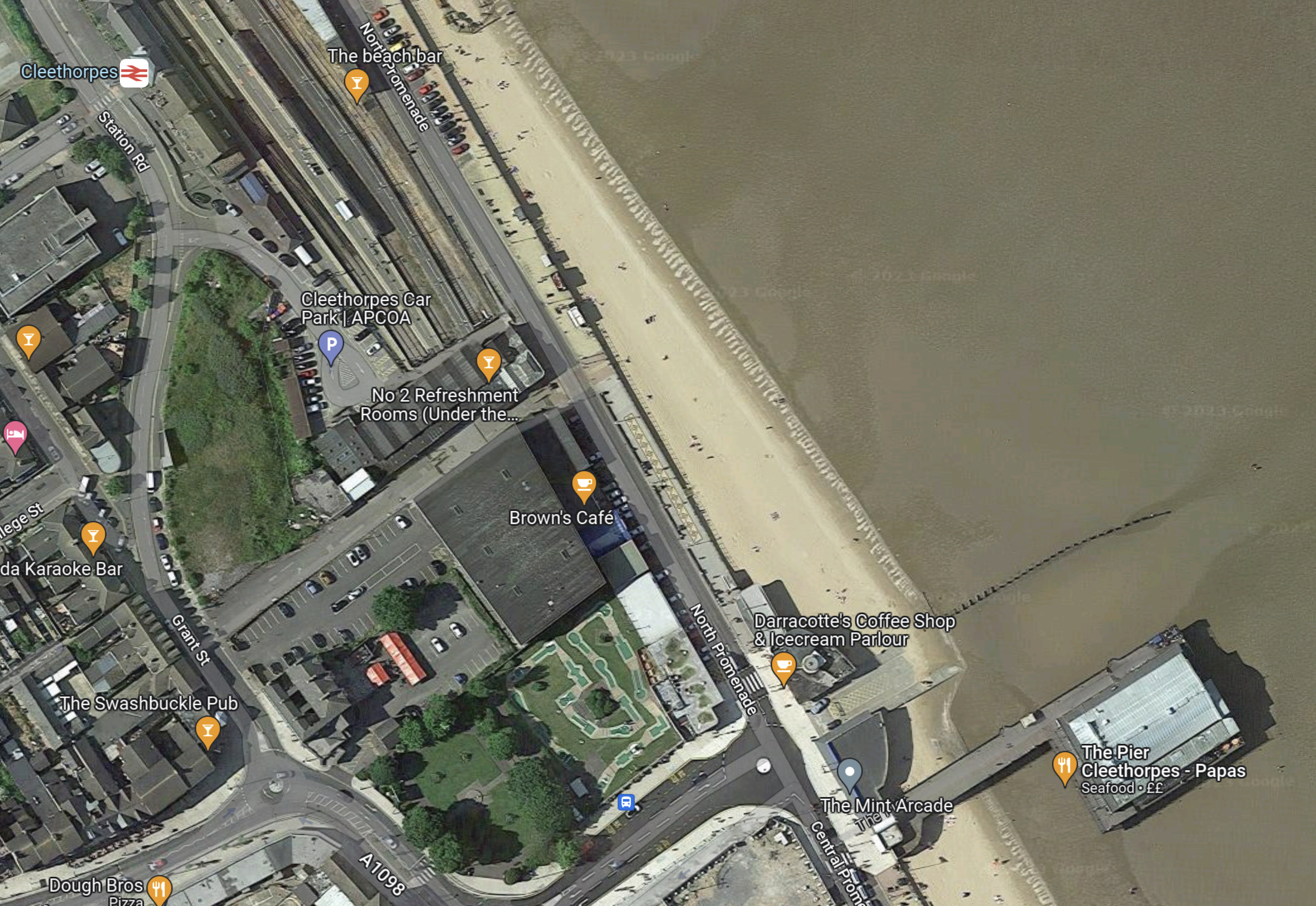
This Google Map shows the location of the pier with respect to the station.
Note.
- The station is in the North-West corner of the map.
- The pier and restaurant is in the South-East corner of the map.
It is a very easy level walk from the station to the restaurant.
Gluten-Free Fish And Chips In Old Fashioned Seaside Towns
This is the third time in recent years, when I’ve had excellent gluten-free fish and chips in an old-fashioned seaside town.
The other two places were Lowestoft and Skegness.
Incidentally, from what I remember of the taste of ordinary fish and chips, I prefer the taste of the gluten-free version, which I’ve had perhaps a dozen times in the last twenty0five years.
But then some gluten-free versions taste better than the ordinary version. Egg sandwiches are one.
British Five-Year-Olds Up To 7cm Shorter Than Western Peers
The title of this post, is the same as that of this article in The Times.
This is the sub-heading.
Poor diet and health service cuts blamed for ‘pretty startling’ trend
These are the first two paragraphs.
Five-year-olds in Britain are on average up to seven centimetres shorter than their peers in other wealthy nations, in a trend described as “pretty startling”.
A poor national diet has been highlighted as a major culprit in Britain’s fall down international rankings of child height.
I am coeliac and am only 170 cm.
During the pandemic, I did some statistical research on coeliac disease and the covids for my own interest.
I found a peer-reviewed Indian medical paper entitled Coeliac Disease: Can We Avert The Impending Epidemic In India? The author felt that modern high-gluten wheats, were increasing the rate of the disease.
The author also said this about introduction gluten to babies in Sweden.
The time of first exposure to wheat influences the development of celiac disease. In countries such as Finland, Estonia, and Denmark, characterized by low gluten consumption in infancy, celiac disease prevalence is much lower than in Sweden where gluten consumption is high in infancy. A natural experiment occurred in Sweden about two decades ago when national recommendations were made to introduce wheat into the diet after cessation of breast feeding at six months. This change was coupled with increased wheat gluten consumption through infant feeds. Together these measures resulted in a two-fold increase in incidence of celiac disease in Sweden, which was attributed to introduction of wheat into the diet after cessation of breast feeding. In 1996 this recommendation was changed to introduce gluten in gradually increasing amounts while the infant was still being breast fed. This led to a dramatic decrease in celiac disease incidence.
It is interesting to look at heights of five-year-olds given in the Times article for the four countries.
- Denmark – 117.4 – 118.1
- Estonia – 116.9 – 115.7
- Finland – 116.3 – 114.5
- Sweden – 115.1 – 115.1
Note that all heights are in centimetres, with boys first.
As according to the graphs in the article the UK and the US have shown the biggest declines in height, is gluten-rich junk food, the major cause of this decline?
More research needs to be done!
Shine On – Centrica Opens Its First UK Solar Farm
The title of this post is the same as that of this press release from Centrica.
These are the bullet points.
- 18MW Codford Solar Farm in Wiltshire is Centrica’s first major solar asset
- Part of plans to build a material portfolio of low carbon assets
- Vodafone supports development with long term Power Purchase Agreement for 50% of the output over 10 years
- Additional renewable power supports the UK government’s ‘green grid’ ambitions
I have some thoughts.
Centrica’s First Major Solar Asset
These two paragraphs from the press release outline the project and indicate where it fits in Centrica’s overall philosophy.
Construction began at the site in Wiltshire in April 2022, after the consent was acquired by Centrica Business Solutions in 2021. Made up of 33,000 panels, the project has a total capacity of 18MW and should produce 19GWh of green electricity every year, enough to power some 4,850 homes.
The deal not only brings additional renewable power provision to the UK grid but supports the UK government’s ambition to focus on home-grown renewable energy to boost long-term energy independence and security.
My only reservation is at 18 MW it isn’t that large and the sun doesn’t always shine in the UK.
Centrica’s Portfolio Of Low Carbon Assets
This paragraph from the press release talks about the portfolio.
In late 2021, Centrica announced ambitions to deliver 900MW of low carbon assets by 2026. The company is currently building battery storage projects at former gas peaking plants at Brigg, Lincolnshire, Knapton, North Yorkshire, and Ostend in Belgium, and has developed a multi GW pipeline of projects.
Note that former gas power plants, usually have a very handy connection to the electricity grid.
900 MW would also rate at around the output of two typical gas-fired power stations.
Vodafone’s Power Purchase Agreement
Big companies like Vodafone seem to be increasingly signing Power Purchase Agreements for their renewable electricity. These must give advantages all round.
- The developer can take the purchaser’s deal to a bank and use it to raise capital for the project.
- The purchaser, in this case Vodafone can say that they use at least some zero-carbon electricity, which must help marketing.
- The bank knows that so long as the sun shines, there will be money flowing to the developer.
- The developer doesn’t have to deal with thousands of customers.
These three paragraphs from the press release outline Vodafone’s deal.
Vodafone will purchase half of the electricity output from the solar farm, helping to support its development and bringing additional renewable power provision to the UK Grid. Combined with agreements already in place, around 47% of the company’s annual energy requirement will come from UK-based renewable power sources by 2025.
The long-term Power Purchase Agreement (PPA) will see approximately 9GWh of green electricity dedicated to Vodafone UK. The remainder will be sold into the national grid through Centrica’s Energy Marketing & Trading business.
The deal is the third PPA signed by Vodafone and Centrica Energy Marketing & Trading over the last year. In May 2022, Vodafone and Centrica announced a long-term PPA with MYTILINEOS S.A for the output from three solar farms in the UK. And, in February 2023, Vodafone committed to take a significant proportion of the output from a further five solar farms in one of the largest corporate solar PPAs to date.
It looks like, when Vodafone’s other solar farms are connected, they will be able to advertise as a zero-carbon company running on renewable electricity.
That sort of green advertising hasn’t hurt Lumo’s trains between London and Edinburgh.
Connecting Codford Solar Farm To The National Grid
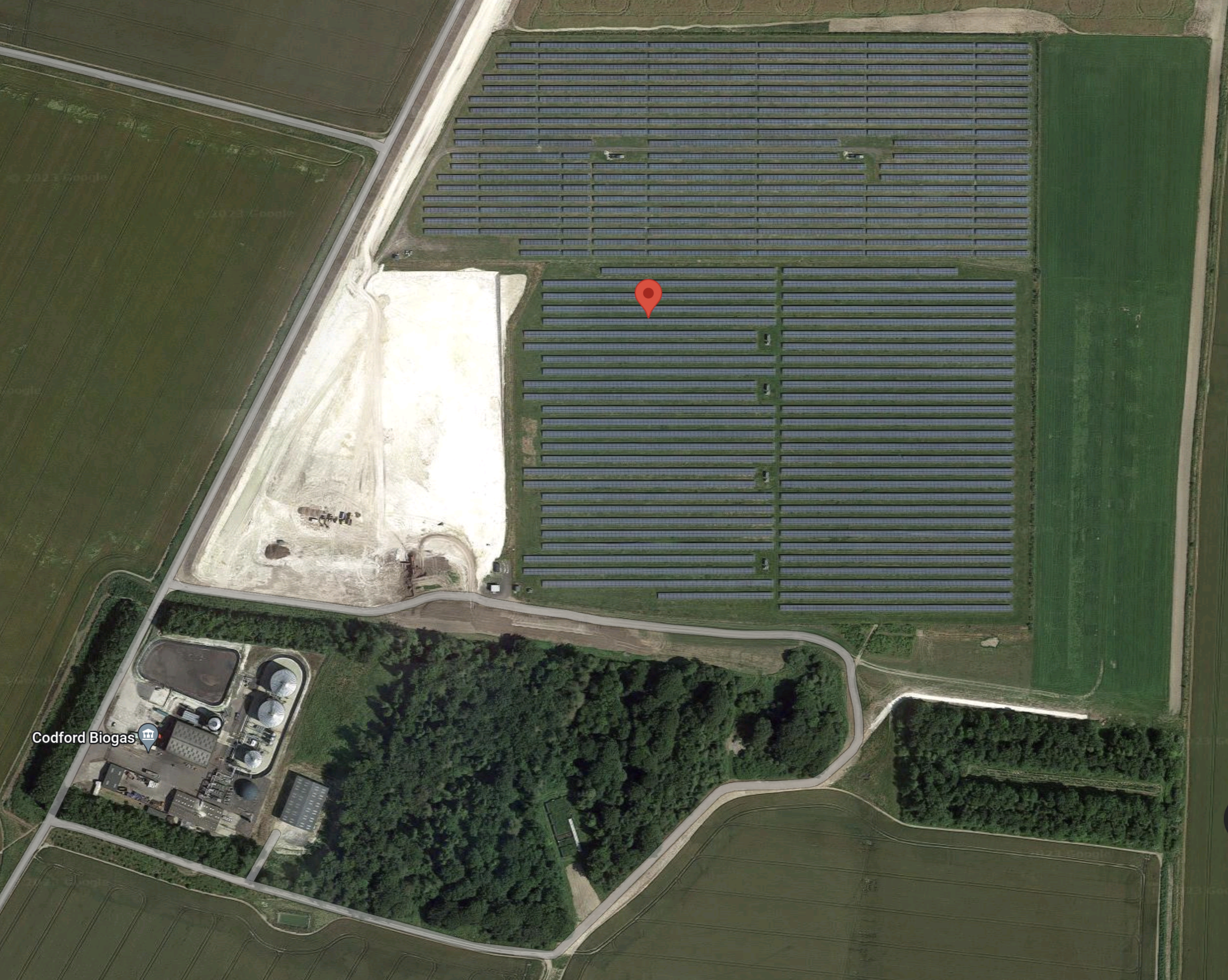
This Google Map shows the location of the Codford Solar Farm.
Note.
- The solar panels marked with the red arrow.
- Codford Biogas in the South-West corner of the map.
- The site is surrounded with the fields of a large arable farm, that grows wheat, barley and oilseed rape.
- The site is also shielded by trees.
This second Google Map shows Codford Biogas.
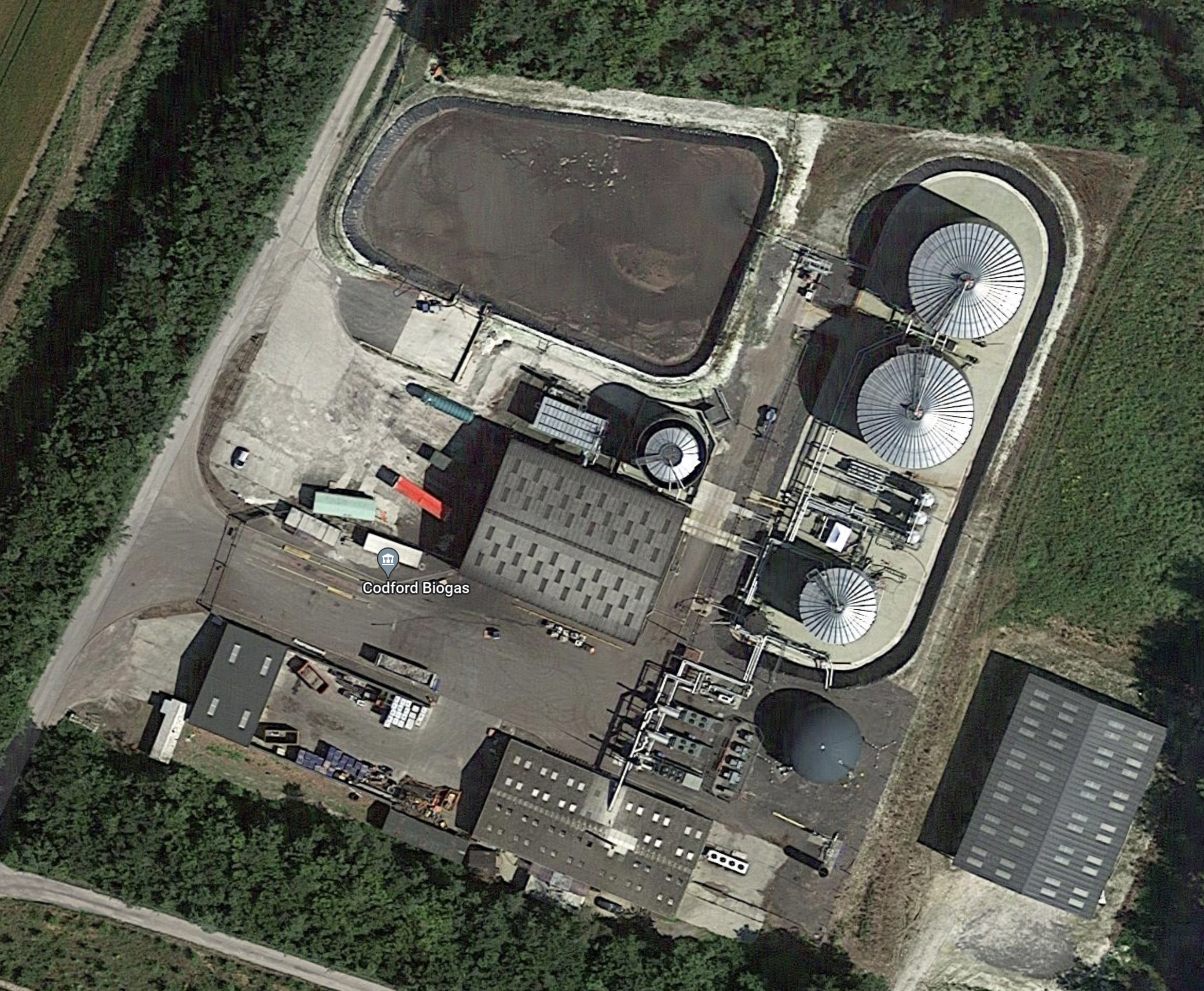
According to their web site, Codford Biogas accept the widest range of food waste in southern England.
The home page describes waste collection, secure disposal and carbon reduction.
Their method of disposal uses anaerobic digestion, which is a complex biological process involving the breakdown of organic matter in the absence of air in large, sealed and insulated vessels with controlled heating and mixing.
The Wikipedia entry for anaerobic digestion describes the process in detail.
On their web site, there is a page, which is entitled What Is AD?, which has an interactive graphic describing the process at Codford.
Main products from the site include.
- 3.6 MW of electricity, which can be fed to the grid.
- Fertiliser, which can be spread directly on the surrounding arable land.
- Waste heat, which will be developed for businesses that need it.
Obviously, the electricity export will need a grid connection, which I suspect will also be used by the new solar farm.
Conclusion
It looks like Centrica have piggy-backed their solar farm on to an existing grid connection.
But it does look like connecting your solar farm to the grid through a power station that can operate continuously, helps to give a more continuous output.
I think we’ll see more of this!
Is This The Solution To The Train Tea-Bag Problem?
One of the biggest problems on a train, is disposal of a tea-bag without getting tea everywhere.
This sequence of pictures, shows my tea on the trip to Cardiff.








At least this worked.
But then British rail catering has form, as years ago, they invented the small carrier bag to bring drinks and snacks back to your seat.
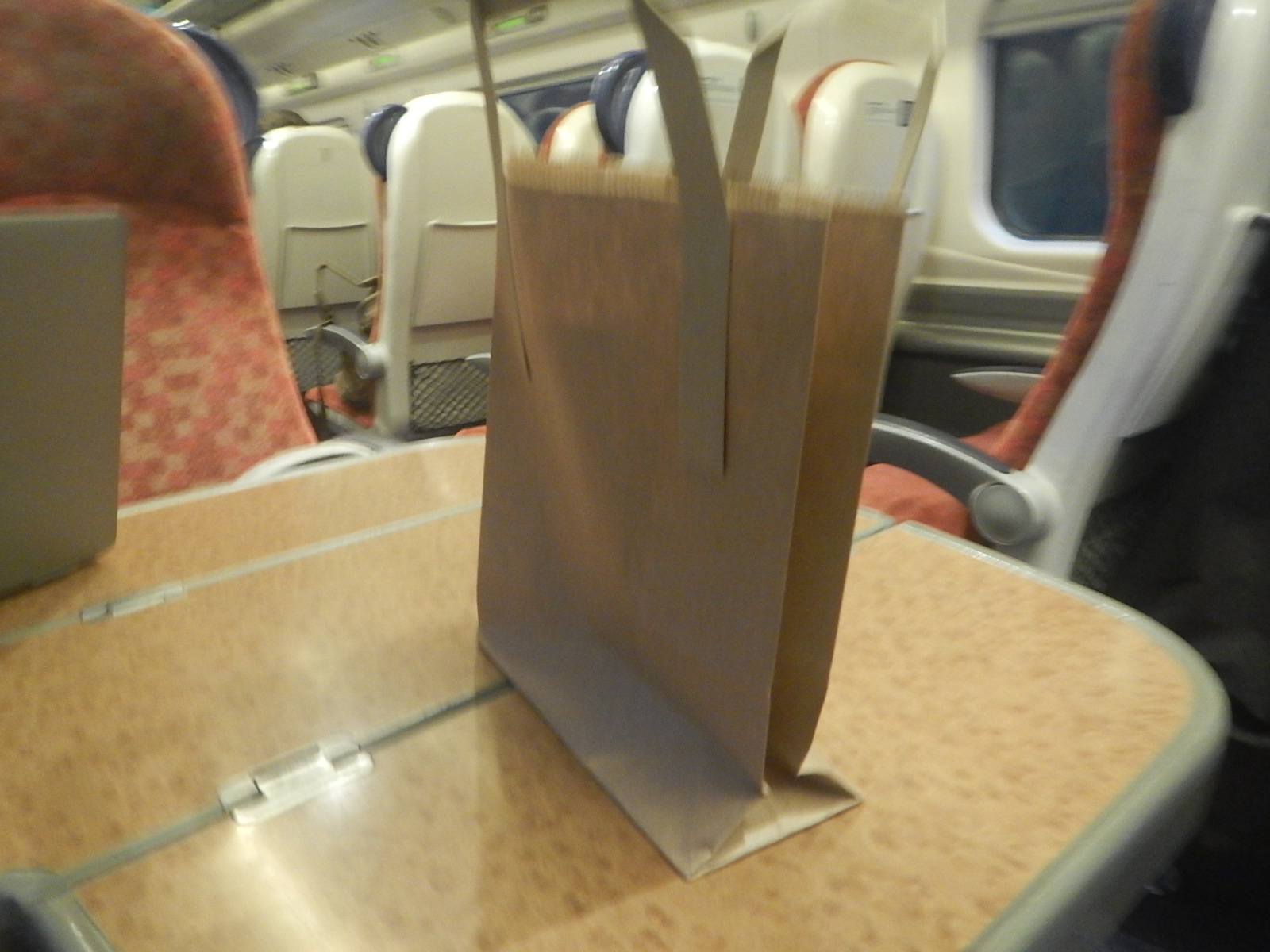
I’m always surprised, that you don’t see them more often in non-travelling takeaways.
A Diversion To Severn Beach
After my trip to Cardiff yesterday was curtailed by a signalling problem, I ended up at Bristol Temple Meads station.
After checking the timetable, it occurred to me, that it would be easy to take a diversion to Severn Beach station before I took a train back to London.
I took these pictures on the journey.






























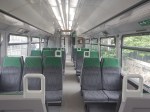
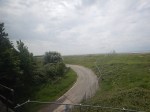



















Note.
- Stapleton Road station has massive ramps.
- Stations like Redland and Avonmouth have interesting art works.
- The Avon, several wind turbines and the Secon Severn Crossing can all be seen.
This Google Map shows the location of Severn Beach station.
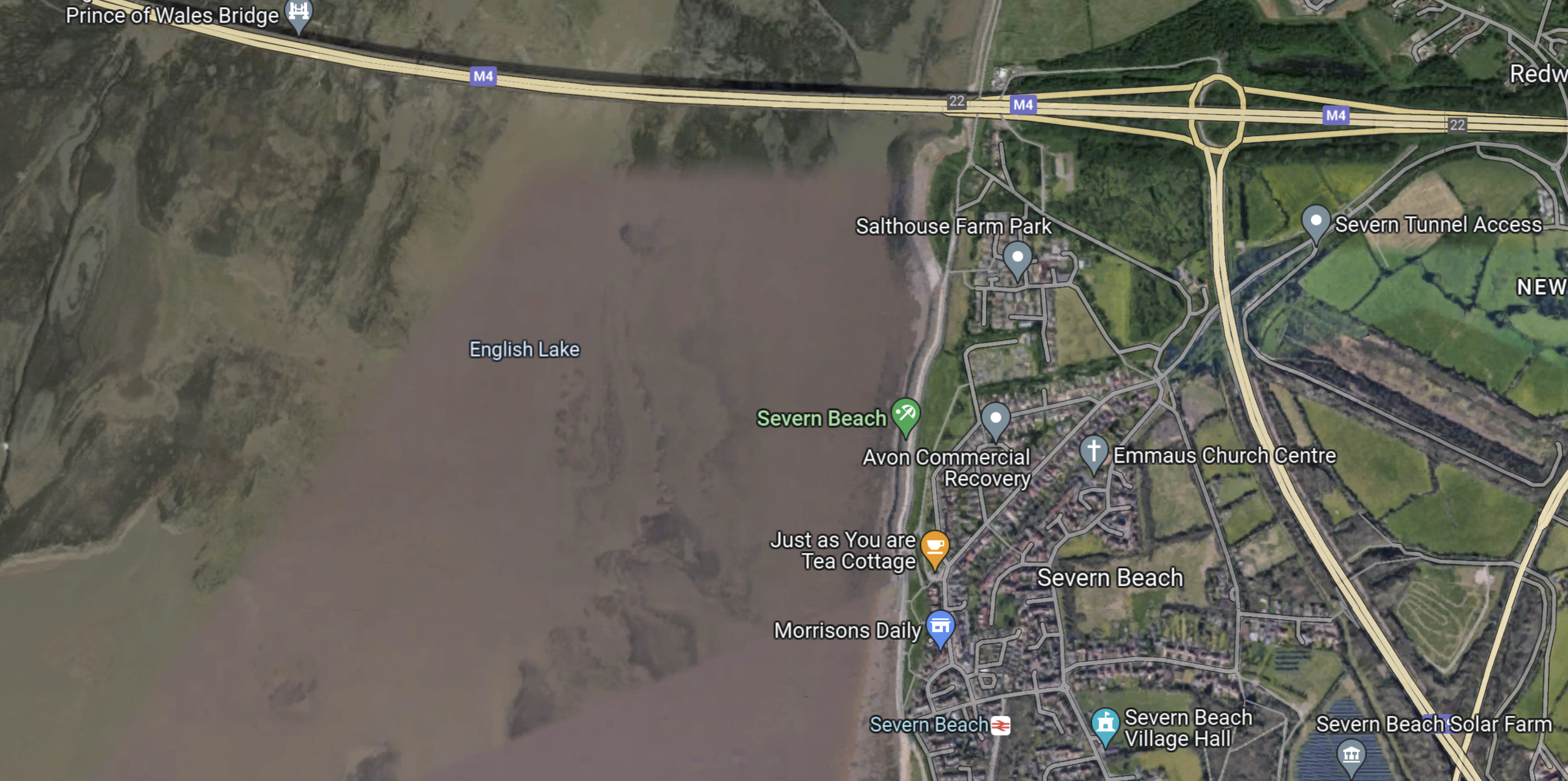
Note.
- The M4 and the Second Severn Crossing are at the top of the map.
- The rail station icon marking Severn Beach station at the bottom of the map.
This second Google Map shows the area of the station.
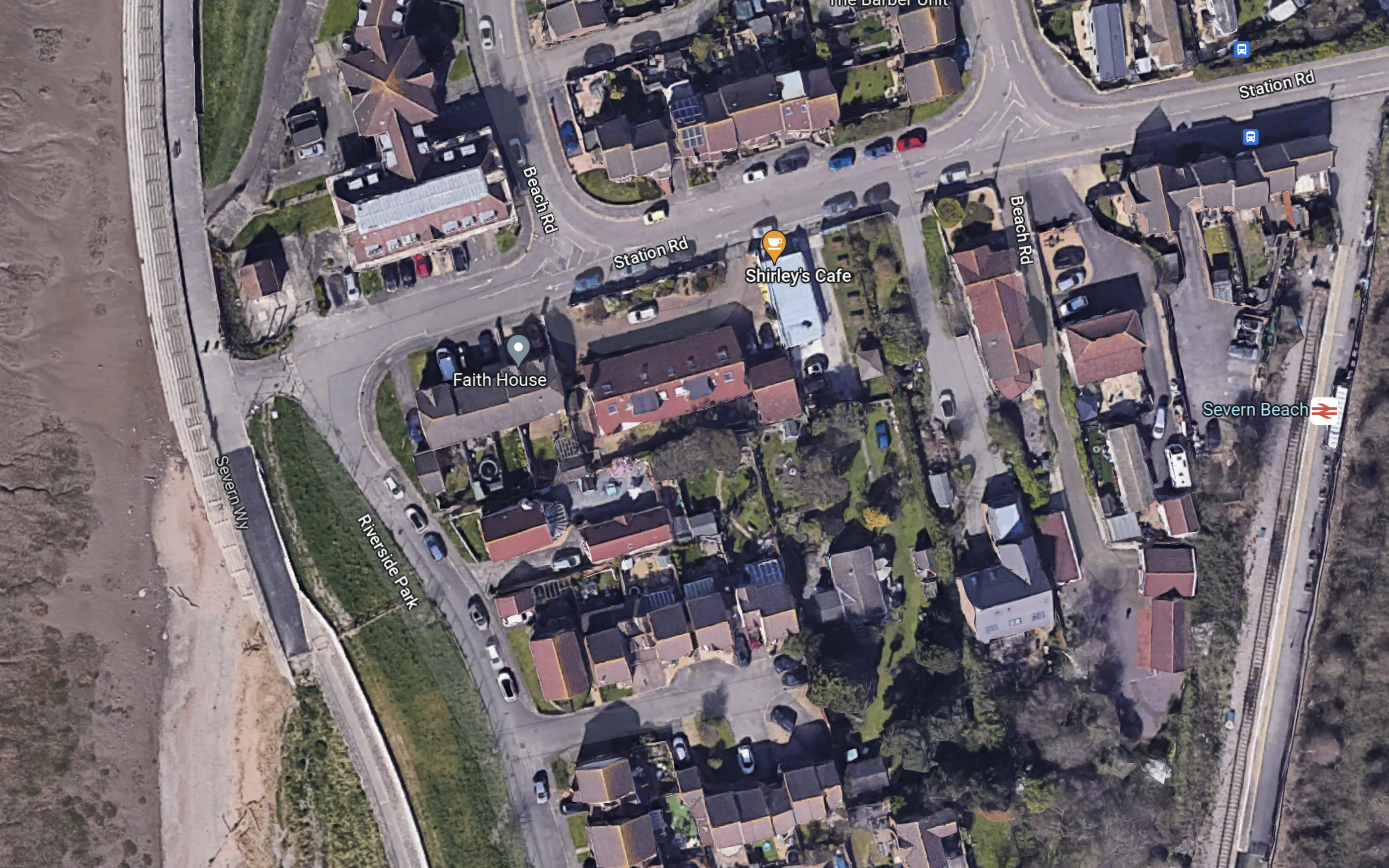
Note.
- Shirley’s Cafe, where I bought my ice cream.
- The cafe does gluten-free breakfasts.
- The promenade, where I took the pictures of the Second Severn Crossing.
- The long platform in the station.
- The fare from Bristol Temple Meads was only £1.95 for a return with my Senior Railcard.
Severn Beach looks to be a good place to go for a walk.
These are pictures I took at and around the station.


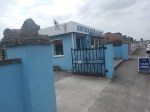
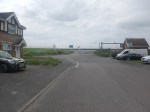



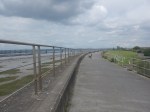

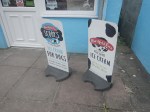


We need more ice cream sellers in or near stations.
Portway Park & Ride Station
Portway Park & Ride station is a new station currently under construction.
I took these pictures as the train passed.

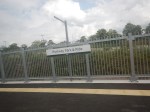
This Google Map shows the location of the station.
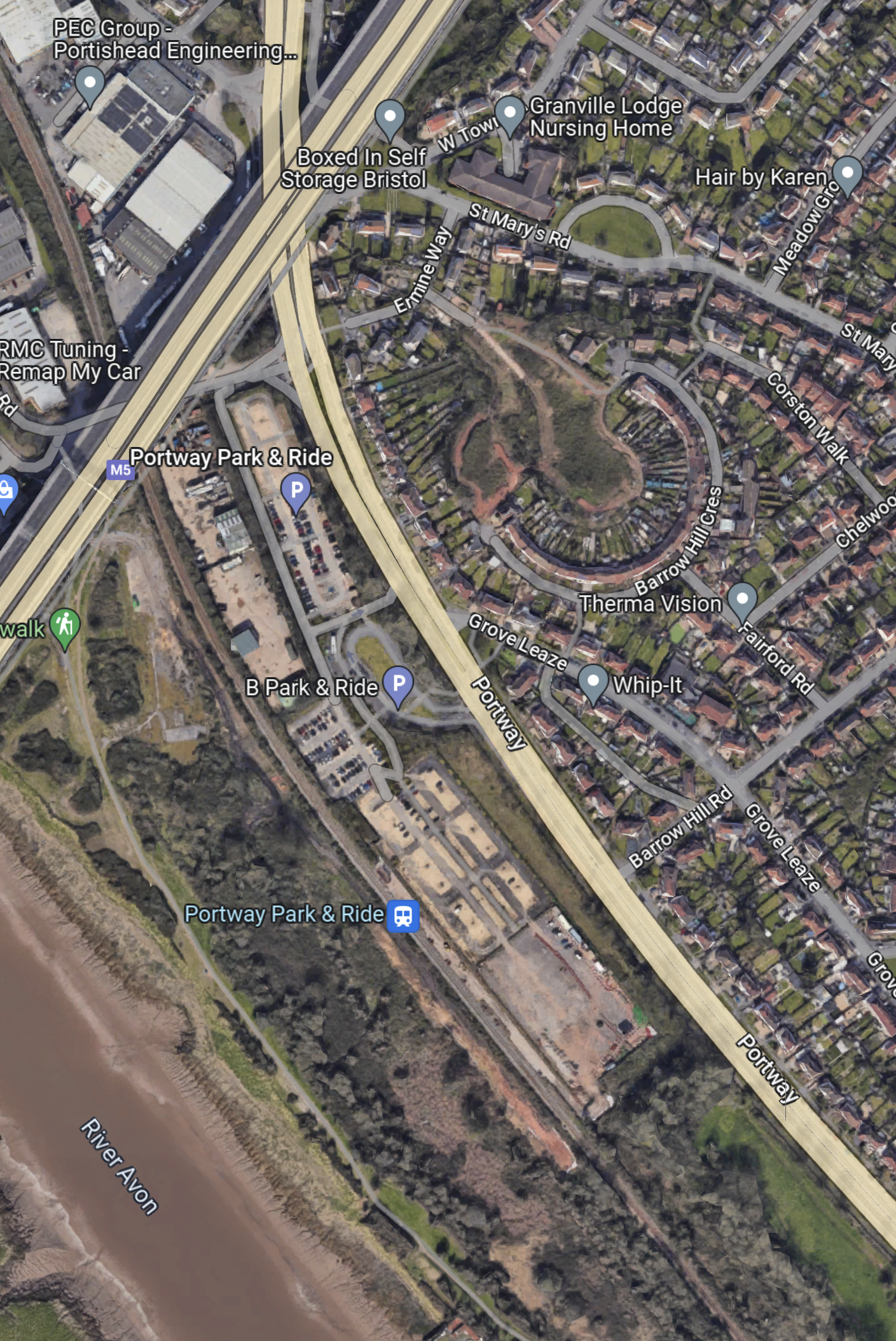
Note.
- The parking is to the South of where the M5 and A4 cross.
- The blue dot at the South of the site marks the single-platform station.
- The buses from the Park & Ride run every twelve minutes.
- The trains are only an hourly service.
From the pictures, it looks like the station will be opening soon.
I would hope that the access to the parking from the major roads is good.
Improving The Line
I was a bit worried that I’d miss the train back, so I only had an ice cream, but if the trains were more frequent, I might have had a drink in the cafe as well.
Under Future in the Wikipedia entry for the Severn Beach Line, the following is said about train frequency.
Improved services along the line are called for as part of the Greater Bristol Metro scheme, a rail transport plan which aims to enhance transport capacity in the Bristol area. There is an aspiration for half-hourly services, however due to the large sections of single-track and the congested main line from Temple Meads, such frequency is not currently feasible. However, it is expected that with the four-tracking of Filton Bank, including the Severn Beach line between Temple Meads and Narroways Hill Junction, that there will be sufficient capacity to allow half-hourly services.
Two trains per hour (tph) would be a good improvement.
This is also said.
Plans also call for the reopening of the Henbury Loop Line, which could allow a service from Temple Meads to Bristol Parkway via the Severn Beach line.
After my experiences yesterday, a more frequent route between the two major Bristol stations must be a good idea.
Zero-Carbon Trains
Given the route and its length and location, the Severn Beach Line must be a candidate for battery or hydrogen power.

