A London Overground Class 378 Train In Platform 11 At Stratford Station
Trains on the North London Line to Stratford station normally terminate in Platform 1 or 2.
The train I got today terminated in Platform 11.

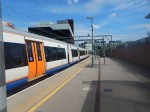
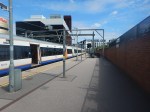
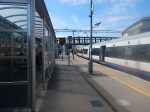
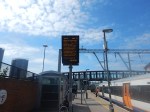
This platform is usually used for services up the Lea Valley.
My First Ride In A Hydrogen-Powered Double-Deck Bus
Today, I had my first ride in a hydrogen double-deck bus.
I took these pictures.
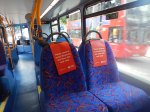

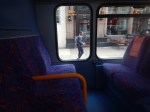
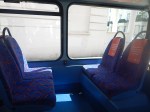
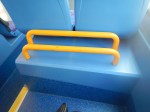
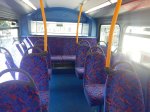
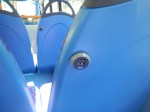
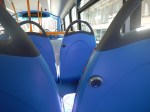
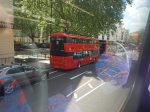
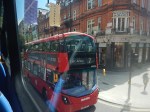


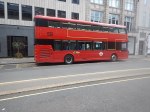

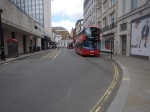
Note.
- I took the No 7 bus in London between Ladbroke Grove tube station and Oxford Circus.
- There were still some of the older Volvo hybrid buses on the route.
- The current fleet is around twenty buses.
This article on edie.net, is entitled England’s First Hydrogen Double-Decker Buses Hit The Road In London.
I note this paragraph in the article with interest.
Hydrogen used to fuel the new London buses is being produced at Air Liquide’s facility in Runcorn, Cheshire, which processes waste hydrogen from the industrial chemical industry. From 2023, the facility will be converted to produce only green hydrogen – a term used to describe hydrogen produced using electrolysis powered by renewable electricity.
It sounds, that at present the hydrogen could be coming from the old Castner-Kellner plant at ICI’s Runcorn complex. where I had my first job after leaving Liverpool University in the late 1960s.
These are my thoughts.
Refuelling
The edie article says the buses are refuelled once a day, at a facility at Perivale in Ealing.
Interior Design
Londoners will feel at home in these buses, as they have the same look and feel as London’s other double-deck buses.
But they do have some features, borrowed from other means of transport.
- They have a set of four family seats.
- Are those two yellow bars in front of where I sat a foot rest?
- There were a lot of USB- charger sockets.
It is certainly a well-designed interior.
Battery Or Hydrogen?
In A Trip On An Electric Double Deck Bus On Route 212 Between Chingford And St. James Street Stations, I described a trip on an electric double-deck bus.
I would go for the hydrogen, rather than electric.
A friend who runs a bus company in London, says fleets of battery buses are a nightmare to recharge.
The Edie article says once a day is fine.
The battery bus has a higher environmental footprint.
Hydrogen can fuel trucks, cars, vans and semblances, at the same charging station.
But the big problem is most battery buses are Chinese and Transport for London’s hydrogen buses have been built in Northern Ireland.
Performance
\\\thr performance of the bus was spritely!
Conclusion
This was a good bus!
Stratford Regulating Point Extension
London has a rail capacity problem, for both freight and passenger trains.
This report from Network Rail is entitled The London Rail Freight Strategy (LRFS).
One of the secondary recommendations of the report is what Network Rail call the Stratford Regulating Point Extension.
The report explains it like this.
Capacity analysis for this study emphasised in its conclusions that the key to making the timetable work is the ability to hold trains in strategic locations in order to match capacity between the orbital lines and the radial routes in and out of London.
It therefore noted that holding capacity at Stratford for the longest freight trains (up to 775m) is essential, recommending that consideration is given to lengthening the Up Channelsea Loop at Lea Junction in particular.
The purpose of this scheme would be to provide a regulating point offering 775m standage for freight trains passing through Stratford towards the NLL, fully segregated from other traffic.
This would be achieved by extending the existing Up Channelsea Loop to the North-West, so that it can accommodate a 775m train clear of Stratford Central Junction.
This option offers combined capacity and train lengthening benefits, as the ability to regulate the longest trains at key interface points on the network increases the chances of finding them a compliant path through successive timetable structures as they pass from route to route.
Note.
- 775 metres is the longest train allowed on UK railways.
- Longer trains are an efficient way of moving freight and often mean less trains in total.
- It is extremely handy to have a place to park a train, to aid in keeping to the timetable.
This map from cartometro.com shows the Eastern end of the North London Line and the Up Channelsea Loop.
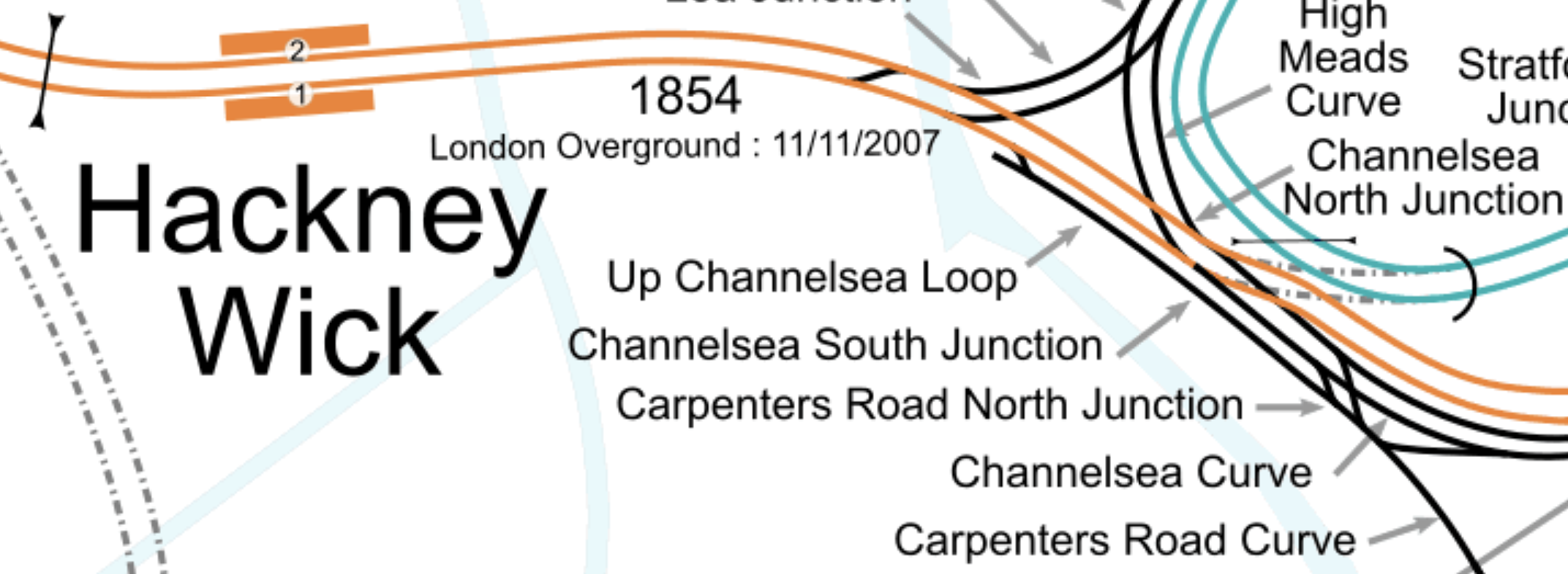
Note.
- The orange tracks are the North London Line and are used by the London Overground and freight trains.
- The Up Channelsea Loop to the South-West of the North London Line.
- The Up Channelsea Loop has connections to both directions of the Great Eastern Main Line at its South-Eastern end.
- Carpenters Road North junction would appear to connect Liverpool Street station to the High Meads curve, so that empty stock can be moved to and from the sidings at Orient Way.
- I would expect that any train waiting in the Up Channelsea Loop can’t overhang Carpenters Road North junction, as this would block the empty stock movements between Liverpool Street and Orient Way sidings.
This Google Map shows the South-Eastern end of the Up Channelsea Loop.
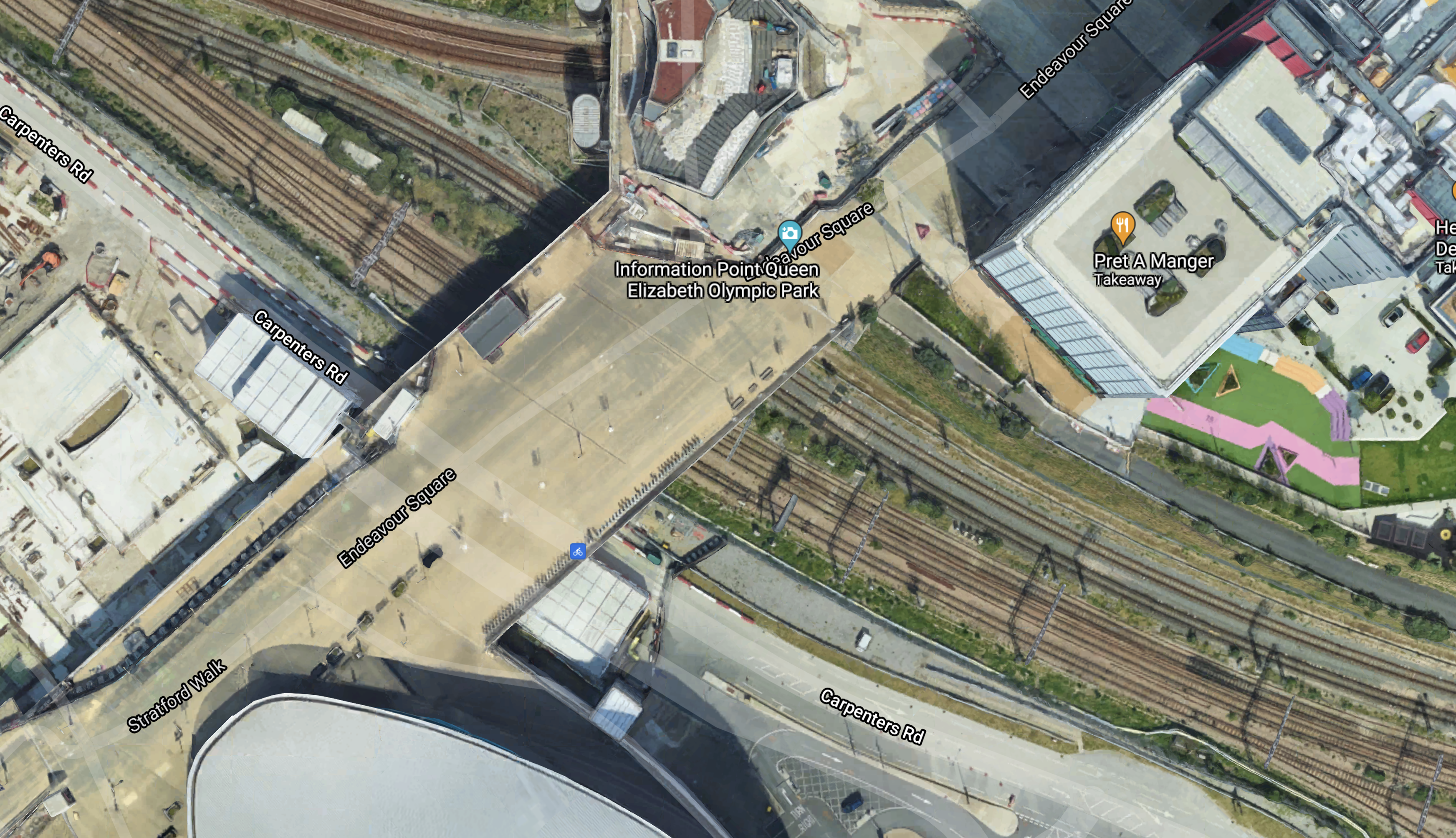
Note.
- The bridge over the tracks is the main access to the Olympic Park.
- I have arranged that the Up Channelsea Loop runs between the North-West and South-East corners of the map.
- The two tracks to access the Up Channelsea Loop join in the South-East corner of the map.
- The crossover to the North of the bridge is part of Carpenters Road North junction.
I would estimate that freight trains waiting in the Up Channelsea Loop can’t be closer than about thirty metres from the bridge.
This second Google Map shows what I suspect is the usable section of the Up Channelsea Loop.
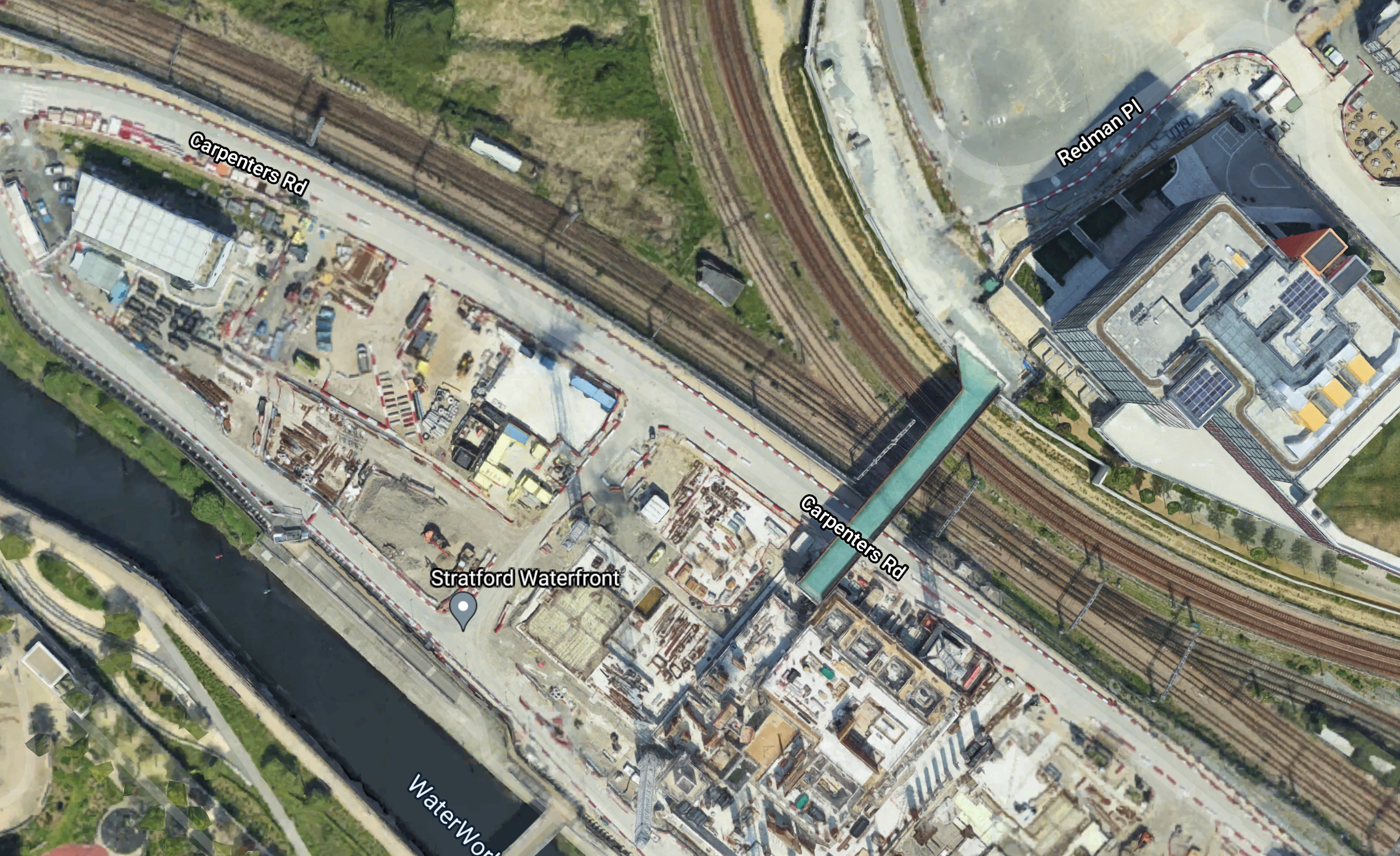
Note.
- I have arranged the North-Western corner of the map over the buffer stops at the end of the Up Channelsea Loop.
- The South-Eastern corner is at the lower limit of the Up Channelsea Loop.
- I estimate that the usable length of the current Up Channelsea Loop is six hundred metres at most.
This third Google Map shows the Northern end of the Up Channelsea Loop.
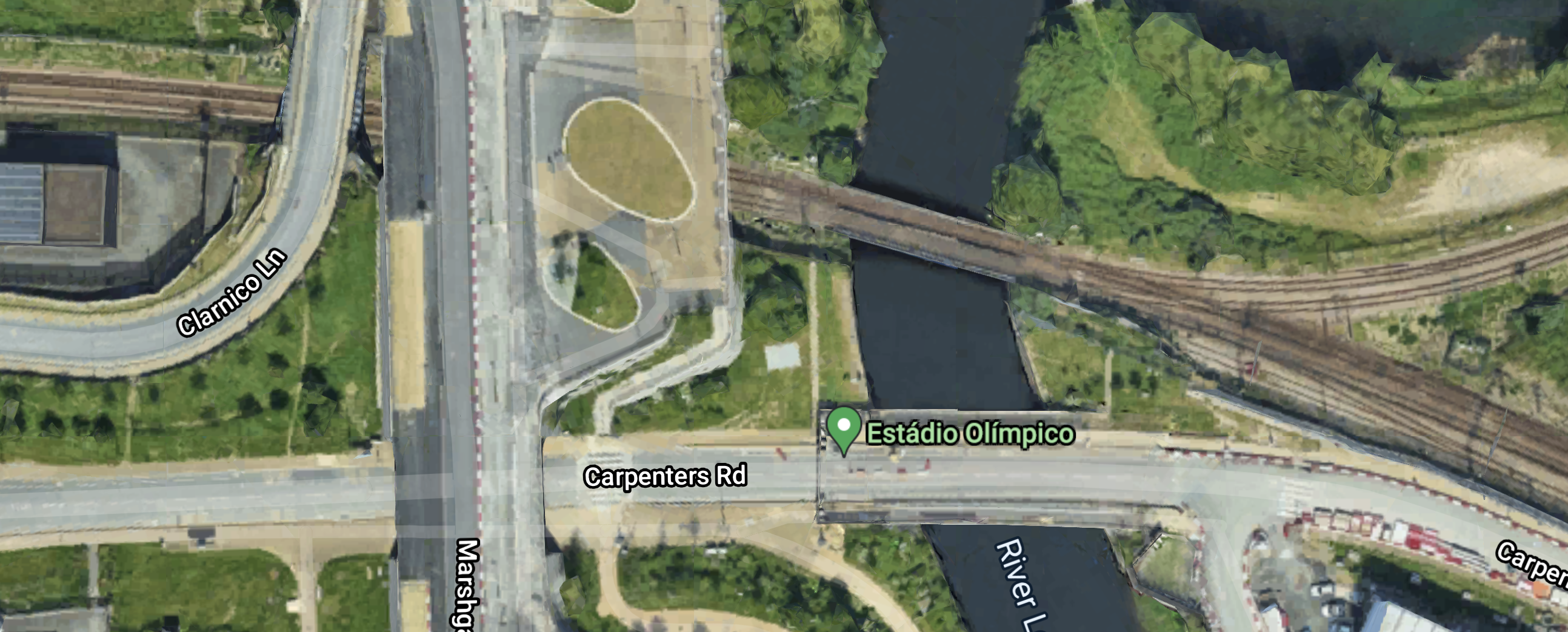
Note.
- The crossover so trains can leave the Up Channelsea Loop in the South-East corner of the map.
- There is a red buffer stop on the end of the loop.
I feel they will certainly have to bridge the River Lea, if the Up Channelsea Loop is going to be lengthened to the North-West.
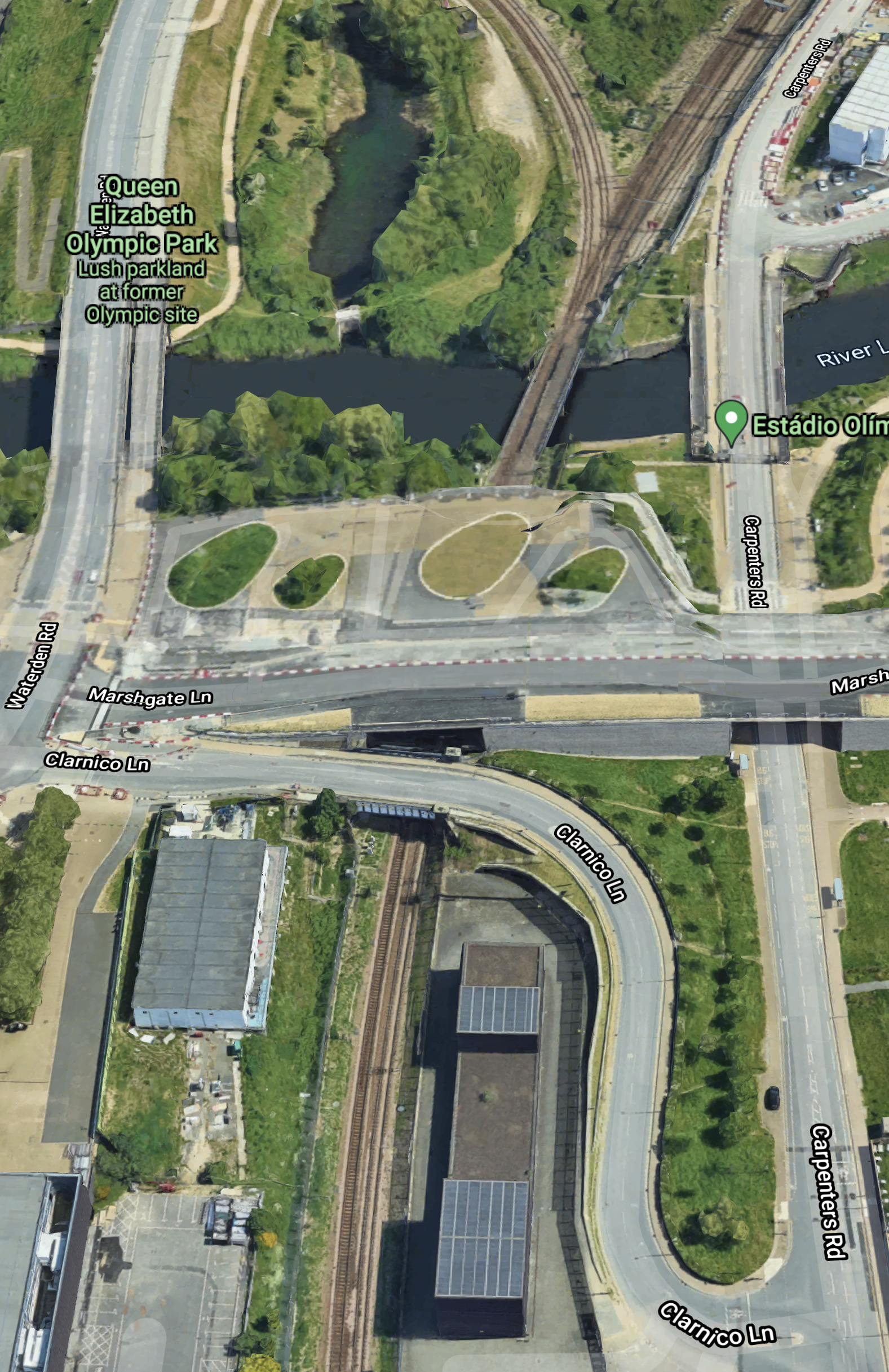
Perhaps this fourth Google Map, that shows a 3D view of the area from the West.
Note.
- Is there a tunnel under Marshgate Lane that can take three tracks.
- There could be space to extend the Up Channelsea Loop over the River Lea and alongside the long building, which is the Energy Centre for the site.
- There might even be a bit more space to create a fast exit from the Up Channelsea Loop.
If the Up Channelsea Loop is going to extend this far, then it looks like it has been planned for some time.
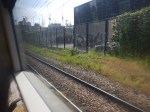
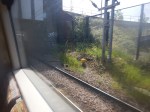
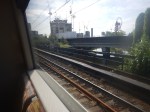
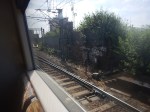
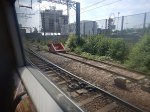
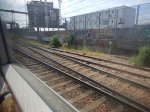
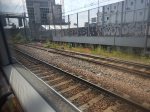
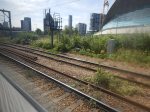
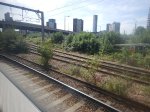
I took these pictures as I approached Stratford station.



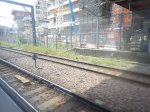
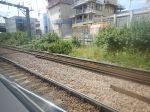
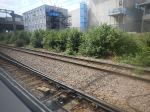
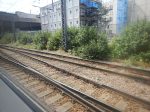
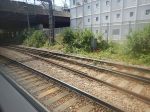
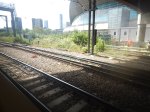
Note.
- The Up Channelsea Loop is the track furthest away to the right.
- The red buffer stop can be picked out.
- I started taking pictures alongside the Energy Centre.
- I think that the short tunnel between the Energy Centre and the River Leacan handle three tracks.
It looks to me, that provision was made for lengthening the Up Channelsea Loop, when these tracks were laid.
Conclusion
I think it is going to be a tight fit to extend the Up Channelsea Loop by sufficient length to handle the longest freight trains.
But it should be possible.
Related Posts
These are related posts about the London Rail Freight Strategy (LRFS).
Decarbonisation Of London’s Freight Routes
East Coast Main Line South Bi-Directional Capability
Gauge Improvements Across London
Headway Reductions On The Gospel Oak To Barking, North London and West London Lines
Heavy Axle Weight Restrictions
Kensal Green Junction Improvement
Longhedge Junction Speed Increases
Moving The West London Line AC/DC Switchover To Kensington Olympia
Moving The West London Line AC/DC Switchover To Shepherd’s Bush
Doubling Harlesden Junction
London has a rail capacity problem, for both freight and passenger trains.
This report from Network Rail is entitled The London Rail Freight Strategy (LRFS).
One of the secondary recommendations of the report is to double Harlesden Junction. It says this about the doubling.
At present, several Goods lines from the direction of Wembley Yard converge into a single lead through Harlesden Junction, the connection to the City lines, from which the North London Line is accessed. This represents a bottleneck where trains are unable to pass in each direction simultaneously. Conceptual design work for the LRFS has identified that the bridge span immediately above the junction, which the two West Coast Main Line Slow lines also pass under, formerly accommodated four tracks in total.
Because the City lines extend for a relatively short distance between Harlesden Junction and Kensal Green Junction, a speed increase at Harlesden Junction is necessary in order to align with the uplifted speeds proposed for Kensal Green Junction (see Core Interventions). Upgrading Harlesden Junction is therefore required in order to realise the benefits of the core intervention at Kensal Green Junction. Doubling the junction would further ease the flow of freight trains through this critical connection between the West Coast Main Line and the orbital routes.
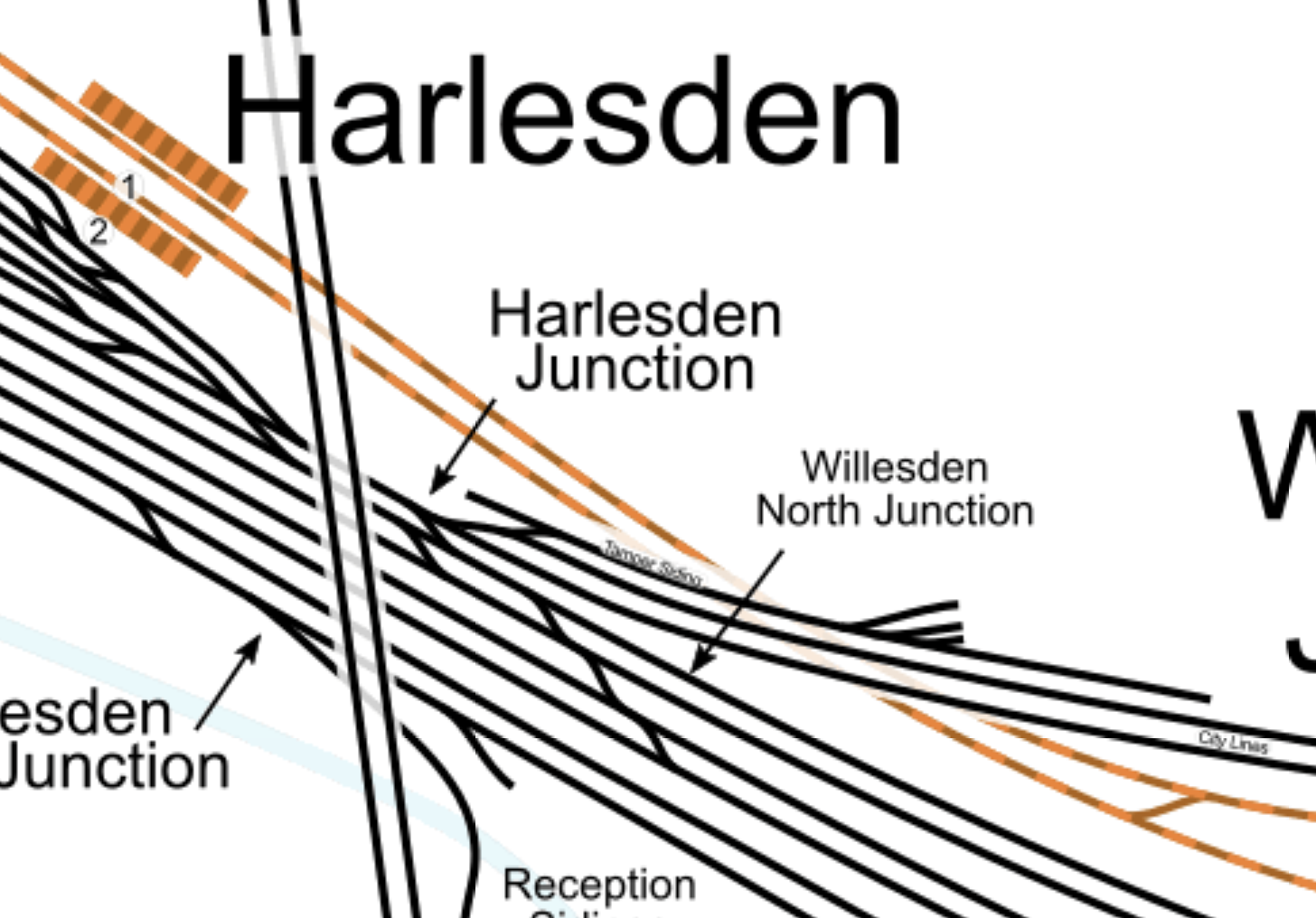
This map from cartometro.com shows Harlesden Junction.
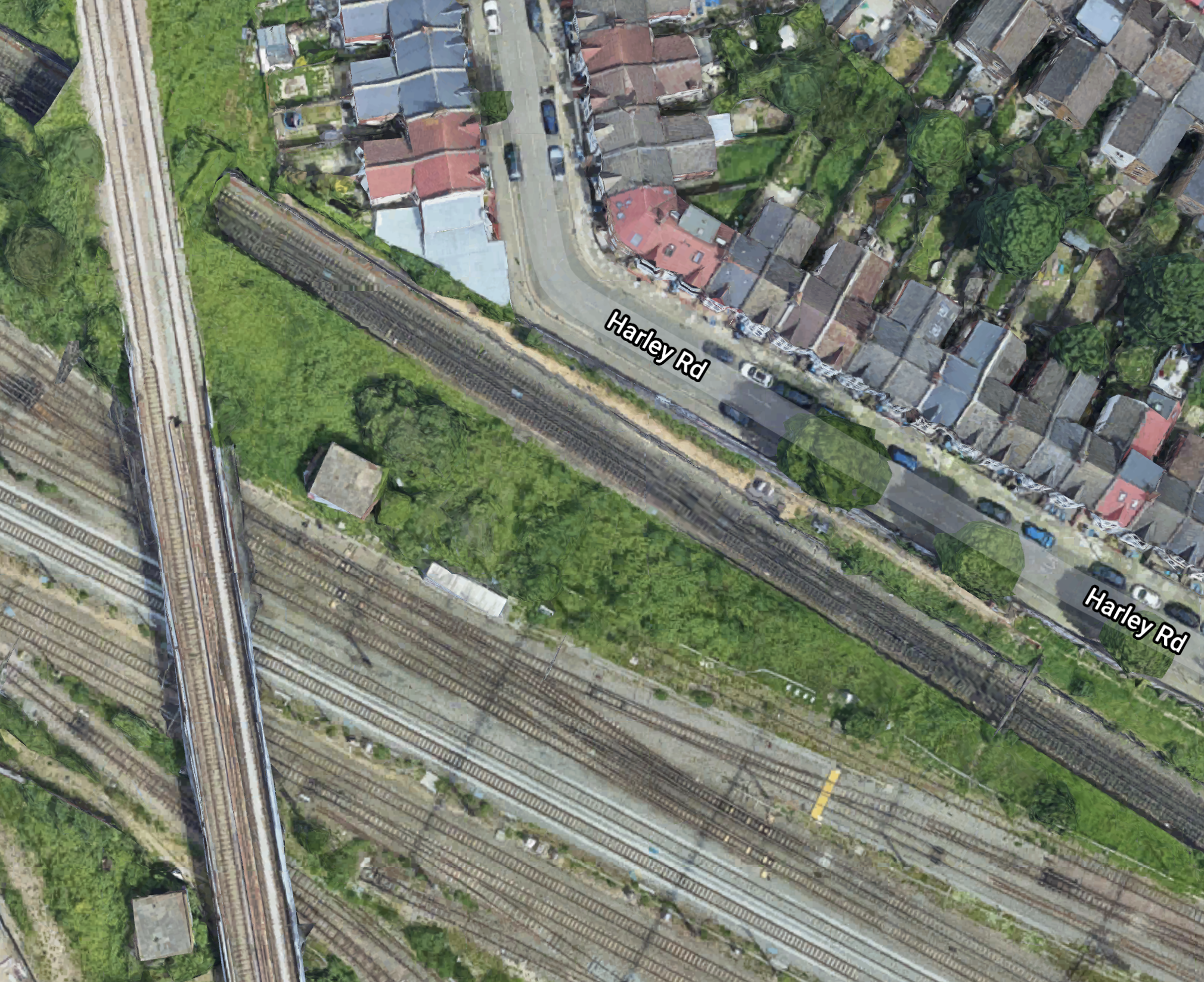
This Google map shows the area.
Note.
- The six tracks across the bottom of both maps are the West Coast Main Line.
- The double track rail line going North-South over the West Coast Main Line is the Dudding Hill Line.
- The Northernmost tracks, that go East-West under the Dudding Hill Lines are the combined Watford DC and Bakerloo Lines, which explains their colour in the first map.
- South of these tracks are the City Lines and Harlesden Junction, which connects it to the West Coast Main Line.
This 3D image shows the Harlesden Junction with the Dudding Hill Line over the top, looking from the South-East.
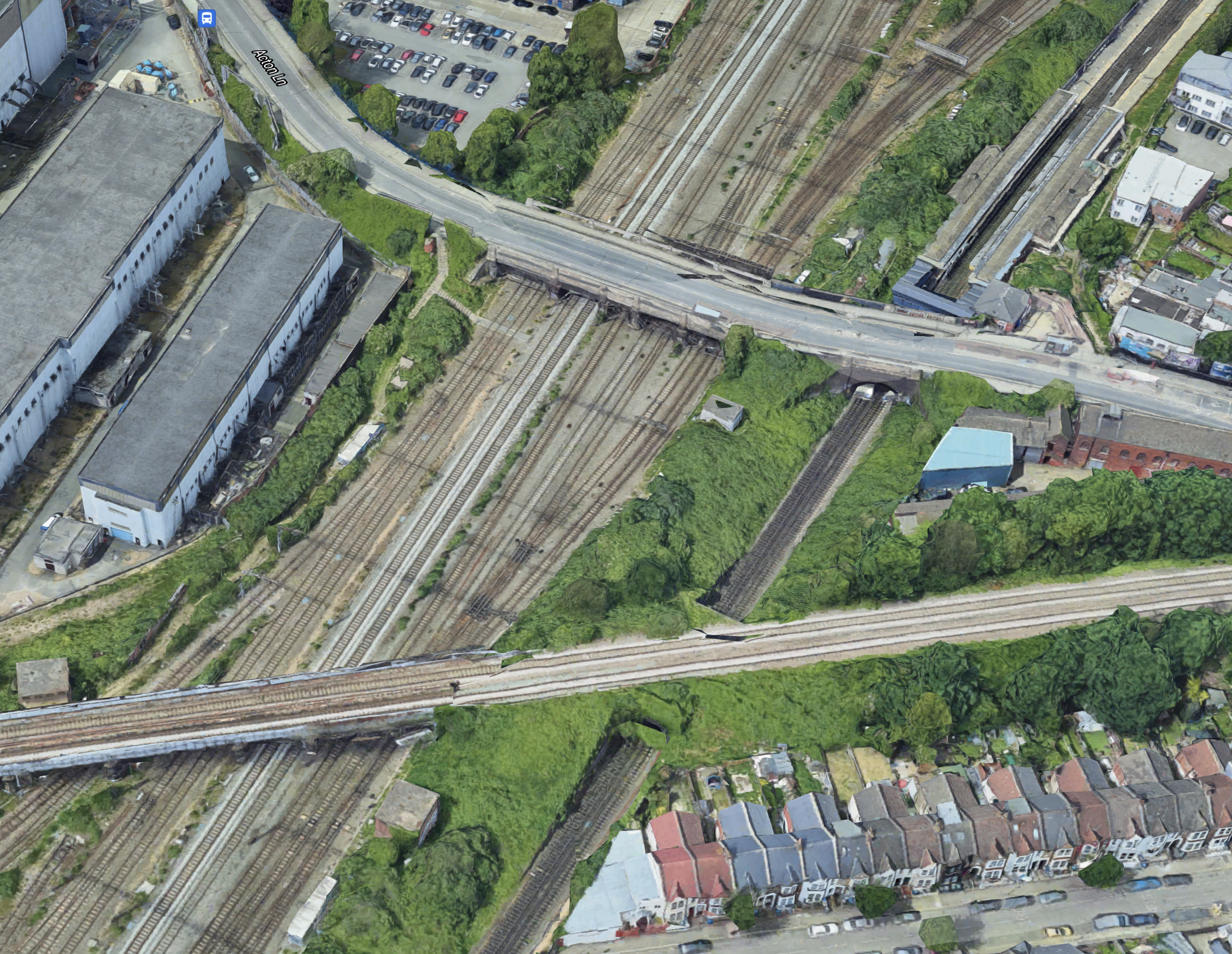
Note that Harlesden station can be seen in the North-East of the map.
There is certainly space in the area to improve the junction.
Conclusion
It strikes me that if you improve Kensal Green Junction, then doubling of Harlesden Junction is needed, to make the most of the investment at Kensal Green.
Related Posts
These are related posts about the London Rail Freight Strategy (LRFS).
Decarbonisation Of London’s Freight Routes
East Coast Main Line South Bi-Directional Capability
Gauge Improvements Across London
Headway Reductions On The Gospel Oak To Barking, North London and West London Lines
Heavy Axle Weight Restrictions
Kensal Green Junction Improvement
Longhedge Junction Speed Increases
Moving The West London Line AC/DC Switchover To Kensington Olympia
Moving The West London Line AC/DC Switchover To Shepherd’s Bush
Stratford Regulating Point Extension
Moving The West London Line AC/DC Switchover To Kensington Olympia
London has a rail capacity problem, for both freight and passenger trains.
This report from Network Rail is entitled The London Rail Freight Strategy (LRFS).
One of the secondary recommendations of the report is to move the switchover between AC and DC power on the West London Line to Kensington Olympia station. It says this about the switchover.
Although moving the changeover to Shepherd’s Bush would eliminate the need for passenger trains to slow down or stop at North Pole Junction, electrically hauled freight trains will still need to switch power supply modes whilst moving, wherever the AC/DC interface is located.
Due to the substantial incline facing trains running northward on the WLL, which increases in severity towards the Willesden end of the route, it would be preferable for the changeover to be made as far south as possible. This would enable freight trains to slow down to switch traction before reaching the worst of the gradient, giving them a much better chance of regaining line speed once drawing power from the OLE.
Although Kensington Olympia is less than a mile to the south of Shepherd’s Bush, the intervening route section is almost entirely level, with the incline commencing just before Shepherd’s Bush station and continuing to rise sharply along the rest of the WLL. The capacity and performance benefits of relocating the changeover are therefore likely to be greater if the overhead wires are extended to Kensington Olympia, removing the risk to traffic flow that would remain if freight trains were forced to switch whilst running uphill.
This would prepare the West London Line for the transition to electric freight that will be necessary as part of the decarbonisation of the railway over the next thirty years.
Resolving the current traction changeover issues for freight as well as passenger trains would support this transition by encouraging freight operators to invest in electric locomotives to run on the orbital routes, in the confidence that this constraint has been addressed.
I covered this recommendation in Moving The West London Line AC/DC Switchover To Shepherd’s Bush, as so many arguments are the same about the two stations.
This was my conclusion in the related post.
I believe, as probably do Network Rail, that Kensington Olympia station should be the station, where the switchover occurs.
I did add a caveat, that it is probably all down to money.
Related Posts
These are related posts about the London Rail Freight Strategy (LRFS).
Decarbonisation Of London’s Freight Routes
East Coast Main Line South Bi-Directional Capability
Gauge Improvements Across London
Headway Reductions On The Gospel Oak To Barking, North London and West London Lines
Heavy Axle Weight Restrictions
Kensal Green Junction Improvement
Longhedge Junction Speed Increases
Moving The West London Line AC/DC Switchover To Shepherd’s Bush
Stratford Regulating Point Extension
Velocys Technology Powers First Commercial Flight
The title of this post, is the same as that of this article on Biomass Magazine.
This is the first two paragraphs.
Velocys plc, the sustainable fuels technology company, is pleased to announce that sustainable aviation fuel (SAF) produced by the company’s proprietary technology using woody biomass residue feedstock has been used in a commercial flight by Japan Airlines.
Japan Airlines flight (JAL #515) from Tokyo to Sapporo was completed on June 17.
Note.
- From the picture, the aircraft appears to be an Airbus A350.
- Velocys is a sign-out from Oxford University.
Sustainable Aviation Fuel is definitely on its way.
Moving The West London Line AC/DC Switchover To Shepherd’s Bush
London has a rail capacity problem, for both freight and passenger trains.
This report from Network Rail is entitled The London Rail Freight Strategy (LRFS).
One of the recommendations of the report is to move the switchover between AC and DC power on the West London Line to Shepherd’s Bush station. It says this about the switchover.
Extension of the overhead wires further along the WLL, to provide AC electrification as far south as Shepherd’s Bush station.
Two passenger train services run along the West London Line.
- Four tph – London Overground – Clapham Junction and Stratford
- One tph – Southern – Clapham Junction and Milton Keynes
Note.
- tph is trains per hour.
- London Overground would like to increase their service to six tph.
- All trains stop at Shepherd’s Bush station.
The West London Line (WLL) runs between Willesden Junction station in the North and Clapham Junction station in the South.
These are the stations and their electrification status.
- Willesden Junction – 25 KVAC Overhead Electrification
- Shepherd’s Bush – 750 VDC Third-Rail Electrification
- Kensington Olympia – 750 VDC Third-Rail Electrification
- West Brompton – 750 VDC Third-Rail Electrification
- Imperial Wharf – 750 VDC Third-Rail Electrification
The switchover is performed North of Shepherd’s Bush station with the train moving.
These pictures show the electrification to the North of Shepherd’s Bush station.
This double-electrification allows switchover, whilst the trains are moving.
This is said in the Network Rail document about moving the West London Line AC/DC switchover to Shepherd’s Bush station.
Extending the Overhead Line Equipment south to Shepherd’s Bush would enable passenger trains to change traction source whilst making their scheduled station stop.
A slight extension to dwell times at Shepherd’s Bush may be required, but the elimination of the need to slow down or, especially, to stop, as is the case for GTR trains, at North Pole Junction would release a significant amount of capacity.
Recent work carried out on behalf of Transport for London calculated that the relocation of the changeover to the Shepherd’s Bush could provide an indicative net saving of 7 minutes per hour, which is equivalent to an additional path and some additional time for timetable flexibility.
The LRFS capacity analysis concluded that this intervention could potentially release up to two additional timetable paths an hour in each direction.
Moreover, the analysis advised that eliminating the need for GTR services to stop to change traction at North Pole Junction would be of significant performance benefit even today.
This sounds to me like this us a good solution, that will give winners all round.
- I went North yesterday on a GTR (Southern) service and can confirm, the stop to switch voltage at North Pole junction.
- Extra paths are always good news.
- I have a feeling that the overhead electrification on the route isn’t the best, so Network Rail may even have to replace it anyway.
What I like about the proposal, is that if the switchover point is moved to Shepherd’s Bush station and in the very rare occurence of a switchover failure, the passengers can be easily evacuated from the train as it will most likely be in Shepherd’s Bush station, rather than in the industrial wastelands of West London.
These pictures show Shepherd’s Bush station.
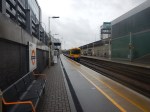
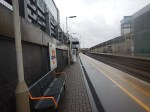
Note.
- It looks like the bridges have been built high enough for overhead electrification.
- The platforms appear to be able to handle long trains.
- Putting up overhead gantries doesn’t look to be the most challenging of tasks.
I don’t think, that the engineering needed will be difficult and because of the gains outlined in the report, this project should be performed as soon as possible.
Should The AC/DC Switchover Be At Kensington Olympia Station?
The Network Rail document also muses about performing the AC/DC switchover at Kensington Olympia station.
This is said.
Although moving the changeover to Shepherd’s Bush would eliminate the need for passenger trains to slow down or stop at North Pole Junction, electrically hauled freight trains will still need to switch power supply modes whilst moving, wherever the AC/DC interface is located.
Due to the substantial incline facing trains running northward on the WLL, which increases in severity towards the Willesden end of the route, it would be preferable for the changeover to be made as far south as possible. This would enable freight trains to slow down to switch traction before reaching the worst of the gradient, giving them a much better chance of regaining line speed once drawing power from the OLE.
Although Kensington Olympia is less than a mile to the south of Shepherd’s Bush, the intervening route section is almost entirely level, with the incline commencing just before Shepherd’s Bush station and continuing to rise sharply along the rest of the WLL. The capacity and performance benefits of relocating the changeover are therefore likely to be greater if the overhead wires are extended to Kensington Olympia, removing the risk to traffic flow that would remain if freight trains were forced to switch whilst running uphill.
This would prepare the West London Line for the transition to electric freight that will be necessary as part of the decarbonisation of the railway over the next thirty years.
Resolving the current traction changeover issues for freight as well as passenger trains would support this transition by encouraging freight operators to invest in electric locomotives to run on the orbital routes, in the confidence that this constraint has been addressed.
Network Rail seem to have made a very strong case for switching between AC and DC power at Kensington Olympia station.
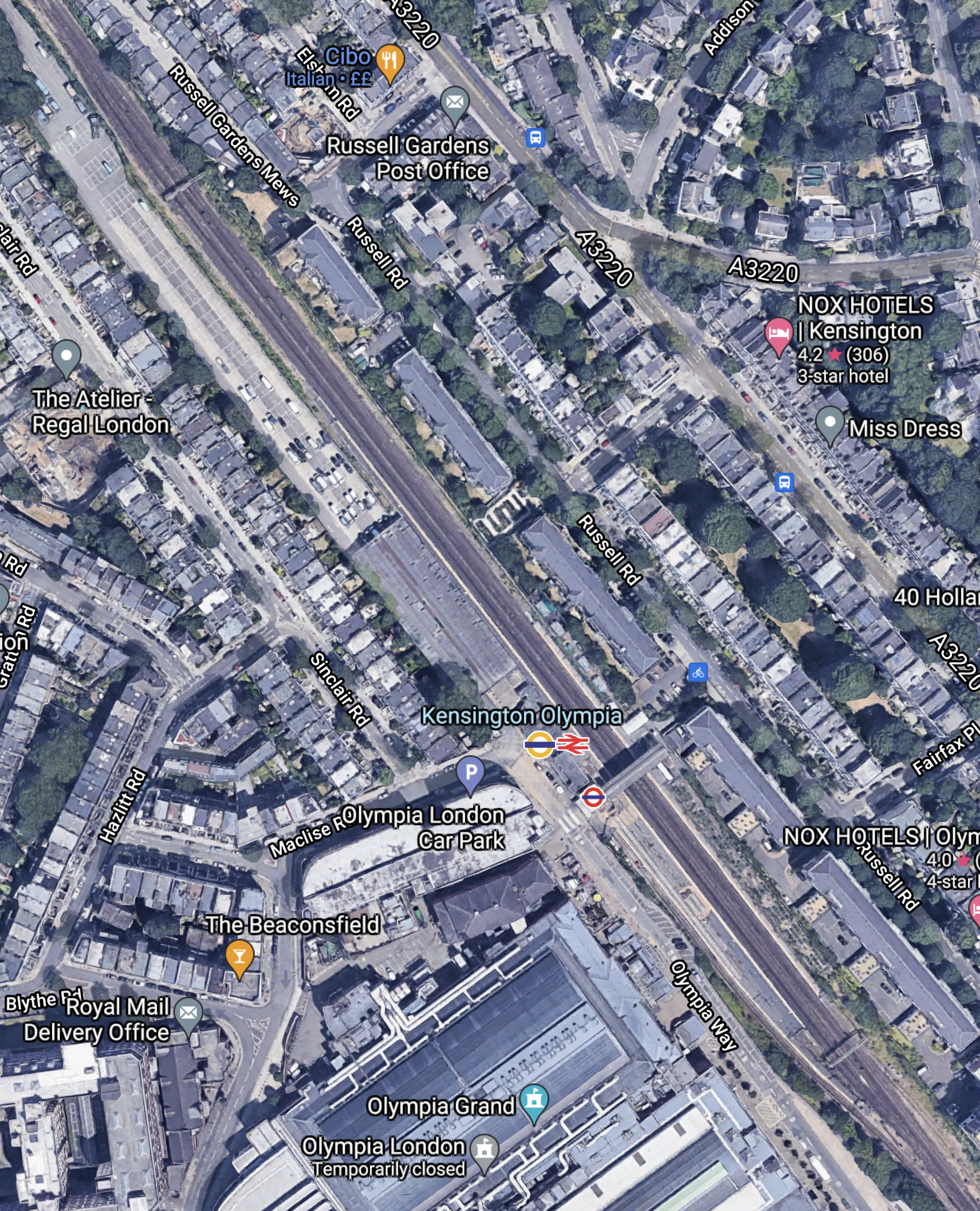
These Google Map shows Kensington Olympia station.
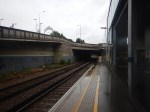
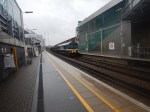
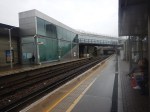
And these pictures show the station on a very wet day.
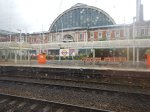
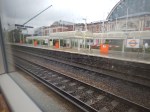
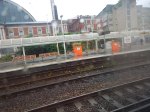
It doesn’t appear that there would be too many problems in electrifying Kensington Olympia station.
The only problem, may be the bridge at Addison Gardens to the North of Kensington Olympia station.
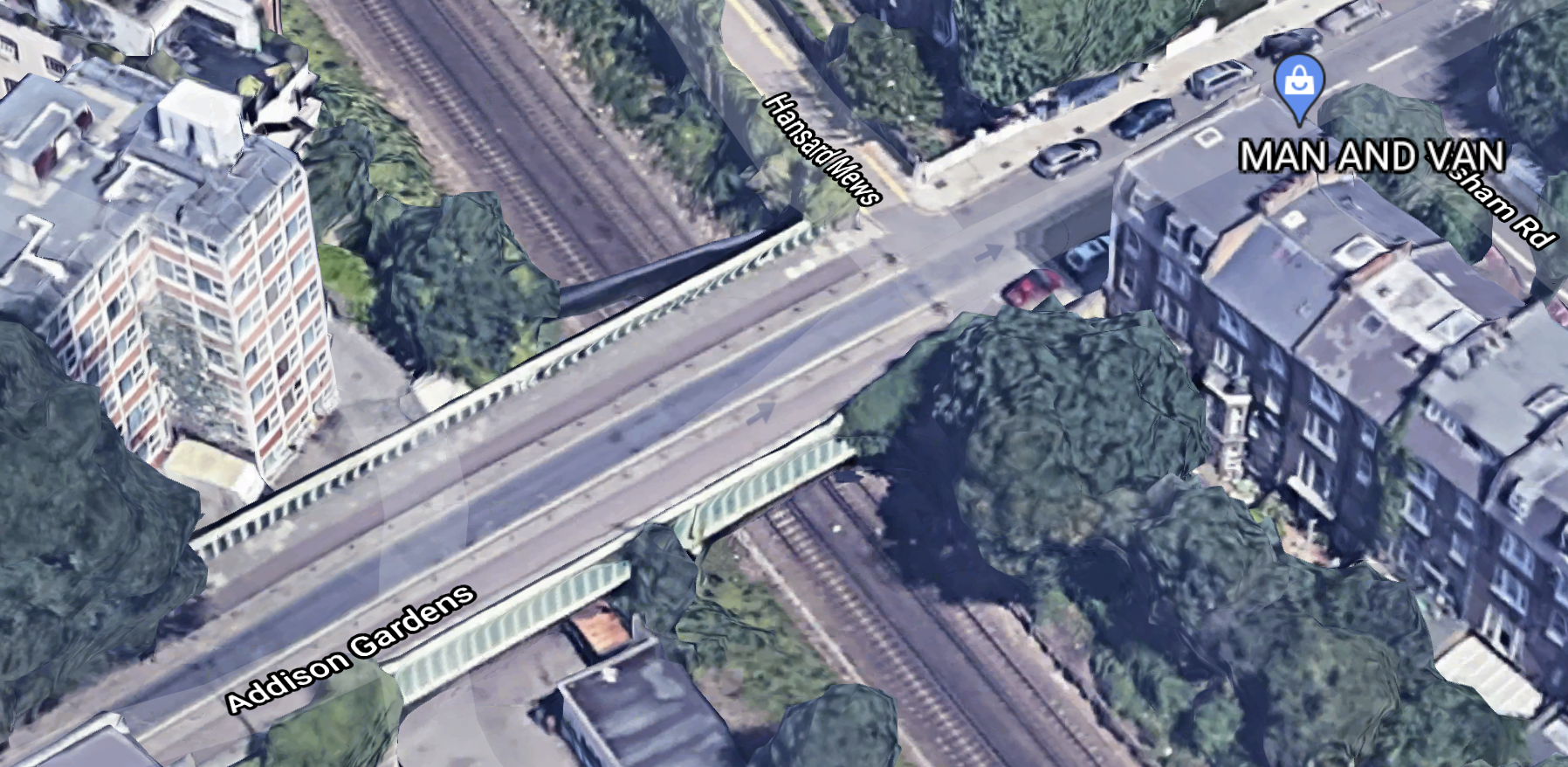
Although, Network Rail have an extensive range of tricks to get the wires through.
Conclusion
I believe, as probably do Network Rail, that Kensington Olympia station should be the station, where the switchover occurs.
But it’s all down to money.
It does seem to me, that the London Rail Freight Strategy is the first serious attempt to work out, the possible freight and passenger uses of the West London Line, which is one of those rail lines that has been designed by Topsy and accidents of history.
How many other rail routes in the UK, would be improved by a similar analysis?
Related Posts
These are related posts about the London Rail Freight Strategy (LRFS).
Decarbonisation Of London’s Freight Routes
East Coast Main Line South Bi-Directional Capability
Gauge Improvements Across London
Headway Reductions On The Gospel Oak To Barking, North London and West London Lines
Heavy Axle Weight Restrictions
Kensal Green Junction Improvement
Longhedge Junction Speed Increases
Moving The West London Line AC/DC Switchover To Kensington Olympia
Stratford Regulating Point Extension
Will Camden Road Station Get A Third Platform?
Will Clapham Junction Station Get A Platform 0?
A Very Long Freight Train At Camden Road Station
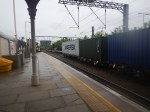
I took these pictures as a very long freight train passed through Camden Road station.
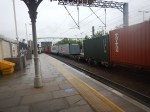
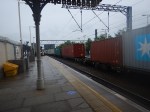
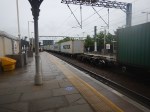
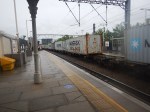
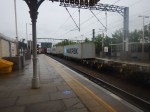
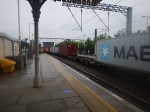
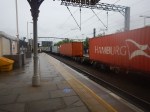
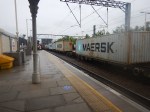
Note.
- I estimate the train had 45 positions for containers.
- Fourteen or fifteen were not filled.
- I suspect the train started in Wentloog in South Wales and was going to the Port of Felixstowe.
- That route is fully electrified from Wentloog to Ipswich.
- The journey took over eight hours.
This could be a route, where an innovative Class 93 locomotive could be able to handle the freight train all the way across England and half of Wales.
- Most of the way, the locomotive would be using the electrification.
- The short distance at Wentloog and the fifteen miles at Felixstowe would be handled by the onboard diesel engine and the substantial battery.
These will be world-class zero-carbon freight trains, just by changing the motive power.
On The Finishing Straight At Moorgate Station?
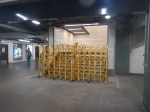
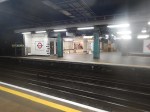
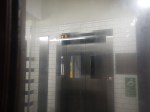
As I passed through Moorgate station this morning, there were signs that work was coming to an end in the non-Crossrail parts the station.
Note.
- The blue hoardings had been taken away on two staircases.
- The lifts were going up and down.
- I couldn’t be sure, but there did appear to be people going around with lists and clipboards.
These were the first visible signs of work in a current passenger area, since, the new lift was unveiled in March, which I wrote about in The New Lift To The Northern Line At Moorgate Station.
 The Anonymous Widower