Green Hydrogen Searches For Industrial Outlets
The title of this post, is the same as that of this article on E & T Magazine.
It is a detailed look at the uses for green hydrogen.
A few points from the article.
- Like fossil fuel hydrogen can store energy for months.
- Less that 10 % of green hydrogen will be used for energy storage.
- Hydrogen has a poor round trip efficiency, if you create it with an electrolyser and then convert it back to electricity using appropriate technology.
- Heavy transport may account for 25 % of the use of hydrogen.
- Industrial and home heating applications could account for the use of another third.
- One of the biggest uses today of hydrogen is in oil-refining to make low sulphur fuels.
- Steelmaking could be a big user, but there are many different methods and some have problems.
- Cement making could be a good use of green hydrogen.
The article is a must-read and it makes you think.
The Edmonton Incinerator
Although it is officially known these days as the Edmonton EcoPark, as a North Londoner, I will always know it as the Edmonton Incinerator.
I took these pictures with my drone.



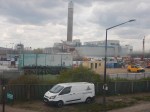



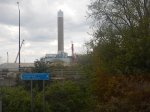



These are a few facts from Wikipedia about the waste-to-energy plant.
- It was commissioned by the Greater London Council in 1971.
- It burns waste from the seven North-East London boroughs.
- It generates 55 MW of electricity.
It certainly dominates the landscape alongside the North Circular Road.
But.
It is probably not amongst the greenest of incinerators.
It is probably very much a design of the 1960s.
It is approaching fifty years old.
But it appears that things could be improving.
- There is a large composting and recycling facility being built on the site on the site.
- Plans exist to bring in the rubbish by barge.
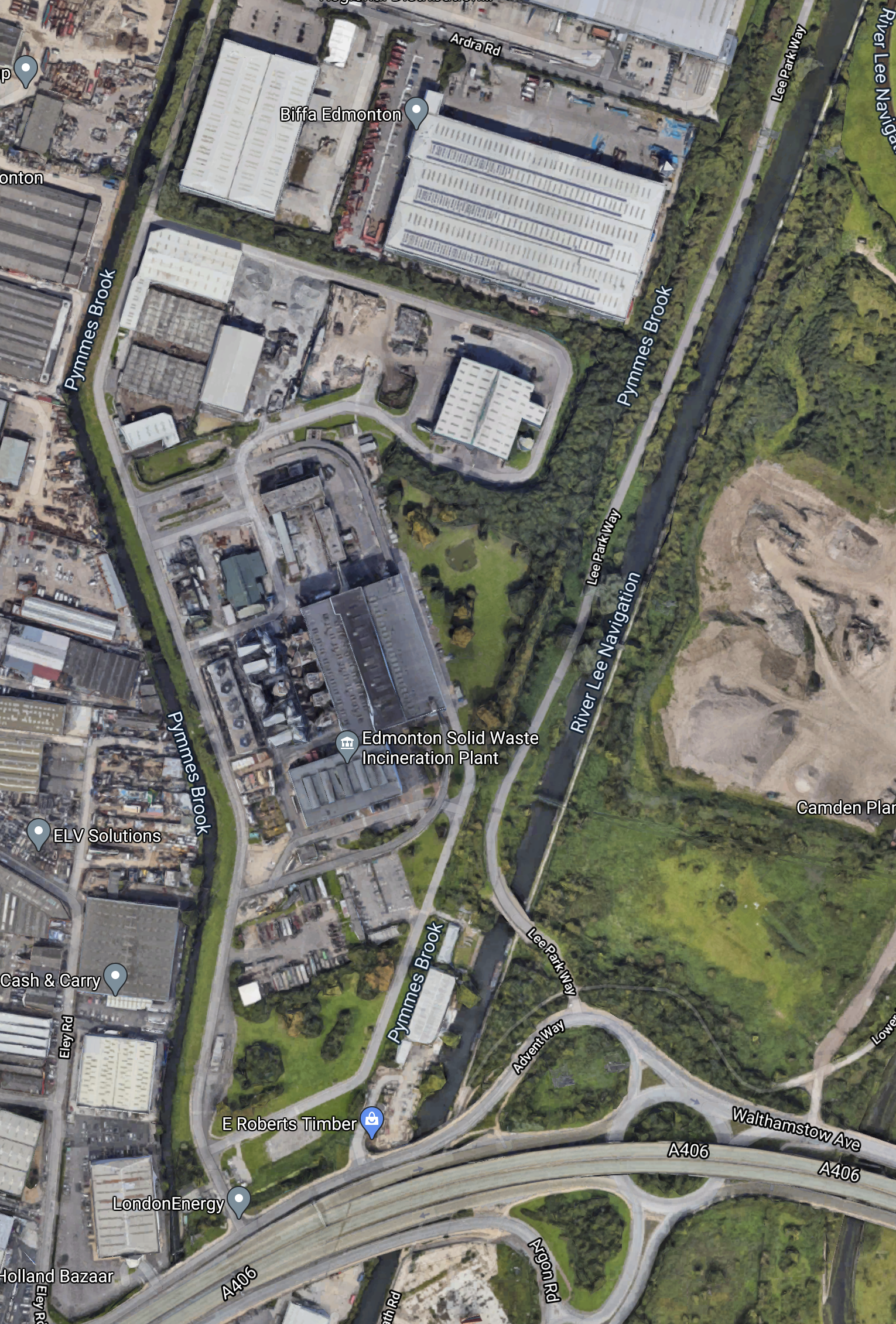
This Google Map shows the site.
Note.
- The North Circular Road runs across the bottom of the map.
- All of the roads obliterated the famous Cooks Ferry Inn, where I saw the Animals play in the 1960s.
- The River Lee Navigation runs past the incinerator.
- Pymme’s Brook runs on the other side.
It looks from the map, that another reservoir is being built to the East of the canal.
The Guy Who Built The Edmonton Incinerator
I used to work with the guy, who was one of those in charge of the building of the incinerator, who when I met him, was head of the Greater London Council’s Construction Branch, who were using my project management software.
I can’t remember Mr. Samuels first name, even if I ever knew it.
- He was an Austrian Jew, who had trained as an engineer, who arrived in the UK sometime in the 1930s.
- He taught himself English in six weeks and got a job at Lucas.
- At the start of World War II, he volunteered and joined the Royal Engineers.
- He spent the whole war in bomb disposal.
- After the war he became an observer at the Nuremberg Trials.
After all he’d been through, he told me, the worst time of his life, was those years in the early seventies when I knew him, as his wife was dying of cancer.
But he taught me a lot about project management and the real horror of war.
He never told me, how many of his relatives survived the Nazis.
What Will Happen To The Edmonton Incinerator?
This year it will be fifty years since the Edmonton Incinerator was commissioned. It must be coming to the end of its life.
I can’t find any plans, but endless groups, who want it closed rather than rebuilt.
This article in the Hackney Gazette, which is entitled Campaigners Urge North London Incinerator Bidders To Pull Out, is typical.
I am very pro recycling, but then others aren’t as these pictures show.




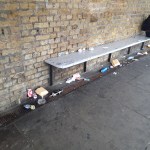


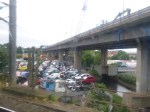
So if some won’t recycle properly, it will all have to go to landfill.
An Odd Tale About Recycling
I applied to be a member of the Independent Monitoring Board of a prison near, where I used to live.
I had a very interesting tour of the prison, where I met several of the inmates.
One thing surprised me.
The prison had a very comprehensive internal recycling system, whereby everything was fully sorted.
One course of training, that was offered to prisoners was how to sort and process all of the rubbish. According to the guy running the course, it was one of the most popular in the prison.
Possibly, because I was told, it prepared prisoners for a job, where there were lots of vacancies.
I wonder if the new £100million recycling centre at Edmonton will use labour trained in the Prison Service?
The Day I Shook Hands With The Duke Of Edinburgh
I only met the Duke of Edinburgh once and all we did was shake hands.
The meeting is described in this post called The Day I Met the Queen.
At least I didn’t embarrass myself as I did in another meeting with the Queen, I wrote about in The Day I Stood on the Queen.
I also found this post about the Queen’s relationship with her husband, which I wrote about in The Queen on Industrial Language.
The Duke of Edinburgh, is a man who will be missed and remembered by many.
He certainly did what we all should do! – By his best efforts, he left the world a better place!
May he rest in peace.
Turkey Blames EU In ‘Sofagate’ Diplomatic Spat
The title of this post, is the same as that on this article on the BBC.
These are the first two paragraphs.
What began as an attempt to repair tense EU-Turkey relations has turned into a diplomatic spat that has been dubbed “sofagate”.
When European Commission President Ursula von der Leyen was left standing because of a lack of chairs in Ankara, she reacted with an audible “Ahem”.
I suspect Mrs. T and Mrs. M would have done more than say “Ahem”
You certainly see better courtesy on the buses on the multi-ethnic route between Dalston and Stamford Hill.
Three times now, I’ve seen the classic friendly argument between an elderly male Orthodox Jew and a very much younger lady, about who should get on the bus last.
If only all problems could be solved with a smile, as these usually are in the end!
Khan Pledges To Name London Overground Lines If Re-Elected
The title of this post is the same as that of this article on News Shopper.
If this is Khan’s big policy for people who use the Overground, then it is very small thinking.
It is also another pointless waste of money.
The Overground needs expansion not a rebranding exercise.
It is successful and every user has their own names for the various lines.
I shall be voting for someone who has an expansive vision for London.
Mayor Sadiq Khan Plans to Ban London Underground Gambling Ads
The title of this post is the same as that of this article on Gambling News.
It’s probably the right thing to do, but as fast food ads have been banned and others are probably to be banned as well, where does the Mayor think he is going to get the money to run Transport for London from?
As he is going to have an enquiry into the legalisation of cannabis, which I am against, as it ruins your immune system, I shall be voting for someone else.
Piney Point: Emergency Crews Try To Plug Florida Toxic Wastewater Leak
The title of this post, is the same as that of this article on the BBC.
This is the introductory paragraph.
Emergency crews in Florida have been working to prevent a “catastrophic” flood after a leak was found in a large reservoir of toxic wastewater.
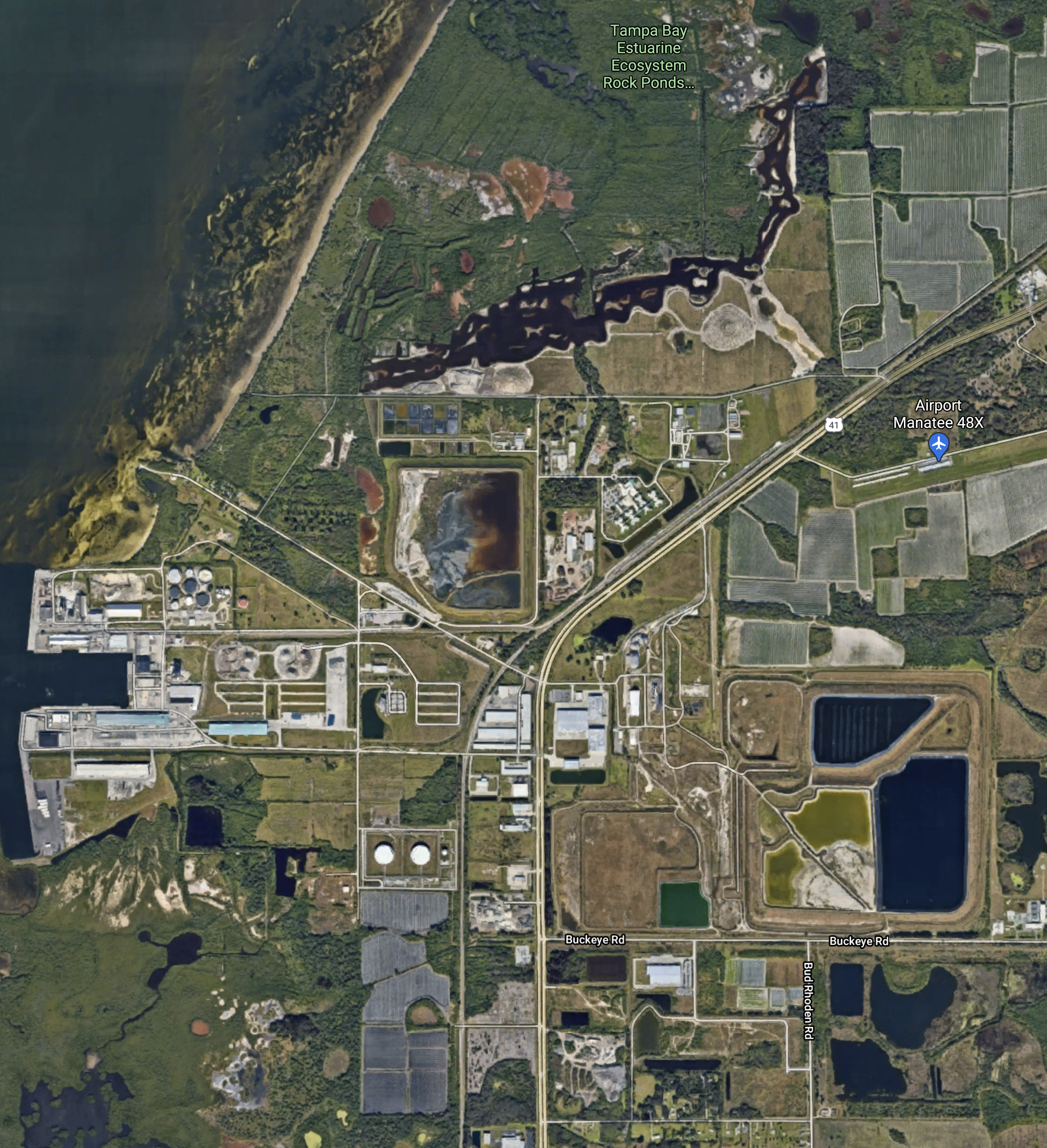
This Google Map shows the location.
Note.
- At the top of the map is an area called Tampa Bay Estuarine Ecosystem Rock Ponds.
- The reservoir appears to be in the South East corner of the map.
- There appear to be several chemical works to the West of the highway.
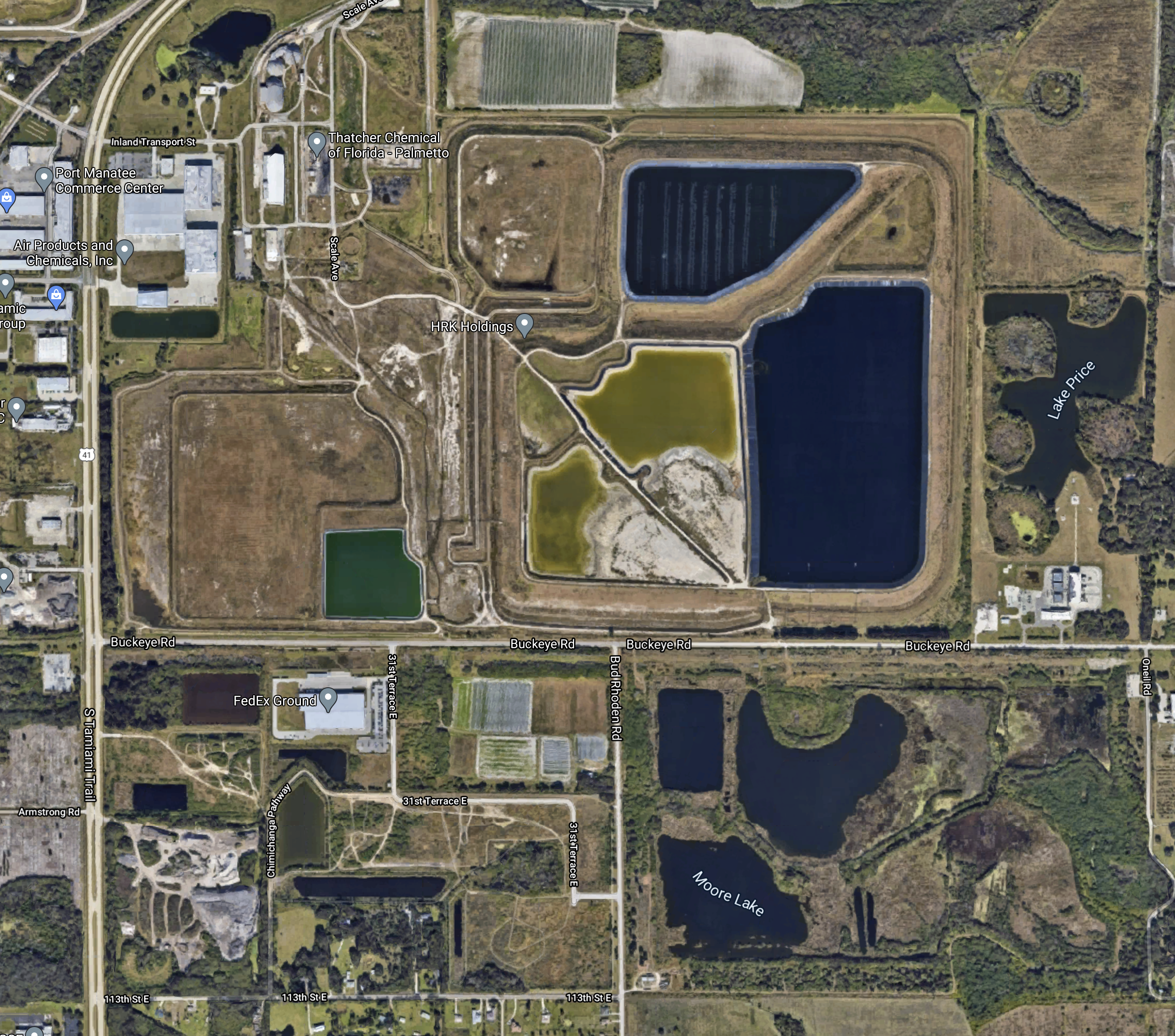
This second Google Map shows the reservoir at a larger scale.
Note.
- The picture in the BBC article was taken from the North West.
- The problem reservoir is right and above of centre.
- To its right is Lake Price, which appears to be the sort of lake to sail a boat and perhaps do a bit of fishing and swimming.
- Moore Lake to the South appears similar to Lake Price.
It looks to me that it is not the place to have an environmental incident.
This article in The Times says this.
Engineers are furiously pumping the phosphate-rich water into the sea to avoid an uncontrolled spill at Piney Point, whose failure could unleash a 20ft-high wall of toxic effluent.
Pumping it into the sea? Surely not?
I suspect there could have been a mixture of sloppy management and loose regulation, with minimal enforcement and I’ll be interested to see what recommendations are put forward by the inevitable investigation.
In my varied past, I was once indirectly involved, in the toxic waste that comes out of chemical plants. At the time, I was working for ICI in Runcorn and my main job was building designing and building instruments for the various chemical plants in and around Runcorn.
As they had hired me because of my programming skills, they asked me if I could do a few small jobs on their Ferranti Argus 500, which could be plugged in to both their Varian NMR machine and their AEI mass spectrometer.
With the former, to get better accuracy in analysis of chemicals, I would take successive scans of a sample and aggregate them together. The accuracy of the results would be proportion to the square root of the number of scans.
The second to my mind was more difficult and much more interesting.
This explanation of mass spectroscopy is from Wikipedia.
Mass spectrometry (MS) is an analytical technique that is used to measure the mass-to-charge ratio of ions. The results are typically presented as a mass spectrum, a plot of intensity as a function of the mass-to-charge ratio. Mass spectrometry is used in many different fields and is applied to pure samples as well as complex mixtures.
ICI at Runcorn had a lot of complex mixtures and the aim of my project, was to take a mass spectrum and automatically decide what chemicals were present in the mixture.
The mass spectra were presented as a long graph on a roll of thermal paper. I noticed that operators would pick out distinctive patterns on the graph, which they told me were distinctive patterns of chlorine ions.
Chlorine has an unusual atomic weight of 35.5 because it is a mixture of two stable isotypes Chlorine-35 and Chlorine-37, which produced these distinctive patterns on the spectra.
I was able to identify these patterns to determine the number of chlorine atoms in a compound. By giving the algorithm a clue in stating how many carbon, oxygen and hydrogen atoms could be involved, it was able to successfully identify what was in a complex mixture.
All this was programmed on computer with just 64K words of memory and a half-megabyte hard disc.
ICI must have been pleased, as I got a bonus.
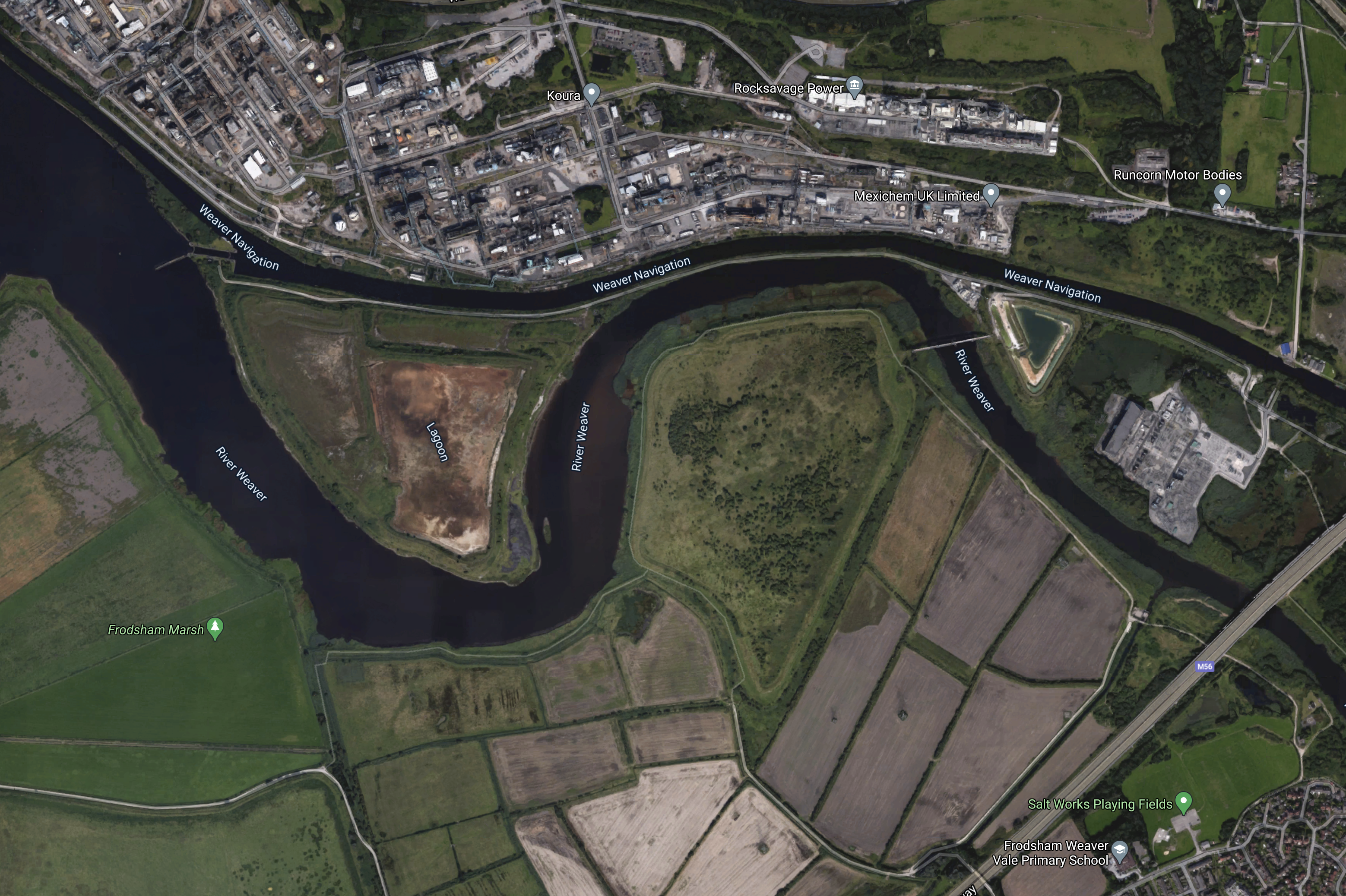
One of the jobs the software was used for was to identify what chemicals were present in the lagoons alongside the River Weaver, which are shown today in this Google Map.
Note.
- The chemical works, which were part of ICI in the 1960s, to the North of the Weaver Navigation Canal.
- The two former lagoons between the canal and the River Weaver, which seem to have been cleaned out and partially restored.
- Was that a third large lagoon to the South of the River Weaver?
- There also appears to be a fourth smaller triangular lagoon between the canal and the river.
There certainly seems to have been a better clear-up in Runcorn, than in Florida.
I moved on from Runcorn soon after, I’d finished that software and have no idea how or if it developed and was used.
But the techniques I used stayed in my brain and were used at least four times in the future.
- In the design of a Space Allocation Program for ICI Plastics Division.
- In the design of two Project Management systems for Time Sharing Ltd.
And of course, they were also used in designing the scheduler in Artemis for Metier.
I
Battersea Power Station’s Glass Elevator To Open Next Year
The title of this post, is the same as that of this article on Ian Visits.
It sounds like it will give a reason for some tourists to visit the area and it will be a balance to the cable-car in the London Docks.
Ian gives more details about what could be a new experience for Londoners and tourists.
Finsbury Circus Appears Fully Open
I bought my breakfast yesterday in Leon on Moorgate and ate it in the nearby Finsbury Circus Gardens.


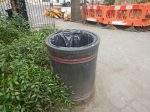
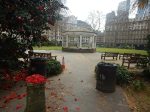
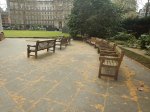
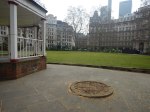
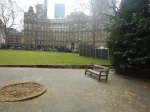
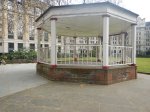

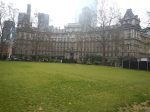


It is now fully open.
This picture shows the gardens during the construction of Crossrail.
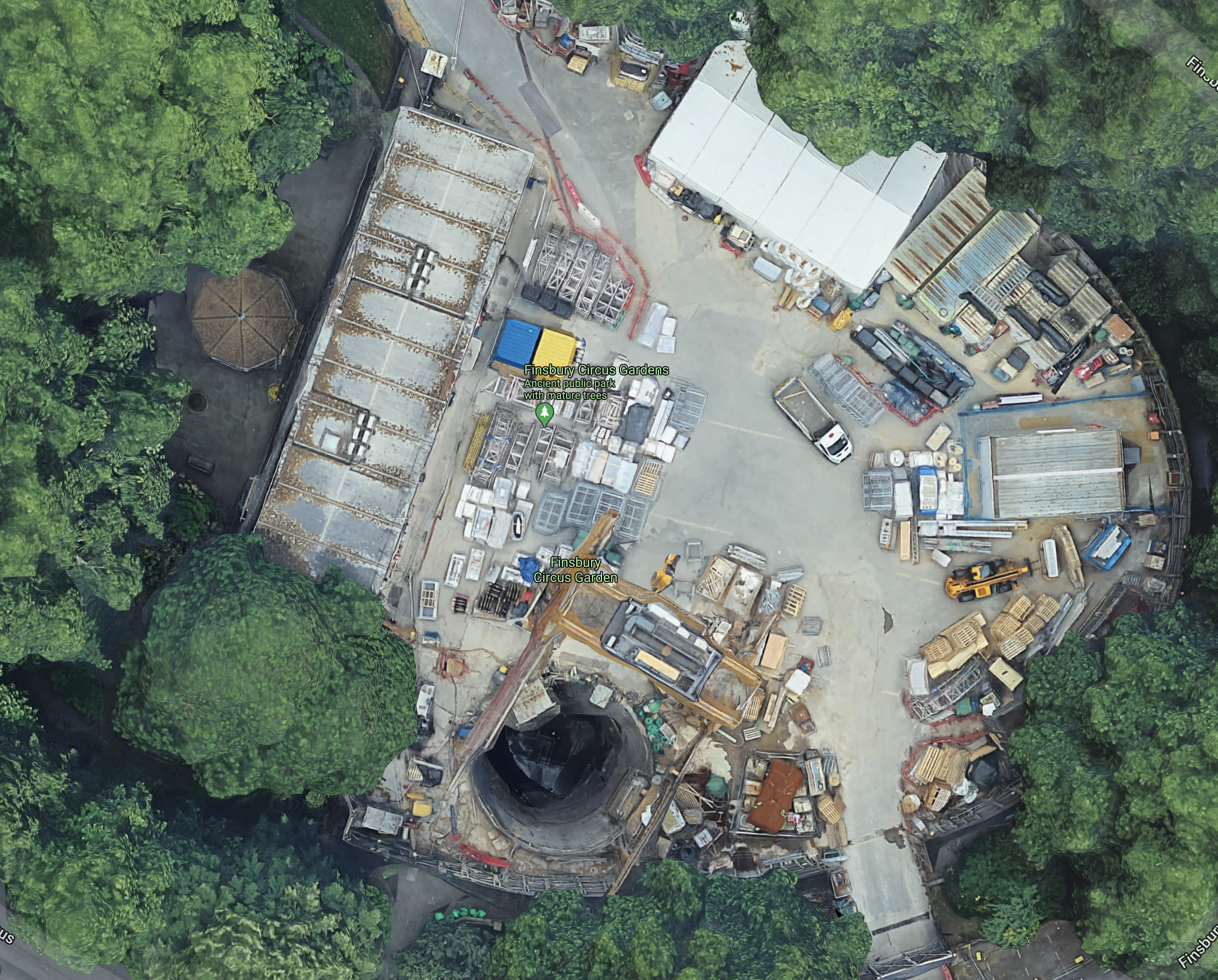
Note.
- The bandstand can be picked out amongst the trees.
- The shaft towards the bottom is forty metres deep and was used to get men and materials to the tunnels.
Comparing the pictures shows that the gardens are now able to used for their original purpose.
Recycling In Islington
I took these pictures by the bus stop round the corner from my house.

It is often as bad as this and it is regularly cleaned up by the street cleaners.
There are people for whatever reason, put their rubbish by the litter and then the foxes sort through it looking for scraps of food.
Someone said on the radio, that it is caused by illegal sub-lets, as these tenants are told not to use the normal rubbish system, as it draws attention.
So their idea of recycling, is to get others to sort it!
 The Anonymous Widower