Approaching Kings Cross – 5th July 2021
I took these pictures approaching Kings Cross.


















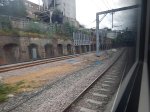
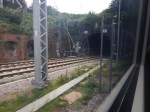

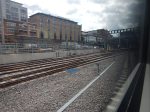
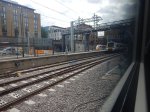
Reports say most of the work of the remodelling is now complete. Although, it did look to me that in places more tracks could be laid.
The Length Of The Long Platforms At Kings Cross
This repeat of the last picture in the gallery shows the length of the nine long platforms.
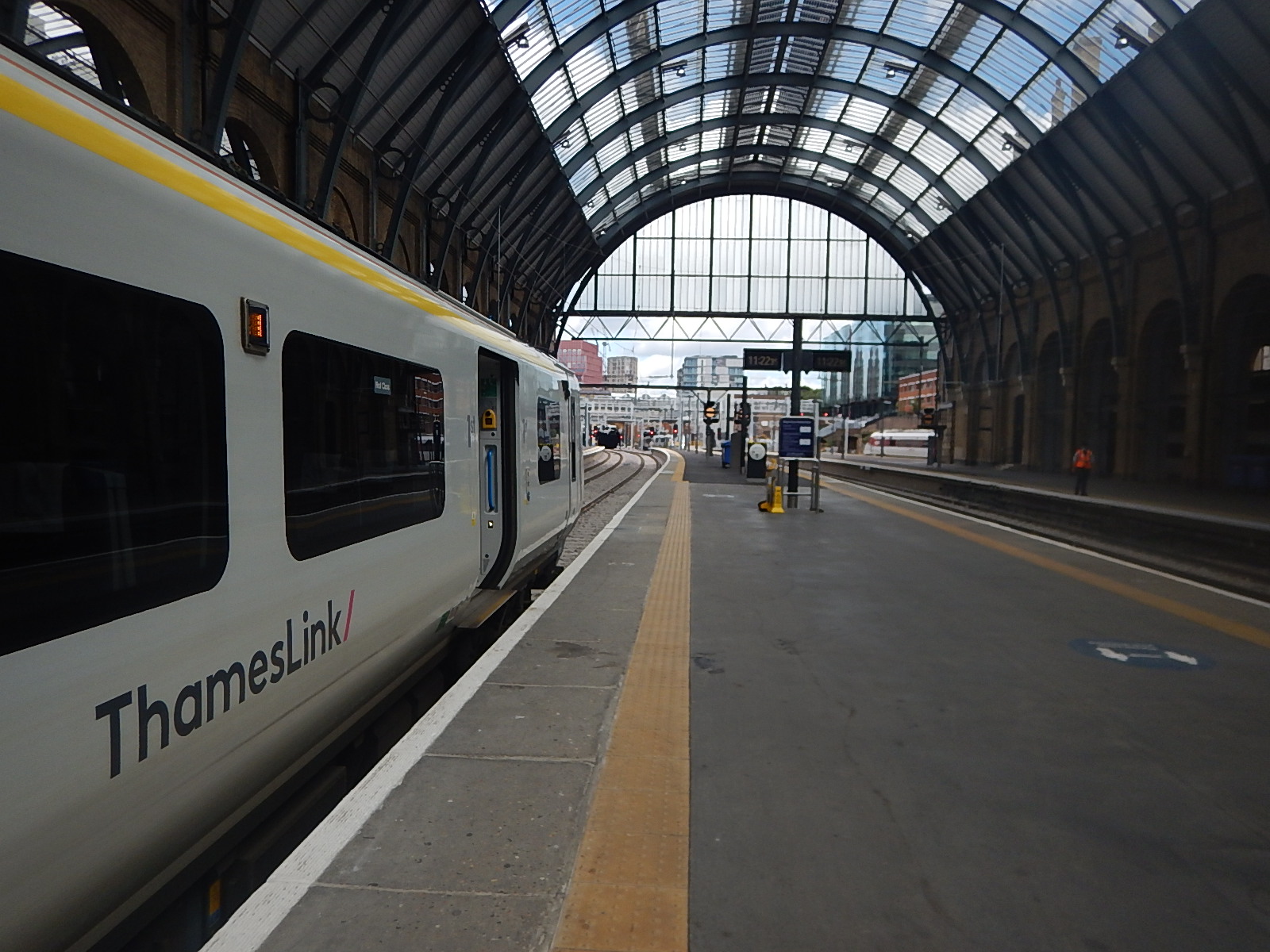
Note.
- The train is in Platform 3.
- The train is an eight-car Class 700 train.
- Eight-car units are 162 metres long.
- Twelve-car units are 242.6 metres long.
Platform 3 is obviously long enough to take the following trains.
- Twelve-car Class 700 train – 242.6 metres
- Two Class 800 trains working as a pair – 260 metres
- A nine-car Class 800 train – 234 metres
- An InterCity 225 train – 245.2 metres
- A twelve-car Class 319 train or Class 321 train – 240 metres.
This Google Map shows the ends of the platforms at Kings Cross.
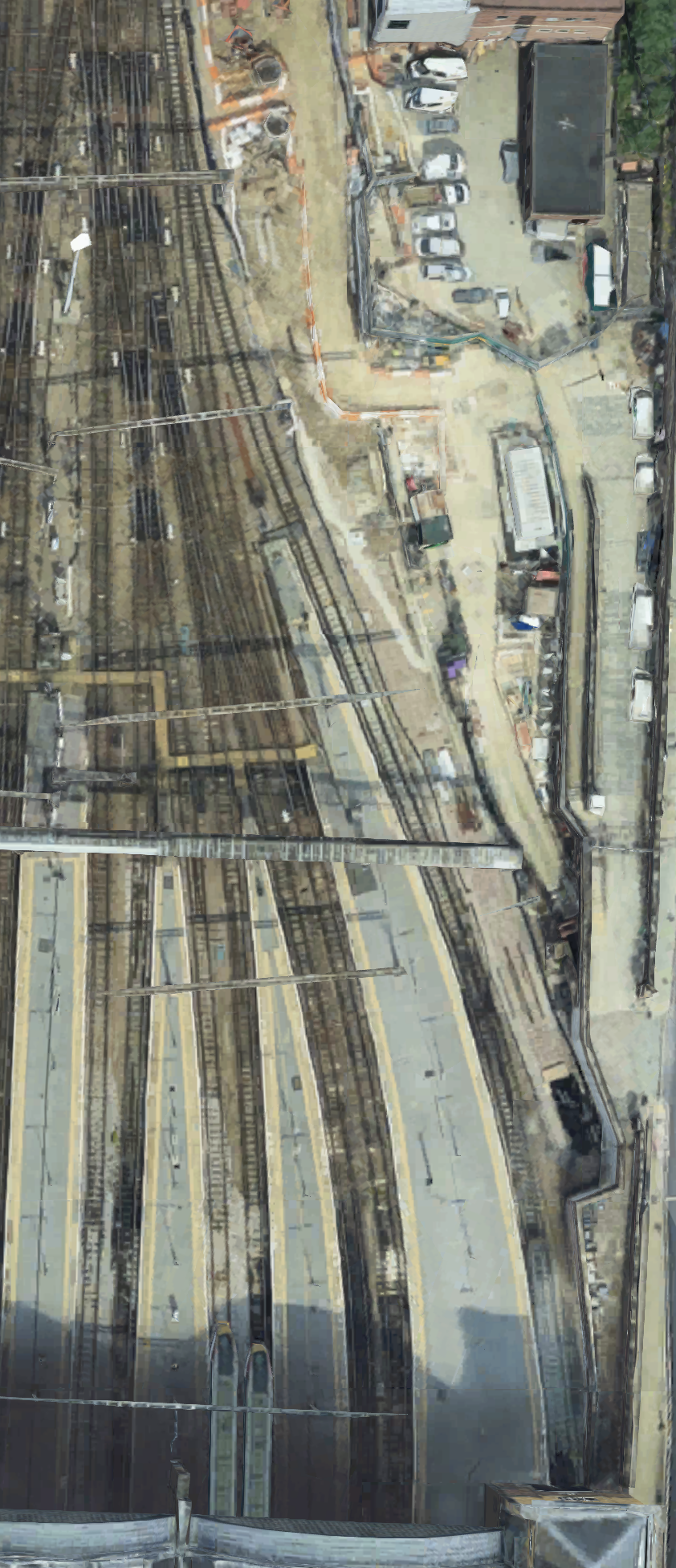
Note.
- The long platforms at the right are 2 and 3.
- Platform 2 and 3 are wide.
- Two LNER Azumas are in Platforms 5 and 6.
It looks to me that whilst all platforms can probably handle the standard British Rail length of 240 metres, those on the right may be able to handle longer trains. But what trains? These are my thoughts.
Longer LNER Azumas
This document on the Hitachi Rail web site is entitled Development of Class 800/801 High-speed Rolling Stock for UK Intercity Express Programme.
The document says that Class 80x trains have a sophisticated Train Control and Management System (TCMS).
The document says that this is one of the functions of the TCMS.
To simplify the rearrangement and management of train configurations, functions are provided for
identifying the train (Class 800/801), for automatically determining the cars in the trainset and its total length,
and for coupling and uncoupling up to 12 cars in normal and 24 cars in rescue or emergency mode.
I would assume that with the purchase of extra cars, that it might be possible to lengthen trains to up to twelve cars.
Lengths would be as follows.
- Ten-car Class 80x train – 260 metres.
- Eleven-car Class 80x train – 276 metres.
- Twelve-car Class 80x train – 312 metres.
To add extra capacity on the routes to Leeds and Edinburgh services, there must be a balance between these factors.
- The cost of extra cars.
- The cost of platform lengthening.
There must of course be space for any platform lengthening.
It would seem to me, that common sense should allow twelve-car trains to be handled at King’s Cross, as this must be one of the best ways of adding capacity to East Coast Main Line services.
Caledonian Sleeper
The Caledonian Sleeper doesn’t normally run into King’s Cross, but during the rebuilding Euston for High Speed Two, it may be necessary to provide an alternative platform.
Unfortunately, the sixteen-car Caledonian sleeper trains are 352 metres long. So it would appear that Kings Cross would not be a temporary alternative.
But given the amount of money being invested in sleeper trains in Europe by the likes of Midnight Trains and NightJet, I can see that the Caledonian Sleeper might have another problem – success and the need for more capacity.
So I wouldn’t rule out an East Coast Main Line sleeper train between London Kings Cross and Edinburgh.
It might call at Stevenage, Newcastle and Berwick to widen its passenger base, just as the current sleeper calls at Watford, Carlisle and Carstairs.
The train could be extended to Aberdeen, to simplify services in Scotland.
Obviously, traffic and finance would decide, but I wouldn’t rule out the Caledonian Sleeper running to and from King’s Cross for a few years yet.
A Night Light Freight Terminal
In Is This The Shape Of Freight To Come?, I wrote about the new generation of fast electric freight trains, based on redundant electric multiple units.
- If you look at Real Time Trains, you will find that few trains use King’s Cross station between two and five in the morning.
- Platforms can take a twelve-car version of these electric freight trains.
- The new platforms are wide and level.
- Local delivery could use electric vehicles and bikes.
I think King’s Cross has possibilities for handling goods like food, parcels and shop supplies.
The Short Platforms At Kings Cross
When I was a child, King’s Cross had four short suburban platforms, where N2 steam tank engines hauled suburban services in and out of the station.
The suburban platforms have now been reduced to two platforms, that fit in with the current uses of the station.
- The two platforms are numbered 9 and 10.
- They can handle an eight-car Class 700 train, which is 162 metres long.
- They can handle a five-car Class 800 train, which is 130 metres long.
- Some five-car services run by the new Hitachi trains use these platforms.
These pictures show the platforms.


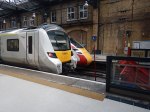
Note.
- The platforms are wide.
- The picture of the Azuma in Platform 9 was taken before the centre track was removed recently.
- Today, one LNER Azuma departed from Platform 9 to go to Lincoln, but both platforms were busy with Great Northern services to Cambridge, Ely and Kings Lynn.
I do wonder if the platforms could be used for light freight, during the night.
Conclusion
King’s Cross is not just one of the UK’s finest railway stations, which is recognised by its Grade I Listed status, but it is now moving towards an efficient, high-capacity station that works around the clock!
Councillors Approve Train Station For Inverness Airport
The title of this post, is the same as that of this article on Rail Technology Magazine.
These are the first two paragraphs.
Planning permission has finally been granted for a two-platform train station at Inverness Airport.
The plans were “reluctantly” granted by the Highland Council, as much debate over the Petty Level crossing which is to be removed as a consequence.
Ir certainly looks like there were strong arguments over the level crossing.
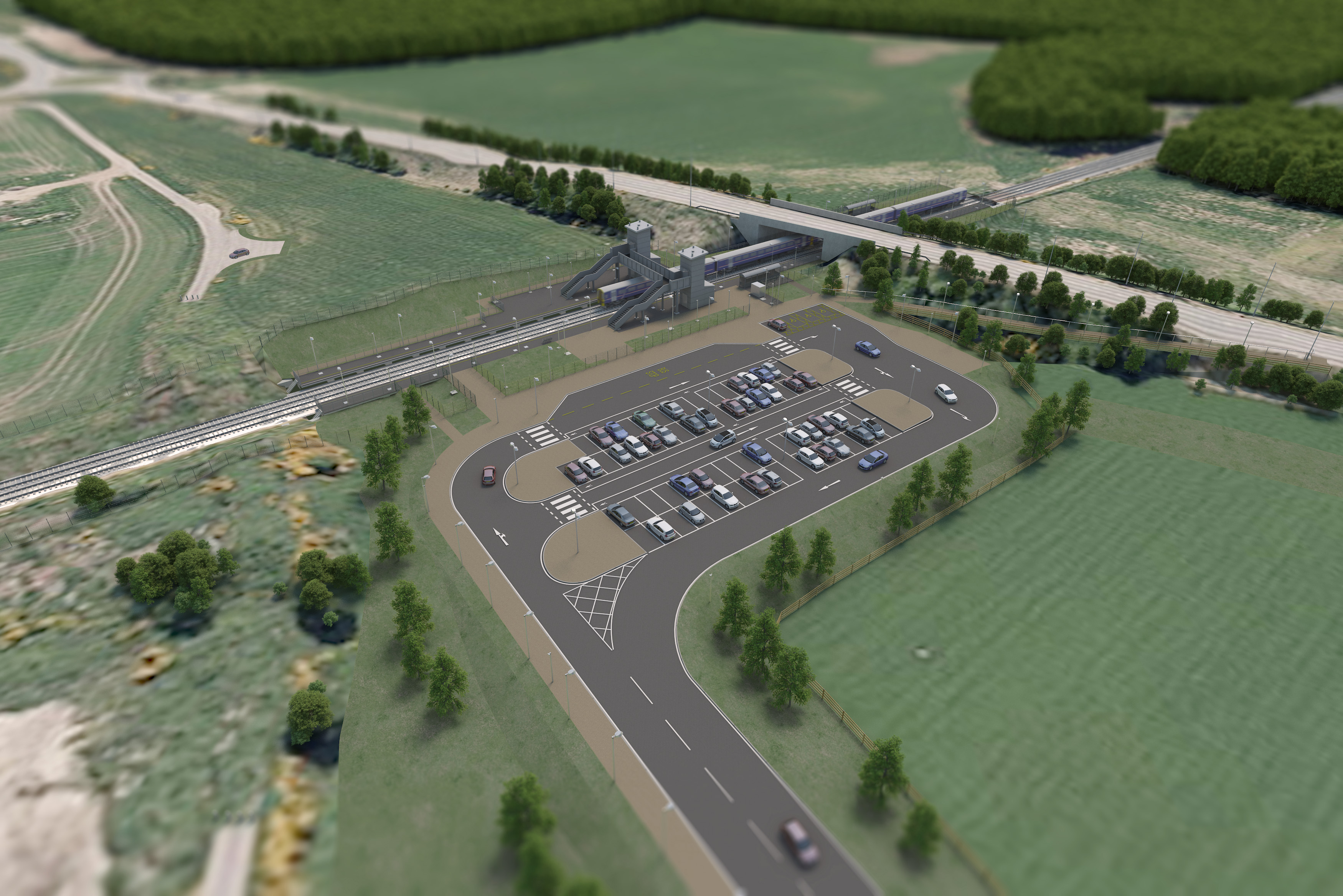
This Network Rail visualisation shows the station from a virtual helicopter hovering over the Airport.
And this Google Map shows the Airport from the South-West
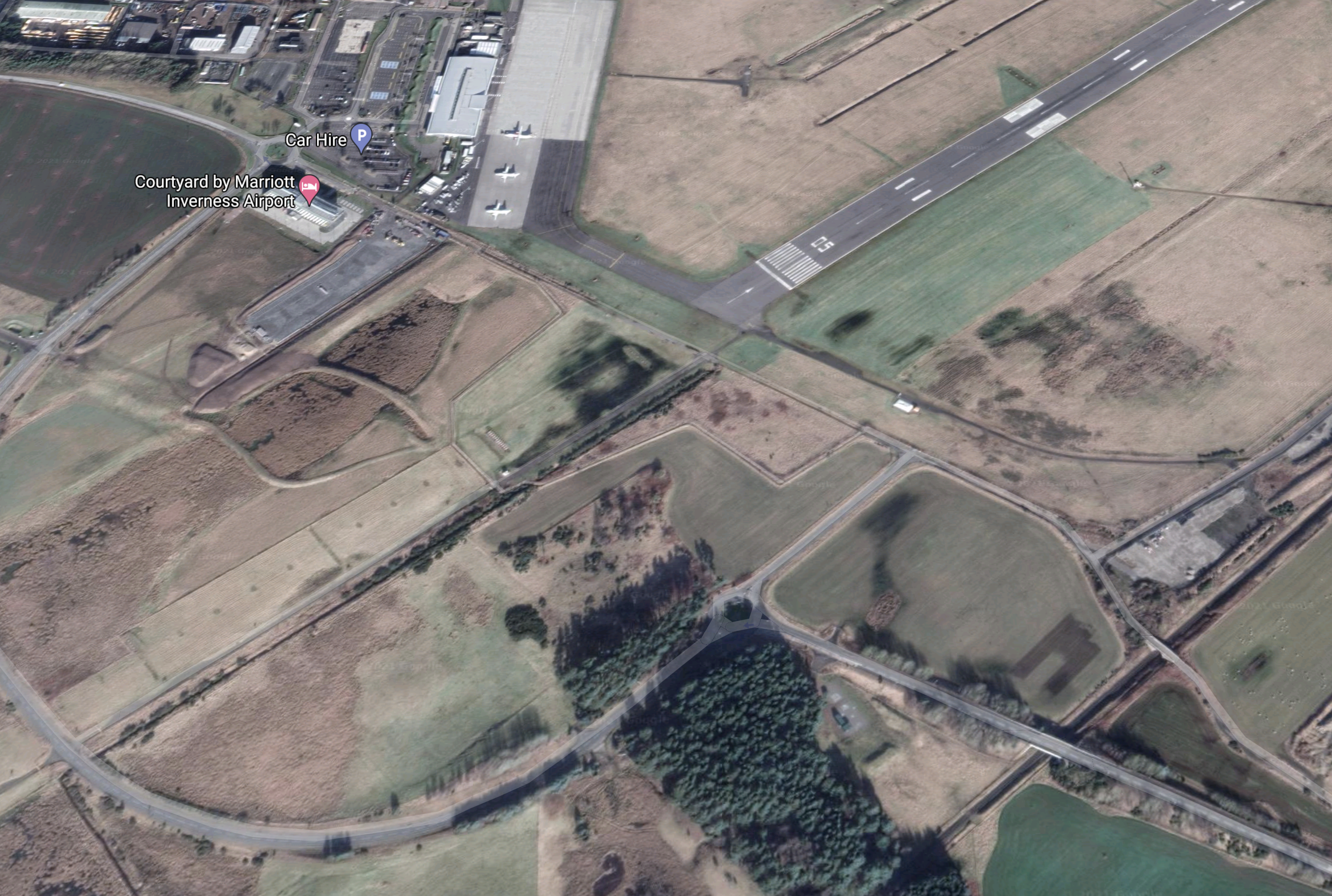
Note.
- The link road to the A96 crossing the railway in both images. But from opposite directions.
- In the Network Rail visualisation you can see the roundabout, where the link road joins the A96 in the top left corner.
- The current railway is only single track, but Network Rail will be doubling it.
- From these images and this document on the Network Rail web site, I can deduce this about the station.
- The station will have two platforms that will be capable of handling six-car trains.
- The footbridge is shown with lifts.
- The station will be able to be used as a Park-and-Ride for Inverness.
I suspect there will be a shuttle bus to the Airport terminal.
Travel Between London And Inverness
I’ve been to Inverness twice and and in both cases, I’ve gone by train.
- The first time, I went by a day train from Edinburgh. And I was in the cab courtesy of East Coast. I wrote about it in Edinburgh to Inverness in the Cab of an HST.
- The other occasion, I took the Caledonian Sleeper to Inverness and that is a civilised way to go.
I feel that on this route very keen competition could develop.
Advantages Of Flying
Flying to Inverness Airport has these advantages.
- A shorter journey time.
- A greater choice of destinations.
- Destinations in the sun.
- After the new station is built it will be rail connected all the way to Aberdeen.
This Google map shows Inverness and Inverness Airport.
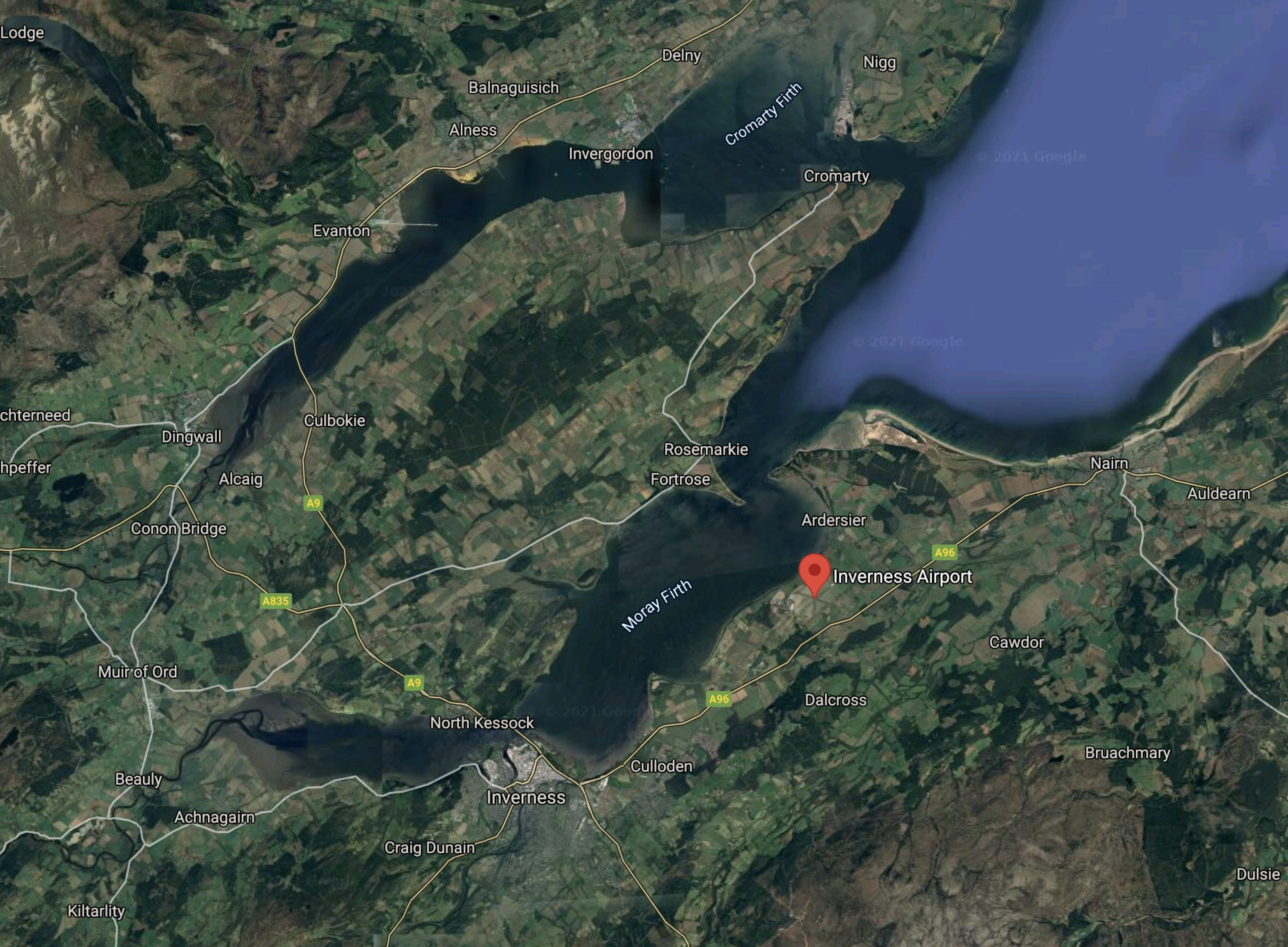
Note.
- The city of Inverness is at the Southern end of the Moray Firth.
- With all the water, I suspect the airport can be a good neighbour as far as noise and pollution are concerned.
- The Airport would have good access to green hydrogen and electricity from renewable sources.
- Even the Airport train and all the ground-handling equipment could run on hydrogen.
I feel that the Airport could sell itself as an environmentally-friendly way to the Highlands, when sufficient numbers of zero-carbon aircraft are available.
- You should be able to fly in from Amsterdam, Birmingham, Brussels, Geneva, London, Manchester etc. and not feel any environmental guilt.
- Airbus’s proposed hydrogen-powered ZEROe Turbofan is quoted as having a range of 2,000+ nautical miles,
- That distance would put a lot of the sun in range of Inverness Airport.
- Smaller feeder airliners could connect to other airports in the North of Scotland and the islands.
Inverness Airport will not be beaten without a fight.
Advantages Of Trains
Taking the train to Inverness has the following advantages.
- Luxury
- Zero Carbon-Footprint
- The possibility of an overnight trip on a sleeper train.
- The scenery through the Highlands.
I also believe that it would be possible to design a hydrogen-powered luxury train. I laid out my ideas in LNER Seeks 10 More Bi-Modes.
I believe a train could have this specification.
- 140 mph operation on 25 KVAC overhead electrification. This was done by British Rail almost forty years ago.
- Ability to use full digital in-cab signalling. This is on its way and already working in some applications.
- 110 mph operation on hydrogen. Hitachi are planning 100 mph battery trains, so it should be possible.
- 400 mile range on one filling of hydrogen. This is working in Germany.
- Ability to be upgraded to higher speeds on electric power, should the East Coast Main Line be upgraded for higher speeds in the future. The train manufacturers are probably ahead of track designers with this one.
I believe a sub-seven hour time would be possible between London and Inverness.
Conclusion
This is the sort of route, where rail and air will have a hard fight for supremacy.
Will COVID-19 Create A Boom In Sleeper Train Services?
I have regularly used the Caledonian Sleeper to go to Scotland, as it gets you there at an early hour in the morning and if you book the train, at the right time, the cost of a single First Class cabin can be about the same cost as a day First Class ticket and a night in a Premier Inn.
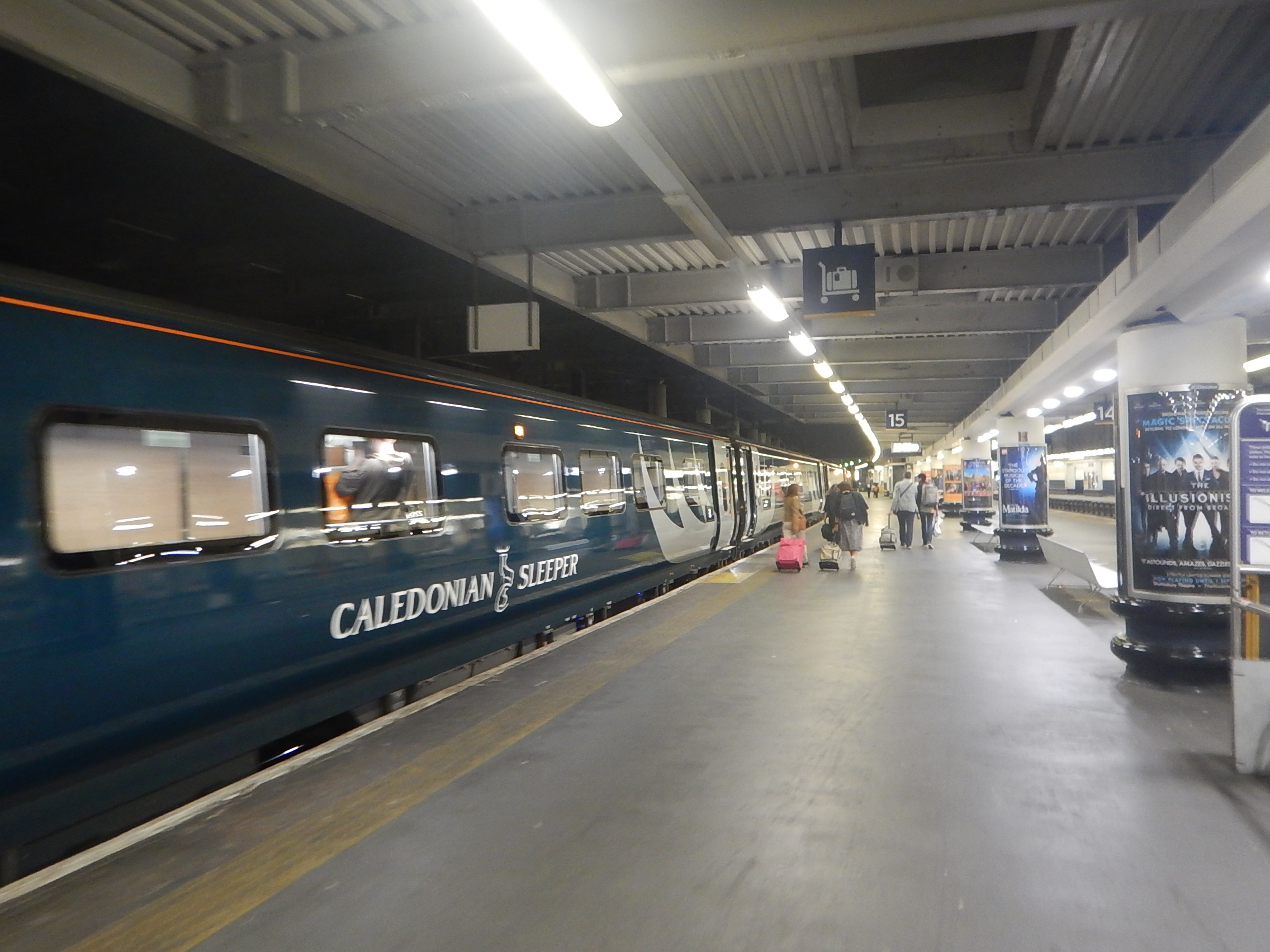
Look at this picture, that taken a few months ago, as I was leaving Euston on a Caledonian Sleeper to Edinburgh. It would be very easy to board the train without breaking the two-metre rule.
I believe sleeper trains will see an increase in passengers.
We may also see in increase in services. These posts detail various planned or possible services.
- Caledonian Sleeper Considers Seven-Day Running
- Rail Sleeper Plan Between Caithness And Edinburgh
- Lying Not Flying, As Nightjet Sleeper Train Reaches Brussels
- SJ Invests In Thriving Sleeper Trains
- Austrian Railways To Run More Sleeper Trains
Note that the Caledonian Sleeper, the Swedes and the Austrians are investing in new rolling stock, so that won’t be a problem.
But perhaps the most interesting story, is described in Nightjet Plans Mini-Capsules For Private Travellers.
I can see a series of sleeper trains criss-crossing Europe, where everybody has their own mini-capsule. Perhaps, it will be called Ryantrain or easyTrain.
Caledonian Sleeper Considers Seven-Day Running
The title of this post, is the same as that of this article on Rail Magazine.
This is the introductory paragraph.
More routes and seven-day-a-week running could feature for Caledonian Sleeper in the future.
To my mind, it should always be a service that runs seven days a week, as the make-up of passengers seems to contain, a lot of those who want to travel on the day they want.
As to more routes, I wrote about possible services between the Far North and Edinburgh in Rail Sleeper Plan Between Caithness And Edinburgh
This was my conclusion.
I feel that not next year, but once Scotland’s rail system is fully developed, with the shortened Inter-City 125s serving the longer routes and electric trains all over the Central Belt, that a Sleeper Train between Edinburgh and Thurso will be viable.
I’d certainly give it a go!
Conclusion
I can’t see any reasons for investigating the roll out of extra Caledonian Sleeper services, once the company sorts out their current operational problems.
Hopefully, the Scottish Government and tourism industry will give the services their backing.
The Wrong Kind Of Bleach?
This article on Railnews is entitled 9 September: News In Brief.
It has the following sub-title.
Wrong Bleach Took Caledonian Sleepers Out Of Service
This is the first sentence.
Cleabers who used the wrong specification of bleach in the toilets and shower rooms on Caledonian Sleepers caused significant damage after the chemicals reacted with stainless steel pipes,
To my knowledge stainless steel, especially when it contains increased levels of chromium and some molybdenum, can be very proof to attack from most substances.
Look at this Butler Shba cutlery made in Sheffield from stainless steel with black Delrin plastic handles, which have seen continuous use in my household for fifty years.

Now that’s what I call stainless steel!
Perhaps, the Spanish used the wrong type of stainless steel?
Delrin is a form of polyoxymethylene, which is an engineering plastic.
This plastic has a wide spectrum of usage, including in zips, bagpipes and metered dose inhalers, to name just three of hundreds.
On The Caledonian Sleeper To Glasgow
I started this post on the Caledonian Sleeper to Glasgow.
It’s one of the new Mark 5 trains and they are a great improvement, although one Scottish hard man, preferred the old Mark 3s.
Out of Euston we were doing 80 mph and the ride in the Lounge Car is good. At least up to the standard of a Greater Anglia Mark 3, which are some of the best!
These are some pictures of my train.





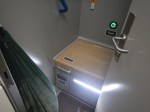

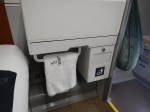
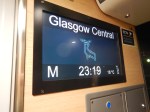

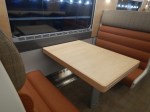






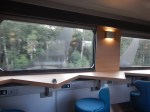

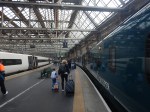
I don’t think I could fault the train.
But the service was rather sub-standard, due to a strike and I got a partial refund.
Promoting The Highland Main Line
On Wednesday, the Highland Main Line Community Rail Partnership were in Kings Cross station promoting the Highland Main Line as a tourism destination.




I very much agree with the Partnership’s objective of encouraging more visitorsto the Scottish Highlands.
The Highland Main Line Community Rail Partnership Web Site
The Partnership were giving out an excellent brochure brochure which documents the wide range of attractions along the line between Perth and Inverness.
The Highland Main Line Community Rail Partnership web site has an on-line copy of the brochure.
The web site is also a valuable resource about the line and the area.
An Improving Domestic Rail Service
There is an approximately two-hourly service between Perth and Inverness and it is planned that this will be improved in the next couple of years.
- Reducing journey times is an objective.
- An hourly service is also an objective.
- Inter7City trains, which are shortened, refurbished and modernised InterCity 125 trains will be introduced.
This service will enable visitors to base themselves close to one of the stations along the line and use the trains to visit other places.
Azumas To Inverness
LNER currently run InterCity 125 trains between London and Inverness
- There is a single service each day in both directions.
- The Northbound train leaves London at midday.
- The Southbound train leaves Inverness just before eight in the morning.
- The journey currently takes around eight hours.
- The trains stop at all stations between Perth and Inverness.
The service needs two trains to run one train per day in both directions.
LNER have just launched the new Class 800 trains, which they are marketing as Azumas.
My observations show that Azumas could save between thirty and sixty minutes on the trip.
The following improvements will all help.
- Improvements to the Highland Main Line.
- Steo-free access between train and platform at all stations.
- Faster acceleration and deceleration at all stops.
- Electrification to Stirling and possibly as far as Perth.
- As digital signalling is introduced South of Edinburgh, speeds of up to 140 mph could be possible.
Many of these improvements are currently planned and most will be completed by 2024.
This video was one I made travelling in the cab of an InterCity 125.
Will LNER invite to take one from an Azuma?
The Possibility Of Extra Services
The journey time between London and Inverness will surely get shorter in the next few years.
If say it was seven hours, then allowing an hour for cleaning, loading supplies and refuelling in Inverness would mean that a round trip from London would take fifteen hours.
- A train leaving Kings Cross station at 07:00 would arrive in Inverness at 14:00.
- The return journey would leave at 15:00 and be in London by 22:00.
- A second service could start in Inverness and mirror the service starting in London.
The service would need two trains.
So it appears that by saving time on the journey, the possibility of extra services is opened up.
The Improved Sleeper Service
I have taken the current Caledonian Sleeper to Inverness and it is a spectacular ride through the Highlands in the early morning.
But the elderly trains are being replaced and I wouldn’t be surprised to see a lot more passengers decide to use the sleeper to the Highlands.
Over the last few years, the Austrians, the Swedes and the Scots have all ordered new rolling stock for their sleeper trains and I believe that we’ll see a revival in this form of transport, throughout Europe.
A Caithness To Edinburgh Sleeper
This has been proposed and I wrote about it in Rail Sleeper Plan Between Caithness And Edinburgh.
This was my conclusion.
I feel that not next year, but once Scotland’s rail system is fully developed, with the shortened Inter-City 125s serving the longer routes and electric trains all over the Central Belt, that a Sleeper Train between Edinburgh and Thurso will be viable.
The proposed increase in capacity between London and Edinburgh, probably adds to the viability.
Sleeper One Way And Azuma The Other
I can see this becoming a popular way to visit Scotland.
- It will be new trains both ways.
- Both trains stop at all stations between Perth and Inverness.
- The price of a sleeper ticket compares well with the cost of a reasonable hotel.
The combinations are many and varied.
Cycling
Cycling holidays seem to be increasing everywhere and Scotland is no exception.
On the West Highland Line between Gl;asgow and Oban, passengers with cycles are increasing in number, so Scotrail are converting redundant Class 153 trains into multi-purpose carriages to add capacity to the trains.
On the Highland Main Line, for those, who want to explore the area on their bicycles, the Inter7City trains should be able to provide enough space for bicycles in the back of the two Class 43 locomotives.
Conclusion
The more I look at the Highland Main Line, the more I think it has a rosy future.
All it needs to seal its future is a visit from Michael Portillo and his camera crew.
SJ Invests In Thriving Sleeper Trains
The title of this post is the same as that on this article on Global Rail News.
This is said.
Over the last five years, passenger numbers on its Malmö to Stockholm services have increased by 100 per cent.
There has also been growth on the Gothenburg-Stockholm-Umeå-Luleå-Kiruna-Narvi route, where passenger numbers have risen by 25 per cent.
That sounds like thriving to me!
So why is it that sleeper trains are thriving in the UK and Sweden, but countries like Germany have given up?
Malmö to Stockholm
These factors probably help this service
- Malmö is Sweden’s third-largest city.
- The frequent trains between Malmö and Stockholm take four and a half hours.
- Stockholm and Malmö are a very similar distance apart as London and Glasgow or Edinburgh.
- Malmö is only thirty-five minutes from Copenhagen by train.
As the Caledonian Sleeper works between London and Edinburgh/Glasgow, why shouldn’t a quality service work on a similar distance in Sweden?
Gothenburg-Stockholm-Umeå-Luleå-Kiruna-Narvi
These factors probably help this service
- The service effectively goes from the South-West of Sweden right up to the North.
- The distance as 1,600 kilometres
- I have been recommended to take this train to go to see the Northern Lights. So perhaps, it is useful for tourists.
- The service probably appeals to train enthusiasts.
- It is probably a reasonably civilised way to go to the North of Sweden.
I would certainly use it in winter to get to see the Northern Lights at Abrisko.
Caledonian Sleeper’s New Mark 5 Carriages Tested In UK For First Time
The title of this post is the same as that of this article on Global Rail News.
It appears from the article, that the project is on track, as the new Mark 5A carriages for the Caledonian Sleeper being tested on the West Highland Line, have spent time doing mandatory testing in the Czech Republic.
Two pictures in the article, show the carriages being hauled on test, by a Class 73 locomotive.
We must be only country in the world, where a flagship service, that runs virtually the whole length of the country , is hauled part of the way by a locomotive over fifty years old.
On the other hand, the Class 73 locomotives were built for the narrow tunnels and limited clearances of the Hastings Line, so they could work any of the third-rail electrified lines in the South of England.
The Highlands of Scotland may not have any electrification, but there are routes with limited clearances, where the Caledonian Sleeper will go.
So the Class 73 locomotive is an ideal choice for motive power.

