From Doncaster To Cleethorpes
These pictures were taken on my journey between Doncaster and Cleethorpes.












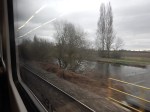
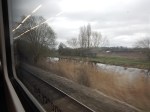
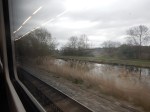
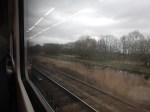
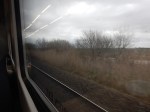






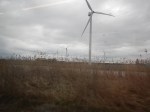

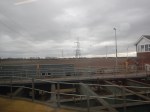
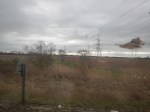




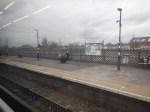
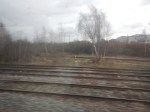
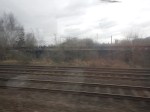

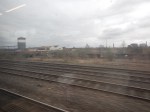
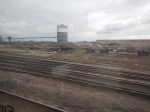
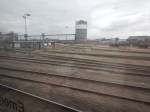
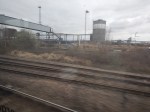
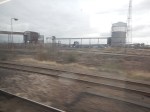
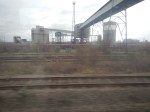
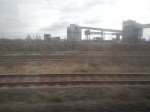
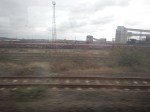
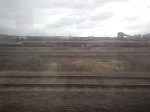
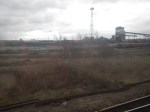
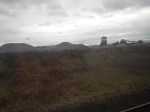
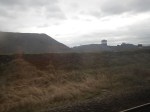
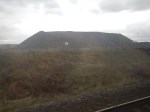



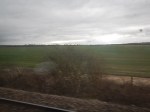


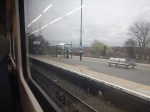
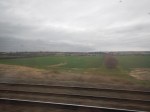
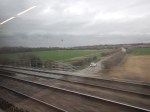











The area is best summed up as flat and decorated with these features.
- A few hedges.
- Some trees and some woodland.
- dozens of wind turbines.
- Lots of pylons carrying electricity.
- Scunthorpe steelworks
- A few stations and railway sidings.
- A couple of waterways.
- Estates of new housing as you approach Grimsby.
When I returned there was more of the same on the other side of the tracks.
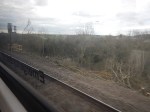

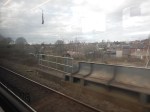
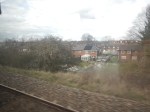
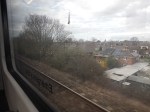
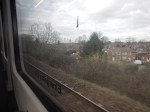
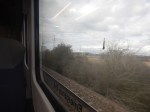
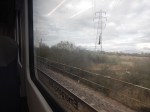
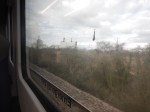
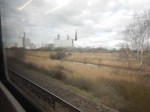
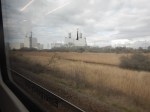
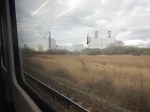
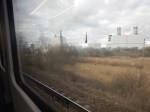
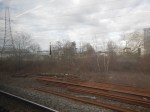

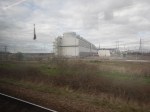
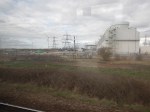
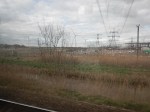
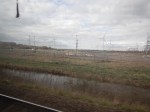
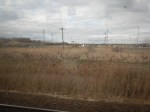

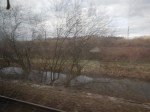

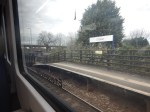



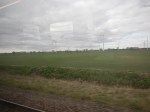
With the addition of all the power stations at Keadby and a couple of wind farms.
These are my thoughts on how this landscape will look at some time after 2030.
More Onshore Wind Farms
There will be a lot more wind farms lining the Doncaster and Cleethorpes railway.
The government has said it might pay for turbines and transmission lines to spoil views.
I feel they will have to, to meet their net-zero targets.
There Will Be Massive Hydrogen Storage On The Other Side Of The Humber
SSE are developing Albrough and Centrica are developing Rough into two of the largest hydrogen stores in the world.
The wind farms of the North Sea will provide them with hydrogen.
More Housing
If the government has its wish there will be a lot more new housing.
And as the newer houses show in my pictures, many of them will have solar panels.
More Power Stations At Keadby
Consider.
- The main purpose of the power stations at Keadby will be to provide backup to the wind and solar power in the area and far out to sea.
- The power stations will use hydrogen stored at Albrough and Rough.
- Some of the gas-fired power stations at Keadby will be fitted with carbon capture.
- One hydrogen-fired power station is already being planned.
The power stations at Keadby will probably be capable of supplying several GW of zero-carbon energy.
There Will Be Energy-Hungry Industries Along The South Bank Of The Humber
Just as in the Victorian era, coal attracted steel-making, chemicals and refining to the area, a South Humberside with large amounts of energy will attract heavy industry again.
Already, Siemens have built a train factory at Goole.
There Will Also Be Large Greenhouses In Lincolnshire
Greenhouses are a wonderful green way of absorbing waste heat and carbon dioxide.
Where Have I Seen This Blend Of Offshore Energy, Hydrogen, Heavy Industry And Agriculture Before?
After I visited Eemshaven in the Northern Netherlands, I wrote The Dutch Plan For Hydrogen.
We are not doing something similar, but something much bigger, based on the hydrogen stores at Aldbrough and Brough, the massive offshore wind farms and Lincolnshire’s traditional heavy industry and agriculture.
The Railway Between Doncaster and Cleethorpes Will Be Developed
Just as the Dutch have developed the railways between Groningen and Eemshaven.
The Ultimate Open Access Service
London and Windermere are 223 miles away by train with a single change at Oxenholme Lake District.
In a straight line the distance between Amsterdam and Hamburg is 227 miles.
I’ve done both journeys by train and the continental journey was a pain.
- In From Amsterdam To Hamburg The Hard Way, I describe a typical journey between the two cities.
- In From Hamburg To Osnabruck By Train, I describe how I only got halfway.
I’ve also tried splitting the route at Groningen.
- The first leg was a train to Groningen, where I spent the night.
- I spent the second day exploring and wrote about my experiences in The Train Station At The Northern End Of The Netherlands.
- On the third day, I started by going between Groningen and Leer in Germany.
- This section of the route at present is under repair after a ship destroyed the swing bridge over the River Ems.
- I describe its rebuilding in From Groningen To Leer By Train.
Once at Leer, you’re on the German main line and the route is electrified all the way to Bremen and Hamburg.
I believe that the route would be within the scope of a battery-electric high speed train, such as both Hitachi and Siemens are developing.
Some thoughts on the route.
The Competition
The trains need a change at Osnabruck to go between Amsterdam and Hamburg.
I suspect many travellers fly, as there are thirty-nine flights per week.
The service could be better.
Why Would I Run It As An Open Access Route?
Consider.
- If what I have experienced on the current Amsterdam and Hamburg via Osnabruckservice, then surely an experienced open access operator using trains designed for the route could do much better.
- This service could be run almost as a shuttle between two terminal stations. Several open access services like Hull Trains, Lumo and Grand Central are run this way.
- If a government service fails, governments get the blame, but if an open access service fails, the government gets no blame.
So would some governments, prefer open access operators to take the risk?
Would Any New Infrastructure Be Needed?
Very little if any!
Although, I do feel, that some of the level crossings and bridges could be improved or removed.
Where Is The Route Not Electrified?
The section without electrification is at the Dutch end.
This OpenRailwayMap shows the lines around Groningen station.
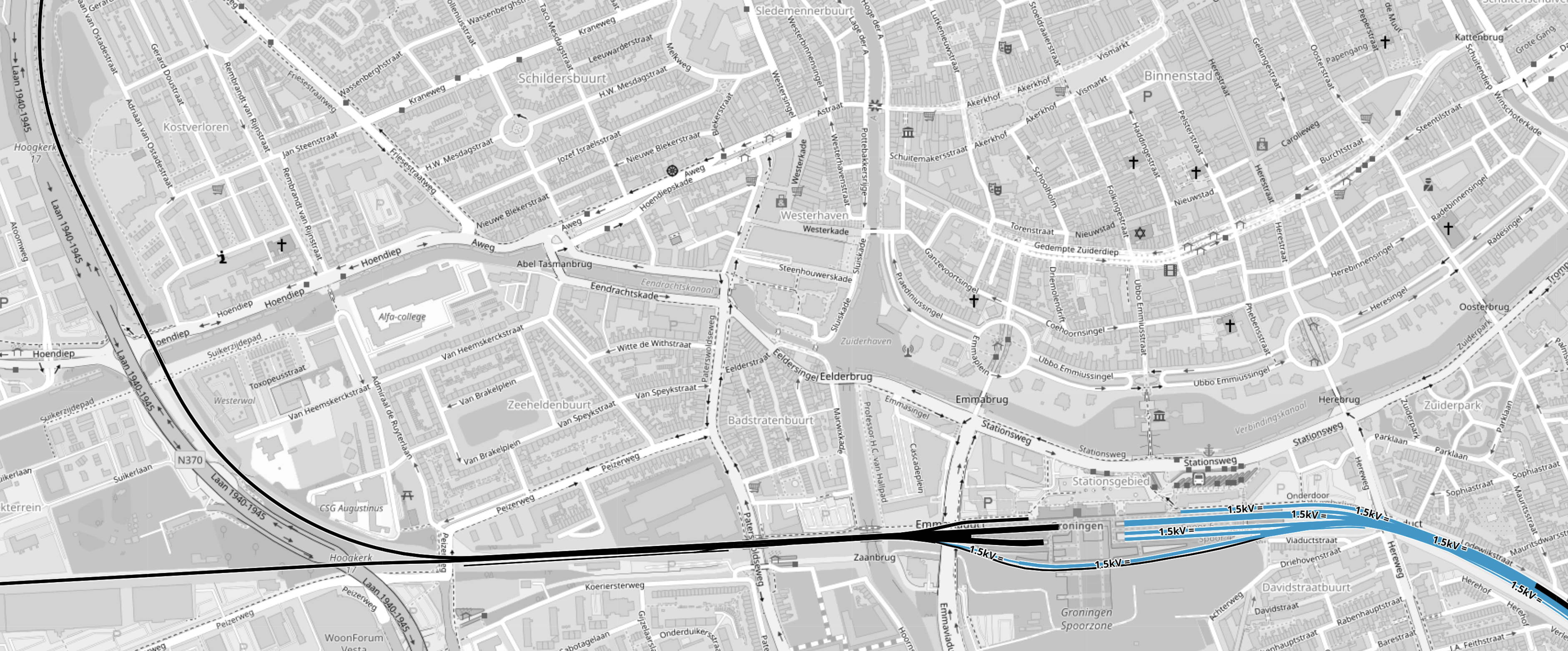
Note.
- Lines in black are not electrified.
- Lines in blue are electrified at 1.5 KVDC overhead.
- The mass of blue lines is Groningen station.
- Hamburg is to the East.
- Eemshaven us to the North.
- Harbinger is to the West.
Amsterdam trains use the electrified lines to the East.
This second OpenRailwayMap shows a wider view of the lines around Groningen.
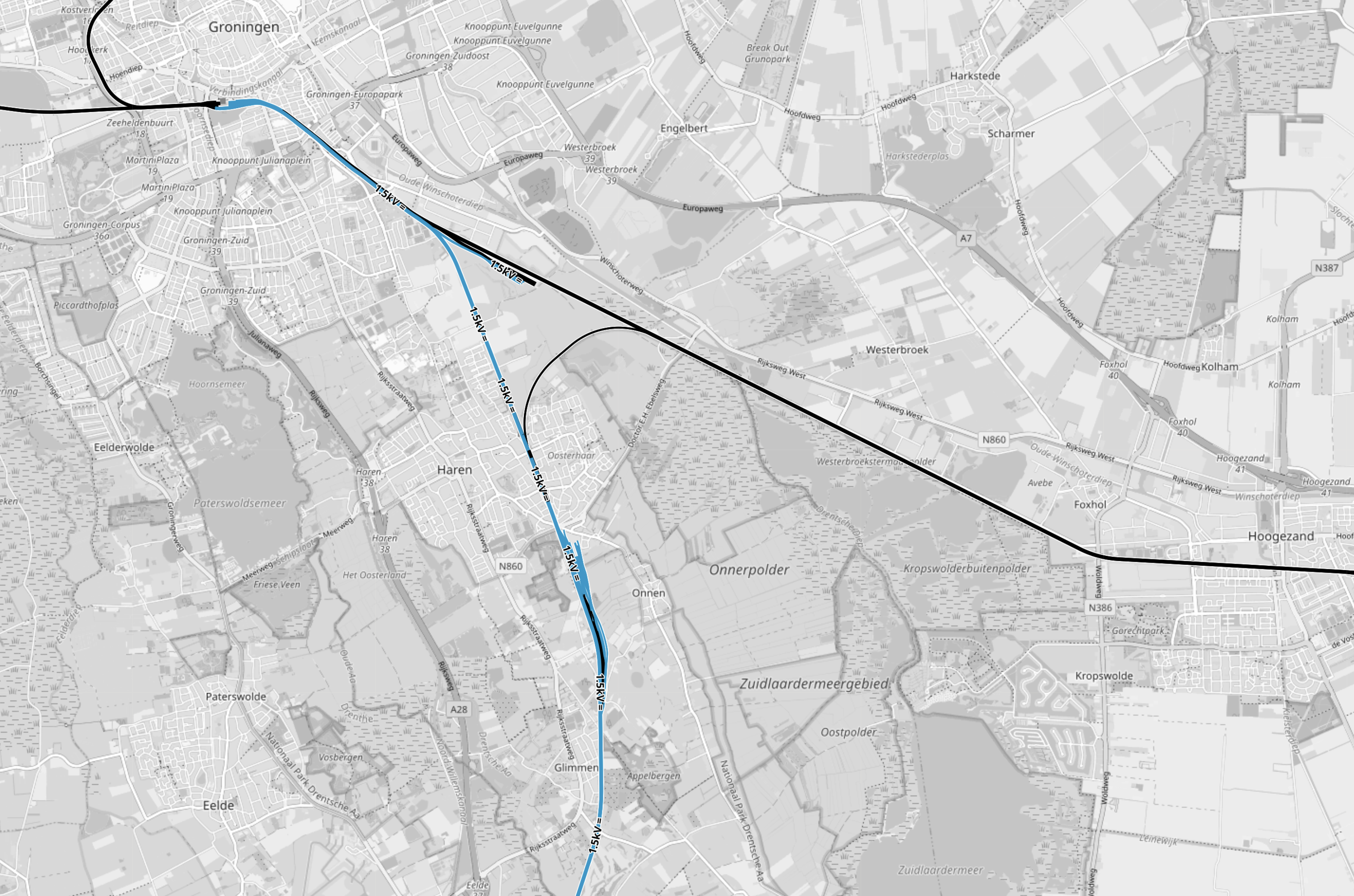
Note.
- Lines in black are not electrified.
- Lines in blue are electrified at 1.5 KVDC overhead.
- Groningen is in the North-West corner of the map.
- Trains between Groningen and Amsterdam use the electrified line to the South via Zwolle.
- Trains between Groningen and Bremen and Hamburg use the unelectrified line to the East.
- There is a single track chord, that would allow trains to go between Amsterdam and Germany.
I suspect that a battery-electric high speed train could be fully recharged before leaving Groningen for Germany.
This third OpenRailwayMap shows between the chord to the East of Groningen and the German railway system at Leer.
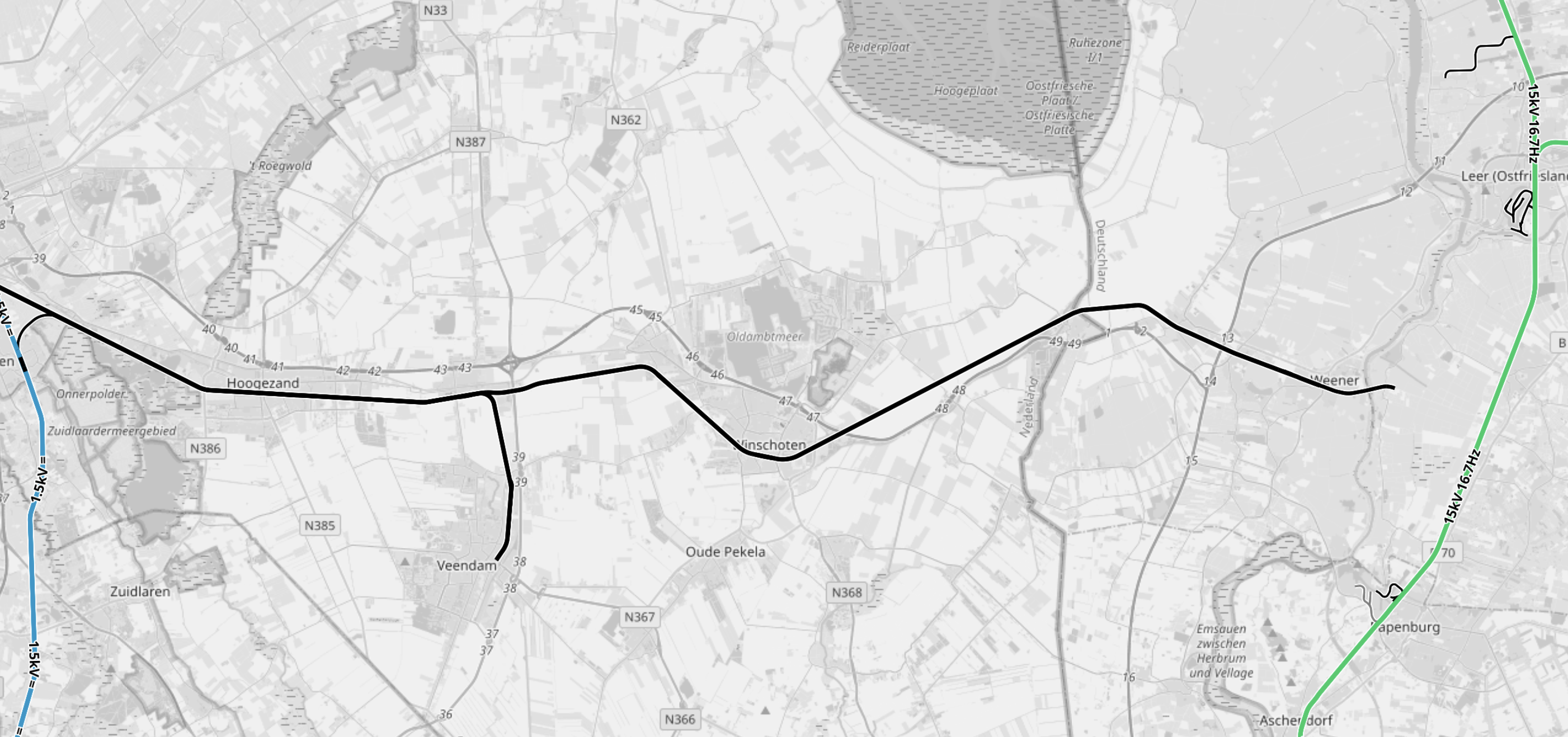
Note.
- Lines in black are not electrified.
- Lines in blue are electrified at 1.5 KVDC overhead.
- Lines in green are electrified at 15 KVAC overhead.
- Groningen is off the Western side of the map.
- The chord connecting the Amsterdam and German lines from Groningen can be picked out.
- The unelectrified line East from Groningen seems to end in the middle of nowhere.
- The green lines in the East of the map are the electrified German railway system.
- Leer station, which is indicated by the tangle of lines in the North-East cornet of the map, has services to Bremen and Hamburg.
This forth OpenRailwayMap shows the Dutch and German railways at Leer.
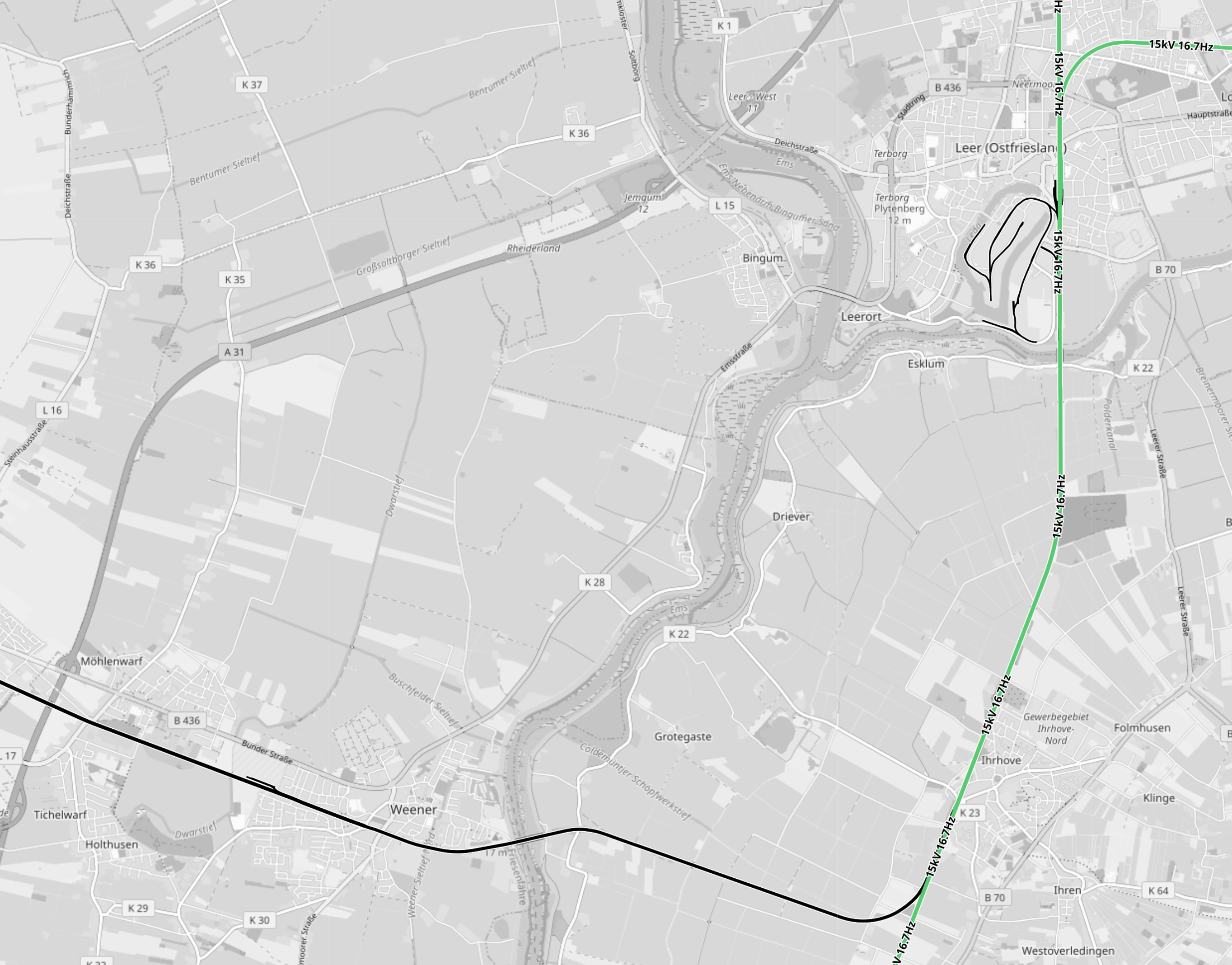
Note.
- Lines in black are not electrified.
- Lines in green are electrified at 15 KVAC overhead.
- Leer station is in the North-East corner of the map.
- The green lines in the East of the map are the electrified German railway system.
- The River Ems runs down the middle of the map.
The unelectrified line East from Groningen seems to link up with the German railway system.
It used to link up until a German freighter called the Emsmoon demolished the Freisenbrücke over the River Ems.
In From Groningen To Leer By Train, I link to two videos and give the history of the accident.
The Freisenbrücke should be rebuilt in the next few months.
It looks like less than fifty miles of the route between Groningen and Leer is not electrified.
As all the other sections of Amsterdam and Hamburg are electrified, a battery-electric train with a range of less than fifty miles would be needed,
But the train would need to be compatible with both the Dutch and German electrification systems.
What Mode Of Trains Would Be Needed?
Trains would need three methods of operation.
- Using 15 KVAC overhead.
- Using 1.5 KVDC overhead.
- On battery power.
Batteries would be charged using regenerative braking or overhead wires, where they exist.
Lumo’s recently ordered Hitachi trains will probably work the same way.
Conclusion
This could be an open access service that could work.
First German Zero-Subsidy Offshore Wind Farm Starts Taking Shape
The title of this post, is the same as that of this article on offshoreWIND.biz.
This is the sub-heading.
Offshore installation work has started at the 913 MW Borkum Riffgrund 3, the first subsidy-free offshore wind farm in Germany to reach this development phase, Ørsted, the developer of the project, said.
These two paragraphs introduce the project.
The first of the 83 monopile foundations have now been installed at the site some 53 kilometres off the island of Borkum in the German North Sea by Jan De Nul’s Lez Alizés.
The installation directly follows the foundation work in the adjacent 253 MW Gode Wind 3 project, which is being built in parallel by Ørsted in the North Sea.
Ørsted’s web site gives this history of Borkum Riffgrund 3.
Borkum Riffgrund 3 is expected to be fully commissioned in 2025. It comprises three offshore wind projects which were originally awarded to Ørsted in auctions in 2017 and 2018 under the names of Borkum Riffgrund West 1, Borkum Riffgrund West 2 and OWP West. The three projects were renamed in September 2019 and will be built as one joint project under the name of Borkum Riffgrund 3.
Borkum Riffgrund 3 was awarded without subsidies to Ørsted. A number of companies across IT, retail and the chemicals industry have signed corporate power purchase agreements for Borkum Riffgrund 3.
If Ørsted is doing this in Germany, how come, we are not seeing more subsidy-free wind farms in Europe?
These two paragraphs from the article give a partial explanation.
After commissioning in 2025, a large part of the electricity generated by the wind farm will be used for the decarbonization of the industry – through the so-called Corporate Power Purchase Agreements (CPPAs). For the project, long-term power purchase agreements were concluded with the companies Covestro, Amazon, the Energie-Handels-Gesellschaft/REWE Group, as well as BASF and Google.
Shares for Borkum Riffgrund 3 were also sold to an institutional investor well before construction. In October 2021, Nuveen signed an agreement with Glennmont Partners to sell 50 percent of the shares in Borkum Riffgrund 3.
The article also states that Borkum Riffgrund 3 will be the largest offshore wind farm in Germany to date.
This Google Map shows the location of the German Borkum island to the North of the Dutch city of Groningen.
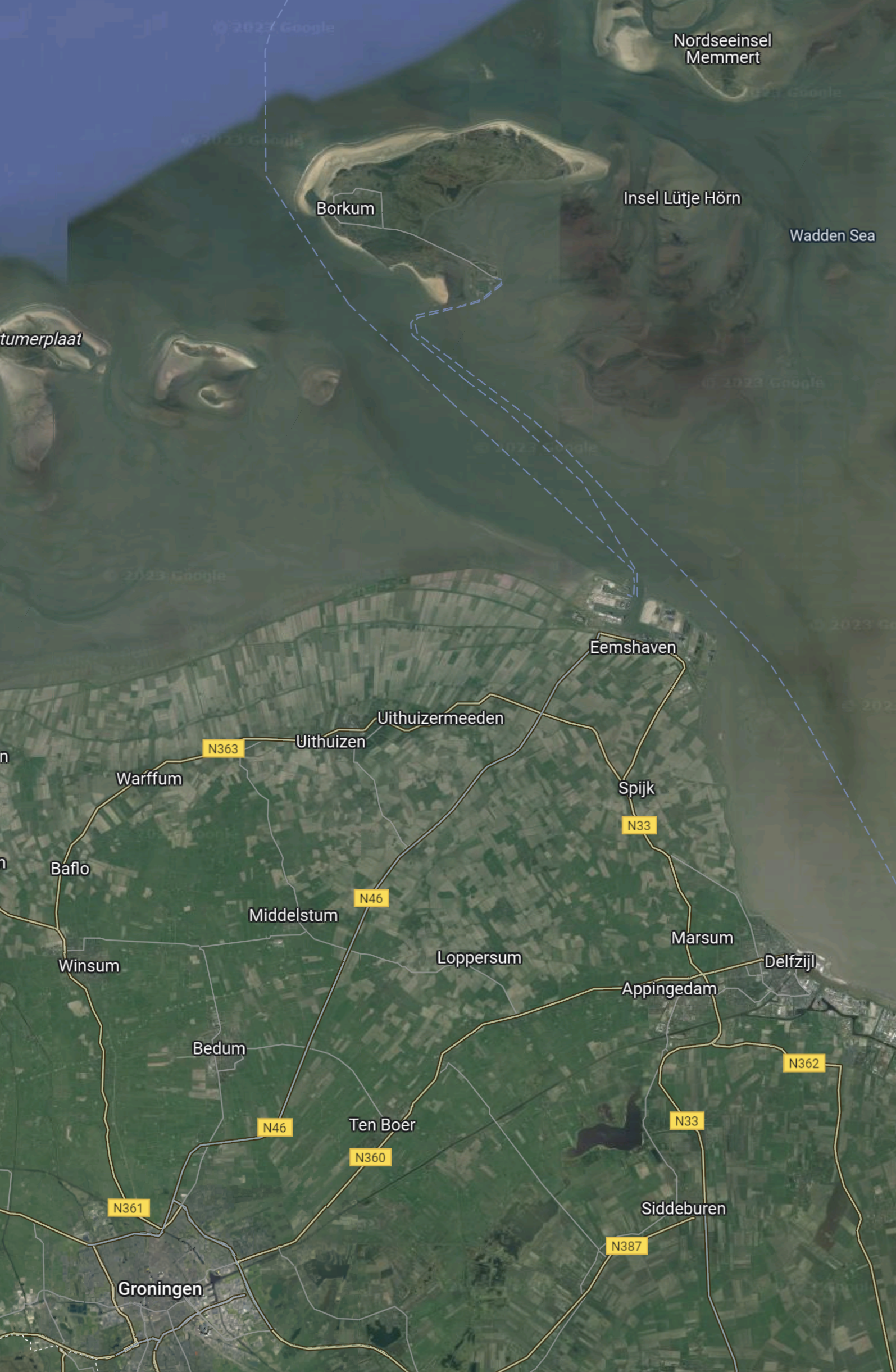
Note.
- Groningen is the city in the South-West corner of the map.
- Borkum is the horseshoe-shaped island at the top of the map.
There are a cluster of wind farms to the North of Borkum, which includes Borkum Riffgrund 1, 2 and 3.
Europe’s Next High-Speed Train Operator
I was alerted to Heuro Train, by this article in Railway Gazette International, which has this opening paragraph.
A proposal to launch high speed train services from Amsterdam to London and from Groningen to Paris has been announced by Dutch start-up Heuro, while Virgin founder Sir Richard Branson is also reported to be looking at competing with Eurostar on cross-Channel routes.
The Heuro Train web site was easily found and the title of this post, was part of their mission statement on the home page.
I have read the web site and have a few initial thoughts.
Technology-Driven Excellence
This is their first sub heading and this is the text.
In a world where technology defines possibilities, Heuro develops the latest innovations into every aspect of our service. From advanced train systems to intuitive in-seat features that cater to your needs, our technology is the driving force behind a seamless, state-of-the-art travel experience.
We’ve all written things like that in the past.
Meeting The Human Need
This is their second sub heading and this is the text.
Heuro emerged from human desires, informed by analyses from Marveltest.
There’s been a 32% annual increase in online interest for train travel over five years. High-Speed Trains are 98% full at peak times. Over half of Europeans prefer train travel under 2 hours as a greener option. Introducing High-Speed Operators in train monopolies boosts demand by 45%.
They appear to have done their research and those are interesting figures.
Lightning Speed Connectivity
This is their third sub heading and this is the text.
In our digital age, both work and leisure have found a substantial home on the internet for urban humans. Whether sealing a business deal, streaming a favorite show, or connecting with loved ones, online interactions have become integral to our daily lives. At Heuro, we don’t just commit—we guarantee the best internet experience.
This is actually irrelevant these days, as there will be a high standard of Internet experience on all modes of transport in a few years, although some will get it earlier than others.
Planned Routes
This is their sixth sub heading and this is the text.
We will connect Amsterdam with Brussels, Paris, and London with intermediate stops at Schiphol Airport, Rotterdam Central, Antwerp Central & complimentary services to Groningen, Assen, Zwolle and Almere (continuing to Paris, 2 times per day)
This route map is shown.
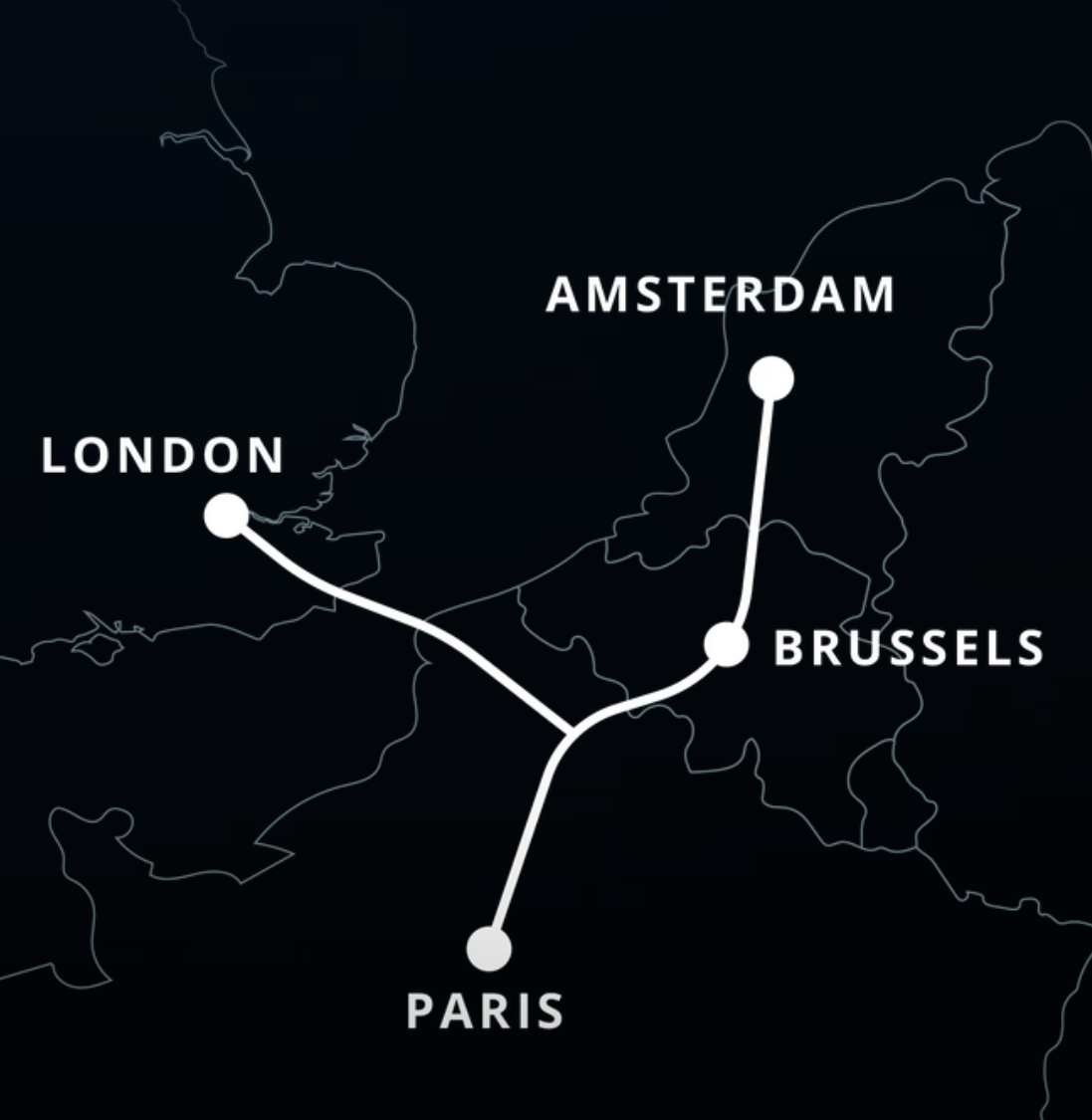
Note.
- It is not a large network.
- It makes a lot of use of the Dutch high speed line; HSL-Zuid, that runs between Amsterdam and the Belgian border.
- I suspect it has been designed to be extended.
The Railway Gazette Article has these two paragraphs, which give more information on services and Heuro’s thinking.
On November 15 Heuro told Railway Gazette International that it aims to launch in 2028, offering 16 Amsterdam – Paris and 15 Amsterdam – London trains each day with intermediate stops at Schiphol Airport, Rotterdam Centraal, Antwerpen Centraal and Brussels. Two of the Paris trains would run to and from Groningen via Assen, Zwolle and Almere.
The company said ‘every day, 55 planes fly from Amsterdam to London, while only four trains make this journey. Heuro intends to change that, aiming for more trains to depart from Amsterdam than flights’.
With other train companies wanting to serve London, will St. Pancras International be able to incorporate another fifteen trains per day from Amsterdam?
Web Site Language
Everything is in English! It also appears to be English English.
Les français ne seront pas amusés.
Extensions From London
Much of Central and Eastern England, and Eastern Scotland can be reached from St. Pancras International station, by a hundred metre walk to change platforms.
There is even a signed walking route between St. Pancras International and Euston stations, that isn’t the most arduous of walks.
The St. Pancras International and Euston stations connection could also be handled by a frequent electric shuttle bus.
Extensions From Amsterdam
Heuro are already indicating their intention to extend to Almere, Zwolle, Assen and Groningen.
I have taken that route and extended it via Leer, Oldenburg and Bremen to Hamburg.
Could this be in Heuro’s long term thinking?
Extensions From Paris
The French probably have ideas.
Conclusion
I like Heuro’s philosophy and starter kit.
The Netherlands Chooses Site For World’s Largest Offshore Wind-to-Hydrogen Project
The title of this post, is the same as that of this article on offshoreWIND.biz.
This is the sub-heading.
The Dutch government has designated an area for what will become the world’s largest offshore hydrogen production project. That area is Ten noorden van de Waddeneilanden (the North of the Wadden Islands), identified earlier for offshore wind development and deemed most suitable for providing 500 MW of electrolysis capacity and for the transport of hydrogen to land.
This Google Map shows the Wadden Islands.
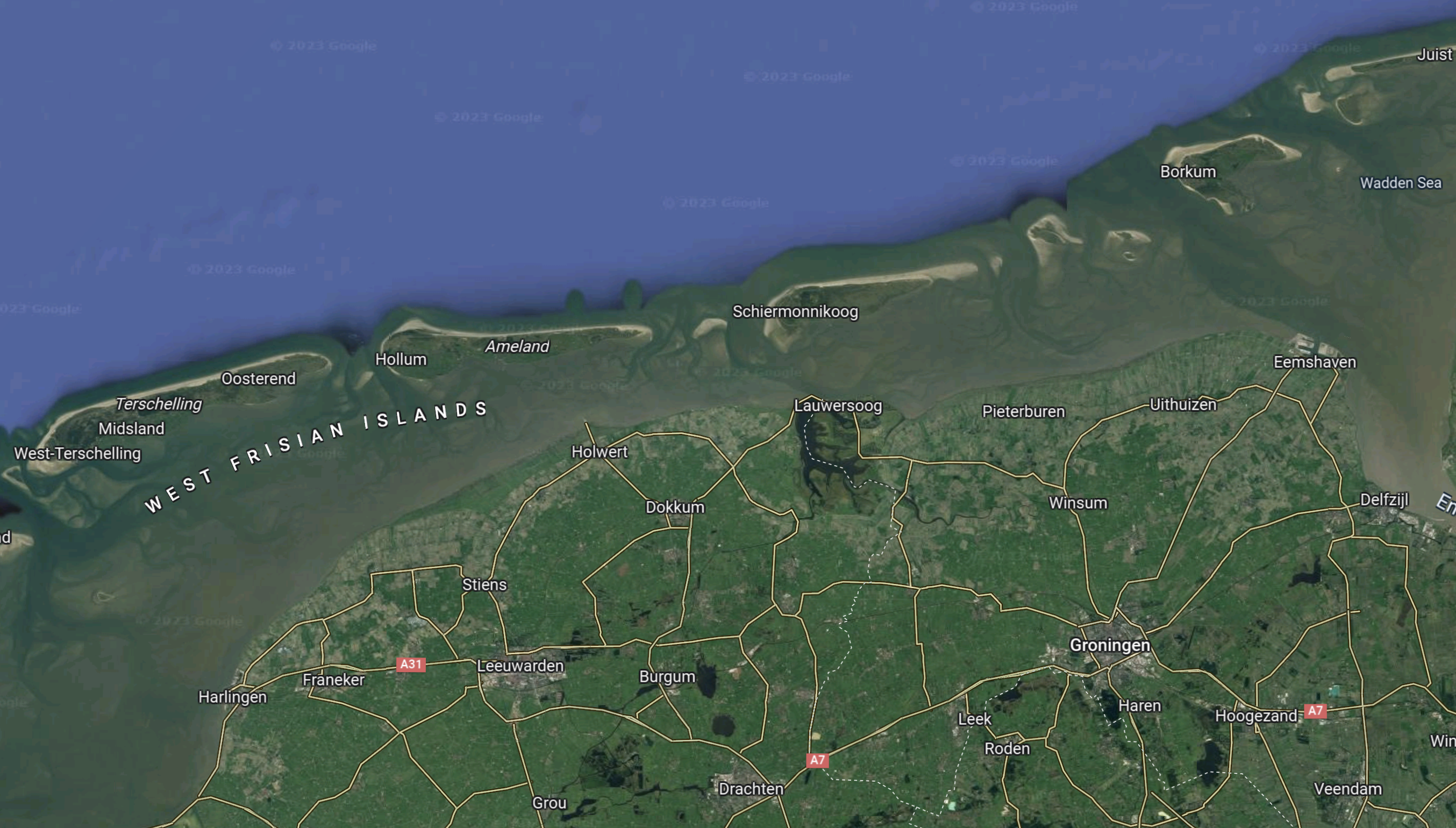
Note.
- Groningen is in the South-East corner of the map.
- I wrote about Eemshaven, which is to the North-East of Groningen in The Train Station At The Northern End Of The Netherlands.
- The Wadden or Frisian Islands are along the coast.
The Wadden Islands of the Netherlands, Germany and Denmark are a World Heritage Site.
In Can The UK Have A Capacity To Create Five GW Of Green Hydrogen?, I said the following.
Ryze Hydrogen are building the Herne Bay electrolyser.
- It will consume 23 MW of solar and wind power.
- It will produce ten tonnes of hydrogen per day.
The electrolyser will consume 552 MWh to produce ten tonnes of hydrogen, so creating one tonne of hydrogen needs 55.2 MWh of electricity.
If the Dutch build a 500 MW electrolyser it will produce 217 tonnes of hydrogen per day.
The Dutch Plan For Hydrogen
This 500 MW electrolyser fits well with the The Dutch Plan For Hydrogen.
Dutch Province To Introduce Regular Hydrogen Services
The title of this post, is the same as that of this article on the International Railway Journal.
This is the introductory paragraph.
The regional transport authority in the Dutch province of Groningen has announced plans to introduce hydrogen trains for its regional concession following a successful test earlier this year.
In March 2019, I went to Groningen and explored the railways in the area, where Stadler GTW trains are used for the train services.
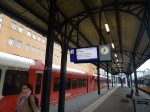
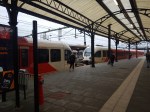
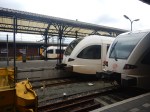

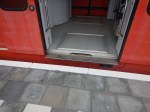
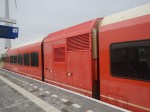
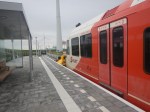
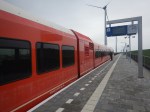
These trains are a smaller version of Greater Anglia’s Class 755 trains.
In The Train Station At The Northern End Of The Netherlands, I describe a visit to Eemshaven station to the North of Groningen.
I said this.
At the turnround at Eemshaven with the driver, he indicated that there had been speculation about battery and hydrogen trains in the North of The Netherlands.
It appears the driver was right.
The Bridge Over The Ems
The article also indicates that the bridge over the River Ems, that I wrote about in From Groningen To Leer By Train, could be opening soon.
This video shows what the new bridge will look like.
And this Google Map shows the current state of the bridge.
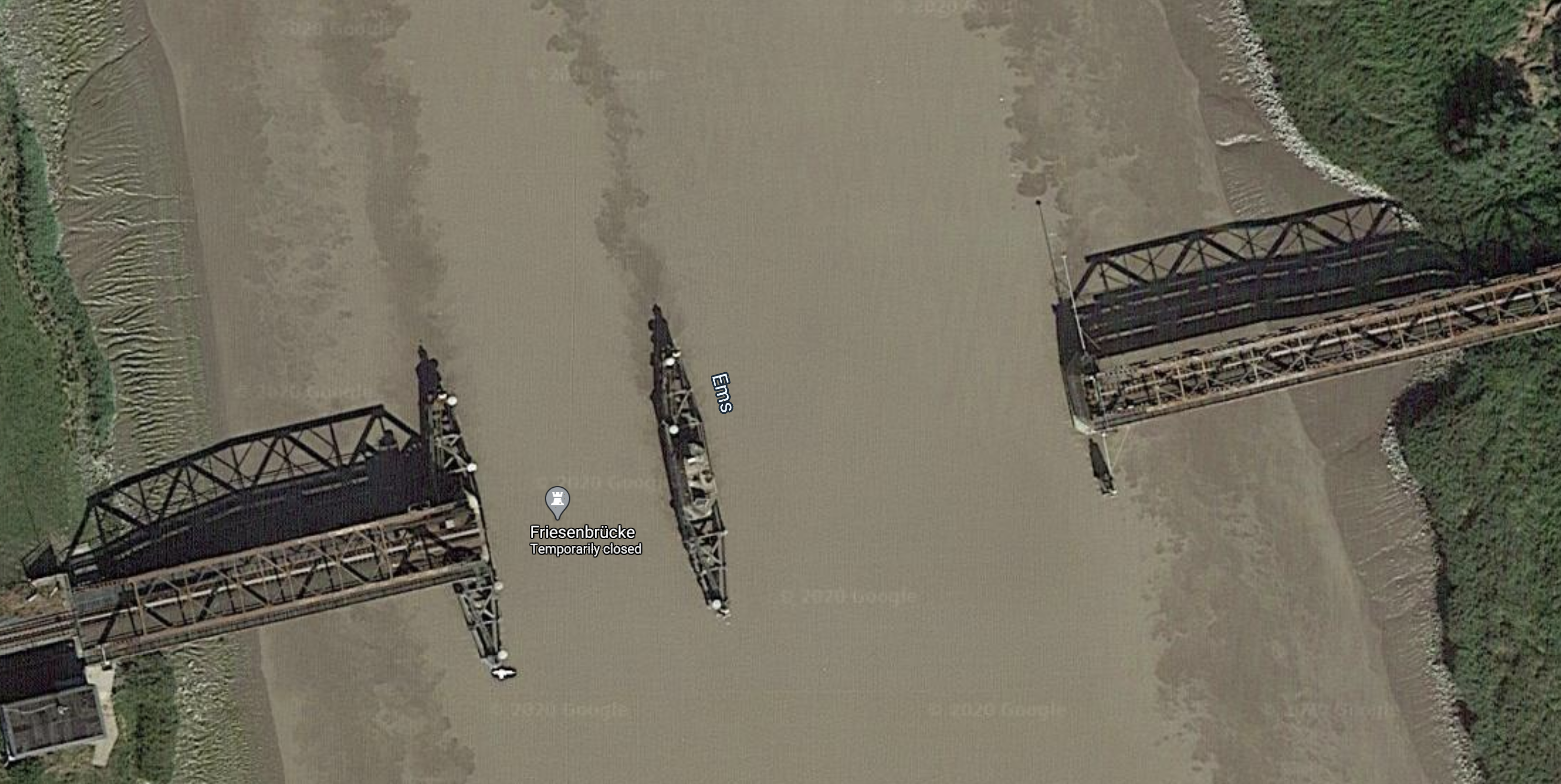
I’m not sure of the date of the picture, but there still appears a lot of work to do.
Alstom’s Hydrogen-Powered Train Undergoes Tests On Dutch Tracks
The title of this post is the same as that on this article of Renewables Now.
Hydrogen trains are certainly coming to Europe.
The Train Station At The Northern End Of The Netherlands
Eemshaven station is the northernmost station in the Netherlands.


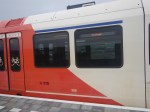
One of the reasons I went, was that the station is only a year old and I wanted to see how the Dutch build new stations.
Note this about the station.
- It is very basic, with few facilities.
- The single platform is very long.
- The station is surrounded by oil and gas installations on one side and the sea on the other.
It appears that for a lot of the day, the station gets two trains per hour.
This Google Map shows the station by the beach.
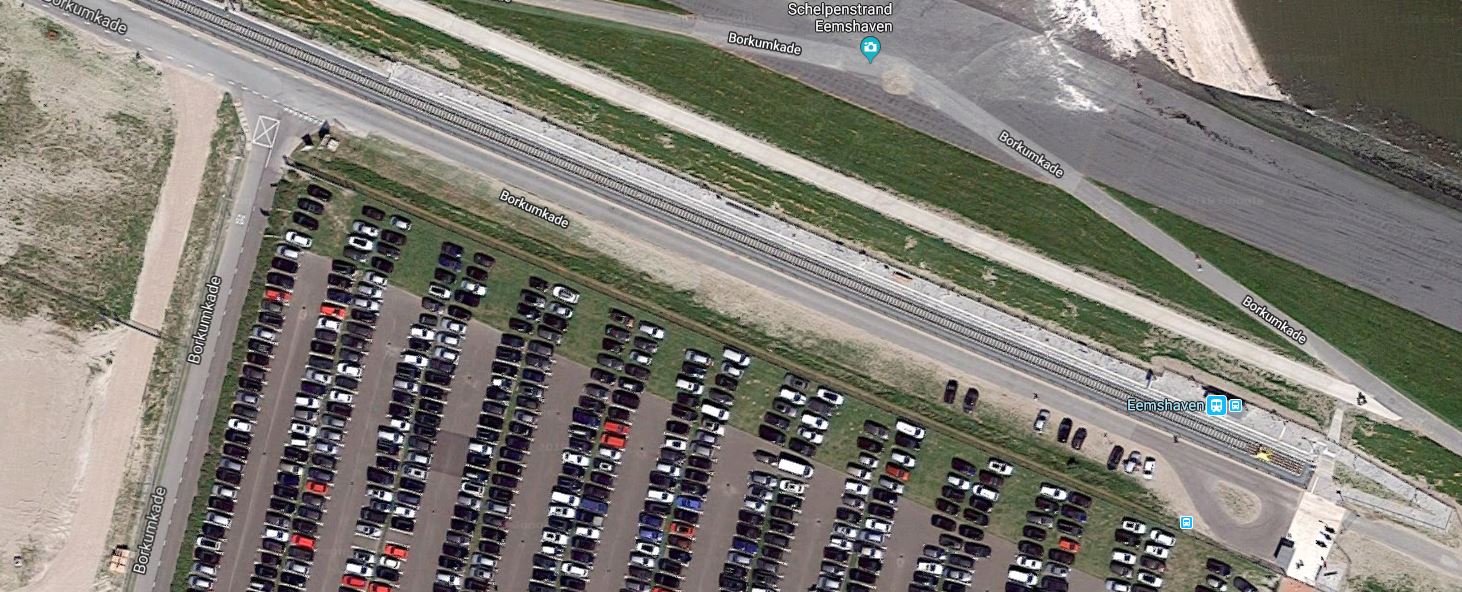
I would assume that most of the cars are those of workers at the oil and gas complex.
I returned on the train, I had arrived on, after a few minutes taking the pictures.
The Stadler GTW Train
Shown in the pictures is one of the Stadler GTW trains,which work the services in the North of the Netherlands.
- They are electric trains, with their own diesel power pack in the middle.
- This train had three passenger cars, but some only have two.
- Noise from the engine was noticeable and probably about the same in a Class 170 train.
- Ride quality wasn’t bad, considering the unusual configuration. But then the track looked very neat and tidy.
- Arriva call the trains Spurt.
Stadler have not stood still, since they built these trains and Greater Anglia’s new Class 755 trains are built by Stadler to similar principles.
At the turnround at Eemshaven with the driver. He indicated that there had been speculation about battery and hydrogen trains in the North of The Netherlands.
Level Crossing Accidents
An interesting aside is to look at the Wikipedia entry for Spurt.
Three of the trains have been involved in serious level crossing accidents.
The Dutch Plan For Hydrogen
This now a separate post at The Dutch Plan For Hydrogen.
ProRail And Arriva Launch Automation Trials
The title of this post, is the same as that of this article on Railway Gazette.
I have posted this article, because it lays out in a simple way, the benefits of digital signalling and Automatic Train Operation.
 The Anonymous Widower