Daisy Hill Station To Go Step-Free
This document on the Government web site is entitled Access for All: 73 Stations Set To Benefit From Additional Funding.
Daisy Hill station is on the list.
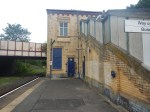
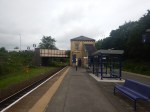
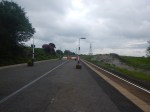
These pictures show the station.
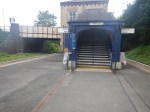
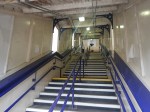
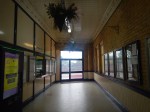
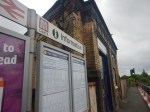

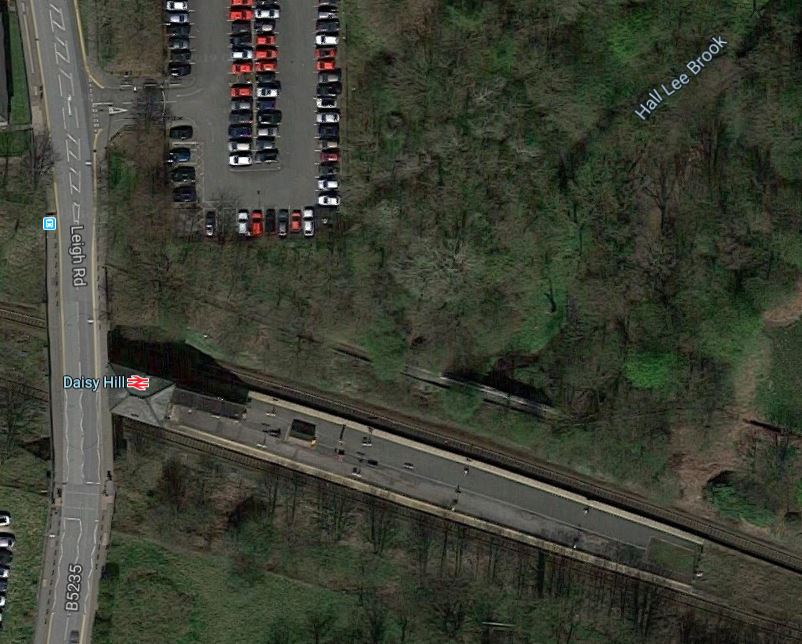
This Google Map shows the station.
Whilst I was at Daisy Hill, I spoke to a couple who used the station regularly, who told me the following.
- The station needed step-free access.
- The station had been recently decorated and that the platforms were being extended.
- The local kids would get in and muck about in the lift.
- There is a lot of new housing to be built locally.
My own observations are.
- The steps are long, but swell-hand-railed.
- The station is in generally good condition.
- The Google Map shows that platforms have been longer in the past.
Surprisingly, the couple hadn’t heard that the station is to be made step-free.
Installing Step-Free Access
From the pictures, that I took, it looks like a single lift could be placed between the street and platform levels.
It would probably be tucked into the angle of the building.
This arrangement is not the most difficult of designs and lifts have been incorporated into stations like this, many times.
Conclusion
This station will be greatly improved by a single lift.
As to the fact, that the couple I spoke to, hadn’t heard of the step-free access, I’ve heard this at other stations on the list.
Network Rail need to sort their publicity.
Market Harborough Station – 10th May 2019
I stopped at Market Harborough station and took these pictures.
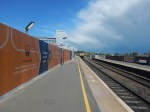
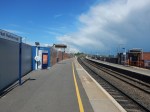
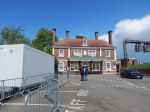
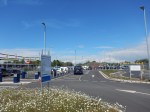
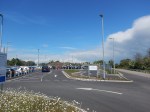
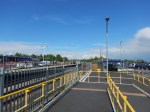
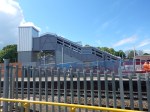
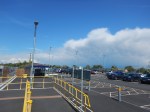
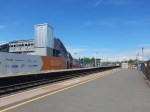
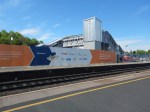
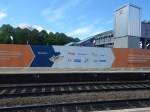
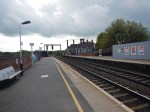
As can be seen, the works at the station are well underway.
Market Harborough Line Speed Improvement Project
This document on the Network Rail web is entitled Market Harborough Line Speed Improvement Project.
According to the document, the project will deliver.
- A line speed increase through Market Harborough enabling a reduction in journey time for passengers.
- New longer platforms that improve access and reduce stepping distances onto trains whilst also catering for longer trains with more seats.
- Station accessibility will be improved with a new footbridge featuring lifts, opening up travel opportunities for more passengers.
- A new 300 space car park has already been constructed, providing step-free access to platforms for passengers arriving by car.
Unfortunately, Network Rail don’t seem to have published a well-prepared visualisation of what passengers, will see, when the project is completed.
There isn’t even a decent visualisation on the station.
Talk about Mushroom Marketing! Keep your customers and project funders in the dark and feed them shit.
This Google Map shows the station..
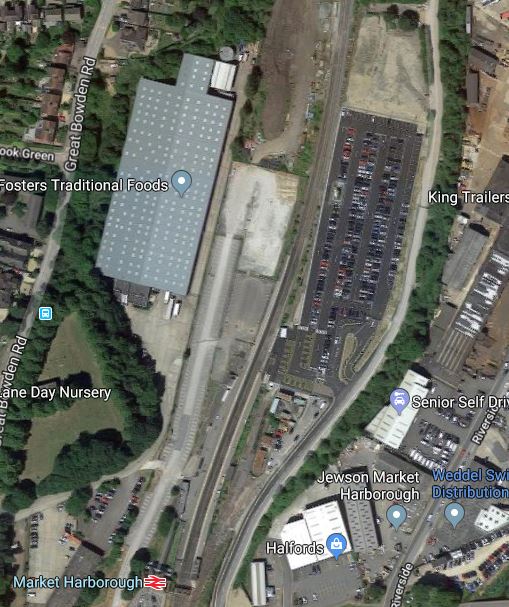
Note.
- The Midland Main Line going up the middle of the map.
- The large new car-park on the Eastern side of the line.
- The building site on the Western side of the line, where new strauighter tracks will go.
The completion date is planned to be December 2019.
Conclusion
The project looks good in the flesh, but that can’t be said for the project presentation to stakeholders.
Network Rail Awards Final West London Station Upgrade Contracts For Crossrail Project
The title of this post is the same as that of this article on Rail Professional.
The stations are Acton Main Line, Ealing Broadway, West Ealing, Southall, Hayes & Harlington and West Drayton.
New buildings and step-free access is planned to be completed by December 2020.
Conclusion
About time!
Stoneleigh Station To Go Step-Free
This document on the Government web site is entitled Access for All: 73 Stations Set To Benefit From Additional Funding.
Stoneleigh station is on the list.
These pictures show the station and the current bridge,


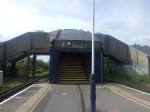
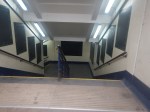

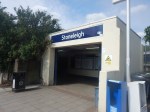

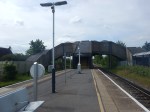
By coincidence, I met the son of an old friend at the station, who lived nearby. He was able to give me a few extra details. Thanks Billy!
Abysmal Step-Free Access
I only exited the station on the Stoneleigh Broadway side and from the platform it was a two staircases up of about fifteen steps and then three similar staircases down.
- In this day and age that is totally unacceptable.
- As the station was only built in 1932, it shows the attitude of Southern Railway to passengers of reduced mobility! They are certainly not welcome!
- Billy told me, that the railway divides Stoneleigh in two and using the bridge to get across is difficult for a lot of people.
There must be very few worse step-free stations than Stoneleigh.
The Station Is Bad For Health, Environment And The Community
How many people, who live on one side of the railway and need to go to the other to see the doctor, visit the library, go to church, have a coffee with a friend or just go to a shop, are now forced to get into a car to make the trip.
Demolition Is The Only Answer
It may be a wonderful example of 1930s creative concrete construction, but for the modern age, it is complete crap!
Te station needs to be demolished and either confined to the landfill of history or turned into building blocks or other useful product.
Replacement With A Modern Bridge
The objective would be to provide a bridge, that gave step-free access to
- Station Approach on the Western side.
- The island platform.
- Stoneleigh Broadway on the Eastern side.
This Google Map shows an aerial view of the station.
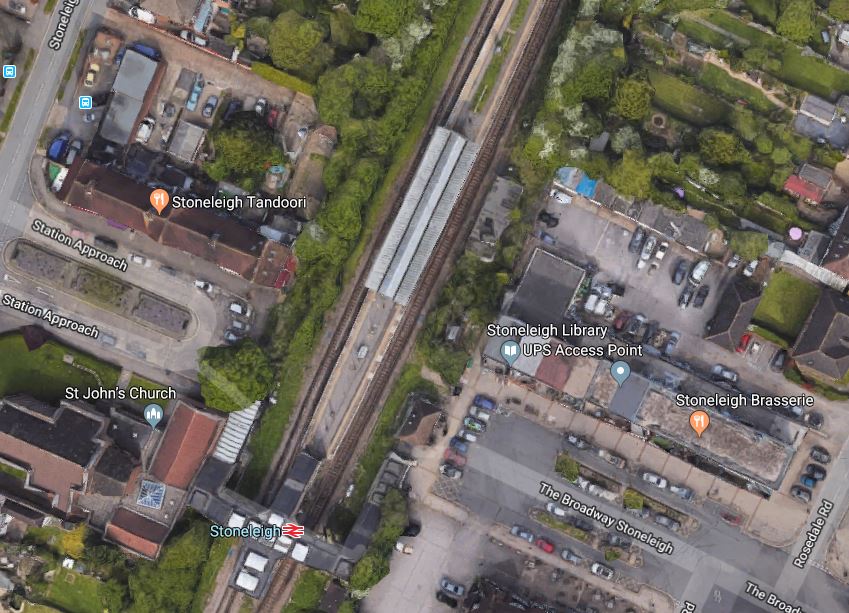
Note the number of useful places on either side of the railway.
There is also a lot of space on either side of the railway.
In Winner Announced In The Network Rail Footbridge Design Ideas Competition, I wrote how the competition was won by this bridge.
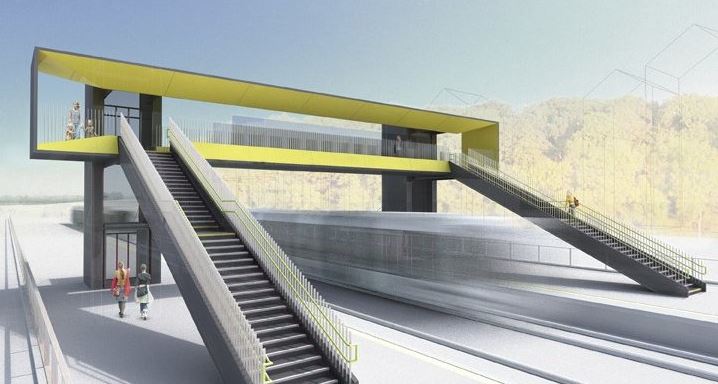
So could a factory-built bridge like this be installed be installed at Stoneleigh station?
Consider.
- The bridge has been designed so it can built as a double span, so ir could serve both sides of the railway and the platform.
- The steps at the end can even be turned through ninety degrees, so that they lead into the Broadway and Approach.
- To create space, the life expired wooden buildings on the platform, that seem to be only held up, by courtesy of the woodworm holding hands, would need to be demolished.
This would allow, the new bridge to be built before closing the current monstrosity.
The station would be completed by providing a modern building on the platform, with staff and passenger facilities, that were appropriate to the million-plus passengers, who use the station every year.
Once the station is fully working, the 1930s station would be demolished.
Conclusion
Using Network Rail’s new footbridge design, a modern station could be created without closing the station to passengers and/or trains.
Stoneleigh could get a step-free modernstation i a matter of months, after planning permission was obtained.
In Syon Lane Station To Go Step-Free, I describe how Syon Lane station is getting a step-free bridge in five months.
Now It’s Thieves On The Line As Crooks Target Railway Cables
The title of this post is the same as that of an article in The Times on Tuesday.
I was involved in a similar project with British Rail, where they were looking at patterns in signalling cable faults on the East Coast Main Line. My software Daisy was used to display the patterns.
I know in this case British Rail got a solution.
I even have their internal report somewhere!
Example Cost And Timescale For A Step-Free Footbridge
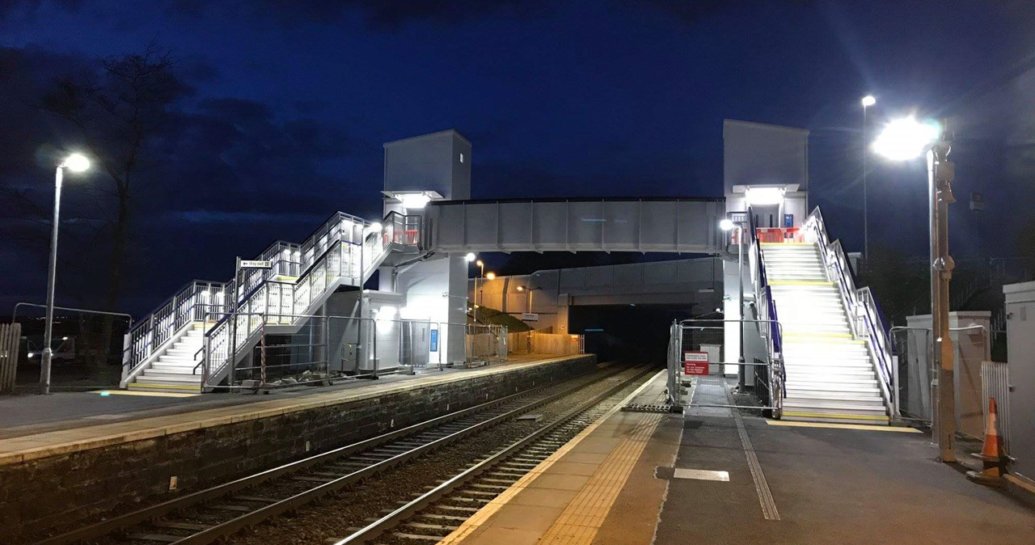
This article on Network Rail’s web site is entitled Investment In West Calder Gives Station Accessibility A Lift.
The project replaced an existing bridge.
- It cost £2.7 million.
- It took ten months to build and commission.
- Station access was maintained at all times.
It looks to have been a well-managed project.
This picture shows the bridge.
How would it compare with the recent winner of Network Rail’s competition to find a new footbridge design?
Having not seen either bridge in the metal, I’ll give my judgement when I have.
£14m Peak District Rail Freight Extension Unveiled
The title of this post is the same as that of this article on Rail Technology Magazine.
I discussed this project in full in Peak District Freight Sidings Get £18m Network Rail Boost, where I showed this Google Map of the sidings at Buxton, where the stone trains must reverse.
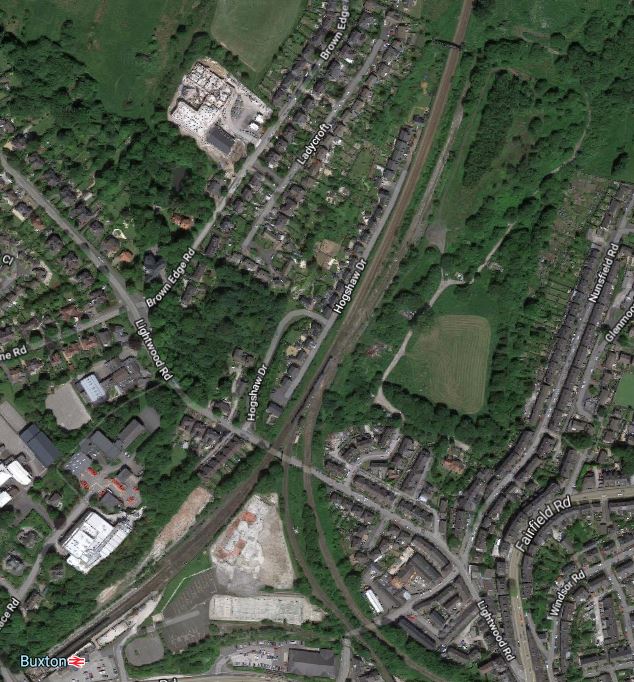
This latest Google Map, which is to a more detailed scale and 3D, clearly shows the lengthened sidings alongside the Manchester-Buxton Line.
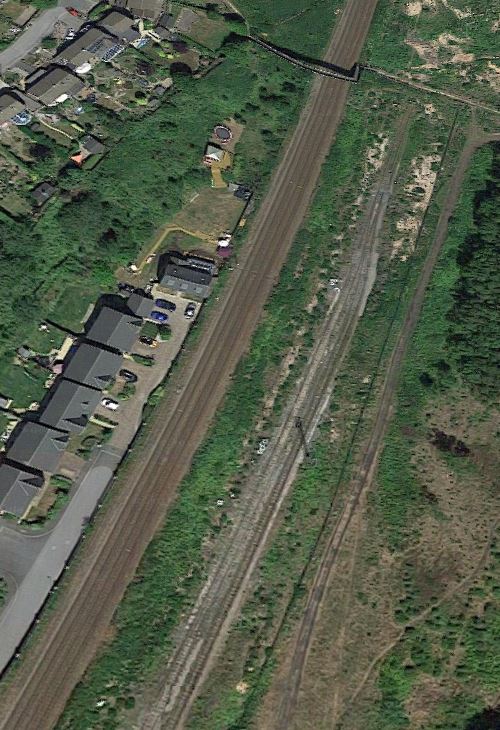
Note the footbridge across the lines appears in both maps.
Conclusion
It looks to me that Network Rail have managed to implement this freight project to bring more stone out of the Peak District by train.
As the cost of the completed project is quoted as less than the figure quoted before the project started., the project could even have been completed within the budget.
This has been a project when £18million has been spent for these benefits.
- Each train will transport 2,500 tonnes of materials.
- Each train will take 76 lorry loads from the roads.
- Less trains will be needed to transport the same tonnage.
How many other small projects like this could be undertaken?
Amusing Seats At Victoria
The seats at London Bridge station, that I wrote about in Matched Seats And Roof At London Bridge Station, have now been installed at Victoria station.
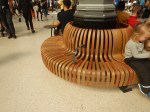
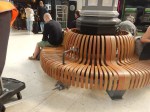
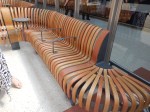
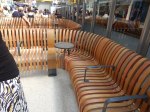
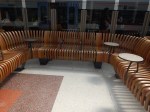

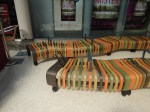
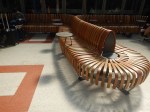
Would they have amused Queen Victoria?
This press release from Network Rail is entitled Network Rail Puts Passengers First With Installation Of New Modern Seating At London Stations, gives more details on the new seating.
- Seating capacity at each station will be increased from 150 to 400.
- The seats were made by Green Furniture Concepts from Malmo in Sweden.
Generally, passengers I’ve asked, seem pleased with the new seats.
Winner Announced In The Network Rail Footbridge Design Ideas Competition
The title of this post is the same as that of this page on the Network Rail web site.
This image from the page shows the winning design.
Obviously, it has several passenger friendly features.
- Safe steps with double-handrails on both sides and a take-a-break step at halfway.
- Lifts.
- A covered bridge with good views of the station.
But what I like about it are these design and manufacturing features.
- The width and height could be easily adjusted for different locations.
- It could accommodate escalators.
- Three- and four-platform bridges could follow the same theme.
- It could be built in a factory and just lifted in a few pieces onto a prepared site.
- Cost of an installation could be calculated on the back of an engineering envelop or fag-packet.
I also think it is one of those good designs, that will inspire its users and perhaps prompt younger people to take up design or engineering as a career.
A Network Rail Standard Footbridge
If this standard off-the-shelf design or something like it or better was available, how many stations could be given step-free access in the next few years?
As Network Rail sponsored this competition with RIBA, let’s hope they follow through their original initiative.
The footbridge could even have applications outside of the railway industry!
73 Stations Set To Benefit From Additional Funding
This document on the Government web site is entitled Access for All: 73 Stations Set To Benefit From Additional Funding.
This is the first paragraph.
Selected stations will, subject to a feasible design being possible, receive an accessible route into the station, as well as to and between every platform.
It appears that £300million of additional funding will be used to create full step-free access at seventy-three stations.
Stations That Could Benefit From This Standard Bridge
I have visited several of the stations and I feel that a standard bridge approach could benefit these stations.
- Anniesland
- Beaconsfield
- Bridlington
- Catford
- Crowborough
- Croy
- Grays
- Herne Bay
- Northallerton
- St. Erth
- Stowmarket
- Uddingston
I shall add to this list, as I discover more stations, that are suitable.
Roaming Around East Anglia – Coldhams Common
I took the spacious three-car Class 170 train from Cambridge to Newmarket.
This Google Map shows the area, where the Cambridge to Ipswich Line via Newmarket leaves the main Cambridge to Ely route.
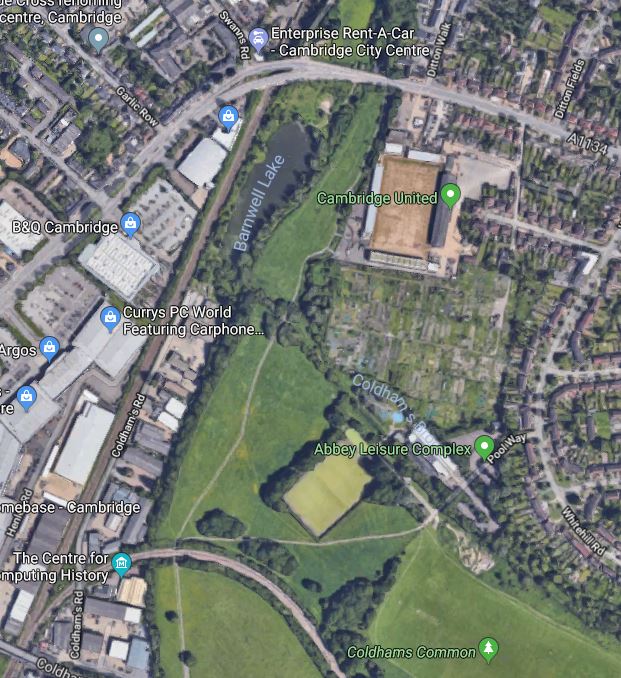
The Cambrifge-Ipswich line is the loop at the bottom of the map crossing the green space of Coldhams Common.
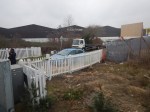
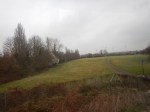
These are pictures, I took as my train passed.
The East West Rail Consortium have plans for this rail line.
In this document on their web site, this is said.
Note that doubling of Warren Hill Tunnel at Newmarket and
redoubling between Coldham Lane Junction and Chippenham Junction is included
in the infrastructure requirements. It is assumed that most freight would operate
via Newmarket, with a new north chord at Coldham Lane Junction, rather than
pursuing further doubling of the route via Soham.
So would it be possible to fit, the required chord between the two railway lines?
I suspect that a double-track chord would be preferred and there might be some extra tracks between Cambridge and Ely.
This Google Map shows the area in more detail.
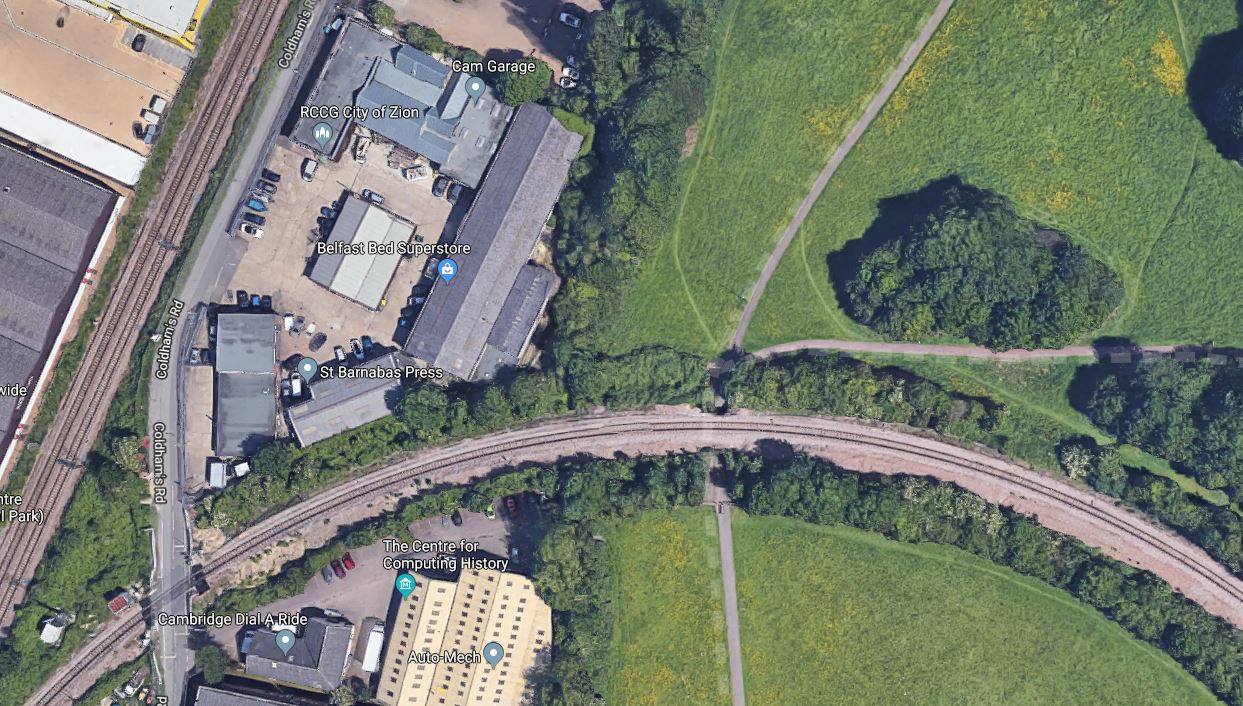
Note the level crossing shown in my pictures.
The main problems in the way of a double-track chord that would allow trains to pass between the routes to Ely and Newmarket, would appear to be the industrial Buildings and the level crossing that gives access across the rail line.
But I don’t think that this will be the major problem, as industrial premises can always be relocated, especially if the compensation is good.
I estimate that it is likely, that two heavy freight trains in every hour in both directions should be passing across the quiet green space of Coldhams Common.
Would this be acceptable to the nearby residents and the users of the Common?
- The East West Rail Consortium are well funded and I suspect they have a cunning plan here, that could put a double track railway through this sensitive area.
- If the landowner of these industrial buildings happened to be Network Rail, that would surely help, as they would co-operate.
- There also appears to be very little housing alongside the Cambridge-Ipswich rail line.
I could see a solution, where more of the industrial buildings than needed were removed and some of the land given over to extend Coldhams Common.
 The Anonymous Widower