Ossian Floating Wind Farm Could Have Capacity Of 3.6 GW
The title of this post, is the same as that of this article on offshoreWIND.biz,
This is the first paragraph.
SSE Renewables, Marubeni Corporation, and Copenhagen Infrastructure Partners (CIP) have identified an increase in the potential overall project capacity for their Ossian floating wind project in Scotland from 2.6 GW to up to 3.6 GW.
It appears that surveys have shown that the wind farm can be bigger.
About The Name Ossian
This press release from SSE is entitled New Offshore Wind Farm To Take Name From Scottish Literature.
These three paragraphs explain the name and the partners behind the project.
A new wind farm project in Scotland is to take its name from an historic series of books which depict the epic quests of a third-century Scottish leader, following his adventures across rolling seas.
Ossian (pronounced ‘os-si-un’) from The Poems of Ossian is to be the name for the proposed new offshore wind farm across 858 km2 of seabed in waters off the east coast of Scotland.
The project will be delivered by the partnership of leading Scottish renewable energy developer, SSE Renewables, Japanese conglomerate Marubeni Corporation (Marubeni) and Danish fund management company Copenhagen Infrastructure Partners (CIP).
I don’t think the three partners will have any difficulty raising the extra finance to expand the wind farm.
Where Is The Ossian Wind Farm?
This Crown Estate Scotland map shows the position of each of the Scotwind wind farms.

Note, that the numbers are Scotwind’s lease number in their documents.
The Ossian wind farm is numbered two.
At present, the South Eastern group of wind farms are as follows.
- 1 – BP – Fixed – 2.9 GW
- 2 – SSE – Floating – 2.6 GW
- 3 – Falck – Floating – 1.2 GW
- 4 – Shell – Floating – 2.0 GW
- 5 – Vattenfall – Floating – 0.8 GW
- 6 – DEME – Fixed – 1.0 GW
This totals to 10.5 GW, which would be 11.5 GW, if the capacity of Ossian is increased.
Will Ossian And Nearby Wind Farms Be Developed As A Co-Operation?
The six companies involved in this group of wind farms, are all experienced developers of wind farms or oil and gas fields.
They also come from all around the world, so I can see the best technology being employed on this group of wind farms.
Will Other Wind Farms In The Group Be Expanded?
The surveys at Ossian appear to have shown that the area is ideal for floating wind and this is enabling the expansion of the farm.
I wouldn’t be surprised to see some of the other wind farms be expanded.
I also feel that floating wind farms like Ossian, where it is likely that all the turbines on their floats are connected to a central substation, that could also be floating, may be a lot easier to expand.
Does Ossian Wind Farm Have A Web Site?
Not that Google can find, although ossianwindfarm.com appears to be under construction.
Centrica Re-Opens Rough Storage Facility
The title of this post, is the same as that of this press release from Centrica.
It has this sub-heading.
Rough Operational For Winter And Increases UK’s Storage Capacity By 50%.
On the face of it, this sounds like good news and these two paragraphs give more details.
Centrica has announced the reopening of the Rough gas storage facility, having completed significant engineering upgrades over the summer and commissioning over early autumn.
The initial investment programme means the company has made its first injection of gas into the site in over 5 years and is in a position to store up to 30 billion cubic feet (bcf) of gas for UK homes and businesses over winter 2022/23, boosting the UK’s energy resilience.
Note.
- The Rough gas storage facility has been able to hold up to 100 billion cubic feet of gas in the past.
- Rough is a complex field with two platforms and thirty wells transferring gas to and from the facility.
- Additionally, there is an onshore gas-processing terminal at the Easington Gas Terminal, where it connects to the UK gas network.
It appears to be a comprehensive gas storage facility, that should get us through the 2022/3 winter.
These two paragraphs from the press release, which are the thoughts of the Centrica Chief Executive are significant.
Centrica Group Chief Executive, Chris O’Shea, said “I’m delighted that we have managed to return Rough to storage operations for this winter following a substantial investment in engineering modifications. Our long-term aim remains to turn the Rough field into the world’s biggest methane and hydrogen storage facility, bolstering the UK’s energy security, delivering a net zero electricity system by 2035, decarbonising the UK’s industrial clusters, such as the Humber region by 2040, and helping the UK economy by returning to being a net exporter of energy.
“In the short term we think Rough can help our energy system by storing natural gas when there is a surplus and producing this gas when the country needs it during cold snaps and peak demand. Rough is not a silver bullet for energy security, but it is a key part of a range of steps which can be taken to help the UK this winter.”
Note.
- Effectively, in the short term, Rough is a store for gas to help us through the winter.
- In the long-term, Rough will be turned into the world’s largest gas storage facility.
- It will be able to store both methane (natural gas) and hydrogen.
Having worked with project managers on complex oil and gas platforms and chemical plants, I wouldn’t be surprised to find, that when the design of this facility is released, it will be something special.
Centrica certainly seem to have upgraded Rough to be able to play a significant short term role this winter and they also seem to have developed a plan to give it a significant long-term role in the storage of hydrogen.
Aldbrough Gas Storage
A few miles up the coast is SSE’s and Equinor’s Aldbrough Gas Storage, which is being developed in salt caverns to hold natural gas and hydrogen.
Blending Of Hydrogen And Natural Gas
I believe that we’ll see a lot of blending of hydrogen and natural gas.
- Up to 20 % of hydrogen can be blended, without the need to change appliances, boilers and processes.
- This cuts carbon dioxide emissions.
I wrote about this in a post called HyDeploy.
It might be convenient to store hydrogen in Aldbrough and natural gas in Rough, so that customers could have the blend of gas they needed.
With two large gas stores for hydrogen under development, the HumberZero cluster is on its way.
Plans Emerge For 8 GW Of Offshore Wind On Dogger Bank
Wikipedia has an entry, which is a List Of Offshore Wind Farms In The United Kingdom.
The totals are worth a look.
- Operational – 13279 MW
- Under Construction – 4125 MW
- Proposed Under The UK Government’s Contracts For Difference Round 3 – 2412 MW
- Proposed Under The UK Government’s Contracts For Difference Round 4 – 7026 MW
- Exploratory Phase, But No Contract for Difference – Scotland – 24,826 MW
- Exploratory Phase, But No Contract for Difference – England – 14,500 MW
Note.
- That gives a Grand Total of 66,168 MW or 66.168 GW.
- The government’s target is 50 GW of offshore wind by 2030.
- The typical UK power need is around 23 GW, so with nuclear and solar, we could be approaching three times the electricity generation capacity that we currently need.
The figures don’t include projects like Berwick Bank, Cerulean Wind, Norfolk Vanguard or Northern Horizons, which are not mentioned in Wikipedia’s list.
I regularly look at the list of wind farms in this Wikipedia entry and noticed that the number of Dogger Bank wind farms had increased.
They are now given as.
- Dogger Bank A – 1200 MW – Completion in 2023/24
- Dogger Bank B – 1200 MW – Completion in 2024/25
- Dogger Bank C – 1200 MW – Completion in 2024/25
- Dogger Bank D – 1320 MW – No Completion Given
- Dogger Bank South – 3000 MW – No Completion Given
Note, that gives a Grand Total of 7920 MW or 7.920 GW.
This article on offshoreWIND.biz is entitled BREAKING: SSE, Equinor Plan 1.3 GW Dogger Bank D Offshore Wind Project.
It was published on the October 6th, 2022 and starts with this summary.
SSE Renewables and Equinor are looking into building what would be the fourth part of Dogger Bank Wind Farm, the world’s largest offshore wind farm, whose three phases (A, B and C) are currently under construction. Surveys are now underway at an offshore site where the partners want to develop Dogger Bank D, which would bring Dogger Bank Wind Farm’s total capacity to nearly 5 GW if built.
Obviously, there are a few ifs and buts about this development, but it does look like SSE Renewables and Equinor are serious about developing Dogger Bank D.
More Dogger Bank Gigawatts for UK As RWE Moves Forward With Two 1.5 GW Projects
This subheading describes, the 3 GW wind farm, that I listed earlier as Dogger Bank South.
These three paragraphs describe the projects.
RWE is now moving forward with two new offshore wind farms in the Zone, each with a 1.5 GW generation capacity, after the company obtained approval from the UK Secretary of State for Business, Energy and Industrial Strategy (BEIS) to enter into an Agreement for Lease with The Crown Estate this Summer, following the Round 4 leasing process.
The wind farms will be built at two adjacent sites located just southwest of the Dogger Bank A offshore wind farm and are dubbed Dogger Bank South (DBS) East and Dogger Bank South (DBS) West.
RWE has also started with geophysical seabed surveys within the wind turbine array areas for its two new projects.
It appears that they have already got the leasing process started.
When Will Dogger Bank D And Dogger Bank South Be Operational?
Consider.
- In How Long Does It Take To Build An Offshore Wind Farm?, showed that a lot of offshore wind farms have gone from planning permission to first operation in six years.
- I don’t think that there will be planning permission problems on the Dogger Bank.
- The two wind farms are a continuation of Dogger Bank A, B and C and the Sofia wind farms.
- A lot of the construction, would be more of the same.
With average luck, I can see Dogger Bank D and Dogger Bank South in full production before the end of 2028.
An Update To Will We Run Out Of Power This Winter?
My Methods
Project Timescales For Wind Farms
In How Long Does It Take To Build An Offshore Wind Farm?, I came to these conclusions.
- It will take six years or less from planning consent to commissioning.
- It will take two years or less from the start of construction to commissioning.
I shall use these timescales, as any accelerations by the government, will only reduce them.
Dates
If a date is something like 2024/25, I will use the latest date. i.e. 2025 in this example.
The Update
In Will We Run Out Of Power This Winter?, which I wrote in July this year, I did a calculation of how much renewable energy would come on stream in the next few years.
I summarised the amount of new renewable energy coming on stream like this.
- 2022 – 3200 MW
- 2023 – 1500 MW
- 3024 – 2400 MW
- 2025 – 6576 MW
- 2026 – 1705 MW
- 2027 – 7061 GW
This totals to 22442 MW.
But I had made two omissions.
- Hornsea 3 wind farm will add 2582 MW in 2026/27.
- Hinckley Point C nuclear power station will add 3260 MW in 2027.
Ørsted have also brought forward the completion date of the Sofia wind farm to 2023, which moves 1400 GW from 2024 to 2023.
The new renewables summary figures have now changed to.
- 2022 – 3200 MW
- 2023 – 2925 MW
- 3024 – 1326 MW
- 2025 – 6576 MW
- 2026 – 1705 MW
- 2027 – 13173 MW
This totals to 28554 MW.
Note.
- The early delivery of the Sofia wind farm has increased the amount of wind farms coming onstream next year, which will help the Winter of 2023/2024.
- It will also help the Liz Truss/Kwasi Kwarteng government at the next election, that should take place in early 2025.
- Hornsea 3 and Hinckley Point C make 2027 a big year for new renewable energy commissioning.
By 2027, we have more than doubled our renewable energy generation.
The Growth Plan 2022
In this document from the Treasury, the following groups of wind farms are listed for acceleration.
- Remaining Round 3 Projects
- Round 4 Projects
- Extension Projects
- Scotwind Projects
- INTOG Projects
- Floating Wind Commercialisation Projects
- Celtic Sea Projects
I will look at each in turn.
Remaining Round 3 Projects
In this group are the the 1200 MW Dogger Bank B and Dogger Bank C wind farms, which are due for commissioning in 2024/25.
Suppose that as with the Sofia wind farm in the same area, they were to be able to be brought forward by a year.
The new renewables summary figures would change to.
- 2022 – 3200 MW
- 2023 – 2925 MW
- 3024 – 3726 MW
- 2025 – 5076 MW
- 2026 – 1705 MW
- 2027 – 13173 MW
This totals to 28554 MW.
It looks like if Dogger Bank B and Dogger Bank C can be accelerated by a year, it has four effects.
- The renewables come onstream at a more constant rate.
- SSE and Equinor, who are developing the Dogger Bank wind farms start to get paid earlier.
- The UK gets more electricity earlier, which helps bridge the gap until Hornsea 3 and Hinckley Point C come onstream in 2027.
- The UK Government gets taxes and lease fees from the Dogger Bank wind farms at an earlier date.
Accelerating the remaining Round 3 projects would appear to be a good idea.
Round 4 Projects
According to Wikipedia’s list of proposed wind farms, there are six Round 4 wind farms, which total up to 7026 MW.
Accelerating these projects, is probably a matter of improved government regulations and pressure, and good project management.
But all time savings in delivering the wind farms benefits everybody all round.
This document from the Department of Business, Industry and Industrial Strategy lists all the Contracts for Difference Allocation Round 4 results for the supply of zero-carbon electricity.
Many of these projects are smaller projects and I suspect quite a few are shovel ready.
But as with the big wind farms, there are some projects that can be brought forward to everybody’s benefit.
Norfolk Boreas
Norfolk Boreas wind farm is one of the Round 4 projects.
The wind farm is shown as 1400 MW on Wikipedia.
On the web site, it now says construction will start in 2023, which could mean a completion by 2025, as these projects seem to take about two years from first construction to commissioning, as I showed in How Long Does It Take To Build An Offshore Wind Farm?.
The new renewables summary figures would change to.
- 2022 – 3200 MW
- 2023 – 2925 MW
- 3024 – 3726 MW
- 2025 – 6476 MW
- 2026 – 1705 MW
- 2027 – 11773 MW
This still totals to 28554 MW.
This acceleration of a large field would be beneficial, as the 2025 figure has increased substantially.
I would suspect that Vattenfall are looking hard to accelerate their Norfolk projects.
Extension Projects
I first talked about extension projects in Offshore Wind Extension Projects 2017.
The target was to add 2.85 GW of offshore wind and in the end seven projects were authorised.
- Sheringham Shoal offshore wind farm – 719 MW with Dudgeon
- Dudgeon offshore wind farm – 719 MW with Sheringham Shoal
- Greater Gabbard offshore wind farm
- Galloper offshore wind farm
- Rampion offshore wind farm – 1200 MW
- Gwynt y Môr offshore wind farm – 1100 MW
- Thanet offshore wind farm – 340 MW
These are the best figures I have and they add up to an interim total of 3359 MW.
I suspect that these projects could be easy to accelerate, as the developers have probably been designing these extensions since 2017.
I think it is reasonable to assume that these seven wind farms will add at least 3000 MW, that can be commissioned by 2027.
The new renewables summary figures would change to.
- 2022 – 3200 MW
- 2023 – 2925 MW
- 3024 – 3726 MW
- 2025 – 6476 MW
- 2026 – 1705 MW
- 2027 – 14773 MW
This now totals to 31554 MW.
Accelerating the extension projects would be a good idea, especially, as they were awarded some years ago, so are probably well into the design phase.
ScotWind Projects
I first talked about ScotWind in ScotWind Offshore Wind Leasing Delivers Major Boost To Scotland’s Net Zero Aspirations.
It was planned to do the following.
- Generate 9.7 GW from six wind farms with fixed foundations.
- Generate 14.6 GW from ten floating wind farms.
But since then three more floating wind farms with a total capacity of 2800 MW have been added, as I wrote about in Three Shetland ScotWind Projects Announced.
I suspect that some of these projects are ripe for acceleration and some may well be generating useful electricity by 2030 or even earlier.
INTOG Projects
I wrote about INTOG in What Is INTOG?.
I can see the INTOG Projects contributing significantly to our fleet of offshore wind turbines.
I have already found a 6 GW/£30 billion project to decarbonise oil and gas rigs around our shores, which is proposed by Cerulean Winds and described on this web page.
If the other large INTOG projects are as good as this one, then we’ll be seeing some sensational engineering.
Floating Wind Commercialisation Projects
This page on the Carbon Trust website is entitled Floating Wind Joint Industry Programme (JIP).
They appear to be very much involved in projects like these.
The page has this description.
The Floating Wind Joint Industry Programme is a world leading collaborative research and development (R&D) initiative dedicated to overcoming technological challenges and advancing commercialisation of floating offshore wind.
This graphic shows the partners and advisors.
Most of the big wind farm builders and turbine and electrical gubbins manufacturers are represented.
Celtic Sea Projects
The Celtic Sea lies between South-East Ireland, Pembrokeshire and the Devon and Cornwall peninsular.
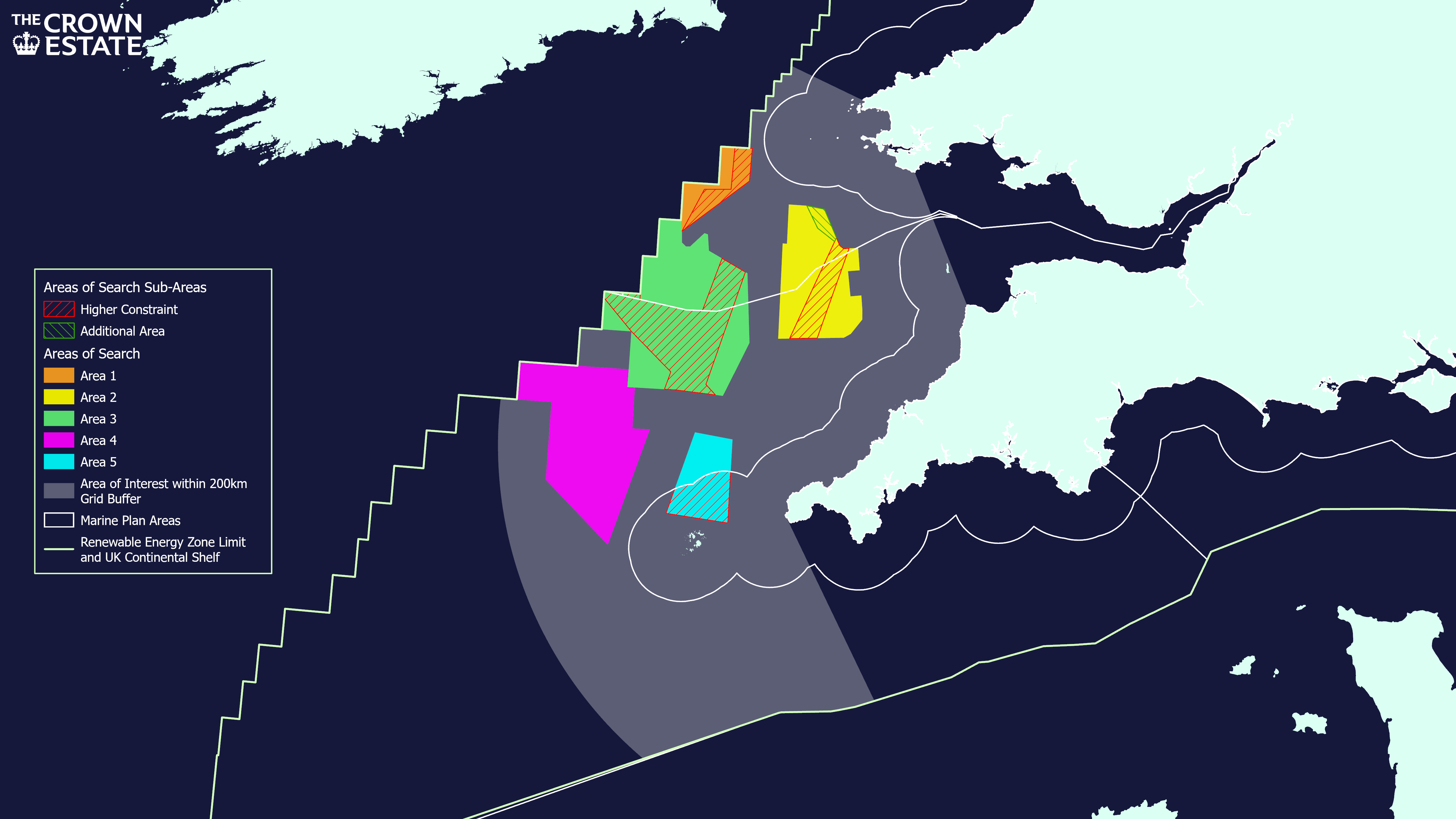
The Crown Estate kicked this off with press release in July 2022, that I wrote about in The Crown Estate Announces Areas Of Search To Support Growth Of Floating Wind In The Celtic Sea.
This map shows the five areas of search.
One Celtic Sea project has already been awarded a Contract for Difference in the Round 4 allocation, which I wrote about in Hexicon Wins UK’s First Ever CfD Auction For Floating Offshore Wind.
Other wind farms have already been proposed for the Celtic Sea.
In DP Energy And Offshore Wind Farms In Ireland, I said this.
They are also developing the Gwynt Glas offshore wind farm in the UK sector of the Celtic Sea.
- In January 2022, EDF Renewables and DP Energy announced a Joint Venture partnership to combine their knowledge and
expertise, in order to participate in the leasing round to secure seabed rights to develop up to 1GW of FLOW in the Celtic Sea. - The wind farm is located between Pembroke and Cornwall.
The addition of Gwynt Glas will increase the total of floating offshore wind in the UK section of the Celtic Sea.
- Blue Gem Wind – Erebus – 100 MW Demonstration project – 27 miles offshore
- Blue Gem Wind – Valorus – 300 MW Early-Commercial project – 31 miles offshore
- Falck Renewables and BlueFloat Energy – Petroc – 300 MW project – 37 miles offshore
- Falck Renewables and BlueFloat Energy – Llywelyn – 300 MW project – 40 miles offshore
- Llŷr Wind – 100 MW Project – 25 miles offshore
- Llŷr Wind – 100 MW Project – 25 miles offshore
- Gwynt Glas – 1000 MW Project – 50 miles offshore
This makes a total of 2.2 GW, with investors from several countries.
It does seem that the Celtic Sea is becoming the next area of offshore wind around the British Isles to be developed.
How do these wind farms fit in with the Crown Estate’s plans for the Celtic Sea?
I certainly, don’t think that the Crown Estate will be short of worthwhile proposals.
Conclusion
More and more wind farms keep rolling in.
Chancellor Confirms England Onshore Wind Planning Reform
The title of this post, is the same as that of this article on renews.biz.
These are the first two paragraphs.
UK Chancellor Kwasi Kwarteng has confirmed that onshore wind planning policy is to be brought in line with other infrastructure to allow it to be deployed more easily in England.
The announcement is the strongest sign yet that the Conservative Party could be poised to reverse its 2015 ban on new onshore wind farms being built in England.
I take a scientifically-correct view of onshore wind, in that I am sometimes against it, but on the other hand in certain locations, I would be very much in favour.
These pictures show Keadby Wind Farm in Lincolnshire.
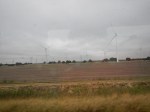
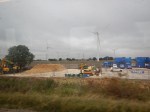
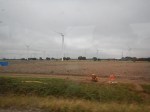
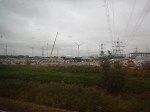
As the wind farm sits next to two gas-fired power stations and is surrounded by high voltage overhead electricity cables, this is probably a more acceptable location, than beside a picturesque village.
In this page on their web site, SSE says this about the construction of the 68 MW wind farm.
After receiving planning permission in 2008, construction began in 2012 and the first turbine foundation was complete in February 2013. The final turbine was assembled on 11 December 2013 and the project was completed in summer 2014.
If this is typical, and I think it is, it would take six years plus the time arguing about planning permission, to get a new onshore wind farm built.
But supposing, you are a farmer who wants to decarbonise. One way might be with a 10 MW wind turbine and a hydrogen electrolyser, so you had your own hydrogen source to power your tractors and other equipment.
On the other hand, solar panels on house, shed and barn roofs might be a more discrete alternative.
SSE Renewables Completes Acquisition Of European Renewable Energy Development Platform
The title of this post, is the same as that of this press release from SSE.
This paragraph introduces the deal.
SSE Renewables has completed the transaction with Siemens Gamesa Renewable Energy (SGRE) to acquire its existing European renewable energy development platform for a consideration of €580m.
I have a few thoughts.
Why Have Siemens Gamesa Sold Their European Renewable Energy Development Platform?
This article on Renewables Now is entitled Siemens Gamesa Wraps Up Sale Of 3.9-GW Wind Portfolio To SSE Renewables, gives a reason.
For the turbine maker, the sale represents one of the measures implemented to rein in profit losses quarter after quarter due to internal challenges, high costs and supply chain issues.
As with many things, it appears to be all about the money.
Can SSE Renewables Afford It?
Consider.
- SSE are developing the 1.5 GW/30 GWh Coire Glas pumped stored hydroelectric power station. I doubt the cost of that will be under a billion pounds.
- SSE developed the 0.5 GW Greater Gabbard wind farm and that development cost £1.5 billion
- SSE Renewables and Equinor are estimated on the web to be investing £9 billion in the Dogger Bank wind farm, which could deliver 3.6 GW.
- SSE Renewables have just announced the 4.1 GW Berwick Bank wind farm, which must need at least £9 billion.
SSE seem to have found a Scottish magic money tree.
€580m is just small change.
What Projects Are Included In The Deal?
This is a paragraph from the press release.
The SGRE portfolio includes c.3.8GW of onshore wind development projects – around half of which is located in Spain with the remainder across France, Italy and Greece – with scope for up to 1.4GW of additional co-located solar development opportunities. Development of the portfolio of projects has continued to progress since the acquisition was announced in April, with additional opportunities identified and permits and grid connections advancing. Over 2GW of the total pipeline is considered to be at a secured stage, where a grid connection or land agreement has been secured or relevant permits granted.
Note.
- As an engineer, I note that there is no offshore wind, which surely is the renewable energy development with most risk and installation costs.
- SSE Renewables have a lot of experience of onshore wind, so delivering and financing the extra 3.8 GW, shouldn’t be a problem.
- The 1.4 GW of solar comes with the word co-located. Wind and solar together, perhaps with a battery must surely be a good investment in the sunnier climes of Europe.
It doesn’t look to me that SSE Renewables have bought a load of assets that no-one wants.
I do wonder thought, if Siemens Gamesa were having trouble progressing this large diverse portfolio of projects, due to a shortage of resources like money and engineers.
So are SSE finishing off a few projects and they can transfer a few engineers to these projects?
Are SSE Spreading The Risk?
SSE operate mainly in the UK and Ireland, so is adding Spain, France, Italy and Greece a good idea?
Of the four new countries, it’s unlikely that all will perform well, but a mixed portfolio is usually a good idea.
Will SSE Renewables Buy Siemens Gamesa Turbines In The Future?
SSE Renewables seem to do an individual deal on each wind farm, as no one manufacturer dominates.
But now Siemens Gamesa may be more financially stable, perhaps they can get a better deal for the turbines they want.
Conclusion
I don’t think SSE Renewables have done a bad deal.
Pumped Storage Development In Scotland
The title of this post, is the same as that of this article on International Water Power & Dam Construction.
It describes and gives the current status of the two large pumped storage hydroelectric schemes under development in Scotland.
The 1.5 GW/30 GWh scheme at Coire Glass, that is promoted by SSE.
The Cruachan 2 scheme, that is promoted by Drax, that will upgrade Cruachan power station to 1.04 GW/7.2 GWh.
Note.
- Construction of both schemes could start in 2024, with completion in 2030.
- Both, SSE and Drax talk of a substantial uplift in employment during the construction.
- Both companies say that updated government legislation is needed for schemes like these.
The article is very much a must-read.
Conclusion
Welcome as these schemes are, given the dates talked about, it looks like we will need some other energy storage to bridge the gap until Coire Glas and Cruachan 2 are built.
Will Highview Power step forward with a fleet of their 2.5 GW/30 GWh CRYOBatteries, as was proposed by Rupert Pearce in Britain Will Soon Have A Glut Of Cheap Power, And World-Leading Batteries To Store It.
- The site needed for each CRYOBattery could be smaller than a football pitch.
- In Could A Highview Power CRYOBattery Use A LNG Tank For Liquid Air Storage?, I came to the conclusion that a single LNG tank could hold a lot of liquid air.
- The storing and recovery of the energy uses standard turbomachinery from MAN.
- Highview Power should unveil their first commercial system at Carrington near Manchester this year.
I am sure, that when they get their system working, they could build one in around a year.
Berwick Bank Wind Farm Could Provide Multi-Billion Pound Boost To Scottish Economy And Generate Thousands Of Jobs
The title of this post, is the same as that of this press release from SSE.
This press release is all about numbers.
- 307 turbines
- 4.1 GW nameplate capacity
- 5 million homes will be powered
- 8 million tonnes of carbon dioxide avoided
- Up to £8.3 billion to the UK economy
- 4650 potential jobs in Scotland
- 9300 potential jobs in the UK
These are all large figures.
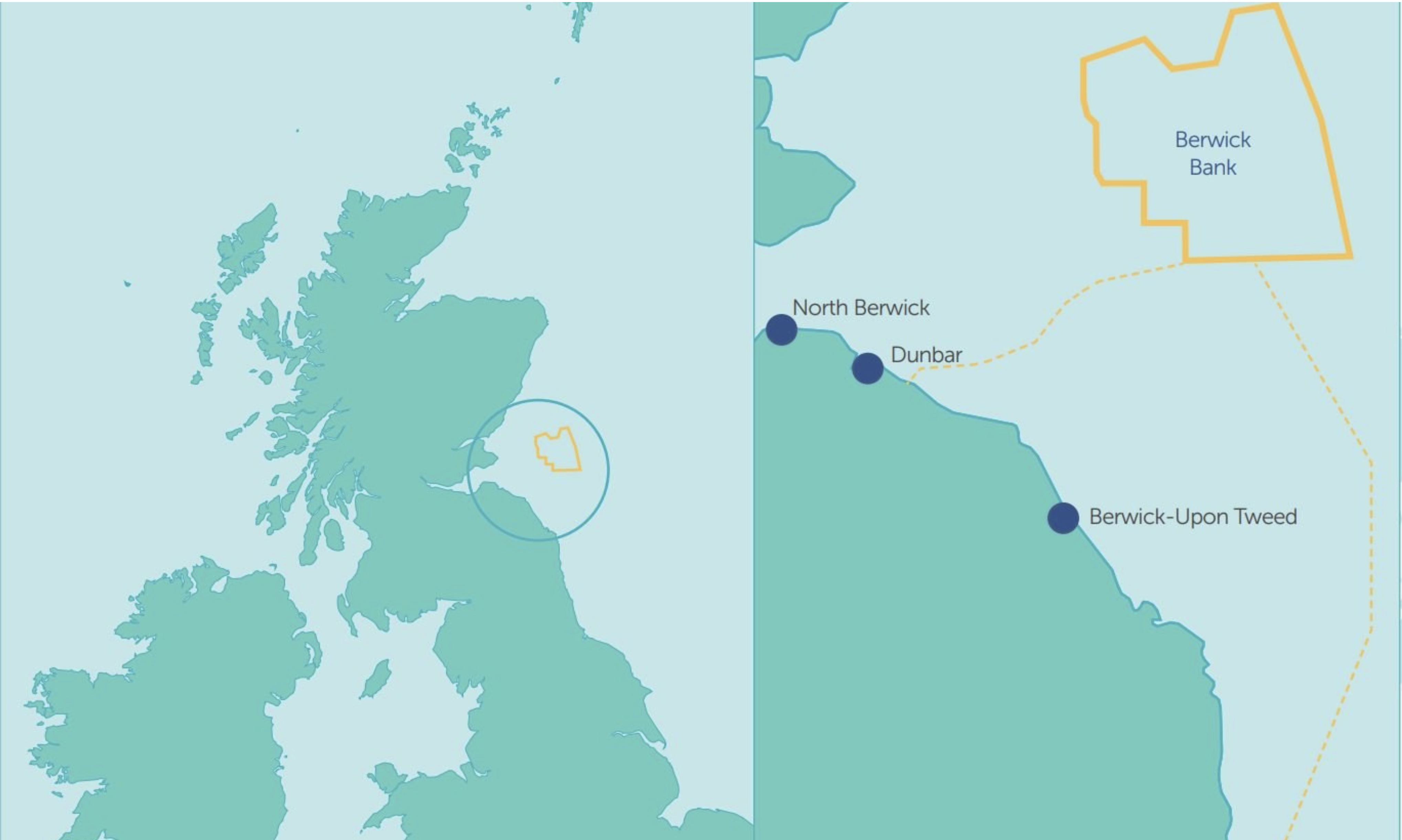
This map from SSE shows the location of the wind farm.
The press release says this about connections to the grid.
Berwick Bank has secured a grid connection at Branxton, near Torness, in East Lothian. A second grid connection will be required for the project, which has been determined as Blyth, Northumberland.
Note, that Torness is the site of Torness nuclear power station.
- It has a nameplate capacity of 1.29 GW.
- It is scheduled to be shutdown in 2028.
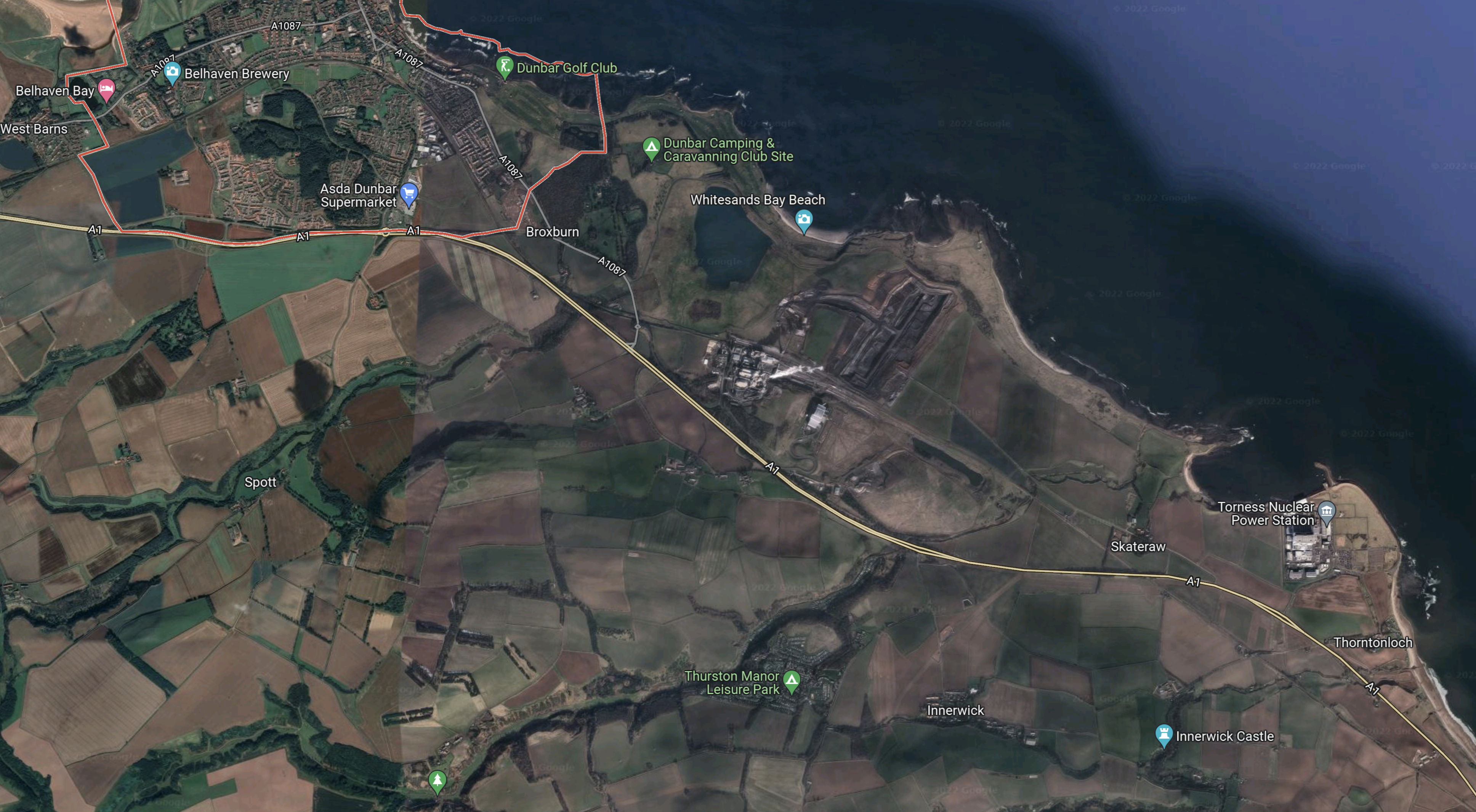
This Google Map shows the coast between Dunbar and Torness nuclear power station.
Note.
- The town of Dunbar is outlined in red.
- The yellow line running diagonally across the map is the A1 road.
- Torness nuclear power station is in the South-East corner of the map to the North of the A1.
This second Google Map shoes an enlargement of the South-East corner of the map.
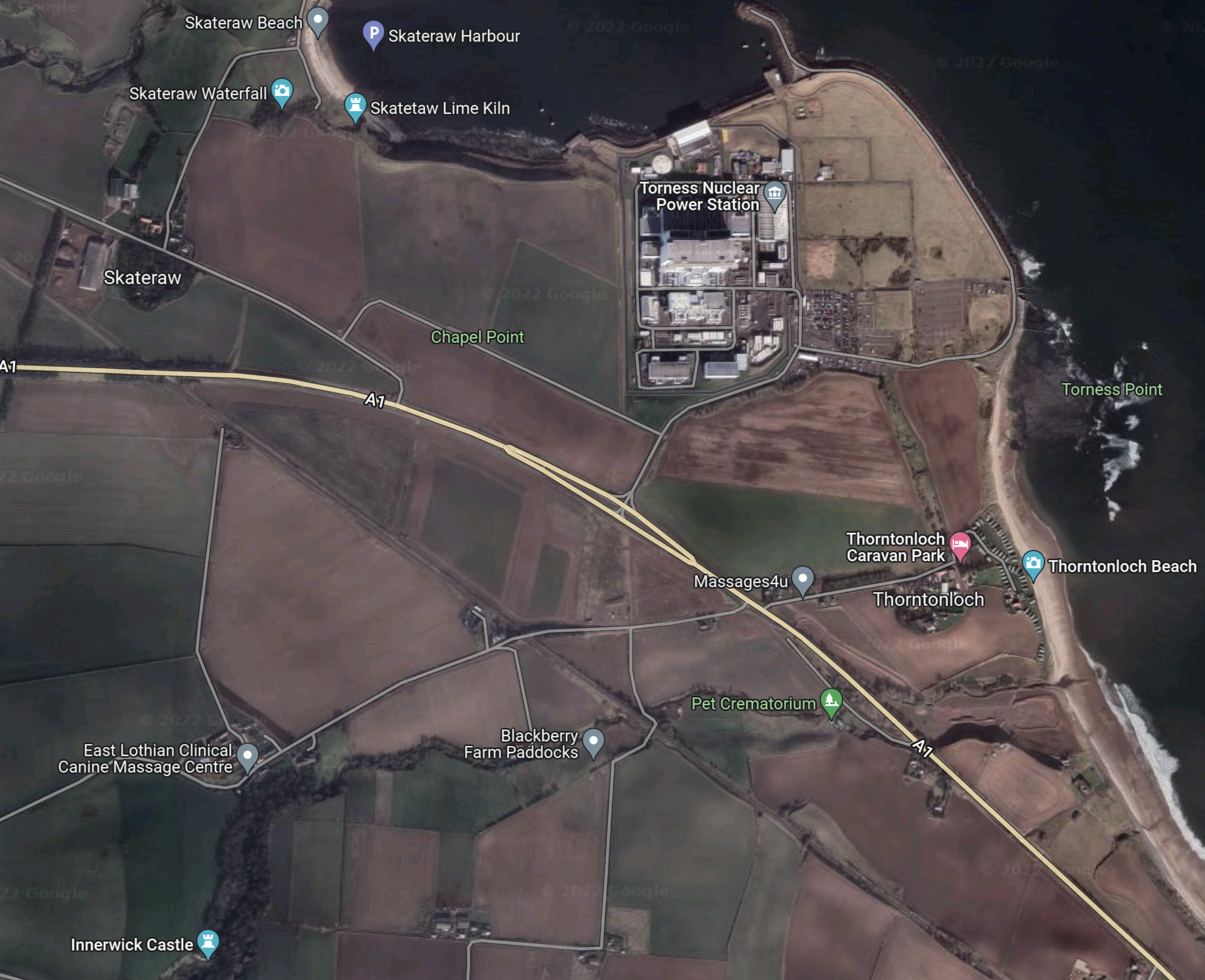
Note.
- Torness nuclear power station at the top of the map.
- The A1 road running across the map.
- The East Coast Main Line to the South of the A1.
- Innerwick Castle in the South-West corner of the map.
This Google Map shows the location of Branxton substation in relation to Innerwick Castle.
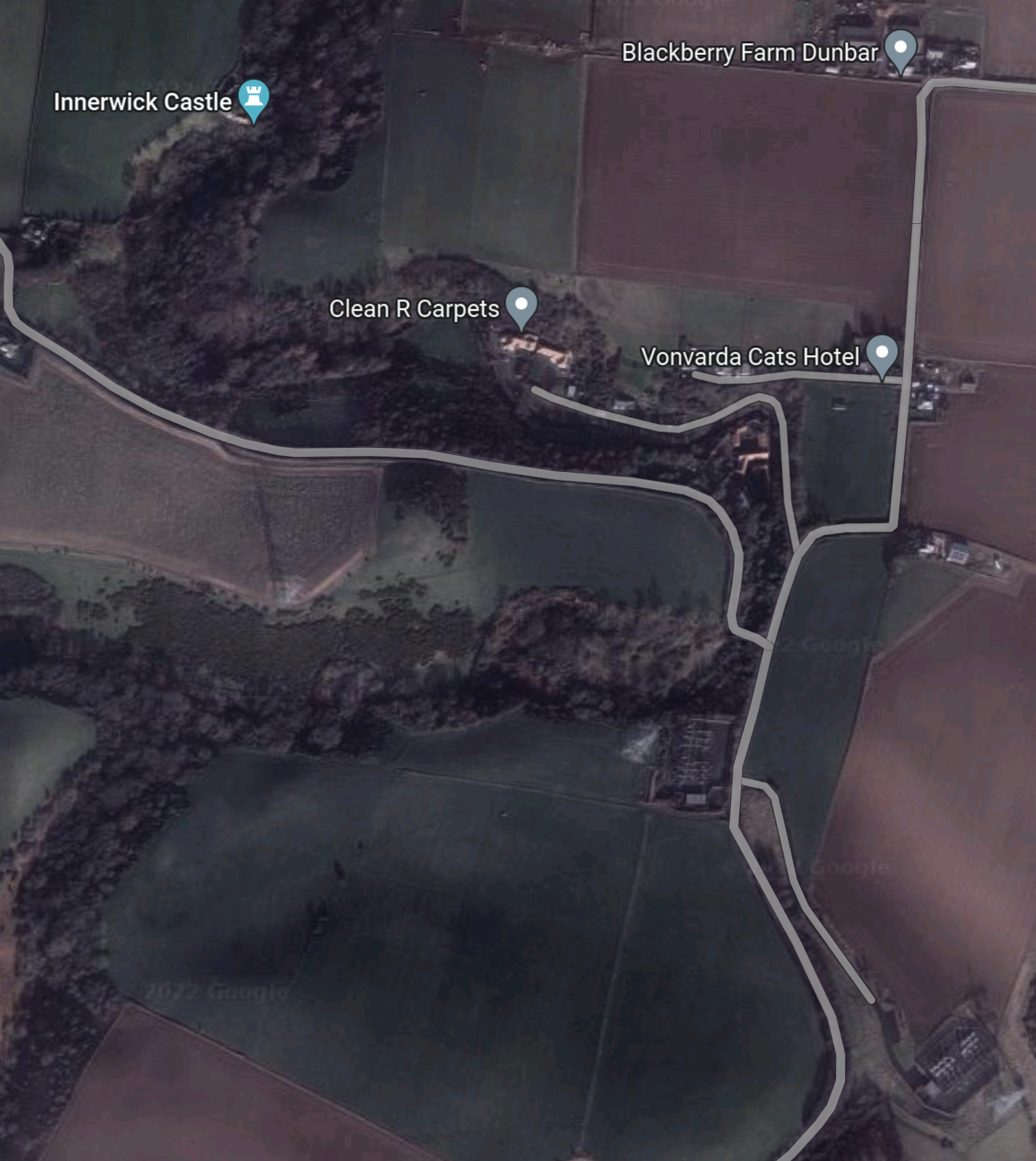
Note.
- Innerwick Castle is in the North-West corner of the map.
- Branxton substation is in the South-East corner of the map.
I estimate that the distance between Torness nuclear power station and Branxton substation is about five kilometres. The cable appears to be underground.
I have some thoughts.
Will The Connection Between Berwick Bank Wind Farm And Branxton Substation Be Underground?
If SSE follows the precedent of Torness nuclear power station, it will be underground.
Or will they use T-pylons?
This page on the National Grid web site is entitled What’s A T-Pylon And How Do We Build Them?.
From an engineering point of view, I suspect T-pylons could be used, but aesthetics and local preference may mean the cable is underground.
It should be noted that Torness nuclear power station will be shutdown in 2028. So will the current underground cable for the nuclear power station be repurposed after shutdown for the Berwick Bank wind farm?
This would mean, that the Southern connection cable to Blyth could be built first to support the first turbines erected in the wind farm.
When Will Berwick Bank Wind Farm Be Commissioned?
This page on the Berwick Bank wind farm web site is a briefing pack on the project.
The page gives construction and commission dates of 2026-2030.
Will There Be A Battery At Torness?
As we are talking about the latter half of the current decade for completion of the Berwick Bank wind farm, I believe that a substantial battery could be installed at Torness to smooth the output of the wind farm, when the wins isn’t blowing at full power.
One of Highview Power’s 2.5 GW/30 GWh CRYOBatteries could be about the right size if it has been successfully developed, but I am sure that other batteries will be of a suitable size.
If there is a case for a battery at Torness, there must surely be a case for a battery at Blyth.
Will Berwick Bank Wind Farm Be A Replacement For Torness Nuclear Power Station?
Consider.
- Torness nuclear power station is shutting down in 2028.
- Berwick Bank wind farm will be fully operational by 2030.
- Berwick Bank wind farm could use a repurposed connection to Branxton substation, if the nuclear power station no longer needs it.
- There is space on the Torness site for a large battery.
, it looks like Torness nuclear power station could be replaced by the larger wind farm.
The Creation Of The Coire Glas Monster
Loch Ness is probably most famous for the mythical monster, but it is about to be joined by a man-made monster of a different kind.
To the South-West of Loch Ness lies Loch Lochy.
This Google Map shows the South-Western part of the Great Glen, which runs diagonally across the Highlands from Fort William in the South-West to Inverness in the North-East.
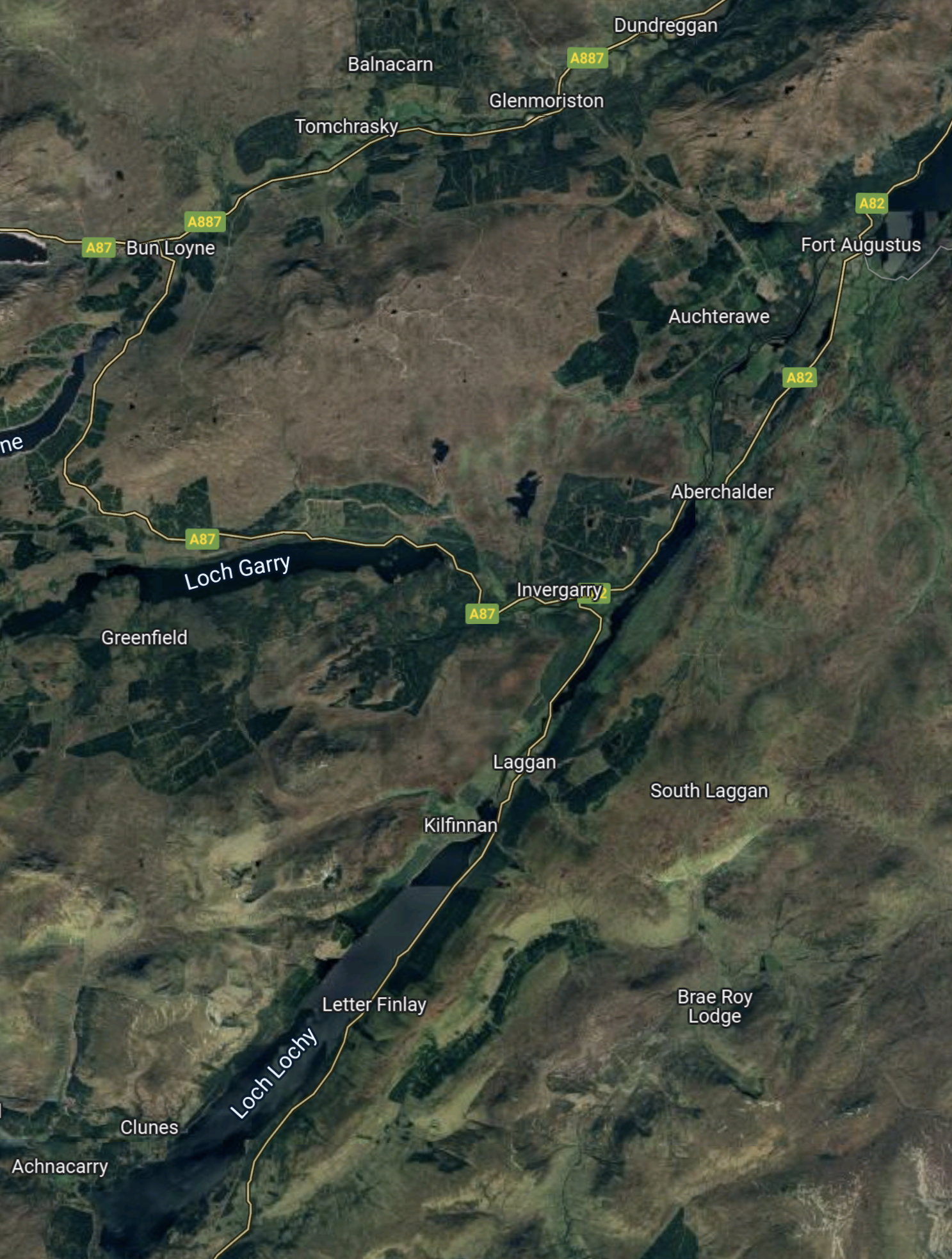
Note.
- Fort Augustus in the North-East corner of the map, is at the South-West end of Loch Ness.
- In the South-West corner of the map, Loch Lochy can be seen.
- To the North-West of Loch Lochy, there are mountains.
This second Google Map shows Loch Lochy and the mountains.
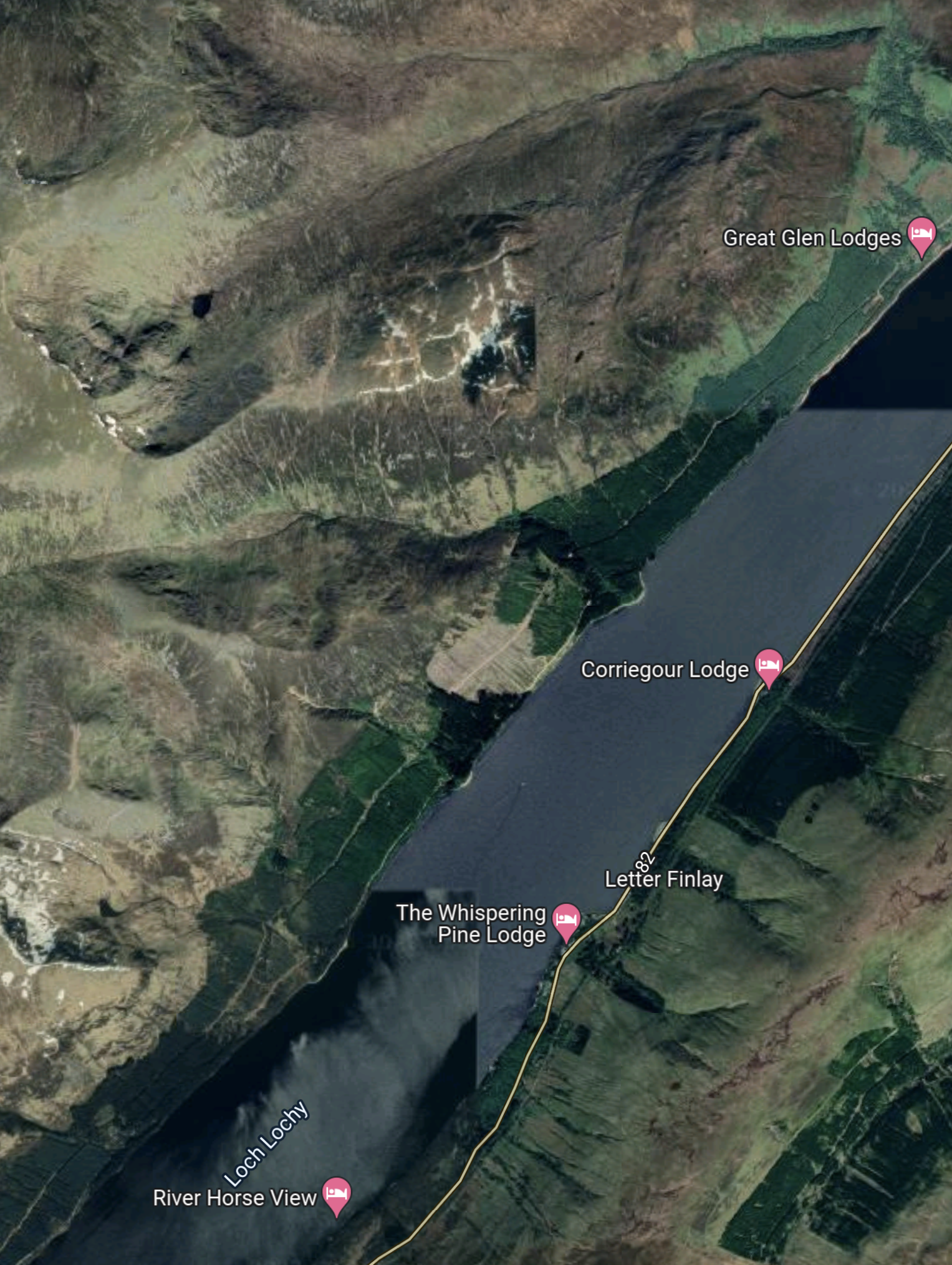
SSE plan to create a pumped storage hydroelectric power station called Coire Glas.
- Loch Lochy will be the lower reservoir.
- The upper reservoir will be in the mountains to the North-West of the loch.
- Energy will be stored by pumping water from the lower to the higher reservoir.
- The power station will be able to provide 1.5 GW of electricity.
- The upper reservoir will be able to store enough water to generate 30 GWh of electricity.
If that isn’t a monster of a power station, I don’t know what is! It has more than three times the storage capacity of both Dinorwig or Cruachan.
This article on Utility Week, which is entitled Inside £1bn Pumped Hydro Plans To ‘More Than Double’ Britain’s Electricity Storage, gives more details.
This is the sort of heroic engineering, that will defeat Vlad the Mad and his bloodstained gas.
First Power At Scotland’s Largest Offshore Wind Farm
The title of this post, is the same as that of this press release from Seagreen wind farm.
These two paragraphs summarize the project and its start-up.
TotalEnergies and its partner SSE Renewables, has announced first power generation from the Seagreen offshore wind farm, 27km off the coast of Angus in Scotland.
The first turbine of a total of 114, was commissioned in the early hours of Monday morning. The aim is for the 1075 MW farm to be fully operational in the first half of 2023. The £3bn Seagreen project will be Scotland’s largest offshore wind farm and the world’s deepest fixed bottom wind farm as it is being developed in up to water depths of 59 meters.
It looks like 1075 MW cost £3billion, so I suspect it’s reasonable to say that offshore fixed-foundation wind farms cost about £2.79billion per GW.
The press release also says this about yearly output.
When fully operational, the site will produce around 5 terawatt hours (TWh) of renewable electricity per year, enough to power the equivalent of 1.6 million households.
That looks like an expected capacity factor of 53.1 %.
 The Anonymous Widower