Could The Northern Section Of The Bakerloo Line And The Watford DC Line Be Combined?
The Bakerloo and Watford DC Lines to the North of Queen’s Park station annoy me.
There are two very different classes of trains.
- The 1972 Stock of the Bakerloo Line
- The Class 710 trains of the Watford DC Line
Which are different sizes and ideally need different platform heights for step-free access between train and platform.
Often, you need to step up and down into the trains.
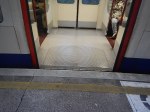
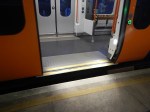
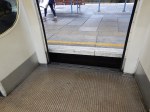
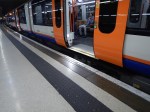
The pictures show a typical steps on Bakerloo Line and Class 710 trains.
They give a new meaning to Mind The Gap.
It would be so much easier, for passengers in wheelchairs or those pushing buggies or trailing heavy cases for there to be no step between train and platform.
I once remarked to a station guy, not in the first flush of youth, as he manhandled a ramp into place, that what he was doing must be the worst part of his job. He smiled and agreed.
Surely in this day and age, we can create a railway, where everything is as efficient as possible.
These are a few of my thoughts.
Could The Two Lines Be Run By A Unified Fleet Of Trains?
If the two lines were to be run using the same trains, this would give advantages.
- All trains could be maintained together.
- Platform-to-train access would be much easier to make step-free.
- Staff would only deal with one type of train.
- A certain amount of automatic train control could be used to increase frequencies.
Obviously, a National Rail-size train couldn’t use the Bakerloo Line tunnels, but a train built for the Underground could use the current Watford DC Line into Euston.
Siemens are designing a New Tube For London and this will be used on the Bakerloo Line.
I suspect, that they could design a train that would easily run into Euston.
Would An Underground Train Provide Enough Capacity Into Euston?
The current trains on both lines have the following capacity and length.
- The 1972 Stock on the Bakerloo Line are 113 metres long and have a capacity of 851 passengers
- The Class 710 trains on the Watford DC Line are 82 metres long and have a capacity of 678 passengers.
Now there’s a surprise! The smaller Underground trains hold more passengers.
This picture shows the spare platform length at Euston, after a Class 710 train has just arrived.
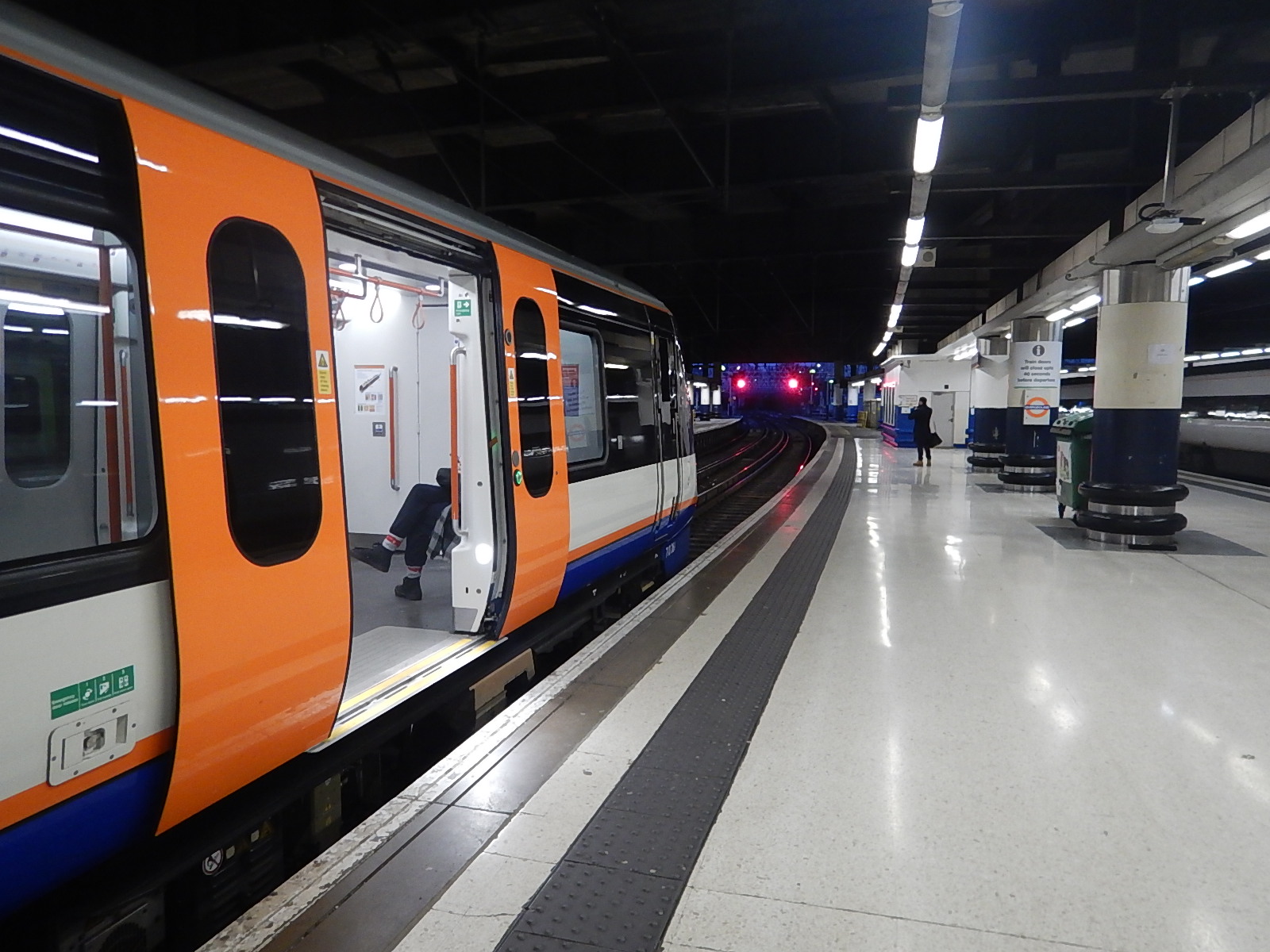
I don’t think capacity or platform length will be a problem!
What Would Be The Frequency Into Euston?
Consider.
- The current Watford DC Line service into Euston uses a double-track line terminating in Platform 9 at Euston station.
- The service frequency on this route, has recently been increased from three trains per hour (tph) to four tph.
- The Overground is soon to start to run six tph on routes with a similar track layout.
I believe that a six tph service could be run between Euston and Watford Junction stations.
What Would Be The Frequency In The Bakerloo Line Tunnel To Elephant & Castle And Lewisham?
Note that I’m assuming an extended Bakerloo Line runs to Lewisham, although, it could run to Hayes station.
Dear Old Vicky (aka the Victoria Line) handles a train every hundred seconds or thirty-six tph.
I can’t see any reason, why all parts of the Watford Junction to Lewisham route can’t be designed to handle this frequency.
If six tph went to Euston, then this would mean the service South of Queen’s Park station would be as follows.
- Up to thirty tph or a train every two minutes between Queen’s Park and Lewisham stations.
- It would connect the National Rail stations of Paddington, Marylebone, Charing Cross, Waterloo, Elephant & Castle, New Cross Gate and Lewisham.
- A high capacity pedestrian link to Crossrail at Paddington, will be ready to open with Crossrail.
- Connections to the Central, Circle, District, Hammersmith & City, Metropolitan, Northern, Piccadilly and Victoria Lines of the Underground.
- Oxford Circus would have a high-capacity cross-platform interchange between the Bakerloo and Victoria Lines, both running in excess of thirty tph.
It would be a much needed capacity upgrade to the Underground.
Would Stations On The Combined Line Be Made Step-Free?
The combined route will have a total of 34 existing stations and four new stations.
I suspect the new stations will be step-free.
Of the existing stations, the following are fully or partially step-free.
- Watford Junction
- Bushey
- Carpenders Park
- Harrow & Wealdstone
- Wembley Central
- Willesden Junction
- Queen’s Park – Scheduled to be made step-free.
- Paddington – Will be step-free, when Crossrail opens.
The Bakerloo Line must be one of the worst lines for step-free access on the London Underground.
But then it has some of the oldest and least-capable trains and has been neglected for decades.
The station most in need of step-free access is probably Oxford Circus, where the Bakerloo and Victoria Lines have a cross-platform step-free interchange.
I lay out ideas for this station in Thoughts On Step-Free Access At Oxford Circus Station.
Upgrading The Lines
I think that Transport for London have a unique opportunity with the upgrading of the Bakerloo Line to Extension From upgrade the line as a series of separate projects, phased to be delivered in a continuous stream, rather than as one big launch, which was tried and failed with Crossrail.
Extension From Elephant & Castle To Lewisham Or Hayes
This project can be built independently, just like the Battersea Power Station Extension of The Northern Line. I detailed the latest thinking on this extension in TfL Moots Bakerloo Line To Hayes.
- It is the only project that needs substantial tunnelling.
- It probably needs a depot to be relocated.
- Lewisham station would need some rebuilding.
- It would need more trains to be delivered before it opens.
It could even be the last project to be delivered, which would allow time for the trains.
Hertfordshire County Council’s Aspiration For A Watford Junction And Aylesbury Service
This article on Ian Visits is entitled Watford Junction Station Could Become A “Super-Hub”.
This is the introductory paragraph.
A new Watford Junction to Aylesbury rail service, along with a new link between Stevenage and Luton are two of the proposals being put forward by Hertfordshire Council.
The proposals are contained in this document on the Hertfordshire County Council web site, which is entitled Rail Strategy.
In TfL Seeks New Procurement Plan For Metropolitan Line Extension, I proposed a service run by Chiltern Railways between Watford Junction and Amersham stations.
The rest of this article is a rewrite of part of that linked post, which explores the possibilities of a service between Watford Junction and Aylesbury stations.
This Was My Original Simple Proposal
I think it would be possible to design a simpler link with the following characteristics.
- Watford station would remain open.
- A four trains per hour (tph) link would run all day between Watford Junction and Amersham stations.
- Stops would be at Watford High Street, Vicarage Road, Cassiobridge, Croxley, Rickmansworth, Chorleywood and Chalfont & Latimer.
No-one would get a worse service than currently and the new stations of Cassiobridge and Vicarage Road, would make rail an alternative for many travellers.
The cross-Watford service would give access to these London services.
- Chiltern at all stations between Croxley and Amersham.
- London Midland at Watford Junction.
- Metropolitan Line at Croxley, Rickmansworth and Amersham.
- Virgin Trains at Watford Junction,
- Watford DC Line at Watford High Street and Watford Junction
The Bakerloo Line at Watford Junction and Watford High Street, could possibly be added, if the line is extended. Which I doubt, it will be!
Hertfordshire is proposing the terminal is Aylesbury, which seems to be a good idea. But I’ll examine that later.
The next few sections, will cover various issues with the route.
New Track
There would need to be new track between Croxley and Watford High Street stations.
Will The New Stations Have Two Platforms?
All proposals have shown new stations on the new track at Cassiobridge and Vicarage Road.
I believe that money can be saved by creating two much simpler stations.
- Only one platform, but probably an island platform with two faces like Watford High Street station.
- No expensive footbridge if possible.
- Only one lift.
Cassiobridge would be more complicated because of the viaduct connecting the line towards Croxley station.
This visualisation shows the viaduct and the location of Cassiobridge station.
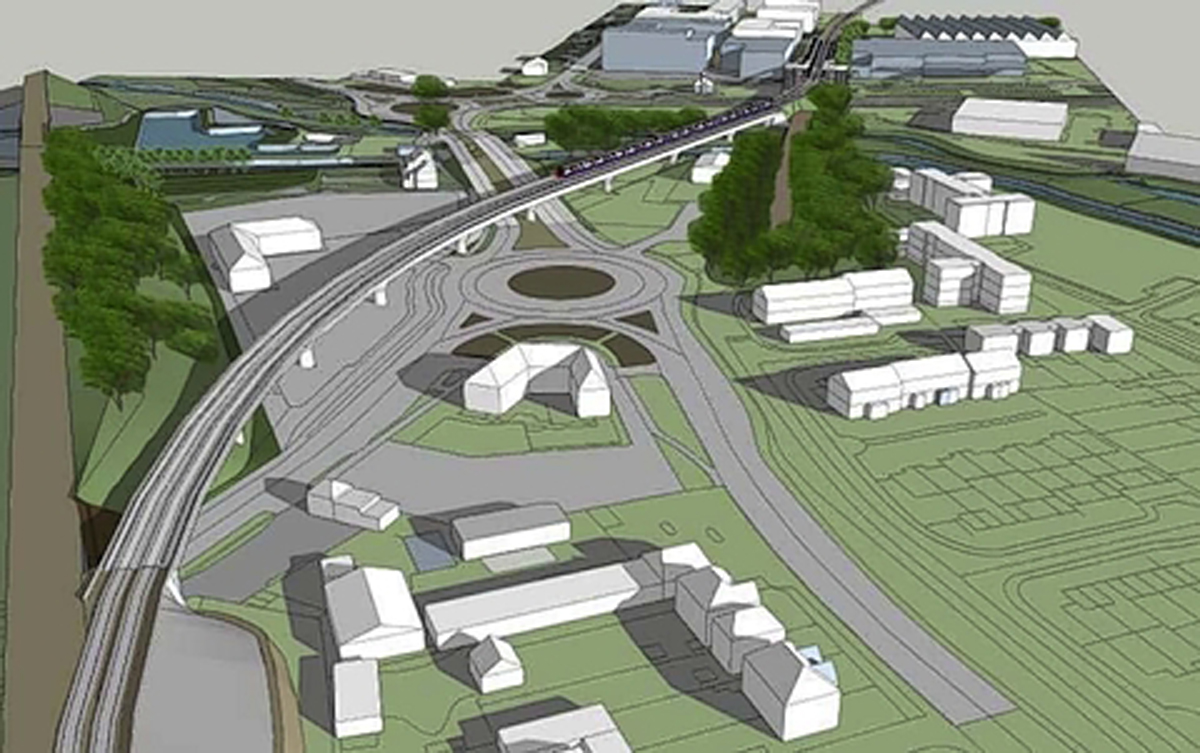
Cassiobridge station will be behind the trees towards the top-right of the image.
Would The New Track Be Single Or Double-Track?
There is space for double-track and the two ends of the route are already electrified double-track.
But surely the viaduct shown above would be much more affordable, if it were to be built for only one track!
Trains would need to pass at places East of Croxley station, but then if the line was double-track through and to the East of Cassiobridge station, trains could pass with impunity.
Consider.
- The Borders Railway looks to have too much single-track
- The Barking Riverside Extension is being built with a double track.
Too much single-track is often regretted.
Why Four Trains Per Hour?
Four trains per hour (tph) is becoming a standard, as it encourages Turn-Up-And-Go behaviour from travellers.
It also fits well with keeping the four tph Metropolitan Line service to Watford station, as this could give a same platform interchange at Croxley station.
Would The New Track Be Electrified?
The only part of the route that is not electrified is the about three miles of new track between the Watford Branch and the Watford DC Line.
All current electrification is either third-rail or to the London Underground standard. and any future electrification would probably be to the London Underground standard, so that S Stock can work the route.
I believe that the Class 710 trains will have a limited onboard energy storage capability, which could enable the trains to bridge the cap in the electrification between Watford High Street and Croxley stations.
How much would not electrifying the new track save?
How Long Will A Journey Take From Amersham Or Aylesbury To Watford Junction?
Consider.
- Amersham to Croxley takes about 30 minutes, but it does involve a change to a bus.
- The Overground takes three minutes between Watford Junction and Watford High Street stations.
- Chiltern Railways achieve a twelve minute time between Amersham and Rickmansworth.
I suspect that a modern train like one of London Overground’s Class 378 trains could do the journey in a few minutes under half-an-hour.
As Amersham to Aylesbury takes about sixteen minutes, that looks like a trip between Aylesbury and Watford Junction would take about forty-five minutes.
Amersham Or Aylesbury?
My original plan used Amersham, as it has a turnback facility.
But Aylesbury looks to have space as this Google Map shows.
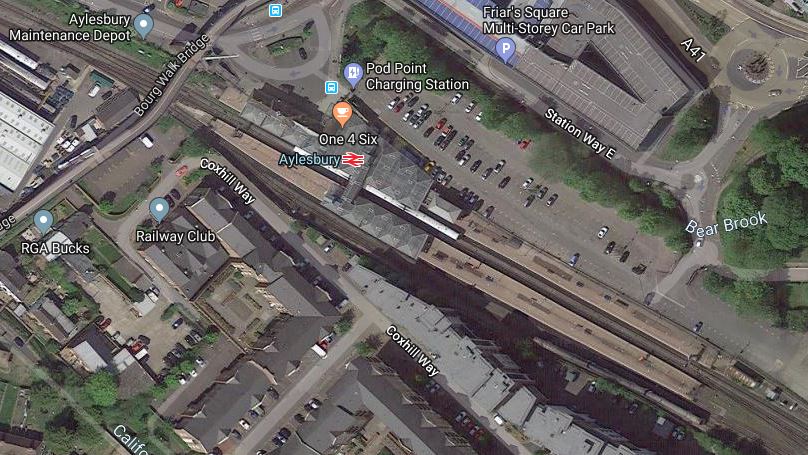
It should also be noted that the forty-five minute journey time between Aylesbury and Watford Junction stations, would give a two hour round trip, with relaxed fifteen minute turnround times.
This would allow time to top-up the batteries.
What Class Of Train Could Be Used?
Four-car Class 378 trains or the new Class 710 trains would be ideal. As the Class 378 train is out of production, it would have to be Class 710 trains or something similar from Bombardier. But other manufacturers might have a suitable train.
Battery power would be required, but that is becoming a standard option on metro trains like these.
How Many Trains Would Be Needed?
If the trains could do an Out-and-Back journey in an hour, then four trains would be needed to provide a four tph service.
A two-hour time would need eight trains.
Will The Link Have Any Other Services?
I have seen to plans to use the line for any other passenger or freight services.
Will There Be Infrastructure Issues At Existing Stations?
As all of the trains, I’ve mentioned and the London Underground S Stock trains, share platforms all over North West London, the answer is probably no, with the exception of a few minor adjustments to signs and platforms.
Croxley Station
Croxley station would be unchanged.
But in addition to the 4 tph between Baker Street and Watford, there would be 4 tph between Watford Junction and Amersham.
Platform 1 would handle.
- Baker Street to Watford
- Amersham to Watford Junction
Platform 2 would handle.
- Watford to Baker Street
- Watford Junction to Amersham
This would mean that if the trains alternated, the maximum wait for a connection would be about 7.5 minutes.
What I feel would be the two most common connections, would just involve a wait on the same platform.
I suspect that those, who timetable trains, would come up with a very passenger-friendly solution.
Watford Station
A property developer once told me, that the most profitable developments, are those where a railway station is involved.
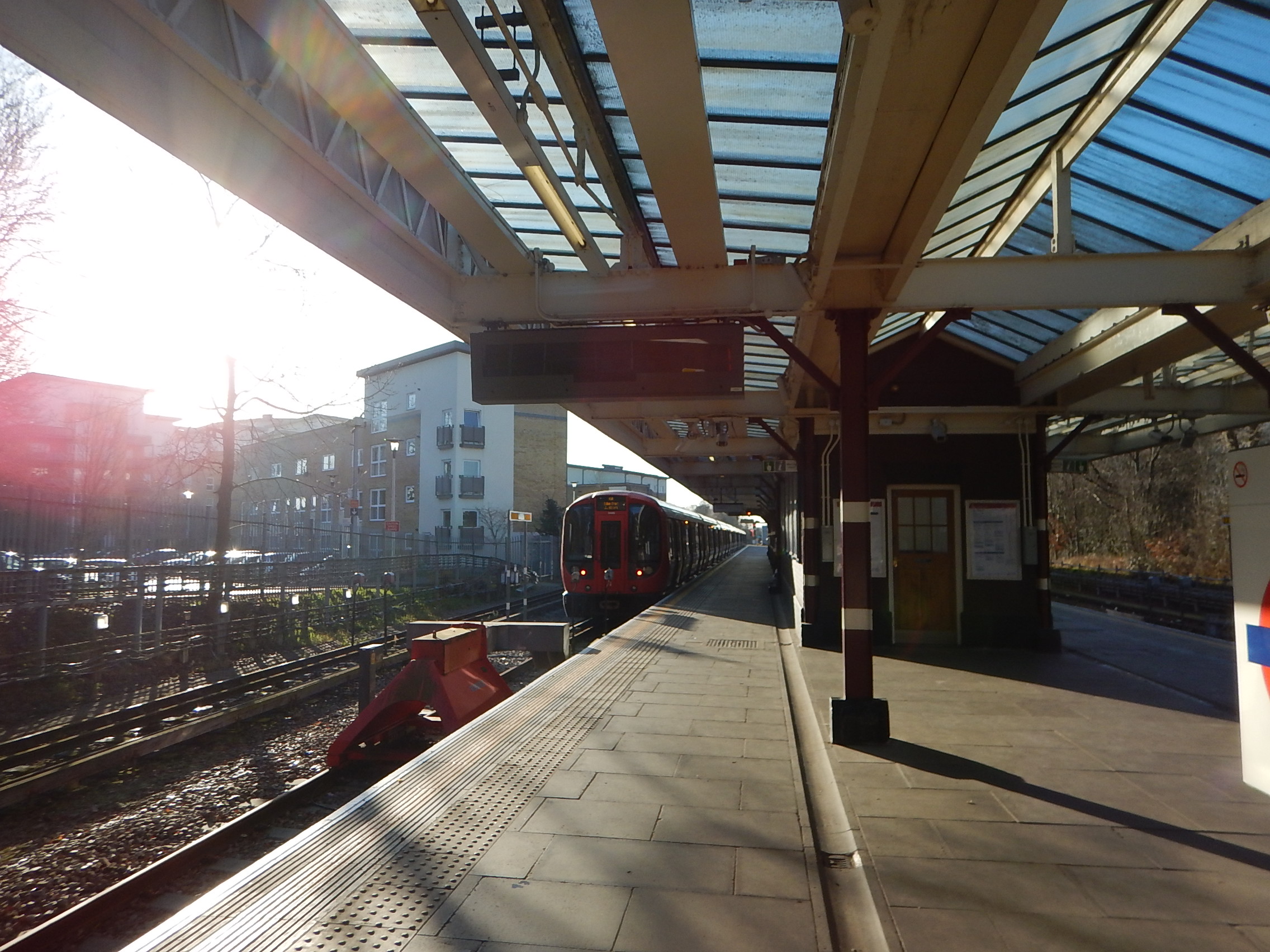
So would the development of the extension involve a rebuild of Watford station to provide the following?
- A modern future-proofed station, with all the capacity that might be needed in the next forty years or so.
- Appropriate housing or commercial development on top of the new station.
- Sensible amounts of parking for travellers.
With four tph to and from London in the basement, it would surely be a profitable development.
Watford Junction Station
Watford Junction station has four bay platforms 1-4, that handle the three tph service on the Watford DC Line.
At stations like Clapham Junction, Crystal Palace, Dalston Junction, Highbury and Islington and New Cross, single platforms handle four tph with ease for London Overground services.
This means that handling four tph to Amersham in addition to current services would not be difficult.
The only work, that I think should be done, is make sure that these platforms are long enough to take two of the future Class 710 trains working as an eight-car train.
There could even be two platforms left for Bakerloo Line services, if it were to be decided, that these services would go to Watford Junction.
Elton John Plays Vicarage Road Stadium
This or some football matches at Vicarage Road Stadium, would be the biggest test of the Link.
Note the following.
- Some stations like Watford High Street can already handle longer trains than the hundred metre long, five-car Class 378 trains they currently do.
- Some stations like Croxley can handle the 133 metre long S Stock trains used on the Metropolitan Line.
So to future-proof the Link for massive one-off events would it be sensible to make the platforms long enough for eight-car trains or two Class 710 trains working as a pair?
Benefits
The benefits of this approach are as follows.
- Watford station keeps its current service to London.
- Watford gets a four tph link across the South of the town, serving the Shopping Centre, the Hospital and the Stadium.
- Amersham or Aylesbury to Croxley stations get a link to the West Coast Main Line.
- It could be built as a single track line without electrification.
- Trains to run the services could be more easily available.
- Simple island platform-based stations could be built at Cassiobridge and Vicarage Road.
In addition, Chiltern Railways, London Midland, London Overground and Underground, all gain a feeder railway bringing travellers to their services to and from London.
Cost Savings
Note.
- Transport for London needs cost savings on this project.
- Redevelopment of Watford station as a station with oversite development could raise a lot of money.
- The Croxley Link could be built as a single-track link without electrification and run initially using battery-electric trains.
I also feel, that building the line this way would deliver it earlier, thus improving cash-flow.
The simple link would need at the minimum.
- A single- or double-track railway without electrification between Croxley and Watford High Street stations.
- Two stations with island platforms at Cassiobridge and Vicarage Road
- A viaduct to connect Cassiobridge station to the Watford Branch.
- Some Class 710 trains or similar.
If skates were worn, the link could probably open in 2025.
More Frequent Trains And A New Station For The London Overground
The title of this post, is the same as that of this article on IanVisits.
This is said.
In a statement, the government agreed to requests for £80.8 million from the GLA to support transport upgrades so that 14,000 homes can be built along the East London Line.
Upgrades include.
- New Bermondsey station, which was originally to be called Surrey Canal Road, will be built.
- A second entrance will be built at Surrey Quays station.
- Frequency between Dalston Junction and Clapham Junction stations will be increased from four trains per hour (tph) to six tph.
- Frequency between Highbury & Islington and Crystal Palace stations will be increased from four tph to six tph.
The frequency upgrades will mean twenty tph between Dalston Junction and Surrey Quays stations, or a train every three minutes as opposed to the current three minutes and forty-five seconds.
A few thoughts follow.
Surrey Quays Station Upgrade
Ian’s article says this about the new entrance at Surrey Quays station.
The very cramped Surrey Quays station gets a second entrance, which will run under the main road and be based on the north side, where the shopping centre car park is today. That avoids crossing two busy roads, which can take some time if you’re waiting for the lights to change.
This Google Map shows the station and the car park of the Shopping Centre.
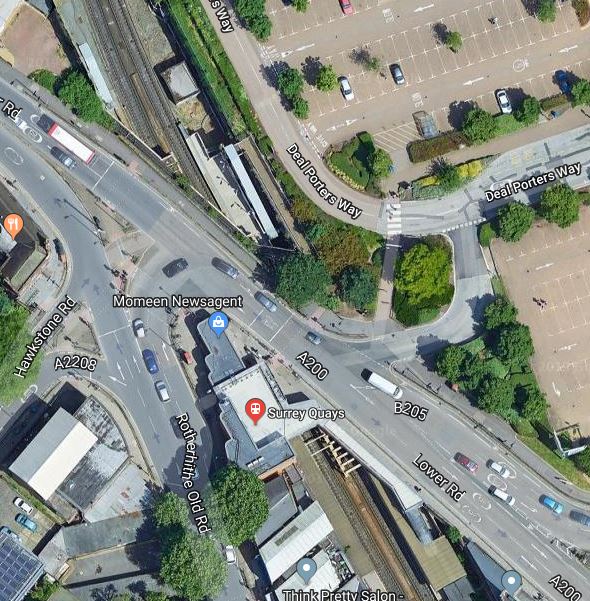
These are my pictures, taken at and around the station.
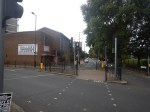

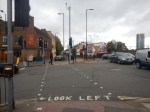
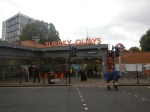


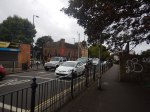
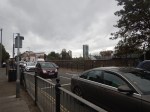
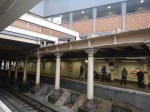
Traffic is bad and the subway suggested by Ian’s wording will be very welcome.
Collateral Benefits At New Cross Gate
New Cross Gate station will be one of several stations along the East London Line to see benefits in service frequency and quality.
The train frequency on East London Line services will rise from eight tph to ten tph.
But this is not all that should or could happen.
- The service between Highbury & Islington and West Croydon stations could rise from four tph to six tph.
- This would mean that New Cross Gate would have a twelve tph service to and from Whitechapel, which in a year or so, will have Crossrail connections to Canary Wharf, Bond Street, Paddington and Heathrow.
- Southeastern should be getting new higher-capacity, higher-performance and possibly longer trains to replace their elderly trains into London Bridge.
- Charing Cross station is redeveloped into a higher-capacity, cross-river station, to allow more trains.
- Digital signalling, as used on Thameslink will be extended to cover all trains through New Cross and New Cross Gate.
- The Docklands Light Railway to Lewisham will get new and higher-capacity trains.
- Southeastern Metro services could go to the London Overground.
Could this all mean that the East London Line, Southeastern and Crossrail will more than hold the fort until it is decided to build the Bakerloo Line Extension?
The Bakerloo Line Extension
This map from TfL shows the route of the Bakerloo Line Extension.
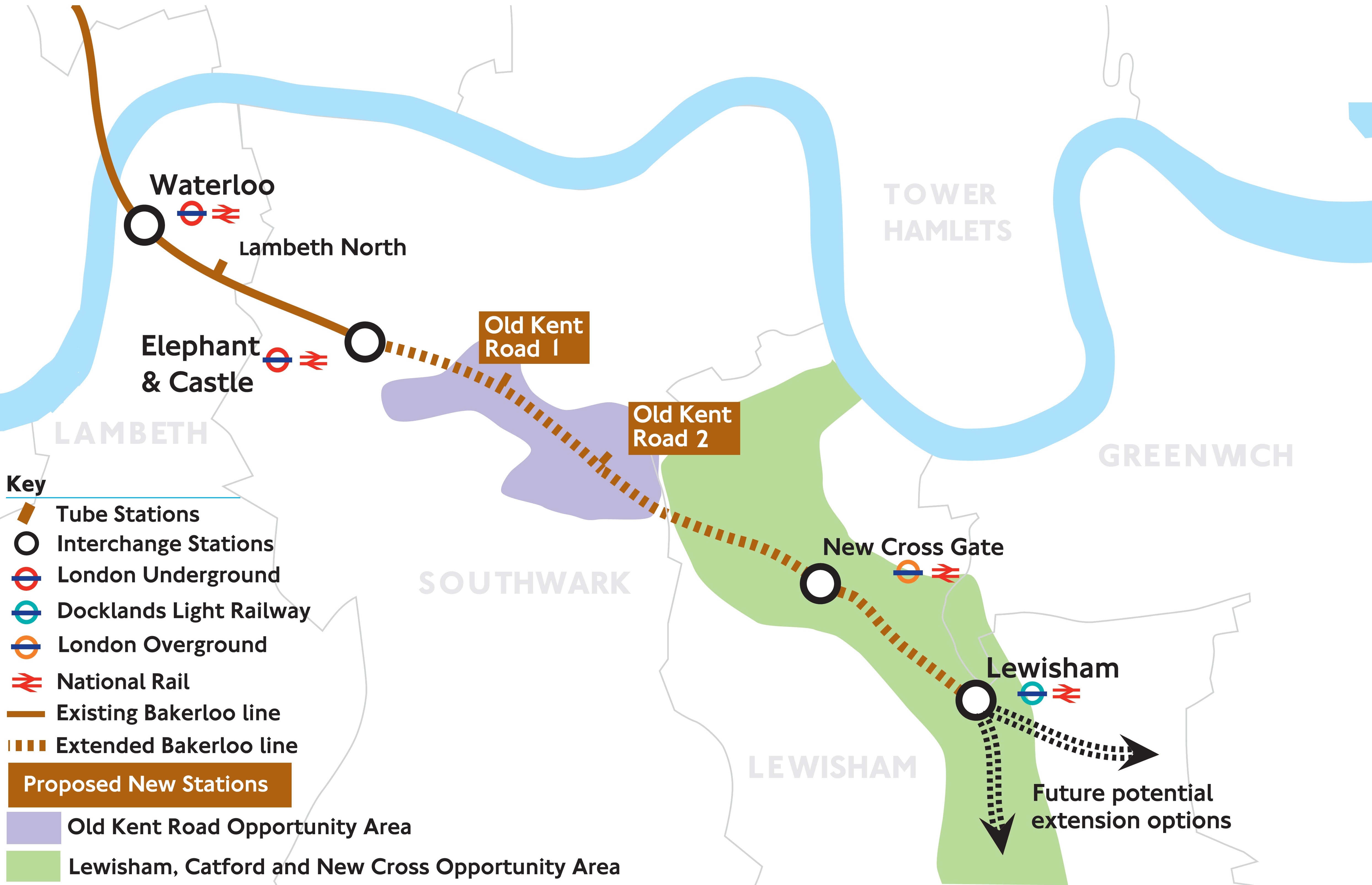
If and when the Bakerloo Line Extension is built, New Cross Gate will surely become a major transport hub.
If you look at the current and proposed stations on the Southern section of an extended Bakerloo Line, you can say the following.
- Paddington will get a step-free pedestrian link between Crossrail and the Bakerloo Line.
- Charing Cross will benefit from more Southeastern Metro services into the main line station.
- Waterloo will benefit from more Southeastern Metro services through the attached Waterloo East station.
- Elephant & Castle station will benefit from more Thameslink services through the attached main line station.
- New Cross Gate will benefit from more Southeastern Metro and East London Line services through the station.
- Lewisham will benefit from more Southeastern Metro services through the station.
But there are no interim benefits for the blue-mauve area, that will be served by the proposed Old Kent Road 1 and Old Kent Road 2 stations.
In addition, is there a need to add capacity between the New Cross area and Lewisham? Southeastern improvements will help, but the Bakerloo Line Extension will do a lot more!
Except for these two stations, is there a reason to build an extension to the Bakerloo Line, as train services between Charing Cross, Waterloo East and New Cross and Lewisham will be significantly increased in frequency, reach and quality?
A Bakerloo Line Extension Redesign
Whatever happens to the Bakerloo Line, the following should be done.
- New walk-through trains running at a higher-frequency on the current route.
- Major access improvements and better connection to main line services at Elephant & Castle, Waterloo East, Charing Cross and Willesden Junction stations.
- A radical reorganisation North of Queen’s Park station, in conjunction with the Watford DC Line and the proposed West London Orbital Railway.
This would improve the current line, but it would do nothing for those living where the extension will go!
So why not do what is happening to the Northern Line at Battersea and create a short extension to the Bakerloo Line that serves the areas that need it and one that can be extended in the future?
- You could argue, that the extension to Lewisham is short and it could be extended to Hayes and other places.
- I also think, that the route goes via New Cross Gate, as that is one of the few sites in the area, from where a large tunnel could be built.
Ideally, what could be needed is a high-capacity public transport link from Elephant & Castle and Greenwich and/or Lewisham via the Old Kent Road, New Cross Gate and New Cross.
The Germans, the Dutch and others wouldn’t mess about and would run trams along the road, but that would go down with the locals like a lead West London Tram.
So it looks like some form of extension of the Bakerloo Line is the only way to go.
Consider.
- Two-platform terminal stations at Brixton and Walthamstow Central handle up to thirty-six tph on the Victoria Line.
- New Cross Gate and New Cross stations are about five hundred metres apart.
- Double-ended stations like Knightsbridge on the Piccadilly Line and Kings Cross on the Victoria Line work very well.
I would look at building a double-ended Bakerloo Line station deep underneath New Cross Road.
- It would be connected by escalators and lifts to the existing stations at New Cross Gate in the West and New Cross in the East.
- Provision would be made to extend the line further to either Greenwich or Lewisham.
- New Cross and Lewisham already have a high-frequency connection of six tph.
- The whole extension could be built from the single tunnelling location on the Sainsbury’s site at New Cross Gate.
- There would be no necessity for any works at Lewisham station.
It would probably need more services to be run between New Cross and Lewisham.
Current Services Between New Cross And Lewisham
Southeastern currently runs these services between New Cross and Lewisham.
- London Cannon Street and Slade Green via Sidcup
- London Cannon Street and Orpington via Grove Park
- London Cannon Street and Hayes
All services are two tph.
Extending The East London Line Service South From New Cross
New Cross is served by the only short service on the London Overground; the four tph between Dalston Junction and New Cross stations.
So could this East London Line service be extended South to serve Lewisham to increase services between New Cross and Lewisham?
This map from carto.metro.free.fr shows the lines at New Cross station.
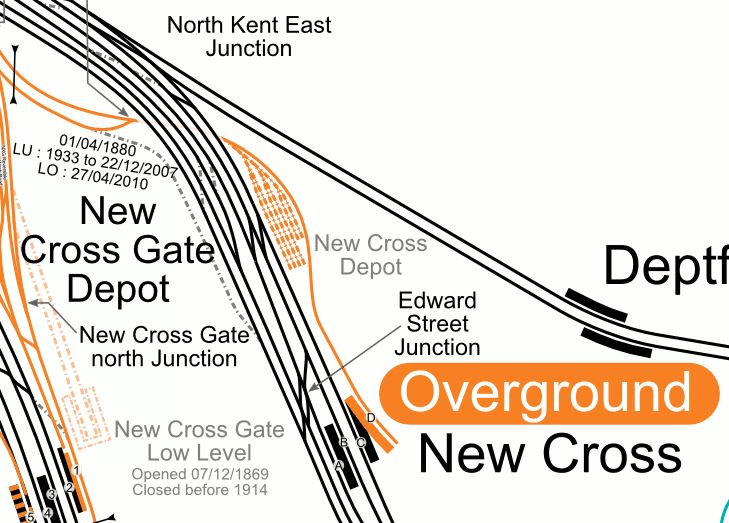
Note how the double-track East London Line, shown in orange, arrives from Surrey Quays station arrives in the North-Western corner of the map, becomes a single-track and then goes under the main lines before going into the bay platform D.
This Google Map shows the same area.
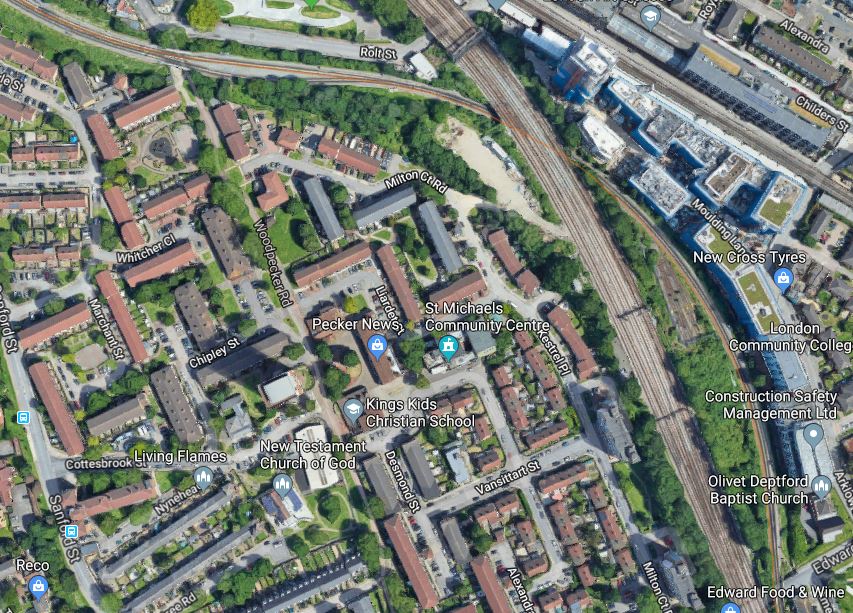
The London Overground track is clearly visible.
Could extra track be added, to enable the following?
- Southbound trains could join the main line and stop in Platform C
- Northbound trains could leave the main line after stopping in Platform A and go towards Surrey Quays station.
If this is possible, then it would give a four tph service between Dalston Junction and Lewisham, with an important stop at Whitechapel to connect to Crossrail.
Lewisham doesn’t have the space for a terminal platform, but there would appear two possible terminals South of Lewisham.
- Hayes – Journey time to and from Dalston Junction would take around 53 minutes.
- Orpington – Journey time to and from Dalston Junction would take around 50 minutes.
Both stations would make ideal terminals.
- They have bay platforms for terminating the trains.
- Round trips would be a convenient two hours.
- Eight trains would be needed for the service.
- New Cross will have the same four tph to and from Dalston Junction as it does now!
- Lewisham and Dalston Junction would have a four tph service that would take 27 minutes.
The service could even be split with two tph to each terminal.
Will the Extended Services Need To Replace Other Services?
Currently Hayes has these current Off Peak services.
- Two tph to Cannon Street via London Bridge
- Two tph to Charing Cross via London Bridge
I would expect that if digital signalling is applied through the area, that the extra services could be added to Hayes and Orpington as decided.
An Improved Hayes Line
Transport for London and various commentators always assume that the Bakerloo Line will eventually take over the Hayes Line.
This will or could mean the following.
- Passengers used to a full-size train looking out on the countryside and back gardens through big windows, will have to get used to a more restricted view.
- Platforms on the Hayes Line will need to be rebuilt, so that two different size of train will be step-free between train and platform.
- The service could be slower.
- The ability to walk through an increasingly pedestrianised Central London to and from Cannon Street, Charing Cross and London Bridge will be lost.
- Loss of First Class seats. which will happen anyway!
I think that passengers could want to stick with the current service.
The only reason to allow the Bakerloo Line Extension to take over the Hayes Line, is that it would allow another four tph to run between Lewisham and London Bridge. But digital signalling could give the same benefit!
But what if the Overground muscled in?
The Hayes Line could take up to four tph between Dalston Junction and Hayes, via Lewisham and New Cross, which would give these benefits.
- Increased capacity on the Hayes Line.
- An excellent connection to Crossrail, which would give a better connection to the West End, Liverpool Street and Heathrow.
- Better connection to the Eastern side of the City of London and Canary Wharf.
- It could free up four tph between New Cross and London Bridge.
- Same-platform interchange between Southeastern and East London Line services at Lewisham and New Cross.
There would need to be these changes to the infrastructure.
- A new track layout at New Cross.
- Installation of digital signalling.
The latter will happen anyway.
Times To And From Crossrail
Times to and from Whitechapel, with its Crossrail connection are.
- Lewisham – 17 minutes
- Hayes – 44 minutes
- Orpington – 41 minutes
The current service between Orpington and Farrington, which also will connect to Crossrail, takes 52 minutes.
Penge Interchange
Although, this has not been funded, I think that this new interchange could be very much in Transport for London’s plans.
I discuss the possible Penge Interchange station in Penge Interchange.
It’s certainly something to watch out for, as it could improve connectivity by a large amount.
The View From The Dalston Omnibus
For decades, Dalston had a terrible reputation and then came the Overground, which changed everything.
There are now these combined devices from the two Dalston stations.
- Eight tph to Stratford
- Four tph to Richmond via Willesden Junction
- Four tph to Clapham Junction via Willesden Junction
- Four tph to Clapham Junction via Surrey Quays
- Four tph to Crystal Palace via Surrey Quays
- Four tph to New Cross via Surrey Quays
- Four tph to West Croydon via Surrey Quays
There is also a useful eight tph connecting service between Dalston Junction and Highbury & Islington.
In the next couple of years, these developments should happen.
- Services on the East London Line will be increased with an extra two tph to Clapham Junction and Crystal Palace.
- Services on the North London Line will be increased to cope with overcrowding. As the Dalston Junction and Highbury & Islington connecting service will be going to ten tph, it would seem logical that the North London Line service should match this frequency.
- Crossrail will open and Dalston will have a twenty tph connection to its services at Whitechapel.
Dalston needs better connections to either main line terminal stations or their interchanges a few miles out.
Currently, Dalston has very useful connections to the following main interchanges.
- Stratford for the Great Eastern Main Line.
- Clapham Junction for the South Western Railway and Southern services.
- Richmond for Windsor and Reading services.
- Whitechapel will provide a link to Crossrail.
- In addition the planned update at Norwood Junction will give better connection to services to Gatwick, Brighton and other services to the South of Croydon.
Better interchanges are needed with services to the North and the South East of London.
Extending the Dalston Junction and New Cross service to Hayes or Orpington via Lewisham could greater improve the train service from Dalston, by providing interchange to services fanning out into and beyond South East London.
Conclusion
I am drawn to these two conclusions.
- The Bakerloo Line should be extended via two new Old Kent Road stations to a double-ended terminal station in New Cross with interchange to both New Cross Gate and New Cross stations.
- The New Cross branch of the London Overground should be extended through Lewisham to Orpington and/or Hayes.
My preferred destination for the London Overground service could be Hayes, as this would surely help to free up paths through Lewisham and London Bridge.
The London Overground Is Still Running Four-Car Class 378 Trains
This picture shows the three spare cars, that were taken from three five-car Class 378 trains to make them short enough to work the Gospel Oak to Barking Line.

I would have thought that the trains would have returned to their full length, but they have been put into service on the Watford DC Line.
Perhaps, London Overground want to keep them at four-cars, as a precaution against a serious bug in the Class 710 train’s computer system.
Only when the Class 710 trains are behaving impeccably will the full length be restored.
Trains On The Watford DC Line
As it is, the services on the Watford DC Line are being changed from three x five-car trains per hour to four x four-car trains per hour.
This is roughly the same number of cars per hour, but at a higher frequency.
According to Wikipedia seven Class 710 trains are needed for the full service.
A London Overground Replacement For Southern’s East Croydon And Milton Keynes Service
In July 2017, I discussed this suggestion by Chris Gibb in Gibb Report – East Croydon – Milton Keynes Route Should Be Transferred To London Overground.
In an article, in the July 2019 Edition of Modern Railways, , which was entitled ‘710s’ Debut On Goblin, this was this last paragraph.
On the West London Line, TfL is curremtly working with the Department for Transport on options for the devolution of services originally suggested in Chris Gibb’s report on the Govia Thameslink Railway franchise, which could lead to ‘710s’ being deployed here.
It made me think, that further investigation was called for.
An Apology
I apologise, if you think I’m repeating myself.
What The Gibb Report Says
The Gibb Report, says this about the current service between East Croydon and Milton Keynes Central stations.
I believe there is an option to transfer the East Croydon – Milton Keynes operation to TfL and it’s London Overground concession in 2018.
TfL may decide to change the service, for example by not running it north of Watford Junction, or running it to an alternative southern destination other than East Croydon. They could also develop the combined West London line service to better match available capacity to demand.
They would have a number of crewing and rolling stock options, but should be able to operate the service more efficiently than GTR in the longer term, without the involvement of Selhurst.
Selhurst TMD is the depot in South London, where the current Class 377 trains are based.
A few of my thoughts.
The Trains
Using Class 710 trains as suggested in the Modern Railways article, would surely offer a suitable crewing and rolling stock option for the route, if they were based at the convenient Willesden TMD, where the fleet of up to twenty-five dual-voltage Class 710/2 trains are stabled.
The Northern Terminus
Chris Gibb suggested the service might not go past Watford Junction.
I think that could be difficult.
- The longitudinal seating of the Class 710 train, is probably not suitable for outer suburban services North of Watford.
- East Croydon to Watford Junction takes 69 minutes, which is not a good journey time to create an efficient service.
It would also appear to be tricky for a train to transfer between the West London Line and the Watford DC Line.
This map from carto.metro.free.fr shows the complicated track layout in the Willesden Junction area.
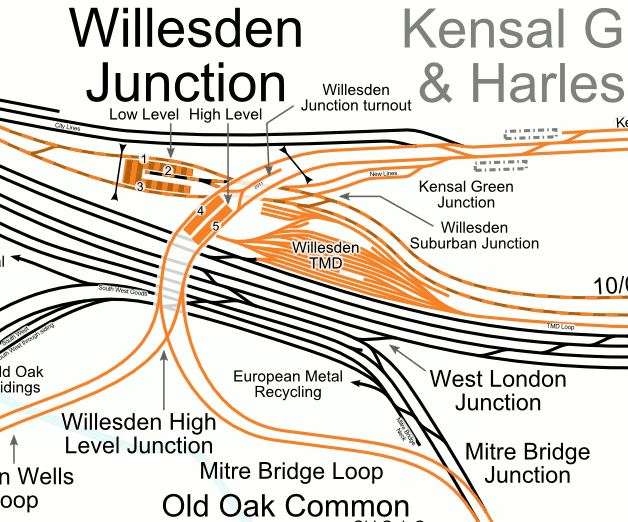
Note.
- The two Willesden Junction stations, labelled High Level and Low Level.
- The Watford DC Line, which is shown in black and orange, passing to the North of Willesden TMD. and through the Low Level station.
- The four tracks shown in black are the West Coast Main Line, with Watford to the West and Euston to the East.
- The North London Line to Richmond and the West London Line to Clapham Junction splitting at Wilesden High Level Junction.
The current service between East Croydon and Milton Keynes, is only one train per hour (tph) and uses a succession of flat junctions to take the slow lines to and from Watford.
This is not a good operational procedure and I suspect Network Rail and various train operators, would like to see it discontinued.
So if trains in a new London Overground version of the service, don’t go up the Watford DC Line or the West Coast Main Line, where do they turn back?
Note the siding to the East of the High Level platforms, which is labelled Willesden Junction Turnout.
This is regularly used to turnback London Overground services on the West London Line.
I feel that London Overground will be turning their replacement service in Willesden Junction High Level station.
Current train services at the station include.
- For passengers, who want to go further North, there is a good connection to the Watford DC Line for Wembley Central, Harrow & Wealdstone and Watford Junction stations.
- The Watford DC Line can also take you to Euston.
- The Bakerloo Line between Stonebridge Park and Elephant & Castle via Central London.
- Frequent North London Line services between Stratford and Richmond.
The station has kiosks, coffee stalls, toilets and waiting rooms.
There are certainly worse places to change trains.
The Southern Terminus
Obviously, existing travellers on the route would like to see as few changes as possible.
East Croydon station must be a possibility for the Southern terminus, as it is the currently used.
But East Croydon is a busy station and perhaps it is not a convenient station for trains to wait in the platform.
On the other hand, West Croydon station offers some advantages.
- The station has a long bay platform, which might be long enough for nine or ten cars.
- There is a separate turnback siding.
- It has space to add another bay platform, but this may have been sold to a developer.
- It already has a four tph London Overground service to Highbury & Islington station.
- Using West Croydon avoids the crowded lines to the North of East Croydon station.
It is also managed by London Overground, so the landlord would be co-operative.
How Many Trains Would Be Needed For A West Croydon And Willesden Junction Service?
West Croydon station has two possible routes, that trains could take to Willesden Junction.
- Via Norwood Junction and Clapham Junction in 55 minutes.
- Via Selhust and Clapham Junction in 45 minutes.
These times mean that a two-hour round trip between West Croydon and Willesden Junction should be possible.
Trains required for various frequencies would be as follows.
- One tph – Two trains.
- Two tph = Four trains.
- Four tph – Eight trains.
They would need to be dual voltage Class 710/2 trains, as are now running on the Gospel Oak to Barking Line.
Compare the figures with those for the current East Croydon and Milton Keynes service, which needs four pairs of four-car trains for an hourly service.
What Would Be The Frequency?
I think one, two and four tph are all possibilities!
One tph
One tph would be a direct replacement for the current service. But is it enough?
Services at West Croydon could probably share the bay platform with the existing Highbury & Islington station service.
Two tph
Two tph could be a compromise frequency.
Two tph could probably still share the current bay platform with the Highbury & Islington service.
Four tph
Four tph would be a full Turn-Up-And-Go service,
- It would probably be London Overground’s preference.
- It would give a very passenger-friendly eight tph between Willesden Junction and Clapham Junction stations.
- The two services would call at opposite sides of Clapham Junction station.
- It would give a four tph link between Croydon and High Speed Two.
- Westfield wouldn’t mind all the extra shoppers at Shepherds Bush!
But there could be downsides.
- The service could need an extra bay platform at West Croydon.
- Would it be possible to turn four tph at Willesden Junction?
- Will the train paths be available through South London.
But four tph would probably would be London Overground’s preference.
It will be interesting to see the reasons, why Transport for London choose a particular frequency.
A Trip Between Imperial Wharf And East Croydon Stations
Today, I took a trip between Imperial Wharf and East Croydon stations at around 11:30.
- The train was two four-car Class 377 trains working as an eight-car train.
- After Clapham Junction it wasn’t very busy.
- I was in the last car, which was empty, except for myself.
I came to the conclusion, that an eight-car train was too much capacity for the Southern section of the journey.
I suspect that Transport for London have detailed passenger estimates for this route, so they should be able to determine the frequency and length of replacement trains required.
The Upgraded Norwood Junction Station
In Major Upgrade Planned For Norwood Junction Railway Station, I talked about a plan to upgrade Norwood Junction station.
The idea behind the upgrade is to improve connectivity and capacity in the crowded Croydon area.
If the West Croydon and Willesden Junction service, was routed via Norwood Junction station, the upgraded station would give easy access to both East and West Croydon stations.
Conclusion
I’ve always liked Chris Gibb’s suggestion of the transfer of the service between East Croydon and Milton Keynes stations to the London Overground and I can now start to see flesh on the bones!
At the present time and until better data is available, I think the replacement service should be as follows.
- The Northern terminus should be Willesden Junction.
- The Southern terminus should be West Croydon station, where there are good tram and train connections.
- The route would be via Shepherds Bush, Kensington Olympia, West Brompton, Imperial Wharf, Clapham Junction, Wandsworth Common, Balham, Streatham Hill, West Norwood, Gipsy Hill, Crystal Palace and Norwood Junction.
- Going via Gipsy Hill, rather than the current route via Selhurst, would give access to the connectivity at Norwood Junction.
- The frequency should be four tph.
- Trains will be four- or five-car Class 710 trains.
The benefits would be as follows.
- The rail hubs of Clapham Junction, Norwood Junction, West Croydon and Willesden Junction would be connected together by a Turn-Up-And-Go service.
- The proposed four tph service would need eight Class 710 trains, whereas the current one tph service needs eight Class 377 trains. Would this be better value?
In the future with a connection to High Speed Two in the Old Oak Common area, the benefits would increase.
- There would be a simple interchange with High Speed Two.
- South London from Clapham to Croydon, would get a direct service to High Speed Two.
- There would also be a better connection to Heathrow Airport and other rail services through Old Oak Common.
I think that the connection to High Speed Two trumps everything else.
‘710s’ Debut On Goblin
The title of this post is the same as an article in the July 2019 Edition of Modern Railways.
The article is mainly about the introduction of the Class 710 trains on the Gospel Oak to Barking Line.
But the last sentence of the article is worth more investigation.
On the West London Line, TfL is curremtly working with the Department for Transport on options for the devolution of services originally suggested in Chris Gibb’s report on the Govia Thameslink Railway franchise, which could lead to ‘710s’ being deployed here.
I investigate it fully in A London Overground Replacement For Southern’s East Croydon And Milton Keynes Service.
This was my conclusion.
At the present time and until better data is available, I think the replacement service should be as follows.
- The Northern terminus should be Willesden Junction.
- The Southern terminus should be West Croydon station, where there are good tram and train connections.
- The route would be via Shepherds Bush, Kensington Olympia, West Brompton, Imperial Wharf, Clapham Junction, Wandsworth Common, Balham, Streatham Hill, West Norwood, Gipsy Hill, Crystal Palace and Norwood Junction.
- Going via Gipsy Hill, rather than the current route via Selhurst, would give access to the connectivity at Norwood Junction.
- The frequency should be four tph.
- Trains will be four- or five-car Class 710 trains.
The benefits would be as follows.
- The rail hubs of Clapham Junction, Norwood Junction, West Croydon and Willesden Junction would be connected together by a Turn-Up-And-Go service.
- The proposed four tph service would need eight Class 710 trains, whereas the current one tph service needs eight Class 377 trains. Would this be better value?
In the future with a connection to High Speed Two in the Old Oak Common area, the benefits would increase.
- There would be a simple interchange with High Speed Two.
- South London from Clapham to Croydon, would get a direct service to High Speed Two.
- There would also be a better connection to Heathrow Airport and other rail services through Old Oak Common.
I think that the connection to High Speed Two trumps everything else.
I will keep returning to this vital link down thw West London Line.
London Overground Timetable Changes After Delay In New Trains
The title of this post, is the same as that of this article on the Watford Observer.
This is the first paragraph.
Passengers could face some difficult journeys to work over the next few months after a delay in delivering new electric trains.
The late delivery of Class 710 trains have struck again.
Instead of four trains per hour from May 19th, the service will stay as three trains per hour on an unusual 15, 15, 30 time interval.
Probably more annoying than a disaster.
A Class 313 Train In Not Bad Condition
On Friday, I took a train between Moorgate and Essex Road stations.
It was not in bad condition.
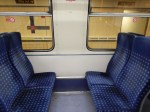
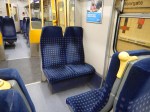
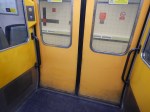
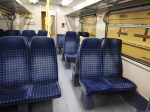
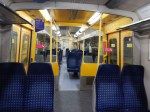
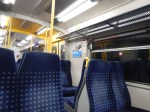
These trains are three-car trains and run in pairs as six-cars.
These trains used to run on the Watford DC Line, so I wonder if when they get to be released by the new Class 717 trains, some could be put back on that line to release some more Class 378 trains for the Gospel Oak to Barking Line.
Anybody like a game of Musical Trains?
 The Anonymous Widower