Is Wigan North Western Station Ready For High Speed Two?
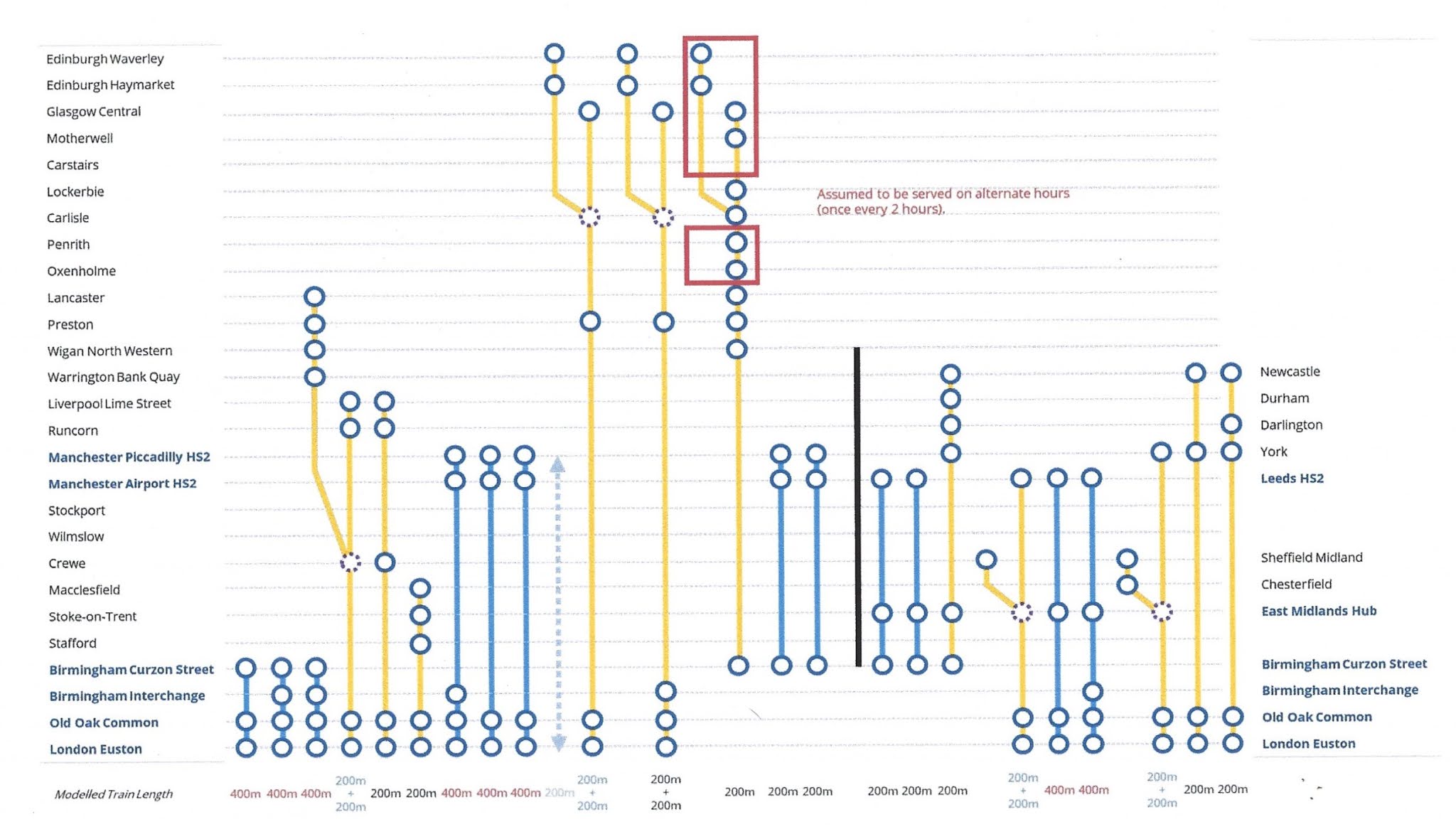
This diagram shows High Speed Two services, as they were originally envisaged before Phase 2 was discontinued.
Note.
- Trains to the left of the vertical black line are Phase 1 and those to the right are Phase 2.
- Full-Size trains are shown in blue.
- Classic-Compatible trains are shown in yellow.
- Blue circles are shown, where trains stop.
- The dotted circles are where trains split and join.
- In the red boxes routes alternate every hour.
- Was Lancaster chosen as it’s close to the new Eden Project Morecambe?
Click on the diagram to enlarge it.
It would appear if High Speed Two sticks to this original pattern of services, then the following trains will go through Wigan North Western station.
- 200 metre single train – London Euston and Lancaster, which stops at Old Oak Common, Crewe, Warrington Bank Quay, Wigan North Western and Preston.
- 400 metre pair of trains – London Euston and Edinburgh Haymarket/Edinburgh Waverley/Glasgow Central, which stops at Old Oak Common, Preston, Carlisle.
- 400 metre pair of trains – London Euston and Edinburgh Haymarket/Edinburgh Waverley/Glasgow Central, which stops at Old Oak Common, Birmingham Interchange, Preston, Carlisle.
- 200 metre single train – Birmingham Curzon Street and Edinburgh Haymarket/Edinburgh Waverley or Motherwell/Glasgow Central, which stops at Wigan North Western, Preston, Lancaster, Carlisle and Lockerby and every two hours at Oxenholme and Penrith.
Note.
- Only single High Speed Two classic-compatible trains, stop in Wigan North Western station and they are only two hundred metres long.
- One train per hour (tph) terminates at Lancaster and a second tph terminates alternatively at Edinburgh Haymarket/Edinburgh Waverley or Glasgow Central.
- Four hundred metre long pairs of trains go through North Western station without stopping.
Currently Wigan North Western has 14 trains per day (tpd) stopping at the station, eleven of which go to Scotland and three to Blackpool.
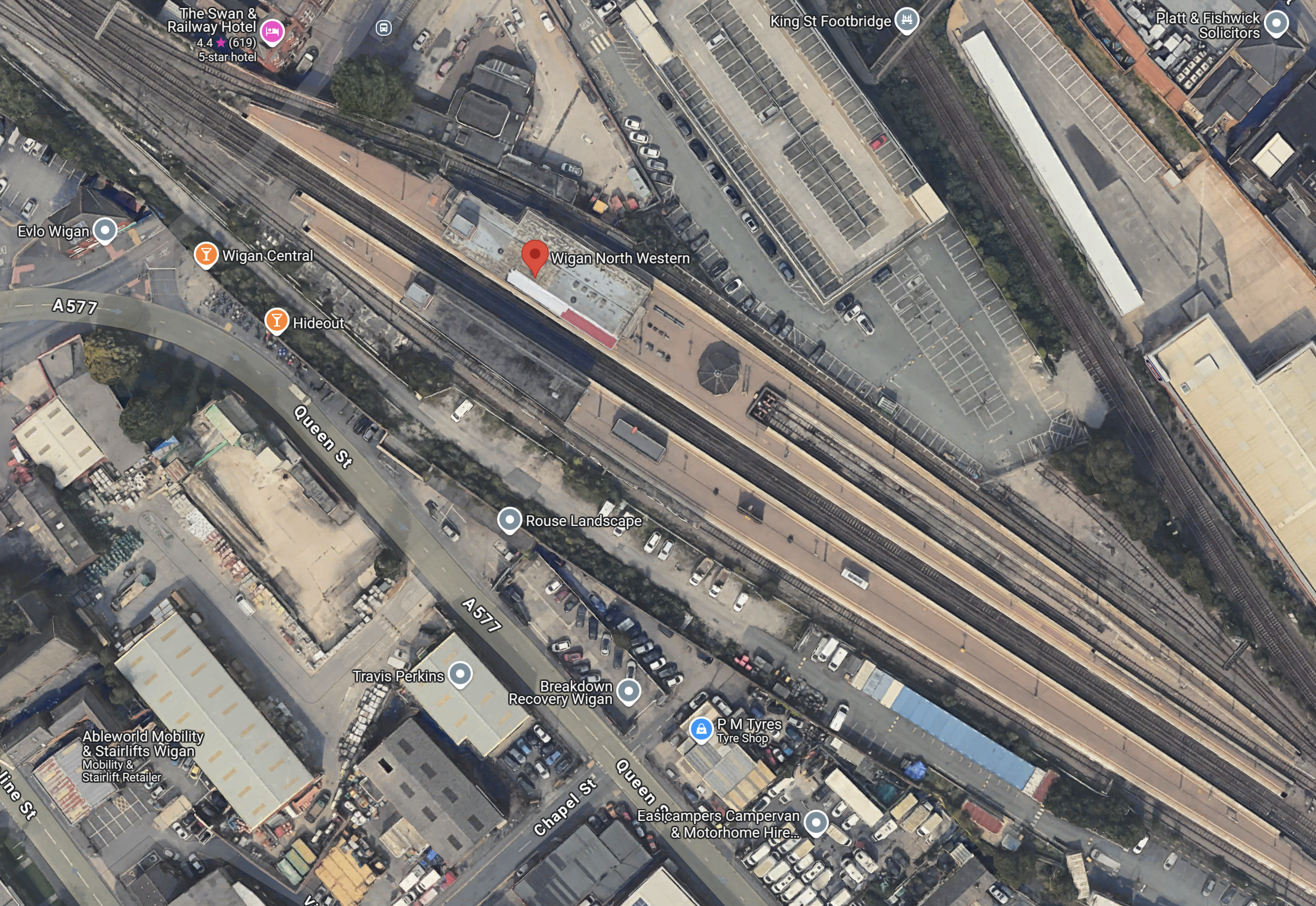
This Google Map shows Wigan North Western station.
Note.
- The two long platforms in the middle of the station, where the Avanti trains stop.
- A long platform on the Southern side of the station used by local services to and from Liverpool and Blackpool.
- Three bay platforms on the Northern side of the station, one of which is unused, that handle local services to Manchester and beyond.
As the 265.3 metre long Class 390 trains can use the central platforms, High Speed Two classic-compatible trains will be able to use these platforms.
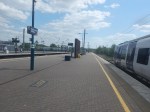
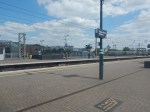
On my brief visit to the station yesterday, I took these pictures.
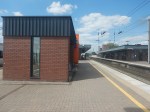
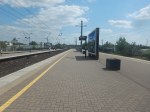
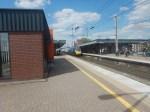
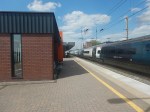
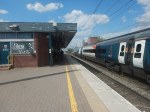
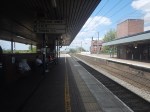
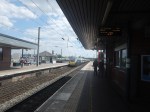
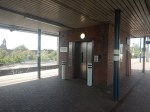
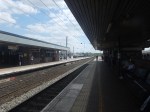
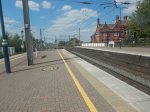
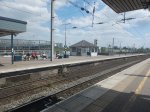
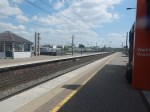
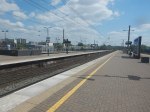
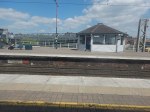
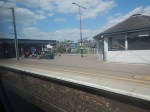
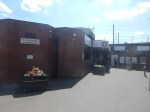

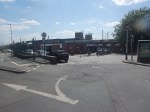
Note.
- All Class 390 trains are longer than High Speed Two classic-compatible trains, so the train in the pictures indicates that the High Speed Two trains will be able to stop at Wigan North Western station.
- The platforms are long and wide.
- The station is well-equipped with lifts, cafes, waiting rooms and some of the best toilets in a station in the North of England.
- Wigan Wallgate station is only a short walk away, with a selection of local services to Blackburn, Headbolt Lane, Manchester, Southport and a large proportion of Lancashire.
- The last two pictures were taken looking at the two stations from halfway.
- The shops between the two stations are a good selection and include a Morrisons Local.
I had been intending to go on to Preston, Lancaster and Morecambe, but a points failure at Preston meant that no trains were running.
Conclusion
The two Wigan stations and the buses that serve them, could be a good interchange for passengers to catch High Speed Two.
I feel that most of the work needed to be done at Wigan North Western to get the station ready for High Speed Two will mainly be cosmetic or technical upgrades like signalling. I can’t see any expensive or disruptive upgrades like platform lengthening being needed.
An Annoying Day
My plan was simple on Saturday May the 10th.
I intended to go to Liverpool Lime Street on a Day Return ticket.
I would then buy a Lancashire Day Ranger ticket and visit Wigan North Western, Preston and Lancaster stations, to see how ready, they are for High Speed Two services.
I also intended to go to Morecambe to see how the Eden Project Morecambe was getting on.
I did get to Wigan North Western station and later wrote Is Wigan North Western Station Ready For High Speed Two?
But then there was a points failure at Preston and after waiting at the station for over an hour for tranport to Preston, I changed plan.
I decided to go back to Liverpool by way of Wigan Wallgate and Headbolt Lane stations.
On return home, I wrote Wigan Wallgate To Headbolt Lane – 10th May 2025.
A Quick Run Back To London
At Lime Street station, I walked into the Wetherspoons pub at the station, with the intension of buying a bottle of my favourite brew, which all of the chain stock. But not this one!
So I got an early train back to London.
The Most Expensive Taxi Back From Euston
I paid over thirty pounds, when under twenty is the norm, not because I was being ripped off, but by the number of roadworks, that slowed our journey.
My First Ride In A Class 397 Train – 15th November 2023
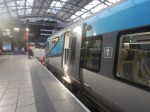
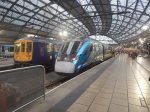
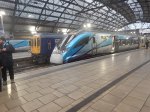
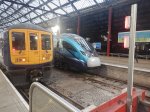
I took these pictures during my first ride in a Class 397 train, between Wigan North Western and Liverpool Lime Street stations.
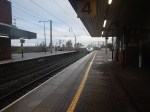
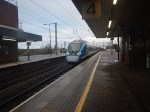
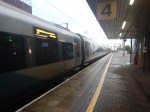
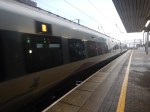
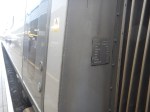
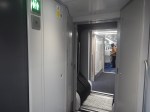
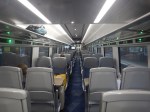
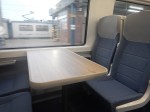
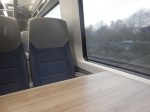
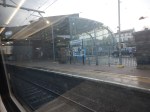
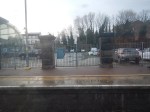
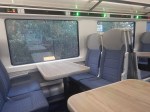
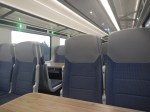
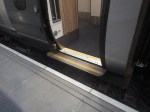
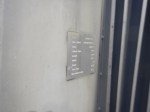
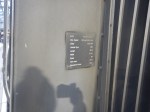
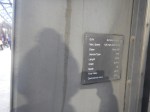
Note.
- Reading the plates, the total weight of the train is 188.4 tonnes.
- There are 268 seats.
- The ride wasn’t bad at all.
- Seats were comfortable.
Build quality was about the same as a Hitachi train.
A First Trip To Headbolt Lane Station – 13th October 2023
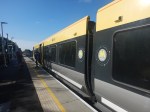
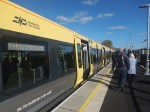
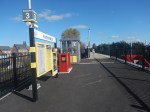
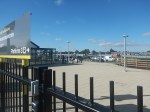
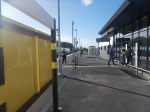
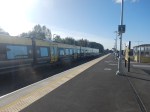
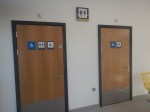
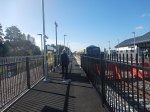
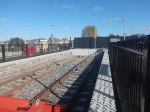
Headbolt Lane station opened a week ago and I went to take a look today, where I took these pictures.


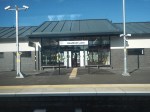

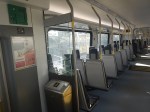
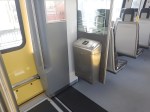




Note.
- It is a three-platform station, with two platforms pointing towards Liverpool and one towards Wigan Wallgate station.
- Changing trains is about a fifty metre walk.
- The toilets are trans-ready. But the toilets at Peterborough station, that I wrote about in A Pair Of Toilets At Peterborough Station were too.
I have a few thoughts.
Could There Be Through Running Between Headbolt Lane and Wigan Wallgate Stations?
This picture shows the walkway between Platform 2 on the South side of the tracks and Platforms 1 and 3 on the North side.
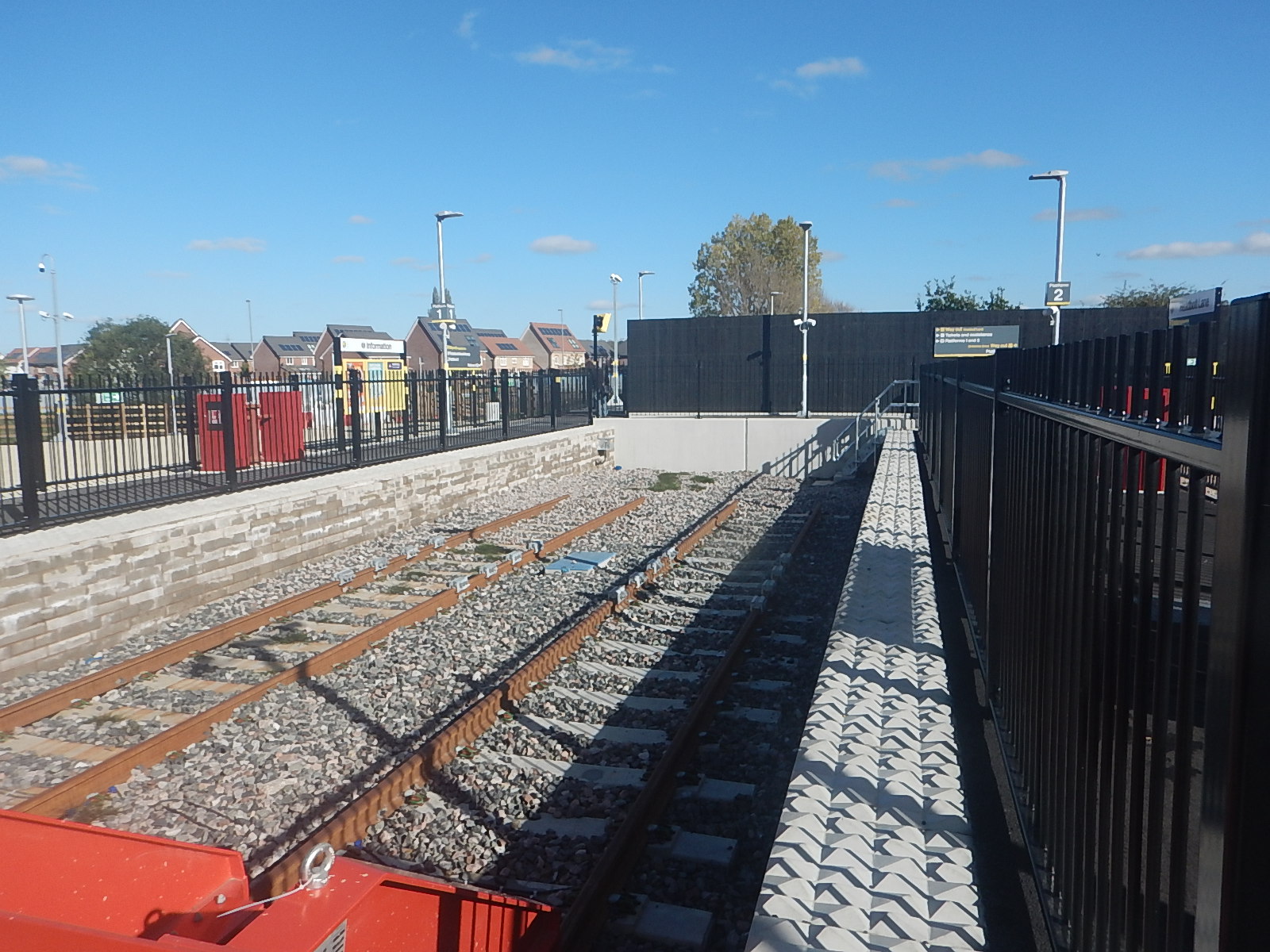
Note.
- Platform 1 is the platform on the left and Platform 2 is on the right.
- Platform 3 is in line with Platform 1 behind the fence at the far end of Platforms 1 and 2.
- The tracks don’t go straight through.
- There are two concrete blocks forming the walkway between platforms.
I suspect the answer is no at the moment.
But I wouldn’t be surprised to find, that the blocks have been designed to be lifted out and there is space to put a footbridge over the tracks, so that if in the future, through running were to be required, it is possible.
How Would A Station To Skelmersdale Be Connected?
In New Express Bus Improves Links Between Skelmersdale And Liverpool, I talked about a new express bus service between Kirkby and Skelmersdale.
This page on Bus Times gives details of the service.
The 319 Trainlink service will surely give useful information on possible passenger numbers.
In Would A Lower Cost Rail Link To Skelmersdale Be Possible?, I looked at options for the rail line.
Wigan’s Comprehensive Local Connections
Wigan North Western and Wigan Wallgate station have services to all these stations.
- Accrington
- Appley Bridge
- Ashton-under-Lyne
- Atherton
- Bescar Lane
- Blackburn
- Blackpool North
- Bolton
- Broad Green
- Bryn
- Burnley Manchester Road
- Burscough Bridge
- Clifton
- Daisy Hill
- Deansgate
- Eccleston Park
- Edge Hill
- Euxton Balshaw Lane
- Farnworth
- Garswood
- Gathurst
- Hag Fold
- Headbolt Lane
- Hindley
- Hoscar
- Huyton
- Ince
- Kearsley
- Leyland
- Littleborough
- Manchester Oxford Road
- Manchester Victoria
- Meols Cop
- Moorside
- Moses Gate
- New Lane
- Orrell
- Parbold
- Pemberton
- Poulton-le-Fylde
- Prescot
- Rainford
- Toby
- Rochdale
- Rose Grove
- Salford Central
- Salford Crescent
- Smithy Bridge
- Southport
- Stalybridge
- St Helens Central
- Swinton
- Todmorden
- Thatto Heath
- Upholland
- Walkden
- Wavertree Technology Park
- Westhoughton
Fifty-eight stations is certainly comprehensively connected.
The Connection To High Speed Two At Wigan North Western
This map from OpenRailwayMap shows the two Wigan stations; North Western and Wallgate.
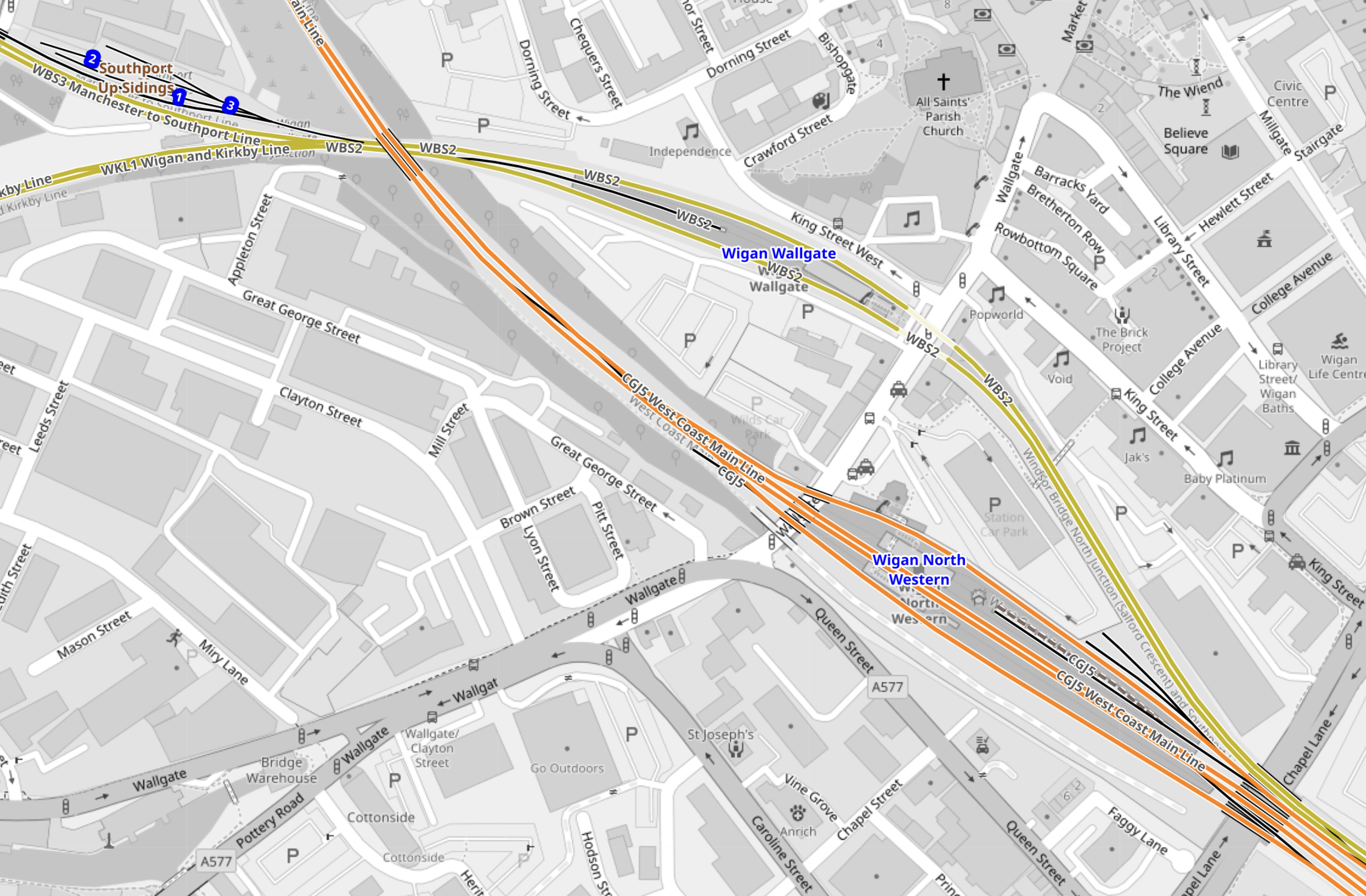
Note.
- The orange tracks are the West Coast Main Line, which in the future, will carry High Speed Two services to and from Preston, Lancaster, Carlisle and Scotland.
- The yellow tracks are the local lines between Manchester in the East and Kirkby and Southport in the West.
- The local lines split after they pass under the West Coast Main Line, with the North-Western branch going to Southport and the Western branch going to Headbolt Lane, Kirkby and Liverpool.
- Wigan North Western is on the West Coast Main Line.
- Wigan Wallgate is on the local lines.
The stations are close enough to be converted into a superb combined station, where local passengers can join high speed services.
This picture shows the platforms of Wigan North Western station.
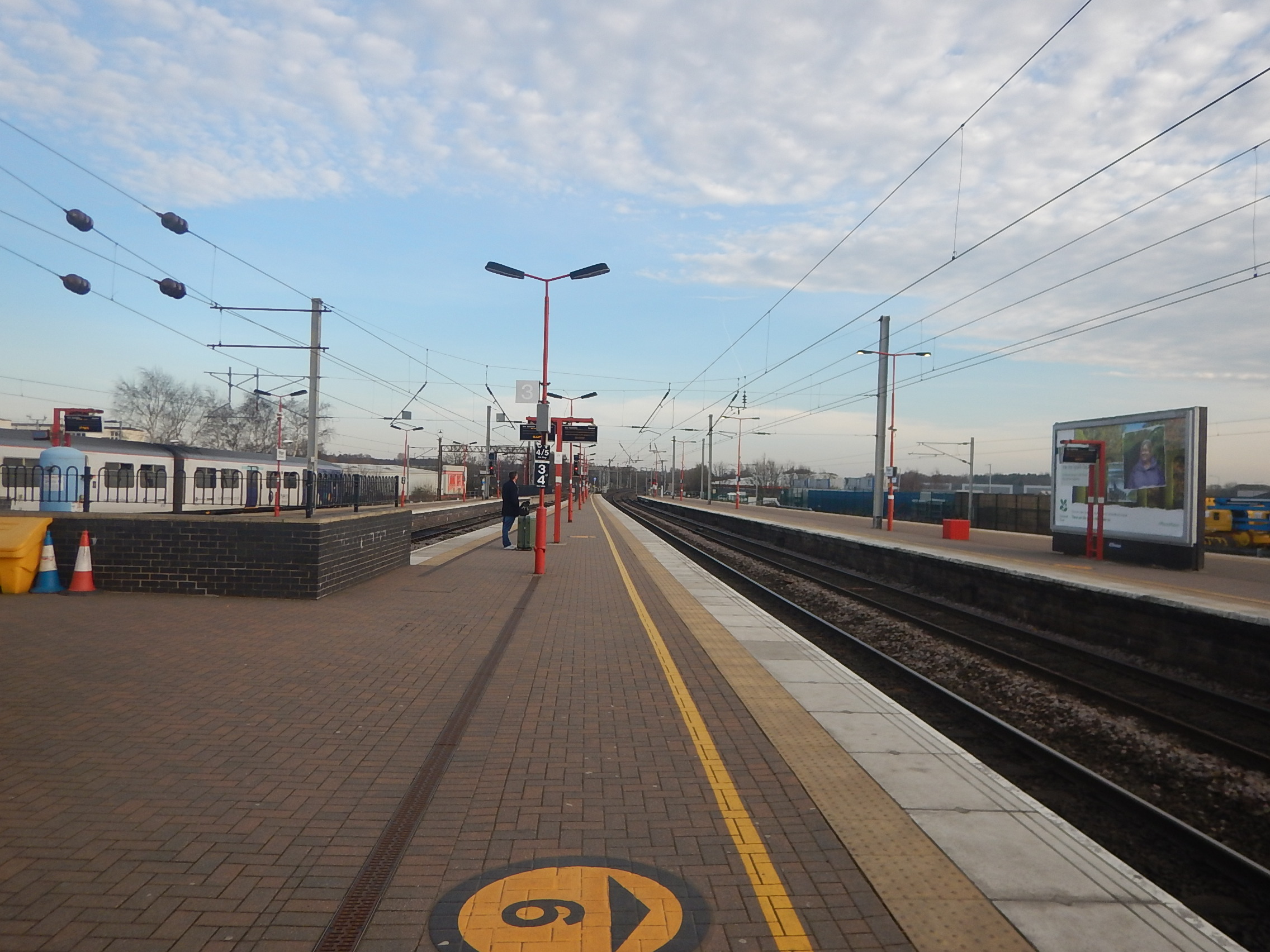
Wigan North Western station can’t be far off being able to accept pairs of High Speed Two Classic Compatible trains, that will be 400 metres long.
This graphic shows High Speed Two services after Phase 2b is completed.
Only two High Speed Two services stop at Wigan North Western.
- The London and Lancaster service, which splits and joins with a London and Liverpool service at Crewe.
- The Birmingham and Scotland service.
As Wigan North Western has comprehensive local connections to the Northern areas of Liverpool and Manchester, it surely needs more services.
North West To Benefit From £19.8 billion Transport Investment
This is the title of this government document, which has this sub-heading.
Multibillion-pound plan to link major cities in the North via bus, rail and new and improved roads.
It says this about Greater Manchester and Liverpool City Region.
- Greater Manchester will also receive around £1.5 billion from the CRSTS2 budget and around £900 million additional funding – funded from HS2 – which is an unprecedented investment in local transport networks. That is more than double their allocation under the previous programme
- Liverpool City Region will also receive c.£1 billion from the CRSTS2 budget, plus a further £600 million on top – funded from HS2. That is more than double their allocation under the last round
Some of that amount of money could go a long way to improve Liverpool and Manchester connections through Wigan and create a link to High Speed Two.
TransPennine Services Between Liverpool/Manchester And Scotland
Currently, the following services run between Liverpool and Manchester, and Scotland.
- Manchester Airport and Glasgow Central – 1 tp2h – via Manchester Piccadilly, Manchester Oxford Road, Preston, Lancaster, Oxenholme Lake District, Penrith North Lakes, Carlisle, Lockerbie and Motherwell
- Manchester Airport and Edinburgh Waverley – 1 tp2h – via Manchester Piccadilly, Manchester Oxford Road, Preston, Lancaster, Oxenholme Lake District and Haymarket Penrith North Lakes, Carlisle and Lockerbie and Haymarket
- Liverpool Lime Street and Glasgow Central – 2 tpd – via St Helens Central, Wigan North Western, Preston, Lancaster, Oxenholme Lake District, Carlisle, Lockerbie and Motherwell
Note.
- tp2h is trains per two hours.
- tpd is trains per day.
- Only the Liverpool services go through Wigan.
- North of Preston all trains will use the same route.
- All three services are run by Class 397 trains.
- When High Speed Two Classic-Compatible trains start running to Glasgow and Edinburgh, they will use the same route North of Preston.
Point 5 surely means that High Speed Two’s trains will be limited to the same speed as the current Class 397 trains, which is 125 mph. Although, this might be increased to up to 140 mph, by the use of in-cab digital signalling.
Consider.
- Edinburgh to Preston is 191.4 miles.
- The current TransPennine express service from Edinburgh to Preston is scheduled for two hours and 34 minutes, with five stops, at an average speed of 74.6 mph.
- The Wikipedia entry for High Speed Two says that the London-Edinburgh service from Edinburgh to Preston is scheduled for two hours and 30 minutes, with two stops and a split/join at Carlisle, at an average speed of 76.6 mph.
- The Wikipedia entry for High Speed Two says that the Birmingham-Edinburgh service from Edinburgh to Preston is scheduled for two hours and 24 minutes, with four stops, at an average speed of 79.8 mph.
Note.
- The first timing is based on a Class 397 train and the others will be High Speed Two Classic Compatible trains.
- The times would appear to be vaguely in line with each other.
- The removal of the split/join could explain why the Birmingham service is six minutes faster.
The following would appear to be true.
- Both the Class 397 and High Speed Two Classic Compatible trains can run at similar speeds North of Preston.
- The High Speed Two Classic Compatible train may have faster acceleration and deceleration, which could save a few minutes.
- Nothing substantial has been done to improve the tracks between Edinburgh and Preston.
- As the current times are run without digital signalling and the Class 397 train, is within ten minutes of that, I would be very surprised if digital signalling will be installed before High Speed Two services reach Edinburgh.
I also suspect that if digital signalling and a few other improvements were made to the North of Preston, a few extra minutes could be saved.
The Future Of TransPennine Services Between Liverpool/Manchester And Scotland
Will the TransPennine services between Liverpool/Manchester and Scotland continue after High Speed Two services start running to North of the border?
Consider.
- I have never seen any plans from High Speed Two for services between Liverpool/Manchester and Scotland.
- If the TransPennine services, aren’t kept, travelling between Liverpool/Manchester and Scotland will need a change at Wigan North Western or Preston.
- The TransPennine services will probably need only a single train per hour (tph) on the West Coast Main Line to the North of Preston.
I can see them continuing. But possibly in a different form.
In 1967, I went from Glasgow to Manchester on a train.
- The Glasgow and Edinburgh trains joined at Carstairs.
- They then split again at Preston.
- One half went to Manchester and the other half went to Liverpool.
I remember that the train was late, because of late arrival of the Edinburgh train at Carstairs.
I needed to take a taxi. But I wrote my first complaint letter and got a cheque from British Rail.
Could similar joining and splitting be used again, as it uses only one train path between Preston and Scotland?
Would it also be better, if the service were to be under the Management of High Speed Two?
There are several possibilities, but I feel the TransPennine services will continue.
High Speed Two To Lancaster
There has been a lot of speculation about the Northern end of High Speed Two, so I might as well add sort out a few facts and add a bit of speculation of my own.
The Current Lancaster Service
I shall look at the 07:30 train on the 29th September 2023.
- It was a nine-car Class 390 train or Pendolino, which left on time.
- Euston and Lancaster are 230 miles apart.
- The train passed Crewe at 09:59
- The train arrived at Warrington Bank Quay at 09:14 and left at 09:15.
- The train arrived at Wigan North Western at 09:25 and left at 09:26.
- The train arrived at Preston at 09:39 and left at 09:41.
- The train arrived at Lancaster at 09:55 and left at 09:57.
- The journey took two hours and 25 minutes
- The average speed was 95.2 mph.
- There is at least one train per hour (tph).
Lancaster Will Get Its Own High Speed Two Service
This graphic shows High Speed Two services after Phase 2b is completed.
Note.
- Lancaster and Liverpool share a pair of High Speed Two Classic Compatible trains, that will split and join at Crewe.
- The Lancaster service will stop at Warrington Bank Quay, Wigan North Western and Preston, to the North of Crewe.
The Wikipedia entry for High Speed Two gives these times for trains from London after Phase 2a opens to Crewe.
- Crewe – 56 minutes
- Warrington Bank Quay – One hour and 20 minutes
- Wigan North Western – One hour and 34 minutes
- Preston – One hour and 18 minutes
- Lancaster – Two hours and 3 minutes
- Oxenholme – One hour and 56 minutes
- Carlisle – Two hours and 23 minutes
Note.
- The Crewe, Warrington Bank Quay, Wigan North Western and Lancaster times will apply to the direct Lancaster service.
- The Preston and Carlisle times apply to the non-stop Scottish service.
- Oxenholme will be reached with a change from London.
- Currently, Pendolinos travel between Crewe and Lancaster in an hour or a few minutes less.
I feel the Lancaster time is suspect and a better time would be around one hour and 52-56 minutes.
140 Mph Running Between Crewe And Preston
Consider.
- London Euston and Crewe is 56 minutes
- One hour and 18 minutes to Preston infers a time of 22 minutes between Crewe and Preston.
- Crewe and Preston is 51 miles.
This implies an average speed of 139 mph.
As the West Coast Main Line was built for 140 mph, when digital signalling was installed, this would appear to be feasible, once the signalling is upgraded.
It may also mean, that faster times are possible in services to Warrington Bank Quay and Wigan North Western.
Crewe And Warrington Bank Quay
Consider.
- The distance is 24.1 miles
- HS2 will take 24 minutes with one acceleration and one deceleration, which probably take a maximum of 4 minutes in total.
- I explain the four minutes in High Speed Two To Crewe.
This gives an average speed of 72.3 mph.
Warrington Bank Quay And Wigan North Western
Consider.
- The distance is 11.7 miles
- HS2 will take 14 minutes with one acceleration and one deceleration, which probably take a maximum of 4 minutes in total.
This gives an average speed of 70.2 mph.
Wigan North Western And Lancaster
Consider.
- The distance is 36.1 miles
- HS2 will take 29 minutes with two accelerations and two decelerations, which probably take a maximum of 8 minutes in total.
- I will also allow a minute for the dwell time at Preston.
This gives an average speed of 108.3 mph.
Crewe And Lancaster
Consider.
- The distance is 72 miles
- HS2 will take 67 minutes with four accelerations and four decelerations, which probably take a maximum of 16 minutes in total.
- I will also allow a minute for the dwell times at Warrington Bank Quay, Wigan and Preston.
This gives an average speed of 90.6 mph.
I now feel happier about two hours and three minutes between London and Lancaster.
Conclusion
The West Coast Main Line needs upgrading to full in-cab digital signalling as soon as possible.
Once working it would give journey time savings for everybody travelling on the line.
See Also
Could High Speed Two Finish At Lichfield?
High Speed Two To Wigan
There has been a lot of speculation about the Northern end of High Speed Two, so I might as well add sort out a few facts and add a bit of speculation of my own.
The Current Wigan North Western Service
I shall look at the 08:30 train to Glasgow on the 20th September 2023.
- It was an eleven-car Class 390 train or Pendolino, which left on time.
- Euston and Wigan North Western are 193.8 miles apart.
- Trains call at only Warrington Bank Quay
- The train passed Crewe at 09:59
- The train called at Warrington Bank Quay at 10:14 and left at 10:15.
- The train arrived at Wigan North Western at 10:25 on time.
- The journey took one hour and 55 minutes
- The average speed was 101.1 mph.
- The Crewe and Wigan North Western section is 35.8 miles and the train is scheduled to take 26 minutes.
- The average speed between Crewe and Wigan North Western is 82.6 mph.
The train slows past Crewe because of the stop at Warrington Bank Quay.
London Euston And Wigan North Western After Phase 2a Of High Speed Two Opens
According to the Wikipedia entry for High Speed Two, these are the timings.
- London Euston and Crewe – 56 minutes
- London Euston and Warrington Bank Quay – One hour and 20 minutes
- London Euston and Wigan North Western – One hour and 34 minutes
From these figures and the times of the 08:30, I can deduce these journey times.
- Currently, Crewe and Warrington Bank Quay takes 16 minutes and High Speed Two will take 24 minutes
- Currently, Warrington Bank Quay and Wigan North Western takes 10 minutes and High Speed Two will take 14 minutes
- Currently, Crewe and Wigan North Western takes 26 minutes and High Speed Two will take 38 minutes
I am surprised that sectional timings on this short section of the West Coast Main Line are slower than current timings. Digital signalling and the faster acceleration and deceleration of the new trains, are more likely to decrease times, than increase them.
London Euston And Preston After Phase 2a Of High Speed Two Opens
According to the Wikipedia entry for High Speed Two, these are the timings.
- London Euston and Crewe – 56 minutes
- London Euston and Warrington Bank Quay – One hour and 20 minutes
- London Euston and Wigan North Western – One hour and 34 minutes
- London Euston and Preston – One hour and 18 minutes
This graphic shows High Speed Two services.
Note that Preston gets two non-stop services to and from London and another with stops at Warrington Bank Quay and Wigan North Western, and a train split/join at Crewe.
The one hour and 18 minutes surely applies to one or both of the non-stop services.
140 Mph Running Between Crewe And Preston
Consider.
- London Euston and Crewe is 56 minutes
- One hour and 18 minutes to Preston infers a time of 22 minutes between Crewe and Preston.
- Crewe and Preston is 51 miles.
This implies an average speed of 139 mph.
As the West Coast Main Line was built for 140 mph, when digital signalling was installed, this would appear to be feasible, once the signalling is upgraded.
It may also mean, that faster times are possible in services to Warrington Bank Quay and Wigan North Western.
Consider.
- Crewe and Wigan North Western is 35.8 miles
- High Speed Two will take 38 minutes
- The average speed between Crewe and Wigan North Western will be just 56.5 mph.
But if it could run at 140 mph mph between Crewe and Wigan North Western, the base time would be just over 15 minutes.
To this time must be added two full station stops and the time it takes to split or join.
With the superior acceleration and deceleration of the High Speed Two trains and their level of automation, these operations will not take 23 minutes.
I believe that this means that minutes can be saved on services to Lancaster, Liverpool Lime Street, Warrington Bank Quay and Wigan North Western.
London Euston And Wigan North Western After Phase 2b Of High Speed Two Opens
There will be no changes as the full-size High Speed Two trains are not planned to run to the North of Crewe.
See Also
Adding Wigan And Manchester Victoria To The Bee Network
This article on the Railway Gazette has a list of the lines, that will be transferred between Northern Rail and the Bee Network.
Included in the list is this line.
Wigan and Manchester Victoria via the West Coast Main Line and a proposed station at Golborne, which could open from 2025.
I think this route could be the following.
- The Eastern terminal would be Manchester Victoria
- The Northern terminal would be Wigan North Western, as it is on the West Coast Main Line.
- Intermediate stations would be Golborne, Patricoff, Eccles and Salford Central.
- The route is fully electrified with 25 KVAC overhead.
- Most of the route has a 90 mph operating speed.
There is no comparable route in the current timetable.
These are a few thoughts.
Golborne Station
In Beeching Reversal – Reopening Golborne Railway Station, I discussed the reopening of Golborne station.
I didn’t think it would be likely, as it was a cramped site in the middle of a village, as this Google Map shows.
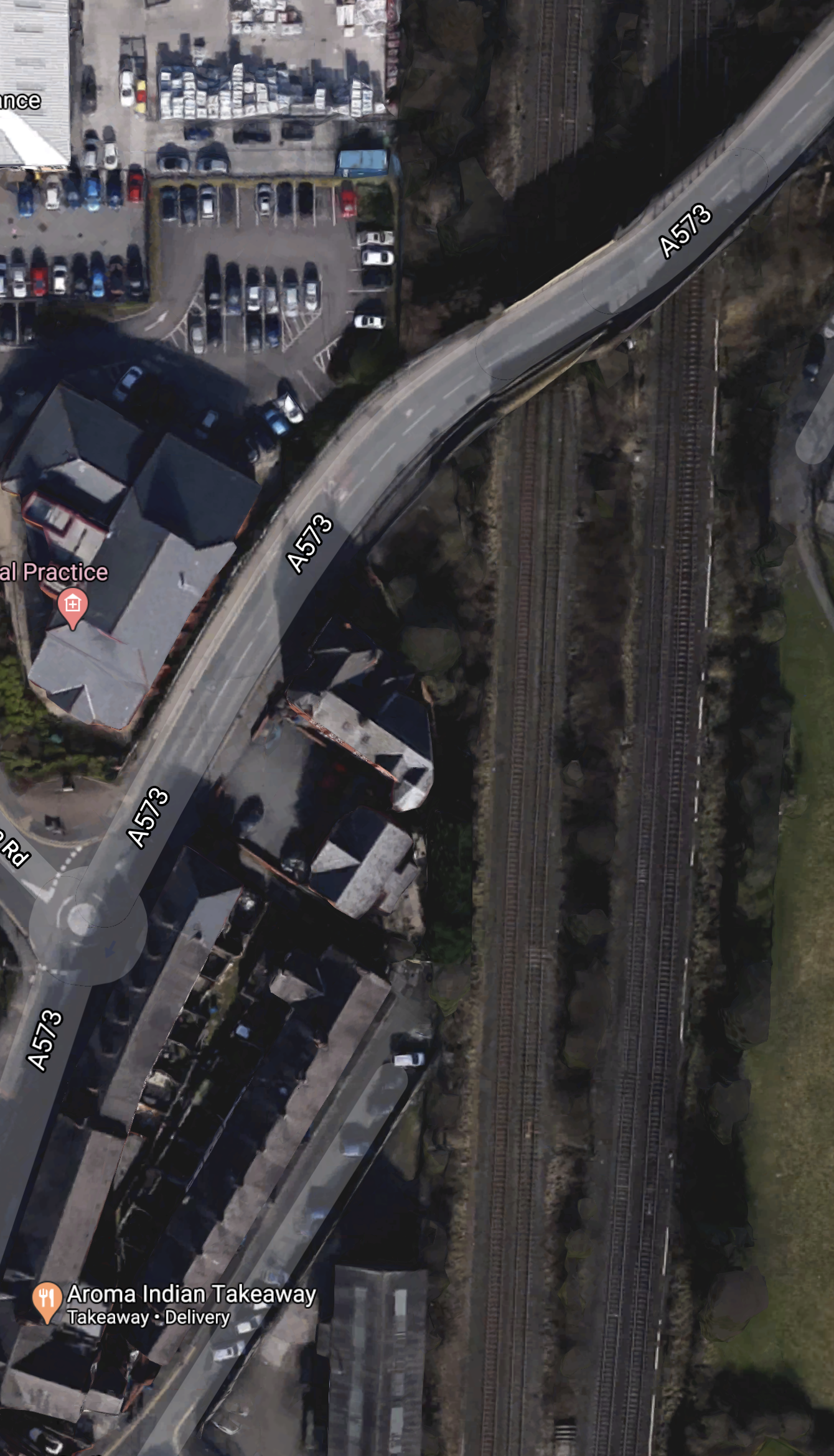
But I didn’t notice the four tracks through the site.
As the line through here, will have to be rebuilt for High Speed Two to raise the operating speed from the current 90 mph to as high as 140 mph. perhaps a high class architect could find a way to build a station at the site on the slow lines?
Improvements To Wigan North Western Station
In Wigan North Western Station Set For Platform Extension Work, I talked about work to make Wigan North Western station ready for High Speed Two.
I concluded, by saying this.
It certainly looks like Wigan North Western station is being updated to have a comprehensive network of local electric services to give a large number of stations, good access to current West Coast Main Line and future High Speed Two services.
I also added this picture of Wigan North Western station.
Wigan North Western station can’t be far off being able to accept pairs of High Speed Two Classic Compatible trains, that will be 400 metres long.
The Wigan North Western and Manchester Victoria service will add Golborne, Patricoff, Eccles, Salford Central and Manchester Victoria to the list.
Connecting To Scottish Services
The Internet gives these times from Wigan North Western.
- London Euston – 1 hour and 55 minutes – Current
- London Euston – 1 hour and 34 minutes – High Speed Two
- Glasgow Central – 2 hours and 35 minutes – Current
- Glasgow Central – 2 hours and 06 minutes – High Speed Two
It looks to me, that there is an awful lot of trackwork to be done to the West Coast Main Line between Wigan North Western and Glasgow Central.
But on the other hand, changing at Wigan North Western will be a reasonably fast alternative, if whilst building High Speed Two to Manchester, the current route is closed.
Reopening Of Abandoned Merseyside Railway Under Consideration
The title of this post, is the same as that of this article on New Civil Engineer.
This is the sub-heading.
St Helens Borough Council is investigating the possibility of reopening part of the abandoned St Helens and Runcorn Gap railway in Merseyside.
This map from OpenRailwayMap shows the section of railway that will be reopened.
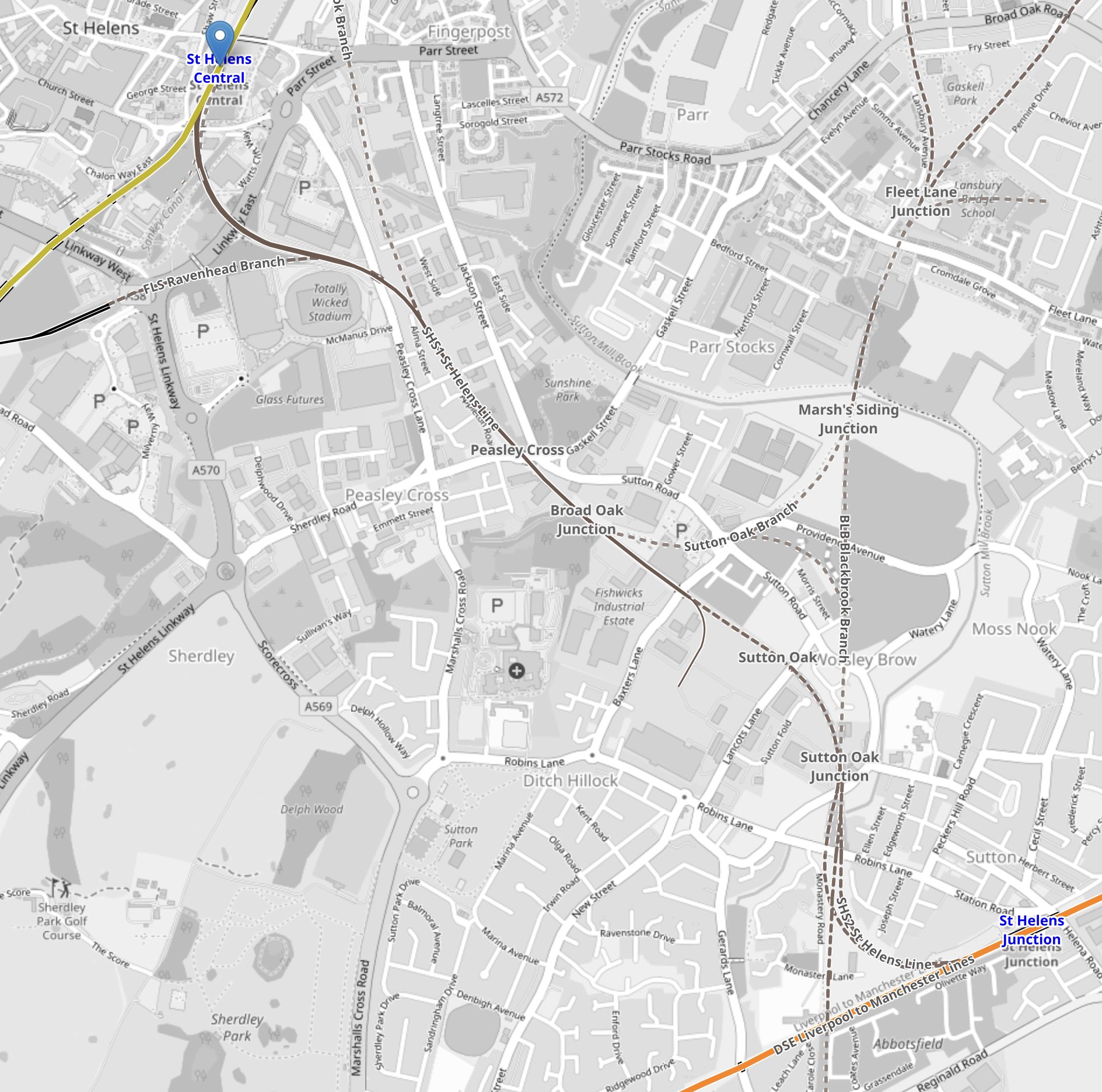
Note.
- The line runs between St. Helens Central and St. Helens Junction stations.
- St. Helens Central is in the North-West corner of the map and is marked by a blue arrow.
- St. Helens Junction station is in the South-East corner of the map.
- Both stations have two tracks and two platforms.
- St. Helens Central appears to have full disabled access,
- Both stations are electrified.
- It appears, that the route is still viable, but the track is not intact.
I have a few thoughts.
St. Helens Junction Station
This Google Map shows St. Helens Junction station.

Note.
- There are two platforms.
- Platform 1 is the Northern platform and trains go East.
- Platform 2 is the Southern platform and trains go to Liverpool Lime Street.
- There appears to be a footbridge at the Eastern end.
- Trains from the new route from St. Helens Central station would approach from and leave to the South-West.
- In a typical hour, between five and eight trains per hour (tph) go through the station in both directions on the main line.
I feel that a bay platform would need to be built at the station to handle the proposed service at St. Helens Junction station. But it would be able to handle four tph.
St. Helens Central Station
This Google Map shows St. Helens Central station.
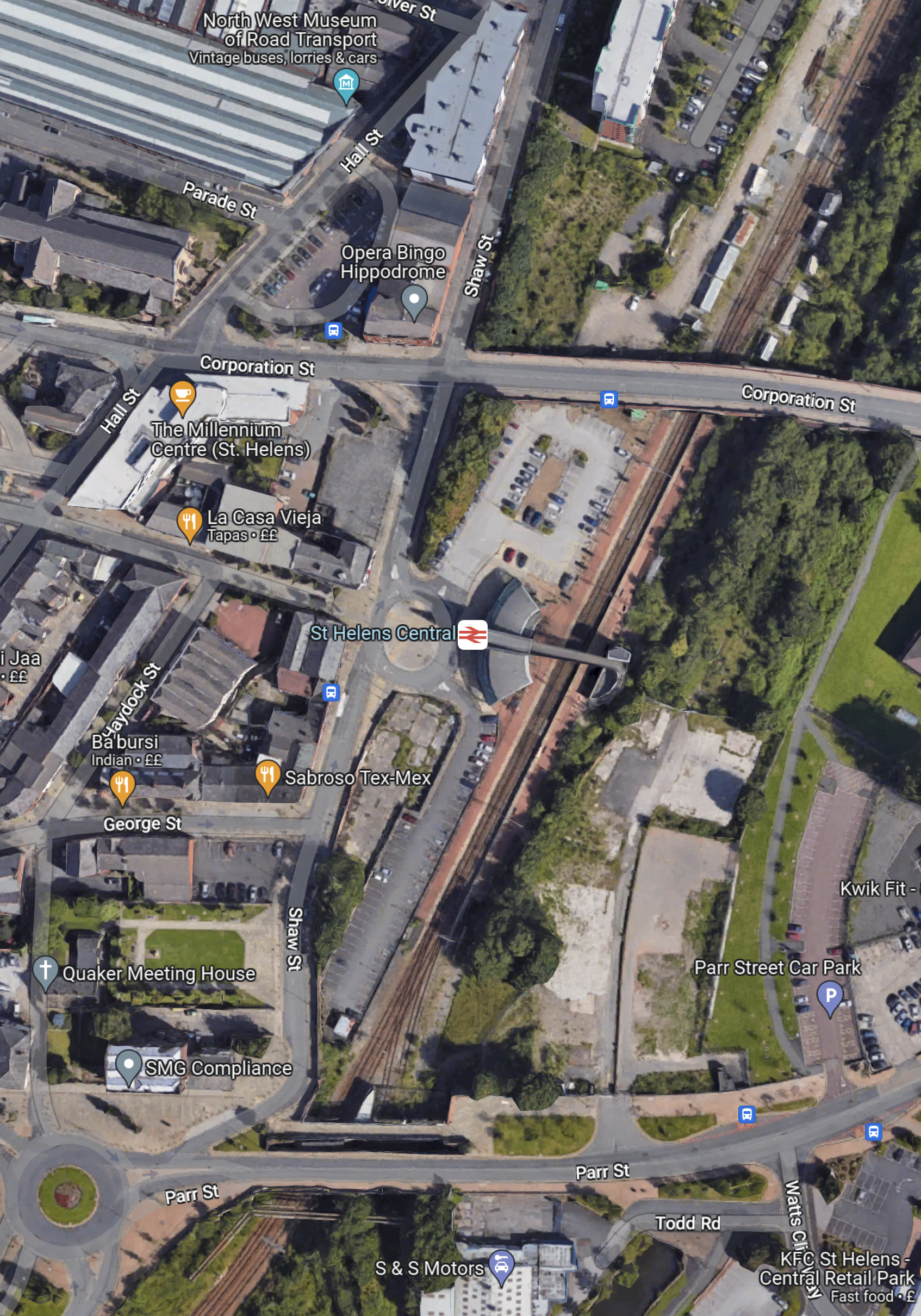
Note.
- There are two platforms.
- Platform 1 is the Western platform and trains go to Wigan North Western.
- Platform 2 is the Eastern platform and trains go to Liverpool Lime Street.
- There appears to be a footbridge in the middle, with lifts.
- Trains from the new route from St. Helens Junction station would approach from and leave to the South-West.
- In a typical hour, between two and three tph go through the station in both directions on the main line.
It may be possible to run two tph on the route to St. Helens Junction station, by using the Southern end of Platform 2.
It would probably be able to handle two tph, by fitting in between the current services.
If a new bay platform were to be built at St. Helens Central four tph would be possible.
What Would Be The Frequency Of The Service?
Consider.
- As I said earlier, because of the current frequency of trains through St. Helens Junction station, I feel a dedicated bay platform will be needed at that station, which would probably handle four tph.
- Without building a dedicated bay platform, I doubt that St. Helens Central station could have more than two tph.
- Two tph on the new route, would fit well with the services through St. Helens Central station.
I believe that providing it gave sufficient capacity for the route, that two tph will be the frequency, as it only needs one bay platform at St. Helens Junction station to be built.
What Length Of Train Will Be Used?
As a bay platform will have to be built at St. Helens Junction station, this will probably determine the length of train.
I would build the bay platform to accept a three or four car train, as lengthening platforms is always a pain.
Looking at the map of St. Helens Junction station, I suspect that a four-car platform may be the longest possible.
What Type Of Train Should Be Used?
If you look at all the Beeching Reversal schemes, there isn’t one like this, where two electrified lines are connected by a short length of new railway, which in this case is only 3.5 km, according to the New Civil Engineer article.
Consider.
- A round trip is only 7 kilometres.
- I suspect each trip between the two stations will take no more than ten minutes.
- If the frequency is two tph, there will be plenty of time to turn a train at each end.
- All new routes opened on UK railways from now on, should have carbon-free traction.
For these reasons, I suspect that the route could be run by a battery-electric train, which is charged at one end.
Putting up a short length of overhead electrification in the new bay platform at St. Helens Junction, as the station is already electrified, would not be the most challenging of tasks.
Alternatively, the train could be charged, whilst it is waiting to return in St. Helens Central, using the existing overhead electrification.
Will There Be Any Intermediate Stations Between St. Helens Central And St. Helens Junction?
On the first map the station sites of two former stations are shown; Peasley Cross and Sutton Oak.
According to the Wikipedia entry for Sutton Oak station, there was quite an intensive service a hundred years ago.
Why shouldn’t they be rebuilt? Especially, if there are plans for housing or regeneration in the area.
Will Between St. Helens Central And St. Helens Junction Be Single Track?
This would still enable two tph, if the trains did a quick turn-round in the bay platform at St. Helens Junction.
But it would mean.
- Lower cost infrastructure.
- Simple tram-style intermediate stations.
- One train on line operation for safety.
I feel that it is highly likely the new route will be single-track.
Carr Mill Station
This map shows Merseyrail’s future plans.

Note the proposed new station at Carr Mill, which is North-East of St. Helens Central on the Liverpool and Wigan Line.
The Wikipedia entry for Carr Mill station, says this about a proposed new station.
Proposals to construct a new station to serve the expanding population have been suggested by Merseytravel but funding has yet to arrive. A new proposal to open a station was raised by Metro Mayor of the Liverpool City Region Steve Rotheram as part of his re-election plans in January 2020.
It should be noted, that a new Carr Mill station could be on the East Lancashire Road, so it might be a good place to create a Park-and-Ride station for Liverpool and St. Helens.
Perhaps if a bay platform were to be incorporated into the new Carr Mill station, it might be better to run a service between Carr Mill and St. Helens Junction.
- There would be two tph.
- Intermediate stops would be St. Helens Central, Peasley Cross and Sutton Oak.
- I estimate the distance would be about four miles of which 1.8 miles would be electrified.
- The trains would be charged on the electrified line between Carr Mill and St. Helens Central stations.
There would be no need to electrify the bay platform at St. Helens Junction
Should The Service Go All The Way To Wigan?
It must surely be a possibility to run the service between Wigan North Western and St. Helens Junction.
- There would be two tph.
- Intermediate stops would be Carr Mill, Bryn, Garswood, St. Helens Central, Peasley Cross and Sutton Oak.
- I estimate the distance would be about eleven miles of which nine miles would be electrified.
- The trains would be charged on the electrified line between Wigan North Western and St. Helens Central stations.
This would create an excellent connection to Wigan North Western for all the long distance trains to Scotland and the South.
Should The New Route Be Electrified?
Consider.
- St. Helens and Wigan North Western is a fully-electrified route.
- It is only 2.2 miles, which would probably be single track railway.
- As there is electrification at both ends of the new route, there would be no problem arranging power.
- It would remove the need for battery-electric trains.
I suspect that this is one that accountants will decide, as both battery-electric and electrification will work equally well!
What Trains Would Be Used?
If the route is electrified, any electric train of a suitable length could be used. I would argue, that the same class of train, as is used through the two St. Helens stations, should be used for operational and passenger convenience.
To maintain the operational and passenger convenience, if battery-electric trains are used, then Northern’s Class 331 trains and Merseyrail’s Class 777 trains come or will come in both electric and battery-electric versions.
Conclusion
This looks like a very sensible scheme.
Bolton-Wigan £78m Rail Electrification Project Announced
The title of this post, is the same as that of this article on the BBC.
This is a small electrification project compared to many, but it still includes.
- 13 miles of electrification.
- 450 new overhead line equipment stanchions.
- Modifications to 17 bridges and two level crossings.
- Platform extensions at Westhoughton, Hindley and Ince stations, so that they can handle six-car trains.
Completion is expected to be 2025.
The numbers indicate it could be be a small project with quite a bit of work.
I have a few specific thoughts.
How Far Will The Electrification Go?
This document on the Government web site is entitled Green Light Given For Wigan To Bolton Electrification.
These are two paragraphs.
The track between Wigan North Western station and Lostock Junction near Bolton will receive a £78 million upgrade, targeted to complete in 2024/2025.
Through electrifying almost 13 miles of infrastructure and lengthening platforms, this investment will ensure that CO2 emitting diesel trains are replaced by electric rolling stock. As longer trains with additional capacity, these will provide passengers with greener, more comfortable and more reliable journeys.
Note.
- Lostock junction is on the Manchester and Preston Line which was electrified in 2019.
- As is typical, the electrification continues for a short distance from Lostock junction towards the Wigan stations.
- Wigan North Western station is a fully-electrified station on the West Coast Main Line.
- Wigan Wallgate station is not electrified.
- The distance between Lostock junction and Wigan Wallgate station is 6.9 miles.
- Lostock junction and Wigan Wallgate station is double-track all the way.
- My Track Atlas shows crossovers that allow trains to and from Lostock junction to access some platforms at Wigan North Western.
These facts lead me to these conclusions.
- As thirteen files of electrification would be 6.5 miles of double-track electrification, the new electrification would create a fully-electrified line between Lostock junction and Wigan Wallgate station.
- By electrifying the crossovers at Wigan Station junction, electric trains would to able to access both Wigan stations.
But this does mean, that electric trains can’t run past Wigan Wallgate station, as the wires seem to stop there.
Electrification At Wigan Wallgate Station
Mark Clayton has made this comment to this post.
Yes there is a single track connecting from the track through Hindley to the WCML and vice versa, however at Wallgate there are buildings straddling the line and the station itself. Maybe the track could be lowered, but it could well be a major engineering project to get the wires under Wallgate.
The best picture, that I can get of the tracks under Wallgate is this 3D image from Google Maps.
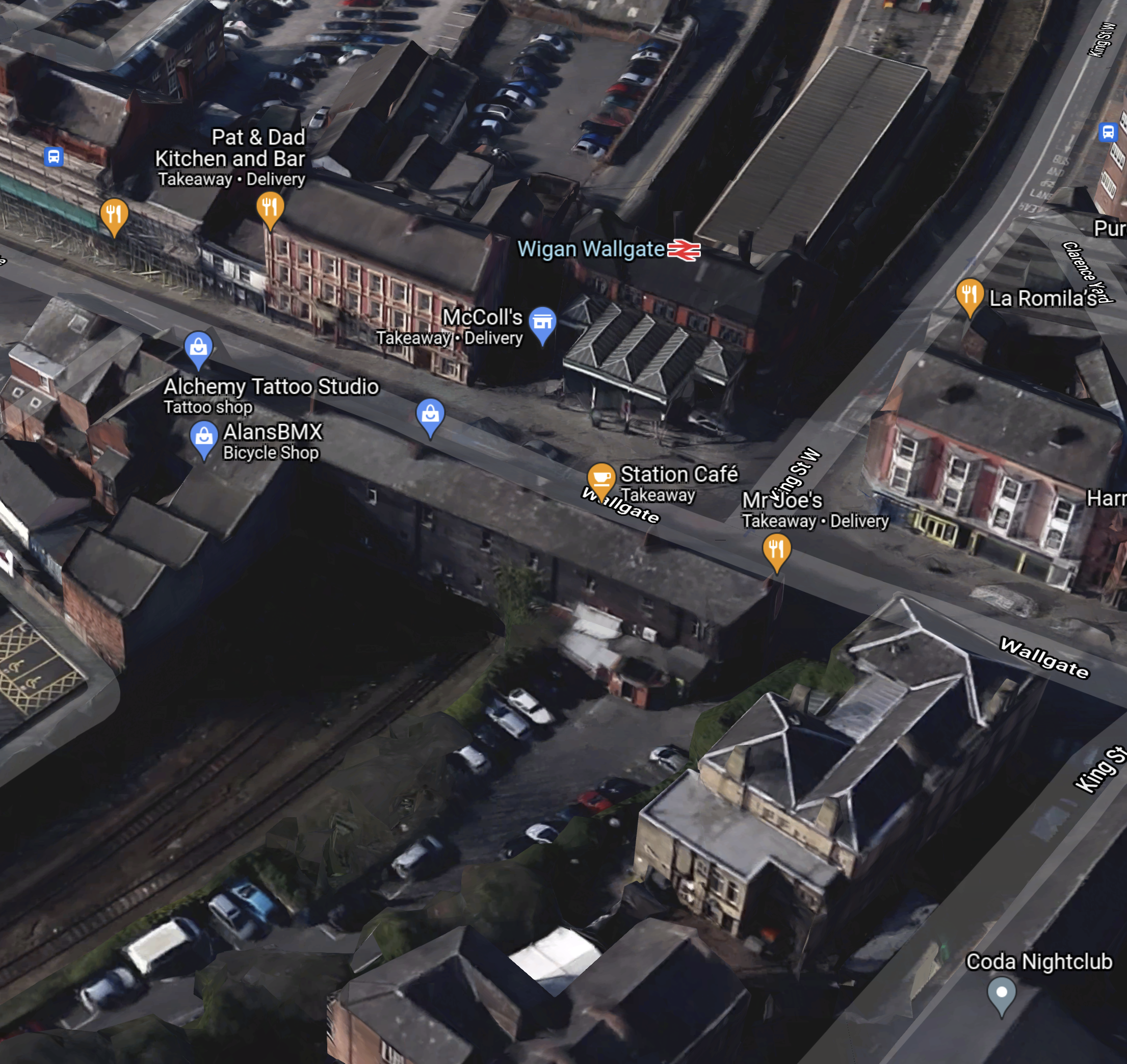
It does seem a bit tight in terms of height.
I have also looked at several videos of trains going trough the station and I suspect that the tracks may need lowering to get the wires through.
Or they could use some of the discontinuous tricks being used on the South Wales Metro.
It could be difficult, but I don’t think it will be impossible.
I do suspect though for operational reasons, Network Rail and the train operators would want the wires to extend to the station.
- Train operators probably prefer to raise and lower the pantograph in a station, in case anything goes wrong.
- If battery-electric trains should be used on the line, then if necessary, they could wait in the station to charge the batteries.
- If the station is wired, then the West-facing bay-platform can also be wired, so that it could be used for a battery-electric shuttle train to Kirkby or Southport.
It looks to me, that for lots of reasons, the engineers will have to find a way of getting the wires under the low bridge under Wallgate.
Services That Use All Or Part Of The Route Between Lostock Junction And Wigan
These services use all or part of the route.
- 1 tph – Southport and Alderley Edge via Ince (irregular), Hindley, Westhoughton and Bolton
- 1 tph – Southport and Stalybridge via Hindley, Westhoughton and Bolton
- 1 tph – Kirkby and Manchester Victoria via Ince (irregular), Hindley, Daisy Hill, Hag Fold, Atherton, Walkden, Moorside, Swinton and Salford Crescent.
- 1 tph – Wigan Wallgate and Blackburn via Hindley, Daisy Hill, Atherton, Walkden, Swinton and Salford Crescent.
- 1 tph – Wigan Wallgate and Leeds via Daisy Hill, Atherton, Walkden and Salford Crescent.
Note.
- tph is trains per hour.
- The two services that terminate at Wigan Wallgate sometimes terminate in Wigan North Western station.
- Wigan Wallgate station would appear to get up to five tph to Manchester, via a variety of routes.
I wonder how many of these services could be run by a battery-electric train, with a performance like the Hitachi Regional Battery Train, which is described in this Hitachi infographic.

Note 90 kilometres is 56 miles.
I will look at each route in detail.
Southport And Alderley Edge
The only section without electrification will be between Wigan Wallgate and Southport stations, which is a distance of 17.4 miles.
With a battery range of 56 miles, a battery-electric train should be able to run a return trip between Wigan Wallgate and Southport stations on battery power and have time for a leisurely turnround in Southport.
The batteries would be charged on the fully electrified section of the line between Wigan Wallgate and Alderley Edge stations.
Southport And Stalybridge
There are two sections without electrification.
- Wigan Wallgate and Southport stations – 17.4 miles
- Manchester Victoria and Stalybridge stations – 7.6 miles
With a battery range of 56 miles, a battery-electric train should be able to run a return trip on both sections without electrification.
The batteries would be charged on the fully electrified section of the line between Wigan Wallgate and Manchester Victoria stations.
Kirkby And Manchester Victoria
There are two sections without electrification.
- Wigan Wallgate and Kirkby stations – 12.1 miles
- Hindley and Salford Crescent stations – 13.4 miles
With a battery range of 56 miles, a battery-electric train should be able to run services on both sections without electrification.
The batteries would be charged on the two fully electrified sections of the line between Wigan Wallgate and Manchester Victoria stations.
Wigan Wallgate And Blackburn
There are two sections without electrification.
- Hindley and Salford Crescent stations – 13.4 miles
- Manchester Victoria and Blackburn stations – 39.4 miles
The first section could be easily run by a battery electric train, but the second section would need a charger at Blackburn station to return to Manchester Victoria station.
The batteries would be charged on the two fully electrified sections of the line between Wigan Wallgate and Manchester Victoria stations.
Wigan Wallgate And Leeds
There are two sections without electrification.
- Hindley and Salford Crescent stations – 13.4 miles
- Manchester Victoria and Leeds stations – 50.2 miles
The first section could be easily run by a battery electric train.
But the second section would be very much touch-and-go with a battery-electric train with a range of 56 miles, despite the fact that both Manchester Victoria and Leeds stations are electrified.
It should also be noted that Network Rail has plans in the TransPennine Upgrade to electrify the route between Leeds and Heaton Lodge junction between Mirfield and Brighouse stations. This would reduce the second section without electrification to a more manageable 37.1 miles.
I suspect that by the time the TransPennine Upgrade is complete, battery range would have improved to allow Manchester Victoria and Leeds stations to handle the route.
Battery-Electric Trains That Could Run The Services Through Wigan Wallgate Station
I have used the Hitachi Regional Battery Train as an example of a train that might run the services through Wigan Wallgate station.
- It has an operating speed of 100 mph.
- It could be based on a Class 385 train, which have three or four cars.
- It would have a battery range of 56 miles.
I suspect a demonstration train will run by 2025, which is the expected date of completion of the Lostock and Wigan electrification project.
But other manufacturers and rolling stock companies could also supply trains, with this specification.
- Alstom could create a battery-electric train based on an Electrostar, like a Class 379 or Class 387 train.
- CAF are developing a battery-electric train based on a Class 331 train.
- Porterbrook are developing a battery-electric train, based on a Class 350 train.
- Stadler could probably deliver a battery-electric Flirt based on a Class 755 train.
Competition would hopefully result in an excellent train, that would be suitable for many routes in the UK.
Northern’s Battery Plans And CAF
I suspect though that CAF could be the front runner as Northern already have forty-three Class 331 trains in service.
In Northern’s Battery Plans, I describe how CAF and Northern are planning to convert a number of three-car Class 331 trains into four-car battery-electric trains.
- The fourth car would contain batteries.
- Batteries would also be added to the PTS (pantograph) car.
I suspect that the battery range could be arranged so that all routes suitable for battery-electric operation could be handled.
In this article on Rail Magazine, which is entitled Northern Plans More New Trains After CAF Milestone, this is a paragraph.
A CAF source confirmed that a lot of work was ongoing with Northern, including the continued development of a battery EMU that is planned to be tested on the Oxenholme-Windermere route.
As the article dates from January 2021, things should be progressing.
Possible routes for battery-electric operation could be.
- Northumberland Line – Under construction
- Csrlisle and Newcastle – 61.5 miles between electrification at both ends
- Wigan Wallgate and Leeds via Dewsbury – 50.2 miles between electrification at both ends
- Manchester Victoria and Leeds via Hebden Bridge – 49.8 miles between electrification at both ends
- Leeds And Carlisle via Settle – 86.8 miles between electrification at both ends.
- Leeds and Morecambe – 37.8 miles between electrification.
- Manchester Airport and Barrow-in-Furness – 28.7 miles from electrification
- Manchester Airport and Windermere – 10.9 miles from electrification
Note.
- The distance is the longest section without electrification.
- Some routes have electrification at both ends.
- Some need an out-and-back journey at one end of the route.
I was surprised that the Settle and Carlisle Line could be included and as battery technology improves it certainly will be possible.
What a tourist attraction that line would be if worked by battery-electric trains.
Conclusion
This electrification of just 6.5 miles of double-track between Lostock junction and Wigan Wallgate station seems to be one of the smaller electrification projects.
But on closer examination, when linked to a fleet of battery-electric trains with a range of perhaps forty miles, the electrification enables battery-electric trains to run these services.
- Southport And Alderley Edge
- Southport And Stalybridge
- Kirkby And Manchester Victoria
With a charging station in Blackburn station, then the Wigan Wallgate And Blackburn service can be added.
It also looks that with the completion of the TransPennine Upgrade between Huddersfield and Leeds, that it might even be possible to run Wigan Wallgate and Leeds using battery-electric trains.
There will be a long list of stations, previously served by diesel trains, that will now only be served by electric or battery-electric trains.
- Appley Bridge
- Atherton
- Bescar Lane
- Burscough Bridge
- Daisy Hill
- Gathurst
- Hag Fold
- Hindley
- Hoscar
- Ince
- Kirkby
- Meols Cop
- Moorside
- New Lane
- Orrell
- Parbold
- Pemberton
- Rainford
- Southport
- Swinton
- Upholland
- Walkden
- Wigan Wallgate
- Westhoughton
That is a total of twenty-four stations.
Never in the field of railway engineering, has one small section of electrification delivered electric trains to so many stations.
Wigan North Western Station Set For Platform Extension Work
The title of this post. is the same as that of this article on Rail Advent.
This is the first three paragraphs.
Wigan North Western is set to undergo a multi-million-pound platform extension to provide passengers between Manchester and Leeds with longer trains.
The work is part of the Great North Rail Project and will see Platform 3 made longer to allow four-carriage trains to call at the station.
Northern can then provide extra capacity for passengers and move trains in and out of its new £46m depot at Ince-in-Makerfield.
This Google Map shows Wigan North Western station.
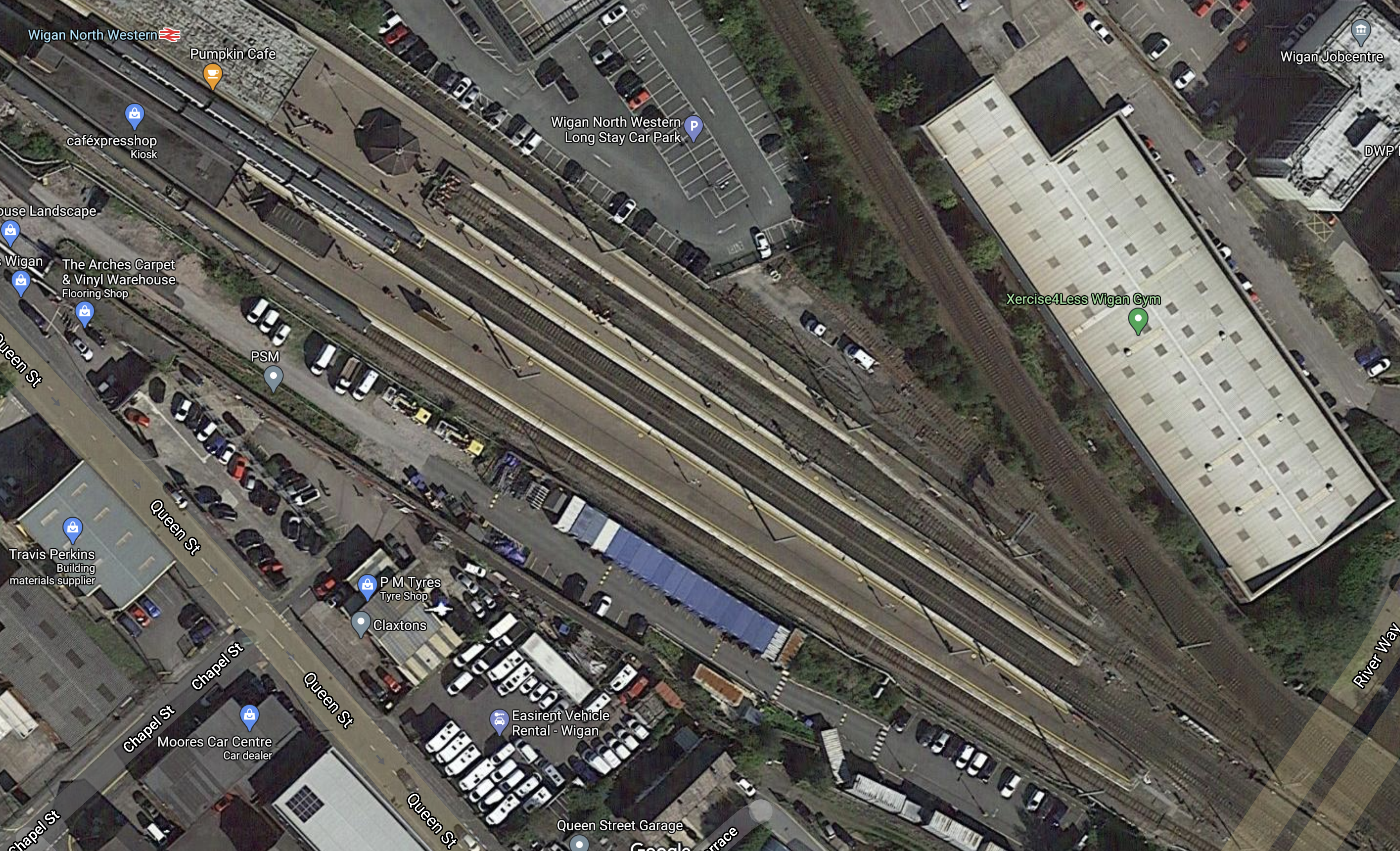
Note.
- The six platforms are numbered 1-6 from North-East to South-West.
- Platforms 1, 2 and 3 are used for trains that start at the station and go to the Alderley Edge, Leeds, Manchester Piccadilly, Manchester Victoria and Stalybridge.
- Platform 1 is quite long and regularly handles two trains at the same time.
- Platforms 2 and 3 could probably be longer.
- Platforms 1, 2 and 3 appear to have their own private access track direct to Wigan Springs Branch TMD to the South, where multiple units can be serviced and washed.
- The access track sneaks down the East side of the West Coast Main Line, so that trains don’t block the track, when transferring to and from the depot.
- The double-track going North between the station and the large building leads to Wigan Wallgate station.
This picture shows the Platforms 1, 2 and 3 at the station.
If you look at the train movements early in the morning, trains come out of the depot and start their first diagram from one of the three platforms on the left.
Lengthening Platform 3 will make this easier and more efficient.
Wigan North Western Station, West Coast Main Line And High Speed Two
Wigan North Western station is currently served by the following Avanti West Coast services on the West Coast Main Line.
- London Euston and Glasgow Central – Hourly
- London Euston and Glasgow Central or Edinburgh via Birmingham New Street – Hourly
- London Euston and Blackpool – Four trains per day
TransPennine Express also run four trains per day between Liverpool Lime Street and Glasgow Central.
The station is also planned to get two hourly High Speed Two services, which should be delivered in Phase 2a of the project.
- London Euston and Lancaster via Old Oak Common, Crewe, Warrington Bank Quay and Preston.
- Birmingham Curzon Street and Edinburgh or Glasgow via Preston, Lancaster, Carlisle and some other stations, depending on the Scottish destination.
It certainly looks like Wigan North Western station is being updated to have a comprehensive network of local electric services to give a large number of stations, good access to current West Coast Main Line and future High Speed Two services.
High Speed Two Through Lancashire Stations
The direct London and Scotland services are proposed to be as follows.
- They will run at a frequency of two trains per hour (tph)
- They will be formed of two classic-compatible 200 metre long trains.
- They will split and join at Carlisle, to give both Edinburgh and Glasgow a two tph service from London.
- One tph will stop at Old Oak Common, Preston and Carlisle in England.
- The second train will also stop at Birmingham Interchange in England.
Adding the services together, it would appear that the following services will run through Lancashire.
- One tph – London Euston and Lancaster – One 200 metre train
- Two tph – London Euston and Scotland – Two 200 metre trains.
- One tph – Birmingham and Scotland – One 200 metre train
This totals up to four tph.
I will now look, at the High Speed Two traffic through the various stations.
Warrington Bank Quay
I know Warrington Bank Quay is in Cheshire, these days, but High Speed Two trains will pass through.
Current plans include a by-pass round Warrington will be built for Phase 2b.
- Before by-pass four tph will pass through Warrington Bank Quay, with one stopping.
- After by-pass only one stopping train will pass.
If the High Speed Two service replaces the current Avanti West Coast service to Scotland, any problems at the station should be easy to solve.
Preston
Preston would appear to have three tph from High Speed Two passing through, with all stopping.
Phase 2b will add another tph.
Lancaster
Lancaster would appear to have two tph from High Speed Two passing through, with none stopping.
In addition, one service from Euston will terminate.
Phase 2b will add another tph, that passes thrugh.
Conclusion
It looks to me, that this relatively small project will be worthwhile.
How many other projects of this size need being added to the network urgently? I can think of possibly three within a dozen miles of my house, of which at least one is down to Beeching and/or British Rail’s cost cutting of the 1960s or 1970s.
 The Anonymous Widower