Hopes For West London Orbital Railway Consultation Later This Year
The title of this post, is the same as that of this article on Ian Visits.
The title says it all about the latest thinking for the creation of the West London Orbital Railway.
- The cost/benefit ratio appears good.
- Funding appears difficult given Transport for London’s finances.
This map from the Mayor’s Transport Strategy shows the route.
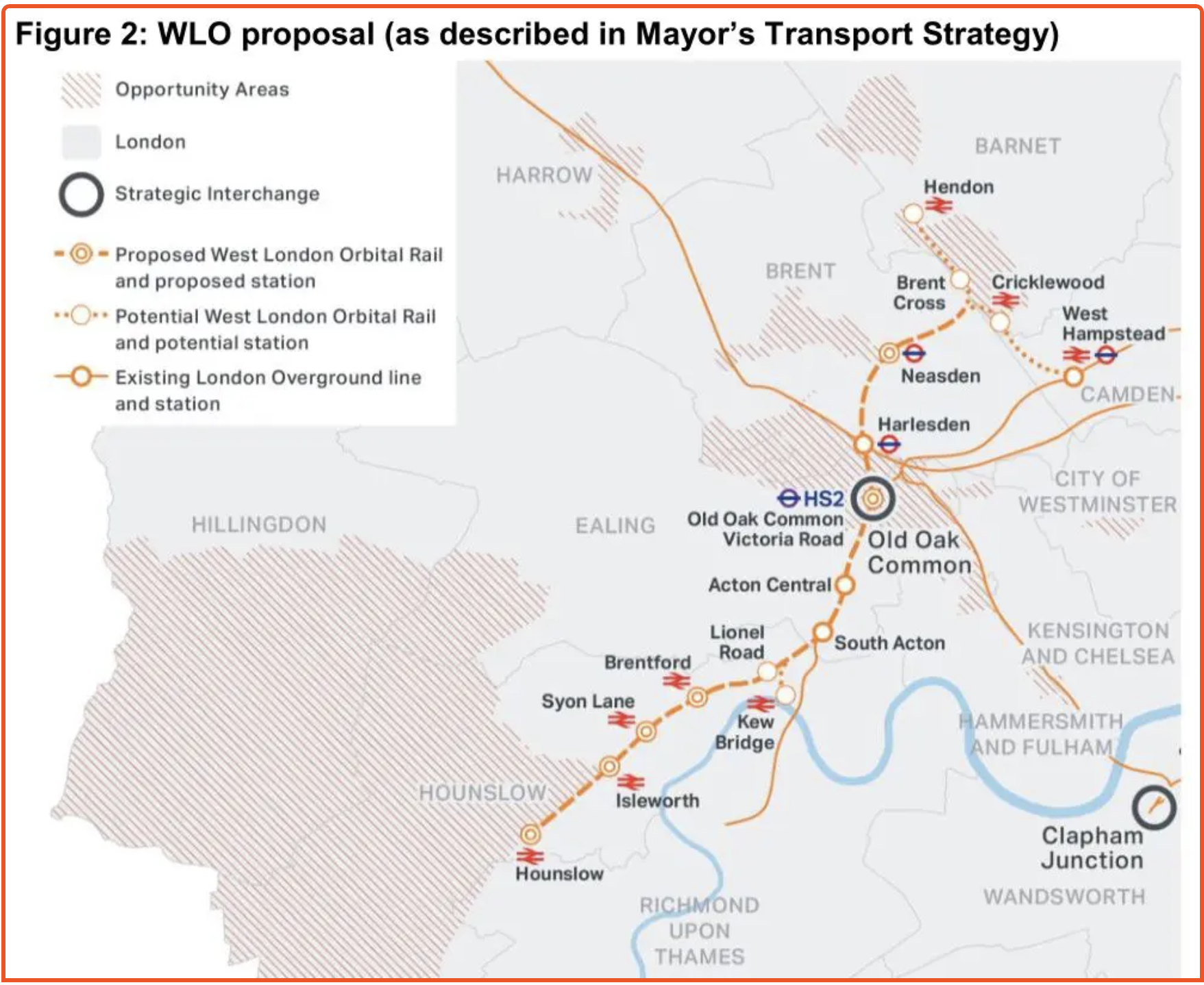
I’ve always believed that the line will give better access to Heathrow for workers and passengers, but with expansion at the Airport less likely to happen because of carbon emission issues, is this railway less likely to be created?
Beeching Reversal – Mablethorpe
This is one of the Round 3 bids of Beeching Reversal projects that the Government and Network Rail are proposing to reverse some of the Beeching cuts.
Maplethorpe is an traditional seaside town between Skegness and Cleethorpes, which is shown in this Google Map.
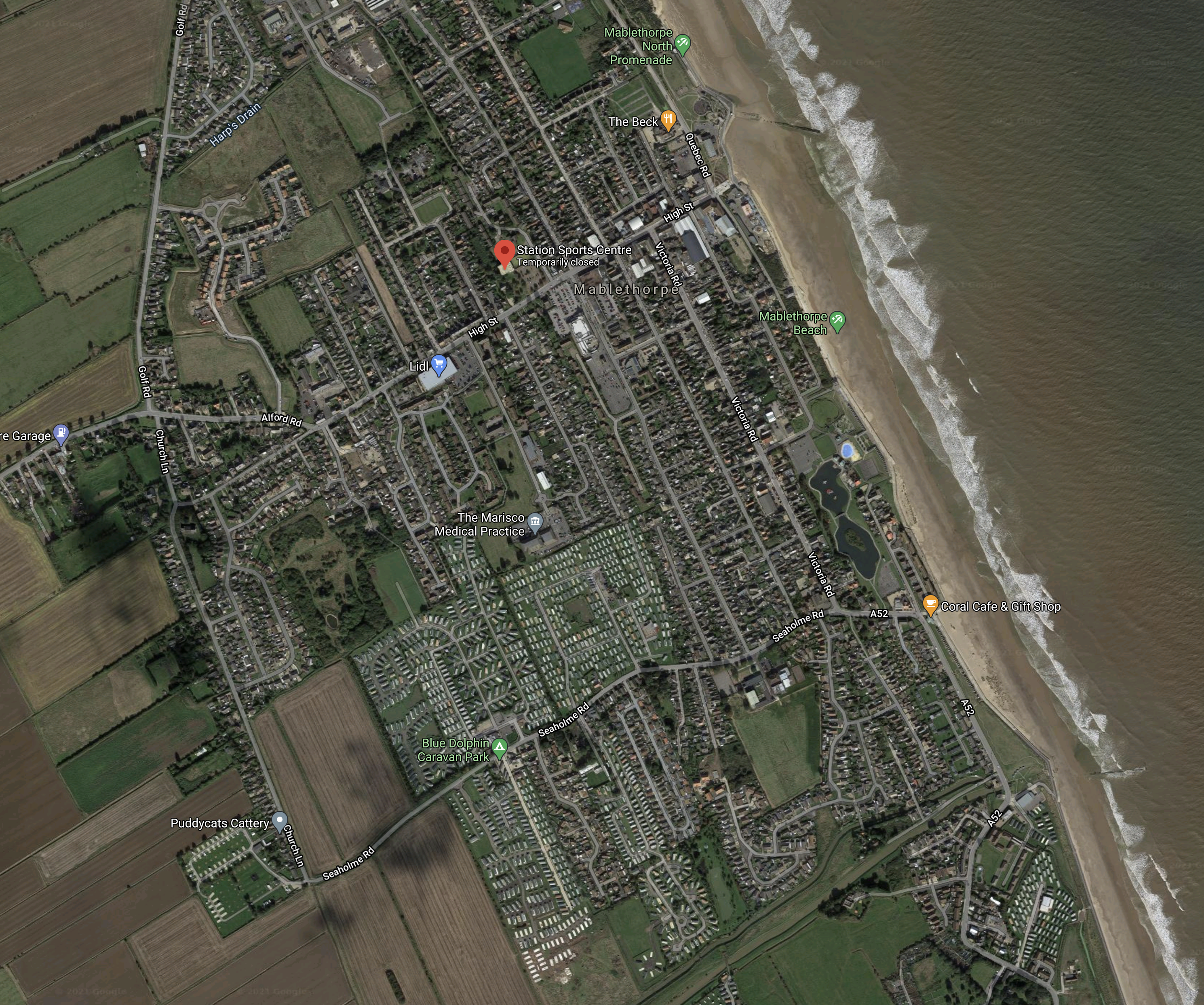
Note.
- The town has a population of around 12,000.
- The beach looks good.
- The red arrow shows the position of the former station, which is now a leisure centre.
It looks like building a railway to the original site would be very challenging.
The original railway through the town was the Mablethorpe Loop Line, which ran between Willoughby and Louth.
- Louth is the largest town in Lincolnshire without a rail connection.
- Willoughby and Louth stations were both on the East Lincolnshire Line, which connected Boston and Grimsby Town stations.
- Much of the original trackbeds can still be picked out on the map, but no rail lines exist.
It would be a very large enterprise to rebuild all the original lines.
I think there are two possible solutions to provide a rail link to Maplethorpe.
Boston and Maplethorpe
This Google Map shows the area between Boston and Maplethorpe.
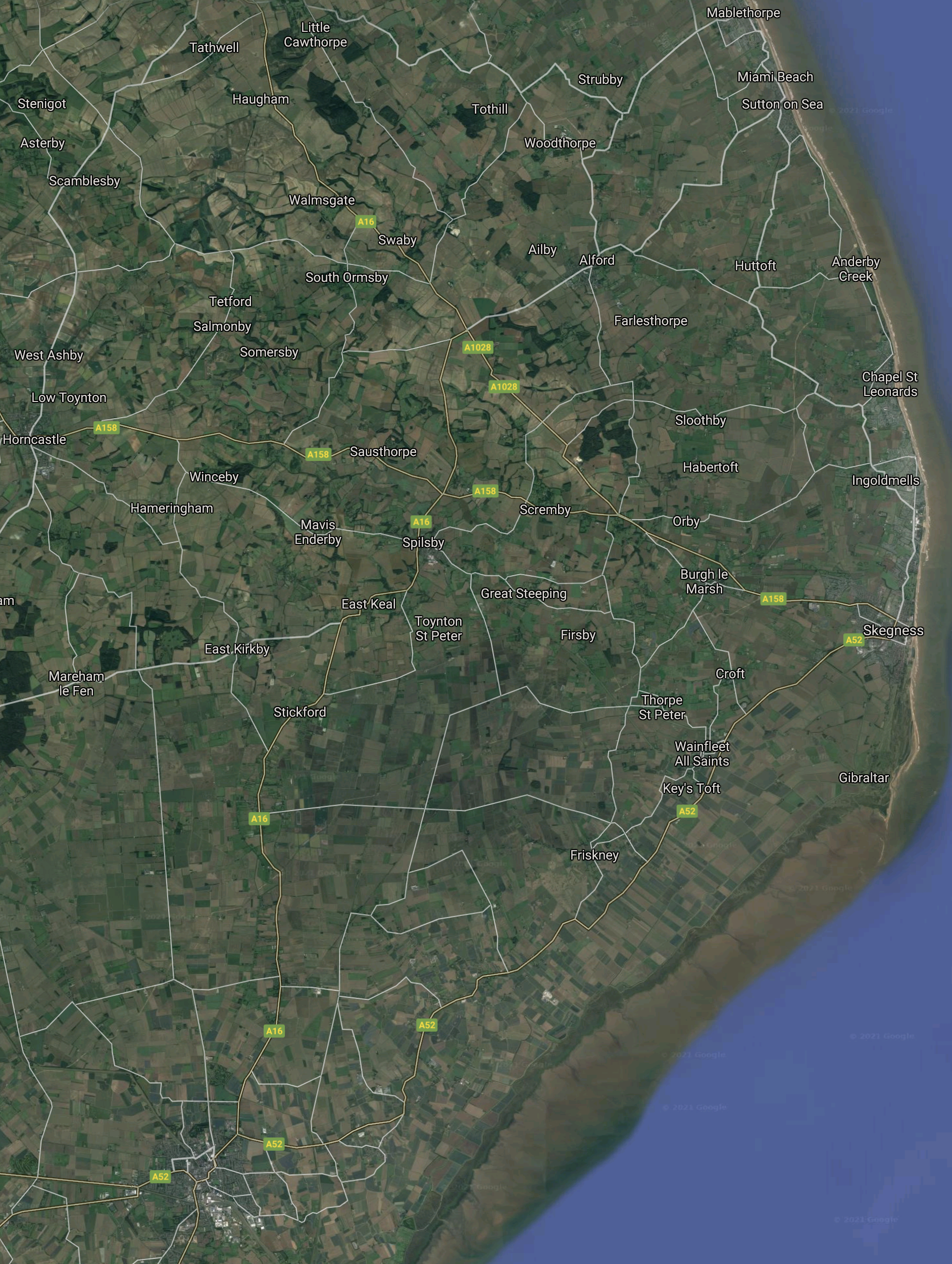
Note.
- Maplethorpe is in the North-East corner of the map.
- Boston is in the South-West corner of the map.
- Skegness is on the coast between the two.
It would probably be possible to build a single track railway on the old track bed between Boston and the Western side of of Maplethorpe.
Skegness and Maplethorpe
This Google Map shows Skegness station.
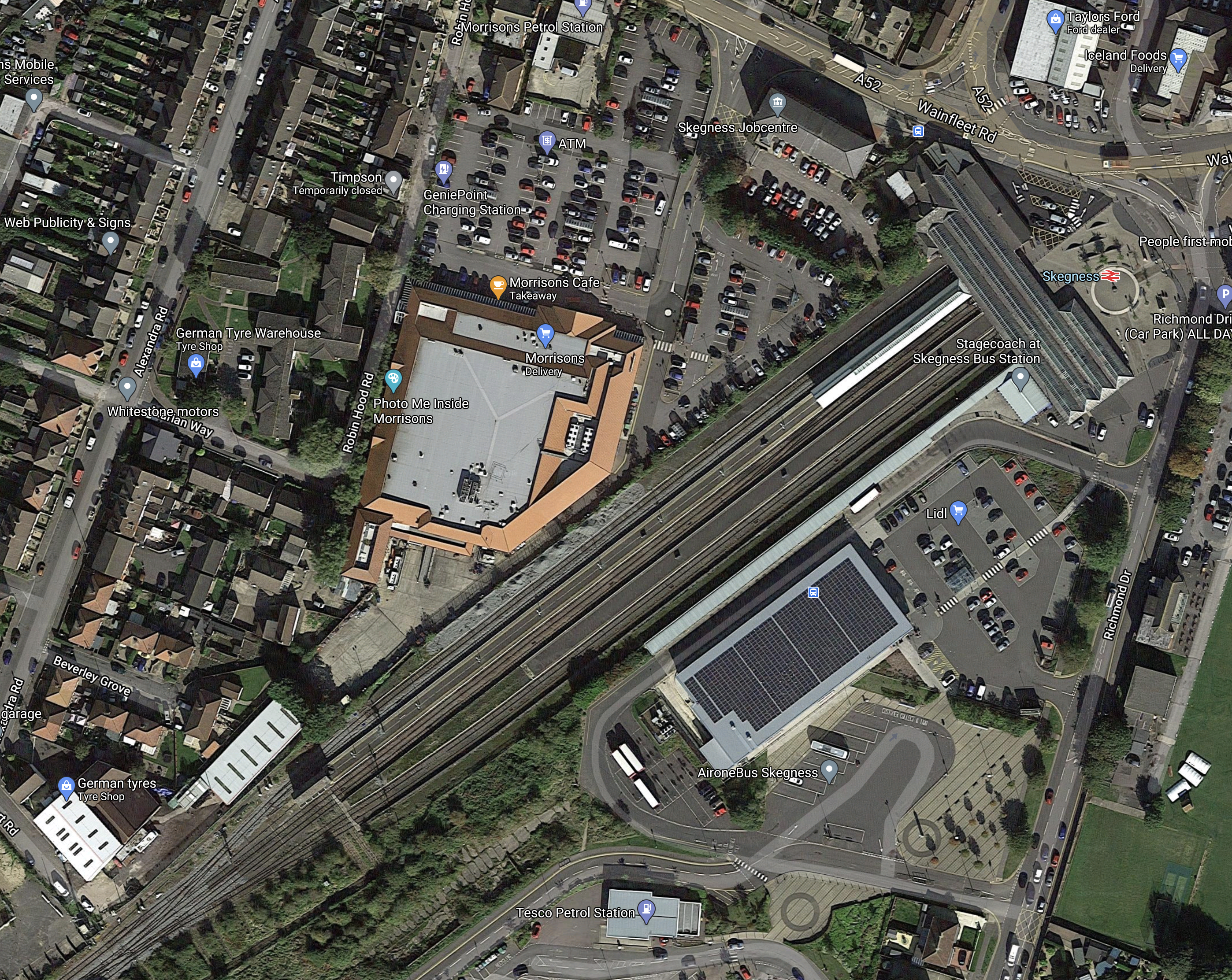
Note, that it is not a small station and it is in the town centre.
Ever since, I saw the coastal tram in Belgium, I have thought that they are a way of giving new life to traditional seaside resorts.
- Skegness and Mablethorpe are less than twenty miles apart.
- So could a tram start at Skegness station, work its way to the coast and then proceed along the coast all the way to Maplethorpe.
- It could even finish at Cleethorpes station.
I definitely think there are possibilities for a coastal tram.
Recycling In Islington
I took these pictures by the bus stop round the corner from my house.





It is often as bad as this and it is regularly cleaned up by the street cleaners.
There are people for whatever reason, put their rubbish by the litter and then the foxes sort through it looking for scraps of food.
Someone said on the radio, that it is caused by illegal sub-lets, as these tenants are told not to use the normal rubbish system, as it draws attention.
So their idea of recycling, is to get others to sort it!
Is The UK Ready For A Tourist Boom This Summer?
Imagine one scenario, where we continue to vaccinate against Covid-19 and and large parts of the EU doesn’t, or at least goes slower and slower because of reluctance to use the AstraZeneca vaccine.
A simple mathematical model could mean that our number of cases drops like a stone and the anti-AZ countries suffer successive waves of the covids.
Where will vaccinated well-off North American, Antipodean and Far Eastern tourists want to go for their dose of European culture?
Fergus Walsh On The AstraZeneca Vaccine
I have just watching a ten-minute interview on BBC Breakfast with Fergus Walsh, who is the BBC’s Medical Editor.
If you are worried about Covid-19 vaccination and the AstraZeneca vaccine in particular, I suggest you find the interview on iPlayer. It took place at 0815.
He is undoubtedly well-connected to healthcare in the UK, as during the pandemic, he has had deep-access to doctors, researchers and patients, so anything he says, should surely be taken seriously.
Clots Caused By The AstraZeneca Vaccine
On this he said, it was at the same rate as the Pfizer vaccine. Now there’s a thing!
The rate of those, who broke their ankle after being vaccinated is also probably the same for both vaccines.
Fergus Has Had The AstraZeneca Vaccine
This happened on Sunday.
His endorsement of the vaccine, is probably as well-reasoned as anyone.
Conclusion
Why are politicians and others rubbishing the AstraZeneca vaccine, when respected agencies say there is no problem?
Is it just jealousy?
- What are they going to say about Oxford’s malaria vaccine, that I wrote about in What Will Oxford Do For An Encore?
- Or about their new cancer treatment, that I wrote about in Oxford Vaccine Team Use Same Tech To Revolutionise Cancer Treatment.
Given the success of the vaccine with AstraZeneca, I doubt Oxford will be looking for another partner.
WindH2 Hydrogen Project Commissioned In Germany
The title of this post, is the same as that as this article on Chemical Engineering.
This is the introductory paragraph.
Salzgitter AG, Avacon and Linde have taken an important step on the path to decarbonizing the steel industry. With the commissioning of “Wind Hydrogen Salzgitter – WindH2”, Germany’s only cross-sector project, green hydrogen will be produced in future with electricity generated by wind power on the site of the steelworks in Salzgitter.
This sentence describes the hydrogen production.
Avacon, a member of the E.ON Group, operates seven newly built wind turbines with an output totaling 30 megawatts on the premises of Salzgitter AG. Salzgitter Flachstahl GmbH has installed two Siemens 1.25 megawatt PEM electrolyzer units on its plant site that are capable of producing around 450 m3 per hour of ultra pure hydrogen.
It appears that Salzgitter AG are initially using hydrogen to cut their carbon footprint.
To get an impression of the size of the steelworks, look at this Google Map.
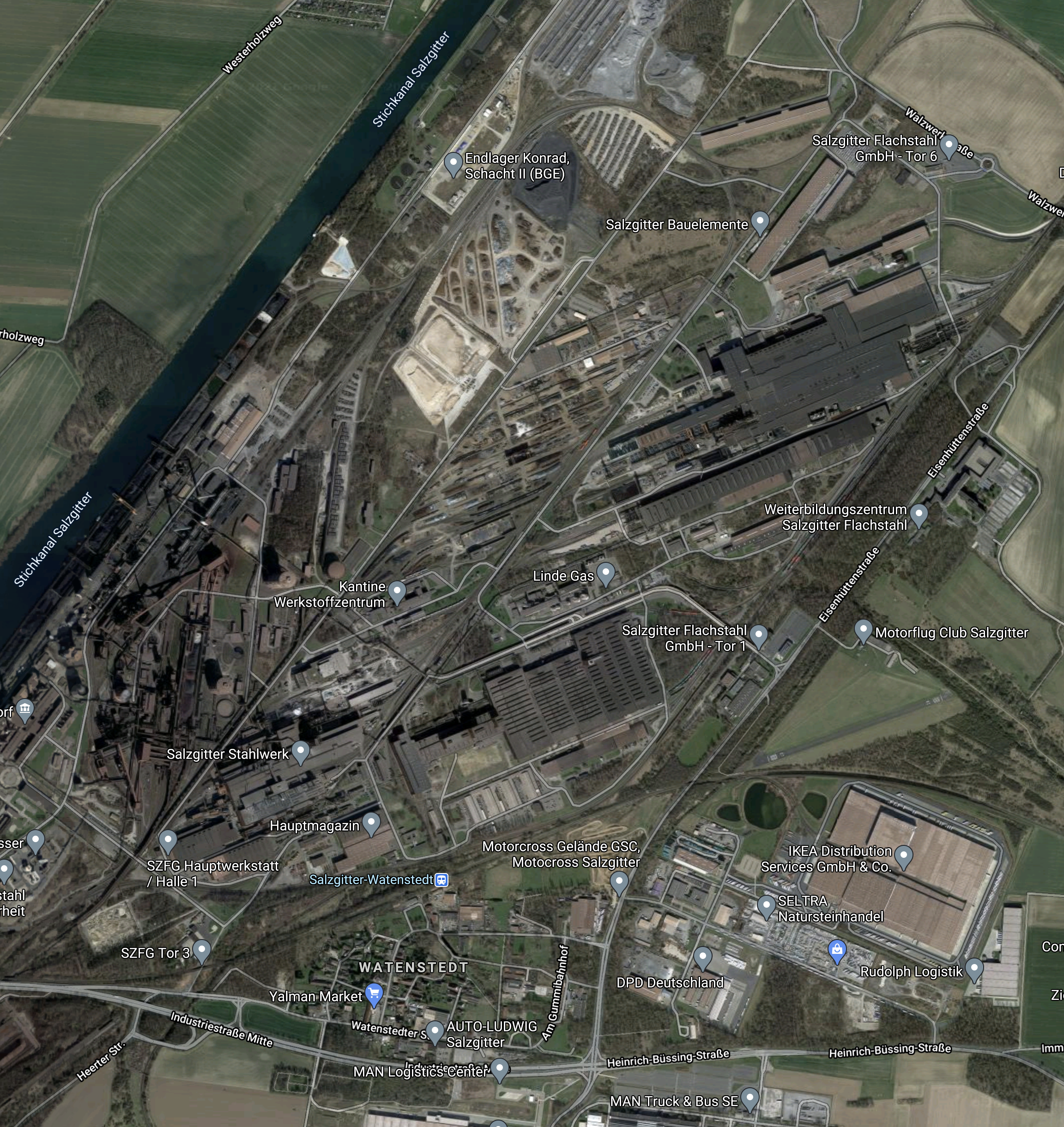
Note that if you click on the map to show it in a large scale, stahl is German for steel.
The article is certainly worth a read.
Could We See More Bunhill 2s On The London Underground?
This article on Railway Gazette, is entitled Air-Conditioned Piccadilly Line Train Designs Presented.
This is said in the article about the air-conditioning of the new trains.
The trains will feature air-conditioning for the first time on one of the capital’s small-profile deep-level Tube lines, which has posed a significant engineering challenge. The heat passed into the tunnels from the air-conditioning units is expected to be offset by a reduced heat output from the traction and braking equipment, given the trains’ lower energy consumption.
Cutting the energy consumption will be mainy good basic engineering.
- Lighting will use LEDs to use less electricity and cut heat generated.
- Efficient air-conditioning units will save energy.
- All electrical equipment like traction motors, transformers and door actuators will be low energy units.
There could also be some more complex ways to save energy.
Extensive Mathematical Modelling Of the Temperature And Humidity Of The Trains
I have built large numbers of mathematical models. I can see a lot of scope to use the technique to find the most efficient method of operation.
- On hot days would the trains be cooled down on the surface sections, so that they entered the tunnels cold?
- Conversely on cold days, would the heat in the tunnels be recovered to get cold trains entering the long central tunnel up to temperature?
- How does passenger loading effect the temperature and humidity?
The model would help to identify, the best operating procedure given the weather conditions.
The mathematical model could even be built into the control system of the train.
Heated Floors
As I said in Air-Conditioned Piccadilly Line Train Designs Presented, the trains could have heated floors, which are an efficient use of space.
They might even be an efficient way of warming a train on a cold day.
I lived near Cockfosters Depot for the first sixteen years of my life and know from personal experience, it can get very cold in the winter.
Regenerative Braking To Batteries
Regenerative braking is used in two ways on the London Underground.
- As the system is DC, electricity generated during braking, can be returned to the rails for use by nearby trains.
- Some stations are also hump-backed, so trains are slowed coming up the hill into the station and pick the energy up, going downhill out of the station. Stations using this technique are very noticeable on the Victoria Line.
I believe that the new Siemens trains should and probably will use regenerative braking to batteries.
- Electricity generated during braking is stored in a battery or batteries on the train.
- When accelerating away from the station, this energy is reused.
The method has advantages.
- There is less electricity transfer between train and conductor rails, which means less heat generated and less contact shoe wear.
- If there is a power failure, the batteries can provide hotel power for the train and could even be large enough to move it to the next station for evacuation of the passengers.
- There may even be scope in building batteries and traction motors as an integrated unit to save weight and reduce heat generation.
- Because of the reuse of energy, energy use is reduced.
I will be very surprised if these new trains aren’t fitted with batteries.
Why Build More Bunhill 2s?
The Bunhill 2 Energy Centre is described on this page of the Borough of Islington web site, which is entitled Bunhill Heat Network.
This is said about Phase 2 of the project.
Phase 2 of the Bunhill Heat and Power network involves building a new energy centre at the top of Central Street, connecting the King’s Square Estate to the network and adding capacity to supply a further 1,000 homes.
The core of the new energy centre is a 1MW heat pump that will recycle the otherwise wasted heat from a ventilation shaft on the Northern Line of the London Underground network, and will transfer that heat into the hot water network. During the summer months, the system will be reversed to inject cool air into the tube tunnels.
Note that a 1MW heat pump can supply enough hot water to heat upwards of a thousand homes.
This page on the Islington web site lists the project partners.
Transport for London is a key partner and this is said.
As a key partner in the Bunhill 2 scheme, TfL upgraded its City Road mid-tunnel ventilation system to enable the capture and utilisation of waste heat from the Northern line tunnels to provide hot water to local homes and businesses. TfL is also carrying out further research to identify opportunities for similar projects across the Tube network as part of its Energy and Carbon Strategy.
So what other stations could be used?
These are disused stations on the deep lines.
- Brompton Road – Piccadilly Line
- Down Street – Piccadilly Line
- South Kentish Town – Northern Line
- York Road – Piccadilly Line
York Road, which is close to all the developments to the North of Kings Cross, would probably be the most likely to be converted into an energy centre to transfer heat to and from the Underground.
Could Some Ventilation Shafts Be Converted Into Energy Centres?
The obvious one is probably Green Lanes Ventilation Station.
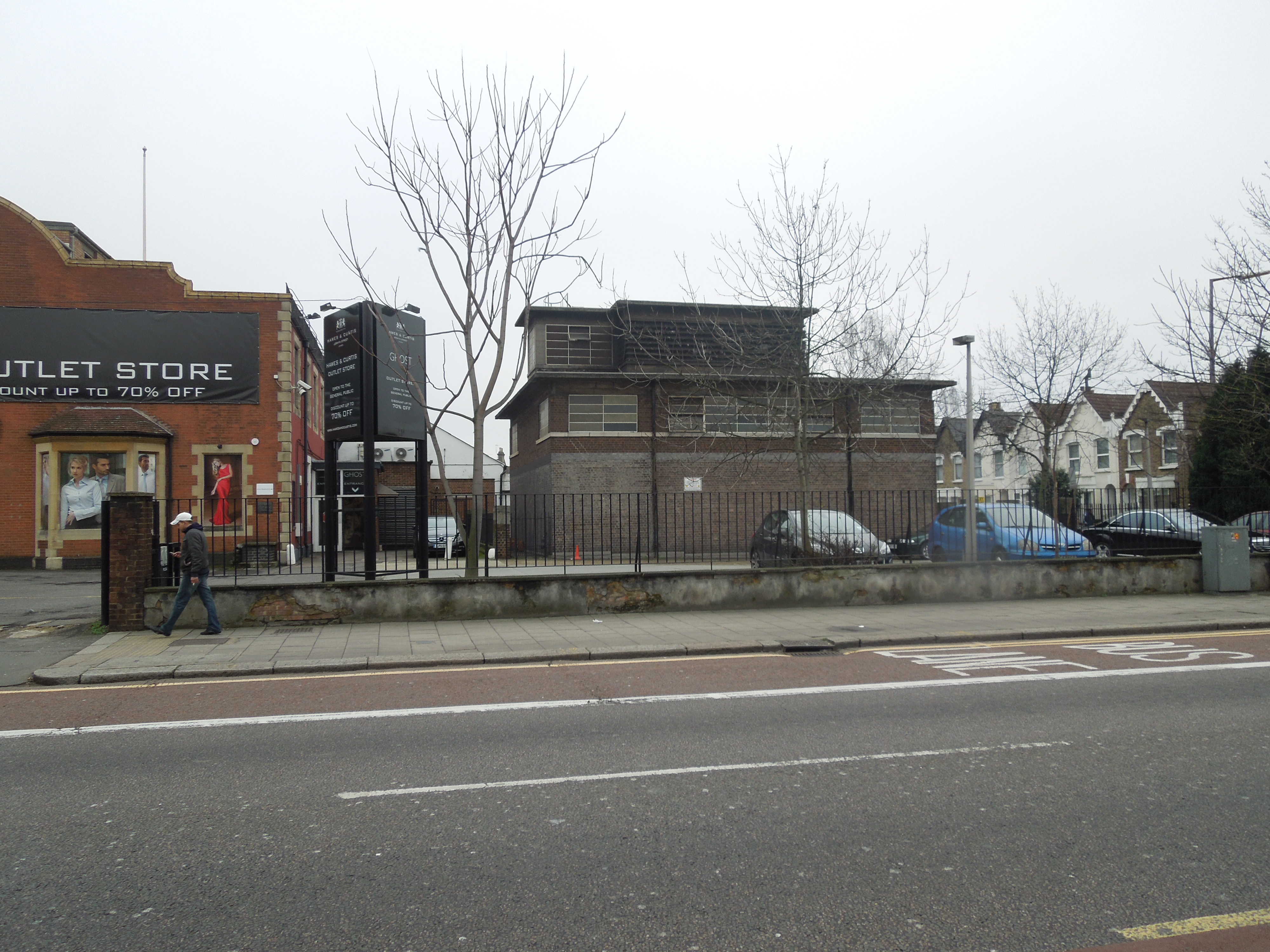
Green Lanes Ventilation Station
But then I suspect this is on Transport for London’s list of sites to be converted into something more useful.
Morocco Could Produce Up To 4% Of World’s Green Hydrogen By 2030
The title of this post, is the same as that of this article on Morocco World News.
This is the first paragraph.
Morocco could produce up to 4% of the global demand for green hydrogen by 2030, according to the German Ministry of Economic Cooperation and Development.
They are aiming to produce 10,000 tonnes of hydrogen per year by 2025.
Wikipedia has an informative topic called Energy Policy in Morocco, which indicates the following.
- The country has little oil and gas reserves. Although it does have some oil shale, that could be developed.
- Wind, solar and hydro power are being developed.
- They could install a nuclear power station East of Rabat.
It sounds, that they could have an electricity structure, that would be ideal for the production of green hydrogen.
Conclusion
Morocco could be joining an ever growing club, which includes Australia, Saudi Arabia and Spain, who will produce hydrogen for export to countries like Germany, Japan and South Korea.
New Fleet To Make Nightjet ‘The Best Option For Travelling Between Major European Cities’
The title of this post, is the same as that of this article on Railway Gazette International.
This is the first paragraph.
The exterior design and first painted carbody for the fleet of coaches which Siemens Mobility is to supply for Nightjet night train services has been unveiled by Austrian Federal Railways.
This is a €500m project involving.
- New trains
- Additional destinations
- New services
ÖBB intends to buy 33 Nightjet trains, which will be introduced into services from 2022.
This is the last paragraph.
Meanwhile, ÖBB intends to introduce its planned Wien/Innsbruck – Amsterdam Nightjet service from April 2021, with Wien – München – Paris and Zürich – Amsterdam services following in December.
It looks like ÖBB are moving closer to the UK.
I’m looking forward to taking a sleeper between London and Vienna.
Gulf Of Mexico Train Ferry Fleet Renewal
The title of this post, is the same as that of this article on Railway Gazette International.
This is the first two paragraphs.
The first of two train ferries ordered for CG Railway’s route across the Gulf of Mexico has been launched by CSSC Huangpu Wenchong Shipbuilding Co in China.
The CGR joint venture of Genesee & Wyoming and SEACOR Holdings transports 10 000 wagons/year between Mobile in Alabama in the USA and Coatzacoalcos in Mexico.
I was surprised about this article, as between the US and Mexico wasn’t where I would expect to find a train ferry.
But it obviously makes sense as two new ships don’t come cheap.
Some other points from the article.
- The two new ships will increase capacity by forty percent.
- There will be a 44 % reduction of CO2 emissions compared to the all rail route.
- The ships are designed to be pandemic proof.
- The ships take five days for the trip, which is half the time of the all-rail route.
I can see this investment being copied in various places around the world.
 The Anonymous Widower