Breeze Hydrogen Multiple-Unit Order Expected Soon
The title of this post is the same as that of this article on Railway Gazette.
This is the first paragraph.
Alstom Transport is hopeful of confirming an order before the end of this year for its Breeze hydrogen multiple-unit trains being developed in partnership with leasing company Eversholt Rail, suggesting that the first trains could enter service ‘as early as 2022’.
It then goes out to fill out some of the thinking behind the Alstom Breeze hydrogen-powered train.
The Breeze Is A Stop-Gap
Alstom are quoted as indicating the Breeze is an interim solution, until the next generation of train is available.
But after a ride to Southend recently in a Class 321 Renatus, I’m sure that the ride and passenger acceptance will be of a high standard.
And that’s what counts. Hydrogen is only the train’s personal power supply.
Alstom Are Not Building A Suburban Trundler
The Alstom Coradia iLint is not an exciting train.
- It has a cruising speed of 87 mph.
- It has a range of 370-500 miles.
- It has a noisy mechanical transmission.
- It always runs on hydrogen-power.
- The prototypes have covered 100,000 km.
In my view, it is very much a first generation compromise design.
The article says more about the Alstom Breeze.
- It has a slightly faster cruising speed of 90 mph
- The Breeze will have 50% more power than the iLint. Does this mean better acceleration and/or a longer and heavier train?
- It will have a 1,000 km range.
- It will have regenerative braking to the train’s batteries.
- It will have a new AC traction package, as does a Class 321 Renatus. So will the two systems be the same? Or at least similar?
I am also fairly sure, the train will be able to use electrification of both 25 KVAC overhead and 750 VDC third-rail, as Class 321 trains can now!
Train Capacity
This is said about train capacity.
Despite the loss of some seating space, each set of three 20 m vehicles would provide slightly more capacity than a two-car DMU with 23 m cars which it would typically replace.
The Class 172/0 trains, that are two-car 23 metre diesel multiple units, have 124 seats.
In Hydrogen Trains Ready To Steam Ahead, I estimated that a three-car Alstom Breeze would have a seating capacity of around 140 seats, with the ability to perhaps take an additional 160 standees.
So was my seat estimate fairly good? I also think, that as the Breeze has been designed with bags of grunt, I suspect that the basic train could be increased in size by adding extra trailer cars.
After all, the legendary Class 442 train is a five-car train, with a power-car in the middle. South Western Railway, think they are worth pulling out of the scrapyard and refurbishing to run expresses between Waterloo and Portsmouth.
I am fairly certain, that Alstom can create a five-car Class 321 Breeze with the following characteristics.
- A capacity of about three hundred seats
- A smaller three-car train would have 140 seats.
- A near-100 mph top speed on hydrogen-power.
- A 100 mph top speed on electrification.
- A 1000 km range on hydrogen.
- Regenerative braking to an on-board battery.
- The ability to use 25 KVAC overhead and/or 750 VDC third rail electrification.
The trains could have the ability to run as pairs to increase capacity.
The train would be ideal for the following routes.
- Liverpool and North Wales via Chester
- Norwich and Derby
- Newcastle and Carlisle
- Preston and Carlisle via Barrow
- Cardiff and the South Coast of England
- Borders Railway
- Southampton and Ashford
- Waterloo and Exeter
All of these routes have partial electrification, which would reduce the amount of hydrogen needed to be carried around.
Now that is an interesting multi-variable calculation!
Hydrogen Infrastructure
Alstom seem to be developing infrastructure solutions to supply hydrogen for fleets of ten or more trains, which could be shared with other applications. The obvious one could be where a train depot and a fleet of buses share a facility in say a large city like Exeter, which has an extensive diesel train network.
The article also says this about the source of hydrogen.
Ideally, the trains would use ‘green’ hydrogen manufactured by electrolysis using surplus renewable energy rather than ‘brown’ hydrogen from steam methane reforming.
I agree wholeheartedly with that!
Delivery In 2022?
Consider what has already been achieved in other projects.
- Alstom have proved they can generate enough electricity to power a practical train.
- Eversholt have proved that you can turn Class 321 trains into comfortable and efficient 100 mph Class 321 Renatus trains for routes up to a hundred miles.
- Several classes of Mark 3-based electrical multiple units have been re-engined with AC traction, including the Class 321 Renatus.
- Engineers all over the UK have modified Mark 3-based coaches and multiple units to create better and more-efficient trains.
Helping delivery of the project, is a legacy of drawings and philosophy from British Rail Engineering.
If Alstom say 2022, I believe that that could be a feasible date.
Conclusion
The ghost of British Rail Engineering is certainly a benign one allowing all sorts of worthwhile development paths.
The Jeremy Kyle Show Axed By ITV After Death Of Guest
The title of this post is the same as that of this article on the BBC.
I won’t make any comment about the show, as I’ve never seen it.
That is not because I object to programmes of this type, but because I rarely watch programmes with advertising.
The only exception I make is with sport.
I’ve never for instance seen an episode of Downton Abbey.
Trainspotting At Oakleigh Park Station
Around 1960, my friend; Richard Plumb and myself, used to go trainspotting on the East Coast Main Line through Barnet and Hadley Wood. One of the places, we used to go regularly was Oakleigh Park station, where we would stand on the pedestrian bridge to the North of the main part of the station.
These pictures show the station today.
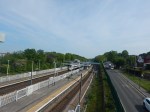

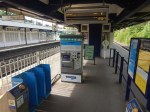
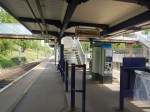
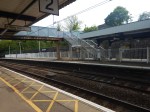

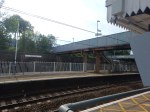
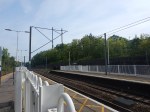
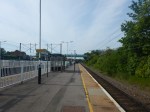

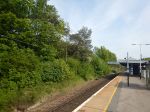

It hasn’t really changed that much over the sixty years.
- Wikipedia says it was remodelled for the electrification in 1975.
- The steel bridge, where we used to stand i very much the same.
- There are a lot of new houses on surplus railway land.
- The whole area is a lot greener, due to an increase in tree cover of the sides of the railway.
The step-free access is as it was in 1960 and totally non-existent. Wikipedia doesn’t detail any plans for the future.
This Google Map shows the layout of the station.

Note.
- The two island platforms, with four faces.
- The North bridge, where we used to watch the trains.
- The South bridge, which is the station footbridge with steep steps down to the platforms.
It is a station that has most of the things it needs, except for that step-free access!
Could Oakleigh Park Station Be Made Step-Free?
I have to ask this question.
Before I answer it, the following should be considered.
- The station doesn’t appear to have an open Booking Office or any ticket gates, but has ticket machines and Oyster readers on both platforms.
- It also has coffee stalls on both platforms.
- It might be possible to put a lift to Platforms 3-4, but because of the Booking Office, it might be difficult for Platforms 1-2.
- The station has about a million passengers a year.
My personal view is that as more housing is developed between Kings Cross and Welwyn Garden City the train frequency will be increased.
One solution might be to replace the bridge, where Richard and myself, watched the trains, with a new step-free bridge that also bridged Netherlands Road alongside the station.
Did I See Any Trains?
I took this picture of LNER’s new Azuma returning on the first round trip to Leeds.
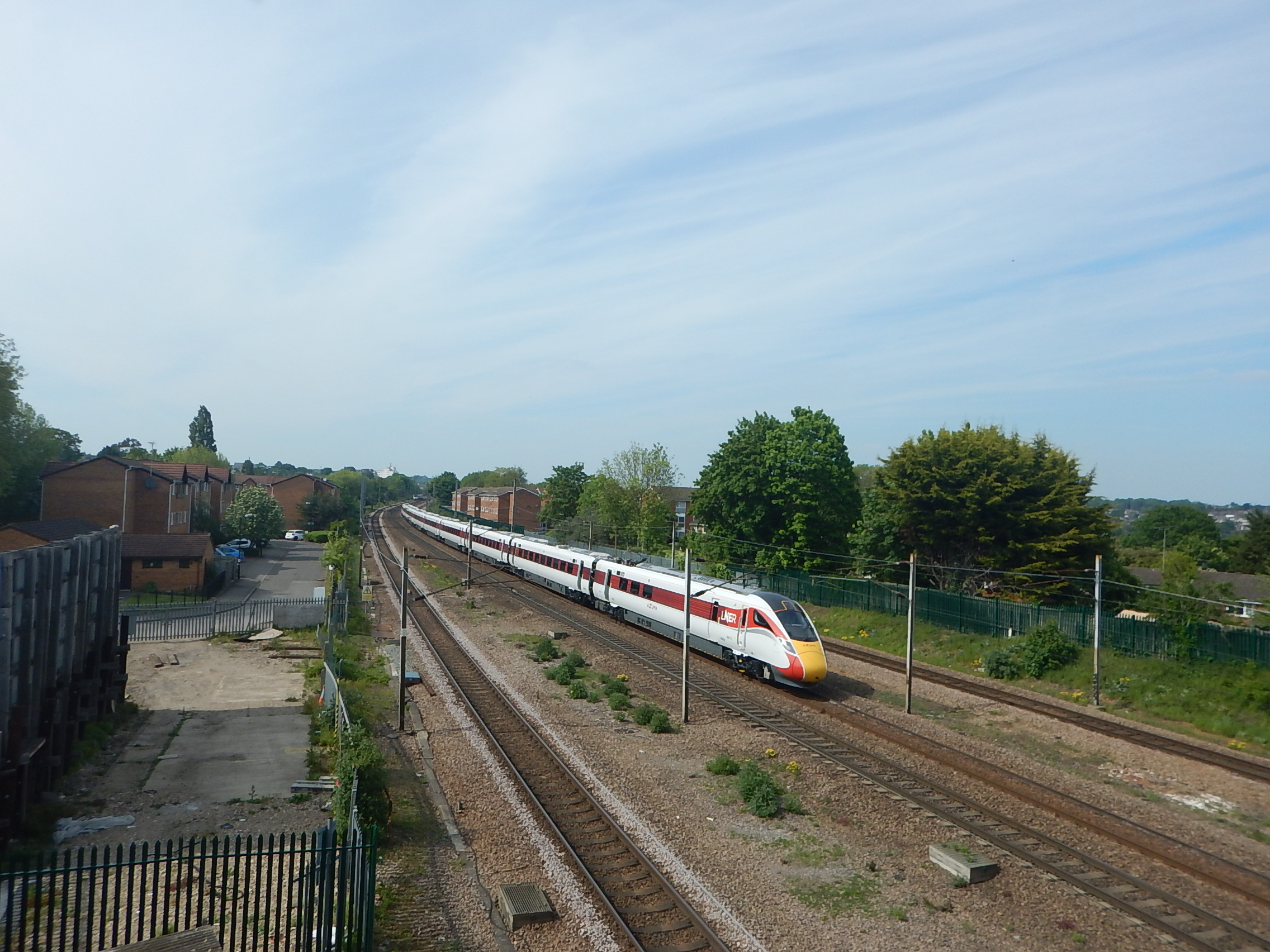
The Azuma or Class 801 train almost bears a front-end resemblance to Nigel Gresley‘s famous A4 Pacifics. Mallard is a member of this class and set the world speed record for steam locomotives at 126.4 mph.
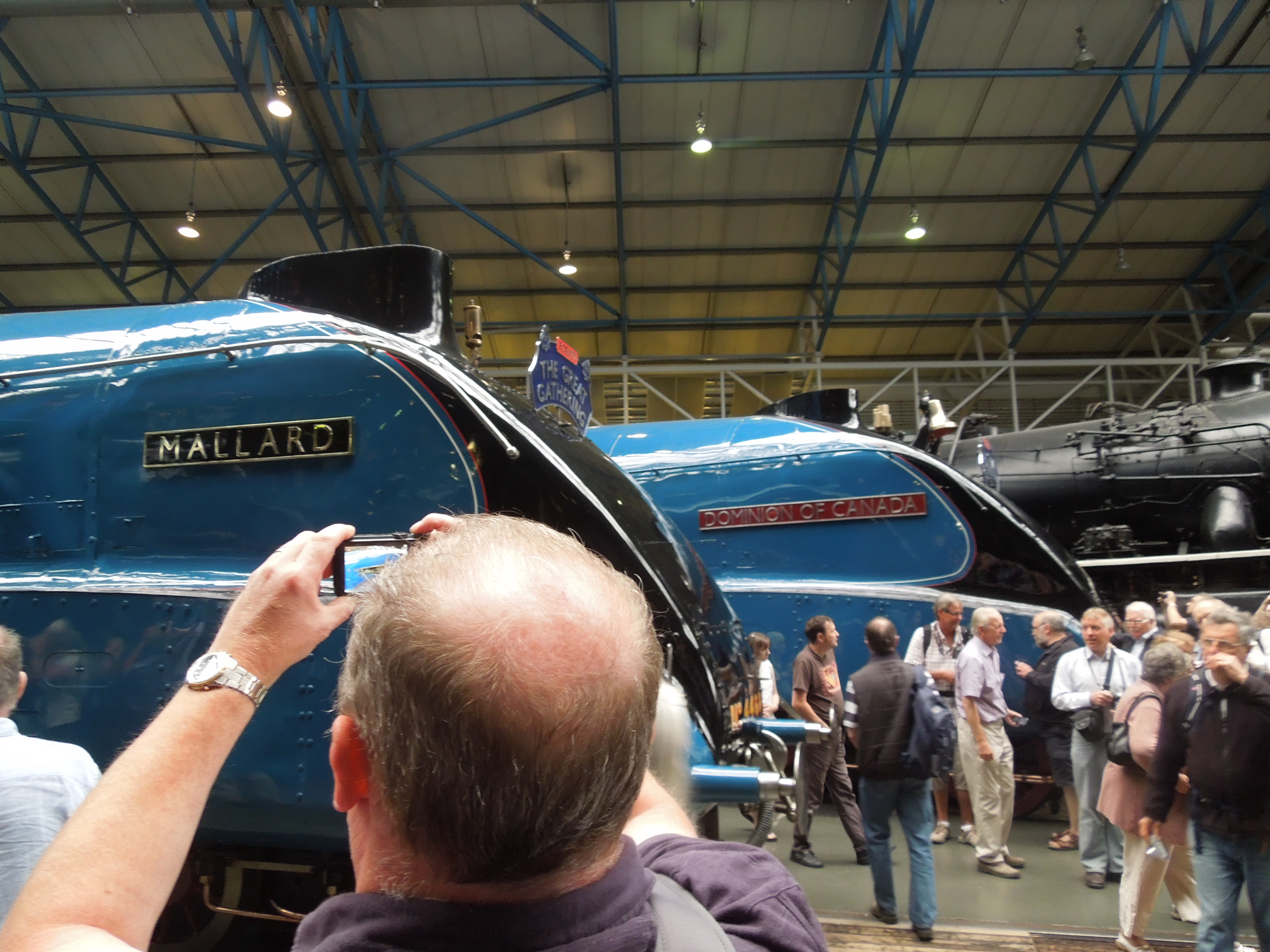
Although, it is a bit like comparing apples with oranges, it should be noted that Mallard’s speed record is actually faster than the current 125 mph operating speed of the new Class 801 train. But the electric train has another fifteen mph to come with full digital signalling.
But seeing the Azuma coming through Oakleigh Park station, reminded me of summers sixty years ago, when we watched streaks at speed on that same gentle curve.
Transport For The South East Seeks Statutory Status
The title of this post is the same as that of this article on Railway Gazette.
This is the first two paragraphs.
The Transport for the South East group of 16 local authorities covering the region from Hampshire and Berkshire to Kent has begun consultation on its draft case for acquiring statutory status as a subnational transport body.
This would give it the right to be consulted on new franchises, a formal role in setting the High Level Output Specification, and powers to deliver a region-wide integrated smart ticketing scheme.
Why not?
The population of the sixteen local authorities must be comparable to some areas like Merseyside or Greater Manchester, which have their own transport bosies.
Chalkwell And Southend East Stations To Go Step-Free
This document on the Government web site is entitled Access for All: 73 Stations Set To Benefit From Additional Funding.
Currently, four c2c stations are not step-free.
- Chalkwell – six tph – 1,968,000
- Ockendon – two tph – 1,055,000
- Southend East – four tph – 1,927,000
- West Horndon – two tph – 416,000
Note.
- tph is trains per hour
- The large number is the number of passengers in 2017-18
As Chalkwell And Southend East stations are the two busiest stations without step-free access, they on the list of stations to be improved.
Chalkwell Station
The Current Station
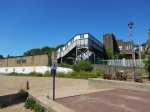
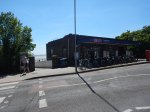
These pictures show Chalkwell station and a selection of views from the path that runs on the seaward side of the station.

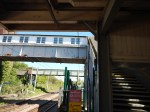
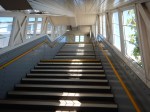
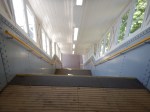
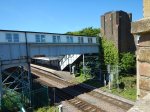


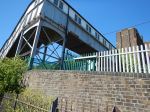
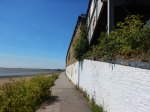
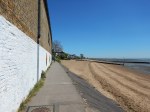
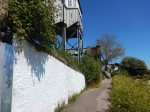

This Google Map shows the Eastern End of the station.
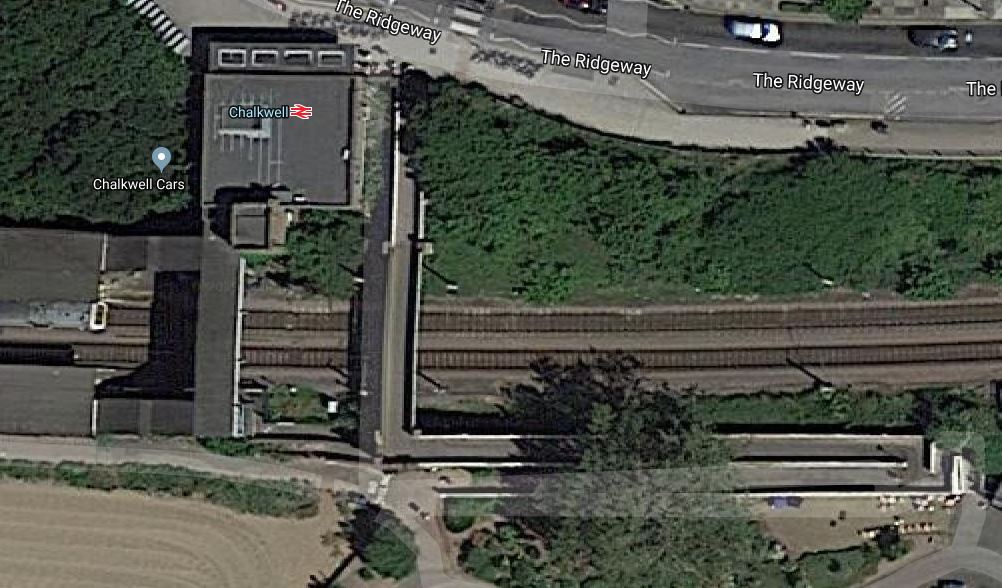
I hope it explains some of the pictures.
- The Booking Office and gate-line are in the building identified by the red rail sign.
- There are two bridges over the railway.
- The Western bridge is for pedestrian access between the gate-line and the two platforms.
- There are steep staircases down to the two platforms.
- There is also a separate |Eastern bridge, which is to allow pedestrians, cyclists and dogs to cross the railway and access the coastal path, which runs South of the station.
Note too, that the station is very close to the sea.
Adding Step-Free Access At The Booking Office
I think that my pictures also flag up several problems of making the current pedestrian bridge step-free, either by complete replacement or the addition of lifts.
The Pedestrian Bridge At Station Has A Severe Case Of The Moths
Engineers and those that repair vehicle bodies, often refer to rust in steel structures as moth damage. The pedestrian bridge at Chalkwell station was built in 1933 and it appears to have suffered badly in the salty atmosphere close to the sea.
I do wonder, if a structural engineer has said that the bridge will need replacing within a few years.
It should be noted that the second bridge contains a lot more concrete, so this may be in less risk of collapse.
Would An Electric Lift Work Reliably In a Heavy Gale Blowing In From The Sea?
A knowledgeable station guy told me, that he believed the weather would stop a lift being installed on the seaward platform.
The Current Stairs Are Long And Very Steep
I managed them, but then I have a great advantage in that I’m only 61 Kg and can generally climb most stairs, even if I take it slower than some.
Is There Space To Add Lift Towers To The Current Pedestrian Bridge?
It might be possible by the Booking Office, but I suspect that there is not enough space on the seaward side.
The Pedestrian Bridge Would Be Difficult To Replace Whilst Keeping The Station Open
I think it would be nearly impossible to rebuild the bridge or replace it with a new one, whilst keeping the station open.
Why Not Replace Both Bridges?
It might be possible to replace the two bridges with a new single bridge in the position occdupied by the Eastern bridge, that is separate from the station.
But this would be very disruptive to both train passengers and to pedestrians wishing to cross the railway.
A Conclusion About Step-Free Access At The Booking Office
It will be difficult, if not impossible, to add step-free access to the station, whilst keeping it open to passengers, if step-free access is provided at the Booking Office.
Could A Separate Step-Free Bridge Be Built At The Western End Of Chalkwell Station?
This Google Map shows the Western end of the station.
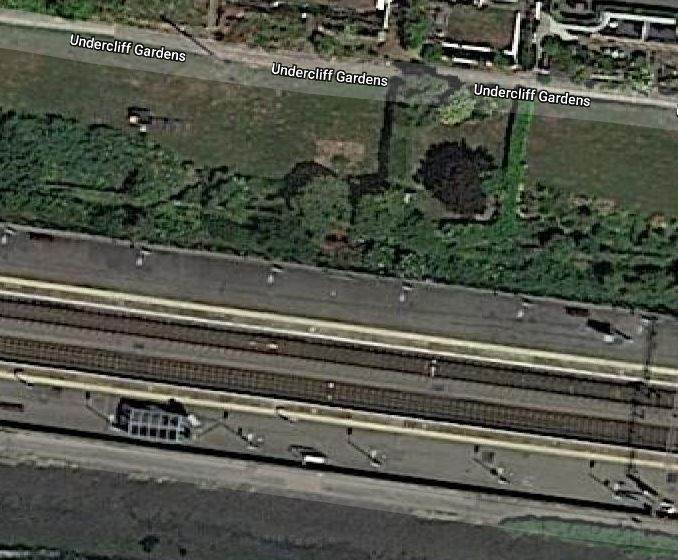
Note that there is a steep slope up from the platform to the road that passes the station on the Northern side.
This picture was taken of the bridge at Maghull North station.
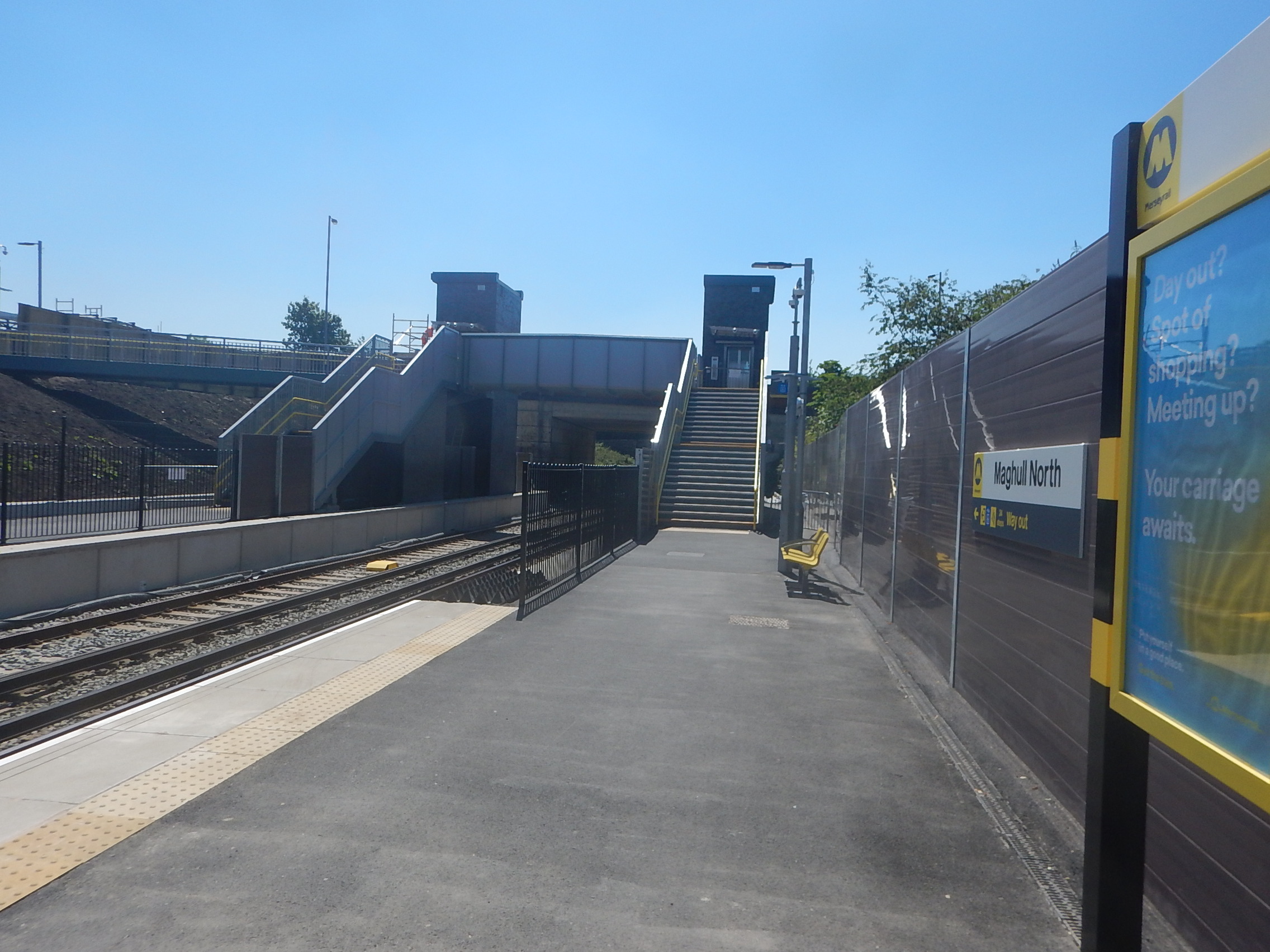
Note how there is a short bridge to the top of the cutting on the left hand side of the bridge.
- Could a similar arrangement be used at Chalkwell station?
- It should be possible to build a level path along the top of the slope.
- The path could connect into the Booking Office behind the gate-line.
I feel this approach would have several advantages.
During Installation Of The New Step-Free Bridge, Platform Access Would Be As Now
Passengers would not be inconvenienced, whilst the new bridge was being installed.
After Installation Of The New Step-Free Bridge, Passengers Would Enter The Station Through The Same Doors And Gate-line
How convenient, especially for occasional travellers, who might be confused by the new layout.
The New Bridge Could Be Placed In The Most Convenient Place
The new bridge could be placed in the best place for the passengers and the optimum place for train loading.
The New Bridge Could Be Built With Minimum Disruption To Services
There would be a big advantage in that the bridge could be built over a working railway, as was the one at Maghull North station.
After Installation Of The Bridge, There Would Be Two Routes To Each Platform
If it were to be decided that the old pedestrian bridge with its steep stairs were to be demolished, this could be done, at a safe and leisurely pace after the new bridge was deemed to be a good design.
But it may be decided to refurbish the old bridge to keep the two seperate routes.
The Winner Of The Network Rail Footbridge Design Ideas Competition Could Be Used
In Winner Announced In The Network Rail Footbridge Design Ideas Competition, I wrote how the competition was won by this bridge.
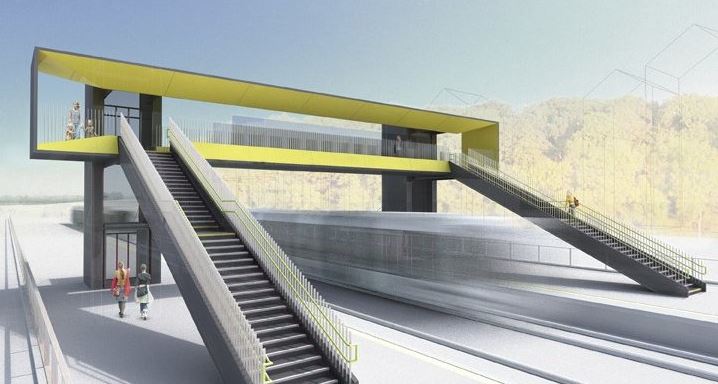
So could a factory-built bridge like this be installed at Chalkwell station?
An extension from the bridge on one side, would give access to the path to the Booking Office.
Could this bridge be slightly lower, than the current bridge? I suspect, this bridge has been designed so that 25 KVAC overhead electrification can be fixed to the underside of the bridge deck using insulated fittings. The reduced height would make climbing up slightly easier.
Southend East Station
The Current Station
These pictures show Southend East station.
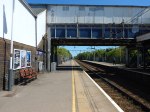
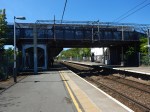
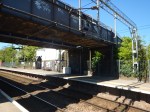

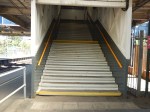

This Google Map shows the station.
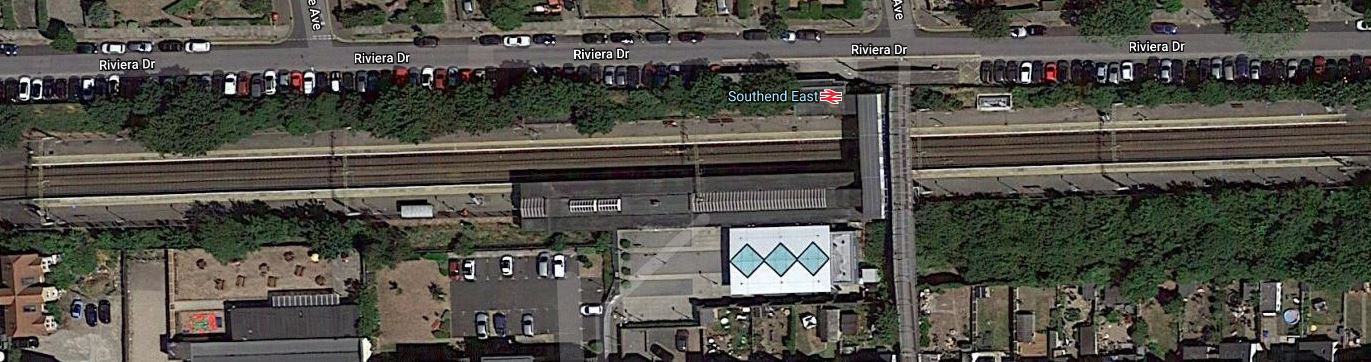
There would appear to be plenty of space, but where will the bridge be placed?
If they decided to use a bridge based on the competition winner could probably be placed on the Eastern end of the platforms.
Between Bratislava And Kiev By Train
This article on Railway Gazette is entitled Slovakia – Ukraine passenger service to launch in June.
This is the first three paragraphs.
Slovakian national operator ZSSK and its Ukrainian counterpart UZ have agreed to launch a through passenger service on June 9 on the 146 km route between Košice and Mukachevo via the Čierna nad Tisou/Chop border crossing.
This follows a trial train which ran on April 2. Services are expected to leave Košice at 09.10 and 12.01 and Mukachevo at 13.54 and 17.20, with a journey time of around 4 h including the border formalities.
There will be connections at Košice with trains to and from Žilina, Bratislava and the Czech Republic, and at Mukachevo with trains to Lviv, Kyiv, Kharkiv and Odesa.
This new train, will open up a new route between Bratislave and Kiev.
- Košice is a large city, that has been European City of Culture.
- Mukachevo looks to be a place to while away a day and according to hotels.com, there are well-rated rooms in the town.
- I should think some knowledge of Hungarian or Ukrainian would help.
I would do the trip by flying to Kiev and after visiting Chernobyl, I would come home by train via this new route to Bratislava.
I’ve already done Bratislava to London by train, as part of my Home Run From Budapest in 2013.
You can find all the posts in Flying To Budapest And Getting The Train Back.
If anybody wants to visit Chernobyl with me and come back from the Ukraine by train, hopefully, I shall be doing this trip sometime in the summer.
The New Underground Station Entrance At Euston Station
The entrance to Euston Underground station has been moved to the piazza outside station.
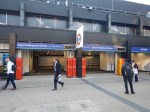
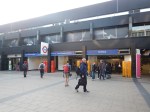
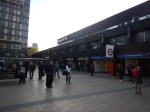
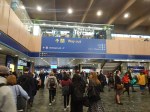
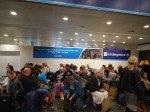
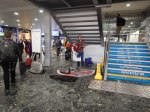
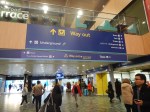
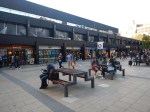
It appears there have been two objectives.
- To create more seating space in the cramped main station.
- To separate travellers walking to and from the Underground from those standing in the station forecourt.
Compared to Kings Cross, London Bridge and Waterloo, Euston has rather complicated pedestrian flows, which hopefully will be simplified, when the station is rebuilt for High Speed Two.
The Crick Institute In The Evening Light
I took these pictures of the Crick Institute in the evening light tonight.

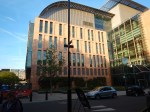



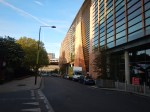
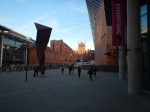
The colour of the stone comes through and matches that of the nearby St. Pancras station.
Bosch Likely To Slash Platinum In New Fuel Cells
The title of this post, is the same as that of this article on Automotive News Europe.
This is the first paragraph.
Bosch expects platinum to play only a minor role in its new fuel cells, with the supplier only needing a tenth of the metal used in current fuel cell vehicles, Reuters estimates.
The amount will be similar to that in the average catalytic converter, which must surely be a good thing.
Bosch are in a joint venture with Swedish fuel cell maker, Powercell
New GWR IETs Under Fire Over Lack Of Buffets
The title of this post, is the same as that of this article on Rail News.
This is the first paragraph.
The RMT has been holding demonstrations today at London, Swansea and Plymouth about the lack of buffets on GWR’s new Intercity Express Trains. Surfers have also been protesting about the simultaneous withdrawal of space to carry their boards.
As I don’t even swim, the latter doesn’t bother me and I can’t remember going to the buffet on a GWR train since, I regularly used to go to Reading to see Foster Wheeler in the 1980s. I must admit, that I’ve availed myself of the trolley service.
I have flagged up for some time, that the Class 800, 801 and 802 trains are a bit lacking in the bulky luggage department.
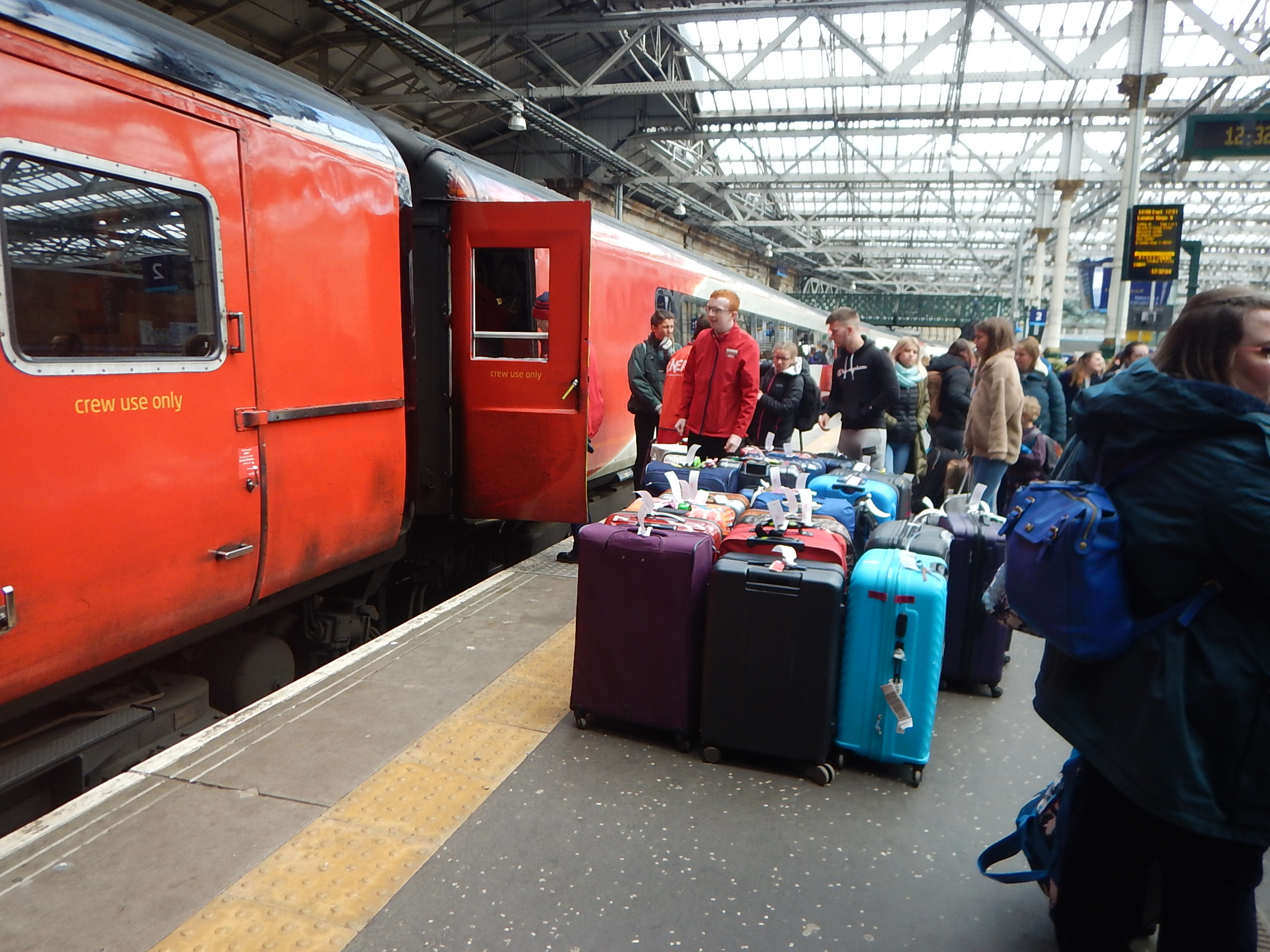
The picture shows an InterCity 125 about to make luggage disappear.
Also in Bicycles And Class 800 Trains, I said this.
I also noticed from the information displays, that all bicycles needed to be booked. That is a bit different from the days of the InterCity 125s, which had lots of space in the back of the locomotive.
On one trip to Plymouth, I saw several surfboards swallowed by the locomotive.
I got in a conversation with a station guy about bicycles and surfboards and from the knowing look on his face, I suspect it is a bit of a pain.
With the growing popularity of cycling, surely a turn up and go regime is needed.
Given that cyclists and surfers may look at the weather and decide, it’s a good time to go cycling or surfing, I suspect that GWR need to come up with a solution to this problem.
In the 1960s, I remember working with a manic surfer; John Baxendale, at ICI in Runcorn. Regularly, at the weekend in the winter, he’d strap his surfboard to the roof of his trusty Morris Minor and drive to the very North of Scotland to go surfing.
Rather him than me!
But if all surfers are like John in the 1960s, they are devoted to their sport and grab all opportunities.
The simplest solution is probably to provide a hire service in Cornwall for bicycles and surfboards.
But the design of the Class 800 trains allows up to twelve cars in a single train.
Could this lead to GWR and/or other operators, adding a tenth car to the trains to handle large luggage and perhaps bring specialist cargo like flowers and seafood up to London? GWR have done this in the past.
 The Anonymous Widower