3rd October 2024 – A Day In Liverpool
A Three-Leg Journey North
This is the second time, I’ve bought one of there journeys North and they are a pain, unless you want to guarantee seats.
I suppose, I should buy my tickets earlier, but if I can buy my rickets on the day on other train companies, I would prefer to do it on Avanti West Coast.
Avanti West Coast’s problem is that they haven’t got their new Class 807 trains into service yet, which will double the services to Liverpool.
T arrived at Warrington Bank Quay on time and the transfer to Newton-le-Willows went smoothly, but then, I waited thirty minutes for my train to Liverpool Lime Street.
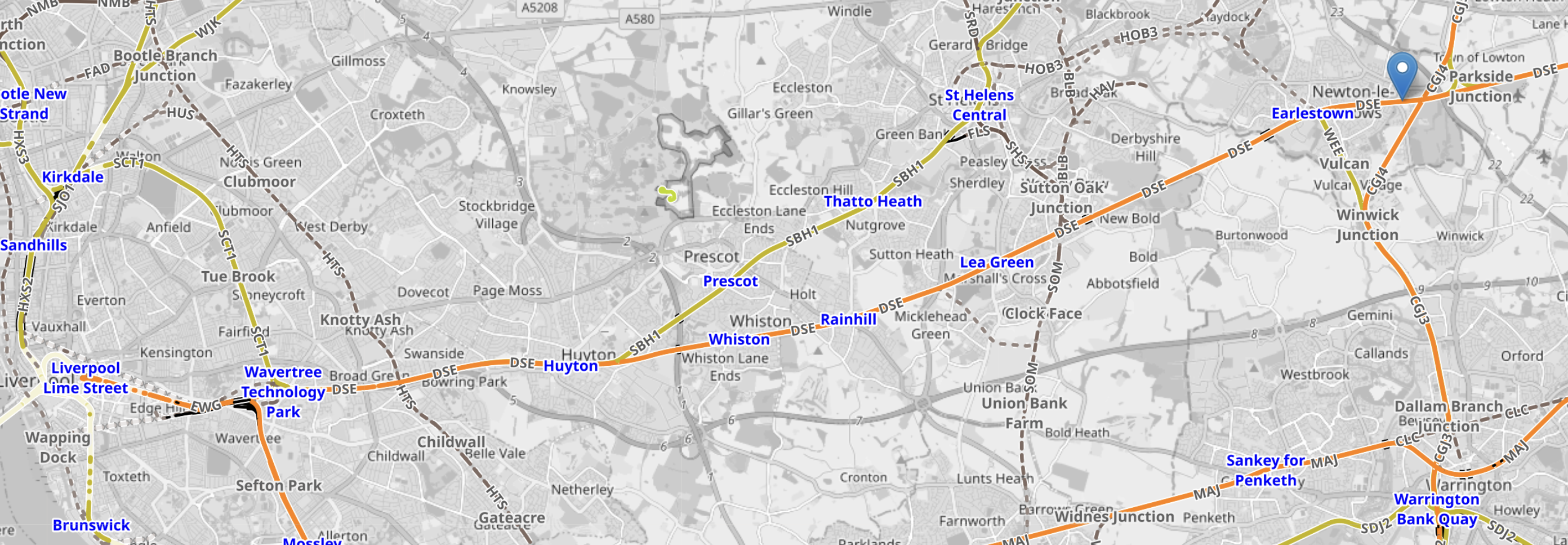
This OpenRailwayMap shows the route I took.
Note.
- Liverpool Lime Street station is at the Western side of the map.
- Newton-le-Willows station is marked by the blue arrow in the top right corner of the map.
- Warrington Bank Quay station is in the bottom right corner of the map.
It does seem a round about route, But I got there. Although, I was late.
Hopefully, in a couple of years, you’ll be able to take a local train between Liverpool Lime Street and Newton-le-Willows stations to link up with FirstGroup’s low-cost Lumo Open Access service between Euston and Rochdale.
A Single Journey Home
I was booked home on the 18:43 train from Lime Street, but as you can often do, I asked and was allowed to board the 17:43.
A Crowded And Crazy Euston
I arrived back at Euston at 20:00, but it was crowded, as the station is very much a building site for High Speed Two.
I felt I would treat myself to a taxi, but I couldn’t find any.
So I took a 205 bus along Euston Road to King’s Cross, where I jumped on the the Circle Line for Moorgate.
From there I took my usual 141 bus home.
A friendly station guy at Moorgate, indicated, there might not be any taxis at Euston.
I’d also found earlier, that there were no escalators to the Underground.
Perhaps more than ever, care should be taken at Euston, when getting to and from the station.
It Looks To Me That High Speed Two Has Got Their Planning Wrong At Euston
The big problem at Euston is getting to and from the National Rail station from East or West,
Compare Euston in this respect with Liverpool Street, King’s Cross, St. Pancras or Paddington.
In The New Step-Free Entrance At Euston Square Station, I show the plans for step-free access to the sub-surface lines.
This new entrance to Euston station, should be built first.
All the dithering about High Speed Two seems to have delayed it!
Vauxhall Begins UK Customer Trials Of Hydrogen Vans
The title of this post, is the same as that of this press release from Stellantis.
These four bullet points, act as sub-headings.
- First customer trials of Vauxhall Vivaro HYDROGEN in the UK are underway
- Already sold in LHD markets by Opel, Vauxhall’s sister brand, Vivaro HYDROGEN is the first commercially available production hydrogen van
- Companies to take part in fleet evaluation process ahead of UK launch of Movano HYDROGEN later this year
- Movano HYDROGEN will offer a range of up to 311 miles (WLTP) and can be re-fuelled in under five minutes
- Orders for Movano HYDROGEN will open later this year, with first customer deliveries expected in 2025
- Vauxhall will be the only manufacturer offering two zero emission solutions (BEV & FCEV), enabling van fleets to choose the one that best suits their operational requirements
- Vauxhall was the UK’s number one electric van manufacturer in 2021, 2022 and 2023
This is one of Vauxhall’s accompanying images.
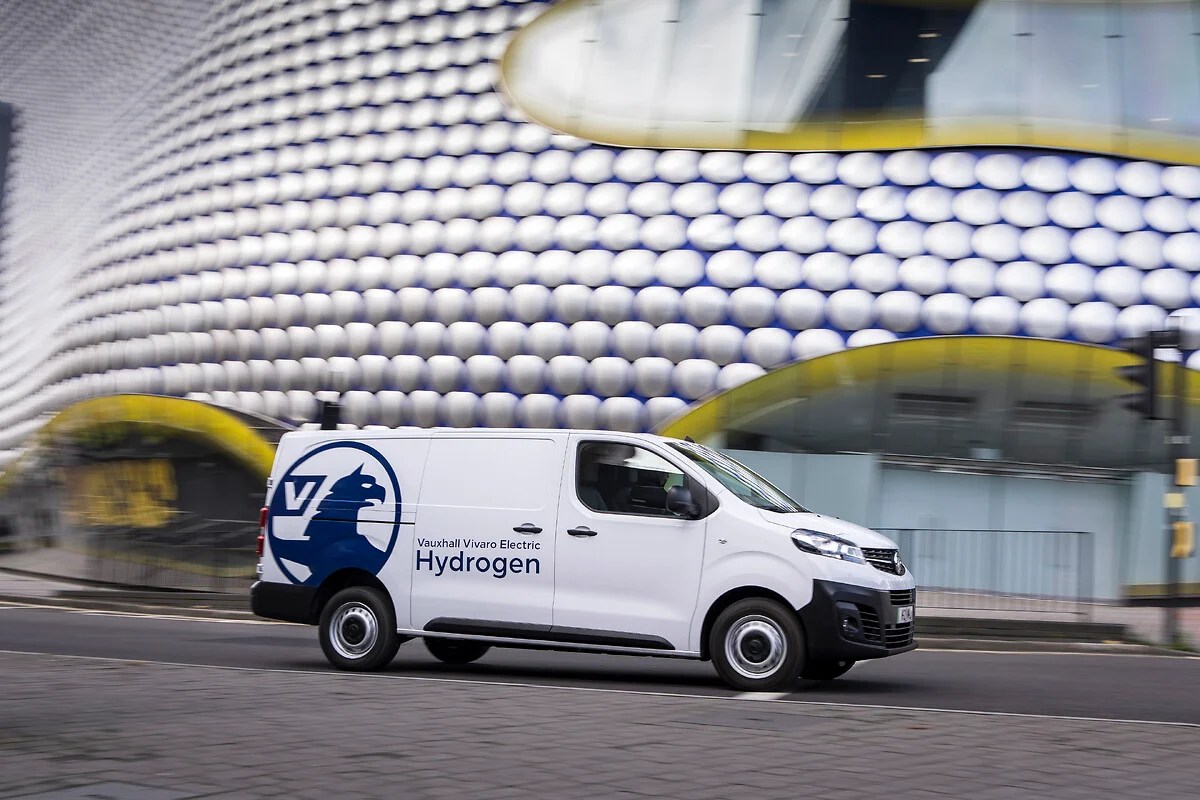
It just looks like a normal Movano with the H-word on the side.
These two paragraphs describe the van.
Based on the existing fully electric Vivaro Electric, the Vivaro HYDROGEN features a 45kW fuel cell and 10.5kWh lithium-ion battery located under the front seats for a driving range of 249 miles (WLTP). The 5kg hydrogen fuel tanks located under the floor can be re-filled in just five minutes – about the same time needed to fill up a conventional diesel or petrol vehicle.
The 10.5kWh lithium-ion battery provides dynamic peak power when required, such as at start-up and under acceleration. It also ensures the fuel cell can run at optimum operating conditions and allows for regenerative braking. The plug-in capability enables the battery to be re-charged externally if necessary, providing 31 miles of pure battery electric range.
It does strike me, that 45 kW could be a bit light for the engine power, when you consider a diesel Movano has a 103 kW turbo diesel. But then Stellantis should know what they are doing and as they say, the battery provides dynamic peak power when required. The Movano Electric for comparison has a 75 kWh battery.
I feel strongly, that where hydrogen is available, some operators will choose the Movano Hydrogen over the Movano Electric.
Innotrans 2024: Rolls-Royce Shows mtu Solutions For On-Track Energy Transition And Celebrates 100 years Of Rail Engine Business
The title of this post, is the same as that of this press release from Rolls-Royce.
These four bullet points, act as sub-headings.
- All mtu engine series for locomotives and railcars approved for sustainable fuels
- DB, RDC Autozug Sylt, Trenitalia and České dráhy use or test HVO
- Rolls-Royce celebrates 100 years of success with mtu rail drives
- More than 250 rail customers worldwide value the performance, compact design and low exhaust emissions of mtu systems
These are the first two paragraphs.
Rolls-Royce will be presenting its mtu-brand propulsion and service solutions at the international rail exhibition Innotrans in Berlin from September 24 to 27, 2024 in Hall 18, Booth 500. The company will be celebrating an anniversary at the same time: for 100 years, mtu products have been powering trains, including mainline and multi-purpose locomotives, high-speed trains and local transport railcars. On display will be sustainable propulsion solutions such as the mtu Series 4000 and 1600 engines for locomotives and the underfloor drive systems mtu PowerPacks for railcars, all of which are now released for sustainable fuels such as HVO. Rolls-Royce will also be presenting its repower and reman solutions.
100 years ago, Karl Maybach laid the foundation for the rail drive systems of today’s mtu brand with the world’s first high-speed diesel engine for railcars, the Maybach G 4a. Maybach also developed the GO 5 engine for the “Fliegender Hamburger” express train.
These are my thoughts.
Chiltern Railways Could Go Carbon-Neutral By Using HVO
In Vegetable Oil Fuelling Chiltern Railways Trains In UK First, I described how Chiltern Railways are running their Class 68 locomotives on HVO.
This move by Rolls-Royce mtu will allow all Chiltern’s Class 168 trains to be run on sustainable HVO, as they have Rolls-Royce mtu diesel engines.
Chiltern Railways Class 168 train fleet is as follows.
- 10 x 4-car
- 9 x 3-car
- 9 x 2-car
This will still leave Chiltern Railways Class 165 train fleet to be converted to sustainable fuel.
- 28 x 2-car
- 11 x 3-car
Note.
- There are 75 of these trains in service with Chiltern Railways and Great Western Railway.
- They are fitted with Perkins engines.
- Perkins engines are now owned by Caterpillar, who built the engines for the Class 68 locomotives.
As Caterpillar have the sustainable diesel technology, could they convert the Class 165 trains to HVO?
Cummins And HVO
Although this post is mainly about Rolls-Royce mtu, it would be convenient to put in this section about Cummins and how their diesel engines run on HVO.
The UK train fleet contains the following trains with Cummins engines.
- 10 x Class 175 train x 2-car
- 16 x Class 175 trains x 3-car
- 14 x Class 180 trains x 5-car
- 34 x Class 220 trains x 4-car
- 23 x Class 221 trains x 5-car
- 4 x Class 221 trains x 4-car
- 4 x Class 222 trains x 7-car
- 23 x Class 222 trains x 5-car
Cummins says this about their engines and HVO.
Cummins approves use of HVO fuel in all high-horsepower engines
(19L-95L), including the QSK19, K19, QSK23, QST30, QSK38, K38, QSK45,
QSK50, K50, QSK60, QSK78, QSK95, V903 and ACE for all industrial
markets. No engine modifications are required; engines currently in the
field can be used with HVO at any percentage.
It would appear that all trains with Cummins engines can be converted to run on HVO.
CAF And HVO
Class 195, 196 and 197 trains all have Rolls-Royce mtu diesel engines, so they will be able to run on HVO.
Hitachi And HVO
Class 800, 1801, 802, 805 and 810 trains all have Rolls-Royce mtu diesel engines, so they will be able to run on HVO.
Conclusion
If all diesel engines are to be converted to HVO, there is going to be a lot of HVO needed in the UK.
But many train fleets will be carbon-neutral.
Refurbished Class 165 Trains
I have collected these pictures over the last couple of days of the recently refurbished Class 165 trains.



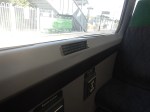
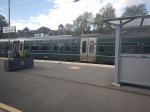
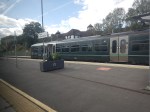
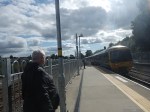
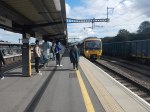

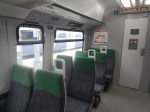

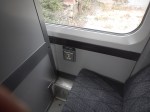
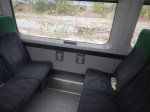
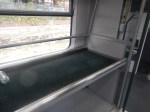
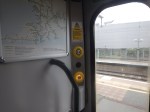
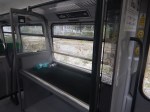
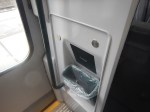
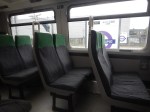
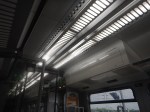
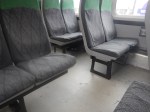


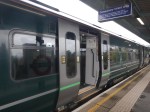


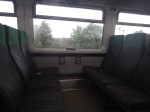


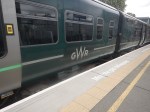
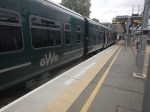

Note.
- The copious luggage space for holidaymakers and schoolchildren.
- The large number of quality charging points.
- The good quality painting and decorating.
- Lots of useful accessories like litter bins.
- I found the seats reasonably comfortable.
They certainly haven’t scrubbed up like a thirty-year old train.
Ashley Down Station – 28th September 2024
Ashley Down Station opened today, so I went to visit and took these pictures.





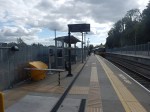
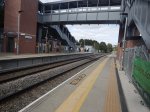
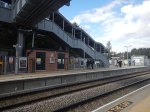



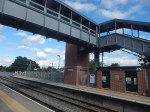
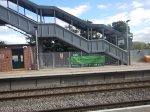

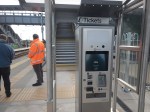
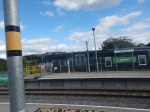
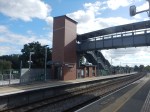

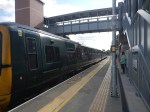



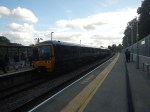


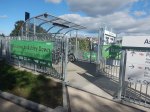
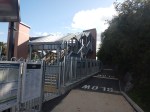
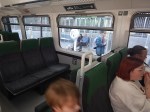

Note.
- There are four tracks and two platforms.
- The numerous numbers of Class 165 trains buzzing around.
- I saw several Hitachi Class 80x and CrossCountry passing trains passing through.
- I arriving in and left in Class 165 trains.
- All the Class 165 trains appear to have been refurbished.
- The station has stairs and a pair of lifts.
- There is bicycle parking and a car drop-off area.
It is certainly, a station with a long list of features.
The station is also in walking distance of Bristol Rovers ground.
This map shows the two locations.
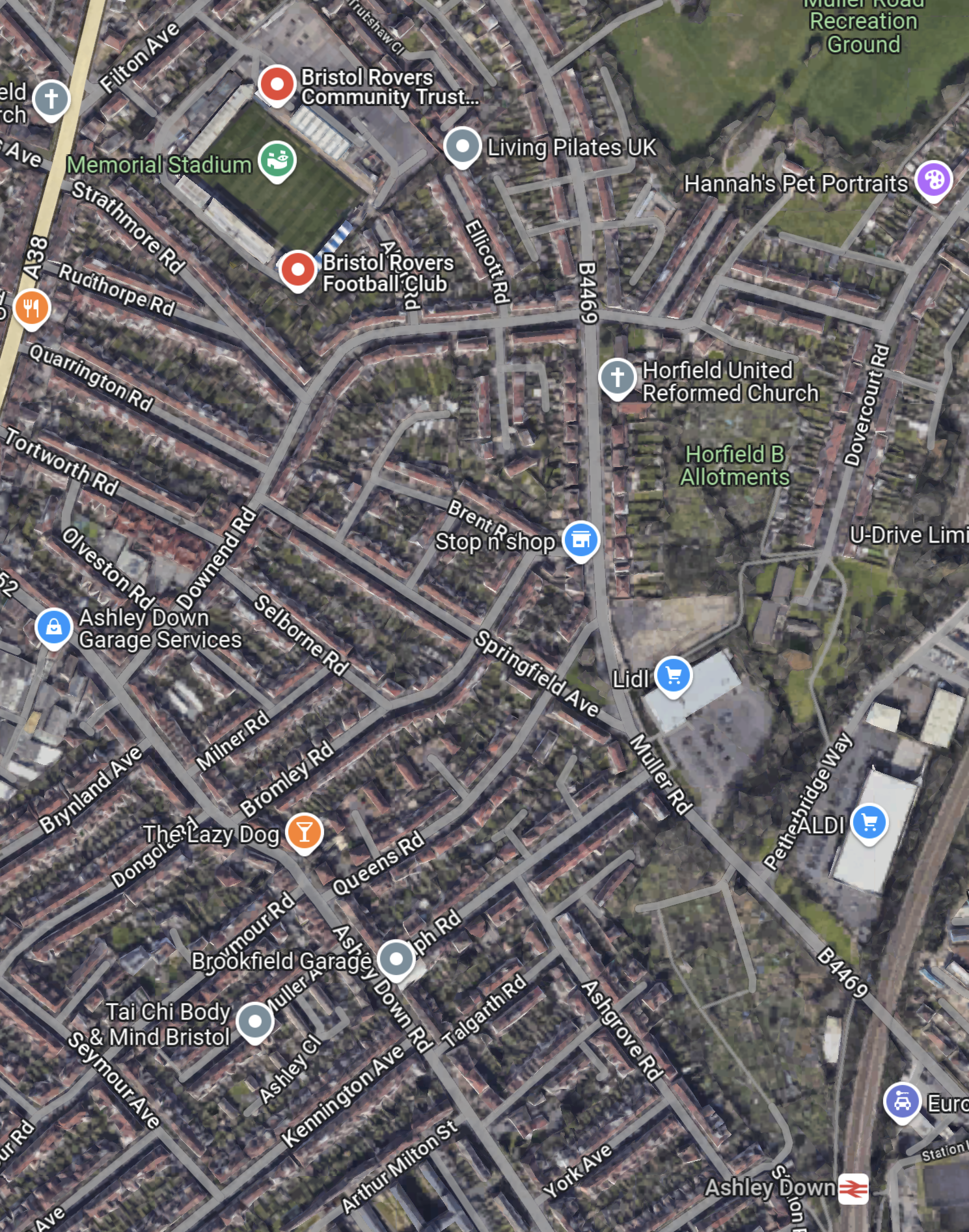
Note.
- The football ground is in the North-West corner.
- Te staiton is in the South-East corner.
A Bristolian told me it will be 15-20 minutes walk.
Robertsbridge Station – 25th September 2024
I went to Robertsbridge station, today and took these pictures of the station.
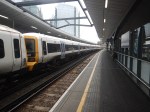
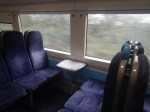
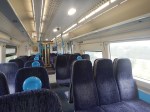
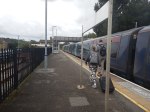
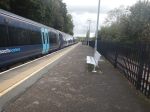
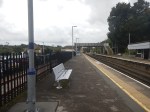
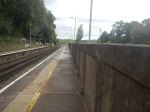

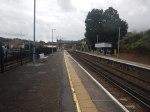
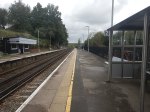
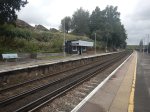
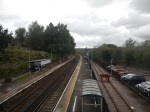
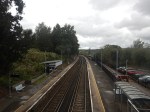
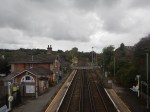
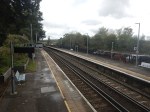
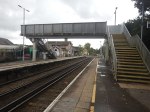
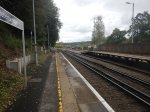
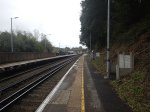
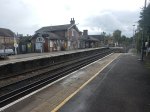
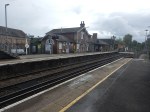
Note.
The tracks are electrified.
- The platforms can accommodate eight-car trains and probably ten-car trains.
- There is a level-crossing at the South end of the station.
- The bridge is not step-free.
- Passengers may be able to use the level-crossing to cross the tracks
- The station has a good collection of books for passengers.
- The London trains are in good conditiopn.
- There is an adequate amount of car parking.
It is a small workmanlike country station typical of many in the UK.
This Google Map shows the station.
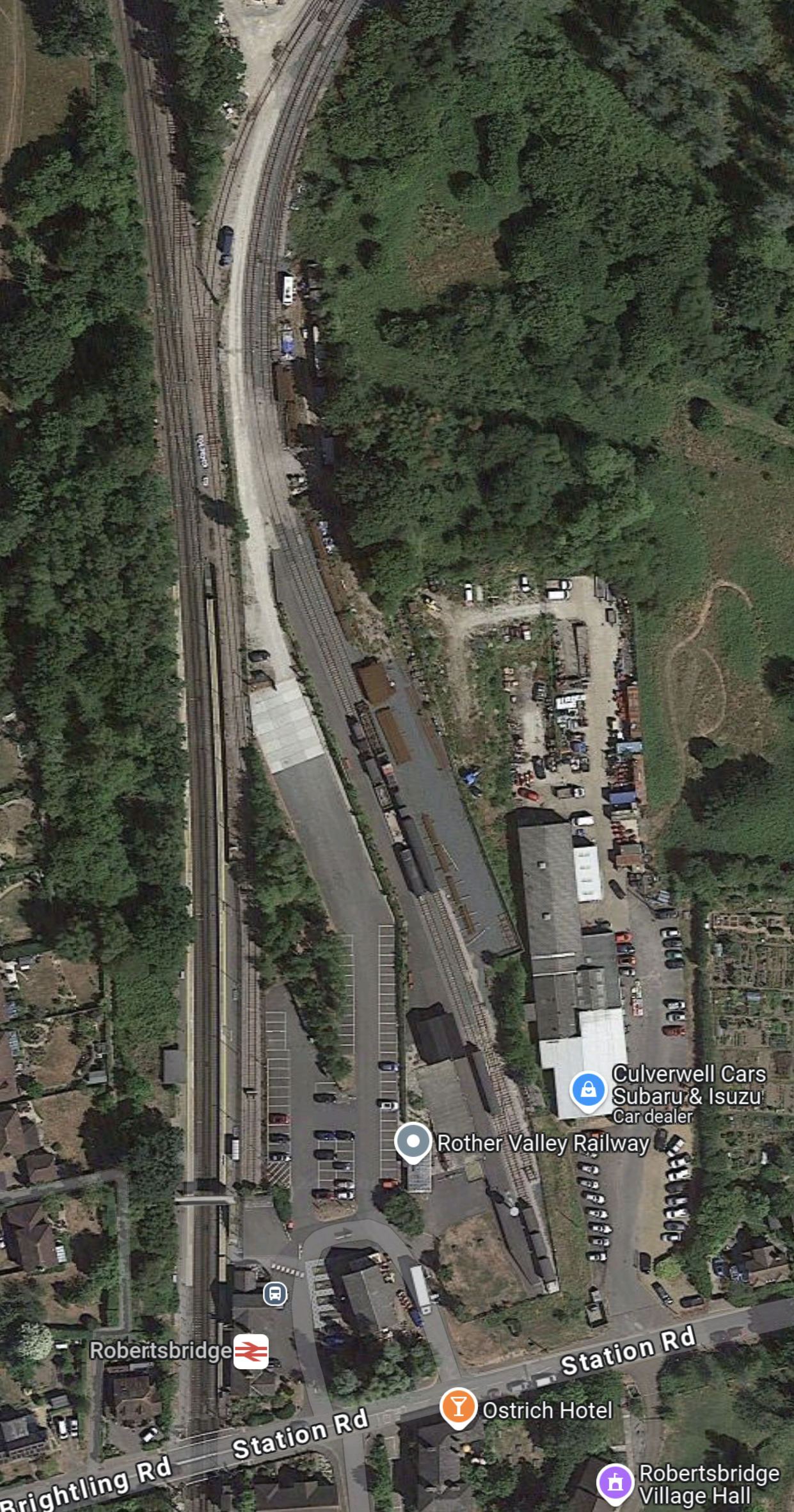
Note.
The London and Hastings Line runs down the West side of the map.
The station buildings are marked by the usual sign and are on the East side of the tracks.
Also on the East side of the tracks is a siding used by Network Rail to store machinery and a car park and then the premises of the Rother Valley Railway.
Station Road with its level crossing runs across the bottom of the map.
These are my thoughts.
The Aim Of The Rother Valley Railway
This is the first paragraph of the Wikipedia entry for the Rother Valley Railway.
The Rother Valley Railway (RVR) is a heritage railway project based at Robertsbridge in East Sussex, England. It takes its name from the original name for what later became the Kent and East Sussex Railway, running from Robertsbridge through to Headcorn in Kent, via Tenterden. The project is to replace the “missing link” between Robertsbridge, a station on the Tonbridge to Hastings mainline, and Bodiam on the Kent and East Sussex Railway, a heritage railway which operates from Bodiam to Tenterden.
This OpenRailwayMap shows the route of the railway between Robertsbridge and Tenterden Town.
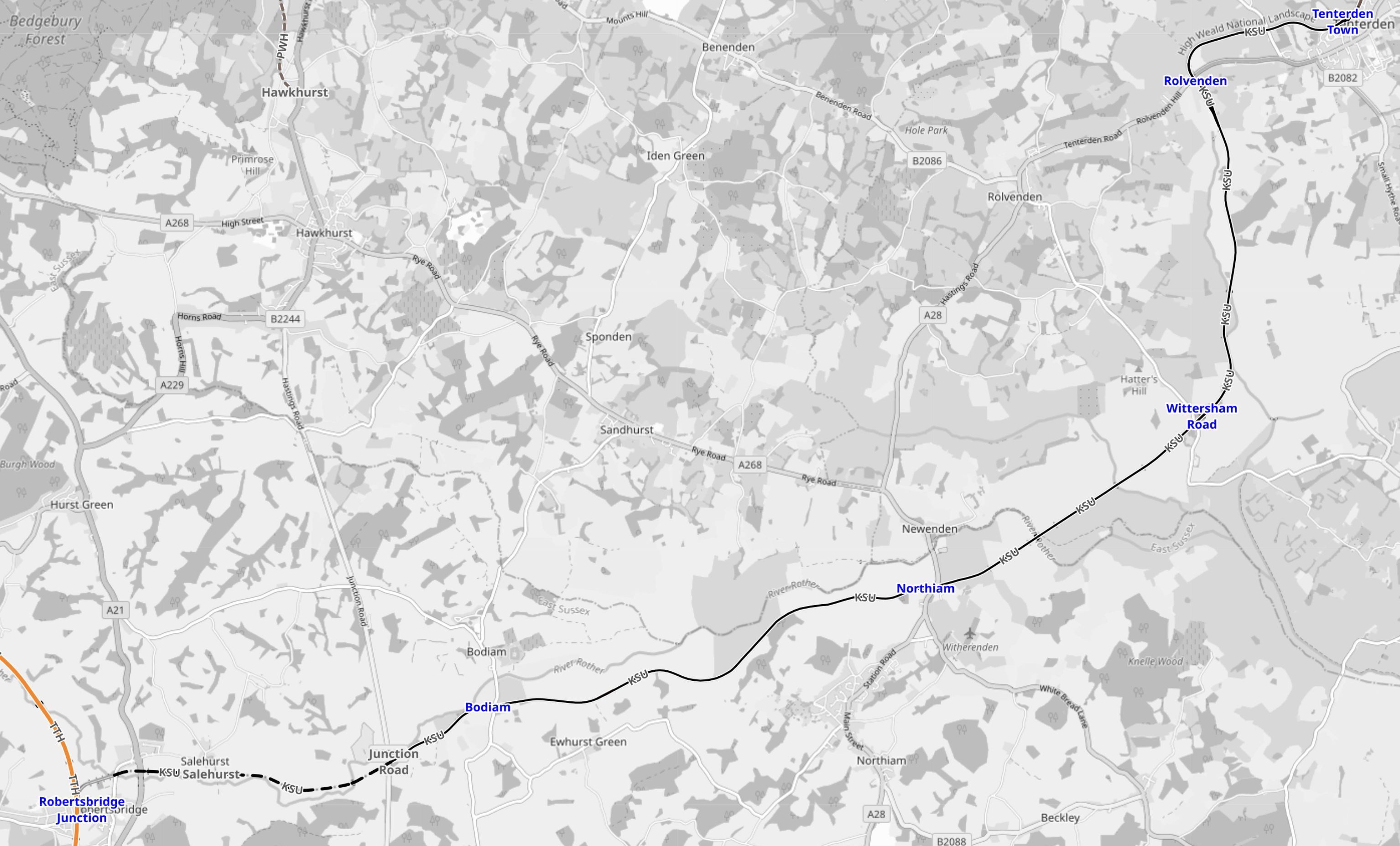
Note.
- Robertsbridge Junction is in the South-West corner of the map.
- Tenterten Town is in the North-East corner of the map.
- Bodiam, Northiam, Wittersham Road and Rolverden are the intermediate stops.
This second OpenRailwayMap shows the tracks at Rotherfield.
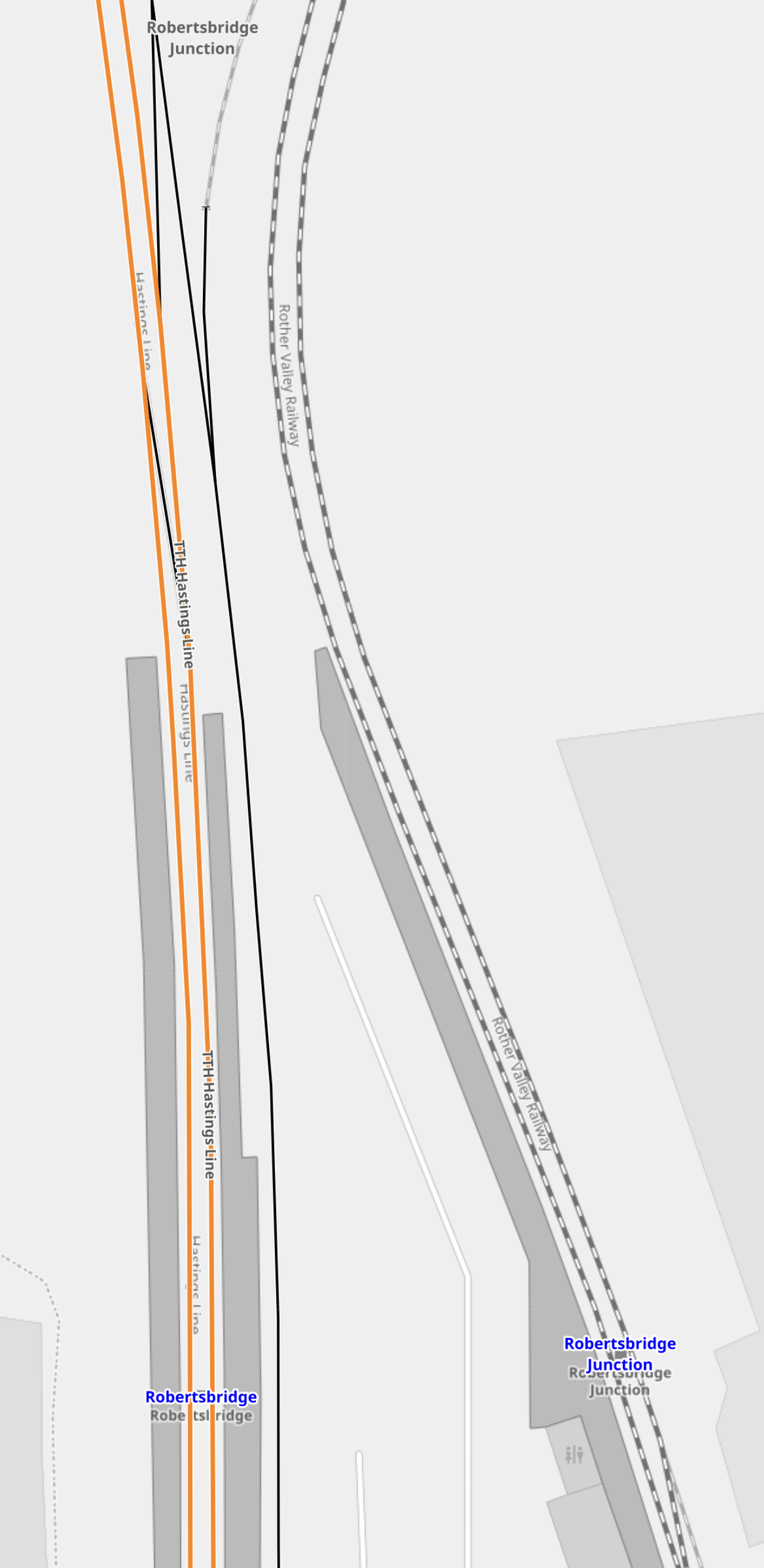
Note.
- Robertsbridge station is on the West.
- Robertsbridge Junction station of the Rother Valley Railway is on the East.
- Network Rail’s siding runs between the stations.
It appears that the Robertsbridge Junction station has a turnback for a locomotive.
Progress On The Rother Valley Railway
This is the second paragraph of the Wikipedia entry for the Rother Valley Railway.
Following a public inquiry in 2021, the government approved the project in May 2023 and granted the RVR’s application for a Transport and Works Act Order. This came into force on 2 August, allowing the reinstatement scheme to be completed. There will be then an end-on link with the Kent and East Sussex at Bodiam enabling through-running of passenger trains between Tenterden and Robertsbridge for the first time since 1954. Heritage trains will make use of the Rother Valley Railway’s own new station at Robertsbridge Junction, a short walk from the mainline station. Work is expected to begin on the final phase of reinstatement in 2024, following detailed surveys.
It certainly looks like progress is being made.
Tenterden Is The Largest Town In Kent Without A Railway Station
Although compared to some towns, that have recently got stations, it is somewhat smaller.
But it is larger than Okehampton, which has successfully opened a National Rail station.
Perhaps, a supermarket car park can be found big enough for a single platform station?
Starmer May Give Tenterden Some New Development
A few more houses could generate commuter traffic.
Will VAT On School Fees Encourage train Travel To School?
But train travel may be cheaper than a car to say Tonbridge by car! Every little helps!
More Trains At Robertsbridge Could Draw Traffic
Two trains per hour would surely help.
Conclusion
A Tenterden branch could be viable for a shuttle between Robertsbridge and Tenterden.
A Small Station Entrance With Almost Everything
The pictures show the second entrance to Hackney Central station, which was built a few years ago.








Note.
- There is a light controlled-crossing outside the station.
- There are two ticket machines, where National Rail tickets can be bought and collected.
- There is a coffee hut.
- Stairs lead all the way up to the Westbound platform.
- The Eastbound platform is over a step-free bridge.
- The best M & S Food store in East London is within a hundred metres of both platforms.
- 38, 242 and 277 buses pass the the new entrance.
It is a well-appointed entrance to a station.
World’s First Public Demonstration Of Hydrogen Engine Motorcycle
This title of post, is the same as that of this news item from Kawasaki.
This is the sub-heading.
On July 20, Kawasaki Motors, a member of the Kawasaki Heavy Industries Group, conducted the world’s first public demonstration run of a hydrogen ICE (internal combustion engine) motorcycle by a mass-production motorcycle manufacturer at Suzuka Circuit in Suzuka City, Mie Prefecture, Japan.
These three paragraphs outline the demonstration.
The hydrogen ICE motorcycle was designed and built as part of research that began in March 2023, with test runs starting this year, culminating in the public demonstration run. Mounted in the machine is a hydrogen engine based on the 998 cm3 In-Line Four Supercharged Engine found in Kawasaki’s Ninja H2 motorcycle, with modifications made to allow direct injection of hydrogen fuel into the cylinders. The motorcycle’s chassis was designed to accommodate hydrogen fuel canisters and a hydrogen fuel supply system on-board.
Hydrogen ICE motorcycles run on hydrogen combustion, producing the rumble and pulsating sensation that riders enjoy when twisting the throttle, while emitting mainly water.
As part of their carbon neutral initiative, Kawasaki Motors is currently conducting research and development with the aim of realizing a functioning hydrogen ICE motorcycle*2 as one carbon-neutral option for riders in the early 2030s.
Some people will prefer quiet, hydrogen-fuel cell motorcycles.
Lawnmowers And Other Small-Engined Equipment
As hydrogen fuel spreads around the countryside, I can see lots of rural equipment using it for motive power.
Cummins Debuts Integrated HELM Drivetrain At IAA
The title of this post, is the same as that of this article on truckinginfo.com.
This is the sub-heading under a rather informative image.
Cummins’ integrated drivetrain offers fleets three powertrain options: advanced diesel, diesel-hybrid and zero-carbon hydrogen.
These are the first two paragraphs.
Cummins pulled the curtain back on a new integrated drivetrain concept at the IAA Transport Show in Hannover, Germany, on September 17. According to Jennifer Rumsey, Cummins chair and CEO, the newly designed drivetrain is based on the OE’s HELM engine platform. It is also intended to highlight Cummins’ broader product portfolio and continued commitment to providing flexible, sustainable power solutions.
The Cummins HELM engine platform is a fuel-agnostic series of engine versions that are derived from a common base.
The article could be called the Jennifer and Jane Show, after the two people, who provided most of the words.
When I was dealing with large American corporations in the last century, one lady would have been a rarity, but two at the top indicates how Cummins has turned itself into a sustainable company for the twenty-first century.
The Cummins Integrated Drivetrain Concept
The Cummins Integrated Drivetrain Concept is shown in a Cummins image in the trucking.info.com article.
- Up-front is a 15-litre internal combustion engine, which can be diesel, natural-gas or hydrogen-fueled.
- As Cummins manufacture fuel cells, I suspect that the motive power can be one or more hydrogen fuel cells.
- It looks like along each side of the truck are tanks for the hydrogen fuel cells.
- Between the tanks is a powerful electric motor, that drives the rear axle.
- The electric rear axle could incorporate batteries for regenerative braking and traction efficiency.
A vehicle of any size between a Fiat 500 and a 44-tonne articulated truck could use this integrated drivetrain concept, with components sized accordingly.
This is a paragraph from the trucking.info.com article.
Rumsey emphasized that Cummins’ acquisition of Meritor, Siemens Commercial Vehicles and Jacobs Vehicle Systems in recent years means Cummins can now offer full powertrain capability.
Don’t develop your own, if you can buy the best!
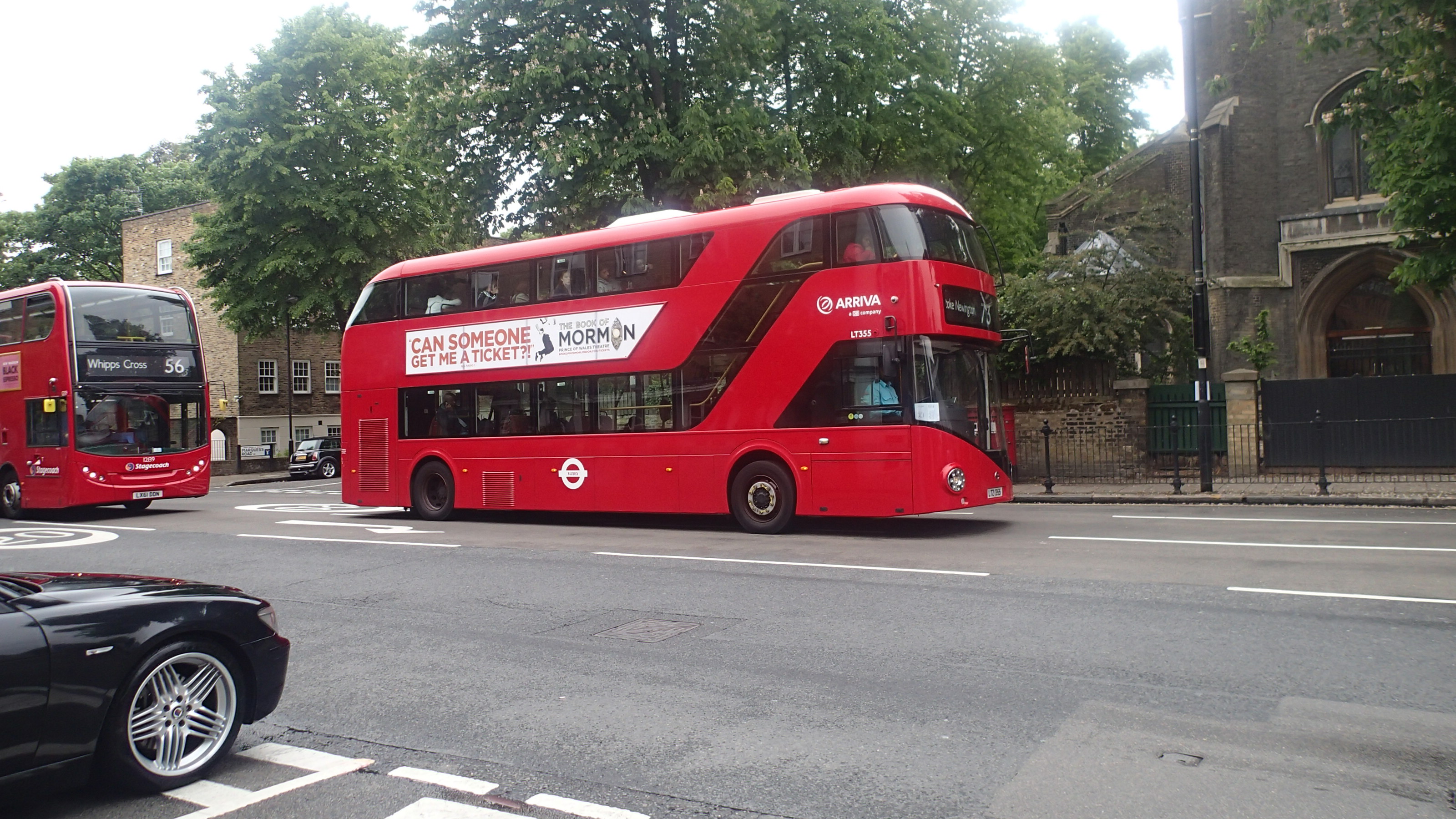
Siemens electric motors and Cummins diesel engines are used in London’s New Routemaster buses.
Could The Cummins Integrated Drivetrain Concept Be Used For A Small Car?
I don’t see why not?
Just watch the Koreans, who are going large on hydrogen.
Ashley Down Station Opens On Saturday
Ashley Down station will be Bristol’s latest new station, when it opens this Saturday.
I shall be going, after probably taking the Elizabeth Line to Reading station.
 The Anonymous Widower