More Than Four In Ten New Homes In England Built With Solar Power
The title of this post, is the same as this press release from Solar Energy UK.
These two paragraphs add some more detail.
The introduction of more stringent rules on energy efficiency for new homes in England has driven a surge in solar panel installations.
The proportion of new homes and buildings that come with solar photovoltaic panels included has risen by more than three times in the last twelve months.
It certainly appears that solar is now an essential part of a new house.
The article calls it a dramatic jump.
That is a dramatic jump compared to only 5,731 of 44,310 newbuilds sporting solar panels in the last quarter of 2023 – only 13%.
Will the next product to be installed in houses, be batteries for individual houses?
I’m certainly thinking of one to complement my solar panels.
Drax To Get £24m In Green Subsidies For Pumped Hydro
The title of this post is the same as that of this article in The Times.
These three paragraphs give details of the subsidy.
Drax will bank £24 million in green subsidies from energy bill-payers for its pumped hydro assets, ahead of a revival in the energy storage technology in Britain.
The FTSE 250 constituent, which also operates Britain’s largest power station in North Yorkshire, has secured contracts to provide 434 megawatts of capacity from its pumped storage and hydro assets, the largest of which is the Cruachan power station near Oban in Scotland.
The contracts cover energy to be delivered between October 2028 to September 2029, at a price of £60 a kilowatt a year.
This will arouse the anti-Drax lobby, but it should be born in mind, that according to Wikipedia, Cruachan can provide a black start capability to the UK’s electrical grid.
This is Wikipedia’s definition of a black start.
A black start is the process of restoring an electric power station, a part of an electric grid or an industrial plant, to operation without relying on the external electric power transmission network to recover from a total or partial shutdown.
After the Great Storm of 1987, we were without power in my part of Suffolk for two weeks and I suspect there were several black starts in the South of England.
I suspect that power from interconnectors could now be used.
Drax is expanding Cruachan from 440 MW to 1 GW, which will be a large investment and surely increase its black start capability.
So in this case the future subsidy could be considered something like an insurance policy to make sure black start capability is available.
Walking Down Finchley Road And Frognal Station To The Finchley Road Coach Stop
This morning, I walked down Finchley Road from the bus stop at Finchley Road and Frognal station to the Finchley Road coach stop.
I took these pictures as I walked.
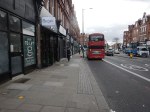
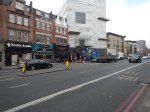
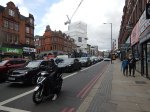
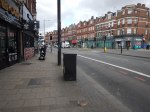
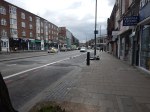
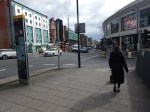
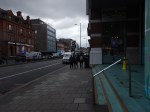
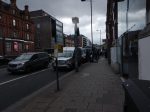
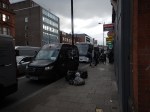
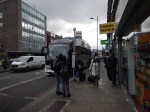
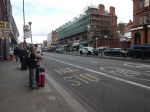
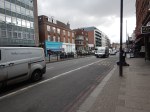
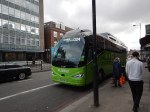
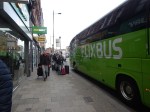
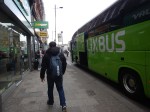
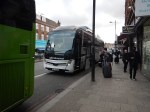
Note.
- I’d arrived on a nearly-new Wrightbus electric bus on route 113 from Edgware station.
- The walk was downhill and fairly easy.
- I crossed Finchley Road using a light-controlled pedestrian crossing.
- The pavement by the coach stop was rather strewn with litter.
- London buses seemed to be stopped just to the North of the coach stop.
The coach stop wasn’t too crowded despite five or six coaches stopping, whilst I was there.
Moorgate Is Getting A Light-Controlled Crossing
Whilst, the building of 101 Moorgate was ongoing, crossing Moorgate has been a bit of a nightmare.
But now, as this picture shows a light-controlled crossing is being installed.
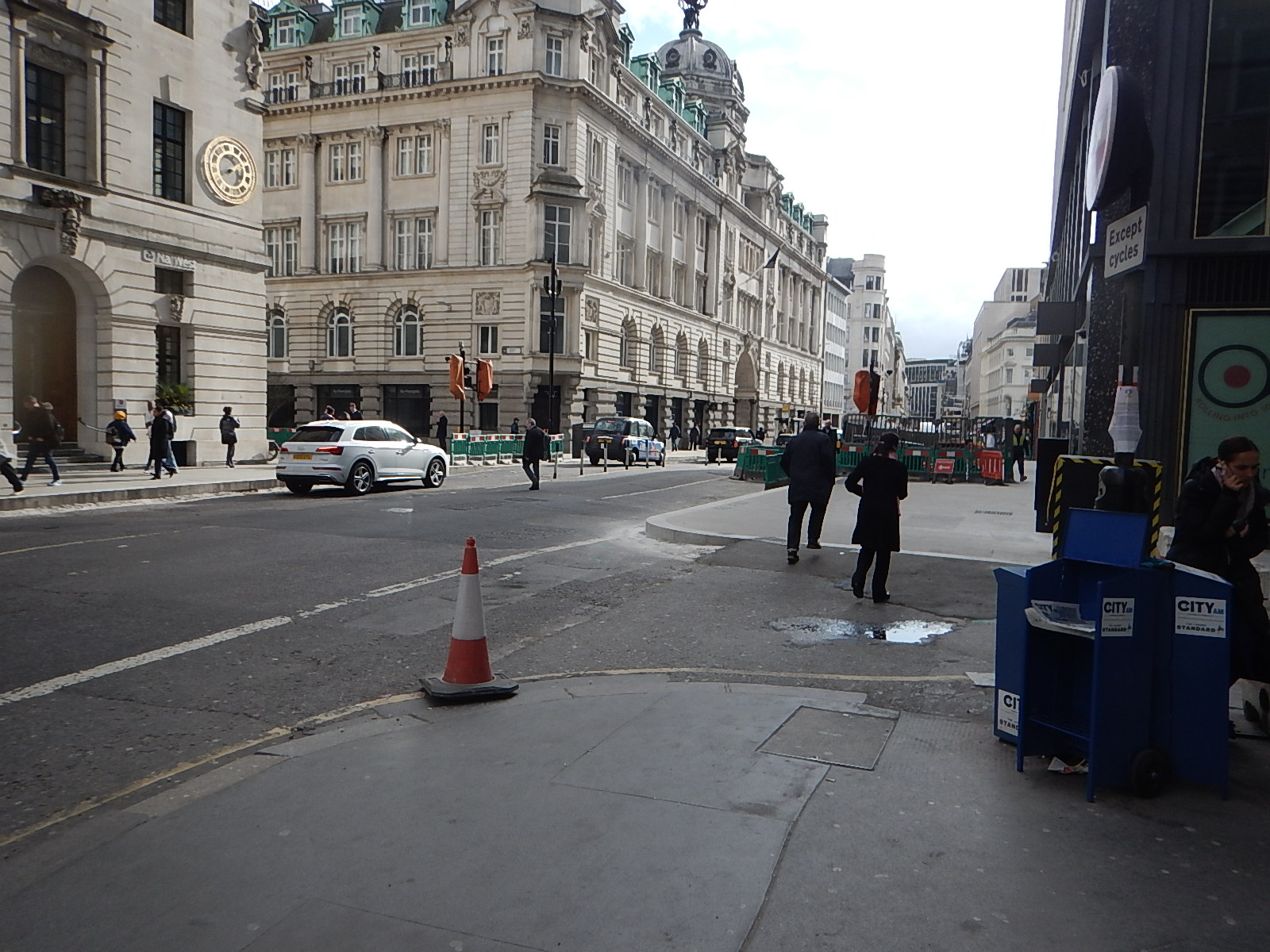
The gap in the building behind the traffic lights on the far side of Moorgate leads through to Finsbury Square.
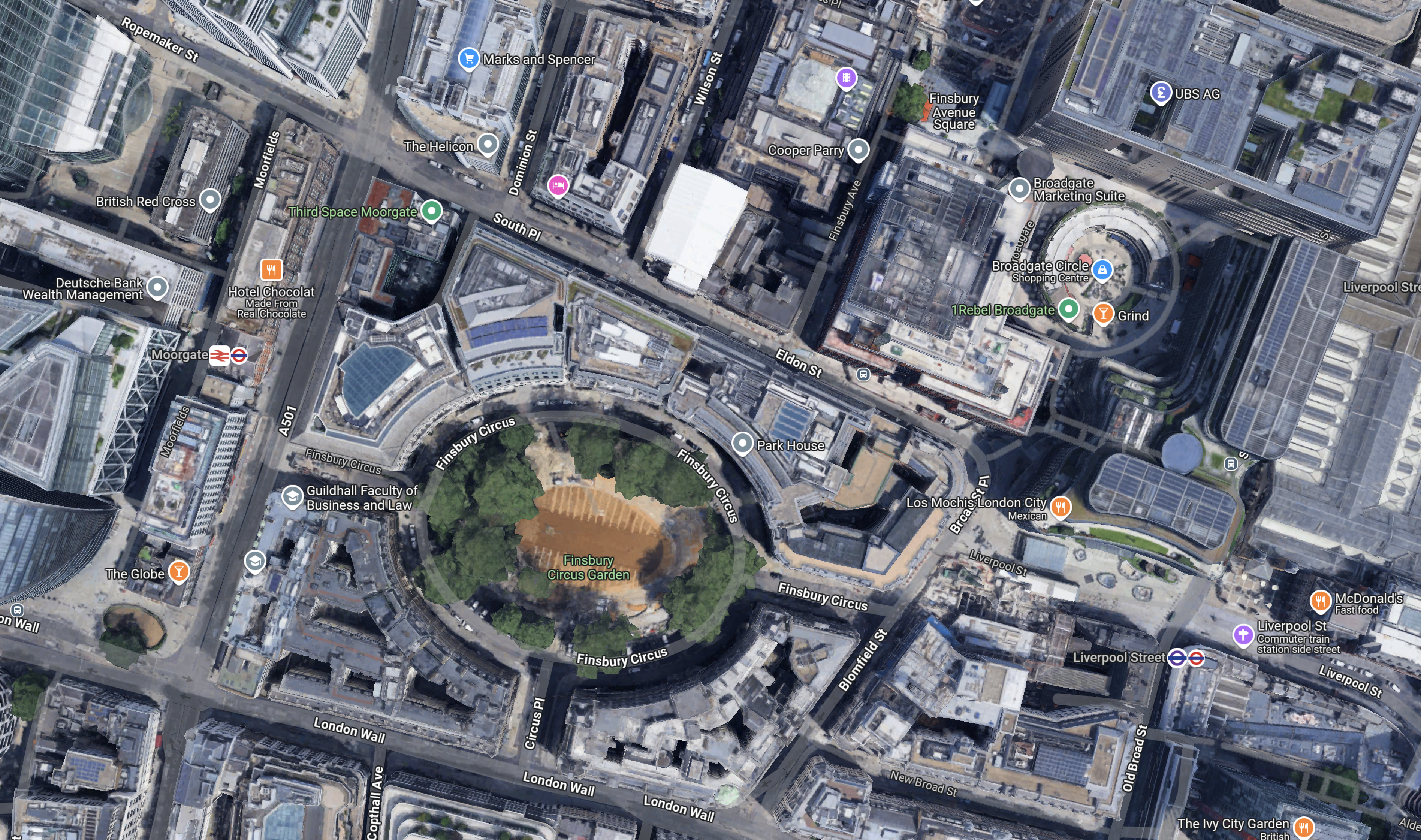
This Google Map shows the City of London between Moorgate and Liverpool Street stations.
Note.
- Finsbury Square Gardens is in the centre of the map.
- Moorgate station is to the West of the gardens with Moorgate and its North-South buses in between.
- There is a Marks and Spencer department store on Moorgate to the North of the gardens.
- The shops and offices of Broadgate and Liverpool Street station are to the East of the gardens.
Especially, when it is good weather, there is a pleasant East-West walking route across the map.
British Gas Introduce Hydrogen-Powered Van Trials
The title of this post, is the same as that of this press release from Centrica.
This is the sub-heading.
British Gas is piloting the use of a hydrogen-powered van to help decarbonise their fleet, marking a significant step in their commitment to achieve net zero emissions by 2040
These two paragraphs add some details.
The partnership with Ryze Power, the suppliers of clean hydrogen and alternative fuels and energy, will provide British Gas with access to the green hydrogen to power the Vauxhall Vivaro van over the two-month trial. The van is being put through its paces by a British Gas engineer in Birmingham, accessing Ryze’s refueling station at Tyseley during their working day.
The journey to Centrica, parent company of British Gas, reaching its 2040 net zero target includes achieving a net zero fleet by 2030, which is where this initiative supports the business in its vital next steps. Water vapour is the only emissions from the hydrogen vans, which include a battery a fraction of the size of that in an EV, meaning less requirement for mining precious metals.
I have written about this van before in Vauxhall Begins UK Customer Trials Of Hydrogen Vans.
The New Station With Wildflowers And No Car Park
The title of this post, is the same as that of this article on the BBC.
This is the sub-heading.
A new railway station with solar panels and wildflowers on the roof and no car park has been hailed as an example of sustainable transport
These three paragraphs, explain the thinking behind the design.
Cambridge South station, on Francis Crick Avenue, at the city’s Biomedical Campus, is expected to be completed by early 2026.
Designer and architect Jan Kroes said the site, which sits next to a nature reserve, would “fit in within the green belt”.
Network Rail said the site would be next to a guided busway system and connect with local cycleways and footpaths.
Regularly, when I lived nearly twenty miles from Cambridge, I would drive to Whittlesford Parkway station, which has 348 parking spaces and take the train to London.
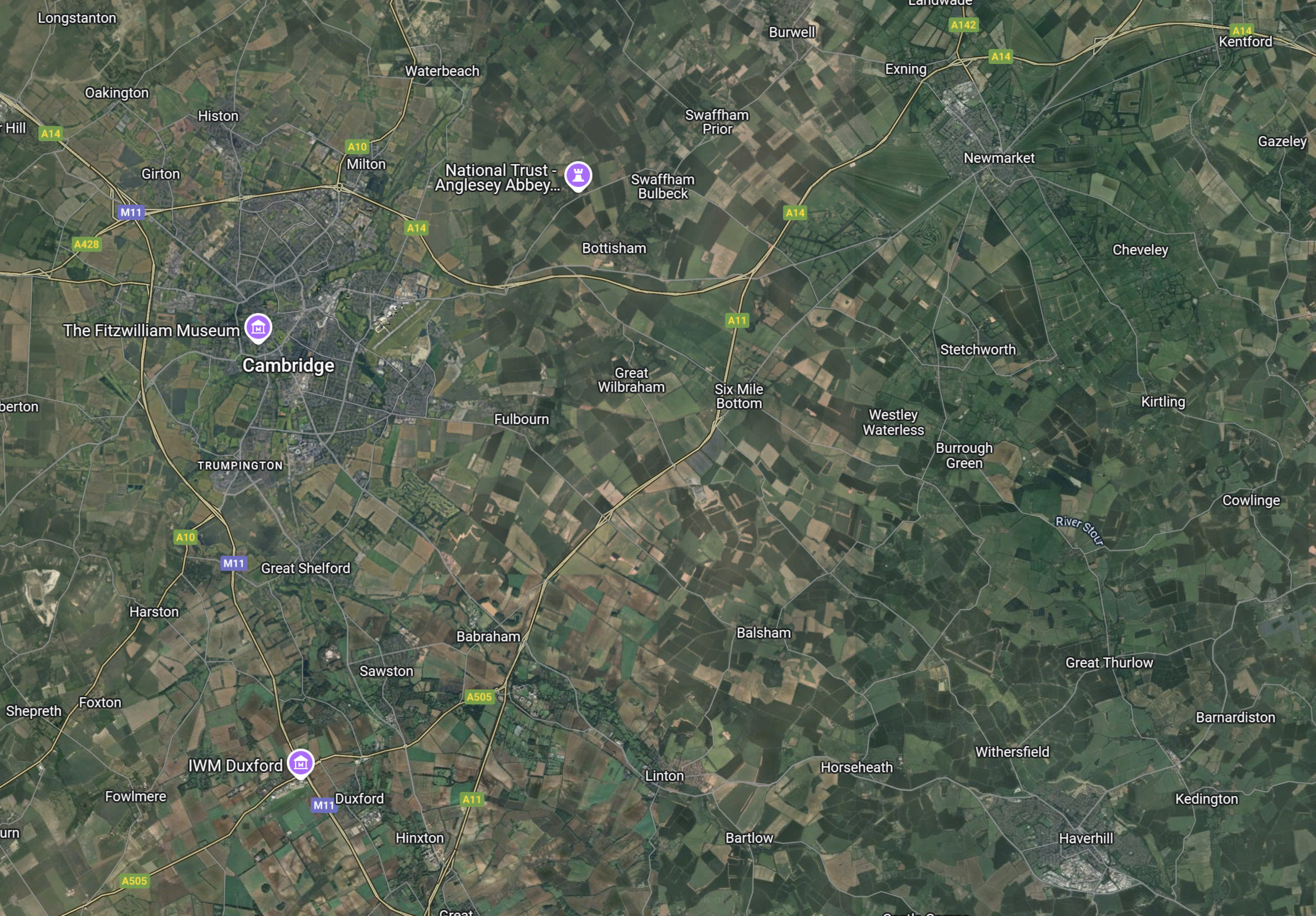
This Google Map shows the area to the South-East of Cambridge.
Note.
- Cambridge is towards the North-West corner of the map.
- Newmarket, which has a population of nearly 16,000, is towards the North-East corner of the map.
- Haverhill, which has a population of nearly 30,000, is towards the South-East corner of the map.
- Whittlesford Parkway station, is towards the South-West corner of the map close to the Imperial War Museum at Duxford
- I used to live at Great Thurlow between Newmarket and Haverhill.
The only railway stations on this map are Cambridge, Cambridge North, Dullingham, Newmarket, Shelford and Whittlesford Parkway.
As bus services are pretty thin on the ground, if you live to the bSouth-East of Cambridge, I can understand if there has been surprise, at the lack of parking at the new Cambridge South station.
- If you are travelling to London or Stansted Airport, you can still use Whittlesford Parkway, which has parking.
- But if when the East West Railway opens, you will need to use Cambridge or Cambridge South stations.
- Now that Cambridge North station is open, travelling to Norwich by train may be easier, unless there is not enough parking at Cambridge North station.
When I lived in the area, the most common excuse for not using the train, was the problems of parking at the stations.
I predict, that parking will be added to Cambridge South station.
A True Underground Advert
I spotted this advert at Swiss Cottage station today.
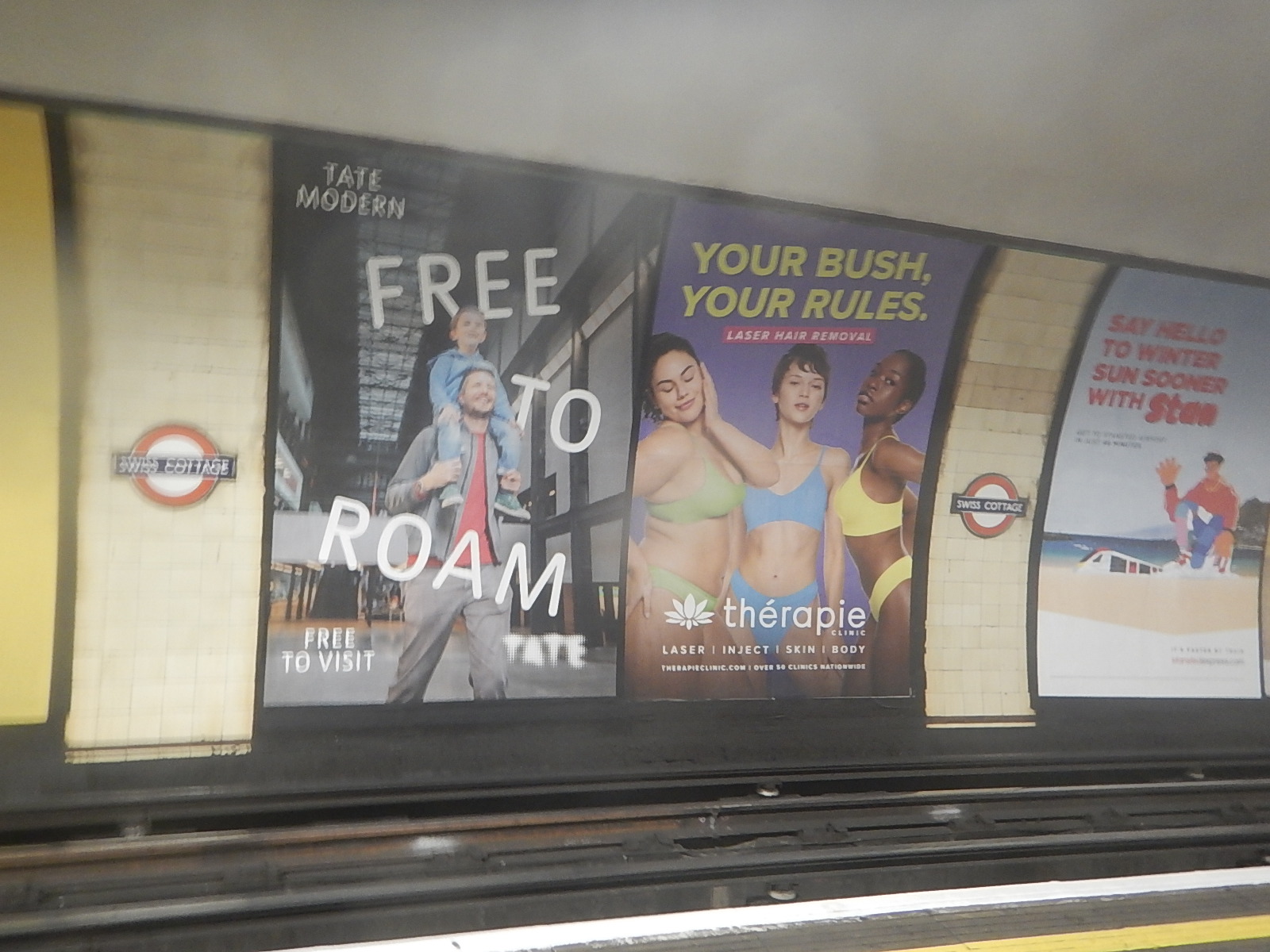
I’m surprised the censors of Transport for London didn’t ban it.
Another version of the advert is also running around on a 476 bus near me. But in that one a single lady is lying down to fit the bus.
Historic Ye Olde Swiss Cottage Pub Calls Time
The title of this post, is the same as that of this article on the BBC.
This is the sub-heading.
An historic north-west London pub which a Tube station and the surrounding area was named after has closed having been in business for nearly two centuries.
These paragraphs add detail to the story.
Campaigners are hoping Ye Olde Swiss Cottage can be saved after its operator, Samuel Smith’s Brewery, closed the pub on Saturday.
The brewery did not respond to BBC London’s questions over the fate of the uniquely designed pub.
Joanne Scott, from the Campaign for Real Ale (CAMRA), said its closure was a “real loss for the local community and also for London”.
Swiss Cottage Tube station and the local area both took their name from the pub which has stood on the site since the 1830s.
It is not known why it was designed in the style of a Swiss chalet but has become a local landmark.
As I was in the area today, visiiting Finchley Road coach stop and it was a lovely sunny day, I went and took these pictures.


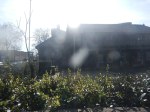
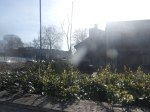

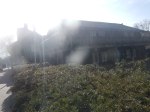

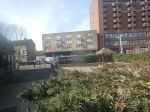

Although in the early 1970s, c, myself and our three boys lived within walking distance of this pub, I can’t remember ever visiting it. If we did go out because of the expense of a babysitter, we usually went to the theatre, a cinema or a restaurant.
In those days, the only pub we visited regularly, was the New Merlin’s Cave, where we would go with friends to see George Melly and John Chilton’s Feetwarmers.
A
Coach Chaos At The Finchley Road Coach Stop On A Sunday Lunchtime
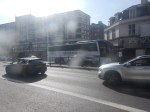
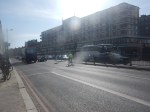
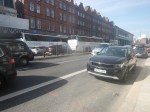
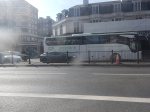
I went to Finchley Road coach stop at lunchtime today and took these pictures.
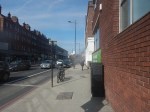
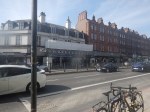
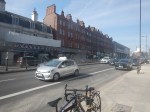
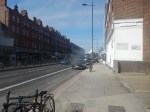
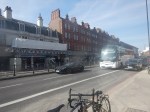
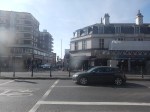
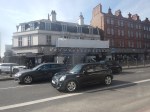
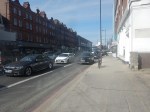
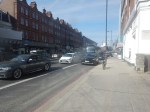
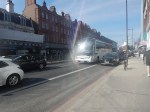
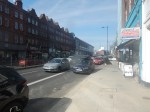
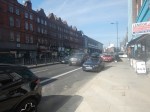
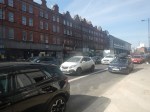
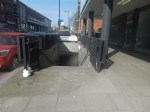
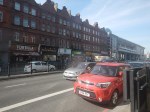
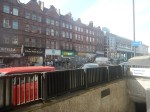
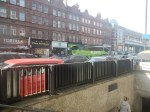
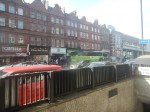

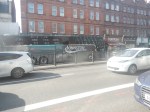
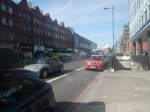
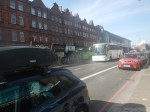
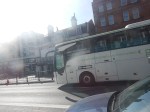
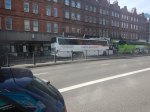
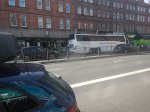
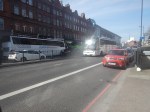
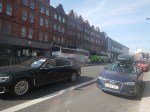
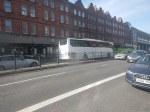
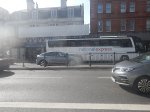
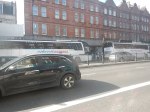
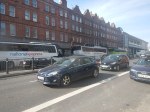
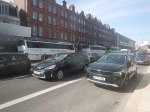

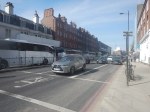
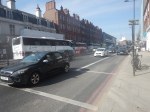
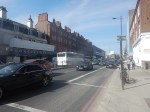
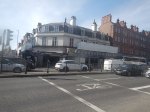
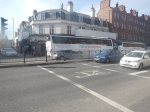
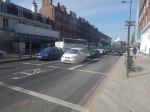
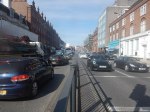
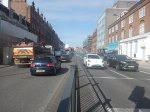
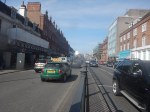
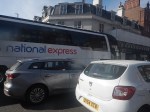
Note.
- Finchley Road coach stop is on the Finchley Road, just to the North of Finchley Road tube station.
- The Finchley Road coach stop is lavelled CL.
- Not all coaches stopped at the Finchley Road coach stop.
- I did see a double-deck coach taking visitors to the Harry Potter Attraction pass through ar Victoria Coach station and the Finchley Road.
- There is a pedestrian subway under Finchley Road.
- There is a second stop for Southbound coaches on the other side of the Finchley Road.
- There are a few tatty shops along the pavement selling snacks, coffee, tea and other travellers needs.
- In the early pictures note, the large number of travellers queuing along the pavement in front of those shops.
- It looks like a lot of those travellers, were waiting for the Flixbus.
- The Flixbus stayed parked for several minutes.
- Finchley Road tube station is not step-free.
- Finchley Road tube station is served by the Metropolitan and Jubilee Lines.
I took most of the pictures from the opposite site to the Northbound coach stop, as the pavement was rather crowded.
This Google Map shows Finchley Road, the tube station and the coach stop.
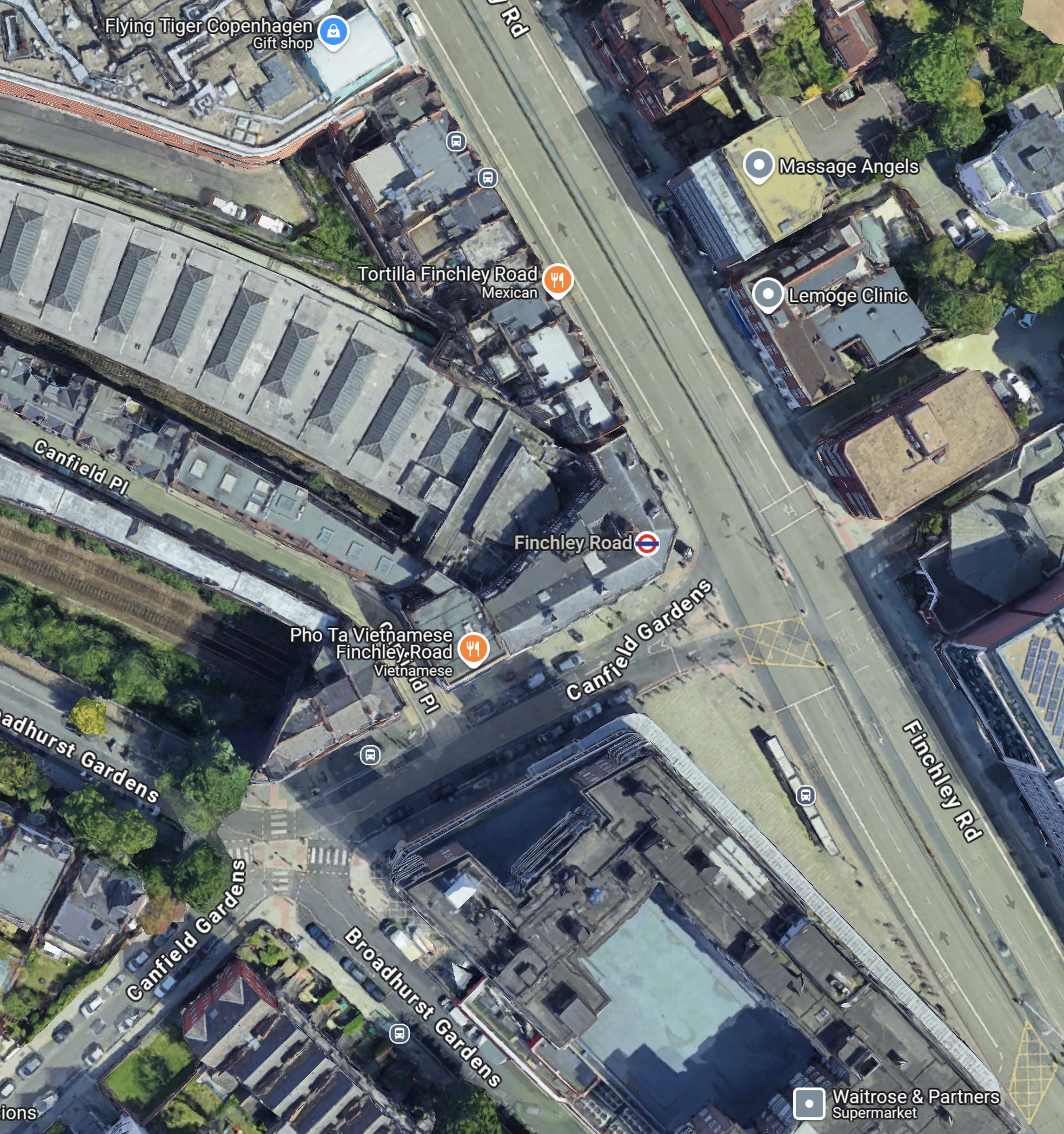
Note.
- The Finchley Road is the dual-carriageway road.
- The two grey dots at the Northend end of the Finchley Road, indicate the Coach stop and to its North a bus stop.
- The larger orange dot indicates the Tortilla restaurant, which is visible in several of the pictures.
- The London Underground roundel indicates Finchley Road tube station.
- The building curving away to the North-West is the train shed for the four platforms of Finchley Road tube station.
South of Finchley Road tube station, is a large Waitrose in the old John Barnes building.
This pictures show some of the Train to Street access at Finchley Road station.
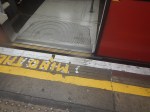
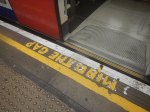
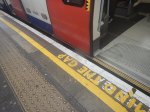
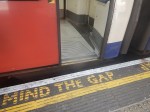
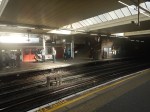
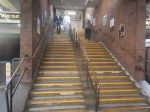
Note.
- There is a high step out of the Jubilee Line trains.
- The steps from platform to the street are steep with a heavy case or a baby in a buggy.
But it’s a long time, since I’ve done any travelling with a baby.
I have some further thoughts.
Travelling With Heavy Luggage, In A Wheelchair Or A Baby Buggy
It might be better to take a 13 or 113 bus to Finchley Road tube station, as the stop is just South of the station and no more than fifty metres from the Finchley Road coach stop.
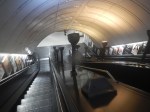
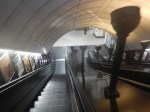
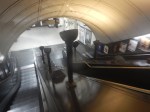
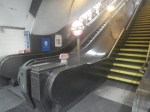
You could even get the bus from Swiss Cottage station, which is the next station South from Finchley Road and has a complete set of traditional escalators with uplighters.
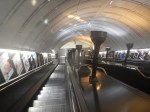
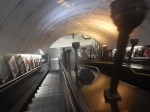
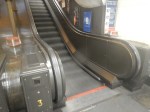
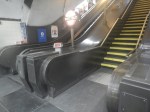
Note.

