My First Trip Through The Silvertown Tunnel – 7th April 2025
These pictures show my first trip through the Silvertown Tunnel.







































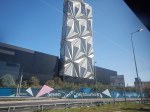


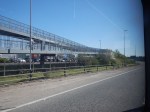








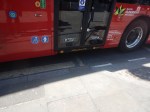
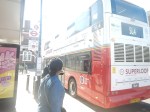
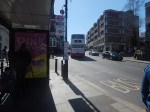


Note.
- The two S4 Bus Stops are not far from the Waitrose At Canary Wharf.
- I picked up the S4 Bus in the North Collonade At Canary Wharf at stop H.
- Coming North I would have been dropped at Stop J, which is close to the plaza of the famous clocks.
- Unfortunately, I was given bad information by station staff and I took a roundabout route to stop H, but a helpful security guard put me right.
- One of the first stops of the bus was East India station, which looks a good accessible interchange with the Docklands Light Railway.
I got out of the bus at Blackheath station, which was a short walk across the road from the bus stop.
I have some thoughts.
Who Chose The Chinese Buses?
On a prestige project like this it is a classic opportunity to show off, the best of British design and technology.
So undoubtedly, it was a mistake that the buses through the tunnel are Chinese.
I doubt the French, German or Spanish would have chosen Chinese buses on such a project.
Are There Enough Stops At Stations Close To The River?
There seem to be quite a few small hotels between the Silvertown Tunnel and Blackheath and I wondered if there were enough stops.
There also doesn’t appear to be a stop by Westcombe Park station.
Thirty mph Seems Fast Enough In The Tunnel
Everything seemed to be going smoothly in the tunnel.
Conclusion
I shall be writing more about the Silvertown Tunnel.
But from a first ride-through, it looks a well-built tunnel.
Gatwick’s Hydrogen Advantage Over Heathrow
The Future Of Hydrogen In Aviation
I believe that hydrogen will have a big future in aviation.
Powering Aircraft
It will be some years, but not as many as some people think, before we see hydrogen-powered aircraft in the air.
Airbus have produced this infographic of three possible hydrogen-powered aircraft.
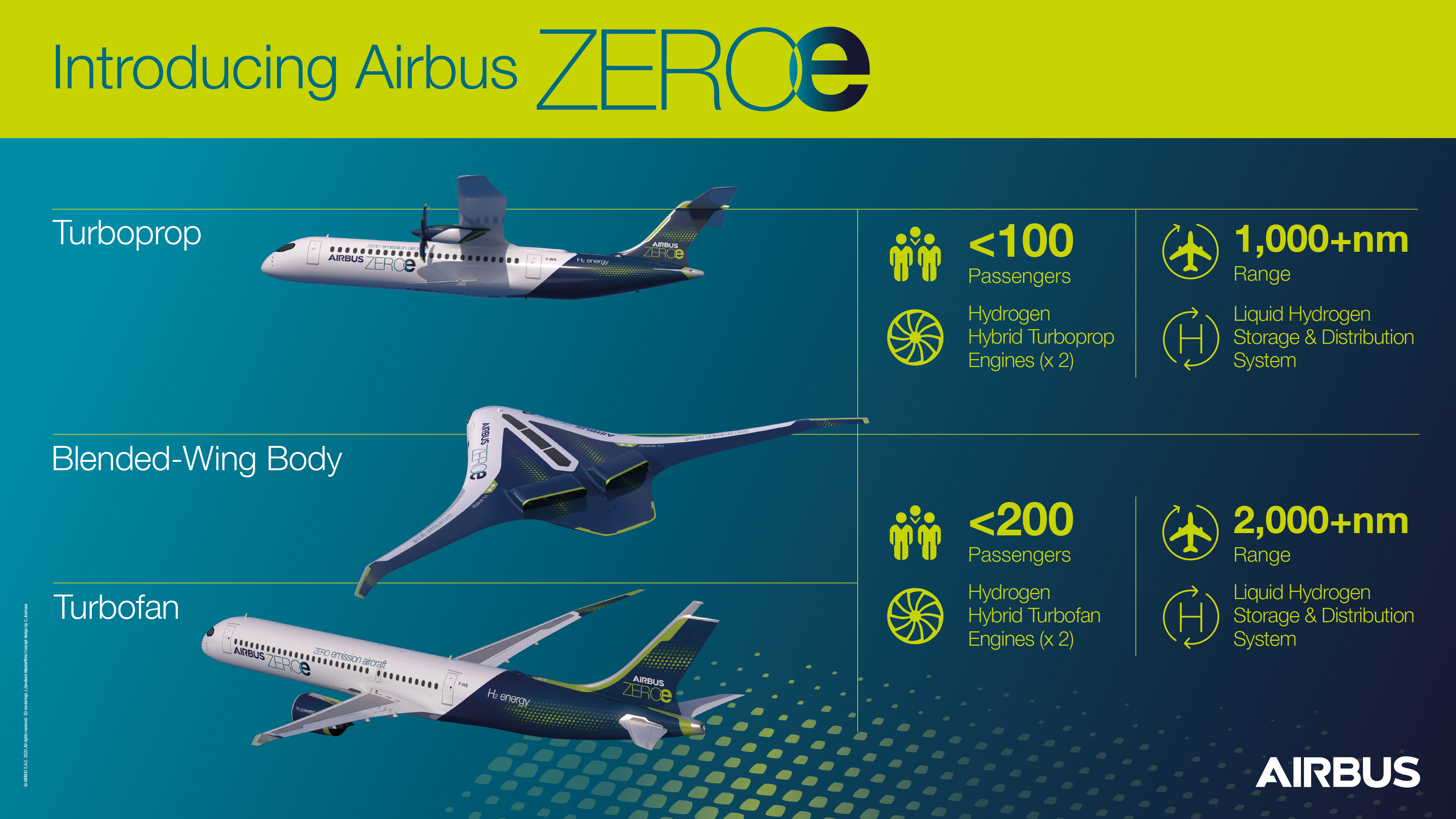
Discover the three zero-emission concept aircraft known as ZEROe in this infographic. These turbofan, turboprop, and blended-wing-body configurations are all hydrogen hybrid aircraft.
I wrote a bit more about these three hydrogen-powered concepts in ZEROe – Towards The World’s First Zero-Emission Commercial Aircraft.
My best estimate is that we’ll see hydrogen-powered aircraft in the air by 2035.
Towing Aircraft Around
Most aircraft are very heavy and towing them around needs a lot of zero-carbon energy.
So I think it is likely, that at some time in the near future,tugs to tow large aircraft around an airport will be hydrogen powered.
If you type “hydrogen-powered aircraft tug” into Google, you get several sensible product developments, including ones from.
- Exeter Airport
- Teesside Airport
- The Royal Air Force.
- The US Air Force
Note.
- The involvement of the military.
- At least two of the tugs are conversions of existing equipment.
- The extra weight of the battery in an electric-powered tug, may make the realisation of a viable electric aircraft-tug difficult.
I suspect we’ll see hydrogen-powered aircraft tugs in use on airports around the world in the near future.
Long-Term Car-Park Buses
I would have thought that using hydrogen-powered or battery-electric buses to serve long-term car-parks at an airport would be an obvious application. But it does appear that airports using zero-carbon buses to serve long-term car-parks are not very common.
- Gatwick uses a large fleet of hydrogen buses to bring passengers and staff to the airport, but these don’t appear to be linked to car parking.
- Incheon Airport in Korea does appear to use hydrogen-powered buses.
Please let me know, if you know of any other uses of hydrogen-powered vehicles at airports.
Hydrogen For Heathrow
This Google Map shows Heathrow Airport.
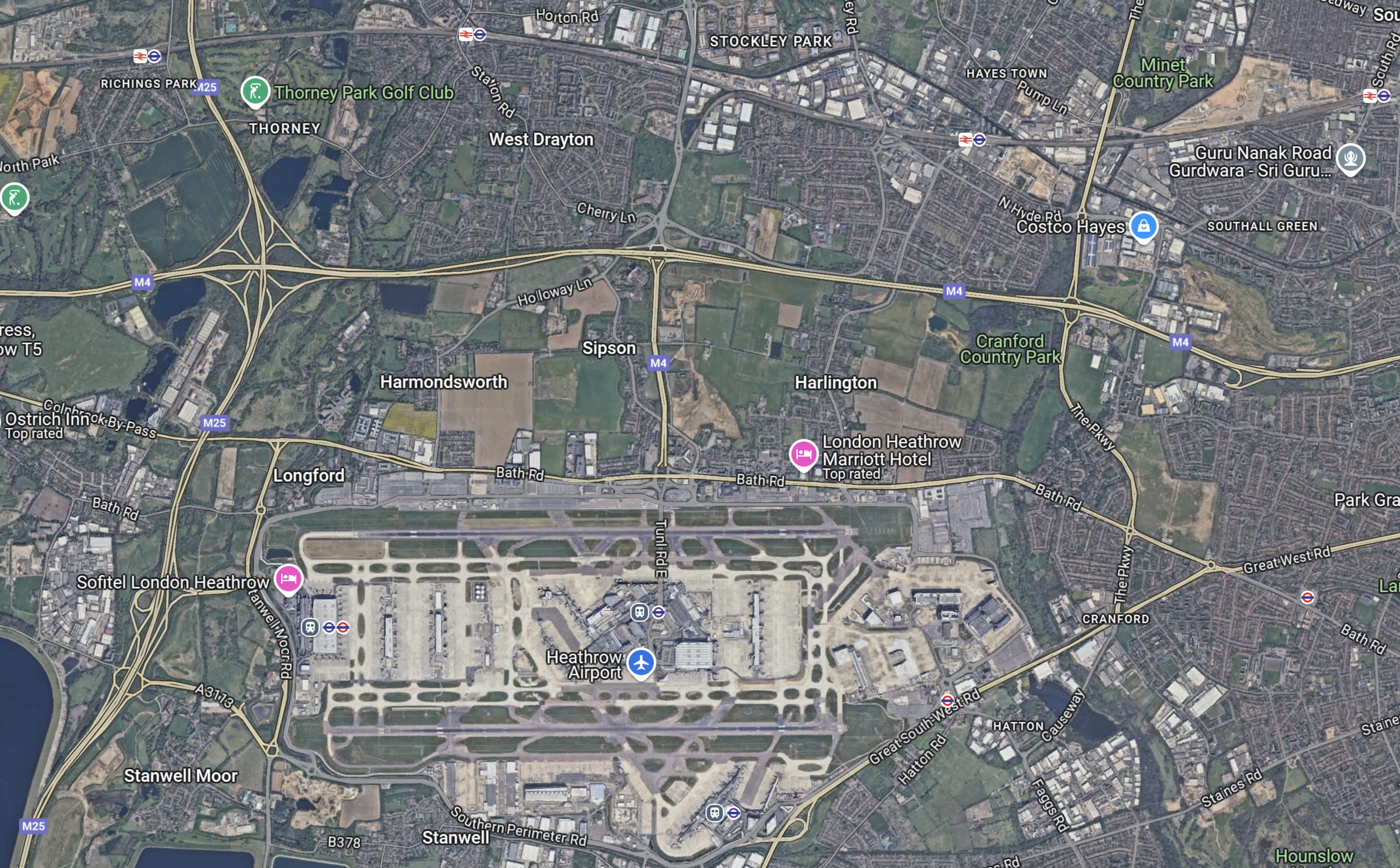
Note.
- The M4 going across the map.
- The two main runways.
- A new third runway would go between the M4 and the Northern runway.
It is likely if the third runway goes ahead, the village of Harmondsworth will be flattened.
It is likely that supplying hydrogen to Heathrow will mean a hydrogen terminal somewhere South of the M4, which could be supplied by rail tankers.
Hydrogen For Gatwick
This Google Map shows Gatwick Airport.
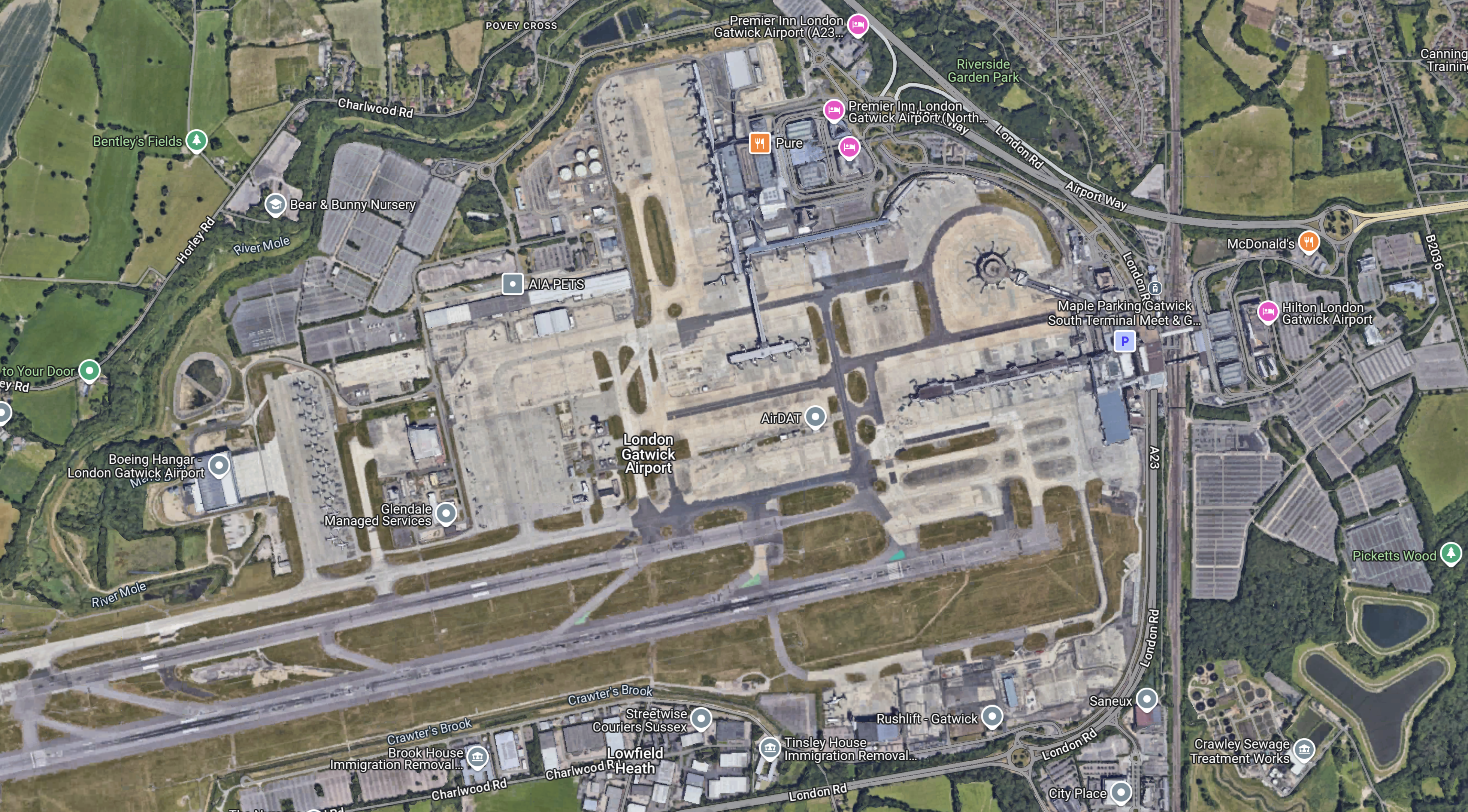
Note.
- The current main runway with the emergency runway to its North.
- Because the runways are too close together they cannot be used simultaneously.
- To create a second runway, the two runways would be moved further apart and the current emergency runway would be enlarged.
- The Brighton Main Line runs North-South past the Eastern end of the main runway.
Gatwick’s expansion plan doesn’t appear to require any properties outside the airport boundaries to be demolished.
This Google Map shows Sussex between Gatwick Airport and Brighton.
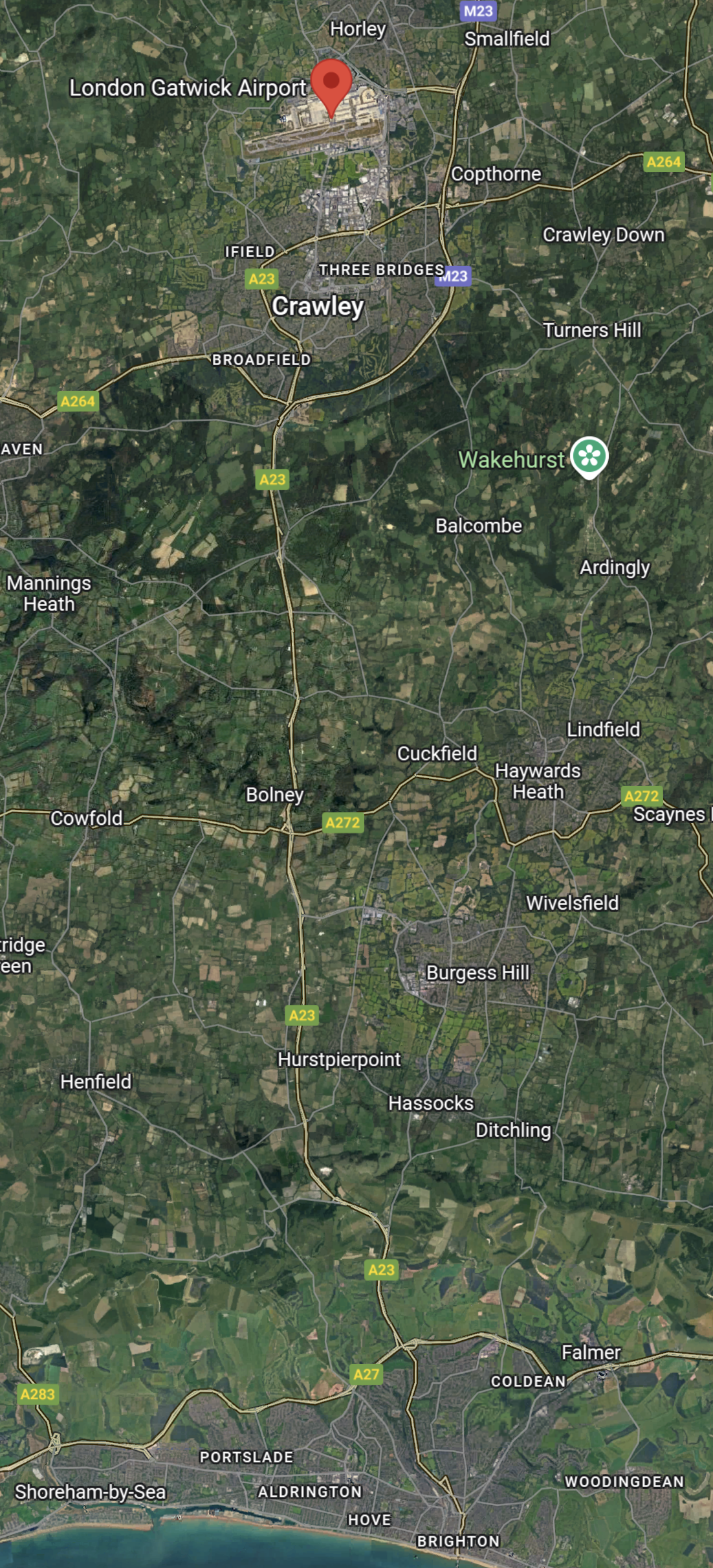
Note.
- Gatwick Airport is indicated by the red arrow at the top of the map.
- Gatwick’s runways can be picked out under the red arrow.
- The South Coast is at the bottom of the map.
- The M23 and the Brighton Main Line connect Gatwick Airport and Brighton.
- Shoreham and Brighton are on the South Coast.
- Click the map to show on a larger scale.
Under current plans, the Ramplion offshore wind farm off the South Coast is going to be increased in size to 1.6 GW.
The simplest plan to provide large amounts of green hydrogen to Gatwick would be to build a large electrolyser in the Port of Shoreham and pipe it along the railway to Gatwick Airport. Hydrogen could also be shipped at night into the Airport using rail tankers.
There’s no doubt in my mind, that it will be much easier to supply large quantities of hydrogen to Gatwick, rather than Heathrow.
In 2023, I wrote Discover How Greater Brighton Is Championing The Transition To Hydrogen, which probably indicates that the locals and their politicians, would welcome the investment in hydrogen in their city.
It should also be noted that world class consultants Ricardo, who are very much involved in the development and promotion of hydrogen technology are based in Shoreham.
Liquid hydrogen could also be imported and distributed from the Port of Shoreham.
Brighton could end up as the South of England’s Hydrogen City.
British Buses For British Bottoms
Occasionally, I catch the 153 bus, as it goes between the Leon, where I often go for breakfast, and the William Harvey Heart Centre, where I volunteer as a lab-rat.
Lately, I’ve noticed that the route is being run by new Wrightbus GB Kite single-decker battery-electric buses.
This morning I had a ride.
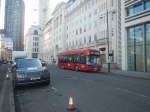
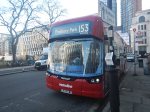
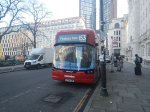

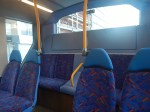
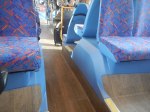


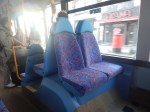
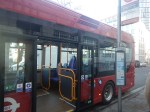







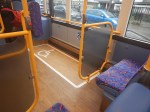
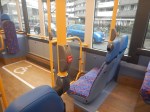
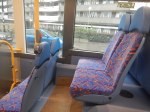
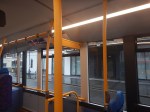
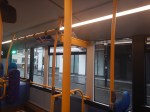
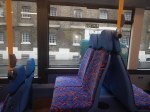
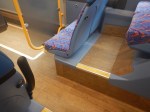
Note.
- The buses are battery-electric.
- This page is the bus’s home page.
- This bus is the short 10.2 metre long version.
- It was certainly a well-built, smooth-riding and comfortable bus, that was approved by my sensitive British bottom.
This Press Release from Wrightbus is entitled Wrightbus Sets Sights On Further European Expansion After Hydrogen Buses Land In Germany.
This is the sub-heading.
Leading zero-emission bus pioneer Wrightbus has announced plans for further expansion into Europe following the arrival of a landmark hydrogen bus order into Germany.
These are the first three paragraphs.
All of the 31 buses for operator Regionalverkehr Köln Gmbh (RVK) are now in situ – the first ever Wrightbus vehicles on European soil – with testing underway before the fleet goes into service across the Cologne region.
Named the fastest-growing bus manufacturer in Europe, Wrightbus has enjoyed a remarkable year. Alongside further hydrogen bus deals for Saarbahn, Vestische, Cottbus and West Verkehr, and the opening of a new European service centre in Bruhl, Wrightbus is also hiring staff to supply buses to France and Benelux.
In October, it also signed a landmark deal worth up to half-a-billion pounds to supply more than 1,000 buses to operator Go-Ahead over the next three years – 90 per cent of which will be zero-emission.
The press release says that deals are possible in France and Benelux.
New Tram-Like Bus Involved In Crash On Launch Day
The title of this post, is the same as that of this article on the BBC.
This is the sub-heading.
Transport for London (TfL) has said it is investigating after one of its new electric “tram-like” buses collided with a car on the day the new fleet was launched.
These are the three paragraphs of the article.
The Go-Ahead London bus was reportedly involved in the crash on Sevenoaks Road in Orpington, south-east London, on 20 November, when the new 358 buses came into service.
During a Bromley Council meeting, Labour councillor Kathy Bance said the bus collided with a car belonging to a Bromley Labour councillor’s wife.
A TfL spokesperson said no-one was injured and it was understood the collision was minor.
It appears to be very embarrassing, but not as serious, as it might have been.
If you go back to Edwardian times, there are tales of horses being startled by new-fangled motor-cars and charabancs, so could the councillor’s wife have been confused by this unusual looking bus?

I think it best to keep a watching brief, as to whether the bus did confuse the lady.
Wrightbus Signs Deal For Largest Ever Order
The title of this post, is the same as that of this article on the BBC.
This is the sub-heading.
Ballymena bus manufacturer Wrightbus has signed a deal to supply more than 1,000 buses to operator Go-Ahead over the next three years.
These are the first three paragraphs.
The company said it is the largest deal in its 78-year history and will be worth up to half a billion pounds.
Go-Ahead is an international transport group and one of the UK’s largest public service providers.
Wrightbus has had a strong 2024 with 786 buses registered so far this year and it now employs more than 2,000 people.
It finally looks like Wrightbus is securely on the road again.
City Airport May Help Others To Take Flight
The title of this post, is the same as that of this article on The Times.
This is the sub-heading.
The government’s decision to lift the cap on permitted passengers at London City airport is a compromise that could be a template for future growth
These are the first two paragraphs.
Planning decisions always upset someone. Still, credit to housing secretary Angela Rayner and the transport supremo Louise Haigh for annoying all sides with one of the first from the new Labour government: allowing London City airport to lift its cap on permitted passengers a year to nine million from the present 6.5 million.
Their verdict hacked off Newham council, which has long opposed the airport’s expansion, leaving it “deeply concerned” over the noise impact on local residents. It angered environmental campaigners, with Greenpeace saying it’d “undermine the UK’s climate leadership”. And it even “disappointed” the airport’s boss, Alison FitzGerald, who wanted an end to the 24-hour flight curfew from 12.30pm on Saturday but failed to get it pushed out to 6.30pm.
The government seem to have chosen a good compromise that has annoyed several parties.
The article goes on to argue, that we should make the best use of the thirty regional airports in the UK.
So shouldn’t the priority be to utilise regional capacity better, via airline and airport incentives if necessary, to minimise journey times to airports and spread the noise and air pollution around? Only then should ministers consider big new projects.
That seems very sensible to me.
Consider.
- Technology will bring us quieter and more environmentally-friendly aircraft, that will benefit those near the airport.
- Electric aircraft are closer to service entry than you think.
- Good public transport links to an airport, would surely cut car usage for both passengers and employees.
- Bus networks to many airports could be improved and made more attractive to passengers, by using modern electric or hydrogen buses. Even Gatwick is taking this route!
- Cranbrook station and Exeter Airport were supposed to have a bus link, but nothing has happened.
- Several airports are near main railway lines and it would be possible to build a station. It will be interesting to see how passenger traffic at the new Inverness station develops.
- East Midlands, Edinburgh, Glasgow, Leeds/Bradford and Liverpool Airports are larger regional airports, that are close, but not directly connected to the rail network.
- Carlisle and Exeter Airports don’t have the best of websites. Humberside sets a good standard.
- Doncaster Sheffield Airport has everything except a rail link and scheduled services.
Some of these improvements are not major and would surely be worthwhile, especially with a small amount of compromise.
Wrightbus Launches NewPower In Bicester
The title of this post, is the same as that press release from Wrightbus.
This is the sub-heading.
World-leading bus manufacturer Wrightbus today took the wraps off a bold new enterprise designed to replace older diesel engines with new zero-emission electric powertrains.
These three paragraphs from the press release give more details.
NewPower, which has moved into a hi-tech factory in Bicester, Oxfordshire, aims to speed up the decarbonisation process by eradicating diesel powertrains in older fleets at a substantially lower price than a new bus.
Wrightbus becomes the first OEM to offer a re-powering service, utilising the unique skills of its 1,800-strong workforce to swap diesel for electricity. Its master technicians built the original buses and have unrivalled expertise in being able to swap powertrains.
Hailed as affordable decarbonisation, it is hoped that operators with mid-life bus fleets but without the funding for new zero-emission buses can take advantage of the instant sustainability switch.
Note.
- It appears that Wrightbus, have taken over the new factory of failed electric van manufacturer; Arrival.
- Converting a bus takes three weeks and six can be handled at one time.
- This gives the overall capacity to decarbonise five hundred buses per year.
I have some extra information from this article in Sustainable Bus magazine, which is entitled Wrightbus Launches Repowering Programme NewPower In Former Arrival Headquarter.
Which Buses Can Be Converted And How Much Does A Conversion Cost?
This paragraph is from the Sustainable Bus article.
UK trade media Bus & Coach Buyer reports that the new venture “is focused on fitting its tailored electric drivetrain into Streetdeck buses, then tailoring it for Gemini 2, then New Route Master, with plans to then engineer solutions for other common buses, at around £1m per model”.
Note.
- That is certainly a comprehensive conversion programme.
- I would assume the million pound per model is the development cost of an engineering package for a fleet of buses.
- London would get a thousand refurbished zero-carbon New Route Masters.
- A new double-decker bus can cost between £300,000 to £500,000.
It looks like a programme can be developed, that is profitable for all parties.
The Crystal Palace Bus Charger – 19th September 2023
I went to see the new charger at Crystal Palace for the new Irizar ie trams that will be introduced on route 358.
I took these pictures.
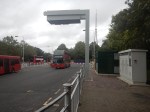
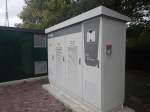
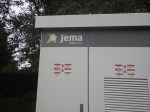
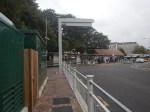

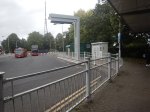
Note.
- It is not finished yet or someone has nicked the pantograph.
- Irizar seem to make their own chargers.
- It looks a well-designed installation.
This Spanish video shows the bus inside and outside.
I have a few thoughts.
The Specification Of The Bus
This document on the Irizar web site is the specification of the ie trams, that London are buying.
Passenger Capacity
According to the specification, these twelve metre long buses have a capacity of 97-99 passengers, with 21-28 seated, depending on layout.
Is that a bit tight? Especially, if people are carrying large cases.
Climbing Anerley Hill
I wonder how these buses will manage to climb Anerley Hill.
- This page on a cycling blog, rates the hill as the fourth stiffest in London.
- A typical Wrightbus or AlexanderDennis single-decker diesel bus has a kerb weight of 13-14 tonnes.
- The ie tram gives maximum front and rear axle loadings which total 21.2 tonnes. But that includes the passengers, which at 60 Kg each account for a lot of the difference in weight with the diesel buses.
- Anerley Hill has a rise of upwards of 30 metres.
Using Omni’s Potential Energy Calculator gives a figure of less than 2 KWh of energy needed to get up the hill.
That should be possible!
News Of The Bus
But there has been very little news on the Internet of these buses and their chargers, with the last story dated a year ago. Given Sadiq Khan’s love of publicity, does that mean anything?
Conclusion
It seems that Irizar have pulled out all the stops in the design of this bus.
Exploring London Bus Route 132
London Bus Route 132, is run by battery-electric buses and it the first in London to use opportunity charging.
These pictures show the route from North Greenwich to Bexleyheath Shopping Centre.










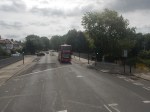
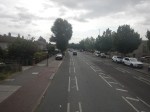



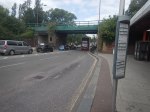
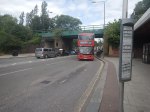

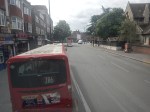

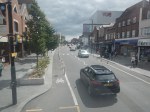



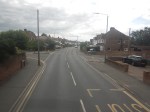

















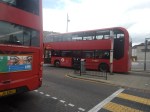

Note.
- These pictures were shot in two sections on the 3rd and the 6th of July 2023.
- The break was at Eltham station.
- Some sections of the route had a lot of cars.
- Some side roads were full of parked cars.
- There were large numbers of cars parked in front of houses.
There are my thoughts.
More will appear here over the next couple of days.
The Buses
The buses used on the route are Alexander Dennis Enviro400EV, which are built on a BYD Auto chassis.
They have a range of 160 miles.
The Route
The route has several inclines both ways and I estimate it is just under ten miles.
At North Woolwich, the bus didn’t appear to have a charge, but I can’t be sure.
But it disappear at Bexleyheath Shopping Centre and I was certain it went for a charge.
So is the operational philosophy to fill, the bus up overnight and then top the battery up every time, that it needs it at Bexleyheath.
A Comparison With A Similar Route In Birmingham That Has Hydrogen-Powered Buses
As the bus ran between North Woolwich and Bexleyheath Shopping Centre, I was comparing it, with the trip, I made across Birmingham, in hydrogen-powered buses, that I wrote about in Riding Birmingham’s New Hydrogen-Powered Buses.
Both were quality buses, but I felt the hydrogen bus had more power.
Opportunity Charging At Bexleyheath
If, buses need to be charged at the Bexleyheath Shopping Centre end of the route, where will they go?
This Google Map shows Bexleyheath Bus Garage in relation to the Shopping Centre.
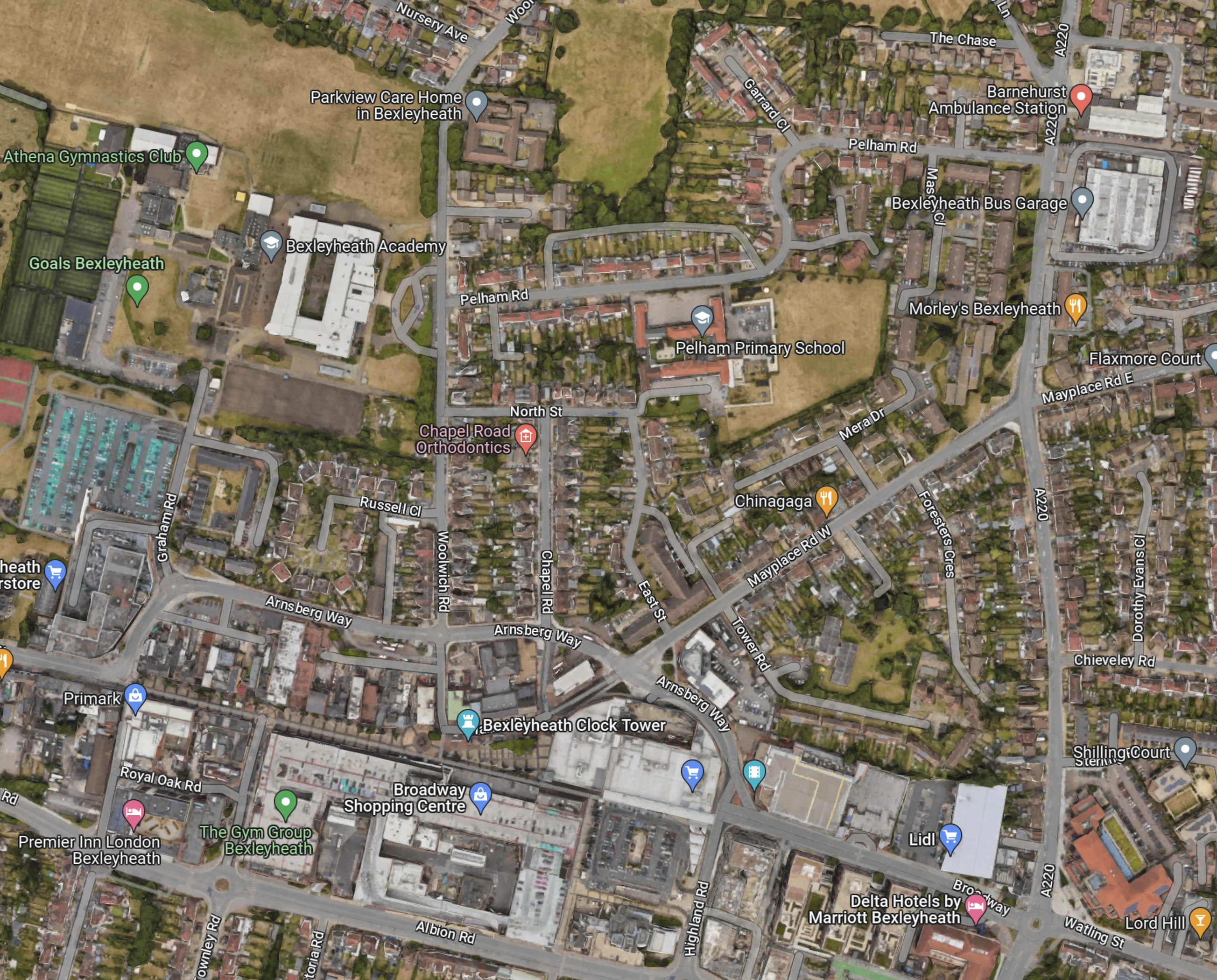
Note.
- Bexleyheath Bus Garage is in the North-East corner of the map.
- It looks like it shares a site with Bexley Fire Station and Barnehurst Ambulance station.
- So the garage is well located for any future lithium-ion battery fires.
- In the middle of the map at the bottom, is Bexleyheath Clock Tower, in the middle of the town centre.
- I estimate it’s less than two kilometres between Bexleyheath Bus Garage and the Shopping Centre.
This Google Map shows a close-up of the Western side of the Bexleyheath Bus Garage.
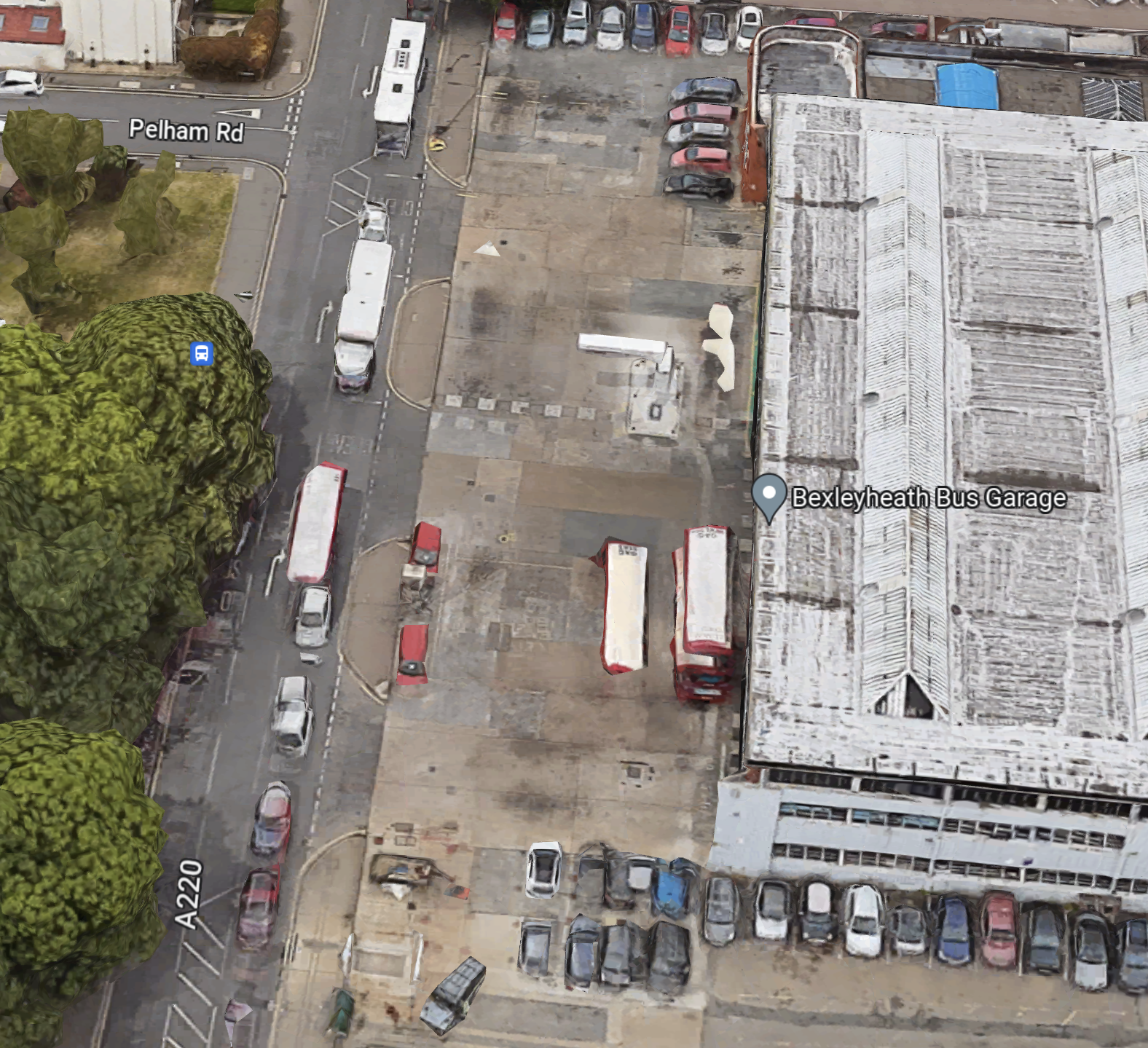
Note.
- The two buses parked by the side of the garage.
- Behind them a white arm reaches over towards the road.
- This is the charger and buses connect using a pantograph on the roof.
It could be an All-In-One Fast Charging Station AIO from Furrer+Frey.
The Electrical Connection At Bexleyheath Bus Garage
Consider.
- The bus garage shares a site with a fire station and an ambulance station, which surely must need a reliable power source.
- This is London’s first application of opportunity charging.
- There are improvements constantly happening to London’s struggling power network.
- It is a large site and I suspect there is space for a battery to boost power.
I would assume that Transport for London wouldn’t have chosen a bus garage with a dodgy power supply.
Could The Charger Be Solar-Powered?
This Google Map shows the roof of Bexleyheath Bus Garage.
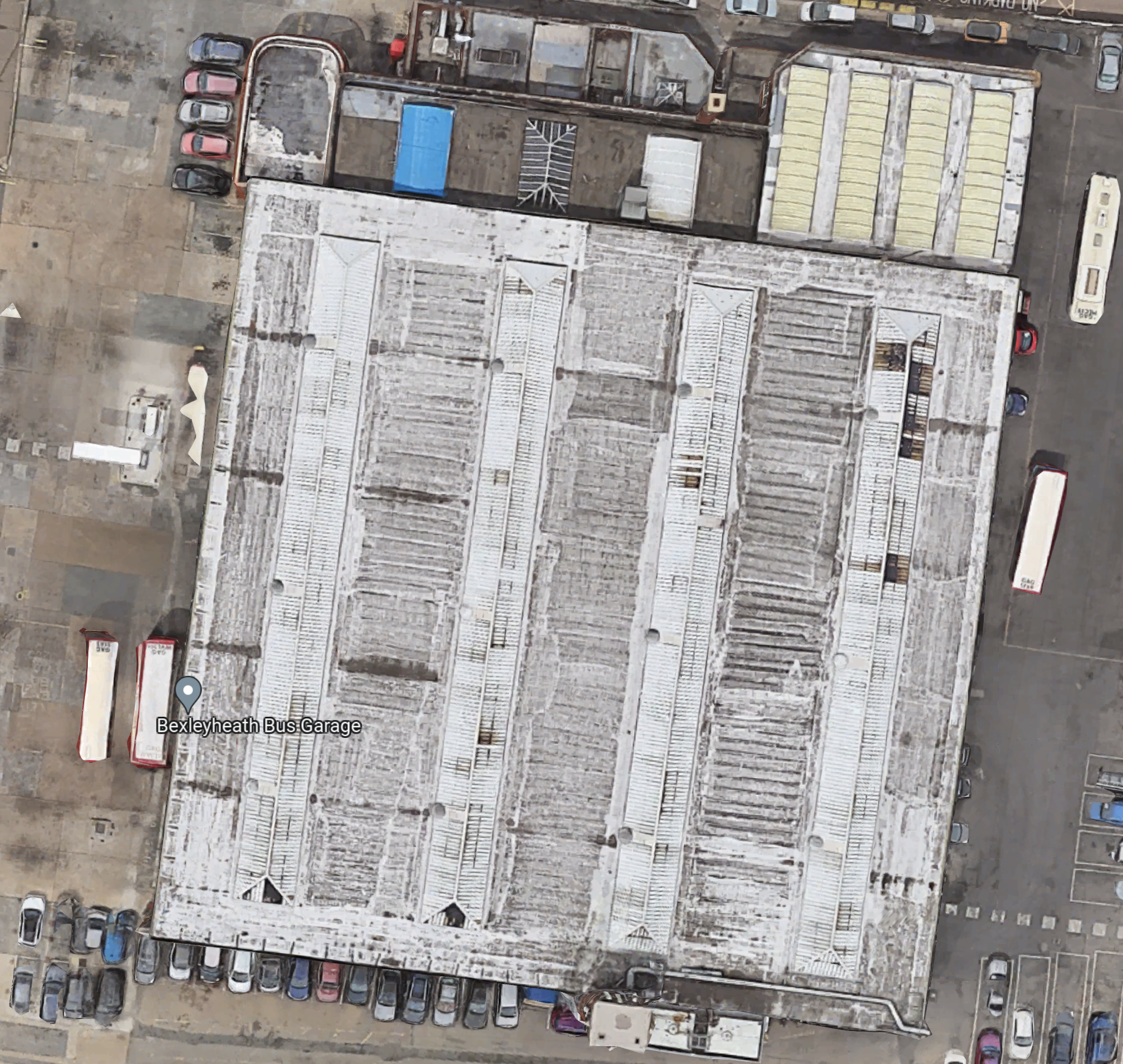
Note.
- It appears to be a square with a length of about six buses.
- It looks rather dirty.
I suspect that the roof could be replaced with a modern solar roof.
Hydrogen Or Electric
This article on RouteOne is entitled Enviro400FCEV Hydrogen Bus Fleet For Liverpool Debuts.
This paragraph describes the performance.
Alexander Dennis has chosen the heavy-duty variant of VEDS. It is designed to deliver up to 410kW of power, but the vehicle OEM says that in the Enviro400FCEV, output is limited to 350kW. Such an approach will maximise fuel economy while still enabling a high road speed and good hill climbing ability. Expected range is up to 300 miles.
So the range on hydrogen is nearly doubled.
Wrightbus’s outwardly similar electric and hydrogen buses have ranges of 200 and 280 miles, but filling times of 2.5 hours and 8 minutes.
The problem with hydrogen in London, is that the Mayor and Transport for London, don’t appear to have a hydrogen policy.
But I think, that hydrogen will win out in cities and areas, where hydrogen can be supplied.
I also believe that hydrogen has other advantages.
- There is likely to be significant progress in improving hydrogen-powered heavy vehicles.
- Hydrogen internal combustion engines are coming and could promise more affordable hydrogen buses.
- Better and more affordable methods to create green hydrogen are being developed.
- Some existing diesel buses will be able to be converted to buses powered by hydrogen internal combustion engines.
- Lithium-ion batteries have a high environmental footprint.
Hydrogen is also likely to be the fuel of choice for heavy trucks.
Goodyear Releases New EV Tire For Electric Metro Buses
The title of this post, is the same as that of this article on The Buzz EV News.
This is the sub-heading.
The new Urban Max BSAEV tire was designed in partnership with heavy-duty transit bus manufacturer Gillig.
This is the first paragraph.
The Goodyear Tire & Rubber Company has introduced its newest EV-ready tire for buses and transit fleets. The new Urban Max BSAEV (bus service all-position) tire was designed in partnership with Gillig, a manufacturer of American-built heavy-duty transit buses. The Urban Max BSAEV is the first Goodyear tire engineered specifically with low rolling resistance for EV transit and metro buses to help extend range and handle the increased load capacity, the company says.
This is an idea that could roll a long way.
Does your EV have low rolling resistance tyres?
 The Anonymous Widower