An Extreme Day Out – Bedlington And Northumberland Park Stations
This OpenRailwayMap shows the Northumberland Line and the Eastern part of the Newcastle Metro.
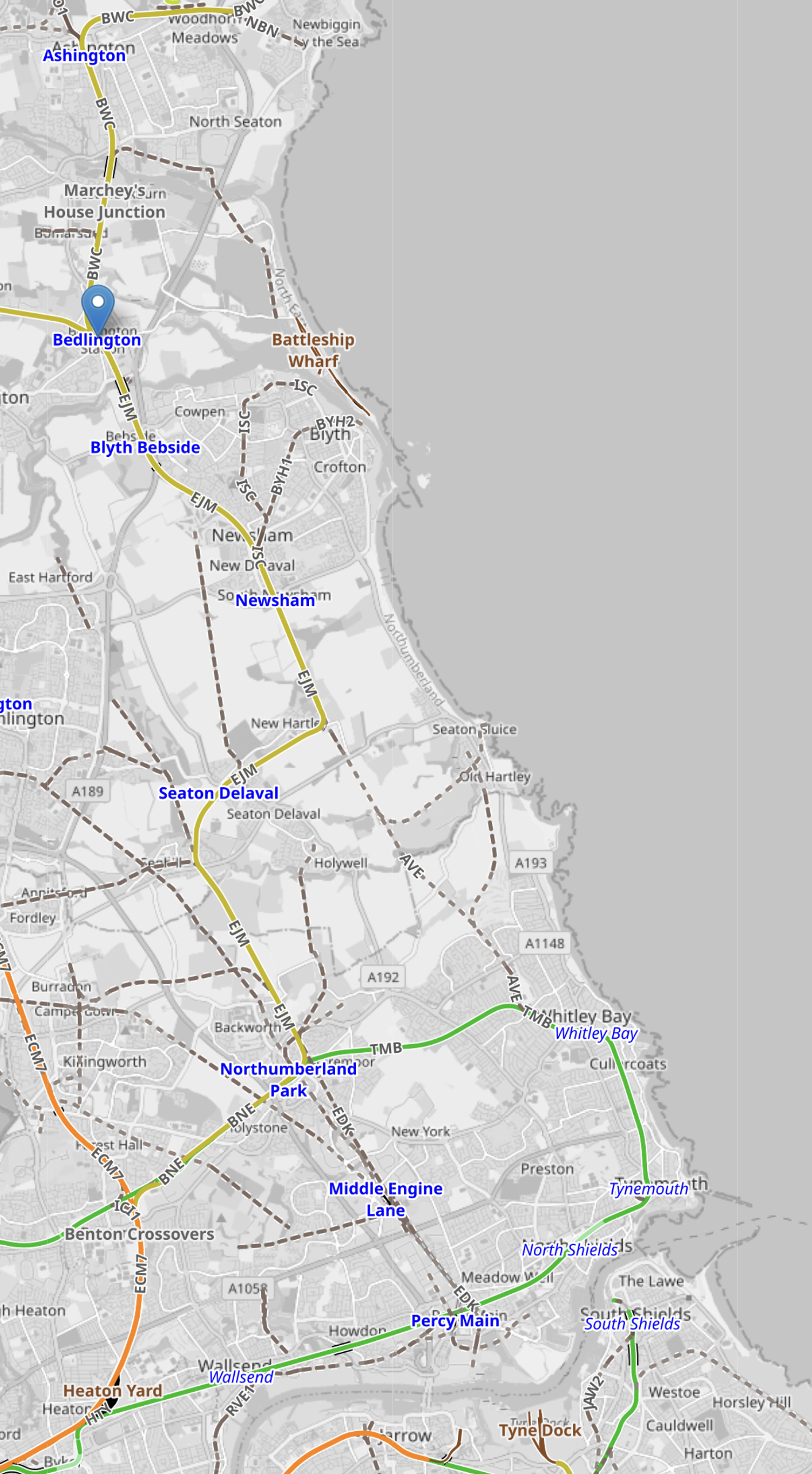
Note.
- The yellow track is the Northumberland Line.
- It terminates in the North at Ashington in the top-left corner of the map.
- Bebington station is indicated by the blue arrow.
- It terminates in the South at Newcastle station.
- The green track is the Newcastle Metro.
- There is now an interchange between the two lines at Northumberland Park station.
In the following sections, I’ll describe my trip.
King’s Cross And Newcastle Return For £66.35
I bought my two long distance tickets on a walk-up basis at King’s Cross and Newcastle stations from the machines.
- I traveled North on a Lumo service to Glasgow for £27.20.
- I did indulge myself with a tea for £2.60.
- I traveled South on an LNER service for £36.55.
- One of the reasons, I buy tickets on a walk-up basis, is that with my uncomplicated pancolonic diverticular disease, I might decide to cancel at the last minute, so it avoids the hassle of getting refunds.
Both services were within a few minutes of the timetable, although LNER had said they would be late, due to signalling problems.
My Route In Northumberland For £2.60
I bought a return ticket at Newcastle station for Ashington, which is the current terminus of the Northumberland Line.
- I actually didn’t go past Bedlington station, where I turned round and had a drink.
- As there are two trains per hour on the Northumberland Line, waits are not generally not too long.
- I only came back as far as Northumberland Park, where I swapped to the Metro for Newcastle station.
If I had had more time, I would have stopped at Seaton Delaval station to have a gluten-free dinner, which I wrote about in Seaton Delaval Station – 30th March 2025.
From Newcastle to Bedlington Station
I took these pictures going to Bedlington station.
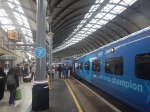



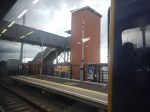
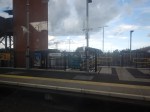

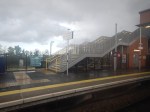
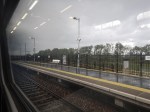



I would have taken more pictures, but the train was rather full.
Bedlington Station And Bedlington
I took these pictures at and around Bedlington station.
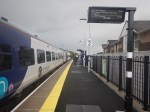
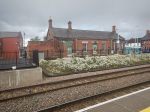
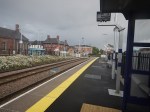
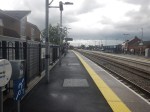
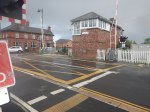
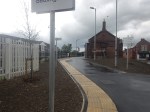


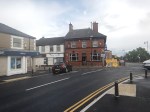

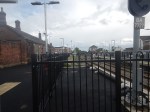
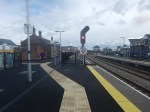
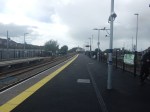
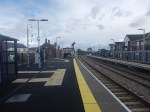
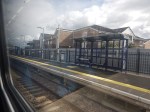

Note.
- Although it is a completely rebuilt station, it has a level crossing.
- But is the signal box keeping a watchful eye over trains and the road?
- Bedlington station appears to be step-free using ramps and the level crossing.
- Just to the North of the station, the tracks split to Ashington and Morpeth.
In my forty minutes or so in Bedlington, I didn’t see a terrier.
Are Any Bedlington Terriers Still Bred At Or Near Bedlington?
I had to ask Google AI, this question and I received this reply.
Yes, Bedlington Terriers are still bred in and around their namesake town in Northumberland, UK. While they are a relatively rare breed overall, the historic North East region remains one of the primary strongholds for these distinct “lamb-like” dogs.
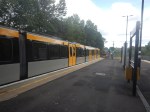
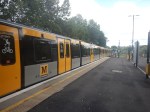
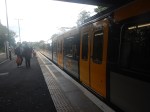
Northumberland Park Station
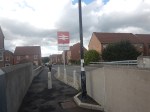
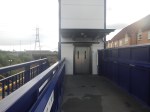
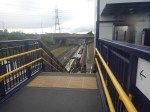
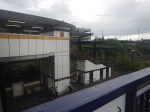
I took these pictures at Northumberland Park station.
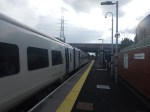
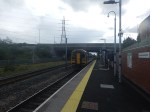
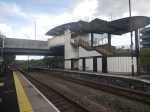
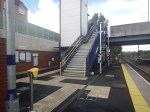
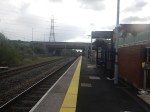
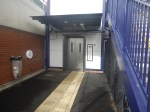

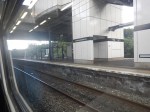
Note.
- The Northumberland Line uses a single bi-directional platform on the North side of the station.
- The Newcastle Metro uses an island platform on the South side of the station.
- Both platforms have steps and lifts.
- There are around 400 parking spaces and a Sainsbury’s Superstore at the station.
At 78, after a stroke, I didn’t find the change between the two lines difficult. But I did use the lifts!
What Are The Future Plans For The Northumberland Line?
I couldn’t resist asking Google AI this question and I received this answer.
With the Bedlington and Northumberland Park stations fully operational, the core phase of the Northumberland Line connecting Ashington to Newcastle is complete. Future plans now focus on route extensions, additional stops, and increasing capacity to handle high passenger demand.
Key Future Plans
Extension to the Coast: The North East Combined Authority is actively funding the development of an extension to Newbiggin-by-the-Sea, utilizing existing freight tracks. Planning submissions for this expansion are targeted for 2028.
New Station Proposals: Proposals are being explored to build an additional stop serving the Wansbeck General Hospital and to replace the long-closed Choppington station.
Increased Capacity: Operator Northern Rail is in ongoing discussions with transport partners to lengthen train services (which are currently constrained to two to four coaches) to help accommodate massive patronage on the line.
Integrated Ticketing: The Northumberland County Council is exploring integrated ticketing with the Tyne and Wear Metro to allow for seamless travel between the two networks at stations like Northumberland Park.
From my observations on the line over the last few years, I would go along with Google AI’s recommendations.
These are some specific thoughts.
Extension To Newbiggin-by-the-Sea
This OpenRailwayMap shows the tracks that used to exist between Ashington and Newbiggin-by-the-Sea.
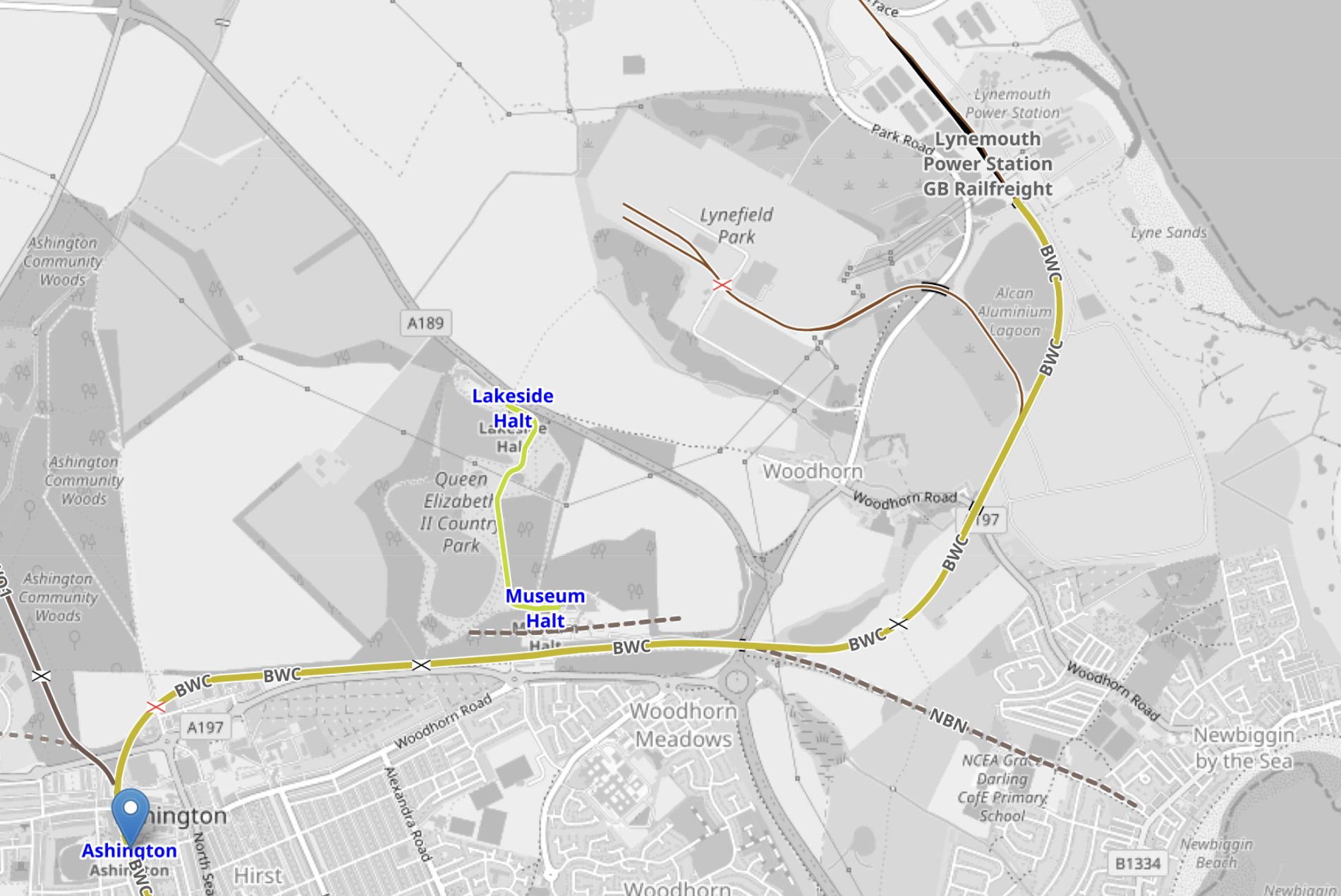
Note.
- Ashington station is in the South-West corner of the map.
- A freight line exists, which is shown in yellow, all the way to Lynemouth power station, which is a 420 MW biomass power station.
- Lynemouth powerstation was originally built to power an aluminium smelter.
- Running South-East from the Northumberland Line, is a disused railway alignment labelled NBN, which leads into Newbiggin-by-the-Sea.
This Wikipedia section describes the history of railway connection of the town.
Situated on the west side of Front Street (now the B1334), the station opened on 1 March 1872 as a terminus of the Blyth and Tyne Railway (now known as the Northumberland Line). The station had a long island platform onto which the station building faced. There were sidings on both sides of the station which handled goods traffic, controlled by a signal box. The station closed to both passengers and goods traffic on 2 November 1964. With the reopening of the Northumberland Line, Provisions have been made, especially at Ashington so that the line could be extended to Newbiggin. As of the end of 2025, there were calls to extend the railway by 1.6km (1 mile) into the centre of Newbiggin-by-the-Sea. This will require new track and is all subject to a feasibility study. A formal bid was launched in December 2025 for this.
In Formal Bid To Extend Railway Line, I wrote about the latest progress in January 2026, based on a BBC article.
The Northumberland Line Needs A Focus Other Than Commuting
Several of the stations have large car-parks, which is good for commuting, but the railway needs to serve more places for leisure and other activities.
- Seaton Delaval Hall is Grade 1 Listed and is just 10 minutes in a bus from the station with the same name.
- If the Northumberland Line is connected to Newbiggin-by-the-Sea, that could bring in those, wanting a day by the sea.
- The extended Northumberland Line would also connect to Woodhorn, which is a museum, described in this Wikipedia entry.
QTS are also developing an AI data centre at Cambois, which surely will generate commuter traffic from all over the North East.
This OpenRailwayMap shows the location of the QTS AI Data Centre.
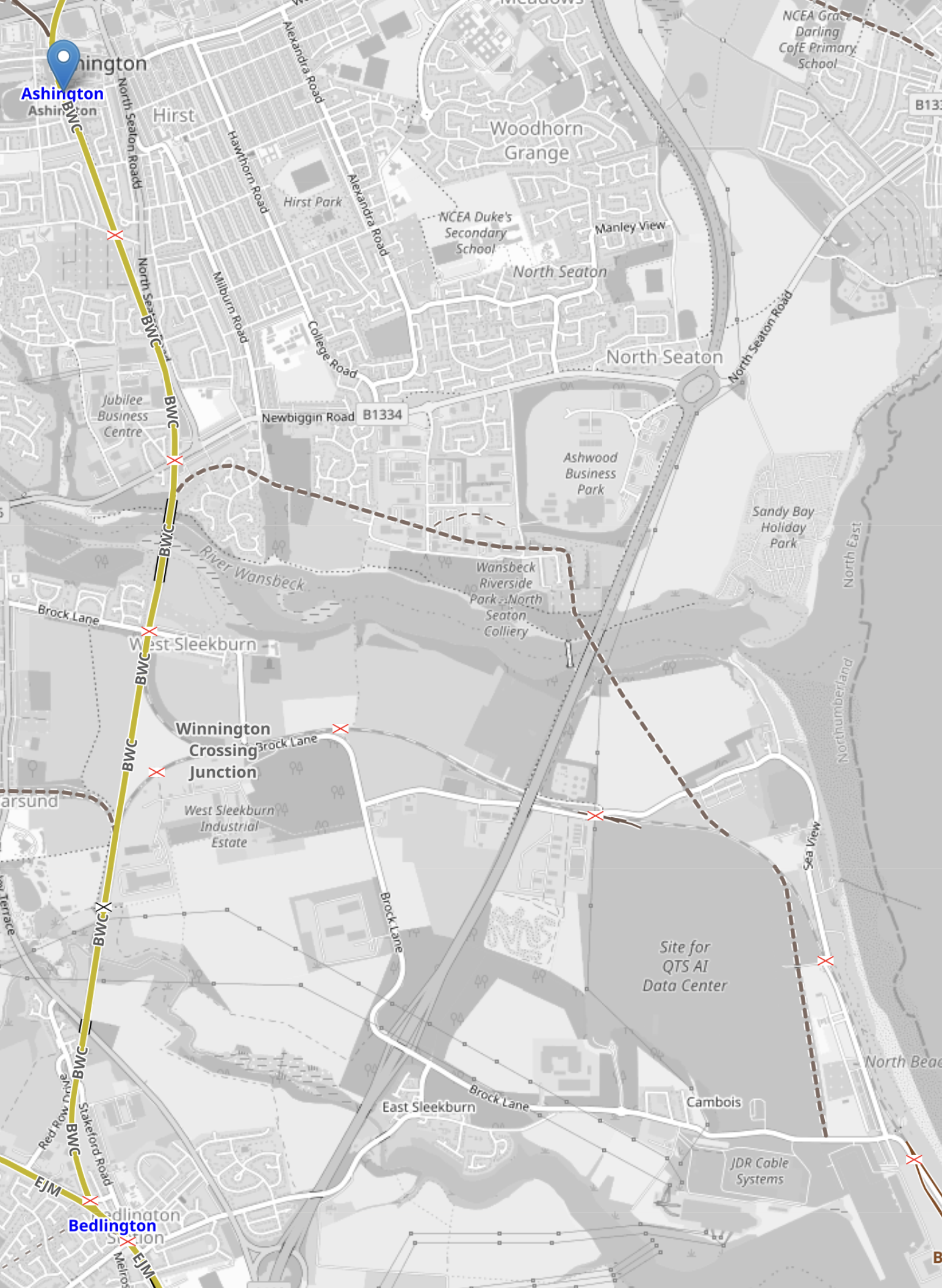
Note.
- Ashington station is indicated by a blue arrow.
- The yellow track is the Northumberland Line, which now terminates at Ashington station.
- Bedlington station is in the South-West corner of the map.
- The trapezoidal grey box to the East of Bedlington is labelled as Site for QTS AI Data Centre.
- As the site, was that of Blyth coal-fired power station, before QTS acquired it, there is a disused railway line that connects the site to the Northumberland Line.
I suspect there are powerful economic arguments about whether or not, the Northumberland Line is extended to the QTS AI Data Centre site.
How Much Power Will QTS Cambois Data Centre Need?
I couldn’t resist asking Google AI this question and I received this answer.
The proposed QTS Cambois data centre in Northumberland is expected to require between 620MW and 720MW of critical IT power capacity, with an initial proposal capacity of up to 1.1GW.
Details on the planned power infrastructure include:
Power Capacity: The facility will support up to 720MW of critical IT capacity across ten planned buildings, though some council estimates cite an expected total power capacity of 620MW.
Backup Power: To guarantee uptime and handle power outages, the campus will rely on nearly 600 diesel-powered generators, requiring up to 58 generators per data hall.
Site Details: Located on the former Blyth Power Station site in Cambois, the £10 billion development will span 540,000 square metres.
My views on this are.
- There is the 1.4 GW North Sea Link from Blyth to Norway, that I wrote about in UK To Norway Sub-Sea Green Power Cable Operational.
- The 4.1 GW Berwick Bank wind farm is planned to send 1.8 GW to Blyth.
- To help if QTS need more power, there is the 1.4 GW Sofia wind farm.
- So 1.1 GW should be manageable, as Blyth is blessed with more power than Niagra Falls.
I also believe that Centrica and Delta have a much better backup solution, that I described in Delta And Centrica Launch Scalable Off-Grid Fuel Cell Power Solution. Hydrogen could come by pipeline or rail.
How Would The Northumberland Line Connect To Wansbeck Hospital?
This Google Map, shows the location of Wansbeck General Hospital with respect to Ashington station.
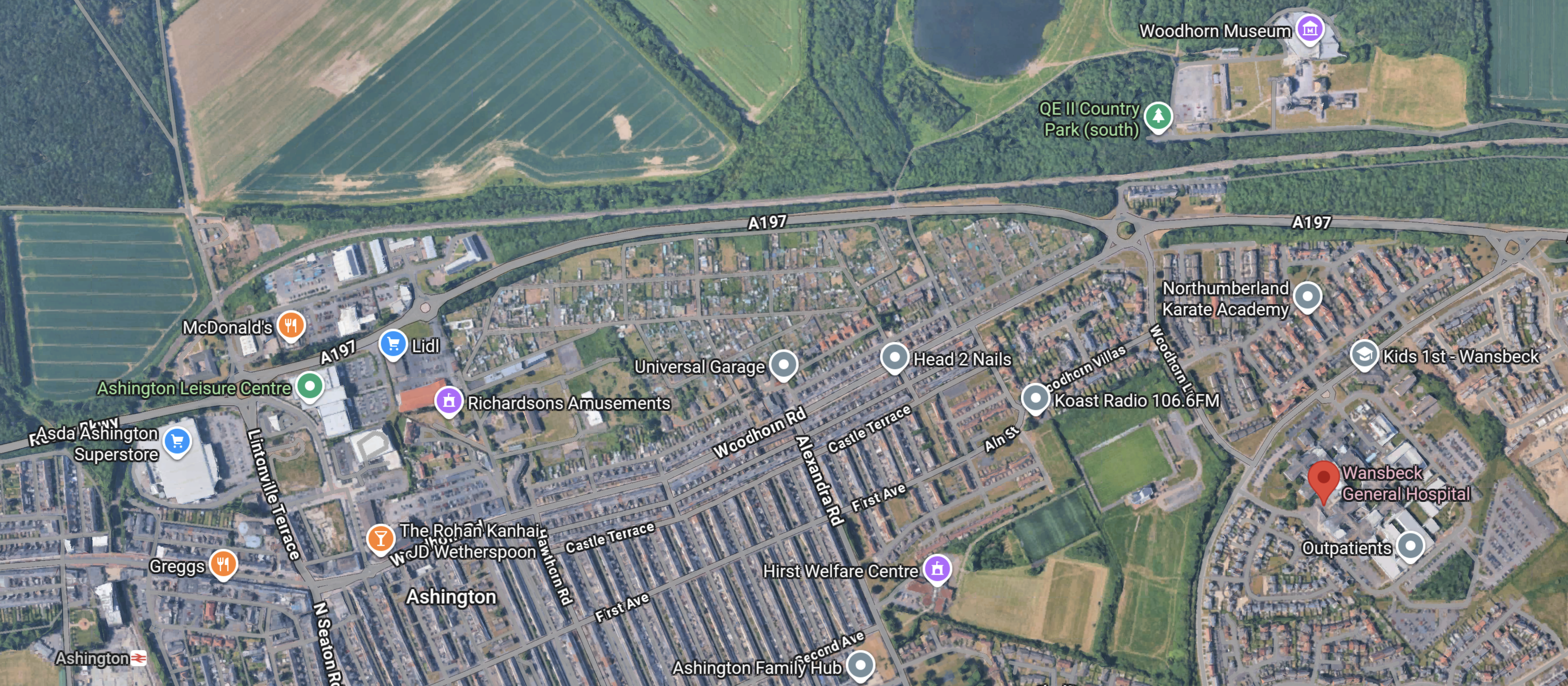
Note.
- Ashington station in the South-West corner.
- Woodhorn museum is in the North-East corner.
- Wansbeck General Hospital is indicated by a red arrow.
- The Northumberland Line runs East-West to the South of the museum and then curves round to reach the station.
Perhaps the station could go between the museum and the hospital and an innovative shuttle would connect all three locations.
How Would The Northumberland Line Connect To Choppington?
This Google Map, shows the location of Choppington, with respect to Morpeth and Bedlington stations.
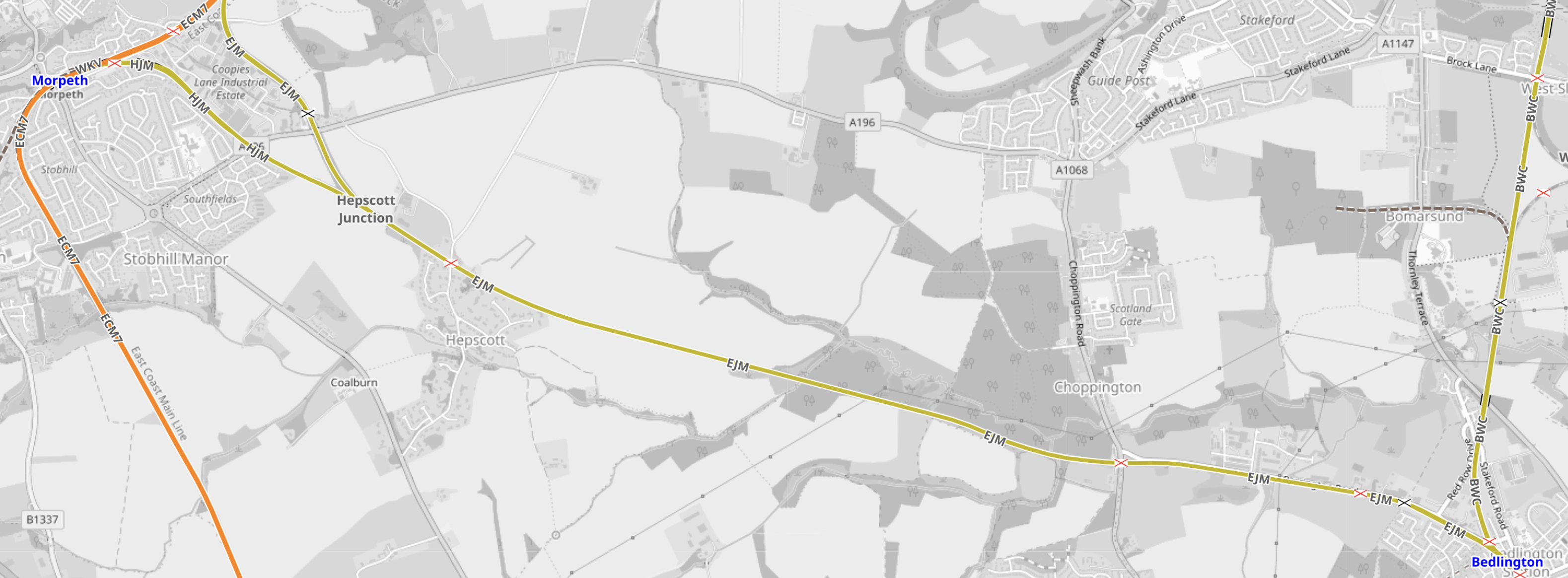
Note.
- The orange track on the West side of the map is the East Coast Main Line.
- Morpeth station is in the North-West corner of the map.
- Bedlington station is in the South-East corner of the map.
The Eastern end of the Bedlington and Morpeth Line can be seen in this picture to the left of Bedlington North signal box at the Northern ends of the the platforms.
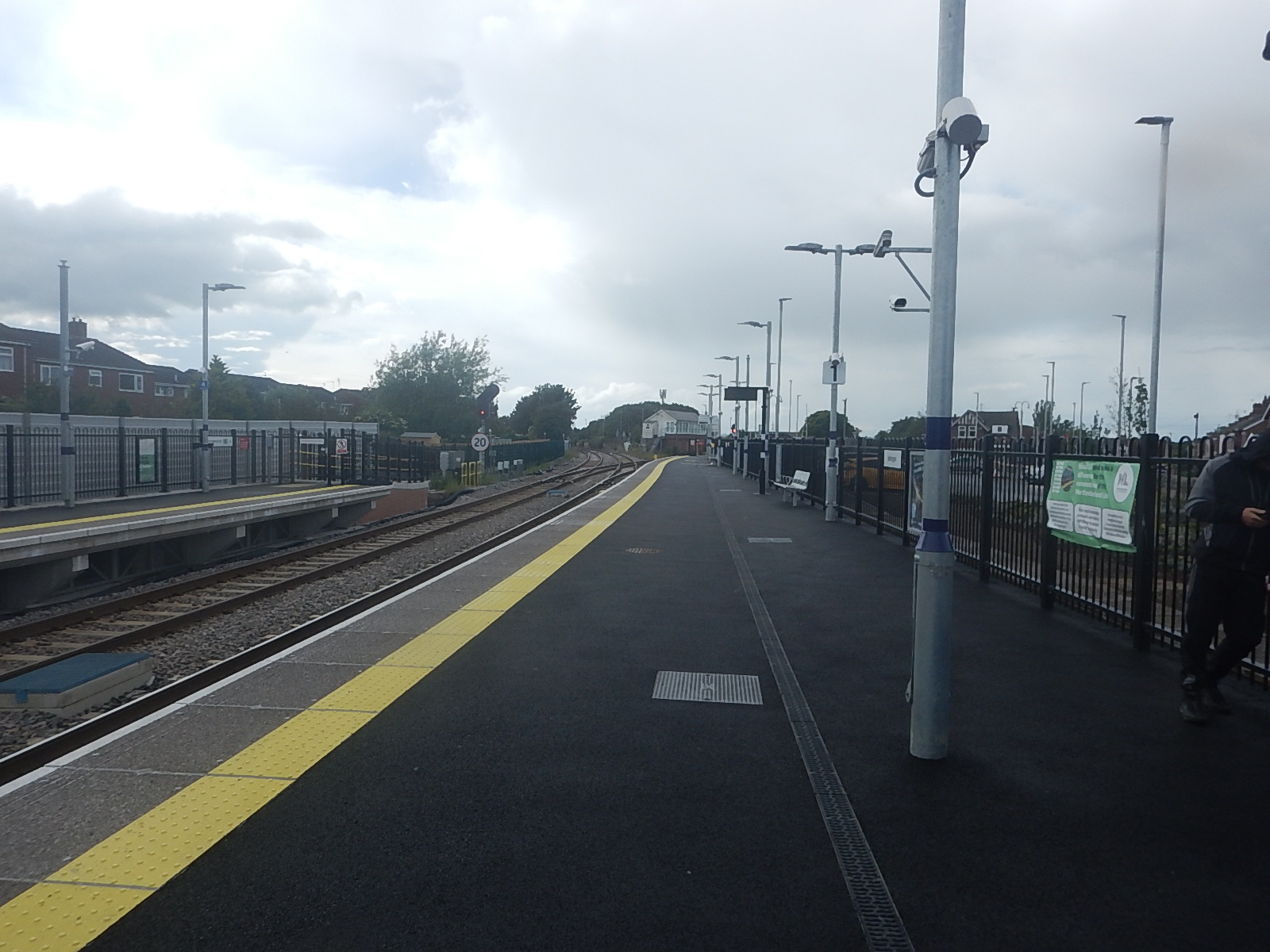
Note.
- Bedlington North signal box has a communication mast behind it.
- The track to the left of the box goes to Morpeth.
- The track to the right of the box goes to Ashington.
This OpenRailwayMap shows Choppington Road, which crosses the Bedlington and Morpeth Line at the only level crossing between Bedlington station and Hepscott junction.
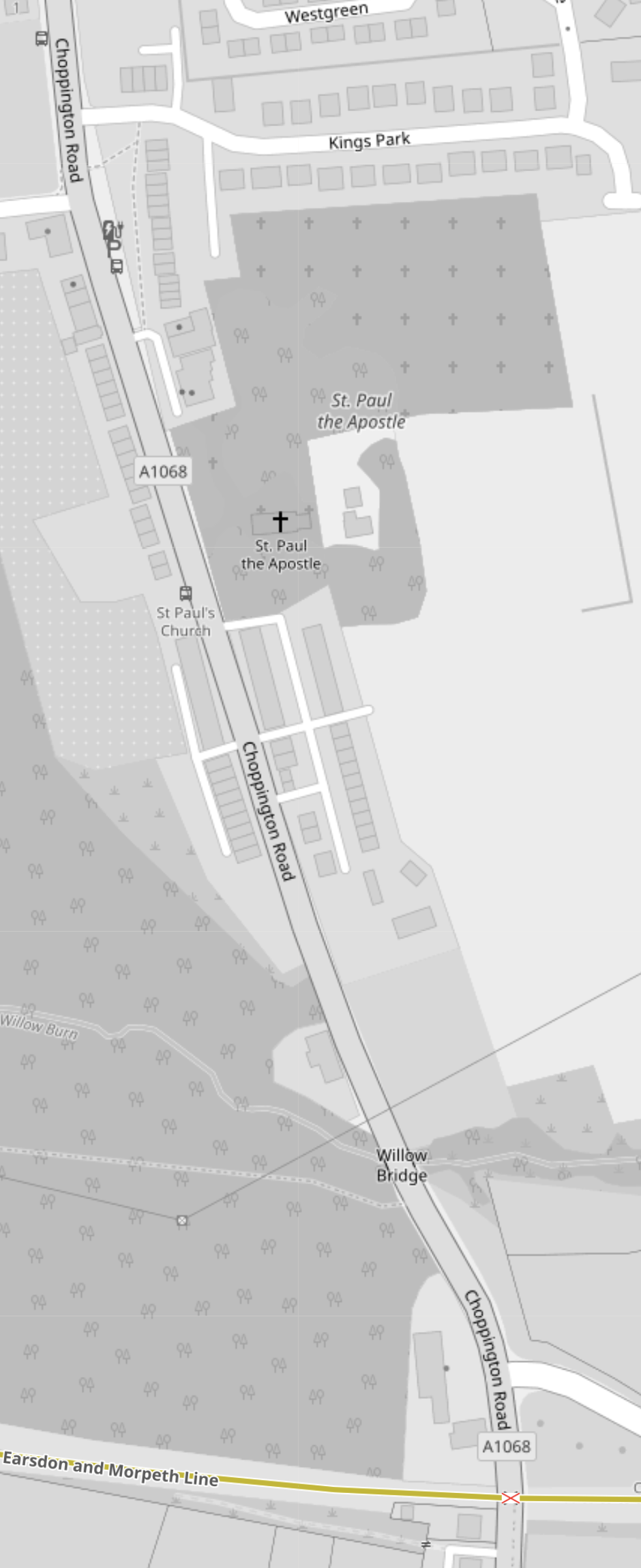
Note.
- Choppington Road, which runs North-South on the map.
- The yellow tracks are the Morpeth and Bedlington Line, which runs East-West across the map.
- Where they cross, a red cross indicates a level crossing.
- The Wikipedia entry of Choppington station shows a level crossing.
As the level crossing on the map is the only one shown, this must be the location of Choppington station.
£10bn Investment In AI Data Centre Confirmed
The title of this post, is the same as that of this article on the BBC.
This was the sub-heading.
A £10bn investment in a new artificial intelligence data centre will create about 4,000 jobs, the government has said.
These two paragraphs add more details.
The site in Cambois, near Blyth, Northumberland, will become one of Europe’s biggest AI data centres.
The land was bought by private equity giant Blackstone earlier this year, after the collapse of Britishvolt which had planned to build an electric car battery factory on the site.
In My First Trip On The Northumberland Line – 18th December 2024, I said this after my first trip to the line.
The Blyth Valley Is Well Supplied With Electricity
Several high-capacity connections to wind farms and Norway are planned to come ashore at Blyth and it appears from the pictures that the area is well connected to the grid.
This must have nudged Britishvolt to put their battery plant at Blyth.
But no matter for those jobs, as with a rail service to Greater Geordieland and lots of electricity, there must be other energy-hungry businesses like datacentres or small modular reactor factories, who would want the site.
The Long Platforms
I am fairly sure that some of the platforms have been sized to take a five-car Hitachi Class 80x train, which are only 130 metres long and can carry around 400 passengers.
This must enable the ability to use the Northumberland Line as a diversion for the East Coast Main Line.
Some services could perhaps stop at Blyth for the large factories and/or Northumberland Park for the Metro.
It looks to me, that the Northumberland line was designed for large factories or businesses with lots of workers, that needed lots of electricity.
Northumberland Line On Track As Approval Granted
The title of this post, is the same as that of this article on the BBC.
These are the first three paragraphs.
A new rail line in Northumberland – including six new stations – is on track after getting ministers’ support.
The aim is to open the stations and upgrade track between Newcastle and Ashington by December 2023.
Following an inquiry, the government has granted a Transport and Works Act Order (TWAO) authorising the closure of level crossings and purchase of land.
Northumberland Council said it was a “key milestone”.
These two paragraphs describe the project.
Construction work on the line is due to start this summer.
It is planned to run a half-hourly passenger service along the 18-mile line, stopping at Bedlington, Blyth, Bebside, Newsham, Seaton Delaval and Northumberland Park Metro station.
We need more rail reopening like this to level-up the country.
Tyne And Wear Metro: Swiss Firm Stadler To Build New Fleet
The title of this post is the same as that of this article on the BBC.
This is the introductory paragraph.
Swiss firm Stadler has won a £362m contract to build a new fleet of trains for the Tyne and Wear Metro.
And this is one of Stadler’s visualisations of the trains for the Tyne and Wear Metro (T & W).
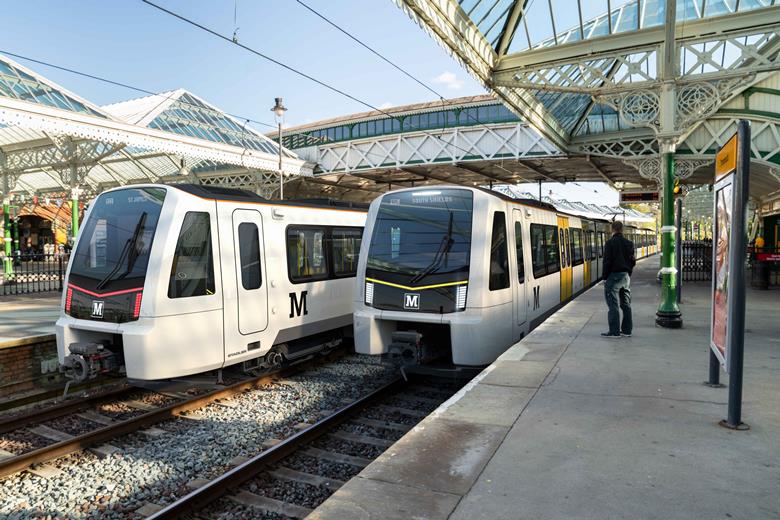
Compare this with a Stadler picture of a Class 777 train, that will soon be appearing on Merseyrail in Liverpool.
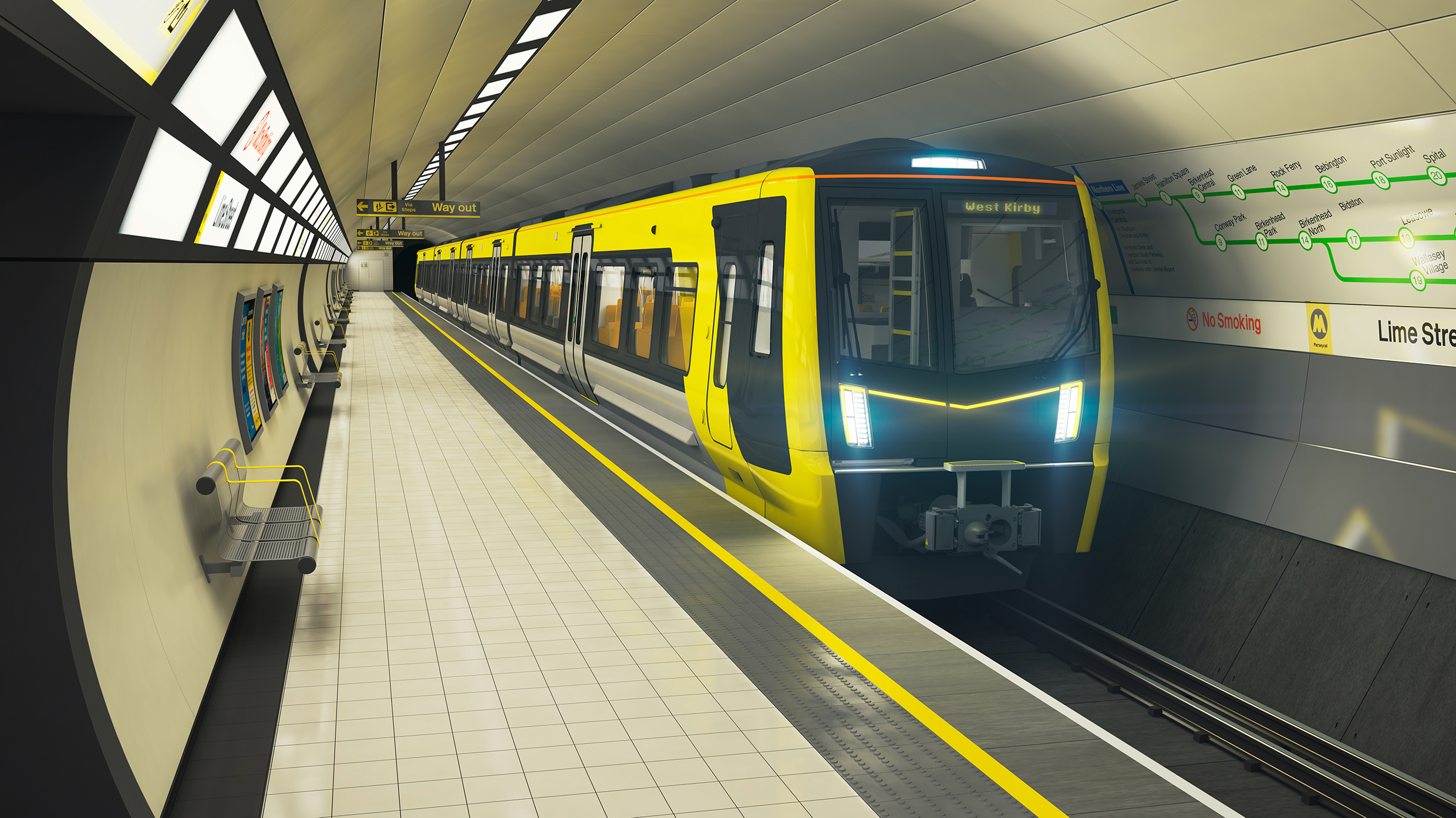
They would appear to be two very similar trains.
- The same headlights and stylised M on the front.
- One pair of double passenger doors in the first car.
- Both new trains are articulated with four sections.
- Train widths are Merseyrail Old – 2.82 metres, T & W Old – 2.65 metres and Merseyrail New – 2.82 metres.
- The Merseyrail trains have a 75 mph operating speed and the T & W trains have one of only 50 mph.
The T & W trains have a pantograph and overhead electrification and the Merseyrail trains use third-rail electrification.
More Details On The Tyne And Wear Trains
This page on the NEXUS web site is entitled Nexus Unveils £362m New Tyne And Wear Metro Trains.
This is two paragraphs.
The new trains will cut Metro’s high voltage power consumption by 30% while providing 15 times better reliability than the current fleet. Metro’s 36 million passengers will benefit from modern features including wifi, charging points, air conditioning and a step-change in accessibility.
Among new features will be an automatic sliding step at every door of the new trains, making travel easier for Metro’s 50,000 wheelchair passengers as well as people with children’s buggies, luggage or bicycles.
The size of the energy saving, indicates that the trains will probably be using regenerative braking.
As it has been disclosed that the new Merseyrail trains will have a small battery for depot movements, will this also be used to handle the regenerative braking.
More details of the trains will be disclosed in the coming months.
Merseyrail And The Tyne And Wear Metro Are Similar
I have ridden Merseyrail many times and the Tyne and Wear Metro perhaps five times and it is surprising how similar the two systems are.
- They are partly in tunnel.
- There are a range of stations, including both ancient and modern, simple and complex.
- Merseyrail is powered by 750 VDC third rail electrification and T & W by 1500 VDC overhead electrification. The power electronics on the two fleets, won’t be that different.
- Both operators have ambitions to use 25 KVAC overhead electrification to extend services.
- Both operators have ambitions to extend services on lines, that currently have no electrification. Merseyrail want to go to Preston, Skelmersdale, Warrington and Wrexham and T & W want to go to Blyth and Ashington along the Northumberland Line.
It is no surprise to me, that Merseyrail and T & W have chosen to use two versions of the same Stadler train.
Expansion Of The Networks
Both networks are ambitious and it appears to me, that they have ordered a train, that could be used to expand their networks.
Merseyrail
Merseyrail have proposed these expansions at various times.
- Extension of the Northern Line from Ormskirk to Preston
- Extension of the Northern Line from Hunts Cross to Warrington
- Incorporation of the Borderlands Line from Bidston to Wrexham into the Wirral Line as a new branch.
- A new branch of the Northern Line to Skelmersdale via the new station at Headbolt Lane.
- Passenger services on the Canada Dock Branch.
Merseyrail now have the trains to handle this expansion.
- They may need to purchase a few extra trains.
- Some charging points or electrification may be needed.
Note that Bidston and Wrexham is less than thirty miles of unelectrified line, so I suspect that the new trains can handle this range.
Other places within a similar range include.
- Preston from Ormskirk
- Wigan Wallgate from Kirkby
- Manchester Oxford Road from Hunts Cross, via Warrington Central.
- Chester from Liverpool Lime Street via Runcorn, Frodsham and Helsby.
The four terminal stations all have existing bay platforms.
Tyne And Wear Metro
The Tyne And Wear Metro have proposed these expansions at various times.
- Sunderland city centre to Doxford Park
- South Shields to Sunderland
- Washington, either via the disused Leamside line or a new route
But as the Government is funding a study into linking Blyth and Ashington to Newcastle, which I wrote about in £500m Fund To Restore Beeching Rail Cuts Goes Ahead Amid Criticism, I wouldn’t be surprised that this route is developed.
A lot of my comments about expanding the Merseyrail network, can be applied to the T & W.
- They may need to purchase a few extra trains.
- Some charging points or electrification may be needed.
None of the proposed extensions seem particularly long and places like Blyth, Ashington and Washington should be able to be reached on battery power.
Tram-Train Operation
The Wikipedia entry for Merseyrail has a section called tram-trains.
Two possible routes are indicated.
- Liverpool Lime Street to John Lennon Airport, using street-running from Liverpool South Parkway.
- Kings Dock to Edge Hill
I have heard others mentioned.
The Wikipedia entry for the Tyne and Wear Metro also mentions street-running.
Stadler have extensive experience of trams and tram-trains and built the Class 399 tram-trains for the Sheffield Supertram.
Stadler also provided the trains for the unique tram-train system in the German town of Zwickau, where diesel multiples units share the tram tracks to access the town centre.
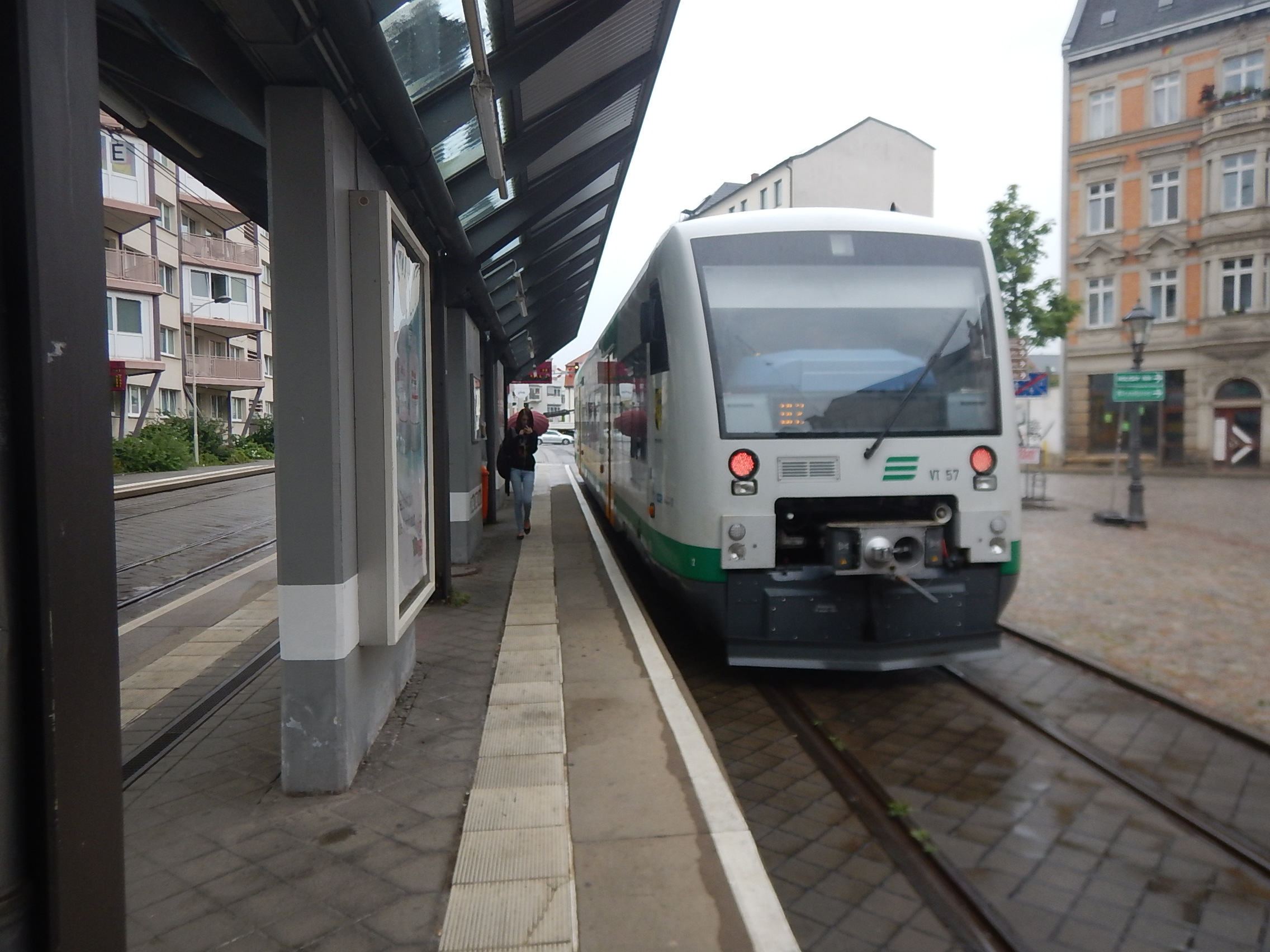
The picture shows the train at its stop in the centre.
I’m sure Stadler know how to enable street-running with the UK’s smaller trains.
Stadler’s trains, trams and tram trains also seem to have a high degree of articulation and seem to be able to take tight corners with ease.
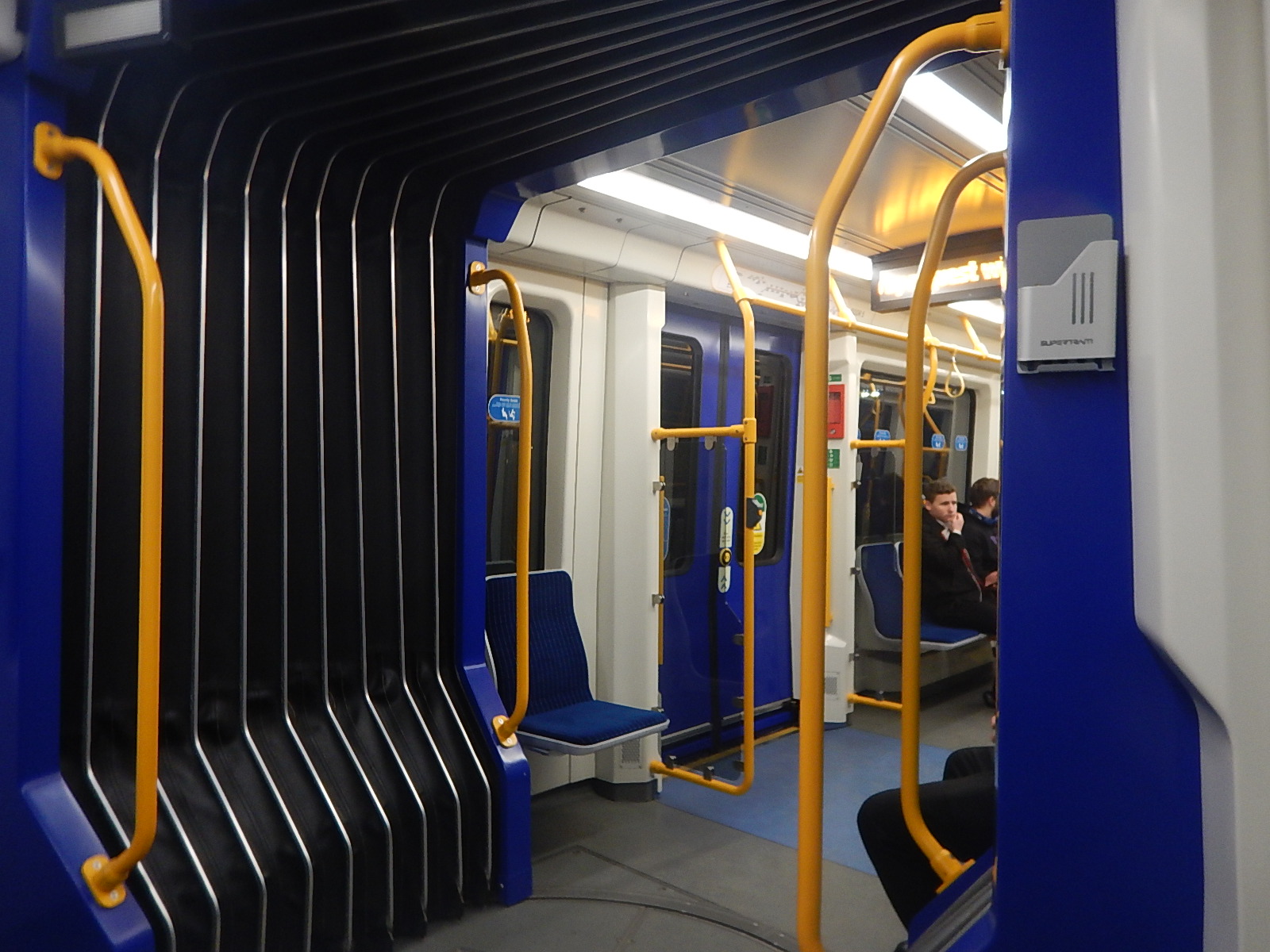
The picture was taken inside a Class 399 tram-train, as it traversed the tight curve under the M1 motorway, where the tram and the train sections of the route to Rotherham join.
Looking at the pictures of the Class 777 trains, I feel they could be able to take tighter curves than most trains.
The Dead Elephant In The Room
Several local services on Merseyside and in the North East are run by Northern, which is now being taken over the Government.
The Department for Transport, hasn’t disclosed any plans yet, but it is likely that some routes could be handed to Merseyrail and the T & W.
There is a loose precedent for this happening. In North-East London the poorly performing Lea Valley Lines from Liverpool Street to Chingford, Cheshunt and Enfield Town were moved from Greater Anglia to London Overground in 2015. No-one feels they should be returned and there are rumours that more services in the area will move to the London Overground.
So what services could be moved?
Merseyrail
These diesel services could surely be moved to Merseyrail.
- Omrskirk and Preston – 16 miles
- Liverpool Lime Street and Manchester Oxford Road via Warrington Central – 27 miles
The distances are the length of track without electrification.
It could also be argued that Greater Manchester would get its share of the Northern routes, but I can envisage Class 777 trains or similar running the following routes.
- Southport and Manchester Victoria – 27 miles
- Kirkby and Manchester Victoria – 28 miles
As before, the distances are the length of track without electrification, but these could be reduced considerably with electrification from Salford Crescent to Wigan Wallgate.
It should be noted that Greater Manchester has ambitions to run tram-trains to Wigan Wallgate via various routes.
The demise of Northern probably allows these routes to be taken over by Greater Manchester.
- Manchester Piccadilly and Buxton – 16 miles
- Manchester Piccadilly and Hadfield/Glossop – Electrified
- Manchester Victoria and Blackburn – 14 miles
- Manchester Victoria and Clitheroe – 24 miles
- Manchester Victoria and Rochdale – 11 miles
- Manchester Victoria and Stalybridge – 8 miles
- Manchester Victoria and Wigan Wallgate – 10 miles
Again, the distances are the length of track without electrification.
Buxton and Clitheroe could be difficult because of the gradients involved, but as in South Wales, bi-modes might be the solution if the routes were run back-to-back.
This simple analysis shows how Northern’s demise will ask questions all over the North.
Tyne And Wear Metro
These diesel services could surely be moved to the T & W.
- Newcastle and Morpeth – Electrified
- Newcastle and Chathill- Electrified
I also think, that these services could be restructured, if the Blyth and Ashington routes are developed for the T & W.
The trains could also reach to Hexham, which is just 22 miles from electrification.
Middlesbrough is probably too far, as the station is thirty five miles from the electrification at Sunderland.
But electrification of the Durham Coast Line would allow the T & W Metro to serve the new station at Howden and reach Middlesbrough and possibly Nunthorpe.
Conclusion
I can see both Merseyrail and the Tyne and Wear Metro significantly extending their networks in the next few years.
The new trains, with their batteries and dual-voltage capability are built for expansion.
Tram-train or street running will help.
Several important new areas are within battery range.
I can also see other cities using similar Stadler technology to create local Metros.
Manchester, Middlesbrough, Preston and Sheffield come to mind.
Using similar technology would surely allow joint services and sharing of knowledge and designs to enable cost savings.
£500m Fund To Restore Beeching Rail Cuts Goes Ahead Amid Criticism
The title of this post is the same as that of this article on the BBC.
This is the introductory paragraph.
A government fund is to be launched later to restore historic railway lines closed more than 50 years ago under the so-called Beeching cuts.
The two initial grants are for studies about reopening the Northumberland Line to Blyth and Ashington in the North East and to Fleetwood to the North of Blackpool.
Blyth And Ashington
Consider.
- The tracks already exist.
- There may still be some freight traffic on the route.
- Connections to the Tyne and Wear Metro appear possible.
- The Tyne and Wear Metro already shares tracks with other freight and passenger services.
- New stations and probably new signalling will be needed.
- The distance between the proposed Northern terminals and the connections with the Tyne and Wear Metro are under twenty miles, which could make battery operation easily possible.
- The Tyne and Wear Metro is currently procuring a new fleet of trains.
I believe that these branches could be integrated into the Tyne and Wear Metro, providing that the new trains have the right specification.
Light rail vehicles like the Class 398 tram-trains being procured for the South Wales Metro should be able to run these services.
But other manufacturers might have better solutions!
Fleetwood Branch
This extension would need the following.
- Restoration of the existing track between Poulton-le-Fylde and Fleetwood.
- One or more new stations.
- Probable resignalling.
In a simple installation, there is probably space to put a bay platform in Poulton-le-Fylde station, so that a shuttle service could be run to Fleetwood.
But services could also be extended to Preston.
Blackpool though has other rail problems like what are they going to do with the Blackpool South Line.
I believe Blackpool could use similar solutions on both the Blackpool South and Fleetwood Lines to create a bigger solution for the whole of the area.
Conclusion
It looks to me that the government has started with two schemes that are possible and where the track still exists.
It is to be hoped that the two studies come up with easy-to-build and fundable schemes, which are the first of many.
Tories Win Blyth Valley
Wikipedia doesn’t say when Blyth Valley, last elected a Tory MP. But it was before 1950.
The Green Party seemed to have polled more votes than was expected.
It has been suggested that the railways through the area, which were closed in the 1960s, when Harold Wilson was Prime Minister, be reopened.
Did this have an effect?
If I was Boris, I’d make sure the railway lines in the area were reopened.

